
The Significance of Sacrifice: Exploring Ritual Practices in the PreIncan Andes

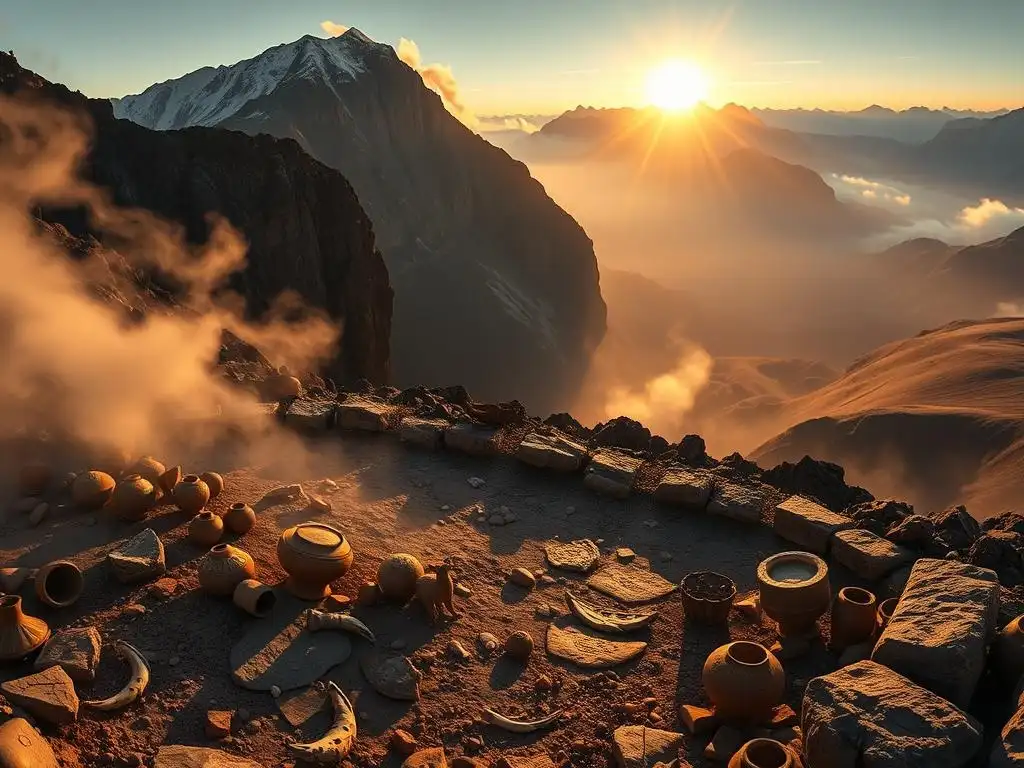
Uncover the enigmatic world of the Andes, where towering mountains held secrets as profound as their peaks. For centuries, the echoes of ancient civilizations – the Incas, Moche, Nazca, and Tiahuanaco – have whispered tales of breathtaking artistry, ingenious engineering, and a complex spiritual life. But what truly drove these societies? Delve into the captivating realm of Andean sacrifice rituals, a practice far more nuanced than mere brutality, and discover the surprising truths hidden within these captivating Pre-Incan cultures of the Highlands. Prepare to be amazed.
The Andes Mountains, a spine of towering peaks running down the western coast of South America, were not only a formidable geographical barrier but also the cradle of numerous sophisticated pre-Columbian civilizations. For centuries, these cultures—including the Moche, Nazca, Tiahuanaco, and others—developed complex societal structures, intricate artistic traditions, and remarkable engineering feats.
Central to understanding their worldview and societal dynamics is the crucial role of sacrifice. This article delves into the multifaceted significance of sacrificial practices in the pre-Incan Andes, exploring the diverse forms they took, their societal implications, and their enduring legacy in our understanding of these fascinating Andean cultures.
We will examine the evidence, disentangle the myths from the realities, and ultimately aim to appreciate the profound complexity of these ritualistic practices within their specific cultural contexts. Understanding Andean sacrifice rituals is essential to grasping the full scope of Andean societal structures and their relationship with the spiritual world.
Types of Sacrificial Offerings in the Pre-Incan Andes
The Andean civilizations practiced a variety of sacrificial offerings, ranging from the seemingly mundane to the spectacularly elaborate. Human sacrifice, while undoubtedly the most striking and often debated aspect, was not the only form practiced. Animal sacrifice, particularly of llamas and alpacas, was widespread, reflecting the importance of these animals in Andean economies and spirituality. Agricultural offerings, including maize, potatoes, and other crops, were also common, underscoring the vital role of agriculture in Andean life and their deep connection to the land and its fertility. Furthermore, precious objects like gold, silver, and textiles were frequently interred in tombs or offered during ceremonies, demonstrating the power and prestige associated with certain individuals or events. The choice of offering often reflected the specific purpose of the sacrifice and the social standing of those involved. The sheer variety of offerings highlights the multifaceted nature of Andean spirituality and its integration into daily life.
The Significance of Human Sacrifice in Andean Cultures
While the practice of human sacrifice elicits strong emotional responses today, it’s crucial to analyze it within its historical context. Evidence suggests that human sacrifice was not a random act of violence but rather a carefully orchestrated ritual often associated with significant events, such as the founding of cities, the commencement of major agricultural cycles, or times of political upheaval. The individuals selected for sacrifice varied, sometimes chosen from among the elite, other times from commoners.
Interpretations of the evidence point towards a complex interplay of political, social, and religious factors motivating this practice. Further research is needed to fully understand the selection process and the specific roles these individuals played within the broader ritual context. The sheer scale of some of the sacrificial offerings, particularly those discovered at sites like Cerro Blanco, points to the immense significance this practice held for Andean societies.
The Role of Sacrifice in Andean Cosmology and Religion
Andean cosmology was deeply interconnected with the natural world, emphasizing the relationship between humans, the gods, and the environment. Sacrificial practices were integral to maintaining this delicate balance. Offerings were viewed as a way to appease the gods, ensure bountiful harvests, and guarantee the well-being of the community. The specific rituals and the types of offerings varied across different Andean cultures, reflecting their unique beliefs and practices.
Some cultures, for example, believed that the sacrifice of a human life could bring about rain or fertility, while others viewed it as a way to strengthen their connection to the ancestors. Understanding the intricate web of beliefs and practices surrounding sacrifice is vital to comprehending the Andean worldview and its profound influence on their social and political structures. Further research into specific iconography and textual evidence (where available) will help to solidify these interpretations.
The Archaeological Evidence of Andean Sacrifice Rituals
Archaeological discoveries provide invaluable insights into the nature and extent of Andean sacrificial practices. Excavations at numerous sites have unearthed human remains, animal bones, and artifacts associated with ritual activities. These finds, often located within elaborate tombs or ceremonial centers, offer compelling evidence of the significance of sacrifice in Andean societies. The careful arrangement of the offerings, the presence of specific artifacts, and the context of the burial sites all provide valuable clues about the rituals involved.
The analysis of isotopic ratios in human remains can even provide information about the victims' diets and origins, shedding light on the social dynamics involved in the selection process. Ongoing archaeological research continues to uncover new evidence, refining our understanding of these complex rituals. Detailed analysis of these findings, including thorough documentation and comparative studies, remains crucial for future research.
- Types of Sacrificial Offerings in the Pre-Incan Andes
- The Significance of Human Sacrifice in Andean Cultures
- The Role of Sacrifice in Andean Cosmology and Religion
- The Archaeological Evidence of Andean Sacrifice Rituals
- What were the main purposes of Andean sacrifice rituals?
- Which Andean cultures practiced human sacrifice?
- What types of offerings were used in Andean sacrifices besides humans?
- How did the location of sacrifices impact their significance?
- What is the current scholarly understanding of Andean sacrifice rituals?
Understanding Andean Sacrifice Rituals: An Overview
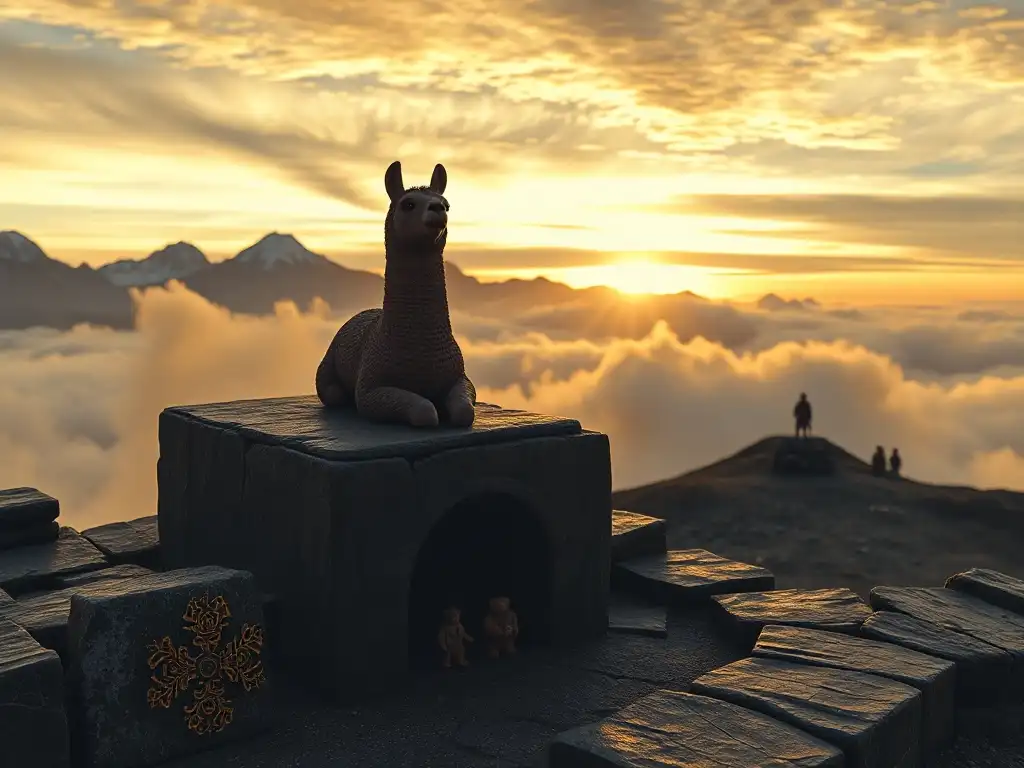
The Andean region, prior to the Inca Empire, witnessed a complex tapestry of ritual practices, with sacrifice playing a central role in the lives of various pre-Incan societies. Understanding these rituals requires moving beyond simplistic interpretations of "human sacrifice" and delving into the nuanced beliefs and social structures that shaped these practices. The term "Andean sacrifice rituals" itself encompasses a vast array of offerings, from agricultural products and precious metals to, in certain cases, human lives.
These acts were not merely gruesome displays but deeply symbolic actions intertwined with cosmology, agricultural cycles, and political power. Analyzing these rituals allows us to gain a richer understanding of the worldview and societal dynamics of these fascinating cultures.
The frequency and types of sacrifices varied considerably across different Andean cultures and time periods, reflecting the unique beliefs and social structures of each group. We'll explore some key aspects to unravel the complexities of this fascinating topic.
Defining Andean Ritual Sacrifice
Defining "sacrifice" within the context of Andean civilizations necessitates a move away from modern, often negative connotations. For Andean societies, sacrifice was a profoundly meaningful act, a form of communication with the supernatural world. It wasn't simply about giving something up; it was about establishing a reciprocal relationship with the deities and ensuring the well-being of the community. This involved a wide range of offerings:
- Agricultural Products: Maize, coca leaves, potatoes, and other staples were frequently offered, reflecting the vital importance of agriculture to Andean societies. The quantity and quality of the offerings often correlated with the perceived importance of the deity or the urgency of the request.
- Precious Metals and Objects: Gold, silver, and other precious metals, along with intricately crafted ceramics and textiles, were also common offerings, signifying wealth and devotion. These items often held symbolic significance related to specific deities or rituals.
- Human Sacrifice: While undeniably a part of some Andean ritual practices, human sacrifice needs careful contextualization. It wasn't a random act of violence, but rather a highly ritualized event, often involving individuals selected for specific reasons, sometimes considered to be representatives of the community, or even chosen based on perceived spiritual qualities. The evidence suggests that in many cases, the sacrifices were not viewed as brutal killings, but as a form of elevation or transformation. Further research is needed to fully understand the diverse motivations and interpretations behind this practice across different cultures.
The interpretation of these offerings needs to consider the specific cultural context, as the meaning and significance of each offering varied greatly depending on the society and the specific ritual being performed.
The Purpose of Sacrifice in Pre-Incan Societies
The purposes of Andean sacrifice rituals were multifaceted and deeply intertwined with the prevailing cosmological beliefs of each society. Some of the key reasons included:
- Ensuring Agricultural Abundance: Many sacrifices were performed to ensure bountiful harvests. Offerings were made to deities associated with fertility and agriculture, pleading for favorable weather conditions and protection against crop failures. The timing of these sacrifices often coincided with important agricultural cycles, such as planting and harvesting seasons. Analysis of archaeological remains consistently reveals the presence of agricultural products within sacrificial contexts, underscoring this critical link between ritual and sustenance.
- Maintaining Cosmic Order: Andean cosmologies often emphasized a delicate balance between the earthly and supernatural realms. Sacrifices were seen as a way to maintain this balance and avert chaos. By offering valuable items or even human lives, the Andean people sought to appease the deities, strengthen their power, and ensure the continued prosperity and stability of their communities. This concept of cosmic balance is evident in the elaborate designs and careful placement of offerings found in many archaeological sites.
- Political Power and Legitimacy: In some cases, sacrifice was also used to reinforce the power and legitimacy of rulers. Elaborate sacrificial rituals served as demonstrations of power and control, solidifying the ruler's connection to the divine and reinforcing their authority over the community. The scale and extravagance of these rituals often reflected the ruler's status and the strength of their reign. Evidence of this can be seen in the monumental architecture and elaborate grave goods associated with certain rulers.
Understanding the significance of Andean sacrifice rituals necessitates a holistic approach, acknowledging the diverse motivations and contexts in which these practices occurred. Further research, particularly detailed analysis of specific cultural contexts and the archaeological evidence, is crucial to fully unravel the complexities of these deeply symbolic acts.
Types of Sacrificial Offerings in the Andes Before the Inca
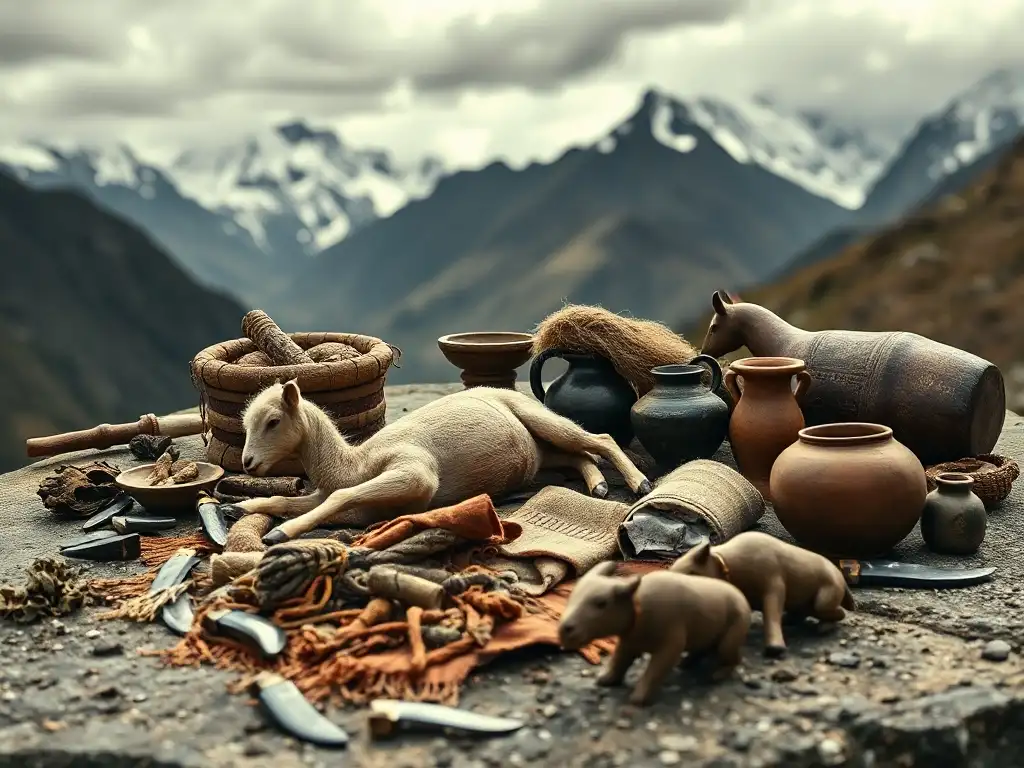
The Andean world, prior to Inca dominance, witnessed a diverse tapestry of sacrificial practices. These rituals, far from being uniformly understood, varied significantly across different cultures and time periods. Understanding these variations is crucial to appreciating the nuanced relationship between Andean societies and their perceived spiritual realms. The offerings themselves, ranging from humble agricultural products to human lives, all held deep symbolic meaning, reflecting the complex belief systems and social structures of these pre-Inca civilizations.
Analyzing these offerings provides invaluable insights into their cosmology, social hierarchies, and agricultural practices. The sheer variety of offerings underlines the rich complexity of Andean religious life. The motivations behind these sacrifices, often intertwined with hopes for bountiful harvests, successful military campaigns, or appeasing powerful deities, remain a subject of ongoing scholarly debate and fascination. The study of "Andean sacrifice rituals" reveals a fascinating interplay between the material and the spiritual.
Animal Sacrifices in Andean Cultures
Animal sacrifice was a widespread practice across numerous pre-Inca Andean cultures. Llamas, alpacas, and vicuñas were common choices, their significance rooted in their economic and social importance. These animals represented wealth and status; their sacrifice, therefore, was a substantial offering, reflecting the gravity of the occasion or the power of the deity being appeased.
The specific rituals surrounding animal sacrifice varied depending on the culture and the context. Archaeological evidence suggests that some animals were killed and their remains carefully placed in sacred sites, while others might have been consumed communally as part of a ritual feast. The choice of animal, the method of sacrifice, and the subsequent treatment of the remains all carried symbolic weight, contributing to the overall meaning of the ritual.
For example, the Moche culture, known for its elaborate iconography, depicted numerous scenes of animal sacrifices in their ceramic art, providing valuable visual records of these practices. The meticulous preparation and execution of these sacrifices underscore their importance within the social fabric of these societies. Further research is needed to fully understand the regional variations in animal sacrifice across the Andes before the Inca Empire.
Human Sacrifice: A Complex Practice in the Pre-Incan World
Human sacrifice, while undeniably a grim aspect of some pre-Inca Andean cultures, was not a uniform practice across the region. Its frequency and the specific circumstances surrounding it varied considerably. While often associated with the notion of appeasing powerful deities or ensuring the fertility of the land, the practice also likely held complex social and political dimensions. Some scholars argue that human sacrifice served as a mechanism for consolidating power or controlling populations.
The individuals selected for sacrifice might have been prisoners of war, criminals, or even members of the elite, chosen for their perceived connection to the supernatural. The Chimu and Inca cultures, while distinct, both practiced human sacrifice, albeit with potential variations in ritualistic execution and underlying reasons. The discovery of mummified remains in sacrificial contexts, often accompanied by elaborate grave goods, provides compelling evidence of the ritual's significance.
However, the ethical implications and the interpretations of these practices remain a sensitive and complex topic, requiring careful and nuanced consideration. Further detailed analysis of skeletal remains and associated artifacts is crucial to a more comprehensive understanding of this practice. Interpreting "Andean sacrifice rituals" involving human lives requires sensitivity and careful consideration of diverse perspectives.
Material Offerings and Their Symbolic Meaning
Beyond animal and human sacrifices, a wide range of material offerings played a vital role in pre-Inca Andean rituals. These included agricultural products like maize, coca leaves, and potatoes; textiles; pottery; and precious metals such as gold and silver. Each offering held specific symbolic meaning, reflecting the culture's worldview and values. Maize, a staple crop, often represented fertility and abundance.
Coca leaves, with their stimulating and ritualistic properties, were associated with spiritual communion and divination. Elaborately crafted textiles and pottery showcased the skill and artistry of the Andean people and served as powerful symbols of status and power. Precious metals, often associated with the sun and other deities, were reserved for particularly important occasions, underscoring their sacred significance. The placement of offerings in specific locations, such as tombs, temples, or sacred springs, further enhanced their ritual meaning.
The careful arrangement and selection of these materials reveal a deep understanding of symbolism and the meticulous attention paid to the details of ritual performance. Analyzing these material offerings allows us to explore the beliefs and values of these ancient societies, providing a tangible link to their spiritual world and offering a richer understanding of "Andean sacrifice rituals" beyond human sacrifice. The quantity and quality of the offerings likely reflected the societal status of the individual or group making the offering, as well as the importance of the ritual itself.
Pre-Incan Cultures and Their Unique Sacrificial Practices
This section delves into the diverse sacrificial practices of several pre-Incan Andean cultures, highlighting their unique characteristics and providing insights into their religious beliefs and societal structures. Understanding these rituals offers a crucial perspective on the complex tapestry of Andean civilization before the Inca Empire's rise. The term "Andean sacrifice rituals" encompasses a wide range of practices, varying significantly between different cultures and time periods.
This exploration focuses on the Moche, Nazca, and Tiahuanaco cultures, examining the archaeological evidence that sheds light on their beliefs and practices. The common thread linking these seemingly disparate rituals is the profound importance placed on maintaining a harmonious relationship between the human world and the supernatural realm. This involved appeasing deities, ensuring agricultural fertility, and commemorating ancestors.
Moche Sacrifice Ceremonies: Insights from Archaeological Evidence
The Moche civilization (c. 100-800 CE), known for its sophisticated artistry and intricate irrigation systems, practiced elaborate sacrificial rituals. Archaeological excavations at Moche sites, particularly Huaca de la Luna and Huaca del Sol, have revealed compelling evidence of human sacrifice, often involving both children and adults. These sacrifices weren't haphazard events; instead, they were meticulously planned ceremonies, often linked to significant events like warfare or drought.
Analysis of Moche tomb contents reveals a clear hierarchy in sacrificial victims. Some individuals were adorned with elaborate jewelry and fine textiles, suggesting high social standing. This suggests that sacrifice wasn't simply a matter of eliminating undesirables but a complex ritual involving individuals selected for their perceived importance or symbolic value.
The victims' bodies were often interred with grave goods, providing further insight into Moche beliefs about the afterlife and the transition between the mortal and spiritual realms. Furthermore, the discovery of sacrificial victims exhibiting signs of violence, such as decapitation or stabbing, indicates that the act itself was considered a crucial component of the ritual.
The precise meaning of these acts remains a subject of ongoing scholarly debate, but they undoubtedly underscore the central role of sacrifice in Moche society. Further research is needed to fully understand the nuances of Moche sacrifice, particularly regarding the selection criteria for victims and the precise symbolic significance of the rituals.
The Nazca Culture and Offerings to the Gods
The Nazca culture (c. 100 BCE – 800 CE), famed for its enigmatic geoglyphs, also engaged in sacrificial practices, albeit with distinct characteristics compared to the Moche. While human sacrifice seems less prevalent in Nazca culture than in Moche culture, evidence suggests substantial offerings to their deities, primarily through the burial of elaborate grave goods and animal sacrifices. These offerings frequently included textiles, ceramics, and precious metals, reflecting the Nazca's advanced craftsmanship and their belief in the power of material gifts to appease their gods.
Unlike the Moche's seemingly ritualistic human sacrifice, the Nazca's approach appears more focused on appeasing the gods through offerings of valuable goods and animal sacrifices. The scale of these offerings hints at the importance placed on maintaining a positive relationship with the supernatural forces that were believed to govern their lives, particularly concerning the vital need for water and successful harvests in their arid environment.
The abundance of intricately decorated ceramics and textiles found in Nazca tombs suggests a belief that these offerings would continue to serve a purpose in the afterlife, supporting the deceased in their journey to the spirit world. The precise nature of the deities to which these offerings were made remains a matter of ongoing research and interpretation, but their significance in shaping Nazca society and beliefs is undeniable.
Tiahuanaco Rituals: A Focus on Ancestor Veneration
The Tiahuanaco culture (c. 500-1000 CE), centered around the expansive city of Tiahuanaco on the shores of Lake Titicaca, possessed a complex religious system that heavily emphasized ancestor veneration. While human sacrifice may have occurred, the available evidence points toward a greater focus on ritual offerings and ceremonies aimed at honoring and connecting with their ancestors. The emphasis on ancestor veneration is evident in the monumental architecture of Tiahuanaco, with its intricate carvings often depicting figures that are believed to represent ancestors or deities.
The Tiahuanaco's sophisticated understanding of astronomy and their precise calendar system further highlights the importance of cyclical time and the continuation of life beyond death. This suggests that their rituals were not just about appeasing the gods but also about maintaining a connection with their ancestors and ensuring the continuity of their culture. Archaeological findings consistently point to the meticulous preparation and execution of these rituals, suggesting a deep-seated belief in their efficacy.
The ceremonial offerings included various items, reflecting the importance of maintaining a link between the living and the deceased. These practices underline the centrality of ancestral veneration in the Tiahuanaco worldview and their complex relationship with the supernatural. Further investigation is needed to fully unravel the intricacies of Tiahuanaco rituals and their significance within the broader context of Andean religious beliefs.
The Role of Andean Sacrifice Rituals in Society
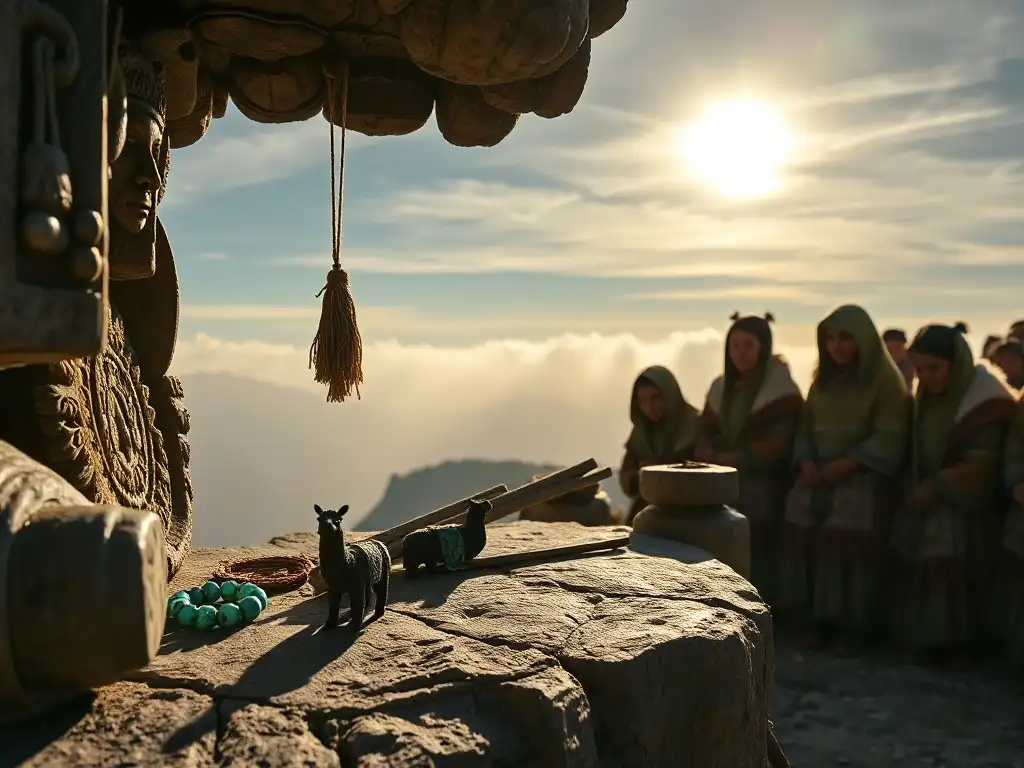
The practice of sacrifice in the pre-Inca Andes wasn't simply a gruesome act; it was deeply interwoven with the fabric of Andean society, shaping religious beliefs, political structures, and even agricultural practices. Understanding the significance of these rituals requires moving beyond a simplistic interpretation of violence and exploring their multifaceted role within the complex social and cosmological frameworks of these civilizations. The term "Andean sacrifice rituals" itself encompasses a wide range of practices, varying significantly across different cultures and time periods. This section will delve into the key aspects of these rituals, highlighting their profound influence.
Religious and Spiritual Significance of Sacrifices
The religious and spiritual significance of Andean sacrifice rituals is paramount. These weren't random acts of violence; they were carefully orchestrated ceremonies designed to maintain cosmic balance, appease deities, and ensure the prosperity of the community. Many cultures believed that offerings, whether of animals, crops, or even human lives, were essential to maintain a harmonious relationship between the human world and the supernatural realm. For instance, the Moche civilization, renowned for its elaborate iconography, depicted numerous sacrificial scenes in their ceramics, suggesting a strong connection between sacrifice and their pantheon of gods.
These sacrifices, often involving elite individuals or captives of war, were viewed as a way to honor the gods and secure their favor, ensuring bountiful harvests, successful military campaigns, and the continued well-being of the society. The specific rituals and the types of offerings varied considerably depending on the specific deity being honored and the context of the ceremony. Some sacrifices were performed on mountaintops, others in specially constructed temples, each location holding symbolic significance within their cosmology.
The careful preparation and execution of these ceremonies emphasize their importance within the religious framework of Andean societies. Further research is needed to fully understand the nuanced relationship between specific deities and the types of sacrifices offered to them. [Specific details on deity-sacrifice correlations pending].
Beyond their religious significance, Andean sacrifice rituals played a crucial role in shaping the social and political landscape. The act of sacrifice often reinforced the authority of the ruling elite. The ability to control and organize such large-scale events demonstrated power and control over both the human and spiritual realms. By controlling access to the sacred and performing these rituals, rulers solidified their legitimacy and maintained social order.
The elaborate preparations and the participation of numerous individuals in these ceremonies underscored the ruler's dominance and the community's submission to their authority. Furthermore, the selection of sacrificial victims could also reflect social hierarchies. While some societies prioritized human sacrifice, often involving captives of war or individuals deemed ritually impure, others focused primarily on animal sacrifices or offerings of valuable goods.
This variation highlights the diverse social structures and beliefs across different Andean cultures. The analysis of burial sites and archaeological evidence consistently reveals the connection between sacrificial practices and social stratification, indicating the role of sacrifice in maintaining social control and political stability. The scale of these ceremonies, involving hundreds or even thousands of participants, further demonstrates the deep integration of sacrifice into the social fabric.
Sacrifice and the Agricultural Cycle
The Andean agricultural cycle was inextricably linked to the practice of sacrifice. Many rituals were timed to coincide with key agricultural events, such as planting and harvesting. These sacrifices were aimed at ensuring successful harvests and protecting crops from natural disasters and pests. The offering of agricultural products themselves, such as coca leaves or maize, served as a symbolic representation of the community's dependence on the land and their desire to ensure its continued fertility.
The connection between the cycles of nature and the supernatural world was central to Andean cosmology, and sacrifice acted as a crucial intermediary, bridging the gap between the human and divine realms. Evidence suggests that the timing and type of sacrifices were carefully calibrated to specific agricultural phases, reflecting a profound understanding of the interconnectedness of the natural and spiritual worlds. For example, the Nazca lines, though perhaps not directly related to sacrifice, suggest a deep preoccupation with celestial events and the agricultural cycle. Further research could illuminate the specific correlations between astronomical observations, agricultural practices, and the timing of sacrificial rituals.
[Data on specific correlations between astronomical events and sacrifice timing pending]. The intricate relationship between sacrifice and the agricultural cycle highlights the practical and spiritual significance of these rituals in the everyday lives of Andean communities. The success of agriculture was fundamental to survival, and the rituals ensured a continued connection with the forces that governed the natural world.
Locations and Contexts of Andean Sacrificial Rites
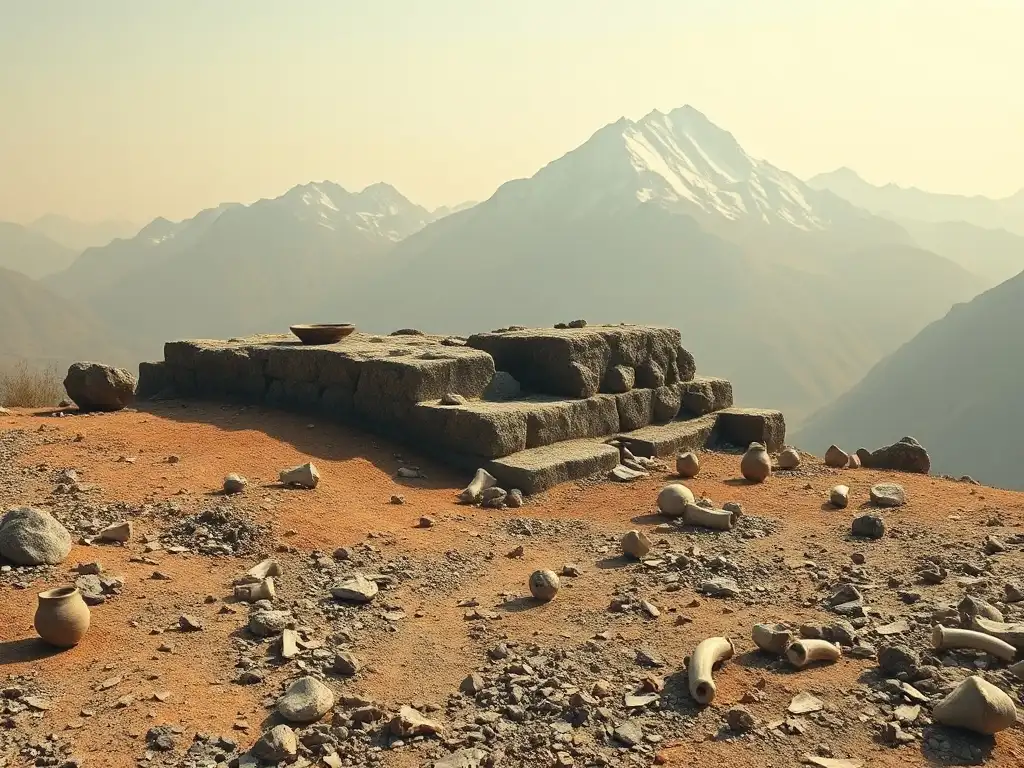
This section delves into the diverse geographic locations and socio-political contexts surrounding Andean sacrifice rituals, offering a nuanced understanding of these practices beyond simple categorization. Understanding the where and why of these rituals is crucial to interpreting their significance within the broader tapestry of Andean civilizations. We will explore the relationship between sacred geography and ritual performance, highlighting specific examples to illustrate the complexity of these ancient practices. The sheer variety of locations used for Andean sacrifice rituals underscores the profound importance of these acts within Andean societies.
Sacred Spaces and Ritual Sites in the Pre-Incan Andes
The Andes Mountains themselves served as a powerful source of sacred geography, shaping the location and purpose of many sacrificial rites. High-altitude sites, often associated with mountain peaks or caves, were considered liminal spaces – places bridging the human and divine realms. These locations weren't randomly chosen; their inherent characteristics – altitude, isolation, or unique geological formations – contributed to their sacredness.
For example, evidence suggests that certain mountain passes were chosen for rituals involving the offering of llamas or other animals, perhaps to ensure safe passage or appease mountain spirits believed to control the weather and fertility of the land. These weren't simply isolated events; the selection of the location was integral to the ritual's effectiveness, reflecting a deep understanding of the landscape's spiritual significance. The placement of offerings, the orientation of structures, and the very act of pilgrimage to these sites all reinforced the ritual's power.
Further research is needed to fully understand the criteria for selecting specific sites, but available evidence points to a complex system of beliefs connecting geography and ritual practice. The meticulous selection of these locations highlights the profound respect and fear these cultures held for the natural world.
The Connection Between Geography and Sacrifice
The geographical context of Andean sacrifice rituals wasn't limited to high-altitude locations. Coastal regions also witnessed significant ritual activity, often tied to the sea's bounty and the cyclical nature of marine life. Coastal sites, especially those near fertile valleys or rich fishing grounds, were chosen for rituals focused on ensuring agricultural success or a bountiful harvest from the sea. These coastal rituals often involved the offering of marine life or artifacts associated with fishing and navigation, again demonstrating the close relationship between the environment and spiritual practices.
Furthermore, the geographical distribution of different cultures influenced the types of sacrifices performed. For instance, cultures with access to abundant llama herds might have prioritized llama sacrifices, while coastal communities might have focused on marine offerings. This geographic variation highlights the adaptability and contextual nature of Andean sacrifice rituals, underscoring their integration into the everyday lives of these diverse communities.
Analyzing the geographical distribution of sacrificial sites, and the types of offerings found at each location, provides valuable insights into the beliefs and practices of different Andean cultures. This geographic diversity emphasizes the need for regionally specific studies of Andean sacrifice rituals.
Huaca de la Luna: A Moche Ritual Center
The Huaca de la Luna, a significant Moche archaeological site, provides a compelling case study of a ritual center where sacrifice played a central role. This massive adobe pyramid served as a complex ritual and administrative center, with evidence suggesting that human sacrifice was a significant aspect of Moche religious practices. Excavations have uncovered numerous burials, some containing richly adorned individuals, suggesting that elite members of society might have been sacrificed. The presence of sacrificial victims alongside elaborate offerings further emphasizes the importance of these rituals within Moche society.
The architecture of the Huaca de la Luna itself reflects its ritual significance. Its intricate design, featuring colorful murals and carefully planned plazas, suggests a highly organized and structured approach to ritual performance. The scale of the site and the resources invested in its construction underscore the Moche's commitment to these practices.
The Huaca de la Luna is not simply a burial ground; it's a testament to the centrality of sacrifice in Moche religious life, illustrating the interconnectedness of political power, religious authority, and sacrificial rites. The detailed analysis of the artifacts and human remains found at the site continues to reveal new information about the nature of Moche sacrifice rituals and their role within Moche society. Further research promises to provide even deeper insights into this fascinating aspect of Andean culture.
Interpreting the Evidence: Archaeological and Anthropological Perspectives
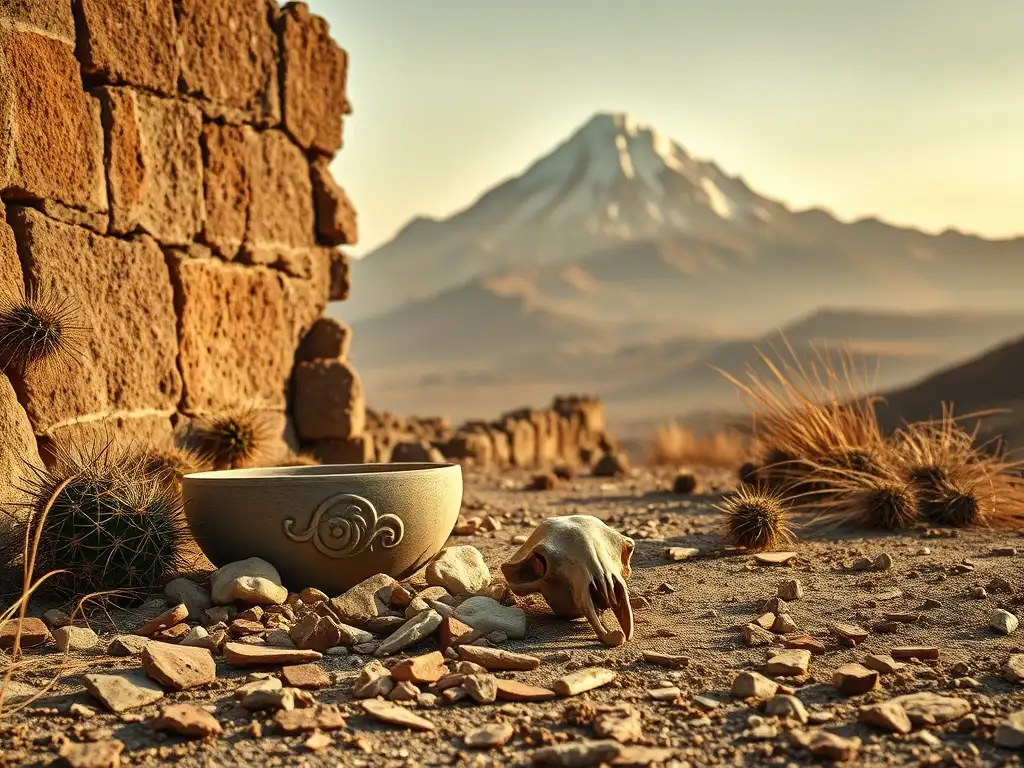
This section delves into the methodologies employed to understand Andean sacrifice rituals, focusing on the crucial roles of archaeology and anthropology in interpreting the limited, yet compelling, evidence available. Understanding these ancient practices requires a multi-faceted approach, carefully considering the context of discovered artifacts and their relation to broader cultural beliefs. The fragmented nature of the evidence necessitates a cautious and nuanced interpretation, avoiding simplistic conclusions.
Analyzing Remains and Artifacts from Sacrificial Sites
Archaeological excavations at sites like Cerro Blanco (Peru) and numerous other locations across the Andes have yielded crucial evidence for understanding sacrifice. The careful analysis of human remains, often found in association with elaborate grave goods, provides invaluable insights into the age, sex, and possibly social status of the sacrificed individuals. Skeletal analysis can reveal signs of trauma or disease, potentially shedding light on the circumstances surrounding the sacrifices.
For example, the discovery of multiple individuals interred together, often with evidence of ritualistic killing, suggests communal or large-scale sacrificial events. The artifacts found alongside these remains – intricately crafted pottery, gold ornaments, textiles, and agricultural products – provide context and offer clues about the significance of the event and the individuals involved. The careful cataloging and analysis of these artifacts, along with their spatial arrangement within the burial context, are vital in reconstructing the rituals themselves.
Unfortunately, many sites have been looted or damaged over time, hindering our ability to fully understand the complexity of these practices. Further research and careful excavation are needed to unearth more complete sacrificial sites and better understand the nuances of Andean sacrifice rituals.
Ethnographic Studies and Modern Andean Beliefs
Ethnographic studies of contemporary Andean communities provide a valuable, albeit indirect, window into the past. While direct links between modern practices and ancient rituals cannot always be established definitively, studying contemporary beliefs and rituals surrounding offerings to mountains (Apus), water deities, and other sacred entities can illuminate underlying cosmological frameworks that may have informed ancient sacrificial practices.
These studies often reveal the enduring importance of reciprocity and exchange in Andean worldviews – a concept that arguably plays a central role in understanding the rationale behind ancient sacrifices. For instance, the offering of llama or alpaca sacrifices during contemporary Andean festivals may echo ancient practices, suggesting a continuous thread of belief systems across millennia.
This connection, however, should be approached with caution, acknowledging the significant temporal and cultural distance between the present day and the pre-Inca periods. Further research into the evolution of these beliefs is crucial in refining our understanding of the continuity and change in Andean religious practices.
Challenges in Understanding Ancient Rituals
The interpretation of Andean sacrifice rituals faces considerable challenges. The limited nature of the surviving evidence, often fragmented and subject to looting or natural decay, severely restricts our ability to reconstruct these practices with complete accuracy. The lack of written records from the pre-Inca periods necessitates reliance on material culture and indirect evidence, leading to inevitable uncertainties in interpretation.
Furthermore, the inherent complexity of ancient religious systems, combined with the potential for regional variations in ritual practices, makes it difficult to generalize about the meaning and purpose of sacrifice across the entire Andean region. Bias in the archaeological record, stemming from factors like preservation conditions or the preferential excavation of certain types of sites, could also skew our understanding. Therefore, a critical and reflexive approach is essential, acknowledging the inherent limitations of the available data and avoiding oversimplified or deterministic interpretations.
The ongoing study of Andean sacrifice rituals requires a collaborative approach, integrating findings from archaeology, anthropology, and other relevant disciplines to build a more comprehensive and nuanced understanding of these complex practices. Further research, including advanced scientific techniques such as isotopic analysis and DNA testing, promises to unlock new insights into these fascinating and enigmatic rituals.
Legacy of Andean Sacrifice Rituals
This section delves into the enduring impact of pre-Inca Andean sacrifice rituals, examining their influence on subsequent Andean cultures and the ongoing ethical debates surrounding their interpretation. We will explore how these practices, often misunderstood as solely brutal acts, were complex religious expressions deeply interwoven with the fabric of Andean societies. Understanding this legacy is crucial to grasping the full complexity of Andean civilizations and their worldview. The keyword "Andean sacrifice rituals" is central to this exploration, revealing the nuanced significance of these practices within their historical context.
Influence on Later Andean Cultures, including the Inca
The legacy of pre-Inca sacrifice profoundly shaped the religious and political landscape of later Andean civilizations, most notably the Inca Empire. While the Inca certainly developed their own distinct sacrificial practices, they inherited and adapted elements from earlier traditions. Evidence suggests a continuity in the use of capacocha, a form of human sacrifice involving the selection of children from elite families, though the Inca likely formalized and expanded upon existing practices.
This wasn't simply a case of direct imitation; rather, the Inca integrated these inherited traditions into their own elaborate state religion, using sacrifice to solidify their power and legitimize their rule. For instance, the Inca's use of huacas (sacred sites) often built upon pre-existing sites venerated by earlier cultures, demonstrating a conscious effort to incorporate and reinterpret existing religious beliefs. The Inca’s sophisticated imperial administration also likely standardized and centralized some aspects of sacrifice, creating a more systematic and ritualized process compared to the potentially more localized practices of earlier groups.
This adaptation and integration showcase the enduring influence of pre-Inca religious beliefs on the development of Inca ideology and practice. The scale and organization of Inca sacrifice, while impressive, were undoubtedly built upon foundations laid by preceding Andean cultures.
Modern Interpretations and the Ethical Considerations
Modern interpretations of Andean sacrifice rituals are complex and often fraught with ethical considerations. Early interpretations, often influenced by colonial biases, tended to portray these practices as barbaric and devoid of any spiritual or social significance. However, contemporary scholarship emphasizes the need for nuanced interpretations that consider the cultural context and the complex religious beliefs of the people who performed these acts.
While the practice of human sacrifice is undoubtedly morally problematic by contemporary standards, understanding it requires moving beyond simplistic condemnation. We must strive to comprehend the worldview that informed these practices, recognizing that sacrifice was likely viewed as a necessary act to maintain cosmic balance, appease deities, ensure successful harvests, or secure political stability. The ethical challenge lies in finding a balance between acknowledging the inherent violence of these practices and understanding them within their historical and cultural context, avoiding both romanticization and simplistic condemnation.
This requires a careful examination of archaeological evidence, alongside an awareness of the potential for misinterpretations stemming from cultural biases. The ongoing debate underscores the need for responsible and ethically informed scholarship on Andean sacrifice rituals.
The Continued Study of Pre-Incan Religious Practices
The study of pre-Inca Andean religious practices, including sacrificial rituals, remains a dynamic and evolving field. Ongoing archaeological excavations continue to uncover new evidence, challenging existing assumptions and refining our understanding of these complex societies. Advances in scientific techniques, such as isotopic analysis of human remains, provide new insights into the diet and origins of sacrificial victims, contributing to a more comprehensive picture of these practices.
Furthermore, ongoing research into iconography and textual sources (where available) sheds light on the symbolism and beliefs associated with sacrifice. Ethnohistorical accounts, while needing careful scrutiny, also offer valuable perspectives on the continuity of certain religious beliefs and practices across generations. The continued study of these rituals is not merely an academic exercise; it is essential for gaining a more complete and nuanced understanding of Andean civilizations, their worldview, and their lasting legacy.
This ongoing research promises to further illuminate the significance of Andean sacrifice rituals and their place within the broader context of Andean history and culture. Further investigation is needed to fully comprehend the intricate details of these practices and their varied interpretations across different Andean cultures.
Frequently Asked Questions
What were the main purposes of Andean sacrifice rituals?
Andean sacrifice rituals served multiple purposes, including maintaining cosmic balance, ensuring agricultural fertility, and honoring deities. These practices were deeply intertwined with their worldview.
Which Andean cultures practiced human sacrifice?
While not all Andean cultures practiced human sacrifice to the same extent, evidence suggests that civilizations like the Incas, Moche, and Nazca engaged in this practice, albeit with varying motivations and methods.
What types of offerings were used in Andean sacrifices besides humans?
Besides human sacrifices, the Andean cultures offered a wide range of items, including animals, crops, textiles, precious metals, and ceramics. These offerings reflected the value placed on these resources.
How did the location of sacrifices impact their significance?
The location of a sacrifice held significant meaning. Sacrifices were often performed at high-altitude mountains, sacred springs, or other sites considered powerful and spiritually significant.
What is the current scholarly understanding of Andean sacrifice rituals?
Modern scholarship views Andean sacrifice rituals not as barbaric acts, but as complex religious practices reflecting a sophisticated understanding of cosmology, social structures, and the relationship between humans and the supernatural. Interpretations are constantly evolving with new archaeological findings.
Final Reflection: Echoes of Sacrifice in the Modern Andean World
The echoes of pre-Incan Andean sacrifice resonate powerfully in today's world, reminding us of the enduring human need to connect with the spiritual realm and the profound impact of ritual on shaping societies. Understanding these ancient practices offers a crucial lens through which to examine contemporary beliefs and societal structures, highlighting the persistent human desire to find meaning in the face of uncertainty and the cyclical nature of life and death.
The intricate tapestry of offerings, ceremonies, and beliefs woven into the Andean landscape continues to inform our understanding of human spirituality and its profound influence on the development of civilizations.
The enduring legacy of Andean sacrifice is not merely a historical curiosity; it's a living testament to the power of ritual to shape identity and community. These practices, though vastly different from our own, speak to fundamental human experiences: the desire for abundance, the fear of the unknown, and the yearning for connection with something larger than ourselves. The past is never dead. It's not even past.
– William Faulkner. This quote perfectly encapsulates the enduring relevance of understanding these ancient rituals, as their influence continues to subtly shape the cultural landscape of the Andes and informs our understanding of human history and spirituality.
Consider the profound implications of these ancient practices. How do they challenge your own understanding of sacrifice and ritual? What echoes of these ancient beliefs and practices can you find in your own life, your community, or the world around you?
I urge you to reflect on the enduring power of ritual and the ways in which we, too, engage in acts of sacrifice – both big and small – to maintain balance, seek connection, and navigate the complexities of the human experience. Let the legacy of Andean sacrifice inspire you to explore the deeper meanings within your own traditions and beliefs.
Embrace the Spirit of Ritual: Take Action Today!
Thank you for exploring the fascinating world of ritual practices in the Pre-Incan Andes. We hope you discovered the profound significance of sacrifice and its role in shaping these ancient civilizations. Now, let's put this knowledge into practice!
Here are some impactful ways you can engage further:
- Join a local cultural group or workshop focused on Andean traditions. This will deepen your understanding and connect you with like-minded individuals.
- Share this article with friends and family, or post it on social media. Let's spread awareness of the Andes' rich heritage and spark conversations about their rituals.
- Visit a museum or explore online exhibitions dedicated to Andean civilizations. Witnessing the artifacts and learning more about their practices firsthand will bring the article to life.
Reflect on these ancient practices and consider this: How can the lessons of past sacrifices inspire your own personal rituals and community involvement today?