
The Voices of the Ancestors: Listening to the Echoes of PreIncan Cultures

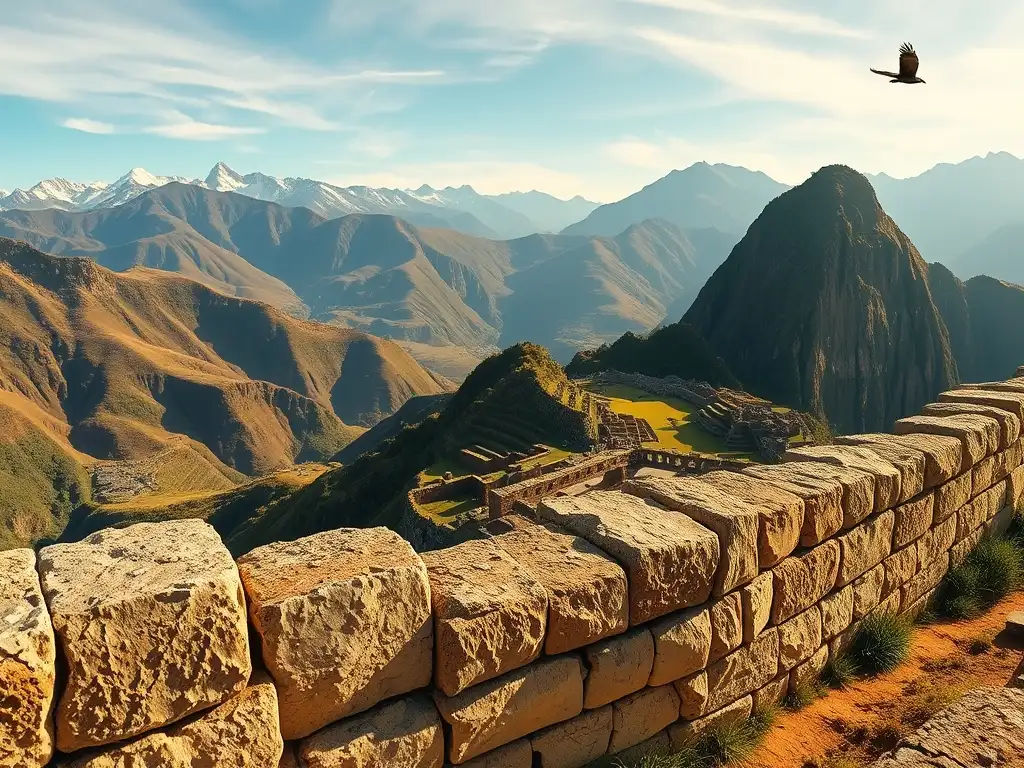
Step into a world lost to time, yet echoing with the whispers of a magnificent past. Journey with us through the breathtaking landscapes and captivating cultures of the Andes, where the legacy of the PreIncan Andean civilizations thrives. Discover the astonishing ingenuity and vibrant artistry of societies that flourished long before the Inca, and unveil the secrets hidden within their intricate history. Are you ready to hear the voices of these ancestors? Explore the fascinating story of the PreIncan Andean civilizations history and uncover a world beyond your imagination.
The Andes Mountains, a spine of towering peaks stretching along the western coast of South America, have witnessed millennia of human history. Long before the Inca Empire rose to prominence, a vibrant tapestry of sophisticated cultures flourished in this challenging yet fertile landscape.
This article delves into the fascinating world of Pre-Incan Andean civilizations, exploring their unique societal structures, technological innovations, artistic expressions, and enduring legacies. Understanding these pre-Inca societies is crucial to grasping the full complexity and richness of Andean history, providing a deeper context for the later Inca achievements and offering invaluable insights into the ingenuity and resilience of human adaptation in one of the world's most dramatic environments.
We will uncover the echoes of these ancient voices, exploring the rich history behind the keyword "PreIncan Andean civilizations history" and revealing the profound impact these cultures had on the subsequent development of the region. Prepare to journey back in time and discover the remarkable stories of these often-overlooked ancestors.
Unveiling the Tapestry of Pre-Incan Andean Civilizations
The Andes weren't a monolithic entity; instead, diverse societies developed independently, adapting to the unique challenges of their specific environments. From the arid coastal deserts to the high-altitude plains and lush valleys, distinct cultures thrived, each leaving behind a unique legacy. The term "Pre-Incan" itself encompasses a vast timeframe and a multitude of peoples, including, but not limited to, the Chavín, Paracas, Nazca, Moche, Wari, and Tiwanaku.
These civilizations, though geographically and chronologically separate, shared certain common threads, including sophisticated agricultural techniques adapted to the diverse terrains, remarkable advancements in metallurgy, and impressive architectural achievements. Understanding these shared characteristics, as well as their individual differences, is key to appreciating the multifaceted nature of Pre-Incan Andean history.
The study of these civilizations offers a compelling narrative of human innovation, resilience, and adaptation in the face of significant environmental and societal challenges. Archaeological findings continually rewrite our understanding of these societies, revealing new intricacies and complexities.
The Rise of Early Andean Societies: A Historical Overview
The development of Andean societies was a gradual process, spanning thousands of years. Early agricultural communities emerged during the formative period (circa 3000-1000 BCE), mastering irrigation techniques and cultivating crops like potatoes, maize, and beans. This agricultural revolution laid the foundation for the growth of larger, more complex societies. Subsequent periods saw the emergence of powerful regional centers, such as Chavín de Huántar, known for its impressive ceremonial architecture and widespread influence.
The Chavín culture (circa 900-200 BCE) is particularly significant for its artistic style, which spread throughout the Andes, suggesting a level of interaction and cultural exchange between different groups. Following Chavín, a variety of regional cultures flourished, each exhibiting unique artistic styles, religious beliefs, and social structures. The Paracas culture, known for its intricate textiles, and the Nazca, renowned for their enigmatic geoglyphs, are prime examples of this diversity. These societies demonstrated remarkable engineering skills, as evidenced by their sophisticated irrigation systems, monumental architecture, and intricate textiles.
The development of these early societies provides a rich and complex narrative that informs our understanding of the later, more expansive empires of the Andes. Further research is needed to fully understand the complex interactions and transitions between these various groups. More detailed studies of specific sites and artifacts are crucial for a more complete picture of the "PreIncan Andean civilizations history."
Pre-Incan Cultures of the Highlands: Regional Developments
The Andes Mountains, a spine of towering peaks and fertile valleys, nurtured a diverse tapestry of pre-Incan cultures. Each civilization, while geographically proximate, developed unique artistic styles, religious beliefs, and social structures, contributing to the rich complexity of Andean history. Understanding these regional developments is crucial to appreciating the later Inca empire and its deep roots in the preceding millennia.
The variations in climate and geography across the Andes significantly impacted the development of these cultures, leading to specialized agricultural techniques and distinct artistic expressions. The high altitude environments demanded innovative solutions for survival, fostering ingenuity and resilience in the face of challenging conditions. This inherent adaptability is a hallmark of Andean civilizations and a key element in understanding their lasting legacy.
The study of these pre-Incan societies provides invaluable insight into the development of Andean civilization as a whole, demonstrating the gradual evolution of complex social structures, sophisticated technologies, and intricate belief systems. The echoes of these cultures resonate powerfully in the art, architecture, and traditions of later Andean societies.
The Chavín Culture: A Foundation of Andean Art and Religion
The Chavín culture (c. 1200-200 BCE), flourishing in the northern Andes, laid a foundational influence on subsequent Andean societies. Their artistic style, characterized by stylized feline and serpent motifs, became a widespread pan-Andean artistic language. The Chavín de Huántar site, a massive temple complex, served as a central religious hub, attracting pilgrims from across the region.
Archaeological evidence suggests a complex social organization, with evidence of specialized labor and a hierarchical structure. The Chavín's religious iconography, featuring jaguar-like deities and intricate carvings, deeply impacted the artistic and religious practices of later cultures, demonstrating a remarkable level of cultural diffusion across vast distances and varied landscapes.
Their influence extended far beyond their immediate geographical area, showcasing their significant impact on the development of religious and artistic trends throughout the Andes. The unique artistic style and religious practices of the Chavín culture played a crucial role in shaping the cultural landscape of the Andean region for centuries to come.
The Paracas Culture: Elaborate Textiles and Burial Practices
The Paracas culture (c. 800-200 BCE), located on the southern coast of Peru, is renowned for its extraordinary textile artistry. Their intricate weaving techniques, using vibrant colors and complex designs, produced textiles of unparalleled quality and beauty. Paracas burial practices involved elaborate mummification and the placement of numerous grave goods, including textiles, pottery, and ornaments, reflecting a complex belief system and a highly stratified society.
The Paracas Necropolis, containing thousands of tombs, provides a window into their funerary rituals and the importance of textiles in their culture. The sheer artistry and technical skill displayed in their textiles are unmatched in the ancient world.
The elaborate burial rituals and the high quality of artifacts found in the tombs suggest a sophisticated societal structure with a strong emphasis on religious beliefs and the afterlife. The vibrant colors and intricate designs of Paracas textiles speak to the creativity and skill of their artisans, creating a lasting legacy of artistic excellence.
The Nazca Culture: Decoding the Mysteries of the Lines
The Nazca culture (c. 200 BCE – 600 CE) is perhaps best known for the enigmatic Nazca Lines, vast geoglyphs etched into the desert surface. These massive designs, depicting animals, plants, and geometric shapes, remain a subject of ongoing research and debate. While their exact purpose remains unclear, theories range from astronomical calendars to ritualistic sites.
The Nazca people also produced intricate pottery, showcasing detailed depictions of daily life and mythological creatures. Their sophisticated irrigation systems allowed them to cultivate the arid coastal desert, showcasing remarkable engineering skills. The precision and scale of the Nazca Lines are truly remarkable, reflecting a deep understanding of geometry and a considerable level of social organization to coordinate such a massive undertaking.
The Nazca Lines stand as a testament to the ingenuity and artistic capabilities of this remarkable culture and continue to fascinate researchers and the public alike. Further research is needed to fully understand the significance of these impressive creations.
The Moche Culture: Master Craftsmen and Complex Societies
The Moche culture (c. 100-800 CE) flourished on the northern coast of Peru. Known for their sophisticated irrigation systems and intricate pottery, the Moche created a complex society with a highly developed social hierarchy. Their pottery, often depicting scenes of warfare, religious ceremonies, and daily life, provides invaluable insights into their culture and beliefs.
The Moche were master metalworkers, creating elaborate gold and silver objects. Their impressive architectural achievements, including large pyramids and temples, demonstrate a high level of engineering skill and social organization. The detailed and expressive nature of their pottery provides a unique glimpse into the daily life, religious beliefs, and societal structure of the Moche culture.
Their advanced irrigation systems allowed them to thrive in a challenging environment, showcasing their remarkable engineering capabilities and adaptation to their surroundings. The intricate craftsmanship and artistic skill evident in their metalwork and pottery highlight the sophistication and artistry of the Moche civilization.
Technological Advancements in Pre-Incan Andean Societies
Pre-Incan Andean societies were far from technologically primitive. Their innovations in agriculture, metallurgy, and ceramics contributed significantly to their success and laid the groundwork for later Andean civilizations. These advancements were often driven by the need to adapt to challenging environmental conditions, demonstrating remarkable ingenuity and resilience. Their achievements in these fields were sophisticated and impressive, reflecting a high level of technological understanding and cultural development. The interaction between these technological advancements and the social and environmental contexts provides a rich tapestry of understanding of these societies.
Agricultural Innovations: Terraces, Irrigation and Food Production
The challenging Andean terrain necessitated innovative agricultural techniques. The development of terraced farming allowed cultivation on steep slopes, maximizing arable land. Intricate irrigation systems channeled water from rivers and streams to fields, providing a reliable water source even in dry seasons. These innovations ensured food security and supported larger populations.
The sophisticated understanding of water management and agricultural techniques allowed the pre-Incan societies to thrive in diverse and challenging environments. Different regions developed unique methods to address their specific needs, highlighting the adaptability and ingenuity of Andean farmers. The development of these techniques was a crucial factor in the growth and prosperity of these societies, demonstrating the importance of agricultural innovation in the formation of complex civilizations.
Metalworking Techniques: Gold, Silver and Copper Craftsmanship
Andean metalworkers were highly skilled, producing intricate objects from gold, silver, and copper. They developed techniques for alloying metals, creating different colors and strengths. The use of lost-wax casting allowed the creation of complex shapes and intricate details. Metalwork served religious and ceremonial purposes, reflecting the importance of these materials in Andean societies.
The artistry and technical skill involved in their metalworking is remarkable, highlighting their advanced understanding of metallurgy and their ability to create objects of great beauty and symbolic significance. The development and mastery of these techniques represent a significant technological achievement and underscore the sophistication of pre-Incan Andean societies. The use of these metals in religious and ceremonial objects further demonstrates the importance of metalworking in their cultural and religious practices.
Ceramic Artistry: Expressing Cultural Narratives Through Pottery
Pre-Incan Andean pottery is characterized by its exquisite craftsmanship and expressive artistry. Potters used a variety of techniques, including modeling, coiling, and wheel-throwing, to create vessels of diverse shapes and sizes. The pottery often features intricate designs and detailed depictions of people, animals, and plants, providing valuable insights into their culture and beliefs. The vibrant colors and intricate designs of Andean pottery demonstrate the artistic skill and creativity of the potters.
The pottery also serves as a valuable source of information about the daily life, religious practices, and social structures of these societies. The detailed depictions found on the pottery offer a unique window into their world, allowing us to better understand their beliefs, values, and way of life. The variety of styles and techniques used in ceramic production showcases the diversity and innovation within different pre-Incan cultures.
The pre-Incan Andean world wasn't a monolithic entity; rather, it comprised a diverse tapestry of societies, each with its unique social and political organization. While generalizations are necessary, it's crucial to remember the significant variations between cultures like the Moche, Nazca, Tiwanaku, and Wari. Understanding these structures requires moving beyond simplistic narratives and acknowledging the complexity inherent in these ancient societies.
The development of sophisticated irrigation systems, for example, directly impacted social structures, creating a need for centralized management and potentially leading to the emergence of elite classes responsible for overseeing these vital resources. Similarly, the scale of monumental architecture, from the Nazca Lines to the massive platforms of Tiwanaku, suggests a level of social organization capable of mobilizing significant labor forces, implying complex systems of social control and resource allocation.
The precise nature of these systems, however, remains a subject of ongoing scholarly debate, with new archaeological discoveries constantly refining our understanding. The intricacies of kinship systems, inheritance practices, and the roles of different social groups within these societies are all areas of active research.
Hierarchical Societies: The Role of Elites and Commoners
Evidence strongly suggests that most pre-Incan Andean societies were hierarchical. Archaeological findings consistently reveal disparities in burial practices, grave goods, and residential architecture, pointing to a clear social stratification. Elite members, often identified through their elaborate burials containing gold, silver, and other precious artifacts, likely held significant political and religious power.
Their control over resources, including land and labor, would have been crucial to maintaining their status. Commoners, meanwhile, likely engaged in agricultural production, craft specialization, and other essential activities necessary for the functioning of these societies. The exact nature of the relationship between elites and commoners remains a complex question, with some scholars suggesting a more collaborative relationship, while others emphasize the coercive aspects of power.
Detailed studies of ceramic styles, textiles, and other artifacts offer insights into daily life and the subtle social distinctions within these communities. The meticulous organization of agricultural terraces, for instance, implies a structured system of labor allocation, where the roles and responsibilities of different social groups were clearly defined.
Religious Beliefs: Gods, Rituals and Ancestor Worship
Religion played a central role in the lives of pre-Incan Andean peoples. Their belief systems were rich and complex, involving a pantheon of gods and goddesses associated with nature, agriculture, and other aspects of their world. Ancestor veneration was also a prominent feature, with rituals and offerings designed to maintain contact with deceased relatives and ensure their continued well-being.
Archaeological evidence, such as the elaborate burial sites and the presence of religious iconography on ceramics and textiles, provides glimpses into the religious practices of these societies. The Moche culture, for example, is known for its intricate depictions of deities and ritual scenes on its pottery, offering invaluable insights into their cosmology.
The Nazca Lines, although their precise purpose remains debated, are often interpreted as having religious significance, potentially representing celestial bodies or serving as a site for ritual activities. The construction of monumental structures, such as the platforms of Tiwanaku, also suggests the importance of religious belief in shaping the social and political landscape of pre-Incan Andean societies.
Warfare and Conflict: Expansion and Control of Territories
While not all pre-Incan Andean societies were constantly at war, evidence suggests that warfare played a significant role in the rise and fall of many of these cultures. Archaeological discoveries of weaponry, fortifications, and skeletal remains bearing signs of violence point to the prevalence of conflict. Warfare may have served various purposes, including territorial expansion, the acquisition of resources, or the assertion of political dominance.
The Wari and Tiwanaku empires, for example, are believed to have expanded their influence through military campaigns, controlling vast territories and establishing tributary relationships with subject populations. The construction of defensive structures, like the impressive fortifications found at some sites, indicates a conscious effort to protect settlements and resources from external threats.
The study of warfare in pre-Incan Andean history requires careful consideration of various factors, including the available technology, the organization of armies, and the social and political consequences of conflict. Analyzing the distribution of weaponry and fortifications provides valuable insights into the dynamics of power and control in these ancient societies.
Legacy of Pre-Incan Civilizations: Influence on the Incas
The Incas inherited a rich and complex cultural legacy from the preceding pre-Incan civilizations. The Inca empire, while undeniably impressive in its own right, built upon the foundations laid by these earlier cultures, adapting and incorporating many of their traditions, technologies, and beliefs into their own system. Understanding this legacy is crucial for a complete understanding of Inca history and achievements. The Inca's success was not solely due to their own ingenuity; they skillfully integrated and adapted the advancements of previous civilizations. This integration was a strategic move that facilitated their rapid expansion and consolidation of power.
Cultural Continuities: Shared Traditions and Beliefs
Many Inca traditions and beliefs show clear continuities with those of earlier Andean cultures. Religious practices, such as ancestor veneration and the worship of nature deities, are evident in both Inca and pre-Inca societies. The Inca pantheon incorporated elements from earlier religious systems, demonstrating a process of cultural synthesis rather than complete replacement.
Similarly, many aspects of Inca social organization, such as the system of ayllus (kinship groups), have roots in earlier forms of community organization. The continuity of artistic styles and motifs also indicates a strong cultural link between the Inca and their predecessors. The use of specific artistic techniques, such as textile weaving and pottery decoration, demonstrates the enduring influence of pre-Inca artistic traditions.
Architectural Influences: Building Techniques and Design
Inca architecture, renowned for its impressive stonework and monumental structures, was significantly influenced by pre-Inca building techniques and design. The Inca mastery of stone cutting and fitting, for example, built upon pre-existing traditions of sophisticated stonework found in earlier cultures like the Tiwanaku. The use of specific architectural elements, such as stepped platforms and trapezoidal doorways, also reveals the influence of pre-Inca architectural styles.
The Inca's ability to adapt and improve upon existing building techniques demonstrates their capacity for innovation and cultural assimilation, enabling them to construct impressive structures throughout their vast empire. The study of Inca architecture thus reveals a complex interplay between innovation and the adoption of existing traditions.
The Enduring Impact of Pre-Incan Andean History on the Region
The pre-Incan Andean civilizations left an enduring legacy on the region, shaping its cultural landscape and influencing subsequent developments. Their advancements in agriculture, architecture, and social organization laid the groundwork for future societies, including the Inca empire. The legacy of pre-Incan Andean history is not just a matter of historical curiosity; it continues to resonate in contemporary Andean cultures.
Many traditions, beliefs, and practices found in modern Andean communities can be traced back to these ancient societies, demonstrating the enduring impact of their heritage. The study of pre-Incan Andean history is therefore not only essential for understanding the past but also for appreciating the richness and complexity of Andean cultures today. The echoes of these ancient voices continue to shape the region's identity and cultural landscape.
Exploring Pre-Incan Archaeological Sites: Chan Chan
Chan Chan, located near modern-day Trujillo, Peru, stands as a monumental testament to the Chimú civilization's ingenuity and power. This sprawling adobe city, the largest pre-Columbian city in the Americas, flourished between the 9th and 15th centuries CE. Its vastness and complexity are truly awe-inspiring. The city's layout, a carefully planned network of interconnected palaces, temples, and residential areas, reveals a sophisticated urban organization far beyond what was previously understood about pre-Incan societies.
The intricate designs carved into the walls and the sophisticated water management systems speak volumes about the Chimú's advanced understanding of architecture, engineering, and resource management. Archaeological excavations have unearthed countless artifacts, including exquisite gold and silver ornaments, intricately woven textiles, and stunning pottery, offering invaluable insights into the daily lives, religious beliefs, and artistic achievements of the Chimú people. The sheer scale of Chan Chan, combined with the rich archaeological record, paints a vivid picture of a powerful and highly developed civilization that significantly shaped the cultural landscape of the northern Andes before the Inca's rise.
Further research continues to uncover new details, constantly refining our understanding of this remarkable pre-Incan city. The sheer scale of the site alone is impressive, highlighting the immense labor and organizational skills required for its construction and maintenance. The discovery of specialized workshops within the city walls further underscores the sophisticated level of craft production and economic organization present in Chimú society.
Chan Chan Key Features and Discoveries
Chan Chan's key features include its nine distinct royal compounds, each with its own palaces, temples, and residential areas. These compounds, built over centuries, represent the successive reigns of Chimú rulers. The walls are adorned with intricate friezes depicting marine life, geometric patterns, and stylized representations of birds and other animals, reflecting the Chimú's reverence for nature. One of the most significant discoveries within Chan Chan is the evidence of sophisticated irrigation systems, which allowed the Chimú to cultivate fertile lands in a generally arid coastal environment.
This technological prowess is a cornerstone of understanding their societal success. Archaeologists have unearthed remarkable examples of Chimú craftsmanship, including finely crafted metalwork, pottery with unique designs, and textiles of exceptional quality. These artifacts shed light on their artistic skills, social hierarchy, and religious practices.
Furthermore, the discovery of large cemeteries near the city has provided invaluable information about burial rituals and social organization. Ongoing research continues to reveal new details about the city's layout, its social structures, and its eventual decline, making Chan Chan a vital site for understanding pre-Incan Andean civilizations history. The sophisticated urban planning and the impressive scale of the city represent a significant leap forward in pre-Incan technological and societal development.
Exploring Pre-Incan Archaeological Sites: Caral
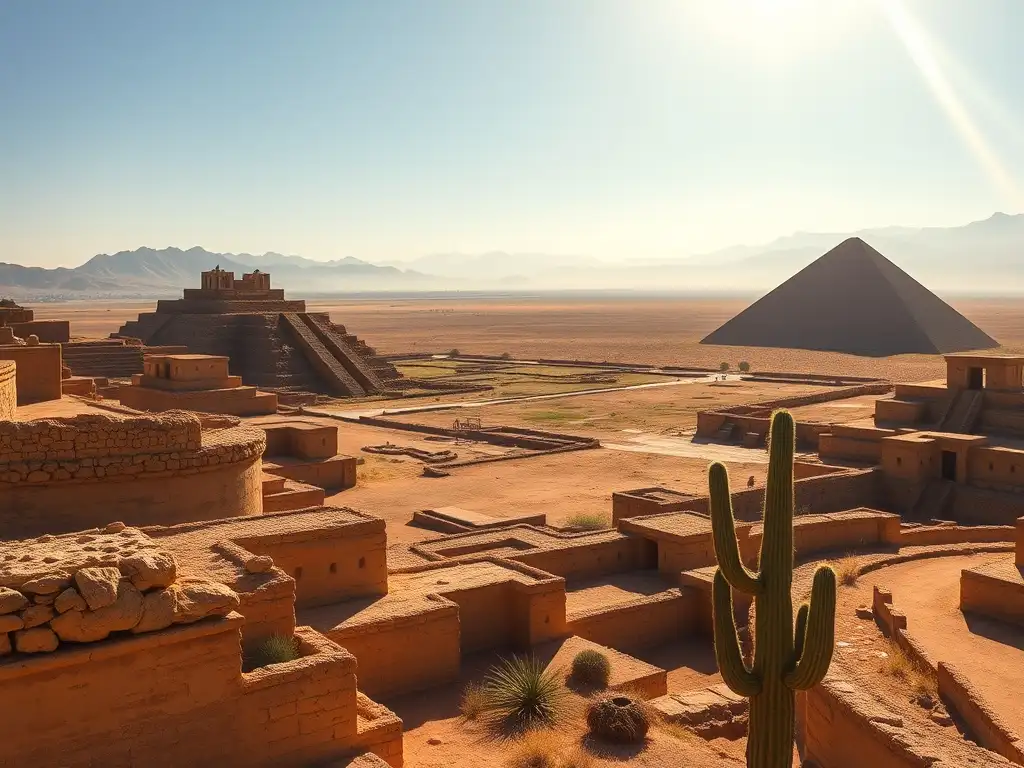
Caral, located in the Supe Valley of Peru, stands as one of the oldest and most significant urban centers in the Americas. Dating back to approximately 3000 BCE, Caral predates many other well-known Andean civilizations, challenging earlier assumptions about the timeline of societal development in the region. Unlike later Andean civilizations known for their monumental architecture in stone, Caral is characterized by its extensive use of adobe, a sun-dried brick material. This suggests a sophisticated understanding of construction techniques and materials, adapted to the local environment. The city's layout reveals a complex social organization, with large public structures, residential areas, and evidence of specialized craft production.
The presence of numerous plazas and temples suggests a strong emphasis on religious and ceremonial activities, central to the Caral culture. The discovery of numerous musical instruments, such as flutes and panpipes, provides compelling evidence of the importance of music in Caral society. Unlike some later Andean civilizations, Caral shows little evidence of warfare or social stratification, suggesting a more egalitarian social structure. This contrasts sharply with the hierarchical structures that would characterize later Andean societies.
The remarkable preservation of Caral, despite its age, has allowed archaeologists to gain a unique insight into the daily lives and cultural practices of this early Andean civilization. The site's meticulous organization and the advanced level of architectural planning continue to fascinate researchers. Caral’s significance lies not just in its age, but also in its influence on subsequent Andean cultures. It represents a foundational stage in the development of complex societies in the region.
Caral Key Features and Discoveries
Caral's key features include its monumental platforms, which served as both residential and ceremonial spaces. These platforms are arranged around large plazas, forming a remarkably organized urban layout. The absence of defensive structures or evidence of warfare is a significant feature, pointing towards a peaceful and possibly cooperative society. Archaeological excavations have uncovered a vast array of artifacts, including intricately woven textiles, pottery, and the aforementioned musical instruments.
These findings reveal a sophisticated level of craftsmanship and a rich cultural life. The discovery of large quantities of cotton and other plant remains indicates the importance of agriculture in Caral’s economy. The presence of extensive irrigation systems suggests a sophisticated understanding of water management, crucial for sustaining a large urban population in a relatively arid environment.
The sophisticated organization of the city, combined with the lack of evidence of social hierarchy or warfare, suggests a different model of societal organization compared to later Andean civilizations. The ongoing research at Caral continues to provide crucial information about the early development of complex societies in the Andes, significantly contributing to our understanding of "PreIncan Andean civilizations history." The site's unique features challenge traditional narratives of Andean development, highlighting the diversity and complexity of pre-Inca cultures.
Understanding the Time Periods of Pre-Incan Andean Civilizations
The study of Pre-Incan Andean civilizations requires understanding their chronological development, a complex tapestry woven from diverse cultural threads. Archaeologists divide this period into several key phases, each characterized by distinct artistic styles, technological advancements, and social structures. Understanding these periods is crucial to grasping the evolution of Andean societies and the eventual rise of the Inca Empire. The periodization itself is a subject of ongoing scholarly debate, with variations in interpretations and dating. However, a common framework helps to organize the vast amount of archaeological evidence.
Early Horizon: The Rise of Chavín
The Early Horizon (c. 1500-200 BCE) marks a significant turning point in Andean history. This period witnesses the emergence of the Chavín culture, a powerful influence across a vast region of the Andes. Chavín de Huántar, located in the central Andes of modern-day Peru, served as a major ceremonial center, radiating its artistic and religious ideas far and wide.
The distinctive Chavín style, characterized by its intricate iconography depicting feline and other supernatural beings, is found in artifacts across a wide geographical area, suggesting extensive trade networks and cultural exchange. This widespread influence highlights the power of religious ideology in shaping the early Andean world.
The Chavín artistic style, featuring jaguar-like figures and other zoomorphic representations, is a testament to the power and reach of this culture's religious beliefs. The stylistic similarities found in artifacts across widely dispersed sites suggest a complex network of interaction and communication, far beyond what was previously understood about early Andean societies.
Early Intermediate Period: Regional Diversification
Following the Chavín horizon, the Early Intermediate Period (c. 200 BCE – 600 CE) is marked by a significant shift towards regional diversification. The monolithic influence of Chavín waned, and distinct regional cultures flourished, each developing unique artistic styles, technologies, and social structures. This period saw the rise of powerful regional centers, such as the Moche on the north coast and the Nazca in the south.
The Moche, known for their elaborate pottery depicting scenes of daily life and mythology, developed sophisticated irrigation systems to support intensive agriculture. The Nazca, famous for their massive geoglyphs etched into the desert landscape, also mastered sophisticated irrigation techniques and created exquisite textiles. This period showcases the dynamic interplay between environmental adaptation and cultural innovation, setting the stage for the later development of larger, more complex Andean societies.
Middle Horizon: The Influence of Tiahuanaco and Wari
The Middle Horizon (c. 600-1000 CE) witnessed the expansion of two powerful empires: Tiahuanaco and Wari. Tiahuanaco, located on the shores of Lake Titicaca, exerted significant influence across the southern Andes, imposing its administrative and religious systems. Wari, based in Ayacucho, expanded its power across the central Andes. Both empires controlled vast territories, creating sophisticated administrative systems to manage their resources and populations.
This period demonstrates the ability of Andean societies to create large-scale political entities, characterized by standardized architecture, administrative practices, and religious beliefs. The influence of these empires is evident in the widespread adoption of their artistic styles and administrative practices throughout the Andean region, demonstrating a level of integration and cultural exchange not seen before. This period offers valuable insights into the complexities of early Andean state formation and the challenges of managing vast territories.
Late Intermediate Period: The Inca Ascendancy
The Late Intermediate Period (c. 1000-1438 CE) saw the rise of the Inca Empire, but before its dominance, various regional powers continued to thrive. The Inca's eventual conquest and unification of much of the Andes marks a crucial transition, paving the way for the largest and most powerful empire in pre-Columbian South America. While the Inca eventually unified much of the Andes, this period demonstrates the continuing regional diversity and political fragmentation that characterized the Andean world before Inca dominance.
Studying this period helps illustrate the processes that led to Inca expansion and the diverse challenges they faced in consolidating their power. The Late Intermediate Period offers a fascinating glimpse into the complex political landscape that preceded the Inca Empire's rise to power.
The Importance of Studying Pre-Incan Andean Civilizations
The study of Pre-Incan Andean civilizations offers invaluable insights into various aspects of human history and cultural development, archaeological preservation, and our connection to the past.
Gaining Insights into Human History and Cultural Development
Understanding Pre-Incan societies provides crucial insights into the complexities of human social organization, technological innovation, and cultural expression. Their achievements in agriculture, architecture, and art demonstrate remarkable ingenuity and adaptation to diverse environments. The study of their social structures, religious beliefs, and political systems allows us to broaden our understanding of human societal development and the factors that contribute to societal success and failure. By examining their successes and failures, we gain a deeper understanding of the dynamics of power, social organization, and environmental adaptation. This knowledge is valuable for addressing contemporary challenges and promoting sustainable development.
Preserving and Protecting Archaeological Heritage
The preservation and protection of Pre-Incan archaeological sites and artifacts are crucial for understanding their history and culture. These sites are invaluable resources for future generations, providing insights into the past and fostering a deeper appreciation for cultural diversity. The ethical considerations of archaeological research and the responsible management of cultural heritage are paramount to ensure the preservation of this irreplaceable legacy for future generations. Protecting these sites from looting and degradation is essential for maintaining the integrity of the historical record and for future research.
Connecting with the Voices of the Past: The Echoes of Pre-Incan Andean History
Studying Pre-Incan Andean civilizations allows us to connect with the past and understand the enduring legacy of these remarkable cultures. Their art, architecture, and technologies continue to inspire awe and wonder, showcasing the creativity and resilience of the human spirit. By engaging with these echoes of the past, we gain a deeper appreciation for the richness and diversity of human experience and the interconnectedness of cultures across time and space.
The study of Pre-Incan Andean civilizations is not merely an academic exercise; it is a journey of discovery that connects us to the enduring human spirit and fosters a deeper understanding of our shared heritage. The echoes of their achievements resonate through time, reminding us of the importance of preserving and celebrating cultural heritage for future generations.
- Unveiling the Tapestry of Pre-Incan Andean Civilizations
- The Rise of Early Andean Societies: A Historical Overview
- Pre-Incan Cultures of the Highlands: Regional Developments
- Technological Advancements in Pre-Incan Andean Societies
- Social and Political Structures in Pre-Incan Andean History
- Legacy of Pre-Incan Civilizations: Influence on the Incas
- Exploring Pre-Incan Archaeological Sites: Chan Chan
- Exploring Pre-Incan Archaeological Sites: Caral
- Understanding the Time Periods of Pre-Incan Andean Civilizations
- The Importance of Studying Pre-Incan Andean Civilizations
- What are some key PreIncan Andean civilizations?
- How did PreIncan Andean civilizations differ from the Inca?
- What kind of technology did PreIncan Andean civilizations develop?
- What are some examples of PreIncan art and architecture?
- Where can I learn more about PreIncan Andean civilizations history?
Frequently Asked Questions
What are some key PreIncan Andean civilizations?
The article focuses on several significant PreIncan cultures, including the Moche, Nazca, and Tiahuanaco. These societies flourished before the Inca Empire, each leaving behind a unique legacy.
How did PreIncan Andean civilizations differ from the Inca?
PreIncan civilizations, while sharing some Andean traits, displayed distinct artistic styles, religious beliefs, and societal structures compared to the later Inca Empire. They developed independently, influencing each other and, ultimately, the Inca.
What kind of technology did PreIncan Andean civilizations develop?
PreIncan societies developed remarkable irrigation systems, advanced ceramics, and complex textiles. Their ingenuity allowed them to thrive in challenging Andean environments.
What are some examples of PreIncan art and architecture?
The article highlights the elaborate Nazca lines, the magnificent Moche pottery, and the monumental Tiahuanaco structures. These artistic achievements showcase their sophisticated skills and cultural beliefs.
Where can I learn more about PreIncan Andean civilizations history?
This article provides an overview, but further research can be done through academic journals, museum exhibits, and books focusing on Andean archaeology and anthropology. Many resources are available online as well.
Final Reflection: Echoes of the Past, Shaping Our Future
The legacy of PreIncan Andean civilizations continues to resonate in the vibrant tapestry of modern Peru and beyond, a testament to the enduring power of cultural heritage. Understanding their sophisticated societal structures, innovative agricultural techniques, and rich spiritual beliefs offers not only a glimpse into the past but also a crucial lens through which to examine contemporary challenges and opportunities. Ignoring this legacy would be a profound loss, both intellectually and culturally.
The intricate interplay between the environment and the ingenuity of PreIncan peoples continues to inspire awe and wonder. Their mastery of complex irrigation systems, their profound respect for the Andean landscape, and their intricate understanding of astronomical cycles offer valuable lessons for sustainable development in a world grappling with climate change. The past is never dead. It's not even past.
- William Faulkner. This quote rings especially true when considering the enduring relevance of PreIncan knowledge and practices in addressing modern environmental concerns. Their wisdom, passed down through generations, holds the potential to inform sustainable solutions for the future.
You, the reader, are now invited to consider the echoes of these ancient voices in your own life. How can we, as inheritors of this rich history, learn from the resilience, innovation, and deep connection to the land demonstrated by PreIncan cultures? What steps can you take to support the preservation of these invaluable cultural treasures and ensure that their stories continue to inspire future generations? Let the echoes of the past guide you towards a more sustainable and culturally rich future.
Unveil the Wisdom of the Ancestors Today!
Thank you for exploring the rich tapestry of Pre-Incan cultures with us! We hope you feel inspired by the insights shared and the enduring legacy of these civilizations. Now is the perfect time to deepen your understanding.
Here are some ways you can continue your journey of discovery:
- Expand your knowledge of these cultures by exploring our curated list of recommended books and documentaries.
- Join our vibrant community forum to connect with fellow history enthusiasts, share your perspectives, and engage in insightful discussions.
- Consider attending local exhibitions or cultural events focused on Andean civilizations to experience their rich heritage firsthand.
What aspects of Pre-Incan culture resonated most with you, and how will you help ensure their stories continue to inspire future generations?