
The Role of Elites: Understanding the Power Dynamics in PreIncan Societies

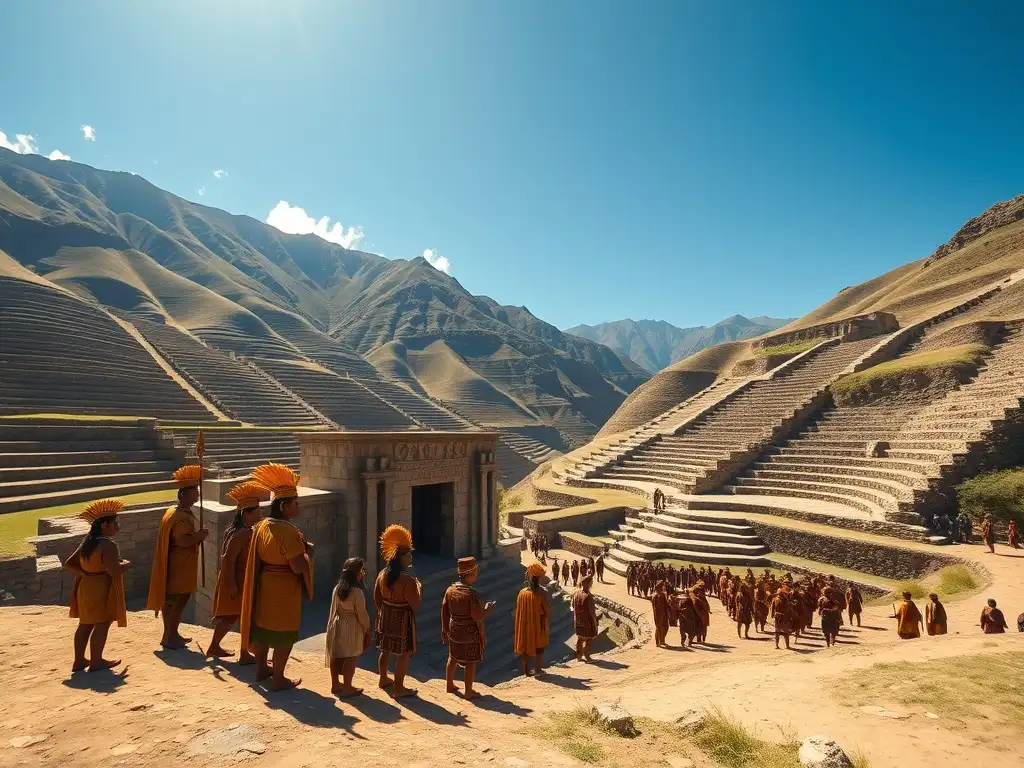
Step into a world lost to time, yet echoing with power and mystery. Andean Civilizations unveils the captivating story of ancient empires, their intricate societies, and breathtaking artistry. But what truly shaped these colossal cultures? Discover the hidden mechanisms of PreIncan elite power structures, and delve into the complex dynamics that defined these remarkable societies long before the Inca. Uncover the secrets of the highlands and prepare to be amazed.
- PreIncan Elite Power Structures: A Deep Dive into Andean Social Hierarchies
- Defining PreIncan Elite Power
- Regional Variations in PreIncan Elite Structures
- Case Studies of PreIncan Elite Power
- The Impact of PreIncan Elite Structures on Later Andean Societies
- Conclusion: Understanding PreIncan Elite Power Structures
-
Frequently Asked Questions
- What were the main characteristics of PreIncan elite power structures?
- How did PreIncan elites maintain their power?
- What were the differences in elite power structures between various PreIncan cultures (e.g., Moche, Nazca)?
- How did PreIncan elites influence art and architecture?
- What evidence do archaeologists use to study PreIncan elite power structures?
- Final Reflection: Echoes of Power in PreIncan Societies
- Unveil the Secrets of Power in Pre-Incan Societies!
The rise and fall of pre-Incan societies in the Andes Mountains were profoundly shaped by intricate power dynamics. Understanding these complex social hierarchies is crucial to grasping the full tapestry of Andean civilization before the Inca Empire's dominance.
This article delves into the multifaceted role of elites in pre-Incan societies, exploring how their power manifested, the mechanisms they employed to maintain control, and the significant impact they had on the development of art, religion, technology, and the very fabric of Andean life. We will examine specific examples from various cultures, including the Moche, Nazca, and Tiahuanaco, to illustrate the diverse ways in which elite power structures functioned and evolved across different regions and time periods.
By analyzing the evidence available from archaeological findings, iconography, and textual sources (where available), we aim to illuminate the complexities of pre-Incan social organization and the enduring legacy of these powerful individuals and groups. This exploration will shed light on the keyword, "PreIncan elite power structures," providing a detailed analysis of the subject.
Introduction to Power Dynamics in PreIncan Societies
Pre-Incan Andean societies, while diverse, shared some common features in their social organization. Power was rarely centralized in a single, all-powerful ruler, as seen later in the Inca Empire. Instead, power structures were often more fluid and regionally specific, with varying degrees of centralization depending on the specific culture and historical period. Early Andean societies often saw the emergence of elites based on a combination of factors, including:
- Religious Authority: Shamans, priests, and other religious figures often held significant power, mediating between the people and the supernatural world. Their influence was rooted in their perceived ability to control the forces of nature, crucial for agricultural societies dependent on predictable weather patterns.
- Military Prowess: In many societies, successful military leaders gained considerable influence and power, often accumulating wealth and prestige through conquest and tribute. Their control was maintained through force and the threat of military action.
- Economic Control: Control over resources, particularly land and water, was another critical source of power. Elites who controlled access to essential resources held significant leverage over the population, able to influence agricultural production and trade networks.
- Lineage and Ancestry: In some societies, power was hereditary, passed down through lineages claiming divine or ancestral connections. This legitimized their authority and ensured the continuation of elite power across generations.
The interplay of these factors shaped the specific forms of elite power in different pre-Incan societies. The following sections will examine these diverse expressions in more detail.
The Emergence of Elites in the Andes
The development of elite power structures in the Andes wasn't a sudden event but a gradual process that unfolded over millennia. Early evidence suggests that social stratification began to emerge during the Formative Period (circa 1800-500 BC), with the development of larger, more complex settlements and the appearance of elaborate burial practices indicating social differentiation. The increasing complexity of agriculture, irrigation systems, and societal organization facilitated the concentration of wealth and power in the hands of a few.
For example, the monumental architecture found at sites like Caral in the Norte Chico region suggests the existence of powerful elites who mobilized significant labor resources for large-scale construction projects. These early elites likely exerted their power through religious authority and control over resources, establishing the foundations for more complex power structures that would develop in subsequent periods.
Further research is needed to fully understand the nuances of elite emergence in each specific region, but the evidence points to a gradual process driven by economic and social changes. The accumulation of wealth, through trade or agricultural surplus, became a significant factor in the consolidation of power, allowing elites to invest in elaborate ceremonial centers, creating a visual representation of their authority.
Defining PreIncan Elite Power
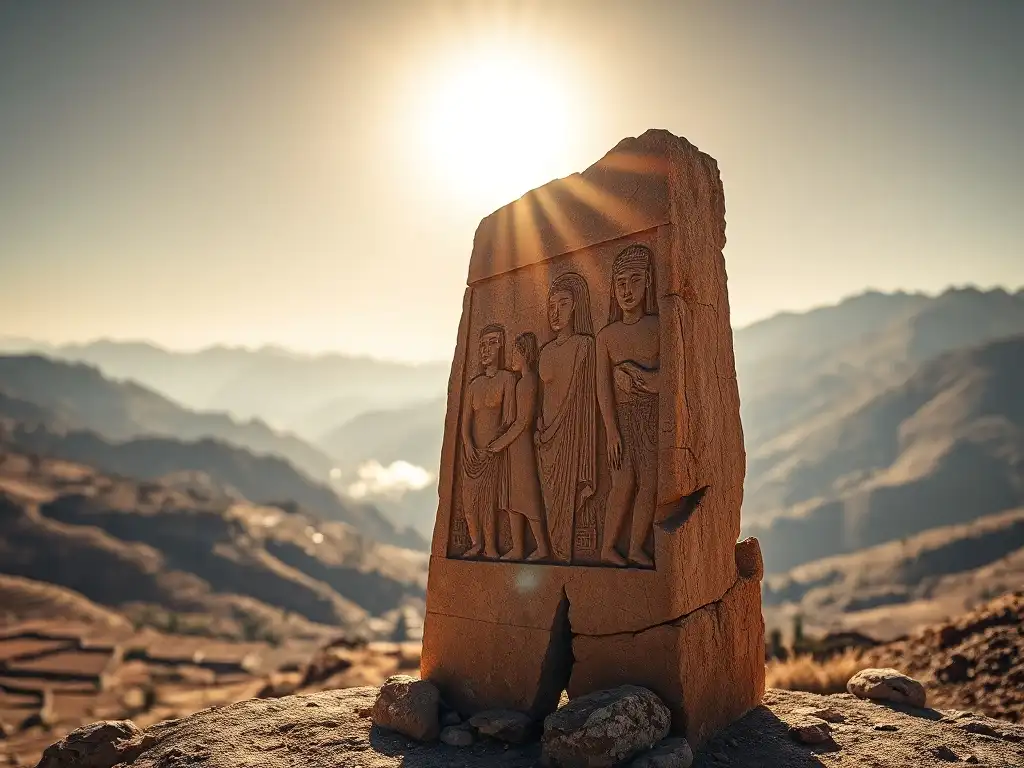
Understanding "PreIncan elite power structures" requires a nuanced approach, moving beyond simplistic notions of kingship. Pre-Inca societies, while exhibiting varied levels of social complexity, weren't uniformly structured. The concept of "elite" itself needs careful definition, as it encompassed individuals and groups holding power through diverse means, not solely inherited lineage.
Power dynamics shifted regionally and temporally, reflecting the dynamic nature of Andean development. This section will explore how elite authority manifested in different Pre-Inca cultures, highlighting the interplay of religious, economic, and political factors shaping their influence. The absence of a unified, centralized power structure across all Pre-Inca societies is crucial to understanding their distinct power dynamics.
Instead, we find a spectrum of social organizations, ranging from relatively egalitarian communities to those with more pronounced hierarchical structures. This diversity necessitates careful examination of individual cases to avoid generalizations. The term "elite" in this context refers to those individuals or groups who enjoyed disproportionate access to resources, prestige, and authority within their respective societies.
Elite authority in early Andean cultures stemmed from a complex interplay of factors. While inherited lineage played a role in some societies, it wasn't the sole determinant of power. Access to resources, particularly land and labor, was a significant factor. Control over irrigation systems, essential for agriculture in the arid Andes, significantly enhanced an individual's or group's power.
For instance, the Moche civilization, known for its sophisticated irrigation networks, likely saw those controlling water access rise to positions of prominence. Furthermore, religious expertise and ritual leadership were crucial sources of power. Priests and shamans, often possessing specialized knowledge of astronomy, agriculture, and healing, held immense influence, potentially surpassing that of purely secular leaders.
Evidence suggests that in some societies, elite status was also linked to military prowess, with successful warriors gaining prestige and authority. The interplay of these factors—economic control, religious authority, and military achievement—shaped the diverse power structures of early Andean societies. Precise details about the specifics of power transfer and succession remain elusive for many Pre-Inca groups, requiring further archaeological investigation.
Ritual and Religious Power of PreIncan Elites
The ritual and religious sphere played a pivotal role in solidifying Pre-Inca elite power. Religious leaders, often associated with specific deities or cosmological concepts, wielded considerable influence. Their control over sacred knowledge, rituals, and access to oracles provided a powerful legitimization of their authority. Consider the Nazca culture, famous for its geoglyphs.
The creation and maintenance of these monumental works likely required significant organizational capabilities and resources, suggesting a powerful priestly class directing the labor and resources of the population. These leaders did not only control religious practices but also mediated between the human and supernatural realms, interpreting omens and ensuring the well-being of the community. This power was not simply spiritual; it had direct implications for social order and resource allocation.
The religious elite often controlled access to important resources, such as coca leaves or other sacred items, further consolidating their position within society. The intricate iconography found in Pre-Inca art often depicts elite figures in religious contexts, emphasizing the close relationship between power and religious authority. Further research is needed to fully understand the specific religious beliefs and practices of each Pre-Inca culture and their impact on power structures.
Economic Control and Elite Status in Pre-Incan Civilizations
Economic control was inextricably linked to elite status in Pre-Inca civilizations. Control over production, distribution, and trade of essential goods and resources directly translated into political power. The Tiahuanaco culture, for instance, with its extensive road network and sophisticated administrative system, likely relied on a centralized system of resource management, with elites controlling the flow of goods and labor.
Agriculture, the backbone of Andean economies, was a critical area of elite control. The management of agricultural surpluses, storage facilities, and irrigation systems provided elites with significant leverage. This control extended beyond mere subsistence; elites often controlled the production of luxury goods such as textiles, ceramics, and metalwork, which were used to consolidate their power and prestige through displays of wealth and patronage.
Evidence suggests that specialized craft production, often associated with elite patronage, was a key element in the economic and social hierarchy of many Pre-Inca societies. However, the precise mechanisms of economic control varied across different cultures, requiring more detailed studies to fully understand the complex interplay between economic power and elite status. The extent of the elite's control over the economy, and the ways in which that control was exercised, is an ongoing area of research and debate among Andean scholars.
Military Prowess and the Ascendancy of PreIncan Leaders
Military strength played a crucial, often decisive, role in the rise and fall of PreIncan elites. Control over armies, both in terms of size and effectiveness, directly translated into political power and influence. Successful military campaigns, whether defensive or offensive, solidified a leader's authority and legitimacy within their society.
The ability to mobilize and command large, well-equipped fighting forces was a key indicator of a powerful elite. Consider the Wari Empire, for example; their impressive military organization and capacity for conquest allowed them to establish a vast and influential state across much of the central Andes. Their success wasn't solely based on sheer numbers; advanced weaponry, sophisticated logistics, and effective military strategies all contributed to their dominance.
This military might wasn't just about conquering territories; it also served to maintain control over conquered populations and suppress internal dissent. The threat of military force was a powerful tool for enforcing the elite's authority and ensuring compliance.
The nature of warfare also varied across different PreIncan societies. While some relied on large-scale, organized armies like the Wari, others might have relied more on smaller, highly skilled warrior groups or on strategic alliances. The specific military technologies and tactics employed also differed significantly, reflecting the unique environmental and social contexts of each civilization.
For instance, the challenging Andean terrain influenced military strategies, favoring adaptable and mobile forces capable of navigating mountainous regions and utilizing the natural landscape to their advantage. Detailed studies of PreIncan warfare, including analysis of weaponry, fortifications, and burial sites of elite warriors, continue to reveal fascinating insights into the relationship between military power and the consolidation of elite control. Archaeological evidence, such as the discovery of sophisticated weaponry and fortifications, provides strong evidence of the importance of military prowess in the power structures of these societies.
The careful study of these artifacts helps us understand the technological advancements that enhanced their military capabilities and ultimately their political dominance. Further research into the specific military organizations and strategies of various PreIncan groups is essential for a complete understanding of "PreIncan elite power structures".
Regional Variations in PreIncan Elite Structures
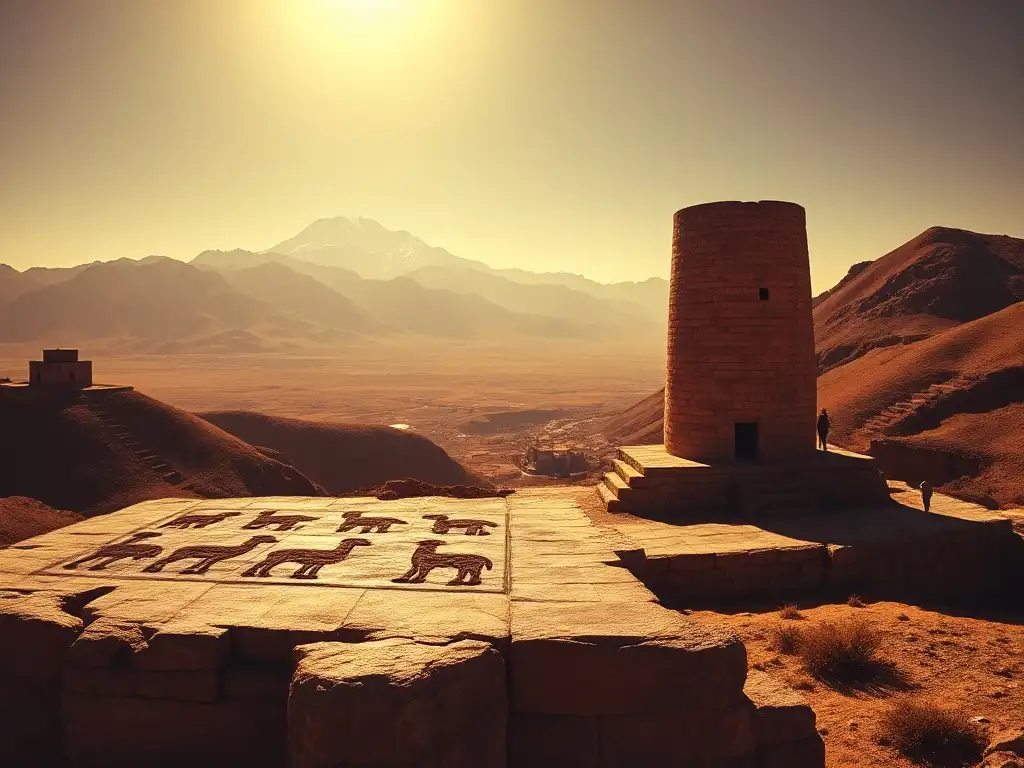
PreIncan elite power structures varied significantly across the Andean region, reflecting diverse environmental conditions, economic strategies, and societal beliefs. Understanding these variations is crucial to grasping the complexity of pre-Columbian Andean societies and the eventual rise of the Inca Empire. This section explores the distinct characteristics of elite power in two prominent PreIncan cultures: the Moche and the Tiahuanaco. Analyzing their differing approaches to consolidating and legitimizing power reveals the multifaceted nature of "PreIncan elite power structures," a key element in understanding the rich tapestry of Andean history.
The Moche Elite: Divine Kings and Warrior Priests
The Moche civilization (c. 100-800 CE), flourishing along the northern coast of Peru, developed a highly stratified society with a powerful elite. Unlike some other Andean societies, Moche power wasn't solely based on religious authority. Instead, it was a potent blend of divine kingship and warrior-priest leadership. The Moche elite controlled access to vital resources, including irrigation systems crucial for agriculture in the arid coastal environment. This economic control was intrinsically linked to their political and religious authority. Their sophisticated understanding of hydraulic engineering allowed them to command agricultural surpluses, consolidating their power and wealth.
Moche Elite Burials and the Display of Power
Moche elite burials offer compelling evidence of their power and influence. Elaborate tombs, often filled with gold artifacts, intricate textiles, and human sacrifices, highlight the elite's wealth and control over resources. The sheer scale and opulence of these burials underscore the Moche elite's ability to mobilize labor and resources on a massive scale.
For instance, the Huaca de la Luna and Huaca del Sol complexes reveal monumental architecture and intricate murals depicting scenes of warfare, ritual sacrifices, and elite figures. These monumental constructions represent not only engineering prowess but also the elite's capacity to command the labor of thousands of individuals, further solidifying their power. The sheer quantity of grave goods found in these contexts speaks to a highly centralized system of control over craft production and trade networks.
The Role of Moche Art in Legitimizing Elite Rule
Moche art played a critical role in legitimizing elite rule. Pottery, particularly, served as a powerful propaganda tool, depicting scenes of elite power, ritual ceremonies, and military victories. These images reinforced the elite's divine authority and military prowess, fostering loyalty and obedience among the populace.
The detailed and realistic depictions of Moche rulers, often presented in ceremonial attire and surrounded by symbols of power, were carefully crafted to project an image of authority and legitimacy. The repetitive nature of certain motifs across different pottery pieces suggests a deliberate effort to disseminate a consistent message of elite power throughout the society. This visual propaganda, spread through widely distributed pottery, played a crucial role in shaping the perception of the Moche elite and their rule.
The Tiahuanaco culture (c. 500-1000 CE), located on the shores of Lake Titicaca in the Bolivian Altiplano, developed a different model of elite power, primarily based on religious authority. Their influence extended far beyond their immediate territory, suggesting a sophisticated system of political and religious control over a vast area. The Tiahuanaco elite's power stemmed from their control over religious institutions and rituals, which were central to the lives of their subjects. Their mastery of complex religious practices and their control over sacred sites allowed them to maintain their privileged position within society.
Tiahuanaco's Religious Centers and Elite Control
Tiahuanaco's monumental architecture, particularly the Kalasasaya complex and the Akapana pyramid, served as powerful symbols of religious authority and elite power. These structures were not simply religious centers; they were also centers of political and economic control. The elite's control over the construction and maintenance of these sites, requiring vast amounts of labor and resources, was a crucial element of their power.
Analysis of the layout and design of these structures indicates a sophisticated understanding of cosmology and a deliberate attempt to create a visually stunning display of power and religious authority. The sheer scale of the construction projects required extensive planning and organization, further highlighting the elite's control over labor and resources.
The Influence of Tiahuanaco's Elite on Regional Politics
The Tiahuanaco elite exerted significant influence on regional politics, extending their authority far beyond the immediate vicinity of Lake Titicaca. Their influence is evident in the widespread adoption of Tiahuanaco-style pottery and architecture throughout the Andes. This suggests a complex system of political and religious control, possibly involving alliances, tribute, and even military conquest.
The presence of Tiahuanaco-style artifacts in distant regions indicates the elite's ability to maintain control and exert influence over a wide geographical area. This suggests that the Tiahuanaco elite employed a sophisticated strategy combining religious authority with political power to maintain control over their expansive empire. Further research is needed to fully understand the mechanisms of this far-reaching influence, including the role of trade networks and military campaigns.
The Nazca Elite: Agricultural Control and Ritual Practices
The Nazca elite, flourishing along the southern coast of Peru from roughly 100 BCE to 800 CE, wielded significant power based on their control over vital resources, primarily water and agricultural land. Their sophisticated irrigation systems, a testament to advanced engineering, allowed them to cultivate the arid coastal plains, producing surplus crops that fueled their societal structure. This control over food production was intrinsically linked to their religious authority. The elite weren't simply managers of resources; they were considered intermediaries between the human and supernatural realms.
Their control over agriculture translated directly into political and religious dominance. The ability to harness and distribute water, a precious commodity in the desert, solidified their position as essential figures within the community. This control was not only practical but also symbolic, reinforcing their divine legitimacy and right to rule.
We see evidence of this in the elaborate burial practices of the elite, often interred with precious artifacts and offerings suggesting their special connection to the spiritual world. The very act of ensuring the survival of the community through successful agriculture cemented the elite's power, making them indispensable to the Nazca way of life. Furthermore, the production and distribution of textiles, another significant aspect of Nazca economy, were likely controlled by the elite, adding another layer to their economic and social influence.
Nazca Lines and the Elite's Connection to the Cosmos
The iconic Nazca Lines, vast geoglyphs etched into the desert surface, are often interpreted as a manifestation of the Nazca elite's power and their relationship with the cosmos. While the precise purpose remains debated, the immense scale and complexity of the lines suggest a significant investment of resources and labor, coordinated by a centralized authority. The creation of these enormous figures, visible only from the air, points to a sophisticated understanding of astronomy and land management, skills likely held and controlled by the elite.
The lines could have served as ritual sites, pilgrimage routes, or calendars, all reinforcing the elite's role as spiritual guides and interpreters of the celestial world. Their ability to orchestrate such massive undertakings, requiring the mobilization of a considerable workforce, further highlights their control and influence over the Nazca population.
The immense effort required to create and maintain these lines underscores the elite's ability to command resources and labor, demonstrating their power and authority on a breathtaking scale. This connection between the earthly and celestial realms, as represented by the Nazca Lines, is a powerful symbol of the elite's influence and their role as custodians of the cosmological order.
Evidence of Elite Power in Nazca Society
Evidence for Nazca elite power is multifaceted, extending beyond the control of agriculture and the creation of the Nazca Lines. Archaeological excavations have unearthed elaborate tombs containing lavish grave goods, including gold and silver ornaments, textiles, and pottery, indicating significant wealth concentration within a small segment of society. These burials are not just repositories of material wealth; they are statements of social status and power.
The presence of elaborate headdresses, fine textiles, and sophisticated pottery in elite burials highlights the elite's access to specialized craft production and their ability to control the distribution of these valuable goods. Furthermore, the monumental architecture found in Nazca settlements, such as platforms and ceremonial centers, points to a hierarchical society with a capacity for large-scale construction projects, again indicative of centralized authority. The size and complexity of these structures, combined with their location within settlements, suggest that the elite lived in distinguished areas and controlled access to important resources and spaces.
These structures, along with the intricate iconography found on pottery and textiles, depict scenes of ritual and possibly elite figures, further supporting the idea of a powerful and centralized ruling class. The combination of material culture, monumental architecture, and iconography provides compelling evidence of a stratified society with a powerful and well-defined elite.
Case Studies of PreIncan Elite Power
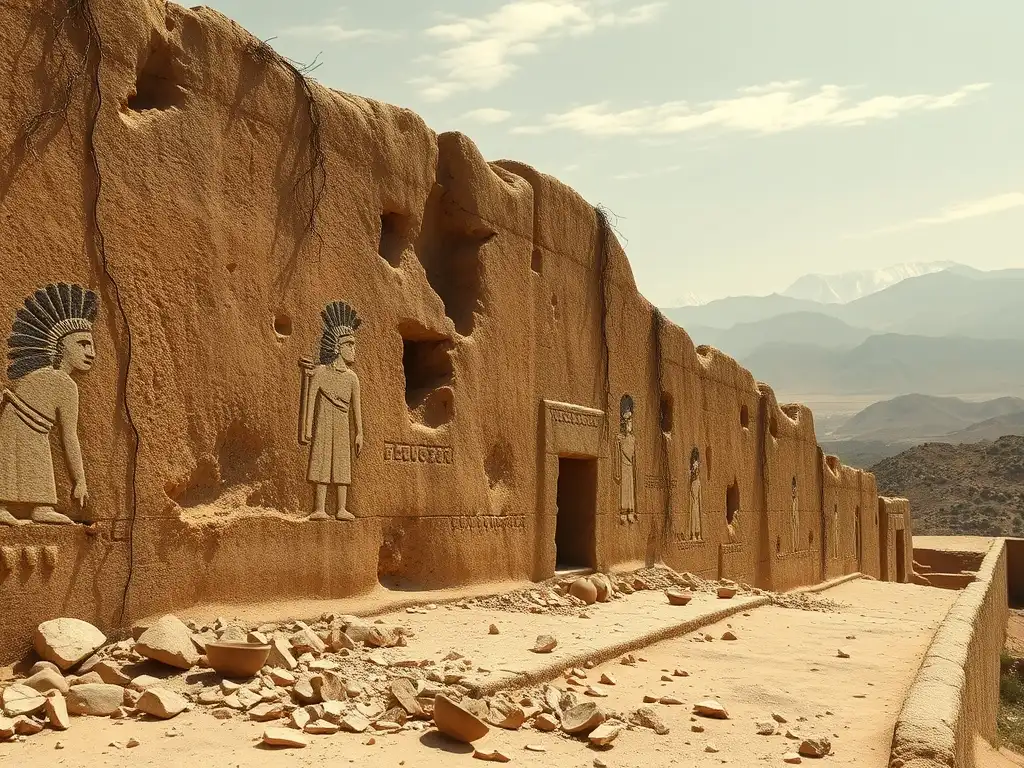
This section delves into specific examples of PreIncan elite power structures, examining how different societies organized their governance and exerted control. Understanding these diverse models provides crucial insight into the complexities of Andean social organization before the Inca rise to dominance. Analyzing these case studies helps us better understand the keyword "PreIncan elite power structures" and its varied manifestations.
The Chimor Empire: Urban Centers and Centralized Power
The Chimor Empire, flourishing along the northern coast of Peru from roughly 900 to 1470 CE, presents a compelling case study of centralized power in a PreIncan society. Their sophisticated urban planning and elaborate administrative systems reflect a highly organized and stratified society. The empire's strength was rooted in its ability to control vital resources, particularly agricultural production in a challenging desert environment, and to manage a large, diverse population.
This control was largely facilitated by the elite's command over the economic and political systems. Chimor's success demonstrates the effectiveness of a centralized power structure in managing a large and complex state. The concentration of power in the hands of the elite is evident in the monumental architecture, sophisticated irrigation systems, and the hierarchical organization of the society.
The Chan Chan Citadel and Chimor Elite Administration
The Chan Chan citadel, the capital of the Chimor Empire, stands as a testament to the power and influence of the elite. This massive adobe city, comprised of numerous palaces and compounds, was not merely a residential area but also the center of political and administrative control. The layout of the city, with its distinct residential areas for different social strata, clearly reflects the hierarchical social structure.
Evidence suggests a complex bureaucracy responsible for managing the empire's resources, including agriculture, fishing, and craft production. The elite’s control extended to all aspects of life, from religious ceremonies and artistic production to the distribution of goods and the imposition of labor obligations.
Archaeological findings, such as the intricate designs of the palaces and the discovery of elite burials with lavish grave goods, provide concrete evidence of the wealth and power enjoyed by the Chimor elite. The sophisticated system of urban planning and the clear distinction between elite and commoner residences underscore the effective control exercised by the Chimor ruling class.
The Wari Empire: Military Expansion and Elite Integration
The Wari Empire, expanding across much of the central Andes from approximately 600 to 1000 CE, represents a different model of PreIncan elite power. While also possessing a centralized administration, the Wari empire relied heavily on military strength and a more integrated approach to governing its vast territory. Unlike the Chimor, who focused on coastal resources, the Wari controlled a geographically diverse empire that required a different strategy for maintaining power.
The Wari elite's power stemmed from their military prowess and their ability to integrate conquered populations into their administrative system. This integration, while often coercive, involved the establishment of administrative centers and the dissemination of Wari cultural practices.
Wari Administrative Centers and the Imposition of Elite Rule
The Wari empire’s control was maintained through a network of strategically located administrative centers. These centers were not just military outposts but also served as hubs for economic and religious activities. The construction of standardized architecture and the imposition of Wari administrative practices across the empire indicate a deliberate strategy for consolidating power and integrating conquered populations.
The elite’s influence is visible in the uniform architectural style of administrative centers, the standardization of pottery and textiles, and the widespread adoption of Wari religious beliefs. While the Wari elite undoubtedly wielded significant power, their strategy differed from the Chimor's more strictly centralized control. The Wari approach involved a more nuanced combination of military might, administrative integration, and cultural influence to maintain their vast empire.
Further research is needed to fully understand the precise mechanisms of Wari elite power and the extent of their control over different regions of their empire. [Specific information pending: detailed analysis of Wari administrative records and their implications for elite control].
The Impact of PreIncan Elite Structures on Later Andean Societies
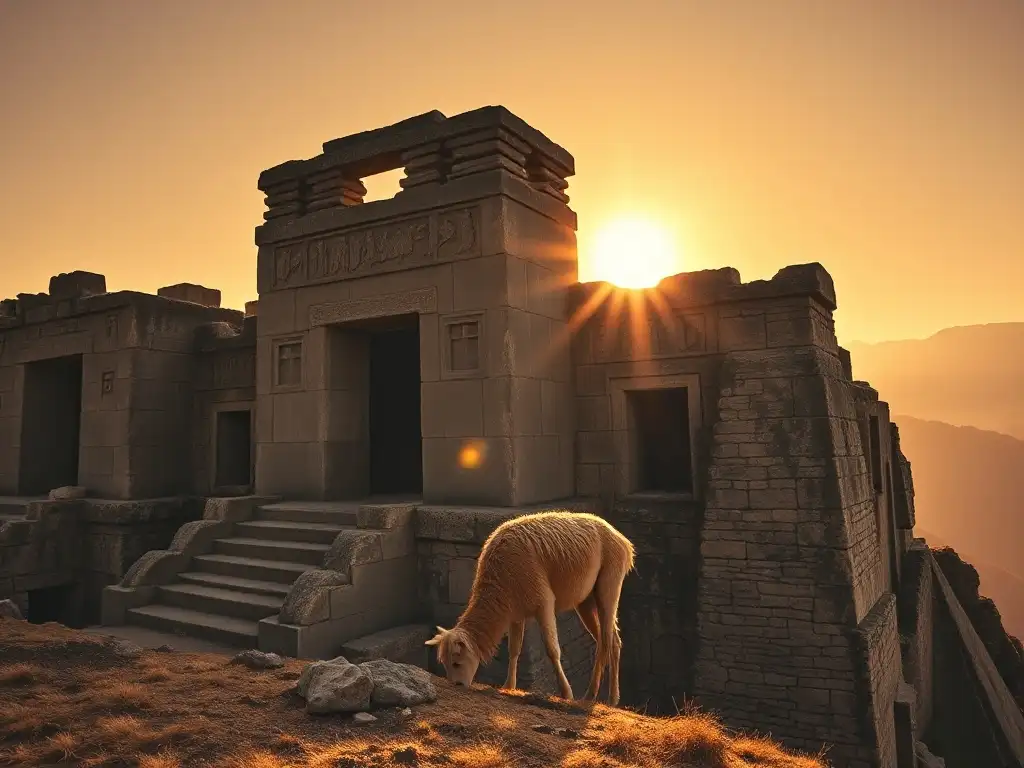
The intricate power structures of PreIncan societies left an indelible mark on the subsequent development of Andean civilizations, particularly the Inca Empire. Understanding these earlier systems is crucial to grasping the complexities of Inca rule and the long-term evolution of Andean social organization. The influence wasn't simply a matter of direct imitation; rather, the Inca adapted and modified existing models, building upon the foundations laid by their predecessors.
This process of adaptation and innovation shaped the political landscape, economic systems, and religious practices of the Andes for centuries. Analyzing the legacies of PreIncan elite power structures reveals a fascinating interplay between continuity and change.
The Legacy of PreIncan Power Dynamics on the Inca Empire
The Inca Empire, while undeniably powerful and expansive, didn't emerge in a vacuum. Its sophisticated administrative system, characterized by a hierarchical bureaucracy and a complex network of tribute and labor obligations, drew heavily from the organizational models of earlier Andean societies. For instance, the concept of ayllus, kinship-based communities with shared resources and responsibilities, had deep roots in PreIncan cultures.
While the Inca modified and centralized the ayllu system to serve their imperial ambitions, the fundamental principle of communal organization persisted. Similarly, the Inca's use of elaborate road networks and sophisticated record-keeping systems echoed earlier innovations in infrastructure and administration seen in civilizations like the Wari and Tiwanaku. The Inca's ability to swiftly integrate conquered populations into their empire might be partly attributed to their understanding and adaptation of existing power structures and social norms.
This pragmatic approach minimized resistance and facilitated the consolidation of their rule. The Inca were adept at co-opting existing elites and incorporating their knowledge and influence into the imperial administration. This strategy of strategic integration is a testament to the lasting influence of PreIncan power dynamics.
The transition from PreIncan societies to the Inca Empire involved significant shifts in social hierarchy, yet elements of continuity are also readily apparent. PreIncan societies were characterized by a stratified social order, with elites occupying positions of power and privilege. This hierarchical structure, often based on kinship, religious authority, or military prowess, was a recurring feature across various Andean cultures. The Inca inherited and refined this system, establishing a highly centralized state with a clearly defined hierarchy.
However, the Inca's system differed in its scale and degree of centralization. While PreIncan elites might have exercised power within regional or local contexts, the Inca emperors commanded authority over a vast empire, demanding greater control and standardization. The Inca's expansionist policies led to a significant increase in the scale of social stratification, creating a more rigid and complex hierarchy compared to its predecessors. Nevertheless, the basic principle of a stratified society, with distinct social classes and unequal access to resources, remained a persistent feature of Andean social organization.
The evidence suggests a complex dynamic of both preservation and transformation in the social structures of the Andes. Further research into specific PreIncan societies and their interactions with the Inca Empire is crucial to fully understand the nuances of this historical process. This investigation should include a closer examination of the material culture and iconography of the elite classes in both periods, shedding light on their changing roles and status within the evolving Andean social fabric.
Conclusion: Understanding PreIncan Elite Power Structures
The intricate power dynamics within PreIncan societies remain a captivating area of study. Understanding these structures is crucial to grasping the complexities of Andean civilization before the Inca Empire's rise. The evidence suggests a multifaceted system, varying significantly across different cultures and time periods. While the concept of a centralized, unified "elite" might be an oversimplification, the existence of powerful individuals and groups wielding significant influence is undeniable.
These elites controlled access to resources, shaped religious beliefs, and directed labor, leaving behind a tangible legacy in the monumental architecture, intricate artwork, and sophisticated agricultural systems we see today. The very fabric of PreIncan society was woven from these power relationships, influencing everything from daily life to monumental projects. Analyzing these structures allows us to better appreciate the ingenuity and resilience of these ancient Andean societies. The distribution of power was not static; it evolved and adapted to environmental changes, technological advancements, and internal social pressures.
This dynamic interplay is what makes the study of PreIncan elite power structures so fascinating and intellectually rewarding. Furthermore, studying these power structures helps us to avoid imposing modern biases on the interpretation of past societies. By carefully examining the archaeological and textual evidence, we can gain a more nuanced understanding of how these societies functioned and the diverse ways in which power was exercised and negotiated.
The Importance of Studying PreIncan Elites
Studying PreIncan elites is not merely an academic exercise; it holds significant implications for our understanding of broader societal structures and processes. The ways in which these elites accumulated and maintained their power provide invaluable insights into social organization, economic systems, and religious beliefs. For example, analyzing the monumental architecture attributed to specific PreIncan groups, such as the impressive Tiahuanaco structures or the intricate Moche pyramids, reveals not only engineering prowess but also the mobilization of vast labor forces under the direction of powerful individuals or groups.
This understanding challenges simplistic notions of ancient societies as uniformly egalitarian. Instead, it highlights the complex interplay between elite control and community participation in shaping the landscape and cultural expressions of the Andean region. Moreover, by examining the material culture associated with elite burials – lavish grave goods, fine textiles, and sophisticated metalwork – we can gain a deeper understanding of the values and beliefs that underpinned these societies.
These artifacts often serve as powerful symbols of status and authority, reflecting the ideologies that legitimized elite power and shaped social relations. The study of PreIncan elites allows us to understand the mechanisms of power, the social stratification, and the ideological justifications used to maintain these power structures. This, in turn, can inform our understanding of similar processes in other cultures and historical periods.
Further research into PreIncan social hierarchies needs to focus on several key areas. Firstly, a more detailed comparative analysis of different PreIncan cultures is needed. While some progress has been made, a systematic comparison of elite power structures across regions, such as the coastal regions versus the highlands, and across different time periods, is crucial to identify common patterns and regional variations. This could involve detailed studies of settlement patterns, economic activities, and burial practices to better understand the distribution of power and resources. Secondly, more research is needed on the role of ideology and religion in legitimizing elite power.
Understanding how elites used religious beliefs and practices to justify their authority and influence the behavior of the wider population is crucial for a complete picture. This includes analyzing iconography, religious rituals, and the construction of sacred spaces. Thirdly, further investigation into the relationship between elites and commoners is needed. While we know elites held significant power, the nature of their interactions with the rest of society remains under-researched.
We need more data on the mechanisms of social mobility, the degree of social inequality, and the ways in which elites maintained their control over the population. Ultimately, interdisciplinary approaches, combining archaeological data with ethnohistorical studies and anthropological perspectives, are key to unraveling the complexities of PreIncan elite power structures. This multi-faceted approach will provide a richer, more nuanced understanding of these fascinating ancient societies. The ongoing investigation into PreIncan elite power structures promises to yield further significant insights into the development of Andean civilizations.
Frequently Asked Questions
What were the main characteristics of PreIncan elite power structures?
PreIncan elites wielded power through religious authority, control of resources, and military strength. Their influence permeated all aspects of society, from agriculture to warfare. Inherited status often played a key role.
How did PreIncan elites maintain their power?
Elites maintained their power through a complex interplay of religious rituals, economic control, and ideological manipulation. They often fostered a system of patronage and reciprocity to solidify their positions. Monumental architecture also served to reinforce their authority.
What were the differences in elite power structures between various PreIncan cultures (e.g., Moche, Nazca)?
While all PreIncan societies featured elites, the specific forms of power varied. The Moche emphasized warrior-priests, while the Nazca may have had a more decentralized system. Religious beliefs shaped the nature of elite power in each culture.
How did PreIncan elites influence art and architecture?
Elite power is clearly reflected in PreIncan art and architecture. Monumental constructions, such as pyramids and temples, served to demonstrate the power and prestige of the ruling class. Elaborate artwork often depicted elite figures and their accomplishments.
What evidence do archaeologists use to study PreIncan elite power structures?
Archaeologists use various methods, including analyzing burial practices, monumental architecture, and iconography. The study of material culture, such as ceramics and textiles, also provides valuable insights into the lives and power dynamics of PreIncan elites.
Final Reflection: Echoes of Power in PreIncan Societies
The intricate power structures of PreIncan societies, far from being relics of a distant past, offer crucial insights into the enduring nature of elite influence and the complexities of social stratification. Understanding these dynamics is not merely an academic exercise; it provides a powerful lens through which to examine contemporary power imbalances and the persistent challenges of equitable governance. The echoes of these ancient systems resonate in our modern world, reminding us of the cyclical nature of power and the constant need for critical examination.
The legacy of PreIncan elite power, manifested in monumental architecture, sophisticated agricultural systems, and intricate religious practices, continues to shape our understanding of societal development and the enduring human desire for control. The very existence of these powerful structures, often built on the backs of vast populations, raises profound questions about the ethical dimensions of leadership and the responsibilities inherent in wielding significant influence. Power tends to corrupt, and absolute power corrupts absolutely.
This quote, while not directly about PreIncan societies, speaks to a timeless truth revealed through the study of their elite power structures. The careful study of these societies allows us to better understand the potential pitfalls of unchecked power and the importance of checks and balances, even in seemingly distant historical contexts.
Consider the implications of this research in your own life. How do you perceive power dynamics in your own community, your nation, or even within your personal relationships? Take a moment to reflect on the ways in which privilege and influence shape our world, and consider what role you can play in fostering a more just and equitable society. By understanding the past, we can better navigate the complexities of the present and work towards a future where power is wielded responsibly and for the benefit of all.
Unveil the Secrets of Power in Pre-Incan Societies!
Thank you for joining us on this fascinating exploration of power dynamics in pre-Incan societies. By examining the role of elites, you've gained valuable insights into how social structures and governance shaped these ancient civilizations. Now, let's expand your understanding!
- **Dive deeper:** Explore more articles on our site to learn about the daily lives, cultures, and beliefs of pre-Incan peoples.
- **Engage your community:** Share your newfound knowledge with friends and family—spark a discussion about how power dynamics operate in society today.
- **Join the conversation:** Leave a comment below sharing your thoughts and any surprising discoveries you made.
What new perspectives have you gained on social structures, both ancient and modern?