
From Villages to Chiefdoms: Tracing Social Evolution in the PreIncan Highlands

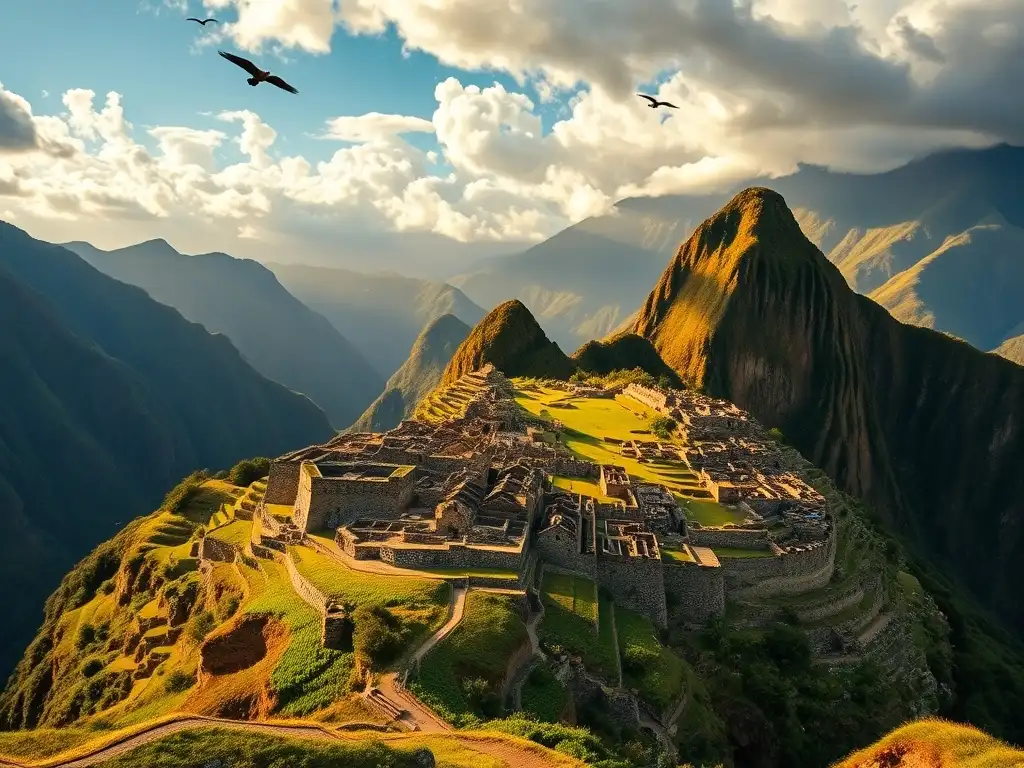
Step into a world lost to time, yet echoing with the whispers of empires past. Andean Civilizations unveils the fascinating tapestry of ancient Andean societies, from the intricate artistry of the Nazca to the breathtaking engineering feats of the Incas. But before the Inca rose to dominance, a complex social evolution unfolded in the highlands. Dare to unravel the mysteries of PreInca highland social evolution—a journey through villages transforming into powerful chiefdoms, revealing the building blocks of Andean greatness. Explore the evidence and discover how these early societies shaped the future of the Andes.
The Andean highlands, a region characterized by its dramatic geography and challenging climate, witnessed a remarkable social evolution long before the rise of the Inca Empire. This article delves into the fascinating journey of Pre-Inca societies in the highlands, tracing their transformation from small, relatively egalitarian villages to complex chiefdoms with hierarchical structures and centralized power.
We will explore the key factors driving this change, examining the interplay of environmental adaptation, technological innovation, and social organization that shaped the lives of these ancient Andean peoples. Understanding this pre-Inca social evolution is crucial for grasping the full complexity of the Inca's later achievements and the enduring legacy of Andean civilization.
We will focus on the significant developments in social structure, economic organization, and political power that occurred across various Pre-Inca cultures, highlighting the diverse paths towards social complexity within this challenging yet fertile landscape. The keyword "Pre-Inca highland social evolution" will be explored throughout the analysis.
Environmental Pressures and Adaptive Strategies
The harsh environment of the Andes Mountains presented significant challenges to early inhabitants. Scarcity of arable land, unpredictable weather patterns, and the need for sophisticated irrigation systems necessitated collaborative efforts and increasingly complex social structures. Early agricultural communities, initially small and relatively egalitarian, gradually developed more sophisticated irrigation techniques, such as canal systems and terraced farming, requiring coordinated labor and potentially leading to the emergence of specialized roles and leadership.
The development of these technologies directly impacted social organization, creating a need for individuals to manage resources and coordinate labor, laying the foundation for future hierarchical structures. This adaptation to the environment was a crucial factor in shaping the trajectory of Pre-Inca highland social evolution. Evidence from archaeological sites, such as [specific archaeological site information pending], suggests a correlation between increased agricultural productivity and the growth of larger settlements.
Technological innovation played a pivotal role in the social evolution of the Pre-Inca highlands. Advances in pottery, weaving, and metallurgy not only improved the quality of life but also contributed to social stratification. The production of sophisticated ceramics, for example, often involved specialized skills and knowledge, leading to the emergence of artisan classes with potentially higher social standing.
Similarly, the development of advanced metalworking techniques, particularly in copper and bronze, allowed for the creation of tools, weapons, and ceremonial objects that reinforced the power and prestige of elites. The control and distribution of these valuable resources became central to the organization of power, further contributing to the development of hierarchical societies. We can see this reflected in the archaeological record through the presence of elaborate tombs and burial goods associated with high-status individuals.
The Rise of Chiefdoms and Political Centralization
The culmination of environmental adaptation and technological advancements led to the emergence of chiefdoms in the Pre-Inca highlands. These societies were characterized by a more centralized political structure, with a chief or ruler wielding significant authority over a larger population. This centralization of power was often reinforced through religious ideology, with chiefs frequently claiming divine lineage or possessing specialized religious knowledge.
The consolidation of power enabled the construction of monumental architecture, such as temples and ceremonial centers, which served as symbols of the chief's authority and further solidified social hierarchies. The development of intricate social networks and trade systems facilitated the integration of different communities under the control of a central authority, creating larger, more complex political entities.
The transition to chiefdoms represents a significant step in the Pre-Inca highland social evolution, paving the way for the eventual rise of the Inca Empire. This process was not uniform, however; different regions experienced varying rates and trajectories of social change.
It's crucial to acknowledge that the path towards social complexity in the Pre-Inca highlands wasn't uniform across all regions. Different environmental conditions, resource availability, and cultural interactions led to diverse forms of social organization. While some areas saw the emergence of powerful chiefdoms with centralized control, others retained more decentralized structures with less pronounced social hierarchies. Understanding these regional variations is essential for a comprehensive understanding of Pre-Inca highland social evolution.
Further research is needed to fully elucidate the specific factors that influenced the diverse trajectories of social development across the region. The diversity of Pre-Inca societies highlights the complex interplay of environmental, technological, and social factors in shaping the development of Andean civilizations. More detailed studies on specific regional variations are needed to further illuminate the nuances of Pre-Inca social evolution.
- Environmental Pressures and Adaptive Strategies
- Technological Advancements and Social Change
- The Rise of Chiefdoms and Political Centralization
- Regional Variations in Social Organization
- What is the focus of this article on PreInca highland social evolution?
- How does the article define "PreInca"?
- What specific societal changes are discussed in relation to PreInca highland social evolution?
- What factors contributed to the social evolution described in the article?
- What Andean cultures are specifically discussed in the context of PreInca highland social evolution?
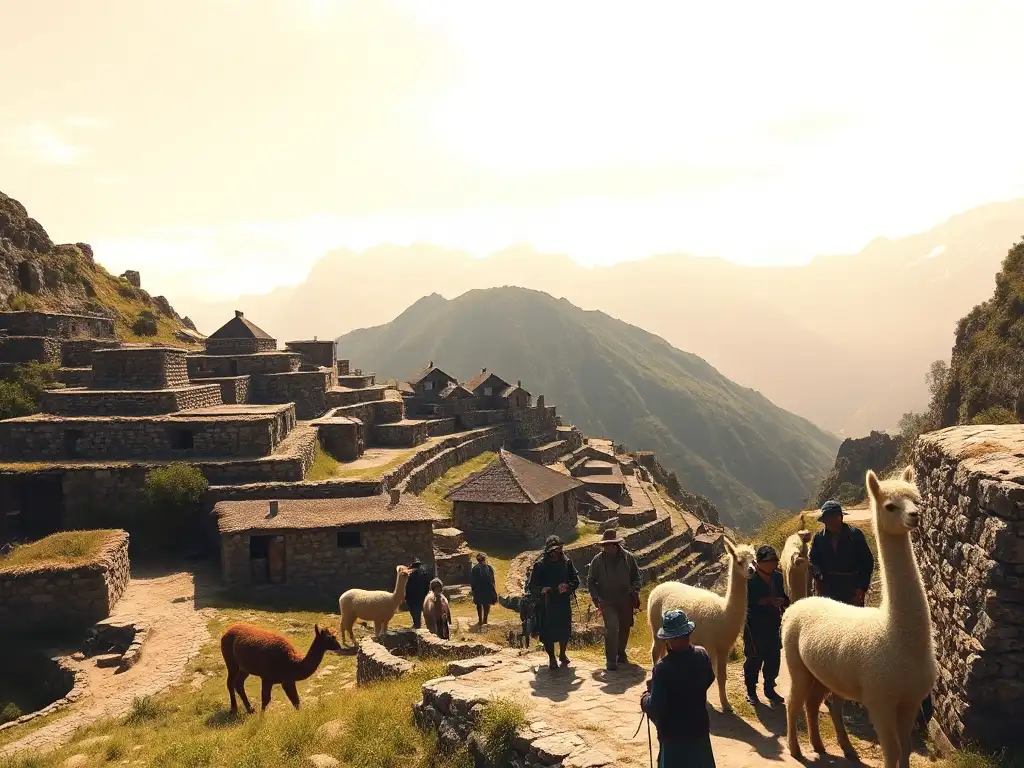
This section delves into the fascinating social evolution of the Andean highlands before the Inca Empire, exploring the transition from small, egalitarian villages to complex chiefdoms. Understanding this "PreInca highland social evolution" is crucial to grasping the foundations upon which the Inca civilization was built. We will examine the key factors driving this transformation, focusing on the interplay of environmental pressures, technological advancements, and shifting social dynamics. The process wasn't uniform across the entire region; different groups followed distinct trajectories, leading to a diverse tapestry of social structures across the highlands.
Early Village Life in the Andean Highlands
Early Andean highland villages, dating back millennia, were characterized by relatively simple social organization. Archaeological evidence suggests a largely egalitarian structure, with limited social stratification. Settlements were typically small, composed of extended family units or clans, often clustered around agricultural resources like fertile valleys and accessible water sources. Subsistence was primarily based on agriculture, with crops like potatoes, quinoa, and maize forming the backbone of their diet. Llama and alpaca herding also played a significant role in their economy, providing wool, meat, and transport.
These early communities engaged in a reciprocal exchange system, with goods and services shared within the village based on kinship ties and mutual obligations. While some individuals may have held more prestige due to skill in craft production (like pottery or textiles) or religious knowledge, evidence of significant wealth disparity or centralized authority is scarce. The social structure was largely fluid, with less rigid social boundaries than those found in later chiefdoms.
This period represents a crucial base for understanding the later, more complex social formations that emerged in the PreInca highlands. Further research into specific village sites is needed to fully understand the nuances of their social organization and the extent of variation across different regions. For example, [specific information pending] regarding the social structures of early settlements in the Ayacucho region.
The transition from simple villages to complex chiefdoms in the PreInca highlands was a gradual process, spanning centuries and driven by a complex interplay of factors. One key driver was the increasing population density in fertile areas, leading to competition for resources and a need for more efficient management of agricultural production. This pressure fostered the development of more centralized systems of governance. Technological innovations, such as improved irrigation systems and terracing techniques, also played a crucial role. These advancements allowed for increased agricultural yields, supporting larger populations and creating surpluses that could be controlled by a ruling elite.
The emergence of specialized labor is another hallmark of this transition. As societies grew larger and more complex, individuals began to specialize in specific crafts or roles, leading to a division of labor. This specialization resulted in the production of high-quality goods, some of which served as prestige items, reinforcing the power and status of the ruling class.
The construction of monumental architecture, such as large ceremonial centers and elite residences, also reflects this increasing social stratification. These structures required significant labor mobilization, showcasing the power of the chieftains to command and organize large-scale projects. Furthermore, the development of more sophisticated religious beliefs and practices contributed to the consolidation of power in the hands of religious leaders who often held considerable political influence.
The interplay between religious authority and political power is a complex aspect of PreInca highland social evolution that requires further investigation. For instance, [specific information pending] on the relationship between religious elites and political leaders in the Moche culture.
The evolution from egalitarian villages to complex chiefdoms in the PreInca highlands represents a significant step in Andean social development. This transformation, driven by a combination of environmental, technological, and social factors, laid the groundwork for the later emergence of the Inca Empire. Understanding this process is essential for a comprehensive appreciation of the rich and complex history of the Andes.
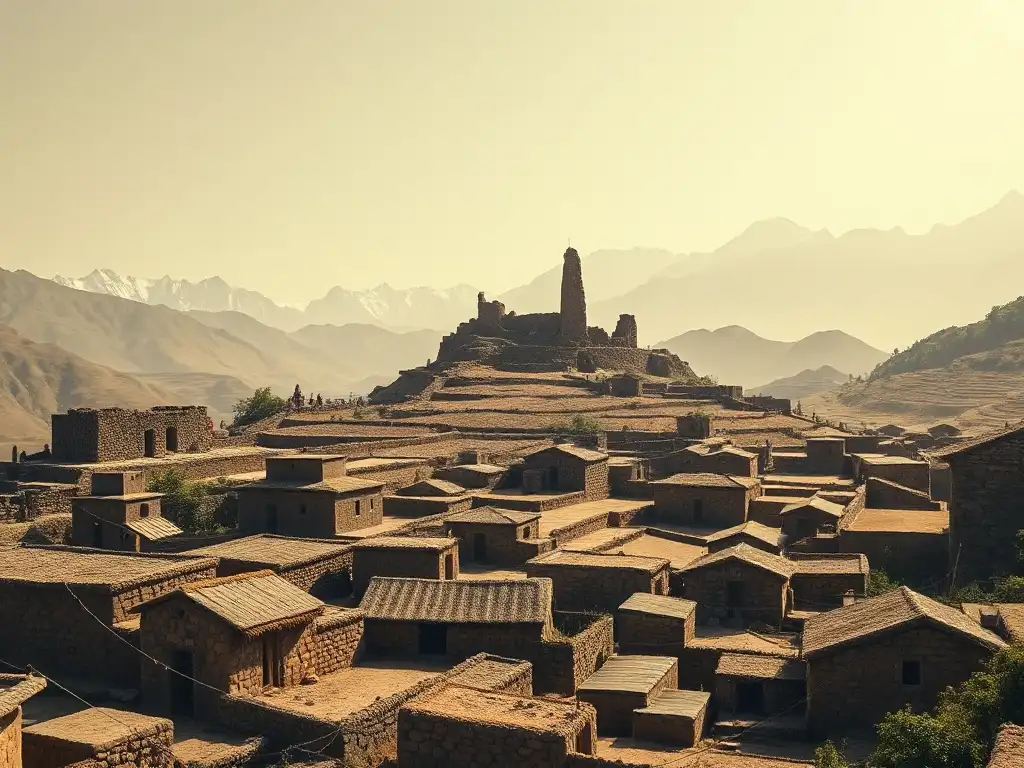
This section delves into the crucial factors driving social evolution in the PreInca highlands, focusing on population dynamics, agricultural innovations, and the rise of specialized crafts. Understanding these interconnected elements provides a clearer picture of the complex societal transformations that occurred before the Inca Empire's rise. The term "PreInca highland social evolution" itself encapsulates the multifaceted nature of this development. We will examine how these factors contributed to the shift from small, egalitarian villages to more complex, hierarchical chiefdoms.
Population Growth and Resource Management
Population growth in the PreInca highlands was not a uniform process. Different regions experienced varying rates of increase, influenced by factors such as agricultural productivity, resource availability, and environmental conditions. For instance, areas with access to fertile valleys and reliable water sources likely witnessed faster population growth compared to those in more arid or mountainous regions. This uneven growth pattern played a significant role in shaping the distribution of settlements and the emergence of regional power centers.
The management of resources became increasingly crucial as populations expanded. Early PreInca societies relied on relatively simple strategies, such as communal land use and reciprocal exchange systems. However, as populations grew, these systems became insufficient to meet the demands of a larger community.
This led to the development of more sophisticated resource management techniques, including irrigation systems, terracing, and storage facilities. Evidence suggests that some PreInca societies implemented intricate water management systems, diverting water from rivers and streams to irrigate their fields. These systems not only increased agricultural yields but also required collaborative efforts and centralized planning, contributing to a more organized and stratified social structure.
The complexity of these systems varied geographically; some regions developed highly sophisticated techniques, while others relied on simpler methods. Further research is needed to fully understand the regional variations in resource management strategies and their impact on social organization. [Specific data on regional variations in irrigation systems pending].
The Role of Agriculture in Shaping Societies
Agriculture was the cornerstone of PreInca highland societies, profoundly influencing their social structures and political organization. The cultivation of crops such as potatoes, maize, and quinoa provided the basis for sustenance, trade, and surplus production. The development of advanced agricultural techniques, such as terracing and irrigation, increased food production, supporting larger and denser populations.
The control and distribution of agricultural resources played a vital role in the rise of social hierarchies. Those who controlled access to fertile land and water resources often held significant power and influence within their communities. This control could have manifested in various forms, from the ownership of land to the management of irrigation systems.
The surplus generated through agriculture also facilitated the development of specialized labor, allowing individuals to focus on activities other than food production. This specialization, in turn, contributed to the growth of craft production, religious institutions, and political elites. The impact of agricultural innovation on social complexity is a key aspect of understanding PreInca highland social evolution.
Development of Craft Specialization
The emergence of craft specialization marks a significant step in PreInca highland social evolution. As agricultural productivity increased and populations grew, some individuals could dedicate themselves to non-agricultural activities, such as pottery, weaving, metalworking, and stone carving. This specialization led to the production of high-quality goods, which were often used as prestige items or traded for other resources.
The development of specialized crafts was not only economically significant but also had profound social implications. Skilled artisans often held high social status and wielded considerable influence within their communities. The production and exchange of craft goods facilitated the formation of social networks and trade relationships, connecting different settlements and regions.
For example, the elaborate textiles produced by some PreInca societies were highly valued and traded over long distances, demonstrating the importance of craft production in the integration of regional economies and the rise of complex social structures. The intricate designs and techniques employed in these crafts also reflect the advanced artistic and technological capabilities of PreInca artisans. The variety and complexity of craft specialization varied considerably across different regions, reflecting the diverse environmental and cultural contexts of PreInca societies.
[Further research is needed on the specific types and distribution of craft specialization across different PreInca regions]. The development of these specialized crafts directly contributed to the increasing complexity and stratification observed in PreInca highland societies, further supporting the idea of PreInca highland social evolution.
The Rise of Chiefdoms in the PreIncan Highlands
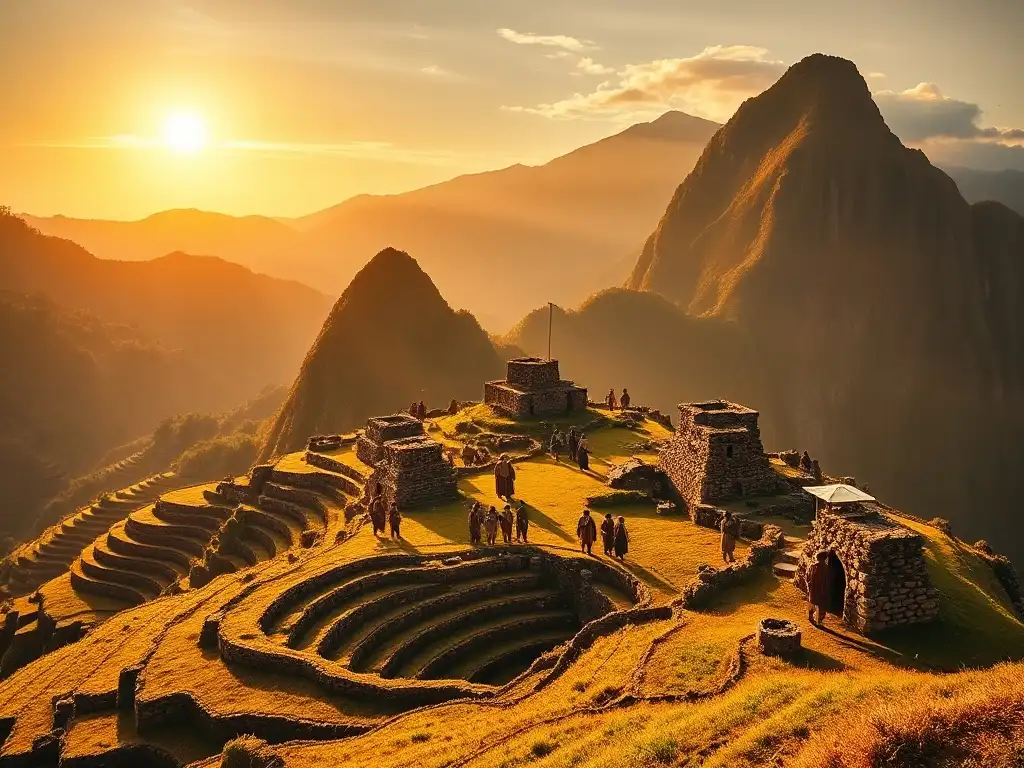
This section delves into the fascinating transformation of Andean societies from small, relatively egalitarian villages to complex chiefdoms in the pre-Inca highlands. Understanding this social evolution is crucial to grasping the foundations upon which the Inca Empire later built its vast power. The process wasn't uniform across the region; different groups experienced varying paces and forms of development, shaped by unique environmental factors and internal dynamics. This intricate interplay of factors contributed to the diverse tapestry of PreInca highland cultures. The keyword, "PreInca highland social evolution," perfectly encapsulates this complex process of societal change.
Characteristics of PreInca Chiefdoms
PreInca chiefdoms in the highlands displayed several key characteristics that distinguished them from earlier village societies. A significant feature was the emergence of a hereditary leadership structure, with chiefs holding substantial power and authority. This power wasn't solely based on charisma or personal strength, but also on control over resources and the ability to mobilize labor for large-scale projects.
These projects, often involving monumental architecture or extensive irrigation systems, provided tangible evidence of the chief's authority and the centralized organization of society. The accumulation of wealth, often in the form of agricultural surplus or prized artifacts, further solidified the chief's position and reinforced social stratification. We see this reflected in the size and complexity of settlements, with larger centers indicating greater population density and a more developed hierarchical structure.
Evidence suggests a growing specialization of labor, with individuals dedicating themselves to specific crafts or roles within the community, enhancing overall productivity and further supporting the chiefdom's structure. This specialization also reflects the increasing complexity of social organization.
The power dynamics within PreInca chiefdoms were complex and multifaceted. While the chief held ultimate authority, their power wasn't absolute. They relied on a network of alliances, kinship ties, and religious legitimacy to maintain control. The chief often acted as a religious leader or intermediary with the supernatural realm, enhancing their authority and social standing.
This blend of political and religious power is a hallmark of many PreInca chiefdoms. Below the chief, a hierarchy of elites and specialists likely existed, including warriors, priests, and artisans. These individuals enjoyed privileged status and access to resources, contributing to the stratified social structure. The extent of social stratification varied between different chiefdoms, with some exhibiting more pronounced inequalities than others.
Further research is needed to fully understand the nuances of power dynamics within specific PreInca societies; [Specific details on internal power struggles pending]. However, the general trend points towards an increasingly hierarchical and centralized structure. The emergence of specialized roles and distinct social classes marks a critical shift in the organization of Andean societies in the highlands.
Evidence of Chiefdoms in Archaeological Records
Archaeological evidence provides compelling insights into the rise of chiefdoms in the PreInca highlands. Monumental architecture, such as large platforms, temples, and residential structures for elites, stands as a testament to centralized organization and the mobilization of significant labor forces. The construction of extensive irrigation systems, designed to manage water resources and enhance agricultural productivity, further underscores the capacity for large-scale collective projects under centralized authority.
The presence of elite burials containing lavish grave goods, including finely crafted textiles, gold ornaments, and other prestigious items, indicates social stratification and the concentration of wealth in the hands of a ruling class. Ceramic styles and other artifacts often show regional variations, suggesting the emergence of distinct political entities and chiefdoms. Analysis of settlement patterns reveals a shift towards larger, more densely populated centers, reflecting the increasing concentration of population and resources under the control of chieftains.
Further analysis of isotopic ratios in human remains could provide additional insights into dietary differences between social classes [Data on isotopic analysis pending]. The combination of these archaeological indicators strongly supports the hypothesis of a significant social transformation during the PreInca period in the highlands. The meticulously organized and vast scale of these projects speaks volumes about the power and influence of the chieftains who orchestrated them.
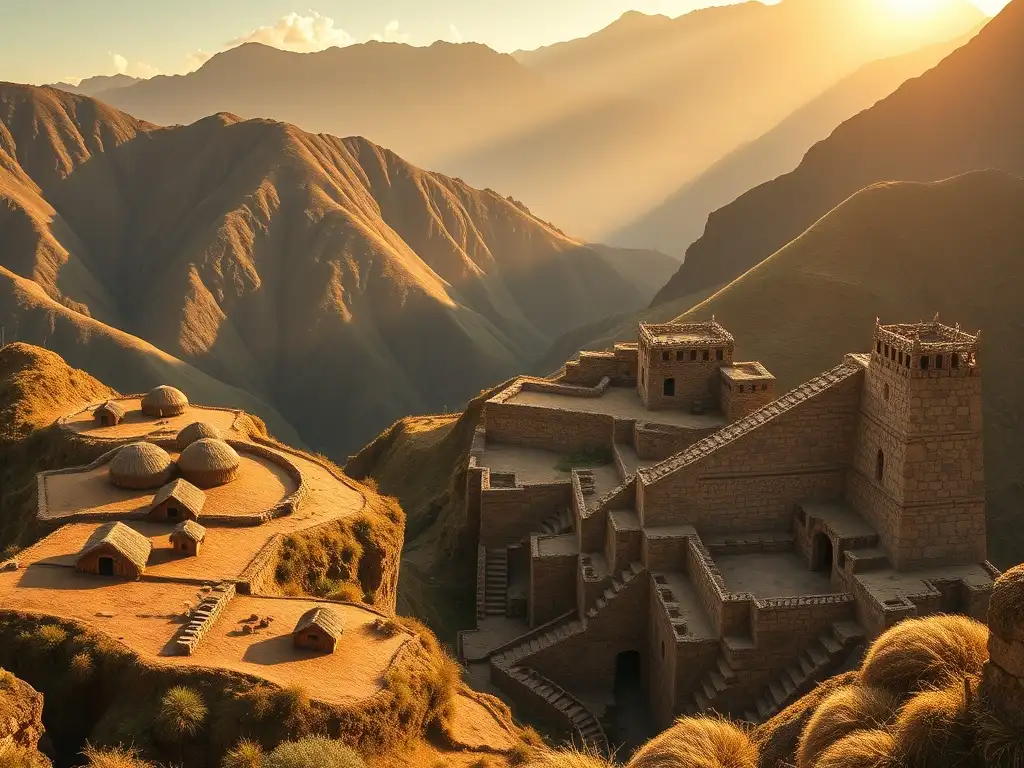
The Andean highlands, a geographically diverse region, did not experience a uniform trajectory of social evolution before the Inca. Understanding the complexities of PreInca highland social evolution requires acknowledging significant regional variations in settlement patterns, political structures, and economic strategies. These differences stemmed from factors like altitude, climate, and resource availability, leading to diverse adaptations and ultimately, distinct social formations.
The path from small villages to complex chiefdoms varied considerably across the landscape, challenging a simplistic, monolithic narrative of Andean development. Analyzing these regional nuances is crucial for a comprehensive understanding of PreInca societies and their eventual incorporation into the Inca Empire. The keyword "PreInca highland social evolution" is central to this analysis, highlighting the dynamic and multifaceted nature of societal change in the region.
The Titicaca Basin: A Case Study
The Titicaca Basin, with its relatively fertile land and abundant water resources, presents a compelling case study in PreInca social development. Archaeological evidence suggests a relatively early emergence of complex social organization in this region, compared to some other areas of the highlands. The presence of large, well-organized settlements, such as those associated with the Pucara culture (circa 200 BCE – 600 CE), indicates a hierarchical social structure with specialized labor and centralized control over resources.
These settlements featured sophisticated irrigation systems, suggesting a level of communal effort and coordinated planning beyond the capabilities of smaller, less integrated communities. Further research on Pucara ceramics and monumental architecture reveals a complex system of beliefs and rituals, likely reinforcing social hierarchies and political authority.
The basin's unique environmental conditions fostered a relatively dense population, contributing to the development of more complex social structures to manage resources and maintain order. This contrasts sharply with regions characterized by harsher climates and scarcer resources, where social organization might have remained simpler for longer periods.
In contrast to the Titicaca Basin, the northern highlands experienced a different trajectory of social evolution. Characterized by drier conditions and more challenging terrain, the northern regions saw a slower pace of social complexity. While evidence of villages and small-scale agricultural communities exists, the development of large-scale centralized states comparable to those in the Titicaca Basin occurred later.
The social organization was likely more dispersed and less hierarchical, with smaller, independent groups maintaining a greater degree of autonomy. This isn't to say that there was no social stratification; rather, the forms of social hierarchy and political power likely differed significantly from those found in the south. The absence of large-scale monumental architecture in many areas of the northern highlands further suggests a different approach to resource management and social organization compared to the southern regions.
More research is needed to fully understand the intricacies of social structures and power dynamics in the northern PreInca highlands. Further investigation into the specific cultural groups and their interactions is critical to fully understand the nuances of "PreInca highland social evolution" in this region.
Contrasting Development Patterns
The variations in PreInca highland social evolution highlight the crucial role of environmental factors in shaping social structures. The availability of water, arable land, and other resources significantly influenced population density, agricultural practices, and ultimately, the complexity of social organization. The contrasting development patterns between the Titicaca Basin and the northern highlands underscore the need for regionally specific analyses, rather than attempting to impose a single model of social evolution across the entire Andean highlands.
A nuanced understanding of "PreInca highland social evolution" requires acknowledging the diverse environmental contexts and the adaptive strategies employed by different communities. While some regions witnessed the emergence of complex chiefdoms and centralized states prior to the Inca, others remained characterized by smaller, more egalitarian communities.
This diversity enriches our understanding of the Andean past and challenges simplistic interpretations of societal development in the region. Future research should focus on integrating detailed environmental data with archaeological findings to refine our understanding of the interplay between environment and social evolution in the PreInca highlands.
This section delves into the profound and lasting impact of PreInca highland social evolution on subsequent Andean civilizations, particularly the Inca Empire. Understanding this intricate process is crucial to appreciating the complexities of Inca societal structures and their astonishing achievements. The PreInca period wasn't a monolithic entity; rather, it was a dynamic tapestry of evolving social organizations, technological innovations, and cultural exchanges that laid the groundwork for the Inca's later dominance. Analyzing this evolutionary trajectory reveals a fascinating interplay of continuity and change, offering valuable insights into the "PreInca highland social evolution."
Impact on Later Andean Civilizations
The Inca Empire, undeniably impressive in its scale and organization, didn't emerge in a vacuum. Its sophisticated administrative systems, agricultural practices, and even its religious beliefs were built upon the foundations laid by centuries of PreInca development. For example, the intricate terrace farming techniques perfected by cultures like the Wari and Tiwanaku provided the Inca with a robust agricultural model, allowing them to support their vast population.
Similarly, the sophisticated road networks and administrative structures inherited from previous chiefdoms facilitated the Inca's ability to efficiently govern their expansive empire. The Inca's mastery of metallurgy, while reaching new heights, also relied on the established expertise in metalworking that had developed over generations in the PreInca period.
This process of adaptation and innovation demonstrates the enduring legacy of PreInca highland social evolution, showcasing how earlier societies shaped the trajectory of later Andean civilizations. The Inca didn't simply conquer and replace; they built upon existing foundations, adapting and refining pre-existing systems to create their own unique and powerful empire.
Tracing the evolution of social structures from early village societies to complex chiefdoms reveals fascinating patterns of continuity and change. Early PreInca communities, often characterized by egalitarian social arrangements, gradually transitioned towards more hierarchical systems with centralized authority. While kinship ties remained important, the emergence of specialized roles, such as priests, artisans, and warriors, led to greater social stratification.
This doesn't imply a sudden or uniform shift; rather, the process unfolded gradually, with variations across different regions and cultures. Some societies maintained relatively egalitarian structures for extended periods, while others experienced a more rapid shift towards chiefdoms. The development of sophisticated irrigation systems and agricultural surpluses played a critical role in this transformation, providing the resources necessary to support specialized labor and a more complex social hierarchy.
The emergence of monumental architecture, such as the impressive structures at Tiahuanaco, further indicates the growing power and influence of elite groups within these societies. Analyzing this complex interplay of continuity and change helps to refine our understanding of the multifaceted nature of "PreInca highland social evolution."
Understanding the Roots of Inca Society
The Inca Empire's remarkable achievements – its intricate road system, its efficient bureaucracy, its sophisticated agricultural techniques – weren't spontaneously generated. Instead, they represent the culmination of a long and complex process of social and technological development in the PreInca highlands. By studying the social structures, political organizations, and technological innovations of PreInca societies, we gain crucial insights into the roots of Inca society. Many Inca practices, including their highly organized state structure and their emphasis on centralized control, can be traced back to the earlier chiefdoms of the PreInca period.
The Inca's mastery of agriculture, for example, built upon the sophisticated irrigation and terracing techniques developed by their predecessors. Similarly, their extensive road network connected settlements already linked by earlier trade routes. Understanding this historical trajectory allows us to move beyond simplistic narratives of conquest and replacement, revealing the deep historical connections between PreInca societies and the Inca Empire.
This nuanced perspective is essential for a comprehensive understanding of the "PreInca highland social evolution" and its enduring impact on Andean history. The Inca were not simply conquerors; they were inheritors and innovators, building upon the legacy of those who came before them. Analyzing this legacy is key to fully appreciating the richness and complexity of Andean civilization.
Frequently Asked Questions
This article traces the social evolution of Andean societies before the Inca Empire, focusing on the transition from small villages to more complex chiefdoms in the highlands. It explores the factors that drove this significant change.
How does the article define "PreInca"?
"PreInca" refers to the cultures and societies that existed in the Andes region before the rise of the Inca Empire. This includes various significant civilizations such as the Moche, Nazca, and Tiahuanaco, among others.
The article examines the shift from smaller, less centralized village settlements to larger, more complex chiefdoms characterized by hierarchical social structures and specialized labor.
Several factors are explored, including agricultural intensification, population growth, increased warfare, and the development of sophisticated irrigation systems and religious ideologies.
While encompassing a broader view of PreInca societies, the article likely touches upon the social structures and developments of cultures like the Moche, Nazca, and Tiahuanaco, providing context for understanding the evolution leading up to the Inca.
The intricate social structures that blossomed in the PreInca highlands weren't merely historical footnotes; they are fundamental to understanding the complexities of societal development and the enduring power of adaptation. The rise and fall of these chiefdoms, the innovative strategies for resource management, and the subtle shifts in power dynamics offer invaluable lessons for navigating the challenges of our interconnected world. Their story resonates deeply with our own struggles for equitable resource distribution and sustainable governance.
The legacy of PreInca social evolution continues to shape the cultural landscape of the Andes, influencing everything from land ownership and community structures to artistic expression and spiritual beliefs. The echoes of their past are palpable in the vibrant traditions and resilient communities that thrive in the region today. The past is never dead. It's not even past.
- William Faulkner. This quote perfectly encapsulates the enduring influence of PreInca societies, whose innovations and challenges continue to inform the present. Their story serves as a powerful reminder that societal change is a constant, complex process, shaped by both internal dynamics and external pressures.
Consider the ingenious irrigation systems, the sophisticated agricultural techniques, and the intricate social hierarchies of the PreInca period. These weren't simply relics of a bygone era; they represent a testament to human ingenuity and adaptability. You, the reader, are now equipped with a deeper understanding of this fascinating period. Reflect on how the principles of community organization, resource management, and social adaptation, as demonstrated in the PreInca highlands, might inform your own approach to collaboration, sustainability, and navigating the complexities of modern society. Let the echoes of the Andes inspire you to build a more just and sustainable future.
Thank you for exploring the rich history of social evolution in the Pre-Incan highlands! You've discovered how villages transformed into chiefdoms, revealing the fascinating interplay of culture and community. Now, let's build on this knowledge.
Here are some ways to further your understanding and engage with this captivating topic:
- Join our upcoming webinar on the impact of social structures in ancient civilizations for expert insights.
- Explore the interactive maps and resources on our website to visualize the development of these communities and see how geography shaped their evolution.
- Share your thoughts on social evolution in the comments below or on social media; your perspective is valuable to this ongoing exploration.
What aspect of social change in the Pre-Incan highlands most fascinates you, and how do you believe these ancient lessons can inform our modern societies?