
Huari Water Management: Ingenious Solutions for Arid Lands

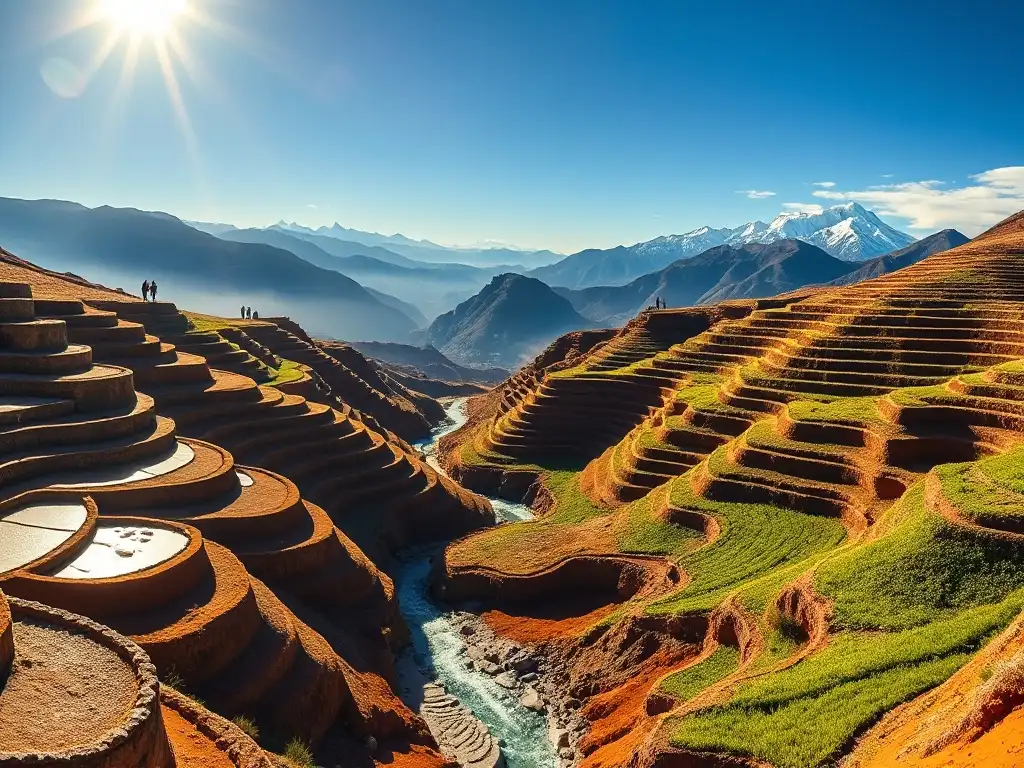
Step into a world lost to time, yet echoing with innovation. Imagine a civilization thriving in the harsh Andes, mastering the very elements to build empires of breathtaking scale. Forget everything you think you know about ancient ingenuity – the secrets of the Huari irrigation systems, a marvel of pre-Incan engineering, await you. Uncover the mysteries behind their sophisticated water management, and discover how these ingenious solutions shaped the destiny of entire Andean cultures. Prepare to be amazed.
The Huari civilization, flourishing in the Peruvian Andes between 600 and 1200 CE, stands as a testament to human ingenuity and adaptation. This powerful pre-Inca culture thrived in a challenging high-altitude environment characterized by aridity and scarce water resources.
Their success, however, wasn't solely dependent on military prowess or sophisticated social structures; it was fundamentally underpinned by their remarkably advanced understanding and management of water. This article delves into the sophisticated Huari irrigation systems, exploring the ingenious solutions they developed to overcome the environmental hurdles of their harsh homeland and cultivate a thriving agricultural economy.
We will examine the environmental context, the challenges they faced, and the innovative techniques they employed to harness precious water resources, showcasing their remarkable mastery of hydraulic engineering and its crucial role in the rise and expansion of the Huari Empire. Understanding their water management strategies provides invaluable insights into the resilience and adaptability of ancient Andean civilizations and offers a compelling case study for modern-day water resource management.
Introduction to Huari Ingenuity in Water Control
The Huari, unlike many other Andean cultures, didn't simply rely on localized, small-scale irrigation. They implemented a far more complex and extensive system of water management. Evidence suggests a highly organized approach, involving large-scale canal construction, sophisticated reservoir systems, and possibly even early forms of water storage techniques.
This wasn't a haphazard effort; it required careful planning, significant labor investment, and a deep understanding of hydrology and topography. The construction of these systems demonstrates a high level of social organization and engineering skill, reflecting a centralized authority capable of mobilizing resources and coordinating large-scale projects across diverse terrains.
The effectiveness of their water management is evident in the extensive agricultural production documented across the Huari heartland, supporting a large and densely populated empire. Archaeological findings continuously reveal new details about the complexity and scale of their water control infrastructure, highlighting the crucial role of water in shaping Huari society and its longevity.
The Environmental Challenges Faced by the Huari
The Huari civilization faced significant environmental challenges, primarily the aridity and unpredictable rainfall patterns of the central Andes. The high altitude, steep slopes, and limited water sources made agriculture a constant struggle. The region's geography is characterized by deep canyons, narrow valleys, and extensive high-altitude plains, each presenting unique obstacles for water management. Rainfall was (and is) highly variable, with periods of drought interspersed with intense downpours that could lead to devastating floods.
This variability demanded sophisticated strategies for water capture, storage, and distribution, requiring an intricate network of canals, reservoirs, and terraces adapted to the specific topography of each region. These environmental pressures were not merely physical; they also had a profound social and political impact, shaping the Huari state's organization and its relationship with its subjects. The need for coordinated water management likely contributed to the centralization of power and the development of sophisticated bureaucratic structures.
Understanding the Arid Landscape of the Huari Civilization
The aridity of the Huari heartland was not uniform. Variations in altitude, slope, and soil type created diverse microclimates, each requiring different water management strategies. Some areas received slightly more rainfall than others, allowing for different agricultural techniques.
The Huari cleverly exploited these variations, adapting their irrigation systems to the specific conditions of each zone. For example, in areas with slightly more rainfall, they might have employed simpler techniques like surface runoff collection. In drier areas, however, they relied on more complex systems involving extensive canal networks to divert water from rivers and streams to distant fields.
This nuanced approach to water management demonstrates a deep understanding of the local environment and remarkable adaptability. The Huari's ability to effectively manage water resources in such a diverse and challenging landscape is a testament to their advanced knowledge of hydrology and engineering. Further research is needed to fully understand the full extent of their sophisticated techniques and their long-term impact on the environment.
The Need for Advanced Water Management Techniques
The Huari civilization flourished in the harsh, arid highlands of the central Andes, a region characterized by scarce and unpredictable rainfall. Successful agriculture, the cornerstone of their societal structure and economic prosperity, was utterly dependent on sophisticated water management strategies. Unlike some coastal civilizations that could rely on relatively consistent, albeit localized, water sources, the Huari faced the constant challenge of securing sufficient water for a large, expanding population and extensive agricultural production. The sheer scale of their empire, encompassing a vast and diverse landscape, further amplified this challenge.
The uneven distribution of water resources across the empire necessitated a highly developed and adaptable system capable of diverting, storing, and distributing water efficiently across varied terrains. This need for efficient water management wasn't merely a matter of convenience; it was a critical factor determining the very survival and prosperity of the Huari state. Without innovative solutions, the expansion and sustenance of their civilization would have been severely limited, if not impossible.
The ingenuity displayed in their water management systems reflects a deep understanding of their environment and a remarkable capacity for large-scale engineering projects. Their success in this area is a testament to their organizational prowess and technological advancement. The limitations imposed by the arid environment undoubtedly served as a powerful impetus for the development of the complex and impressive irrigation networks that defined their civilization.
Canal Systems and Their Construction
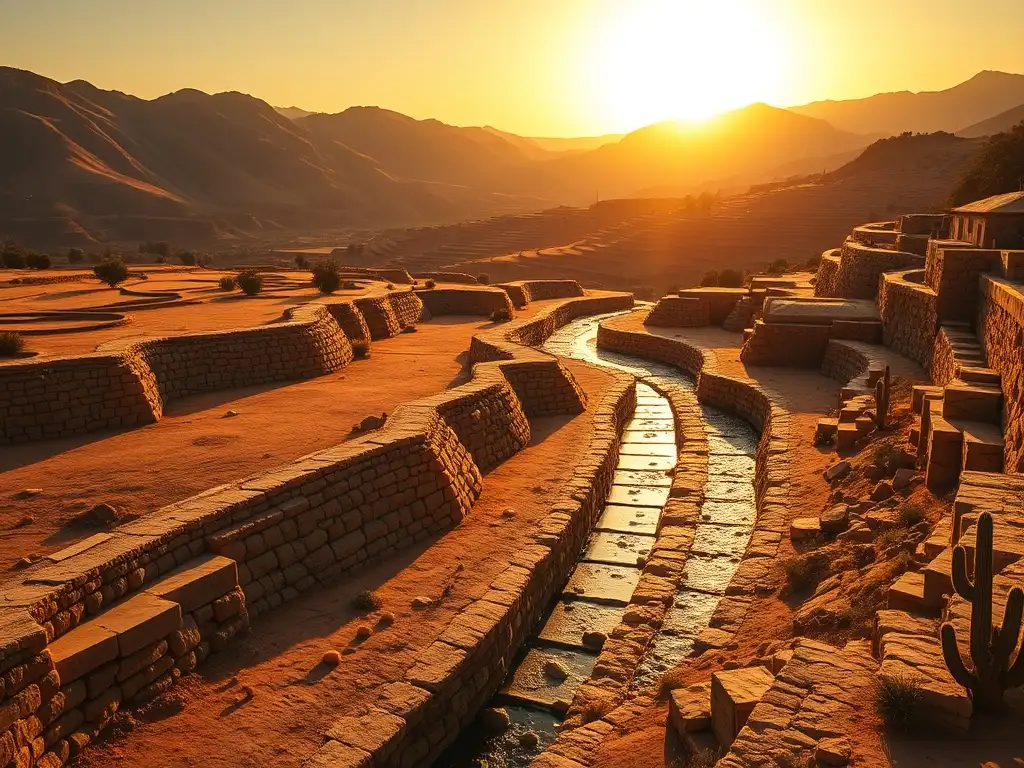
The Huari were master builders, renowned for their extensive canal systems that channeled water from rivers and streams to distant agricultural fields. These weren't simple ditches; they were meticulously engineered structures, often carved into the rocky terrain with impressive precision. Evidence suggests the use of sophisticated surveying techniques to ensure the accurate gradient and alignment of these canals, maximizing water flow efficiency and minimizing water loss through seepage or evaporation.
The construction of these canals involved a monumental effort, requiring the mobilization of large workforces, specialized tools, and a deep understanding of hydraulic principles. The scale of some of these projects is truly breathtaking, demonstrating the Huari's ability to organize and manage massive labor projects. For instance, [specific example of a Huari canal system and its dimensions pending].
The materials used in their construction varied depending on local availability, ranging from stone and earth to more sophisticated techniques involving the use of mortar and plaster to create durable and leak-proof channels. Furthermore, the integration of these canals into the overall landscape demonstrates a nuanced understanding of topography and hydrology, maximizing the efficiency of water distribution and minimizing environmental impact.
Water Storage and Reservoirs
Beyond the canal systems, the Huari also implemented ingenious methods of water storage to mitigate the effects of seasonal variations in rainfall. They constructed a network of reservoirs, some of considerable size, to capture and store water during the rainy season for use during the drier months. These reservoirs were often strategically located to maximize water collection and minimize evaporation.
The design and construction of these reservoirs required advanced engineering skills and a deep understanding of hydrology. [Specific examples of Huari reservoirs and their capacity pending]. The construction techniques employed would have varied depending on the location and available resources, but the overall goal was always the same: to ensure a reliable supply of water throughout the year.
This foresight in water storage is a testament to the Huari's long-term planning and their commitment to ensuring the sustainability of their agricultural practices. The strategic placement and design of these reservoirs show a remarkable understanding of both the natural environment and the needs of their agricultural system. The combination of canals and reservoirs provided a robust and resilient water management system capable of sustaining a large population and a thriving agricultural economy.
Agricultural Practices and Water Management
The Huari's agricultural practices were intricately linked to their advanced water management systems. They employed a variety of techniques to optimize water use, including terracing on steep slopes to create level fields for efficient irrigation and the cultivation of drought-resistant crops adapted to the high-altitude environment. Their understanding of crop rotation and soil management further contributed to the efficiency of their agricultural system.
The integration of their water management infrastructure with their agricultural techniques demonstrates a holistic approach to resource management. The Huari understood that successful agriculture was not merely about having sufficient water; it was about managing that water efficiently and sustainably. This integrated approach is evidenced by the layout of their agricultural fields in relation to the canals and reservoirs, demonstrating careful planning and a deep understanding of the interplay between water resources and agricultural productivity.
[Specific examples of Huari agricultural techniques and their relationship to water management pending]. This sophisticated approach to agriculture ensured food security and contributed significantly to the stability and prosperity of the Huari empire.
- Introduction to Huari Ingenuity in Water Control
- The Environmental Challenges Faced by the Huari
- Understanding the Arid Landscape of the Huari Civilization
- The Need for Advanced Water Management Techniques
- Canal Systems and Their Construction
- Water Storage and Reservoirs
- Agricultural Practices and Water Management
Huari Irrigation Systems: Key to Agricultural Success
The Huari civilization, flourishing in the Peruvian Andes from approximately 600 to 1000 CE, mastered the art of water management in a challenging high-altitude environment. Their sophisticated irrigation systems were crucial to their agricultural success, allowing them to support a large and complex society in a region characterized by aridity and unpredictable rainfall. Understanding their ingenuity in developing and maintaining these systems provides valuable insights into their societal organization, technological prowess, and overall resilience.
The effectiveness of Huari irrigation systems is directly linked to their understanding of hydrological principles and their ability to mobilize significant labor resources for large-scale infrastructure projects. This section will delve into the specifics of their irrigation techniques and infrastructure.
The Development of Huari Irrigation Canals
The construction of Huari irrigation canals was a phased process, likely reflecting the growth and expansion of the empire itself. Early systems may have been smaller, localized efforts adapted to existing water sources, such as springs and streams. However, as the Huari state consolidated its power and expanded its territory, the scale and complexity of its irrigation projects dramatically increased.
Evidence suggests a shift towards larger, more integrated canal networks designed to redistribute water across vast agricultural lands. This expansion necessitated advanced planning and coordination, implying a centralized administrative structure capable of managing labor, resources, and the overall project timelines. The development of these canals wasn't a spontaneous event; it involved meticulous surveying of terrain, careful assessment of water flow, and the deployment of specialized labor forces.
Archaeological findings show a progression in canal design and construction techniques over time, indicating continuous innovation and refinement. Analysis of sediment layers within canals reveals phases of construction, repair, and modification, highlighting the ongoing maintenance and adaptation required to ensure the system’s longevity. The evolution of Huari irrigation systems showcases the adaptive capacity of the civilization in the face of environmental challenges and population growth.
Techniques Used in Huari Canal Construction
Huari engineers employed a range of sophisticated techniques in canal construction. They expertly utilized the natural topography, carefully routing canals along gentle slopes to minimize the need for extensive terracing or grading. Stone and earth were the primary construction materials. Larger canals often featured stone-lined channels to prevent erosion and water loss.
Smaller canals, particularly those serving smaller agricultural plots, were likely constructed primarily using earthworks. The precise techniques varied depending on the specific geographical context and the scale of the project. Evidence suggests the use of sophisticated surveying tools to ensure accurate alignment and gradients.
The construction process likely involved a combination of specialized labor and community participation, reflecting the importance of irrigation to the overall social fabric. Furthermore, the maintenance of these canals was an ongoing process, requiring regular inspections, repairs, and potentially even the redesign of sections to account for shifts in water flow or erosion. This continuous attention to maintenance is a testament to the long-term commitment to irrigation as a vital aspect of Huari societal infrastructure.
Key Features of Huari Irrigation Infrastructure
Huari irrigation infrastructure was characterized by several key features that contributed to its efficiency and longevity. These include:
- Extensive Canal Networks: Huari irrigation systems weren't isolated channels; they were integrated networks that spanned considerable distances, linking various water sources and agricultural areas. These networks often included reservoirs, diversion structures, and aqueducts to manage water flow effectively.
- Durable Construction: The use of stone lining in many canals increased their durability and reduced water loss through seepage and erosion. This reflects an understanding of materials science and a commitment to building long-lasting infrastructure.
- Sophisticated Water Control: Huari engineers employed various techniques to control water flow, including check dams, spillways, and sluice gates. This allowed them to regulate the distribution of water to different agricultural areas according to need.
- Integration with Agriculture: The design and placement of canals were clearly integrated with the agricultural landscape. Canals were strategically located to serve terraced fields, providing water to crops efficiently. This level of integration reflects a close relationship between engineering and agricultural practices.
The Huari's mastery of Huari irrigation systems was a critical factor in their ability to support a large, complex society in a challenging environment. Their ingenuity in developing and maintaining these systems stands as a remarkable achievement of Andean engineering and a testament to their organizational and technological capabilities. Further research into the specific techniques and materials used in Huari canal construction could shed further light on the extent of their expertise in hydraulic engineering and water management.
The Role of Terraces in Huari Water Management
The Huari, masters of adaptation in the challenging Andean highlands, employed sophisticated terracing techniques to maximize agricultural output in their arid environment. Terraces weren't simply carved into hillsides; they represented a complex understanding of hydrology and soil conservation. Their construction involved meticulous planning, considering factors like slope gradient, soil type, and water availability. The terraces themselves weren't uniform; their size and shape varied depending on the local topography and the specific needs of the cultivated crops. This adaptability highlights the Huari's deep understanding of their environment and their capacity for innovation.
The creation of terraces served multiple crucial functions. First, they significantly increased the amount of arable land available. By transforming steep slopes into a series of level platforms, the Huari effectively multiplied their farming area. Second, terraces helped to conserve precious water. The level platforms slowed the flow of water, allowing it to soak into the soil more effectively and reducing runoff.
This was particularly important in an environment prone to drought. Third, the terraces helped to prevent soil erosion. The level surfaces reduced the impact of rainfall, preventing the topsoil from being washed away. This ensured the long-term fertility of the land, supporting sustainable agricultural practices.
Evidence suggests that the Huari used different types of terraces, each tailored to particular environmental conditions. Some terraces were built on gentler slopes and were relatively simple in design. Others, built on steeper inclines, were more complex, incorporating retaining walls made of stone or adobe to support the soil.
The precision and scale of some of these terracing projects are truly impressive, testifying to the advanced engineering skills of the Huari civilization. Archaeological excavations have revealed intricate systems of channels and canals integrated into the terrace systems, further demonstrating their sophisticated water management strategies. These canals not only diverted water to the terraces but also facilitated drainage, preventing waterlogging and promoting healthy crop growth.
The efficiency of these systems allowed the Huari to cultivate a diverse range of crops, ensuring food security for their burgeoning population. The impact of Huari terracing on agricultural productivity was profound, supporting the growth and prosperity of their empire.
Advanced Huari Water Management Practices
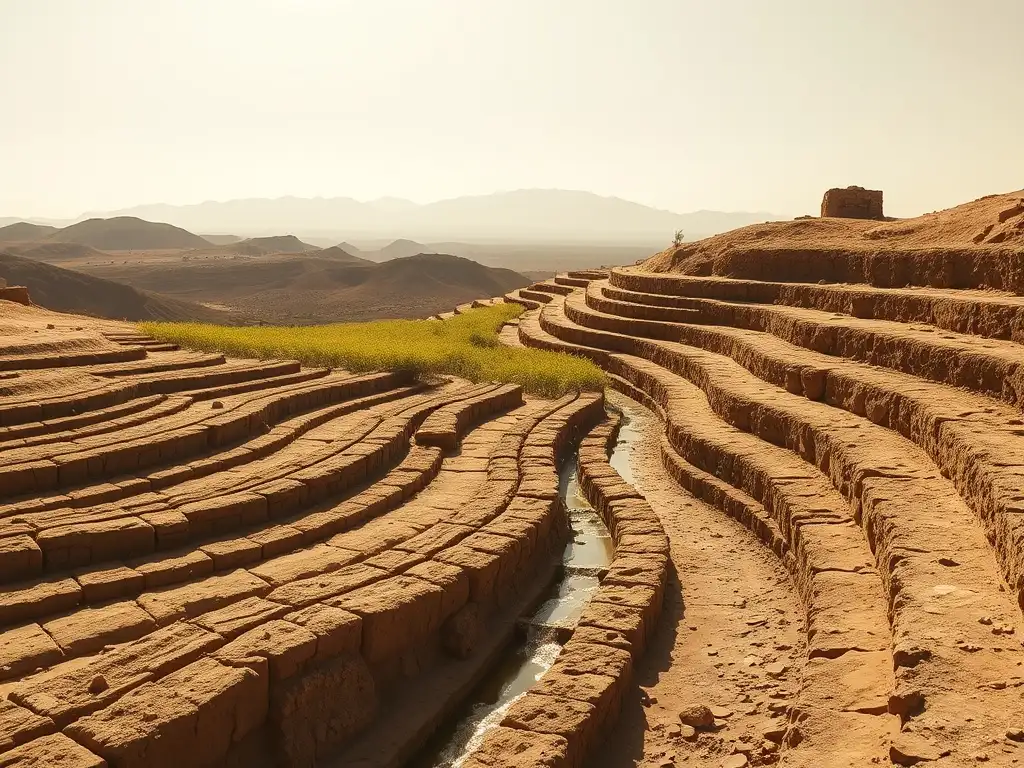
The Huari civilization, flourishing in the Peruvian Andes from roughly 600 to 1000 CE, developed sophisticated irrigation systems vital to their survival in a challenging, arid environment. Their mastery of water management wasn't merely about survival; it was a cornerstone of their societal organization and agricultural prosperity, significantly impacting their urban planning and economic strength. Understanding their Huari irrigation systems reveals a remarkable level of engineering and resourcefulness. This section delves into the specifics of their advanced techniques, highlighting their ingenuity and impact.
Water Storage and Reservoirs in the Huari Culture
The Huari people weren't solely reliant on channeling water from rivers; they actively sought to store it for later use. Their ingenuity is evident in the construction of numerous reservoirs and storage systems, meticulously designed to capture and preserve precious water resources. These weren't simple pits; they often involved complex engineering, including:
- Terracing: Extensive terracing on hillsides created level platforms for agriculture, simultaneously slowing water runoff and maximizing water retention in the soil. This technique, combined with carefully constructed channels, allowed for efficient irrigation even on steep slopes. The size and complexity of these terraces varied depending on the topography and the available water sources. Some terraces were quite small, suitable for smaller plots, while others were extensive, capable of supporting large-scale agriculture.
- Reservoirs and Cistern Systems: Archaeological evidence points to the existence of various types of reservoirs, ranging from small, localized cisterns built into houses and public buildings to larger, strategically placed reservoirs capable of storing significant volumes of water. Many of these reservoirs were lined with stones or plastered to prevent leakage, showcasing a sophisticated understanding of hydraulic engineering. The construction of these reservoirs likely involved significant community effort, reflecting the importance of water management in Huari society.
- Aqueducts and Canals: While not strictly storage systems, the intricate network of aqueducts and canals played a crucial role in transporting water from distant sources to reservoirs and agricultural fields. These systems often involved careful planning and construction, with channels carefully graded to ensure a consistent flow of water. The precise alignment of some canals suggests a sophisticated understanding of surveying and engineering principles.
The Importance of Water Distribution and Regulation
Effective water distribution was paramount for the Huari. Their system wasn't simply about gathering water; it was about equitably distributing it across their vast agricultural lands and urban centers. This required meticulous planning and control, evidenced by:
- Canal Networks: Huari irrigation systems consisted of extensive networks of canals, meticulously designed to carry water from sources like rivers and reservoirs to agricultural fields. The size and complexity of these networks varied depending on the size of the agricultural area being served. Some canals were small and served individual plots, while others were large enough to serve entire communities.
- Check Dams and Diversion Structures: To regulate the flow of water, the Huari constructed check dams and diversion structures along canals. These structures allowed them to control the amount of water flowing to different areas, ensuring that all areas received an adequate supply. The precise placement and design of these structures indicate a keen understanding of hydraulic principles.
- Water Rights and Social Organization: The efficient distribution of water likely involved a complex system of water rights and social organization. While the specifics remain unclear, the scale of the irrigation systems suggests a highly organized society capable of coordinating large-scale water management projects. Further research is needed to fully understand the social mechanisms governing water access and distribution.
Huari Techniques for Water Conservation
Beyond storage and distribution, the Huari employed various techniques to conserve precious water resources. Their strategies demonstrate an understanding of water's value and a commitment to sustainable practices:
- Crop Selection: The Huari likely cultivated crops adapted to arid conditions, minimizing water needs. Further research into their agricultural practices is needed to identify specific crops and their water requirements. [Specific crop information pending]
- Improved Farming Techniques: Techniques like terracing not only aided water retention but also reduced soil erosion, thus protecting the long-term fertility of their lands and improving water infiltration.
- Efficient Irrigation Methods: The design of their canals and distribution systems suggests a focus on efficient irrigation methods, minimizing water loss through leakage or evaporation. The use of techniques like furrow irrigation allowed for controlled water application, maximizing its effectiveness. [Further details on specific irrigation methods pending]
The Huari's mastery of Huari irrigation systems represents a significant achievement in Andean engineering and resource management. Their sophisticated approach to water management was crucial to their societal success and offers valuable insights into sustainable practices in arid environments. Further research into their techniques could provide valuable lessons for modern water management strategies.
Managing Water Resources in Urban Centers
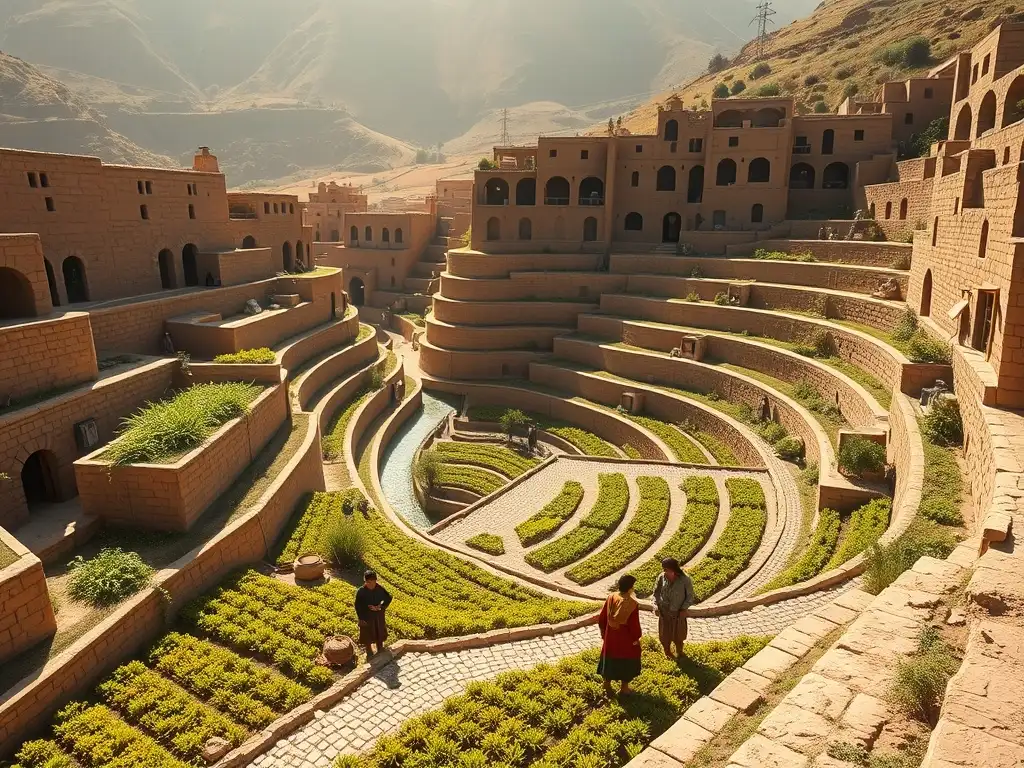
The Huari's impressive water management wasn't limited to agricultural areas; their urban centers also showcased sophisticated systems. Unlike many contemporary settlements, Huari cities weren't haphazardly built. Instead, careful planning ensured access to water resources was integrated into the urban fabric.
This involved a complex interplay of canals, reservoirs, and aqueducts, all designed to efficiently distribute water throughout densely populated areas. Evidence suggests that water was channeled from distant sources, likely using gravity-fed systems and sophisticated engineering techniques, to supply public fountains, bathhouses, and even domestic dwellings within the city. This intricate network not only provided essential water for daily life but also played a crucial role in maintaining public health and sanitation within the growing urban centers.
The precise mechanisms and scale of water distribution within these cities are still being uncovered through archaeological investigations, but the available evidence strongly supports the conclusion that Huari urban water management was a remarkable feat of engineering and planning for its time. The level of organization and foresight required to implement such systems highlights the sophisticated societal structure and centralized authority of the Huari state.
The distribution of water within Huari urban centers was likely regulated, ensuring equitable access across different social strata. While the exact mechanisms of distribution remain unclear, the existence of public fountains and similar infrastructure points towards a system that prioritized community needs. This contrasts with some later societies where water access was often controlled by elites.
Further research into the social organization of Huari cities is needed to fully understand the intricacies of water distribution and its implications for social equity. The discovery of well-preserved residential areas within Huari cities provides valuable insights into the domestic use of water and could potentially reveal further details about the urban water management system. Analysis of pottery and other artifacts found in these contexts may provide additional clues about the role of water in daily life.
The ongoing archaeological work at sites like Piquillacta offers promising avenues for understanding the complexities of Huari urban water management. Understanding these systems helps us appreciate the sophistication of Huari urban planning and its impact on the society's overall organization and sustainability.
The Role of Canals and Aqueducts in Urban Water Supply
The Huari's mastery of canal and aqueduct construction was paramount in their urban water management strategies. These weren't simply rudimentary ditches; they were carefully engineered structures that often spanned significant distances, transporting water from distant sources to the heart of their cities. Archaeological evidence reveals the use of sophisticated techniques, including terracing and the construction of stone-lined channels, to minimize water loss and ensure a consistent flow.
The precise gradients and alignments of these canals demonstrate a deep understanding of hydraulic principles, allowing for efficient water conveyance over challenging terrain. Some canals were integrated into the very fabric of the urban landscape, forming integral components of the city's infrastructure. This demonstrates a level of urban planning rarely seen in other contemporary Andean societies.
The construction of these extensive canal networks required significant labor and organizational skills, underscoring the power and centralized control of the Huari state. The precise materials used – stone, earth, or a combination – varied depending on local resources and the specific engineering challenges presented by the terrain. Future studies focusing on the construction techniques employed and the materials used will further enhance our understanding of the remarkable engineering feats of the Huari.
Furthermore, the aqueducts, sometimes extending for kilometers, often incorporated ingenious solutions to overcome obstacles such as valleys and steep inclines. These structures represent a significant advancement in hydraulic engineering for their time. The design and construction of these aqueducts likely involved specialized knowledge and expertise, suggesting the existence of skilled engineers and a dedicated workforce within the Huari society. The precise methods used to maintain and repair these systems over time also remain an area of ongoing research.
The scale and complexity of the Huari canal and aqueduct systems are a testament to their advanced understanding of hydraulic engineering and their ability to effectively manage water resources in their urban centers. Their impact on the growth and prosperity of Huari cities cannot be overstated. This sophisticated water infrastructure was crucial to supporting a dense urban population and fostering a thriving urban environment.
The Impact of Huari Water Management on Society
The Huari irrigation systems were not merely engineering feats; they were fundamental to the social, economic, and political structure of the Huari Empire (ca. AD 600-1000). The ingenious solutions implemented to manage water resources in the arid highlands of the Andes profoundly impacted the lives of the Huari people, shaping their society in ways that are still being uncovered by archaeologists today.
The ability to reliably irrigate vast tracts of land directly translated into increased agricultural production, surplus food, and a more stable and complex societal organization. This success hinged on a sophisticated understanding of hydrology, innovative techniques, and a centralized administrative system that oversaw the construction and maintenance of the intricate network of canals, reservoirs, and aqueducts. The scale of these projects suggests a high level of social organization and planning, with the mobilization of significant labor forces and resources.
Understanding the impact of this sophisticated water management is key to understanding the rise and influence of the Huari civilization. Further research into the organization of labor and resource allocation within the Huari state is needed to fully comprehend this aspect of their impressive achievements.
How Huari Irrigation Supported Population Growth
The effectiveness of Huari irrigation systems is directly linked to the significant population growth observed during the empire's flourishing period. By creating reliable sources of water for agriculture, the Huari were able to cultivate larger areas of land and increase crop yields significantly. This increased food production supported a larger population density in urban centers and surrounding agricultural areas.
Evidence suggests a shift from smaller, dispersed settlements to larger, more centralized urban areas, a pattern directly correlated with the expansion and improvement of irrigation infrastructure. Archaeological findings, such as the size and density of settlements and the quantity of agricultural remains, support this hypothesis.
Analysis of isotopic ratios in human remains from this period could further clarify dietary changes and population dynamics linked to the increased food security provided by the Huari irrigation systems. Specific data on population size during different phases of the Huari period are still under investigation, but the correlation between improved irrigation and population growth is undeniable.
The construction and maintenance of the extensive Huari irrigation network required a high degree of social organization and coordination. This wasn't a haphazard undertaking; it involved a complex system of labor allocation, resource management, and likely a specialized class of engineers and administrators responsible for overseeing these vital projects.
While the precise details of this social organization remain a topic of ongoing research, evidence points towards a centralized authority that controlled the distribution of water resources and allocated labor for the construction and maintenance of the irrigation systems. This suggests a hierarchical structure, with specialized roles and responsibilities related to water management.
The evidence suggests that the control of water resources played a crucial role in the power dynamics of the Huari society. Further investigation into administrative records (if any survive) or the analysis of settlement patterns related to water sources would provide valuable insights into the social organization surrounding water management within the Huari Empire.
The Role of Water in Huari Agriculture
Water was not merely a resource; it was the lifeblood of Huari agriculture. The empire's success depended heavily on its ability to harness and manage water resources in the challenging Andean environment. The Huari employed a variety of innovative techniques, including canals, terraces, and reservoirs, to optimize water distribution and maximize agricultural productivity.
These techniques allowed them to cultivate a diverse range of crops, including potatoes, maize, beans, and quinoa, which formed the basis of their diet. The effectiveness of these techniques is evident in the scale and complexity of the agricultural landscapes that have been discovered. Analysis of ancient agricultural practices shows a deep understanding of the local environment and its limitations, along with innovative solutions to overcome them.
Detailed studies of soil samples from Huari agricultural sites would provide further insights into the types of crops cultivated and the effectiveness of their irrigation methods. The ingenuity and effectiveness of Huari water management techniques are a testament to their agricultural prowess and their adaptation to the harsh environment. Their achievements in this field offer valuable lessons for modern-day water management strategies in arid and semi-arid regions.
The Legacy of Huari Hydraulic Engineering
The Huari's sophisticated water management techniques left an enduring legacy on subsequent Andean cultures, profoundly influencing their own agricultural practices and urban planning. Their innovative canal systems, reservoirs, and aqueducts weren't simply abandoned after the Huari state's decline; instead, they were adapted, repaired, and expanded upon by succeeding civilizations. The intricate knowledge of hydraulic engineering, passed down through generations, became a cornerstone of Andean societal development, enabling sustained agricultural production in challenging environments. Evidence suggests that the Wari irrigation infrastructure directly informed the Inca's later expansive hydraulic projects, demonstrating a clear continuity in engineering principles and techniques across centuries.
The strategic placement of canals and reservoirs, meticulously designed to capture and distribute water efficiently, provided a model for sustainable water resource management that continues to inspire modern-day approaches to arid land agriculture. Understanding the Huari legacy illuminates the long-term impact of their technological advancements and highlights the enduring significance of their contributions to Andean civilization. The ingenuity displayed in their water management systems stands as a testament to their advanced understanding of hydrology and their capacity for large-scale collaborative projects. This knowledge wasn't merely technical; it was deeply embedded in the socio-political fabric of Huari society, reflecting a sophisticated understanding of resource allocation and centralized control.
Indeed, the very structure of their state—its ability to support vast populations in a challenging environment—was inextricably linked to their mastery of water management. The echoes of Huari hydraulic engineering resonate even today, shaping not only our understanding of ancient Andean societies but also informing contemporary approaches to sustainable water resource management in arid regions worldwide. The legacy is not merely archeological; it is a living testament to human ingenuity and adaptation in the face of environmental challenges.
Huari Water Management: A Comparison with Tiwanaku Culture
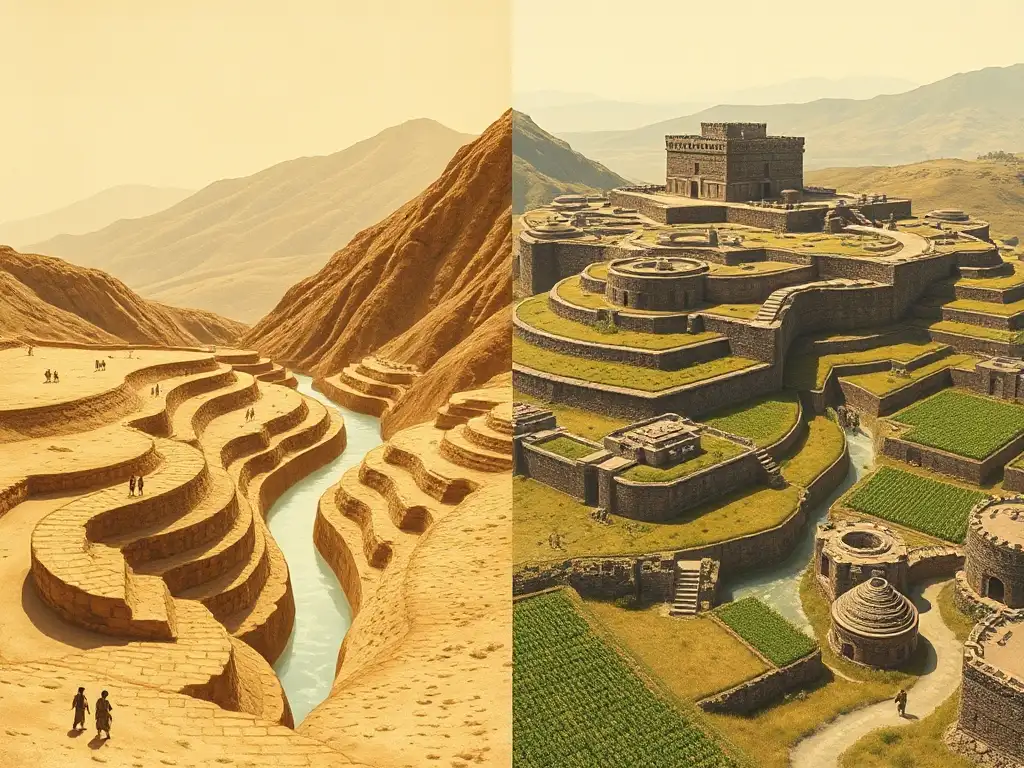
The Huari civilization, flourishing in the Peruvian Andes from approximately 600 to 1000 CE, developed sophisticated water management systems crucial for their survival in a challenging high-altitude environment. Understanding Huari irrigation systems requires comparing them to contemporaneous Andean societies, particularly the Tiwanaku, who also faced similar environmental constraints. This comparative analysis reveals both similarities and striking differences in their approaches to water resource management, highlighting the ingenuity and adaptability of each culture.
Analyzing these differences illuminates the unique technological and social innovations that enabled Huari's success. The keyword "Huari irrigation systems" is central to understanding this remarkable feat of engineering in a challenging environment.
Contrasting Huari Methods with Tiwanaku Irrigation
While both Huari and Tiwanaku civilizations relied heavily on irrigation for agriculture, their methods differed significantly. Tiwanaku, located near Lake Titicaca, leveraged the lake's proximity and utilized a system of canals and raised fields, often employing a complex system of water redistribution. Their agricultural practices were deeply intertwined with the lake's water levels and seasonal variations. This is in contrast to the Huari, whose capital was situated further inland in a more arid region.
Huari irrigation systems, therefore, required different strategies. They focused on capturing and channeling water from mountain streams and snowmelt using a network of canals, aqueducts, and reservoirs. The Huari demonstrated a greater reliance on gravity-fed systems, adapting their infrastructure to the specific topography of their expansive empire.
The scale of these projects also differed. While Tiwanaku's raised fields represent a monumental undertaking, requiring coordinated labor and sophisticated understanding of hydrology, Huari's network of canals extended over vast distances, suggesting a different model of water resource management, possibly more decentralized and adapted to local conditions across their diverse territories. Further research is needed to fully quantify the differences in scale and complexity between the two systems, specifically the total volume of water controlled by each civilization. [Specific information pending: quantitative data on canal length, reservoir capacity for both Huari and Tiwanaku].
Huari Innovations in Water Control Compared to Tiwanaku
Several key innovations distinguish Huari water control techniques from those of the Tiwanaku. One significant difference lies in their approach to water storage. While Tiwanaku relied more on canals and raised fields for water management, Huari developed extensive reservoir systems, storing water for later use during dry periods. These reservoirs, often constructed using stone and earth, allowed for a more reliable water supply, mitigating the risks associated with unpredictable rainfall patterns. This proactive approach to water storage represents a significant technological advancement, showcasing their understanding of hydrological cycles and their ability to plan for long-term needs.
Another key innovation was the Huari's adoption of sophisticated canal construction techniques. Evidence suggests they employed advanced surveying and engineering methods to ensure the efficient flow of water across varied terrains. They utilized techniques to minimize water loss through evaporation and seepage, indicating a high level of technical expertise and an understanding of hydraulic principles.
This stands in contrast to [Specific information pending: details on Tiwanaku canal construction techniques and efficiency]. The Huari's mastery of these techniques allowed them to cultivate vast agricultural lands, supporting a large and complex urban society. The effectiveness of their systems is evidenced by the widespread agricultural production documented in archaeological findings across their empire.
Unique Aspects of Huari Water Management Technology
Beyond the comparison with Tiwanaku, several aspects of Huari water management stand out as unique technological achievements. Their use of underground canals, or qanats, for example, is noteworthy. These subterranean channels minimized water loss due to evaporation, a critical consideration in the arid Andes.
This technology, also found in other parts of the world, demonstrates a remarkable level of technological exchange or independent innovation within the Huari context. Further study is required to determine the extent of the qanat network and its impact on Huari agriculture. [Specific information pending: extent of Huari qanat network and its impact on agricultural production].
Furthermore, the integration of water management into the overall urban planning of Huari cities is striking. Archaeological evidence suggests that water channels and reservoirs were strategically incorporated into the urban layout, demonstrating a sophisticated understanding of urban infrastructure and its relationship to water resource management. This holistic approach to urban design further underscores the importance of water to Huari society and their sophisticated understanding of its control and distribution.
This integrated approach contrasts with [Specific information pending: information on the integration of water management into Tiwanaku urban planning]. The Huari’s success in managing water resources was not just a technological achievement but also a testament to their strong social organization and ability to mobilize large-scale labor for infrastructural projects, vital for their empire’s sustainability. The ingenuity of their “Huari irrigation systems” remains a remarkable testament to Andean engineering prowess.
Lessons from Huari Water Management for Modern Times
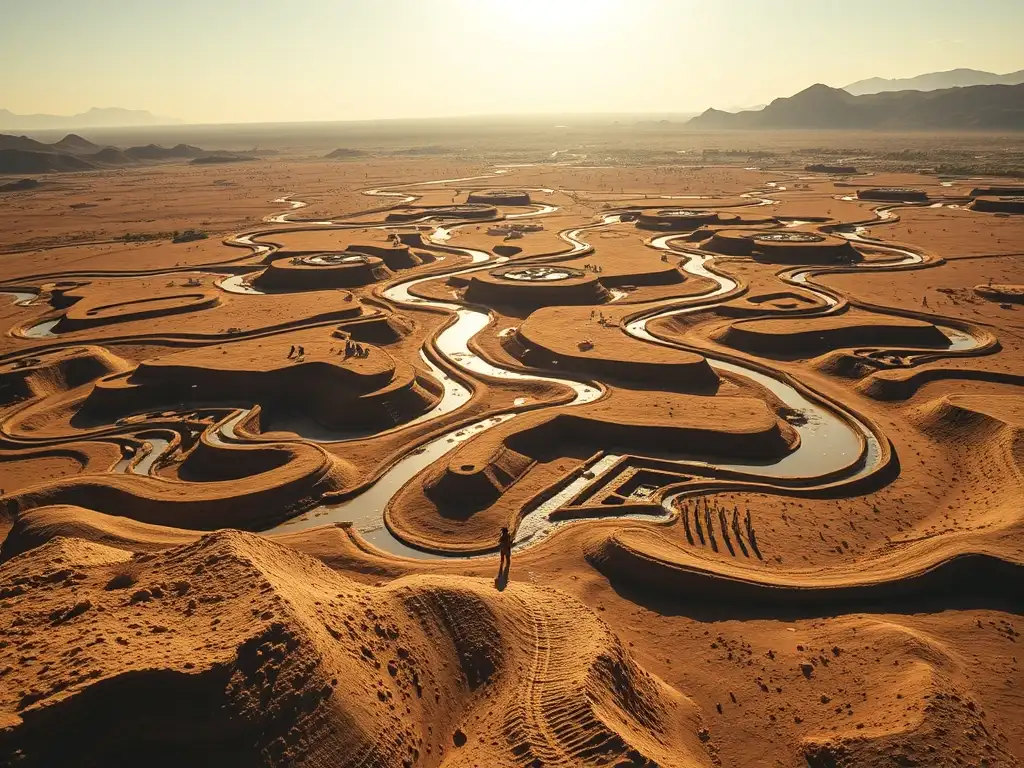
The Huari civilization, flourishing in the Peruvian Andes between 600 and 1000 CE, demonstrated remarkable ingenuity in managing water resources in a challenging, arid environment. Their sophisticated irrigation systems, far surpassing those of their predecessors, allowed them to support a large, complex society in a region with limited rainfall. Understanding their techniques offers valuable insights for contemporary water management strategies, particularly in regions facing similar challenges of water scarcity and desertification.
The ingenuity of Huari irrigation systems is a testament to their deep understanding of hydrology and their ability to adapt to their environment. This understanding, coupled with their advanced engineering skills, allowed them to create a sustainable water management system that supported their civilization for centuries. Analyzing their achievements allows us to glean valuable lessons applicable to today's world.
Applying Ancient Huari Techniques in Modern Arid Regions
Many arid regions across the globe face similar challenges to those encountered by the Huari. Modern agricultural practices in these areas often struggle with water scarcity and inefficient irrigation methods, leading to environmental degradation and economic hardship. However, some of the Huari's techniques are remarkably adaptable to modern contexts.
For instance, the Huari's use of canales (canals) and acequias (irrigation ditches) for water distribution can be replicated using modern materials and technologies. This could involve using durable, lined canals to minimize water loss through seepage, a significant problem in many modern irrigation systems. Furthermore, the Huari's understanding of terracing, creating level platforms on slopes for agriculture, remains a highly effective technique for water conservation and soil erosion control.
Modern implementations could incorporate advanced soil science and geotechnical engineering to optimize terrace design for specific terrains and crops. The Huari's approach to water harvesting, employing techniques such as the construction of reservoirs and the careful management of runoff, could also inspire innovative solutions for water storage and reuse in modern arid regions. The incorporation of rainwater harvesting systems alongside efficient irrigation methods could significantly improve water security in these areas.
The Importance of Sustainable Water Management Practices
The Huari's success wasn't just about building impressive infrastructure; it was about sustainable resource management. Their systems were designed not only to deliver water efficiently but also to minimize environmental impact. This contrasts sharply with many modern irrigation practices, which often lead to soil salinization, water depletion, and ecosystem damage. The Huari’s success highlights the crucial role of long-term planning and community involvement in successful water management.
Their system likely involved intricate social structures and regulations to ensure equitable water distribution and prevent overuse. This emphasis on sustainability offers a powerful lesson for modern societies grappling with water scarcity. Adopting a holistic approach, integrating environmental considerations with economic and social factors, is essential for achieving long-term water security.
Modern water management strategies must prioritize sustainability, mimicking the Huari’s integrated approach to resource management. This requires a shift from short-term gains to long-term planning, emphasizing the preservation of water resources for future generations. The Huari's legacy reminds us that sustainable water management is not merely an option but a necessity for the survival and prosperity of communities in arid and semi-arid regions.
The Enduring Relevance of Huari Hydraulic Engineering
The sophistication of Huari hydraulic engineering is evident in the scale and complexity of their irrigation systems. They constructed extensive networks of canals, terraces, and reservoirs, demonstrating a deep understanding of hydrology, engineering, and social organization. Their mastery of these techniques allowed them to cultivate vast tracts of land, supporting a substantial population in a challenging environment. The ingenuity of their solutions is particularly striking considering the limited tools and technologies available to them.
Their achievements underscore the importance of adapting engineering solutions to specific environmental and social contexts. The Huari’s success provides a valuable case study for modern engineers and policymakers confronting challenges related to water scarcity and infrastructure development in arid regions. Their legacy serves as a reminder that even with limited resources, innovative engineering and sustainable practices can transform challenging environments and support thriving societies. The study of Huari irrigation systems continues to yield valuable insights for researchers and practitioners in the field of water resources management.
The enduring relevance of their achievements is a testament to the ingenuity and foresight of this remarkable civilization. Their advanced understanding of hydraulic engineering remains a source of inspiration and a valuable resource for solving modern water challenges. The Huari's legacy is a powerful reminder of the importance of sustainable water management practices for the well-being of communities and the environment.
Pikillacta: A Key Huari Water Management Site
Pikillacta, located near modern-day Cusco, Peru, serves as a prime example of Huari ingenuity in water management. This sprawling site, once a significant administrative center within the Huari Empire, wasn't just a collection of buildings; it was a meticulously planned urban center designed to thrive in a challenging high-altitude environment. The Huari's mastery of water resource management is clearly evident in Pikillacta's infrastructure. Extensive networks of canals, meticulously engineered to channel water from nearby sources, supplied the settlement's inhabitants and agricultural fields.
These weren't simple ditches; they were sophisticated systems, often incorporating techniques like terracing and check dams to maximize water retention and minimize erosion. The precise layout of the canals suggests a deep understanding of hydrology and the local terrain, enabling efficient water distribution even across uneven landscapes. Archaeological evidence points to the use of sophisticated techniques to manage water flow and storage, including reservoirs and cisterns, ensuring a reliable water supply even during periods of drought. The impressive scale and efficiency of Pikillacta’s water management system underscore the Huari's advanced understanding of hydraulic engineering and its crucial role in supporting a large, densely populated urban center in a relatively arid region.
This sophisticated system allowed for the cultivation of crops essential to sustaining the population and the empire's administrative functions. The careful planning and execution visible at Pikillacta highlight the Huari's commitment to sustainable water resource management – a lesson that remains relevant today. The ingenuity shown in overcoming the challenges of their environment continues to inspire modern water management strategies.
Conclusion: The Ingenious Legacy of Huari Water Management
The Huari's mastery of water management stands as a testament to their advanced technological capabilities and their profound understanding of their environment. Their ingenious irrigation systems, as evidenced by sites like Pikillacta and others across their vast empire, allowed for the flourishing of agriculture and the development of large urban centers in challenging high-altitude environments. The complexity and efficiency of their water management techniques far surpassed those of their contemporaries, showcasing a remarkable level of engineering skill and planning.
Furthermore, the Huari's approach wasn't merely about maximizing agricultural output; it was deeply integrated into their social and political structures, reflecting a sophisticated understanding of resource management and its importance for societal stability. The enduring legacy of Huari water management isn't just about archaeological discoveries; it's about the valuable lessons it offers for modern-day challenges in water resource management. In an era facing increasing water scarcity and environmental concerns, studying and understanding the Huari's sustainable practices can provide valuable insights and inspire innovative solutions for efficient and equitable water distribution in modern societies.
Their commitment to careful planning, efficient technology, and sustainable resource use offers a powerful example for contemporary water management strategies worldwide. The Huari's achievements serve as a powerful reminder of the ingenuity and resilience of ancient civilizations and their capacity to adapt to the challenges of their environment – a legacy that continues to resonate today. The study of Huari irrigation systems 💧 continues to provide valuable insights for modern engineers and policymakers struggling with water scarcity and sustainable resource management.
Frequently Asked Questions
What were the Huari irrigation systems?
The Huari civilization developed sophisticated irrigation systems, including canals, aqueducts, and reservoirs, to manage water resources in the arid Andes. These systems were crucial for supporting agriculture and sustaining their large population.
How did the Huari manage water scarcity?
The Huari employed ingenious techniques like terracing, diverting water from rivers and streams, and building reservoirs to conserve and distribute water effectively across their vast empire. This allowed them to cultivate crops even in challenging environments.
What crops did the Huari grow thanks to their irrigation?
Huari irrigation systems supported the cultivation of a variety of crops, including potatoes, maize, beans, and quinoa. These crops were essential to their diet and economy.
How did Huari irrigation compare to other Andean civilizations?
While other Andean civilizations also developed irrigation, the Huari systems were notable for their scale and complexity. The extensive network of canals and reservoirs demonstrated advanced engineering and planning.
What is the legacy of Huari irrigation systems today?
While many Huari irrigation systems are ruined, their design and engineering principles continue to inform modern water management strategies in the Andes. Their ingenuity remains relevant in addressing water scarcity.
Final Reflection: The Enduring Legacy of Huari Water Wisdom
The ingenious water management systems of the Huari civilization remain a potent reminder of humanity's capacity to thrive even in the harshest environments, a lesson profoundly relevant in our era of climate change and resource scarcity. Their sophisticated understanding of water harvesting and distribution offers a blueprint for sustainable practices that we urgently need to adopt today, proving that ancient ingenuity can illuminate modern solutions.
The Huari's mastery of water, their ability to coax life from arid landscapes, continues to resonate deeply. Their achievements weren't merely feats of engineering; they were a testament to a profound connection with the land and a sophisticated understanding of ecological balance. The desert, once thought of as an empty space, is now revealed as a complex and dynamic ecosystem, capable of supporting life in surprising ways, if only we learn to work with it, not against it.
This quote encapsulates the enduring relevance of the Huari's approach, highlighting the need for a respectful and sustainable relationship with our natural resources.
Consider the ingenuity of the Huari, their ability to transform a seemingly barren landscape into a thriving civilization. Now, consider your own relationship with water. What steps can you take, in your daily life, to emulate the Huari's wisdom? From conserving water in your home to supporting sustainable agricultural practices, even small actions can contribute to a larger movement towards responsible resource management. Let the legacy of Huari inspire you to become a steward of our precious water resources, ensuring a sustainable future for generations to come.
**Embrace Sustainable Solutions Today! **
Thank you for exploring the fascinating world of water management in arid regions! Your interest highlights the importance of ingenious strategies that empower communities facing water scarcity. Let's translate this knowledge into action to create a lasting positive impact.
Here are some ways you can contribute to sustainable water management:
- **Support local water conservation initiatives** in your community by volunteering your time or donating resources.
- Share your newfound knowledge! Discuss effective water management techniques with friends, family, and colleagues, sparking conversations about sustainable practices and inspiring others to take action.
- **Adopt drought-tolerant landscaping** in your garden by using native plants or implementing water-wise gardening techniques. This reduces water consumption at a personal level and promotes biodiversity.
How can you integrate these effective water management practices into your life or community? Let's start a conversation about creating positive change!