
The Origins of Andean Religion: Tracing the Roots of Belief Systems Before the Inca

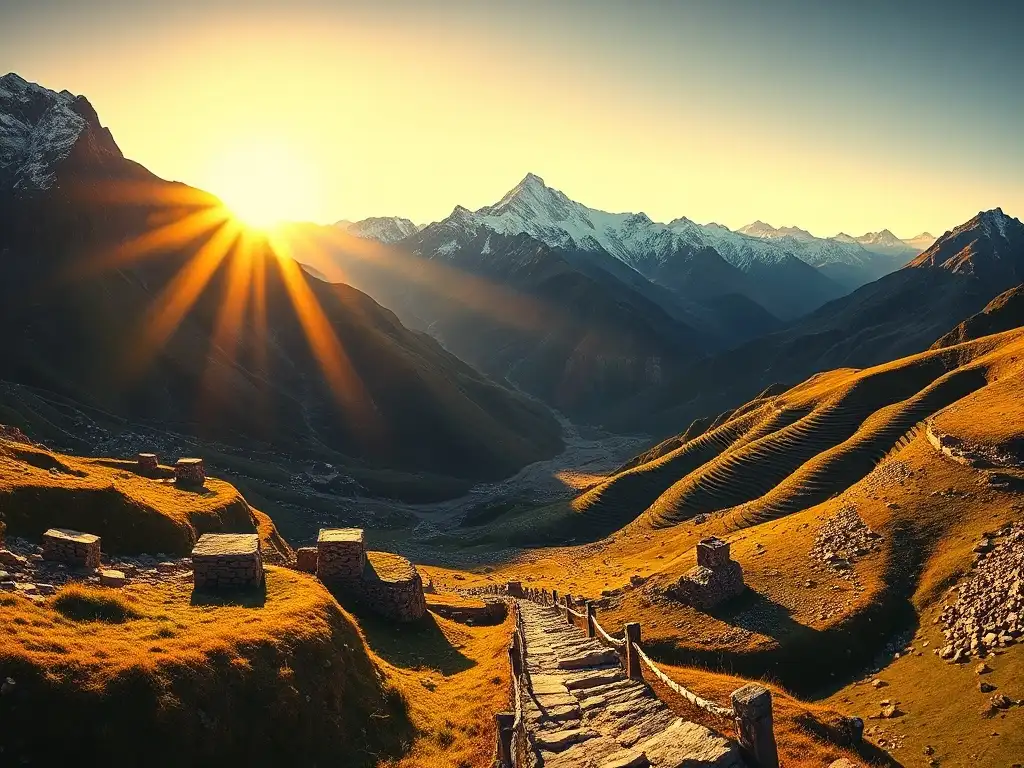
Step into a world lost to time, yet echoing with the whispers of ancient spirits. Beyond the grandeur of the Inca Empire lie the enigmatic origins of Andean religion, a tapestry woven from millennia of beliefs and practices. Uncover the profound spiritual landscape that predates the Incas, exploring the fascinating rituals and cosmology of the Moche, Nazca, and Tiahuanaco cultures. Prepare to be captivated by the secrets held within the Andean religion origins before Inca, a journey that will reshape your understanding of one of history's most captivating civilizations.
Understanding Andean religion requires looking beyond the well-documented Inca empire. The Inca, while undeniably influential, inherited and adapted a complex tapestry of religious beliefs and practices woven over millennia by preceding Andean cultures.
This article delves into the fascinating origins of Andean spirituality, exploring the diverse belief systems that flourished in the highlands and coastal regions long before the rise of the Inca, focusing on the key concepts and influences that shaped the religious landscape of the Andes. We'll examine the evidence left behind by cultures like the Moche, Nazca, and Tiahuanaco to piece together a picture of their spiritual worlds, revealing the rich and multifaceted nature of Andean religion before the Inca's dominance.
This exploration aims to provide a deeper appreciation for the intricate evolution of Andean religious thought and its lasting impact on the region's cultural identity. We will trace the threads of continuity and change, revealing how these earlier traditions informed, and were in turn transformed by, the later Inca religion.
Introduction to Pre-Incan Andean Religious Practices
The Andean region, prior to Inca expansion, wasn't unified under a single religious system. Instead, a diverse array of belief systems existed, often reflecting the unique environmental and social structures of each culture. Archaeological evidence suggests a profound connection between the Andean peoples and the natural world.
Mountains, rivers, and celestial bodies were not merely geographical features but powerful, sacred entities imbued with spiritual significance. Many cultures revered specific mountains as apus (powerful mountain spirits), a reverence that continues in some Andean communities today. This animistic worldview, where spirits inhabit both animate and inanimate objects, is a fundamental characteristic of many pre-Inca Andean religions.
Furthermore, evidence points to sophisticated ritual practices. Elaborate burial sites, such as those found at Paracas and Moche, reveal intricate funerary rituals, suggesting a strong belief in an afterlife and the importance of ancestor veneration. The creation of intricate textiles, ceramics, and metalwork often served not only decorative purposes but also played a significant role in religious ceremonies and the expression of spiritual beliefs.
The iconography found on these artifacts offers valuable clues into the beliefs and practices of these early Andean societies. For example, the Moche's pottery vividly depicts their pantheon of gods and goddesses, their rituals, and their cosmology.
We can also see evidence of shamanistic practices. The use of hallucinogenic plants, like San Pedro cactus, likely played a crucial role in Andean religious rituals, allowing shamans to access otherworldly realms and communicate with spirits. The intricate iconography found on textiles and ceramics often hints at these altered states of consciousness and the shaman's role as an intermediary between the human and spiritual worlds. Understanding these practices is vital to comprehending the complexity of pre-Inca Andean religions.
Early Andean Spirituality: Key Concepts and Influences
Several key concepts shaped the spiritual landscape of the pre-Inca Andes. The concept of Pachamama, or Mother Earth, was central to many cultures. This powerful deity represented the fertility of the land and the interconnectedness of all living things. Offering ceremonies to Pachamama, involving the burying of coca leaves and other offerings, were essential practices aimed at ensuring a bountiful harvest and maintaining harmony with the natural world. The worship of Pachamama demonstrates the deeply ingrained respect for nature and the cyclical rhythms of life and death that permeated Andean spirituality.
Another significant influence was the celestial realm. The sun, moon, and stars played prominent roles in Andean cosmology, with many cultures developing intricate calendars and astronomical observatories. Sites like Chankillo in Peru demonstrate the sophisticated astronomical knowledge of pre-Inca societies and their ability to track celestial movements, which were likely integrated into their religious practices and agricultural cycles. The Nazca lines, although their precise purpose is still debated, are often interpreted as having a religious or astronomical significance, reflecting a deep connection between the earthly and celestial realms.
Finally, the importance of ancestor veneration cannot be overstated. The ancestors were believed to continue to exert influence on the living, and elaborate rituals were performed to honor and appease them. This reverence extended to mummification practices, with some cultures mummifying their deceased and integrating them into family life for extended periods.
The careful preservation of mummies and the inclusion of grave goods reveal the significance placed on the connection between the living and the dead, highlighting the continuous flow of life and spiritual energy across generations. The continued respect for ancestors illustrates the strong social and spiritual bonds within pre-Inca Andean communities.
The Role of Nature in Early Andean Beliefs
The Andean worldview was deeply intertwined with the natural world, a perspective that profoundly shaped their religious beliefs and practices long before the Inca Empire. The harsh yet beautiful landscape of the Andes—towering mountains, arid deserts, and fertile valleys—provided both sustenance and challenges, fostering a profound respect for the forces of nature. This reverence wasn't merely passive; it was an active engagement, a constant negotiation with the powers that governed their lives.
Andean peoples didn't simply observe nature; they participated in it, seeking to understand its rhythms and harness its power through ritual and offering. Their understanding of the interconnectedness of all living things, a concept central to their spirituality, is evident in the careful stewardship of their environment and the integration of natural elements into their religious practices.
This holistic approach to understanding the world was a hallmark of Andean religion, influencing everything from agricultural practices to funerary rites. The very survival of Andean communities depended on their ability to understand and respond to the natural world, making nature not merely a backdrop to their existence, but an integral part of their spiritual identity.
The Importance of Mountains (Apus) in Pre-Incan Religion
Mountains, or Apus, held a position of paramount importance in the religious beliefs of pre-Inca Andean societies. These towering peaks were not simply geographical features; they were considered sacred entities, powerful deities embodying the very essence of the Andean landscape. The Apus were seen as protectors, providers, and sources of life-giving water.
Many communities built their settlements at the base of these mountains, believing their proximity offered protection and ensured a bountiful harvest. Rituals and offerings were regularly made to appease the Apus, ensuring their continued favor and preventing natural disasters. Evidence suggests that mountain worship was a widespread practice, with specific rituals and ceremonies varying between different Andean cultures.
The construction of intricate terraces on the mountain slopes, a testament to the Andean people's agricultural ingenuity, also served a symbolic purpose, reflecting their deep connection with and respect for the Apus. The importance of the Apus in pre-Inca religion underscores the central role of the natural world in shaping their spiritual beliefs.
The Sun and Moon as Deities in Andean Cosmology
The sun and moon played crucial roles in the Andean cosmology, representing powerful deities that governed the cycles of life and the cosmos. The sun, a life-giving force, was often associated with male deities, while the moon, representing cyclical renewal, was linked to female deities.
The sun's daily journey across the sky was seen as a constant cycle of life, death, and rebirth, mirroring the cyclical nature of Andean agriculture and the human life cycle itself. Many pre-Inca societies constructed observatories and temples aligned with the celestial movements of the sun and moon, demonstrating their sophisticated understanding of astronomy and its religious significance.
These astronomical observations were not simply scientific endeavors; they were integral to their religious calendar, guiding agricultural practices and determining the timing of important rituals and festivals. The sun and moon's centrality in Andean cosmology reflects the profound influence of celestial events on their worldview and their daily lives.
Animal Spirits and Their Significance in Early Andean Belief Systems
Animals held profound symbolic meaning in the religious beliefs of early Andean societies. Many animals were considered to possess spiritual power and were often associated with specific deities or natural forces. Condors, for example, were often seen as messengers of the gods, while jaguars represented strength and power. The representation of these animals in art and artifacts—textiles, pottery, and stone carvings—is extensive, illustrating their importance in Andean culture and religion.
The use of animal sacrifices in rituals suggests that these animals weren't just symbolically significant but were also believed to possess the ability to mediate between the human and spiritual worlds. The specific animals revered and the significance attributed to them often varied regionally, reflecting the diversity of Andean cultures and their unique interactions with their environment. The deep-rooted connection between animals and the spiritual realm highlights the holistic and interconnected nature of Andean beliefs.
Regional Variations in Andean Religious Practices Before the Inca
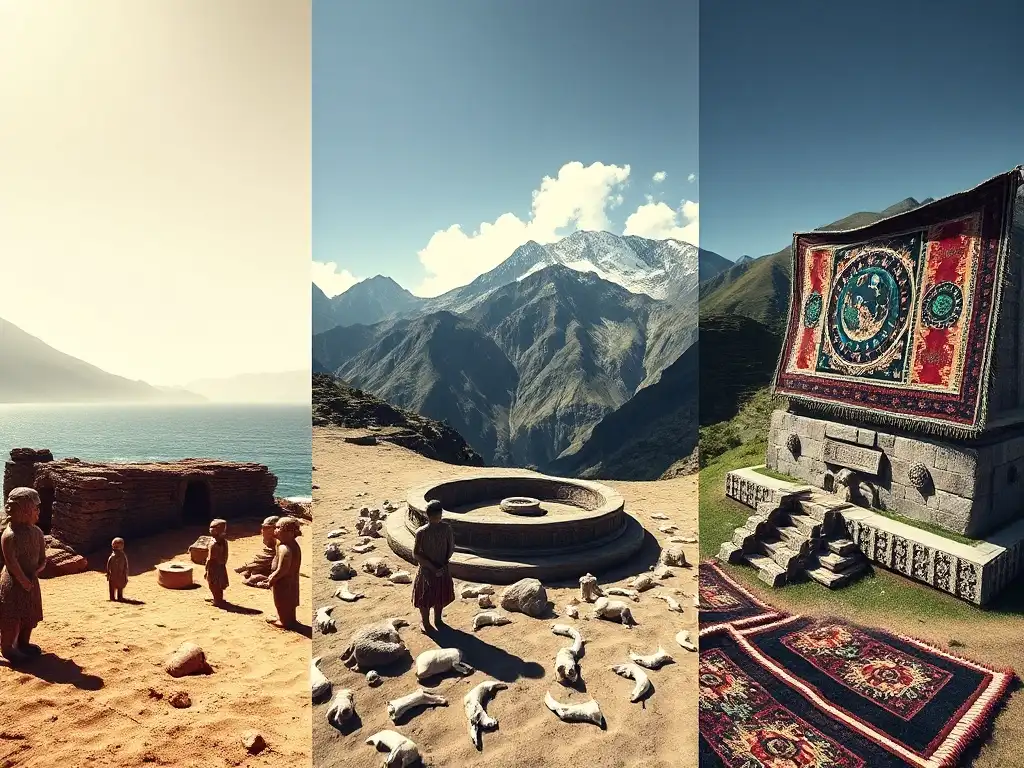
The Andean region wasn't a monolithic entity; rather, it encompassed a diverse array of cultures, each with its own unique religious practices and beliefs. While a shared understanding of the importance of nature and ancestor veneration existed, significant regional variations existed, reflecting the diverse environments and cultural histories of these groups. The religious practices of the pre-Inca Andean societies weren't uniform; instead, they were shaped by local geography, social structures, and historical experiences. Analyzing these regional variations reveals a rich tapestry of religious expressions, challenging any simplistic view of "Andean religion" as a singular entity.
Religious Practices in the Northern Andes: The Chavin Culture
The Chavin culture (c. 900–200 BCE), flourishing in the northern Andes, is renowned for its distinctive religious iconography, characterized by stylized depictions of jaguars, snakes, and other animals. Their monumental architecture, including the Chavin de Huantar temple complex, served as important religious centers. The Chavin people's religious beliefs seem to have centered around a complex pantheon of deities, often represented through hybrid forms combining human and animal features.
The use of hallucinogenic substances, such as the San Pedro cactus, in religious ceremonies is also well-documented, suggesting a shamanistic tradition focused on altered states of consciousness. These practices suggest a sophisticated religious system with a complex cosmology and a strong emphasis on shamanistic rituals. The Chavin's influence spread widely across the northern Andes, impacting the religious practices of subsequent cultures.
Religious Practices in the Central Andes: The Nazca Culture
The Nazca culture (c. 100 BCE – 800 CE), known for its enigmatic geoglyphs, also possessed a rich religious tradition. Their religious beliefs focused on ancestor veneration, evidenced by their elaborate burial practices and the frequent depiction of mummified ancestors in their art. The Nazca people's mastery of irrigation systems underscores the importance of water in their religious worldview, likely reflected in their rituals and ceremonies.
The Nazca culture's religious iconography features a variety of deities and supernatural beings, often depicted in elaborate textiles and pottery. Their religious practices, though distinct from other Andean cultures, also shared some common threads, such as the importance of nature and the veneration of ancestors. The Nazca's sophisticated religious practices reflect a complex social structure and a deep connection to their environment.
Religious Practices in the Southern Andes: The Tiwanaku Culture
The Tiwanaku culture (c. 300–1100 CE), centered around Lake Titicaca, developed a powerful and influential religious system. Their monumental architecture, including the impressive city of Tiwanaku, served as a focal point for religious activities. The Tiwanaku people's religious beliefs were likely centered around a complex pantheon of deities, often associated with water, the sun, and agriculture.
The widespread use of stepped pyramids and other monumental structures suggests a highly organized religious system with a strong emphasis on ritual and ceremony. The Tiwanaku culture's influence extended across a vast area of the southern Andes, suggesting a powerful and influential religious system that shaped the spiritual lives of many Andean communities. Their religious practices, characterized by intricate iconography and monumental architecture, left a lasting legacy on the Andean region.
The Development of Rituals and Ceremonies in Pre-Incan Societies
Early Forms of Andean Ritualistic Practices
The earliest forms of Andean ritualistic practices are difficult to definitively trace due to the limited surviving evidence. However, archaeological findings suggest that ritual activity was deeply ingrained in the lives of pre-Inca Andean societies from a very early stage. Burial practices, for instance, often involved the inclusion of grave goods, indicating beliefs about the afterlife and the importance of providing necessities for the deceased's journey.
These practices varied considerably across different cultures and regions, reflecting a diversity of beliefs and traditions. Some cultures emphasized elaborate burial mounds, while others focused on simpler interment methods. The presence of carefully crafted artifacts within burials further suggests a structured approach to funerary rituals, pointing towards formalized belief systems that extended beyond simple survival needs.
The study of these early burial sites provides crucial insights into the development of religious practices and the evolving understanding of the spiritual world in pre-Inca Andean societies. Further research into these sites and the artifacts they contain is crucial to a more complete understanding of these early rituals.
The Use of Sacred Spaces and Temples
As Andean societies became more complex, so too did their religious practices. The construction of sacred spaces and temples became increasingly sophisticated, reflecting a growing emphasis on organized religion. Sites like Chavín de Huántar, with its intricate architecture and complex iconography, exemplify this trend.
These structures were not merely places of worship; they served as centers for ritual activity, social gatherings, and the administration of religious authority. The precise functions of different areas within these complexes are still being investigated, but evidence suggests that they were used for a wide range of ceremonies and rituals, potentially including divination, healing, and ancestor veneration.
The monumental scale of some of these structures points to the importance of religion in the social and political organization of pre-Inca Andean societies, demonstrating the significant investment of resources and labor in constructing and maintaining these sacred spaces. The architectural styles and symbolic elements found within these temples reveal important information about the beliefs and worldview of the people who built them.
The Significance of Offerings and Sacrifices in Andean Religion
Offerings and sacrifices played a central role in Andean religious practices, serving as a way to appease deities, ensure good harvests, and maintain a balance between the human and spiritual worlds. These offerings varied widely in nature, ranging from simple agricultural products to elaborate crafted objects and even human sacrifices in some cases. The practice of sacrifice, while often viewed negatively through a modern lens, held profound significance within the Andean worldview.
It was not simply a matter of violence but a ritualistic act intended to strengthen relationships with the supernatural realm and ensure the continued well-being of the community. The types of offerings and the contexts in which they were made provide insights into the specific beliefs and concerns of different Andean cultures.
For example, the offering of llama fetuses in some contexts suggests a connection between these animals and fertility or agricultural abundance. Understanding the significance of these offerings requires careful analysis of archaeological evidence, considering both the material objects themselves and their depositional context.
The Impact of Shamanism on Pre-Inca Andean Beliefs
The Role of Shamans as Intermediaries in Andean Spirituality
Shamanism was a powerful force shaping pre-Inca Andean beliefs and practices. Shamans acted as intermediaries between the human and spiritual worlds, possessing the ability to communicate with deities, spirits, and ancestors. Their role extended beyond simple religious leadership; they often served as healers, diviners, and political advisors, wielding considerable influence within their communities. The prestige and authority of shamans varied across different Andean cultures, but their importance as spiritual leaders is undeniable.
Their knowledge of medicinal plants, ritual practices, and spiritual techniques made them indispensable figures in Andean society. Archaeological evidence, including depictions of shamans in art and the discovery of shamanic paraphernalia in burials, provides further support for the crucial role they played in shaping Andean spirituality. Understanding the role of shamans requires examining a variety of sources, from archaeological findings to ethnohistorical accounts.
Shamanic Practices and the Use of Hallucinogens
One of the most distinctive aspects of Andean shamanism was the use of hallucinogenic plants, such as San Pedro cactus and ayahuasca. These substances were not merely recreational drugs; they were integral parts of shamanic rituals, allowing shamans to enter altered states of consciousness and communicate with the spirit world. The use of hallucinogens facilitated visionary experiences, enabling shamans to diagnose illnesses, predict the future, and gain access to spiritual knowledge.
The precise techniques and rituals associated with hallucinogen use varied across different Andean cultures, but their importance in shamanic practice is well-documented. Ethnobotanical studies and archaeological evidence shed light on the types of plants used, the methods of preparation, and the contexts in which these substances were consumed.
The use of these plants highlights the sophisticated understanding of botany and pharmacology possessed by Andean shamans and the integration of these substances into their spiritual practices. This aspect of Andean shamanism underscores the intricate relationship between the natural world and the spiritual realm.
The Influence of Shamanism on Andean Art and Iconography
The influence of shamanism is clearly visible in Andean art and iconography. Many artistic representations depict shamanic figures, rituals, and spiritual beings. These depictions often feature stylized figures, supernatural creatures, and symbolic motifs that reflect shamanic beliefs and experiences. The use of specific colors, patterns, and symbols in Andean art likely held deeper spiritual significance, reflecting the shamanistic worldview and the importance of these motifs in religious practices.
The intricate designs found on textiles, pottery, and other artifacts provide valuable insights into the beliefs and practices of Andean shamans and their role in shaping the visual culture of their societies. Analyzing these artistic expressions alongside archaeological and ethnohistorical evidence provides a richer understanding of the interplay between shamanism and artistic production in the Andes. The study of Andean art thus serves as a powerful tool for understanding the complex religious beliefs of pre-Inca societies.
Key Deities and Mythological Figures in Early Andean Religion
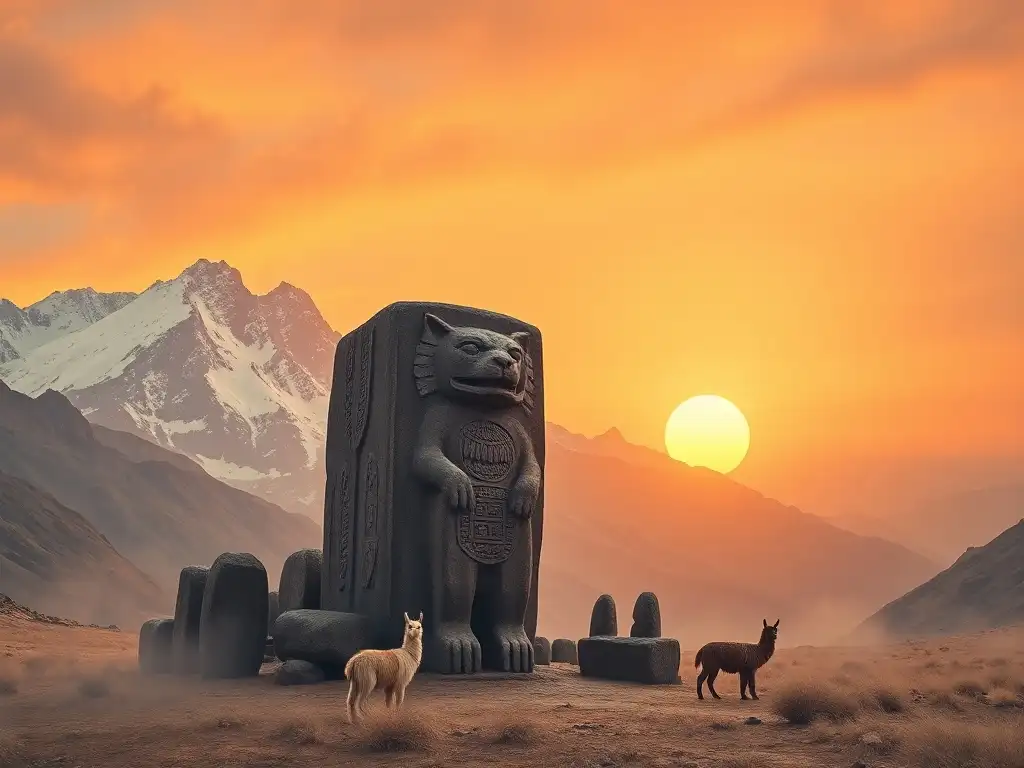
The Andean region, long before the Inca Empire's rise, boasted a rich tapestry of religious beliefs and practices. Understanding the origins of Andean religion requires exploring the diverse pantheon of deities and mythological figures worshipped across different cultures and geographical areas. While specific details vary depending on the culture and time period, common themes emerge, highlighting the importance of nature, ancestors, and powerful supernatural beings.
These beliefs weren't monolithic; rather, they were a dynamic interplay of local traditions and shared cosmological concepts that evolved over millennia. The lack of written records for many pre-Inca cultures means our understanding relies heavily on archaeological evidence, such as iconography on pottery, textiles, and monumental architecture, as well as interpretations of later chronicles written by Spanish conquistadors.
These sources, while valuable, are often fragmented and require careful analysis to avoid misinterpretations. The reconstruction of these early belief systems is an ongoing process, with new archaeological discoveries and scholarly interpretations continually refining our understanding.
Viracocha and its Significance
Viracocha, a creator god, holds a prominent place in many Andean cosmologies, though his specific attributes and role vary across different cultures. Often depicted as a bearded, powerful figure, Viracocha is credited with creating the world, the sun, the moon, and humanity itself. Some accounts portray him as a benevolent deity, while others depict a more ambivalent figure, capable of both creation and destruction.
His significance is evident in the widespread presence of his iconography across the Andean region, suggesting a degree of pan-Andean influence or at least shared conceptual frameworks regarding creation myths. The exact origins and evolution of the Viracocha myth remain subjects of scholarly debate, with various theories proposing different timelines and cultural influences.
The complexities of his symbolism and the variations in his portrayal across different cultures underscore the need for careful consideration of the diverse interpretations of this important deity. Further research, particularly through meticulous analysis of archaeological finds and comparative mythology, is crucial to fully understand Viracocha's role in the development of Andean religious thought.
Pachamama and its Role in the Andean Pantheon
Pachamama, the Earth Mother, represents a fundamental aspect of Andean spirituality. Unlike Viracocha, who embodies a more distant creator force, Pachamama is intimately connected to the daily lives of the people. She is the fertile earth, the provider of sustenance, and a powerful force to be respected and appeased.
Offering rituals, such as the burying of coca leaves and other offerings, were essential practices to maintain a harmonious relationship with Pachamama and ensure a successful harvest. Her importance is underscored by her continued reverence in many Andean communities even today, demonstrating the enduring power of this ancient deity.
The worship of Pachamama wasn't confined to a specific culture; rather, her veneration was widespread across the Andean region, reflecting the fundamental importance of agriculture and the earth's bounty to the survival of Andean societies. The enduring legacy of Pachamama demonstrates the deep connection between Andean peoples and their environment, a connection that transcends time and cultural boundaries.
Ai Apaec and its Relevance
Ai Apaec, a deity associated with the Moche culture, offers a fascinating glimpse into the diverse religious landscape of the pre-Inca Andes. Unlike the more widely known Viracocha or Pachamama, Ai Apaec's worship was largely confined to the Moche region. Often depicted in a terrifying, fanged visage, Ai Apaec represents a powerful, potentially destructive force.
His iconography, commonly found on Moche pottery and other artifacts, suggests a deity associated with warfare, sacrifice, and the underworld. The prominence of Ai Apaec in Moche art and religious practices highlights the regional variations in Andean religious beliefs, emphasizing the lack of a unified pantheon across the entire region.
Further research into Moche religious practices is needed to fully understand the specific role and significance of Ai Apaec within the broader context of Andean mythology. The study of Ai Apaec provides valuable insights into the diversity and complexity of Andean religious beliefs prior to the Inca Empire.
The Evolution of Andean Religion: From Early Practices to Inca Beliefs
The development of Andean religion wasn't a linear progression but rather a complex interplay of continuity and change across diverse cultures and time periods. Tracing this evolution requires careful consideration of both shared cosmological concepts and regional variations in religious practices. The Inca Empire, while imposing its own religious structure, inherited and adapted many pre-existing beliefs and practices, creating a unique syncretic religious system.
Tracing the Continuity and Change in Andean Religious Thought
The continuity of certain themes, such as the veneration of nature and the importance of ancestor worship, is evident across different Andean cultures. However, the specific deities and rituals associated with these themes varied considerably. For example, while the concept of a creator god is present in many pre-Inca belief systems, the specific attributes and name of this deity differed significantly.
Similarly, the practices of sacrifice and divination, while common across various cultures, took different forms and held distinct meanings. Understanding this interplay of continuity and change requires analyzing the archaeological evidence from different regions and time periods, comparing the iconography, rituals, and cosmological beliefs of various Andean cultures. This complex process requires detailed research and careful interpretation of often fragmented evidence.
The Influence of Pre-Incan Beliefs on Later Inca Religion
The Inca Empire's religious system was not a completely novel creation. Rather, it integrated and adapted many pre-existing beliefs and practices from the cultures it conquered. The Inca pantheon incorporated deities from various pre-Inca traditions, often recasting them within the framework of Inca cosmology.
For example, the Inca incorporated Viracocha into their own pantheon, adapting his attributes and role to fit their worldview. Similarly, the Inca retained and adapted many pre-existing rituals and practices, often integrating them into their own religious ceremonies. This process of cultural assimilation and adaptation resulted in a complex and dynamic religious system that combined elements from various Andean cultures.
The understanding of this process is crucial for a comprehensive understanding of Inca religion and its place within the broader context of Andean religious history. Further research into the specific ways in which Inca religion integrated and adapted pre-existing beliefs is needed to clarify the precise nature of this interaction.
Understanding the Foundations of Inca Cosmology
Inca cosmology, while unique in its own right, was profoundly shaped by the religious beliefs and practices of the pre-Inca cultures. The Inca worldview emphasized the interconnectedness of the cosmos, with a hierarchical structure reflecting the relationship between the human world and the supernatural realm. The Inca's understanding of the cosmos was informed by the earlier veneration of nature, the belief in powerful deities, and the importance of maintaining harmony between the human and supernatural worlds.
The Inca's sophisticated system of religious rituals and ceremonies served to reinforce this worldview and maintain social order. The development of Inca cosmology involved a complex process of synthesis and adaptation, drawing upon pre-existing beliefs and practices to create a unique and powerful religious system.
Further research is necessary to fully understand the specific ways in which pre-Inca beliefs shaped the foundations of Inca cosmology. The study of Inca cosmology provides crucial insights into the evolution of Andean religious thought and the lasting impact of pre-Inca traditions.
Conclusion: The Enduring Legacy of Pre-Incan Andean Religion
The diverse and complex religious landscape of the Andes before the Inca Empire left an indelible mark on subsequent Andean cultures, including the Inca themselves. While the Inca certainly synthesized and adapted pre-existing beliefs into their own imperial ideology, the foundational elements of Andean spirituality—the veneration of mountains ( apus), the importance of ancestor worship, the intricate connection between the earthly and spiritual realms, and the sophisticated astronomical observations informing religious practices—all have roots stretching back millennia.
The Inca's impressive feats of engineering, such as their elaborate road systems and terraced agriculture, were not merely practical achievements; they were deeply intertwined with their religious worldview, reflecting a profound understanding of the landscape and its sacred power. This symbiotic relationship between the physical world and the spiritual realm is a hallmark of Andean religion, persisting from the earliest known expressions of Andean spirituality to the present day.
The influence of pre-Inca religious practices extends beyond the Inca Empire's borders and even beyond the timeframe of its existence. Many rituals, beliefs, and symbolic representations found in pre-Inca societies continued to be practiced and adapted in various forms by later Andean communities. The continuity of certain religious motifs across different cultures and time periods underscores the remarkable resilience and enduring power of these early Andean belief systems.
Understanding the origins and evolution of Andean religion is crucial to fully appreciating the rich tapestry of Andean culture and its enduring legacy. The study of pre-Inca religious practices offers valuable insights into the development of Andean identity and the interconnectedness of different Andean societies throughout history. Furthermore, it challenges simplistic narratives of Inca dominance, revealing a complex interplay of cultural exchange and adaptation that shaped the religious landscape of the Andes.
The legacy of these ancient beliefs continues to resonate in contemporary Andean communities, demonstrating the powerful and enduring nature of these traditions. Their study provides a deeper understanding of the continuity and change that characterize Andean cultures.
- Introduction to Pre-Incan Andean Religious Practices
- Early Andean Spirituality: Key Concepts and Influences
- The Role of Nature in Early Andean Beliefs
- Regional Variations in Andean Religious Practices Before the Inca
- The Development of Rituals and Ceremonies in Pre-Incan Societies
- The Impact of Shamanism on Pre-Inca Andean Beliefs
- Key Deities and Mythological Figures in Early Andean Religion
- The Evolution of Andean Religion: From Early Practices to Inca Beliefs
- Conclusion: The Enduring Legacy of Pre-Incan Andean Religion
- What were the main religious beliefs of Andean cultures before the Inca Empire?
- How did the worship of nature influence Andean religious practices?
- Did different Andean cultures share any common religious themes?
- What evidence exists to support our understanding of pre-Inca Andean religion?
- How did the Inca religion incorporate or transform existing Andean beliefs?
Frequently Asked Questions
What were the main religious beliefs of Andean cultures before the Inca Empire?
Andean religions before the Inca were incredibly diverse. Common threads included ancestor veneration, a strong connection to the natural world, and the worship of various deities associated with mountains, water, and agriculture. Specific beliefs varied greatly between cultures.
How did the worship of nature influence Andean religious practices?
Nature played a central role, with mountains, rivers, and the sun seen as powerful forces deserving reverence. Agricultural cycles were deeply intertwined with religious rituals, ensuring a bountiful harvest. Sacred sites, often located in mountainous regions, played a vital part in religious ceremonies.
Yes, despite regional variations, many shared beliefs. Ancestor veneration, the importance of shamanistic practices, and a focus on fertility and abundance were common across several cultures, suggesting a shared cultural heritage predating the Inca.
What evidence exists to support our understanding of pre-Inca Andean religion?
Archaeological findings provide crucial insight. Religious iconography on pottery, textiles, and monumental architecture, alongside burials containing offerings and evidence of ritual practices, reveal much about pre-Inca beliefs.
How did the Inca religion incorporate or transform existing Andean beliefs?
The Inca integrated and syncretized pre-existing religious traditions into their own system. While they established a pan-Andean state religion centered on the sun god Inti, many local deities and practices were incorporated, often becoming associated with Inca patron deities.
Final Reflection: Echoes of the Andes: A Legacy of Faith
The intricate tapestry of Andean religious beliefs, woven long before the Inca Empire, continues to resonate powerfully in the modern world. Understanding these ancient roots offers a crucial lens through which to view contemporary Andean cultures and their enduring connection to the land, its spirits, and its ancestors. The echoes of these ancient practices are not merely historical artifacts; they are living traditions that shape identities and inspire communities today.
The profound impact of pre-Inca Andean religion on the region's cultural landscape is undeniable. Its influence permeates everything from agricultural practices and artistic expression to social structures and spiritual beliefs. The reverence for nature, the intricate cosmology, and the deep connection to the sacred mountains – these are not simply historical footnotes; they are the very foundation upon which subsequent Andean societies have been built. The mountains are not just mountains, they are the dwelling places of the gods, the ancestors, and the spirits of the land.
This sentiment, though perhaps expressed differently across time and communities, encapsulates the enduring power of this ancient faith.
Consider the enduring legacy of these beliefs. How do they shape your understanding of the Andes today? What can we learn from the resilience and adaptability of these ancient spiritual systems? I invite you to reflect on the interconnectedness of past and present, to appreciate the richness of Andean spiritual heritage, and to carry forward a deeper understanding of the enduring power of belief in shaping human societies. Let the echoes of the Andes inspire you to explore the profound connections between humanity and the natural world.
Embrace the Spirit of the Andes Today!
Thank you for exploring the rich tapestry of Andean religion and its intriguing origins. We hope the insights you've gained inspire further exploration of this fascinating aspect of Andean civilizations. Now, let's put that knowledge into practice!
- Deepen your understanding by researching a specific Andean deity that interests you—uncover its myths and its importance in the lives of the ancient people. For example, you could explore the role of Viracocha or Pachamama.
- Attend a local cultural event or workshop celebrating Andean heritage. Connecting with others who share your interest in these ancient beliefs will enrich your experience.
- Share this article with friends and spark a conversation about the enduring influence of ancient belief systems on modern culture and spirituality.
What aspect of Andean spirituality most captivates you, and how do you see it influencing your own beliefs or practices?