
Huari Shamanism: The Spiritual Practices of the Andean Empire

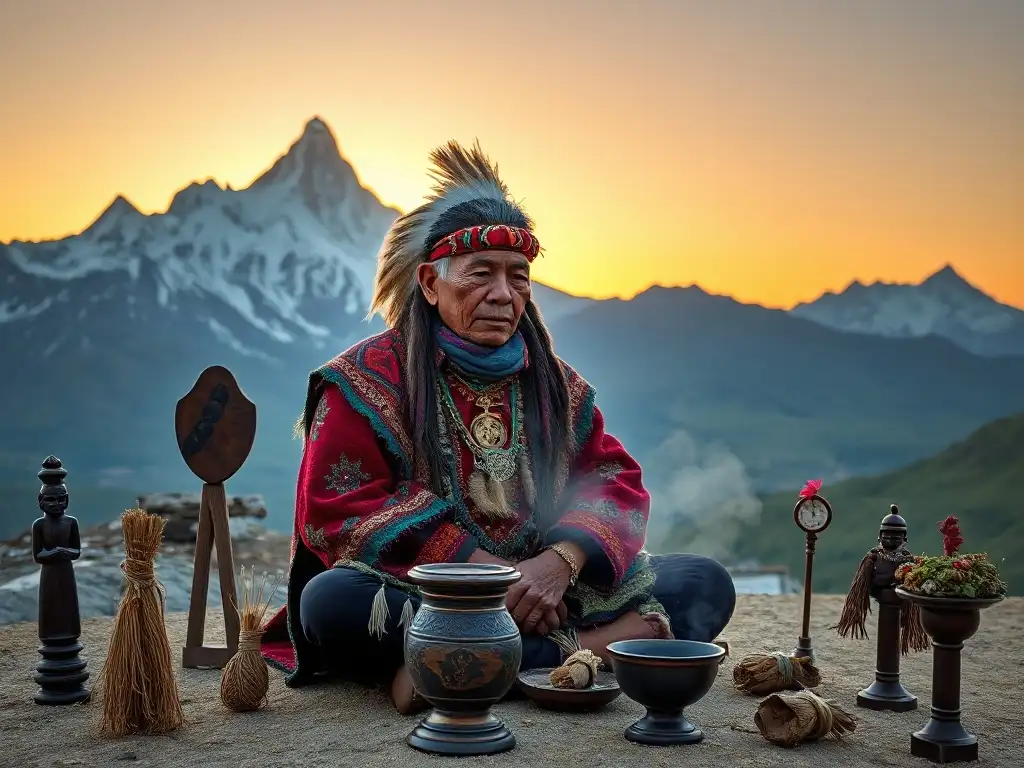
Unravel the mysteries of the Andes! Journey through time to discover a world of breathtaking artistry, complex societies, and powerful spiritual beliefs. Were the Huari truly masters of the unseen, wielding shamanistic practices to control their vast empire? Delve into the fascinating world of Huari shamanistic practices and uncover the secrets of this enigmatic Pre-Incan culture. Prepare to be amazed by the vibrant tapestry of the Andean past.
-
Huari Shamanism: Exploring the Spiritual Practices of the Andean Empire
- Understanding the Role of Shamanism in Huari Society
- The Core Beliefs of Huari Religious Practices
- Huari Shamanistic Practices: Rituals and Ceremonies
- Psychoactive Substances in Huari Shamanic Rituals
- Huari Art and Its Reflection of Shamanic Beliefs
- The Legacy of Huari Shamanism in Andean Culture
- Comparing Huari Shamanism with other Andean Beliefs
-
Frequently Asked Questions
- What were the Huari people's main religious beliefs?
- How did Huari shamanistic practices differ from other Andean cultures?
- What role did hallucinogenic plants play in Huari shamanistic rituals?
- What archaeological evidence supports the understanding of Huari shamanism?
- How did Huari shamanism influence the society and daily life of the people?
- Final Reflection: Echoes of the Andes: Huari Shamanism's Enduring Legacy
- Embrace the Wisdom of Huari Shamanism!
Huari Shamanism: Exploring the Spiritual Practices of the Andean Empire
The Huari culture, a powerful pre-Inca civilization that flourished in the Andes from approximately 600 to 1200 CE, left behind a rich archaeological record hinting at a complex and sophisticated religious system. While much remains shrouded in mystery, evidence suggests that shamanism played a central role in Huari society, influencing daily life, political structures, and even warfare.
This exploration delves into the fascinating world of Huari shamanistic practices, examining their beliefs, rituals, and the profound impact these spiritual practices had on shaping this remarkable Andean empire. Understanding Huari shamanism provides crucial insight into the cultural fabric of this civilization, shedding light on their worldview and the intricate relationship between the human and spiritual realms.
We will explore the core beliefs, cosmology, and key deities, piecing together a picture of a vibrant and deeply spiritual society. This investigation into Huari shamanistic practices aims to illuminate a crucial, yet often overlooked, aspect of this significant Andean civilization, ultimately enriching our understanding of their remarkable achievements.
Understanding the Role of Shamanism in Huari Society
Shamanistic practices were likely deeply interwoven into the fabric of Huari daily life. Evidence suggests that shamans held positions of significant power and influence, acting as intermediaries between the human world and the spirit world. Their roles likely extended beyond purely spiritual matters; they may have advised leaders on political decisions, predicted harvests, and even played a part in healing ceremonies.
The discovery of elaborate burial sites containing shamanistic paraphernalia, such as intricately carved staffs, hallucinogenic substances, and ceremonial objects, points to the high status and reverence afforded to these spiritual leaders within Huari society. Furthermore, the presence of iconography depicting shamanistic figures in Huari art further underscores their importance in the cultural and religious landscape.
The exact nature of their social hierarchy and interactions with other societal groups remains an area of ongoing research, but the available evidence strongly suggests a profound impact on the day-to-day functioning of Huari society. Further research, particularly the careful analysis of newly discovered archaeological sites, is needed to fully understand the nuanced role of Huari shamans.
The Core Beliefs of Huari Religious Practices
The Huari religion, deeply rooted in shamanism, appears to have been polytheistic, with a complex pantheon of deities and spirits. While specific details about their beliefs remain somewhat elusive, archaeological findings suggest a strong connection to the natural world, particularly to mountains, water sources, and celestial bodies.
The worship of ancestors also seems to have been an integral part of their religious practices, as evidenced by the elaborate funerary rites and the presence of ancestral effigies in various archaeological contexts. The use of hallucinogenic substances, such as San Pedro cactus, during rituals is also suggested by the discovery of these plants in association with ceremonial objects.
These substances likely facilitated altered states of consciousness, allowing shamans to communicate with the spirit world and potentially gain insights into the future or the will of the gods. This holistic approach to spirituality, weaving together the natural world, ancestor veneration, and altered states of consciousness, characterized the core beliefs of Huari religious practices.
Huari Cosmology and the Spirit World
Huari cosmology, the understanding of the universe and its structure, was likely a complex system encompassing multiple levels of reality. The earthly realm was intertwined with the spirit world, a realm inhabited by deities, ancestral spirits, and other supernatural beings. Evidence from Huari art depicts a vivid and dynamic spirit world, often populated with anthropomorphic and zoomorphic figures engaging in symbolic actions.
Mountains, particularly those reaching towards the sky, were likely considered sacred spaces, acting as portals between the human and spiritual worlds. The interplay between these realms is vividly illustrated in the sophisticated iconography found on Huari textiles and ceramics, suggesting a deep understanding and respect for the spiritual forces that shaped their lives.
Further research into Huari iconography and the spatial arrangement of their settlements may reveal more detailed insights into their cosmological beliefs. The integration of the natural world into their cosmology underscores the profound connection between the Huari and their environment.
Key Huari Deities and Their Significance
Identifying specific Huari deities and their attributes remains challenging due to the limited deciphered textual evidence. However, iconographic representations in art and artifacts offer clues. Certain recurring motifs, such as feline figures and birds of prey, may represent powerful deities associated with hunting, warfare, or the control of natural forces.
The depiction of anthropomorphic figures wielding staffs and wearing elaborate headdresses suggests the presence of high-ranking deities or perhaps even shamanistic figures themselves. The lack of detailed narratives associated with these depictions makes precise identification difficult, but the consistent recurrence of these motifs across various artifacts indicates their significance in Huari religious belief.
Further comparative studies with other Andean cultures and ongoing archaeological investigations are crucial to gain a deeper understanding of the Huari pantheon and the roles of these key figures in their society. The study of Huari iconography offers a compelling path towards a more complete understanding of their spiritual world.
Huari Shamanistic Practices: Rituals and Ceremonies
Huari shamanistic practices were deeply intertwined with the daily life and social structure of the empire. Shamans, or paqos as they might have been called (though the exact term is debated by scholars), held positions of immense power and influence, acting as intermediaries between the spiritual and physical realms. Their rituals and ceremonies were not merely spiritual exercises; they were integral to maintaining social order, ensuring agricultural success, and promoting the overall well-being of the community.
These practices were often elaborate affairs, involving intricate costumes, symbolic objects, and carefully choreographed movements, all designed to invoke the favor of the Huari deities and ancestors. The specific details of these rituals remain partially shrouded in mystery, due to the limited textual sources available and the complex interpretations required to analyze the archaeological evidence. However, careful analysis of surviving artifacts, such as pottery depicting ritual scenes and the layout of ceremonial sites, offers valuable insights into the nature of these practices.
The influence of earlier Andean traditions is clearly visible, with Huari shamanism representing a synthesis of pre-existing beliefs and practices adapted to the needs of a large, complex empire. The use of specific iconography, such as feline imagery and stylized representations of deities, suggests a complex cosmology and a deeply ingrained belief in the power of the supernatural.
The Role of Huari Shamans in the Community
Huari shamans played a multifaceted role within their communities. They were not simply religious leaders; they were also healers, diviners, and political advisors. Their expertise in herbal remedies and spiritual practices made them essential figures in times of illness or hardship. By interpreting dreams, omens, and other supernatural signs, they provided guidance on important decisions affecting the community, from agricultural planning to military campaigns. Their influence extended to all aspects of Huari society, making them powerful players in the political and social landscape. Archaeological evidence suggests that shamans held high social status, reflected in their elaborate burials and the presence of prestigious artifacts associated with their graves. Further research is needed to fully understand the intricacies of the shaman's social standing and its impact on Huari society's overall structure. The exact methods of shamanistic training and succession are also unclear, potentially involving apprenticeship, hereditary lineages, or a combination of both.
Huari Rituals for Healing and Well-being
Healing rituals formed a significant part of Huari shamanistic practices. Illness was often attributed to supernatural causes, such as the intrusion of malevolent spirits or the imbalance of vital energies. Shamans employed a variety of techniques to diagnose and treat these ailments, including herbal remedies, ritual cleansing, and the manipulation of spiritual forces. Archaeological finds of medicinal plants at Huari sites suggest a sophisticated understanding of herbal medicine.
The rituals themselves may have involved chanting, the use of musical instruments, and the consumption of psychoactive substances to induce altered states of consciousness, facilitating communication with the spirit world. These healing rituals served not only to cure physical illnesses but also to restore spiritual harmony and balance within the individual and the community. The effectiveness of these practices, of course, is subject to interpretation, but their central role in Huari society is undeniable.
Huari Ceremonies for Agricultural Cycles
Agricultural success was paramount to the survival and prosperity of the Huari empire. Therefore, shamanistic ceremonies played a crucial role in ensuring bountiful harvests. Rituals were performed at key points in the agricultural cycle, from the planting of seeds to the harvesting of crops.
These ceremonies aimed to appease the deities responsible for fertility and abundance, ensuring the success of the agricultural endeavors. The specific rituals varied according to the season and the type of crop being cultivated. Archaeological evidence, including the discovery of ceremonial objects associated with agriculture and the arrangement of agricultural fields near ceremonial sites, underscores the close connection between religion and agriculture in Huari society.
The timing of these ceremonies likely coincided with astronomical events, reflecting a sophisticated understanding of the celestial cycles and their influence on agriculture. Further research into the astronomical knowledge of the Huari is needed to fully comprehend the intricate relationship between their agricultural practices and their spiritual beliefs.
Psychoactive Substances in Huari Shamanic Rituals
The use of psychoactive substances was an integral aspect of Huari shamanistic rituals. These substances were believed to facilitate communication with the spirit world, allowing shamans to access higher realms of consciousness and gain insight into the future or the causes of illness.
The effects of these substances were likely used to enhance the sensory experiences of the rituals, leading to a deeper connection with the spiritual realm. The precise nature of these rituals and the specific substances used remain areas of ongoing research, but evidence suggests the significant role of plants like the San Pedro cactus and vilca seeds.
The Use of San Pedro Cactus in Huari Rituals
The San Pedro cactus ( Echinopsis pachanoi), a powerful entheogen, was likely a significant component of Huari shamanistic practices. Its hallucinogenic properties were believed to allow shamans to journey to the spirit world and communicate with deities and ancestors. The preparation and consumption of the cactus likely followed specific ritualistic procedures, ensuring the desired effects and preventing potential harm.
The visual representations of cacti in Huari art, though needing further interpretation, offer tentative support for this hypothesis. More research is needed to understand the precise role of the San Pedro cactus in specific rituals and its contribution to the overall shamanistic practices of the Huari.
The Use of Vilca Seeds in Huari Practices
Vilca seeds ( Anadenanthera colubrina), another psychoactive substance, were likely also used in Huari shamanistic rituals. These seeds contain psychoactive compounds that induce altered states of consciousness. Their use may have been similar to that of the San Pedro cactus, facilitating communication with the spirit world and enhancing the ritual experience.
The presence of vilca seeds at certain Huari sites, although requiring further contextualization, suggests their potential use in shamanistic ceremonies. Further analysis of archaeological findings and comparative studies with other Andean cultures are essential for fully understanding the role of vilca seeds in Huari shamanism and their contribution to the empire's spiritual practices.
Huari Art and Its Reflection of Shamanic Beliefs
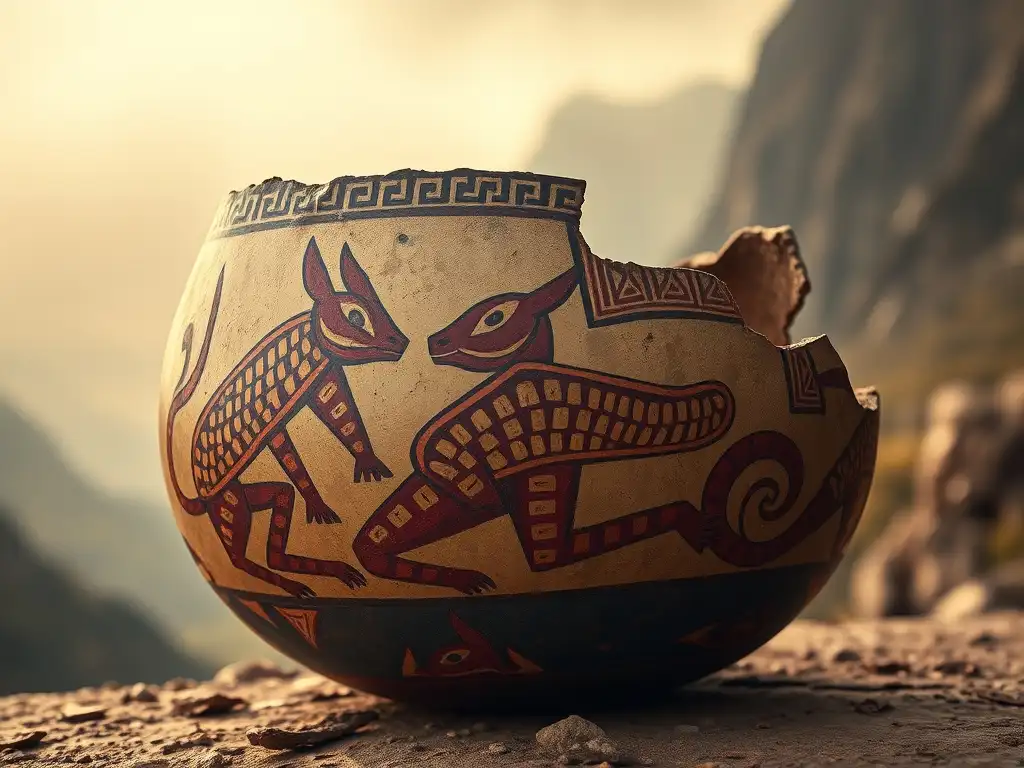
Huari art, characterized by its distinctive style and widespread distribution throughout the empire, offers invaluable insights into the spiritual beliefs and practices of the Huari people. The intricate designs, often featuring stylized figures and symbolic motifs, provide compelling evidence of a sophisticated shamanistic worldview. We see a consistent emphasis on themes of power, transformation, and the interaction between the human and supernatural worlds.
The recurring imagery suggests a complex cosmology, where shamans played a crucial role as intermediaries between the earthly and spiritual realms. This is not simply decorative; it is a visual language expressing core beliefs. The sheer volume of surviving artifacts—ceramics, textiles, and monumental architecture—demonstrates the centrality of these beliefs in Huari society, permeating all aspects of daily life and ritual practices.
The artistic expression wasn't merely for aesthetic purposes; it served as a potent tool for reinforcing and transmitting these beliefs across generations. The creation and consumption of this art were deeply intertwined with shamanistic rituals and ceremonies.
Iconography of Huari Shamanic Figures
The iconography of Huari shamanic figures is a particularly fascinating area of study. Often depicted in a highly stylized manner, these figures are readily identifiable through specific attributes. They frequently appear wearing elaborate headdresses, adorned with feathers and other symbolic ornaments.
These headdresses are not merely decorative; they represent the shaman’s connection to the spirit world and their elevated status within society. Many figures also hold staffs or scepters, possibly representing their power and authority. The postures of these figures are also significant, often depicted in dynamic poses suggesting movement and transformation.
Detailed analysis of these figures reveals a complex system of visual codes, allowing scholars to interpret their roles and functions within Huari society. The consistency of these visual representations across various media—from pottery to textiles—highlights their importance in conveying core shamanistic beliefs. The use of specific colors and patterns further enhances the symbolic meaning, adding layers of complexity to the interpretation.
The Symbolic Meaning of Animals in Huari Art
Animals play a significant symbolic role in Huari art, reflecting their importance in the shamanistic worldview. Specific animals, such as jaguars, condors, and snakes, are frequently depicted and likely held particular spiritual significance. The jaguar, for example, might have symbolized power and strength, while the condor could have represented the connection between the earthly and celestial realms.
Snakes, often associated with fertility and transformation in many cultures, likely held a similar position in Huari beliefs. The representation of these animals is often highly stylized, emphasizing certain characteristics that reinforce their symbolic meaning. The careful observation of these animal depictions within their broader artistic contexts provides valuable clues about the Huari understanding of the natural world and its connection to the supernatural.
The positioning of animals alongside human figures or within specific scenes further enriches the interpretation of their symbolic roles within shamanistic rituals and beliefs. The use of these animals as totems or spirit guides is a strong possibility.
The Legacy of Huari Shamanism in Andean Culture
The influence of Huari shamanistic practices extended far beyond the empire's lifespan, leaving a lasting mark on subsequent Andean cultures. The sophisticated religious system and its associated artistic expressions continued to inspire and inform later traditions. While the exact nature of the transmission of these beliefs requires further investigation, evidence suggests a continuity of certain shamanistic practices and iconography throughout the later periods.
The continuity is not simply a direct replication but rather a process of adaptation and transformation, reflecting the changing socio-political landscapes of the Andes. Understanding the Huari legacy is crucial for interpreting the religious beliefs and practices of later Andean civilizations, such as the Inca.
Analyzing the shared iconography and symbolic motifs across different cultural periods allows researchers to trace the evolution of these beliefs and practices over time. The legacy of Huari shamanism is not a static entity; it's a dynamic process of interaction, adaptation, and transformation.
Influence of Huari Shamanic Traditions on Later Cultures
The impact of Huari shamanistic traditions can be observed in the religious practices and iconography of several post-Huari Andean cultures, including the Wari-influenced cultures of the central Andes and, to a lesser extent, the later Inca civilization. Specific motifs and stylistic elements found in Huari art reappear in the artwork and artifacts of these later cultures, demonstrating a clear line of influence. The continuity of certain shamanistic practices, such as divination and ritual offerings, also suggests a strong link between Huari and subsequent Andean religious systems.
However, it's important to note that this influence wasn't simply a direct adoption but rather a process of selective assimilation and adaptation. Later cultures integrated Huari elements into their own existing belief systems, resulting in a unique synthesis of traditions.
The extent of this influence varied across different regions and cultures, reflecting the diverse socio-political and environmental contexts of the Andean world. Further research is needed to fully understand the complex interplay between Huari shamanism and the religious beliefs of later Andean societies.
Continuity and Transformation of Huari Beliefs
The Huari shamanistic worldview didn't vanish with the decline of the empire. Instead, its core elements underwent a process of transformation and adaptation within the context of succeeding Andean cultures. While many specific rituals and practices might have been lost or modified, the underlying belief system—including the emphasis on the interaction between the human and supernatural worlds, the importance of shamans as intermediaries, and the symbolic significance of animals—continued to exert a profound influence.
This continuity and transformation are evident in the artistic representations and archaeological evidence from later Andean cultures. The evolution of Huari beliefs reflects the dynamic nature of religious systems, demonstrating their capacity to adapt and evolve in response to changing social and environmental conditions.
This continuous process of adaptation highlights the resilience and enduring influence of Huari shamanistic thought on the religious landscape of the Andes. The study of this transformation allows us to understand not only the legacy of Huari but also the broader trajectory of Andean religious thought.
Comparing Huari Shamanism with other Andean Beliefs
The Huari civilization, flourishing in the central Andes from approximately 600 to 1000 CE, developed a unique shamanistic system deeply intertwined with its social and political structures. Understanding Huari shamanism requires comparing and contrasting it with the spiritual beliefs of other contemporaneous and preceding Andean cultures. While sharing some common threads with earlier and later traditions, Huari shamanism possessed distinct characteristics reflecting its imperial ambitions and centralized power.
The pervasive influence of Huari religious ideology across its vast empire suggests a degree of standardization and control over religious practices, unlike the more localized nature of spiritual beliefs in some preceding cultures. This standardization, however, didn't eliminate regional variations; archaeological evidence points to a complex interplay between imperial directives and local adaptations of Huari religious practices.
The blending of these aspects makes the study of Huari shamanism particularly fascinating and complex. The extent of this standardization and the methods employed to enforce it remain areas of ongoing research and debate among archaeologists and anthropologists.
Huari Religious Practices vs. Moche Shamanism
The Moche civilization, preceding the Huari, also possessed a rich shamanistic tradition, but significant differences exist. Moche shamanism, as depicted in their elaborate ceramics, often focused on intense individual experiences with the supernatural, frequently highlighting hallucinogenic rituals and encounters with powerful deities. These depictions often portray shamans in dramatic and sometimes grotesque poses, emphasizing the transformative power of their rituals.
In contrast, while Huari iconography also features shamanistic figures, the emphasis seems to shift towards a more centralized, state-sanctioned system. While Huari shamans undoubtedly engaged in ritual practices involving altered states of consciousness, the visual representations suggest a greater emphasis on ritualistic formality and the integration of shamanism into the imperial power structure.
The Moche's more individualistic approach contrasts sharply with the seemingly more organized and hierarchical structure implied by Huari religious practices, suggesting a fundamental difference in the role of shamanism within each society. Further research into Huari burial sites and associated artifacts could offer more insights into the specific rituals and their social context.
Huari Rituals contrasted with Inca Beliefs
The Inca Empire, succeeding the Huari, inherited and adapted many aspects of Andean religious traditions, including shamanistic practices. However, the Inca state developed a highly structured and centralized religious system with a complex pantheon of deities and a powerful priestly class. While Inca shamanism still played a role, particularly in local contexts, it was largely subsumed under the authority of the state religion.
Huari shamanism, while exhibiting some centralized aspects, appears less rigidly controlled than the Inca system. The Inca emphasis on state-sponsored rituals and the cult of the Inca emperor contrasts with the potentially more decentralized nature of Huari religious practice, although evidence for the latter is admittedly less complete. The Inca created a highly formalized religious bureaucracy, leaving a far more extensive and well-documented record than the Huari.
This difference in the level of documentation and surviving evidence makes direct comparisons challenging, requiring careful interpretation of the available archaeological and iconographic data. The nature of the relationship between the Huari and the later Inca shamanistic practices remains a key area for further investigation and scholarly debate. The degree of continuity and adaptation from Huari to Inca religious practices is a subject of ongoing research, with new discoveries continually refining our understanding.
Frequently Asked Questions
What were the Huari people's main religious beliefs?
The Huari religion was polytheistic, believing in many gods and spirits associated with nature, agriculture, and ancestors. Their beliefs heavily influenced their social structure and daily life. Shamanistic practices played a crucial role in connecting with the spiritual world.
How did Huari shamanistic practices differ from other Andean cultures?
While sharing similarities with other Andean traditions, Huari shamanism featured unique iconography and ritual objects reflected in their art. The specific rituals and beliefs remain partially understood due to limited surviving evidence. Regional variations within the Huari empire likely existed.
What role did hallucinogenic plants play in Huari shamanistic rituals?
The use of hallucinogenic plants, like San Pedro cactus, was likely integral to Huari shamanistic practices for achieving altered states of consciousness. This facilitated communication with the spirit world and divination. Evidence suggests their use in both healing and ritual contexts.
What archaeological evidence supports the understanding of Huari shamanism?
Archaeological discoveries of elaborate burial sites, containing ritual objects and evidence of offerings, provide insight. Textiles, ceramics, and metalwork frequently depict shamanistic figures and scenes. These artifacts offer crucial clues into their beliefs and practices.
How did Huari shamanism influence the society and daily life of the people?
Huari shamanistic practices significantly impacted social hierarchy, with shamans holding positions of power and influence. Religious beliefs were incorporated into agricultural practices and governance. Shamanistic rituals likely played a vital role in maintaining social order and cohesion.
Final Reflection: Echoes of the Andes: Huari Shamanism's Enduring Legacy
The intricate spiritual practices of the Huari civilization, far from being relics of a bygone era, continue to resonate deeply within the Andean landscape and its cultural heritage. Their sophisticated understanding of cosmology, ritual, and the natural world offers a powerful lens through which to understand not only the past but also the enduring power of indigenous spirituality in the face of immense societal shifts. The echoes of Huari shamanism are still heard today.
The impact of Huari shamanistic practices extends far beyond the archaeological record; they inform contemporary Andean spirituality and continue to shape the relationship between people and the land. Their reverence for the mountains, the celestial bodies, and the intricate web of life is a testament to a worldview that prioritized harmony and balance. The mountains are not just stones, but living beings, the ancestors themselves.
This sentiment, though perhaps not directly attributable to the Huari, encapsulates the enduring spirit of Andean cosmology that finds its roots in their ancient practices. Understanding this connection allows us to appreciate the profound continuity of Andean culture and its resilience in the face of colonialism and globalization.
Consider the enduring power of these ancient practices. How can we, in our modern world, learn from the Huari's deep connection to the earth and their holistic approach to life? Let the echoes of their shamanistic rituals inspire you to seek a deeper connection with the natural world and to appreciate the wisdom held within indigenous traditions. Embrace the opportunity to learn from the past, to understand the present, and to build a future where respect for nature and spiritual understanding are paramount.
Embrace the Wisdom of Huari Shamanism!
Thank you for exploring the rich spiritual practices of the Huari Empire! Your interest in these ancient Andean traditions offers a unique opportunity for personal growth and spiritual exploration. Now, let's put your newfound knowledge into practice.
Here are some ways you can continue your journey:
- Seek out local shamanic practices: Look for workshops or introductory sessions in your area that offer modern interpretations of indigenous shamanism.
- Share your discoveries: Discuss the fascinating aspects of Huari shamanism with friends and family. You might even consider hosting a gathering to delve deeper into the topic together.
- Expand your knowledge: Learn more about the beliefs and practices of other Andean cultures. Creating a vision board inspired by what resonates with you could be a powerful tool.
Which aspect of Huari shamanism captivates you most, and how can you integrate those elements into your daily life?