
Huari Music and Dance: Exploring the Sounds of the Ancient Empire

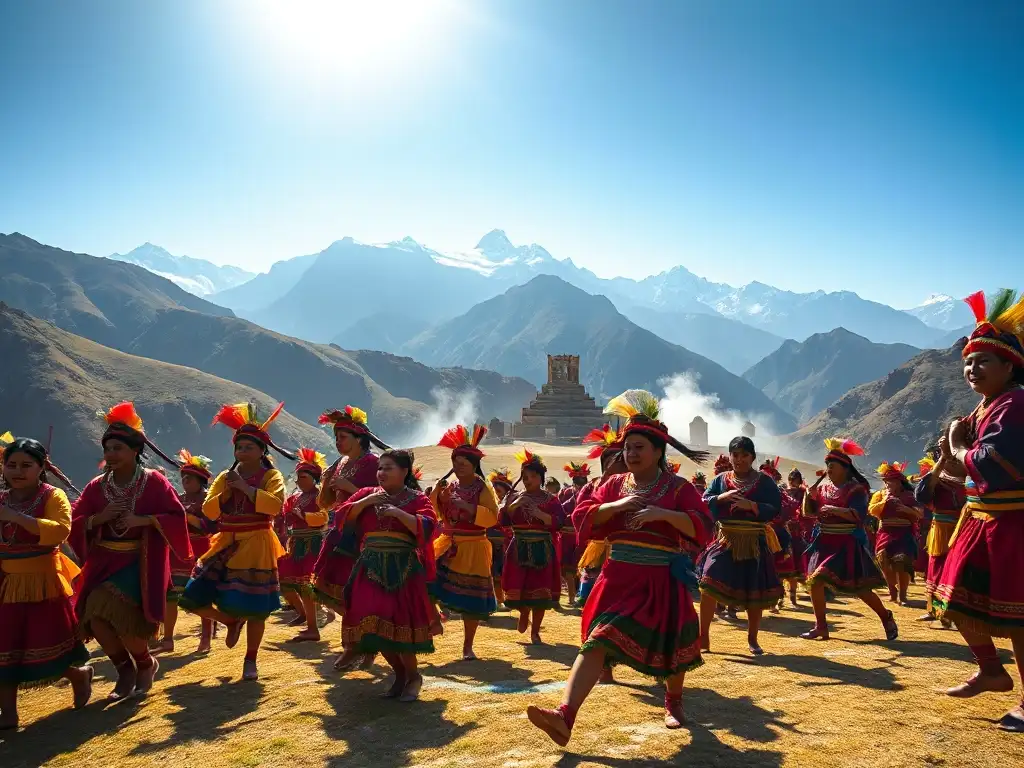
Step into a world lost to time, yet echoing with vibrant rhythms and captivating stories. Imagine the grandeur of the Andean civilizations, their intricate artistry, and the powerful legacy they left behind. This is where you uncover the secrets of the ancient Andes, starting with a journey into the enigmatic world of Huari music and dance traditions. Prepare to be amazed as we delve into the soundscapes of a lost empire – a journey that will resonate long after you've finished reading.
- Inca Music and Dance: A Tapestry of Sound and Movement
- Significance of Music and Dance in Inca Society
- Inca Musical Instruments: Craftsmanship and Sound
- Inca Dance Styles and Their Symbolic Meanings
- The Influence of Inca Music on Andean Cultures
- Reconstructing Inca Music: Archaeological Insights
- Exploring the Religious Context of Inca Performances
- Analyzing Huari Musical Instruments and Dance Styles
- The Preservation and Study of Inca Musical Traditions
-
Frequently Asked Questions
- What kind of instruments did the Huari people use in their music?
- How did Huari music and dance relate to their religious beliefs?
- Are there any surviving examples of Huari music or dance?
- How did Huari music compare to that of other Andean cultures?
- What is the significance of studying Huari music and dance today?
- Final Reflection: The Enduring Echo of Huari Rhythms
- Elevate Your Experience: Immerse Yourself in the Sounds of the Huari!
Inca Music and Dance: A Tapestry of Sound and Movement
The Huari Empire, a powerful pre-Inca civilization that flourished in the Andes from approximately 600 to 1200 CE, left behind a remarkable legacy of monumental architecture, intricate textiles, and sophisticated agricultural techniques. However, much of their cultural expression, particularly their music and dance traditions, remains shrouded in mystery.
This article delves into the fascinating, albeit fragmented, evidence available to reconstruct the sounds and movements that likely characterized Huari society, exploring the potential role of music and dance in their religious rituals, social structures, and daily life. Understanding Huari music and dance traditions provides crucial insight into the complexities of this influential Andean civilization and its impact on subsequent cultures, enriching our understanding of the broader tapestry of Andean cultural history.
We will explore the limited archaeological evidence, analyze iconographic representations, and draw comparisons with contemporaneous and later Andean cultures to paint a richer, albeit incomplete, picture of Huari musical and dance practices. This exploration aims to illuminate the vibrant cultural landscape of the Huari, showcasing the ingenuity and artistry of a civilization that significantly shaped the Andean world.
The Rich Musical Heritage of the Huari Empire
While concrete instruments haven't been unearthed in significant numbers from Huari sites, archaeological findings offer tantalizing clues. Pottery fragments often depict figures playing instruments, suggesting the importance of music in their culture. These depictions, though stylized, hint at the possible presence of flutes, panpipes, and possibly percussion instruments like drums or rattles.
The types of instruments likely varied depending on the specific ritual or social context. Furthermore, the discovery of bone flutes in nearby sites from similar periods suggests that such instruments were likely also used by the Huari. The materials used for these instruments, likely readily available natural resources like wood, bone, and gourds, point to a practical and resourceful approach to music-making.
Further research and excavation are needed to provide a more complete inventory of Huari musical instruments. The potential existence of stringed instruments remains a topic of ongoing scholarly debate, with some researchers suggesting their presence based on iconographic interpretations.
Dance and Ritual in Huari Society
Click to expand: Evidence from Iconography
Textiles and ceramics unearthed from Huari sites often feature depictions of elaborate ceremonies and processions. These visual representations frequently show individuals engaged in stylized dances, suggesting that dance played a significant role in Huari religious and social life. The dances depicted often involve multiple participants, sometimes arranged in specific formations, hinting at a degree of organization and choreography. The costumes worn by the dancers, often richly adorned, suggest a connection to social status or religious roles. However, the specific meanings and functions of these dances remain largely speculative, requiring further interpretation of available iconographic evidence.
Comparing Huari Traditions to other Andean Cultures
The Huari Empire's influence extended across a vast territory, and its musical and dance traditions likely interacted with and influenced those of neighboring cultures. Comparing Huari iconography to that of the contemporaneous Tiahuanaco culture, for instance, reveals some similarities in stylistic representations of musical instruments and dance movements. This suggests potential cultural exchange and shared traditions between these two powerful Andean societies.
Further comparisons with later Inca traditions also reveal some continuities, indicating the enduring impact of Huari cultural practices on subsequent Andean civilizations. Identifying these connections allows us to better understand the evolution of Andean music and dance over time and the Huari's significant contribution to this rich cultural heritage. The study of Huari music and dance traditions, therefore, provides a vital link in understanding the broader cultural history of the Andes.
Future Research and the Preservation of Huari Heritage
Despite the challenges posed by the limited available evidence, ongoing research promises to shed further light on Huari music and dance traditions. Further excavations and the application of new analytical techniques to existing artifacts could uncover more instrumental remains and provide a clearer picture of their musical practices. The careful study of iconographic representations, using interdisciplinary approaches, can help unlock the symbolic meanings embedded within these images.
Preserving and promoting the study of Huari culture is crucial to understanding the rich tapestry of Andean history and ensuring that this important legacy continues to inspire and educate future generations. The pursuit of knowledge about Huari music and dance is not only an academic endeavor, but also a vital step in appreciating the multifaceted contributions of this remarkable ancient civilization.
Significance of Music and Dance in Inca Society
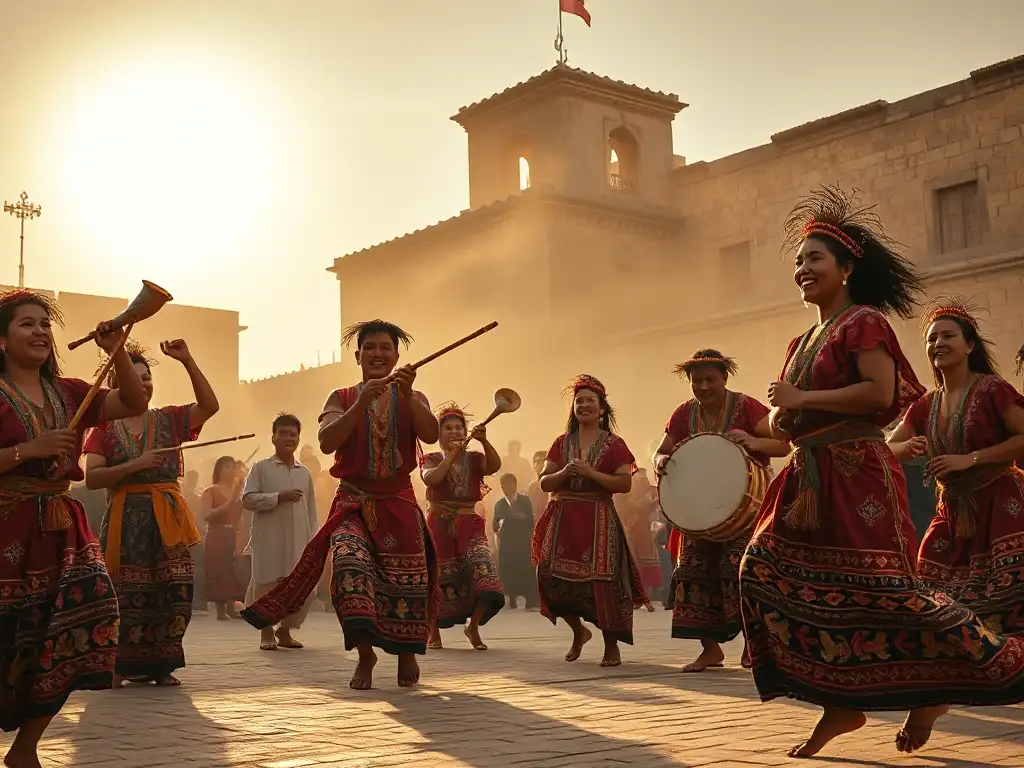
The Huari culture, a powerful pre-Inca civilization that flourished in the Andes from approximately 600 to 1200 CE, placed significant importance on music and dance. While direct evidence is limited due to the perishable nature of musical instruments and the lack of detailed written accounts, archaeological findings and analyses of related Andean cultures offer compelling insights into the role of these art forms in Huari society. Understanding Huari music and dance traditions reveals much about their social structure, religious beliefs, and daily life.
The soundscapes of the Huari empire, though largely lost to time, undoubtedly played a vital part in shaping their identity and cultural cohesion. We can infer much from the later Inca civilization, which inherited and adapted many cultural practices from its predecessors, including aspects of musical and dance traditions.
Ritualistic Uses of Huari Music
The integration of music into Huari religious rituals is highly probable. Many Andean cultures used music to connect with the supernatural world, and the Huari were no exception. Archaeological evidence suggests the existence of sophisticated religious ceremonies, often involving elaborate processions and offerings.
The rhythmic beating of drums, the haunting melodies of panpipes (similar instruments were used by later cultures), and the chanting of priests likely played a crucial role in these events, creating an atmosphere conducive to communication with deities and ancestors. These musical performances weren't merely background noise; they were integral components of the rituals, believed to enhance the efficacy of the ceremonies. We can speculate that specific musical pieces were associated with particular deities or rituals, serving as a form of coded communication understood only by the initiated.
The use of specific instruments, melodies and rhythms could have been connected to agricultural cycles, celestial events, or other important societal markers. Further research into Huari iconography and surviving artifacts might reveal more specific details about these ritualistic musical practices.
Beyond religious contexts, Huari music and dance likely played a significant role in social life. Dance, in particular, served as a powerful means of social expression and community bonding. We can imagine vibrant public performances, perhaps accompanying festivals celebrating harvests or important milestones. These events would have provided opportunities for social interaction, reinforcing community ties and displaying collective identity.
Different dance styles might have existed, reflecting regional variations or social stratification within Huari society. Elaborate costumes and masks, similar to those found in other Andean cultures, would have added to the spectacle, amplifying the visual and emotional impact of the performances. The rhythmic movements of the dances, accompanied by music, could have served as a form of physical expression, allowing individuals to release energy and experience a sense of collective euphoria.
The social significance of dance in Huari culture might have extended to courtship rituals, celebrations of life events like births and marriages, and even competitive displays of skill and strength. Unfortunately, detailed descriptions of these social dances are currently unavailable, presenting a significant area for future research in Huari music and dance traditions. Further investigation into the iconography present on pottery and textiles might reveal more clues about these social performances.
Inca Musical Instruments: Craftsmanship and Sound
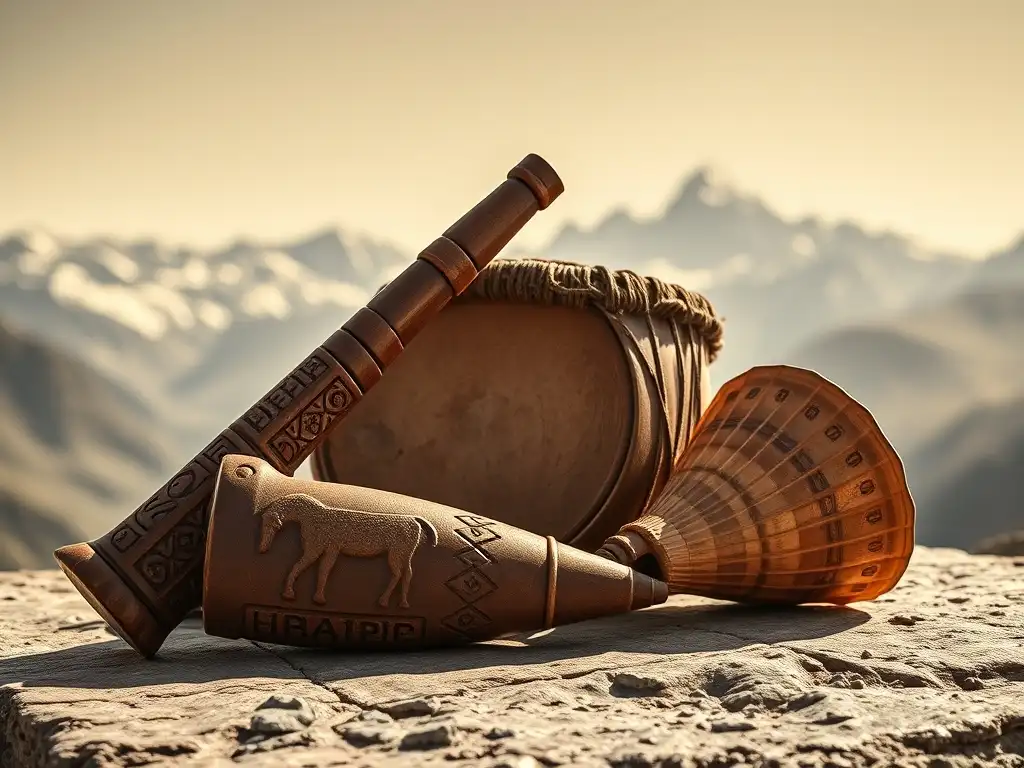
While the Huari culture predates the Inca, understanding Inca musical instrument construction provides valuable context for interpreting potential Huari traditions. The Inca, inheriting and adapting pre-existing Andean musical practices, demonstrated remarkable craftsmanship in their instruments. Their skill in working with diverse materials, including wood, bone, shell, and metal, resulted in instruments that produced a wide range of sounds, reflecting the complexity of their society and beliefs.
The meticulous attention to detail in their creation suggests a deep connection between music, spirituality, and daily life. Analyzing Inca instruments helps us imagine the potential sophistication of Huari musical practices, even in the absence of directly preserved examples.
The level of artistry evident in Inca work suggests that earlier cultures, like the Huari, likely possessed similarly refined techniques and a rich musical heritage. Further research into the materials and manufacturing techniques used by the Inca could reveal parallels with Huari artifacts, providing more concrete evidence of cultural continuity and evolution.
Inca Flutes: Construction and Materials
Inca flutes, often made from bone or wood, showcase the Inca's mastery of acoustic principles. The precision of the finger holes, carefully placed to achieve specific notes, indicates a sophisticated understanding of musical scales and intonation. The use of different materials, such as reed or bone, influenced the instrument's timbre, resulting in a diverse range of sounds.
For example, bone flutes often possessed a brighter, more piercing tone compared to the warmer sound of wood flutes. This variety suggests a potential for different musical roles within their culture, perhaps with bone flutes used for ceremonial purposes and wood flutes for more secular occasions.
The discovery of similar materials and manufacturing techniques in Huari sites could provide valuable insights into the musical instruments of this earlier civilization, suggesting a potential for analogous instruments and musical styles. The absence of preserved Huari flutes doesn't negate the possibility of their existence; further archaeological investigations are crucial to clarifying this aspect of Huari culture.
Drums and Percussion in Inca Musical Practices
Percussion instruments played a significant role in Inca musical practices. Drums, crafted from various materials like animal hides stretched over wooden frames, provided a powerful rhythmic foundation for musical ensembles. Their size and construction varied considerably, leading to a wide range of tones and volumes.
Larger drums, likely used for public ceremonies and processions, created deep, resonant sounds, while smaller drums were possibly used for more intimate settings or as accompaniments to other instruments. The rhythmic complexity achieved through the combination of different drum sizes and playing techniques suggests a highly developed sense of musical timing and coordination. Evidence suggests that the Inca used drums not only for musical expression but also for communication over long distances, using distinct rhythmic patterns to convey messages.
This aspect of drumming could also have been present in Huari culture, given the vast extent of their empire. Further investigation into the archaeological record may reveal evidence of similar percussion instruments within Huari settlements.
The Role of Wind Instruments in Inca Ceremonies
Wind instruments, including panpipes and trumpets, held a prominent position in Inca ceremonies and religious rituals. Panpipes, made from a series of reeds or tubes of varying lengths, produced melodic sounds, often used to accompany vocal performances or create atmospheric soundscapes. The intricate construction of panpipes, requiring precise tuning and careful arrangement of the pipes, highlights the advanced musical knowledge of Inca artisans.
Trumpets, typically made from shell or metal, produced powerful, resonant calls, used to announce important events or summon people to gatherings. Their distinctive sound likely held symbolic significance, perhaps representing the voices of deities or ancestral spirits. The use of wind instruments in Inca ceremonies strongly suggests that similar instruments played a crucial role in the religious and social life of the Huari, given the shared Andean cultural heritage.
The discovery of fragmented wind instruments in Huari sites could shed light on the specific types of instruments used and their role in Huari society. Further research is necessary to fully understand the musical landscape of the Huari civilization and its relationship to later Andean cultures.
Inca Dance Styles and Their Symbolic Meanings
While the Huari culture predates the Inca, understanding Inca dance traditions provides valuable context for interpreting potential surviving elements within Huari artistic representations and archaeological findings. Inca dance, deeply intertwined with religious beliefs and social structures, wasn't merely entertainment; it was a powerful form of communication, conveying complex narratives and symbolic meanings. The dances were highly ritualized and often performed during significant ceremonies, festivals, and agricultural cycles.
Their movements, costumes, and music were carefully choreographed to reflect specific themes and honor deities or ancestors. The absence of extensive written records about Huari culture necessitates this comparative approach, using Inca examples to potentially illuminate aspects of Huari performance arts. Further research might uncover more direct evidence of Huari music and dance traditions, but for now, this contextualization is crucial.
Depictions of Dance in Inca Art
Inca art, primarily through pottery, textiles, and stone carvings, offers glimpses into their dance traditions. Many artifacts depict figures engaged in stylized movements, often with specific costumes and instruments. For example, depictions on Kero cups (ceremonial drinking vessels) frequently show dancers in elaborate headdresses, adorned with feathers and precious metals, performing in what seem to be ritualistic contexts.
The postures and gestures of these figures are often highly formalized, suggesting carefully learned and practiced choreography. Analyzing the iconography of these depictions provides clues to the possible themes and narratives conveyed through the dances. The presence of certain symbols, such as specific animals or plants, within the artistic representations may offer further insight into the symbolic meaning attached to the dance itself.
Unfortunately, a direct correlation with Huari artistic representations is currently difficult due to the scarcity of surviving Huari art explicitly depicting dance. However, comparative analysis with similar Andean artistic conventions may provide some clues.
Interpreting Inca Choreography and Movement
Understanding the precise meaning of Inca dance movements requires careful interpretation of the available visual evidence. Scholars often analyze the body posture, hand gestures, and footwork depicted in the art to decipher potential meanings. For instance, certain postures might represent specific deities or spirits, while specific hand gestures could symbolize offerings or prayers.
The rhythm and tempo of the dances, though impossible to determine precisely from static images, are likely to have been integral to their meaning. The use of specific instruments, such as panpipes or drums, would have further contributed to the overall communicative power of the performance. The combination of visual analysis with anthropological studies of surviving Andean cultures can help to illuminate the deeper symbolic layers of these dances.
This approach, while not directly addressing Huari music and dance traditions, provides a valuable framework for future research and interpretation of any potentially discovered Huari artistic or archaeological evidence related to performance. The lack of direct evidence regarding Huari dance makes this comparative study even more vital in understanding the broader context of Andean performance arts.
The Influence of Inca Music on Andean Cultures
The Huari civilization, while preceding the Inca, undoubtedly left its mark on subsequent Andean cultures, including the Inca. Understanding the influence of Inca music, therefore, provides crucial context for appreciating the potential echoes of Huari musical traditions. While direct evidence of Huari musical instruments is scarce, analyzing the Inca musical legacy reveals potential continuities and transformations that may reflect earlier Andean practices.
The Inca Empire, through its vast reach and administrative power, standardized many aspects of Andean life, including aspects of music and dance. This standardization, however, was not a complete erasure of pre-existing traditions. Instead, it often involved a process of adaptation and integration, incorporating elements from conquered regions into a broader, imperial framework.
This process likely impacted the evolution of music and dance across the Andes, potentially preserving or transforming aspects of earlier styles like those of the Huari. The extent to which Inca music directly reflects Huari traditions remains a subject of ongoing research and debate, requiring further archaeological and ethnomusicological investigation. However, the potential for such influence is undeniable given the Inca Empire's geographic expansion and its policies regarding cultural assimilation.
Inca Musical Legacy in Regional Traditions
The Inca Empire's musical legacy is evident in the diverse musical traditions that persisted and evolved in the Andean region after the Spanish Conquest. Many instruments, musical forms, and dance styles found in modern Andean communities bear a resemblance to those described in colonial-era chronicles and depicted in surviving artwork. For instance, the pututu, a long shell trumpet, was a significant instrument in Inca ceremonies and continues to hold ceremonial importance in some Andean communities today.
Similarly, the antara, a panpipe, found widespread use in Inca music and remains a prominent instrument in contemporary Andean music. The continued use of these instruments suggests a direct lineage from Inca practices, though the specific musical styles and associated rituals have undoubtedly evolved over centuries. Furthermore, the importance of music and dance in Inca religious ceremonies likely contributed to the enduring significance of these art forms in Andean culture.
The Inca's emphasis on ritual music and dance, designed to honor deities and maintain social order, created a powerful model that influenced subsequent generations. This influence is not limited to instruments; it also extends to the social and religious contexts in which music and dance are performed. Many contemporary Andean festivals and ceremonies incorporate musical and dance elements that can be traced back to Inca practices, showcasing the remarkable longevity of these traditions.
Continuities in Andean Music and Dance
Analyzing the continuities between pre-Inca Andean cultures, including the Huari, and later Inca and post-Inca traditions requires careful consideration of several factors. The archaeological record offers limited direct evidence of Huari music, making the task challenging. However, by examining the broader stylistic trends and instrument types across different Andean cultures, we can identify potential links and continuities. For example, the presence of panpipes (similar to the antara) in various Andean cultures, spanning centuries and geographical regions, suggests the possibility of an ancient tradition predating the Inca.
This continuity might indicate a long-lasting influence of earlier Andean musical styles, potentially including those of the Huari, on subsequent cultures. Similarly, the prevalence of specific rhythmic patterns and melodic structures in Andean music across different periods could hint at deeper historical connections. Ethnomusicological research comparing modern Andean musical traditions with surviving descriptions of Inca and pre-Inca music can help unveil these connections.
This interdisciplinary approach, combining archaeological findings with ethnomusicological analysis, is crucial for reconstructing the evolution of Andean music and dance and understanding the potential role of Huari culture in this rich and complex history. Further research, particularly focusing on the Huari archaeological sites and their associated artifacts, is necessary to better understand their musical practices and their influence on later Andean cultures. The challenge lies in interpreting the limited evidence available and connecting it to the broader tapestry of Andean musical traditions.
Reconstructing Inca Music: Archaeological Insights
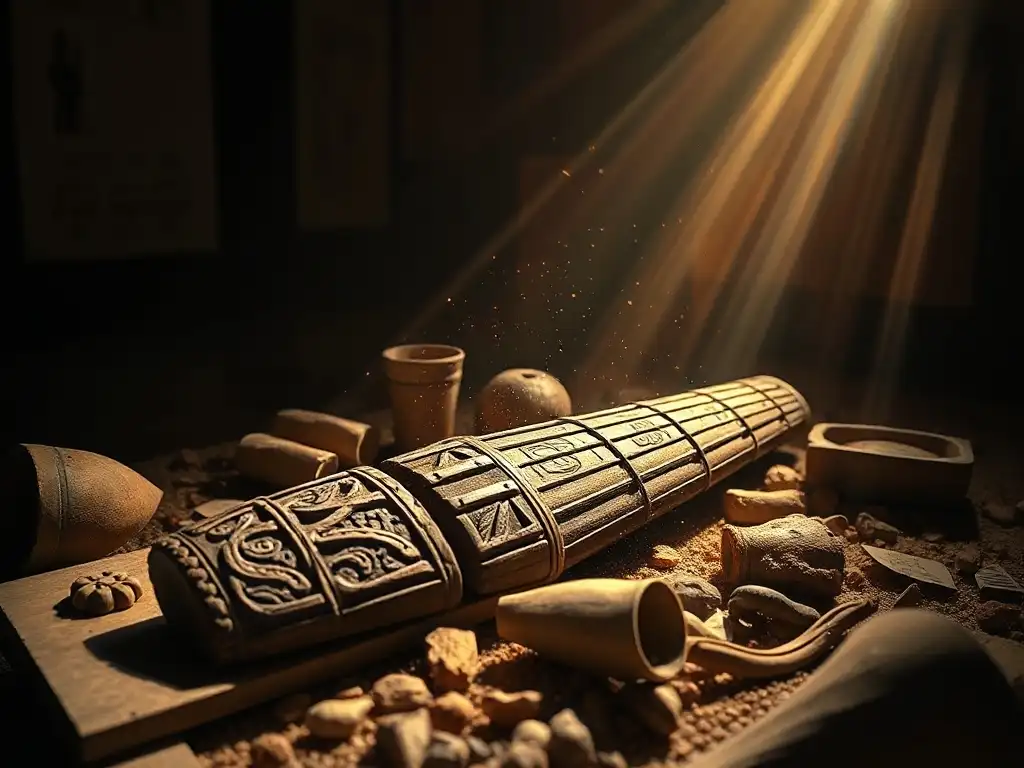
The study of Huari music and dance traditions presents a significant challenge due to the limited direct evidence left behind. Unlike some other Andean cultures, the Huari didn't leave behind extensive written accounts or easily interpretable iconography detailing their musical practices. However, careful analysis of archaeological finds offers tantalizing glimpses into their sonic world. This section will explore the methodologies used and the conclusions drawn from these fragmented pieces of the Huari musical puzzle.
Analysis of Huari Musical Artifacts
Archaeological excavations of Huari sites have yielded a modest number of artifacts that suggest musical practices. These include fragments of pottery depicting musicians, instruments, and dance scenes. While not providing detailed information about the specific melodies or rhythms, these depictions offer valuable clues about the instruments used and the social context of music within Huari society. For example, ceramic vessels often depict individuals playing panpipes (similar to those used by later Andean cultures), shell trumpets, and possibly percussion instruments like drums. The presence of these instruments suggests a developed musical tradition, likely encompassing a range of sounds and styles.
Further analysis of the iconography reveals potential insights into the social role of music. Many depictions show musicians performing in ceremonial contexts, suggesting a strong link between music and religious or political activities. The style of clothing and adornments worn by the musicians in the depictions also provide clues about their social status within the Huari hierarchy.
Further research is needed to correlate the stylistic differences in these depictions with specific social roles or musical functions. For instance, are certain instruments associated with elite performers, or are there distinct musical styles for different ceremonies? These are key questions that future research could address.
The scarcity of actual musical instruments presents a considerable obstacle. The fragile nature of organic materials, such as wood and animal hides used in instrument construction, means that few intact instruments have survived the passage of time. The discovery of a few fragmented instruments, however, could provide invaluable information about the materials and techniques used in their construction, adding another layer to our understanding of Huari craftsmanship and musical culture. The chemical analysis of these fragments could reveal the types of wood or other materials utilized, further enriching our knowledge of Huari technology and resource management.
Contemporary Interpretations of Huari Sounds
Given the limited direct evidence, researchers rely heavily on comparative analysis with later Andean musical traditions to reconstruct possible Huari soundscapes. Ethnomusicological studies of contemporary Andean music, particularly those of cultures that share ancestral links with the Huari, offer valuable parallels. By studying the instruments, musical styles, and social functions of these contemporary traditions, researchers can formulate hypotheses about the possible sounds and structures of Huari music.
This approach, however, requires careful consideration. While similarities exist, it's crucial to avoid simplistic assumptions about direct continuity. Centuries of cultural evolution and interaction mean that contemporary Andean music is not a direct reflection of Huari musical practices. It serves as a potential reference point, providing a framework for informed speculation rather than definitive reconstruction. This approach necessitates a nuanced understanding of cultural change and the complexities of musical evolution.
The development of computer-based models and sound synthesis techniques further aids in this process. By inputting data obtained from archaeological findings and comparative analyses, researchers can generate hypothetical sounds based on the inferred characteristics of Huari instruments. These synthetic sounds, while speculative, can offer valuable insights into the potential sonic qualities of Huari music, allowing researchers and the public to engage with a possible auditory representation of this ancient culture's rich musical heritage.
The limitations of this methodology must be acknowledged, however; these are interpretations, not definitive reconstructions. The ultimate goal remains to uncover more direct evidence to refine and validate these hypotheses surrounding Huari music and dance traditions.
Exploring the Religious Context of Inca Performances
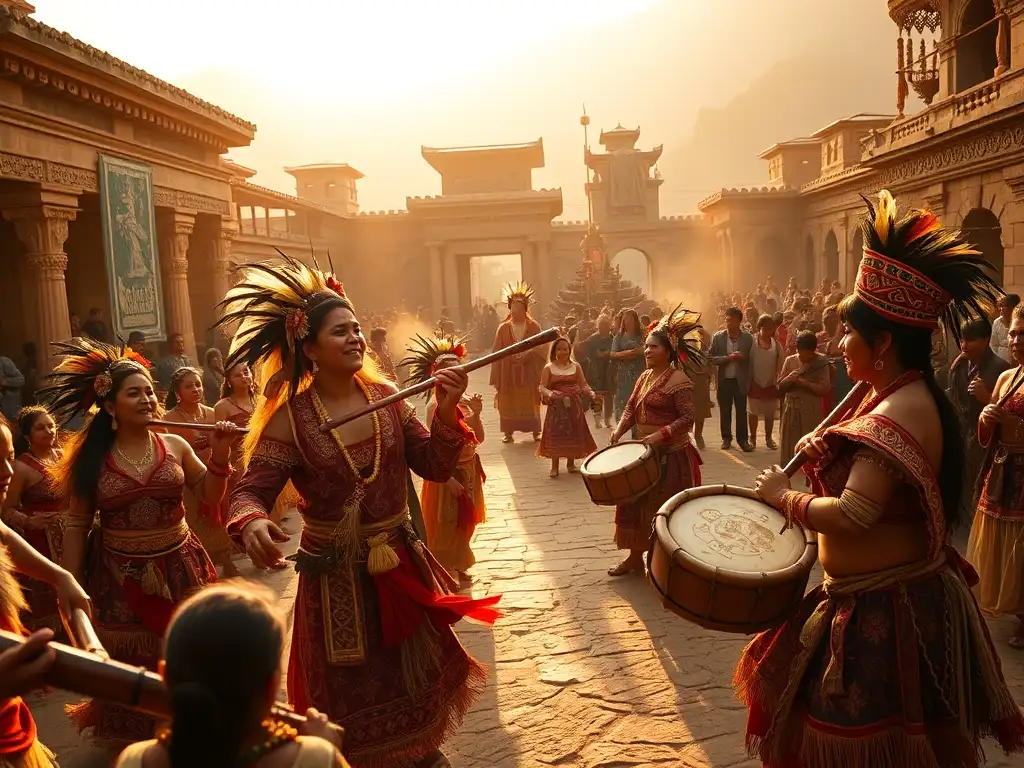
The Huari civilization, flourishing in the central Andes from approximately 600 to 1000 CE, left behind a rich, albeit enigmatic, legacy. While detailed written records are absent, archaeological evidence strongly suggests that music and dance played a pivotal role in their religious and social life. Understanding Huari music and dance traditions requires appreciating their deeply ingrained connection to the spiritual realm.
Unlike later Andean cultures like the Inca, for whom detailed accounts exist, reconstructing Huari musical practices relies heavily on interpreting archaeological finds and comparing them to the broader Andean musical traditions that followed. This interpretive approach allows us to formulate hypotheses about the significance of music and dance within the Huari worldview. The limited evidence, however, necessitates a cautious and nuanced approach to any conclusions drawn.
Huari Music and the Worship of Apus and Other Deities
The Huari likely worshipped a pantheon of deities, including the apus, powerful mountain spirits believed to exert considerable influence over the land and its inhabitants. Archaeological discoveries of ceremonial sites located high in the Andes, often associated with intricate stone structures and evidence of ritual activity, suggest the importance of these mountain deities in Huari religious practices.
It's plausible that music and dance served as vital components of these rituals, used to communicate with the apus and ensure their continued favor. The rhythmic chanting and the movements of dancers may have been seen as a form of symbolic communication, a way to appease the apus and maintain a harmonious relationship between the human and spiritual worlds.
The discovery of musical instruments in these sites, such as panpipes (possibly made from reeds or bone) and drums (potentially made from animal hides stretched over wooden frames), further supports this theory. However, the exact nature of the music and the specific rituals remain largely unknown, requiring further research and analysis of available artifacts.
The Role of Music in Huari Rituals and Ceremonies
Beyond the worship of the apus, music and dance likely played a significant role in a variety of Huari rituals and ceremonies. Evidence suggests the presence of large-scale public events, perhaps involving processions, sacrifices, and elaborate performances. The sheer scale of some Huari sites hints at the importance of communal gatherings, where music and dance would have served to unify participants and reinforce social bonds.
These performances might have been used to celebrate agricultural cycles, commemorate important events, or reinforce the power and authority of the ruling elite. The discovery of richly decorated ceramics depicting figures engaged in what appears to be ritualistic dancing and music-making provides further evidence for the centrality of these art forms in Huari society. Analyzing the iconography of these artifacts could shed more light on the specific types of musical instruments used and the nature of the dances performed.
However, more detailed studies are needed to fully comprehend the complex interplay between music, dance, and the Huari social and religious structure. Further research into the chemical composition of pigments used in the ceramic decoration might even reveal clues about the specific types of dyes and materials used, potentially offering insights into the cultural practices surrounding these performances.
Analyzing Huari Musical Instruments and Dance Styles
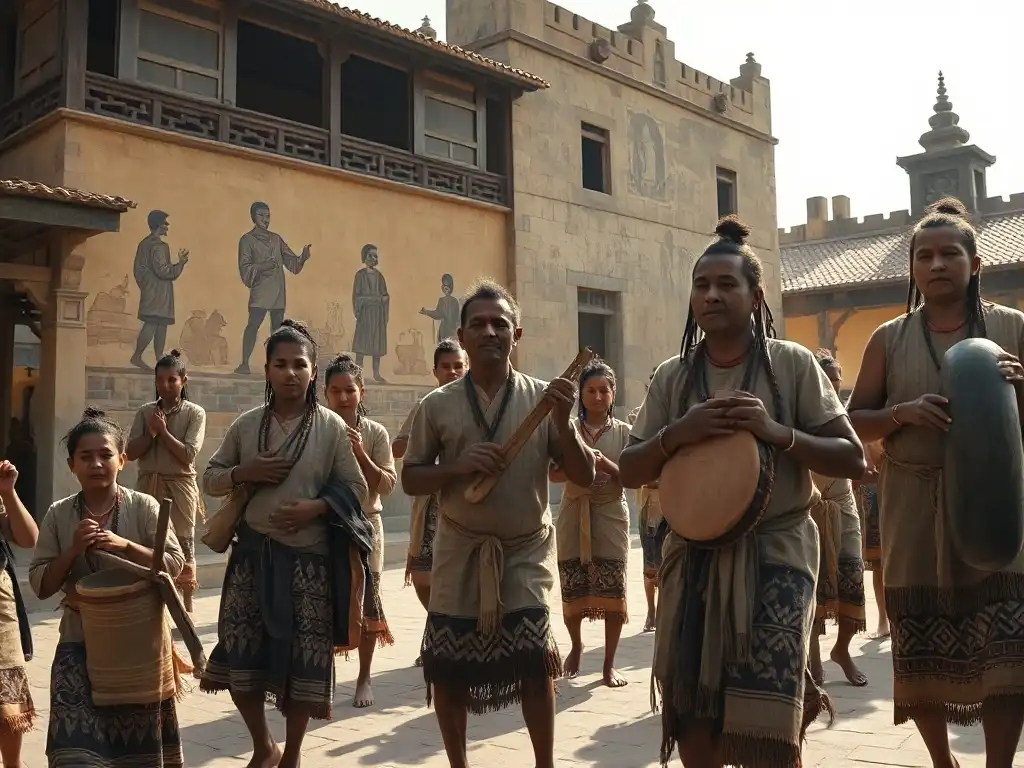
The scarcity of directly preserved Huari musical instruments makes reconstructing their sounds challenging. However, by studying related cultures and the few fragments found, we can make educated guesses.
Reconstructing Huari Musical Instruments
While complete Huari instruments are rare, fragments of panpipes and potential drum components have been unearthed. These suggest a possible range of sounds, potentially including high-pitched melodies from panpipes and resonant rhythms from drums. The materials used—likely reeds, bone, wood, and animal hides—would have influenced the timbre and volume of the music.
Comparing these fragments with similar instruments from contemporaneous cultures in the Andes helps us build a more complete picture. For instance, comparing the size and arrangement of panpipe fragments with those from later Inca cultures might give us some indication of the melodies that could have been played. However, we must remain cautious, as significant cultural differences between the two civilizations might result in inaccurate interpretations.
Further research, including detailed analysis of the materials and construction techniques, is crucial for a more precise understanding of Huari musical instruments. The potential existence of other instruments, such as rattles or flutes, remains an open question, highlighting the need for continued archaeological investigation.
Interpreting Depictions of Huari Dance
Artistic representations on pottery and textiles offer valuable clues about Huari dance styles. These depictions, though stylized, suggest movements that were likely ritualistic and possibly involved coordinated group performances. The presence of multiple dancers in similar poses suggests synchronized movements and possibly structured choreography.
However, the exact nature of these dances—whether they were primarily ceremonial, celebratory, or a combination of both—remains unclear. The interpretation of the iconography requires careful consideration of the context in which these artifacts were found and a comparison with similar artistic representations from other Andean cultures.
Furthermore, the clothing and adornments worn by the dancers depicted in the artwork could provide additional clues about the social status of the performers and the significance of the dances within the Huari society. The detailed study of these visual representations, combined with further archaeological findings, is essential for a more comprehensive understanding of Huari dance traditions and their role within the broader cultural context.
The study of Huari music and dance traditions remains a work in progress. Further archaeological discoveries and interdisciplinary research are crucial to unveil the full richness and complexity of this fascinating aspect of the Huari civilization. The careful examination of existing evidence, combined with a comparative approach to neighboring cultures, allows us to gradually piece together a more complete picture of the sounds and movements that once characterized this remarkable Andean empire.
The Preservation and Study of Inca Musical Traditions
The study of Huari music and dance traditions presents unique challenges due to the limited surviving primary sources. Unlike later Andean cultures like the Inca, who left behind detailed accounts and artifacts, the Huari's musical legacy is largely inferred from archaeological findings and comparative analysis with related cultures. This section will explore the methods used to piece together our understanding of Huari musical practices and the hurdles faced in this endeavor.
Research Efforts in Huari Musicology
Archaeological excavations have yielded some crucial clues. The discovery of ceramic vessels depicting musical instruments, such as panpipes and possibly drums, provides visual evidence of their existence. These depictions, while not providing audio information, offer valuable insights into the instruments' appearance and potential role in Huari society. Furthermore, the analysis of iconography on textiles and pottery reveals recurring motifs that may represent musical scenes or dances.
Researchers meticulously study these images, comparing them with similar representations from other Andean cultures to identify potential musical connections and influences. For example, the repetitive patterns found on some textiles could be interpreted as rhythmic notations, though this interpretation remains tentative and requires further research. The careful analysis of spatial arrangements within Huari sites might also reveal dedicated areas for musical performances or ceremonies, providing contextual information about the importance of music in their culture.
The study of Huari music is further enhanced by comparative analysis with neighboring cultures that existed concurrently or chronologically nearby. The stylistic similarities and differences observed between Huari artifacts and those of contemporaneous cultures, such as the Tiahuanaco, offer a broader perspective on the musical landscape of the Andean highlands. This comparative approach aids in establishing potential influences, diffusion patterns, and the unique characteristics of Huari music and dance.
However, it's crucial to acknowledge the limitations of this method, as cultural exchange and independent development can be difficult to disentangle. More research is needed to definitively establish the extent of cross-cultural interaction.
Challenges and Future Directions in Huari Music Studies
Despite the ongoing research, significant challenges remain. The lack of written musical notation poses a major obstacle. Unlike European musical traditions, Andean cultures did not generally employ written musical scores. This means that reconstructing Huari melodies and rhythms relies heavily on interpretation and inference from archaeological evidence. Moreover, the perishable nature of many musical instruments means that few physical examples have survived the passage of time. This scarcity of physical evidence limits our ability to fully understand the construction, sound, and playing techniques of Huari instruments.
Future research should focus on several key areas. Advanced imaging techniques, such as 3D scanning and spectral analysis, could provide detailed information about the construction and material properties of surviving instruments and artifacts. This could, in turn, aid in the reconstruction of their sounds.
Furthermore, interdisciplinary collaborations between archaeologists, musicologists, and anthropologists are essential to bring multiple perspectives and methodologies to bear on the problem. By combining archaeological findings with ethnomusicological studies of contemporary Andean musical traditions, researchers may gain valuable insights into the possible sounds and social functions of Huari music. Finally, more extensive fieldwork and systematic excavation of Huari sites are needed to uncover further evidence related to their musical practices.
The potential for new discoveries underscores the importance of continued investigation into these fascinating and elusive Huari music and dance traditions. The ongoing work promises to enrich our understanding of this ancient Andean civilization and its rich cultural heritage.
Frequently Asked Questions
What kind of instruments did the Huari people use in their music?
While precise details are scarce, archaeological evidence suggests the Huari likely used percussion instruments like drums and rattles, along with possibly wind instruments made from reeds or bone. Further research is needed to fully understand their musical repertoire.
How did Huari music and dance relate to their religious beliefs?
Huari music and dance were likely integral to their religious ceremonies and rituals. They may have been used to honor deities, appease spirits, or celebrate important events, reflecting the deep spiritual significance of their culture.
Are there any surviving examples of Huari music or dance?
Unfortunately, no recordings of Huari music exist. However, we can infer aspects of their musical traditions through iconography found in their art—depictions of musicians and dancers provide clues about their practices.
How did Huari music compare to that of other Andean cultures?
Comparing Huari music to other Andean cultures is challenging due to limited evidence. However, we can expect some shared characteristics and influences with neighboring societies, given the interconnected nature of Andean civilizations. Further research and archaeological discoveries are needed to draw more precise comparisons.
What is the significance of studying Huari music and dance today?
Studying Huari music and dance helps us understand the complexity of their social structures and beliefs. It sheds light on their daily lives, rituals, and the overall richness of their culture, providing valuable insights into a fascinating ancient civilization.
Final Reflection: The Enduring Echo of Huari Rhythms
The vibrant sounds and movements of Huari music and dance, though separated from us by centuries, continue to resonate with a power that transcends time. Their echoes are not merely historical artifacts; they are a testament to the enduring human need for expression, community, and the preservation of cultural identity. Understanding these traditions offers a profound glimpse into the soul of a vanished civilization and challenges us to consider the fragility and resilience of cultural heritage.
The influence of Huari artistic expression, including its music and dance, is subtly woven into the fabric of modern Peruvian culture. Its legacy lives on, not just in archaeological finds, but in the spirit of artistic innovation and communal celebration that persists throughout the Andes. The intricate patterns, the rhythmic complexity, the very essence of Huari artistic expression speaks to a deep-seated human desire to connect with something larger than oneself. The past is never dead. It's not even past.
- William Faulkner. This quote perfectly encapsulates the enduring presence of Huari culture, reminding us that its legacy continues to shape our understanding of the present.
Consider the rhythms, the movements, the stories embedded within the surviving fragments of Huari music and dance. What echoes of these ancient traditions can you find in your own life? How do you, in your own way, contribute to the preservation and celebration of your cultural heritage? Let the legacy of Huari inspire you to explore the rich tapestry of your own cultural identity and to actively participate in its ongoing evolution. Embrace the power of artistic expression, for it is through these channels that we connect with our past, understand our present, and shape a vibrant future.
Elevate Your Experience: Immerse Yourself in the Sounds of the Huari!
Thank you for exploring the rich tapestry of Huari music and dance! You've gained a deeper understanding of how these ancient traditions shaped Andean culture. Now, let's put that knowledge into practice!
Here are some ways to continue your journey:
- Participate in a local workshop to learn traditional Huari music or dance—experience the rhythms and movements firsthand!
- Discover Huari music playlists online, such as those available on YouTube; let the music transport you to the heart of this ancient empire.
- Share your newfound appreciation for Huari culture with friends—host an evening celebrating Andean music and dance.
How will you incorporate the sounds of the Huari Empire into your life? Share your thoughts and experiences in the comments below!