
Huari Diet: What Did They Eat in the Andean Highlands?

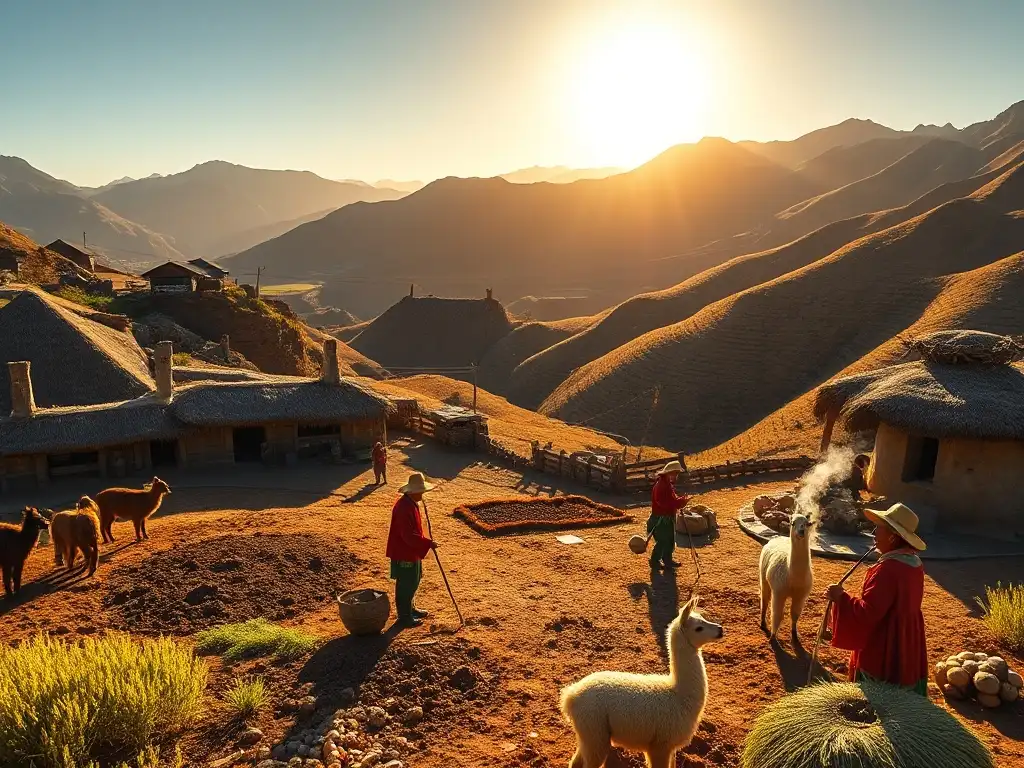
Step into a world lost to time, yet echoing with the whispers of a magnificent past. Imagine the towering heights of the Andes, where the Ancient Andean Huari thrived. Their story is etched not only in stone and gold, but also in the very food they consumed. Discover the secrets of their remarkable diet – a testament to ingenuity and resilience in the face of a challenging environment – and uncover a fascinating piece of the Andean puzzle. Prepare to be amazed by the intriguing details of the Huari diet and their remarkable adaptation to the harsh Andean highlands.
- The Ancient Andean Huari Diet: Exploring Food in the Highlands
- Key Components of the Huari Diet
- Protein Sources in the Huari Civilization
- Huari Food Processing and Preparation Techniques
- Regional Variations in the Huari Diet
- The Significance of Food in Huari Society
- Archaeological Evidence of the Huari Diet
- Contrasting the Huari Diet with Other Andean Cultures
- Conclusion: Legacy of the Ancient Huari Diet and its Importance
- Frequently Asked Questions
- Final Reflection: Echoes of the Huari Table: A Legacy of Andean Ingenuity
- Discover Your Inner Andean: Embrace Ancient Nourishment!
The Ancient Andean Huari Diet: Exploring Food in the Highlands
The Huari civilization, a powerful pre-Inca empire flourishing in the Andean highlands from roughly 600 to 1000 CE, left behind a fascinating legacy that extends beyond its impressive architecture and sophisticated social structures. Understanding their diet provides crucial insight into their daily lives, economic systems, and adaptation to the challenging high-altitude environment.
This article delves into the intricacies of the Ancient Andean Huari diet, examining the diverse food sources available to them, the agricultural techniques employed, and the likely culinary practices that sustained this remarkable civilization. We will explore how their food choices reflect their ingenuity and resilience in the face of environmental constraints, shedding light on a crucial aspect of their remarkable cultural story.
This exploration of the Huari diet will help us better understand their societal organization and their place within the broader tapestry of Andean pre-Columbian cultures. The keyword "Ancient Andean Huari diet" will be examined through the lens of archaeological evidence and anthropological interpretations.
Introduction to the Huari Culture and their Dietary Practices
The Huari, also known as the Wari, were master builders and administrators, controlling a vast territory encompassing much of modern-day Peru. Their empire was characterized by a sophisticated system of roads, administrative centers, and agricultural innovations. Archaeological evidence suggests a hierarchical society with specialized labor, indicating a complex economic system that likely influenced food production and distribution. Unlike some other Andean cultures that relied heavily on specific crops, the Huari diet appears to have been remarkably diverse, reflecting their control over a varied landscape. This diversity is a key element of understanding their success and resilience. Evidence from excavated sites suggests a significant reliance on agriculture, supplemented by pastoralism and the exploitation of wild resources. The meticulous organization of their agricultural systems, evidenced by the sophisticated irrigation canals and terracing found throughout their empire, allowed them to maximize food production in a challenging environment. This ensured food security and supported their large population centers.
We know that the Huari people, like many Andean cultures, placed great importance on ritual and religious practices, and these likely influenced their dietary habits. Certain foods might have held special significance in ceremonies and festivals, reflecting their worldview and spiritual beliefs. However, further research is needed to fully understand the symbolic meaning of food within Huari culture. [Specific details on Huari religious ceremonies and food symbolism pending].
Understanding the Geographic Context of Huari Food Sources
The Huari heartland was located in the Ayacucho region of Peru, a geographically diverse area encompassing high-altitude plains, valleys, and mountain slopes. This varied topography played a crucial role in shaping their diet. The high altitude presented unique challenges, limiting the types of crops that could be successfully cultivated.
However, the Huari demonstrated impressive ingenuity in adapting their agricultural techniques to these limitations, developing sophisticated irrigation systems and terracing methods to maximize agricultural yields. 🥔 The availability of water, crucial for successful agriculture, was carefully managed through a network of canals and reservoirs, ensuring a steady supply to their fields.
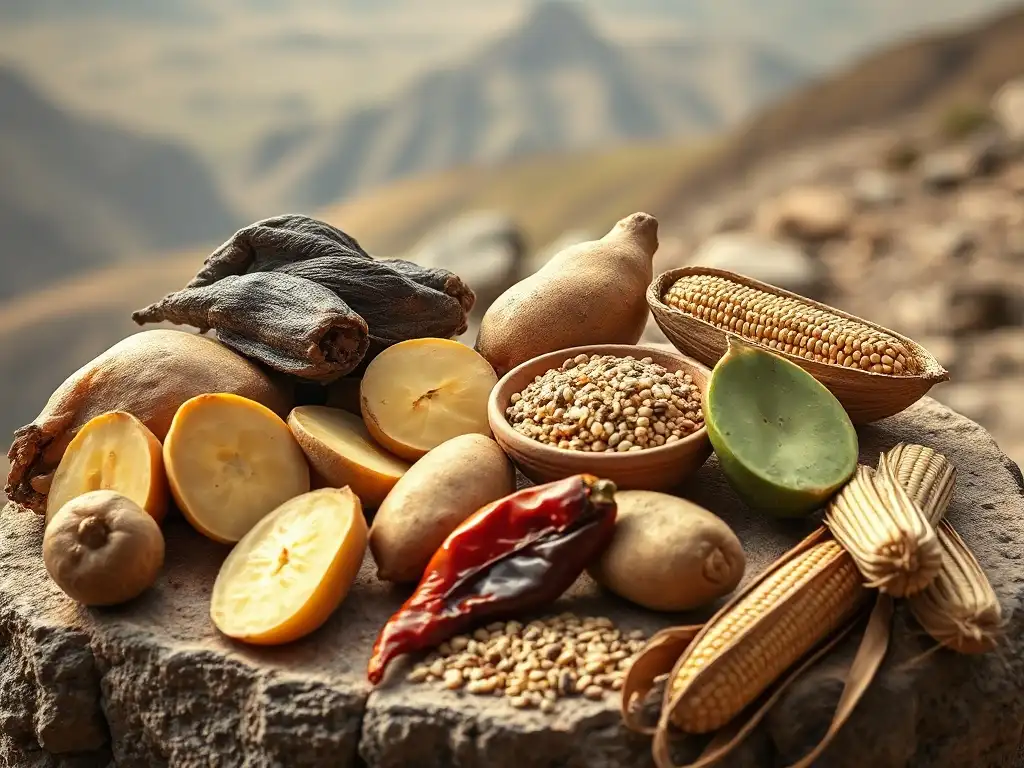
The Huari diet likely included a variety of staple crops adapted to the high-altitude environment, such as potatoes (various species), quinoa, and maize. These provided the caloric base of their diet, supplemented by other crops like beans and squash. The availability of these crops varied depending on altitude and microclimate, with different crops being cultivated in different ecological zones within their vast empire.
Further, the presence of domesticated animals, such as llamas and alpacas, provided meat, wool, and transportation, adding another dimension to their food security. These animals also played a significant role in their economy and social structure. The exploitation of wild resources, including hunting and gathering, likely also contributed to their diet, though the extent of this contribution remains a topic of ongoing research.
[Data on the relative proportions of cultivated versus wild foods in the Huari diet pending]. The rich biodiversity of the Andean region provided a range of options, ensuring a resilient food system capable of weathering environmental fluctuations.
Key Components of the Huari Diet
The Huari, a powerful pre-Inca civilization that flourished in the central Andes between 600 and 1200 CE, developed a sophisticated agricultural system to support its large population. Understanding their diet provides crucial insight into their social organization, economic strategies, and adaptation to the challenging Andean environment.
Analyzing archaeological evidence, such as preserved plant remains and depictions in pottery, allows us to reconstruct a picture of their daily meals and seasonal variations in food availability. The Ancient Andean Huari diet was remarkably diverse, relying heavily on the ingenuity of its people to cultivate and utilize the unique resources of the highlands.
Staple Crops in the Huari Empire: Potatoes and Tubers
Potatoes ( Solanum tuberosum) formed the cornerstone of the Huari diet. Archaeological excavations consistently reveal significant quantities of potato remains at Huari sites. More than just one type, the Huari likely cultivated a wide variety of potato cultivars, each adapted to different altitudes and soil conditions. This diversity ensured resilience against crop failure and provided a range of flavors and nutritional profiles.
Beyond potatoes, other tubers, such as oca ( Oxalis tuberosa), ulluco ( Ullucus tuberosus), and mashua ( Tropaeolum tuberosum), played significant roles. These tubers, rich in carbohydrates and other nutrients, offered valuable caloric intake and dietary variety. The cultivation of these tubers required a complex understanding of Andean agricultural techniques, including terracing and irrigation, showcasing the Huari's advanced agricultural knowledge. The varied colors and shapes of these tubers, as depicted in Huari pottery, suggest a vibrant and colorful culinary landscape.
Quinoa and Other Grains: Essential Huari Food Sources
Quinoa ( Chenopodium quinoa), a highly nutritious grain, was another essential component of the Ancient Andean Huari diet. Its high protein content and adaptability to harsh conditions made it a valuable addition to their staple crops. Archaeological findings indicate quinoa's widespread cultivation throughout the Huari empire, supplementing the carbohydrate-rich tubers.
Furthermore, other grains, such as amaranth ( Amaranthus) and canihua ( Chenopodium pallidicaule), likely contributed to the Huari diet, providing additional sources of protein, fiber, and essential minerals. The processing and preparation of these grains, potentially involving grinding and cooking in various ways, would have been crucial aspects of Huari food preparation. The presence of grinding stones at numerous sites supports this conclusion.
The Role of Legumes in the Ancient Andean Huari Diet
Legumes, such as beans ( Phaseolus) and lentils, were also an integral part of the Huari diet. These provided a vital source of protein and complemented the carbohydrate-rich tubers and grains. The cultivation of legumes would have enriched the soil through nitrogen fixation, demonstrating a sustainable agricultural practice.
The inclusion of legumes in the diet reflects a sophisticated understanding of nutrition and the importance of balanced meals. Moreover, the use of legumes could have extended beyond simple consumption; they may have also been used in the production of fermented foods or as ingredients in stews and other complex dishes. Further research is needed to fully understand the diverse culinary applications of legumes within the Huari culinary tradition.
However, the prevalence of legume remains in archaeological contexts strongly suggests their importance in the daily sustenance of the Huari population. The evidence suggests a well-rounded diet, capable of sustaining a large and complex society. Further research into isotopic analysis of human remains could shed more light on the precise contribution of each food group to the overall Huari diet.
Protein Sources in the Huari Civilization
The Huari civilization, flourishing in the Andean highlands between the 7th and 12th centuries CE, demonstrated remarkable adaptability in securing sufficient protein for their population. Their diet, a testament to their agricultural prowess and resourcefulness, wasn't solely reliant on staple crops like potatoes and maize. Instead, it incorporated a diverse range of protein sources, crucial for sustaining a complex society and supporting their extensive infrastructure projects.
Understanding their protein consumption provides invaluable insight into their economic organization, social structures, and overall lifestyle. The availability and accessibility of different protein sources likely varied across different altitudes and geographical locations within the Huari empire, reflecting the empire's sophisticated system of resource management and distribution.
Animal Protein Consumption: Llamas, Alpacas, and Guinea Pigs
Llama and alpaca herding formed a cornerstone of the Huari economy. These camelids provided not only wool for textiles but also a vital source of meat. Archaeological evidence, including bone remains found in Huari sites, clearly indicates their significant role in the diet.
The proportion of llama versus alpaca in the diet may have varied regionally, potentially reflecting differences in the suitability of the terrain for each species. Moreover, the size and age of the animals at slaughter likely reflected both economic considerations and ritual practices. Larger, older animals may have been reserved for special occasions or elite consumption, while younger animals might have been consumed more regularly by the broader population.
Guinea pigs ( cuy ), another staple in the Andean diet, were also a significant source of protein for the Huari. These small rodents, raised domestically, provided a readily available and relatively easy-to-manage source of meat. Their widespread consumption is well-documented in both archaeological and ethnographic accounts.
The efficient farming of guinea pigs, requiring less land and resources than camelid herding, likely contributed to their prominence in the Huari diet, especially in areas less suited to raising llamas and alpacas. The preparation methods for guinea pig likely varied, possibly including roasting, grilling, or stewing, depending on available resources and cultural preferences.
Fishing and Aquatic Resources in the Huari Region
While primarily a highland civilization, the Huari empire extended to regions with access to water sources, including lakes and rivers. Fishing, although likely not as dominant a protein source as camelids and guinea pigs, played a supplementary role, particularly in coastal and near-coastal regions. The types of fish consumed varied depending on the specific aquatic environment.
Analysis of fish bones from Huari sites could provide further information on the specific species consumed and the fishing techniques employed. However, [specific information pending] regarding the detailed analysis of fish remains from Huari sites to confirm the extent and significance of fish consumption in the diet. The presence of fishing implements in some archaeological contexts suggests that fishing was not solely reliant on opportunistic foraging but also involved active fishing practices.
The contribution of aquatic resources to the Huari diet warrants further research to fully understand its importance in different regions of the empire. The integration of fishing into their agricultural strategies showcases the Huari’s ability to exploit a variety of resources to support their population. 🎣
Huari Food Processing and Preparation Techniques
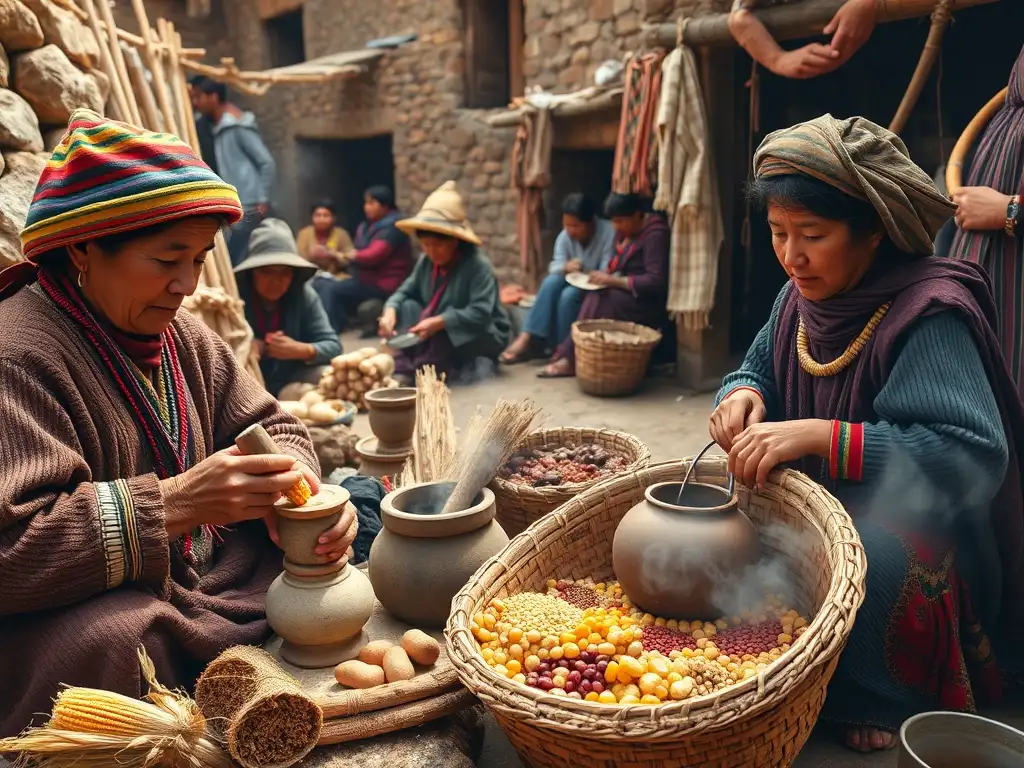
The Huari, a powerful pre-Inca civilization inhabiting the Andean highlands from roughly 600 to 1200 CE, developed sophisticated techniques for food processing and preparation, vital for survival in a challenging high-altitude environment. Their methods ensured food security and maximized nutritional value from the available resources. Understanding these techniques provides crucial insight into their daily lives and societal organization. The ingenuity displayed in their food processing reflects their deep understanding of their environment and their ability to adapt to its limitations. This section will explore the key methods employed by the Huari, focusing on preservation and cooking techniques.
Methods for Preserving Food: Drying and Fermentation
Preservation was paramount for the Huari, given the fluctuating climate and the need to store food for lean periods. Two primary methods stand out: drying and fermentation.
Drying, a simple yet effective technique, allowed the Huari to extend the shelf life of various foodstuffs. Fruits like lucuma and quinoa, along with potatoes and other tubers, were likely sliced thinly and left to dry in the sun, a process aided by the arid climate of the highlands. This reduced the moisture content, inhibiting microbial growth and preventing spoilage.
Evidence suggests that charki, a form of sun-dried meat, was also consumed, providing a valuable source of protein. The effectiveness of sun-drying is directly related to the intensity of sunlight and the dryness of the air, suggesting that the Huari carefully selected locations and times for optimal preservation.
Fermentation, a more complex process, was likely used for preserving both meat and dairy products. While direct evidence is limited, archaeological findings of pottery shards with residues suggestive of fermented foods support this hypothesis. Fermentation not only extended the shelf life but also enhanced the nutritional value and palatability of food. The process would have involved controlled microbial action, breaking down certain compounds and creating beneficial byproducts.
This could have involved the use of specific starter cultures, although the exact methods remain a topic of ongoing research. The potential use of fermentation suggests a level of advanced food technology beyond simple preservation techniques. Further research into ancient Huari pottery and organic residue analysis could provide more concrete evidence of specific fermentation techniques.
Cooking Techniques and Utensils Used by the Huari
The Huari employed a variety of cooking techniques, adapted to their available resources and the characteristics of their diet. The most common methods likely involved boiling, roasting, and steaming.
Boiling was achieved using various types of pottery vessels, ranging from simple bowls to more elaborate pots with spouts and handles. These vessels were heated directly over open fires, using stones or embers. Boiling was ideal for preparing stews, porridges, and other dishes incorporating grains, vegetables, and meat. The availability of pottery fragments with burn marks and residues supports the widespread use of boiling as a primary cooking method.
Roasting, another common technique, involved cooking food directly in the embers of a fire or on hot stones. This method was suitable for cooking meats and vegetables, providing a distinct smoky flavor. The use of roasting is suggested by the presence of charred food remains found in archaeological sites.
Steaming, while perhaps less prevalent than boiling or roasting, was also likely employed, particularly for preparing more delicate foods. This technique would have involved placing food in a woven basket or pot suspended above boiling water. Steaming helped to preserve the nutrients and moisture of the food. While direct evidence for steaming is less abundant, the presence of suitable materials (woven baskets and pottery) suggests its potential use.
The Huari utilized a range of cooking utensils, including various types of pottery vessels, stone mortars and pestles for grinding grains and preparing pastes, and wooden spoons and spatulas. The diversity of these tools reflects the sophistication of their culinary practices and their understanding of food preparation. Further analysis of excavated artifacts could reveal more precise details about the range and specific uses of these utensils. 🕵️♂️ The tools themselves tell a story of adaptation and innovation, reflecting the Huari's ability to create effective solutions using readily available materials.
Regional Variations in the Huari Diet
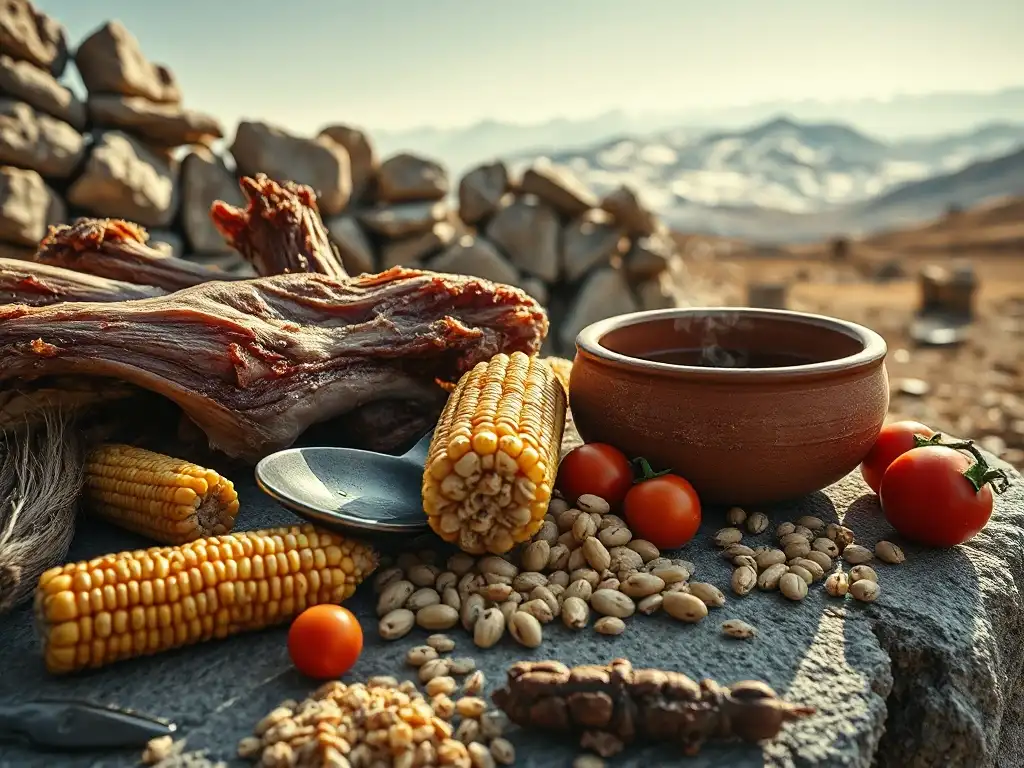
The Huari civilization, spanning a vast territory in the Andean highlands, didn't maintain a monolithic diet. Significant regional variations existed, reflecting the diverse ecological zones under their control and the ingenuity of Huari adaptation to varied environments. Understanding these variations provides crucial insights into their sophisticated agricultural practices, resource management, and overall societal organization. The "Ancient Andean Huari diet" wasn't uniform; instead, it was a mosaic of culinary traditions shaped by geography and local availability. This section will explore these key differences, revealing the complexity of the Huari food system.
Differences in Food Consumption Across Huari Territories
The Huari empire controlled a diverse range of ecological niches, from high-altitude puna grasslands to lower-altitude valleys and coastal regions. This environmental diversity directly impacted food consumption patterns. Archaeological evidence suggests that populations in the high-altitude regions, characterized by colder temperatures and limited arable land, relied more heavily on livestock products like llama and alpaca meat and dairy. Their diets likely included dried meats, preserved for consumption during the harsh winter months. Furthermore, evidence points to the cultivation of hardy crops like potatoes and quinoa, adapted to thrive in challenging conditions.
In contrast, populations inhabiting the warmer valleys and coastal regions enjoyed a more varied diet, incorporating a wider range of cultivated plants. Maize, beans, squash, and various fruits likely formed a significant part of their subsistence. The availability of irrigation systems in these areas facilitated the cultivation of more diverse crops, leading to a richer and more varied food supply. Fish and seafood were also likely crucial elements in the diets of coastal Huari communities.
The presence of fishing tools and shell middens in archaeological sites provides strong support for this hypothesis. Analysis of human skeletal remains from different Huari regions could further illuminate these dietary differences, revealing isotopic signatures reflecting the consumption of different plant and animal resources. Unfortunately, a comprehensive analysis of this data is still pending.
Influence of Local Resources on Regional Huari Cuisine
The ingenuity of Huari agricultural practices is evident in their ability to adapt to and exploit local resources effectively. This adaptation is clearly reflected in regional variations in their diet. For example, the presence of specific types of pottery and storage facilities in certain regions suggests specialized food processing techniques tailored to the local climate and available resources. In areas with abundant water resources, evidence suggests the development of sophisticated irrigation systems that allowed for the cultivation of crops requiring more water, such as maize and other vegetables.
Conversely, in drier regions, the focus likely shifted towards drought-resistant crops like quinoa and potatoes, alongside the herding of llamas and alpacas which are well-adapted to high-altitude environments. The utilization of different cooking methods and preservation techniques further highlights the impact of local resources on Huari cuisine.
For instance, techniques for drying, salting, and fermenting food were likely more prevalent in regions with limited resources or those experiencing harsh climatic conditions. The development of unique pottery styles, specifically designed for food storage and preparation, further underscores the regional variation and adaptation within the broader context of the Ancient Andean Huari diet.
Future research focusing on specific Huari sites and detailed analysis of their associated artifacts could provide a more comprehensive understanding of these regional culinary traditions and their relationship to the environment. The integration of advanced isotopic analysis of human remains, combined with detailed botanical and zooarchaeological studies, promises to refine our current understanding of the complexity and diversity of the Huari diet.
The Significance of Food in Huari Society
The Huari, a powerful pre-Inca civilization that flourished in the Andean highlands between 600 and 1000 CE, placed significant importance on food. It wasn't merely sustenance; food played a pivotal role in their social structure, religious beliefs, and economic system. Understanding the Huari diet offers crucial insights into their complex society and its intricate relationship with the environment.
Their agricultural practices, sophisticated irrigation systems, and diverse culinary traditions reflect a deep understanding of their ecological niche and a remarkable capacity for resource management. The availability and distribution of food also directly impacted social hierarchies, with access to certain resources signifying status and power within the empire.
The analysis of archaeological remains, such as storage facilities, pottery, and even human skeletal remains, provides valuable data to reconstruct their dietary habits and understand the central role food played in their daily lives and cultural practices. The study of the "Ancient Andean Huari diet" thus unveils a fascinating aspect of this remarkable civilization.
Rituals and Ceremonies Involving Food Offerings
Food played a central role in Huari religious rituals and ceremonies. Archaeological evidence suggests that offerings of food and drink were made to appease deities and ensure successful harvests. These offerings often included maize, potatoes, quinoa, and various types of beans – staples of their diet. The careful preparation and presentation of these offerings indicate their sacred significance.
For example, the discovery of elaborately decorated pottery vessels containing food residues in Huari ceremonial sites suggests that specific types of food were reserved for religious contexts. Furthermore, the presence of animal bones alongside plant remains in these contexts indicates that animal sacrifice was also a part of these rituals. The type and quantity of food offered likely varied depending on the specific ceremony and the deity being honored.
Further research is needed to fully understand the complex symbolism associated with these offerings and their role in maintaining social order and cosmological balance within Huari society. This aspect of the Ancient Andean Huari diet highlights the deeply intertwined nature of their religious beliefs and their everyday lives. The meticulous preparation and presentation of these offerings underscore the profound reverence they held for their gods and the importance of ensuring a bountiful harvest.
Food as a Symbol of Status and Power in the Huari Empire
Access to certain foods in the Huari Empire served as a clear indicator of social standing. Elite members of society likely enjoyed a more varied and abundant diet than the common population. Archaeological excavations of elite residences have revealed evidence of a diet richer in meat, particularly camelids (llamas and alpacas), and finer quality maize and other crops. The presence of exotic fruits and other luxury goods in these contexts further emphasizes the privileged status of the elite.
This disparity in food consumption reflects the hierarchical nature of Huari society and the use of food as a tool to reinforce social stratification. Conversely, the diet of the common population likely consisted primarily of staple crops such as potatoes, quinoa, and maize, supplemented by limited amounts of meat and other resources. The careful study of skeletal remains from different social groups can provide further insights into dietary variations and their correlation with social status.
Analyzing the isotopic composition of bones, for example, can reveal information about the types of plants and animals consumed by individuals from different social strata, offering a more precise understanding of the Ancient Andean Huari diet and its relationship to social power dynamics. The distribution and consumption of food were thus key elements in maintaining the social hierarchy and political stability of the Huari Empire. The contrast between the elite and commoner diets underscores the profound impact of social status on access to resources and the role of food in shaping Huari society.
Archaeological Evidence of the Huari Diet
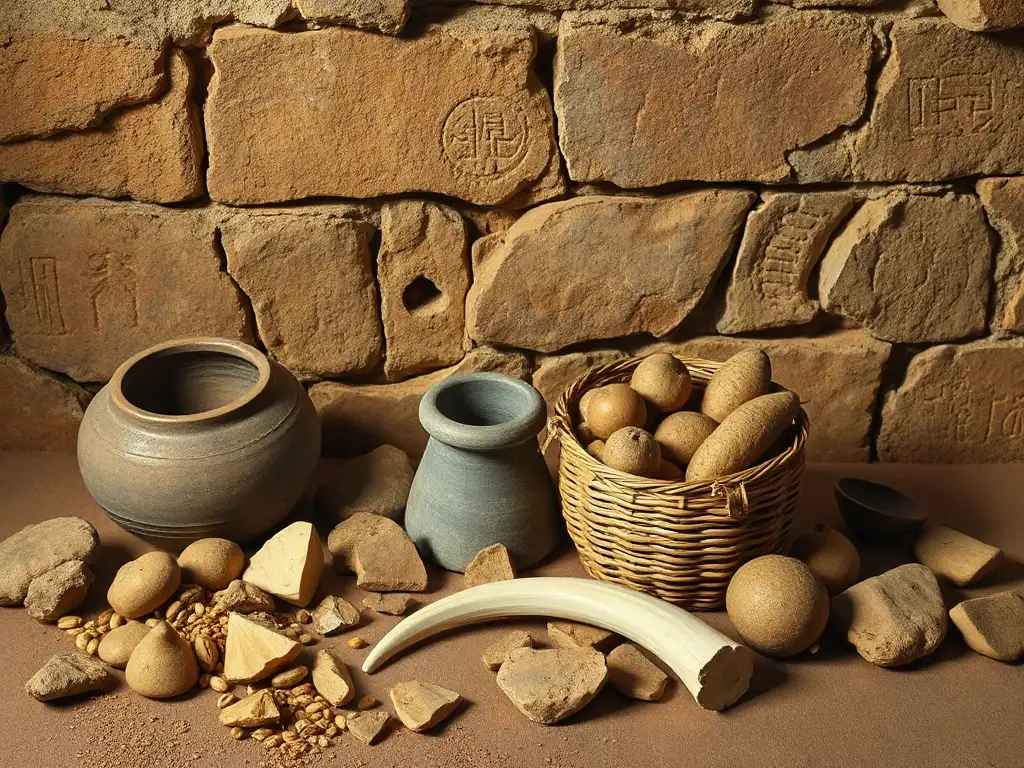
The reconstruction of the Huari diet relies heavily on archaeological evidence, offering glimpses into the daily sustenance and agricultural practices of this powerful Andean civilization. Understanding their foodways provides crucial insights into their social structure, economic organization, and adaptation to the challenging high-altitude environment. The analysis of both organic and inorganic remains paints a detailed, albeit incomplete, picture of their culinary landscape. Further research and discoveries continue to refine our understanding of this fascinating aspect of Huari culture. The keyword "Ancient Andean Huari diet" is central to understanding their societal complexities.
Analysis of Remains: What Bones and Seeds Tell Us
Excavations of Huari sites have yielded a wealth of skeletal remains and plant materials, providing direct evidence of their dietary consumption. Analysis of bone isotopes reveals information about their protein sources. For example, studies suggest a significant reliance on camelids – llamas and alpacas – a staple protein source reflected in the abundance of camelid bones found in Huari settlements.
The proportion of camelid bones varies across different sites, potentially indicating regional variations in agricultural practices or dietary preferences. This variation might also reflect social stratification, with elites potentially consuming more meat than the common population. Further research is needed to fully understand these subtle variations.
Beyond camelids, the presence of fish bones in coastal Huari sites indicates access to marine resources through trade networks, demonstrating the sophisticated logistics and economic connections of the Huari state. The analysis of coprolites (fossilized feces) offers another avenue for understanding the Huari diet, providing direct evidence of ingested materials, including plant remains and parasites. While the analysis of coprolites is still developing, initial findings suggest a diverse diet encompassing various plant species.
The identification of specific seeds and pollen grains reveals the cultivation of crops such as potatoes, maize, quinoa, and beans – all crucial components of the Andean agricultural system. The abundance of these plant remains underscores the significance of agriculture in sustaining the large Huari population. The meticulous study of these remains is crucial in understanding the intricacies of the Ancient Andean Huari diet.
Pottery and Artifacts Reflecting Huari Food Practices
Beyond the direct analysis of organic remains, Huari pottery and artifacts offer indirect but valuable insights into their foodways. Depictions of food items on pottery, such as maize cobs, tubers, and animals, provide visual representations of their diet. The style and context of these depictions can offer clues about the importance of specific foods in Huari society.
For example, elaborate depictions of feasts might indicate the role of food in ritual practices and social hierarchies. Furthermore, the presence of specialized tools, such as grinding stones and mortars, suggests the processing of grains and other plant materials. The size and sophistication of these tools may be indicative of agricultural productivity and the scale of food production within the Huari empire.
The discovery of storage facilities in Huari sites, such as large jars and granaries, suggests a system of food preservation and distribution, essential for supporting a large population in a challenging environment. These storage facilities indicate a level of societal organization and planning needed to manage food resources effectively. Moreover, the presence of specific types of pottery vessels, perhaps designed for specific foods or beverages, hints at a complex culinary culture.
The careful study of these artifacts, in conjunction with the analysis of organic remains, provides a more complete picture of the Huari diet and the crucial role food played in shaping their society. The analysis of these artifacts offers a valuable window into the complex relationship between food, society, and the environment in the Ancient Andean Huari diet.
Contrasting the Huari Diet with Other Andean Cultures
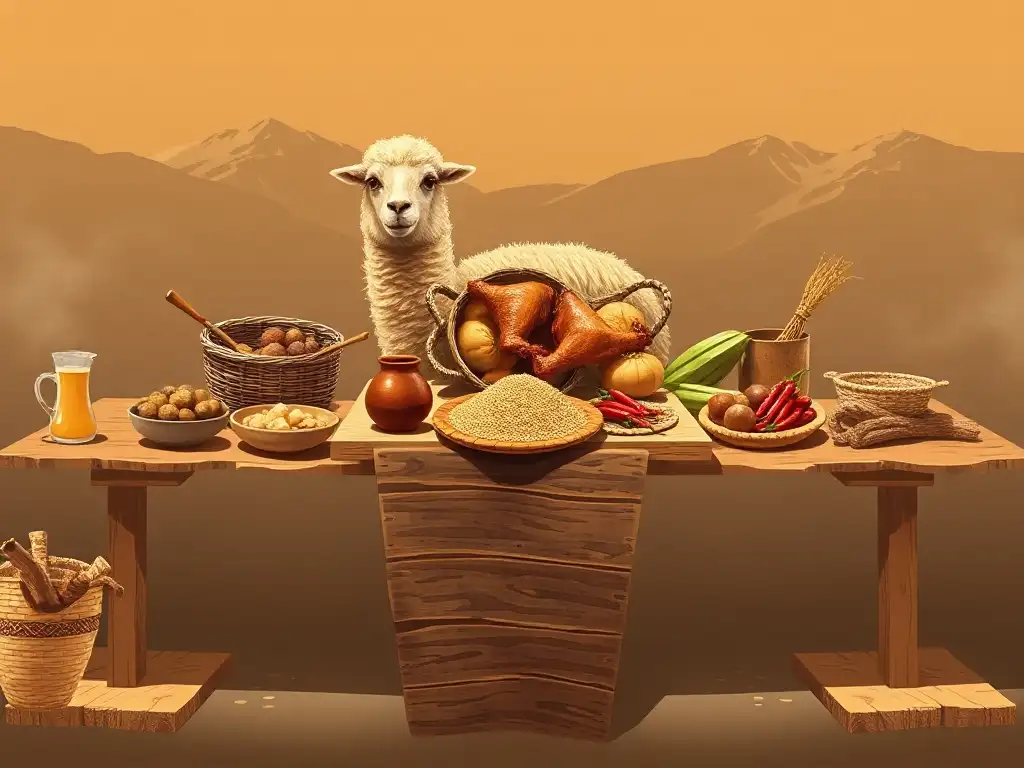
The Huari diet, while sharing similarities with other Andean cultures of its time, possessed unique characteristics shaped by its specific geographic location and socio-political organization. Understanding these nuances provides crucial insights into Huari societal structure and adaptation to the high-altitude environment. Unlike some coastal cultures that relied heavily on seafood, the Huari, inhabiting the highlands, focused on agricultural products and livestock.
This difference is significant, impacting not only the nutritional composition of their diet but also their economic and social systems. The emphasis on agriculture fostered a complex network of agricultural practices, including terracing and irrigation, which are well-documented in Huari archaeological sites. This intensive agricultural system supported a larger population density compared to some of their contemporaries.
Comparing Huari Food with Tiahuanaco Dietary Habits
Both the Huari and Tiahuanaco cultures thrived in the Andean highlands, yet their dietary habits displayed notable differences. While both relied heavily on potatoes (various species), quinoa, and beans – staples of Andean agriculture – the quantities and types of these consumed likely varied. Archaeobotanical studies suggest a greater diversity of potato varieties in the Tiahuanaco diet, possibly reflecting a more decentralized agricultural system compared to the potentially more centralized Huari economy. Furthermore, while both cultures consumed llama and alpaca, the relative importance of these animals might have differed. The Huari's extensive road network and administrative control could have facilitated a more efficient system of livestock management and distribution, possibly leading to a greater reliance on camelids for meat and fiber compared to Tiahuanaco. Further research is needed to definitively compare the precise proportion of animal protein versus plant-based foods in the diets of both cultures. Analysis of human skeletal remains could offer valuable insights into dietary patterns and nutritional status.
The table below summarizes the potential differences, though more research is required for definitive conclusions:
| Food Source | Huari Diet | Tiahuanaco Diet |
|---|---|---|
| Potatoes | Abundant, possibly fewer varieties | Abundant, potentially wider variety |
| Quinoa | Significant component | Significant component |
| Beans | Important source of protein | Important source of protein |
| Llama/Alpaca | Potentially higher consumption due to centralized control | Possibly lower consumption, more localized |
| Other wild plants | Likely consumed, specific species unknown | Likely consumed, specific species unknown |
How the Huari Diet Evolved Over Time
The Huari diet likely wasn't static; it probably evolved over time in response to various factors, including climate change, population growth, and technological advancements. Early Huari agricultural practices might have focused on simpler techniques, while later periods may have witnessed the adoption of more sophisticated irrigation systems and terracing. This improvement in agricultural technology likely led to increased food production and a more diverse diet. The expansion of the Huari empire also likely influenced dietary habits.
The incorporation of new regions and their agricultural products could have enriched the Huari diet, introducing new varieties of plants and animals. However, evidence of such dietary changes remains limited, and further research is needed to trace the evolution of the Huari diet throughout their history. Analyzing changes in pottery styles and the types of food remains found in different Huari archaeological sites from various time periods could be crucial in understanding this evolution. For example, [specific information pending] regarding changes in the types of quinoa and potato remains found in different stratigraphic layers of Huari settlements.
The impact of potential droughts or other climatic shifts on agricultural yields and, consequently, the Huari diet, also requires further investigation. The study of ancient pollen and other environmental proxies could provide crucial data in this regard. 👨🌾
Conclusion: Legacy of the Ancient Huari Diet and its Importance
The Huari diet, a sophisticated system adapted to the challenging Andean highlands, offers valuable insights into the ingenuity and resilience of this ancient civilization. Understanding their foodways allows us to appreciate not only their culinary practices but also their profound connection to the environment and their remarkable ability to thrive in a demanding landscape. The legacy of the Huari diet extends beyond mere sustenance; it shaped their social structures, economic systems, and ultimately, their cultural identity.
Further research into their agricultural techniques and food preservation methods could reveal even more about the complexities of this remarkable civilization and its lasting impact on the Andean region. The study of the Ancient Andean Huari diet continues to unveil fascinating details about their society and its relationship with its environment.
The Impact of the Huari Diet on Andean Agriculture
The Huari's dietary needs drove significant advancements in Andean agriculture. Their reliance on potatoes, maize, and quinoa spurred innovation in farming techniques. Evidence suggests the use of terracing, irrigation systems, and possibly even crop rotation – all crucial for maximizing yields in the challenging Andean terrain.
The sophisticated understanding of different microclimates within the Huari empire allowed them to cultivate a wide variety of crops at different altitudes, ensuring food security and dietary diversity. This agricultural prowess wasn't just about feeding a large population; it also underpinned the Huari's economic and political power, enabling them to control resources and consolidate their influence across the region. The impact on Andean agriculture is still felt today, with many of the techniques employed by the Huari still used in modern Andean farming practices.
This highlights the enduring legacy of their agricultural ingenuity and the sustainable practices they developed to thrive in a challenging environment. The development of these techniques directly contributed to the success and longevity of the Huari civilization, demonstrating a strong connection between food production and societal stability.
Lessons Learned from the Ancient Huari Food System
The Huari's resourceful approach to food production and consumption offers valuable lessons for contemporary societies. Their emphasis on diverse crops, sustainable farming practices, and efficient food storage systems serves as a model for addressing modern challenges such as food security and environmental sustainability. In a world facing increasing pressure on food resources, understanding how the Huari managed to feed a large population in a challenging environment is invaluable.
Their innovative agricultural techniques, like terracing and irrigation, are directly applicable to modern-day agriculture, particularly in mountainous regions. Furthermore, their focus on locally sourced foods minimizes environmental impact and promotes biodiversity, principles that are increasingly relevant in today's context. The study of the Huari food system not only enhances our understanding of the past but also provides valuable insights for creating more sustainable and resilient food systems in the future.
Their example underscores the importance of adapting to local conditions, valuing biodiversity, and prioritizing sustainable practices in food production – lessons that remain highly pertinent today. Analyzing the Huari's approach to food offers a unique perspective on achieving food security and environmental sustainability, making it a compelling case study for contemporary challenges.
Frequently Asked Questions
What was the staple crop of the Huari diet?
The staple crop of the Huari diet was undoubtedly potatoes, along with other tubers like oca and ulluco. These provided essential carbohydrates for their sustenance.
Did the Huari people consume meat?
Yes, llama and alpaca were important sources of meat in the Huari diet. They also likely hunted other animals depending on their location and availability.
What role did maize play in the Huari diet?
While potatoes were primary, maize was also a significant part of their diet, used in various forms such as porridge or beer. Its cultivation was crucial to their agricultural system.
How did the Huari people adapt their diet to the high altitude?
The Huari diet was well-suited to the high-altitude Andean environment. The nutrient-rich tubers and hardy crops were crucial for survival in this challenging climate.
What evidence do we have about the Huari diet?
Archaeological evidence, such as excavated food remains and depictions in pottery, provides insights into the Huari diet and their agricultural practices. Analysis of human skeletal remains also helps us understand their nutrition.
Final Reflection: Echoes of the Huari Table: A Legacy of Andean Ingenuity
Understanding the Huari diet offers a powerful lens through which to view not only the past, but also the present challenges and triumphs of Andean agriculture and food security. The ingenuity of the Huari people in cultivating and utilizing the diverse resources of the harsh Andean highlands remains a testament to human adaptability and resilience, a lesson particularly relevant in our era of climate change and food insecurity.
The Huari's sophisticated agricultural practices, their mastery of irrigation, and their diverse diet, built upon a foundation of potatoes, quinoa, and llama, continue to resonate in modern Andean cuisine and farming techniques. Their ability to thrive in such a challenging environment serves as a powerful reminder of the interconnectedness between culture, environment, and sustenance. The land provides, but only to those who understand how to work with it.
This ancient wisdom holds true today, urging us to respect and protect the delicate balance of our ecosystems.
Consider the impact of the Huari's dietary choices on your own life. What can you learn from their resourcefulness and adaptability? How can you incorporate a greater appreciation for sustainable food systems and the importance of biodiversity into your daily choices? Let the echoes of the Huari table inspire you to cultivate a deeper connection with the food you consume and the land that sustains us all.
Discover Your Inner Andean: Embrace Ancient Nourishment!
Thank you for exploring the fascinating world of Andean cuisine with us! We hope you've discovered the rich tapestry of flavors and nutrition that once flourished in the Andean highlands. Now, it's time to bring those ancient culinary traditions into your modern kitchen.
Here are some actionable steps you can take today:
- **Experiment with Andean-inspired recipes:** Try incorporating traditional ingredients like quinoa, potatoes, and beans to elevate your meals. Consider adding a hearty stew featuring alpaca or llama meat for a truly authentic experience.
- **Share your culinary journey:** Post a photo of your Andean-inspired dish on social media and tag us! Let's build a vibrant community of Andean food enthusiasts.
- **Join a local cooking class** focusing on ancient Andean cuisines to deepen your understanding and appreciation of these unique flavors and techniques.
What's one Andean ingredient you're excited to try in your cooking this week? Let's start a conversation!