
Huari Technology: Innovations of the Andean Empire


Step into a world lost to time, yet echoing with innovation. Imagine a civilization that thrived in the harsh Andes, mastering engineering feats and technologies far beyond their time. Forget everything you think you know about ancient South America; the Huari Empire's technological advancements were nothing short of revolutionary. Prepare to be amazed as we unravel the secrets of their ingenuity – a story of ingenious solutions and remarkable resilience in the face of a challenging landscape. Discover the hidden brilliance of the Huari and their lasting legacy.
The Huari Empire, flourishing in the Andes from approximately 600 to 1200 CE, left an undeniable mark on South American history. While often overshadowed by the later Inca Empire, the Huari's sophisticated technological advancements played a crucial role in their ability to consolidate and control a vast and diverse territory. This article delves into the remarkable technological achievements of the Huari, exploring their innovative approaches to infrastructure, urban planning, and resource management.
Understanding these advancements provides key insights into the Huari's impressive organizational capabilities and their lasting influence on subsequent Andean cultures. We will examine the evidence that supports the Huari's mastery of engineering, highlighting their ingenuity in overcoming the challenging Andean terrain and efficiently managing resources to support a large population.
This exploration will shed light on the significant contributions of the Huari Empire to the technological landscape of the Andes, solidifying their place as a pivotal civilization in the region's rich history. The keyword "Huari Empire technological advancements" will be explored throughout, demonstrating the breadth and depth of their innovations.
Introduction to Huari Technological Achievements
The Huari Empire's success wasn't solely based on military might; it was profoundly shaped by their technological prowess. Unlike many contemporaneous Andean societies, the Huari developed sophisticated techniques in various fields, demonstrating a remarkable understanding of engineering principles and resource management. Their innovations weren't isolated advancements; instead, they formed a cohesive system that facilitated the empire's expansion, administration, and long-term stability.
This integrated approach to technology is a testament to their centralized political structure and their ability to mobilize resources on a massive scale. Evidence suggests a high level of specialized labor, indicating a complex social organization that supported the development and implementation of these technologies. The impact of these advancements extended beyond the Huari Empire itself, influencing the technological trajectory of subsequent Andean civilizations, including the Inca.
Huari Engineering Marvels: Infrastructure and Construction
The Huari excelled at monumental construction projects, showcasing their expertise in stonework, earthworks, and logistics. Their ability to construct extensive infrastructure across challenging terrain underscores their advanced understanding of engineering principles and their capacity for large-scale coordinated labor. This section will explore some of the most impressive examples of Huari engineering, highlighting the ingenuity and sophistication of their techniques.
The Huari Road System: Connecting the Empire
The Huari constructed an extensive network of roads, strategically connecting different parts of their vast empire. These roads weren't merely pathways; they were carefully engineered structures, often paved and designed to withstand the harsh Andean climate. Their strategic placement facilitated the movement of troops, goods, and messages, playing a vital role in maintaining control over the empire.
The construction of these roads required a high degree of planning and organization, demonstrating the Huari's sophisticated administrative capabilities. Archaeological evidence suggests the use of advanced surveying techniques to plan and construct these routes, indicating a deep understanding of topography and engineering principles. The scale of this undertaking highlights the impressive organizational and logistical capabilities of the Huari state.
Huari Urban Planning: Designing Advanced Cities
Huari urban planning reveals a remarkable level of sophistication. Their cities, such as the capital itself, were meticulously designed, featuring intricate layouts, standardized building techniques, and advanced water management systems. The consistent architectural styles across different urban centers suggest a centralized planning authority, further highlighting the empire's strong administrative control.
The strategic placement of buildings, the use of standardized building materials, and the integration of public spaces all point to a level of urban planning that was unprecedented in the Andes at that time. This demonstrates a remarkable understanding of urban design and its importance in maintaining social order and facilitating economic activity. Furthermore, the evidence suggests a carefully planned distribution of resources and services within these urban centers, indicative of a sophisticated administrative system.
Huari Water Management: Canals and Reservoirs
The arid and semi-arid conditions of the Andes presented significant challenges to the Huari. To overcome these challenges, they developed sophisticated water management systems, including intricate canals and reservoirs. These systems were crucial for agriculture and ensured the supply of water to their growing urban centers.
The construction of these systems required a deep understanding of hydrology and engineering principles, demonstrating the Huari's remarkable technological capabilities. The scale and complexity of these projects highlight the Huari's ability to mobilize large-scale labor and coordinate resources across vast distances. The efficiency of these systems is a testament to their practical knowledge and their ability to adapt to the environmental challenges of the Andes.
The advanced water management systems of the Huari were essential to their agricultural productivity and the overall success of their empire. Their ingenuity in this area significantly contributed to their ability to sustain a large population and maintain control over their extensive territory.
Huari Craftsmanship: Advanced Manufacturing Techniques
The Huari Empire (c. 600-1000 CE) showcased remarkable advancements in manufacturing techniques, reflecting a sophisticated understanding of materials and processes. Their artisans excelled in diverse crafts, demonstrating a mastery of scale and organization rarely seen in contemporaneous Andean societies. The standardization of certain products, like pottery forms and textile designs, suggests centralized production and possibly specialized workshops, though the exact organizational structures remain a subject of ongoing research.
Evidence points to a sophisticated division of labor, with specialized artisans focusing on specific crafts, leading to higher quality and greater efficiency in production. The meticulous detail and consistent quality found in Huari artifacts underscore the high level of skill and the importance placed on craftsmanship within the empire.
The sheer volume of artifacts discovered also speaks to the scale of Huari production, suggesting a significant economic investment in these craft industries. Further research into the organization and logistics of Huari craft production is needed to fully understand the intricacies of their manufacturing systems.
Huari Textile Production: Techniques and Designs
Huari textiles are renowned for their intricate designs and high-quality craftsmanship. The use of various weaving techniques, including tapestry and brocade, allowed for complex patterns and vibrant colors. The Huari employed a wide range of fibers, including cotton and camelid wool, skillfully combining them to create durable and aesthetically pleasing textiles.
Common motifs in Huari textiles include stylized animals, geometric patterns, and anthropomorphic figures, often reflecting religious or symbolic meanings. The precision and consistency in the textile designs indicate a high level of standardization and potentially a degree of centralized control over production. Analysis of surviving textiles reveals sophisticated knowledge of dyeing techniques, utilizing both natural and potentially some mineral-based pigments to achieve a wide array of colors.
The remarkable preservation of some Huari textiles provides invaluable insight into their advanced weaving techniques and artistic sensibilities. The complexity of the designs and the high quality of the materials employed suggest that textile production played a significant role in the Huari economy and social structure.
Huari Pottery: Innovation and Decoration Styles
Huari pottery stands out for its distinctive styles and innovative techniques. The most recognizable feature is perhaps the standardization of forms, with specific shapes and sizes of vessels appearing across vast regions of the empire. This suggests a centralized control over production and distribution. The pottery was primarily made from fine clay, often carefully smoothed and polished to a high sheen.
Decoration styles varied, ranging from simple geometric patterns to complex figurative scenes. The use of different colors and techniques, like incision and painting, created visually striking effects. The presence of both plain and elaborately decorated vessels suggests a social hierarchy reflected in pottery production and consumption.
Some vessels were clearly intended for elite use, exhibiting exceptional craftsmanship and intricate designs. The scale of pottery production, as evidenced by the vast quantities found at archaeological sites, indicates a significant industry that played a vital role in the Huari economy and daily life. Further analysis of pottery styles and distribution patterns could shed more light on the social and economic organization of the Huari Empire.
Huari Metalworking: Techniques and Applications
The Huari were skilled metalworkers, utilizing techniques like hammering, casting, and alloying to create a range of objects. Gold, silver, and copper were the primary metals used, and they were often combined to create intricate alloys. Common metalwork items include ornaments, tools, and weapons. The Huari demonstrated a high degree of skill in shaping metal, creating intricate designs and detailed figures.
The use of metal objects varied depending on social status, with elite members possessing more elaborate and finely crafted items. The presence of metal objects in burials suggests their importance in Huari ritual and belief systems. While less prevalent than textiles or pottery, Huari metalwork is significant for its quality and the technical skill it demonstrates. Further research is needed to fully understand the organization and techniques of Huari metalworking and its role in the empire's economy and society.
Agricultural Innovations of the Huari Culture
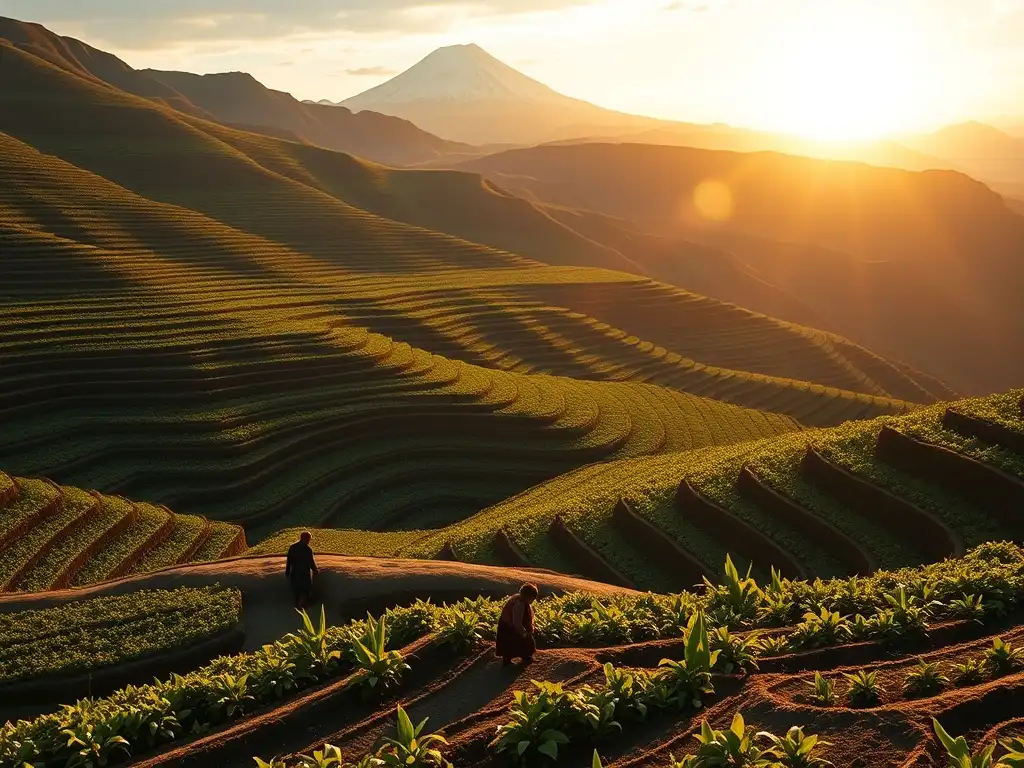
The Huari Empire's success was significantly linked to its advancements in agriculture. Their innovations in land management and crop production allowed them to support a large and densely populated urban center and its surrounding areas. These innovations were crucial for the empire's stability and prosperity, ensuring a reliable food supply for its population. The scale of Huari agriculture is impressive, with evidence suggesting large-scale irrigation systems, terraced farming, and sophisticated crop management techniques. The efficiency of their agricultural practices facilitated the growth of the empire and contributed to its overall strength.
Huari Agricultural Terraces: Maximizing Land Use
Huari agricultural terraces are a testament to their engineering prowess and understanding of environmental conditions. These terraces, carved into hillsides, increased the amount of arable land available for cultivation. They also helped to control water flow and erosion, allowing for more efficient use of water resources. The construction of terraces required significant labor and organization, highlighting the importance of agriculture in Huari society.
The size and extent of the terraced fields demonstrate the scale of Huari agricultural endeavors. The precise techniques used in terrace construction remain a subject of ongoing research, but their effectiveness is undeniable. The legacy of Huari terraces is still visible in many parts of the Andes today, a lasting tribute to their agricultural ingenuity.
Huari Crop Management: Efficient Farming Strategies
The Huari employed various efficient farming strategies to maximize crop yields. These included crop rotation, intercropping, and the use of fertilizers. Crop rotation helped to maintain soil fertility, while intercropping allowed for the simultaneous cultivation of multiple crops. The use of fertilizers, likely including animal manure and other organic matter, further enhanced soil productivity.
These strategies ensured a reliable food supply and contributed to the empire's stability. Their understanding of plant growth and soil management was sophisticated for its time. The adoption of these practices allowed for the support of a large population and facilitated the expansion of the empire. Further research into Huari agricultural practices could reveal additional insights into their farming techniques and their impact on the environment.
Huari Food Storage Techniques: Preserving Resources
Effective food storage was crucial for the Huari, ensuring a reliable food supply during times of scarcity. They employed various techniques to preserve food, including drying, salting, and storing in underground cellars. These techniques helped to extend the shelf life of crops and other food items, preventing spoilage and ensuring food security.
The scale of food storage facilities suggests a degree of centralized control over food distribution and resource management. The effectiveness of their food preservation techniques played a significant role in the empire's resilience and ability to withstand periods of drought or other environmental challenges. The sophistication of their food storage techniques reflects their understanding of food preservation and its importance for the stability of their society.
Huari Empire’s Influence on Later Andean Technology
The Huari Empire's technological prowess left an indelible mark on subsequent Andean civilizations, particularly the Inca. Their innovations weren't merely fleeting advancements; they represented a significant leap forward in engineering, agriculture, and urban planning that served as a foundation for later empires. The sophisticated irrigation systems, for instance, weren't abandoned after the Huari's decline.
Instead, they were adapted and expanded upon by later cultures, demonstrating a clear lineage of technological inheritance. The efficient agricultural practices, including terracing and the cultivation of diverse crops, continued to shape Andean agricultural strategies for centuries. Even the urban planning principles, reflected in the standardized layout of Huari administrative centers, influenced the design of later Andean cities.
This continuity highlights the enduring legacy of Huari technological achievements and their crucial role in shaping the technological landscape of the Andes. The Huari's mastery of metallurgy, particularly in bronze and copper working, also significantly impacted later metalworking traditions. Their techniques and designs were adopted and refined by succeeding cultures, showcasing the profound and lasting influence of the Huari Empire on the technological development of the Andes.
Huari Legacy: Transmission of Technological Knowledge
The transmission of Huari technological knowledge wasn't a passive process; it involved active dissemination and adaptation. Archaeological evidence suggests a complex network of interaction and exchange between the Huari and other Andean groups. This exchange wasn't limited to the direct control exerted by the Huari Empire during its zenith; it extended beyond its territorial boundaries through trade, migration, and cultural exchange.
The standardized architectural styles found in numerous sites across the Andes hint at the widespread adoption of Huari building techniques. Moreover, the diffusion of agricultural practices, such as specialized irrigation methods and crop diversification, indicates a conscious effort to share and adapt Huari innovations. This widespread adoption wasn't simply imitation; it involved the creative integration of Huari technologies with existing local practices, leading to further technological development and diversification.
The persistence of Huari-inspired designs and techniques in post-Huari societies demonstrates the resilience and adaptability of their technological advancements. This legacy wasn't merely a matter of copying; it involved a dynamic process of learning, adaptation, and innovation that shaped the technological trajectory of the Andes for centuries.
Huari Innovations and the Inca Empire
The Inca Empire, arguably the most famous Andean civilization, owes a considerable debt to the Huari’s technological ingenuity. While the Inca undoubtedly made their own significant advancements, many of their achievements were built upon the foundations laid by the Huari. The Inca's mastery of road construction, for example, likely benefited from the Huari's experience in creating extensive networks of pathways and administrative centers.
The Inca's sophisticated irrigation systems also show clear parallels with Huari techniques, suggesting a direct lineage of technological inheritance. The Inca's impressive agricultural terraces, though refined and expanded upon, share fundamental similarities with the terracing systems employed by the Huari. This connection isn't merely coincidental; it reflects a conscious appropriation and adaptation of pre-existing technologies.
The Inca's success in creating a vast and powerful empire was partly due to their ability to build upon and refine the technological advancements of their predecessors, including the Huari. The continuity in architectural styles and engineering techniques between the Huari and the Inca further underlines the significant influence of the former on the latter.
Conclusion: The Significance of Huari Technological Advancements
The Huari Empire's technological advancements represent a pivotal moment in Andean history. Their innovations in agriculture, architecture, and metallurgy significantly impacted the trajectory of later Andean civilizations, demonstrating the empire's lasting legacy. The widespread adoption and adaptation of Huari technologies across diverse Andean societies highlight their remarkable ingenuity and effectiveness.
Understanding the Huari's technological achievements is crucial to comprehending the broader technological development of the Andes and the interconnectedness of Andean cultures. Their contributions extended beyond mere practical applications; they shaped the social, political, and economic structures of subsequent Andean societies. The Huari Empire's technological legacy serves as a testament to the ingenuity and resilience of Andean civilizations and their ability to adapt and innovate in response to environmental and social challenges.
Further research into Huari technology promises to uncover even more about the complexity and sophistication of this remarkable civilization and its enduring influence on the Andes. The study of "Huari Empire technological advancements" continues to reveal new insights into the ingenuity and lasting impact of this remarkable Andean civilization.
- Introduction to Huari Technological Achievements
- Huari Engineering Marvels: Infrastructure and Construction
- Huari Craftsmanship: Advanced Manufacturing Techniques
- Agricultural Innovations of the Huari Culture
- Huari Empire’s Influence on Later Andean Technology
- Conclusion: The Significance of Huari Technological Advancements
- What were some key technological advancements of the Huari Empire?
- How did Huari irrigation systems impact their society?
- What types of metals did the Huari work with?
- How did Huari technology compare to that of other Andean civilizations?
- What evidence exists to support claims about Huari technological advancements?
Frequently Asked Questions
What were some key technological advancements of the Huari Empire?
The Huari excelled in irrigation systems, allowing for large-scale agriculture, and developed sophisticated metallurgy, creating intricate tools and weaponry. They also mastered advanced ceramics and textile production.
How did Huari irrigation systems impact their society?
Efficient water management through canals and terraces enabled the Huari to support a dense population and sustained food production, contributing to the empire's growth and power. This also facilitated the development of urban centers.
What types of metals did the Huari work with?
Huari metalworkers expertly crafted objects from gold, silver, copper, and bronze, demonstrating advanced techniques like lost-wax casting. Their mastery of metallurgy is evident in their intricate jewelry and tools.
How did Huari technology compare to that of other Andean civilizations?
While building upon existing Andean technologies, the Huari Empire significantly advanced metallurgy and irrigation, creating systems more complex than those of preceding cultures like the Nazca. Their administrative capacity also enabled widespread technological implementation.
What evidence exists to support claims about Huari technological advancements?
Archaeological findings such as extensive irrigation networks, elaborate metalwork, and high-quality ceramics provide substantial evidence of Huari technological prowess. Architectural remains also showcase their engineering skills.
Final Reflection: The Enduring Legacy of Huari Innovation
The ingenuity of the Huari Empire, far from being a relic of the past, offers crucial insights into sustainable development and complex societal organization in the face of environmental challenges. Their sophisticated agricultural techniques, intricate urban planning, and advanced textile production remain remarkably relevant in a world grappling with climate change and resource scarcity. Understanding their successes and failures provides a powerful lens through which to examine our own approaches to these critical issues.
The Huari's ability to unify such a vast and diverse region through technological innovation is a testament to the power of shared knowledge and collaborative effort. Their achievements resonate deeply with me, highlighting the importance of investing in research and development, not just for economic gain, but for the betterment of society as a whole. Civilization exists by geological consent, subject to change without notice.
This quote, though not directly about the Huari, speaks to the fragility of even the most advanced societies and underscores the importance of learning from the past to build a more resilient future.
Consider the ingenuity of the Huari's irrigation systems, their mastery of textile production, or their sophisticated administrative structures. These weren't merely technological advancements; they were solutions to real-world problems, born from a deep understanding of their environment and the needs of their people. You too can harness this spirit of innovation. Think about the challenges facing your community, your nation, or even the world. What creative solutions can you contribute? Let the legacy of the Huari inspire you to seek out innovative answers to the pressing issues of our time.
**Unlock the Secrets of Andean Innovations! **
Thank you for exploring the fascinating world of Huari technology with us! You've discovered the incredible innovations of the Andean Empire, showcasing their ingenuity and resilience. Now, let's delve deeper into this remarkable history and share your newfound knowledge.
Here's how you can continue your journey of discovery:
- **Explore further:** Visit our **dedicated page on Andean engineering** to learn more about the remarkable structures and technologies that shaped the region. You'll find details on everything from their sophisticated irrigation systems to their impressive architectural feats.
- **Share your knowledge:** Discuss the impact of Huari innovations on modern society with friends and family. Their advancements in areas like agriculture and urban planning still resonate today.
- **Get involved:** Consider attending local archaeology events or workshops to experience the enduring influence of Andean technology firsthand. Many museums and community groups offer engaging programs.
What aspect of Huari technology intrigues you the most, and how do you see its influence on modern innovation?