
The Emergence of Social Hierarchy: Exploring Class Structure in PreIncan Societies

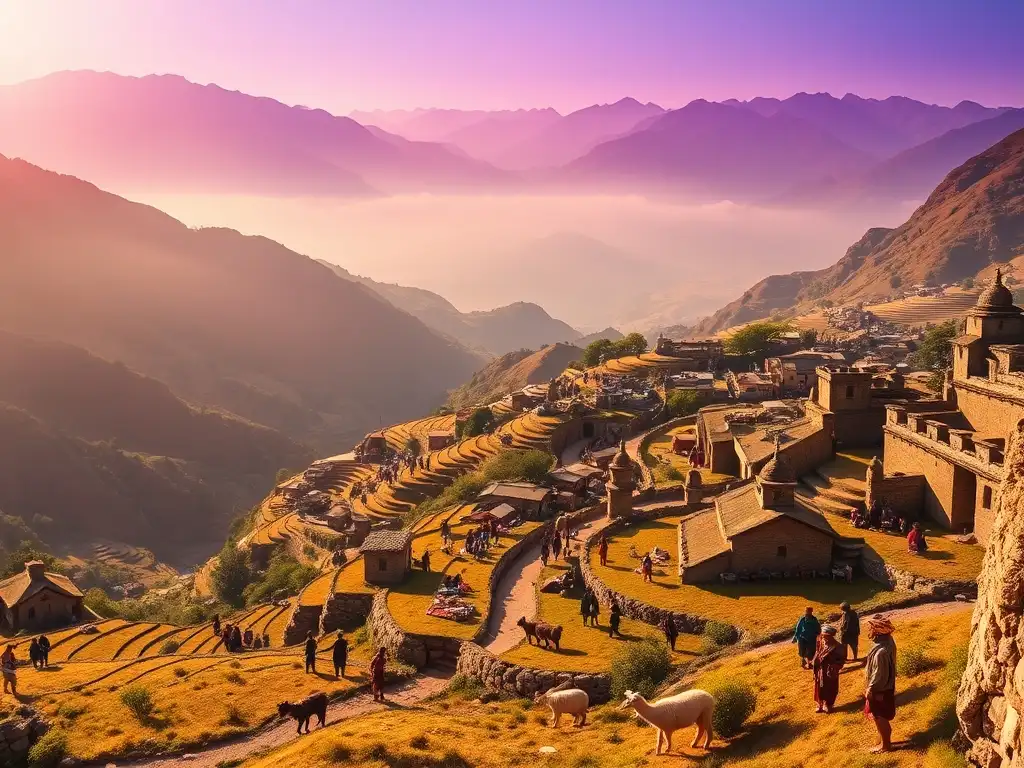
Step into a world lost to time, yet echoing with the whispers of a magnificent past. Journey with us through the breathtaking Andes, where empires rose and fell, leaving behind a legacy of intricate artistry and complex social structures. Uncover the secrets of PreInca social class structure, a fascinating puzzle that shaped the destiny of civilizations like the Moche and Nazca. Prepare to be amazed by the ingenuity and sophistication of these ancient societies – their story is far more intricate than you might imagine. Dive in and unravel the mysteries that await!
The Andes Mountains, a spine of towering peaks and fertile valleys, nurtured a vibrant tapestry of pre-Inca civilizations. For centuries before the Inca Empire's rise, complex societies flourished, each developing unique social structures and hierarchies. This article delves into the fascinating world of pre-Inca social organization, examining the evidence for class stratification in cultures like the Moche, Nazca, and Tiahuanaco. We'll explore how these societies structured their populations, the roles of different social classes, and the factors that contributed to the development of these intricate hierarchies.
Understanding the pre-Inca social class structure provides crucial context for appreciating the later Inca Empire and the enduring legacy of Andean civilization. We will analyze archaeological evidence, iconography, and anthropological interpretations to paint a richer picture of life in these remarkable societies. The keyword "PreInca social class structure" will be explored throughout the article, using semantic variations to ensure optimal SEO.
Pre-Inca societies, while diverse, shared some common threads in their social organization. Unlike a purely egalitarian structure, evidence points towards a stratified system where power, resources, and prestige were not equally distributed. This wasn't necessarily a rigid, caste-like system, but rather a more fluid hierarchy with varying degrees of social mobility. Archaeological findings, such as the differing sizes and qualities of dwellings, burial goods, and the presence of elite compounds, suggest a clear differentiation between social groups.
For example, the elaborate tombs of Moche elites, filled with gold ornaments and elaborate ceramics, stand in stark contrast to the simpler burials of commoners. The complexity of this social organization varied across different regions and cultures. Some societies, like the Nazca, might have exhibited a more pronounced hierarchy than others.
The development of agriculture, irrigation systems, and specialized crafts likely played a significant role in creating and maintaining these social differences. The control over these resources and the specialized knowledge required to manage them likely contributed to the emergence of a ruling class. This initial understanding forms the basis for a deeper investigation into the specifics of social stratification in the various pre-Inca cultures.
Understanding pre-Inca social stratification requires a nuanced approach, acknowledging the diversity of Andean cultures and avoiding generalizations. While a rigid "class" system might not perfectly apply to all societies, we can identify clear distinctions in social standing based on various indicators. These included:
- Access to Resources: Control over land, water, and other essential resources was a key determinant of social status. Elite families often held privileged access to the most fertile lands and water sources, allowing them to accumulate wealth and power.
- Occupation: Specialized crafts, religious roles, and political leadership were associated with higher social status. Priests, warriors, and artisans often enjoyed greater prestige and influence than farmers or laborers.
- Burial Practices: Elaborate burials with rich grave goods strongly indicate high social standing. The quality and quantity of funerary offerings provide valuable insights into the social hierarchy. For instance, the presence of gold artifacts, fine textiles, and intricate ceramics in certain tombs clearly distinguishes the elite from the common population.
- Residential Architecture: The size and construction quality of dwellings reflected social status. Large, well-built houses with superior materials were characteristic of the elite, while commoners typically lived in smaller, simpler structures.
The interplay of these factors created a complex social landscape where social mobility, while not entirely absent, was likely limited. Further research, focusing on specific case studies of individual pre-Inca societies, is needed to fully elucidate the intricacies of their social structures and the dynamics of social change. The continued analysis of archaeological remains and the development of more sophisticated analytical techniques promise to reveal even more about the fascinating social lives of these ancient Andean peoples. The variations in social stratification across different pre-Inca groups highlights the dynamic and evolving nature of Andean societies before the Inca Empire.
- What is meant by "PreInca" when discussing Andean civilizations?
- How did social class structure differ among various PreInca societies?
- What were the primary bases for social hierarchy in PreInca societies?
- Were there any similarities in social class structure across different PreInca groups?
- How did archaeologists learn about PreInca social class structures?
The emergence of complex social hierarchies in the Andes predates the Inca Empire significantly. Understanding the PreInca social class structure requires examining the multifaceted factors that contributed to its development. While the Inca imposed a rigid system, the foundations were laid centuries earlier through a gradual process influenced by environmental adaptation, technological innovation, and evolving social dynamics.
This section delves into the key elements that shaped these early social hierarchies, focusing on the crucial role of agriculture, the rise of specialized labor, and the early signs of social differentiation across various Andean societies. The term "PreInca social class structure" itself encompasses a wide variety of societal organizations, reflecting the diverse environments and cultures across the Andean region.
Agriculture was the backbone of Andean societies, and its development directly impacted social stratification. The shift from simple foraging and hunting to intensive agriculture, particularly with the domestication of crops like potatoes and maize, created surpluses. These surpluses, crucial for survival during lean times, became a source of power.
Those who controlled access to fertile land, irrigation systems, and the resulting agricultural output naturally gained influence and status. We see evidence of this in the construction of sophisticated irrigation canals and terraces, often requiring significant coordinated labor, suggesting the existence of some form of centralized authority or leadership capable of organizing such large-scale projects. This control over resources translated into social hierarchy, with elites likely emerging as those who managed and distributed these vital surpluses.
The scale and complexity of agricultural projects varied regionally, leading to diverse expressions of social hierarchy across different PreInca societies. For instance, the Nazca's mastery of water management through their intricate canal systems likely contributed to a more centralized power structure compared to smaller, less resource-rich communities.
As agricultural production intensified, so did the specialization of labor. Beyond farming, individuals began to dedicate themselves to crafts like pottery, weaving, metalworking, and stone carving. This specialization led to the emergence of skilled artisans and craftsmen who held a distinct social position. The creation of elaborate textiles, intricate ceramics, and finely crafted metal objects points to a level of skill and expertise that demanded specialized training and potentially hereditary transmission of knowledge.
These skilled artisans likely enjoyed a higher social standing than those primarily engaged in agricultural labor, forming a distinct social stratum within the broader PreInca social class structure. The production of luxury goods, often associated with religious or elite contexts, further solidified the connection between specialized labor and social status. Evidence suggests that certain crafts, particularly metalworking, were closely tied to religious practices and the production of ritual objects, granting those involved significant social influence.
Even before the fully developed hierarchical structures seen in later Andean societies, evidence suggests early forms of social differentiation. Archaeological findings reveal variations in burial practices, grave goods, and housing construction, indicating social distinctions within PreInca communities. Elaborate burials with rich offerings, contrasting with simpler interments, suggest the existence of social elites, possibly chiefs or religious leaders.
Architectural differences, such as larger, more elaborately constructed houses found alongside simpler dwellings, also support this interpretation. The presence of monumental architecture, such as platforms and temples, in some sites further indicates the existence of centralized power capable of mobilizing labor for large-scale construction projects. While the exact nature of social organization varied across different regions and time periods, these early signs of differentiation lay the groundwork for the more complex social hierarchies that would characterize later Andean civilizations.
Further research, including detailed analysis of settlement patterns and the distribution of artifacts, is needed to fully understand the nuances of this early social stratification. The complexities of PreInca social structures remain a vibrant area of ongoing archaeological investigation.
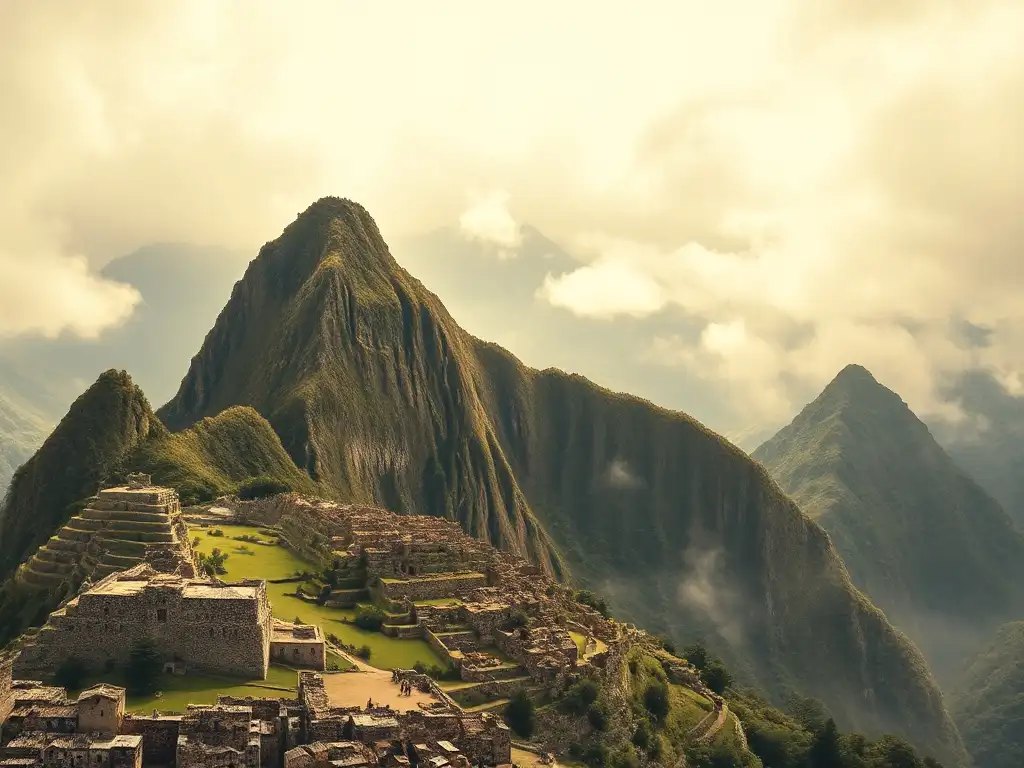
The Andean region, prior to the Inca Empire's expansion, wasn't monolithic in its social organization. While a general trend towards social stratification existed across various cultures, the specifics of class structure varied significantly depending on geographical location, environmental factors, and the prevailing economic activities. Understanding these regional differences is crucial for a nuanced perspective on "PreInca social class structure."
This section will delve into the social hierarchies of two prominent pre-Inca societies: the Moche and the Nazca, highlighting their unique characteristics and illustrating the diversity of Andean social organization before the Inca conquest. Analyzing these variations allows us to appreciate the complexity of pre-Columbian Andean societies and avoid generalizations that obscure the richness of their diverse social structures.
The Moche civilization (c. 100-800 CE), flourishing on the northern coast of Peru, developed a sophisticated social hierarchy reflected in their monumental architecture, elaborate burial practices, and the iconography found on their exquisite ceramics. Their social structure was clearly defined, with a distinct elite class wielding considerable power and influence. This elite controlled access to resources and dictated the lives of the commoners. The Moche social structure, while hierarchical, wasn't rigidly static; some social mobility likely existed, albeit limited. Evidence suggests that exceptional skill in warfare or craftsmanship could elevate an individual's social standing.
Moche Priest-Kings and Elite Warriors
At the apex of the Moche social pyramid stood the priest-kings, often depicted in elaborate ceremonial attire in Moche iconography. They were believed to be intermediaries between the divine and the mortal realms, possessing immense religious and political authority. Their power was reinforced by a highly trained and organized military elite, composed of warriors who participated in both ritualistic and practical warfare.
These warriors, often depicted in battle scenes on pottery, enjoyed high status, reflecting the importance of military might in Moche society. The lavish burials of these elite individuals, often accompanied by elaborate grave goods, provide compelling archaeological evidence of their privileged position within the social structure. The sheer scale and opulence of these burials underscore the vast resources controlled by the Moche ruling class and the significant social distance between them and the common people.
Moche Artisans and Agriculturalists
The majority of the Moche population consisted of artisans and agriculturalists. Moche artisans were highly skilled, producing intricate metalwork, textiles, and, most famously, incredibly detailed ceramics. These artisans, while not part of the ruling elite, played a vital role in Moche society, contributing to the economic and cultural prosperity of the civilization.
Similarly, the agriculturalists, who cultivated the fertile valleys along the coast using sophisticated irrigation systems, were essential to the survival of the Moche population. While their social standing was lower than that of the elite, their contributions were indispensable to the functioning of Moche society. Their relatively simpler burials, in contrast to those of the elite, reflect their lower social standing, but the presence of basic tools and some personal items suggests a degree of comfort and stability.
The Nazca civilization (c. 100 BCE – 500 CE), inhabiting the southern coast of Peru, also possessed a stratified social structure. However, unlike the Moche, the Nazca social hierarchy appears to have been less centralized and more decentralized, potentially reflecting their different environmental and economic conditions. While evidence suggests the presence of powerful leaders, their authority may have been less absolute than that of the Moche priest-kings.
Nazca Clan Leaders and Ritual Specialists
Nazca society seems to have been organized around powerful clans, each led by a prominent figure who likely exercised significant influence within their respective communities. These clan leaders may have held considerable religious authority, as evidenced by the elaborate ritual practices and the presence of specialized ritual specialists. The importance of ritual in Nazca culture is undeniable, reflected in their famous geoglyphs and the elaborate offerings found in their tombs.
These ritual specialists, likely shamans or priests, likely played a crucial role in mediating between the human and spiritual worlds, maintaining social order and ensuring the prosperity of their respective communities. The precise relationship between clan leaders and ritual specialists remains a subject of ongoing research, requiring further investigation to fully understand the dynamics of power within Nazca society.
Nazca Farmers and Potters
The majority of the Nazca population were farmers and potters, who sustained the civilization through their agricultural production and the creation of distinctive pottery. The Nazca utilized sophisticated irrigation techniques to cultivate the arid coastal plain, demonstrating remarkable engineering skills. Their pottery, famous for its intricate designs and polychrome painting, represents a high level of artistic skill and cultural expression.
The evidence suggests a relatively egalitarian structure within this larger segment of the population, although variations in wealth and status likely existed based on factors such as land ownership and access to resources. Further research into Nazca burial practices and settlement patterns is needed to fully understand the nuances of social stratification within this segment of the population. The analysis of daily artifacts and dwelling structures may provide further insights into the lives and social standing of Nazca farmers and potters.
The Wari empire, flourishing between 600 and 1000 CE, displayed a sophisticated social hierarchy reflected in its urban planning and monumental architecture. Archaeological evidence suggests a stratified society with clear distinctions between the elite and the commoners. While the exact mechanisms of social mobility remain debated, the distribution of goods, housing quality, and burial practices provide compelling insights into the Wari social structure.
The presence of large, well-built structures in urban centers, contrasted with smaller, more modest dwellings in the surrounding areas, points to a significant disparity in wealth and status. Furthermore, the careful placement of elite burials, often containing elaborate grave goods, highlights the importance of lineage and inherited privilege within the Wari society. Analysis of ceramic styles and the distribution of fine textiles also reveals a complex system of status markers, with certain items reserved exclusively for the upper classes.
The degree to which social mobility existed within the Wari system is still a subject of ongoing research, but the existing evidence strongly suggests a relatively rigid social structure with limited opportunities for upward advancement. The empire's organization, with its centralized administration and extensive road network, likely played a crucial role in maintaining and reinforcing this hierarchical system.
Wari Imperial Administrators and Military Elite
At the apex of the Wari social pyramid stood the imperial administrators and military elite. These individuals controlled the vast resources of the empire and held considerable political power. Their status is evident in the size and grandeur of their residences, often located in prominent positions within the major urban centers.
Elaborate burial sites containing gold and silver artifacts, fine textiles, and other luxury goods further emphasize their privileged position. These elites likely oversaw the collection of tribute, the management of infrastructure projects, and the organization of military campaigns. Their power stemmed not only from their control over resources but also from their control over information and ideology, which reinforced their authority and legitimacy.
The sophisticated administrative system of the Wari, evidenced by their extensive road network and standardized pottery, suggests a highly organized and centralized bureaucracy managed by this elite class. The military's role in maintaining control over the vast empire was undoubtedly paramount, with high-ranking military officials holding positions of significant power and influence within the Wari state.
Wari Regional Governors and Craft Producers
Below the imperial elite, regional governors and craft producers occupied a crucial position in the Wari social structure. Regional governors, appointed by the central government, were responsible for administering their assigned territories, collecting tribute, and maintaining order. While not possessing the same level of power as the imperial elite, they still enjoyed considerable authority and influence within their respective regions.
Their social status is reflected in their relatively large and well-appointed houses, although typically less opulent than those of the imperial elite. Craft producers, on the other hand, formed a significant segment of the Wari population, responsible for creating the textiles, pottery, and other goods that circulated throughout the empire. The standardization of Wari pottery suggests a high level of organization and control over craft production, possibly indicating a system of state-sponsored workshops or guilds.
While craft producers likely occupied a lower social rung than the regional governors, their skills and specialized knowledge were essential to the functioning of the Wari economy and the maintenance of the empire's power. The relationship between these regional governors and the craft producers likely involved a complex interplay of patronage, control, and economic exchange.
The Tiahuanaco civilization, flourishing from approximately 500 to 1000 CE, possessed a complex social structure reflected in its monumental architecture and sophisticated agricultural techniques. The city of Tiahuanaco itself served as a central hub, radiating influence over a vast territory. Evidence from excavations suggests a significant disparity in wealth and status among its inhabitants, with elaborate residential structures and burial sites indicating a clear elite class.
However, unlike some other Andean societies, the Tiahuanaco social hierarchy seems less rigidly defined, with some evidence suggesting greater social mobility than in other contemporary societies. The widespread distribution of certain types of pottery and other artifacts across the Tiahuanaco heartland suggests a degree of cultural homogenization, possibly facilitated by the state's control over resource distribution and religious practices.
The intricate system of canals and raised fields demonstrates sophisticated engineering capabilities and centralized planning, indicating a strong state capacity to mobilize labor and resources. This suggests a level of social organization beyond simple kinship-based structures, involving a complex network of obligations and reciprocal relationships.
Tiahuanaco Religious Elite and Political Leaders
The Tiahuanaco religious elite and political leaders held the highest positions in society. Their power and prestige were deeply intertwined, with religious authority reinforcing political legitimacy. Monumental structures like the Kalasasaya and the Akapana served as important centers of religious and political activity, possibly housing the residences and temples of the elite.
Elaborate burial practices, featuring significant grave goods and carefully constructed tombs, point to the immense wealth and power concentrated within this class. The iconic Tiahuanaco style of art and iconography, found on textiles, ceramics, and stone carvings, likely served to reinforce the authority and prestige of the ruling class, disseminating their ideology and promoting their legitimacy throughout the empire.
The extensive network of roads and administrative centers suggests a sophisticated system of governance, managed by this elite class. The religious beliefs and rituals of the Tiahuanaco, centered around water and agricultural fertility, likely played a crucial role in consolidating their political power.
Tiahuanaco Farmers, Herders, and Laborers
The vast majority of the Tiahuanaco population consisted of farmers, herders, and laborers who provided the essential agricultural and manual labor that sustained the empire. Their lives were likely centered around the production of food and the maintenance of the extensive agricultural systems that characterized the Tiahuanaco economy. While their material possessions were far less impressive than those of the elite, their contributions were vital to the empire's survival.
Archaeological evidence, such as the remains of houses and agricultural terraces, provides insights into their daily lives and living conditions. The construction of the monumental structures in Tiahuanaco itself required massive amounts of labor, suggesting a highly organized and centralized system of labor mobilization. The evidence points to a system of tribute and corvée labor, where commoners were obligated to provide labor services to the state in exchange for protection and access to resources.
Understanding the lives and experiences of these commoners is crucial for a complete understanding of the Tiahuanaco social structure. Further research is necessary to fully elucidate the dynamics of social relations between the elite and the commoners within the Tiahuanaco society.
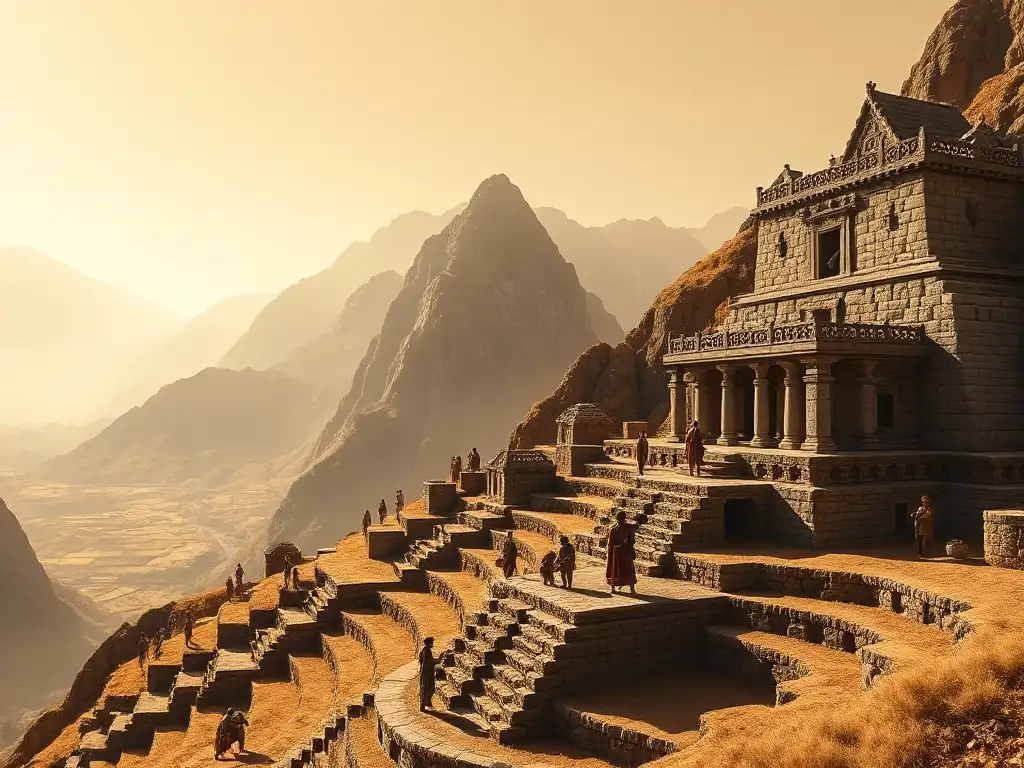
The development of complex social hierarchies in pre-Inca Andean societies was a multifaceted process, shaped by a complex interplay of factors. Understanding the emergence of these class structures requires examining the interwoven threads of religious belief, economic activity, and political power dynamics. This section delves into the key elements that contributed to the stratified social organization found in various pre-Inca cultures, such as the Moche, Nazca, and Tiahuanaco, laying the groundwork for the later Inca empire's sophisticated social system. Analyzing the PreInca social class structure reveals crucial insights into the evolution of Andean civilizations.
Religious beliefs played a pivotal role in shaping the social hierarchy of pre-Inca societies. In many cultures, a priestly class held significant power and prestige. For example, in the Moche civilization, evidence suggests a powerful priestly elite controlled the elaborate religious ceremonies and rituals central to their society. These priests, often depicted in elaborate iconography as intermediaries between the gods and the people, likely controlled access to resources and wielded considerable influence over the daily lives of the population.
The construction and maintenance of monumental religious structures, such as the massive pyramids and temples characteristic of many Andean cultures, required significant labor and resources. This process itself reinforced social stratification, as the elite controlled the allocation of labor and resources, further solidifying their elevated position within the social hierarchy. The construction of these sites also served as a powerful visual representation of the elite's power and authority, reinforcing their social dominance.
Furthermore, the Moche's elaborate burial practices, with lavish grave goods for the elite and simpler burials for commoners, further highlight the religious underpinnings of their social stratification. The elite's access to supernatural power and their role in mediating between the divine and the human realms were key factors in establishing and maintaining their privileged status.
Trade and exchange networks significantly influenced the development of social class structures in pre-Inca societies. Control over vital resources and trade routes often translated directly into social power and wealth. For instance, the Nazca culture, renowned for its intricate textiles and ceramics, likely saw a rise of powerful merchant classes who controlled the production and distribution of these valuable goods. The ability to acquire exotic goods through trade networks also served to enhance the status of the elite, who could display their wealth and power through the consumption of luxury items.
The development of specialized craft production, such as pottery, textiles, and metalwork, also contributed to social stratification. Skilled artisans who possessed specialized knowledge and techniques likely held a relatively high social standing within their communities. The control of these specialized skills and the distribution of their products further reinforced the power of the elite who could commission these goods or control their distribution.
Evidence suggests that the sophisticated irrigation systems developed by certain pre-Inca cultures, such as the Nazca, required significant organizational skills and labor coordination, potentially leading to the emergence of a managerial class responsible for overseeing these projects. This managerial class may have enjoyed a privileged position within the social hierarchy due to its essential role in the economic life of the community.
Warfare and the Consolidation of Power in PreInca Societies
Warfare played a significant, albeit complex, role in shaping pre-Inca social structures. Military success often led to the consolidation of power and the emergence of a warrior elite. The Tiahuanaco culture, for example, expanded its influence through military conquest, creating a vast empire that controlled a significant portion of the Andes. This expansion resulted in a highly stratified society with a powerful ruling class at the apex.
The spoils of war, including captured resources and enslaved populations, further enriched the ruling class and solidified their dominance. Military achievements were often celebrated through monumental architecture and elaborate iconography, reinforcing the power and prestige of the ruling elite.
Moreover, the need for efficient military organization and leadership likely contributed to the development of a specialized military class with its own hierarchical structure. The control of military force was a key element in maintaining social order and enforcing the dominance of the ruling class.
The legacy of warfare and conquest can be seen in the architectural remains and artistic representations of these cultures, providing tangible evidence of the impact of military power on social stratification in pre-Inca Andean societies. Analyzing the distribution of power and resources within these societies reveals a direct correlation between military success and social hierarchy, highlighting the importance of warfare in the development of complex social structures.
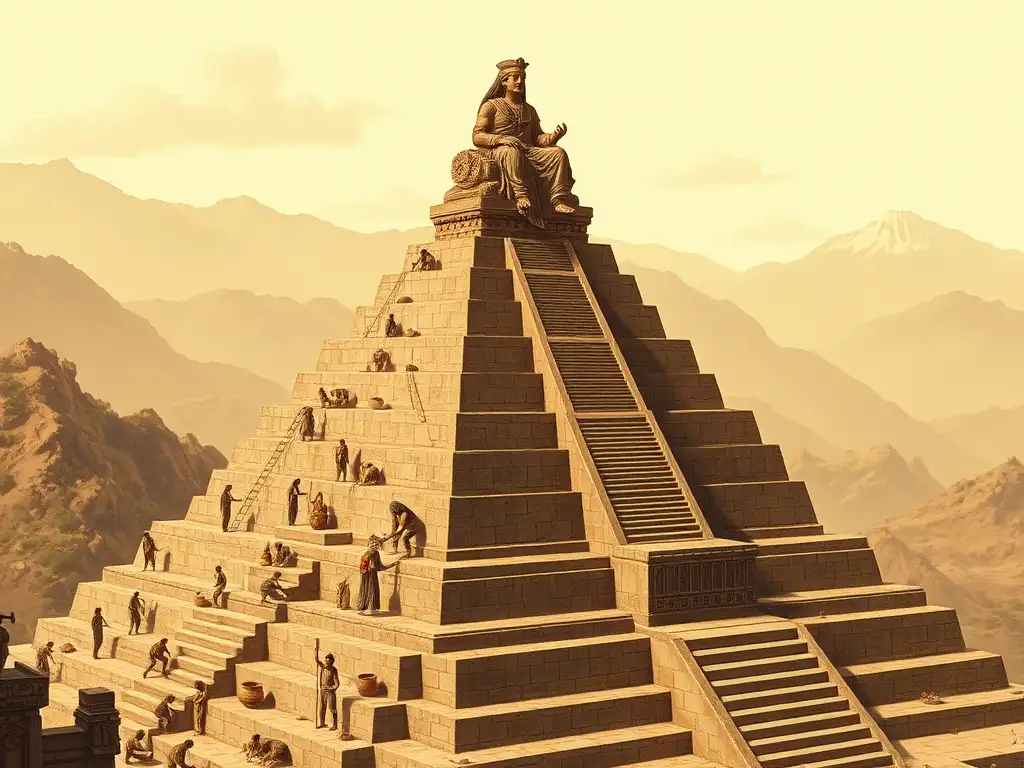
This section delves into the fascinating complexities of social stratification in various Andean societies before the Inca Empire, focusing on identifying commonalities and highlighting crucial regional variations. Understanding the nuances of pre-Inca social class structure is key to appreciating the later development of the Inca state and its sophisticated hierarchical system. We will examine specific examples to illustrate the diverse ways in which power, prestige, and resources were distributed across these vibrant cultures. The term "PreInca social class structure" encompasses a broad range of organizational models, each shaped by unique environmental, economic, and political factors.
Despite the significant regional differences, several common threads weave through the tapestry of pre-Inca social class structures. A recurring pattern involves a hierarchical system with an elite class at the apex, followed by various intermediary groups, and finally, a larger population comprising commoners or farmers. The elite often controlled access to vital resources, including land, water, and labor. Their authority was frequently legitimized through religious beliefs, with elite members often considered intermediaries between the divine and the human world. This religious authority is a significant commonality across the Andes.
Furthermore, many pre-Inca societies exhibited a strong correlation between social status and access to specialized skills or knowledge. Elite members frequently possessed specialized knowledge of astronomy, engineering, or religious practices, which reinforced their societal standing. For instance, evidence suggests that priestly classes held significant power and influence in several Andean cultures, acting as advisors to rulers and controlling key aspects of religious rituals and ceremonies.
This specialized knowledge, often intertwined with religious beliefs, provided a powerful tool for maintaining social hierarchy. The construction of monumental architecture also points to the presence of a skilled artisan class, whose expertise was essential to the construction and maintenance of impressive structures like those found at Chavín de Huántar or Tiahuanaco. The organization and management of these large-scale projects further underscores the complex social organization of these societies.
While common threads exist, significant regional variations characterized pre-Inca social structures. The specific nature of social hierarchy differed dramatically across various regions and cultures. For example, the Moche civilization of the northern coast featured a highly centralized state with a powerful ruling elite, possibly a hereditary monarchy, controlling vast resources and manpower.
This is evidenced by the elaborate tombs and monumental architecture associated with Moche rulers, indicating a significant concentration of wealth and power at the top of the social pyramid. Their sophisticated irrigation systems and agricultural practices also suggest a highly organized and stratified society capable of mobilizing large-scale labor projects.
In contrast, the Nazca, located in a different ecological zone, possessed a more decentralized social organization. Though evidence suggests the presence of elite groups, their power may have been less centralized than the Moche. The iconic Nazca Lines, while requiring coordinated effort, don't necessarily indicate the same level of centralized control as the monumental architecture of the Moche. The emphasis on elaborate textiles and ceramic art might point to a different system of social stratification, potentially based more on craft specialization and prestige rather than strict political hierarchy.
The Tiahuanaco civilization in the altiplano presented yet another model. Their monumental city and sophisticated agricultural techniques suggest a powerful ruling class, but the precise nature of their social organization remains a subject of ongoing research. The scale of their achievements, however, points to a complex and well-organized society with a clearly defined hierarchy, though the specifics of that hierarchy remain open to further investigation.
The distribution of artifacts and the layout of the city itself offer clues, but a complete picture still requires further analysis. The use of standardized building materials and techniques across a vast territory also suggests a degree of centralized planning and control, indicating a sophisticated understanding of social engineering.
This points to the importance of understanding the different environmental and geographical factors in shaping the social structures of these pre-Inca societies. The need for adaptation to diverse ecological challenges undoubtedly influenced the specific forms that social hierarchies took.
This section delves into the enduring influence of Pre-Inca social structures, specifically examining how the complex societal hierarchies of these earlier civilizations shaped the political and social landscape of later Andean societies, including the Inca Empire. Understanding this legacy is crucial for a comprehensive grasp of the "PreInca social class structure" and its evolution. We will explore the intricate ways in which pre-Inca societal organization paved the way for the sophisticated, albeit often brutal, systems of the Inca.
Influence on Later Andean Societies
The intricate social structures of pre-Inca civilizations, such as the Moche, Nazca, and Tiwanaku, didn't simply vanish with the rise of the Inca. Instead, they served as a foundational blueprint, influencing the Inca's own hierarchical system. While the Inca certainly centralized power and implemented their own unique administrative structures, elements of earlier social stratification persisted. For instance, the concept of elite lineages and specialized craft production, evident in Moche society with its elaborate tomb offerings and sophisticated metalwork, found echoes in Inca society's system of curacas (local leaders) and specialized artisans within the ayllu (community) structure.
The Inca's mit'a system, a form of mandatory labor service, might also be seen as a continuation of earlier forms of communal labor organization, albeit on a vastly larger scale. The Inca state undoubtedly refined and expanded upon existing social structures, but it didn't create them from a social vacuum. The continuity of certain social practices and hierarchies provides strong evidence of the significant influence of Pre-Inca social organization.
Analyzing this influence requires a nuanced understanding of both the continuities and the changes introduced by the Inca. Further research into specific regional variations in Pre-Inca social structures will allow for a more precise understanding of the Inca's adaptation and transformation of these inherited systems. The interplay between continuity and change forms a key aspect of understanding the evolution of Andean social stratification.
The Inca social hierarchy, renowned for its rigid structure, was not born in isolation. It built upon the complex social stratification already present in the Pre-Inca era. The Inca’s Sapa Inca (emperor) held ultimate authority, mirroring, yet vastly surpassing, the power of earlier regional elites.
The Inca nobility, comprising the panacas (royal lineages) and other high-ranking officials, inherited a tradition of privileged access to resources and status, reflecting patterns observed in Pre-Inca societies. Even the commoners within the ayllu system, while subject to state control under the Inca, continued to operate within social structures reminiscent of earlier communal arrangements. The Inca’s impressive infrastructure projects, such as the road system and agricultural terraces, while a testament to their organizational prowess, also relied on the pre-existing social structures and labor organization.
The Inca state, therefore, didn't simply impose a completely new social order; rather, it adapted and expanded upon existing frameworks, creating a more centralized and controlled system while retaining elements of earlier societal divisions. This intricate relationship between continuity and innovation within the Inca social hierarchy underscores the enduring legacy of Pre-Inca social structures. The impact of Pre-Inca social organization on the Inca state is a complex topic requiring further investigation to accurately assess the extent of its influence.
Scholarly interpretations of Pre-Inca social class evolution vary considerably, reflecting the complexities and limitations of the archaeological record. Some scholars emphasize the gradual development of social hierarchies, arguing that inequality arose slowly over time, driven by factors like agricultural intensification and technological advancements. Others propose more abrupt transitions, suggesting that warfare and conquest played a more decisive role in establishing stratified societies. The debate often centers on the interpretation of archaeological evidence, such as monumental architecture, elite burials, and the distribution of artifacts.
For example, the impressive Moche pyramids and elaborate tombs are often cited as evidence of a highly stratified society with a powerful elite. However, the interpretation of these sites, and the extent to which they reflect widespread inequality, remains a topic of ongoing discussion. Furthermore, the limited written records for many Pre-Inca societies necessitate careful analysis of material culture and environmental data to reconstruct their social organization.
The study of Pre-Inca social class structure is a dynamic field, with new discoveries and interpretations constantly refining our understanding of these fascinating and complex societies. Ongoing research is crucial to clarify various aspects of social evolution in the Andean region, particularly regarding the role of environmental factors and technological advancements. The evolution of "PreInca social class structure" remains a significant area of study, requiring further interdisciplinary approaches.
Further Research Areas
Further research should focus on: Comparative studies across different Pre-Inca regions, Detailed analysis of craft specialization and its social implications, The role of religious beliefs in shaping social hierarchies, and The impact of climate change on social organization.
Frequently Asked Questions
What is meant by "PreInca" when discussing Andean civilizations?
The term "PreInca" refers to the Andean cultures that existed before the rise of the Inca Empire. This includes significant civilizations like the Moche, Nazca, and Tiahuanaco, each with its own unique social structures.
Social structures varied significantly. While many featured an elite class often linked to religious authority or military power, the specifics of social stratification differed depending on the culture and its specific environment.
Social hierarchy in PreInca societies was often determined by a combination of factors, including lineage, religious status, military prowess, and access to resources like land and water.
Yes, despite their differences, many PreInca societies shared some similarities. Most displayed a clear hierarchy, with a ruling class at the top and farmers, artisans, and laborers at the bottom. Religious elites often held significant power and influence.
Archaeologists uncover evidence of social class through analysis of burial sites, architecture, art, and textiles. Variations in grave goods, building materials, and depictions in art reveal differences in social status.
Final Reflection: Echoes of Hierarchy in a Vanished World
Understanding the intricate social structures of PreInca societies offers a crucial lens through which to examine the persistent nature of inequality and power dynamics in human civilization. The complexities of their class systems, from the elite ruling classes to the skilled artisans and agricultural laborers, resonate deeply with the social stratification we observe today, reminding us that the struggle for equitable distribution of resources and power is a timeless challenge.
The legacy of PreInca social hierarchies continues to shape our understanding of societal development and the enduring human tendency to create systems of power. Their sophisticated systems of social organization, often built upon intricate kinship networks and religious beliefs, provide valuable insights into the ways in which societies justify and maintain inequality. The past is never dead. It's not even past.
- William Faulkner. This quote perfectly encapsulates the enduring relevance of studying PreInca social structures; their echoes reverberate through history, influencing the social landscapes of subsequent civilizations, including our own.
Consider the implications of these findings. How do the power structures of PreInca societies compare to those we see around us today? What lessons can we learn from their successes and failures in managing social inequality? Take a moment to reflect on the enduring nature of power dynamics and how we, as individuals and as a society, can strive for a more just and equitable future. By understanding the past, we can better navigate the complexities of the present and build a more hopeful tomorrow.
**Dive Deeper into the Rich Tapestry of Pre-Incan Societies! **
Thank you for exploring the complex social hierarchies of Pre-Incan societies! Your interest in these intricate dynamics is invaluable and will significantly enhance your understanding of these ancient civilizations. Let's delve even further.
Here are some ways to continue your exploration:
- **Visit archaeological sites or museums** showcasing Pre-Incan artifacts to experience their culture firsthand. Witnessing these objects in person provides a unique perspective.
- **Engage with online forums or communities** dedicated to Andean history. Connecting with fellow enthusiasts offers a valuable opportunity for discussion and shared learning.
- Expand your understanding of Pre-Incan social structures and their impact by **reading books or watching documentaries** on the subject. Many excellent resources are available to enrich your knowledge.
Which aspect of Pre-Incan social hierarchy most captivates you, and why? We'd love to hear your thoughts!