
The Art of Ceramics: Exploring Pottery Styles in the PreIncan Highlands

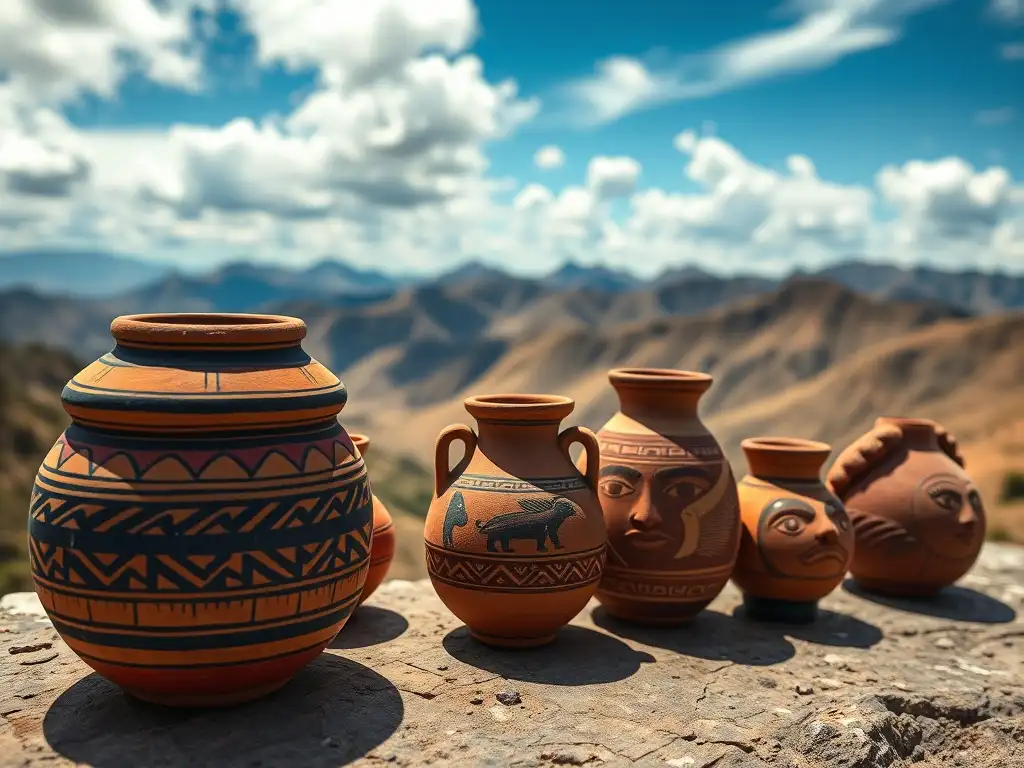
Step into a world lost to time, yet echoing with vibrant artistry. Imagine the hands that shaped the clay, the minds that conceived the intricate designs… This is the legacy of the PreIncan highland pottery styles, a testament to the ingenuity and cultural richness of the Andean civilizations. Uncover the secrets hidden within these ancient vessels – a journey into a fascinating past awaits. Explore the remarkable world of Pre-Incan Cultures of the Highlands and discover the stories etched in clay.
The pre-Inca highlands of the Andes Mountains were a crucible of artistic innovation, nowhere more evident than in their remarkable ceramic traditions. Long before the Inca Empire rose to prominence, a diverse array of cultures flourished, each leaving behind a unique legacy in pottery styles reflecting their distinct social structures, beliefs, and technological capabilities. This article delves into the captivating world of Pre-Incan highland pottery, exploring the diverse styles that characterized different regions and periods, providing insights into the artistry, symbolism, and technological advancements that shaped these enduring masterpieces.
We will examine key characteristics, explore regional variations, and discover how these ceramic artifacts offer invaluable clues to understanding the complex societies that created them. Understanding these Pre-Incan highland pottery styles is crucial to appreciating the full tapestry of Andean civilization before the Inca's rise to power. Prepare to be amazed by the ingenuity and artistry of these ancient cultures!
The Moche Legacy: Mastery of Form and Decoration
The Moche civilization (circa 100-800 CE), renowned for its sophisticated metalwork and monumental architecture, also produced some of the most visually stunning pottery of the pre-Inca period. Moche ceramics are characterized by their highly realistic depictions of humans, animals, and mythical creatures. Pottery techniques were incredibly advanced, showcasing a mastery of modeling, painting, and firing.
The use of slip (a liquid clay suspension) allowed for a wide range of colors, often vibrant reds, yellows, and blacks. Many Moche vessels are intricately decorated with scenes of daily life, warfare, religious rituals, and mythology, providing invaluable insights into their social structures and beliefs. The use of mold-made pottery allowed for mass production of certain forms, while others clearly show the hand of highly skilled individual artisans.
These pieces were not simply functional; they were often used in ceremonies and were considered valuable possessions, reflecting the high status of the artisans who created them. The detail and realism in these pieces are breathtaking, truly showcasing the artistic prowess of the Moche.
Tiahuanaco's Geometric Precision: A Symbol of Power
The Tiahuanaco culture (circa 500-1000 CE), centered around the impressive city of Tiahuanaco near Lake Titicaca, developed a distinct style of pottery that differed significantly from the Moche. Instead of the naturalistic representations favored by the Moche, Tiahuanaco pottery is characterized by its geometric precision and stylized designs. Common motifs include stepped pyramids, intricate geometric patterns, and stylized human and animal figures. The color palette is generally more restrained, often featuring monochrome or bichrome designs.
The use of fine-grained clays and sophisticated firing techniques resulted in durable vessels of exceptional quality. These ceramics were likely used in religious rituals and served as symbols of power and status within the Tiahuanaco empire. The geometric precision and symbolic imagery suggest a sophisticated understanding of cosmology and the social hierarchy. [Specific information pending] on the exact chemical composition of the clays used by Tiahuanaco potters and the methods of firing.
Nazca's Painted Narrative: Stories in Clay
The Nazca culture (circa 100 BCE – 800 CE), famous for its enigmatic geoglyphs, also produced a remarkable body of ceramic work. Nazca pottery is easily recognizable for its highly stylized figures and intricate painted designs. Unlike the Moche's realistic portrayals, Nazca artisans favored a more abstract and symbolic style, often depicting mythological beings and scenes from their religious beliefs.
The use of multiple colors and fine brushwork created vibrant and complex narratives on the surfaces of the vessels. Many Nazca pots were specifically designed for ceremonial use, often depicting deities and scenes from rituals. The unique styles and iconography found in Nazca pottery provide significant insights into their cosmology and belief systems.
The artistic skill and precision evident in these pieces are a testament to the advanced level of artistic development in the region. Further research is needed to fully understand the [specific information pending] symbolism embedded within the intricate designs.
Beyond the Big Three: Regional Variations in Pre-Incan Pottery
While the Moche, Tiahuanaco, and Nazca cultures are perhaps the best-known for their ceramic achievements, numerous other groups throughout the Andean highlands also developed unique pottery styles. These regional variations reflect the diverse environments and cultural practices of the different communities. For example, some cultures emphasized functional pottery with simple designs, while others produced highly decorated pieces for elite use. The diversity in styles highlights the rich tapestry of artistic expression across the Andean region before the Inca Empire.
Further research is needed to fully document and analyze the [specific information pending] pottery styles of these lesser-known groups. A comprehensive study of these regional differences will provide a more complete picture of the artistic landscape of the Pre-Inca highlands. The variety of styles and techniques is truly remarkable, demonstrating the creativity and adaptability of these ancient Andean peoples.
- The Moche Legacy: Mastery of Form and Decoration
- Tiahuanaco's Geometric Precision: A Symbol of Power
- Nazca's Painted Narrative: Stories in Clay
- Beyond the Big Three: Regional Variations in Pre-Incan Pottery
- What are some of the key characteristics of PreIncan highland pottery styles?
- How did the geography of the Andes influence pottery styles?
- What were some of the purposes of PreIncan highland pottery?
- Which PreIncan cultures are most known for their distinctive pottery?
- Where can I learn more about PreIncan highland pottery styles?
Introduction to Pre-Incan Highland Pottery
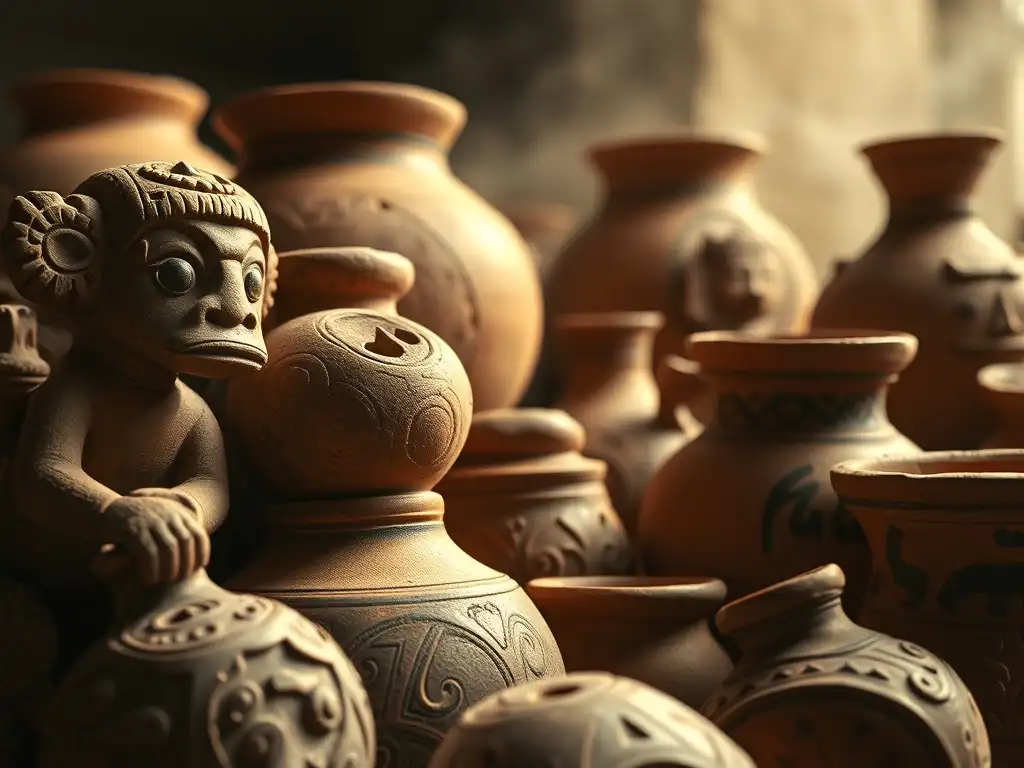
This section delves into the fascinating world of Pre-Incan highland pottery styles, examining the diverse ceramic traditions that flourished in the Andean highlands before the Inca Empire. We will explore the significance of ceramics within these societies, the geographical influences shaping their development, and an overview of the major stylistic trends. Understanding Pre-Incan pottery provides crucial insights into the social structures, beliefs, and technological advancements of these remarkable cultures.
This detailed analysis will focus on the unique characteristics that distinguish highland pottery from other Andean regions, highlighting the artistry and ingenuity of these ancient potters. The sheer variety of forms, decorative techniques, and the raw materials employed showcase a vibrant and sophisticated ceramic tradition.
Understanding the Significance of Ceramics in Pre-Incan Cultures
Ceramics were far more than mere utilitarian objects in Pre-Incan Andean societies; they held profound social, religious, and economic significance. Pottery served as a vital component of daily life, used for cooking, storing food and liquids, and serving beverages. Beyond their practical applications, however, ceramics played a crucial role in ritual practices and social status. Elaborately decorated vessels were often used in ceremonies and burials, reflecting the spiritual beliefs and worldview of the culture.
For example, the Moche culture is renowned for its highly detailed and expressive pottery, often depicting scenes of warfare, rituals, and daily life. These depictions provide invaluable insights into their society and beliefs. The presence of specific motifs or styles on pottery could also indicate social status, with elite individuals possessing finer, more intricately decorated pieces.
The production, trade, and ownership of ceramics were integral to the economic systems of these societies, influencing social hierarchies and power dynamics. Archaeological evidence consistently demonstrates the importance of pottery in understanding the complex social fabric of Pre-Incan Andean civilizations. The sheer volume and variety of pottery discovered in archaeological sites underscores its pervasive presence in their daily lives and rituals.
The Geographical Context of Highland Pottery Development
The rugged and diverse geography of the Andean highlands significantly influenced the development of Pre-Incan pottery styles. The availability of specific clay types, the altitude, and the proximity to various resources all played a role in shaping the characteristics of the ceramic traditions. High-altitude regions often featured pottery made from clays adapted to the harsh conditions, resulting in unique textures and firing techniques.
Access to specific minerals and pigments also influenced the color palettes and decorative styles found in different regions. For instance, the availability of certain clays might have led to the development of black-on-white pottery in one area, while another region might have specialized in polychrome designs due to access to different pigments. Furthermore, the geographical isolation of certain valleys and mountain ranges could have fostered the development of distinct regional styles, with limited cross-cultural exchange.
This geographical diversity, therefore, created a rich tapestry of ceramic traditions, each reflecting the unique environment and cultural practices of its creators. Detailed studies of clay composition and stylistic variations across different highland regions are crucial for a comprehensive understanding of this complex relationship between geography and pottery development. Further research is needed to fully map the correlation between specific geological features and the resulting stylistic variations in Pre-Incan highland pottery.
Overview of Pre-Incan Pottery Styles in the Andes
The Andean highlands boast a remarkable diversity of Pre-Incan pottery styles, each with its distinctive characteristics. While a comprehensive overview is beyond the scope of this section, we can highlight some key examples to illustrate the range of artistic expressions. The Tiahuanaco culture, for instance, is known for its monumental architecture and its associated pottery, often characterized by geometric designs and a restrained aesthetic. In contrast, the Nazca culture is renowned for its intricate polychrome pottery, featuring vibrant colors and complex iconography.
The Moche, as mentioned earlier, are celebrated for their highly realistic and expressive depictions of human figures and mythological scenes. These diverse styles reflect not only the technological capabilities of the potters but also the unique social, political, and religious contexts of each culture. The evolution of these styles over time also provides valuable insights into cultural changes and interactions.
Further research into stylistic variations within each culture, as well as the analysis of inter-regional exchanges, is crucial for a deeper understanding of the complex interplay of factors shaping Pre-Incan highland pottery. A comparative study of decorative motifs, vessel forms, and manufacturing techniques across different cultures would illuminate the stylistic influences and the potential for cultural exchange between these diverse groups. The study of Pre-Incan highland pottery styles therefore offers a rich and multifaceted window into the cultural dynamism of the Andean highlands before the Inca Empire.
Early Ceramic Traditions in the Andean Highlands
This section delves into the fascinating origins and evolution of ceramic traditions in the Pre-Incan highlands, laying the groundwork for understanding the diverse pottery styles that flourished before the Inca Empire. We'll explore the emergence of pottery, the initial techniques and forms employed, and the key sites that contributed to this rich artistic heritage. Understanding these early traditions is crucial to appreciating the later, more complex ceramic developments in the region. The keyword phrase "PreIncan highland pottery styles" is inherently linked to this rich and varied history.
The Emergence of Pottery in the Pre-Incan Highlands
The development of pottery in the Andean highlands wasn't a sudden event but a gradual process spanning centuries. Archaeological evidence suggests that the earliest pottery fragments date back to approximately 3000 BCE, appearing initially in the coastal regions before spreading inland. This dissemination wasn't uniform; different highland communities developed their own unique styles and techniques, influenced by local resources and cultural practices. Early pottery was primarily utilitarian, serving practical purposes like food storage and cooking.
However, even these early pieces show a nascent sense of artistry, with simple decorations and variations in form hinting at emerging aesthetic sensibilities. The shift from purely functional vessels to those with decorative elements marks a significant step in the evolution of PreIncan highland pottery styles. The earliest examples often feature simple painted designs, incised patterns, or even the use of different clay colors to create visual interest.
Initial Ceramic Forms and Techniques
Early PreIncan highland pottery styles were characterized by relatively simple forms and techniques. Common shapes included bowls, jars, and simple vessels. The most prevalent technique was hand-building, where clay was shaped by hand without the use of a potter's wheel. This method allowed for greater flexibility in design and decoration, but it also limited the production of large, standardized vessels.
Coil building, a technique involving rolling out coils of clay and joining them to create the vessel's form, was another common method. Firing techniques were also relatively rudimentary, often involving open-air bonfires or simple kilns. This often resulted in variations in the final product, with some pieces being more successfully fired than others.
The uneven firing temperatures and lack of precise control contributed to the unique character of early PreIncan highland pottery styles. Variations in clay composition, depending on the local geology, also influenced the color and texture of the finished pottery. Some early ceramics exhibit a reddish-brown hue, while others are darker or more mottled, reflecting the diverse geological characteristics of the region.
Key Early Pottery Sites and their Contributions
Several key archaeological sites offer invaluable insights into the early development of PreIncan highland pottery styles. For instance, [Specific site name pending] in the [Specific region pending] region reveals evidence of early ceramic production, showcasing rudimentary techniques and simple forms. The pottery found at this site often features plain surfaces or simple geometric decorations, providing a glimpse into the earliest stages of ceramic development in the area.
Another important site is [Specific site name pending], known for its unique style of [Specific pottery style pending]. The ceramics from this site are distinguished by their [Specific characteristic pending], setting them apart from contemporary pottery from other regions. The study of these sites, and others like them, is essential to tracing the evolution of PreIncan highland pottery styles and understanding the regional variations that existed before the Inca Empire unified the Andes.
Further research and detailed analysis of pottery fragments from numerous sites across the highlands are crucial to developing a more complete understanding of this vibrant and complex artistic tradition. The diversity of styles and techniques uncovered at these sites underscores the rich tapestry of cultures that existed in the Andean highlands long before the arrival of the Inca. Each site tells a unique story, contributing to the broader narrative of PreIncan highland pottery styles and their evolution.
Regional Variations in Pre-Incan Highland Ceramics
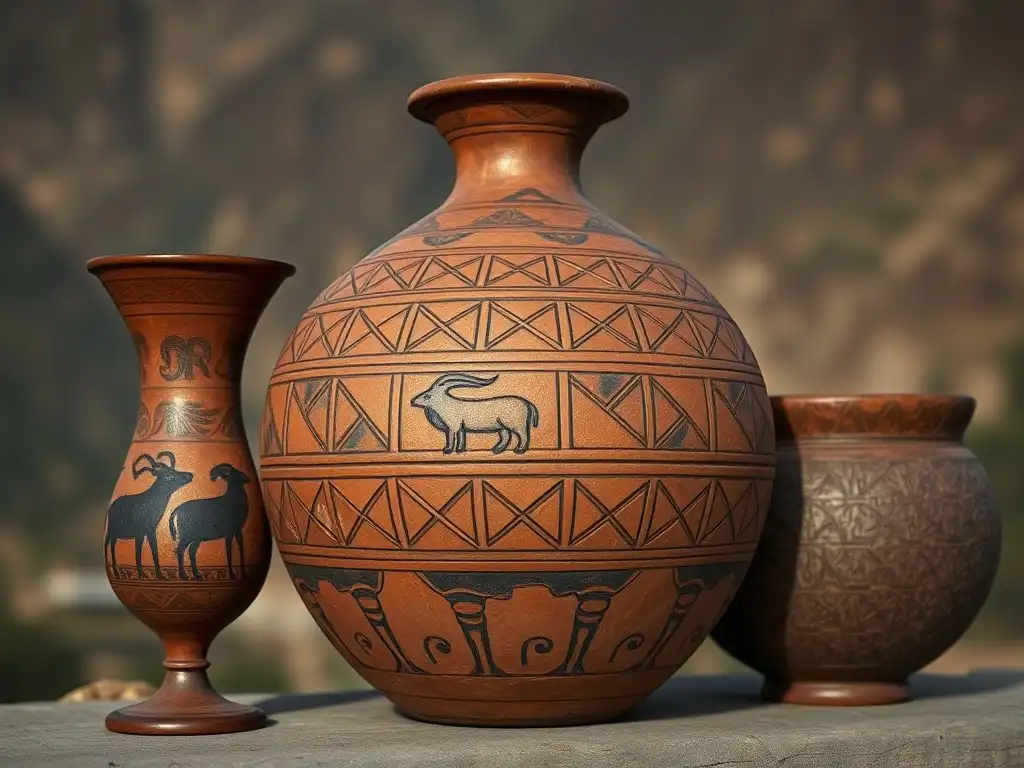
The Andes Mountains, a spine of towering peaks and fertile valleys, fostered a remarkable diversity of Pre-Incan cultures. This geographical complexity is directly reflected in the rich tapestry of their ceramic traditions. Analyzing Pre-Incan highland pottery styles reveals not just aesthetic preferences, but also intricate connections to local environments, technological innovations, and socio-political structures.
Understanding these regional variations provides crucial insights into the complex interplay between culture and geography in the pre-Columbian Andes. The sheer variety of pottery found across different regions underscores the decentralized nature of Andean societies before the Inca expansion, with each area developing unique artistic expressions. This section will delve into some key regional differences, focusing on the impact of readily available materials, the evolution of shapes and decorative motifs, and the diverse firing techniques employed.
The Influence of Local Materials on Pottery Design
The availability of local clays significantly impacted the color and texture of Pre-Incan pottery. For example, regions with high concentrations of iron oxides in their clay produced ceramics ranging from deep reds to vibrant oranges, as seen in the pottery of the Nazca culture. In contrast, areas with clays rich in other minerals yielded different palettes.
The Moche culture, known for its sophisticated artistic achievements, utilized clays that resulted in a wider range of colors, including creamy yellows, blacks, and browns, often combined in intricate polychrome designs. This direct link between the geological composition of the region and the resulting ceramic aesthetic highlights the deep connection between the Andean peoples and their environment. Furthermore, the use of temper – materials added to the clay to improve its workability and strength – also varied regionally.
Some cultures used crushed rock or sand, while others incorporated organic materials like crushed plant fibers or shell fragments. The choice of temper impacted the final texture and durability of the pottery, further contributing to the regional diversity of Pre-Incan highland pottery styles.
The Diversity of Shapes and Decoration in PreIncan Pottery
Pre-Incan highland pottery exhibits an astonishing diversity of shapes and decorative styles. Beyond the ubiquitous bowls and jars, we find a wide array of specialized vessels, each reflecting specific cultural practices and beliefs. For example, the Tiahuanaco culture is recognized for its distinctive, large-capacity vessels with geometric designs, often featuring stylized animal and human figures. These vessels may have been used for ceremonial purposes or for storing significant quantities of food or liquids.
Conversely, the Nazca culture is renowned for its intricate polychrome pottery, featuring elaborate depictions of mythological beings, scenes of daily life, and complex geometric patterns. These designs, often executed with exceptional precision, are testament to the advanced artistic skills of the Nazca potters. The Moche culture, known for its naturalistic representations, produced exceptional portrait vessels that vividly capture human and animal forms with remarkable detail.
This diversity in shapes and decorative styles not only reflects the artistic creativity of the different Andean cultures but also provides valuable insights into their social hierarchies, religious beliefs, and daily routines. The iconography found on these vessels offers a window into their worldview, revealing their myths, rituals, and interactions with the natural world. The sheer variety in styles serves as a powerful testament to the rich and varied cultural landscape of the Pre-Incan Andes.
Exploring Regional Differences in Firing Techniques
The firing techniques employed by Pre-Incan potters also varied considerably across different regions. While many cultures utilized open-air firing, others developed more sophisticated methods. The precise techniques used influenced the final appearance and durability of the pottery. Some regions employed reduction firing, limiting the amount of oxygen during the firing process, resulting in darker, more matte finishes.
Other regions used oxidation firing, providing ample oxygen and leading to brighter, more vibrant colors. The temperature and duration of the firing process also played a significant role in determining the final product. Careful control over these factors allowed potters to achieve specific aesthetic effects and ensure the durability of their wares.
The development of more advanced firing techniques suggests a level of technological sophistication, and the regional variations point to independent developments and innovations within the Andean highlands. Further research is needed to fully understand the nuances of firing techniques in different Pre-Incan regions and their impact on the overall diversity of Pre-Incan highland pottery styles. The variations observed highlight the ingenuity and adaptability of Andean ceramic production, demonstrating a remarkable capacity for innovation within geographically distinct communities.
Specific Pre-Incan Pottery Styles
This section delves into the unique characteristics of several significant PreIncan highland pottery styles, focusing on their distinctive features, decorative elements, and cultural significance. Understanding these styles offers crucial insights into the diverse artistic expressions and technological advancements of the pre-Columbian Andean highlands. The analysis below will highlight the remarkable artistry and craftsmanship that defined these ancient cultures, showcasing their innovative techniques and symbolic representations. We will explore the evolution of pottery forms and the cultural context in which they were created, adding depth to our understanding of PreIncan highland pottery styles.
The Chiripa Style of the Lake Titicaca Region
The Chiripa culture, flourishing around the Lake Titicaca basin from approximately 1500 to 500 BCE, produced pottery that stands out for its distinctive characteristics. This style represents an important early stage in the development of Andean ceramic traditions, laying the groundwork for later styles. The Chiripa style significantly contributes to our understanding of PreIncan highland pottery styles.
Characteristics of Chiripa Pottery
Chiripa pottery is primarily characterized by its simple, often crude forms. Vessels are generally small to medium-sized, with a preference for bowls, jars, and pitchers. The clay itself is typically coarse and sandy, often containing visible inclusions of grit. The surface finish is frequently uneven, lacking the polished refinement seen in later Andean pottery.
A defining feature is the use of a reddish-brown clay, although variations in color do exist depending on the specific firing process and the clay source. The lack of sophisticated wheel-throwing techniques is evident in the hand-built nature of these pieces. Many examples show visible hand-marks and imperfections, adding to their rustic charm and historical authenticity.
Decorative Motifs and Their Meaning
While Chiripa pottery is not characterized by elaborate decoration, some pieces feature simple incised or painted designs. Geometric patterns, such as lines, triangles, and zigzags, are common. These motifs, while seemingly basic, likely held significant cultural meaning, potentially representing cosmological ideas or clan affiliations.
Unfortunately, the precise interpretation of these motifs remains challenging due to a limited understanding of the Chiripa culture's symbolic language. Further research, including archaeological excavations and comparative studies, is necessary to fully decipher the meaning behind these decorative elements. More detailed analysis of existing specimens, combined with potential future discoveries, will undoubtedly enhance our understanding of PreIncan highland pottery styles, specifically the Chiripa style.
The Pucara Style of the Northern Titicaca Basin
The Pucara culture, which flourished in the northern Lake Titicaca basin from approximately 200 BCE to 200 CE, is renowned for its distinctive and highly stylized pottery. This style represents a significant advancement in both form and decoration compared to the earlier Chiripa style, showcasing a clear evolution in Andean ceramic artistry. The Pucara style is a key component in the broader spectrum of PreIncan highland pottery styles.
Characteristics of Pucara Pottery
Pucara pottery is characterized by its elegant, often anthropomorphic and zoomorphic forms. The use of a fine-grained, well-prepared clay resulted in a smoother, more refined surface finish than that seen in Chiripa pottery. A hallmark of the Pucara style is the use of a distinctive reddish-brown clay, often burnished to a high sheen. Many vessels are meticulously crafted, exhibiting a high degree of technical skill.
Common forms include stirrup-spouted vessels, effigy jars (depicting human or animal figures), and bowls with intricate designs. The integration of both functional and artistic elements is a prominent feature of Pucara pottery. The production of such sophisticated pieces suggests a high level of social organization and specialized craft production within the Pucara society.
Use and Function of Pucara Pottery
Pucara pottery served various functions, ranging from utilitarian to ceremonial. Stirrup-spouted vessels were likely used for carrying liquids, while effigy jars possibly served as containers for offerings or had ritualistic purposes. The intricate designs and high-quality craftsmanship suggest that some pieces were highly valued objects, potentially used in elite contexts or important ceremonies. The presence of anthropomorphic and zoomorphic figures indicates a strong connection between the pottery and the Pucara people's religious beliefs and worldview.
Analyzing the context of discovery of these artifacts provides further clues to their function and significance within the broader social and religious landscape of the Pucara culture. This further contributes to a richer understanding of PreIncan highland pottery styles. The precise use and social significance of many pieces remains a subject of ongoing research and investigation.
The Tiwanaku Style of the Southern Lake Titicaca Basin
The Tiwanaku culture, flourishing between 500 and 1000 CE in the Southern Lake Titicaca Basin, produced some of the most iconic and recognizable PreIncan highland pottery styles. Their ceramic tradition is characterized by a sophisticated level of artistry and technical skill, reflecting the power and influence of this significant Andean civilization. The Tiwanaku people weren't just creating functional vessels; their pottery served as powerful symbols of their beliefs, social structure, and artistic prowess.
Understanding their pottery offers a crucial window into their complex society and worldview. The unique characteristics of their pottery distinguished it from other contemporaneous styles, solidifying its place as a significant contributor to the broader tapestry of PreIncan artistic expression in the highlands. The legacy of Tiwanaku pottery continues to inspire awe and fascination, providing a tangible link to the past and a testament to the ingenuity of the Andean artisans.
Characteristics of Tiwanaku Pottery
Tiwanaku pottery is easily identifiable due to several distinct characteristics. A common feature is the use of fine, polished surfaces, often exhibiting a deep black or reddish-brown color. The artisans achieved this through careful preparation of the clay and advanced firing techniques. Many pieces feature intricate designs, including geometric patterns, stylized animal figures (often camelids and birds), and stepped motifs reflecting their architectural style.
These designs were frequently created using various techniques, such as incision, stamping, and painting. The shapes of the vessels themselves are also noteworthy, ranging from simple bowls and jars to more complex forms, such as stirrup-spout vessels—characteristic of the region—and large storage containers. The size and complexity of the pottery varied depending on its intended purpose, with smaller pieces perhaps used for ritual or domestic purposes, while larger ones were likely used for storage or ceremonial contexts.
The use of specific colors and motifs might also have indicated social status or ritual significance. Analysis of the clay itself reveals the sourcing of materials, offering insights into trade networks and the movement of people across the region. The precision and skill evident in Tiwanaku pottery speak to a highly organized and specialized craft production system.
Evolution of Tiwanaku Pottery Over Time
The Tiwanaku pottery style wasn't static; it evolved over the centuries. Early Tiwanaku pottery, dating back to the initial phase of the culture's development, often displays simpler designs and less refined techniques compared to later periods. As the Tiwanaku state expanded its influence and power, its ceramic production also became more sophisticated, reflecting this increased complexity.
The use of more elaborate designs and the refinement of techniques such as painting suggest an increased level of specialization and division of labor within the society. Later Tiwanaku pottery exhibits a broader range of shapes and styles, indicating a greater diversity of function and perhaps also a wider range of social roles. The evolution of Tiwanaku pottery mirrors the broader trajectory of the Tiwanaku state itself, with its rise, peak, and eventual decline reflected in the changes observed in the ceramic record.
Careful study of these changes allows researchers to trace the cultural and political shifts that occurred within the Tiwanaku civilization over time. Further research, including detailed stylistic analysis and radiocarbon dating, continues to refine our understanding of the evolution of these fascinating PreIncan highland pottery styles. The chronological changes in Tiwanaku pottery highlight the dynamic nature of this culture and its adaptation to changing circumstances.
The Role of Pottery in Pre-Incan Society
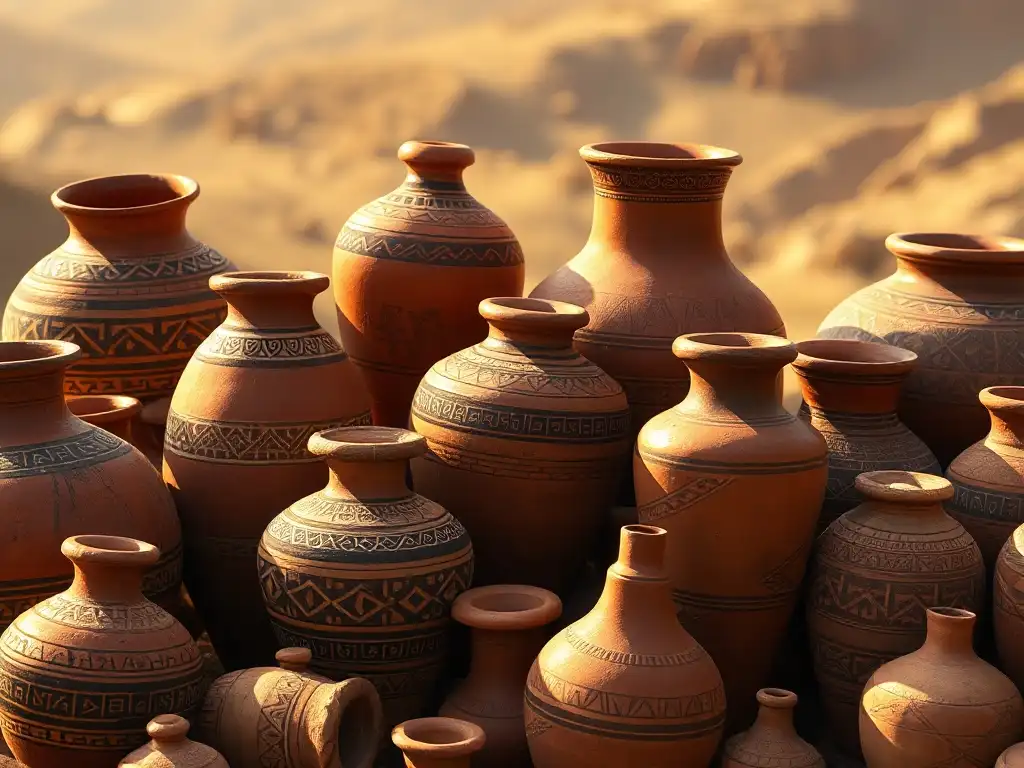
Pottery wasn't merely a utilitarian art form in the Pre-Incan highlands; it held profound social, economic, and religious significance. The creation and use of ceramic vessels permeated all aspects of life, reflecting the complex social structures and belief systems of the various cultures inhabiting the region. Understanding the role of pottery provides crucial insights into the daily lives, social hierarchies, and spiritual practices of these fascinating civilizations.
The sheer volume and variety of surviving pottery fragments, from simple cooking pots to elaborately decorated ceremonial vessels, underscore its central place in Andean society. Analysis of these artifacts, combined with archaeological evidence from settlements and burial sites, allows us to reconstruct a detailed picture of Pre-Incan life and cultural practices.
The intricate designs, diverse forms, and the materials used all contribute to a rich tapestry of information about these ancient cultures. Even the methods of production, from the sourcing of clay to the firing techniques employed, reveal valuable information about technological advancements and regional variations.
The style, decoration, and materials used in Pre-Incan pottery often served as clear indicators of social status. Elaborately decorated vessels, often featuring intricate painted designs or sculpted figures, were likely reserved for the elite. These pieces, frequently found in elite burials or ceremonial contexts, showcase advanced artistic skills and access to high-quality materials.
For example, the use of rare pigments, such as certain shades of blue or vibrant reds, or the incorporation of precious metals like gold or silver in the decoration, instantly elevates the status of the vessel and, by extension, its owner. Conversely, simpler, undecorated vessels, typically made from coarser clay, were likely used by the common populace for everyday tasks. This clear distinction in pottery styles reflects the stratified social structures present in many Pre-Incan societies.
Archaeological investigations consistently reveal this correlation between pottery quality and social rank, providing compelling evidence for this hypothesis. Further research into specific burial sites and their associated grave goods could offer even more nuanced insights into this aspect of Pre-Incan social organization.
The Function of Ceramic Vessels in Daily Life
Pre-Incan highland pottery fulfilled a wide range of practical functions in daily life. From cooking and storage to serving food and water, ceramic vessels were essential tools in Andean households. The diversity of forms reflects this functional variety.
Large, sturdy jars were used for storing grains and other provisions, while smaller bowls and plates served for eating and drinking. Specialized vessels were also created for specific tasks, such as preparing chicha (a fermented corn beverage) or processing textiles. The shapes and sizes of these vessels varied considerably across different regions and cultures, reflecting regional variations in dietary habits and technological adaptations.
For example, the types of cooking pots found in higher altitude regions often differed from those found in lower, warmer areas, adapting to varying cooking needs and fuel sources. Detailed analysis of the residues found within these vessels can even reveal specific dietary information, providing invaluable insights into the daily routines and culinary practices of these ancient people.
Pottery and Ritual Practices in the Pre-Incan Highlands
Pottery played a significant role in the religious and ritual practices of Pre-Incan highland cultures. Many vessels were specifically crafted for use in ceremonies and religious offerings. These ceremonial vessels often featured elaborate designs and iconography, reflecting the complex belief systems and cosmological views of these societies.
For instance, depictions of deities, mythical creatures, or scenes from religious narratives were commonly incorporated into the designs. Furthermore, some vessels were specifically shaped to represent deities or other sacred objects, indicating their importance in religious rituals. The discovery of pottery in burial contexts, often accompanied by other grave goods, further emphasizes its ritual significance.
The presence of specific types of pottery in certain burial sites may indicate specific funerary rituals or beliefs associated with particular social groups or deities. Analyzing the style, decoration, and context of these ritual vessels provides critical information for understanding the religious beliefs and practices of the Pre-Incan cultures of the highlands. Further study of these artifacts, in conjunction with ethnohistorical accounts and other archaeological evidence, can significantly enhance our understanding of Andean religious traditions.
Technological Advances in Pre-Incan Pottery
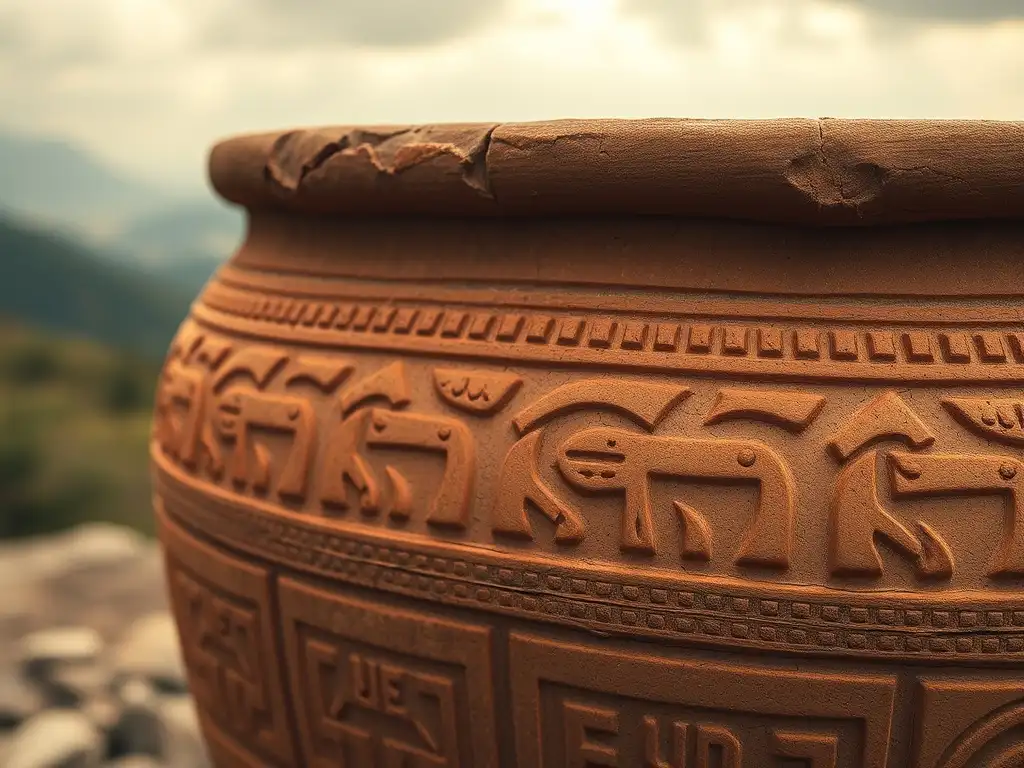
The remarkable artistry of Pre-Incan highland pottery styles wasn't solely a matter of aesthetic skill; significant technological advancements propelled the development of these unique ceramic traditions. Understanding these innovations provides crucial insight into the ingenuity and sophistication of Andean cultures before the Inca Empire. This section will delve into the key technological leaps that shaped Pre-Incan ceramic production, examining techniques, kiln innovations, and the masterful use of slips and pigments.
Pre-Incan Ceramic Production Techniques
Pre-Incan potters employed a range of sophisticated techniques to create their distinctive wares. The process began with clay selection – different clays yielded varying textures and colors, influencing the final product. Evidence suggests that potters often mixed different clays to achieve desired properties, a testament to their empirical understanding of materials science. The clay was then meticulously prepared, often involving lengthy periods of drying and kneading to remove impurities and achieve the right consistency.
Several techniques were used to shape the vessels. Coil building, a method of layering coils of clay to form the pot's body, was prevalent. This allowed for the creation of large and complex forms. Potters also utilized molds, particularly for mass production of simpler shapes, or for creating intricate relief designs. The precision and consistency observed in many Pre-Incan pieces point towards a high degree of skill and standardization in these techniques. Finally, after shaping, the pots underwent careful smoothing and finishing before firing.
Innovations in Kiln Technology
The development of efficient kiln technology was crucial to the success of Pre-Incan pottery. Early kilns were likely simple open-air structures, but over time, more sophisticated designs emerged. These later kilns allowed for better temperature control and more consistent firing, resulting in stronger, more durable, and aesthetically pleasing pottery. Archaeological evidence suggests the use of both updraft and downdraft kilns, with variations in design reflecting regional differences and technological experimentation.
The ability to achieve higher firing temperatures was key to developing harder, more vitrified ceramics, resistant to cracking and capable of holding liquids effectively. The precise nature of fuel used (e.g., wood, dung) remains an area of ongoing research, but its impact on the final product is undeniable. The evolution of kiln technology directly correlates with the increasing complexity and sophistication observed in Pre-Incan highland pottery styles.
The Use of Slips and Pigments in Pre-Incan Pottery
The vibrant colors and intricate designs characteristic of many Pre-Incan ceramics were achieved through the skillful application of slips and pigments. Slips, essentially a liquid clay suspension, served as a base coat, improving the pot's surface and providing a foundation for decoration. Different clays and mineral additions yielded a variety of slip colors, ranging from creamy whites and yellows to deep reds and browns.
Pigments, derived from natural sources such as minerals and plant matter, were then applied to the dried slip. Techniques ranged from simple brushstrokes to intricate painting and stamping. The use of resist techniques, where certain areas were protected from pigment application to create patterns, further demonstrates the advanced level of artistic and technical skill.
The permanence and vibrancy of many Pre-Incan pigments suggest a deep understanding of chemical processes involved in color fixation and the selection of durable natural materials. The sophisticated use of slips and pigments is a key element distinguishing Pre-Incan highland pottery styles.
The Legacy of Pre-Incan Highland Pottery Styles
The artistry and technology reflected in Pre-Incan highland pottery styles represent a significant chapter in Andean cultural history. These styles, far from being homogenous, reveal a fascinating tapestry of regional variations, each telling a unique story of adaptation, innovation, and artistic expression within the challenging Andean environment. The sheer diversity of forms, decorations, and techniques employed across different cultures and time periods underscores the importance of studying these artifacts to understand the complexities of Pre-Incan societies.
From the intricate designs of the Nazca to the sophisticated techniques of the Tiahuanaco, each civilization left its indelible mark on the ceramic landscape of the Andes. Understanding this legacy is crucial to appreciating the broader development of Andean art and technology.
The enduring influence of these styles on later Inca pottery, for example, is undeniable, showing a clear continuity and evolution of techniques. This section delves into the lasting impact of these remarkable creations.
Influence of Pre-Incan Ceramics on Later Andean Cultures
The Pre-Incan highland pottery styles served as a crucial foundation upon which later Andean cultures, including the Inca, built their own ceramic traditions. While the Inca Empire developed its own distinctive styles, characterized by standardized forms and imperial iconography, the influence of earlier traditions is readily apparent. For instance, the sophisticated techniques of surface decoration, such as negative painting and the use of multiple colors, developed by cultures like the Moche and Nazca, were adopted and refined by Inca potters.
Similarly, the use of specific clay types and firing methods, perfected over centuries by Pre-Incan communities, continued to be employed throughout the Inca period. This continuity demonstrates a strong link between the artistic and technological achievements of Pre-Incan societies and the flourishing ceramic traditions of the Inca Empire. The Inca, in essence, inherited a rich legacy and built upon it, demonstrating the enduring power of these earlier traditions.
Analyzing the stylistic shifts and continuities reveals a complex interplay between innovation and tradition in Andean ceramic production. This wasn't simply imitation; it was an adaptation and refinement of existing knowledge and artistry. The Inca Empire's success, in part, can be attributed to its ability to integrate and build upon the technological and artistic foundations laid down by its predecessors.
The Importance of Preserving Pre-Incan Ceramic Heritage
The preservation of Pre-Incan ceramic heritage is paramount for several reasons. Firstly, these artifacts provide invaluable insights into the daily lives, beliefs, and artistic expressions of past Andean societies. The intricate designs often depict scenes from daily life, religious ceremonies, or mythological narratives, offering glimpses into the worldview of these ancient cultures. Secondly, the preservation of these fragile objects safeguards a significant part of Peru's cultural identity and heritage.
These ceramics are not mere objects; they are tangible links to the past, connecting contemporary Peruvians with their ancestors. The loss of these artifacts would represent an irreplaceable loss of cultural knowledge and historical understanding. Furthermore, the scientific study of Pre-Incan pottery, including analysis of the clay composition, pigments, and firing techniques, provides crucial data for understanding ancient technologies and environmental conditions.
This information is valuable not only for archaeologists and anthropologists but also for materials scientists and conservationists. The challenge lies in balancing the need for research and conservation with the ethical considerations of protecting these culturally significant pieces. Proper storage, conservation techniques, and responsible archaeological practices are essential for ensuring the long-term preservation of this invaluable heritage.
Continuing Research on Pre-Incan Pottery Traditions
Research into Pre-Incan pottery traditions continues to evolve, driven by advancements in scientific techniques and a growing understanding of the complexities of Andean societies. Recent studies employing techniques such as X-ray fluorescence (XRF) spectroscopy and gas chromatography-mass spectrometry (GC-MS) allow for a more precise analysis of the clay composition, pigments, and organic residues present on the pottery. This detailed analysis can reveal information about the sourcing of raw materials, the manufacturing processes, and even the dietary habits of ancient Andean populations.
Furthermore, ongoing archaeological excavations continue to unearth new ceramic finds, expanding our understanding of regional variations and stylistic developments. These discoveries often challenge existing theories and necessitate a reassessment of our understanding of Pre-Incan cultures. The interdisciplinary nature of this research, involving archaeologists, anthropologists, chemists, and conservators, is crucial for a comprehensive understanding of these complex artifacts.
The integration of these diverse perspectives allows for a richer and more nuanced interpretation of Pre-Incan pottery, providing a more complete picture of these remarkable ancient civilizations. The field is constantly evolving, with new discoveries and analytical methods promising to further illuminate the rich tapestry of Pre-Incan highland pottery styles. The future of this research holds great promise for enriching our knowledge of Andean history and culture.
Conclusion: Appreciating the Art of Pre-Incan Highland Ceramics
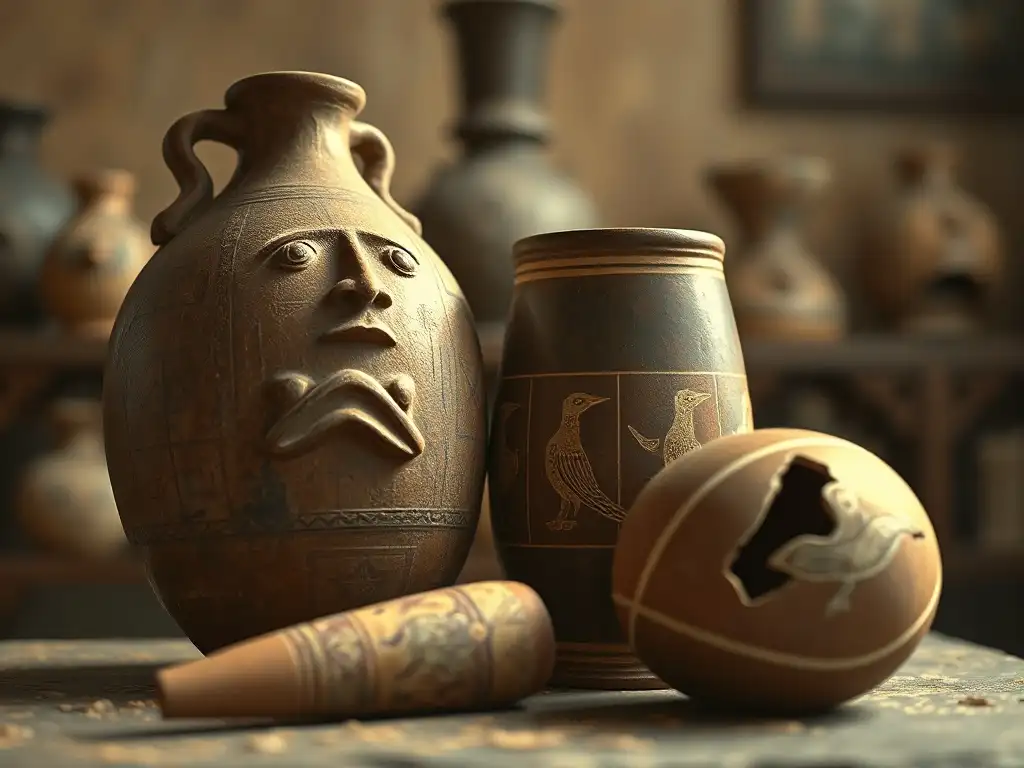
This exploration of PreIncan highland pottery styles reveals a captivating tapestry of artistic expression and technological innovation. From the intricate designs of the Nazca to the bold forms of the Moche, each culture left an indelible mark on the ceramic landscape of the Andes. Understanding these styles is crucial not only for appreciating the aesthetic achievements of these societies but also for gaining a deeper understanding of their beliefs, social structures, and daily lives.
The diversity in styles, techniques, and iconography reflects the vibrant cultural dynamism that characterized the pre-Inca period. The enduring legacy of these ceramics serves as a testament to the ingenuity and artistic prowess of Andean peoples. Their pottery continues to inspire awe and fascination, reminding us of the rich cultural heritage that shaped the Andes.
The Significance of Pre-Incan Pottery for Understanding Andean History
Pre-Incan pottery provides invaluable insights into the history of the Andean region. The stylistic changes observed across different time periods and geographical locations offer a chronological framework for understanding cultural evolution and interaction. For example, the shift from simple, utilitarian vessels to more elaborate, decorated pieces reflects societal changes and the development of complex social hierarchies.
Iconography found on pottery, such as depictions of deities, rituals, and daily life, offers direct evidence of religious beliefs, social practices, and agricultural techniques. The distribution of specific pottery styles across different regions helps archaeologists trace trade routes and understand the extent of cultural exchange between different groups. Detailed analysis of ceramic fragments, including chemical composition and stylistic features, can even help pinpoint the origins of specific workshops and shed light on the organization of pottery production.
Essentially, PreIncan pottery acts as a primary source for reconstructing the past, offering a tangible link to the lives and beliefs of ancient Andean communities. Analyzing the evolution of PreIncan highland pottery styles illuminates the complex social and political dynamics that predate the Inca Empire.
The Artistic and Technological Skill of Pre-Incan Potters
The creation of PreIncan pottery was a sophisticated process requiring considerable skill and technical expertise. Potters employed a variety of techniques, including coil building, paddle-and-anvil modeling, and mold making, to create vessels of diverse shapes and sizes. The mastery of firing techniques, including the use of different kilns and firing temperatures, allowed for the production of durable and aesthetically pleasing ceramics.
The application of pigments and slip, often using natural materials like clays and minerals, resulted in a stunning array of colors and surface finishes. Intricate designs, ranging from geometric patterns to realistic depictions of animals and humans, were meticulously applied using techniques such as painting, incision, and stamping. The precision and artistry evident in these pieces demonstrate a high level of technical proficiency and aesthetic sensibility.
Furthermore, the consistent quality of many surviving pieces suggests a degree of specialization and possibly even the existence of specialized pottery workshops or guilds. The sheer variety and sophistication of PreIncan pottery techniques highlight the advanced technological capabilities of these ancient societies.
Reflecting on the Enduring Legacy of Pre-Incan Ceramic Art
The legacy of PreIncan ceramic art extends far beyond its historical significance. These objects continue to inspire contemporary artists and designers, influencing new forms of creative expression. Museums and archaeological sites worldwide showcase these remarkable pieces, attracting visitors and scholars alike.
The vibrant colors, intricate designs, and evocative forms of PreIncan pottery capture the imagination and provide a window into a rich and complex past. The enduring appeal of these artifacts lies not only in their aesthetic qualities but also in their capacity to connect us to the people who created them. The study of PreIncan pottery fosters a deeper appreciation for the cultural achievements of Andean civilizations and highlights the importance of preserving and protecting this invaluable heritage.
The enduring legacy of these ceramics ensures that the artistry and ingenuity of ancient Andean potters will continue to be celebrated and studied for generations to come. The study of PreIncan highland pottery styles remains a vibrant field of research, constantly revealing new insights into the artistic and technological achievements of these ancient cultures. 🏺
Frequently Asked Questions
What are some of the key characteristics of PreIncan highland pottery styles?
PreIncan highland pottery is characterized by its diverse regional styles, reflecting the varied cultures that inhabited the Andes. Common features include geometric designs, anthropomorphic and zoomorphic representations, and the use of specific clay types and firing techniques.
How did the geography of the Andes influence pottery styles?
The rugged terrain of the Andes impacted pottery production, with local variations in clay sources and stylistic preferences. Accessibility to resources and trade routes also influenced the distribution and evolution of pottery styles.
What were some of the purposes of PreIncan highland pottery?
PreIncan pottery served various purposes, including ceremonial rituals, everyday use (storage, cooking), and elite displays of power and status. Elaborate vessels were used in offerings and burials.
Which PreIncan cultures are most known for their distinctive pottery?
Cultures like the Moche, Nazca, and Tiahuanaco are renowned for their distinct pottery styles. Each displayed unique artistic characteristics, reflecting their respective cultural beliefs and practices.
Where can I learn more about PreIncan highland pottery styles?
Museums showcasing Andean artifacts, academic journals, and books on Andean archaeology are excellent resources. Online databases and virtual museum collections offer further exploration of PreIncan pottery.
Final Reflection: Echoes of the Andes: A Legacy in Clay
The intricate artistry of Pre-Incan highland pottery continues to resonate today, a testament to the enduring power of human creativity and cultural expression. These ancient vessels, far from being mere utilitarian objects, serve as powerful windows into a complex society, revealing intricate social structures, religious beliefs, and artistic innovations that continue to inspire awe and wonder. Their vibrant colors and sophisticated techniques stand as a challenge to our modern understanding of craftsmanship and artistic skill.
The enduring influence of Pre-Incan pottery styles is undeniable, shaping not only our understanding of Andean history but also influencing contemporary artistic movements. Their unique aesthetic, characterized by bold geometric patterns and symbolic representations, has found its way into modern art, fashion, and design, proving the timeless appeal of these ancient forms. The past is never dead. It's not even past.
– William Faulkner. This quote perfectly encapsulates the persistent relevance of Pre-Incan pottery, its echoes reverberating through time and inspiring new generations of artists and scholars.
Consider the legacy of these skilled artisans. Their hands, shaping the clay, left behind not just beautiful objects, but a tangible connection to a vibrant past. You too can connect with this legacy. Take a moment to appreciate the artistry involved in creating something beautiful and enduring. Seek out examples of Pre-Incan pottery in museums or online, and allow yourself to be transported to the highlands of ancient Peru. Let the echoes of their creativity inspire your own journey of discovery and appreciation for the enduring power of art.
Uncover the Beauty of Pre-Incan Ceramics!
Thank you for exploring the vibrant world of Pre-Incan ceramics from the Andean Highlands! We hope you've been inspired by the rich artistry and historical significance of these remarkable pottery styles. To further explore this fascinating topic, consider these suggestions:
- Enroll in a pottery class to experience the art of ceramics firsthand and unlock your creativity.
- Share this article with friends, fellow art enthusiasts, or on social media to spark conversations about ancient crafts and their enduring legacy.
- Visit a museum with a collection of Pre-Incan artifacts to appreciate the intricate designs and techniques up close.
What aspect of Pre-Incan ceramics resonated most with you, and how do you perceive its influence on contemporary art?