
The Foundations of Empire: How PreIncan Cultures Shaped the Inca State

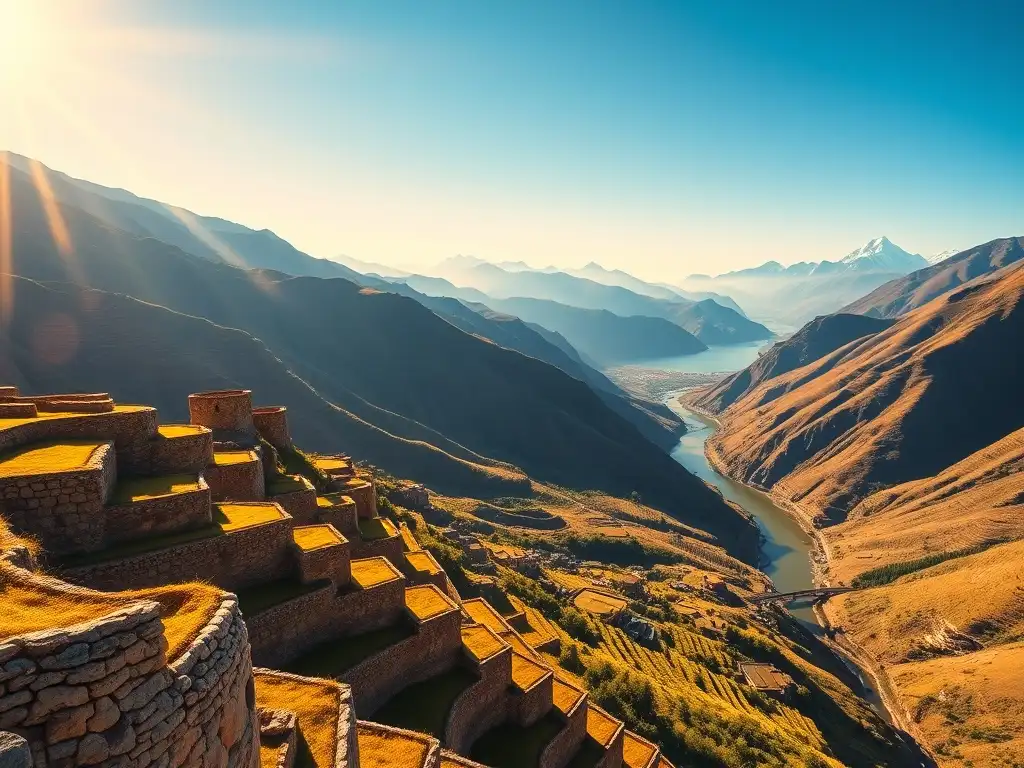
Uncover the mysteries hidden within the towering Andes! Before the Inca Empire rose to prominence, a tapestry of vibrant civilizations flourished, leaving behind a legacy of breathtaking artistry and sophisticated engineering. Dive into the fascinating world of PreInca Andean civilizations, exploring the remarkable achievements of cultures like the Moche and Nazca, and discover how their innovations laid the foundation for the Inca state. Prepare to be amazed by the ingenuity and resilience of these ancient societies – their stories are waiting to be revealed.
- The Foundations of Empire: How PreInca Cultures Shaped the Inca State
- Understanding Pre-Incan Andean Civilizations: A Legacy of Innovation
- The Chavín Culture: Religious and Artistic Influence on the Andes
- The Nasca Culture: Engineering and Artistic Mastery in the Desert
- The Moche Culture: Social Hierarchy and Artistic Realism
- The Wari Empire: Expansion and Urban Planning in the Highlands
- The Tiwanaku Culture: Agricultural Innovations and Trade Networks
- The Legacy of Pre-Inca Andean Civilizations: Shaping the Inca Empire
- The Importance of Studying Pre-Inca Societies: A Deeper Understanding of the Andes
- Conclusion: A Tapestry of Cultures Leading to the Inca State
-
Frequently Asked Questions
- What are some important PreInca Andean civilizations?
- How did PreInca civilizations influence Inca culture?
- What technological advancements did PreInca civilizations achieve?
- What were some of the significant artistic achievements of PreInca cultures?
- How did the social structures of PreInca civilizations differ from the Inca Empire?
- Final Reflection: Echoes of the Andes: A Legacy Forged in Stone and Spirit
- **Unveil the Legacy of Pre-Incan Cultures! **
The Foundations of Empire: How PreInca Cultures Shaped the Inca State
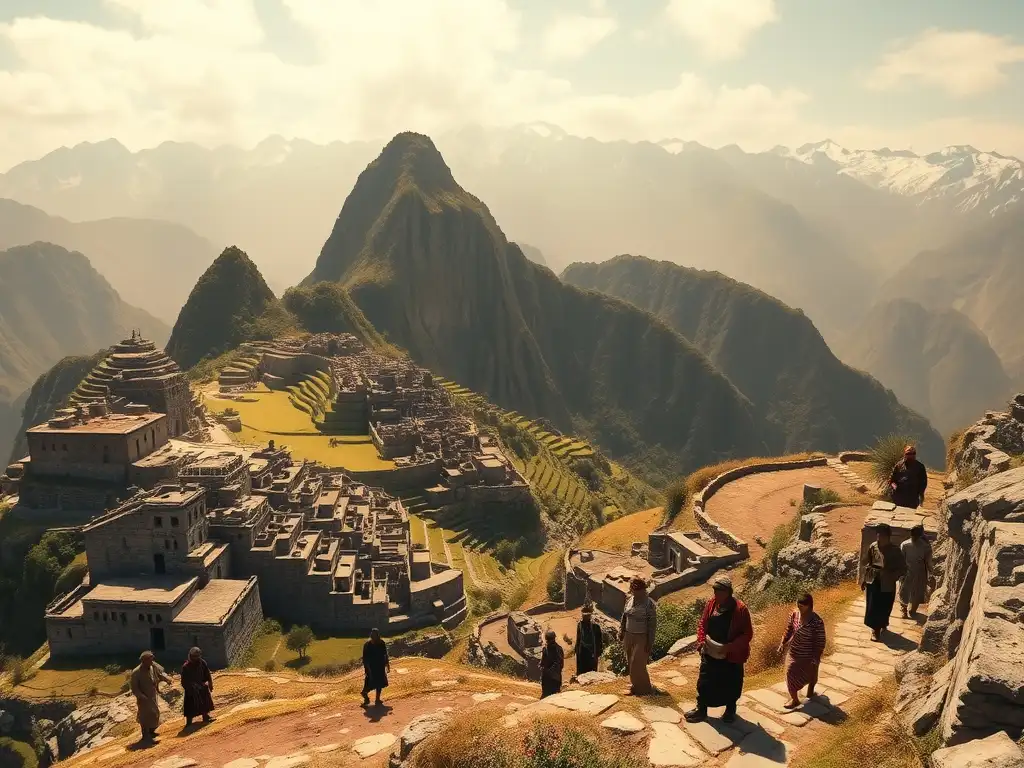
The Inca Empire, a marvel of engineering and political organization, didn't emerge in a vacuum. Its impressive achievements were built upon the foundations laid by centuries of preceding Andean civilizations. Understanding the sophisticated societies that thrived in the Andes before the Inca rise is crucial to grasping the full complexity and ingenuity of the Inca state.
This article explores the significant contributions of various Pre-Inca Andean civilizations – focusing on their advancements in agriculture, urban planning, religious beliefs, and administrative structures – revealing how these cultures directly influenced the development and success of the Inca Empire. We will delve into the rich tapestry of Pre-Inca societies, showcasing their remarkable achievements and highlighting their lasting impact on the Inca legacy.
By examining the intricate interplay between these cultures, we gain a deeper appreciation for the rich and layered history of the Andean region and the evolution of the Inca civilization, a testament to the cumulative efforts of generations. The keyword, "Pre-Inca Andean civilizations," will be explored throughout this article, examining its multifaceted nature and significance.
Agricultural Innovations and Their Impact
The success of any empire hinges on its ability to sustain its population. Pre-Inca cultures mastered sophisticated agricultural techniques ideally suited to the challenging Andean terrain. They developed innovative irrigation systems, terraced farming, and the cultivation of diverse crops, including potatoes, maize, and quinoa.
These methods ensured food security and supported population growth, creating a stable base upon which future empires could build. The Nazca, for instance, are renowned for their extensive irrigation canals, some stretching for miles across arid landscapes. The ingenuity of these systems allowed them to flourish in seemingly inhospitable environments, a testament to their agricultural expertise.
This knowledge of water management and crop diversification was directly inherited and expanded upon by the Inca, who further refined and perfected these techniques, ensuring the food security of their vast empire. The impact of these Pre-Inca agricultural advancements cannot be overstated; they were fundamental to the Inca's ability to sustain their large population and build a powerful empire.
Urban Planning and Architectural Marvels
Pre-Inca societies also exhibited remarkable skills in urban planning and architecture. Cities like Chan Chan (Chimú culture) and Tiahuanaco stand as testaments to their advanced understanding of urban design and engineering. Chan Chan, with its intricate network of palaces and residential compounds, showcases a sophisticated understanding of urban organization and social hierarchy.
Tiahuanaco's monumental architecture, including the famous Gate of the Sun, highlights the impressive scale of their construction projects and their mastery of stonework. These urban centers not only served as administrative hubs but also as religious and ceremonial centers, reflecting the importance of these aspects in their societies.
The Inca, drawing upon the achievements of their predecessors, further developed these urban planning principles, creating impressive cities like Machu Picchu, Cusco, and Ollantaytambo, which combined practical functionality with religious and symbolic significance. The legacy of these Pre-Inca urban achievements is visible in the Inca's impressive urban planning and architectural innovations.
Religious Beliefs and Ritual Practices
Religious beliefs played a central role in the lives of Pre-Inca Andean peoples. Their complex cosmologies, reflected in their art and architecture, provided a framework for understanding the world and their place within it. The Nazca lines, for example, are thought to have had a significant religious significance, possibly related to astronomical observations and ritual practices.
The Moche culture, known for its elaborate pottery depicting religious ceremonies and mythical beings, demonstrates the importance of religious rituals in their society. These diverse religious traditions, with their emphasis on ancestor veneration, nature worship, and celestial observation, were absorbed and adapted by the Inca, who integrated many of these elements into their own religious system.
The Inca state religion, while incorporating its own unique elements, owed a considerable debt to the rich and diverse religious tapestry woven by earlier Andean cultures. The continuity and evolution of religious beliefs across different Pre-Inca and Inca societies highlights the enduring power of religious traditions in shaping Andean cultures.
The Inca's highly organized administrative system, with its intricate network of officials and tribute collection, didn't materialize spontaneously. Pre-Inca cultures had already developed sophisticated systems of social organization and governance. The Wari and Tiwanaku empires, for instance, controlled vast territories and implemented complex administrative structures to manage their resources and populations.
These earlier empires demonstrated the feasibility and effectiveness of centralized governance, providing a blueprint for the Inca's own imperial administration. The Inca's achievements in administration built upon the existing frameworks established by these earlier Andean societies, adapting and refining them to meet the needs of their expanding empire.
The efficient administrative structures of the Inca state were, therefore, the culmination of a long process of development and refinement, drawing heavily on the organizational models of their Pre-Inca predecessors. The evolution of Andean administrative structures reveals a gradual progression toward increasingly sophisticated systems of governance, culminating in the Inca Empire's remarkable organizational capabilities.
Understanding Pre-Incan Andean Civilizations: A Legacy of Innovation
This section delves into the crucial role played by various Pre-Inca Andean civilizations in shaping the Inca Empire. Understanding these precursor cultures is essential to fully appreciating the Inca achievements, as they inherited and built upon a rich tapestry of technological advancements, social structures, and artistic expressions. The Inca rise to power wasn't a sudden event but rather the culmination of centuries of cultural exchange and development across the diverse Andean landscape.
Analyzing these Pre-Inca societies allows us to uncover the deep roots of Andean civilization and understand the complex processes that led to the Inca's eventual dominance. The term "Pre-Inca Andean civilizations" itself encompasses a vast chronological and geographical expanse, highlighting the rich diversity of cultures that flourished before the Inca's expansion.
The Diverse Landscape of Pre-Inca Cultures in the Andes
The Andes Mountains present a remarkably diverse geography, influencing the development of unique cultural adaptations among the various Pre-Inca societies. From the arid coastal deserts to the high-altitude plains and lush valleys, each environment fostered distinct lifestyles and technological innovations. This geographical diversity is reflected in the varied agricultural practices, architectural styles, and religious beliefs found across different Pre-Inca groups.
For instance, the coastal cultures, like the Moche and Nazca, developed sophisticated irrigation systems to cope with the scarcity of water. Their mastery of hydraulic engineering is evident in the intricate canals and aqueducts that channeled water from rivers and streams to their fields. In contrast, the highland cultures, such as the Tiahuanaco and Wari, adapted to the challenges of high altitude by developing frost-resistant crops and constructing impressive stone structures capable of withstanding harsh weather conditions.
This adaptation to diverse environments underscores the resilience and ingenuity of Pre-Inca Andean peoples. The interplay between environment and culture is a crucial element in understanding the development of Pre-Inca Andean civilizations and their lasting impact.
Key Pre-Inca Societies and Their Contributions
Several key Pre-Inca societies significantly contributed to the foundation upon which the Inca Empire was built. Their advancements in agriculture, architecture, and social organization laid the groundwork for Inca success.
| Society | Notable Contributions | Geographic Location | Key Characteristics |
|---|---|---|---|
| Moche | Advanced irrigation, elaborate ceramics, monumental architecture | Northern Peruvian Coast | Powerful warrior-priests, sophisticated metalworking |
| Nazca | Complex irrigation, geoglyphs, sophisticated textiles | Southern Peruvian Coast | Known for their intricate Nazca Lines, skilled weavers |
| Tiahuanaco | Monumental stone architecture, extensive road network | Lake Titicaca Basin | Powerful empire, sophisticated urban planning |
| Wari | Extensive road network, large urban centers, standardized pottery | Central Andes | Large-scale empire, significant administrative organization |
The Moche, for example, were renowned for their intricate ceramics depicting scenes of daily life, warfare, and religious rituals. Their mastery of metallurgy is also evident in the finely crafted gold and silver artifacts unearthed from their tombs. The Nazca, on the other hand, are famous for their enigmatic geoglyphs—giant figures etched into the desert surface—and their exceptional textile production.
The Tiahuanaco and Wari empires demonstrated impressive organizational skills, evident in their extensive road networks and standardized pottery styles. These shared cultural elements and technological innovations highlight the interconnectedness of Pre-Inca societies and their collective influence on the later Inca state. The legacy of these Pre-Inca Andean civilizations is undeniable, serving as a crucial foundation for the Inca Empire's later achievements.
The study of Pre-Inca Andean civilizations continues to reveal new insights into the complexity and richness of Andean history. Further research is needed to fully understand the intricate interactions and cultural exchanges that shaped the development of these societies and their ultimate contribution to the Inca Empire.
The Chavín Culture: Religious and Artistic Influence on the Andes
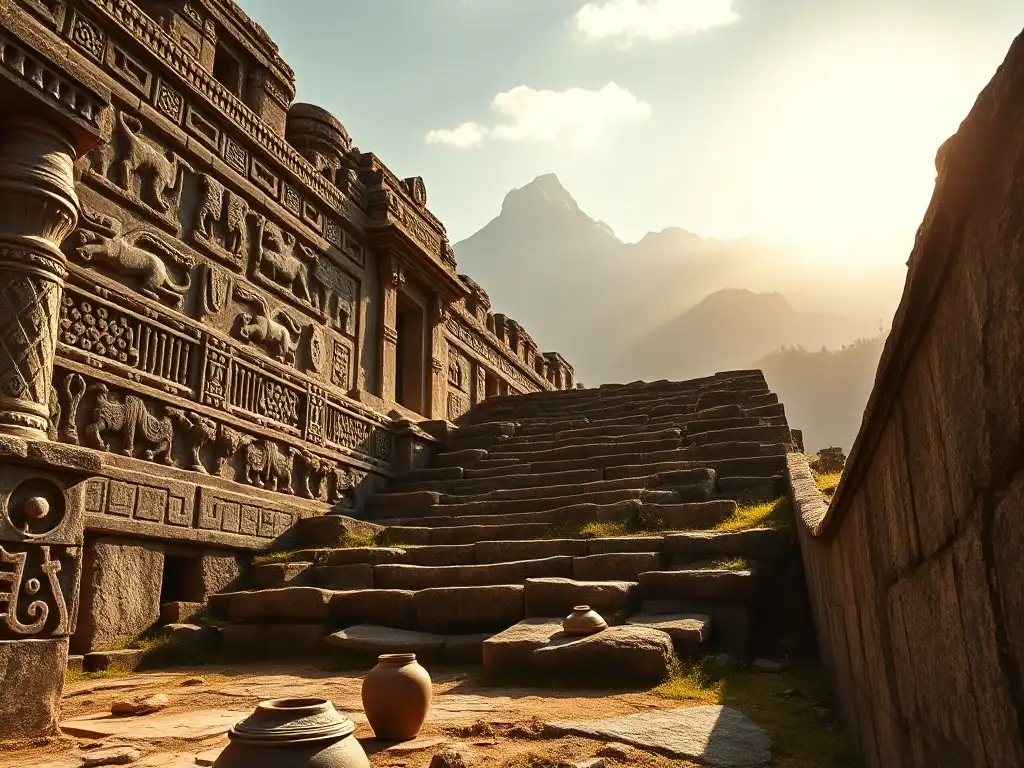
The Chavín culture (c. 900 – 200 BCE) stands as a pivotal PreInca Andean civilization, laying crucial groundwork for later Andean empires. While not a unified empire itself, its influence radiated across the Andes, impacting religious beliefs, artistic styles, and potentially even political structures. Understanding the Chavín's impact is crucial to appreciating the complex tapestry of PreInca Andean civilizations and the eventual rise of the Inca.
The spread of Chavín ideas and artistic motifs, often through trade networks and migration, serves as a compelling example of cultural diffusion in the ancient Andes. This cultural exchange and interaction among various groups in the region is a key aspect of understanding the development of Andean societies. Analyzing the Chavín's legacy allows us to better comprehend the interconnectedness of PreInca societies and the processes that led to the emergence of larger, more complex states.
Chavín de Huántar: A Center of Religious and Political Power
Chavín de Huántar, located in the northern highlands of Peru, is the most significant archaeological site associated with the Chavín culture. This monumental complex, built over centuries, served as a central hub for religious and potentially political activities. Its intricate architecture, featuring massive stone structures, underground galleries, and intricately carved sculptures, suggests a sophisticated understanding of engineering and social organization.
The complex's layout, with its emphasis on plazas and ceremonial spaces, points to its role as a pilgrimage center, attracting people from across a vast region. Evidence suggests that Chavín de Huántar may have functioned as a kind of pan-Andean religious capital, drawing people from various ethnic groups and fostering a shared religious ideology. The sheer scale of the site, and the evidence of long-distance trade found within it, speaks to the significant power and influence wielded by those who controlled Chavín de Huántar.
Furthermore, the presence of specialized craftspeople and the organization required to construct such a large-scale complex suggest a hierarchical society with centralized authority. Further research is needed to fully understand the extent of Chavín political control, but the evidence strongly suggests a significant degree of centralized power.
Chavín Art and its Impact on Later Andean Aesthetics
Chavín art is instantly recognizable for its distinctive style, characterized by intricate carvings, often depicting stylized jaguars, snakes, and other animals with supernatural attributes. These representations are believed to reflect Chavín religious beliefs, focusing on shamanistic practices and the veneration of powerful deities associated with the natural world. The use of zoomorphic motifs, such as the iconic Chavín jaguar, became widespread throughout the Andes, appearing in the art of subsequent cultures like the Moche and Nazca. This widespread adoption demonstrates the profound and lasting impact of Chavín artistic conventions.
The stylistic elements of Chavín art, such as the use of sharp lines, geometric patterns, and a focus on powerful, often fearsome imagery, were adopted and adapted by later Andean cultures. For example, the distinctive style of Chavín pottery, with its intricate designs and use of polished surfaces, can be seen as a precursor to the sophisticated ceramics of the later Moche culture. The influence of Chavín art is not simply a matter of imitation; rather, it represents a process of cultural exchange and adaptation, where later cultures incorporated Chavín motifs and stylistic elements into their own artistic traditions.
We can see this evolution by comparing the stylistic choices across different Andean cultures, noting similarities and differences in their artistic expression. This process reflects both continuity and change in Andean artistic traditions.
The spread of Chavín art, therefore, represents a significant aspect of cultural transmission in the PreInca Andes, shaping the aesthetic landscape of the region for centuries to come. Analyzing this artistic diffusion helps us to understand the interconnectedness of PreInca Andean civilizations and the long-term impacts of Chavín culture.
The Nasca Culture: Engineering and Artistic Mastery in the Desert
The Nasca culture, flourishing on the southern coast of Peru from approximately 100 BCE to 800 CE, stands as a testament to human ingenuity and artistic expression in one of the world's most challenging environments. Their achievements in irrigation, pottery, and textile production, coupled with the enigmatic Nasca Lines, showcase a sophisticated understanding of their environment and a rich spiritual life. This remarkable civilization, a significant contributor to the broader tapestry of PreInca Andean civilizations, laid the groundwork for later Andean empires, influencing their artistic styles and technological innovations.
Understanding the Nasca's accomplishments provides crucial context for appreciating the later Inca state and the complex evolution of Andean societies. The Nasca's ability to thrive in the arid desert, despite limited rainfall, demonstrates an impressive mastery of water management and resource allocation, skills that would have been invaluable to subsequent cultures.
The Nasca Lines: Geoglyphs and Their Possible Purposes
The Nasca Lines, etched into the desert surface, remain one of the most enduring mysteries of the ancient world. These enormous geoglyphs, ranging from simple lines to complex figures of animals and plants, stretch for miles across the Pampa de San José. Their scale is breathtaking; some figures are hundreds of meters long, visible only from the air. The precise methods used to create these intricate designs are still debated, but it's clear that meticulous planning and a sophisticated understanding of geometry were involved.
The purpose of the Nasca Lines continues to spark scholarly debate. While some theories propose astronomical significance, others suggest ceremonial or ritualistic functions. The lines might have served as pathways for processions, or perhaps marked important agricultural areas or water sources. The lack of written records from the Nasca period makes definitive conclusions challenging.
However, recent research using advanced imaging techniques and GIS mapping is providing new insights into their creation and potential meanings. Further study of the lines, combined with analysis of associated artifacts, promises to reveal more about the Nasca worldview and their sophisticated understanding of their environment. The sheer scale and precision of these geoglyphs are remarkable achievements, highlighting the ingenuity and organizational capacity of the Nasca people—a testament to their advanced societal development within the larger context of PreInca Andean civilizations.
Nasca Pottery and Textile: Depicting Daily Life and Beliefs
Nasca pottery is renowned for its vibrant colors, intricate designs, and realistic depictions of flora, fauna, and human figures. The artisans employed a complex polychrome technique, layering multiple colors to create stunning visual effects. Many vessels depict scenes of daily life, including agricultural activities, hunting, and religious ceremonies. Others showcase mythical creatures and deities, offering valuable insights into Nasca cosmology and beliefs.
The imagery often displays a high degree of naturalism, suggesting a keen observation of the world around them. The level of skill and artistry displayed in Nasca pottery is exceptional, demonstrating advanced ceramic techniques and a sophisticated understanding of color theory. This mastery of pottery production also extended to the creation of intricate textiles. Nasca textiles, often woven from cotton and camelid fibers, featured complex designs and vibrant hues, reflecting a similar level of artistic sophistication seen in their pottery.
These textiles, often found in tombs and burial sites, provide further evidence of their social structures, religious practices, and daily lives, contributing immensely to our understanding of Nasca society within the broader spectrum of PreInca Andean civilizations. The detailed imagery on both pottery and textiles allows researchers to piece together aspects of their culture that might otherwise remain hidden, providing valuable context for understanding the development of later Andean societies. The artistry and technical proficiency of Nasca artisans continue to inspire awe and admiration, highlighting the rich cultural heritage of this remarkable civilization.
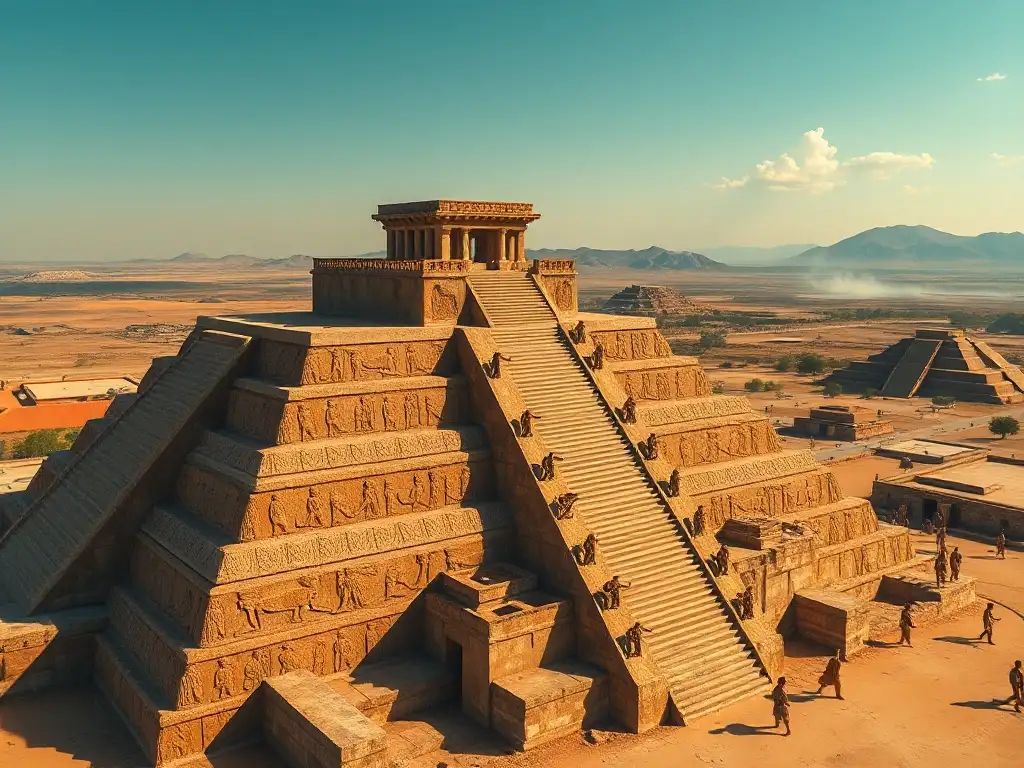
The Moche, flourishing along the northern coast of Peru from approximately 100 CE to 800 CE, represent a pivotal PreInca Andean civilization. Their sophisticated social structure and unparalleled artistic achievements laid crucial groundwork for later Andean empires, including the Inca. Understanding the Moche's societal organization and artistic expression is key to comprehending the trajectory of Andean development. The intricate interplay between their hierarchical society and their remarkably realistic art provides a unique window into their world. Their influence is undeniable, shaping subsequent cultural and political landscapes.
Moche society was rigidly hierarchical, with a powerful elite at its apex. Archaeological evidence suggests a highly centralized government, likely headed by a priestly-ruling class. This elite controlled resources, religious practices, and the labor force, evidenced by monumental constructions like the Huaca del Sol and Huaca de la Luna, massive adobe pyramids requiring immense coordinated effort. These structures weren't merely architectural feats; they were potent symbols of power and religious authority.
Below the elite resided a stratified population encompassing various social groups, likely including artisans, farmers, and warriors. The precise nature of social mobility remains debated among scholars, but evidence suggests limited social fluidity. The meticulous craftsmanship evident in Moche pottery and metalwork points to specialized labor and a hierarchical system that valued specific skills. The consistent iconography found across Moche artifacts further supports a structured society with established social roles and expectations.
Analyzing grave goods also reveals social stratification, with elite burials containing elaborate ornaments and fine ceramics, contrasting sharply with simpler burials of commoners. Further research is needed to fully understand the nuances of Moche social mobility and the mechanisms of social control. This understanding is crucial to interpreting the societal dynamics that shaped the Moche state and influenced later Andean societies.
Moche Art: Portraits of Power and Detailed Ritual Scenes
Moche artistry is renowned for its exceptional realism and detailed depictions of daily life and religious rituals. Their pottery, particularly, stands as a testament to their artistic prowess. The artisans' skill in portraying human figures, animals, and scenes with astonishing accuracy is unmatched in contemporary PreInca art. Many pieces show remarkably detailed depictions of warfare, sacrifices, and other rituals, offering insights into Moche beliefs and practices.
Consider the famous Moche portrait vessels. These meticulously crafted pots depict individuals with striking realism, capturing their facial features, hairstyles, and even expressions with exceptional skill. These portraits likely represent members of the elite or individuals of significance within Moche society.
These aren't mere decorative items; they are powerful statements of social status and religious authority. The level of detail in these and other artifacts, such as gold and silver ornaments, highlights the advanced metalworking techniques employed by Moche artisans and the high value placed on artistic expression within their culture. The artistry wasn't merely decorative; it served as a powerful tool for reinforcing social hierarchy and communicating religious beliefs.
The detailed depictions of rituals provide invaluable information about their religious practices, cosmological beliefs, and social organization. This artistic legacy significantly impacted subsequent Andean cultures, contributing to the development of artistic styles and techniques in later periods. The Moche's legacy extends far beyond their relatively short-lived empire, continuing to inspire and inform our understanding of PreInca Andean civilizations.
The Wari Empire: Expansion and Urban Planning in the Highlands
The Wari Empire, flourishing from approximately 600 to 1000 CE, represents a crucial stage in the development of Andean civilizations and significantly impacted the later Inca state. Its influence extended across a vast territory in the central Andes, laying the groundwork for future empires through its sophisticated urban planning, administrative structures, and control over vital resources. Understanding the Wari's achievements is essential to fully appreciating the foundations upon which the Inca built their empire.
The Wari weren't simply a precursor; they were a powerful force that shaped the very landscape and political organization of the region. Their legacy is etched not only in the ruins of their cities but also in the administrative practices and societal structures of their successors. The study of PreInca Andean civilizations, therefore, necessitates a deep dive into the Wari's contributions.
Wari Urban Centers: Models for Inca City Planning
Wari urban centers were remarkably advanced for their time. Unlike earlier settlements, Wari cities exhibited a high degree of planning and standardization. This is evident in the layout of cities like Huari (the presumed capital) and Pikillacta, characterized by grid patterns, monumental architecture, and a hierarchical arrangement of residential and public spaces.
These urban designs likely served practical purposes, such as efficient water management and defense, but also reflected a centralized administrative system capable of coordinating large-scale construction projects. The precise methods used by the Wari to organize labor and resources remain a subject of ongoing research, but the scale and sophistication of their urban planning undeniably influenced later Inca city planning. The Inca's own capital, Cusco, while exhibiting its own unique features, shows clear echoes of the Wari urban model in its planned layout and the integration of monumental structures within a larger urban framework.
The impact of Wari urbanism can be seen in the strategic placement of cities, the standardization of building techniques, and the organization of space within Inca urban centers. This influence is a testament to the lasting impact of Wari innovations in urban design.
The Wari also implemented sophisticated irrigation systems to support their larger population centers, a feat of engineering that facilitated agricultural productivity and further solidified their control over the landscape. These systems, often involving canals and terraces, provided a reliable water supply, essential for sustaining the population of their expanding cities. The Inca, inheriting and improving upon these systems, continued to rely on similar techniques to support their own agricultural needs. This shared reliance on water management underscores the continuity between Wari and Inca practices.
Wari Administration and its Influence on Inca Governance
The Wari's administrative system was another crucial factor shaping the Inca state. While the exact nature of their political organization remains debated, evidence suggests a highly centralized system with a complex bureaucracy. This is suggested by the standardization of pottery, textiles, and other artifacts found across their vast territory, indicating a degree of control over production and distribution. This centralized control extended beyond material goods; it likely encompassed aspects of social organization and religious practices.
The Wari likely employed a system of provincial governors or officials to maintain control over distant regions, a structure that bears a striking resemblance to the Inca's suyu system. The Inca, known for their efficient administration and intricate system of record-keeping, likely drew inspiration from the Wari's earlier administrative innovations. The similarities between Wari and Inca administrative structures are not coincidental; they represent a clear line of development and adaptation.
The implementation of standardized weights and measures across the Wari empire, further points to a sophisticated system of resource management and economic control. This system facilitated trade and ensured fair exchange, contributing to the stability and prosperity of the empire. This attention to detail in economic management is another aspect that may have influenced the Inca's own practices. [Specific details on Wari economic organization pending further research].
The comparison between Wari and Inca administrative practices highlight the significant contribution of the Wari to the development of Andean imperial governance. The Inca refined and expanded upon these earlier models, but the foundations were clearly laid by the Wari. The study of PreInca Andean civilizations reveals a complex interplay of influences, with the Wari playing a pivotal role in shaping the future of Andean empires.
The Tiwanaku Culture: Agricultural Innovations and Trade Networks
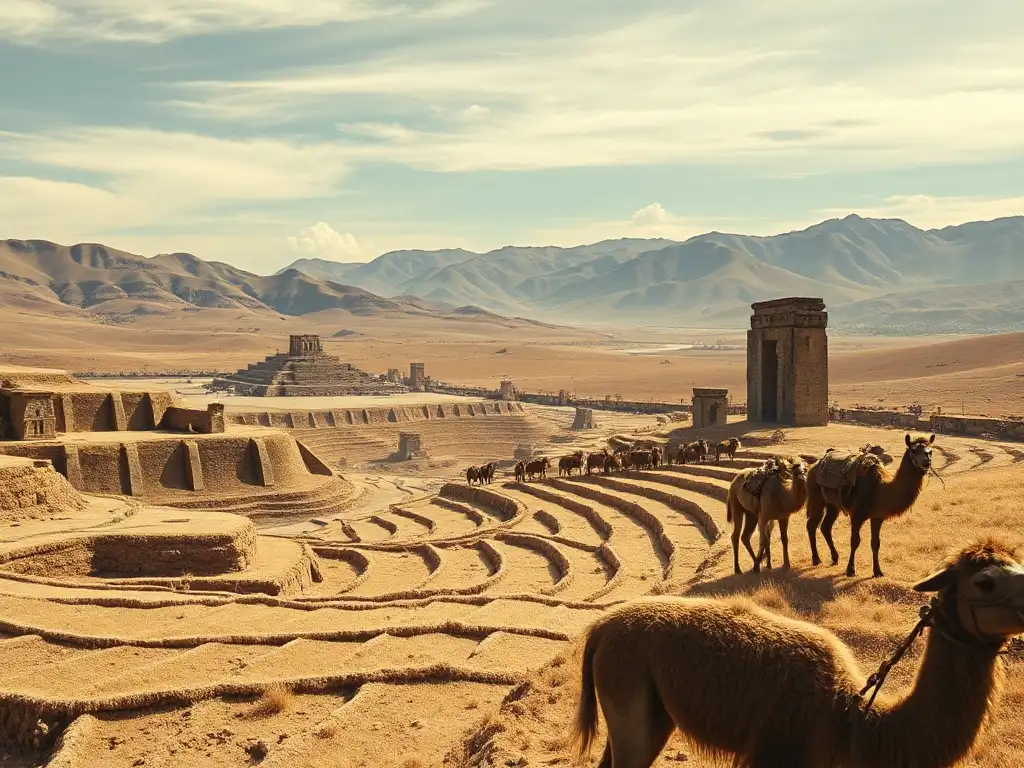
The Tiwanaku culture, flourishing in the Altiplano region of the Andes from approximately 500 to 1000 CE, stands as a testament to human ingenuity in adapting to challenging environments. Their remarkable achievements in agriculture and their sophisticated trade networks laid crucial foundations for subsequent Andean civilizations, including the Inca Empire. Understanding Tiwanaku's innovations is key to comprehending the development of the PreInca Andean civilizations and their lasting impact.
The sophisticated strategies they employed to overcome the harsh realities of high-altitude living directly influenced later cultures, showcasing the remarkable resilience and adaptability of Andean societies. Their influence spread far beyond their immediate territory, shaping the cultural and economic landscape of the region. Analyzing their methods allows us to appreciate the complex interplay of factors that contributed to the rise and fall of this influential civilization, a crucial piece of the PreInca Andean civilizations puzzle.
Tiwanaku Agriculture: Techniques for High-Altitude Farming
The Altiplano, with its high elevation, thin air, and unpredictable weather patterns, presents significant agricultural challenges. Yet, the Tiwanaku people developed remarkably effective techniques to cultivate crops in this demanding environment. Their success stemmed from a combination of sophisticated water management, innovative soil enrichment practices, and carefully selected crops suited to the harsh conditions. Evidence suggests they employed raised fields (or suka kollus), artificial islands of fertile soil constructed in shallow lake beds or marshes. These structures acted as thermal regulators, protecting crops from frost and providing better drainage.
The construction of these suka kollus was a monumental undertaking, requiring significant labor and planning. Archaeological investigations reveal intricate canal systems designed to regulate water flow to and from the raised fields. This careful control of water allowed for optimal irrigation and prevented waterlogging, crucial in a region prone to both drought and flooding. Furthermore, the Tiwanaku people likely employed techniques like composting and fertilization to enhance soil fertility, maximizing crop yields in the nutrient-poor volcanic soils.
Their careful selection of hardy, high-altitude-adapted crops, such as potatoes and quinoa, further contributed to their agricultural success. These innovations allowed for a relatively high population density in the Altiplano, providing a stable food base for the growth and development of Tiwanaku society. This mastery of agricultural technology is a cornerstone of understanding the PreInca Andean civilizations.
Tiwanaku Trade and its Role in Regional Integration
Beyond their agricultural prowess, the Tiwanaku people established extensive trade networks that connected them with diverse regions across the Andes. These networks played a crucial role in the cultural and economic integration of the region, facilitating the exchange of goods, ideas, and technologies. The Tiwanaku traded a variety of goods, including textiles, ceramics, and agricultural products like potatoes and quinoa.
Their distinctive ceramics, identifiable by their characteristic styles and motifs, have been found in sites far from their heartland, demonstrating the reach of their trade connections. This widespread distribution of Tiwanaku goods indicates a well-established system of exchange, likely involving both reciprocal gift-giving and more formalized trade practices.
The success of Tiwanaku's trade networks was facilitated by their control over key resources and strategic locations. Their command of the Altiplano, a crucial crossroads for Andean trade routes, gave them a significant advantage. Furthermore, their mastery of agricultural technologies allowed them to produce surpluses, which could be traded for other necessary goods.
The establishment of these trade networks contributed significantly to the development of regional integration in the Andes, fostering cultural exchange and economic interdependence among different groups. The influence of Tiwanaku's trade practices can be seen in the subsequent development of PreInca Andean civilizations, highlighting their lasting impact on the region's economic and social structures. The sophisticated system of trade and resource management further solidifies Tiwanaku's place as a pivotal civilization in the development of the broader PreInca Andean civilizations.
The Legacy of Pre-Inca Andean Civilizations: Shaping the Inca Empire
The Inca Empire, renowned for its vast territorial expanse and sophisticated organization, wasn't built in a vacuum. Its achievements were deeply rooted in the advancements and innovations of preceding Andean civilizations. Understanding the contributions of these Pre-Inca Andean civilizations is crucial to appreciating the full complexity and ingenuity of the Inca state. This section explores the profound legacy of these earlier cultures, demonstrating how they laid the groundwork for the Inca's success.
The Inca's rise wasn't a sudden eruption but rather a culmination of centuries of cultural exchange, adaptation, and innovation built upon the foundations laid by their predecessors. The influence of these earlier groups is visible in various aspects of Inca life, from agricultural techniques and urban planning to religious practices and administrative systems. By examining these influences, we gain a richer understanding of the Inca Empire and its place within the broader tapestry of Andean history.
How Pre-Inca Cultures Contributed to Inca Society and Technology
The Inca inherited a sophisticated social and technological infrastructure from earlier Andean societies. For example, the intricate irrigation systems developed by the Nazca and the Moche, characterized by their complex canal networks and sophisticated water management techniques, provided a model for Inca agricultural practices. These pre-existing systems allowed the Inca to expand agricultural production efficiently, supporting their growing population and sustaining their vast empire.
Furthermore, the advanced metallurgical skills of cultures like the Tiahuanaco, known for their mastery of bronze and copper alloys, directly impacted Inca metalworking. The Inca refined and expanded upon these techniques, creating intricate gold and silver objects that symbolized their power and authority.
The sophisticated urban planning evident in sites like Chan Chan (Chimor culture) also influenced Inca city design. The carefully planned layouts, incorporating residential areas, administrative centers, and religious structures, demonstrate a continuity of urban planning principles across different Andean cultures. Even aspects of Inca religious beliefs and practices, such as ancestor veneration and the use of specific ritual objects, show clear connections to earlier Andean traditions.
This continuity wasn't merely a passive inheritance; the Inca actively adapted and transformed these pre-existing practices, integrating them into their own unique cultural framework. This dynamic interplay between continuity and change is a defining characteristic of Andean civilization.
Inca Adaptations and Transformations of Pre-Inca Practices
While the Inca built upon the achievements of their predecessors, they also significantly adapted and transformed these pre-existing practices. They didn't simply copy; they innovated. For instance, while the Inca adopted the pre-existing irrigation systems, they expanded and improved upon them, creating even larger and more complex networks. This involved not only engineering feats but also sophisticated administrative structures to manage the labor and resources required for such projects. The Inca mit'a system, a form of mandatory labor service, played a crucial role in these large-scale construction projects, demonstrating the Inca's ability to mobilize and organize a vast workforce.
Similarly, Inca metalworking, while rooted in earlier traditions, reached new heights of artistic sophistication and technical skill. The Inca developed new alloys and techniques, producing intricate gold and silver objects of unparalleled quality and artistry.
This wasn't simply a continuation of existing practices; it represented a significant advancement in metallurgical technology. The Inca also adapted and expanded upon pre-existing religious beliefs and practices, creating a unique syncretic religious system that integrated elements of earlier Andean traditions with their own imperial ideology.
This process of adaptation and transformation is evident in the Inca's construction of monumental sites like Machu Picchu, which incorporates architectural elements and design principles from earlier Andean cultures while showcasing the Inca's own unique style and engineering capabilities. The Inca's success wasn't solely due to military might; it stemmed from their ability to effectively integrate and build upon the legacy of Pre-Inca Andean civilizations, transforming existing practices into the hallmarks of their empire.
The Importance of Studying Pre-Inca Societies: A Deeper Understanding of the Andes
Understanding the Inca Empire requires more than just focusing on the Inca themselves. To truly grasp the complexity and sophistication of this remarkable civilization, we must delve into the rich tapestry of Pre-Inca Andean civilizations, exploring the cultures that laid the groundwork for the Inca's eventual dominance. Ignoring these foundational societies is akin to studying a tree without understanding its roots – it provides an incomplete and ultimately inaccurate picture.
The pre-Inca cultures, including the Moche, Nazca, Tiahuanaco, and Wari, each left an indelible mark on the Andes, shaping the landscape, the social structures, and the very identity of subsequent Andean societies. Their contributions extend far beyond mere historical curiosity; studying them offers crucial insights into the region's enduring cultural legacy.
By examining their advancements in agriculture, urban planning, religious practices, and artistic expression, we can better comprehend the Inca’s achievements and understand the long-term evolution of Andean civilization. Their innovations didn't simply disappear; they were adapted, modified, and built upon by later Andean groups, culminating in the impressive Inca Empire.
Unveiling the Roots of Andean Civilization
The Pre-Inca Andean civilizations weren't isolated entities; they engaged in complex interactions, exchanging ideas, technologies, and resources across vast distances. The intricate network of trade routes, for instance, facilitated the dissemination of agricultural techniques and artistic styles, leading to a degree of cultural homogeneity across the Andes. The Nazca's mastery of irrigation systems, for example, influenced subsequent agricultural practices throughout the region.
Similarly, the monumental architecture of Tiahuanaco, with its precise stonework and sophisticated urban planning, served as a model for later builders, including the Inca. Examining the intricate interplay between these societies reveals a dynamic and evolving cultural landscape, far more nuanced than previously understood. The development of sophisticated metalworking techniques, particularly in gold and silver, also witnessed significant advancements during the pre-Inca period.
The artistry and technical skill evident in pre-Inca artifacts provide invaluable insights into their technological capabilities and aesthetic sensibilities. This technological prowess wasn’t just a matter of aesthetics; it underpinned their economic systems and social hierarchies.
The following table illustrates some key advancements of different Pre-Inca cultures:
| Culture | Notable Advancement | Impact on Subsequent Cultures |
|---|---|---|
| Nazca | Advanced irrigation systems | Improved agricultural productivity across the Andes |
| Moche | Metalworking (gold, silver) | Sophisticated metalwork techniques adopted by later cultures |
| Tiahuanaco | Monumental architecture | Influence on urban planning and architectural styles |
| Wari | Extensive road network | Facilitation of trade and communication |
The Influence of Pre-Inca Cultures on Modern Andean Identity
The legacy of the Pre-Inca Andean civilizations extends far beyond the realm of archaeology. Their cultural contributions continue to resonate in modern Andean society, shaping its identity, traditions, and worldview. Many contemporary Andean communities trace their lineage and cultural practices back to these pre-Inca groups. The vibrant traditions of weaving, pottery, and music, for example, often incorporate elements and techniques that have been passed down through generations, reflecting the enduring influence of these ancient cultures.
Furthermore, the spiritual beliefs and cosmological perspectives of the pre-Inca societies continue to inform contemporary Andean spirituality. This unbroken connection to the past provides a sense of continuity and cultural pride, strengthening the collective identity of Andean communities. Understanding this historical continuity is vital for appreciating the richness and complexity of modern Andean culture.
The study of these antecedent cultures thus becomes not merely an academic exercise but a crucial step towards understanding the living, breathing cultures of the Andes today. The impact of pre-Inca agricultural innovations, for instance, is still felt in modern agricultural practices, while their artistic styles and motifs continue to inspire contemporary artists. This enduring legacy underscores the importance of studying these foundational societies and acknowledging their profound influence on the Andes.
Conclusion: A Tapestry of Cultures Leading to the Inca State
The rise of the Inca Empire, while undeniably impressive, wasn't a spontaneous event. It was built upon the foundations laid by a complex tapestry of preceding Andean civilizations. Understanding the contributions of these Pre-Inca Andean civilizations is crucial to grasping the full scope of Inca achievements and the overall trajectory of Andean history.
From sophisticated irrigation systems to intricate religious beliefs and highly developed artistic styles, the legacy of these earlier cultures profoundly shaped the Inca state, enriching its political, social, and technological landscape. Ignoring these predecessors risks presenting a simplified and ultimately inaccurate picture of Inca dominance. The Inca Empire was not a tabula rasa, but rather a culmination of centuries of cultural evolution and interaction.
Recognizing the Complexities of Pre-Inca Andean Civilizations
The term "Pre-Inca" itself encompasses a vast array of distinct cultures, each with its unique characteristics and contributions. Generalizing about these civilizations risks oversimplification. For instance, the highly organized Wari state, with its extensive road network and impressive urban planning, differed significantly from the artistic mastery of the Moche culture, renowned for its intricate metalwork and elaborate ceramics depicting scenes of daily life and mythology.
Similarly, the Nazca's iconic geoglyphs, visible only from the air, represent a completely different technological and artistic expression. The Tiahuanaco culture, with its monumental architecture and sophisticated agricultural techniques adapted to high-altitude environments, further highlights the diversity of Pre-Inca Andean societies. Each of these cultures developed unique solutions to the challenges of the Andean environment, leaving behind a rich and multifaceted legacy.
Studying these individual cultures, rather than treating them as a monolithic block, is essential for a nuanced understanding of Pre-Inca Andean civilizations and their impact on the Inca Empire. The diversity of these cultures, their technological innovations, and their unique social structures all contributed to the rich and complex societal landscape that the Inca inherited. Careful examination reveals a stunning array of distinct yet interconnected societies.
The Enduring Legacy of Pre-Inca Innovation and Cultural Heritage
The influence of Pre-Inca Andean civilizations extends far beyond the mere political and territorial absorption by the Inca. Many Inca innovations were refinements or adaptations of existing Pre-Inca technologies and practices. The sophisticated irrigation systems, for example, essential for supporting the Inca's large population, were significantly advanced by earlier cultures. Similarly, Inca artistic styles often incorporated elements and motifs from earlier traditions.
The Inca's mastery of stonework, while impressive in its scale, built upon techniques developed by preceding Andean cultures. Furthermore, religious beliefs and practices, often woven into the fabric of Inca society, demonstrate a clear continuity with Pre-Inca traditions. The Inca state, therefore, can be viewed as a continuation and synthesis of earlier cultural achievements. The Inca's success wasn't just about military conquest, but also about their ability to integrate and adapt the existing cultural heritage, creating a unique and powerful synthesis.
This enduring legacy is evident in the numerous archaeological sites across the Andes, showcasing the remarkable achievements of Pre-Inca Andean civilizations and their lasting impact on the region's history and culture. The study of Pre-Inca Andean civilizations is not merely an academic exercise; it provides a crucial framework for understanding the complexities of the Inca Empire and the broader history of the Andes. It highlights the interconnectedness of cultures and the enduring power of cultural heritage.
Frequently Asked Questions
What are some important PreInca Andean civilizations?
The article focuses on several key PreInca cultures, including the Moche, Nazca, and Tiahuanaco, whose advancements significantly influenced the later Inca Empire. Their achievements in agriculture, engineering, and societal structures laid the groundwork for Inca success.
How did PreInca civilizations influence Inca culture?
PreInca societies left a lasting legacy on the Incas. Inca achievements in areas like irrigation, urban planning, and religious practices built upon the innovations and traditions established by preceding cultures. The Incas absorbed and adapted many aspects of these earlier civilizations.
What technological advancements did PreInca civilizations achieve?
PreInca groups developed sophisticated technologies. This includes advanced irrigation systems, complex pottery, textile production, and metallurgy, all of which contributed to their societal complexity and prosperity.
What were some of the significant artistic achievements of PreInca cultures?
The Moche are known for their remarkable pottery, depicting scenes of daily life and mythology. The Nazca are famous for their giant geoglyphs etched into the desert floor. These artistic expressions reveal much about their beliefs and values.
While the Incas created a vast, centralized empire, PreInca societies varied. Some were highly organized states, like Tiahuanaco, while others were less centralized. Understanding these differences helps illuminate the evolution of Andean societies.
Final Reflection: Echoes of the Andes: A Legacy Forged in Stone and Spirit
The intricate tapestry woven by Pre-Inca Andean civilizations continues to resonate powerfully in the modern world. Their sophisticated agricultural techniques, complex social structures, and profound spiritual beliefs laid the groundwork for the Inca Empire and, in turn, profoundly influenced the cultural landscape of South America. Understanding their achievements is not merely an academic exercise; it's a crucial key to understanding the enduring strength and resilience of Andean cultures.
The legacy of these pre-Inca societies is not simply a matter of historical record; it's a living presence felt in the vibrant traditions, artistic expressions, and enduring spiritual practices of contemporary Andean communities. Their innovations in irrigation, terrace farming, and urban planning – achievements often overlooked in favor of the Inca narrative – demonstrate an ingenuity and foresight that continues to inspire awe. The past is never dead. It's not even past.
– William Faulkner. This quote perfectly encapsulates the enduring influence of these remarkable cultures, whose innovations and beliefs continue to shape the present.
Consider the impact of their sophisticated understanding of astronomy, their intricate weaving techniques, and their deeply spiritual connection to the Andes Mountains. These elements are not relics of a bygone era; they are integral threads in the rich fabric of Andean identity. You, the reader, are now invited to reflect on the profound interconnectedness of history and the present.
Explore the echoes of these ancient cultures in your own life, whether through the art you appreciate, the food you consume, or the stories you hear. Let the legacy of the Pre-Inca Andean civilizations inspire you to appreciate the enduring power of human ingenuity, resilience, and the enduring connection between people and their environment.
**Unveil the Legacy of Pre-Incan Cultures! **
Thank you for exploring the rich tapestry of pre-Incan cultures and their profound influence on the Inca Empire. You've discovered the crucial connections and foundational elements that shaped a civilization renowned for its innovation and remarkable architecture. Now, let's continue your exploration!
Here are some suggestions to further deepen your understanding and appreciation:
- **Delve deeper** into the history by reading our next article on the Tiwanaku civilization and its complex socio-political structures.
- **Join the discussion** in our community forum to share your insights and learn from fellow history enthusiasts.
- **Explore local museums and exhibits**, or take advantage of virtual tours, to see firsthand the artifacts from pre-Incan cultures and their lasting impact.
Which aspect of pre-Incan culture captivates you most, and how do you see its influence reflected in contemporary society?