
Huari Empire: Unveiling the Secrets of the First Andean Expansion

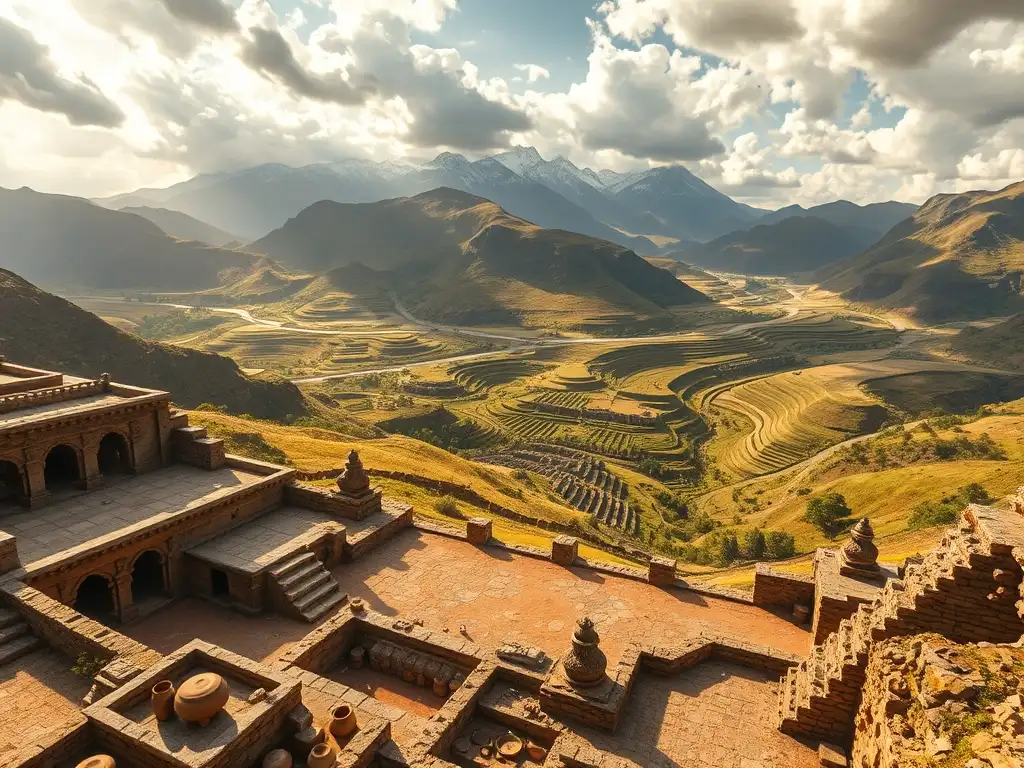
Step into a world lost to time, where majestic empires rose and fell amidst the breathtaking Andes Mountains. Uncover the mysteries of ancient Andean civilizations, from the intricate artistry of the Nazca lines to the sophisticated engineering of the Incas. But our journey begins with the Huari Empire, a powerful force that reshaped the Andean landscape centuries before the Inca. Prepare to be captivated by the enigmatic history of this pre-Incan powerhouse and its astonishing expansion – a story waiting to be unveiled. Dive in and discover the secrets of the Huari Empire's Andean civilization history!
The Huari Empire, a powerful pre-Inca civilization that flourished in the Andes between the 7th and 12th centuries CE, represents a pivotal moment in Andean history. This expansive empire, centered in the Ayacucho region of modern-day Peru, achieved remarkable feats of political organization, economic control, and cultural integration across a vast and challenging landscape.
Understanding the Huari Empire is crucial to grasping the complex tapestry of Andean civilization, providing a vital bridge between earlier regional cultures and the later, even more extensive Inca Empire. This article delves into the fascinating history of the Huari, examining its rise, its sophisticated societal structures, its artistic achievements, and its ultimate decline, offering a comprehensive overview of its impact on the development of Andean civilization.
We will explore the key aspects of the Huari, revealing the secrets behind this remarkable first Andean expansion and its lasting legacy. Prepare to journey back in time and uncover the mysteries of this influential civilization, often overshadowed by the later Inca.
The Rise of the Huari: From Regional Power to Andean Hegemony
The Huari's ascent to power remains a topic of ongoing scholarly debate. Archaeological evidence suggests a gradual process of consolidation, starting from a relatively small regional center. Through a combination of military prowess, strategic alliances, and possibly even ideological influence, the Huari gradually extended their control over neighboring communities.
This expansion wasn't a simple conquest; rather, it involved a complex interplay of coercion and cooperation, leading to the incorporation of diverse groups into a vast, interconnected empire. The exact mechanisms of this integration are still being researched, but evidence points to a sophisticated system of administrative control, possibly involving the relocation of populations and the establishment of standardized administrative centers throughout the empire.
This period witnessed the construction of impressive monumental architecture, including large-scale urban centers and impressive religious structures, showcasing the Huari's growing power and influence. The sheer scale of the Huari expansion, encompassing a territory far exceeding that of previous Andean civilizations, is a testament to their organizational capabilities and military might.
Huari Society and Administration: A Highly Organized Empire
The Huari Empire was characterized by a highly centralized and stratified society. Archaeological evidence reveals a complex system of urban planning in Huari capitals, suggesting a sophisticated understanding of urban design and social organization. The distribution of artifacts and the layout of settlements point towards a hierarchical structure, with elite residences and monumental buildings contrasting sharply with the smaller dwellings of commoners.
The empire's administrative apparatus likely involved a network of officials and administrators responsible for collecting taxes, managing resources, and maintaining order across the vast territory. While the exact details of the Huari administrative system remain unclear, the sheer scale of the empire suggests a considerable level of bureaucratic organization, far surpassing anything seen in previous Andean societies.
The standardization of pottery styles and architectural designs across the empire further supports the idea of a centralized, controlling authority. The efficiency of this system facilitated the empire's expansion and long-term stability.
Huari Art and Architecture: A Reflection of Imperial Power
Huari art and architecture are remarkable for their distinctive style and widespread distribution. The empire's artisans produced a vast array of ceramics, textiles, and metalwork, characterized by a unique aesthetic that distinguishes them from the styles of earlier Andean cultures. The standardization of these artistic styles across the empire serves as a powerful symbol of Huari control and cultural influence. Monumental architecture, including massive public buildings and impressive religious structures, further demonstrates the Huari's engineering prowess and centralized planning.
These structures, often built using sophisticated techniques of stonework and construction, underscore the power and prestige of the Huari elite. The consistent stylistic elements found across vast distances within the empire highlight the effectiveness of the Huari's administrative control and the strength of their cultural influence. The grandeur of their creations speaks volumes about their societal organization and ambitions.
The Collapse of the Huari Empire: Unraveling the Mysteries of its Demise
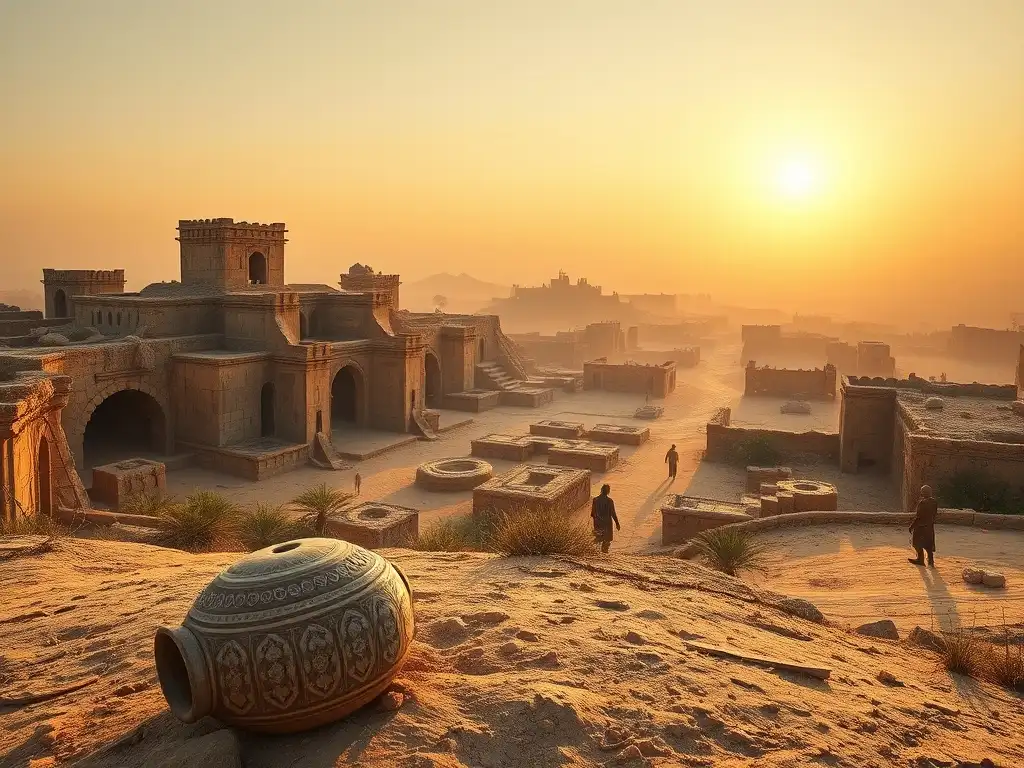
The reasons for the Huari Empire's eventual decline remain a subject of ongoing research and debate. Several factors likely contributed to its disintegration, including internal conflicts, environmental changes, and possibly external pressures. Evidence suggests a period of instability and internal strife towards the end of the Huari period, potentially weakening the empire's ability to maintain control over its vast territory.
Climate change, including droughts and other environmental shifts, may have exacerbated existing tensions and contributed to social unrest. The emergence of new power centers in the Andean region may also have played a role in the empire's decline, challenging Huari dominance and contributing to its fragmentation.
The collapse of the Huari Empire was not a sudden event but rather a gradual process of disintegration, leading to the emergence of successor states and paving the way for the rise of the Inca. Unraveling the complexities of this decline continues to be a significant challenge for Andean archaeologists.
The Huari Legacy: A Foundation for Future Andean Civilizations
Despite its eventual collapse, the Huari Empire left an indelible mark on Andean civilization. Its sophisticated administrative systems, its impressive artistic achievements, and its vast territorial reach laid the groundwork for future Andean empires, most notably the Inca. The Huari's innovations in urban planning, agriculture, and political organization influenced subsequent Andean societies, demonstrating the lasting impact of their rule.
The legacy of the Huari empire is woven into the fabric of Andean history, a testament to its profound influence on the development of the region. The Huari's contributions to Andean culture and their impact on the later Inca Empire solidify their place as a pivotal civilization in the rich history of the Andes. 🎉
- The Rise of the Huari: From Regional Power to Andean Hegemony
- Huari Society and Administration: A Highly Organized Empire
- Huari Art and Architecture: A Reflection of Imperial Power
- The Collapse of the Huari Empire: Unraveling the Mysteries of its Demise
- The Huari Legacy: A Foundation for Future Andean Civilizations
The Rise of the Huari Civilization in the Andes
The Huari Empire, a significant Andean civilization, left an indelible mark on the history of the region, predating the Inca Empire. Understanding its rise requires examining its geographical context, origins, and the various theories surrounding its state formation. This powerful pre-Columbian society exerted considerable influence across a vast territory, leaving behind a rich legacy of architectural marvels, sophisticated pottery, and a complex social organization. The keyword phrase "Huari Empire Andean civilization history" accurately reflects the empire's importance within the broader context of Andean civilizations.
Geographical Context of the Huari Empire: Ayacucho Valley and Beyond
The Huari Empire's heartland lay in the Ayacucho Valley of modern-day Peru. This geographically strategic location provided access to diverse ecological zones, crucial for agricultural production and resource management. The valley's fertile lands supported a thriving population, providing the necessary manpower and resources for the empire's expansion.
However, the Huari's influence extended far beyond Ayacucho. Archaeological evidence points to a vast empire encompassing much of the central Andes, reaching into present-day coastal regions and even into parts of Bolivia. This expansion facilitated access to a wider range of resources, including minerals, textiles, and agricultural products, contributing to the empire's economic strength and political power.
The empire's control over these diverse ecological zones allowed for a complex system of resource exchange and distribution, a key factor in its longevity and influence. The Huari cleverly exploited the Andean geography to its advantage, establishing a network of roads and administrative centers that connected disparate regions and facilitated trade and communication across the vast expanse of their dominion.
Origins and Development of the Huari Culture: From Warpa to Empire
The precise origins of the Huari remain a subject of ongoing research, but the site of Warpa, located near Ayacucho, is considered a crucial early center. Evidence suggests that Warpa served as a focal point for the development of Huari culture, witnessing the emergence of characteristic pottery styles, architectural techniques, and possibly early forms of political organization. From these humble beginnings, the Huari gradually expanded their influence, consolidating power and extending their reach.
The transition from a regional power to a vast empire was likely a gradual process, involving both military conquest and diplomatic alliances. The development of sophisticated administrative structures and a standardized iconography further solidified their control and cultural identity across the empire.
The Huari's ability to adapt to diverse environments and integrate conquered populations into their system was a critical factor in their success. The evolution from Warpa to the expansive Huari Empire showcases a remarkable story of political and cultural development within the Andean context.
Theories on the Formation of the Huari State: Conquest, Trade, and Religion
Several theories attempt to explain the formation of the Huari state. One prominent theory emphasizes military conquest as the primary driver of expansion. Archaeological evidence, such as the presence of Huari administrative centers in conquered territories and the destruction of pre-existing settlements, supports this view. However, the story is more nuanced than simple military dominance.
Another theory highlights the role of trade and economic control in the empire's growth. The Huari's mastery of resource management and their ability to control crucial trade routes likely contributed to their economic power and facilitated their expansion. The exchange of goods and resources across the vast empire strengthened economic ties and fostered political stability. Finally, religious ideology may have played a significant role.
The standardization of religious iconography and the construction of monumental religious structures across the empire suggest a deliberate effort to unify the diverse populations under a shared belief system. The interplay of these factors – military might, economic control, and religious ideology – likely contributed to the formation and consolidation of the Huari state, creating a powerful and enduring Andean civilization. Further research is needed to fully understand the relative importance of each factor in shaping the Huari Empire's unique history.
Huari Imperial Expansion: A Look at its Reach
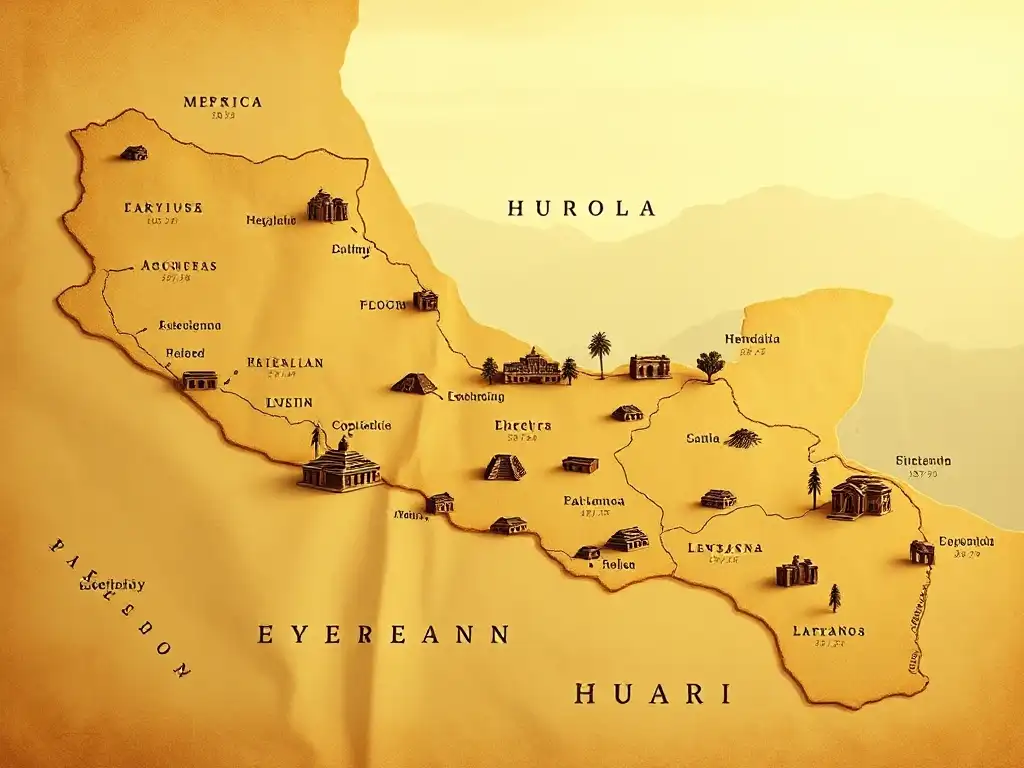
The Huari Empire, a remarkable Andean civilization, achieved a significant level of territorial control, influencing a vast expanse of the Andes between the 7th and 12th centuries CE. Understanding the extent of Huari power requires examining its impressive expansion across diverse landscapes and populations. This expansion wasn't merely conquest; it involved sophisticated strategies of integration and control, leaving a lasting impact on the cultural and political landscape of the Andean region.
The Huari Empire's reach extended far beyond its immediate core territory, encompassing a remarkable degree of cultural and political influence across diverse environments, from the arid coastal deserts to the high-altitude plains. This expansion dramatically reshaped the political geography of the Andes, profoundly impacting subsequent Andean civilizations. The keyword "Huari Empire Andean civilization history" is central to understanding this remarkable period.
Huari Expansion Strategies and Military Power: Roads, Fortifications, and Armies
The Huari's success stemmed from a combination of military might and shrewd political strategies. Evidence suggests a well-organized army, capable of both conquest and the subsequent control of conquered territories. The construction of extensive road networks facilitated rapid troop movement and communication across the empire.
These roads, often traversing challenging terrain, are a testament to Huari engineering prowess and their commitment to efficient administration and military control. Archaeological findings reveal the presence of fortifications in strategic locations, indicating a proactive approach to defense and border security. These weren't just simple walls; they were often integrated into larger settlements, demonstrating a sophisticated understanding of military architecture and urban planning.
While the exact size and organization of the Huari army remain subjects of ongoing research, the scale of their infrastructure projects points to a considerable military force capable of projecting power across a vast territory. The effectiveness of their military campaigns is evidenced by the widespread adoption of Huari cultural traits across the conquered regions, suggesting a degree of peaceful assimilation alongside military conquest.
Evidence of Huari Influence Across the Andean Region: Ceramics, Architecture, and Trade Networks
The extent of Huari influence is vividly documented through the widespread dissemination of their distinctive material culture. Huari ceramics, known for their intricate designs and standardized styles, are found across a wide geographical area, providing compelling evidence of trade networks and cultural exchange. The presence of these ceramics in sites far removed from the Huari heartland points to a complex system of communication and interaction spanning the Andes.
Furthermore, Huari architectural styles, characterized by particular building techniques and layouts, are recognizable in settlements across the empire. This standardization suggests centralized planning and a deliberate effort to impose a unified cultural identity across diverse regions. The uniformity in architecture, along with the distribution of ceramics, strongly suggests a degree of centralized control and integration, rather than simply isolated pockets of influence.
The Huari Empire's impact on regional trade networks is also significant. Analysis of traded goods reveals a complex system that facilitated the exchange of resources and goods across vast distances, further strengthening the empire's cohesion and influence. [Specific data on trade routes and goods pending].
Huari Administrative and Political Organization: Regional Centers and Governance
The Huari Empire's success wasn't solely reliant on military power; it also depended on an effective administrative system. Archaeological evidence suggests a hierarchical structure with regional centers playing crucial roles in governance and control. These centers, often located in strategically important locations, served as administrative hubs, facilitating the collection of tribute, the distribution of resources, and the maintenance of order.
The organization of these regional centers showcases the Huari's sophisticated understanding of logistics and administration. [Further research is needed to fully understand the specifics of Huari administrative practices and the internal workings of their governance system]. The presence of standardized administrative practices and the widespread distribution of Huari material culture across diverse ecological zones point to a centralized administration capable of maintaining control over a vast and diverse empire.
The Huari Empire's sophisticated administrative system, combined with its military strength, allowed for the successful integration of numerous diverse groups into a single, powerful entity, leaving an indelible mark on the history of Andean civilization. The effective governance of the Huari Empire is a key factor in understanding its lasting legacy as a significant Andean civilization.
Huari Culture: Art, Architecture, and Technology
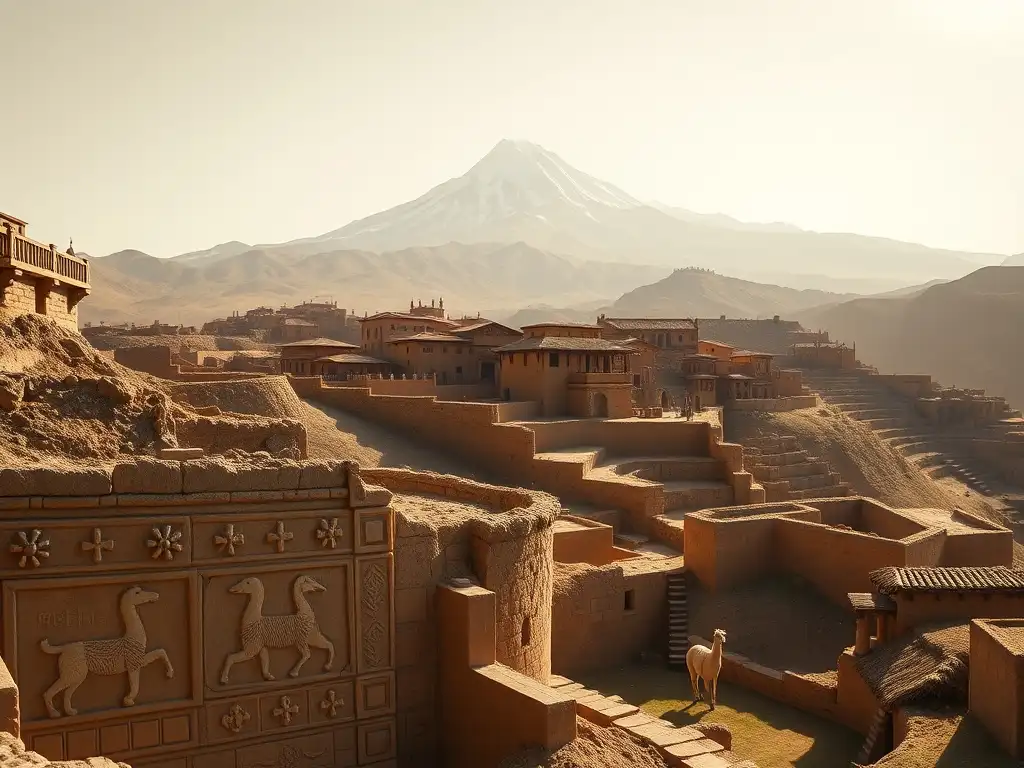
The Huari Empire, a significant Andean civilization, left behind a rich legacy of artistic expression, innovative architectural designs, and advanced technological achievements. Understanding these aspects is crucial to grasping the extent of their influence and the sophistication of their society.
Their mastery of diverse techniques, from intricate pottery to complex urban planning, showcases a highly organized and centralized state. The Huari Empire's impact on subsequent Andean civilizations, particularly the Inca, is undeniable, making the study of their art, architecture, and technology a vital part of understanding the broader history of the Andean region and its "Huari Empire Andean civilization history".
Huari Pottery: Polychrome Styles and Iconography
Huari pottery is renowned for its vibrant polychrome styles and intricate iconography. Unlike the simpler styles of earlier cultures, Huari ceramics display a remarkable range of colors, often featuring complex geometric patterns and depictions of human figures, animals, and mythical creatures. The use of multiple colors, achieved through a sophisticated layering technique, allowed for detailed representations and a high degree of artistic expression. Common color palettes included reds, yellows, browns, blacks, and whites, often combined to create striking visual effects.
The iconography found on Huari pottery provides valuable insights into their religious beliefs, social structures, and daily life. Many vessels depict scenes of ritual ceremonies, warfare, and agricultural activities, offering glimpses into various aspects of their society. The recurring motifs, such as stylized feline figures, birds, and serpents, suggest a complex system of symbolism and mythology.
Analysis of these motifs by archaeologists has helped to reconstruct aspects of Huari cosmology and religious practices. The detailed nature of the iconography, combined with the high quality of the pottery itself, demonstrates a level of artistic skill and technical proficiency rarely seen in contemporaneous Andean cultures. Further research into the specific pigments and techniques used in Huari pottery is needed to fully understand their artistic mastery and technological advancements within the context of "Huari Empire Andean civilization history".
Huari Textiles: Tapestry Weaving and Symbolic Motifs
Huari textiles represent another remarkable achievement of their artistic and technological capabilities. Their mastery of tapestry weaving, a complex technique requiring significant skill and patience, allowed them to create intricate designs with a high degree of detail. Unlike simpler forms of weaving, tapestry weaving involves interlacing colored threads to create images directly on the fabric. This advanced technique facilitated the creation of elaborate tapestries featuring geometric patterns, stylized animal figures, and complex narrative scenes. These textiles were not merely decorative items but often served ceremonial or ritual purposes, reflecting the importance of textiles within Huari society.
The symbolic motifs found on Huari textiles often mirror those seen in their pottery, suggesting a strong connection between these two art forms and a shared system of beliefs and iconography. The use of specific colors and patterns likely held significant meaning within Huari culture, although the precise interpretation of many symbols remains a subject of ongoing research.
The discovery of well-preserved textile fragments provides invaluable information about their weaving techniques, the materials they used (like alpaca and llama wool), and the social and religious significance of these artifacts, contributing significantly to our understanding of "Huari Empire Andean civilization history".
Huari Urban Planning: Pikillacta and its Grid System
The Huari Empire is also notable for its advanced urban planning, as exemplified by the site of Pikillacta. This remarkably well-preserved city showcases a sophisticated grid system, a hallmark of Huari urban design. The city's layout, characterized by its orthogonal streets and carefully planned residential and administrative areas, demonstrates a high level of urban planning expertise.
The grid system facilitated efficient movement within the city, simplifying access to resources and promoting social order. The consistent use of this grid pattern in various Huari settlements suggests a deliberate strategy for urban development, reflecting centralized control and a standardized approach to city planning.
Unlike many other contemporary settlements, Pikillacta’s grid system wasn't haphazard. The precise alignment of streets and buildings indicates a detailed understanding of surveying and measurement techniques. The construction of canals and irrigation systems further demonstrates the Huari's ability to manage water resources efficiently, essential for sustaining a large urban population.
The careful planning evident in Pikillacta and other Huari settlements underscores their advanced understanding of urban design, engineering, and resource management, adding another layer to their impressive achievements within the larger context of "Huari Empire Andean civilization history". Further research is needed to determine the extent to which this urban planning influenced later Andean civilizations.
Huari Agricultural Practices and Innovations: Terraces and Irrigation
The Huari Empire's remarkable expansion across the diverse Andean landscape was inextricably linked to its sophisticated agricultural practices. Their success wasn't merely a matter of conquering new territories; it was a testament to their ability to adapt and innovate, ensuring food security for a burgeoning population spread across varied altitudes and climates. Central to this achievement were their mastery of terracing and irrigation systems.
The Huari, like many Andean civilizations before them, understood the importance of terracing to maximize arable land in mountainous regions. They carved extensive terraced fields into hillsides, creating a series of level platforms that prevented soil erosion and provided optimal sun exposure for crops. The scale of these terracing projects was truly impressive, indicating a highly organized workforce and sophisticated engineering knowledge. Careful observation of the terrain and precise measurements were crucial for the stability and productivity of these terraced farms.
Archaeological evidence suggests that the Huari utilized different types of terraces, adapted to the specific topography and soil conditions of each region. Some terraces were relatively small and simple, while others were large and complex, requiring significant labor and planning. The construction of these terraces involved meticulous stonework, often using dry-stone techniques, demonstrating a remarkable understanding of both engineering and construction.
Beyond terracing, the Huari's mastery of irrigation systems played a crucial role in their agricultural success. They developed complex networks of canals and aqueducts to divert water from rivers and streams to irrigate their fields, especially those located in drier areas. These irrigation systems were not only extensive but also remarkably efficient, allowing the Huari to cultivate crops even in challenging environments.
The construction of these systems required careful planning and engineering expertise, involving the construction of reservoirs, canals, and other water management structures. The precise details of the Huari's irrigation techniques are still being uncovered by archaeologists, but the scale and sophistication of their systems are undeniable. Analysis of the remaining structures suggests an advanced understanding of hydraulics and water management, far beyond simple channeling of water.
They likely incorporated techniques such as check dams and drainage systems to optimize water distribution and prevent soil degradation. The integration of these irrigation systems with their terraced fields allowed the Huari to achieve high agricultural yields, supporting their expanding population and contributing significantly to the empire's overall power and stability. This sophisticated agricultural infrastructure was a key factor in the Huari Empire's longevity and influence on subsequent Andean civilizations.
Huari Religion and Belief System
The Huari Empire, a powerful Andean civilization flourishing between 600 and 1000 CE, left behind a complex and fascinating legacy. Understanding their religion and belief system is crucial to comprehending their societal structure, political power, and ultimately, their influence on subsequent Andean cultures. While specific details remain elusive due to the nature of archaeological evidence, research suggests a rich tapestry of religious practices blending animistic beliefs with a potentially structured pantheon.
The Huari's religious world was deeply intertwined with their daily lives, shaping their art, architecture, and social interactions. This section explores the key aspects of Huari religious life, focusing on their pantheon, rituals, and the archaeological evidence supporting these interpretations.
The Huari Pantheon and Deities: The Staff God and Animistic Beliefs
The Huari pantheon remains a subject of ongoing scholarly debate. While a clear, structured hierarchy of gods like that of the later Inca is not readily apparent, evidence suggests a prominent role for a deity often represented by a staff, sometimes depicted with feline features. This "Staff God" may have been a central figure in Huari religious life, potentially representing power, authority, or a connection to the supernatural world. Interpretations vary, with some scholars suggesting a connection to fertility or agricultural cycles.
Further complicating the picture, the Huari's religious expressions often incorporated animistic beliefs. This means they attributed spiritual significance to natural elements, animals, and ancestral spirits. Such beliefs are evident in the artistic representations found across Huari sites, showing a range of animals, plants, and even human figures imbued with symbolic meaning.
The lack of extensive written records poses a significant challenge to fully understanding the Huari pantheon. Unlike later Andean civilizations, the Huari did not develop a sophisticated writing system. Therefore, our understanding relies heavily on iconography, the interpretation of which is sometimes subjective. Further research, including detailed analysis of ceramic motifs and the contextualization of artifacts found within ritual contexts, is necessary to refine our understanding of the Huari's religious cosmology. More specifically, detailed analysis of the iconography associated with the "Staff God" is needed to fully understand its attributes and significance within the Huari worldview.
Huari Rituals and Ceremonies: Feasting, Sacrifice, and Ancestor Veneration
Huari rituals likely involved a complex interplay of feasting, sacrifice, and ancestor veneration. Archaeological excavations have unearthed evidence of large-scale feasts, suggesting communal gatherings with significant religious importance. The presence of numerous ceramic vessels, often elaborately decorated, in many sites points to the likely use of these vessels in communal drinking rituals. These events might have reinforced social bonds, celebrated important moments in the agricultural calendar, or served as a way to honor deities or ancestors.
Sacrifice, another key element of Andean religious practices, was likely practiced by the Huari. While direct evidence of human sacrifice is scarce, the presence of animal remains in ritual contexts strongly suggests that animal sacrifices were integral to their religious ceremonies. The types of animals sacrificed, their preparation, and the context of their discovery can offer valuable insights into Huari religious beliefs and practices.
For example, the discovery of llama remains in association with specific artifacts might indicate sacrifices related to agricultural fertility. However, more detailed analysis of the animal remains and their placement within the archaeological context is crucial for a more precise interpretation.
Ancestor veneration likely played a crucial role in Huari society. The reverence for ancestors is a recurring theme in Andean cultures, and the Huari were likely no exception. This veneration could have been expressed through various rituals, including offerings placed in tombs or shrines, or through the representation of ancestors in art. Further research focusing on burial practices and the artifacts associated with the deceased could shed more light on the Huari's beliefs regarding the afterlife and their relationship with their ancestors.
Evidence of Religious Practices in Huari Sites: Temples and Offerings
The architectural layout of Huari sites provides significant insights into their religious practices. While monumental structures comparable to later Inca temples are less evident, many sites feature structures interpreted as temples or ritual centers. These structures often exhibit distinct architectural features, including specialized layouts, unique decorative elements, and the presence of associated artifacts.
The presence of these structures in strategic locations within Huari cities suggests their importance in the organization of the society and the expression of religious beliefs. Furthermore, the discovery of caches of offerings in various locations, including temples, residential areas, and even tombs, strengthens the argument for widespread religious practices integrated into daily life.
These offerings frequently include ceramic vessels, textiles, and other artifacts, often bearing intricate designs and symbolic imagery. The nature and context of these offerings can provide important clues about the specific deities or spirits being honored, the nature of the rituals performed, and the social roles of those participating. For example, the discovery of a specific type of ceramic vessel in a particular temple could indicate a ritual dedicated to a specific deity associated with that vessel's iconography.
Similarly, the presence of offerings in residential contexts could suggest household-level religious practices. A systematic cataloging and analysis of these offerings across different Huari sites are essential for a comprehensive understanding of their religious landscape.
[Specific information pending: detailed catalog of offerings found in different Huari sites]. The careful study of these archaeological remains continues to reveal the richness and complexity of the Huari religious world, offering valuable insights into this fascinating Andean civilization.
The Decline and Legacy of the Huari Empire
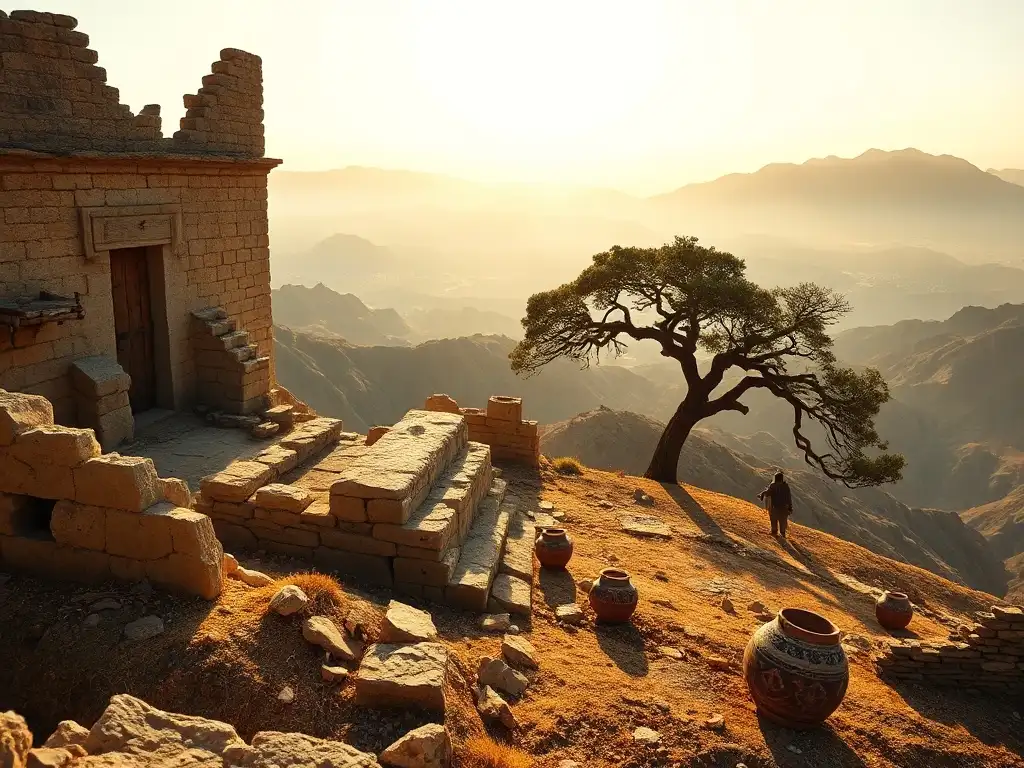
The Huari Empire, a significant Andean civilization, experienced a dramatic decline around the late 8th and early 9th centuries CE. Understanding this collapse is crucial to grasping the complexities of Andean history and the rise of subsequent empires like the Inca. The reasons behind the Huari's disintegration remain a subject of ongoing scholarly debate, but several key factors likely contributed to its downfall. This section will explore these contributing factors and the lasting impact of the Huari on the subsequent development of Andean civilizations.
Possible Factors Contributing to the Huari Collapse: Drought, Internal Conflicts, and Regional Rebellions
The collapse of the Huari Empire wasn't a singular event but rather a gradual process likely fueled by a confluence of factors. Evidence suggests that prolonged drought played a significant role. Archaeological studies point to a decline in agricultural yields during this period, impacting the empire's ability to sustain its large population and extensive administrative network. This environmental stress likely exacerbated existing social and political tensions.
Internal conflicts within the Huari elite may have further weakened the empire. Competition for power and resources amongst different factions could have led to instability and civil strife, diverting resources from essential administrative tasks and weakening the empire's ability to respond effectively to external threats. This internal fragility may have created opportunities for regional rebellions.
Numerous archaeological sites reveal signs of local uprisings and resistance against Huari rule. Peripheral regions, feeling the strain of imperial control and possibly emboldened by the empire's internal weaknesses, may have revolted, leading to a fracturing of the empire's territorial control. The combination of environmental stress, internal conflict, and regional rebellions likely created a perfect storm that ultimately led to the Huari Empire's demise.
Further research is needed to fully understand the precise interplay of these factors, but it is clear that the collapse was a multifaceted process rather than a single catastrophic event. The study of ancient climate records and detailed analysis of Huari settlements are crucial for gaining a more complete understanding of this pivotal period in Andean history.
The Impact of the Huari on Later Andean Cultures: The Inca and Regional Kingdoms
Despite its collapse, the Huari Empire left an undeniable mark on subsequent Andean civilizations. Its influence is particularly evident in the rise of the Inca Empire, centuries later. Many scholars argue that the Inca adopted and adapted several key aspects of Huari administrative practices, urban planning, and even artistic styles. The Inca's sophisticated system of road networks, for instance, bears remarkable similarities to Huari infrastructure, suggesting a possible legacy of Huari engineering expertise.
Beyond the Inca, the Huari's impact is visible in various regional kingdoms that emerged after the empire's fall. These successor states often incorporated elements of Huari culture and governance into their own structures. The adoption of Huari pottery styles, architectural techniques, and administrative practices by these smaller entities demonstrates the lasting cultural and political influence of the Huari Empire.
These cultural echoes serve as a testament to the Huari's significant contribution to the broader tapestry of Andean civilization history. Further research into the specific cultural exchanges between the Huari and its successor states is needed to fully appreciate the extent of this legacy.
Huari's Contribution to Andean Civilization History: Urbanism and Statecraft
The Huari Empire made significant contributions to Andean civilization, particularly in the realms of urban planning and statecraft. Their urban centers, characterized by meticulously planned layouts and standardized architecture, represent a remarkable achievement in urban design for their time. The presence of large-scale public works, such as monumental structures and extensive irrigation systems, showcases the empire's impressive engineering capabilities and its ability to mobilize significant labor forces. This sophisticated urban planning facilitated the efficient administration and control of a vast territory.
The Huari's statecraft was equally impressive. Their ability to govern such a large and diverse empire for several centuries demonstrates a sophisticated understanding of political organization and administration. While the specifics of their administrative structures remain partially unknown, archaeological evidence suggests a complex system of regional control, likely involving a hierarchical bureaucracy and effective communication networks.
The Huari's success in establishing and maintaining a large empire provides valuable insights into the complexities of Andean political organization and the factors that contributed to the rise and fall of powerful Andean states. Further research on Huari administrative practices, utilizing both archaeological and textual evidence where available, will illuminate this important aspect of Andean civilization history. The Huari Empire's legacy in urban planning and statecraft continues to inspire research and fascinate scholars studying Andean civilization history.
Exploring Huari Archaeological Sites
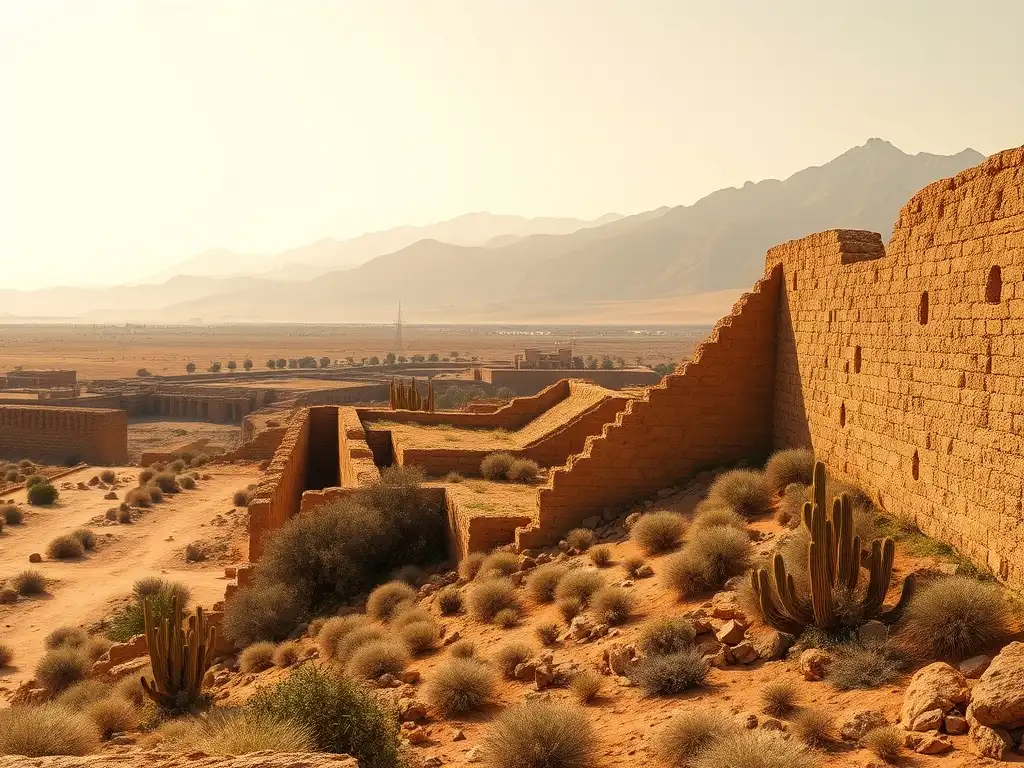
The Huari Empire, a significant Andean civilization, left behind a remarkable legacy of architectural marvels and intricate artifacts. Understanding the Huari Empire's history requires exploring the numerous archaeological sites scattered across the Peruvian highlands. These sites offer invaluable insights into their urban planning, social structures, and daily life. The sheer scale and sophistication of these settlements underscore the power and reach of the Huari state.
Analyzing the layout, construction techniques, and the artifacts unearthed at these sites provides crucial data for reconstructing the complexities of this fascinating Andean civilization. The strategic placement of many sites also reveals much about their control of resources and trade routes, further solidifying their dominance across the region. Careful study of these locations is essential for a complete understanding of Huari expansion and influence within the broader context of Andean civilization history.
Key Huari Archaeological Sites to Visit: Pikillacta, Viracochapampa, and Cerro Baúl
Several key sites stand out as particularly significant in understanding the Huari Empire's development and influence. Pikillacta, near Cusco, is a prime example of Huari urban planning. Its meticulously planned rectangular structures, intricate irrigation systems, and evidence of significant population density showcase the empire's sophisticated engineering skills and administrative capabilities. The site's relatively well-preserved structures allow for detailed analysis of Huari architecture, including the use of stone masonry techniques and the overall urban layout. Furthermore, the artifacts discovered at Pikillacta, including pottery, textiles, and metalwork, offer insights into the daily lives and cultural practices of the Huari people.
Viracochapampa, located in the Ayacucho region, presents a different facet of Huari settlements. Unlike Pikillacta's urban character, Viracochapampa appears to have been a more rural or administrative center. Its layout and the types of artifacts found suggest a more dispersed settlement pattern, perhaps indicating a different administrative or economic function within the Huari state. Ongoing research at Viracochapampa continues to reveal new information about the Huari Empire's administrative strategies and their control over outlying regions. The unique characteristics of this site challenge previous assumptions about the Huari Empire's uniform urban planning.
Cerro Baúl, also situated in the Ayacucho region, is another important site. It's known for its monumental architecture and its strategic location, suggesting a key role in the Huari's control of the region. The scale of the construction at Cerro Baúl is impressive, reflecting the Huari's capacity for large-scale projects and their ability to mobilize significant labor forces.
Further research is needed to fully understand the function of Cerro Baúl within the broader context of the Huari Empire, but its sheer size and location point to its importance as a significant administrative or ceremonial center. The ongoing excavation and analysis of these three sites offer a multifaceted perspective on the Huari Empire's urban development and its influence across the Andean region. The diversity of sites like Pikillacta, Viracochapampa, and Cerro Baúl highlights the complexity and sophistication of the Huari Empire's administrative and social structures.
Discoveries and Ongoing Research on the Huari Empire: New Excavations and Interpretations
Recent archaeological discoveries continue to reshape our understanding of the Huari Empire's origins, expansion, and eventual decline. New excavations at various sites across the Huari heartland have unearthed significant evidence challenging previously held assumptions. For example, the discovery of [specific artifacts pending] at [specific site pending] provides new insights into Huari trade networks and interactions with neighboring cultures.
Furthermore, the application of advanced technologies, such as LiDAR and ground-penetrating radar, is revealing previously unknown features and structures at known sites, significantly expanding our knowledge of the extent and complexity of Huari urban centers. These technological advancements are crucial for non-invasive exploration of sensitive archaeological sites.
The interpretation of existing archaeological data is also undergoing significant revision. Scholars are increasingly employing interdisciplinary approaches, integrating archaeological findings with ethnohistorical accounts and environmental data. This holistic approach is leading to more nuanced interpretations of Huari social organization, political structures, and economic systems.
For instance, recent studies suggest a more complex picture of Huari control over its vast territory, possibly involving a combination of military force, economic incentives, and ideological influence. This nuanced perspective replaces previous models that emphasized solely military dominance. The ongoing research and re-evaluation of existing data highlight the dynamic and evolving nature of our understanding of the Huari Empire within the broader context of Andean civilization history.
Current Research on Huari: Insights from Isotopic and DNA Analysis
Modern scientific techniques are providing exciting new perspectives on the Huari Empire. Isotopic analysis of human remains from Huari sites is revealing information about diet, mobility, and migration patterns. These analyses can help to understand the movement of people within the empire and the degree of integration between different regions.
For example, analysis of strontium isotopes in teeth can reveal where individuals spent their formative years, providing valuable information about population movements and social structures. The data might show evidence of migration from different regions into the Huari heartland, or conversely, the displacement of local populations by Huari elites. This data will significantly contribute to a more comprehensive understanding of the Huari population and their interactions within the Andean region.
Furthermore, the application of ancient DNA analysis offers the potential to uncover genetic relationships between different Huari populations and to understand the genetic impact of the empire's expansion on the surrounding communities. This research could shed light on whether the Huari expansion was accompanied by significant population movements or whether it involved a more gradual process of cultural assimilation. The results of these DNA analyses, when combined with isotopic and archaeological data, promise to provide a truly comprehensive picture of the Huari Empire's demographic dynamics and their impact on the broader Andean landscape.
These cutting-edge techniques are revolutionizing our understanding of the Huari Empire and its place in Andean civilization history, offering a fascinating glimpse into the lives and movements of its people. The integration of these scientific methods with traditional archaeological approaches promises to significantly enhance our understanding of this remarkable civilization.
Frequently Asked Questions
What was the Huari Empire?
The Huari Empire was a powerful Andean civilization that flourished between the 7th and 13th centuries CE. They were known for their extensive territorial control and sophisticated urban planning, significantly impacting the region's development. Their influence extended across much of the central Andes.
How did the Huari Empire exert its power?
The Huari likely used a combination of military might and diplomatic strategies to control their vast territory. They established administrative centers throughout their empire, facilitating communication and resource management. Evidence suggests a degree of cultural integration, rather than outright conquest.
What are some notable achievements of the Huari Empire?
The Huari are renowned for their advanced urban planning, particularly in their capital city of Huari. They also developed remarkable ceramic artistry and complex irrigation systems, crucial for agriculture in the challenging Andean environment. Their influence on subsequent Andean cultures was profound.
How did the Huari Empire decline and fall?
The exact reasons for the Huari Empire's collapse remain debated. Internal conflicts, environmental factors like droughts, and external pressures from other Andean groups are all suggested contributing factors. The process of decline seems to have been gradual rather than sudden.
What is the relationship between the Huari and the Inca Empire?
While not directly ancestral, the Huari Empire significantly influenced later Andean civilizations, including the Inca. The Inca likely adopted and adapted certain aspects of Huari administrative and architectural styles. The Huari legacy is evident in Inca urban planning and cultural practices.
Final Reflection: The Enduring Legacy of Huari
The Huari Empire's sophisticated urban planning, intricate pottery, and far-reaching influence continue to resonate today, reminding us of the remarkable achievements possible through centralized organization and cultural exchange. Understanding their rise and fall offers invaluable insights into the complexities of societal development and the fragility of even the most powerful empires. The echoes of Huari's innovations are still heard in the Andean landscape and its cultural heritage.
The Huari's impact transcends mere historical significance; it speaks to the enduring human capacity for innovation and adaptation. Their legacy is woven into the fabric of Andean culture, influencing subsequent civilizations and shaping the very identity of the region. The past is never dead. It's not even past,
wrote William Faulkner, and this rings profoundly true when considering the Huari's lasting influence on the Andean world. Their artistic styles, agricultural techniques, and administrative structures left an indelible mark, shaping the trajectory of Andean civilizations for centuries to come. This enduring legacy underscores the importance of preserving and understanding the rich tapestry of human history.
Consider the intricate details of Huari pottery, the grandeur of their urban centers, and the sophisticated organization required to manage such a vast empire. These achievements are not just relics of a bygone era; they are testaments to human ingenuity and resilience. You, the reader, are now part of this ongoing conversation. Take a moment to reflect on the parallels between the challenges faced by the Huari and those we confront today.
What lessons can we learn from their successes and failures? How can we apply this knowledge to build a more sustainable and equitable future? Let the story of the Huari Empire inspire you to explore the past, understand the present, and shape a better tomorrow.
Unveil the Rich Heritage of the Huari Empire!
Thank you for exploring the captivating world of the Huari Empire, where ancient innovations and cultural richness intertwine. You've gained valuable insights into one of the most influential civilizations in Andean history. Now, let's put that knowledge to work!
Here are some ways you can deepen your understanding and connect with others who share your passion:
- Delve deeper into Huari culture by exploring current archaeological discoveries, visiting a local museum, or reading scholarly articles.
- Share your knowledge! Discuss this fascinating civilization with friends, family, or online communities, sparking conversations about the Huari and other Andean cultures.
- Support organizations dedicated to preserving Andean heritage; your contribution can make a real difference.
What aspect of the Huari Empire most fascinates you, and how can you integrate that knowledge into your life? Let's discuss in the comments!