
The Role of Agriculture: Exploring Farming Practices in the PreIncan Andes


Step into a world lost to time, yet echoing with innovation. Imagine a landscape sculpted by ingenuity, where civilizations thrived against seemingly insurmountable odds. This is the story of the Andes, a region that birthed remarkable cultures long before the Inca. Uncover the secrets of their success, starting with the astonishing PreInca Andean farming techniques that shaped not only their survival, but the very fabric of their societies. Prepare to be amazed by the ingenuity and resilience of these ancient peoples. Dive in and discover their legacy!
The Andes Mountains, a spine of imposing peaks running down the western coast of South America, presented a formidable challenge and a unique opportunity for the pre-Inca civilizations that thrived there. This article delves into the ingenious agricultural techniques employed by these cultures – a testament to human adaptability and ingenuity in the face of harsh environmental conditions.
Understanding their farming practices is crucial to comprehending the rise and sophistication of these societies, from the Nazca's mastery of water management to the Tiahuanaco's sophisticated terracing systems. We'll explore how these Pre-Inca Andean farming techniques not only ensured survival but also fueled cultural and societal development, laying the groundwork for the later Inca Empire.
This exploration will highlight the diverse strategies employed across different regions and cultures, showcasing the remarkable resilience and innovation of these Andean peoples. We will focus specifically on the keyword "Pre-Inca Andean farming techniques" and its semantic variations throughout the article to provide a comprehensive and SEO-optimized resource.
Adapting to Altitude: Terracing and Irrigation in the Andes
The dramatic altitudinal variation of the Andes, ranging from coastal deserts to high-altitude plains, demanded highly specialized agricultural practices. Pre-Inca farmers ingeniously developed terracing systems to create level platforms on steep slopes, maximizing arable land and minimizing soil erosion. These terraces, often meticulously constructed with stone retaining walls, were not merely practical solutions; they were also aesthetically pleasing, forming stunning patterns across the landscape. Furthermore, the scarcity of water in many regions necessitated sophisticated irrigation systems.
Canals, aqueducts, and reservoirs were constructed to channel water from rivers and springs to the fields, ensuring a consistent water supply even during dry periods. The scale and precision of these projects are a striking demonstration of the advanced engineering skills and societal organization of these ancient Andean communities. The construction of these systems required significant labor, often involving community-wide participation, highlighting the importance of agriculture in their social structures.
The Nazca's Mastery of Water Management: Arid Land Agriculture
The Nazca civilization, famous for its enigmatic geoglyphs, also developed incredibly effective methods for agriculture in their extremely arid environment. Their mastery of water management is particularly noteworthy. They built extensive networks of canals and subterranean aqueducts, known as puquios, to tap into underground water sources.
These puquios were remarkably efficient, drawing water from deep aquifers and distributing it to the fields through a network of carefully designed channels. The Nazca's understanding of hydrology and their ability to construct these complex systems allowed them to cultivate crops in a region where rainfall was scarce, demonstrating an impressive level of technological sophistication and environmental adaptation. Analysis of these systems shows an intricate understanding of water flow and soil composition, allowing for optimized irrigation and crop yields.
Tiahuanaco's Agricultural Innovations: Raised Fields and Intensive Farming
The Tiahuanaco culture, located on the shores of Lake Titicaca, developed unique agricultural techniques adapted to the high-altitude environment and the fluctuating water levels of the lake. They employed raised fields, creating artificial islands of fertile soil in the marshy areas surrounding the lake. These raised fields, often combined with irrigation systems, improved drainage and soil fertility, allowing for intensive agriculture.
The construction and maintenance of these fields required considerable effort and organization, reflecting the importance placed on agricultural production within Tiahuanaco society. The efficiency of this system allowed for the cultivation of a wide variety of crops, contributing to the growth and prosperity of the Tiahuanaco civilization. Further research is needed to fully understand the long-term impact of these farming practices on the environment.
Beyond Irrigation: Crop Diversity and Agricultural Practices
Pre-Inca Andean agriculture wasn't solely reliant on sophisticated irrigation systems. Farmers cultivated a wide variety of crops adapted to different altitudes and climates, including potatoes, maize, quinoa, beans, and various fruits. They employed advanced agricultural techniques such as crop rotation and terracing to maintain soil fertility and prevent erosion.
The development of diverse crop varieties, often genetically modified through selective breeding, was crucial for food security and resilience against environmental challenges. Understanding the complex interplay between these diverse crops and the farming techniques employed is essential for a comprehensive understanding of Pre-Inca Andean agriculture. Further research into ancient Andean agricultural practices could unlock valuable insights for modern sustainable agriculture.
---
This detailed exploration of Pre-Inca Andean farming techniques provides a glimpse into the ingenuity and adaptability of these remarkable civilizations. Their agricultural practices were not merely about survival; they were central to their cultural development, social structures, and the very fabric of their societies. The legacy of their innovations continues to resonate today.
- Adapting to Altitude: Terracing and Irrigation in the Andes
- The Nazca's Mastery of Water Management: Arid Land Agriculture
- Tiahuanaco's Agricultural Innovations: Raised Fields and Intensive Farming
- Beyond Irrigation: Crop Diversity and Agricultural Practices
- What were the main challenges faced by PreInca Andean farmers?
- How did PreInca farmers overcome the challenges of the terrain?
- What crops were most important to PreInca Andean civilizations?
- What role did llamas and alpacas play in PreInca Andean farming?
- How did PreInca farming techniques influence later Inca agricultural practices?
Understanding Pre-Inca Andean Agriculture

This section delves into the sophisticated farming practices employed by Andean societies before the Inca Empire's rise. Understanding these techniques is crucial to appreciating the ingenuity and resilience of these civilizations, who successfully cultivated diverse landscapes for millennia. We will explore the importance of agriculture in their societal structures and the ingenious adaptations they developed to overcome the unique challenges posed by the Andes' varied environments. The term "Pre-Inca Andean farming techniques" encompasses a wide range of strategies, reflecting the diverse cultures and ecological zones across the Andes.
The Importance of Agriculture in Andean Societies
Agriculture wasn't merely a source of sustenance for Pre-Inca Andean societies; it was the very foundation of their social, political, and religious structures. The success of their farming directly impacted population density, social stratification, and the development of complex urban centers. Unlike many other ancient civilizations reliant on large-scale irrigation systems, Pre-Inca farmers mastered a variety of techniques tailored to the specific ecological niches of their regions.
This mastery allowed for surplus production, enabling the development of specialized labor, trade networks, and the accumulation of wealth and power within the ruling elites. The agricultural surplus also fueled religious ceremonies and practices, further emphasizing agriculture's central role in Andean life.
Archaeological evidence, including the discovery of large granaries and sophisticated storage facilities, underscores the importance placed on food production and management. The seasonal cycles dictated much of Andean life, with agricultural practices deeply interwoven with religious beliefs and rituals celebrating the bounty of the earth.
Diverse Environments and Agricultural Challenges
The Andes Mountains present a formidable challenge to agriculture. The region boasts extreme altitude variations, ranging from coastal deserts to high-altitude plains (puna) and lush cloud forests (yungas). Rainfall patterns are highly variable, with some regions experiencing arid conditions and others facing intense monsoons.
Pre-Inca farmers faced these diverse and often harsh conditions head-on, developing ingenious techniques to maximize crop yields. Their solutions were not uniform; instead, they reflected a deep understanding of local ecosystems and a remarkable ability to adapt their practices to specific environmental conditions. This adaptability is a key characteristic of Pre-Inca Andean farming techniques, differentiating them from agricultural systems in more uniform environments.
Consider the following table illustrating the diverse environments and the corresponding agricultural challenges:
| Environment | Challenges | Pre-Inca Adaptations |
|---|---|---|
| Coastal Deserts | Aridity, lack of water | Sophisticated irrigation systems, fog harvesting |
| High-Altitude Plains (Puna) | Cold temperatures, short growing seasons | Freeze-resistant crops, terracing, microclimates |
| Cloud Forests (Yungas) | Steep slopes, high rainfall | Terracing, drainage systems, specialized crops |
| Valley Floors | Flooding, fertile soil requiring careful management | Raised fields, irrigation canals, crop rotation |
The ingenuity of these adaptations is further highlighted by the diverse range of crops cultivated. Pre-Inca farmers successfully cultivated potatoes, maize, quinoa, beans, and other crops, each adapted to specific environmental conditions. Their mastery of these techniques allowed them to create a resilient and productive agricultural system that sustained significant populations for centuries. Further research into specific regional variations in Pre-Inca Andean farming techniques would reveal even greater diversity and sophistication.
Key PreInca Andean Farming Techniques
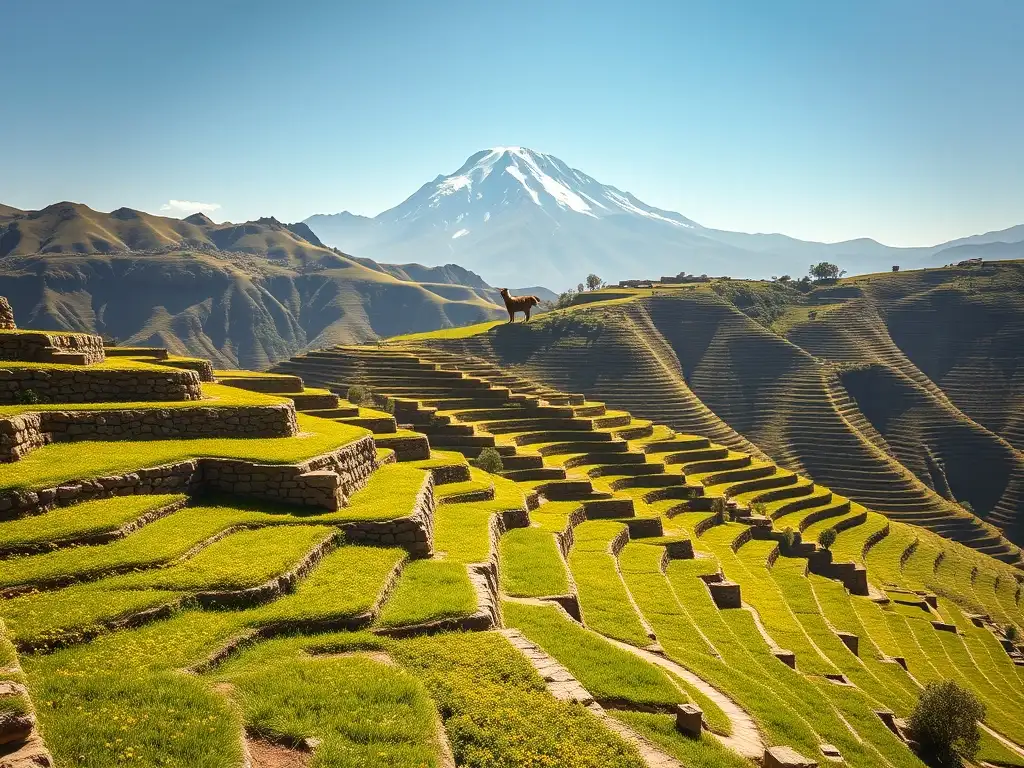
The PreInca Andean civilizations developed sophisticated agricultural techniques to thrive in the challenging Andean environment. These techniques, honed over centuries, allowed for intensive cultivation in diverse and often steep terrains, significantly impacting the development and prosperity of these cultures. Understanding these methods provides crucial insight into the ingenuity and resilience of PreInca Andean societies.
The mastery of water management and innovative land modification techniques were key to their success, enabling them to cultivate a wide range of crops and support large populations. This section will delve into some of the most important PreInca Andean farming techniques, highlighting their impact on the region's development. Analyzing these practices illuminates the ingenuity and adaptive capabilities of these early Andean communities, who successfully transformed challenging landscapes into productive agricultural zones.
Terrace Farming: Engineering for Cultivation
Terrace farming, a hallmark of PreInca Andean agriculture, involved carving level platforms into steep hillsides to create arable land. This ingenious method maximized usable land area in a region characterized by mountainous terrain. The construction and maintenance of these terraces were labor-intensive, requiring significant community effort and sophisticated engineering knowledge. The effectiveness of this technique is evidenced by the enduring presence of these terraces even today, a testament to their durability and efficiency. The precision and scale of these projects suggest a high level of societal organization and planning, reflecting a deep understanding of the environment and its limitations.
Constructing Agricultural Terraces in the Andes
The construction of Andean terraces was a complex process, beginning with careful site selection and meticulous planning. Stones were carefully selected and fitted together without mortar, forming retaining walls that held the soil in place. The terraces were often tiered, creating a cascade effect that minimized soil erosion and maximized water retention. The size and spacing of the terraces varied depending on the slope of the land and the type of crop being cultivated.
Evidence suggests the use of various tools, including stone chisels and hammers, and the mobilization of large workforces for these projects. This collaborative effort underscores the importance of community in PreInca Andean society and the shared commitment to agricultural success. Archaeological findings continue to reveal new details about the construction methods employed, showcasing the advanced engineering skills of these ancient builders.
Benefits of Terraced Agriculture for PreInca Farmers
The benefits of terrace farming were numerous and significant. The level surfaces provided ample space for planting and cultivating crops, increasing agricultural yields. The retaining walls prevented soil erosion, a crucial factor in the steep Andean slopes. The terraced design also facilitated water management, allowing for efficient irrigation and preventing water runoff.
This increased water retention proved particularly important in the dry Andean climate. Furthermore, the microclimates created by the terraces provided diverse growing conditions, allowing for the cultivation of a broader range of crops. The success of this system is evident in the flourishing populations supported by PreInca Andean agriculture.
Irrigation Systems: Mastering Water Management
Water management was crucial for successful agriculture in the Andes. PreInca civilizations developed sophisticated irrigation systems to channel water from rivers and streams to their fields, ensuring a reliable water supply even during periods of drought. These systems demonstrate a deep understanding of hydrology and engineering, with canals carefully designed to navigate challenging terrain and deliver water efficiently to designated areas. The scale and complexity of these irrigation projects are impressive, reflecting a high degree of centralized planning and community cooperation.
Canal Construction and Water Distribution
The construction of irrigation canals required considerable engineering skill. Canals were often carved into rock faces or built using stone and earth, with gradients carefully calculated to ensure a steady flow of water. The canals were designed to distribute water evenly across fields, with smaller channels branching off to reach individual plots.
The maintenance of these canals was an ongoing process, requiring regular cleaning and repair to prevent blockages and ensure efficient water flow. Innovative techniques like aqueducts were employed to carry water across valleys and ravines, highlighting the advanced engineering capabilities of these ancient societies. The longevity and effectiveness of these systems are a testament to their design and construction.
The Role of Irrigation in Sustaining Andean Civilizations
Irrigation played a vital role in sustaining PreInca Andean civilizations. By providing a reliable water supply, it allowed for intensive agriculture and the cultivation of a variety of crops, including maize, potatoes, and quinoa. This reliable food supply supported larger and more stable populations, leading to the development of complex social structures and urban centers.
The success of these irrigation systems contributed significantly to the economic and political power of PreInca Andean societies. The ability to manage water resources effectively was a key factor in their ability to thrive in a challenging environment, shaping their cultural development and leaving a lasting legacy. The sophisticated irrigation systems are a remarkable example of PreInca Andean ingenuity and their profound impact on the region's history is undeniable.
Crop Diversity: Adapting to Varied Environments
The PreInca Andean civilizations weren't reliant on a single crop. Their agricultural success stemmed from a remarkable understanding of their diverse environment and the cultivation of a wide array of crops adapted to different altitudes and climates. From the high-altitude puna grasslands to the warmer valleys, they skillfully exploited the varying ecological niches.
This wasn't simply a matter of survival; it was a sophisticated strategy for food security and resilience against crop failure. The ingenuity of their farming practices, honed over millennia, allowed them to thrive in a challenging landscape. This adaptability is a key factor in understanding their remarkable achievements.
The varied topography of the Andes—from arid coastal deserts to lush cloud forests—presented both challenges and opportunities. The PreInca peoples capitalized on these opportunities by developing a diverse agricultural system that mirrored the complexity of their environment. This system was not static; it evolved and adapted over time, reflecting a deep knowledge of the land and its resources.
Cultivating Potatoes and Other Tubers
Potatoes 🥔, of course, are synonymous with Andean agriculture, but the PreInca people cultivated a stunning variety of potato species, each suited to specific conditions. They didn't just grow Solanum tuberosum, the common potato we know today; they cultivated many different species within the Solanum genus, each with unique characteristics in terms of taste, texture, and ability to thrive in various altitudes and soil types. Beyond potatoes, they expertly cultivated other tubers like oca ( Oxalis tuberosa), ulluco ( Ullucus tuberosus), and mashua ( Tropaeolum tuberosum).
These crops provided crucial dietary diversity and nutritional security, acting as vital sources of carbohydrates and other essential nutrients. Careful selection and cultivation of these different varieties ensured a consistent food supply even in the face of environmental challenges.
The knowledge passed down through generations allowed them to optimize yields and maintain genetic diversity. This sophisticated approach to crop management is a testament to their agricultural acumen.
The Importance of Quinoa and Maize in the Andes
Quinoa ( Chenopodium quinoa) and maize ( Zea mays) played pivotal roles in PreInca Andean diets, providing essential calories and nutrients. Quinoa, a highly nutritious grain, thrived in challenging conditions, showcasing the resilience of PreInca agriculture. It was a crucial source of protein and essential amino acids, supplementing the carbohydrate-rich tubers. Maize, adapted to lower altitudes, was another staple crop.
Its cultivation, often alongside beans and squash in a technique known as the "three sisters," provided a balanced diet and maximized land use efficiency. The symbiotic relationship between these three crops—maize providing support, beans fixing nitrogen in the soil, and squash suppressing weeds—demonstrates the sophisticated understanding of ecological principles that underpinned PreInca farming. The successful cultivation of these crops, along with potatoes and other tubers, provided a stable and varied food supply that supported substantial populations in the Andes.
Soil Management: Techniques for Fertility
Maintaining soil fertility was crucial for the success of PreInca agriculture. They developed a range of ingenious techniques to ensure the long-term productivity of their fields. Their understanding of soil health went beyond simply planting crops; it involved a holistic approach to land management, recognizing the interconnectedness of soil, water, and vegetation. This detailed understanding was crucial for their survival and prosperity in the challenging Andean environment. The methods they employed were not only effective but also sustainable, highlighting their environmental awareness.
Use of Guano and Other Natural Fertilizers
Guano, the excrement of seabirds, was a highly valued fertilizer in PreInca Andean agriculture. Rich in nitrogen and other essential nutrients, guano significantly improved soil fertility. Access to guano deposits along the coast was a significant advantage, and its careful transportation and application demonstrate the sophistication of their agricultural logistics. Beyond guano, they utilized other organic materials like compost and manure to enrich their fields.
This practice, combined with crop rotation, helped to maintain soil health and prevent nutrient depletion. The careful management of these resources reflects a deep understanding of the importance of soil fertility and its impact on crop yields. Their knowledge and techniques were passed down through generations, ensuring the long-term sustainability of their agricultural practices.
Crop Rotation Practices in Pre-Inca Agriculture
Crop rotation played a crucial role in maintaining soil fertility and preventing pest and disease infestations. By rotating different crops, they avoided depleting specific nutrients in the soil and reduced the build-up of pests and diseases associated with monoculture farming. This practice was not simply a matter of chance; it was a carefully planned system reflecting a sophisticated understanding of soil ecology and plant health.
Specific rotation patterns varied depending on the altitude and local conditions, demonstrating the adaptability of PreInca agricultural techniques to diverse environments. This system significantly contributed to the long-term sustainability of their agriculture and ensured the consistent production of food for their communities. The effectiveness of their crop rotation methods is a testament to their observation skills and practical knowledge of agricultural principles.
Regional Variations in PreInca Andean Farming

The Andes Mountains present a dramatic diversity of environments, forcing pre-Inca populations to develop highly specialized farming techniques adapted to specific ecological niches. Understanding these regional variations is crucial to appreciating the ingenuity and resilience of these ancient Andean societies. The sheer variety of PreInca Andean farming techniques highlights the deep connection between these cultures and their environment, a relationship that shaped their social structures, religious beliefs, and overall way of life.
This section will explore the distinct agricultural strategies employed in the coastal and highland regions, emphasizing the innovative solutions implemented to overcome the unique challenges posed by each environment. The keyword "PreInca Andean farming techniques" is central to understanding this complex agricultural tapestry.
Coastal Agriculture: Adapting to Arid Conditions
The coastal regions of the Andes, while offering proximity to the sea, present a significant challenge: aridity. Scarcity of rainfall demanded sophisticated irrigation systems and creative farming methods to ensure successful harvests. The ingenuity of these PreInca Andean farming techniques is evident in the remarkable adaptations developed to overcome these harsh conditions.
The Use of Raised Fields (Waru Waru)
Waru waru, a remarkable example of PreInca Andean farming techniques, involved constructing raised fields separated by canals. This system, prevalent in the Lake Titicaca region, served multiple purposes. The raised beds improved drainage, reducing the risk of waterlogging in the often-saturated soil. The canals, filled with water, acted as reservoirs, providing moisture during dry spells.
Furthermore, the dark, nutrient-rich mud from the canals was periodically added to the raised fields, acting as a natural fertilizer. The effectiveness of this system is evidenced by its continued use in some areas even today. This sustainable approach speaks volumes about the sophisticated understanding of hydrology and soil management possessed by these ancient cultures. The design and construction of Waru Waru fields demonstrate a deep knowledge of the local environment and a commitment to long-term agricultural sustainability.
The Moche and Their Coastal Agricultural Practices
The Moche civilization, known for their elaborate artistry and complex social structures, also displayed exceptional agricultural prowess. Their coastal settlements relied heavily on intricate irrigation systems channeling water from rivers and streams to their fields. Evidence suggests they constructed canals and reservoirs, managing water flow to optimize crop yields. These systems were not simply functional; they were integrated into their worldview, possibly holding symbolic significance within their religious practices.
The Moche’s ability to cultivate crops in the arid coastal environment highlights the advanced engineering and social organization necessary to support a large population. Their sophisticated approach to water management exemplifies the ingenuity of PreInca Andean farming techniques along the coast. Further research into Moche agricultural practices could reveal even more about their sophisticated understanding of water management and agricultural engineering.
Highland Agriculture: Overcoming Altitude Challenges
The high-altitude regions of the Andes presented unique challenges, including thin air, steep slopes, and short growing seasons. PreInca inhabitants responded with innovative agricultural practices that exploited the varied microclimates found across different altitudes. The mastery of these PreInca Andean farming techniques is a testament to their adaptability and deep understanding of their environment.
Vertical Agriculture: Utilizing Different Altitudes
Vertical agriculture, also known as agroecology, was a defining characteristic of highland farming. Different crops were cultivated at varying altitudes, taking advantage of the diverse microclimates. For instance, coca, thriving in warmer lower slopes, complemented potatoes cultivated at higher altitudes.
This strategic approach maximized agricultural output, diversifying food sources and mitigating risks associated with localized crop failures. The intricate understanding of different crops’ needs and the ability to manage such a diverse agricultural system across varying altitudes showcases the advanced knowledge of the PreInca populations. This is a prime example of sustainable PreInca Andean farming techniques, demonstrating a holistic approach to land management.
The Tiwanaku and Their Highland Agricultural Practices
The Tiwanaku civilization, flourishing in the Altiplano region, is renowned for its sophisticated agricultural practices. They developed raised fields similar to Waru Waru, but adapted to the specific conditions of the Altiplano. Their mastery of irrigation and terracing techniques allowed them to cultivate crops on steep slopes, maximizing arable land. Their ingenuity is further highlighted by their development of frost-resistant varieties of potatoes, showcasing a deep understanding of plant genetics and adaptation. The success of the Tiwanaku civilization depended heavily on their mastery of these PreInca Andean farming techniques, demonstrating the importance of agriculture in shaping their society and its longevity. The sophisticated irrigation systems and terracing techniques employed by the Tiwanaku are testaments to their advanced engineering skills and their deep understanding of the environment. Further archeological investigation into Tiwanaku agriculture could reveal even more insights into their sophisticated techniques and their impact on the development of Andean civilizations.
The Legacy of Pre-Inca Andean Farming Techniques
The ingenuity of Pre-Inca Andean farming techniques profoundly impacted the development of later Andean societies, leaving an enduring legacy on agricultural practices and shaping the very landscape of the region. Understanding these methods provides crucial insight into the resilience and adaptability of these ancient cultures, highlighting their remarkable achievements in the face of challenging environmental conditions.
The sophisticated techniques employed weren't merely about food production; they represented a deep understanding of ecology, resource management, and social organization. This section will explore the lasting influence of these techniques, demonstrating their importance in shaping both the Inca empire and contemporary sustainable agricultural practices.
Influence on later Andean Societies
How Pre-Inca Farming Shaped Inca Agriculture
The Inca Empire, while undeniably impressive in its own right, inherited and built upon the already sophisticated agricultural systems established by preceding Andean cultures. The Incas didn't invent terracing, irrigation canals, or the cultivation of native Andean crops like potatoes, quinoa, and maize. Instead, they refined and expanded upon these Pre-Inca innovations, adapting them to a larger scale and incorporating them into their vast empire's intricate administrative structure.
The Inca's mit'a system, a form of mandatory labor, was often directed towards maintaining and expanding existing agricultural infrastructure. This ensured the continued productivity of the land, vital for supporting the empire's population and its massive public works projects. Evidence of this continuity can be seen in the remarkable similarity of agricultural techniques across different regions of the Inca Empire, reflecting the underlying influence of Pre-Inca practices.
For example, the intricate irrigation systems of the Nazca culture served as a model for similar, albeit larger-scale, systems constructed by the Incas. The Inca's success in managing a vast and diverse agricultural landscape is directly attributable to the solid foundation laid by their Pre-Inca predecessors.
Sustainable Agriculture Principles that Persist Today
Many Pre-Inca Andean farming techniques incorporated principles of sustainability that resonate even today. Their practices were deeply intertwined with their understanding of the environment, emphasizing careful resource management and minimizing environmental impact. Techniques like terracing, which prevented soil erosion on steep slopes, and crop rotation, which maintained soil fertility, are prime examples. The use of fertilizers derived from natural sources, like guano (bird droppings), further demonstrates their commitment to sustainable agriculture.
These practices not only ensured food security but also helped maintain the long-term productivity of the land. Modern sustainable agriculture movements are increasingly drawing inspiration from these ancient methods, recognizing their effectiveness in promoting ecological balance and resilience. The emphasis on biodiversity, water conservation, and soil health, inherent in Pre-Inca techniques, offers valuable lessons for contemporary agriculture striving to address the challenges of climate change and food security.
Lessons from Ancient Andean Agricultural Practices
The study of Pre-Inca Andean farming provides invaluable insights for contemporary agricultural challenges. Their mastery of challenging terrain, utilizing techniques like waru waru (raised field agriculture) in swampy areas, demonstrates remarkable adaptability and innovation. Their deep understanding of water management, evidenced by their extensive irrigation systems, is particularly relevant in today’s world, facing increasing water scarcity.
The integration of diverse crops and livestock within their agricultural systems—a form of agroforestry—further showcases their holistic approach to land management. These ancient techniques offer valuable lessons in building resilient and sustainable agricultural systems, especially in regions facing similar environmental constraints. The careful observation of ecological processes and the development of ingenious techniques to overcome environmental limitations remain a significant source of knowledge for modern agricultural practices.
By studying these techniques, we can learn how to cultivate food more sustainably, protect our environment, and ensure food security for future generations. The legacy of Pre-Inca Andean farming is not merely historical; it is a vital resource for addressing the pressing agricultural challenges of our time.
Frequently Asked Questions
What were the main challenges faced by PreInca Andean farmers?
The harsh Andean environment, with its steep slopes, diverse altitudes, and variable climates, presented significant challenges. Farmers had to adapt their techniques to these difficult conditions to ensure successful harvests.
How did PreInca farmers overcome the challenges of the terrain?
They developed ingenious techniques like terracing, irrigation systems, and waru waru (raised fields) to maximize arable land and water management, adapting to the varied altitudes and slopes.
What crops were most important to PreInca Andean civilizations?
Potatoes, maize, quinoa, and beans were staple crops, providing essential nutrients and forming the basis of their diet. The diversity of crops helped ensure food security.
What role did llamas and alpacas play in PreInca Andean farming?
Llamas and alpacas were crucial for transporting goods, fertilizing fields, and providing wool and meat. Their use significantly boosted agricultural efficiency and overall productivity.
How did PreInca farming techniques influence later Inca agricultural practices?
PreInca innovations in terracing, irrigation, and crop diversification laid the groundwork for the Inca Empire's sophisticated agricultural systems. Inca practices built upon and expanded these earlier techniques.
Final Reflection: Harvesting the Legacy of Andean Agriculture
The ingenious farming practices of the PreInca Andes remain a powerful testament to human ingenuity and adaptation, offering crucial lessons for sustainable agriculture in our era of climate change and resource scarcity. These ancient techniques, far from being relics of the past, hold the key to unlocking innovative solutions for feeding a growing global population while minimizing environmental impact. Their relevance today is undeniable.
The sophisticated terracing, intricate irrigation systems, and diverse crop cultivation methods employed by PreInca Andean farmers represent a profound understanding of their environment and a commitment to long-term sustainability. Their achievements continue to inspire modern agricultural practices, reminding us of the importance of working with nature, not against it. The land was our mother, and we treated her with respect.
– (A hypothetical quote reflecting the likely ethos of PreInca Andean farmers). This ethos of respect for the land and its resources is a vital lesson for us to relearn in our increasingly industrialized world.
Consider the ingenuity of these ancient farmers, their deep connection to the land, and the enduring legacy of their practices. You, too, can cultivate a deeper appreciation for sustainable living by exploring the principles of PreInca Andean agriculture. Reflect on how these methods might inform your own choices – from supporting local, sustainable food systems to embracing environmentally conscious practices in your daily life. Let the wisdom of the past guide you towards a more sustainable and equitable future.
Unveil the Secrets of Ancient Andean Farming!
Thank you for exploring the fascinating world of pre-Inca Andean agriculture! We hope this article has sparked your interest in the innovative farming techniques that shaped these ancient civilizations. Let's explore how you can apply these insights to your life today.
- Delve deeper into the history: Explore your local library or online archives for more information on pre-Columbian agricultural practices. Many excellent resources are available.
- Share your newfound knowledge: Discuss the article with friends and family, exploring how these ancient methods can inspire modern sustainable approaches to food production.
- Connect with a community: Join a local gardening or farming club to apply ancestral techniques to your own garden and connect with like-minded individuals.
Consider this: How can the wisdom of ancient Andean farmers inform our modern food cultivation practices? We'd love to hear your thoughts!