
Regional Variations: How Geography Shaped PreIncan Highland Development

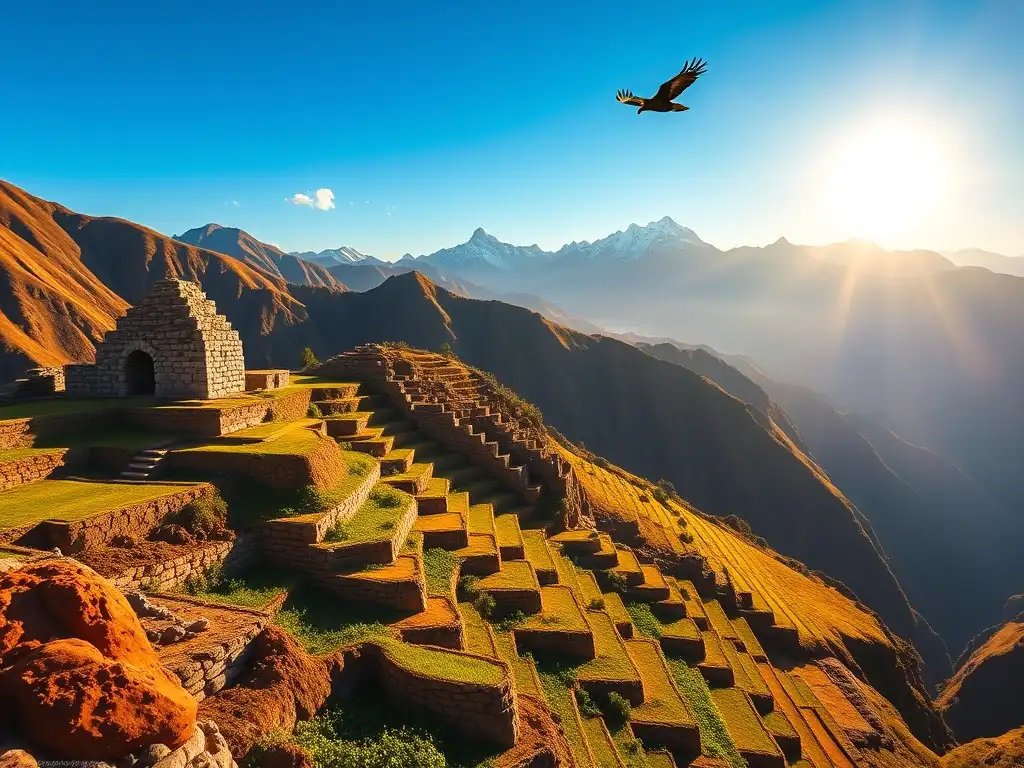
Step into a world lost to time, yet echoing with the whispers of empires. Journey with us through the breathtaking landscapes of the Andes, where ingenuity blossomed in the face of unforgiving terrain. Discover how the very geography of the Andean highland civilizations shaped the rise and fall of remarkable cultures, from the Moche to the Inca. Unravel the mysteries behind the remarkable adaptations and innovations revealed in our exploration of "Andean highland civilizations geography." Prepare to be amazed by the resilience and brilliance of these ancient societies – your exploration begins now.
The Andes Mountains, a spine of towering peaks and deep valleys stretching along the western coast of South America, presented a formidable yet fertile landscape for the development of pre-Incan civilizations. This article explores the profound influence of Andean geography – its diverse altitudes, climates, and resources – on the unique cultural and technological trajectories of various highland societies.
We will examine how the challenges and opportunities presented by this dramatic terrain shaped the distinct identities of groups like the Wari, Tiwanaku, and other significant pre-Incan cultures, ultimately contributing to the complex tapestry of Andean history. Understanding the interplay between geography and societal development is crucial to appreciating the richness and complexity of Andean highland civilizations and their enduring legacy.
This exploration will delve into specific examples showcasing how environmental factors directly impacted societal structures, agricultural practices, and even spiritual beliefs. The keyword "Andean highland civilizations geography" is central to this investigation, highlighting the geographical determinism present in the region's pre-Columbian past.
The Impact of Altitude and Climate
The dramatic altitudinal variation of the Andes, ranging from high-altitude puna grasslands to lower-lying valleys and coastal deserts, profoundly impacted the development of distinct ecological zones and corresponding agricultural practices. Higher altitudes, characterized by harsh climates and thin air, presented challenges to agriculture. Pre-Incan societies adapted by developing sophisticated techniques like terraced farming ( andenes), which allowed for efficient irrigation and cultivation of crops like potatoes, quinoa, and oca – staples that thrived in these challenging conditions. Lower altitudes, on the other hand, offered more moderate climates and a greater variety of cultivatable lands, supporting different agricultural practices and potentially leading to greater food surpluses. This variation in agricultural potential likely influenced population density and the complexity of social organization across different regions. The availability of specific resources, dictated by altitude and climate, also influenced the development of unique craft traditions and technologies. For instance, the availability of certain minerals at different altitudes could have played a role in the development of distinct metalworking techniques.
Water Management and Resource Distribution
Access to water was, and remains, a critical factor in the Andes. Pre-Incan societies developed ingenious systems of water management, including canals, aqueducts, and reservoirs, to irrigate their crops and sustain their populations. The distribution of water resources significantly influenced settlement patterns, with populations often concentrating near reliable water sources.
The management of water also served as a crucial element in social organization, with control over water resources potentially conferring significant power and influence. Moreover, the availability of other resources, such as timber, stone, and minerals, further shaped regional variations in technology and craftsmanship. The proximity to specific resources, determined by the geographical landscape, influenced the specialization of certain communities in specific crafts and trades, contributing to the emergence of inter-regional exchange networks.
The Role of Topography in Settlement Patterns
The rugged topography of the Andes, with its steep slopes, narrow valleys, and challenging terrain, played a significant role in shaping settlement patterns. Pre-Incan communities often built their settlements in locations that offered both defensible positions and access to essential resources. Fortified settlements perched on high cliffs or mountain ridges were common, reflecting the need to protect against both environmental hazards and potential conflicts with neighboring groups.
The layout of settlements also reflected the topography, adapting to the contours of the land. This adaptation, in turn, influenced social organization and the spatial distribution of different functions within a community. The integration of architecture with the natural landscape is a testament to the sophistication of pre-Incan engineering and their deep understanding of their environment.
Regional Interaction and Exchange Networks
Despite the geographical challenges, pre-Incan societies established extensive networks of interaction and exchange across the Andes. The movement of goods, ideas, and people was facilitated by a combination of factors, including established trails, the use of pack animals (like llamas), and the development of sophisticated transportation technologies. These exchange networks played a crucial role in the dissemination of innovations and cultural practices, contributing to the broader development of Andean civilization.
However, the geographical barriers also resulted in regional variations, with specific cultural traits and technologies developing independently or at different rates in different parts of the Andes. This intricate interplay between connectivity and isolation is a key element in understanding the complex development of pre-Incan societies. The exchange of goods, particularly agricultural products, was vital for survival and economic prosperity, further highlighting the interconnectedness of these seemingly isolated communities.
The following sections will further examine specific examples of pre-Incan highland civilizations and their adaptation to the unique challenges and opportunities presented by their environment.
- The Impact of Altitude and Climate
- Water Management and Resource Distribution
- The Role of Topography in Settlement Patterns
- Regional Interaction and Exchange Networks
- What role did geography play in the development of Andean highland civilizations?
- How did the varied geography of the Andes influence agricultural practices?
- Which Andean civilizations were most significantly shaped by the highland geography?
- How did the geography of the Andes affect the distribution and interaction of these civilizations?
- What are some examples of technological advancements driven by the Andean highland geography?
Understanding the Impact of Andean Geography on Pre-Incan Societies
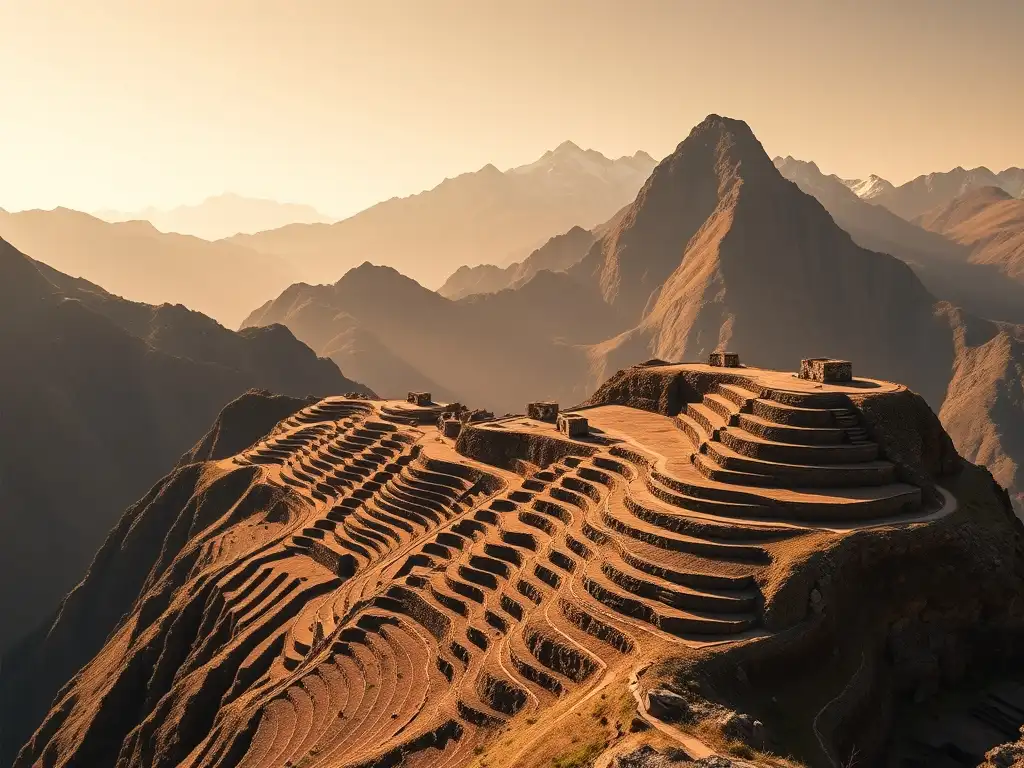
The Andean highlands, a breathtaking yet challenging environment, profoundly shaped the development of pre-Incan societies. Understanding this intricate relationship between geography and culture is crucial to appreciating the ingenuity and resilience of these civilizations. The dramatic variations in altitude, climate, and available resources directly influenced settlement patterns, agricultural practices, social structures, and even religious beliefs.
This section delves into the specific ways in which the Andean geography acted as both a constraint and a catalyst for pre-Incan development, focusing on the interplay between environment and human adaptation. This analysis will explore how the unique characteristics of the Andean highlands fostered diverse cultural expressions and remarkable technological innovations, ultimately contributing to the rich tapestry of Andean civilization. The keyword, "Andean highland civilizations geography," is central to understanding this complex interplay.
The Diverse Landscapes of the Andean Highlands
The Andean highlands are far from a monolithic entity. Instead, they present a stunning variety of ecosystems, each demanding unique adaptations from its inhabitants. From the high-altitude puna grasslands, characterized by frigid temperatures and sparse vegetation, to the warmer, more fertile valleys and quechuas, the landscape dictated the possibilities and limitations for pre-Incan societies.
The puna regions, situated above 4,000 meters, presented significant challenges. The thin air, intense solar radiation, and unpredictable weather patterns severely limited agricultural potential. Societies inhabiting these areas relied heavily on camelids – llamas and alpacas – for sustenance, using their wool, meat, and dung as vital resources. Their survival depended on mastering herding techniques and developing sophisticated systems for managing limited resources. This led to unique social structures, likely centered around kinship and pastoral nomadism.
In contrast, the lower-altitude valleys and quechuas offered more favorable conditions for agriculture. Here, the availability of water, warmer temperatures, and fertile soils allowed for the cultivation of crops like potatoes, maize, and quinoa. These regions supported larger, more sedentary populations, leading to the development of complex irrigation systems, terraced agriculture, and increasingly sophisticated social hierarchies.
The contrast between the puna and the quechua highlights the diversity of strategies employed by Andean highland civilizations to adapt to their environment, emphasizing the significant role of geography in shaping their cultural development. The varying agricultural potential directly impacted population density and societal complexity. For example, the fertile valleys of the central Andes supported larger, more centralized states, while the puna regions tended to have smaller, more dispersed communities.
How Altitude Influenced Pre-Incan Highland Cultures
Altitude exerted a powerful influence on virtually every aspect of pre-Incan life. The decreasing oxygen levels at higher elevations impacted human physiology, affecting everything from agricultural practices to religious beliefs.
The availability of oxygen directly affected agricultural productivity. Certain crops thrived at specific altitudes, leading to a complex system of vertical agricultural practices known as verticality. This involved cultivating different crops at different altitudes, maximizing the use of available resources and minimizing risk. Pre-Incan societies developed sophisticated techniques for terracing slopes and managing water resources to optimize agricultural yields at various altitudes. This vertical integration of agricultural production was a remarkable feat of environmental engineering and a testament to their profound understanding of their environment.
Furthermore, the challenging conditions of the high Andes likely influenced religious beliefs and practices. The unpredictable climate, the awe-inspiring landscape, and the constant struggle for survival may have contributed to the development of complex religious systems centered around deities associated with mountains, weather, and fertility. The worship of mountain spirits and the performance of rituals aimed at ensuring bountiful harvests underscore the profound connection between the Andean peoples and their environment. The adaptation to altitude, therefore, was not just a physical process but also a deeply ingrained cultural and spiritual one.
The "Andean highland civilizations geography" directly influenced their spiritual and material lives. Further research is needed to fully understand the nuances of these complex relationships, particularly concerning specific religious practices and their correlation with altitude and available resources. [Specific information pending: Detailed analysis of religious texts and archaeological evidence related to altitude-specific religious practices].
Regional Differences in Pre-Incan Highland Development
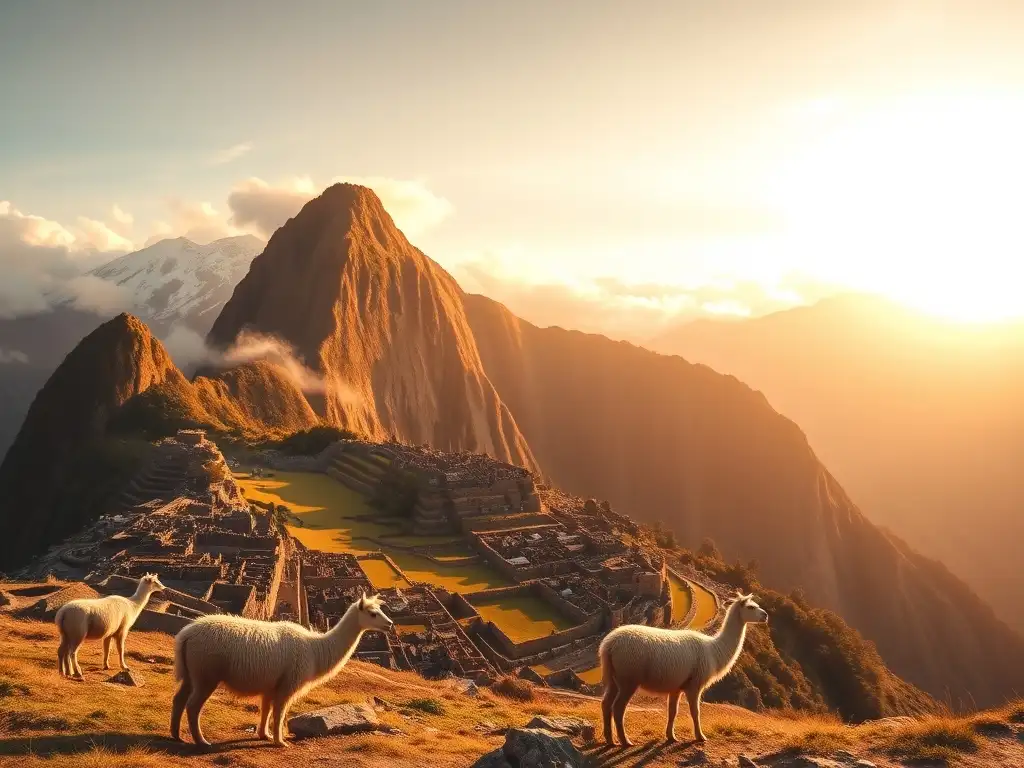
The Andean highlands, a vast and geographically diverse region, witnessed the rise and fall of numerous pre-Inca civilizations. Understanding the interplay between geography and cultural development is crucial to appreciating the unique characteristics of each society. This section explores the significant regional variations in pre-Inca highland development, focusing on the contrasting environmental challenges and the ingenious solutions employed by these Andean highland civilizations.
The diverse geography of the Andes directly influenced agricultural practices, settlement patterns, and social structures, leading to a fascinating tapestry of distinct cultural expressions. Analyzing these regional differences sheds light on the complexities of Andean highland civilizations geography.
The Central Andes: A Hub of Early Andean Civilizations
The Central Andes, encompassing the Peruvian highlands, boast a complex topography characterized by high altitudes, fertile valleys, and challenging mountain passes. This region served as a cradle for some of the earliest Andean civilizations, notably Chavín. The availability of water resources, particularly from glacial melt and rivers, played a pivotal role in shaping the development of these early societies.
The rich, volcanic soils supported intensive agriculture, enabling the production of surplus food that fueled population growth and social complexity. The strategic location of certain settlements, often situated along major trade routes, fostered economic interaction and cultural exchange, contributing to the flourishing of regional centers like Chavín de Huántar.
Geographic Factors in the Rise of Chavín de Huántar
Chavín de Huántar, located in the Callejón de Huaylas, exemplifies the influence of geography on the rise of an early Andean civilization. Its strategic position at the confluence of several valleys facilitated trade and communication across a wide area. The availability of water resources and fertile land allowed for the development of a sophisticated agricultural system, supporting a large population.
Furthermore, the mountainous terrain provided natural defenses, potentially contributing to the site's prominence as a religious and ceremonial center. The very placement of Chavín, nestled within a network of interconnected valleys, allowed it to control vital trade routes and access diverse resources, significantly contributing to its power and influence. The unique geographic advantages of Chavín de Huántar are intrinsically linked to its remarkable cultural achievements, showcasing the profound impact of Andean highland civilizations geography on early Andean societies.
The Southern Andean Highlands: Adapting to Arid Conditions
In contrast to the relatively fertile Central Andes, the southern highlands present a far more challenging environment. Characterized by high altitudes, arid conditions, and limited arable land, this region demanded remarkable adaptability from its inhabitants. The scarcity of water resources necessitated innovative irrigation techniques and agricultural strategies. The harsh climate also influenced settlement patterns, with populations often concentrated near oases and water sources. Despite the challenges, the southern highlands saw the development of impressive cultures that mastered the art of survival in this demanding environment.
Strategies for Survival in the Titicaca Basin
The Titicaca Basin, nestled in the southern Andes, provides a compelling case study of adaptation to challenging geography. The high altitude, cold climate, and fluctuating water levels of Lake Titicaca presented significant obstacles to human settlement. However, the inhabitants of this region developed ingenious strategies to overcome these challenges.
They cultivated frost-resistant crops like potatoes and quinoa, adapted to the harsh conditions. They also developed sophisticated irrigation systems to manage water resources effectively, ensuring the success of their agricultural endeavors. The development of raised field agriculture ( waru waru) in the Titicaca Basin, for instance, demonstrates a remarkable understanding of both the environment and agricultural techniques.
This system, involving the creation of elevated planting beds, allowed for better water management and increased crop yields, highlighting the ingenuity of Andean highland civilizations in adapting to their challenging environment. The success of these strategies ultimately contributed to the flourishing of vibrant cultures in what would otherwise appear to be an inhospitable landscape. The adaptation strategies employed in the Titicaca Basin showcase the remarkable resilience and ingenuity of Andean peoples, profoundly illustrating the impact of Andean highland civilizations geography on cultural development.
The Northern Andean Highlands: Unique Climates and Cultural Traits
The northern Andean highlands, encompassing regions like Cajamarca and Lambayeque, presented a distinct geographical and climatic profile compared to their southern counterparts. Characterized by higher altitudes and a more varied topography, these areas experienced significant fluctuations in temperature and rainfall. This environmental diversity directly influenced the development of unique agricultural practices and cultural adaptations. Unlike the more uniform altiplano of the south, the northern highlands were marked by deep valleys, high mountain ranges, and even coastal influences in certain areas.
This resulted in a mosaic of microclimates, each supporting a specific array of crops and fostering distinct forms of social organization. The availability of water, often channeled through intricate irrigation systems, played a crucial role in shaping settlement patterns and economic activities. Archaeological evidence suggests a greater reliance on terraced agriculture in the northern highlands, a testament to the ingenuity of Andean farmers in maximizing arable land in challenging terrains.
The presence of diverse ecosystems also fostered a greater biodiversity in animal husbandry, contributing to a more varied diet and a potentially more complex social structure based on specialized labor and trade. Furthermore, the proximity to the coast in some northern regions facilitated the exchange of goods and ideas, leading to a cultural blend that differed significantly from the more isolated communities of the southern highlands. This unique interplay of environmental factors and cultural exchange ultimately shaped the distinctive character of the northern Andean highland civilizations.
How the Cajamarca Region Differed from the South
The Cajamarca region, situated in the northern Andes, provides a compelling example of how geographical factors influenced the trajectory of pre-Incan highland development, diverging significantly from trends observed in the south. Unlike the relatively flat and expansive altiplano dominating the southern highlands, Cajamarca's terrain is characterized by steep slopes, deep valleys, and a complex network of rivers and streams. This rugged topography necessitated the development of sophisticated irrigation systems to support agriculture, a feat achieved through the construction of intricate canals and terraces. The agricultural practices in Cajamarca were heavily reliant on these systems, allowing for the cultivation of a wider variety of crops compared to the more limited range found in some parts of the southern highlands.
Furthermore, the presence of abundant mineral resources, particularly gold and silver, played a crucial role in shaping the region's economy and social structure. This wealth attracted both internal migration and external trade, leading to a more cosmopolitan and possibly more stratified society than might have been typical in the less resource-rich areas of the south. The archaeological record reveals evidence of elaborate monumental architecture and sophisticated metalworking techniques, indicative of a centralized political structure and a highly developed craft tradition.
In contrast to the often-cited emphasis on llama herding in the southern highlands, Cajamarca's diverse environment likely supported a more varied range of livestock, and the presence of nearby forests may have influenced the use of timber in construction and other crafts. These factors combined to create a unique cultural landscape in Cajamarca that stood apart from the broader trends of pre-Incan development in the southern Andean highlands. The region's distinct geographical features thus fostered a unique blend of agricultural practices, economic activities, and social structures, highlighting the significance of environmental context in shaping the trajectory of Andean civilizations.
Geographic Resources and Pre-Incan Highland Development
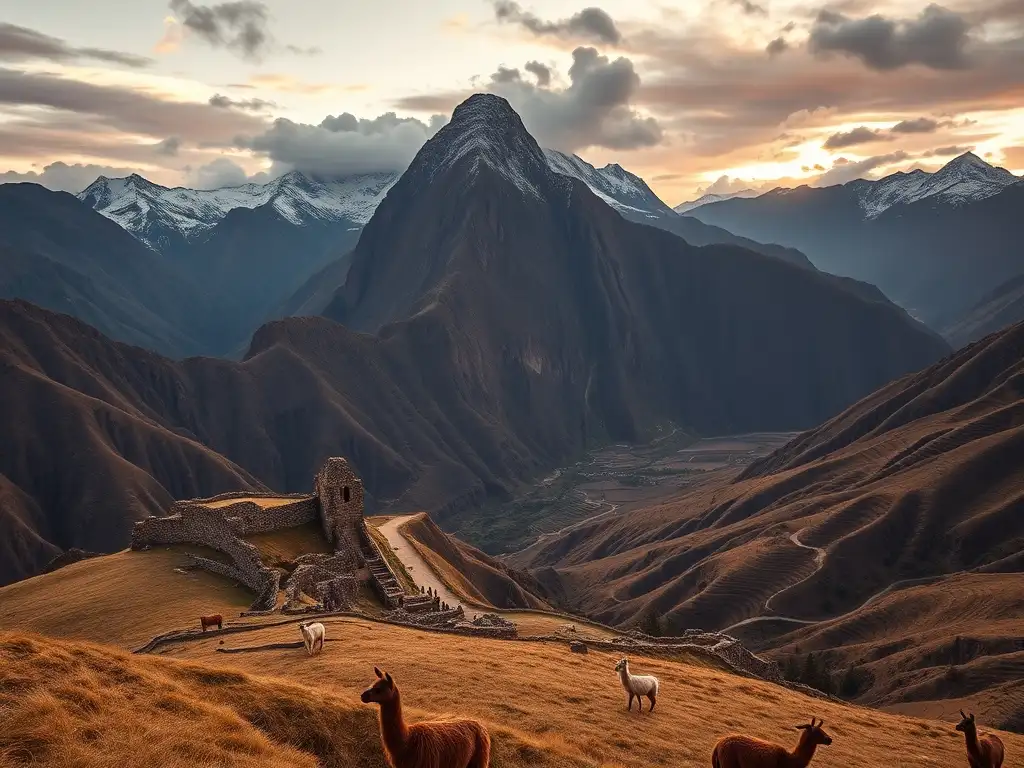
The Andean highlands, a region characterized by dramatic altitude variations, presented both challenges and opportunities for the development of pre-Incan civilizations. Understanding the interplay between geography and societal development is crucial to grasping the unique trajectories of these cultures. The availability of resources, particularly water and minerals, significantly influenced agricultural practices, trade networks, and the distribution of power.
This section will explore how the geographic landscape shaped the trajectory of Andean highland civilizations, focusing on the crucial roles of water and mineral resources. The strategic exploitation of these resources reveals a complex tapestry of ingenuity and adaptation, underscoring the remarkable achievements of these early Andean societies in overcoming the harsh realities of their environment. Analyzing this relationship helps us better understand the term "Andean highland civilizations geography".
Availability of Water Sources and its Impact on Agriculture
Access to water was, and remains, paramount in the arid and semi-arid Andean highlands. The uneven distribution of water sources necessitated sophisticated agricultural techniques to ensure food security. Pre-Incan communities developed ingenious strategies to maximize water availability and optimize agricultural production, demonstrating remarkable adaptability to their challenging environment. The scarcity of water, in many cases, acted as a catalyst for innovation, leading to advancements in water management that are still studied and admired today.
Terraced Fields and Irrigation Canals in the Andes
The most striking examples of Andean agricultural ingenuity are the extensive systems of terraced fields and irrigation canals. These remarkable feats of engineering allowed for the cultivation of crops on steep slopes, maximizing arable land in a region where flat land is scarce.
Terraced farming, using retaining walls built of stone and earth, not only prevented soil erosion but also created microclimates that fostered crop growth. These terraces, often cascading down mountainsides, are a testament to the sophisticated understanding of hydrology and soil management possessed by pre-Incan communities.
Furthermore, intricate networks of irrigation canals, meticulously channeled water from rivers and springs to fields, ensuring a consistent water supply even during dry periods. The scale and complexity of these systems varied depending on local geography and the size of the community, but their presence is a ubiquitous feature of the Andean landscape, a clear illustration of the crucial role of water in shaping Andean highland civilizations geography.
Access to Minerals and its Role in Trade and Power
The Andean highlands are rich in mineral resources, including obsidian, copper, and gold. The strategic location of these resources played a crucial role in shaping trade networks and the distribution of power among pre-Incan societies. Control over mineral deposits often translated into economic and political dominance, fostering competition and alliances among different groups. The uneven distribution of these minerals across the landscape further fueled the development of complex trade routes, connecting disparate communities and facilitating cultural exchange.
Obsidian, Copper, and Gold Exploitation in Pre-Incan Societies
Obsidian, prized for its sharp edges, was used to create tools and weapons. Its volcanic origin meant that access to high-quality obsidian was limited to specific regions, creating a demand for trade and exchange. Copper, easily worked and shaped, was used to create tools, ornaments, and weapons.
Copper mining and metallurgy were sophisticated processes, requiring specialized knowledge and skills. Gold, highly valued for its beauty and rarity, was used primarily for ceremonial objects and adornments. Goldworking techniques were advanced, showcasing the artistic skills and technological capabilities of pre-Incan artisans.
The exploitation and trade of these minerals, combined with the agricultural advancements discussed above, significantly contributed to the economic and political development of pre-Incan societies, further demonstrating the deep connection between Andean highland civilizations geography and their societal structures. The control and distribution of these resources influenced the power dynamics and trade relationships between various communities, leaving a lasting impact on the region's history.
The Importance of Land and Soil Fertility
The Andean highlands, a geographically diverse region, presented both challenges and opportunities for the development of pre-Incan civilizations. The availability of arable land and its fertility were paramount in determining the success and size of these societies. Access to fertile valleys and plains, capable of supporting intensive agriculture, allowed for population growth and the development of complex social structures. Conversely, areas with limited arable land often saw smaller, more dispersed settlements, with subsistence farming as the primary economic activity.
The importance of land ownership and control over fertile agricultural zones became a key factor in political power and social stratification within these societies. Competition for the most productive land likely fueled conflicts and alliances between different groups, shaping the political landscape of the Andes. The relationship between agricultural productivity and societal complexity is clearly evidenced by the size and sophistication of settlements found in areas with rich, easily-cultivable soil, contrasted with the more modest settlements in challenging terrains.
This dynamic interplay between geography and societal development is a critical aspect of understanding pre-Incan Andean history. The careful management of resources, including water and soil, was essential for survival and prosperity in this challenging environment. Evidence suggests sophisticated agricultural techniques, such as terracing and irrigation, were developed to maximize yields and ensure food security.
Variations in Soil Types and Their Impact on Crop Selection
The Andean highlands are far from homogenous; soil types vary dramatically across the region, significantly influencing agricultural practices and crop selection. For instance, the fertile alluvial soils found in valley bottoms supported the cultivation of a wider range of crops, including maize, potatoes, and beans—staples of the Andean diet. These rich soils, replenished annually by river sediments, allowed for high crop yields and supported dense populations. In contrast, the steeper slopes and higher altitudes often featured thinner, less fertile soils, requiring different agricultural techniques and a narrower range of more resilient crops.
This resulted in a diverse agricultural landscape, with different communities specializing in specific crops based on the unique characteristics of their local environment. For example, some communities may have focused on raising hardy potatoes adapted to higher altitudes and less fertile soils, while others in lower-lying valleys cultivated maize and other crops requiring richer soils. This specialization, driven by geographic factors, contributed to inter-regional trade and exchange networks, as communities bartered surplus crops to obtain goods and resources not readily available in their immediate environment.
The adaptation of crops to different soil types demonstrates the ingenuity and agricultural expertise of pre-Incan Andean peoples, highlighting their deep understanding of their environment and its limitations. The variations in soil fertility also influenced settlement patterns and the distribution of population density across the region. Areas with highly fertile soils, naturally, attracted larger populations and led to the development of more complex social organizations.
Cultural Adaptations to the Andean Highland Environment
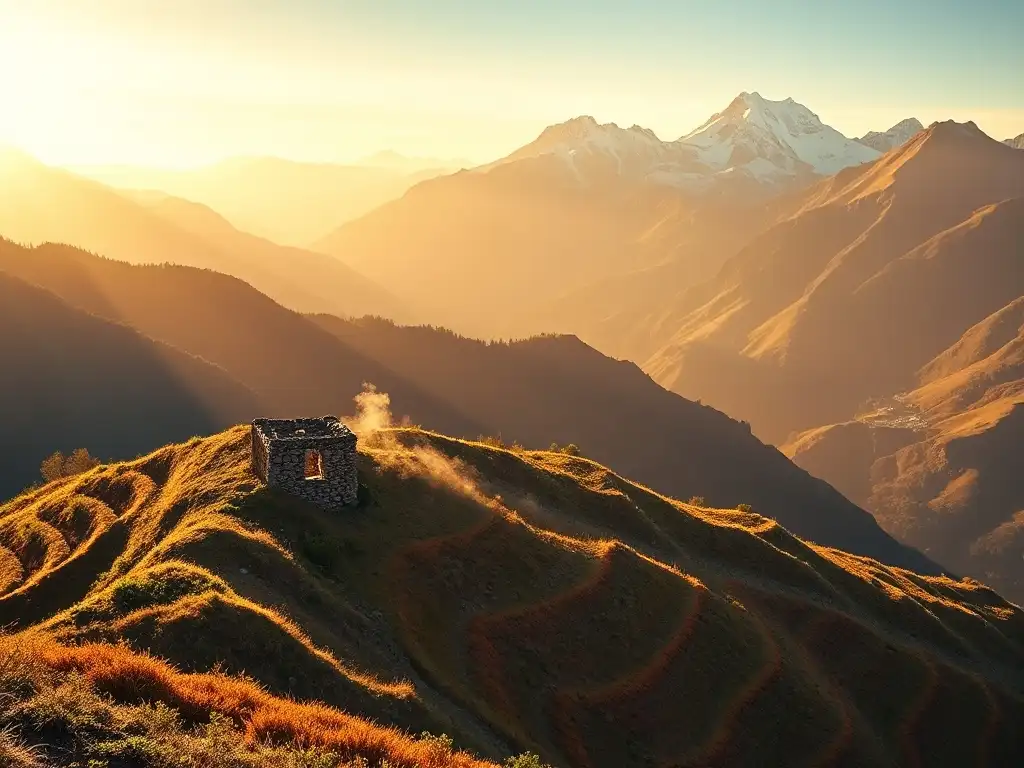
The dramatic geography of the Andean highlands—characterized by towering mountains, steep slopes, and high altitudes—presented significant challenges to the development of pre-Incan societies. However, far from hindering progress, this challenging environment fostered remarkable innovation and cultural adaptation. The ingenuity of these Andean highland civilizations geography is evident in their architectural marvels, sophisticated agricultural techniques, and complex social structures, all meticulously designed to thrive in their unique habitat.
Understanding these adaptations is key to appreciating the richness and complexity of pre-Incan cultures. The interplay between human ingenuity and environmental constraints shaped the trajectory of these societies, leaving an indelible mark on Andean history. The keyword, "Andean highland civilizations geography," perfectly encapsulates this intricate relationship.
Architectural Responses to Mountainous Terrain
The construction of monumental architecture in the Andean highlands stands as a testament to the remarkable engineering skills of its inhabitants. Building at high altitudes, on steep slopes, and using locally sourced materials required immense planning and expertise. The challenges posed by the terrain were overcome through innovative techniques that resulted in structures both functional and aesthetically impressive. The unique characteristics of the Andean highland civilizations geography are reflected in their building styles, often involving intricate stonework, terraced constructions, and sophisticated water management systems.
Examples of Stone Fortresses and Temple Complexes
Several examples showcase the mastery of Andean construction techniques. The impressive stonework of Sacsayhuamán near Cusco, with its massive, precisely fitted stones, is a prime example. This colossal fortress, built by the Inca, demonstrates an understanding of structural engineering and seismic stability that is truly awe-inspiring. Similarly, the monumental structures at Ollantaytambo, another Inca site, are a testament to the ability to adapt construction to the challenging terrain.
Pre-Inca sites also display similar ingenuity. The impressive ruins at Tiahuanaco, for instance, show sophisticated stone-cutting and construction techniques adapted to the high-altitude environment. These structures, while varying in style and purpose, all reflect the adaptive strategies employed by Andean societies to overcome the challenges posed by their environment. The precision and scale of these projects highlight the advanced organizational capabilities and technological prowess of these Andean highland civilizations geography.
Agricultural Innovations for High-Altitude Farming
The harsh conditions of the Andean highlands, including thin soils, unpredictable weather, and short growing seasons, necessitated the development of sophisticated agricultural techniques. The Andean peoples weren't simply passive inhabitants of their environment; they actively shaped it to meet their needs. Through careful observation and experimentation, they developed innovative farming practices that enabled them to cultivate crops at altitudes where conventional agriculture would have failed. This agricultural innovation was crucial for the survival and prosperity of these Andean highland civilizations geography.
Potato Cultivation and the Use of Quinoa
The cultivation of the potato is perhaps the most iconic example of Andean agricultural ingenuity. Wild potatoes, originally from the Andes, were domesticated and diversified into thousands of varieties, each adapted to specific altitudes and microclimates. This remarkable feat of genetic engineering provided a staple food source for Andean populations for millennia. Similarly, quinoa, another highly nutritious crop adapted to high altitudes, played a significant role in the Andean diet.
Andean farmers developed intricate irrigation systems, terracing techniques, and other strategies to optimize crop yields in the challenging highland environment. The mastery of these techniques demonstrates a deep understanding of the local ecology and a capacity for sustained agricultural innovation that allowed these Andean highland civilizations geography to thrive for centuries. Their success is a testament to the ingenuity and resilience of Andean farming practices.
The diverse geography of the Andean highlands profoundly impacted the social structures of pre-Inca civilizations. The challenging terrain, characterized by steep slopes, high altitudes, and varied microclimates, necessitated sophisticated adaptations in social organization to ensure survival and prosperity. Access to resources, crucial for sustenance and trade, was unevenly distributed across the landscape. This uneven distribution directly influenced the development of complex social hierarchies and intricate systems of resource management.
For example, communities located in valleys with access to fertile land and water sources often held more power and influence than those situated in higher, less fertile areas. This disparity wasn't necessarily based solely on conquest, but also on the inherent advantages certain geographic locations offered. The control over vital resources like water for irrigation, or access to specific minerals or building materials, often translated into social dominance and political power.
The interplay between geography and social structures is a key theme in understanding the rise and fall of various Andean highland groups. The need for cooperation and resource sharing, especially in the face of environmental challenges, is a recurring theme in the study of Andean social organization. This led to the creation of complex systems of reciprocal obligation and social stratification that often reflected the ecological diversity of the region.
The Role of Ayllus and Vertical Archipelagos
The ayllu, a kinship-based community system, played a crucial role in adapting to the Andean highlands' diverse environments. These communities weren't static entities confined to a single ecological niche; rather, they often controlled territories spanning different altitudinal zones, a strategy known as the "vertical archipelago." This system allowed them to exploit the varied resources available at different elevations. For instance, an ayllu might control lands in the high Andes for grazing llamas, lower valleys for cultivating maize and potatoes, and even coastal areas for fishing and salt production.
This vertical integration ensured food security and economic resilience, mitigating the risks associated with crop failure or environmental instability at a single altitude. The organization and management of these geographically dispersed territories required sophisticated administrative structures, often involving specialized roles and responsibilities within the ayllu. The successful implementation of the vertical archipelago model showcases the remarkable adaptability and organizational capabilities of pre-Inca Andean societies.
This system fostered a complex web of inter-community relationships, based on reciprocal exchange and resource sharing, which further strengthened social cohesion and facilitated economic stability across the diverse Andean landscape. The concept of the vertical archipelago provides a powerful lens through which to understand the intricate relationship between geography, social organization, and economic sustainability in the Andean highlands. The effective management of this system highlights the sophisticated understanding of their environment and their ability to create resilient communities in the face of environmental challenges.
Conclusion: The Enduring Legacy of Andean Highland Geography
The dramatic topography of the Andes Mountains profoundly shaped the development of pre-Incan highland civilizations. The challenges presented by altitude, climate variability, and resource distribution fostered remarkable ingenuity and adaptation, resulting in a diverse tapestry of cultural expressions. Understanding the intricate relationship between geography and societal development is crucial to fully appreciating the achievements of these remarkable cultures. This interplay wasn't merely a reactive response; it was a dynamic process that actively shaped social structures, technological innovations, and belief systems. The legacy of this geographic influence continues to resonate even today.
The Lasting Impact of Geography on Pre-Incan Societies
The Andean highlands' challenging environment forced pre-Incan societies to develop sophisticated agricultural techniques, such as terracing and irrigation, to maximize limited arable land. This agricultural innovation wasn't just about food production; it was a cornerstone of their social organization. Control over water resources, often scarce and unevenly distributed, frequently determined political power and social hierarchy.
For example, the intricate canal systems of the Nazca civilization, a testament to their engineering prowess, also served as a powerful symbol of social control and economic prosperity. The variability in climate, ranging from arid deserts to high-altitude grasslands, also led to regional specialization and trade networks that connected disparate communities. This interconnectedness, though geographically challenged, fostered cultural exchange and technological diffusion.
The development of llama herding, for instance, provided crucial resources for transportation and textiles, further linking communities across the varied Andean landscapes. The impact of geography is evident in the diverse adaptations observed across different pre-Incan societies, demonstrating their remarkable capacity to thrive in challenging environments.
The Foundations Laid for the Inca Empire
The Inca Empire, with its impressive administrative and infrastructural achievements, built upon the foundations laid by these earlier highland civilizations. The Inca inherited and refined existing agricultural practices, expanding upon the sophisticated irrigation systems and terracing techniques already in place.
Their mastery of road construction, facilitating communication and trade across vast distances, was also a direct response to the geographical challenges of the Andes. The Inca's success was not solely a result of military prowess; it was a product of their ability to integrate and adapt existing societal structures and technological innovations shaped by the very geography that had defined their predecessors.
The Inca's administrative system, designed to manage diverse populations and resources across varied ecological zones, reflects a deep understanding of the Andean landscape and its influence on human settlement and resource distribution. The enduring legacy of pre-Incan societies is clearly visible in the Inca's ability to consolidate power and create a vast empire.
Future Research on Andean Highland Civilizations Geography
Further research is needed to fully understand the complex interplay between geography and the development of Andean highland civilizations. Specifically, more detailed studies focusing on paleoclimatology and environmental reconstruction are crucial to understanding how climate change impacted societal adaptations and migrations. Advanced GIS technologies can be applied to analyze settlement patterns and resource management strategies in greater detail.
Furthermore, interdisciplinary approaches, combining archaeological data with anthropological, botanical, and geological insights, will provide a more holistic understanding of the intricate relationship between people and their environment. This deeper understanding will not only enhance our knowledge of pre-Incan societies but also offer valuable insights into sustainable resource management and adaptation to environmental change in challenging landscapes. The study of "Andean highland civilizations geography" offers a rich field for future research, promising to reveal even more about the remarkable resilience and ingenuity of these ancient cultures.
Frequently Asked Questions
What role did geography play in the development of Andean highland civilizations?
The geography of the Andes Mountains significantly impacted the development of these civilizations. Diverse altitudes and climates led to specialized agricultural practices and unique cultural adaptations in different regions. This resulted in a complex mosaic of interacting societies.
How did the varied geography of the Andes influence agricultural practices?
The steep slopes and varied altitudes necessitated the development of innovative agricultural techniques like terracing and irrigation systems. These methods allowed for efficient farming in challenging terrains. Different crops were cultivated at different altitudes depending on the climate.
Which Andean civilizations were most significantly shaped by the highland geography?
Many Andean civilizations were profoundly impacted, including the Inca, Moche, Nazca, and Tiahuanaco. Their development of sophisticated infrastructure and agricultural strategies directly addressed the unique challenges posed by the mountainous terrain.
How did the geography of the Andes affect the distribution and interaction of these civilizations?
The mountainous terrain created isolated valleys and regions, leading to the development of distinct cultural identities and sometimes limited contact between groups. However, strategic mountain passes also facilitated trade and interaction.
What are some examples of technological advancements driven by the Andean highland geography?
The need to overcome geographical challenges spurred innovation. Examples include sophisticated irrigation systems, terracing, and the construction of high-altitude roads and bridges to connect disparate communities.
Final Reflection: Echoes of the Andes: A Legacy of Landscape and Culture
The intricate relationship between geography and societal development in the Andean highlands remains profoundly relevant today. Understanding how pre-Incan cultures adapted to, and were shaped by, their challenging environment offers invaluable insights into sustainable living, resource management, and the enduring power of human ingenuity in the face of adversity. The lessons learned from these ancient societies can inform our approach to contemporary challenges like climate change and resource scarcity.
The enduring impact of Andean geography on cultural identity and societal structures is undeniable. The distinct agricultural techniques, intricate social hierarchies, and unique artistic expressions all bear the indelible mark of the landscape. These adaptations, born from necessity, created a rich tapestry of human experience that continues to resonate in modern Andean communities. The mountains are not simply a backdrop to human life; they are the very fabric of it.
This sentiment, though not directly from a pre-Incan source, encapsulates the profound interconnectedness between people and place that this article has explored.
Consider the ingenuity of these ancient civilizations, their ability to thrive in seemingly inhospitable environments. You too possess the capacity to adapt, innovate, and overcome challenges. Reflect on how the principles of resourcefulness and community cooperation, so evident in pre-Incan societies, can be applied to your own life and community. Embrace the lessons of the past to build a more sustainable and equitable future, inspired by the enduring legacy of the Andean highlands.
**Unveil the Wonders of the Pre-Incan Highlands! **
Thank you for exploring the fascinating interplay between geography and Pre-Incan development! Your interest in this unique aspect of history highlights the incredible resilience and innovation of these ancient civilizations. Now, let's delve deeper and build on your newfound knowledge!
Here are some ways to continue your journey:
- **Explore further:** Discover more about the rich history of the Pre-Incan highlands by visiting our article on significant archaeological sites in the region.
- **Engage with others:** Share your thoughts and insights on our community forum—let's discuss how geography continues to shape cultures around the world today!
- **Reflect on your discoveries:** Consider the impact of geographical factors on your own life and community.
How has this exploration of the relationship between geography and society deepened your understanding of contemporary cultures?