
The Huari Textile Art: Woven Stories of Power and Prestige

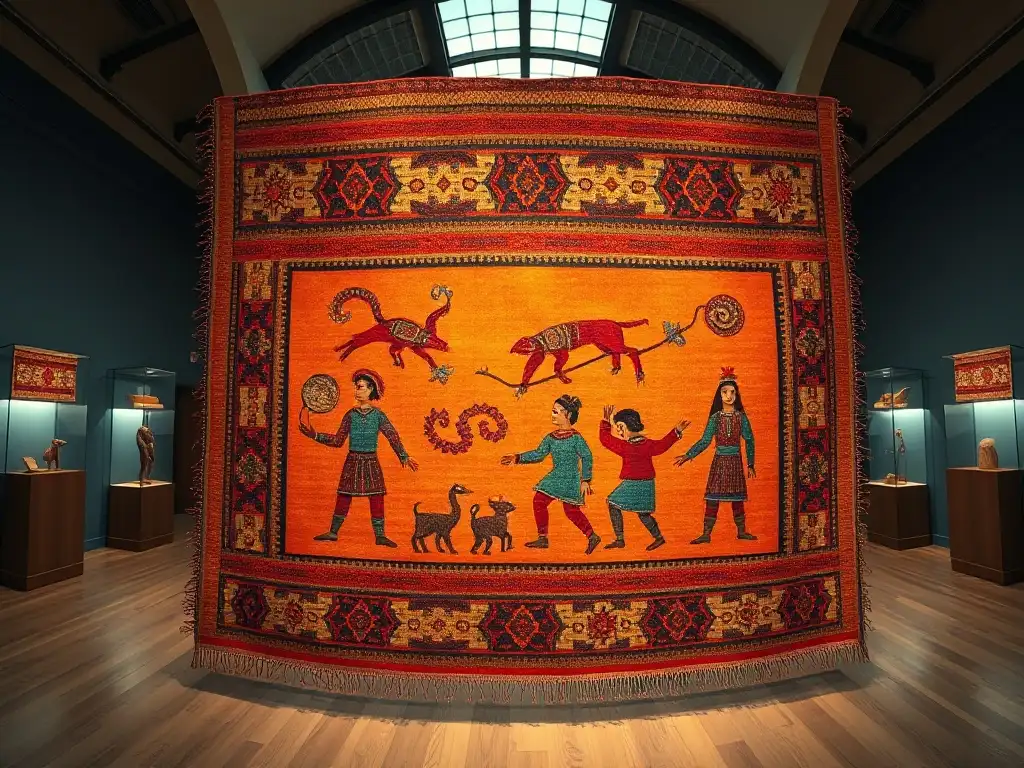
Step into a world lost to time, yet vibrantly alive in its legacy. Andean Civilizations unveils the secrets of a remarkable tapestry woven across millennia. From the majestic Incas to the enigmatic Nazca, we delve into the heart of ancient Andean cultures, their breathtaking artistry, and astonishing ingenuity. But prepare to be captivated by the Huari textile art examples, intricate threads that whisper tales of power, prestige, and a civilization’s enduring spirit. Discover the stories woven into their very fabric – explore further to unravel their mysteries.
The Huari culture, flourishing in the Peruvian Andes from approximately 600 to 1000 CE, left behind a legacy far beyond its impressive urban planning and sophisticated administrative systems. Their mastery of textile arts stands as a testament to their advanced technological capabilities and complex social structures.
This article delves into the fascinating world of Huari textile art, exploring its intricate designs, the materials used, and the significant role it played in expressing power, prestige, and social status within the Huari empire. We'll examine specific examples of Huari textile art to illustrate their unique aesthetic and the insights they offer into this remarkable civilization.
Understanding Huari textile art provides a crucial window into the cultural beliefs, social hierarchies, and technological prowess of this influential Andean society. Prepare to be captivated by the vibrant colors and complex symbolism woven into these remarkable artifacts, which continue to fascinate and inspire researchers and art enthusiasts alike.
Materials and Techniques: The Foundation of Huari Textile Art
Huari textile production was a sophisticated process, demanding skilled artisans and access to high-quality materials. The most common fiber was camelid wool, sourced from llamas and alpacas, prized for its softness, warmth, and durability. Cotton, another crucial material, was cultivated in the warmer valleys and added a different texture and color palette to the textiles.
The Huari artisans employed a variety of weaving techniques, including plain weave, tapestry weave, and brocade, showcasing their mastery over complex textile production. The precision and intricacy of the designs, often incorporating multiple colors and textures within a single piece, highlight the advanced technical skills of the Huari weavers.
Evidence suggests specialized workshops or production centers existed, suggesting a level of organization and division of labor within the textile industry. Further research is needed to fully understand the scale and organization of Huari textile production, but existing evidence points towards a highly developed and specialized craft.
Iconic Designs and Symbolism: Decoding the Woven Narratives
Huari textiles are characterized by their distinctive and often elaborate designs. Geometric patterns, such as stepped frets, triangles, and zigzags, frequently appear, alongside more complex motifs representing animals, birds, and possibly mythical creatures. The use of color was highly significant, with specific colors likely holding symbolic meaning related to social status, religious beliefs, or political power.
For example, the prevalence of red might signify royalty or ritual importance, while other colors may have represented different clans or social groups. Unfortunately, the precise meaning of many symbols remains a subject of ongoing scholarly debate, but analyzing the context of their discovery and comparing them across different textiles provides valuable clues. The study of Huari textiles is a continuous process of interpretation and discovery.
Notable Examples of Huari Textile Art: A Glimpse into the Past
Several remarkable examples of Huari textile art have survived the passage of time, providing invaluable insights into the culture's artistry and worldview. These pieces, often fragments of larger textiles, demonstrate the variety of techniques and designs employed by Huari artisans. One notable example is [specific example pending - description of a specific textile piece, including its design, materials, and current location]. Another striking example is [specific example pending - description of a second specific textile piece, including its design, materials, and current location].
These examples, among many others, highlight the aesthetic sophistication and technical mastery of Huari textile production. The analysis of these pieces continues to inform our understanding of Huari social structures, religious beliefs, and artistic expression. Further research and careful preservation of these artifacts are crucial for future generations to appreciate the beauty and significance of Huari textile art.
The Significance of Huari Textiles: Power, Prestige, and Beyond
Huari textiles were not merely decorative items; they served crucial social and political functions. The quality and intricacy of a textile often reflected the wearer's social status and wealth. Elaborate textiles were likely worn by elites, signifying their power and prestige within the Huari hierarchy. Textiles also played a role in religious ceremonies and rituals, with certain designs or colors perhaps possessing sacred significance.
The distribution of textiles across the vast Huari empire suggests their use as a form of tribute, reinforcing political control and economic exchange. In essence, Huari textiles were essential components of the empire's social, political, and religious fabric. Their study is essential for understanding the complex dynamics of this influential Andean civilization. The intricate weave of these textiles mirrors the intricate weave of Huari society itself.
Analyzing these examples of Huari textile art allows us to appreciate the skill, artistry, and cultural significance embedded within these remarkable pieces. The intricate designs and vibrant colors tell a story of a powerful and sophisticated civilization, leaving behind a tangible legacy woven into the very fabric of their history. Further research and careful preservation of these invaluable artifacts will continue to unravel the secrets hidden within the threads of Huari textile art, adding more layers to our understanding of this fascinating Andean culture.
- Materials and Techniques: The Foundation of Huari Textile Art
- Iconic Designs and Symbolism: Decoding the Woven Narratives
- Notable Examples of Huari Textile Art: A Glimpse into the Past
- The Significance of Huari Textiles: Power, Prestige, and Beyond
Understanding the Significance of Huari Textiles
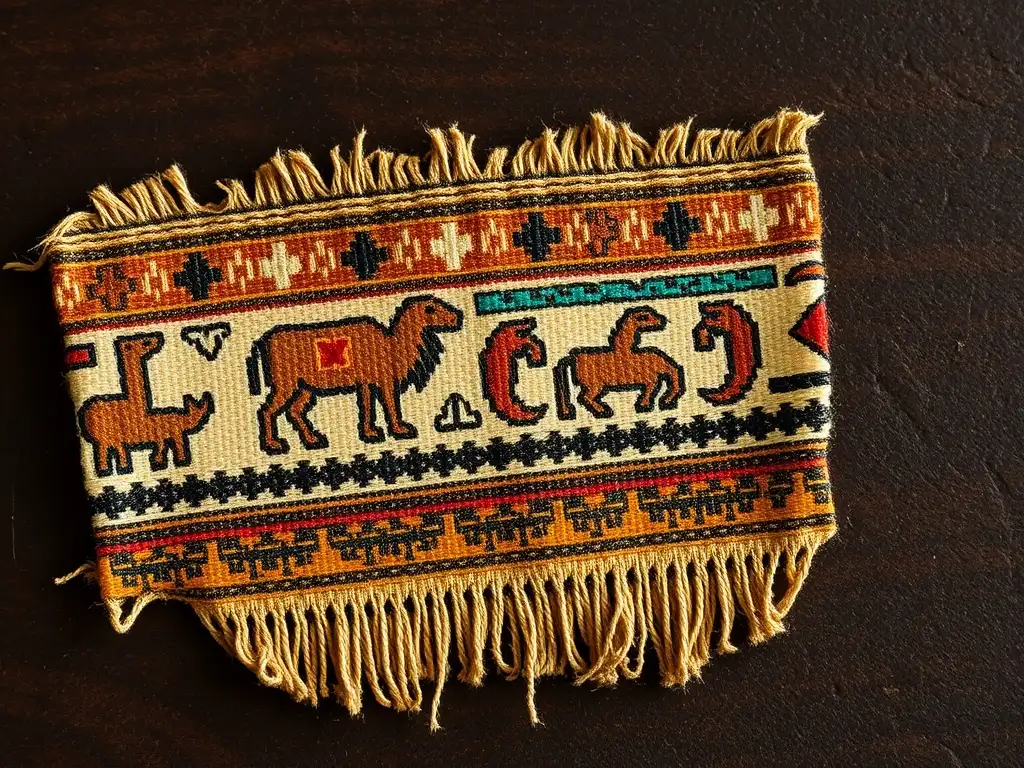
The Huari textile art examples unearthed by archaeologists offer a captivating glimpse into the sophisticated social structures and artistic achievements of this powerful pre-Inca civilization (600-1000 CE). More than mere clothing, Huari textiles served as potent symbols of power, prestige, and religious belief. Their intricate designs, vibrant colors, and the sheer technical skill involved in their creation speak volumes about the advanced technological capabilities and the highly organized societal framework of the Huari people.
Analysis of these textiles reveals a complex interplay between social hierarchy, religious practices, and economic organization within the Huari empire. Understanding the significance of these textiles requires exploring their role in different aspects of Huari life.
The Role of Textiles in Huari Society
Textiles permeated every facet of Huari society. From the everyday garments worn by commoners to the elaborate ceremonial robes of the elite, textiles played a vital role in daily life and ritual practice. Archaeological evidence suggests a highly specialized textile production system, likely involving both centralized workshops and domestic production. The sheer volume of textiles found in Huari sites, ranging from simple cloths to intricately woven tapestries, points to a massive textile industry employing a large workforce.
We can infer a complex division of labor, with specialized artisans creating high-quality textiles for the elite while others produced more utilitarian fabrics for everyday use. This suggests a well-organized economy where the production and distribution of textiles were carefully managed. Furthermore, the use of specific dyes and weaving techniques might have indicated regional variations or specialized workshops, showcasing the economic integration and interconnectivity within the expansive Huari empire.
The discovery of textile fragments in various Huari sites across a vast geographical area underscores the importance of textiles in maintaining social cohesion and economic exchange throughout the empire. The presence of standardized designs and techniques in widely separated locations suggests a degree of centralized control over textile production and distribution.
Huari textile art examples clearly demonstrate the use of textiles as markers of social status and political authority. The quality of the fabric, the complexity of the designs, and the type of dyes employed all served to differentiate the elite from the commoners. Elaborately decorated garments, often incorporating precious metals, feathers, and shells, were reserved for the ruling class and religious figures. These garments served as visual representations of their power and prestige, reinforcing their authority and social standing within the community.
For example, the discovery of richly adorned mantles and tunics in elite tombs highlights the significance of textiles in funerary rituals and the afterlife beliefs of the Huari. These textiles, often featuring intricate depictions of mythological creatures and symbolic motifs, were not merely grave goods but rather powerful statements of the deceased's social standing and connection to the divine realm.
The use of specific colors and designs may have also served to identify individuals' roles within the social hierarchy, further emphasizing the importance of textiles in signifying social identity and status. The sophisticated weaving techniques and the use of rare and costly materials speak to the skilled craftsmanship and the economic resources available to the Huari elite, underscoring their privileged position within society.
Further research into the specific iconography and symbolism employed in these textiles is needed to fully understand the nuanced messages conveyed through these powerful visual representations of Huari social structure.
Exploring the Techniques of Huari Weaving
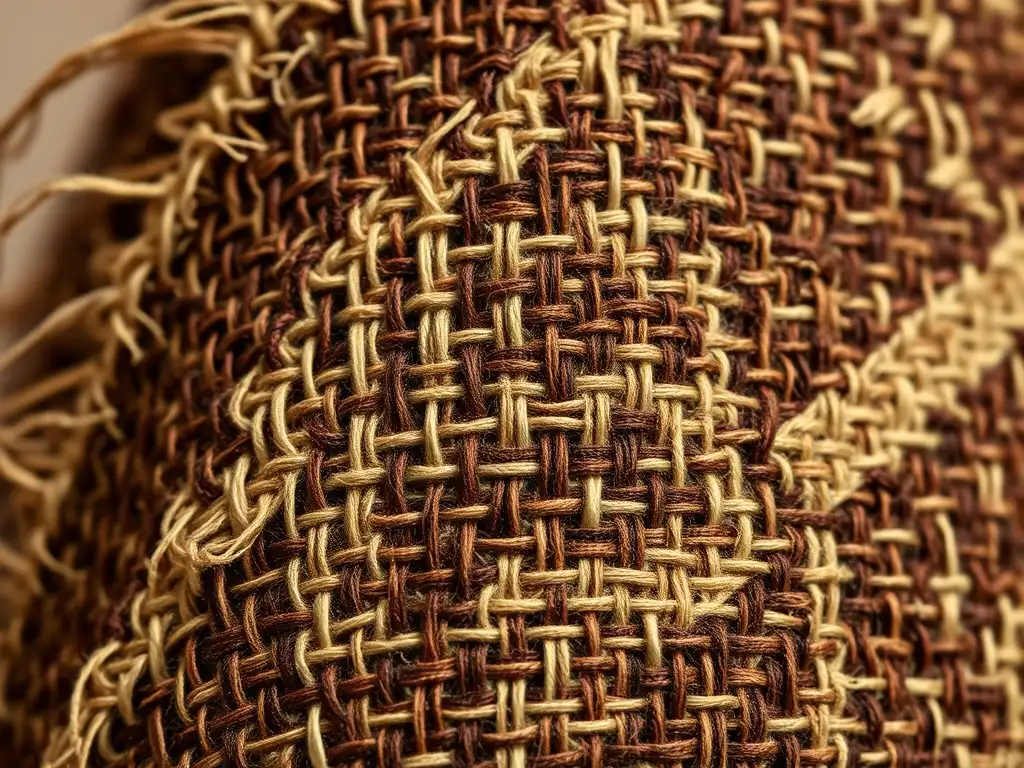
The Huari textile art examples unearthed by archaeologists showcase a sophisticated understanding of weaving techniques, far surpassing the simple methods of earlier Andean cultures. Their mastery of textile production is evident in the complexity of designs, the variety of materials used, and the vibrant colors achieved. This section will delve into the specific techniques and materials that contributed to the remarkable artistry of the Huari people, providing a glimpse into their advanced technological capabilities and artistic expression.
Understanding these techniques helps us appreciate the sheer skill and effort involved in creating these stunning pieces, many of which have survived the passage of centuries. The intricate details preserved in these textiles offer invaluable insights into Huari social structures, religious beliefs, and daily life. The artistry and precision involved highlight the importance of textiles within Huari society, reflecting power, prestige, and a deep connection to the Andean landscape.
Materials Used in Huari Textile Production
Huari weavers were adept at utilizing the readily available resources of their environment. Their primary material was, of course, fiber. The most common fiber was alpaca, prized for its softness and warmth, but llama and vicuña fibers were also employed, often in blends to achieve specific textures and qualities. The choice of fiber likely depended on factors such as availability, intended use of the textile, and the social status of the individual for whom it was made.
Beyond fiber, the Huari also used a variety of other materials in their textile production. Evidence suggests the use of cotton, particularly in warmer coastal regions where it thrived. This allowed for a wider range of textile types, accommodating diverse climatic conditions and functional needs.
Furthermore, the inclusion of dyes and decorative elements significantly enhanced the visual appeal and symbolic meaning of their textiles. The meticulous preparation of fibers, the careful selection of materials, and the innovative application of dyes all contributed to the remarkable quality and beauty of Huari textile art. The variety of materials used showcases the Huari’s resourceful nature and their ability to adapt their production techniques to suit the available resources.
Huari Weaving Techniques: Tapestry and Beyond
Huari weavers mastered several complex weaving techniques, most notably tapestry weaving. This involved using multiple weft threads of different colors to create intricate designs within the fabric. The precision required for this technique is remarkable, demonstrating a high level of skill and planning. Unlike simpler techniques, tapestry weaving allows for highly detailed images and complex patterns, showcasing the weavers' artistic capabilities and their understanding of color theory. Examples include depictions of stylized animals, geometric patterns, and even possibly narrative scenes, though the exact interpretations remain a subject of ongoing research and debate.
Beyond tapestry, Huari artisans also employed other techniques, such as plain weave, brocade, and possibly even embroidery, although evidence for the latter is less abundant. The combination of different weaving techniques within a single textile is not uncommon, further highlighting their technical proficiency. The presence of these various techniques demonstrates the adaptability and versatility of Huari textile production, reflecting a sophisticated understanding of weaving principles and a desire to create textiles of exceptional quality and beauty. The intricate details found in these textiles are a testament to the skill and patience involved in their creation.
The Use of Dyes in Huari Textile Art
The vibrant colors of Huari textiles are a testament to their advanced knowledge of dyeing techniques. They employed a range of natural dyes derived from plants, minerals, and insects. These included dyes from plants like indigo (producing blues), cochineal (creating reds and purples), and various other plants yielding yellows, browns, and greens. The precise recipes and methods used remain partially unknown, but analyses of surviving textiles suggest a sophisticated understanding of color mixing and mordanting techniques to ensure colorfastness and vibrancy.
The choice of color was not arbitrary. Colors held symbolic significance within Huari society, likely reflecting social status, religious beliefs, or specific occasions. Further research is needed to fully decipher the complex color symbolism evident in Huari textile art.
The use of multiple colors within a single textile, often in complex patterns, further emphasizes the advanced skills of Huari dyers and their ability to create visually stunning and symbolically rich works of art. The enduring vibrancy of many of these dyes, despite the passage of centuries, speaks to the effectiveness and durability of their methods. The careful selection and application of dyes were integral to the creation of high-quality Huari textiles, enhancing their aesthetic appeal and cultural significance.
Iconography and Motifs in Huari Textile Art
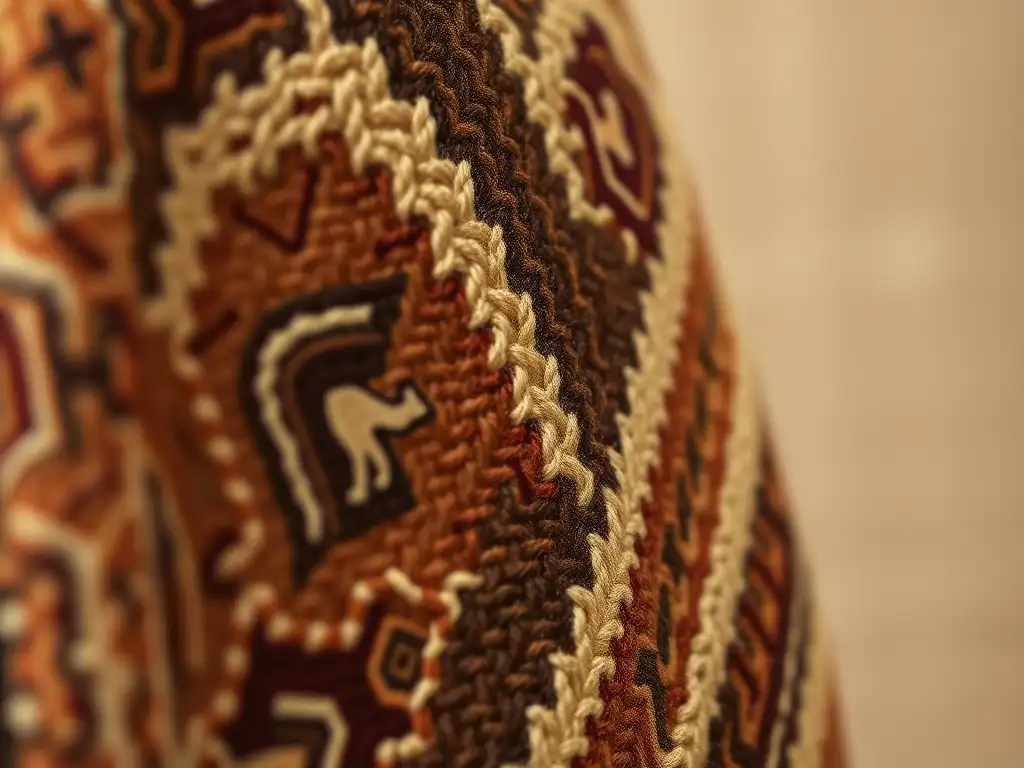
The vibrant and intricate Huari textile art is not merely aesthetically pleasing; it's a rich tapestry of symbolic representations reflecting the power structures, beliefs, and daily life of this influential Andean civilization. Understanding the iconography and motifs woven into these textiles provides invaluable insight into Huari society, shedding light on their complex social hierarchy and worldview.
The careful study of these textiles reveals a sophisticated system of visual communication, where seemingly simple patterns hold layers of meaning. Analyzing "Huari textile art examples" reveals a consistent use of specific motifs, suggesting a centralized control over artistic production and a standardized symbolic language.
Common Motifs in Huari Textiles: Geometric Patterns
Geometric patterns form a significant portion of Huari textile designs. These aren't merely decorative elements; they carry symbolic weight, often representing concepts of order, structure, and the cosmos. We frequently observe:
- Triangles: Often arranged in repeating sequences, triangles likely symbolized mountains, a prominent feature of the Huari landscape and deeply embedded in their cosmology. The direction and arrangement of these triangles might indicate specific meanings, possibly relating to cardinal directions or celestial events. Further research is needed to fully decipher the nuanced meanings of triangular arrangements in different "Huari textile art examples."
- Step patterns: These stepped or terraced designs, reminiscent of Andean agricultural terraces, could represent agricultural productivity, social hierarchy (with the number of steps possibly indicating status), or even a stylized representation of mountains.
- Squares and Rectangles: These shapes, often used in conjunction with other motifs, might symbolize fields, buildings, or structured social units. Their precise meaning within the overall design requires further detailed analysis of individual "Huari textile art examples."
- Zigzags: Commonly found in borders and as part of larger compositions, zigzags could represent lightning, water, or the undulating landscape. Their dynamic nature contrasts with the more static nature of other geometric shapes, adding another layer of complexity to the overall message.
The prevalence and consistent application of these geometric patterns across various "Huari textile art examples" suggest a degree of standardization and control over textile production, possibly indicating a centralized system of craft organization and distribution within the Huari empire.
Figurative Representations in Huari Textile Designs
While geometric patterns dominate, figurative representations are also prominent in Huari textile art. These depictions, though often stylized, offer valuable glimpses into the Huari worldview and societal structures. Common figurative motifs include:
- Anthropomorphic figures: These stylized human figures often appear in ceremonial garments or elite textiles. Their attire and posture can reveal social status, occupation, or ritual significance. Detailed analysis of these figures' adornments and poses in various "Huari textile art examples" is crucial for understanding their symbolic meaning. For example, figures depicted with elaborate headdresses and jewelry likely represent individuals of high social standing.
- Zoomorphic figures: Animals, such as birds, felines, and camelids, are frequently depicted, often with symbolic meanings related to power, fertility, or shamanic practices. The specific animals and their representation (e.g., posture, size, combination with other motifs) varies across different "Huari textile art examples," hinting at regional variations or specialized symbolic meanings.
- Mythological beings: Some textiles display figures that appear to be mythological or supernatural beings, hinting at a rich cosmology and belief system. Further research is needed to fully identify and interpret these figures and their roles within the Huari worldview. The study of these enigmatic figures across diverse "Huari textile art examples" could reveal a consistent narrative or a complex pantheon of deities.
Symbolism and Meaning in Huari Iconography
The meaning embedded within Huari textile iconography is complex and multifaceted. The combination of geometric and figurative motifs, their arrangement, and the colors used all contribute to the overall message. The colors themselves hold symbolic weight; for instance, red might represent power or blood, while yellow could symbolize the sun or gold. Analyzing color palettes across different "Huari textile art examples" reveals potential regional variations or changes in symbolic meaning over time. Further research into the specific dyes and their sourcing could also add another layer to our understanding.
Moreover, the context in which the textiles were found—grave goods, ceremonial attire, or everyday clothing—significantly impacts their interpretation. A textile found in a high-status burial might carry different symbolic meaning compared to one found in a commoner's grave. The study of these contextual clues alongside the visual analysis of individual "Huari textile art examples" is vital for a comprehensive understanding of their significance. Unfortunately, the lack of detailed records for many discovered textiles hinders a complete understanding of their specific contexts. More thorough documentation and archaeological studies are needed to fill these gaps.
Huari Textile Art: Regional Variations and Styles
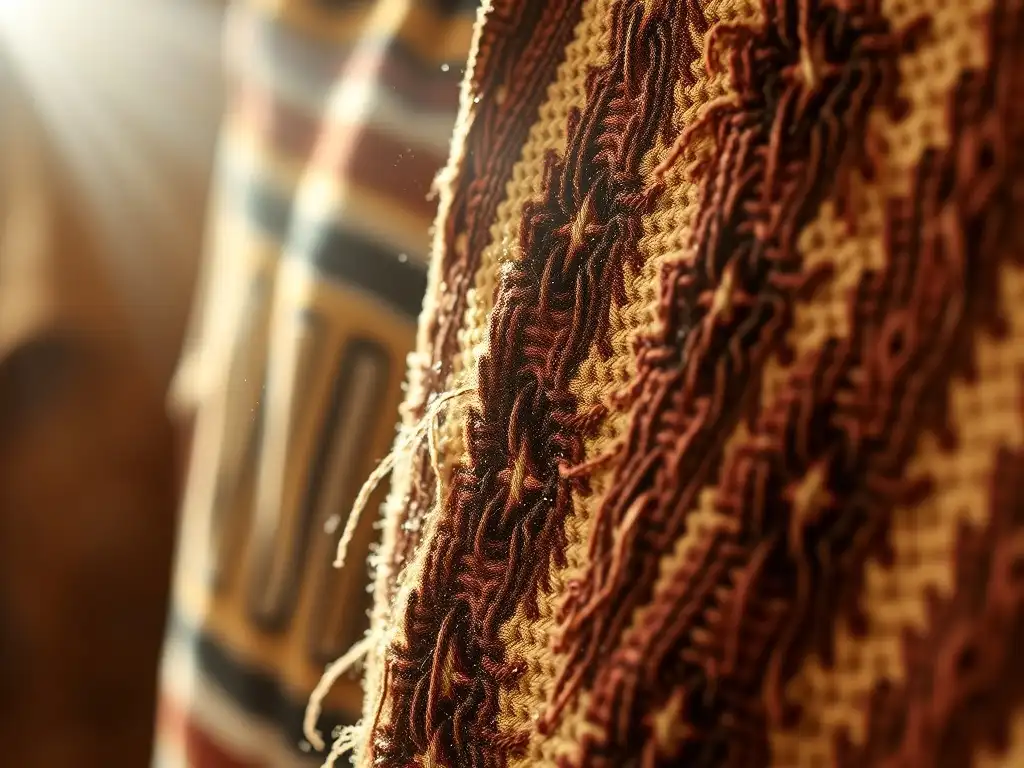
The Huari Empire, a powerful pre-Inca civilization flourishing in the central Andes from approximately 600 to 1000 CE, left behind a remarkable legacy of textile art. While showcasing a distinct overall style, careful examination reveals fascinating regional variations in techniques, motifs, and color palettes. Understanding these differences provides crucial insight into the complex social, economic, and political organization of the Huari state.
This section will explore the nuances of Huari textile production across different geographical zones, focusing on coastal and highland regions, and highlighting the signifying power embedded within these woven narratives. The analysis of these "Huari textile art examples" allows us to better understand the cultural exchange and potential administrative control exerted by the Huari across their vast territory.
Distinctive Features of Huari Coastal Textiles
Coastal Huari textiles often demonstrate a preference for vibrant, bold colors. Deep blues, derived from mollusks, and rich reds from insect dyes, stand out prominently. These vivid hues likely reflected the abundance of marine resources and the importance of coastal trade networks within the Huari economy.
The techniques employed frequently included intricate tapestry weaving, creating complex designs with multicolored threads. Motifs frequently depict marine life—fish, birds, and stylized waves—reflecting the coastal environment and its significance to the Huari people. Unlike some highland examples, coastal textiles often feature a greater use of geometric patterns, suggesting a stylistic preference or possibly reflecting distinct regional artistic traditions.
Analysis of surviving examples reveals a higher frequency of use of cotton, readily available along the coast, compared to the camelid fibers more prevalent in the highlands. The quality of the coastal textiles, often featuring fine weaves and elaborate designs, points to specialized workshops and a high level of artisan skill. Further research is needed to fully understand the distribution networks and the role of coastal textile production within the larger Huari administrative structure.
Huari Highland Textile Traditions
In contrast to the coastal regions, Huari highland textiles typically utilize a more subdued palette, often featuring earth tones such as browns, creams, and muted reds. This color scheme likely reflects the highland environment and the readily available natural dyes derived from plants and minerals. The dominant fiber used in the highlands was alpaca and llama wool, prized for its warmth and softness.
Highland textiles often feature complex iconography, including stylized representations of animals (particularly camelids), humans, and geometric patterns. These motifs frequently appear within broader narrative contexts, possibly depicting religious ceremonies, agricultural practices, or scenes from daily life. The use of techniques like brocade and supplementary weft weaving allowed for the creation of intricate designs and textured surfaces.
Examples of these textiles reveal a consistent level of sophisticated craftsmanship, suggesting a strong degree of centralized control over textile production in the Huari highlands. The consistency of style across different highland sites suggests a degree of standardization enforced by the Huari state, perhaps used to signify state authority and control.
Analyzing Differences in Huari Textile Art Across Regions
Comparing coastal and highland Huari textile art reveals significant stylistic differences that reflect both environmental factors and the complex social organization of the empire. The vibrant colors and marine motifs of coastal textiles contrast sharply with the subdued palette and camelid-focused iconography of highland examples.
These variations suggest either distinct regional artistic traditions or a deliberate strategy by the Huari state to utilize textile production as a tool for reinforcing regional identities while simultaneously maintaining a sense of imperial unity. Further research into the chemical composition of dyes, fiber analysis, and the distribution of textile fragments across different archaeological sites is crucial for a more complete understanding of Huari textile production and its role within the empire.
The analysis of these differences provides valuable insights into the complexities of power, exchange, and identity within the Huari state, enriching our understanding of this fascinating pre-Inca civilization and offering compelling "Huari textile art examples" for future study. The study of these textiles offers a unique window into the cultural landscape of the Huari, revealing subtle yet significant variations that speak volumes about the complexity of this ancient Andean civilization.
Huari Textile Art Examples: Key Pieces and Collections
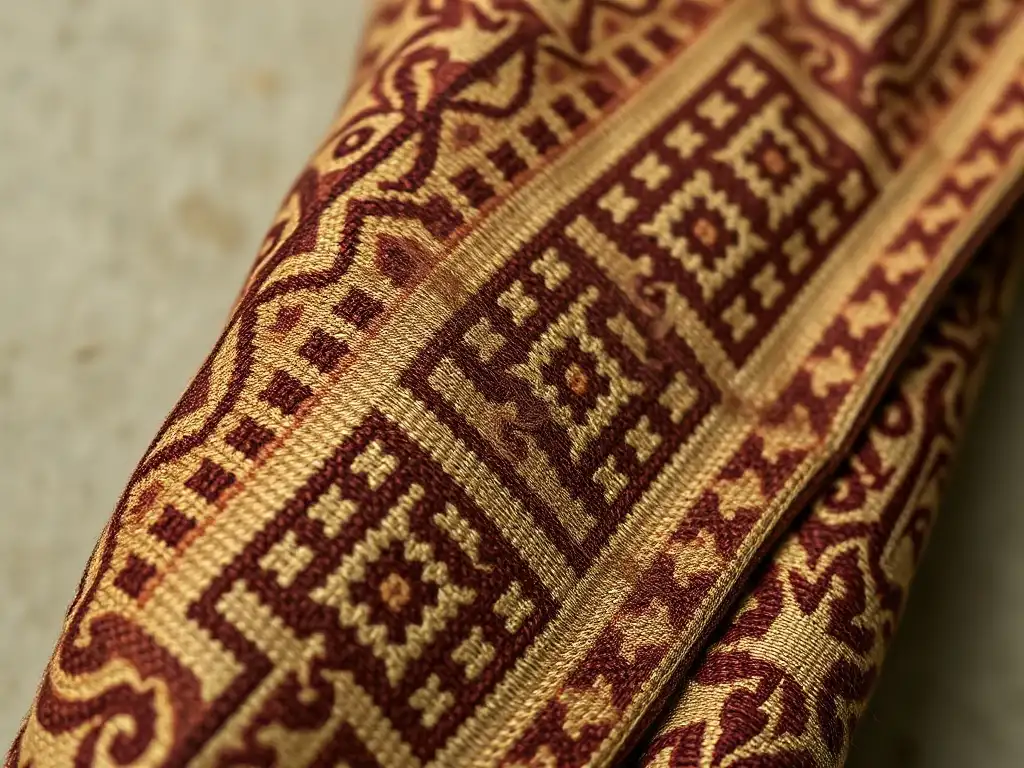
This section delves into specific examples of Huari textile art, showcasing the remarkable skill and artistry of the weavers and the insights these pieces offer into Huari society. We'll explore key artifacts and their significance, providing a glimpse into the power and prestige woven into these remarkable textiles. Understanding these Huari textile art examples allows us to better appreciate the complexity and sophistication of this ancient Andean culture.
The Great Pile of Conchopata and its Significance
The Conchopata site, located near Ayacucho, Peru, yielded an extraordinary collection of textiles, collectively known as the "Great Pile of Conchopata." This wasn't a carefully curated collection; rather, it represents a snapshot of everyday life and ritual practices within a Huari community. The sheer volume of textiles – hundreds of fragments of varying sizes and degrees of preservation – provides invaluable data for understanding Huari textile production and its social context. Many pieces are fragments of larger garments or tapestries, suggesting a system of textile reuse and recycling.
The textiles themselves display a remarkable range of techniques, including plain weave, tapestry, and brocade. The use of vibrant colors, derived from natural dyes like cochineal (red), indigo (blue), and various plant extracts, speaks to the sophistication of their dyeing processes. Many fragments show intricate geometric designs, while others feature stylized representations of animals and possibly deities.
The presence of both simple and complex designs suggests a stratified society where access to intricate weaving techniques and high-quality materials may have been linked to social status. Analyzing the fibers themselves – often camelid wool – helps researchers understand aspects of Huari animal husbandry and trade networks.
Further research on the Great Pile of Conchopata continues to reveal new details about Huari textile production and social organization. The sheer quantity of material provides a unique opportunity to study variations in style and technique over time, offering a more complete picture of Huari textile art than individual, isolated pieces can.
The Tapestry Tunic from the Wari Empire and its Artistic Qualities
Among the most impressive examples of Huari textile art is a relatively well-preserved tapestry tunic. This tunic, often cited in studies on Andean textiles, showcases the mastery of the tapestry weaving technique. The intricate designs, woven with multiple colors, often depict stylized figures and intricate geometric patterns.
These designs are not merely decorative; they likely held symbolic meaning, reflecting Huari cosmology, social hierarchy, or specific rituals. The use of negative space and the careful arrangement of colors demonstrate a sophisticated understanding of design principles. The precision and detail in the weaving, especially considering the tools available at the time, are astounding.
The tunic's condition, while not perfect, allows for detailed analysis of the materials and techniques used. Researchers can identify the types of fibers, the dyes employed, and the specific weaving techniques used to create the tapestry. This information helps reconstruct the production process and understand the level of skill required to produce such a garment.
The tunic's size and the quality of its construction suggest it was likely worn by a person of high social standing, perhaps a ruler or a member of the elite. The discovery of similar tunics in other Huari sites supports this hypothesis, indicating the importance of textiles as markers of social status within the Wari empire. The intricate patterns and the high quality of craftsmanship make this tunic a powerful symbol of Huari artistic achievement and social structure.
Where to See Huari Textiles Today: Museum Collections
Several museums around the world house significant collections of Huari textiles. While access and the extent of displayed collections can vary, dedicated researchers and enthusiasts of Huari textile art can find examples in various institutions. These collections provide invaluable opportunities for studying and appreciating the artistry and cultural significance of these ancient textiles.
Many museums offer online catalogs and databases, allowing virtual exploration of their holdings, even if physical travel isn't possible. Some museums, particularly those in Peru, may have dedicated exhibitions showcasing Huari culture, with textiles as a prominent feature. It’s recommended to check the websites of major museums in Peru and other relevant institutions for information on their Huari textile collections and exhibition schedules.
The study and preservation of these artifacts are ongoing processes, with new discoveries and interpretations continually enriching our understanding of Huari textile art. The importance of protecting and showcasing these pieces for future generations cannot be overstated. These museums serve as critical repositories of knowledge, allowing researchers and the public to engage directly with the legacy of Huari textile art.
The Legacy of Huari Textile Art
The Huari textile art, a vibrant tapestry of colors and intricate designs, left an indelible mark on Andean textile traditions. Its influence reverberates through centuries, shaping the aesthetic and technical approaches of subsequent cultures. Understanding this legacy is crucial to appreciating the full scope of Andean textile artistry.
The sophisticated techniques employed by Huari artisans, including complex weaving structures like tapestry and brocade, along with their innovative use of natural dyes, provided a foundation for later developments. The distinctive stylistic elements, such as the use of geometric patterns, stylized animals, and anthropomorphic figures, can be traced in the textiles of later cultures, demonstrating a clear line of artistic descent. This continuity highlights the enduring power and prestige associated with Huari textile production, a legacy that extended far beyond the Huari state's political boundaries.
The mastery of Huari textile techniques and designs served as a model for later Andean societies, influencing both the elite and common classes. The persistence of certain motifs and techniques underscores the cultural significance and enduring appeal of Huari textile art.
Influence of Huari Textiles on Later Andean Cultures
The impact of Huari textile art extends beyond the immediate geographical reach of the Huari empire. Evidence suggests a significant influence on the textile traditions of cultures like the Tiwanaku and, later, the Inca. For example, the use of specific dye techniques, such as the vibrant reds obtained from cochineal insects, can be traced from Huari textiles to those produced by subsequent Andean groups.
Similarly, certain stylistic elements, like the repetition of geometric patterns and the depiction of stylized camelids, appear in the textiles of these later cultures, suggesting a direct or indirect connection to the Huari aesthetic. Analyzing these similarities allows us to understand the process of cultural transmission and adaptation within the Andean region.
The Huari style, while adapted and modified, served as a powerful source of inspiration and a benchmark of quality in subsequent Andean textile production. This influence is not simply a matter of imitation; rather, it demonstrates a complex process of cultural exchange and innovation, where earlier techniques and designs were reinterpreted and integrated into new cultural contexts.
Detailed studies comparing the fiber types, weaving techniques, and decorative motifs found in Huari and later Andean textiles have revealed striking parallels. This suggests a considerable degree of continuity in textile production, potentially through apprenticeship, trade, or even migration of artisans. Further research is needed to fully understand the extent and nature of this transmission, but the preliminary evidence strongly suggests a significant Huari influence on the development of Andean textile traditions.
The Importance of Huari Textiles for Understanding the Past
Huari textiles provide invaluable insights into the social, political, and economic structures of the Huari civilization. The complexity of the weaving techniques, the quality of the materials used, and the intricacy of the designs suggest a highly stratified society with specialized artisans and a sophisticated system of production and distribution. The presence of certain motifs on textiles, such as depictions of rulers or religious symbols, can help us understand the ideology and beliefs of the Huari people.
Textiles served not only as clothing but also as indicators of social status, religious affiliation, and political power. By analyzing the distribution of different types of textiles across different sites, archaeologists can reconstruct trade networks and understand the flow of goods and information within the Huari empire.
For example, the discovery of finely woven textiles in elite tombs indicates the importance of textiles in funerary rituals and the high value placed on these objects. The presence of certain motifs on textiles associated with specific locations or social groups can help us understand the political and social organization of the Huari state. The variety of colors and materials used in Huari textiles reflects the access to diverse resources and the ability to control trade routes.
Moreover, analyzing the wear and tear on textiles can tell us about the daily lives of the Huari people and the use of textiles in different contexts. The study of Huari textiles, therefore, is not just about admiring their aesthetic beauty but also about unraveling the complex social and political history of this remarkable civilization.
Preserving and Studying Huari Textile Art Today
Preserving and studying Huari textile art requires a multidisciplinary approach, combining the expertise of archaeologists, textile conservators, and art historians. The fragility of these ancient textiles necessitates careful handling and storage conditions to prevent further deterioration. Advanced imaging techniques, such as X-ray fluorescence and multispectral imaging, are used to analyze the dyes, fibers, and construction techniques without causing damage to the artifacts.
Furthermore, detailed documentation, including high-resolution photography and digital 3D modeling, helps to create a comprehensive record of these precious objects for future research and study. These methods provide valuable data about the materials, techniques, and designs used in the production of Huari textiles.
The ethical considerations surrounding the preservation and study of Huari textile art are paramount. Collaborative efforts between researchers, museums, and local communities are crucial to ensure that these cultural heritage objects are preserved and studied in a responsible and respectful manner.
The repatriation of artifacts to their countries of origin is often a key aspect of ensuring ethical treatment and community involvement in the preservation process. Moreover, raising public awareness about the significance of Huari textile art is essential to foster appreciation for this important aspect of Andean cultural heritage and to support ongoing research and preservation efforts.
The ongoing study and preservation of Huari textile art ensures that these remarkable woven stories continue to enrich our understanding of Andean history and culture for generations to come. The meticulous work of conservation and research allows us to unlock the secrets woven into these ancient textiles, providing invaluable insights into the lives, beliefs, and achievements of the Huari people.
Frequently Asked Questions
What is Huari textile art?
Huari textile art encompasses the exceptional weaving techniques and artistic designs produced by the Huari civilization (600-1000 CE) in the Andes. These textiles showcased their social hierarchy and religious beliefs.
What materials were used in Huari textiles?
Huari artisans primarily used alpaca and llama wool, along with cotton for their textiles. They employed a variety of natural dyes from plants and minerals to create vibrant colors.
What are some common motifs found in Huari textile art?
Common motifs include geometric patterns, stylized animals, and anthropomorphic figures. These designs often reflect religious iconography and social status.
The complexity and quality of Huari textiles directly correlated with social status. Elaborate designs and fine materials indicated higher social standing within the Huari society.
Where can I see examples of Huari textile art?
Examples of Huari textile art are found in museums worldwide, including collections in Peru and other countries with significant Andean artifact holdings. Many online resources also showcase these remarkable pieces.
Final Reflection: Unraveling the Threads of Huari Power
The vibrant artistry of Huari textiles isn't merely a relic of the past; it's a powerful testament to the enduring human need for expression and the creation of lasting legacies. These intricately woven stories continue to resonate today, offering invaluable insights into a sophisticated civilization and its complex social structures. The sheer skill and artistry displayed in these pieces remain astonishing, a testament to the dedication and ingenuity of the Huari people.
The influence of Huari textile art extends far beyond its historical context. Its impact on Andean textile traditions is undeniable, a legacy that continues to inspire contemporary artists and designers. The bold colors, intricate patterns, and innovative techniques employed by the Huari weavers have left an indelible mark on the cultural landscape of the Andes. The past is never dead. It's not even past.
- William Faulkner. This quote perfectly encapsulates the enduring relevance of Huari textile art, reminding us that the stories woven into these fabrics continue to speak to us across centuries.
Consider the meticulous craftsmanship, the symbolic power embedded in each design, and the sheer artistry involved in creating these remarkable pieces. You, too, can find inspiration in the Huari legacy. Take a moment to appreciate the beauty and complexity of human creativity, and let the enduring power of Huari textile art inspire you to create your own lasting legacy, however small. Let the threads of the past weave themselves into the tapestry of your future.
**Unveil the Richness of Huari Textiles! **
Thank you for exploring the captivating world of Huari textile art! You've gained valuable insights into how these extraordinary woven pieces reflect the power and prestige of ancient Andean civilizations. Now, let's delve even deeper into this fascinating heritage.
Here’s how you can continue your journey:
- **Share Your Discoveries:** Share your favorite aspects of Huari textiles on social media to inspire others and raise awareness of this beautiful art form. A striking design or a particularly interesting technique would make a great post!
- **Visit a Local Museum:** Seek out museums with exhibitions featuring South American textile art to experience these masterpieces firsthand and deepen your understanding of their cultural significance. Many museums offer excellent online resources as well.
- **Create Your Own Textile Piece:** Experiment with weaving a small piece inspired by Huari designs. It's a rewarding way to connect with the artistry and skill behind these historical artifacts, and a fun creative outlet.
What new discoveries await you as you explore the extraordinary stories behind Huari textiles? We encourage you to continue your exploration and share your insights with us.