
Huari Art: The Distinctive Styles of the Andean Empire

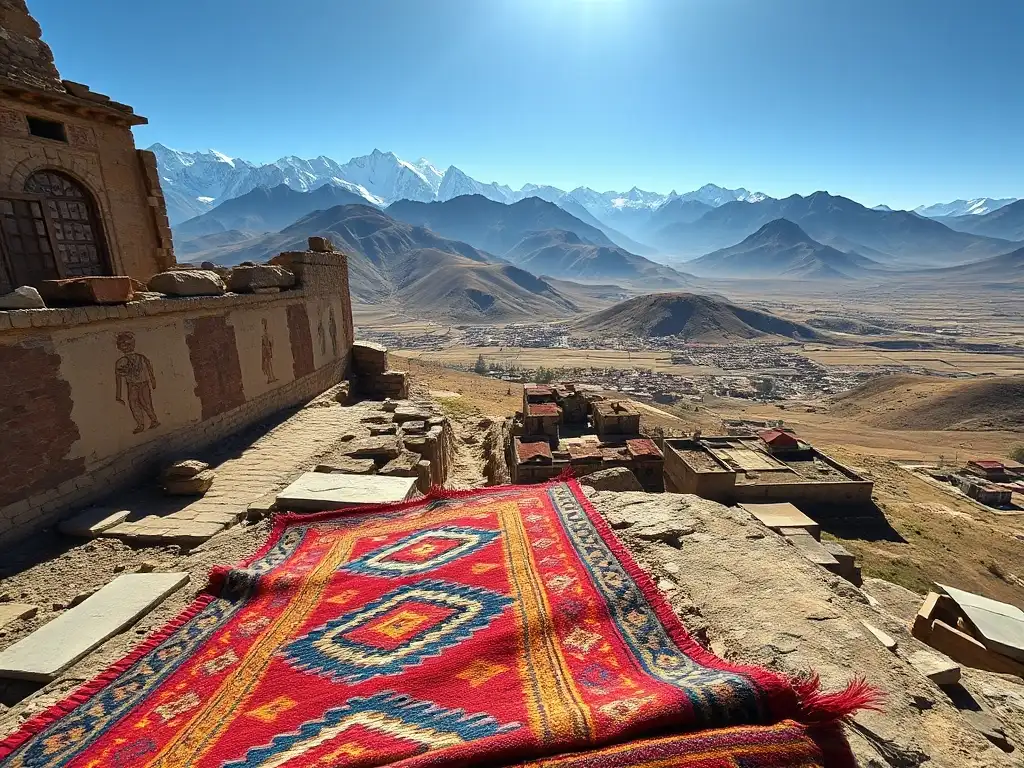
Uncover the secrets of a lost empire! Journey with us into the breathtaking world of Andean Civilizations, where vibrant cultures flourished long before the Incas. Prepare to be amazed by the sophisticated artistry of the Huari, a civilization whose unique styles continue to fascinate and inspire. Discover the enigmatic beauty of Huari art styles Andean civilization and delve into the mysteries of their advanced technology and captivating legacy. Explore the fascinating story of the Pre-Incan Cultures of the Highlands – your adventure begins now!
The Huari Empire, a powerful pre-Inca civilization that flourished in the Andes from approximately 600 to 1200 CE, left behind a remarkable artistic legacy. This article delves into the distinctive styles of Huari art, exploring its unique characteristics and the insights it provides into the culture, beliefs, and societal structures of this influential Andean civilization.
Understanding Huari art styles is crucial to appreciating the complexity and sophistication of this Andean empire, which significantly impacted the development of later Andean cultures, including the Inca. We will examine the key features that differentiate Huari art from its predecessors and contemporaries, highlighting its lasting influence on the artistic landscape of the Andes.
This exploration will cover various artistic mediums, from monumental architecture and intricate pottery to textiles and metalwork, offering a comprehensive overview of the rich tapestry of Huari artistic expression. Prepare to journey into the vibrant world of Huari art and uncover the secrets it holds about one of the most important Andean civilizations.
Huari Pottery: A Masterclass in Ceramic Art
Huari pottery stands out for its distinctive style and high level of craftsmanship. Unlike the more naturalistic depictions found in earlier Andean cultures like the Moche, Huari pottery often features stylized figures and geometric patterns. Common motifs include felines, birds, and human figures, frequently depicted in a highly formalized manner.
The use of vibrant colors, including reds, yellows, browns, and blacks, further enhances the visual impact of these pieces. Many vessels are characterized by their intricate surface treatments, including polished surfaces and the application of slip and paint to create complex designs. The standardization of forms and decorative motifs across vast geographical areas suggests a centralized control over production, likely reflecting the empire's administrative power.
Detailed analysis of the chemical composition of the clays used reveals extensive trade networks extending across the Huari empire's vast territory. The sheer volume of surviving Huari pottery testifies to its importance in daily life and ritual practices. Furthermore, the variety of forms – from simple bowls and jars to elaborate ceremonial vessels – indicates a diverse range of uses, reflecting the complex social hierarchy within Huari society.
Textile Traditions: Weaving a Narrative of Huari Society
Huari textiles represent another significant artistic achievement. While many examples have unfortunately not survived the ravages of time, surviving fragments reveal a mastery of weaving techniques and a preference for intricate patterns and designs. The use of high-quality materials, including alpaca and llama wool, speaks to the economic power and access to resources within the Huari empire.
The complexity of the designs, often incorporating geometric and zoomorphic motifs similar to those found in pottery, suggests a highly skilled and organized workforce of weavers. These textiles likely served various functions, from clothing and domestic items to ceremonial garments and tapestries used in religious contexts.
Further research into surviving textile fragments could reveal more about the social organization of weaving production and its role in Huari society. The limited preservation of textiles presents a challenge for researchers, however, ongoing efforts in conservation and analysis are gradually uncovering more details about these remarkable creations.
Architecture and Urban Planning: Monumental Expressions of Power
Huari architecture is characterized by its monumental scale and standardized designs. The empire's urban centers, such as the capital at Huari (Ayacucho), were meticulously planned with large-scale buildings, plazas, and residential areas. The use of stone, adobe, and other building materials demonstrates a sophisticated understanding of construction techniques and resource management.
The regularity of architectural features, such as doorways and window openings, suggests a centralized planning process and a strong emphasis on order and control. Many Huari structures were adorned with intricate friezes and decorative elements, further showcasing the empire's artistic prowess. The impressive scale of Huari architecture serves as a powerful testament to the empire's administrative capabilities and its capacity to mobilize vast resources for large-scale projects.
The layout of Huari cities reveals insights into the social and political organization of the empire, providing valuable clues about the distribution of power and the control of resources. Analysis of architectural remains continues to refine our understanding of Huari urban planning and its implications for the empire's social structure.
Metalwork: A Glimpse into Huari Elite Culture
While less prevalent than pottery and textiles, Huari metalwork provides valuable insights into the elite aspects of the culture. The use of precious metals, such as gold and silver, suggests that metalworking was largely confined to the production of elite goods and ceremonial objects. Surviving examples often feature intricate designs and high levels of craftsmanship, reflecting the skills of specialized metalworkers.
These artifacts likely played an important role in religious rituals and the display of power. The limited survival rate of Huari metalwork, due to its value as a target for looting, makes each surviving piece exceptionally valuable for understanding this aspect of Huari art.
Continued archaeological investigation and meticulous conservation efforts are crucial to preserving and studying the remaining examples of Huari metalwork, thus gaining a more complete picture of this important artistic tradition. The scarcity of Huari metalwork, however, underscores the need for more research to fully understand its significance within the wider context of Huari culture.
- Huari Pottery: A Masterclass in Ceramic Art
- Textile Traditions: Weaving a Narrative of Huari Society
- Architecture and Urban Planning: Monumental Expressions of Power
- Metalwork: A Glimpse into Huari Elite Culture
- What is the Huari Empire's significance in Andean history?
- What are some defining characteristics of Huari art styles?
- How did Huari art differ from that of other Andean civilizations?
- Where can I see examples of Huari art today?
- How did the Huari style influence later Andean cultures, particularly the Inca?
Understanding the Huari Empire and Its Artistic Legacy
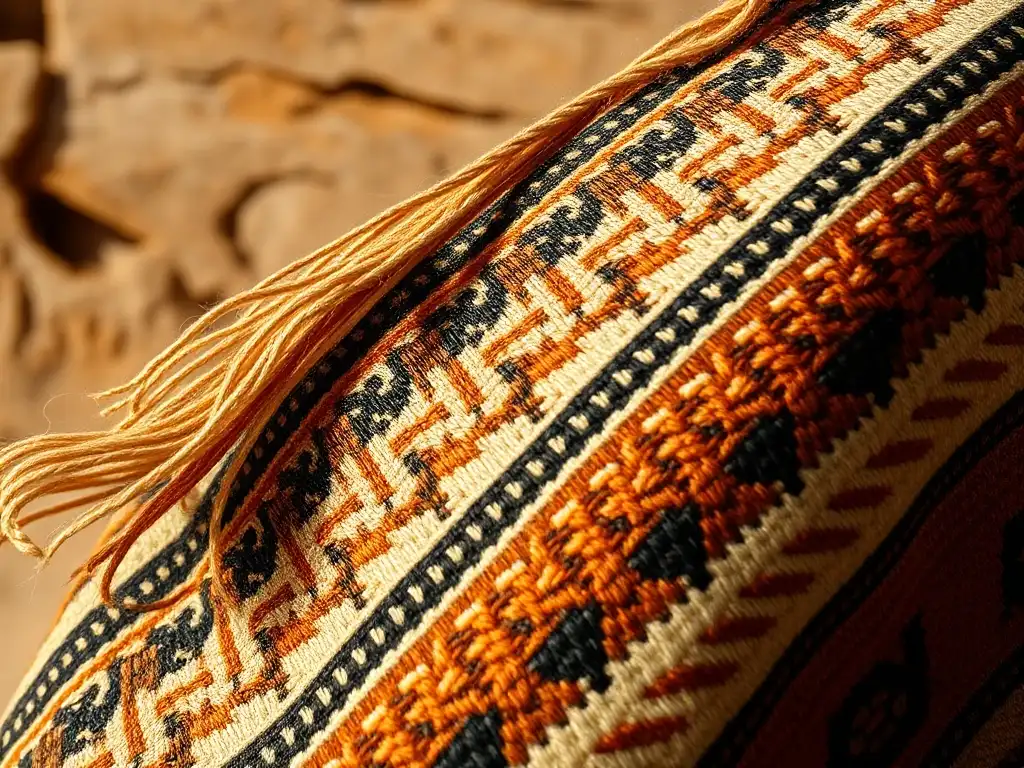
The Huari Empire, flourishing between 600 and 1000 CE in the central Andes, left an indelible mark on Andean civilization, not only through its political and military prowess but also through its distinctive artistic achievements. Understanding Huari art styles requires appreciating the context of this powerful civilization and its impact on subsequent Andean cultures. The empire's sophisticated administrative structures, extensive road networks, and impressive urban planning facilitated the widespread dissemination of its artistic motifs and techniques.
This section will delve into the key aspects of Huari art, focusing on its unique styles and the empire's influence on the artistic landscape of the Andes. The keyword "Huari art styles Andean civilization" will be explored through the lens of its historical impact and artistic innovation. We will explore how its distinct artistic features contributed to the development of later Andean art traditions.
The Rise of the Huari Culture in the Andes
The Huari culture emerged from a complex interplay of factors in the central Andes. While the exact origins are still debated by archaeologists, the rise of Huari is linked to the gradual integration of existing regional cultures and the development of centralized political control. This process of unification is reflected in the early stages of Huari art, which exhibits a blend of regional styles and a growing standardization of motifs.
Early Huari pottery, for instance, shows a transition from more localized styles to a more unified aesthetic characterized by specific shapes, colors, and decorative patterns. The development of sophisticated ceramic techniques, like the use of fine-grained clays and intricate painted designs, marks a significant leap in artistic production, showcasing the growing power and centralized organization of the Huari state. This standardization, while reflecting a unified artistic vision, also incorporated elements from conquered territories, demonstrating a sophisticated approach to cultural integration.
The expansion of the Huari state saw the absorption of artistic traditions from various conquered groups, creating a rich and diverse artistic expression characterized by the fusion of styles. This fusion of styles is a key element of understanding Huari art within the broader context of Andean civilization.
Huari Expansion and the Spread of Artistic Influence
The Huari expansion dramatically impacted the artistic landscape of the Andes. As Huari influence spread across vast territories, their distinctive artistic styles were disseminated throughout the region. This process wasn't simply about imposition; rather, it involved a complex interaction between Huari artistic traditions and pre-existing local styles.
Archaeological evidence shows a remarkable degree of stylistic variation across different regions under Huari control, suggesting that while certain core Huari motifs were adopted, local artisans adapted and integrated these elements into their existing artistic practices. Consider, for example, the variations in Huari pottery found in different regions. While certain common elements like the use of specific colors and geometric designs are evident, the specific styles and decorative elements vary significantly, reflecting regional adaptations and innovations.
The spread of Huari art styles was facilitated by the empire's extensive road network and sophisticated administrative system, which allowed for the efficient movement of goods, people, and ideas. This efficient system ensured that Huari artistic influences could reach even the most remote parts of the empire. The resulting artistic exchange enriched the artistic traditions of the Andes and contributed to the development of later Andean styles.
The Significance of Huari Art in Andean History
Huari art holds immense significance in understanding the history and development of Andean civilization. Its distinctive styles, characterized by geometric patterns, stylized figures, and the use of vibrant colors, provide invaluable insights into the worldview, social structures, and religious beliefs of the Huari people. The recurring motifs and iconography found in Huari art suggest a complex symbolic system that reflected the empire’s political and religious ideology.
Furthermore, the widespread dissemination of Huari artistic styles underscores the empire's significant impact on the cultural landscape of the Andes. The legacy of Huari art is evident in the artistic traditions of subsequent Andean cultures, including the Inca. Studying Huari art allows us to trace the evolution of artistic styles and techniques across centuries and provides a deeper understanding of the interconnectedness of Andean cultures.
The enduring influence of Huari art styles on later Andean civilizations highlights the empire's profound and lasting legacy in the region. Analyzing the evolution of Huari art styles offers a compelling narrative of the rise, expansion, and eventual decline of this influential Andean empire. The study of Huari art, therefore, is crucial for a complete understanding of Andean art history and the complex interplay of cultural influences that shaped the region.
Exploring the Diverse Styles of Huari Art
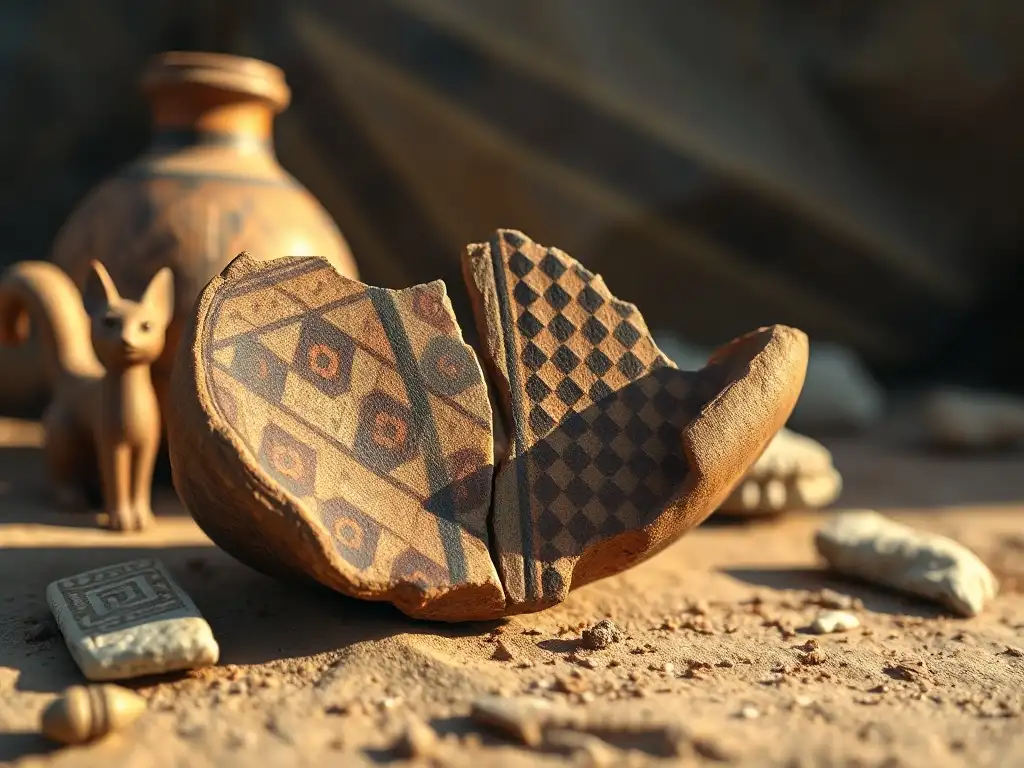
The Huari Empire, flourishing in the central Andes from approximately 600 to 1000 CE, left behind a remarkable artistic legacy. While overshadowed by the later Inca civilization in popular imagination, Huari art reveals a sophisticated and diverse range of styles reflecting their complex social structure, religious beliefs, and daily life. Understanding these styles provides crucial insights into the organization and worldview of this powerful Andean civilization.
The mastery displayed in Huari art, particularly in ceramics and textiles, showcases a high level of technical skill and artistic innovation, solidifying its place as a significant contribution to Andean artistic traditions. The keyword "Huari art styles Andean civilization" accurately encapsulates the core subject of this section. We will explore the distinct characteristics of Huari artistic expression, focusing on the key mediums of ceramics and textiles.
Huari Ceramics: A Window into Daily Life and Rituals
Huari ceramic art stands out for its distinctive styles and the information it provides about the culture's daily life and religious practices. The pottery offers a rich tapestry of representations, ranging from everyday objects to depictions of deities and mythical creatures. The sheer volume of surviving pottery suggests widespread production, possibly involving specialized workshops and a standardized production process, indicative of a centralized and organized state. The quality and consistency across various sites suggest a degree of control and regulation over the production and distribution of these goods, highlighting the importance of ceramics within the Huari social fabric.
The Distinctive Huari Pottery Techniques
Huari potters employed a variety of techniques, showcasing their advanced skills and knowledge of materials. One notable technique was the use of molds for mass production, allowing for the creation of large quantities of standardized vessels. However, alongside mass-produced items, highly elaborate and individually crafted pieces also exist, suggesting a hierarchy of production and consumption.
The use of slip, a liquid clay suspension, allowed for the creation of a smooth surface and the application of vibrant colors. Painstakingly applied painted designs, often geometric patterns or stylized figures, adorned many pieces. Evidence suggests the use of different types of clay and firing techniques to achieve various colors and textures, demonstrating a sophisticated understanding of material properties.
Iconography and Motifs in Huari Ceramic Art
The iconography found on Huari ceramics is rich and complex, reflecting their religious beliefs and worldview. Common motifs include stylized feline figures, often interpreted as representations of powerful deities or ancestral spirits. Geometric patterns, such as stepped frets and triangles, frequently appear, possibly signifying social organization or cosmological concepts. Anthropomorphic figures, sometimes depicted in ritual contexts, provide glimpses into Huari religious practices and beliefs.
The careful arrangement and repetition of these motifs suggest a deliberate and symbolic intention, demonstrating the role of art in communicating and reinforcing social and religious ideologies within the Huari empire. Further research is needed to fully understand the complex symbolism within Huari ceramic art. [Specific information pending: detailed analysis of specific motifs and their interpretations].
Huari Textiles: Masterpieces of Andean Weaving
Huari textiles represent another pinnacle of Andean artistic achievement. The surviving examples, often fragments discovered in tombs and other archaeological contexts, demonstrate an exceptional level of skill and sophistication in weaving techniques. The complex designs and vibrant colors showcase the advanced knowledge of textile production within the Huari Empire, and the high value placed on these items is evident in their careful preservation and burial with elite individuals. These textiles provide valuable clues to the social hierarchy and religious practices of the Huari people.
The Complexity of Huari Textile Design
Huari textile designs are characterized by their intricate patterns and the skillful use of various weaving techniques. Some textiles incorporate multiple colors and intricate designs, demonstrating a high level of skill and patience. The use of supplementary weft techniques, such as tapestry and brocade, allowed for the creation of complex and detailed designs that could not be achieved with simpler techniques.
The incorporation of geometric patterns, animal motifs, and stylized human figures, similar to those found in Huari ceramics, further strengthens the connection between these two art forms and their role in expressing Huari cultural identity. The meticulous craftsmanship evident in these textiles points to specialized weavers and a high degree of social organization within the Huari society.
The Use of Colors and Patterns in Huari Textiles
The vibrant colors and intricate patterns in Huari textiles were not merely decorative; they likely held symbolic meaning within the Huari culture. The use of specific dyes and color combinations may have been linked to ritual practices or social status. For example, certain colors might have been associated with specific deities or social groups. Similarly, the repetition of specific patterns could have served as a visual language, conveying messages or reinforcing social norms.
Further research is needed to fully decipher the symbolic language embedded within the color palettes and patterns of Huari textiles. [Specific information pending: detailed analysis of color symbolism and pattern meanings in Huari textiles]. The study of Huari art styles provides invaluable insights into the Andean civilization and its rich cultural heritage. 🧶🎨
Huari Architecture: Monumental Expressions of Power
Huari architecture stands as a testament to the empire's power and sophisticated engineering capabilities. Unlike the preceding cultures, Huari didn't rely solely on monumental structures like pyramids. Instead, they developed a unique urban planning system that integrated residential areas with administrative and religious centers.
This created vast, sprawling cities that showcased the empire's control over resources and manpower. The scale of these projects is staggering, reflecting a highly organized and centralized state capable of mobilizing vast labor forces for extended periods. The sheer size of some of these urban centers, coupled with the complexity of their design, suggests a sophisticated understanding of urban planning and logistics far beyond that of their predecessors.
The longevity of many of these architectural feats also showcases the stability and resilience of the Huari state. Analysis of the materials used and construction techniques reveals a deep understanding of local geography and the properties of different building materials. This practical knowledge, combined with a clear vision of urban design, resulted in the creation of impressive and enduring cities.
Huari Urban Planning and Architectural Styles
Huari urban planning demonstrates a clear pattern of standardization and control. Cities were laid out in grid patterns, with rectangular structures uniformly arranged. This suggests a centralized planning authority dictating construction and land use. The uniformity, however, wasn't monotonous.
Variations in building materials and decorative elements indicate regional adaptations and possibly specialized functions within the city. For example, certain areas might have been designated for residential purposes, others for administrative functions, and still others for religious ceremonies. The use of platforms and raised structures is a common feature, possibly signifying social hierarchy or ceremonial importance.
These platforms often supported important buildings, emphasizing their status within the urban landscape. Further research into the distribution of these structures within the cities could reveal more about Huari social organization and power structures. The consistent use of standardized building techniques, combined with regional variations, presents a fascinating study in the balance between imperial control and local autonomy within the Huari empire.
The Role of Architecture in Huari Society
Huari architecture served multiple functions within society, extending beyond mere practicality. It played a crucial role in reinforcing the empire's power and legitimacy. Monumental structures served as symbols of imperial authority, visually demonstrating the power and reach of the Huari state. The standardized urban planning further emphasized this control, creating a sense of order and uniformity across the empire.
Beyond political power, architecture also played a vital role in religious and ceremonial life. The construction of temples and platforms suggests the importance of religious rituals and beliefs within Huari society. The carefully planned placement of these structures within the urban environment indicates a close relationship between religious practice and daily life.
The intricate designs and decorative elements on many buildings also suggest a rich artistic tradition, reflecting the aesthetic values and cultural beliefs of the Huari people. Further investigation into the iconography and symbolism found on these structures could provide valuable insights into Huari cosmology and worldview. The study of Huari architecture thus reveals a complex interplay of political, religious, and artistic forces that shaped the society and culture of this remarkable Andean civilization.
Key Elements of Huari Art and Their Meanings
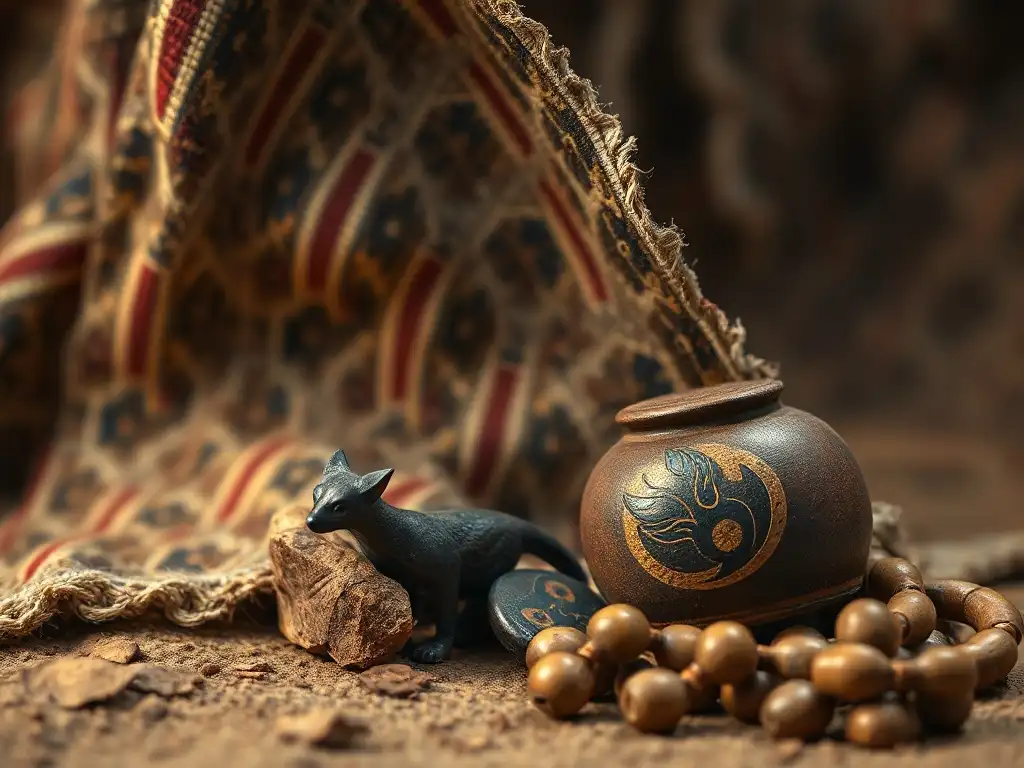
Huari art, a vibrant expression of the powerful Huari empire (c. 600-1000 CE), stands out for its unique blend of religious symbolism, geometric abstraction, and stylistic influences from preceding Andean civilizations, particularly Tiahuanaco. Understanding these key elements unlocks a deeper appreciation for the cultural and societal complexities of this fascinating Andean civilization. The distinct Huari art styles, characterized by their sophisticated techniques and symbolic imagery, offer invaluable insights into their worldview and artistic achievements. The keyword phrase "Huari art styles Andean civilization" accurately reflects the core subject of this analysis.
The Importance of Religious Iconography in Huari Art
Religious beliefs formed the bedrock of Huari society, and this is powerfully reflected in their art. The Huari people's artistic output served not just as aesthetic expression but also as a powerful tool for reinforcing religious authority and transmitting cultural knowledge across their vast empire. Many artifacts, from intricately carved ceramics to monumental architecture, are replete with religious iconography, demonstrating the profound influence of their spiritual world on their artistic endeavors. The consistent presence of these motifs across various media suggests a highly centralized and structured religious system.
Depictions of Deities and Mythical Beings
Huari art frequently depicts anthropomorphic figures, often interpreted as deities or mythical beings. These figures are frequently characterized by specific attributes, such as elaborate headdresses, stylized clothing, and symbolic objects. While precise identification of specific deities remains a subject of ongoing research, the consistent recurrence of certain iconographic elements suggests a well-defined pantheon.
For example, figures with feline attributes often appear, possibly representing a powerful deity associated with hunting or warfare. Further research is needed to definitively classify these figures and understand their roles within Huari mythology. The stylistic variations in the depiction of these figures across different regions of the empire may also reveal regional variations in religious practices or beliefs.
The Symbolism of Animals and Plants in Huari Art
Beyond human figures, animals and plants play a significant role in Huari art. These natural elements are not merely decorative but carry deep symbolic meaning, reflecting the Huari’s close relationship with their environment and their understanding of the natural world. Condor depictions, for example, frequently appear, potentially symbolizing power, altitude, and connection to the celestial realm.
Similarly, representations of snakes and other creatures might have held significance related to fertility, the underworld, or shamanistic practices. The careful study of the context in which these motifs appear—whether on pottery, textiles, or architecture—is crucial for a more complete understanding of their symbolic meaning within the Huari culture. A detailed catalog of plant and animal representations in Huari art is needed to fully explore this aspect of their iconography.
The Use of Geometric Patterns and Abstraction
A defining characteristic of Huari art is the pervasive use of geometric patterns and abstraction. These patterns, often characterized by repetition, symmetry, and intricate detail, are found across a wide range of artifacts. This approach to artistic expression reflects a sophisticated understanding of design principles and a preference for order and structure. This deliberate use of geometry suggests a level of planning and standardization across the empire, furthering the impression of a well-organized and centralized state.
The Significance of Repetition and Symmetry
The significance of repetition and symmetry in Huari art cannot be overstated. These elements are not merely aesthetic choices; they likely held deeper symbolic meaning, potentially relating to concepts of balance, harmony, and cosmic order. The consistent use of these principles across various media—from textiles to pottery to architecture—suggests a shared understanding of their importance within Huari culture. Further research into the mathematical principles underlying these patterns could reveal deeper insights into Huari cosmology and worldview. The meticulous execution of these intricate designs demonstrates the high level of skill and craftsmanship among Huari artisans.
The Influence of Tiahuanaco Art on Huari Styles
The influence of Tiahuanaco art on Huari styles is undeniable. Many Huari artistic motifs and techniques show clear connections to the earlier Tiahuanaco culture, suggesting either direct cultural transmission or stylistic borrowing. The stylistic similarities, particularly in the use of certain iconographic elements and geometric patterns, indicate a significant interaction between the two civilizations.
This relationship, however, was likely complex, involving both adaptation and innovation on the part of the Huari. A comparative study of Tiahuanaco and Huari art would further illuminate this important cultural exchange and its impact on the development of Huari artistic expression. Identifying specific Tiahuanaco influences in different Huari artistic media would provide valuable insights into the nature of this cultural interaction.
Huari Art: A Comparative Analysis with Other Andean Cultures
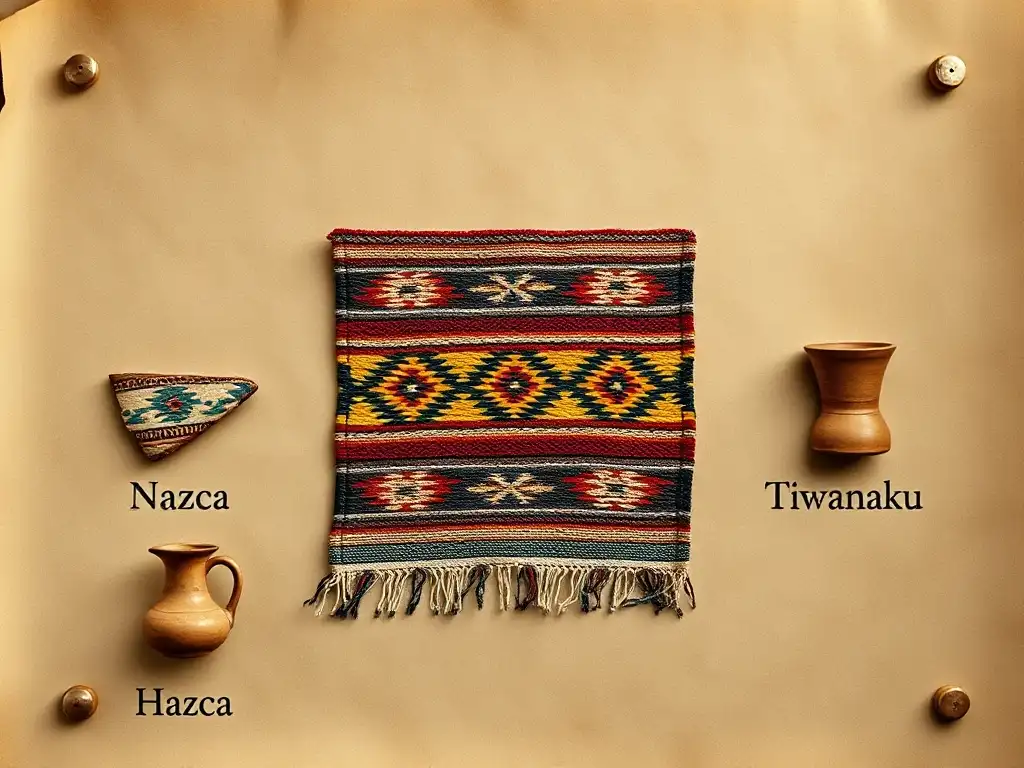
The Huari Empire, a powerful pre-Inca civilization flourishing in the central Andes from approximately 600 to 1000 CE, left behind a rich artistic legacy. Understanding Huari art requires comparing and contrasting it with the artistic traditions of its contemporaries and predecessors. This analysis will explore the distinctive characteristics of Huari art and its relationship with the artistic styles of the Moche, Nazca, and Tiahuanaco cultures. The keyword "Huari art styles Andean civilization" will be explored through this comparative lens, highlighting the unique contributions of the Huari to the broader Andean artistic landscape.
Contrasting Huari Art with Moche Artistic Traditions
The Moche, known for their elaborate metalwork and intricate ceramics depicting scenes of daily life, warfare, and mythology, present a stark contrast to the Huari aesthetic. While Moche art is characterized by a vibrant, highly detailed realism, often showcasing individual figures with expressive features and dynamic poses, Huari art tends toward a more stylized and formalized representation. Moche pottery frequently displays complex narrative scenes, whereas Huari ceramics often feature geometric patterns, stylized figures, and repetitive motifs.
For example, Moche ceramics are famous for their detailed depictions of human figures, animals, and plants, frequently presented in vivid colors. In contrast, Huari pottery, while showcasing some figurative elements, often prioritizes geometric designs and repeated patterns, suggesting a focus on symbolic representation rather than narrative detail. The Moche's mastery of metalworking, particularly gold and silver, is also unparalleled in the Huari record, although Huari artisans did produce notable textiles and ceramics. The difference reflects distinct cultural values and artistic priorities: Moche art prioritized individual expression and narrative, while Huari art emphasized order, standardization, and perhaps, imperial control.
Comparing Huari and Nazca Art Styles
The Nazca culture, renowned for its monumental geoglyphs and intricate textiles, shares some stylistic similarities with Huari art, yet also presents significant differences. Both cultures utilized textile production extensively, and both incorporated geometric patterns into their artistic creations. However, the scale and complexity of Nazca geoglyphs are unmatched by any Huari artistic achievement. The Nazca lines, visible only from the air, represent a monumental artistic undertaking, reflecting a different scale of artistic ambition than the Huari.
Furthermore, while Nazca pottery often features stylized figures and geometric designs, the level of detail and the use of vibrant colors are often more pronounced in Nazca work than in Huari ceramics. Nazca textiles, too, are known for their incredibly intricate designs and vibrant colors, a level of complexity not consistently mirrored in Huari textiles, although high-quality textiles certainly existed within the Huari empire. The differences may reflect varying levels of technological mastery, artistic focus, and, importantly, different cultural values and expressions. The contrast highlights the diverse artistic approaches within the broader Andean artistic tradition.
The Relationship between Huari and Tiahuanaco Art
The relationship between Huari and Tiahuanaco art is complex and debated by scholars. Both cultures produced impressive monumental architecture, and both utilized similar stylistic elements, such as stepped pyramids and stylized figures. Some scholars argue for a direct influence of Tiahuanaco on Huari art, pointing to similarities in ceramic styles and architectural designs. Others suggest a more complex interaction, perhaps involving trade, cultural exchange, and even conflict.
The presence of Tiahuanaco-style artifacts in Huari contexts suggests a level of interaction, but the extent of influence remains unclear. Did Huari artists directly imitate Tiahuanaco styles, or did both cultures draw upon shared Andean artistic traditions? Further research, including detailed stylistic analysis and archaeological investigations, is needed to fully understand the nature of the relationship between these two powerful Andean civilizations.
The stylistic similarities, however, underscore the interconnectedness of Andean artistic traditions and the complex interplay between different cultures. The study of these similarities and differences offers valuable insights into the evolution of "Huari art styles Andean civilization" and its place within the broader Andean artistic context.
The Legacy of Huari Art: Its Lasting Impact
The Huari empire, while leaving behind a significant architectural legacy in the form of impressive urban centers, also contributed profoundly to the artistic landscape of the Andean region. Their distinctive styles, characterized by a blend of geometric patterns and representational imagery, exerted a considerable influence on subsequent Andean cultures, particularly the Inca. Understanding this legacy is crucial to appreciating the full scope of Andean artistic development. The impact of Huari art wasn't merely a matter of imitation; it was a process of adaptation and reinterpretation, resulting in a dynamic evolution of artistic expression across centuries.
Huari Art's Influence on Later Andean Cultures
The influence of Huari art on later Andean cultures is undeniable. Many stylistic elements—the use of stylized figures, geometric motifs (such as stepped frets and triangles), and the preference for specific color palettes—can be traced directly to Huari prototypes. The Inca, for example, incorporated many Huari artistic conventions into their own imperial aesthetic. This isn't surprising, considering the Inca's expansion across territory once controlled by the Huari.
They inherited not only the infrastructure but also the artistic traditions of their predecessors. The continuity is visible in pottery, textiles, and metalwork. Inca artisans often refined or adapted Huari motifs, adding their own unique flourishes while maintaining the underlying stylistic DNA. For instance, the intricate textile designs found in Inca garments frequently echo the geometric complexity seen in Huari textiles, albeit with variations in color and pattern arrangement.
This demonstrates a conscious engagement with the Huari artistic heritage, rather than simply a passive inheritance. The Huari artistic legacy wasn't simply copied; it was actively reinterpreted and integrated into the evolving cultural identities of later Andean civilizations. This process of artistic assimilation played a key role in shaping the unique visual vocabulary of the Inca empire and other subsequent Andean cultures. The legacy continues to resonate in current interpretations of Andean art.
The Preservation and Study of Huari Art Today
The preservation and study of Huari art today are crucial for understanding the complexity of Andean civilization. Archaeological excavations continue to unearth significant artifacts, providing invaluable insights into Huari artistic practices and their evolution. Museums and research institutions worldwide house extensive collections of Huari pottery, textiles, and metalwork, allowing scholars to meticulously analyze these objects and build a more comprehensive picture of Huari artistic styles and their significance. However, the challenges of preserving these fragile artifacts remain significant.
The effects of time, climate, and human interference pose ongoing threats. Conservation efforts are therefore paramount, employing advanced techniques to protect these irreplaceable pieces of history. Furthermore, ongoing research focuses not only on cataloging and analyzing Huari art but also on understanding its social and cultural context. By examining the production methods, distribution patterns, and iconography of Huari artifacts, researchers strive to decipher the social and political messages embedded within these works.
This interdisciplinary approach, combining archaeology, art history, and anthropology, is crucial for a nuanced understanding of Huari art's place within the broader narrative of Andean civilization. The ongoing study of Huari art styles provides a crucial window into the past, enriching our understanding of the Andean civilization's artistic achievements and their lasting impact. The meticulous work of preservation and research ensures that the legacy of Huari art continues to inspire and inform future generations.
Frequently Asked Questions
What is the Huari Empire's significance in Andean history?
The Huari Empire (600-1000 CE) played a crucial role in Andean history, unifying many smaller cultures and significantly influencing later civilizations like the Inca. Its extensive influence is seen across art, architecture, and societal structures.
What are some defining characteristics of Huari art styles?
Huari art is known for its geometric patterns, standardized iconography, and depictions of stylized figures and animals. Textiles, ceramics, and stone carvings showcase these distinctive styles.
How did Huari art differ from that of other Andean civilizations?
While sharing some common Andean motifs, Huari art exhibits a greater degree of standardization and imperial control. Unlike the more regional styles of preceding cultures, Huari art shows a consistent visual language across its vast empire.
Where can I see examples of Huari art today?
Examples of Huari art can be found in museums across Peru and internationally. Many archaeological sites within the former Huari empire also feature in-situ artifacts, offering a glimpse into the daily life and artistic practices of the civilization.
How did the Huari style influence later Andean cultures, particularly the Inca?
The Huari artistic legacy profoundly impacted subsequent Andean civilizations, including the Inca. Inca art shows clear stylistic echoes of Huari traditions in its ceramic designs, textiles, and architectural elements, demonstrating a lasting cultural impact.
Final Reflection: Echoes of Huari: A Legacy in Stone and Pigment
The vibrant artistry of the Huari Empire, far from being a relic of a bygone era, continues to resonate in the cultural landscape of the Andes, offering invaluable insights into the complexities of pre-Columbian societies and the enduring power of artistic expression. The meticulous craftsmanship, the symbolic imagery, and the sheer scale of Huari artistic production speak volumes about their sophisticated social structures and their profound understanding of the world around them. This legacy is not merely historical; it is a living testament to human creativity and resilience.
The enduring influence of Huari art is undeniable, shaping subsequent Andean artistic traditions and inspiring contemporary artists alike. Its impact transcends mere aesthetics; it speaks to the enduring human need for creative expression and the power of art to communicate complex ideas across vast stretches of time and space. Art washes away from the soul the dust of everyday life.
- Pablo Picasso. This quote, while not directly referencing Huari art, perfectly encapsulates the timeless power of artistic creation to connect us to something larger than ourselves, something that echoes across millennia.
Consider the intricate details of Huari pottery, the imposing grandeur of their monumental architecture, the subtle nuances of their textile designs. These are not simply objects; they are windows into a vanished world, offering glimpses into the beliefs, values, and daily lives of a remarkable civilization. You, the reader, are now invited to engage with this legacy.
Seek out images of Huari art, explore the museums that house these treasures, and allow yourself to be transported to a time when the Andes pulsed with the vibrant energy of this extraordinary empire. Let the echoes of Huari inspire your own creative spirit and deepen your appreciation for the rich tapestry of human history.
Unleash Your Creativity with Huari Art!
Thank you for exploring the fascinating world of Huari art and its unique styles! We hope you've gained a deeper understanding of this ancient Andean civilization and its rich artistic legacy. Now, let's put your newfound knowledge into practice!
Here are some ways to further engage with Huari art:
- Visit a local museum to see their collection of Andean artifacts, or attend a nearby exhibition to experience the beauty of Huari art firsthand.
- Share your favorite Huari artwork on social media, and write about what inspires you about it. Tag us in your post to join the conversation!
- Create your own Huari-inspired artwork! Experiment with traditional techniques or modern mediums to express your creativity and help keep this art form alive.
What aspect of Huari art most resonates with you and inspires your creativity? Share your thoughts in the comments below!