
Ritual and Belief: Exploring Spiritual Practices in the PreIncan Highland Cultures

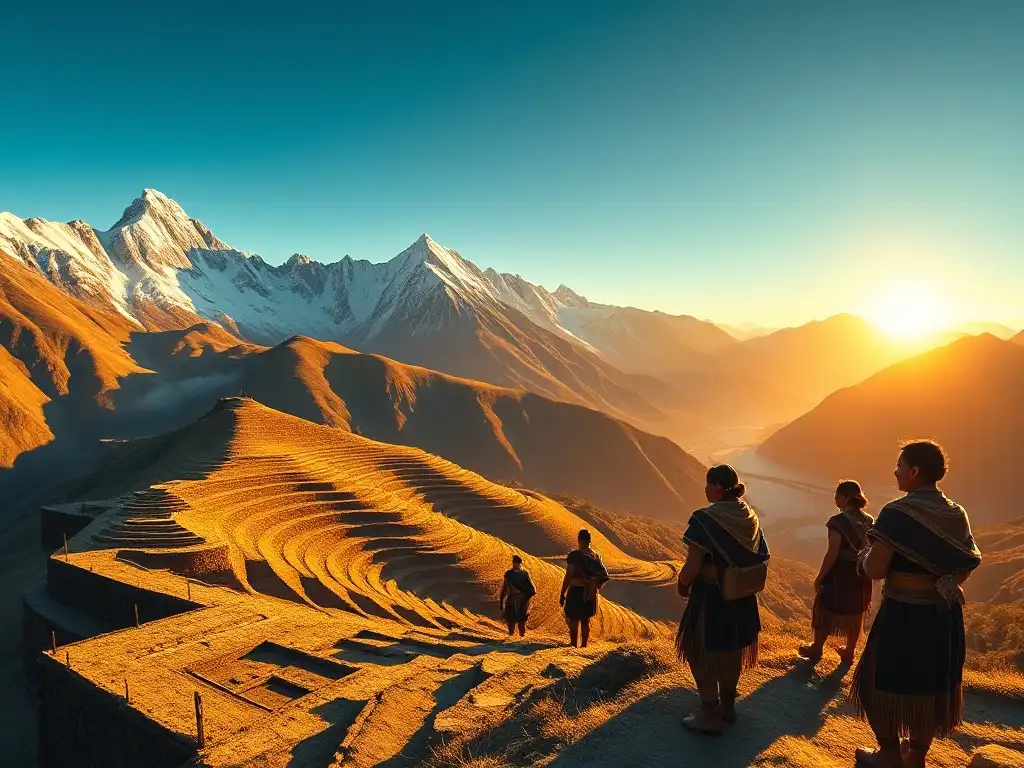
Step into a world lost to time, yet echoing with the whispers of ancient spirits. Journey with us into the heart of the Andes, where PreInca Andean spiritual practices shaped the lives and landscapes of remarkable civilizations. Uncover the mysteries surrounding their rituals and beliefs – a captivating tapestry woven from celestial observations, intricate iconography, and profound connections with the natural world. Dare to delve deeper into this enigmatic realm… the secrets of the highlands await.
The Andes Mountains, a spine of towering peaks and fertile valleys, cradled a vibrant tapestry of pre-Inca cultures whose spiritual practices remain a source of fascination and scholarly inquiry. This article delves into the complex world of Andean spirituality before the rise of the Inca Empire, examining the diverse rituals, beliefs, and cosmological systems that shaped the lives of these remarkable societies. We will explore the evidence left behind – from monumental architecture to intricate textiles and sophisticated ceramics – to reconstruct a picture of their profound connection to the natural world and the supernatural realm.
Understanding these pre-Inca spiritual practices provides crucial context for appreciating the later Inca civilization and the enduring legacy of Andean spirituality that continues to this day. This exploration focuses particularly on the keyword "PreInca Andean spiritual practices," offering a detailed overview of the subject.
The Role of the Andes Mountains in Pre-Inca Spirituality
The imposing Andes Mountains were not merely a geographical feature; they were a central element in the cosmology and spiritual beliefs of numerous pre-Inca cultures. These towering peaks were seen as sacred spaces, dwelling places of powerful deities and spirits. Evidence suggests that many important settlements were strategically located in relation to mountain ranges, reflecting a deep understanding of the landscape's spiritual significance.
The mountain's peaks, often shrouded in mist and clouds, were considered portals to the otherworld, places where the living could interact with the supernatural. Many rituals involved offerings and pilgrimages to these sacred heights. Archaeological findings, such as mountaintop shrines and evidence of ceremonial activities, support this interpretation.
Furthermore, the agricultural practices of these societies were intimately tied to the mountain environment, demonstrating a profound respect for the natural world and its life-giving forces. The cyclical nature of agriculture mirrored their understanding of the cyclical nature of life, death, and rebirth, further reinforcing the mountain's spiritual importance.
Ceramics and Textiles as Expressions of Religious Belief
Pre-Inca Andean cultures produced exquisite ceramics and textiles, often imbued with powerful religious symbolism. The intricate designs and motifs found on these artifacts provide valuable insights into their beliefs and rituals. For instance, certain ceramic vessels might depict deities, mythical creatures, or scenes from important ceremonies.
The colors and patterns themselves held symbolic meanings, often reflecting specific cosmological concepts or agricultural cycles. Similarly, textiles, intricately woven with vibrant threads and elaborate designs, served not only practical purposes but also acted as powerful religious symbols. They were often used in ceremonies, worn by religious leaders, or placed in tombs as offerings to the deceased.
The detailed iconography on these textiles provides further evidence of the complex religious systems of these cultures. The craftsmanship involved speaks to the immense value placed upon these objects and their role in religious practice. Analysis of these artifacts continues to reveal new information about the rich spiritual lives of these ancient Andean people.
Ritual Offerings and Sacrifice: Connecting the Living and the Dead
Ritual offerings and sacrifice played a significant role in the spiritual lives of pre-Inca Andean societies. These acts were believed to maintain cosmic balance, appease deities, ensure successful harvests, or honor ancestors. Archaeological excavations have unearthed numerous examples of these offerings, including food, ceramics, textiles, and even human sacrifices in some cases.
The nature and scale of these offerings varied depending on the specific culture and the context of the ritual. Some offerings were small and personal, while others were grand public events involving large-scale participation. The careful placement of offerings in tombs and other sacred sites suggests a belief in the afterlife and the continued importance of maintaining relationships with the deceased.
The study of these offerings provides insights into the social structures, economic systems, and religious beliefs of these ancient cultures. The careful selection and preparation of the offerings themselves underscore the importance and solemnity of these rituals. Understanding these practices allows for a more nuanced appreciation of the spiritual complexities of pre-Inca Andean life.
Cosmological Views and the Relationship with Nature
Pre-Inca Andean societies possessed sophisticated cosmological views that intertwined the natural and supernatural worlds. Their understanding of the cosmos was deeply influenced by their environment, with the mountains, sun, stars, and agricultural cycles playing central roles in their worldview. The cyclical nature of the seasons and agricultural practices directly informed their understanding of life, death, and rebirth, shaping their religious beliefs and rituals.
Many deities were associated with specific natural phenomena or elements, such as the sun, moon, water, or mountains. Their religious beliefs were not separate from their daily lives; rather, they were integrated into all aspects of their existence, influencing their social structures, agricultural practices, and artistic expressions.
Further research is needed to fully understand the complexities of their cosmological systems, but the existing evidence clearly demonstrates the profound connection between these cultures and the natural world. Their spiritual practices reflect a deep respect for the environment and a holistic understanding of the interconnectedness of all things.
- The Role of the Andes Mountains in Pre-Inca Spirituality
- Ceramics and Textiles as Expressions of Religious Belief
- Ritual Offerings and Sacrifice: Connecting the Living and the Dead
- Cosmological Views and the Relationship with Nature
- What were some key spiritual practices of Pre-Inca Andean cultures?
- How did the landscape influence Pre-Inca Andean spirituality?
- What evidence reveals the spiritual beliefs of Pre-Inca Andean people?
- How did Pre-Inca Andean spiritual practices differ from those of the Inca?
- What role did hallucinogenic plants play in Pre-Inca Andean spiritual practices?
Understanding Pre-Inca Andean Spiritual Practices
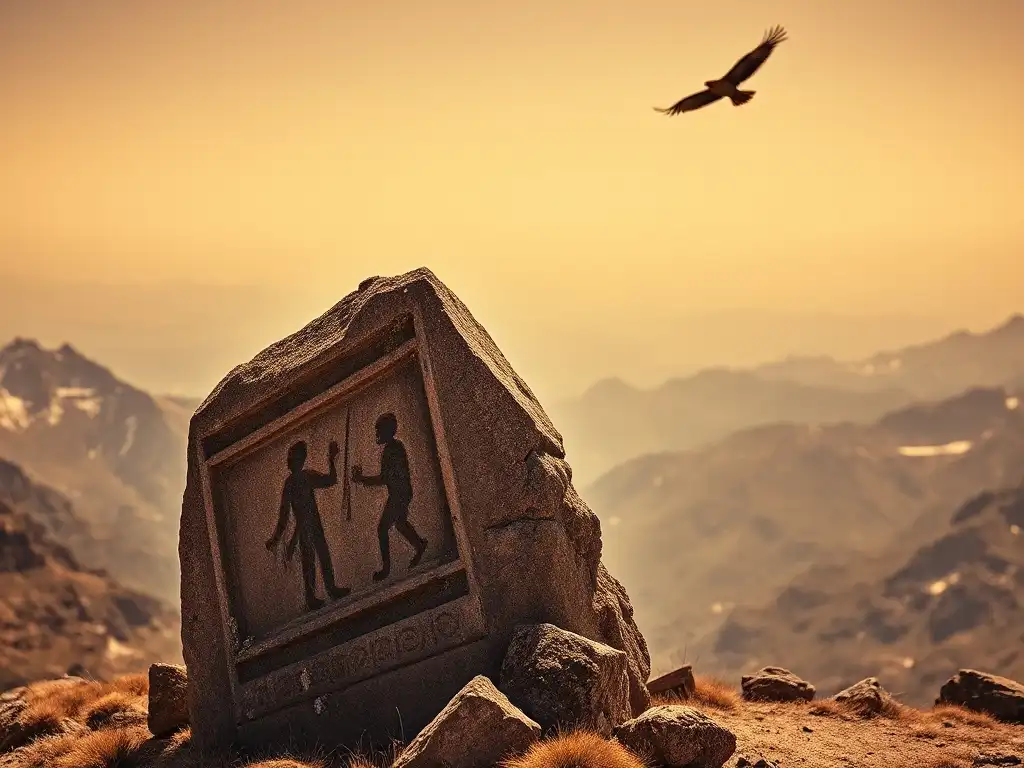
This section delves into the complex and fascinating world of Pre-Inca Andean spiritual practices, exploring the rituals, beliefs, and worldview that shaped the lives of these highland civilizations. Understanding these practices provides crucial insight into the social structures, political systems, and artistic expressions of cultures that predate the Inca Empire. We'll examine the significance of ritual and the key belief systems that formed the bedrock of their spiritual lives. The term "Pre-Inca" itself highlights the rich tapestry of cultures that existed in the Andes before the Inca expansion, each with its unique spiritual landscape. This exploration will focus on the diverse expressions of spirituality across various Pre-Inca Andean groups, revealing the common threads and unique characteristics that define their spiritual heritage. The study of Pre-Inca Andean spiritual practices offers a valuable opportunity to appreciate the complexity and sophistication of these ancient societies and their profound connection to the Andean landscape.
The Significance of Ritual in Andean Pre-Inca Societies
Rituals formed the cornerstone of Pre-Inca Andean life, permeating every aspect of their existence from daily routines to monumental ceremonies. These weren't merely symbolic actions; they were powerful tools for maintaining social order, ensuring agricultural success, and communicating with the supernatural world. The meticulous execution of rituals, often involving elaborate costumes, specific offerings, and precise choreography, underscores their importance.
For instance, the Moche culture, known for its sophisticated irrigation systems, likely incorporated rituals into their agricultural practices. Evidence suggests that they performed ceremonies to ensure bountiful harvests, appeasing the deities associated with water and fertility. These rituals might have included offerings of food, drink, and even human sacrifice, reflecting the deep-seated belief in the power of appeasement. The detailed depictions of these rituals in their exquisite pottery provide invaluable insights into their beliefs and practices.
Furthermore, archaeological evidence reveals the construction of elaborate ceremonial centers, such as those found at Chavín de Huántar, which served as focal points for communal rituals. These sites, often located in strategically significant locations, facilitated large-scale gatherings, emphasizing the importance of collective participation in religious practices. The scale and complexity of these structures highlight the significant investment of resources and labor dedicated to religious activities, underlining their central role in Andean Pre-Inca societies. The precise nature of many rituals remains a subject of ongoing research, but the available evidence clearly demonstrates their profound impact on daily life.
Key Belief Systems of Highland Pre-Inca Civilizations
The spiritual beliefs of Pre-Inca Andean civilizations were deeply intertwined with their environment and social structures. Their cosmology often involved a complex interplay of deities, ancestors, and natural forces. Unlike a singular, unified belief system, the Andean highlands showcased a diversity of spiritual perspectives, with regional variations and evolving beliefs across different cultures.
One common theme across many Pre-Inca cultures was the veneration of nature. Mountains, rivers, and other natural features were often considered sacred, embodying powerful spiritual energies. These were not simply admired but actively engaged with through rituals and offerings. The Nazca lines, for example, while their precise purpose is still debated, may have served a ritualistic function, possibly linked to astronomical observations and the worship of celestial deities. The intricate designs and vast scale of these geoglyphs suggest a profound understanding of the cosmos and a deep connection to the natural world.
Another key element in many Pre-Inca belief systems was ancestor veneration. Ancestors were seen not simply as deceased relatives but as powerful intermediaries between the living and the spirit world. Offering ceremonies and the construction of elaborate tombs often served to honor and maintain contact with these ancestral spirits.
The preservation of mummies and the practice of secondary burial demonstrate the importance placed on maintaining a connection with the deceased, emphasizing their continued influence on the living. This continuous interaction with ancestors formed an integral part of their social fabric and spiritual worldview. The specific details of these beliefs varied considerably across different Pre-Inca cultures, reflecting the dynamic and multifaceted nature of Andean spirituality.
The study of Pre-Inca Andean spiritual practices continues to unveil new insights into the richness and complexity of these ancient cultures. Further research, particularly in the areas of [specific information pending: detailed analysis of specific ritual objects from various sites], will undoubtedly further illuminate our understanding of this fascinating aspect of Andean history.
Pre-Inca Religious Practices in the Highlands: A Closer Look
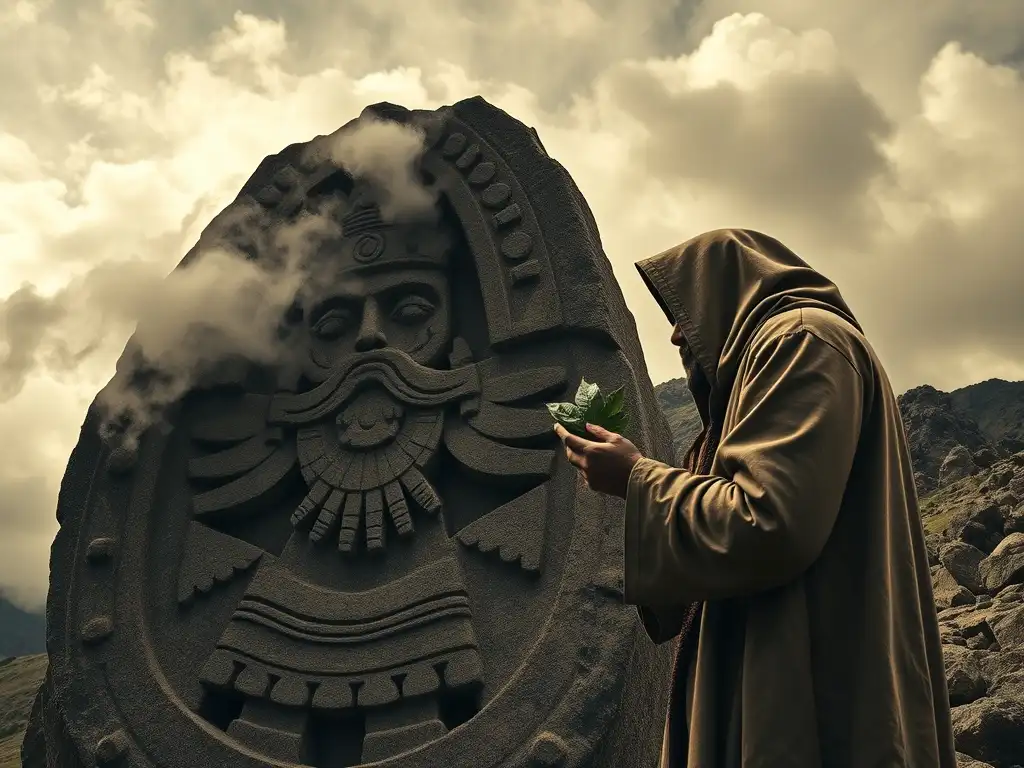
This section delves into the fascinating world of Pre-Inca Andean spiritual practices, focusing on the unique religious beliefs and rituals that shaped life in the highlands before the Inca Empire. Understanding these practices provides crucial insight into the complex social structures, artistic expressions, and technological advancements of these vibrant cultures.
We will explore ancestor veneration, the cosmology of deities and supernatural beings, and the significance of sacred sites in shaping Pre-Inca religious life. The term "Pre-Inca" itself encompasses a vast timeframe and diverse cultures, each with its own nuances; however, common threads weave through their spiritual beliefs, offering a captivating glimpse into their worldview.
Ancestor Veneration and Mortuary Rituals in Pre-Inca Communities
Ancestor veneration formed a cornerstone of Pre-Inca Andean spiritual practices. The belief that deceased relatives continued to influence the living world profoundly impacted daily life. Mortuary practices were elaborate and varied across different cultures, reflecting the unique social hierarchies and cosmological beliefs of each society.
For instance, the Moche culture, known for its intricate ceramics depicting daily life and ritual scenes, practiced elaborate burial rituals. Evidence suggests that individuals of high social standing were interred with lavish grave goods, including finely crafted pottery, textiles, and even human sacrifices.
These offerings weren't merely symbolic; they were believed to provide sustenance and support for the deceased in the afterlife, maintaining a vital connection between the living and the dead. The careful placement of grave goods within the burial context suggests a sophisticated understanding of the afterlife and the continued importance of the ancestor's role within the community's spiritual well-being.
In contrast, other Pre-Inca groups may have practiced simpler burial rites, reflecting different social structures and beliefs. However, the common thread remains: the deceased were not simply forgotten; they remained active participants in the spiritual realm, requiring respect and remembrance from their descendants. This practice fostered strong family ties and a deep sense of continuity across generations, shaping social structures and reinforcing community identity. Further research into specific burial sites and grave goods is needed to fully understand the variations in mortuary rituals across different Pre-Inca groups. [Specific information pending on variations in burial practices among different Pre-Inca groups].
Deities and Supernatural Entities in Andean Cosmology
Pre-Inca Andean cosmology was richly populated with a pantheon of deities and supernatural entities. Unlike the later Inca emphasis on a single supreme god, Pre-Inca beliefs often involved a more complex and decentralized system of worship. The specific deities and their attributes varied considerably across different cultures and regions. However, common themes emerge, reflecting a deep connection with the natural world and the forces that shaped their lives.
For example, deities associated with mountains, water sources, and agricultural fertility were prominent in many Pre-Inca belief systems. These deities were not simply abstract concepts; they were powerful forces that directly impacted the lives of the people. Successful harvests, abundant water supplies, and the overall well-being of the community were directly linked to appeasing and honoring these powerful entities. The representation of these deities in art, particularly in ceramics and textiles, further underscores their importance within the religious and social fabric of Pre-Inca society. The intricate iconography found in these artifacts provides valuable clues about their beliefs and rituals.
Furthermore, the concept of wakas, sacred places imbued with spiritual power, played a crucial role in Pre-Inca religious life. These wakas could be natural features like mountains or springs, or man-made structures like temples or ceremonial centers. They served as focal points for rituals and offerings, strengthening the connection between the living and the supernatural realm. The careful selection and maintenance of these wakas demonstrate the profound importance of maintaining a harmonious relationship with the supernatural world.
Sacred Sites and Ceremonial Centers of the Pre-Inca
The construction and use of sacred sites and ceremonial centers were essential aspects of Pre-Inca Andean spiritual practices. These locations served as focal points for religious rituals, community gatherings, and expressions of spiritual beliefs. Their design and layout often reflected the unique cosmological views of each culture, showcasing sophisticated astronomical knowledge and a deep understanding of the landscape.
The monumental architecture of sites like Chavín de Huántar, for example, is a testament to the sophisticated engineering and religious significance of Pre-Inca ceremonial centers. The intricate carvings and complex layout of the site suggest a highly organized religious system and a centralized authority responsible for overseeing these large-scale projects. The site's location, strategically placed along important trade routes, further emphasizes its significance as a regional religious center, drawing pilgrims and participants from across a wide area.
The discovery of numerous artifacts, including ceremonial objects and human remains, provides further insight into the rituals and practices that occurred within these sacred spaces. The detailed analysis of these artifacts helps us understand the complexity of Pre-Inca religious beliefs.
Other Pre-Inca cultures also built impressive ceremonial centers, though their architectural styles and religious practices varied. The commonality was the importance of these sites as places of interaction between the human and supernatural worlds. These centers served not only as spaces for religious rituals but also as places for social gatherings and the reinforcement of community identity.
Understanding the layout, architecture, and artifacts found within these sites is crucial to understanding the multifaceted nature of Pre-Inca Andean spiritual practices. The study of these sites continues to reveal new information about the complexity and sophistication of Pre-Inca religious beliefs and practices. Further research and archaeological excavations are essential to fully understand the significance of these sacred spaces.
Specific Pre-Inca Rituals and Their Significance
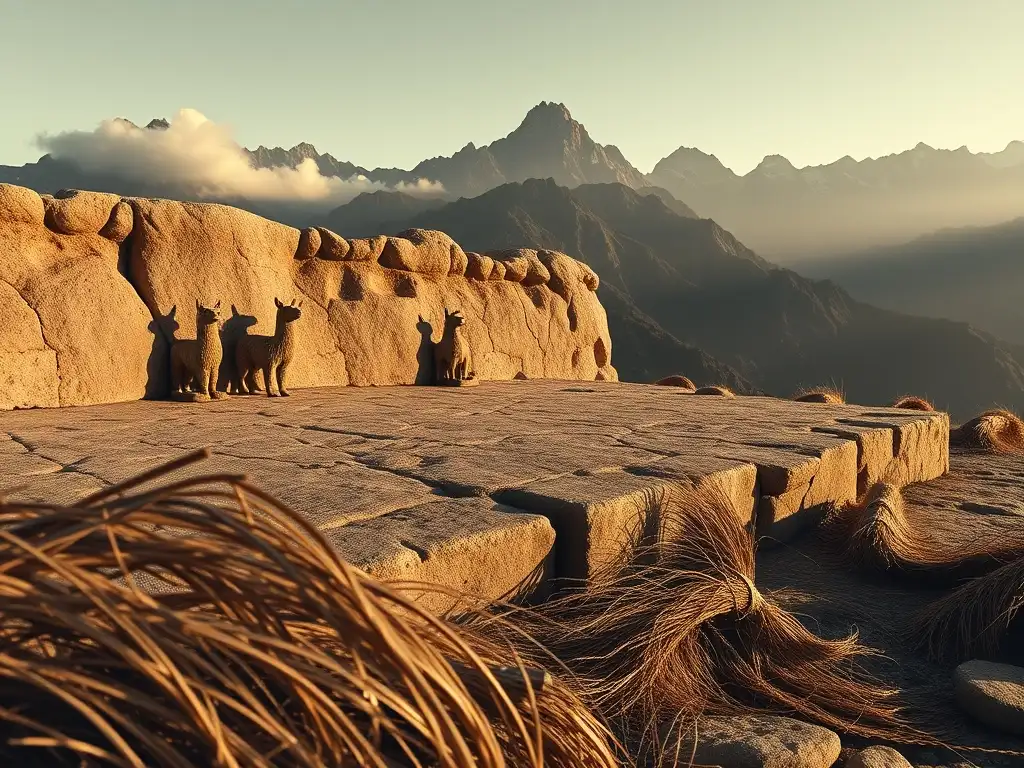
This section delves into the specific ritual practices of several pre-Inca Andean cultures, highlighting their unique characteristics and the profound significance they held within their respective societies. Understanding these rituals offers a crucial insight into the complex belief systems and spiritual landscapes of the pre-Inca highlands. The diversity of these practices underscores the rich tapestry of Andean spiritual life before the Inca expansion.
The term "PreInca Andean spiritual practices" itself encompasses a vast array of customs, beliefs, and ceremonies, many of which remain partially understood due to the fragmentary nature of the archaeological record. However, careful study of surviving artifacts and iconography allows us to piece together a fascinating picture of these societies' spiritual lives.
Offerings and Sacrifices in Pre-Inca Religious Ceremonies
Offerings and sacrifices formed a cornerstone of PreInca Andean spiritual practices. These weren't merely symbolic gestures; they were integral components of maintaining cosmic balance and ensuring the prosperity of the community. Evidence suggests a wide range of offerings, from everyday objects like pottery and textiles to more elaborate items such as gold and silver artifacts.
The Moche culture, for instance, is renowned for its elaborate sacrifices depicted in their intricate ceramics. These often involved human sacrifice, though the precise reasons and social context remain debated among scholars. Some interpretations suggest these sacrifices were linked to ensuring successful harvests or appeasing powerful deities during times of drought or other crises.
The Nazca culture, known for its enigmatic geoglyphs, also practiced sacrificial offerings, although the scale and nature differed from the Moche. Evidence points to the offering of llama and other camelids, possibly representing a connection between the earthly realm and the celestial sphere. The specifics of these rituals, however, are still being uncovered through ongoing archaeological investigations.
The meticulous nature of the offerings, often buried with great care, underlines their importance within the societal fabric. Further research into the chemical composition of organic remains associated with these offerings could provide additional insight into the types of animals sacrificed and their dietary habits. This data could potentially link the types of sacrifices to specific times of the year or particular agricultural cycles.
The Role of Shamans and Priests in Pre-Inca Spiritual Life
The spiritual leadership of pre-Inca societies rested largely on the shoulders of shamans and priests, individuals believed to possess the ability to communicate with the supernatural world. These figures weren't simply religious leaders; they held significant political and social influence, acting as intermediaries between the human and divine realms. Their roles encompassed a wide range of activities, including conducting rituals, interpreting omens, healing the sick, and guiding community affairs. Archaeological evidence, such as the elaborate tombs of some priestly figures, points to their high status within the social hierarchy.
The exact nature of shamanistic practices varied across different pre-Inca cultures. However, the use of hallucinogenic substances like San Pedro cactus and other plants was likely common across many groups. These substances were likely used to induce altered states of consciousness, facilitating communication with the spirit world and providing insights into the future or the will of the gods.
The use of these plants might have been a key component of divination and healing ceremonies. Furthermore, the elaborate headdresses and costumes often depicted in artwork may have served to enhance the shaman's power and authority, visually reinforcing their connection to the supernatural. The ongoing study of ancient Andean textiles and artwork continues to reveal new details about the attire and paraphernalia used by these spiritual leaders, providing further clues into their roles and practices.
The Chavín Lanzón Ritual and its Cultural Context
The Chavín culture, known for its monumental architecture and iconic Lanzón monolith, developed a complex religious system centered around this towering stone sculpture. The Lanzón, a massive carved stone figure, likely played a central role in ritual ceremonies, possibly serving as a focal point for communal worship or a representation of a powerful deity. The intricate carvings on the Lanzón, depicting feline and other zoomorphic features, suggest a complex cosmology involving a blend of animalistic and supernatural forces.
The Chavín Lanzón ritual, while not fully understood, likely involved elaborate processions and offerings. The temple complex at Chavín de Huántar, where the Lanzón is located, features a sophisticated system of tunnels and chambers, possibly designed to enhance the ritualistic experience and create a sense of awe and mystery.
The presence of numerous smaller sculptures and artifacts within the complex suggests the use of these objects in various ritualistic contexts. The architecture itself, with its intricate maze-like design, may have been intentionally crafted to evoke a sense of the journey into the underworld or the transition between different spiritual realms.
The interpretation of the Lanzón's iconography and the reconstruction of the rituals associated with it remain active areas of research, with scholars continuously refining their understanding of this fascinating and pivotal aspect of PreInca Andean spiritual practices. The ongoing excavation and analysis of the Chavín site continues to unearth new information, enhancing our understanding of these complex rituals.
The Moche Sacrifice Ceremony and its Symbolic Meaning
The Moche civilization, flourishing along the northern coast of Peru from approximately 100 CE to 800 CE, left behind a rich archaeological record showcasing their complex religious beliefs and practices. Central to their worldview were elaborate sacrificial ceremonies, often involving human sacrifice, which held profound symbolic meaning within their society. These weren't simply acts of violence; rather, they were deeply ritualized events intended to ensure the fertility of the land, appease the gods, and maintain cosmic balance.
Evidence from Moche iconography, particularly their stunning ceramic vessels, depicts scenes of human sacrifice in vivid detail. These depictions offer valuable insights into the ritual's choreography and its significance within the Moche social structure. Frequently, the sacrifices involved individuals of high social standing, suggesting a connection between elite power and the appeasement of the supernatural world. The sacrifices weren't random acts; they were carefully planned and executed, often involving elaborate preparations and specific locations, such as sacred platforms or temple complexes.
The symbolic meaning of Moche sacrifice is complex and multifaceted. Scholars interpret these rituals as a way to ensure agricultural productivity, a critical element in the Moche economy. By offering the most valuable resource—human life—to the gods, the Moche aimed to secure bountiful harvests.
Furthermore, the act of sacrifice may have served to reinforce the power of the elite, highlighting their ability to control both the earthly and spiritual realms. The sacrifices acted as a powerful symbol of their authority and connection to the divine. The imagery on Moche pottery often portrays the sacrificed individuals in a state of submission or even willing participation, suggesting a degree of ideological acceptance or even reverence for the ritual.
Analysis of the skeletal remains of sacrificed individuals provides further clues. Studies have shown that certain individuals might have been chosen based on specific physical characteristics or social status, indicating a deliberate selection process rather than random selection. This meticulousness emphasizes the ritual's profound significance and its integration into the fabric of Moche society.
The careful preparation of the bodies, the specific locations of the burials, and the associated grave goods all point to a highly structured and symbolic ritual practice. Understanding the Moche sacrifice ceremony allows us to gain a deeper appreciation for the complexity and sophistication of their spiritual beliefs and their intricate relationship with the natural world. Further research is needed to fully unravel all the nuances of this fascinating and often unsettling aspect of Moche culture.
The Influence of Pre-Inca Spirituality on Later Andean Cultures
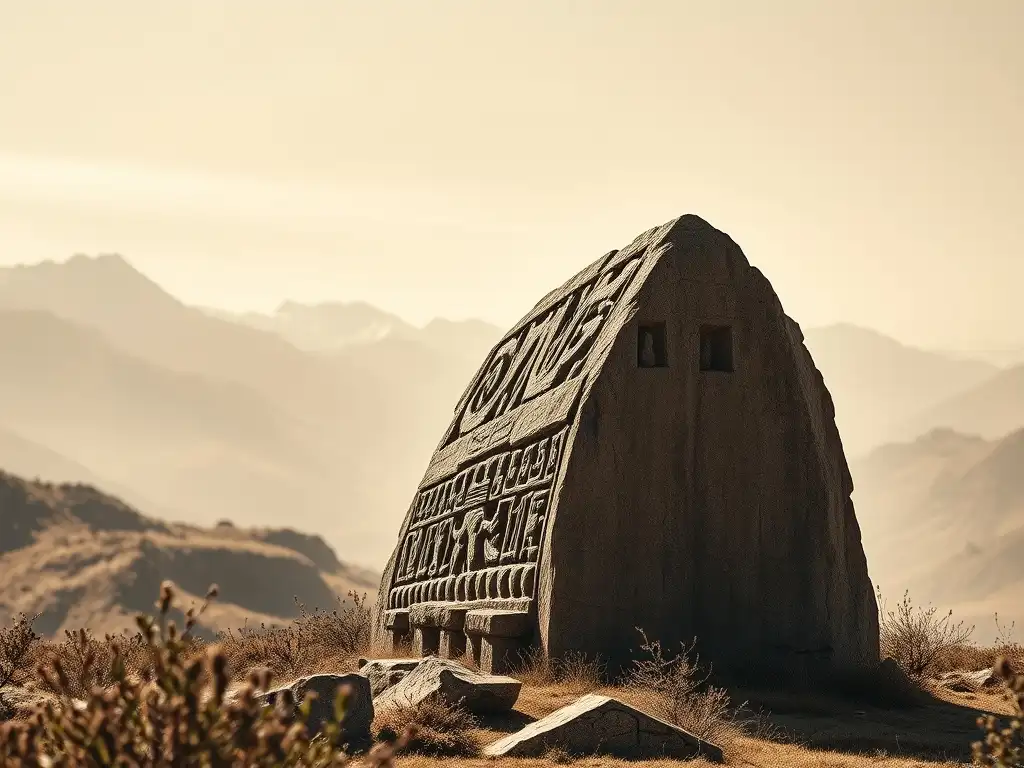
The spiritual landscape of the Inca Empire, while undeniably impressive in its scale and organization, was not created ex nihilo. Rather, it represents a complex synthesis of pre-existing Andean spiritual practices, adapted and modified to fit the Inca worldview and imperial ambitions. Understanding the influence of Pre-Inca spirituality is crucial to comprehending the full complexity of Inca religion and its lasting impact.
Evidence suggests a significant continuity in the veneration of deities associated with nature, particularly mountains ( apus) and the earth ( Pachamama). While the Inca state formalized and centralized religious practices, incorporating them into a pan-Andean imperial ideology, the underlying beliefs and rituals often stemmed from much older traditions. The Inca's sophisticated system of huacas (sacred sites) frequently incorporated pre-existing sacred spaces, demonstrating a pragmatic approach of integrating, rather than replacing, existing spiritual frameworks.
This process of assimilation is visible in the incorporation of local deities and rituals into the imperial cult, a testament to the resilience and adaptability of pre-Inca spiritual traditions. The Inca's success in forging a vast empire relied, in part, on their ability to skillfully navigate and integrate these diverse, pre-existing spiritual beliefs into their own ideology. Further research into specific regional variations in Pre-Inca beliefs could shed more light on this complex interplay.
Continuities and Transformations in Inca Religious Practices
The Inca state built upon existing Andean spiritual foundations, transforming and adapting them to suit its imperial needs. While the sun god, Inti, became the paramount deity in the Inca pantheon, the worship of other deities, like the moon goddess, Mama Killa, and the creator god, Viracocha, likely incorporated elements from pre-existing regional pantheons. For instance, the Inca practice of capacocha (human sacrifice) may have evolved from earlier forms of ritual sacrifice practiced by pre-Inca cultures, although the scale and context of these practices undoubtedly changed under Inca rule.
The Inca emphasis on ancestor veneration also reflects a continuity with pre-existing Andean traditions, though the imperial context gave this practice new political and social significance. The Inca's extensive road network facilitated the pilgrimage to sacred sites, connecting diverse populations under a shared, yet adapted, spiritual framework.
This integration of pre-existing religious practices into the Inca state religion ensured the stability and legitimacy of the empire, demonstrating the power of syncretism in maintaining social cohesion within a vast and diverse realm. Detailed archaeological studies of Inca religious sites continue to reveal the subtle but significant traces of Pre-Inca influences.
The Legacy of Pre-Inca Spiritual Beliefs in Contemporary Andean Communities
The enduring legacy of Pre-Inca Andean spiritual practices is strikingly evident in contemporary Andean communities. Many indigenous communities in the Andes continue to practice forms of ancestor worship, nature veneration, and ritual offerings to the earth, demonstrating the remarkable resilience of these ancient traditions. The worship of apus and Pachamama, central tenets of Pre-Inca spirituality, remains a vibrant aspect of religious life in many communities.
While Christianity has undoubtedly played a significant role in shaping Andean religious landscapes, many indigenous Andean spiritual practices persist, often interwoven with Christian beliefs in a complex process of syncretism. This syncretism is not merely a superficial blending; instead, it represents a dynamic interplay between ancient traditions and modern realities.
Ethnographic studies reveal the rich diversity of these practices, highlighting the complex ways in which Pre-Inca spiritual beliefs have been adapted and reinterpreted across different communities and over time. Further research is needed to fully document and understand the incredible diversity of these continuing spiritual traditions.
The Persistence of Pachamama Worship
The worship of Pachamama, the earth mother, stands as a powerful testament to the enduring influence of Pre-Inca spiritual practices. This ancient Andean deity, representing the fertile earth and the life-giving forces of nature, continues to be revered across various Andean communities. The rituals associated with Pachamama, including offerings of food, coca leaves, and chicha (a fermented corn beverage), are performed regularly, particularly during agricultural cycles, reflecting the deep connection between Andean communities and the land.
These practices are not merely symbolic; they are integral to the daily lives of many Andean communities, shaping their agricultural practices, social relations, and understanding of the natural world. The persistence of Pachamama worship highlights the remarkable continuity of Pre-Inca spiritual traditions, showcasing their adaptability and significance in the face of historical changes and outside influences.
The profound respect for the earth and its life-giving powers remains a cornerstone of Andean identity, demonstrating the enduring power of Pre-Inca spiritual legacies. Further research is needed to fully understand the nuances of Pachamama worship across different Andean communities.
Exploring the Material Culture of Pre-Inca Religious Life
This section delves into the tangible evidence left behind by Pre-Inca Andean spiritual practices, focusing on the artifacts and their role in understanding the religious beliefs and rituals of these fascinating cultures. Examining the material culture provides crucial insights into the complexity and diversity of their spiritual world, revealing aspects often invisible in purely textual or oral accounts. The analysis of these objects allows us to reconstruct, albeit partially, the vibrant tapestry of Pre-Inca religious life.
The surviving artifacts, though fragmented, offer a powerful glimpse into a rich and sophisticated spiritual landscape. Understanding these material remains is key to appreciating the depth and breadth of Pre-Inca Andean spiritual practices.
Artifacts and Iconography Associated with Pre-Inca Rituals
Pre-Inca religious practices are richly documented through the surviving artifacts. Numerous objects, from intricately carved stone sculptures to small, delicately crafted figurines, offer clues to ritualistic activities and beliefs. Iconography, the visual representation of ideas and beliefs, is particularly important.
For example, recurring motifs like feline figures (possibly representing deities or powerful spirits), stylized serpents, and celestial bodies (sun, moon, stars) suggest a complex cosmology. These symbols, often repeated across different cultures and time periods, highlight shared beliefs and potentially pan-Andean spiritual connections. The careful study of these images provides valuable information about the nature of Pre-Inca deities, the structure of their pantheon, and the rituals performed to honor them.
Further research into the specific contexts of discovery of these artifacts—whether in tombs, temples, or domestic settings—can further illuminate their significance and use within the broader religious framework. The precise meaning of some symbols remains a subject of ongoing scholarly debate, but the sheer volume and diversity of the iconography point towards a sophisticated and nuanced religious system. Careful analysis of stylistic variations across different regions also provides valuable insights into regional variations in belief systems.
The Use of Textiles, Ceramics, and Metalwork in Spiritual Practices
Textiles, ceramics, and metalwork played pivotal roles in Pre-Inca Andean spiritual practices. Textiles, often adorned with intricate designs mirroring the iconography found on other artifacts, were likely used in rituals and ceremonies. Their elaborate weaving techniques and the use of rare dyes suggest their importance in representing status, power, and connection to the divine.
Ceramics, particularly those found in funerary contexts, often depict scenes of ritual or portray deities and mythical beings. The meticulous craftsmanship and the symbolic representations found on these vessels indicate their significance in religious ceremonies and mortuary practices. Metalwork, while less prevalent in some Pre-Inca cultures, held considerable symbolic value.
Gold and silver objects, often intricately crafted, were likely associated with elite status and power, potentially signifying a connection to the supernatural world. The specific uses of these materials in different rituals remain a subject of ongoing research, but their presence in archaeological contexts strongly suggests their importance in religious life. The distribution of these artifacts—some found widely across the region, others concentrated in specific areas—may reflect the spread of religious beliefs and the degree of cultural exchange between different Pre-Inca societies.
Analysis of Moche Stirrup Spout Vessels
The Moche culture (100-800 CE) is renowned for its distinctive stirrup-spout vessels. These ceramic vessels, often depicting scenes of warfare, ritual sacrifice, and supernatural beings, provide invaluable insights into Moche religious beliefs and practices. The detailed depictions offer glimpses into their mythology and cosmology, revealing a world populated by powerful deities, mythical creatures, and complex ritualistic practices. The analysis of these vessels goes beyond simply identifying the imagery; it involves understanding the context of their creation and use.
Many of these vessels were found in tombs, suggesting their role in mortuary rituals or as offerings to the deceased. Others were discovered in elite contexts, indicating their association with power and status. The variety of scenes depicted on these vessels, combined with the stylistic variations, suggests a complex and evolving religious system. The Moche’s mastery of ceramic techniques and their attention to detail in creating these vessels highlight the importance of these objects in their religious and social life.
Furthermore, the recurring themes and motifs in Moche iconography hint at a broader shared belief system within the Andean region. Analyzing the evolution of stylistic features in Moche stirrup-spout vessels over time could reveal changes in religious practices or beliefs during the Moche period. The detailed study of these artifacts is crucial for a comprehensive understanding of Pre-Inca Andean spiritual practices, particularly within the Moche culture.
Frequently Asked Questions
What were some key spiritual practices of Pre-Inca Andean cultures?
Pre-Inca Andean cultures, like the Moche and Nazca, practiced ancestor veneration, shamanistic rituals, and ceremonial offerings, often involving elaborate funerary practices and the use of hallucinogenic plants. These practices reflected a deep connection to the natural world and the spiritual realm.
How did the landscape influence Pre-Inca Andean spirituality?
The Andean landscape, with its mountains, rivers, and deserts, played a vital role in Pre-Inca spiritual beliefs. Sacred sites were often located in geographically significant areas, reflecting a belief in the interconnectedness of the earthly and spiritual realms. Mountains were particularly revered as powerful entities.
What evidence reveals the spiritual beliefs of Pre-Inca Andean people?
Archaeological evidence such as elaborate burial sites, ceremonial artifacts, and geoglyphs offers insights into Pre-Inca spiritual practices. Iconography found on pottery and textiles also provides valuable information about their religious beliefs and mythology.
How did Pre-Inca Andean spiritual practices differ from those of the Inca?
While the Inca built upon existing Andean traditions, there were differences. The Inca emphasized the cult of the sun and a more centralized, state-sponsored religion, whereas Pre-Inca practices were often more localized and diverse, with greater emphasis on ancestor worship and shamanism.
What role did hallucinogenic plants play in Pre-Inca Andean spiritual practices?
Plants like san pedro cactus and yopo were used in shamanic rituals to facilitate communication with the spirit world and induce altered states of consciousness. These plants were seen as sacred and integral to understanding the cosmos and accessing spiritual knowledge.
Final Reflection: Echoes of the Andes: A Legacy of Ritual and Belief
The intricate spiritual practices of the PreInca Andean cultures resonate powerfully today, reminding us of humanity's enduring need for connection and meaning. Their sophisticated understanding of the cosmos, reflected in their elaborate rituals and deeply held beliefs, offers a compelling counterpoint to the often-secularized world we inhabit. These weren't simply superstitious practices; they were a complex system of knowledge, shaping social structures, agricultural practices, and the very fabric of Andean life.
The enduring influence of these PreInca traditions is undeniable, subtly woven into the tapestry of modern Andean culture. Their reverence for nature, their intricate understanding of celestial cycles, and their deep-seated belief in the interconnectedness of all things continue to inform contemporary Andean spirituality. The mountains are not just mountains, but living beings, ancestors, and sources of power,
a sentiment echoed across generations. Understanding this profound connection to the land and the cosmos allows us to appreciate the richness and complexity of a worldview profoundly different from our own, yet surprisingly relevant in our increasingly disconnected world.
Consider the ways in which your own life is shaped by ritual and belief, even in subtle ways. Perhaps it's a morning routine, a cherished tradition, or a deeply held value system. Reflect on the power of these practices to provide structure, meaning, and a sense of belonging. By engaging with the spiritual legacy of the PreInca Andes, we can gain a deeper appreciation for the diverse ways in which humanity seeks connection with the sacred, and perhaps, find inspiration to cultivate our own meaningful rituals in the present day.
Embrace the Spirit of the Andes!
Thank you for exploring the rich tapestry of spiritual practices in the Pre-Incan Highland cultures. Your interest in these ancient rituals demonstrates a desire for deeper understanding and connection with history. Now, let's enhance your journey!
Here are a few ways to continue your exploration:
- Delve deeper into a specific ritual that captivated you. Research its influence on the daily lives and beliefs of the people who practiced it. Consider exploring the intricate symbolism and the social context surrounding the ritual.
- Share your newfound knowledge! Discuss your discoveries with friends, family, or online communities. Help spread awareness of these fascinating practices and their enduring relevance.
- Connect with others who share your passion for Andean civilizations. Join a local group, online forum, or participate in relevant discussions to exchange ideas and learn from diverse perspectives.
What aspect of Pre-Incan spirituality resonates most with you, and how might it inform your own beliefs or practices today?