
Huari Influence on the Incas: The Seeds of a Future Empire

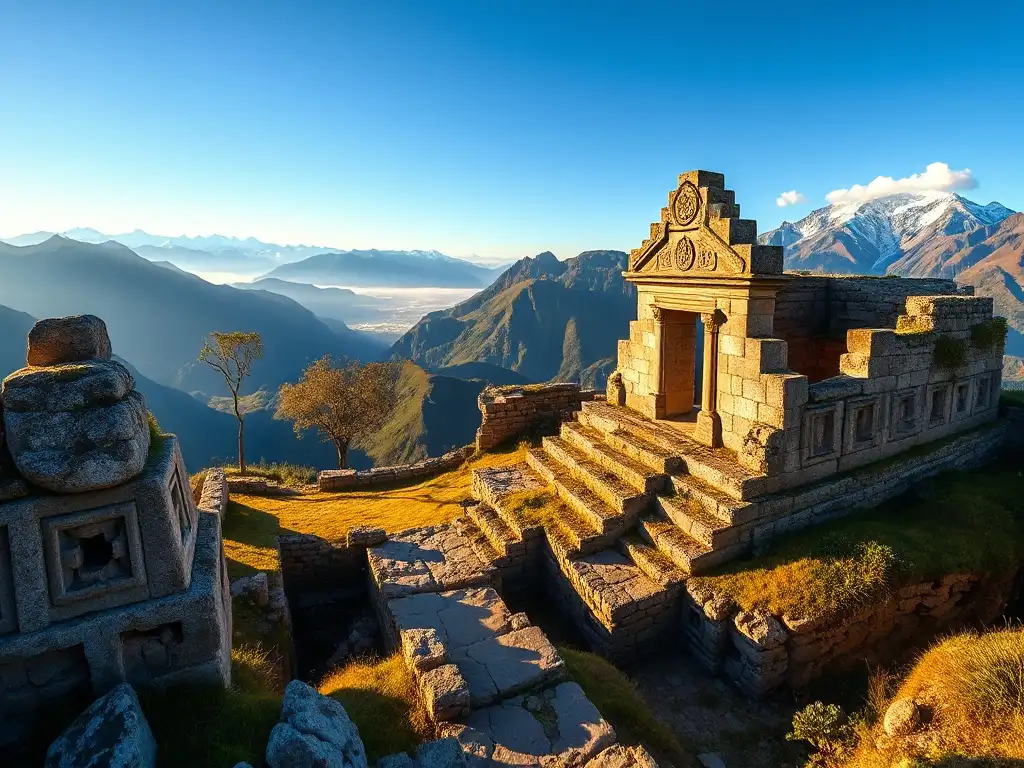
Step into a world lost to time, yet echoing through the ages. Discover the intricate tapestry of Andean civilizations, from the awe-inspiring artistry of the Nazca lines to the sophisticated engineering of Tiahuanaco. But what truly shaped the mighty Inca Empire? The answer lies in the surprisingly profound Huari influence on the Inca empire – a legacy of power and innovation that laid the groundwork for one of history's greatest civilizations. Unravel the secrets of this enigmatic connection and delve deeper into the fascinating story of the Andes.
- Huari Influence on the Inca Empire: The Seeds of a Future Power
- Huari Influence on Inca Administrative Practices
- Huari Art and Iconography: Legacy in Inca Culture
- Huari Military Strategies and Their Impact on Inca Expansion
- The Enduring Legacy of the Huari on Inca Civilization
- Conclusion: Acknowledging the Huari Roots of the Inca Empire
-
Frequently Asked Questions
- What is the Huari Empire, and why is it important to understanding the Inca?
- How did Huari influence Inca administrative systems?
- Did Huari art styles affect Inca art?
- What kind of infrastructure did the Huari leave behind that impacted the Inca?
- Was the Huari collapse a factor in the Inca rise to power?
- Final Reflection: Echoes of Huari in the Inca Legacy
- Unlock the Legacy of the Huari Empire!
Huari Influence on the Inca Empire: The Seeds of a Future Power
The Inca Empire, renowned for its sophisticated organization and vast territorial reach, didn't emerge in a vacuum. Its impressive achievements were built upon the foundations laid by preceding Andean cultures, with the Huari civilization playing a particularly significant role.
This article delves into the multifaceted influence of the Huari on the Inca, exploring how their advancements in urban planning, agriculture, religion, and societal structure contributed to the seeds of the future Inca empire. Understanding this pre-Inca legacy is crucial to fully appreciating the complexities and brilliance of Inca civilization and its lasting impact on the Andes.
We will examine the key aspects of Huari society and its demonstrable impact on the subsequent rise of the Inca, exploring the evidence that points to a direct lineage of cultural and organizational inheritance. The Huari influence on Inca empire is a complex and fascinating subject, revealing a continuous thread of cultural development across centuries.
The Rise of the Huari Culture: A Precursor to Inca Dominance
The Huari, flourishing between approximately 600 and 1200 CE, established a vast and powerful empire across much of the central Andes. Their dominance marked a significant turning point in Andean history, preceding the Inca by several centuries. Unlike previous Andean societies, the Huari developed a highly centralized political system, implementing sophisticated administrative structures to manage their extensive territory.
This centralized control, characterized by a hierarchical system with clearly defined power structures, stands as a remarkable precursor to the Inca's own imperial administration. The Huari's ability to maintain control over such a large and diverse population provides valuable insight into the organizational strategies later adopted and refined by the Inca.
Their success in integrating different ethnic groups and establishing a common cultural framework laid the groundwork for the Inca's later imperial expansion and integration of diverse populations within their own empire. The Huari's legacy is evident in the Inca's ability to govern a vast, diverse population.
Understanding Huari Society: Key Elements of Their Organization
The Huari's societal organization was a complex system that combined military prowess with sophisticated administrative techniques. This organizational structure, with its emphasis on control and efficiency, profoundly influenced the Inca's own imperial administration. The Huari's ability to manage resources, mobilize labor, and maintain control over a vast territory offers valuable insights into the strategies later employed by the Inca.
We will explore key aspects of their societal structure, revealing the parallels and differences with the Inca system. This comparison will highlight the Huari's contribution to the development of the Inca's highly effective imperial model. The Huari's success in integrating diverse groups and managing resources provides a crucial context for understanding the Inca's later achievements.
Huari Urban Planning: The City of Pikillaqta
Pikillaqta, a significant Huari urban center, exemplifies their advanced urban planning. Its meticulously planned layout, with its standardized rectangular structures and intricate network of interconnected streets, showcases a level of sophistication rarely seen in previous Andean societies. The city's design, emphasizing order and efficiency, is a clear precursor to the Inca's own urban planning strategies, notably visible in the planned layout of Cusco and other Inca cities.
The standardized construction techniques and architectural features found at Pikillaqta also influenced subsequent Andean builders, including the Inca, who adopted and adapted these techniques to create their own iconic urban landscapes. The meticulous planning and standardized construction of Pikillaqta reflect a sophisticated understanding of urban design and its role in controlling and managing a large population.
Huari Agricultural Techniques: Terracing and Irrigation
The Huari mastered sophisticated agricultural techniques, including terracing and irrigation systems, to maximize food production in the challenging Andean environment. These techniques allowed them to support a large and densely populated empire. The Inca inherited and further developed these agricultural innovations, adapting them to their own needs and expanding upon the Huari's achievements. The Huari's agricultural expertise was essential to their empire's success and provided a crucial foundation for the Inca's own agricultural productivity. The ingenuity of the Huari's agricultural practices is evident in the remarkable agricultural output they achieved and its lasting impact on subsequent Andean civilizations.
Huari Religion and Ideology: The Staff God Iconography
Huari religious beliefs and iconography significantly influenced later Andean cultures, including the Inca. The prominent "Staff God" iconography, a recurring motif in Huari art and architecture, appears to have played a central role in their religious beliefs. This iconography, with its distinct stylistic features, continued to be used and adapted by later cultures, including the Inca, suggesting a continuity of religious ideas and practices.
While the precise meaning of the Staff God remains debated by scholars, its widespread presence throughout the Huari empire and its subsequent adoption by the Inca highlights the enduring influence of Huari religious ideas on subsequent Andean civilizations. The persistence of this iconography across different cultures underscores its importance and the enduring impact of Huari religious beliefs. The evolution of this iconography across time provides valuable insights into the cultural exchange and continuity between the Huari and the Inca.
Huari Influence on Inca Administrative Practices
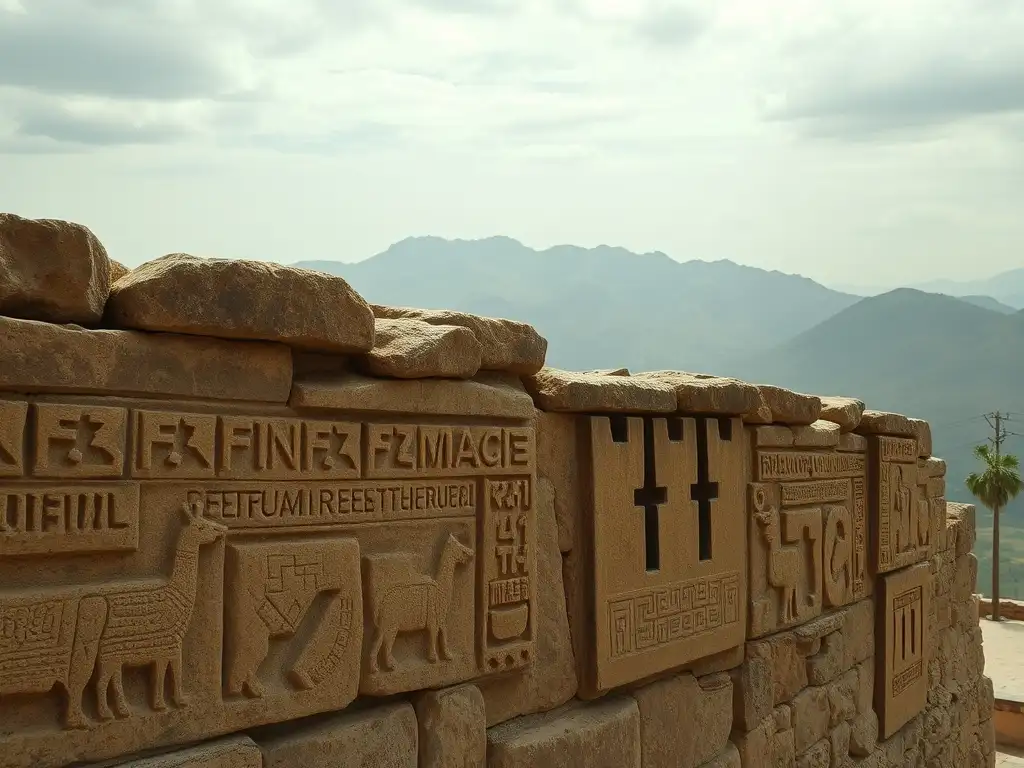
The Huari influence on the Inca empire is a topic of significant scholarly debate, with evidence suggesting a profound impact on Inca administrative practices. The Huari, a powerful pre-Inca civilization flourishing between 600 and 1000 CE, left behind a sophisticated administrative system and infrastructure that arguably served as a blueprint for the later Inca state. Understanding this influence is crucial to comprehending the Inca's remarkable organizational abilities and their capacity to govern a vast and diverse empire.
The Huari's legacy is not merely a matter of simple imitation; rather, it represents a complex interplay of adaptation, innovation, and cultural exchange that shaped the Inca's unique administrative style. This section explores the specific ways in which Huari administrative practices laid the groundwork for the Inca empire's success.
Huari's Centralized Administration: A Model for the Incas
The Huari state was characterized by a highly centralized administrative structure. Archaeological evidence, including the uniform distribution of standardized pottery and the widespread presence of similar architectural styles across vast territories, points to a strong central authority capable of enforcing uniformity and controlling resource allocation. This centralized control, unlike the more fragmented polities that preceded them, allowed for efficient mobilization of resources and labor, a crucial element in the Huari expansion.
The Inca, inheriting a region already shaped by Huari administrative precedents, likely adapted and refined this model, creating their own imperial bureaucracy. The scale of Inca control, however, surpassed even the Huari's impressive reach, demonstrating an evolution built upon earlier foundations.
The Huari Administrative System: Wari Provincial Centers
Huari's administrative efficiency was facilitated by a network of provincial centers strategically located throughout their empire. These centers, often characterized by monumental architecture and evidence of intensive craft production, served as hubs for regional administration, resource collection, and the distribution of goods. The size and complexity of these centers varied depending on their strategic importance and local resources. Analysis of the distribution patterns of Huari artifacts suggests a hierarchical system, with larger centers exercising control over smaller ones. This hierarchical structure, with its clear lines of authority, likely inspired the Inca's own system of administrative provinces ( suyus), each governed by appointed officials. The Inca suyus, though possessing their own unique characteristics, share striking similarities with the Huari regional centers in terms of their function and geographic distribution. Further research into the specific layout and function of Huari provincial centers is needed to fully understand the extent of this influence.
Huari Road Networks: The Precursor to the Qhapaq Ñan
The Huari state invested heavily in infrastructure, particularly in the construction of extensive road networks. These roads facilitated the movement of people, goods, and military forces across their vast territory, enabling efficient communication and control. While the scale of the Inca's Qhapaq Ñan (Great Inca Road) is undeniably larger and more complex, the Huari road system undoubtedly laid the groundwork for this later achievement.
The Huari's experience in road construction, including techniques of road building and maintenance, likely influenced the Inca's engineering prowess. The strategic placement of Huari roads, often connecting important administrative centers and resource-rich areas, serves as a clear precedent for the Inca’s meticulously planned road network. The Inca's mastery of road engineering represents a refinement and expansion upon already existing Huari infrastructure.
How Huari Techniques Shaped Inca Governance
The Huari's administrative innovations extended beyond infrastructure to encompass record-keeping and taxation systems. These innovations profoundly influenced the Inca, providing models that were adapted and expanded upon to manage their vast empire. The Inca's sophisticated governance relied heavily on the legacy of these practices.
Huari Influence on Inca Bureaucracy: Record Keeping
While the specifics of Huari record-keeping remain somewhat elusive, archaeological evidence points to the use of knotted strings ( quipus) for recording information. While the Huari quipus may have been less complex than those used by the Incas, their existence suggests a system of numerical and perhaps even textual recording. The Inca famously employed quipus extensively for census data, tax records, and historical accounts.
It is plausible that the Inca inherited and expanded upon a pre-existing tradition of knotted-string record-keeping from the Huari, refining the system to manage the complexities of their larger and more diverse empire. The development of the quipus system reflects a clear evolutionary path, with the Inca building upon the foundations laid by earlier Andean cultures, including the Huari. Further research is needed to definitively link specific Huari quipus systems to Inca practices, but the parallels are compelling.
Huari's Impact on Inca Taxation: Labor and Goods
The Huari economy relied heavily on a system of tribute and labor mobilization. Elites likely demanded goods and services from subject populations, using this system to fund public works projects and maintain their control. The Inca also relied on a sophisticated system of taxation, demanding mita labor and goods from their subjects.
The mita system, while different in some respects from the Huari system, shares a fundamental similarity: the organized extraction of resources and labor to benefit the state. The Huari precedent of organized resource extraction likely influenced the Inca's development of the mita, providing a model for efficient resource mobilization on a larger scale.
The sheer scale of the Inca mita system, however, surpasses anything seen in the Huari period, highlighting the Inca's capacity to adapt and expand upon existing administrative models. The efficiency of the Inca mita, and its ability to sustain a vast empire, owes a debt to the foundational practices established by earlier Andean civilizations, including the Huari.
Huari Art and Iconography: Legacy in Inca Culture
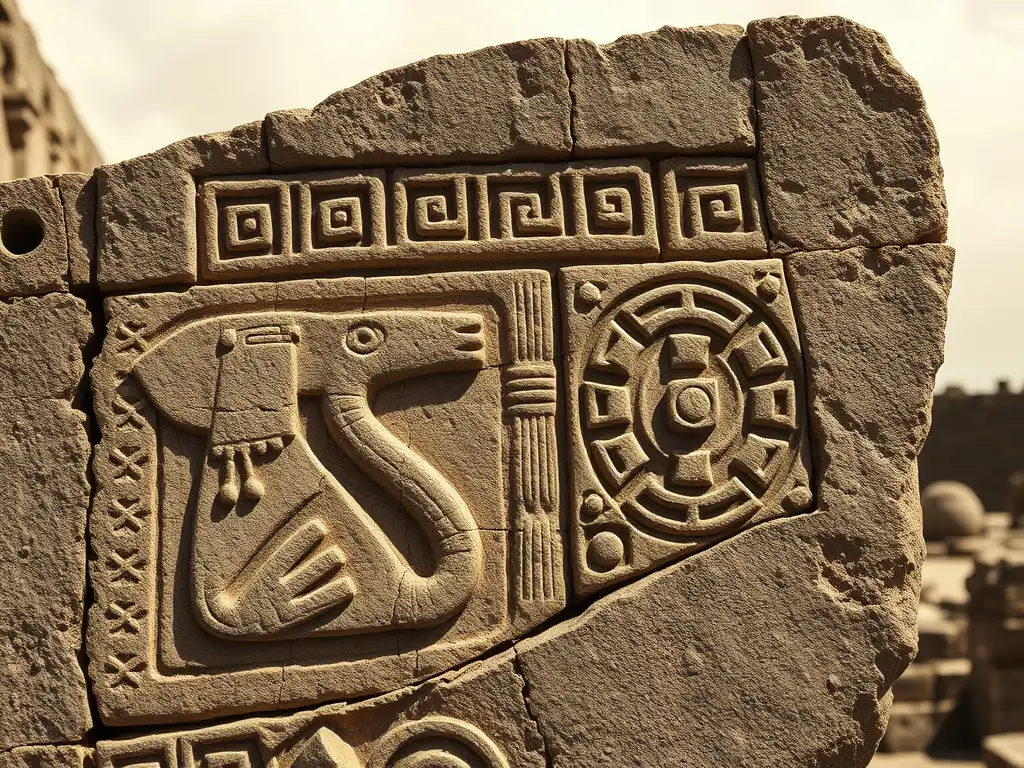
The Huari influence on the Inca empire is profoundly evident in the realm of art and iconography. While the Incas developed their own distinct artistic style, the foundations laid by the Huari civilization are undeniable. The sophisticated artistic techniques, motifs, and iconographic representations of the Huari left an enduring mark, shaping the aesthetic landscape of the Inca world.
This section will delve into specific examples of this artistic inheritance, showcasing the continuity and adaptation of Huari traditions in Inca art. Understanding this legacy provides crucial insight into the complex interplay of cultural exchange and adaptation that characterized the rise of the Inca empire. The Huari's impact can be traced through various mediums, including textiles, pottery, and monumental architecture, all demonstrating a clear line of artistic descent.
Huari Artistic Styles and Their Manifestations
The Huari artistic style is characterized by its distinctive geometric and abstract patterns, often incorporating stylized representations of animals and humans. This formal aesthetic, with its emphasis on symmetry and repetition, contrasts with the often more naturalistic styles of other Andean cultures. The Huari's mastery of various artistic mediums—textiles, ceramics, and metalwork—allowed for a wide dissemination of their aesthetic principles.
The consistent application of these principles across different materials highlights the importance of artistic standardization and possibly centralized control within the Huari state. This standardization facilitated the widespread adoption and adaptation of Huari artistic conventions by subsequent Andean cultures, including the Incas. The impact of this stylistic uniformity is deeply embedded in the Inca artistic tradition.
Huari Textile Designs: Geometric and Abstract Patterns
Huari textiles are renowned for their intricate geometric and abstract patterns, often featuring bold colors and repetitive motifs. These designs, often woven into fine fabrics, showcase a high level of technical skill and artistic sophistication. Common elements include stepped frets, interlocking triangles, and stylized animal figures. The use of these patterns in Inca textiles demonstrates a direct continuation of Huari artistic traditions.
While Inca textiles developed their own unique characteristics, the underlying geometric framework and preference for bold, contrasting colors clearly reflect the Huari influence. Analysis of textile fragments from both Huari and Inca sites reveals striking similarities in weaving techniques and decorative motifs. This shared artistic vocabulary underscores the enduring legacy of Huari textile production within the Inca empire.
Huari Pottery and Ceramics: Polychrome Vessels
Huari pottery is easily recognizable by its distinctive polychrome style, featuring multiple colors applied in intricate designs. These polychrome vessels often depict stylized figures, animals, and geometric patterns, showcasing a high level of technical skill and artistic innovation. The use of vibrant colors and complex designs is a hallmark of Huari ceramics and is reflected in the pottery of the Inca period.
The Incas continued the tradition of polychrome pottery, though they introduced their own stylistic elements and preferences. However, the underlying techniques and the emphasis on vibrant colors remain clearly linked to the Huari legacy. For instance, the use of similar pigments and the continuation of certain decorative motifs demonstrate a clear stylistic continuity.
The Transmission of Huari Art to the Inca Empire
The transmission of Huari artistic traditions to the Inca empire was a complex process, likely involving a combination of direct cultural exchange, imitation, and adaptation. The Huari state's significant influence across the central Andes created a fertile ground for the dissemination of their artistic styles. The Inca's conquest and incorporation of territories previously under Huari control facilitated the access to Huari artistic practices and iconography. The subsequent adaptation and reinterpretation of these styles are evident in the Inca artistic production. This process highlights the dynamic nature of cultural exchange and the selective adoption of elements from previous civilizations.
Huari Iconography in Inca Art: The Staff God in Inca Context
One prominent example of Huari influence on Inca iconography is the representation of the Staff God. This deity, prominent in Huari art, appears in modified forms in Inca iconography, suggesting a continuation of religious beliefs and associated artistic representations. While the Inca interpretation might differ in certain aspects, the fundamental characteristics of the deity – the staff, the regalia, and even certain postural features – betray a clear origin in Huari religious art.
The adaptation of the Staff God's imagery demonstrates how the Incas selectively integrated elements of Huari religious symbolism into their own belief system. This selective appropriation of pre-existing iconography highlights the Inca's ability to synthesize and reinterpret cultural elements to create a unique artistic and religious identity.
Continuity and Adaptation of Huari Artistic Traditions: Weaving
The continuity of Huari artistic traditions in Inca weaving is particularly striking. The intricate geometric patterns, the use of high-quality materials, and the sophisticated weaving techniques all point to a direct lineage. While Inca weavers developed their own distinctive style, incorporating elements of their own mythology and symbolism, the fundamental techniques and aesthetic principles remained rooted in Huari traditions. The adoption of Huari weaving styles was not simply a matter of imitation; it involved a process of adaptation and innovation.
Inca weavers incorporated new colors, designs, and motifs, reflecting their unique cultural identity. Yet, the underlying technical expertise and the emphasis on geometric abstraction remained a testament to the enduring legacy of Huari weaving. The seamless integration of these traditions into the Inca artistic repertoire underscores the profound and lasting impact of the Huari civilization on the development of Inca art.
Huari Military Strategies and Their Impact on Inca Expansion
The Huari influence on the Inca empire is a significant area of study for understanding the Inca's rise to power. Their military prowess, honed over centuries, provided a crucial foundation for the Inca's later imperial expansion. Analyzing Huari military strategies reveals a sophisticated system that impacted Inca warfare and state formation in profound ways. The Huari, a powerful pre-Inca civilization, left an undeniable mark on their successors, shaping their military organization, tactics, and ultimately, their ability to conquer and control a vast empire. Understanding this legacy is key to comprehending the full scope of Inca achievement.
Huari Military Organization and Tactics
The Huari military was likely a highly organized force, although the specifics remain debated among scholars. Evidence suggests a hierarchical structure, with specialized units possibly performing different roles. Archaeological findings, such as the discovery of weaponry and defensive structures, point towards a well-equipped army capable of both offensive and defensive maneuvers. This organizational efficiency, coupled with effective tactics, allowed the Huari to control a large territory for several centuries.
Unlike many contemporaneous Andean societies, Huari military campaigns seem to have been planned and executed with considerable strategic depth. This suggests a centralized command structure, capable of mobilizing and coordinating large numbers of troops across considerable distances. Further research into Huari administrative records, if any survive, could shed more light on the precise nature of their military organization.
Huari Warfare and Conquest: Large-Scale Conflicts
Evidence points towards the Huari engaging in large-scale conflicts, resulting in the subjugation of numerous neighboring groups. The scale of Huari expansion suggests a capacity for sustained military campaigns, requiring significant logistical planning and resource management. The Huari successfully integrated conquered populations, often incorporating them into their administrative and military systems. This process of integration, while undoubtedly involving coercion, also facilitated the expansion of Huari power and influence.
Further study is needed to fully grasp the specific tactics employed during these large-scale conflicts. Did the Huari rely primarily on overwhelming force, or did they incorporate more subtle strategies like diplomacy and alliances? Analyzing the archaeological record of conquered settlements could reveal clues about the nature of Huari warfare.
Huari Fortifications: Hilltop Settlements
The construction of extensive fortifications, particularly on hilltops, is a hallmark of Huari military engineering. These strategically located settlements served not only as defensive positions but also as observation points and control centers. The sophisticated design and construction of these fortifications demonstrate a high level of engineering skill and planning. The strategic placement of these settlements suggests a deliberate effort to control key routes and resources.
The impressive scale of these fortifications highlights the Huari's commitment to defense and their capacity for large-scale construction projects. The meticulous planning involved in the construction of these fortifications underscores the Huari's understanding of topography and military strategy. Analysis of the materials used and the construction techniques employed could reveal insights into Huari technology and labor organization.
The Huari Military Legacy and Inca Conquest
The Huari's military achievements left a lasting legacy on subsequent Andean societies, most notably the Inca. The Inca, inheriting a region shaped by Huari military dominance, learned from and adapted Huari strategies. This legacy is not merely a matter of imitation; it represents a complex process of adaptation and innovation. The Inca built upon the foundations laid by the Huari, refining and expanding upon their military techniques to create their own formidable fighting force.
Inca Adoption of Huari Military Strategies: Siege Warfare
One notable example of Huari influence on Inca military strategy is the adoption of siege warfare techniques. The Huari's experience in constructing and defending fortified settlements likely contributed to the Inca's proficiency in besieging enemy strongholds. The Inca, known for their sophisticated siege weaponry and tactics, may have learned from the Huari's long experience in both attacking and defending fortified positions.
The Inca's success in conquering heavily fortified cities across their vast empire could be partially attributed to their mastery of siege warfare, a technique likely refined through the Huari legacy. More research into Inca siege tactics and the archaeological evidence of their sieges could provide additional support for this theory.
Huari Influence on Inca Imperial Expansion: Control of Resources
The Huari's ability to control resources played a critical role in their expansion and ultimately influenced Inca strategies. The Huari's control over key agricultural lands, mineral deposits, and trade routes provided them with the economic strength to maintain a large army and expand their influence. The Inca, recognizing the importance of resource control, adopted and expanded upon Huari strategies to secure their own empire's economic stability.
The Inca's highly efficient system of resource management, including mit'a labor and sophisticated storage facilities, can be seen as a development of earlier Huari practices. This suggests a continuity in Andean imperial strategies, with the Inca building upon and adapting the economic foundations laid by the Huari. Further investigation into the economic systems of both civilizations would illuminate the extent of this influence.
The Enduring Legacy of the Huari on Inca Civilization
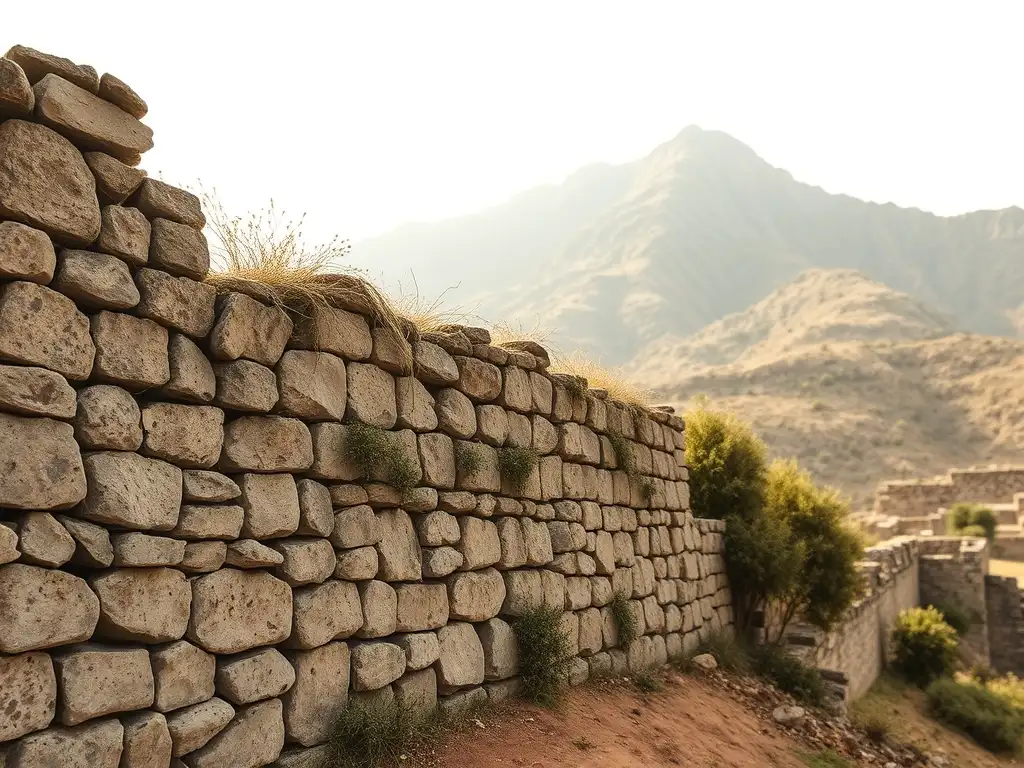
The Huari influence on Inca empire building is a topic of ongoing scholarly debate, but undeniable evidence points to a significant and lasting impact. The Huari, a powerful pre-Inca civilization that flourished between the 6th and 12th centuries CE, left an indelible mark on the subsequent Inca civilization. This influence extended beyond mere territorial control, encompassing aspects of administration, urban planning, religious practices, and even artistic styles.
Understanding this legacy is crucial to fully appreciating the complexity and development of the Inca empire. The Huari's sophisticated systems, though eventually overtaken, provided a fertile ground for the Inca's own expansion and consolidation of power, demonstrating the profound and lasting nature of the Huari influence on Inca empire.
Huari Contributions to the Development of the Inca Empire
The Huari's contribution to the Inca's rise to power wasn't simply a matter of conquest and inheritance. It was a more nuanced process of adaptation and innovation, built upon the existing foundations laid by the Huari. The Inca inherited and adapted many administrative and infrastructural features, leading to a more efficient and centralized state.
This wasn't a passive inheritance; the Inca actively selected and refined aspects of the Huari system, integrating them into their own unique political and social structures. The process involved both continuity and change, demonstrating the Inca's ability to synthesize existing knowledge and transform it to suit their own ambitions.
The Intellectual Debt of the Incas to the Huari: Statecraft
One key area of Huari influence lies in statecraft. The Huari state, characterized by its extensive administrative network and control over a vast territory, presented a model for the Inca. The Huari's sophisticated system of provincial governance, with its appointed officials and standardized administrative procedures, offered a blueprint for the Inca's own bureaucratic structures.
While the Inca undoubtedly refined and expanded upon this system, the underlying principles of centralized control and standardized practices clearly show the Huari's influence. Evidence suggests that the Inca adopted and adapted many of the Huari's techniques for managing resources, collecting taxes, and maintaining order across their expanding empire. This included the use of standardized weights and measures, facilitating trade and economic control across vast distances—a system that greatly benefited the Inca.
The Huari as a Foundation for Inca Power: Regional Integration
The Huari's success in integrating diverse regions into a single political entity also profoundly impacted the Inca. The Huari established a sophisticated system of roads and communication networks, linking distant provinces and facilitating trade and the movement of people and goods. This integrated infrastructure provided a crucial foundation for the Inca's own imperial expansion.
The Inca, building upon the existing Huari infrastructure, expanded and improved upon it, creating an even more extensive network that facilitated the consolidation of their power and the efficient administration of their empire. The ability to move armies and resources quickly and efficiently was a key factor in the Inca's military successes and their ability to maintain control over such a vast territory. This legacy of regional integration, established by the Huari, proved invaluable to the Inca's imperial ambitions.
Pikillaqta and its Connection to Inca History
Pikillaqta, a remarkably well-preserved archaeological site, stands as a powerful testament to the Huari influence on Inca history. While its exact function remains a topic of ongoing research, the site's impressive architecture and strategic location suggest it served as an important administrative center during the Huari period. Its later occupation and adaptation by the Inca further highlight the continuity between these two civilizations.
The Inca clearly recognized the strategic value of Pikillaqta and incorporated it into their own administrative network. The presence of Inca modifications and additions to the existing Huari structures underscores the ongoing relationship and the Inca’s adoption of pre-existing Huari infrastructure and design principles. The careful study of Pikillaqta offers invaluable insights into the practical application of Huari influence on the Inca, revealing the ways in which the Inca adapted and integrated existing structures into their own imperial project.
The site’s layout, building materials, and overall design provide tangible evidence of the enduring legacy of Huari influence on Inca civilization. Further research, including detailed analysis of ceramic styles and construction techniques, is needed to fully elucidate the nature of the Inca's use and adaptation of Pikillaqta. This continued study will undoubtedly shed more light on the complex interplay between these two powerful Andean civilizations.
The Huari influence on Inca ceramic traditions is strikingly evident in archaeological findings across the Andes. Careful examination of pottery unearthed from both Huari sites and later Inca settlements reveals a remarkable continuity in styles, techniques, and decorative motifs. For example, the characteristic use of arybalo vessels—small, globular jars with narrow necks often used for perfumes or oils—is a hallmark of both Huari and early Inca pottery.
While Inca arybalos may exhibit variations in size and decoration, the fundamental form clearly reflects the Huari prototype. This isn't merely a superficial resemblance; the techniques employed in their creation—including the use of specific clays and firing methods—also show significant overlap, suggesting a direct transmission of knowledge and practice.
Furthermore, the prevalence of specific decorative motifs, such as geometric patterns and stylized depictions of animals, provides further compelling evidence. While the Inca adapted and refined these motifs, incorporating their own iconography, the underlying stylistic similarities are undeniable. Researchers have identified specific patterns, like the recurring use of stepped fretwork or the depiction of stylized birds, that appear in both Huari and early Inca ceramics, indicating a clear lineage.
The continuity is not absolute; Inca artisans undoubtedly added their own creative flourishes, but the foundation clearly rests upon the established Huari aesthetic. Detailed analysis of the clay composition itself, using techniques like X-ray fluorescence spectroscopy, can help pinpoint the geographical origins of the clay used and further support the hypothesis of a direct link between Huari and Inca ceramic production.
The sheer volume of similar pottery discovered across vast geographical areas further strengthens the argument for a widespread and enduring Huari impact on Inca ceramic traditions. This shared ceramic style represents more than just an aesthetic preference; it points to a deeper cultural exchange and technological transfer.
Conclusion: Acknowledging the Huari Roots of the Inca Empire
The Huari influence on the Inca empire is undeniable, a profound legacy woven into the fabric of Inca society and its remarkable achievements. While the Incas undoubtedly forged their own unique path, understanding their predecessors, particularly the Huari, provides crucial context for deciphering the complexities of their rise to power and the enduring impact of their civilization. This influence wasn't simply a matter of conquest and subjugation; it was a complex interplay of cultural exchange, adaptation, and innovation, resulting in a synthesis that shaped the Inca world.
The evidence, from architectural styles to administrative techniques, points towards a clear lineage, suggesting that the Incas inherited and refined many aspects of Huari civilization, ultimately building upon a strong foundation laid centuries before. Further research, particularly focusing on less explored aspects such as Huari religious practices and their impact on Inca cosmology, will undoubtedly reveal even more intricate connections.
The Significance of Huari in Andean History
The Huari state, flourishing between roughly 600 and 1000 CE, represents a pivotal moment in Andean history. Its vast reach, encompassing much of the central Andes, demonstrates a level of political and administrative sophistication rarely seen before in the region. The Huari were master builders, creating impressive urban centers characterized by meticulously planned layouts, sophisticated water management systems, and monumental architecture.
Their influence extended beyond mere infrastructure; they fostered a degree of cultural homogeneity across their expansive empire through the standardization of pottery styles, religious iconography, and potentially even language. This impressive feat of cultural integration laid the groundwork for future Andean empires, including the Inca, who would later inherit and adapt many of these administrative and cultural innovations.
The scale and sophistication of the Huari state are a testament to their organizational prowess and serve as a compelling example of pre-Columbian Andean ingenuity. Understanding the Huari is not just understanding a single civilization; it's understanding a crucial stepping stone in the development of Andean imperial power.
The Importance of Understanding Huari for Inca Studies
To fully appreciate the Inca empire, a deep understanding of the Huari is paramount. Many aspects of Inca society, often considered unique, have clear parallels in Huari culture. For instance, the Inca's renowned road system, a marvel of engineering, shares similarities with the less extensive but equally impressive road networks constructed by the Huari.
Similarly, the Inca's sophisticated administrative structure, which facilitated the effective governance of a vast and diverse population, reveals echoes of Huari administrative practices. The Inca's mastery of stonework, exemplified by Machu Picchu and other iconic sites, also shows a clear lineage to Huari architectural techniques. Analyzing these parallels allows scholars to better understand the evolutionary trajectory of Andean civilizations, highlighting the continuity and change that characterized the region's rich history.
Ignoring the Huari legacy risks a fragmented and incomplete understanding of the Inca empire, diminishing the appreciation of the complex historical processes that shaped one of the most remarkable civilizations in the Americas. The study of Huari influence on Inca empire is therefore crucial for a more comprehensive and nuanced interpretation of Inca achievements. The Huari influence on Inca empire is not merely a historical footnote; it's a fundamental aspect of Inca origins and development.
Frequently Asked Questions
What is the Huari Empire, and why is it important to understanding the Inca?
The Huari Empire was a powerful pre-Inca civilization that flourished in the Andes from approximately 600-1000 CE. Its extensive influence on subsequent Andean cultures, including the Inca, is undeniable, shaping their political structures, urban planning, and artistic styles. Understanding Huari is key to understanding the Inca's rise.
How did Huari influence Inca administrative systems?
Huari's sophisticated administrative system, characterized by regional control and standardized infrastructure, significantly impacted the Inca. The Inca likely adopted and adapted Huari's methods for managing their vast empire, including centralized governance and efficient resource distribution.
Did Huari art styles affect Inca art?
Yes, Huari's distinctive artistic motifs and ceramic styles are clearly visible in early Inca art. The Inca inherited and modified Huari's aesthetic traditions, creating a unique blend of influences that evolved over time. This is evident in their pottery and textiles.
What kind of infrastructure did the Huari leave behind that impacted the Inca?
The Huari built impressive urban centers and extensive road networks across the Andes. The Inca later expanded upon this infrastructure, utilizing and adapting Huari's road systems for their own military and administrative purposes. This facilitated communication and control throughout their empire.
Was the Huari collapse a factor in the Inca rise to power?
The collapse of the Huari Empire created a power vacuum in the Andes. This period of instability and fragmentation provided opportunities for smaller groups, including the Inca, to expand their influence and ultimately consolidate their power, leading to the creation of the Inca Empire.
Final Reflection: Echoes of Huari in the Inca Legacy
The sophisticated urban planning, intricate administrative systems, and widespread artistic motifs of the Huari civilization didn't simply vanish; they became the fertile ground from which the Inca empire sprouted. The echoes of Huari's influence resonate powerfully even today, shaping our understanding of Andean history and the remarkable capacity for cultural transmission across vast stretches of time.
The Huari impact on Inca society is not merely a historical curiosity; it's a testament to the enduring power of cultural exchange and adaptation. The Inca, far from being a civilization that arose in isolation, actively absorbed and reinterpreted Huari traditions, weaving them into the fabric of their own burgeoning empire. This process of cultural inheritance, far from diminishing the Inca's achievements, highlights their ingenuity and ability to synthesize diverse influences. A civilization is not conquered until its culture is destroyed.
This quote, while perhaps overstated, underscores the significance of Huari's lasting impact on Inca identity and the continuity of Andean cultural practices.
Consider the intricate details of Huari pottery, the echoes of which can be found in Inca art. Think about the sophisticated irrigation systems, the evidence of urban planning, and the administrative structures that facilitated the growth of both civilizations. You, the reader, are now equipped with a deeper understanding of this crucial historical connection.
Take this knowledge forward, exploring further the rich tapestry of Andean history and appreciating the complex interplay of cultural influences that shaped the world we inhabit today. Let the legacy of Huari inspire you to recognize the power of cultural exchange and the enduring impact of past civilizations on our present.
Unlock the Legacy of the Huari Empire!
Thank you for exploring the fascinating influence of the Huari on the Inca! You've discovered how this ancient civilization laid the groundwork for the Inca's powerful future. Now, delve even deeper into this rich history and engage with its incredible legacy.
Here's how you can continue your exploration:
- Dive deeper: Learn more about related Andean civilizations through our detailed articles. Use your knowledge to understand the broader influences shaping Inca culture.
- Join the conversation: Share your thoughts on social media or in our comments section. How do you believe the Huari impacted not only the Inca, but the entire Andean region?
- Spread the word: If you found this article insightful, share it with friends interested in history or ancient civilizations to spark further discussion!
As you reflect on the intricate relationship between the Huari and the Inca, we'd love to hear: What aspect of Huari influence surprised you the most, and how do you think it shaped Inca culture?