
Huari Language: Uncovering the Linguistic Landscape

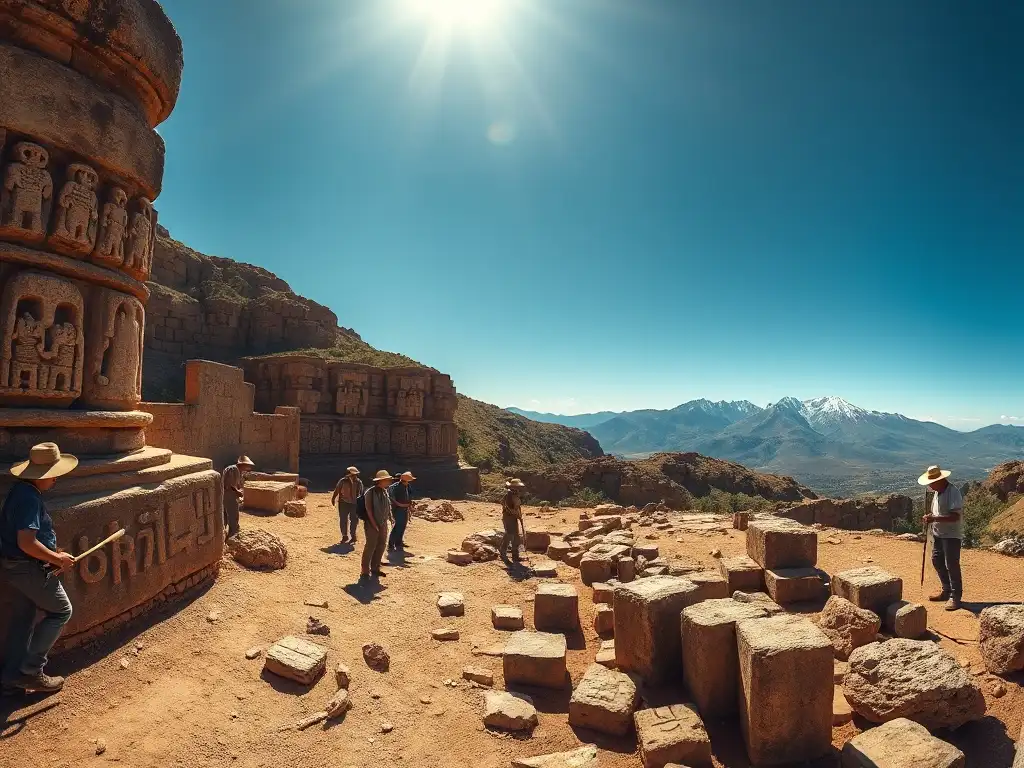
Unravel the mysteries of the Andes! Journey through millennia of breathtaking artistry, sophisticated engineering, and enigmatic cultures. For centuries, the whispers of the past have echoed across the mountains – but what secrets lie hidden within the lost Huari language? Prepare to be captivated as we delve into the groundbreaking efforts towards Huari language decipherment, uncovering a pivotal piece of the Pre-Incan puzzle. Dare to explore the fascinating world that awaits.
- Huari Language: Uncovering the Linguistic Landscape of the Andean Highlands
- The Enigma of Huari: Linguistic Challenges
- Approaches to Huari Language Decipherment
- Theories Surrounding the Huari Language
- The Importance of Huari Language Research
- Challenges in Huari Language Decipherment
- Progress in Huari Linguistic Studies
- Huari Language and its impact on Andean Linguistics
- Conclusion: The Ongoing Quest to Decipher the Huari Language
- Frequently Asked Questions
- Final Reflection: Echoes of Huari: A Legacy Waiting to be Heard
- Unveil the Richness of the Huari Language!
Huari Language: Uncovering the Linguistic Landscape of the Andean Highlands
The Huari Empire, a powerful pre-Inca civilization that flourished in the central Andes between the 7th and 12th centuries CE, remains shrouded in mystery, particularly concerning its language. While the grandeur of its architecture, the sophistication of its administrative system, and the artistry of its pottery are well-documented, the decipherment of the Huari language presents a significant challenge for scholars.
This article delves into the current state of Huari language decipherment, exploring the challenges, the ongoing research, and the potential breakthroughs that could illuminate this crucial aspect of Andean history. Understanding the Huari language is key to unlocking a deeper understanding of their social structures, religious beliefs, and the mechanisms of their vast empire's control over a diverse population across the Andean highlands.
The quest to decipher this lost tongue is not merely an academic pursuit; it's a journey into the heart of a remarkable civilization and a vital step in piecing together the complex tapestry of Andean cultural history.
The Challenges of Huari Linguistic Decipherment
The primary obstacle in deciphering the Huari language stems from the limited amount of surviving textual evidence. Unlike some other ancient civilizations that left behind extensive written records, the Huari left behind relatively few inscriptions. These inscriptions, often found on pottery shards or stone carvings, are typically short and fragmented, making the task of identifying patterns and constructing a coherent linguistic system incredibly difficult. Furthermore, the script itself, if it can even be called a script in the traditional sense, remains largely undeciphered.
Scholars are still debating whether the markings represent a true writing system, a system of mnemonic devices, or simply decorative elements. The lack of a Rosetta Stone-like bilingual text further complicates matters, leaving researchers to rely on painstaking comparative analyses and contextual clues. This makes the process slow, meticulous, and prone to differing interpretations.
Current Research and Approaches to Huari Language Decipherment
Despite the challenges, several research avenues are being pursued. Linguistic experts are employing various techniques, including:
- Comparative linguistics: Researchers are comparing the few known Huari inscriptions with other known Andean languages, searching for cognates and shared linguistic features. This method relies on the hypothesis that the Huari language may be related to other languages spoken in the region during the same period, potentially shedding light on its structure and vocabulary.
- Computational linguistics: Advanced computer algorithms are being used to analyze the inscriptions, searching for patterns and recurring motifs that might indicate grammatical structures or phonetic elements. This approach helps overcome the limitations of manual analysis by processing vast amounts of data much more efficiently.
- Archaeological context: The study of the archaeological context surrounding the inscriptions is crucial. By examining the location, associated artifacts, and the broader cultural context of the inscriptions, researchers can glean valuable insights into their potential meaning. For example, the discovery of inscriptions on ceremonial objects might reveal information about religious practices and beliefs.
- Iconography and its relation to language: The intricate iconography found on Huari textiles and pottery might hold clues to the language. Researchers are exploring the possibility that specific images or symbols represent words or concepts, potentially providing a visual key to decipherment.
Potential Future Directions and the Importance of Continued Research
The decipherment of the Huari language is a long-term endeavor that requires collaborative efforts from linguists, archaeologists, anthropologists, and computer scientists. Continued research, focusing on the methodologies outlined above, is essential to unravel the mysteries surrounding this lost language. The potential rewards are immense.
Success in deciphering the Huari language would not only provide a deeper understanding of the Huari civilization itself but would also significantly contribute to our understanding of the broader linguistic landscape of the Andes and the pre-Columbian world. It would give us a direct window into the thoughts, beliefs, and social structures of a remarkable civilization, enriching our understanding of this pivotal period in Andean history and its lasting impact on subsequent cultures.
The quest to decipher the Huari language remains a captivating challenge, a testament to the enduring power of human ingenuity and the persistent pursuit of knowledge. The ultimate success will reshape our understanding of the Huari Empire's place within the complex tapestry of Andean civilization.
The Enigma of Huari: Linguistic Challenges
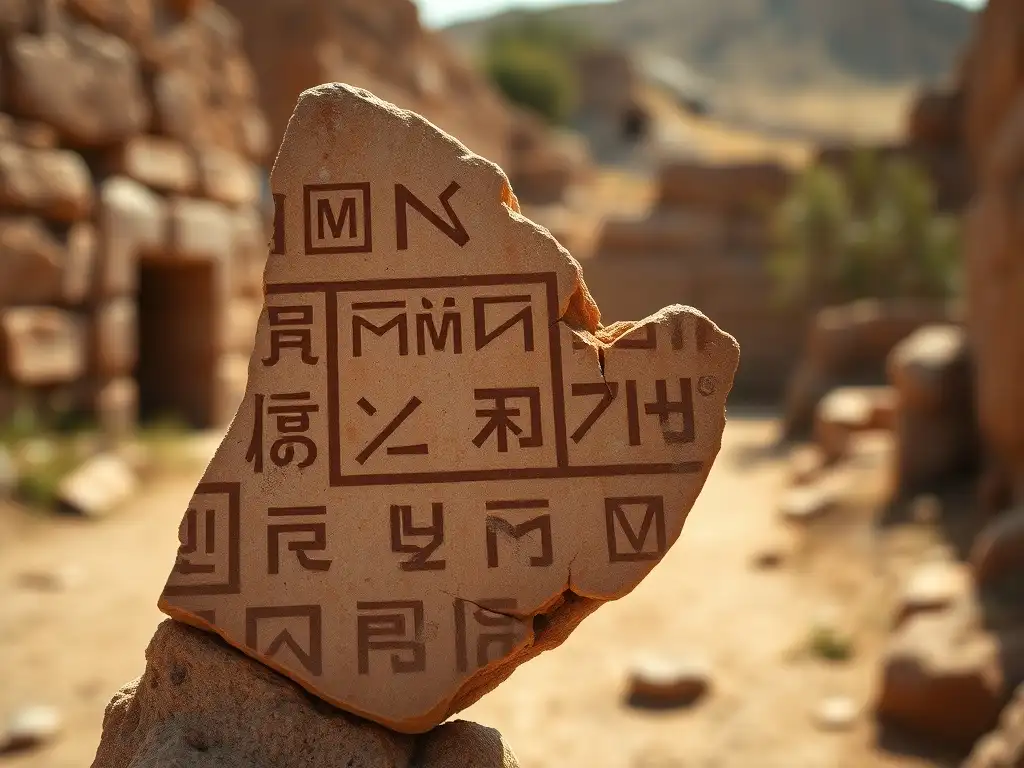
The Huari language, spoken by the expansive Huari Empire (c. 600-1000 CE) in the central Andes, presents a significant challenge to modern linguists. Unlike the Inca language, Quechua, which left behind a rich corpus of texts, the Huari language has eluded decipherment, leaving its structure and vocabulary largely unknown. This lack of readily available textual evidence forms the core of the difficulty in Huari language decipherment.
The scarcity of written records, coupled with the complexities of reconstructing a language from limited archaeological findings, makes this a truly formidable undertaking. The few inscriptions discovered are often fragmentary, poorly preserved, or of uncertain meaning, hindering any systematic analysis.
This enigma surrounding the Huari language significantly impacts our understanding of the Huari culture, its administrative systems, and its interactions with neighboring societies. Further research into potential bilingual texts, or comparative linguistics with related Andean languages, might offer a pathway towards unlocking this linguistic puzzle.
Understanding the Huari Culture's Historical Context
Understanding the Huari language's challenges requires contextualizing the Huari civilization itself. The Huari state, a powerful pre-Inca empire, controlled a vast territory spanning much of modern-day Peru. Their sophisticated urban planning, impressive architecture (as seen in sites like Viracochapampa), and advanced administrative systems point to a complex society capable of managing diverse populations and resources.
However, the absence of a widespread, standardized writing system comparable to that of later Andean civilizations means that our understanding of their social structures, religious beliefs, and daily life relies heavily on archaeological evidence, such as pottery, textiles, and the layout of their cities. The lack of a written Huari language makes reconstructing their history a painstaking process of interpreting material culture and limited epigraphic finds. The relatively short duration of their dominance, followed by a period of collapse and subsequent Inca expansion, further complicates the task of Huari language decipherment.
This historical context underscores the unique difficulties faced by researchers attempting to unravel the mysteries of their linguistic heritage. The limited timeframe and subsequent cultural shifts obscured any potential linguistic legacy, making the task of Huari language decipherment that much more complex.
Why Huari Language Remains a Mystery
Several factors contribute to the enduring mystery surrounding the Huari language. First, the limited number of inscriptions found presents a major obstacle. Unlike the Inca, who used quipus (knotted cords) for record-keeping and had a well-developed writing system in Quechua, the Huari left behind very few inscriptions. These inscriptions, typically found on pottery or stone, are often brief and lack context, making their interpretation incredibly difficult.
Furthermore, the script itself remains undeciphered; we do not know whether it represents a syllabary, an alphabet, or a logographic system. The potential for multiple, regionally distinct writing systems within the vast Huari empire also complicates the process. Secondly, the lack of bilingual texts—documents written in Huari and another known language—prevents the use of comparative methods that have proven successful in deciphering other ancient languages. The absence of such key linguistic tools significantly hinders progress in Huari language decipherment.
Finally, the poor preservation of many archaeological artifacts further limits the available data. The passage of time and environmental factors have degraded many potential sources of information, leaving researchers with fragmented and incomplete evidence. These combined challenges highlight the immense complexity and ongoing nature of Huari language decipherment. The quest to understand this lost language remains a significant challenge for scholars, requiring further innovative approaches and collaborative research efforts.
Approaches to Huari Language Decipherment
The enigma of the Huari language, spoken by the powerful Huari civilization that flourished in the Peruvian Andes from roughly 600 to 1000 CE, presents a significant challenge to scholars. Unlike the Inca, who left behind a substantial corpus of written records in Quechua, the Huari left behind a more cryptic linguistic legacy, demanding innovative approaches to decipherment. The lack of a readily decipherable writing system significantly complicates the process, necessitating a multifaceted approach combining archaeological investigation, artistic analysis, and comparative linguistics. This section will explore the key methods employed in the ongoing quest for Huari language decipherment.
Archaeological Evidence and Huari Writing Systems
The search for the Huari language begins with the physical remnants of their civilization. Archaeological digs have yielded numerous artifacts, including pottery, textiles, and stone carvings, some of which may contain symbolic or written elements. However, identifying these elements as a coherent writing system remains a significant hurdle. While some researchers suggest the presence of proto-writing or early forms of writing within Huari iconography, definitive proof of a fully developed script remains elusive. The challenge lies in distinguishing between purely decorative motifs and actual symbolic representations that might encode linguistic information.
Further complicating matters is the variability in the style and execution of these potential markings across different Huari sites and periods. This variability might reflect regional dialects or stylistic evolution, making the identification of a consistent system even more difficult. Detailed analysis of the frequency, distribution, and context of these markings is needed.
For instance, the presence of certain symbols consistently associated with specific objects or locations could hint at their symbolic meaning and potential linguistic function. The use of advanced image analysis techniques and statistical methods, like frequency analysis, could potentially reveal patterns indicative of a structured writing system. [Specific statistical analysis pending].
A deeper understanding of Huari social organization and administrative practices could also be crucial in interpreting the potential functions of these markings. Did they serve as labels, records of transactions, or perhaps elements of religious ritual? The answers to these questions are essential to unlocking the secrets of the Huari writing system and, consequently, their language.
Examining Huari Art for Linguistic Clues
Beyond potential writing systems, Huari art offers another avenue for investigating their language. The intricate designs on pottery, textiles, and monumental architecture often depict scenes of daily life, rituals, and mythology. These visual narratives might contain clues to the Huari language, even in the absence of a fully developed writing system. Researchers are exploring the possibility that certain recurring motifs or iconographic elements represent words or concepts in the Huari language. For instance, the repeated depiction of specific animals or plants could indicate their importance in Huari society and potentially reflect their names in the language.
Careful analysis of the spatial arrangement of these elements within the artwork is vital. Might the order in which motifs appear convey grammatical information or narrative structure? Cross-referencing these artistic representations with archaeological findings could provide additional context and support interpretations. For example, the discovery of similar motifs on objects found within specific contexts (e.g., ritual sites, burial chambers) could shed light on their meaning and potential linguistic significance.
Furthermore, a comparative study of artistic styles across different Huari regions could reveal variations reflecting dialectal differences or even distinct languages within the Huari sphere of influence. A systematic cataloging of Huari art, along with a detailed analysis of its iconography, is crucial for uncovering potential linguistic clues. [Database of Huari art styles and motifs pending]. This interdisciplinary approach, combining art history, archaeology, and linguistics, holds significant promise for advancing Huari language decipherment.
Comparative Linguistics and Potential Language Families
In the absence of a deciphered Huari writing system, comparative linguistics offers a valuable alternative approach. This method involves comparing the Huari language with other known languages in the region to identify potential linguistic relatives. This approach is based on the principle that languages sharing common ancestry tend to exhibit similarities in vocabulary, grammar, and sound systems. By comparing the limited vocabulary gleaned from Huari iconography and place names with Quechua, Aymara, and other Andean languages, researchers hope to identify cognates—words with a common etymological origin.
The identification of cognates, however, is a complex process requiring rigorous methodological scrutiny. Borrowing and chance similarities can confound the analysis, making it crucial to employ statistical methods to assess the likelihood of genuine linguistic relatedness. [Detailed statistical analysis comparing Huari vocabulary with Quechua and Aymara pending]. Furthermore, the limited available data on the Huari language presents a significant obstacle.
The reconstruction of a proto-language, a hypothetical ancestor of related languages, requires a substantially larger dataset than is currently available for the Huari language. Nevertheless, the ongoing research in this area holds significant potential for uncovering the linguistic origins and relationships of the Huari language, contributing to a broader understanding of the linguistic landscape of the ancient Andes. The development of more sophisticated computational tools for comparative linguistics could further enhance this research direction.
Theories Surrounding the Huari Language
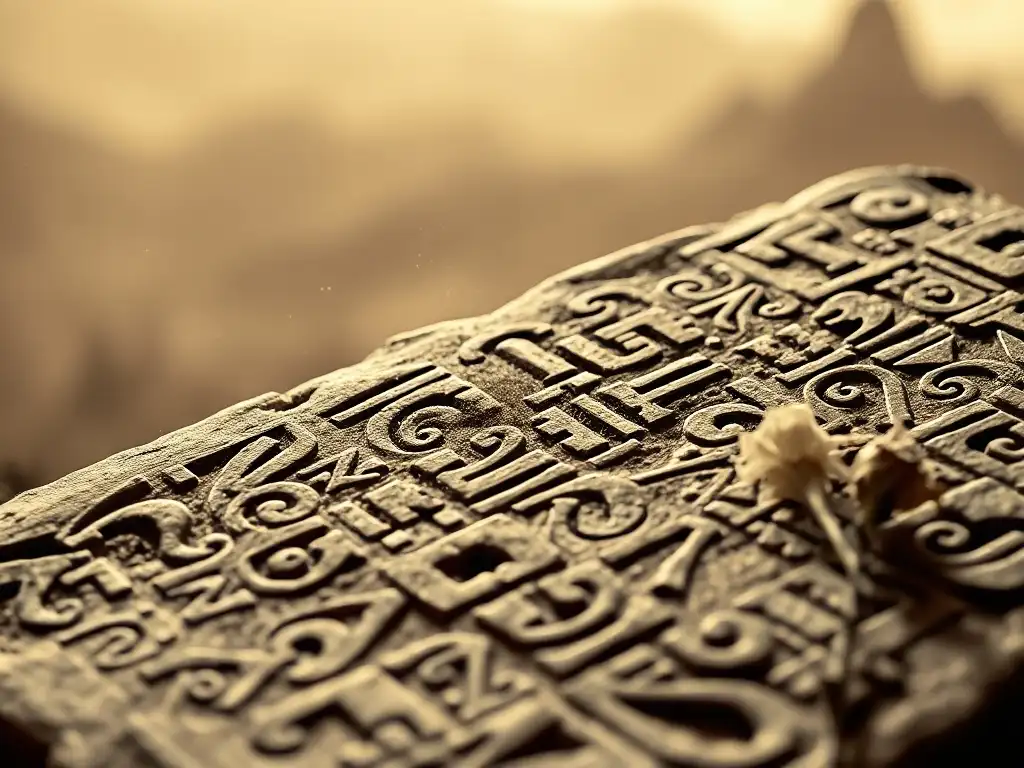
The Huari language, spoken by the expansive Huari Empire (c. 600-1000 CE) in the central Andes, remains a significant enigma for linguists. The lack of extensive written records presents a considerable challenge to decipherment, leaving researchers to rely on indirect evidence and careful analysis of archaeological findings to piece together a potential linguistic picture. Efforts focused on "Huari language decipherment" are ongoing, with several compelling, yet ultimately inconclusive, theories vying for prominence.
These theories often grapple with the complexities of linguistic evolution and the potential for multiple languages within the empire itself. The absence of a Rosetta Stone equivalent significantly hampers progress, making the field ripe for both exciting discoveries and persistent scholarly debate.
Possible Connections to Quechuan Languages
One prominent theory suggests a connection between the Huari language and the Quechuan language family. This hypothesis rests partly on the geographical proximity of the Huari heartland to regions where Quechuan languages were later dominant. Furthermore, some scholars propose that certain toponyms (place names) and even some limited vocabulary found in later Quechuan dialects might possess roots traceable to the Huari language. However, establishing a direct genealogical link remains problematic.
The substantial temporal gap between the Huari period and the earliest documented Quechuan texts makes definitive conclusions difficult. Moreover, the significant linguistic diversity within the Quechuan family itself complicates the search for clear commonalities. Detailed comparative studies are needed to identify potential cognates (words with a common ancestor) and to analyze phonetic and grammatical similarities with greater precision.
Further research into the evolution of Quechuan languages, particularly those spoken in the area of the former Huari empire, could potentially yield more compelling evidence. The challenge lies in distinguishing genuine linguistic inheritance from later borrowing or coincidental similarities. This necessitates a meticulous examination of both lexical and grammatical structures.
Speculations on Aymaran Influences on Huari
Another avenue of investigation explores the potential influence of Aymaran languages on the Huari language. The Aymaran language family, encompassing modern Aymara and other related languages, thrived in the southern Andes, overlapping geographically with the Huari Empire's southernmost territories. While a direct genealogical relationship seems less likely than the Quechuan connection, the possibility of substantial linguistic contact and borrowing cannot be dismissed.
Archaeological evidence suggests significant interaction between Huari and Aymaran-speaking populations, raising the possibility of cultural exchange, including linguistic influences. This scenario could involve the adoption of certain vocabulary items or grammatical features from Aymaran languages into Huari, potentially obscuring the underlying structure of the original language. The extent of this influence remains speculative, however, as separating borrowed elements from indigenous Huari vocabulary requires a more comprehensive understanding of the Huari language itself.
Further investigation into the contact zones between the Huari and Aymaran populations could provide crucial insights into the nature and extent of any linguistic exchange. The distribution of specific artifacts and settlement patterns could offer clues about the dynamics of interaction and potential linguistic diffusion.
Independent Language Hypothesis and its Implications
A third, and perhaps the most challenging, theory posits that the Huari language was a completely independent linguistic entity, unrelated to any known language family in the Andes. This hypothesis, while seemingly radical, is not without merit. The scarcity of available data makes it difficult to definitively rule out the possibility of an entirely unique linguistic lineage.
The absence of clear genetic links to other known language families could simply reflect the limitations of our current knowledge and the inherent difficulties in reconstructing extinct languages. If confirmed, this independent language hypothesis would have profound implications for our understanding of Andean linguistic history, suggesting a previously unknown linguistic family with a unique evolutionary trajectory. It would necessitate a complete reevaluation of our models of Andean linguistic diversification and potentially challenge existing theories about the spread of languages and cultures in the region.
This scenario underscores the importance of continued research into the Huari language, with a focus on developing innovative methodologies for analyzing limited data and exploring alternative avenues of investigation. The discovery of new archaeological evidence, particularly inscriptions or bilingual texts, could offer a breakthrough in resolving this crucial question. The possibility of an entirely new linguistic family waiting to be discovered adds a layer of excitement to the ongoing quest for "Huari language decipherment".
The Importance of Huari Language Research

The quest for Huari language decipherment is not merely an academic pursuit; it holds profound implications for our understanding of Andean history and culture. Unlocking the secrets of this lost language offers a unique window into the social structures, beliefs, and daily lives of a civilization that significantly impacted the development of subsequent Andean societies.
The potential rewards of successful Huari language decipherment are immense, promising to reshape our understanding of this crucial period in Andean history. The lack of a deciphered Huari language currently leaves a significant gap in our knowledge of the pre-Inca world, making successful decipherment a high priority for researchers.
Preserving the Huari Cultural Heritage
Understanding the Huari language is paramount to preserving their rich cultural heritage. Many aspects of Huari culture are currently interpreted through the lens of later Andean civilizations, particularly the Inca. A deciphered Huari language would allow for a more accurate and nuanced understanding of their unique worldview, artistic expressions, and religious practices, free from the biases of later interpretations.
This would allow us to appreciate the Huari civilization on its own terms, rather than as a precursor to the Inca Empire. The preservation of this unique cultural heritage is vital for understanding the diverse tapestry of Andean civilizations and their interconnectedness. Think of it as recovering a lost piece of a vast, intricate mosaic.
Each deciphered word, each understood sentence, brings us closer to a complete picture of Huari life and thought. The effort towards Huari language decipherment is therefore a crucial step in the broader project of cultural preservation and the celebration of Andean diversity.
Insights into Pre-Incan Andean History
The Huari language holds the key to unlocking crucial insights into the complex political and social dynamics of the pre-Incan Andes. The Huari state, a powerful and expansive empire, exerted considerable influence over a vast territory. Deciphering their language could reveal details about their administrative systems, trade networks, and interactions with neighboring cultures. This would allow us to better understand the processes of state formation and the rise and fall of empires in the Andes, enriching our understanding of the region's socio-political history.
We could gain invaluable insights into the complexities of pre-Columbian Andean societies, challenging existing narratives and potentially revealing previously unknown aspects of their history. For example, a deciphered text might reveal details about the organization of their army, the methods of taxation, or the intricacies of their legal system. The potential for new discoveries related to the Huari language decipherment is truly exciting.
Contributions to Understanding Ancient Andean Communication
The Huari language represents a significant linguistic puzzle within the broader context of Andean languages. Successful decipherment would not only illuminate Huari culture but also contribute significantly to our understanding of the evolution and relationship between different Andean language families. By analyzing the grammatical structure, vocabulary, and phonology of the Huari language, linguists can trace linguistic connections and potentially shed light on the origins and migrations of Andean populations. This research will offer valuable data for comparative linguistics, potentially revealing unexpected relationships between seemingly disparate language families. Moreover, studying the Huari writing system itself – its structure, symbols, and evolution – will offer valuable insights into the development of writing in the Andes and its role in the transmission of knowledge and power. The decipherment of the Huari language, therefore, promises to be a significant contribution to the field of Andean linguistics and our broader understanding of ancient communication systems.
Challenges in Huari Language Decipherment
The quest for Huari language decipherment presents significant hurdles, primarily stemming from the limited surviving textual evidence and the complexities of disentangling Huari linguistic features from those of later Andean languages. Understanding these challenges is crucial to appreciating the ongoing efforts to unlock the secrets of this ancient civilization's communication system. The lack of a Rosetta Stone-like artifact further complicates the process, demanding innovative approaches and interdisciplinary collaboration.
The Scarcity of Huari Written Records
One of the most significant obstacles hindering Huari language decipherment is the sheer scarcity of written records. Unlike some other ancient civilizations, the Huari didn't leave behind a vast corpus of texts. The surviving written materials are fragmented and limited, consisting mainly of pottery inscriptions, a few scattered textiles with markings, and potentially some carved stone fragments.
This paucity of data severely restricts the possibilities for linguistic analysis. The existing fragments are often short, incomplete, and their interpretation is often debated amongst researchers. For instance, some scholars argue that certain markings represent numerals, while others suggest they are symbolic or even decorative.
This ambiguity significantly impedes the progress of Huari language decipherment. The challenge is further compounded by the degradation of many artifacts over centuries, making the decipherment of even the few surviving inscriptions incredibly difficult. More extensive archaeological surveys and advanced imaging techniques are needed to uncover and analyze any further potential written records, significantly boosting the chances of successful Huari language decipherment.
Difficulty in Isolating Huari Linguistic Traits
Even if more written material were discovered, another significant challenge arises from the difficulty in isolating uniquely Huari linguistic traits. The Huari state existed for several centuries, and its influence extended across a vast geographical area. Subsequently, later Andean cultures, particularly the Inca, absorbed and adapted various aspects of Huari culture, including potentially elements of their language. Distinguishing authentic Huari linguistic features from those borrowed or influenced by subsequent cultures is a complex and delicate task.
This requires careful comparative analysis of various linguistic features across different time periods and geographical regions within the Andes, a process that demands meticulous attention to detail and advanced linguistic expertise. Identifying the core vocabulary and grammar specific to the Huari language requires sophisticated methods to filter out the linguistic noise from subsequent periods. Without clear distinctions, progress in Huari language decipherment is significantly hampered.
Overcoming the Lack of a Rosetta Stone for Huari
The absence of a "Rosetta Stone" – a text in multiple known languages that allows for cross-referencing and decipherment – represents a major obstacle for Huari language research. Unlike the Rosetta Stone which facilitated the decipherment of Egyptian hieroglyphs, researchers working on the Huari language lack a comparable bilingual or multilingual text.
This fundamentally alters the approach needed for decipherment. Instead of a direct translation key, researchers must rely on indirect methods, such as comparing the limited Huari inscriptions with other contemporary or later Andean languages, analyzing iconography and context clues within the archaeological record, and employing advanced computational linguistics techniques.
This lack of a readily available Rosetta Stone signifies that the path to Huari language decipherment is likely to be significantly longer and more challenging, requiring innovative strategies and a multidisciplinary approach. The development of new computational tools and interdisciplinary collaborations are crucial to overcome this hurdle and advance the understanding of the Huari language.
Progress in Huari Linguistic Studies

The quest for Huari language decipherment remains a significant challenge for Andean linguistics. Unlike the Inca, who left behind a substantial corpus of written records in Quechua, the Huari civilization, flourishing between 600 and 1000 CE, left behind a predominantly visual culture. This lack of a readily decipherable writing system complicates the task of understanding their spoken language.
However, significant progress has been made in recent years through interdisciplinary approaches that combine archaeological findings with linguistic theory and computational methods. Researchers are exploring various avenues, including the analysis of iconography, textile patterns, and ceramic designs, searching for patterns that might reflect underlying linguistic structures.
While a complete decipherment remains elusive, the cumulative findings contribute to a richer understanding of the Huari worldview and social structures, offering valuable insights into the linguistic landscape of the central Andes. The ongoing research focuses on identifying potential correspondences between visual representations and phonological or grammatical elements, building a foundation for future breakthroughs in Huari language decipherment.
Analyzing Huari Iconography and its possible linguistic connection
Huari iconography, characterized by its distinctive style and recurring motifs, presents a promising avenue for Huari language decipherment. Researchers are meticulously cataloging and analyzing the thousands of surviving artifacts, including pottery, textiles, and stone carvings. The focus is on identifying systematic variations in the depiction of figures, objects, and scenes.
For example, the recurring use of specific colors or the arrangement of elements within a composition might indicate grammatical structures or semantic distinctions. One promising area is the study of anthropomorphic representations, where the characteristics of depicted figures – clothing, headdresses, and postures – may encode social roles or linguistic classifications. Statistical analysis of iconographic data, combined with comparative studies of other Andean cultures with deciphered languages, is crucial in this process.
While no definitive linguistic interpretations have emerged yet, the careful analysis of Huari iconography is progressively revealing patterns that could potentially unlock the secrets of their language. The identification of recurring visual "words" or "phrases" is a major goal in this ongoing research. For instance, the consistent depiction of a specific bird alongside a particular geometric shape might represent a recurring phrase or concept within their culture.
Analysis of Wari Textile Patterns for Potential Linguistic Encoding
Huari textiles are renowned for their intricate designs and vibrant colors. The complexity of these patterns suggests a potential connection to their language. Researchers are investigating whether the arrangement of geometric shapes, zoomorphic figures, and other motifs within the textile designs might reflect underlying linguistic structures. This analysis incorporates techniques from computational linguistics, using algorithms to identify recurring patterns and symmetries in the textile designs.
Furthermore, the analysis considers potential connections between textile patterns and the social organization of Huari society. The hypothesis is that particular patterns might have indicated social status, clan affiliation, or even linguistic groups. The research involves analyzing the distribution of textile patterns across different Huari sites and comparing them to the distribution of other archaeological artifacts.
This interdisciplinary approach combines archaeological data with computational and linguistic techniques to gain a deeper understanding of the potential linguistic encoding within Huari textiles. The meticulous documentation and analysis of these textiles are crucial steps towards potentially uncovering a hidden linguistic code. For example, the repeated use of specific color combinations or the consistent arrangement of motifs could represent linguistic units or grammatical structures.
Future Directions in Huari Language Studies
Future research in Huari language decipherment will likely involve a multi-pronged approach, integrating advancements in several fields. This includes further development of computational methods for analyzing large datasets of iconography and textile patterns. Machine learning algorithms, for instance, could be used to identify subtle patterns and correlations that might have been missed by traditional methods. Furthermore, comparative linguistic studies with other Andean languages, both ancient and modern, will be critical in identifying potential cognates and reconstructing aspects of the Huari lexicon and grammar.
Collaboration between archaeologists, linguists, anthropologists, and computer scientists will be essential for achieving progress. The development of more sophisticated analytical techniques, coupled with the continuous discovery of new archaeological material, holds significant promise for future breakthroughs in Huari language decipherment. A key goal is to build a comprehensive database of Huari visual data, accessible to researchers worldwide, facilitating collaborative research and accelerating the pace of discovery. The ultimate aim is not just to decipher the Huari language but to use this knowledge to reconstruct the rich cultural and social history of this fascinating civilization.
This will involve a deeper understanding of their worldview, social structures, and interactions with neighboring cultures. The pursuit of Huari language decipherment is a long-term endeavor requiring sustained effort and innovative approaches. However, the potential rewards – a deeper understanding of a significant Andean civilization – make it a worthwhile pursuit.
Huari Language and its impact on Andean Linguistics
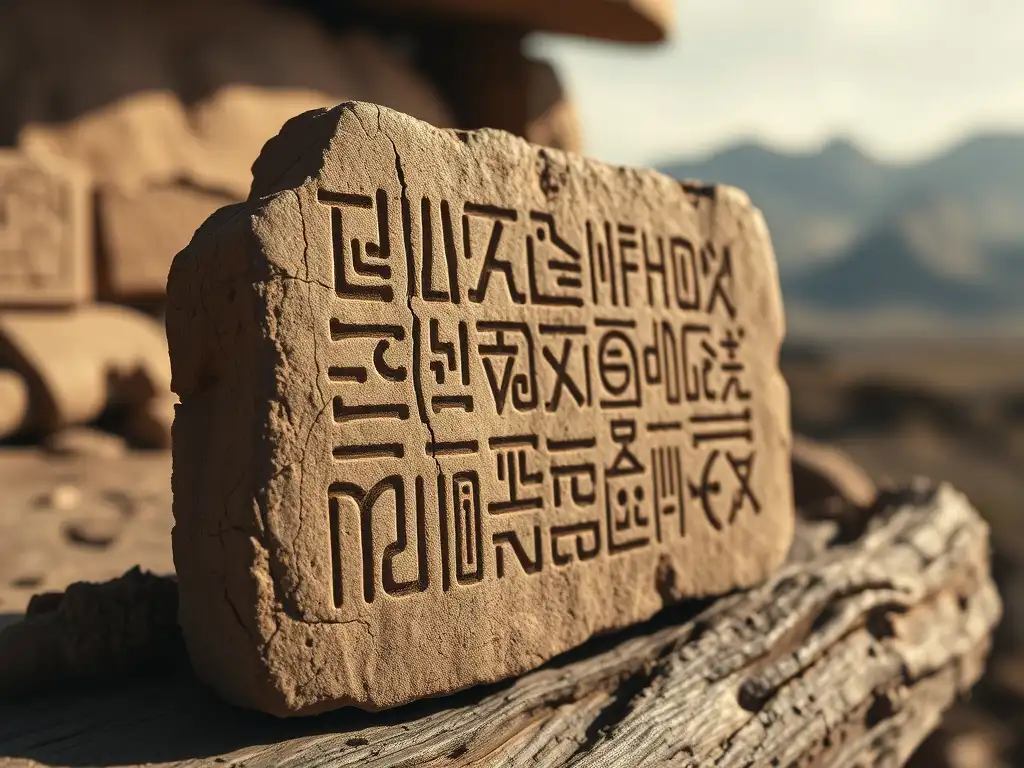
The Huari language, spoken by the expansive Huari Empire (c. 600-1000 CE) in the central Andes, remains largely a mystery, posing a significant challenge to Andean linguistics. While the decipherment of the Huari language is still ongoing, its impact on our understanding of the broader Andean linguistic landscape is undeniable. The Huari civilization's vast territorial control and administrative prowess suggest a sophisticated communication system, likely facilitated by a standardized language or a closely related dialect continuum.
The absence of a readily decipherable written script, however, presents a considerable hurdle in reconstructing the language. Scholars are currently exploring various avenues, including comparative linguistics, analyzing iconography for potential linguistic clues, and studying the toponymy and anthroponymy of the Huari region.
The potential for breakthroughs in Huari language decipherment is significant, promising to shed light on the pre-Inca linguistic diversity and connections within the Andes. The successful decipherment would revolutionize our comprehension of the linguistic evolution in the region, potentially revealing unexpected relationships with other Andean languages.
Huari's legacy on later Andean Languages
One crucial aspect of Huari language decipherment research lies in its potential to illuminate the linguistic lineage of subsequent Andean languages. Did the Huari language influence the development of Quechua, Aymara, or other languages spoken in the region after the Huari Empire's decline? The possibility of linguistic substrata—underlying linguistic elements from a previous language influencing a later one—is a key area of investigation.
Analysis of vocabulary, grammar, and phonology of later languages could reveal traces of Huari linguistic influence. For example, certain place names and words related to agriculture or administration in post-Huari languages might have Huari origins. Identifying such cognates (words with a common ancestor) would be crucial in tracing the Huari language's legacy.
The impact of the Huari language may not be limited to direct linguistic inheritance; it could have also influenced the structure and development of later Andean languages through cultural contact and administrative practices. Further research employing advanced computational methods in comparative linguistics is needed to fully explore this fascinating aspect of Andean linguistic history.
The role of the Huari language in the development of Andean culture
The Huari language was inextricably linked to the socio-political organization and cultural development of the Huari Empire. A common language likely facilitated communication and trade across the vast and diverse empire, fostering economic integration and cultural exchange. Understanding the Huari language would, therefore, shed light on the mechanisms of imperial control and integration. The language might have played a pivotal role in the standardization of administrative practices, religious beliefs, and artistic styles observed throughout the Huari heartland and its periphery.
For instance, the standardized iconography found in Huari pottery and textiles might reflect a linguistic influence in naming conventions, religious symbolism, or narratives expressed through artistic mediums. Deciphering the Huari language could unlock the meaning behind these visual representations and offer a deeper understanding of Huari worldview and ideology. The language may have also played a crucial role in transmitting knowledge across generations, preserving cultural traditions and technological innovations.
How Huari language research contributes to the broader field of linguistics
Huari language decipherment research offers significant contributions to the broader field of linguistics, particularly in the areas of language contact, language evolution, and the study of extinct languages. The challenges posed by the lack of a written script and the fragmented nature of the archaeological record provide a unique case study for developing and refining linguistic methodologies.
The research necessitates innovative approaches, combining traditional linguistic techniques with cutting-edge computational tools and interdisciplinary collaboration with archaeologists, anthropologists, and other specialists. The successful decipherment of the Huari language could provide invaluable insights into the processes of language change, the interplay between language and culture, and the dynamics of language contact in a complex pre-Columbian Andean context.
Furthermore, the methodologies and findings from this research can inform future studies of other understudied or extinct languages worldwide, furthering our understanding of human linguistic diversity and the evolution of language itself. The potential for discoveries in this field is immense, offering a unique opportunity to deepen our knowledge of the human experience through the lens of language.
Conclusion: The Ongoing Quest to Decipher the Huari Language
The quest to decipher the Huari language remains a significant challenge for scholars of Andean civilizations. While significant strides have been made in understanding the Huari culture through archaeological findings and the analysis of related languages, the lack of extensive written records presents a formidable obstacle. However, the inherent value of unraveling this linguistic puzzle cannot be overstated.
It represents a crucial step towards a more complete understanding of Huari social structures, beliefs, and interactions with neighboring cultures. The potential insights into the pre-Inca world are immense, offering a deeper perspective on the complex tapestry of Andean history. The continued effort to decipher the Huari language is not merely an academic pursuit; it's a journey into the heart of a fascinating and influential civilization.
The Significance of Continued Research and Collaboration
Continued research on Huari language decipherment is paramount for several reasons. Firstly, it allows for a more nuanced understanding of the Huari empire's internal dynamics. By analyzing the language, researchers can potentially identify regional variations, social stratification reflected in linguistic patterns, and the extent of cultural exchange within the empire.
Secondly, deciphering the Huari language could shed light on the linguistic relationships between Huari and other Andean languages, contributing to a more complete picture of the region's linguistic landscape. This includes exploring potential connections with the later Inca language, Quechua, and potentially identifying linguistic precursors to Quechua's development. Finally, collaborative efforts among linguists, archaeologists, and anthropologists are crucial.
Interdisciplinary approaches, combining linguistic analysis with archaeological context and ethnographic parallels, are essential to overcoming the challenges posed by the limited available data. This collaborative approach ensures a more holistic and rigorous interpretation of any discovered linguistic fragments. The success of Huari language decipherment hinges on this collaborative spirit and the dedication of researchers from various fields.
Future Prospects for Huari Language Decipherment
The future of Huari language decipherment is promising, albeit challenging. Advances in computational linguistics and the development of sophisticated analytical tools offer new possibilities for analyzing fragmented texts and identifying patterns that may have been previously overlooked. Machine learning algorithms, for example, could be employed to identify recurring motifs and potential grammatical structures within the limited corpus of available data. Furthermore, continued archaeological excavations and the discovery of new artifacts, especially those bearing inscriptions or other forms of writing, could provide crucial additional information.
The application of advanced imaging techniques to analyze faded or damaged inscriptions could also prove invaluable. However, significant challenges remain. The scarcity of written texts and the fragmentary nature of the existing material pose significant hurdles.
The possibility of multiple, distinct Huari dialects further complicates the process. Nevertheless, with sustained research, interdisciplinary collaboration, and the application of innovative technologies, the prospect of unlocking the secrets of the Huari language remains a tantalizing possibility, bringing us closer to a comprehensive understanding of this influential Andean civilization and its place in history. The path forward requires patience, persistence, and a commitment to innovative research strategies.
The Enduring Fascination with the Huari Linguistic Past
The enduring fascination with the Huari linguistic past stems from its inherent connection to a pivotal period in Andean history. Unraveling the mysteries of the Huari language is not merely an academic exercise; it is a journey into the heart of a powerful and influential empire that profoundly shaped the cultural and political landscape of the Andes. The Huari language represents a key to understanding the socio-political organization, religious beliefs, and economic practices of this remarkable civilization.
Its decipherment would provide invaluable insights into the processes of cultural transmission and the interaction between different Andean societies. The potential to reconstruct the social fabric of Huari society and to trace the evolution of its language and culture over time fuels the ongoing efforts to decipher its linguistic legacy.
The Huari language, therefore, stands as a powerful symbol of the enduring human quest to understand our past and connect with the rich tapestry of human history. The quest for its decipherment continues to inspire and challenge researchers, promising to unveil a wealth of knowledge about this enigmatic Andean civilization.
Frequently Asked Questions
What is the Huari language?
The Huari language remains largely undeciphered, representing a significant challenge for researchers studying the Wari civilization of the central Andes. Little is known about its structure or relationship to other languages.
Why is Huari language decipherment so difficult?
The difficulty stems from a lack of extensive written texts. Unlike some other Andean cultures, the Wari didn't leave behind a large corpus of inscriptions, hindering linguistic analysis and comparison. Limited surviving artifacts with potential inscriptions further complicate the process.
Are there any ongoing efforts to decipher the Huari language?
Yes, linguists and archaeologists continue to investigate potential clues. Research involves analyzing existing artifacts, comparing them to other Andean languages, and employing advanced techniques in epigraphy and linguistics.
What kind of writing system did the Huari civilization use (if any)?
The nature of any Huari writing system is currently unknown. While some scholars suggest the presence of a writing system, evidence remains scant and its interpretation highly debated. Further research is needed to clarify this aspect.
How might deciphering the Huari language impact our understanding of Andean history?
Successfully deciphering the Huari language would revolutionize our understanding of the Wari state's organization, beliefs, and interactions with other Andean cultures. It would provide invaluable insight into a crucial period of Andean history.
Final Reflection: Echoes of Huari: A Legacy Waiting to be Heard
The quest to decipher the Huari language is not merely an academic pursuit; it is a vital key to understanding a significant chapter of Andean history. Unlocking its secrets holds the potential to rewrite our understanding of pre-Inca societies, their complex social structures, and their lasting impact on the region. The silence of these undeciphered texts represents a profound loss of knowledge, a cultural void that we are only beginning to explore.
The enduring mystery surrounding the Huari language underscores the fragility of cultural heritage and the urgent need for its preservation. The echoes of this lost tongue resonate through the archaeological record, whispering tales of a sophisticated civilization. The past is never dead. It's not even past.
– William Faulkner. This quote rings especially true when considering the potential insights hidden within the Huari script; insights that could reshape our understanding of Andean civilization and its influence on subsequent cultures. The ongoing efforts to decipher this language are a testament to human curiosity and our persistent desire to connect with our past.
Consider the implications of fully understanding the Huari language. Imagine the wealth of knowledge we could gain about their beliefs, their governance, their daily lives. You, the reader, are now part of this ongoing conversation. Will you help us amplify the voices of the past? Engage with the ongoing research, support initiatives dedicated to language preservation, and share this story with others. Let us together strive to bring the Huari language out of the shadows and into the light, ensuring that its legacy continues to inspire and inform for generations to come.
Unveil the Richness of the Huari Language!
Thank you for exploring the fascinating world of the Huari language! Your interest in this unique aspect of Andean civilizations significantly contributes to our understanding of history and culture. To further deepen your appreciation of this linguistic treasure, consider these steps:
- Participate in a workshop or online course focusing on Andean languages for an immersive learning experience.
- Read books and articles about Huari culture to gain a comprehensive understanding of its significance and historical development.
- Share your knowledge with others—friends, family, or online communities—to promote discussion about the importance of preserving linguistic diversity.
What aspects of the Huari language find you most captivated, and how might you integrate this knowledge into your daily life?