
Huari Social Structure: Unraveling the Layers of Their Society

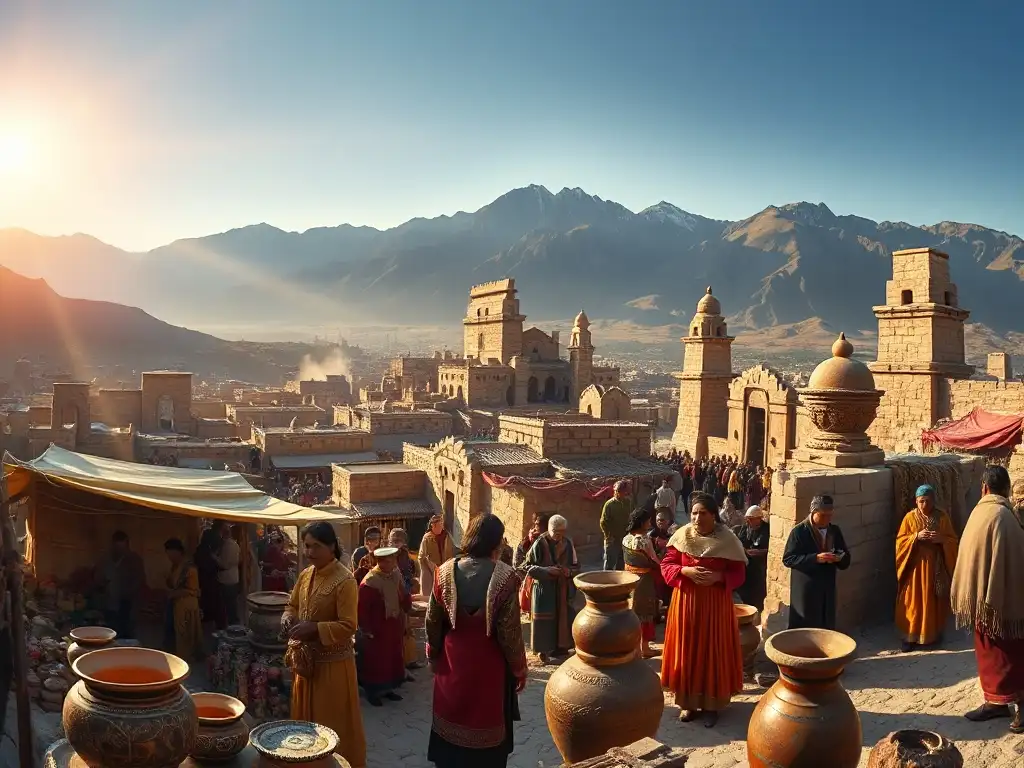
Uncover the mysteries of the Andes! Journey through millennia of captivating cultures, from the intricate artistry of the Nazca to the formidable engineering of the Incas. But first, prepare to be amazed by the complex social fabric of the Huari civilization. Their sophisticated Huari social hierarchy remains a puzzle – are you ready to help us unravel its secrets? Delve into the fascinating world of Pre-Incan cultures and discover a lost world waiting to be rediscovered.
The Huari civilization, a powerful pre-Inca empire flourishing in the Andes from approximately 600 to 1000 CE, remains a captivating enigma for archaeologists and historians alike. Their vast influence spanned a significant portion of modern-day Peru, leaving behind a complex legacy of monumental architecture, intricate pottery, and a sophisticated social organization that continues to intrigue researchers. This article delves into the intricacies of the Huari social structure, exploring the hierarchical layers that underpinned their society and examining the evidence used to reconstruct this fascinating aspect of their civilization.
Understanding the Huari social hierarchy is crucial for comprehending their political power, economic systems, and the overall societal dynamics that allowed them to build and sustain such a large and influential empire. We will unravel the layers of their society, analyzing the roles of different social groups and exploring the potential mechanisms that maintained this complex system.
The investigation will focus on the evidence derived from archaeological findings, such as burial sites, settlement patterns, and artifacts, offering a glimpse into the lives of the individuals who constituted this remarkable Andean civilization. This exploration will shed light on the complexities of the Huari social hierarchy, a key element in understanding their remarkable achievements and eventual decline.
The Huari, also known as the Wari, were a significant pre-Columbian civilization inhabiting the central Andes. Their empire, characterized by its impressive urban planning and sophisticated administrative systems, extended its influence across a vast territory. Unlike the Inca, who relied heavily on a centralized, highly stratified system, Huari social organization appears to have been more complex and nuanced, possibly incorporating aspects of both centralized control and regional autonomy.
Archaeological evidence suggests a sophisticated system of resource management and redistribution, pointing towards a strong central authority overseeing various aspects of economic life. However, recent research indicates a more decentralized system than previously thought, with regional variations in social structure and economic practices. The extent of centralized control versus regional autonomy remains a subject of ongoing debate among scholars.
The Huari state actively engaged in monumental construction projects, building large administrative centers and strategically located outposts across their territory. These centers housed elite populations and served as hubs for administrative and religious activities. The distribution of elite goods, such as fine pottery and textiles, throughout the empire suggests a system of control and communication that connected different regions under the Huari's influence. However, the precise mechanisms of control, the nature of interactions between the center and periphery, and the roles of different social groups within this system continue to be actively researched and debated.
Further Considerations on Huari Organization
Analyzing the distribution of specific artifacts and building materials across different sites can provide further insights into the nature of Huari social organization. For example, the presence of specific types of pottery or textiles in certain regions might indicate specialized production centers or trade networks. Similarly, the size and layout of residential structures can offer clues about social stratification and the distribution of wealth.
While the exact details remain elusive, archaeological evidence suggests a stratified Huari society with a clear hierarchy. At the apex stood the elite, likely composed of rulers, priests, and high-ranking officials. Their status is evidenced by lavish burials containing fine textiles, gold ornaments, and other luxury goods.
These individuals likely controlled the political and religious aspects of Huari society and oversaw the allocation of resources. Below the elite, there existed a significant segment of the population involved in agricultural production, craft specialization, and construction projects. The extent of social mobility within this stratum remains unclear, and further research is needed to understand the dynamics of social interactions within this group.
The presence of large-scale public works, such as irrigation systems and monumental architecture, indicates a significant level of social organization and labor mobilization. This suggests a system of either centralized control or a complex network of regional leaders working in coordination with the central authority. The role of commoners in the Huari social hierarchy is a subject of ongoing research.
Archaeological evidence from residential areas and burial sites offers clues to their daily lives and social standing, but more detailed analysis is required to fully understand their contribution to the society and their relationship with the ruling elite. The identification of specialized craftspeople and their role within the wider social structure is another area requiring further investigation.
Understanding their social status and their contribution to the Huari economy will provide a more complete picture of the Huari social hierarchy. The distribution of resources and the presence of specialized workshops suggest a complex and highly organized economic system, but the exact mechanisms of production and distribution remain areas of ongoing research.
- Introduction to the Huari Culture and its Social Organization
- Understanding the Huari Social Hierarchy: An Overview
The Ruling Elite of the Huari Empire
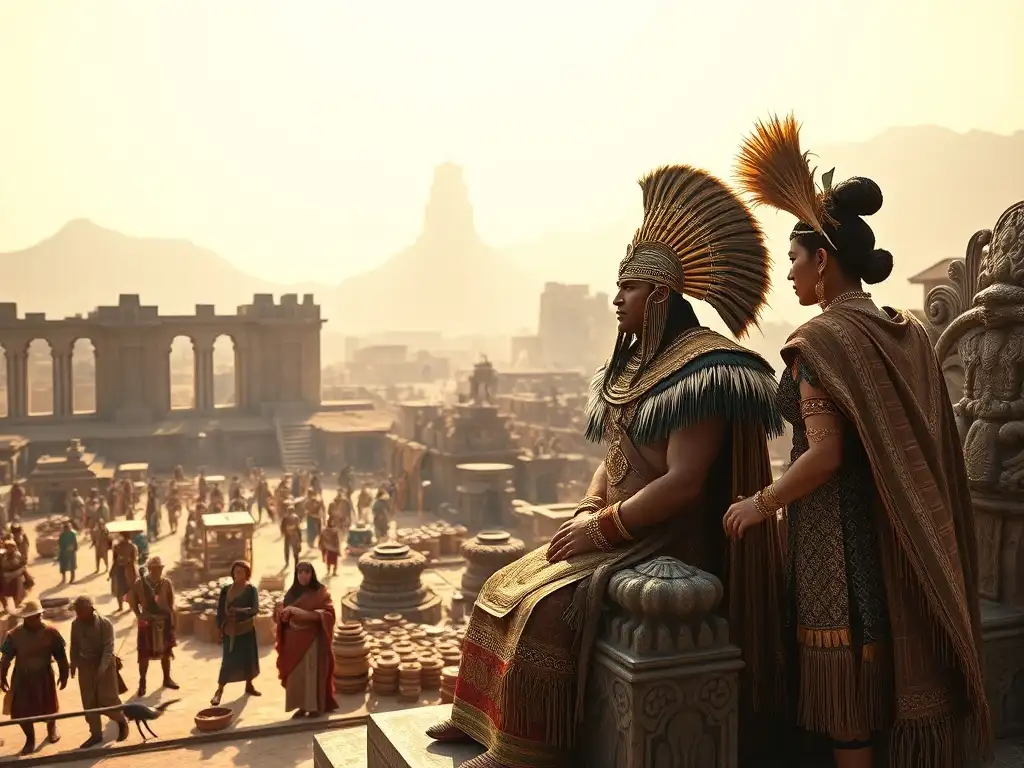
The Huari social hierarchy, a complex system reflecting the empire's power and organization, placed a powerful ruling elite at its apex. This group, comprising kings, nobles, and high-ranking priests, controlled vast resources and wielded significant influence over the lives of their subjects. Understanding their role is crucial to grasping the dynamics of Huari society and the mechanisms that enabled the empire's expansion and longevity.
The concentration of power in the hands of this elite facilitated the efficient mobilization of labor and resources for monumental construction projects, agricultural intensification, and military campaigns. Their influence permeated every aspect of Huari life, from religious practices to economic policies. The extent of their control is evidenced by the impressive scale of Huari urban centers and the standardization of artifacts found across the empire.
The Role of Huari Kings and Nobility
Huari kings likely held supreme authority, acting as both political and religious leaders. While the exact nature of their power remains debated among scholars, archaeological evidence points to a centralized system with the king at its head. This evidence includes the discovery of elaborate royal tombs containing lavish grave goods, indicating a significant concentration of wealth and prestige.
Furthermore, the standardized architectural styles found in Huari administrative centers suggest a top-down approach to urban planning and construction, implying strong royal control over labor and resources. The nobility, likely comprised of the king's relatives and high-ranking officials, played a crucial intermediary role, managing regional administration and overseeing the implementation of royal decrees. Their influence extended to local communities, ensuring compliance with central policies and collecting tribute.
The interplay between the king and nobility was vital in maintaining social order and the empire's stability. Unfortunately, precise details regarding the succession process or the specific titles and responsibilities of individual nobles remain largely unknown, requiring further research.
Evidence of Elite Power and Control in Huari Society
The material culture of the Huari elite offers compelling evidence of their dominance. Elaborate textiles, finely crafted ceramics, and precious metalwork are frequently found in elite contexts, highlighting their privileged access to resources and specialized craftsmanship. These artifacts served not only as markers of status but also as instruments of power, reinforcing the elite's position within the social hierarchy.
The construction of monumental architecture, such as the impressive administrative centers at Piquillacta and Viracochapampa, further demonstrates the elite's ability to mobilize vast labor forces and control the distribution of resources. These sites, characterized by their standardized urban planning and impressive scale, served as centers of power and administration, solidifying the elite's control over the empire.
Moreover, the presence of elite residential compounds within these centers underscores their privileged position and direct involvement in the governance of the empire. The sheer scale of these projects, combined with the uniformity of their design across the vast Huari territory, strongly suggests a centralized, highly organized system under the control of a powerful elite.
The Influence of Religious Leaders in the Huari Hierarchical System
The Huari religion played a significant role in shaping the empire's social structure. Religious leaders, likely priests or shamans, occupied prominent positions within the Huari hierarchy, wielding considerable influence alongside the political elite. The widespread presence of religious iconography in Huari art and architecture suggests a deep integration of religious beliefs into everyday life.
The elite's close association with religious practices is evident in the discovery of religious artifacts within elite tombs and residential compounds. This suggests that religious leaders played a key role in legitimizing the authority of the ruling class, reinforcing their power through their perceived connection to the supernatural. The extent of the religious leaders' power and their relationship with the king and nobility remains an area of ongoing research.
However, the evidence suggests a complex interplay between religious and political authority, with religious leaders playing a significant part in shaping the empire's ideology and maintaining social order. Further investigation into religious practices and iconography will undoubtedly shed more light on their precise role within the Huari social hierarchy. The interplay between religious and secular power within the Huari empire presents a fascinating area for future research, promising valuable insights into the dynamics of this influential Andean civilization.
The Middle Class: Administrators, Artisans, and Merchants
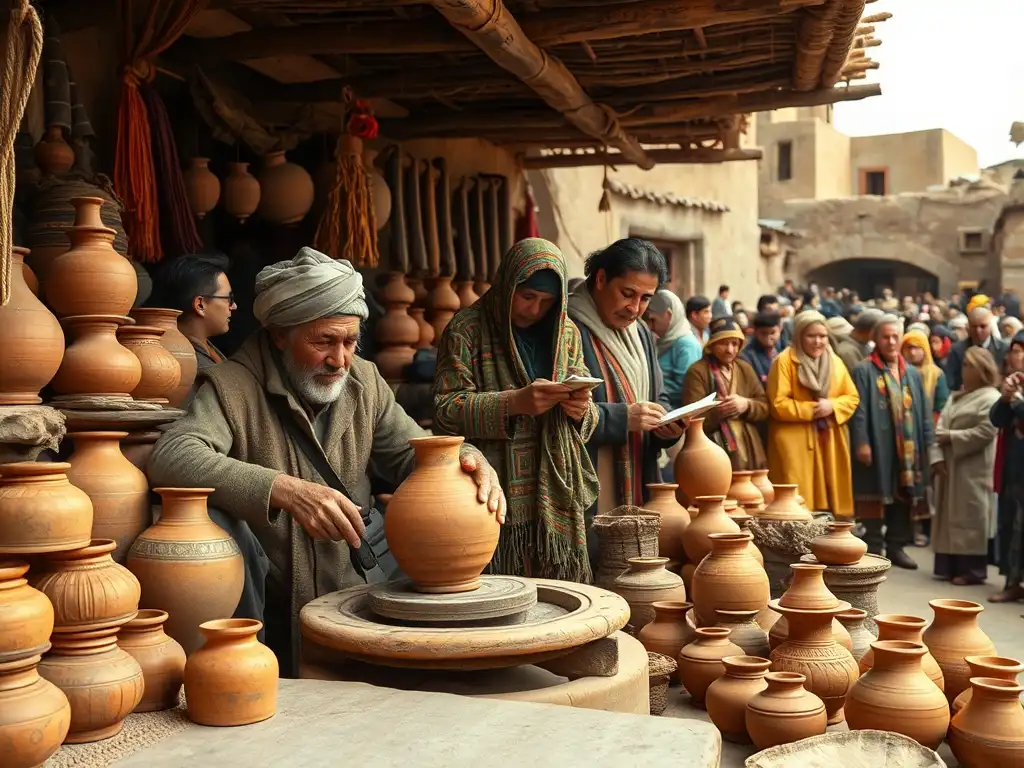
The Huari social hierarchy wasn't simply a rigid top-down structure. A significant middle class, crucial to the empire's functioning, existed between the elite ruling class and the commoners. This group encompassed a diverse range of individuals, each playing a vital role in maintaining the complex Huari state. Understanding their contributions is key to unlocking a complete picture of Huari social organization and its remarkable achievements. This middle class, far from being a homogenous group, was stratified further based on occupation and influence. Their relative wealth and social standing varied considerably, reflecting the nuanced nature of Huari society.
Huari Bureaucracy: The Function of Administrators
The Huari state relied heavily on a sophisticated bureaucracy to manage its vast resources and sprawling territories. Administrators, positioned firmly within the middle class, formed the backbone of this system. Their responsibilities extended far beyond simple record-keeping; they were crucial in overseeing agricultural production, coordinating public works projects (such as the impressive irrigation systems), and collecting taxes.
Archaeological evidence suggests a hierarchical structure within the administrative class itself, with higher-ranking officials managing larger regions or specific sectors of the economy. The precise methods of appointment and career progression within the bureaucracy remain partially unclear, but evidence points to a system that rewarded loyalty, competence, and perhaps even familial connections. The effectiveness of the Huari administrative system is evident in the empire's longevity and its ability to control a large and diverse population.
Further research into administrative centers and the analysis of inscribed artifacts could shed more light on the intricacies of this vital aspect of Huari society. The sheer scale of the Huari empire necessitates a well-organized bureaucracy, and the administrative class played an indispensable role in its successful functioning.
The Importance of Craftsmanship in Huari Society
Huari artisans occupied a respected position within the middle class. Their skills were highly valued, contributing significantly to the empire's economic and cultural strength. From the creation of intricately woven textiles and finely crafted pottery to the production of stunning metalwork and monumental architecture, artisans played a pivotal role in shaping Huari identity and material culture.
The standardization of certain styles and techniques across vast distances suggests a degree of centralized control over artisan production, perhaps through state workshops or guilds. This standardization, however, didn't stifle creativity; instead, it ensured a consistent quality and fostered a sense of shared cultural identity throughout the empire. The remarkable quality and artistry of Huari crafts, evidenced by surviving artifacts, speak volumes about the skill and dedication of these artisans.
The social status of artisans likely varied based on their specialization and the demand for their products, with masters of particularly sought-after crafts possibly enjoying higher social standing than others. The discovery of artisan workshops and the analysis of their tools and products continue to provide valuable insights into the lives and working conditions of these crucial members of Huari society.
Trade was essential to the Huari economy, fostering connections across vast distances and facilitating the exchange of goods and ideas. Merchants, acting as intermediaries in this crucial network, occupied a significant position within the middle class. Their role extended beyond simply transporting goods; they played a vital part in distributing resources throughout the empire and connecting different regions. While the exact social standing of merchants remains a topic of ongoing debate amongst scholars, their economic influence was undeniably significant.
They likely accumulated considerable wealth through their activities, leading to a higher social standing compared to many commoners. The discovery of trade routes and the analysis of traded goods provide valuable insights into the scale and complexity of the Huari trade network. The presence of standardized weights and measures in many Huari sites also suggests a degree of state regulation or standardization in trade practices, perhaps indicative of the state's involvement in controlling and facilitating economic activities.
The importance of trade in the Huari empire should not be underestimated. Merchants, by connecting disparate regions, played a significant role in the maintenance of the vast and complex Huari state. Further investigation into the archaeological record will certainly illuminate the intricacies of Huari trade and the social standing of those involved in it.
The Common People: Farmers and Laborers
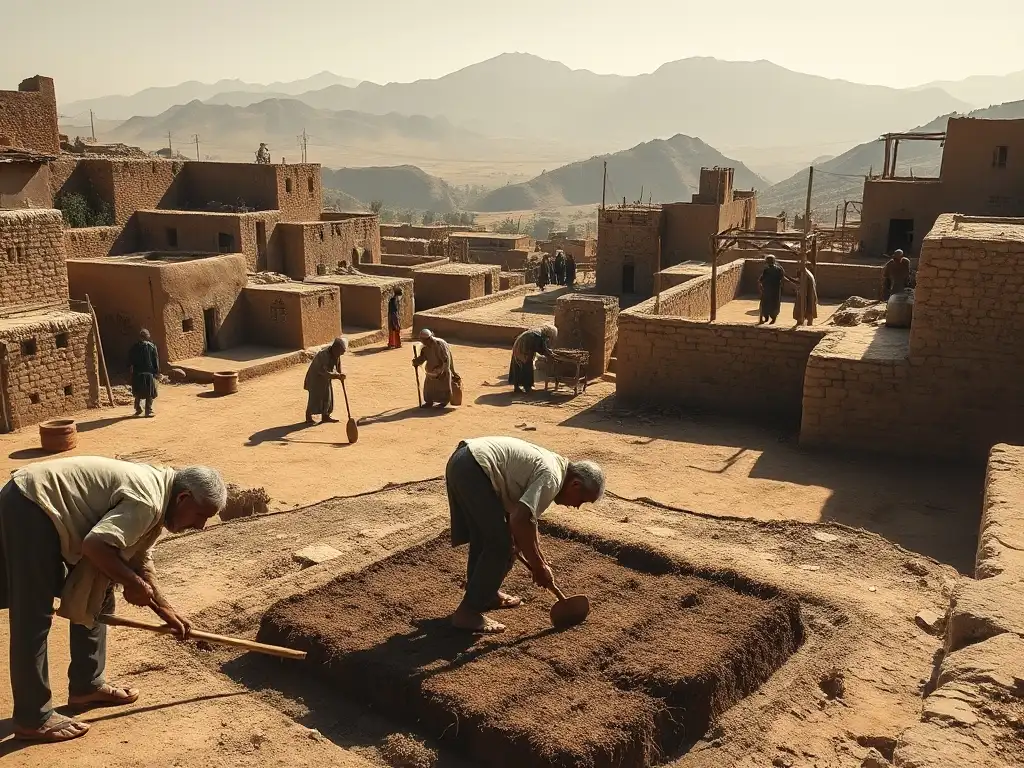
The backbone of the Huari Empire, like many ancient civilizations, rested firmly on the shoulders of its common people – the farmers and laborers. Understanding their lives provides crucial insight into the functioning of the Huari social hierarchy and the overall success of the state. While precise details are scarce due to the nature of archaeological evidence, we can piece together a picture of their daily lives, agricultural practices, and societal contributions through careful analysis of existing data. The keyword "Huari social hierarchy" is intrinsically linked to their role, as their labor supported the elite classes.
Agricultural Practices and the Life of Huari Farmers
Huari farmers relied heavily on intensive agriculture to support the vast population of the empire. Their success was predicated on sophisticated irrigation systems, terraced farming techniques on steep slopes, and the cultivation of a variety of crops adapted to the high-altitude Andean environment. Archaeological evidence suggests the use of raised fields – waru waru – in some regions, a technique that enhanced water retention and soil fertility, crucial for maximizing crop yields. These practices weren't merely technical; they were deeply intertwined with Huari religious beliefs and cosmology, suggesting a spiritual dimension to their agricultural endeavors.
The staple crops included potatoes, maize, quinoa, and beans, supplemented by various fruits and vegetables. The lives of these farmers were undoubtedly arduous, dictated by the agricultural cycle and the demands of the state. The rhythmic nature of planting, tending, and harvesting dictated the yearly calendar, punctuated by festivals and ritualistic observances.
Evidence suggests a degree of specialization within farming communities, with some families focusing on specific crops or tasks, contributing to the overall efficiency of food production. The surplus generated by these agricultural practices fueled the Huari economy and supported the needs of the ruling class and urban centers. Further research into pollen analysis and soil samples from Huari agricultural sites could provide even more detailed information about the specific crops and farming techniques employed.
Labor and Service Obligations in Huari Society
Beyond agricultural production, commoners in Huari society fulfilled various labor obligations to the state. These obligations weren't necessarily oppressive in the sense of forced labor, but rather formed part of a reciprocal system where the state provided protection and infrastructure in exchange for service. This system likely involved the construction and maintenance of infrastructure projects, such as irrigation canals, roads, and monumental architecture.
The building of administrative centers and religious structures required a massive workforce, drawn from the commoner population. Furthermore, the transportation of goods and resources across the empire also relied heavily on commoners, with networks of chasquis (runners) relaying messages and transporting vital supplies. The intensity of these labor demands likely varied depending on the specific needs of the empire and the location of the communities.
Archaeological evidence, such as skeletal remains showing signs of repetitive strain injuries, points to the physical demands placed upon these individuals. We can infer a complex system of organization and management was in place to coordinate these labor obligations, suggesting a hierarchical structure within the commoner population itself, with certain individuals likely acting as foremen or supervisors. More research is needed to understand the exact mechanisms of labor allocation and the social implications of these obligations.
The Daily Life of Commoners in the Huari Empire
The daily lives of Huari commoners were undoubtedly challenging, but also rich in social interactions and community bonds. Their homes, often constructed from adobe brick or stone, were likely clustered in villages and hamlets surrounding agricultural fields. While evidence of elaborate housing is limited for commoners, suggesting a relatively egalitarian distribution of resources within this social stratum, archaeologists have unearthed numerous artifacts that provide insights into their daily routines. Textiles, pottery, and simple tools reveal a degree of craft specialization and economic activity within these communities.
Social life likely revolved around family units and communal activities, with religious practices and festivals playing a central role. The presence of burial sites with simple grave goods suggests a belief in the afterlife and shared cultural values. While the lives of Huari commoners were undeniably shaped by the demands of the state and the agricultural cycle, it's important to avoid a purely deterministic view.
Their resilience and adaptability allowed the Huari Empire to flourish for centuries, highlighting the importance of their contributions to the overall social fabric. Further studies on the material culture found in commoner settlements could shed more light on their daily lives and social dynamics. The study of Huari textiles, for instance, could provide valuable information on social organization and the division of labor within households.
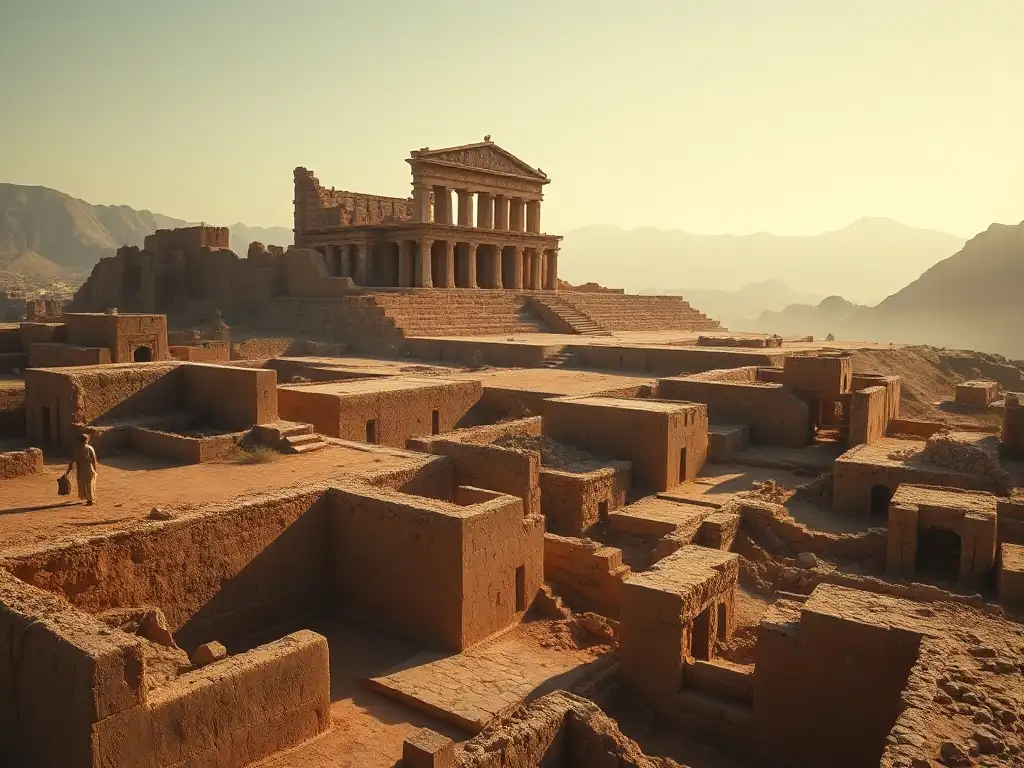
The Huari Empire, sprawling across the Andes, wasn't a monolithic entity. While a unified political structure existed, the expression of Huari power and the resulting social hierarchy varied considerably across its vast territory. Understanding the nuances of this regional variation is crucial to a complete picture of Huari social organization.
The degree of administrative control and the level of cultural integration differed from region to region, impacting the local social stratification. This wasn't simply a matter of a uniform hierarchy imposed upon diverse populations; rather, a complex interplay between Huari administrative practices and pre-existing local social structures shaped the ultimate social landscape. The presence or absence of certain elite goods, architectural styles, and burial practices in different regions provides tangible evidence for this variation.
Furthermore, the analysis of ceramic styles and agricultural practices across different Huari sites reveals fascinating insights into the diverse economic and social realities within the empire. The next sections delve into the specific examples that highlight these regional discrepancies.
Analyzing different Huari administrative centers reveals striking differences in social stratification. While the capital at Huari proper likely exhibited a highly stratified society with a powerful elite, smaller regional centers showed a less pronounced hierarchy. For example, the distribution of elite goods, such as fine ceramics and metalwork, was less concentrated in these smaller centers.
This suggests that either the elite class was smaller or that the distribution of wealth and power was more diffuse. Furthermore, burial practices also varied. While elaborate tombs with rich grave goods are common in Huari, the scale and complexity of these burials differ significantly between major and minor sites.
In some smaller centers, evidence suggests a more egalitarian social structure, perhaps reflecting a greater degree of autonomy for local communities. Archaeological evidence, including the analysis of residential structures and the distribution of artifacts, continues to support this idea of varied social structures within the Huari empire. Future research into residential patterns and craft production may further illuminate these distinctions.
The Huari expansion was not a peaceful process. The conquest of existing societies undoubtedly had a profound impact on their social structures. In some cases, Huari likely integrated existing elites into their administrative system, co-opting local power structures to facilitate control. However, in other instances, the imposition of Huari rule may have led to the disruption and even destruction of pre-existing social hierarchies. Evidence suggests that some conquered communities experienced a significant decline in their standard of living following Huari conquest. This is reflected in changes in diet, housing quality, and burial practices. The Huari's approach to governance varied significantly depending on the nature of the conquered population and the strategic importance of the location. Understanding the specifics of these interactions requires more detailed studies of specific conquered communities. Further analysis of pre- and post-conquest archaeological data is essential to fully grasp the complex interplay between conquest and social change.
Pikillaqta, a significant Huari site located near Cusco, provides a compelling case study of regional variation within the empire. Unlike the monumental architecture of Huari proper, Pikillaqta exhibits a different architectural style and a different spatial organization. The layout of the site, with its numerous residential units of relatively uniform size, suggests a less hierarchical social structure compared to other major Huari centers.
The lack of large-scale elite residences and the relatively even distribution of artifacts suggest a more egalitarian distribution of resources. This might indicate a different administrative strategy employed by the Huari in this specific region, perhaps reflecting a need to manage a diverse population with pre-existing social structures.
Analyzing the ceramic assemblages and the types of agricultural practices at Pikillaqta will further clarify the relationship between this site's unique social structure and its regional context within the broader Huari empire. Further research into the agricultural practices and craft specialization at Pikillaqta is needed to fully understand its unique social dynamics within the Huari social hierarchy.
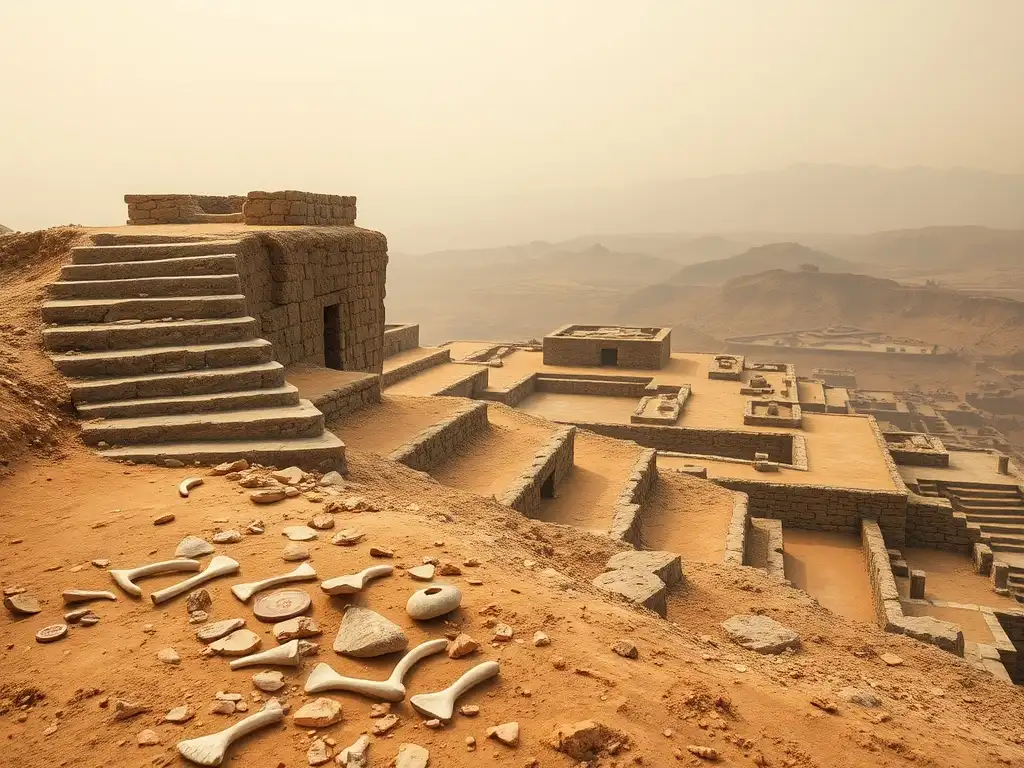
The Huari civilization, flourishing in the Andes from approximately AD 600 to AD 1000, presents a complex and fascinating case study in Andean social organization. Understanding their social hierarchy is crucial to comprehending their impressive achievements in urban planning, agriculture, and textile production. While a fully comprehensive picture remains elusive, archaeological evidence offers valuable insights into the layered structure of Huari society, revealing a sophisticated system of social stratification.
The analysis of burial practices, architecture, and artifacts provides compelling evidence for a hierarchical society with distinct social roles and power dynamics. This section delves into the specific archaeological findings that illuminate the intricacies of the Huari social hierarchy.
Burial practices offer a direct window into the social stratification of the Huari. Archaeological excavations at various Huari sites have unearthed a wide range of burial types, reflecting significant differences in social status. Elaborate tombs containing rich grave goods, such as finely crafted textiles, gold ornaments, and ceramic vessels, clearly indicate the elite status of their occupants. These individuals were likely members of the ruling class, priests, or high-ranking officials. Conversely, simpler burials with minimal grave goods suggest a lower social standing. The consistent pattern across multiple sites reinforces the interpretation of a stratified society.
For example, the site of [Site Name Pending] has yielded several elite burials characterized by [Specific details of grave goods pending]. In contrast, the majority of burials at this site contained only basic pottery and simple textiles, pointing to a significant disparity in wealth and social standing within the Huari population. The careful analysis of grave goods, including their type, quality, and quantity, is essential for reconstructing the Huari social hierarchy and understanding the distribution of power and resources.
Further research, including isotopic analysis of skeletal remains, could shed further light on diet and lifestyle differences between social groups, strengthening the conclusions drawn from grave goods alone. The careful study of burial contexts, including the presence of accompanying individuals or sacrificial offerings, also contributes to a more nuanced understanding of Huari social structures.
Huari urban planning and architecture also reflect their social hierarchy. The impressive administrative centers, like [Site Name Pending], exhibit a clear spatial organization reflecting social differentiation. Monumental structures, such as large platforms and temples, were likely reserved for elite members of society, while residential areas showed significant variations in size and quality of construction. The size and complexity of dwellings are strongly correlated with social status. Larger, better-constructed buildings with elaborate decorations were likely occupied by higher-ranking individuals, while smaller, simpler structures housed the majority of the population.
The spatial distribution of different building types within Huari sites further supports this interpretation. Elite residential areas were often located in prominent positions within the city, close to administrative and religious structures. This privileged location reinforces their high social standing and access to resources.
Conversely, residential areas of lower social classes were located further from the center, often in less desirable locations. The meticulous study of architectural features, including building materials, construction techniques, and decorative elements, provides critical clues to understanding the social organization of Huari society. This, coupled with analysis of the layout and distribution of buildings, offers a comprehensive view of Huari social stratification.
The analysis of artifacts recovered from Huari sites provides further insights into social roles and specialization. The discovery of specialized tools, such as finely crafted metalwork implements or intricate weaving tools, suggests the existence of skilled artisans and specialized craftspeople who occupied specific social roles within the society. These individuals likely held a relatively high social standing due to their specialized skills and the value of their products. The distribution of these artifacts across different sites and contexts offers additional evidence of social stratification.
For instance, the prevalence of [Specific artifact type pending] in elite contexts suggests that this particular item was associated with high social status. Conversely, the widespread distribution of simple utilitarian tools suggests a large population engaged in basic agricultural and domestic activities. This suggests a division of labor within Huari society, with skilled artisans holding a higher social position than those engaged in more basic tasks.
The study of artifact styles, materials, and manufacturing techniques reveals a complex system of social organization and specialization that contributed to the overall success of the Huari empire. Further investigation into the production and distribution of these artifacts can help refine our understanding of the social dynamics within the Huari civilization. The presence of standardized artifacts across vast distances also suggests a centralized system of control and distribution, further emphasizing the hierarchical nature of Huari society.
The Huari social system, while leaving behind fewer explicit written records than some other Andean civilizations, exerted a profound and lasting influence on the subsequent development of Andean societies. Its impact is visible not just in the direct descendants of the Huari state, but also in the broader cultural and political landscape of the region for centuries afterward. Understanding the Huari social hierarchy is crucial to comprehending the trajectory of Andean civilization.
The intricate web of power, religious authority, and social stratification laid the groundwork for later empires, including the Inca, who arguably inherited and adapted many aspects of Huari administrative and societal organization. The sophistication of their system, evident in their urban planning, monumental architecture, and extensive road networks, speaks to a highly organized and centralized society. Analyzing the remnants of their society allows us to glimpse the mechanisms that facilitated their expansive reach and enduring legacy.
The Huari state's influence on later Andean societies is multifaceted. Their sophisticated system of administration and control, characterized by a hierarchical structure with clear lines of authority, served as a model for subsequent empires. Archaeological evidence suggests that the Inca, for example, adopted and adapted several aspects of Huari urban planning and administrative techniques.
The meticulous organization of Huari cities, with their standardized architecture and carefully planned infrastructure, provided a blueprint for Inca urban development. Furthermore, the Huari emphasis on centralized control and the efficient management of resources likely influenced the Inca's own highly structured imperial system. The Huari's extensive road network, facilitating communication and trade across vast distances, also foreshadowed the Inca's own impressive road system, the Qhapaq Ñan.
The Huari legacy wasn't simply a matter of direct imitation; it was a process of adaptation and innovation, building upon existing structures to create new and more complex societies. The enduring impact of the Huari social structure is undeniable, shaping the political and social landscape of the Andes for centuries after their decline. The way in which Huari power was projected and maintained, through a combination of military might, economic control, and religious ideology, offers valuable insights into the strategies employed by subsequent Andean empires to consolidate and maintain their power.
Studying the Huari social model offers valuable lessons for understanding the dynamics of power, social organization, and state formation in pre-Columbian Andean societies. Their success in creating a large and relatively stable empire, despite the challenges of a diverse and mountainous terrain, highlights the importance of effective administrative structures and a cohesive ideology. The Huari social hierarchy, with its clear distinctions between elites, specialists, and commoners, facilitated the efficient allocation of resources and the execution of large-scale projects.
However, the ultimate collapse of the Huari empire also serves as a cautionary tale, demonstrating the potential vulnerabilities of centralized systems. The Huari experience underscores the need for adaptability and resilience in the face of environmental changes, internal conflicts, and external pressures.
Analyzing their strengths and weaknesses provides valuable insights into the factors that contribute to both the rise and fall of empires, offering valuable lessons for understanding the complexities of state formation and societal change. The careful study of their social organization provides a framework for understanding the broader context of Andean civilization development.
The Huari social structure was far from simple; it was a complex system characterized by a sophisticated interplay of political, economic, and religious factors. The elite class, likely comprised of religious leaders and political administrators, controlled access to resources and wielded significant power. Below them were various social strata, including artisans, farmers, and laborers, each with specific roles and responsibilities within the society.
The evidence suggests a degree of social mobility, though the extent of this remains a subject of ongoing research. The system's complexity is reflected in the sophisticated urban planning of Huari centers, the standardization of pottery and other artifacts, and the widespread distribution of goods across their vast territory. This complexity wasn't merely a reflection of their political power; it was also a testament to their ability to manage a diverse population and a vast territory effectively.
The lasting impact of this complex social structure is evident in the subsequent development of Andean societies, demonstrating the enduring legacy of Huari ingenuity and organizational prowess. Their sophisticated system of social control and resource management served as a model for later Andean empires, highlighting the importance of understanding their social organization for a complete understanding of Andean history. The study of the Huari social hierarchy remains a vital area of research, promising further insights into the complexities of pre-Columbian Andean civilization.
Frequently Asked Questions
The Huari social hierarchy was likely based on a combination of factors including religious authority, political power, military prowess, and economic influence. Access to resources and proximity to power centers also played a significant role.
How did the Huari maintain control over such a vast empire?
The Huari maintained control through a sophisticated system of administrative control, military garrisons, and strategic infrastructure. They also likely employed a degree of ideological control, possibly through religious practices and symbols.
What role did religion play in Huari society?
Religion played a central role in Huari society. Evidence suggests a complex pantheon of deities and rituals, likely used to legitimize the ruling elite and maintain social order. Temple complexes were crucial centers of power.
While sharing some similarities with other Andean civilizations, the Huari's structure was unique in its scale and complexity. The extent of centralized control and the sophistication of their administrative system set them apart from many predecessors.
Archaeological evidence such as monumental architecture, burial practices, and artefacts provides crucial insights. Analysis of settlement patterns and the distribution of resources also helps illuminate the social stratification within Huari society.
The intricate social hierarchy of the Huari civilization remains a potent reminder of the enduring human fascination with power, organization, and the distribution of resources. Understanding their complex system offers not just a glimpse into a fascinating past, but a crucial lens through which to examine similar societal structures that persist today, highlighting both the progress we've made and the challenges that remain.
The Huari's sophisticated system of control, evident in their urban planning, agricultural practices, and religious institutions, continues to resonate in modern societies. Their centralized authority and stratified social order, while vastly different in context, echo in contemporary power dynamics and inequalities. The past is never dead. It's not even past.
– William Faulkner. This quote perfectly encapsulates the enduring relevance of studying past societies like the Huari; their legacy is woven into the fabric of our present, influencing our understanding of social organization and its consequences.
Consider the implications of the Huari's social structure. How did their system of control impact the lives of ordinary citizens? What lessons can we learn from their successes and failures in managing a large, complex society? You, the reader, are now equipped with a deeper understanding of this ancient civilization. Use this knowledge to critically examine the social structures around you, questioning the distribution of power and resources, and striving for a more equitable and just world.
Unravel the Mysteries of Huari Society Today!
Thank you for exploring the fascinating world of the Huari! We hope you've gained valuable insights into the complexities of their social structure and the diverse roles within their society. Now, let's build on that knowledge.
Here are some ways you can continue your exploration:
- Visit local museums and cultural centers with exhibits on Andean civilizations to deepen your understanding of Huari culture.
- Share your knowledge by discussing the Huari with others – perhaps start a conversation online or in a history group.
- Continue your research by reading more about the Huari and other Andean civilizations. Our resource section offers further reading and insights.
As you reflect on the sophisticated social dynamics of the Huari, consider this question: How can we draw inspiration from their societal structures to build stronger and more resilient communities today?