
The Impact of Climate Change: How Environmental Shifts Shaped PreIncan Societies

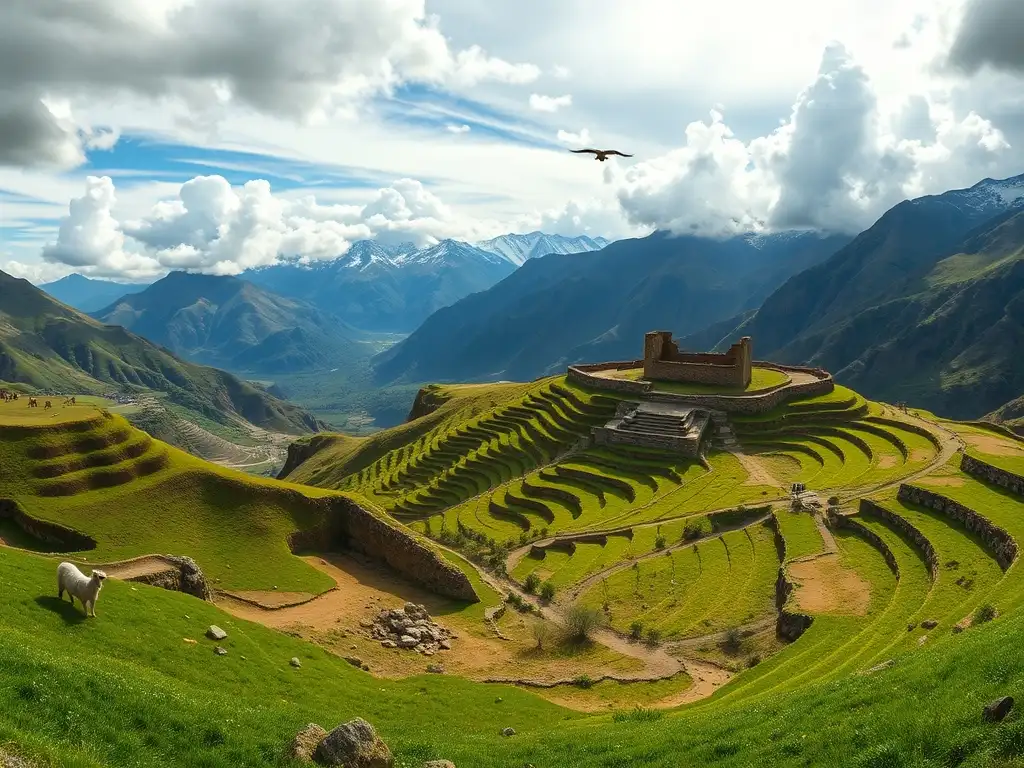
Dive into the captivating world of the Andean civilizations! Journey back in time to uncover the secrets of the Incas, Moche, Nazca, and Tiahuanaco, and witness the breathtaking artistry and ingenuity that defined their societies. But what happens when the very foundations of life are threatened?
Discover how the unpredictable forces of climate change profoundly impacted PreIncan civilizations, a story woven into the very fabric of their existence. Unravel the mysteries and prepare to be amazed by the resilience and adaptability of these remarkable cultures. Explore the impact and learn more about the challenges they faced in " PreIncan civilizations climate change impact".
The Andes Mountains, a spine of towering peaks and deep valleys stretching along the western coast of South America, have witnessed millennia of human adaptation to a dramatically varied environment. Long before the Inca Empire rose to prominence, a complex tapestry of pre-Incan societies thrived in this challenging landscape, their development intimately intertwined with the fluctuating rhythms of climate change.
This article explores the profound impact of environmental shifts on pre-Incan civilizations, examining how these societies adapted, innovated, and, in some cases, ultimately succumbed to the pressures of a changing climate. Understanding this intricate relationship between human societies and their environment is crucial for appreciating the full complexity of Andean history and for gaining insights into the resilience and vulnerability of past civilizations facing environmental challenges – lessons particularly relevant in our current era of accelerating global climate change.
We will delve into the specific strategies employed by various pre-Incan cultures, from the ingenious irrigation systems of the Nazca to the sophisticated agricultural techniques of the Moche, showcasing the remarkable adaptability of these early Andean peoples in the face of environmental adversity. The keyword "PreIncan civilizations climate change impact" will be explored in detail, providing a comprehensive overview of the subject.
Understanding PreIncan Adaptations to Climate Variability
Pre-Incan societies weren't passive recipients of environmental change; they were active participants in shaping their relationship with the natural world. Their survival depended on a deep understanding of their environment and the development of sophisticated strategies to cope with its inherent variability. This involved a remarkable range of adaptations, including:
- Agricultural Innovations: Many pre-Incan cultures developed advanced agricultural techniques, such as terracing, irrigation systems, and the cultivation of diverse crops suited to different altitudes and microclimates. The intricate network of canals built by the Nazca, for example, allowed them to cultivate crops in arid coastal regions. Similarly, the Moche utilized sophisticated irrigation systems to support intensive agriculture in the fertile valleys of northern Peru.
- Resource Management: Careful management of water resources was paramount. Pre-Incan societies developed sophisticated systems for storing and distributing water, including reservoirs, aqueducts, and underground channels. This allowed them to cope with periods of drought and ensure a reliable water supply for agriculture and daily life.
- Social Organization: The organization of society often reflected the need to manage resources and respond to environmental challenges. Some pre-Incan societies developed complex social hierarchies with specialized roles related to water management, agriculture, and resource distribution.
Early Andean Societies and Environmental Challenges
The impact of climate change on pre-Incan societies varied depending on the specific location, time period, and the nature of the environmental changes. Evidence suggests that periods of drought, flooding, and extreme temperature fluctuations significantly impacted the trajectory of these societies. For example:
- The Tiwanaku Collapse: The decline of the Tiwanaku civilization, a powerful pre-Incan state in the Altiplano region of Bolivia, has been linked to a period of prolonged drought and environmental degradation. This environmental stress may have contributed to social unrest and ultimately led to the collapse of the state. The precise mechanisms are still debated, but the interplay between environmental pressure and social factors is clearly evident.
- Moche societal resilience: In contrast, the Moche civilization demonstrated remarkable resilience in the face of cyclical climate fluctuations. Their advanced irrigation systems and diversified agricultural practices allowed them to weather periods of drought and maintain their societal structure. However, even the Moche were not immune to the impacts of extreme climate events. Evidence suggests that major floods and El Niño events caused significant disruption.
- Variability in responses: It's crucial to acknowledge the diversity of responses among different pre-Incan societies. Their adaptation strategies varied depending on their geographical location, technological capabilities, and social organization. Some societies adapted successfully to environmental change, while others faced collapse. This highlights the complex interplay between environmental factors and social, political, and economic processes.
The study of pre-Incan societies and their responses to climate change offers invaluable lessons for understanding the vulnerability and resilience of human societies in the face of environmental uncertainty. Further research, particularly focusing on detailed paleoclimatic data and archaeological evidence, is needed to refine our understanding of these complex interactions.
- Understanding PreIncan Adaptations to Climate Variability
- Early Andean Societies and Environmental Challenges
- How did climate change affect PreIncan societies?
- Which PreIncan civilizations were most affected by climate change?
- What specific climate events impacted PreIncan agriculture?
- How did PreIncan societies adapt to climate change?
- What evidence exists to support the link between climate change and PreIncan societal shifts?
The Role of Climate Change in the Rise and Fall of PreIncan Cultures
The impact of climate change on PreIncan civilizations is a complex and multifaceted topic, crucial to understanding the trajectory of these remarkable societies. While societal development was driven by a multitude of factors, including political organization, technological innovation, and social structures, the influence of environmental shifts, particularly concerning water resources, cannot be overstated. Changes in precipitation patterns, temperature fluctuations, and the frequency of extreme weather events like El Niño significantly shaped the rise and fall of various PreIncan groups across the Andes.
Understanding this interplay between climate and culture allows for a more nuanced interpretation of the historical record, moving beyond simplistic narratives of solely internal societal dynamics. The study of PreIncan civilizations climate change impact reveals a dynamic relationship where adaptation, resilience, and ultimately, vulnerability, were constantly negotiated.
The Influence of El Niño on Coastal PreIncan Communities
El Niño-Southern Oscillation (ENSO) events, characterized by unusually warm ocean temperatures in the equatorial Pacific, have profoundly impacted coastal PreIncan communities for millennia. These events disrupt normal weather patterns, leading to both extreme flooding and severe droughts in different regions. For example, the Moche civilization (c. 100-800 CE), renowned for its sophisticated irrigation systems and artistic achievements, experienced periods of both prosperity and hardship directly linked to ENSO cycles.
Evidence suggests that periods of intense rainfall, associated with El Niño events, could have led to devastating floods, damaging infrastructure and impacting agricultural productivity. Conversely, prolonged droughts, following El Niño events, would have created water scarcity and food shortages, potentially contributing to social unrest and even societal collapse in certain coastal areas.
The ability of coastal PreIncan societies to adapt to these varying conditions influenced their longevity and the extent of their achievements. Further research into sediment cores and archaeological evidence is needed to fully quantify the influence of ENSO variability on these coastal societies.
Highland Societies and the Impact of Droughts
In the Andean highlands, the impact of climate change manifested primarily through prolonged droughts. Highland societies, such as the Tiwanaku (c. 300-1100 CE), heavily reliant on agriculture, were particularly vulnerable to fluctuations in water availability. The Tiwanaku's sophisticated water management systems, including canals and raised fields, demonstrate their awareness of and adaptation to the challenges of drought.
However, even with these advanced technologies, extended periods of low rainfall likely strained resources and could have contributed to the eventual decline of the Tiwanaku state. Archaeological evidence, such as changes in settlement patterns and shifts in agricultural practices, suggests that the Tiwanaku faced periods of significant stress due to drought.
These periods likely exacerbated existing social tensions, potentially leading to internal conflict and ultimately weakening the state's ability to maintain its power and control. Analysis of isotopic data from ancient plant remains could provide further insights into the severity and frequency of droughts during the Tiwanaku period.
PreIncan societies developed remarkable agricultural innovations in response to the challenges posed by a variable climate. The development of techniques like terracing, raised fields ( waru waru), and sophisticated irrigation systems allowed them to maximize agricultural productivity in diverse and often challenging environments. These adaptations were not merely technological feats; they represented a deep understanding of local ecosystems and climate patterns.
For instance, the raised fields of the Tiwanaku culture not only increased arable land but also helped regulate soil moisture, mitigating the impact of droughts. Similarly, the intricate canal systems of the Nazca civilization (c. 100 BCE – 800 CE) allowed for the efficient distribution of water resources across arid landscapes. These innovations highlight the ingenuity and resilience of PreIncan societies in the face of environmental uncertainty.
Further research into the specific design and effectiveness of these agricultural technologies in various climatic conditions would greatly enhance our understanding of their role in societal stability and resilience. The ingenuity of PreIncan farmers provides valuable lessons for contemporary approaches to sustainable agriculture in challenging climates.
Resource Management Strategies in the Face of Environmental Stress
PreIncan societies, facing the unpredictable nature of the Andean climate, developed sophisticated resource management strategies to mitigate the impact of environmental stress. These weren't simply reactive measures; they were integral parts of their social and political structures, reflecting a deep understanding of their environment and its limitations. For example, the Nazca people, known for their intricate geoglyphs, also implemented advanced irrigation systems.
These weren't simple canals; they involved complex networks of aqueducts and reservoirs, meticulously designed to capture and distribute scarce water resources across the arid coastal plains. The effectiveness of these systems is evident in their longevity and the sustained agricultural productivity they supported, even in periods of drought. Failure to properly manage these systems, however, could lead to significant societal disruptions.
Evidence suggests that the careful management of water wasn't the only strategy employed. Terracing, a technique still used in the Andes today, allowed for the cultivation of steep slopes, maximizing arable land and minimizing soil erosion. This practice, particularly prevalent among the Wari and Tiwanaku cultures, showcases a remarkable understanding of agricultural engineering and environmental conservation. The construction and maintenance of terraces required significant community effort, underscoring the crucial role of social organization in adapting to environmental challenges.
Furthermore, the choice of crops was also strategically important. PreIncan farmers cultivated a variety of drought-resistant crops, diversifying their food sources and reducing the risk of widespread famine during periods of low rainfall. This resilience is a testament to their deep knowledge of local flora and their ability to adapt their agricultural practices accordingly.
Beyond water and agriculture, resource management also extended to other crucial resources. The careful planning and management of timber, for instance, was essential for construction, fuel, and other essential needs. While specific details on the precise techniques employed remain to be fully uncovered by archaeological research, the scale of some PreIncan structures suggests a sophisticated understanding of sustainable forestry practices, at least in certain regions and time periods.
Furthermore, the evidence of extensive road networks in various PreIncan societies highlights the importance of efficient transport and trade networks for resource distribution and exchange. These networks enabled the movement of goods and resources across diverse ecological zones, creating a degree of resilience against localized environmental shocks.
The integration of resource management strategies into the very fabric of PreIncan societies demonstrates their impressive capacity for adaptation and resilience in the face of climate variability. The ongoing study of these strategies provides valuable insights into sustainable practices that are relevant even today, in the context of modern climate change.
Specific Case Studies: Climate Change Effects on Key PreIncan Civilizations

This section delves into the specific impacts of climate change on several key PreIncan civilizations, highlighting their adaptive strategies and the societal transformations they underwent. Understanding these responses provides crucial insights into the resilience and vulnerability of these societies in the face of environmental instability. The analysis focuses on the interplay between climate fluctuations and socio-political structures, revealing the complex relationship between the environment and the development of PreIncan cultures. The keyword "PreIncan civilizations climate change impact" is directly addressed through detailed examples and analysis.
The Moche Culture: Climate Change and Societal Transformation
The Moche civilization, flourishing along the northern coast of Peru (circa 100-800 CE), experienced significant climatic variability during its existence. Evidence suggests periods of both intense drought and increased rainfall, profoundly impacting their agricultural practices and societal organization. Understanding the Moche response to these environmental pressures is critical to understanding their rise and eventual decline. The impact of climate change on the Moche is a compelling case study within the broader theme of "PreIncan civilizations climate change impact".
Moche Responses to Environmental Instability
The Moche developed sophisticated irrigation systems to manage water resources in their arid environment. These systems, including canals and reservoirs, allowed them to cultivate crops even during periods of reduced rainfall. However, prolonged droughts could overwhelm even these advanced technologies. Archaeological evidence indicates that during drier periods, the Moche may have intensified their agricultural practices, possibly leading to soil degradation and reduced crop yields.
This pressure on resources potentially contributed to social unrest and competition for scarce water supplies. Analysis of Moche pottery and other artifacts also reveals shifts in dietary patterns, suggesting adjustments to food sources during periods of environmental stress. The ingenuity of their engineering solutions in the face of a challenging climate showcases the resilience of PreIncan civilizations.
Evidence of Climate-Induced Social Shifts in Moche Society
Evidence suggests that climate-related stresses may have played a role in the observed social changes within Moche society. For example, some scholars argue that periods of drought coincided with shifts in political power and the emergence of more centralized control over resources. The construction of large-scale public works, such as irrigation canals and monumental architecture, might have been partly driven by the need to manage water resources and maintain social order during times of scarcity.
Furthermore, changes in the iconography and artistic styles of Moche pottery may reflect societal responses to environmental challenges. The depiction of different deities and scenes of human sacrifice, for example, could be interpreted as reflecting anxieties and ritual practices associated with drought and other environmental hardships.
Further research is needed to fully understand the complex interplay between climate change and social dynamics in Moche society. This aspect further emphasizes the significance of "PreIncan civilizations climate change impact" in shaping their history.
The Nazca Culture: Adapting to Arid Conditions
The Nazca civilization (circa 100 BCE – 800 CE), located on the southern coast of Peru, inhabited an extremely arid environment. Their survival depended entirely on their ability to manage scarce water resources. The Nazca's mastery of water management techniques demonstrates a remarkable adaptation to climate change, offering valuable insights into the resourcefulness of PreIncan civilizations. The study of Nazca's strategies sheds light on the enduring theme of "PreIncan civilizations climate change impact" in a uniquely arid context.
Nazca Water Management and Climate Change
The Nazca people developed an intricate network of underground canals, known as puquios, to access groundwater. These ingenious systems allowed them to irrigate their fields even during prolonged periods of drought. The construction and maintenance of these puquios required significant communal effort and sophisticated engineering knowledge.
Evidence suggests that the Nazca carefully monitored groundwater levels and adapted their irrigation strategies based on the availability of water. Their ability to sustain their agriculture despite the harsh climate demonstrates a high degree of resilience to environmental variability. Their success in adapting to these challenges helps us better understand the strategies employed by other PreIncan civilizations facing similar environmental pressures, adding another layer to the overall "PreIncan civilizations climate change impact" narrative.
The Impact of Drought on Nazca Geoglyphs
While the Nazca lines are famous for their enigmatic nature, some scholars suggest that their creation and maintenance might have been influenced by climate change. Periods of drought might have led to a decline in agricultural productivity, potentially causing social stress and prompting the creation of large-scale geoglyphs as a means of ritual or social cohesion. The precise relationship between drought, social unrest, and the creation of the Nazca lines remains a subject of ongoing research and debate.
However, the possibility of such a connection adds yet another dimension to our understanding of the "PreIncan civilizations climate change impact", demonstrating the multifaceted nature of the relationship between environmental change and cultural practices. The interplay between environmental factors and artistic expression further enhances the complexity of this theme.
Tiahuanaco Civilization: Climate Change and the Collapse of a Highland Empire
The Tiahuanaco civilization, flourishing in the high Andes from approximately 500 CE to 1000 CE, stands as a compelling case study of the profound impact of climate change on a pre-Incan society. This powerful civilization, renowned for its monumental architecture, sophisticated irrigation systems, and complex social organization, experienced a gradual but ultimately devastating decline, with environmental factors playing a significant, albeit debated, role. Archaeological evidence, coupled with paleoclimatological data, suggests that shifts in rainfall patterns and temperature significantly impacted Tiahuanaco's agricultural base and, consequently, its societal stability.
The intricate interplay between environmental stress and socio-political vulnerabilities ultimately contributed to the civilization's eventual collapse, offering invaluable insights into the resilience and fragility of pre-Columbian Andean societies facing environmental challenges. Understanding Tiahuanaco's fate provides a crucial lens through which to examine the broader impact of climate change on the trajectory of Andean civilizations and the challenges of adapting to environmental shifts.
The study of Tiahuanaco highlights the interconnectedness of environmental and societal factors in shaping the rise and fall of complex societies. The meticulous analysis of its agricultural practices, coupled with detailed climate reconstructions, reveals a complex picture of adaptation and vulnerability in the face of environmental change.
Climate Variation and Tiahuanaco's Agricultural Decline
The agricultural success of the Tiahuanaco civilization rested on its mastery of water management in a challenging high-altitude environment. They developed sophisticated irrigation systems, channeling water from distant sources to cultivate crops such as potatoes, quinoa, and other Andean staples. However, evidence suggests that prolonged periods of drought, possibly linked to shifts in the El Niño Southern Oscillation (ENSO), significantly hampered agricultural productivity.
Reduced rainfall diminished crop yields, leading to food shortages and economic instability. Isotopic analyses of human remains from this period reveal dietary shifts, indicating a decline in the consumption of previously abundant crops. Furthermore, the analysis of lake sediments and ice cores from nearby regions reveals fluctuations in precipitation patterns that coincide with periods of apparent decline in Tiahuanaco's influence and population density.
The impact wasn't simply about absolute drought; even subtle variations in rainfall timing and intensity could have severely disrupted the carefully calibrated agricultural cycles upon which the civilization depended. This vulnerability highlights the critical dependence of Andean societies on predictable water resources and the fragility of their agricultural systems in the face of climate variability.
The Role of Environmental Factors in Tiahuanaco's Downfall
While the collapse of the Tiahuanaco civilization was likely a multifaceted process involving internal social and political factors, environmental stresses undoubtedly played a crucial role. The combination of agricultural decline due to climate change, coupled with potential population pressure and resource depletion, likely created a perfect storm that destabilized the empire. The reduced agricultural output might have led to widespread famine, social unrest, and weakening of the centralized political authority.
Evidence of increased warfare and conflict during this period further suggests that resource scarcity exacerbated existing social tensions, contributing to the fragmentation of the empire. It's important to note that the environmental pressures weren't the sole cause of Tiahuanaco's decline; internal dynamics and external pressures likely played significant roles as well. However, the environmental stressors acted as a critical catalyst, amplifying existing vulnerabilities and accelerating the civilization's eventual downfall.
This intricate interplay between environmental change and socio-political factors underscores the complexity of historical collapses and the need for a holistic approach to understanding the dynamics of past civilizations. The Tiahuanaco case serves as a potent reminder of the interconnectedness of human societies and their environment, highlighting the importance of environmental stewardship and adaptation in ensuring long-term societal resilience.
Analyzing the PreIncan Civilizations Climate Change Impact
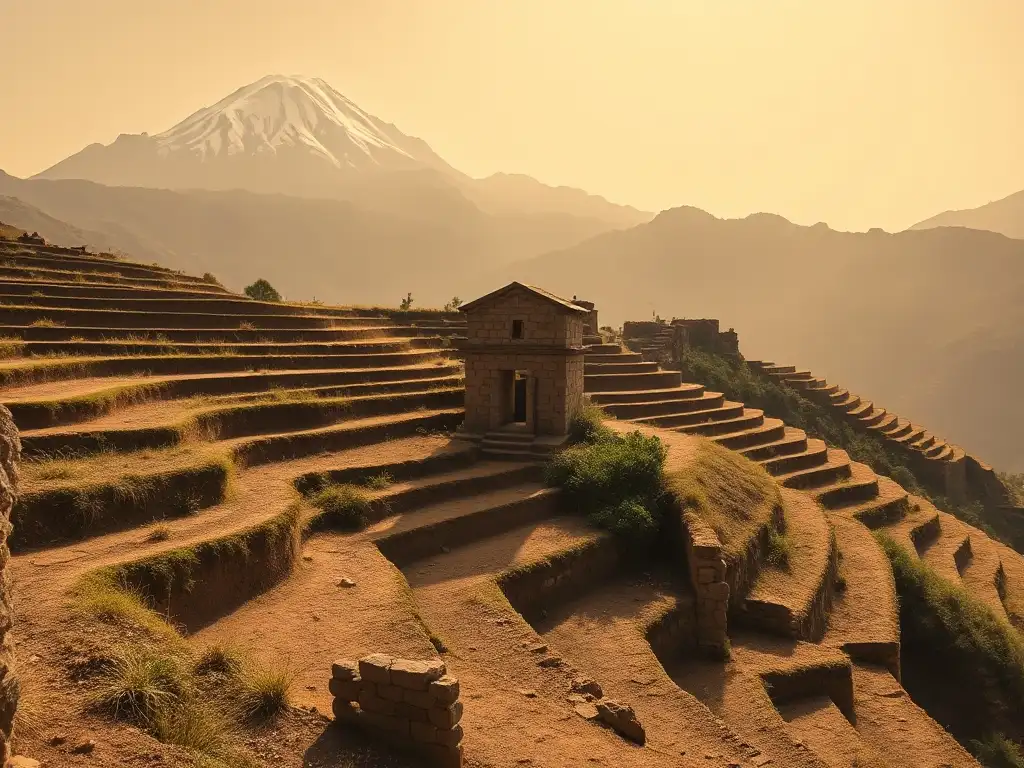
This section delves into the significant impact of climate change on PreIncan societies, focusing on how environmental shifts shaped their development, cultural practices, and political structures. We will explore long-term environmental trends, the interplay between climate and societal factors, and finally, extract valuable lessons from these ancient civilizations for our modern approach to climate adaptation. Understanding the resilience and vulnerability of PreIncan civilizations in the face of climatic fluctuations provides crucial insights for navigating the challenges of our current climate crisis. The keyword phrase "PreIncan civilizations climate change impact" is central to this analysis.
Long-Term Environmental Trends and PreIncan Development
The Andean region, even before the Inca Empire, experienced significant climatic variability over millennia. Evidence from paleoclimatology, including ice core analysis and pollen records, reveals recurring periods of drought and increased rainfall, impacting agricultural practices and settlement patterns. For example, the period between 800 and 1200 CE, often termed the Medieval Climate Anomaly, witnessed a warmer, drier climate in parts of the Andes, potentially influencing the decline of some PreIncan cultures and the rise of others better adapted to arid conditions. Conversely, periods of increased precipitation likely supported the expansion of agriculture and population growth in certain regions.
The development of sophisticated irrigation systems, such as those found in the Nazca culture, can be directly linked to adapting to periods of water scarcity. These intricate networks, spanning vast distances, represent a remarkable feat of engineering and a testament to the ingenuity of PreIncan societies in responding to environmental challenges. Their success highlights the importance of water management in ensuring food security and societal stability, a lesson particularly relevant today.
Furthermore, the shift towards more intensive agriculture, including terrace farming in mountainous areas, further demonstrates the adaptive capacity of these civilizations in the face of fluctuating environmental conditions. Analyzing the precise correlation between specific climate events and the rise and fall of individual PreIncan cultures requires further research, but the overall impact is undeniable.
The Interplay Between Climate, Culture, and Political Dynamics
The relationship between climate change and PreIncan societies wasn't simply a matter of adaptation; it profoundly shaped their cultural practices and political structures. Periods of drought, for instance, could lead to increased competition for resources, potentially triggering conflict between different groups or prompting societal changes, such as the consolidation of power under a more centralized authority. Conversely, periods of abundance might foster a more decentralized political structure.
Analyzing archaeological evidence, such as changes in settlement patterns and the type of artifacts found, reveals a dynamic interplay between environmental conditions and societal organization. For example, the construction of large-scale monumental architecture, such as the impressive structures at Tiahuanaco, may have been influenced by both the availability of resources and the need to consolidate power during periods of climatic instability. The development of complex religious beliefs and rituals, often centered around water deities or agricultural fertility, also reflects the crucial role of climate in shaping PreIncan worldview and social organization.
The impact of climate variability on social structures in PreIncan societies serves as a reminder of the profound interconnectedness between the environment and human societies. Further research focusing on specific case studies would enhance our understanding of this complex relationship.
Lessons from PreIncan Societies for Modern Climate Adaptation
The resilience and vulnerability of PreIncan civilizations in the face of climate change offer valuable lessons for contemporary societies. Their successful adaptation strategies, such as sophisticated irrigation systems and terraced agriculture, demonstrate the importance of proactive and sustainable resource management. However, their struggles also highlight the potential for societal collapse in the face of prolonged droughts or other environmental catastrophes.
Understanding the PreIncan response to climate change is not simply an academic exercise; it holds practical implications for modern climate adaptation strategies. By studying their successful strategies, we can gain insights into effective water management techniques, sustainable agricultural practices, and strategies for mitigating conflict during periods of resource scarcity. Moreover, their failures serve as a cautionary tale, emphasizing the need for proactive planning, diversification of resources, and strong governance structures to ensure societal resilience in the face of future climate change.
The legacy of PreIncan societies provides a rich tapestry of both successes and failures, offering invaluable lessons for building a more sustainable and resilient future. Further investigation into specific technological innovations and societal responses is crucial for extracting the most relevant lessons for the 21st century.
Conclusion: The Enduring Legacy of Climate Change on PreIncan Societies
The impact of climate change on PreIncan civilizations was profound and multifaceted, leaving an enduring legacy that continues to resonate today. Understanding these past societal responses to environmental shifts offers crucial insights into the resilience and adaptability of human populations facing ecological pressures. The intricate interplay between environmental fluctuations and societal structures, technological innovations, and cultural practices reveals a complex narrative of survival and adaptation in the face of adversity.
The story of PreIncan societies is not just a historical account; it’s a powerful case study illustrating the profound consequences of climate change and the ingenuity of human responses. Analyzing this history provides invaluable lessons for contemporary societies grappling with similar, albeit potentially more intensified, challenges. The study of PreIncan civilizations and their interaction with climate change offers a rich tapestry of lessons for understanding the vulnerability and resilience of human societies in the face of environmental uncertainty.
This understanding is crucial for developing effective strategies to mitigate the impacts of present-day climate change and build more sustainable futures. The study of "PreIncan civilizations climate change impact" provides a crucial lens through which to view both past and present environmental concerns.
The Importance of Understanding Ancient Environmental Adaptations
Understanding how PreIncan societies adapted to past climate change is crucial for several reasons. Firstly, it allows us to identify successful strategies employed by these civilizations in the face of drought, floods, and other environmental stressors. For instance, the sophisticated irrigation systems developed by the Nazca, allowing them to thrive in an arid environment, are a testament to their ingenuity. Analyzing these systems—their design, maintenance, and societal implications—can inform modern approaches to water management and resource allocation in similarly challenging environments.
Secondly, studying ancient adaptations helps us to understand the limitations of past technologies and societal structures in responding to climate change. For example, the collapse of certain PreIncan societies may be directly attributed to their inability to adapt to prolonged periods of drought or other climatic shifts. Identifying these failures provides critical insights into potential weaknesses in contemporary strategies.
Finally, understanding the long-term effects of past climate change on PreIncan societies provides a valuable context for interpreting current and future environmental changes. The lessons learned from these past experiences can inform our understanding of the potential consequences of present-day climate change and guide the development of more effective mitigation and adaptation strategies. The study of PreIncan agricultural techniques, for example, highlights the importance of diversification and resilience in food production systems, a lesson highly relevant to contemporary agriculture facing climate change pressures.
The Relevance of PreIncan Experiences for Current Environmental Challenges
The experiences of PreIncan civilizations offer invaluable lessons for addressing contemporary environmental challenges. The societal responses to past climate change, including technological innovations, social adaptations, and shifts in cultural practices, provide insights into the potential vulnerabilities and resilience of human societies facing similar pressures today. For example, the development of sophisticated agricultural techniques by many PreIncan groups, such as terracing and irrigation, showcases the importance of sustainable land management practices in mitigating the effects of climate change. Similarly, the evidence of social and political upheaval associated with past climate shifts highlights the potential for environmental stress to exacerbate existing social inequalities and trigger conflict.
Understanding these historical precedents can help us to anticipate and prepare for similar challenges in the future. Furthermore, the study of PreIncan societies' responses to environmental change can inform the development of more effective adaptation strategies. By analyzing how past societies successfully adapted to environmental stressors, we can identify strategies that may be applicable to contemporary challenges.
This includes considering the role of community-based resource management, the importance of diversification in food production systems, and the need for flexible governance structures capable of responding effectively to environmental change. The analysis of "PreIncan civilizations climate change impact" is not just an academic exercise; it is crucial for informing policy and action today. Understanding the past is fundamental to shaping a more sustainable and resilient future.
Frequently Asked Questions
How did climate change affect PreIncan societies?
PreIncan societies were significantly impacted by climate fluctuations. Droughts and floods caused agricultural failures, leading to societal instability and even collapse in some cases. Resource scarcity fueled conflict and migration.
Which PreIncan civilizations were most affected by climate change?
Many PreIncan civilizations were affected, but the Moche and Tiwanaku are prime examples. Archaeological evidence shows their decline correlated with periods of severe drought and environmental stress. The Nazca also faced significant challenges.
What specific climate events impacted PreIncan agriculture?
El Niño-Southern Oscillation (ENSO) events caused devastating floods and droughts, severely impacting crucial crops like maize and potatoes. Prolonged droughts led to water shortages and decreased agricultural yields, impacting the entire social structure.
How did PreIncan societies adapt to climate change?
Some PreIncan societies developed sophisticated irrigation systems and terracing techniques to manage water resources. Others adapted their agricultural practices and diversified crops to cope with changing conditions. Migration was also a key adaptation strategy.
What evidence exists to support the link between climate change and PreIncan societal shifts?
Archaeological evidence such as changes in settlement patterns, shifts in agricultural practices, and analysis of paleoclimate data (e.g., ice cores, lake sediments) strongly suggests a link between climate change and the rise and fall of PreIncan societies. Analysis of ancient artifacts also provides crucial clues.
Final Reflection: Echoes of the Past, Warnings for the Future
The collapse of PreIncan societies, driven by environmental shifts, serves as a stark warning: our present disregard for climate change mirrors their past mistakes, with potentially catastrophic consequences. The intricate relationship between these ancient civilizations and their environment, meticulously detailed throughout this article, offers a chillingly relevant case study for our own time. We are witnessing similar patterns of resource depletion, ecosystem disruption, and societal instability, albeit on a global scale. The parallels are undeniable, and the lessons, tragically, remain unheeded.
The enduring legacy of PreIncan civilizations is not just their impressive architectural feats or sophisticated agricultural techniques, but the poignant reminder of humanity's vulnerability to environmental change. Their story underscores the interconnectedness of human societies and the natural world, a truth often overlooked in our modern, technologically driven world. The Earth does not belong to man; man belongs to the Earth.
This wisdom, though ancient, resonates deeply today, urging us to reconsider our relationship with the planet and our place within its delicate ecosystem.
Consider the choices you make daily. What impact do your actions have on the environment? How can you contribute to a more sustainable future, learning from the mistakes of past civilizations? This article is not just a historical account; it's a call to action. Let the echoes of PreIncan societies resonate within you, inspiring a commitment to environmental stewardship and a future where humanity thrives in harmony with the planet, not at its expense.
**Take Action for Our Planet's Future! **
Thank you for exploring the impact of climate change on Pre-Incan societies. Your interest in this vital topic demonstrates a commitment to understanding and addressing this critical challenge. Let's use this knowledge to make a real difference.
Here's how you can get involved:
- **Join a local environmental group:** Contribute to community efforts focused on conservation and building climate resilience. Your participation is invaluable.
- **Share your knowledge:** Discuss what you've learned with friends, family, and online communities. Help spread awareness and inspire others to act.
- **Adopt sustainable practices:** Reduce your carbon footprint by recycling, using public transportation, and supporting environmentally responsible businesses.
What's the first step you'll take to create positive change in your community?