
Huari Architecture: Monumental Structures that Defined Their Power

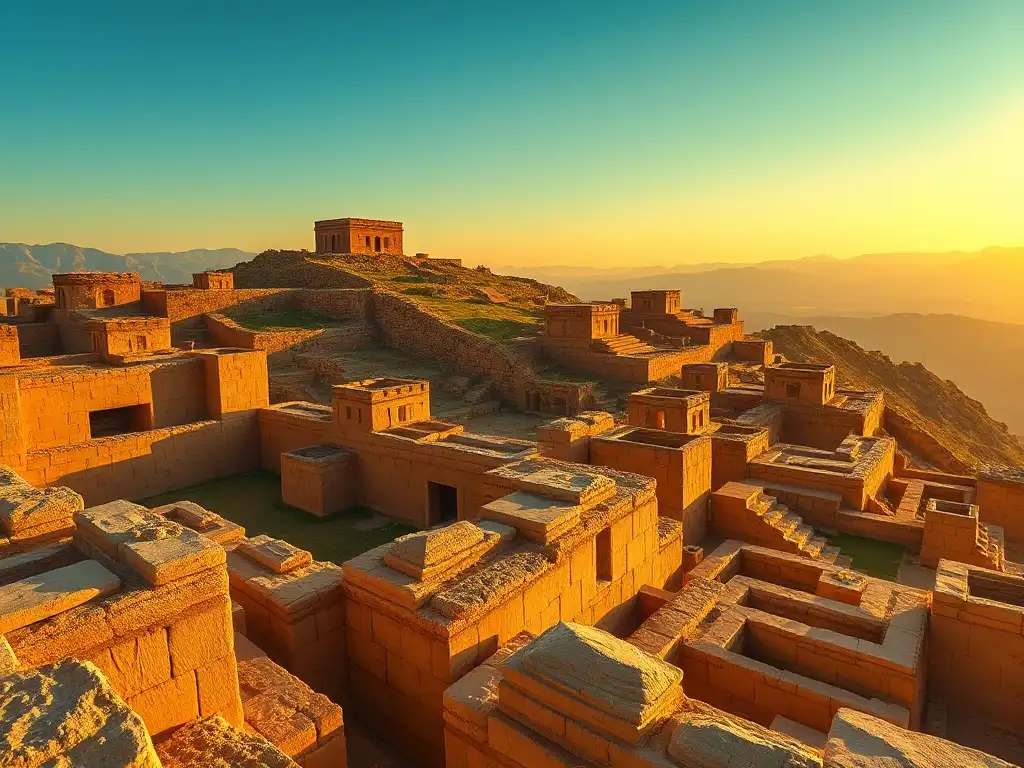
Step into a world lost to time, yet echoing with the grandeur of empires past. Journey with us through the breathtaking landscapes and enigmatic legacies of the Andean civilizations. Discover how the Huari architecture characteristics shaped not only the physical world but also the very power structures of one of the most fascinating pre-Incan cultures of the Highlands. Prepare to be amazed by the ingenuity and scale of their monumental structures—a story waiting to unfold before your eyes. Are you ready to unravel their secrets?
The Huari Empire, a powerful pre-Inca civilization that flourished in the Andes between the 7th and 12th centuries CE, left behind a remarkable legacy of monumental architecture. This architectural prowess wasn't merely aesthetic; it was a deliberate strategy to project power, control vast territories, and solidify their dominance across the Andes. Understanding Huari architecture provides crucial insights into their social organization, economic capabilities, and sophisticated engineering skills.
This article delves into the key characteristics of Huari architecture, examining the planning, materials, and techniques that defined their impressive urban centers and monumental structures, directly addressing the search term "Huari architecture characteristics" and its related semantic variations. We will explore how their architectural style reflects their imperial ambitions and enduring influence on subsequent Andean cultures. Prepare to be amazed by the ingenuity and scale of these remarkable constructions.
Introduction to Huari Architectural Prowess
Huari architecture stands apart from its predecessors and contemporaries for its monumental scale, standardized designs, and sophisticated urban planning. Unlike earlier Andean cultures that often focused on individual structures or small settlements, the Huari built large-scale urban centers characterized by planned layouts, standardized building blocks, and impressive public works. These weren't just haphazard settlements; they were meticulously designed cities, demonstrating a level of centralized control and organizational capacity rarely seen in pre-Columbian South America.
The sheer size and complexity of these sites speak volumes about the Huari's administrative power and ability to mobilize vast resources for ambitious construction projects. The impact of Huari architectural innovations can be seen in later Andean cultures, showcasing its lasting legacy on the region's building traditions. Think of the precise placement of buildings, the uniformity in construction, and the evidence of a sophisticated understanding of urban planning—all hallmarks of Huari architectural mastery.
Key Characteristics of Huari Architecture
Several key features distinguish Huari architecture from other Andean styles. These characteristics, when considered together, paint a vivid picture of a sophisticated and centralized empire capable of undertaking large-scale engineering feats. The consistent application of these features across their vast empire further underlines the centralized control exerted by the Huari leadership. The standardization wasn't merely for aesthetic reasons; it likely facilitated efficient construction, resource management, and the projection of imperial power.
Planning and Urban Design in Huari Centers
Huari urban centers, such as Pikillacta near Cusco and Viracochapampa in Ayacucho, are characterized by their grid-like layouts. This planned urbanism is a hallmark of Huari architectural prowess, suggesting advanced surveying techniques and a sophisticated understanding of urban planning. Streets were laid out in straight lines, intersecting at right angles, creating a highly organized urban fabric. Furthermore, the placement of buildings within these grids often followed standardized patterns, indicative of a centralized planning authority.
The uniformity in design and layout wasn't accidental; it points to a highly organized society capable of undertaking complex engineering projects on a massive scale. This systematic approach to urban planning is a testament to their advanced administrative capabilities. The precise arrangement of residential and public buildings within these urban centers reflects a hierarchical social structure and a highly organized society.
Use of Dressed Stone in Huari Constructions
Huari builders were skilled in the use of dressed stone, carefully shaping and fitting stones to create precise walls and structures. While the quality of stonework varied across different sites and periods, the general emphasis on precise fitting and the use of relatively large blocks of stone is a notable feature. This technique, requiring advanced knowledge of stone cutting and masonry, allowed for the creation of strong and durable buildings capable of withstanding the harsh Andean climate.
The use of dressed stone also had symbolic significance, conveying the power and prestige of the Huari elite. The meticulous craftsmanship involved underlines the importance of these constructions and the value placed upon skilled labor within the Huari society. The precision of their stonework is a testament to their engineering skills and their ability to mobilize a skilled workforce.
Huari Building Techniques and Materials
Beyond the use of dressed stone, Huari architects employed various building techniques and materials. Adobe bricks, a common building material throughout the Andes, were also used extensively in Huari constructions. These bricks were often combined with stone foundations and walls, creating durable and resilient structures. The use of both stone and adobe bricks demonstrates adaptability and a practical approach to construction, taking advantage of locally available resources.
The diversity in materials and techniques reflects a sophisticated understanding of construction practices, tailored to the specific environmental conditions and available resources. Furthermore, the techniques employed reflect a deep understanding of structural integrity and engineering principles, ensuring the longevity of their impressive structures. The integration of different materials and building techniques showcases the ingenuity and adaptability of Huari builders.
Monumental Structures of the Huari Empire
The Huari Empire, flourishing between 600 and 1000 CE in the central Andes, left behind a remarkable legacy of monumental architecture. These structures, characterized by their imposing scale and sophisticated planning, served not only as administrative centers but also as powerful symbols of imperial control and religious authority. The sheer size and complexity of these constructions reflect the Huari's advanced organizational capabilities and their mastery of engineering techniques.
Unlike many other Andean cultures that primarily built in stone, Huari utilized a variety of materials, including adobe bricks, stone, and even wood, demonstrating adaptability and resourcefulness. The precise methods of construction, including the techniques used for transporting massive stones over long distances, remain subjects of ongoing archaeological research, further highlighting the ingenuity of Huari builders.
The empire's impressive infrastructure, including extensive road systems connecting its various centers, facilitated trade, communication, and the efficient movement of resources, contributing significantly to the empire's success and longevity. The sheer scale of the undertaking involved in creating these structures speaks volumes about the level of social organization and mobilization within the Huari state.
Pikillaqta: A Prime Example of Huari Urbanism
Pikillaqta, located near Cusco, Peru, stands as an exceptional example of Huari urban planning and architectural prowess. This sprawling complex, covering an area of approximately 50 hectares, showcases a sophisticated grid-like layout with meticulously planned streets and residential compounds. The uniformity of the buildings and their arrangement suggests a high degree of centralized control over construction and urban development.
The use of adobe bricks, a common building material in the Huari empire, allowed for the rapid construction of large-scale structures. Archaeological excavations have revealed a complex system of water channels and drainage systems, indicating a keen understanding of hydraulic engineering. The presence of specialized structures within Pikillaqta, such as storage facilities and administrative buildings, suggests a complex social and economic organization.
The site's strategic location, overlooking fertile agricultural lands, also points to its significant role in controlling resources and managing agricultural production within the Huari empire. Further research continues to uncover the intricate details of Pikillaqta's design and function, solidifying its place as a crucial site for understanding Huari urbanism.
The Function of Wari Administrative Centers
Huari administrative centers served as vital hubs for governing the vast empire. These centers were strategically located throughout the empire, facilitating communication, resource management, and the enforcement of imperial authority. They were not merely administrative buildings but also functioned as centers for the redistribution of goods, the collection of tribute, and the mobilization of labor.
The design and layout of these centers often reflected a hierarchical structure, with larger, more elaborate structures reserved for elite members of society while smaller, more standardized structures housed commoners. Many of these centers contained large plazas, likely used for public gatherings, ceremonies, and the display of imperial power. The presence of storage facilities and workshops within these centers further suggests their role in managing the empire's resources and economy.
The careful planning and organization seen in these centers showcase the advanced administrative capabilities of the Huari state and its ability to effectively govern a large and diverse population. The standardization of architecture in these centers emphasizes the centralized control exerted by the Huari leadership.
Huari Temples and Religious Architecture
While less is known about Huari religious practices than their administrative systems, their architecture reveals a strong emphasis on religious structures. Although specific details are scarce due to the limited preservation of Huari religious sites, archaeological evidence suggests the existence of monumental temples and ceremonial platforms. These structures were often integrated into larger administrative complexes, indicating a close relationship between religious and political authority.
The construction of these temples, often using high-quality materials and intricate designs, further underscores their importance within Huari society. The presence of iconography and decorative elements on some surviving structures provides clues about Huari religious beliefs and practices, but further research is needed to fully understand the religious significance of these architectural features. The study of Huari religious architecture offers a valuable window into the worldview and beliefs of this powerful Andean empire, although further archaeological investigation is crucial for a more complete understanding.
Dwellings and Residential Architecture in Huari Sites
Residential architecture in Huari sites varied significantly depending on social status. Elite dwellings were often larger and more elaborately decorated than those of commoners, reflecting a hierarchical social structure. However, even commoner dwellings demonstrate a degree of standardization and planning, suggesting a degree of centralized control over housing construction. Many residential structures were built using adobe bricks, a readily available and relatively inexpensive material.
The arrangement of dwellings within Huari sites often followed a grid-like pattern, reflecting the empire's emphasis on order and planning. Archaeological evidence suggests that some dwellings contained specialized rooms, such as storage areas or workshops, indicating a degree of economic specialization within Huari communities. The study of residential architecture provides valuable insights into the daily lives and social organization of Huari people, revealing a complex society with distinct social hierarchies.
Influence of Huari Architectural Style
The impact of Huari architecture extended far beyond the empire's geographical boundaries and temporal limits. Its influence is clearly visible in the architectural styles of subsequent Andean cultures. The standardized construction techniques and urban planning principles developed by the Huari were adopted and adapted by later societies, showcasing the long-lasting legacy of their architectural achievements.
The use of adobe bricks, a hallmark of Huari construction, continued to be employed by many later Andean cultures. The grid-like urban layouts and the incorporation of plazas and ceremonial centers are also evident in the architecture of subsequent civilizations. The Huari architectural style served as a foundation upon which later Andean cultures built their own distinctive architectural traditions.
Huari Architectural Impact on Later Andean Cultures
The Huari's architectural innovations profoundly influenced the development of subsequent Andean cultures, particularly the Inca. The Inca Empire, which emerged centuries after the collapse of the Huari, inherited many of the architectural principles and techniques developed by their predecessors. The Inca's mastery of stonework, while highly advanced, built upon existing Andean techniques, including those pioneered by the Huari.
The Inca's use of large-scale public works projects, such as roads and administrative centers, echoes the Huari's focus on infrastructure development. The Inca's adoption of elements of Huari urban planning is evident in the design of their cities, particularly Cusco. The Huari legacy in Inca architecture is a testament to the enduring influence of Huari architectural traditions.
Regional Variations in Huari Building Traditions
While the Huari Empire displayed a remarkable degree of architectural standardization, regional variations also existed, reflecting the diverse environments and local building traditions incorporated into the imperial project. Differences in materials, construction techniques, and architectural styles are evident across different regions of the empire. For example, stone construction was more prevalent in areas with readily available stone resources, while adobe brick remained the dominant material in other regions.
These regional variations highlight the adaptability of Huari architectural practices and the integration of local traditions within the broader imperial framework. Understanding these regional differences provides a more nuanced perspective on Huari architecture, revealing the complexities of imperial control and cultural exchange within the empire. The subtle variations in Huari architecture across different regions underscore the interplay between centralized imperial authority and localized cultural expression.
The Legacy of Huari Engineering and Construction
The Huari's advanced engineering and construction techniques represent a significant achievement in Andean architecture. Their mastery of stonework, adobe brick construction, and hydraulic engineering facilitated the creation of monumental structures and extensive infrastructure networks that supported the empire's growth and stability. The Huari's ability to organize and mobilize large-scale labor forces to construct these projects demonstrates their impressive administrative capabilities.
The enduring legacy of Huari engineering and construction is evident in the architectural achievements of later Andean cultures, highlighting the lasting impact of their innovative approaches to building and infrastructure development. The sophisticated techniques employed by Huari builders continue to fascinate and inspire researchers today, showcasing the remarkable ingenuity of this ancient civilization. Their legacy continues to inform our understanding of ancient Andean engineering and construction practices.
Huari Architecture and Its Political Significance
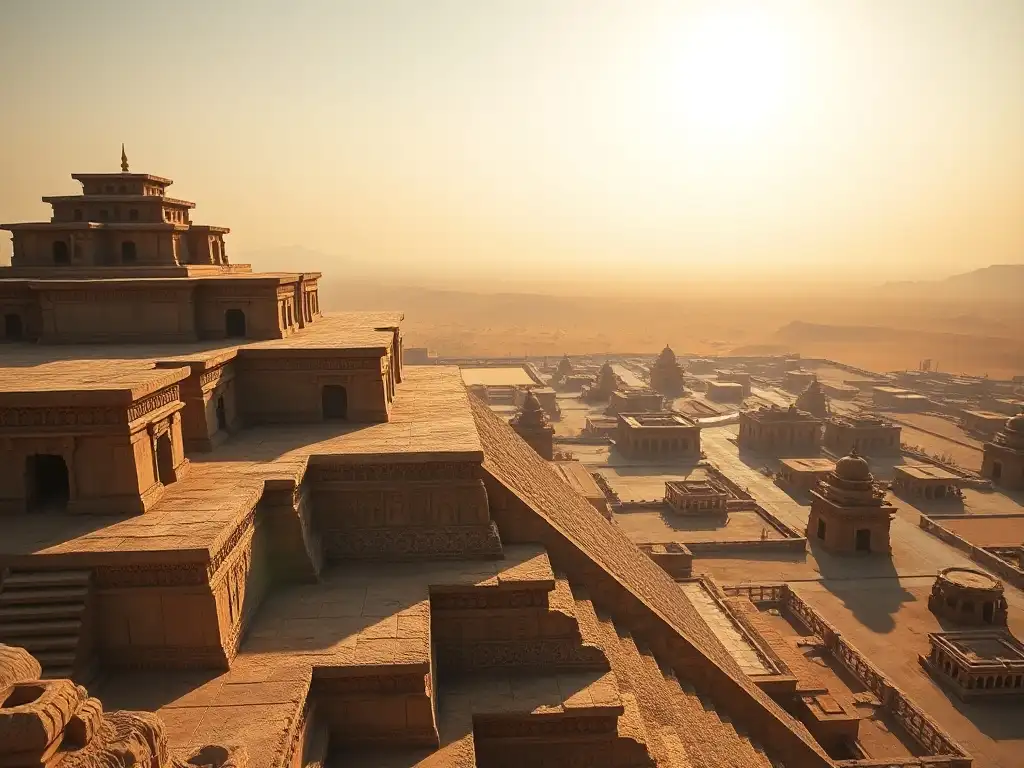
Huari architecture was not merely a matter of aesthetics; it served as a powerful instrument of political control and social organization within the vast Huari empire (c. AD 600-1000). The empire's impressive architectural achievements were strategically deployed to consolidate power, project imperial authority, and maintain control over conquered territories. The scale and standardization of Huari structures, particularly their monumental complexes, were designed to instill awe and respect in the subjugated populations.
The very act of constructing these imposing buildings showcased the Huari's superior resources, manpower, and organizational capabilities, effectively demonstrating their dominance. This deliberate display of power served as a constant reminder of the empire's might and helped maintain social order across the diverse landscapes under Huari rule. The consistent architectural style across the empire also fostered a sense of unity and shared identity, despite the considerable geographical and cultural variations within the empire's boundaries.
Architecture as a Tool of Huari Imperial Control
The strategic placement of Huari administrative centers and military outposts played a crucial role in their imperial control strategy. These structures, often located at key geographical points or near vital resources, served as both administrative hubs and military bases. Their imposing architecture, characterized by massive stone walls, intricate layouts, and carefully planned urban designs, served as a visual demonstration of Huari power and authority.
The standardized architecture also facilitated the efficient administration of the empire, enabling the Huari elite to effectively monitor and control the flow of resources and information throughout their vast domain. This strategic use of architecture is evident in the layout of many Huari sites, where administrative buildings are prominently positioned to oversee the surrounding populace and infrastructure. The deliberate design choices reflect a sophisticated understanding of urban planning and its role in maintaining control over a large and diverse empire.
The Symbolic Language of Huari Structures
Huari architecture also employed a sophisticated symbolic language, communicating messages of power, legitimacy, and religious authority. The use of specific architectural motifs, such as intricate carvings, geometric patterns, and specific building materials, likely held deep symbolic meaning within Huari society. For instance, the repeated use of certain motifs across different sites may have indicated a shared ideology or belief system that reinforced the empire's unity and legitimacy.
While the precise meanings of these symbols remain debated, their consistent use across vast distances suggests a centralized system of belief and control, effectively using architecture as a means of disseminating and reinforcing imperial ideology. Further research into the iconography found on Huari structures is crucial to unraveling the complex symbolic language embedded within their architecture.
Huari Architecture and Social Organization
The organization of Huari cities and settlements reveals much about their social structure. The monumental architecture, often situated at the center of urban areas, likely served as the residences or ceremonial spaces of the ruling elite, reflecting their hierarchical position within society. In contrast, the housing structures of commoners were often simpler and less elaborate, indicating a clear social stratification.
The presence of specialized structures, such as workshops and storage facilities, further points to a complex social organization with specialized labor and a sophisticated system of resource management. The careful planning and organization evident in Huari urban design suggest a highly structured and centralized society, where power was concentrated in the hands of a ruling elite. The architectural differences between elite and commoner areas serve as a powerful visual representation of this social hierarchy.
Conservation and Study of Huari Architectural Sites
The preservation and study of Huari architectural sites face numerous challenges, but also offer significant opportunities to further our understanding of this remarkable civilization. The sheer scale of the Huari empire and the widespread distribution of its architectural remains present logistical difficulties in undertaking comprehensive surveys and excavations. Furthermore, many sites are located in remote and environmentally challenging areas, making access and preservation efforts more complex.
The impact of looting and uncontrolled tourism also poses a significant threat to the long-term preservation of these valuable historical resources. The combination of natural and human-induced factors necessitates a multi-faceted approach to conservation and research.
Challenges in Preserving Huari Archaeological Remains
The harsh Andean environment presents a major challenge to the preservation of Huari archaeological remains. Exposure to the elements, including extreme temperatures, heavy rainfall, and strong winds, contributes to the deterioration of stone structures and other artifacts. Natural disasters, such as earthquakes and landslides, also pose a constant threat.
In addition to the environmental challenges, illegal excavation and looting continue to deplete the archaeological record, irreversibly damaging valuable sites and artifacts. These threats emphasize the urgent need for effective conservation strategies and stricter legal protection of Huari archaeological sites. Without decisive action, much of our understanding of Huari culture and history may be lost forever.
Ongoing Research into Huari Building Practices
Ongoing research into Huari building practices is gradually revealing new insights into their architectural techniques and engineering skills. Studies are focusing on the sourcing of building materials, the methods of construction, and the organization of labor. Analysis of stone tools and construction techniques is shedding light on the level of sophistication achieved by Huari builders.
Scientists are employing various technologies, such as ground-penetrating radar and 3D modeling, to map sites and investigate hidden structures. This research is not only crucial for understanding Huari building practices but also for informing conservation efforts. The more we learn about their techniques, the better equipped we are to protect the remaining structures from further deterioration.
The Case of Wiracochapampa: A Huari Administrative Center
Wiracochapampa, located in the Ayacucho region of Peru, stands as a prime example of a Huari administrative center. Its impressive architecture, including large residential compounds, storage facilities, and ceremonial structures, showcases the sophisticated urban planning and organizational capabilities of the Huari. The site's layout reveals a clear hierarchy, with elite residences occupying prominent positions, while commoner housing is located in more peripheral areas.
The presence of extensive storage facilities suggests a vital role in the management and distribution of resources throughout the empire. The ongoing research at Wiracochapampa provides invaluable insights into the administrative and social organization of the Huari empire, further highlighting the significance of their architecture in maintaining control and consolidating power. The careful study of this and other Huari sites is crucial for piecing together a complete picture of this significant Andean civilization.
Conclusion: The Enduring Legacy of Huari Architecture
Huari architecture, with its distinctive characteristics and monumental scale, represents a significant turning point in Andean architectural history. The sophisticated urban planning, the mastery of stonework, and the standardization of architectural elements all point to a highly organized and centralized state. The legacy of Huari architectural principles can be clearly seen in subsequent Andean cultures, influencing the building styles and urban design of later civilizations, including the Inca.
The impact of Huari urbanism and construction techniques extended far beyond its immediate geographical reach, demonstrating the profound influence of this powerful empire. Understanding Huari architecture provides crucial insights into the administrative capabilities, social organization, and overall power structure of this remarkable civilization.
Its enduring impact underscores its importance in shaping the architectural landscape of the Andes. Further research into specific sites and comparative studies with contemporary cultures could shed even more light on the intricacies of Huari architectural achievements and their lasting influence.
The Importance of Huari Architecture in Andean History
The importance of Huari architecture in Andean history cannot be overstated. It marks a significant departure from earlier architectural styles, demonstrating a shift towards larger-scale urban planning and monumental construction. This change reflects the consolidation of political power and the development of a sophisticated administrative system capable of organizing and managing vast construction projects.
The standardized architectural features found across the Huari empire suggest a deliberate attempt to project power and unify the diverse populations under their control. The scale and complexity of Huari sites challenge previous assumptions about the technological and organizational capabilities of pre-Columbian Andean societies. The legacy of Huari architectural innovations continued to resonate through subsequent Andean cultures, shaping the design and construction of later monumental structures.
Studying Huari architecture provides key insights into the social, political, and economic structures that shaped the Andean region for centuries to come. It’s a critical element in understanding the broader trajectory of Andean civilization.
Understanding Huari Power Through Its Monuments
Huari architecture serves as a powerful testament to the political and economic might of the Huari state. The massive scale of their constructions, the sophisticated engineering required to build them, and the widespread distribution of similar architectural styles across a vast territory all speak to a centralized authority capable of mobilizing resources and manpower on an unprecedented scale. The standardized features of Huari architecture, such as the use of specific building materials and construction techniques, suggest a deliberate attempt to project power and uniformity throughout the empire.
The monumental structures served not only as practical buildings but also as powerful symbols of Huari authority and legitimacy. The impressive scale of these constructions would have served to impress and intimidate both the Huari population and any potential rivals or subject peoples.
Analyzing the distribution and features of Huari architecture allows us to better understand the extent and nature of Huari power, its control over resources, and its influence on the lives of its subjects. The strategic placement of key architectural features further reinforces this understanding of Huari power projection.
Huari Architecture: A Foundation for Later Andean Architectural Achievements
The influence of Huari architecture on subsequent Andean cultures is undeniable. Many architectural features and urban planning techniques seen in later civilizations, particularly the Inca, show clear links to Huari precedents. The standardized building techniques, the use of stone as a primary building material, and the emphasis on monumental constructions all point to a direct lineage.
The sophisticated urban planning evident in Huari sites, with its emphasis on grid systems and carefully planned layouts, laid the groundwork for the impressive urban centers of later Andean empires. The mastery of stonework and the development of specific architectural forms seen in Huari structures served as a model for later builders. This is particularly evident in the Inca's adoption and adaptation of Huari architectural elements.
While the Inca undoubtedly added their own innovations, the foundation upon which they built was firmly rooted in the achievements of the Huari. Further research comparing Huari and Inca architecture is crucial to fully appreciate the extent of this architectural inheritance and its impact on the development of Andean civilizations. The continuity in architectural styles highlights the enduring legacy of Huari influence on the Andes.
- Introduction to Huari Architectural Prowess
- Key Characteristics of Huari Architecture
- Monumental Structures of the Huari Empire
- Influence of Huari Architectural Style
- Huari Architecture and Its Political Significance
- Conservation and Study of Huari Architectural Sites
- Conclusion: The Enduring Legacy of Huari Architecture
- What are the key characteristics of Huari architecture?
- How did Huari architecture reflect their power?
- What materials did the Huari primarily use in their construction?
- How did Huari urban planning differ from other Andean civilizations?
- Where can I see examples of well-preserved Huari architecture today?
Frequently Asked Questions
What are the key characteristics of Huari architecture?
Huari architecture is characterized by its monumental scale, uniformity of design across vast distances, and the use of adobe brick. They also utilized stone for foundations and key features.
How did Huari architecture reflect their power?
The immense size and standardized design of Huari structures demonstrated centralized control and power. The extensive network of cities and administrative centers showcased their influence across a large empire.
What materials did the Huari primarily use in their construction?
The Huari primarily used adobe bricks, a sun-dried clay brick, for construction. Stone was also employed, especially for foundations and prominent features.
How did Huari urban planning differ from other Andean civilizations?
Huari urban planning featured a highly organized grid system and standardized building designs, unlike the more organic layouts of some earlier cultures. This reflects their centralized administrative system.
Where can I see examples of well-preserved Huari architecture today?
Well-preserved examples of Huari architecture can be found at sites like Piquillacta and Wari, near Ayacucho, Peru. These sites offer a glimpse into the scale and sophistication of their building techniques.
Final Reflection: The Enduring Legacy of Huari Architecture
The monumental structures of the Huari civilization continue to resonate today, not just as impressive feats of engineering, but as powerful symbols of a sophisticated society that shaped the Andes' cultural landscape. Their innovative architectural techniques, evident in the precise stonework and intricate urban planning, remain a testament to the ingenuity and organizational prowess of the Huari people. This sophisticated understanding of construction and urban design speaks volumes about their social and political power, a power that continues to fascinate and inspire archaeologists and historians alike.
The impact of Huari architecture extends far beyond the physical remains; its influence can be seen in subsequent Andean cultures, demonstrating the lasting legacy of this remarkable civilization. The echoes of Huari's architectural style are found in the structures of later empires, a testament to its enduring influence on Andean aesthetics and building practices. The past is never dead. It's not even past.
– William Faulkner. This quote perfectly encapsulates the ongoing relevance of Huari architecture, its presence felt even centuries after its zenith. The study of these structures provides invaluable insights into the social, political, and technological advancements of a pre-Columbian society, enriching our understanding of human history and cultural evolution.
Consider the intricate details, the meticulous planning, the sheer scale of these structures. You, the reader, are now equipped with a deeper understanding of Huari architecture and its significance. Take a moment to reflect on the ingenuity and ambition of a civilization that left behind such a remarkable legacy.
Let the precision of their stonework, the grandeur of their cities, inspire you to appreciate the power of human creativity and the enduring impact of cultural achievements. Go further, explore the remaining sites, and let the stones themselves whisper the stories of a civilization that continues to shape our understanding of the Andes.
**Unveil the Strength of Huari Architecture Today! **
Thank you for exploring the monumental legacy of Huari architecture with us! You've discovered how these remarkable structures demonstrated the civilization's power and influence. Now, let's deepen your engagement with this fascinating subject.
Here are some ways to continue your exploration:
- **Explore Huari sites firsthand:** Visit local museums or historical sites featuring Huari architecture. Immerse yourself in the stunning designs and their historical significance.
- **Share your knowledge:** Discuss the lasting impact of Huari architecture with friends, family, or on social media. Start a conversation about how ancient civilizations continue to inspire modern design.
- **Connect with other enthusiasts:** Participate in online forums or local groups focused on Andean civilizations to connect with like-minded individuals and expand your understanding.
What aspect of Huari architecture captivates you most, and how do you see its influence on contemporary architectural styles?