
Huari Military Might: The Secrets of Their Conquests and Control

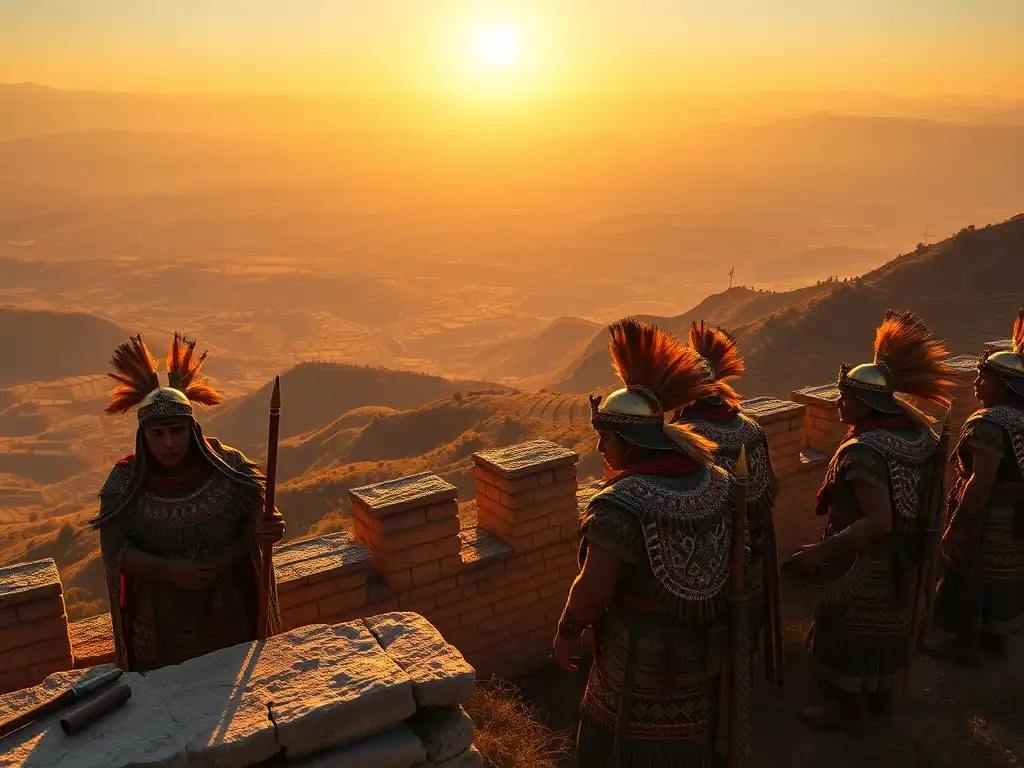
Step into a world lost to time, where majestic empires rose and fell amidst the breathtaking Andes Mountains. Discover the enigmatic legacy of the ancient Andean civilizations, from the intricate artistry of the Nazca to the sophisticated engineering of the Incas. But prepare to be captivated by the untold story of the Huari empire's military strategies, a power that forged a vast realm through ingenious tactics and unwavering might. Unravel the mysteries of their conquests and the secrets behind their enduring control – their story awaits.
The Huari empire, a pre-Inca civilization that flourished in the Andes from approximately 600 to 1200 CE, remains a captivating enigma. While their sophisticated urban planning, intricate pottery, and impressive textile artistry are well-documented, the secrets behind their military might and extensive territorial control are still being unearthed.
This article delves into the strategic brilliance and logistical prowess of the Huari military, exploring the key factors that enabled them to conquer and govern a vast and diverse region of the central Andes. We will examine their military strategies, analyzing their organizational structure, technological advancements, and the political and social mechanisms they employed to maintain control over their expansive empire.
Understanding the Huari empire's military strategies provides invaluable insight into the complexities of Andean warfare and the rise and fall of powerful pre-Columbian civilizations. The keyword "Huari empire military strategies" will be explored throughout, providing detailed analysis and context for this fascinating and historically significant topic.
Introduction to Huari Military Prowess
The Huari military was not simply a force of brute strength; it was a highly organized and sophisticated machine, capable of projecting power across hundreds of kilometers of challenging Andean terrain. Unlike some of their contemporaries who relied heavily on infantry, the Huari seem to have integrated a variety of military units, including cavalry (though the exact nature and extent of their cavalry use is still debated amongst scholars) and specialized support troops.
Evidence suggests a strong emphasis on logistics and supply lines, crucial for sustaining campaigns in such a demanding environment. Archaeological findings, such as the discovery of large quantities of weaponry and military paraphernalia at various sites across the Huari heartland and its periphery, point to a standing army of considerable size and capability.
Furthermore, the standardization of weaponry and the presence of military installations suggest a level of centralized control and planning rarely seen in other contemporary Andean societies. The Huari's success wasn't solely dependent on military strength; it was a complex interplay of military power, political maneuvering, and potentially, economic incentives for conquered populations.
The Rise of Huari and its Military Expansion
The rise of the Huari empire is a compelling narrative of strategic expansion and military dominance. Starting from their capital city of Huari (located near modern-day Ayacucho, Peru), they gradually consolidated their power through a series of carefully planned military campaigns. Their expansion wasn't a haphazard process of conquest; rather, it appears to have been a calculated strategy involving a combination of military force, diplomatic alliances, and economic integration.
The evidence suggests a phased approach: initial incursions to establish a presence, followed by the construction of administrative centers and military outposts to consolidate control. This process allowed the Huari to exert their influence over vast swathes of territory, extending their reach from the coastal deserts to the high Andean plains. The scale of their expansion is truly remarkable, showcasing their logistical capabilities and military effectiveness.
Further research is needed to fully understand the specific timelines and details of each military campaign, but the available evidence strongly suggests a meticulously planned and executed strategy of controlled growth. The empire's longevity, lasting several centuries, is a testament to the effectiveness of their military strategies and their ability to maintain control over a diverse and geographically challenging empire. The precise number of soldiers within the Huari army remains unknown, but estimates based on archaeological finds and the size of the empire suggest a substantial and well-equipped force.
- What were the Huari Empire's main military strategies?
- How did the Huari maintain control over such a large empire?
- What role did infrastructure play in Huari military success?
- What were the technological advancements that aided the Huari military?
- How did the Huari Empire's military compare to other Andean civilizations?
Key Elements of Huari Military Strategies
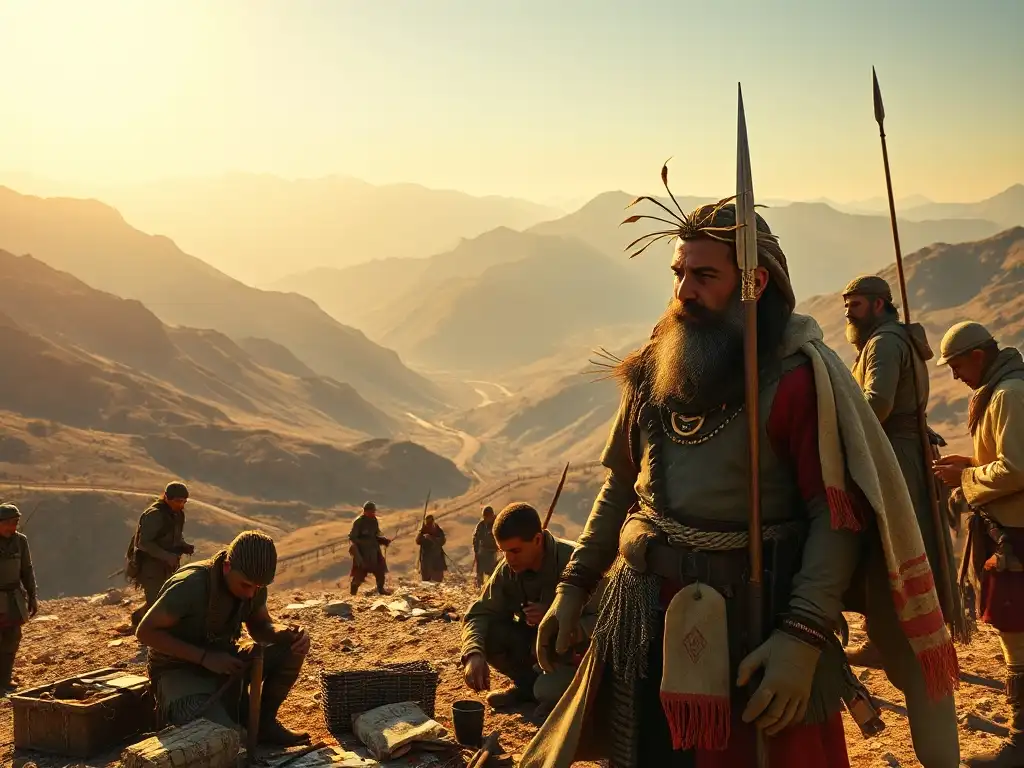
The Huari empire, a powerful pre-Inca civilization that flourished in the Andes between the 7th and 12th centuries CE, achieved remarkable territorial expansion through sophisticated military strategies. Their success wasn't solely due to brute force, but rather a combination of carefully planned campaigns, effective logistical support, and well-defined military structures. Understanding their military might requires examining their organizational structure, battlefield tactics, and the crucial role of fortifications in securing their conquests.
The term "Huari empire military strategies" itself encapsulates the multifaceted nature of their dominance. This section delves into the key components that allowed the Huari to establish and maintain control over a vast and diverse Andean region.
Huari Army Organization and Structure
The Huari army wasn't a haphazard collection of warriors; it was a highly organized force reflecting the empire's centralized administration. While the exact details of their military hierarchy remain debated by scholars, evidence suggests a complex system of command and control. Archaeological finds, such as the discovery of standardized weaponry and uniform burial practices for elite warriors, point to a professional standing army, rather than a solely conscripted militia.
This professional army likely consisted of various units, possibly specialized in different types of warfare. We might speculate on the existence of infantry units, equipped with spears, clubs, and slings; specialized archers; and potentially even cavalry units, though evidence for widespread horse use in the Huari period is limited. The presence of standardized weaponry suggests centralized production and distribution, implying a level of logistical sophistication uncommon among contemporary Andean societies.
Further research into the distribution of weaponry across different Huari sites could shed more light on the organization and potential specialization within the army. The standardization itself points to a strong central authority capable of mass production and distribution, significantly contributing to their military effectiveness.
Furthermore, the evidence suggests a strong link between the Huari military and the state's administrative structure. This close integration allowed for efficient mobilization and resource allocation, vital for conducting large-scale military campaigns across the challenging Andean terrain. The effective management of resources, including food, supplies, and manpower, was a crucial element of their military success. Further investigation into administrative records, if any survive, would be invaluable in understanding the detailed mechanisms of this efficient integration.
Huari Military Tactics on the Battlefield
While the specifics of Huari battlefield tactics remain largely unknown, we can infer some aspects from the archaeological record and comparisons with other contemporary Andean societies. Their success suggests they employed strategies tailored to the Andean environment and their opponents' strengths and weaknesses.
The Huari likely utilized a combination of strategies, including swift, decisive attacks to overwhelm smaller, less organized forces. Their superior organization and logistical support would have allowed them to sustain longer campaigns, potentially employing siege warfare against fortified settlements. The effectiveness of their strategies is evidenced by their vast territorial control, spanning diverse ecological zones and incorporating numerous distinct cultural groups.
Possible Tactical Considerations
The challenging Andean terrain likely played a significant role in shaping Huari tactics. They might have used ambushes and flanking maneuvers to exploit the natural landscape to their advantage. The use of high-altitude positions for archers could have been another key element in their battles, allowing them to rain down projectiles on their enemies.
The limited evidence available necessitates further research. Detailed analysis of battle sites, if such sites can be identified, would provide crucial insights into their tactics and battlefield maneuvers. Comparative studies with other Andean cultures could also illuminate the unique aspects of Huari military strategies. The study of weaponry and defensive structures provides some insight, but direct evidence of battlefield tactics remains scarce.
The Role of Fortifications in Huari Conquests
Fortifications played a crucial role in Huari military strategies, serving both offensive and defensive purposes. The construction of extensive networks of roads and strategically located administrative centers, often fortified, facilitated rapid troop movements and controlled access to key resources. These fortifications acted as bases for military operations, allowing the Huari to project power across their vast empire.
The Huari were masters of adapting their building techniques to the diverse environments they controlled. Fortifications varied significantly depending on the geographical location and the specific strategic needs. Some sites featured massive stone walls, while others incorporated natural features of the landscape into their defenses. The construction of these fortifications required considerable manpower and resources, reflecting the empire's administrative strength and capacity for large-scale projects.
| Fortification Type | Location Example | Characteristics | Strategic Purpose |
|---|---|---|---|
| Large-scale stone walls | [Site Name Pending] | Massive stone blocks, intricate construction | Defense of major administrative centers |
| Adapted fortifications | [Site Name Pending] | Utilization of natural features, smaller scale | Control of key passes and resources |
| Administrative centers with defensive features | [Site Name Pending] | Integrated defensive structures within administrative complexes | Control of population and resources |
The Huari's ability to construct and maintain these fortifications across their empire demonstrates a remarkable feat of engineering and logistical prowess. The strategic placement of these fortifications, coupled with their effective military organization and tactics, formed a formidable system for maintaining control and projecting power throughout the Andean highlands.
Further research into the construction techniques and the distribution of fortifications would provide a more comprehensive understanding of their significance in Huari military strategies. This integrated approach to military strategy, combining sophisticated organization, effective tactics, and a strong network of fortifications, was a key factor in the Huari empire's remarkable success.
Huari Weaponry and Military Technology
The Huari military's effectiveness stemmed not only from its organizational prowess but also from its advanced weaponry and military technology for the time. Archaeological evidence reveals a sophisticated arsenal, reflecting a high degree of metallurgical skill and innovative design. Their weaponry wasn't simply functional; it was often intricately decorated, suggesting a symbolic and ritualistic importance alongside its practical use. This blend of practicality and symbolism likely played a crucial role in bolstering troop morale and instilling fear in adversaries.
One of the most significant advancements was in metallurgy. The Huari were masters of bronze and copper working, producing high-quality weapons such as swords, spears, and axes. These weren't crudely fashioned tools; they were meticulously crafted, with evidence of advanced techniques like casting and hammering used to create strong, durable, and sharp implements of war.
The quality of their metalwork surpasses that found in many contemporary Andean cultures, indicating a specialized and highly skilled artisan class dedicated to supplying the military. Furthermore, the consistent standardization of weapon design across the vast Huari empire suggests centralized production and distribution networks, ensuring a uniformly equipped fighting force.
Beyond metalwork, the Huari also utilized other effective weapons. Stone clubs and slings were common, particularly among lower-ranking soldiers or for siege warfare. The effectiveness of slings, in particular, should not be underestimated; skilled slingers could inflict significant damage from a distance, disrupting enemy formations and weakening their advance. The Huari likely employed diverse tactics, using a combination of ranged and melee weapons to maximize their battlefield advantage.
The careful consideration given to the diversity and quality of their weaponry underscores the strategic importance the Huari placed on military preparedness. Their arsenal wasn't just a collection of weapons; it was a carefully curated system designed for effective conquest and control. Further research into the specific metallurgical techniques employed by the Huari and the organization of their weapon production could shed additional light on the empire's military strength and its lasting impact on Andean warfare.
The Impact of Huari Military Campaigns
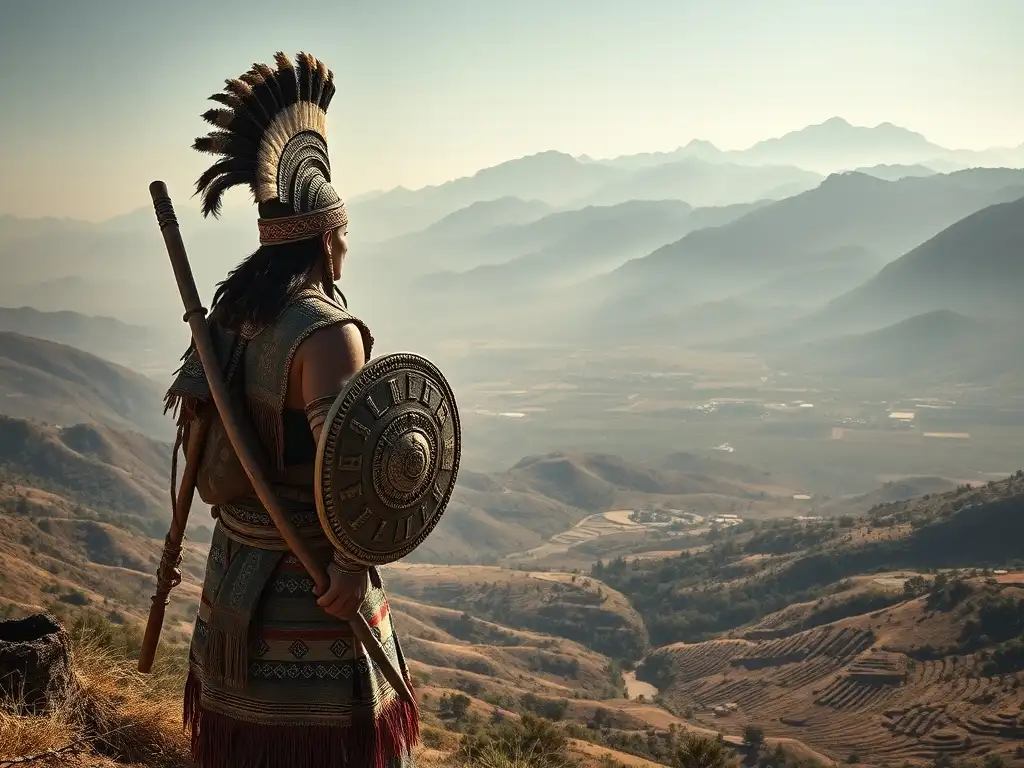
The Huari empire's military campaigns dramatically reshaped the political and cultural landscape of the central Andes between the 7th and 12th centuries CE. Their impact extended far beyond simple territorial expansion, leaving a lasting legacy on the conquered populations and significantly altering the social structures of the region. Understanding the Huari empire military strategies requires examining not just their battlefield tactics, but also their sophisticated methods of control and cultural assimilation.
The scale of their influence is evident in the widespread adoption of Huari-style architecture, pottery, and administrative practices across a vast area. This section will explore the far-reaching consequences of Huari military actions, focusing on their territorial control, influence on conquered regions, and the resulting cultural transformations.
Huari Territorial Control and Administration
Huari territorial control wasn't merely about military occupation; it was a complex system of administration designed to maintain stability and extract resources. The empire employed a sophisticated network of strategically placed administrative centers, often built on existing settlements or repurposed for Huari purposes. These centers served as hubs for collecting taxes, managing resources, and relaying information throughout the empire.
Archaeological evidence suggests a highly centralized system, with standardized building styles and administrative practices observed across widely dispersed locations. The uniformity in architecture, for example, speaks to a deliberate effort to impose Huari identity and authority across the conquered territories. This centralized control allowed for efficient resource management, facilitating the construction of large-scale public works and the redistribution of goods throughout the empire.
The effectiveness of this system is evidenced by the longevity and extent of Huari dominance. Furthermore, the standardization of weights and measures, indicated by findings in various archaeological sites, suggests a sophisticated economic control system that facilitated trade and resource allocation within the Huari empire. The meticulous organization of their administrative system was a key factor in maintaining their vast empire, showcasing advanced understanding of logistics and governance for the time.
The Influence of Huari Military Power on Conquered Regions
The Huari military's power extended beyond mere conquest; it profoundly influenced the political and social dynamics of the conquered regions. The imposition of Huari authority often led to the displacement or subordination of existing power structures. Local elites, while sometimes integrated into the Huari administrative system, often found their power diminished or redefined under Huari rule.
This resulted in a complex interplay of local traditions and Huari-imposed structures, creating a dynamic and often contested social landscape. The presence of Huari garrisons in conquered territories ensured compliance and facilitated the extraction of resources. Evidence suggests that these garrisons were not just military forces, but also played a role in enforcing Huari laws and customs.
This military presence, coupled with the centralized administrative system, ensured the Huari empire’s sustained control over a vast and diverse territory. The strategic placement of these garrisons, often near crucial resources or transportation routes, further highlights the empire’s sophisticated understanding of logistics and power projection. This combination of military strength and administrative efficiency was key to the Huari empire's success.
Cultural Transformation Under Huari Rule
The Huari empire's military success resulted in significant cultural transformations across the central Andes. While local traditions persisted, the Huari imposed their own cultural elements, leading to a process of syncretism – a blending of cultures. Huari pottery styles, architectural designs, and religious iconography became widespread, even in areas far from the empire's core. This cultural diffusion wasn't a uniform process; the degree of Huari influence varied across different regions, reflecting the complexities of imperial control and local resistance.
The spread of Huari-style pottery, for instance, is a clear indicator of the empire's influence on daily life. The standardization of these styles, observable across vast distances, suggests a deliberate effort to propagate Huari culture and assert imperial dominance. However, it's crucial to note that the conquered populations were not passive recipients of Huari culture.
Local artisans adapted and modified Huari styles, integrating them with pre-existing traditions, resulting in a rich tapestry of cultural exchange and adaptation. This dynamic interaction between Huari imperial power and local cultural resilience shaped the cultural landscape of the central Andes for centuries to come. The Huari empire's legacy is therefore not solely defined by military might, but also by the lasting impact of its cultural influence.
Understanding Huari Military Logistics
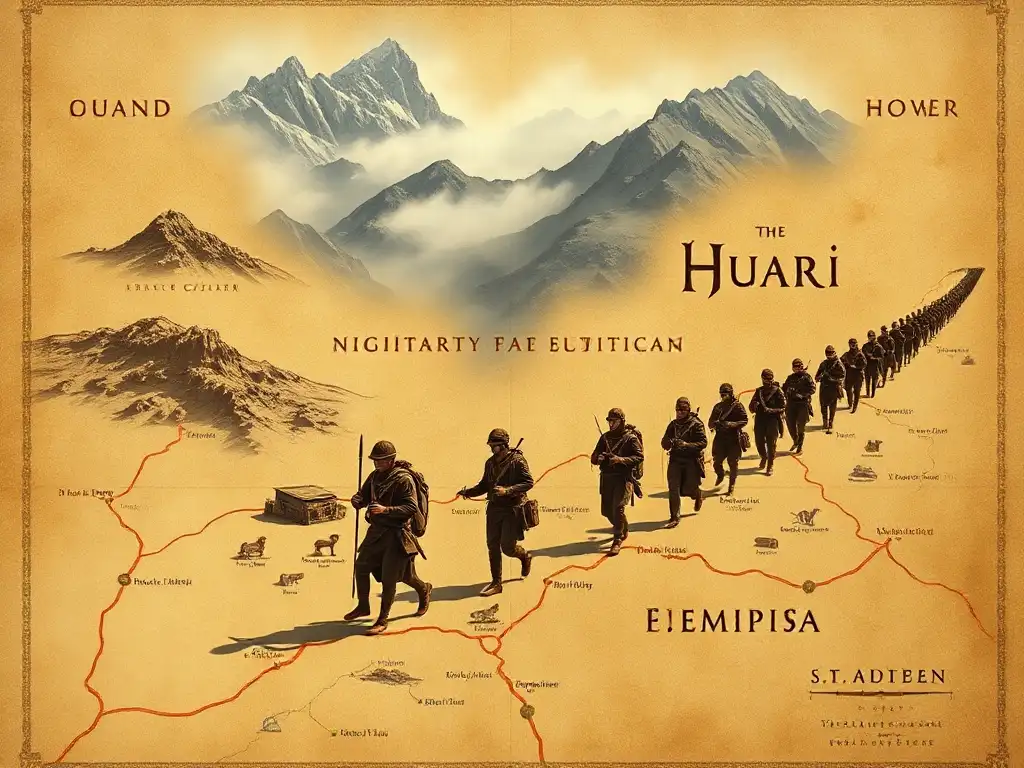
The Huari empire's remarkable expansion across the Andes wasn't solely due to superior weaponry or tactical brilliance; it was fundamentally underpinned by an efficient and sophisticated logistical system. Their ability to sustain large armies across vast distances and diverse terrains speaks volumes about their organizational prowess and understanding of resource management. Understanding the Huari empire military strategies requires a deep dive into their logistical capabilities, which were crucial to their dominance. This section explores the key elements of their logistical success, focusing on supply chains, communication networks, and the overall support system that fueled their military machine.
Supply Chains and Resource Management
The Huari state controlled a vast territory, encompassing diverse ecological zones ranging from arid coastal deserts to high-altitude grasslands. This diversity, while offering a variety of resources, also presented significant logistical challenges. To overcome these, the Huari developed complex supply chains that efficiently moved goods and provisions across their empire. Evidence suggests a centralized system of resource management, with state-controlled storage facilities (possibly in the form of qollqas) strategically located throughout the empire. These warehouses likely stored essential goods like food (potatoes, maize, quinoa), textiles, and tools.
The movement of these resources relied on a combination of methods. While pack animals like llamas were undoubtedly crucial, the Huari likely employed a system of human porters, organized into specialized labor groups. This human-powered system, supplemented by animal transport, allowed for the efficient distribution of supplies to military outposts and garrisons across the empire.
The sheer scale of the Huari's territorial control and the evidence of widespread, standardized pottery suggests a highly organized and centralized system for resource procurement, storage, and distribution. [Specific data on the capacity of qollqas pending]. Further research into the organization of Huari labor forces is needed to fully understand the intricacies of their supply chain management.
Road Networks and Communication Systems
Effective military operations necessitate rapid communication and efficient troop movement. The Huari recognized this and invested significantly in infrastructure development, particularly road networks. While not as extensive as the later Inca road system, the Huari constructed a network of strategically important roads and pathways connecting major urban centers and military outposts. These roads facilitated the quick movement of troops and supplies, allowing for swift responses to threats and rebellions.
Beyond physical infrastructure, the Huari likely employed a sophisticated communication system, possibly utilizing a relay system of runners or messengers. [Details on Huari communication methods pending]. The speed and efficiency of their communication system allowed for centralized control and coordination of military actions across the vast empire.
The combination of strategic roads and effective communication systems formed a crucial backbone of their military operations, enabling rapid deployment of forces and maintaining control over far-flung territories. The effectiveness of this system is evidenced by the Huari empire's ability to maintain its power over such a large area for an extended period.
Supporting the Huari Military Machine
The Huari military machine was not simply an army; it was a complex system supported by a vast network of artisans, farmers, and administrators. The production of weapons, tools, and clothing required skilled artisans, while the provision of food and other resources depended on a well-organized agricultural system. The state's control over these essential resources and the labor force ensured that the military had the necessary supplies and support to maintain its operations.
The Huari empire military strategies also depended on a system of tribute and taxation, which provided the resources needed to sustain the army and the administrative apparatus. This system likely involved the collection of agricultural produce, textiles, and other goods from conquered territories. The efficient management of these resources allowed the Huari to maintain a standing army and fund ongoing military campaigns.
[Further research is needed to quantify the scale of Huari tribute and taxation]. The integration of military needs with the broader economic and social fabric of the Huari empire exemplifies their sophisticated approach to maintaining control and power. The success of their military was inextricably linked to the robust support system that sustained it.
Analyzing Huari Military Leadership
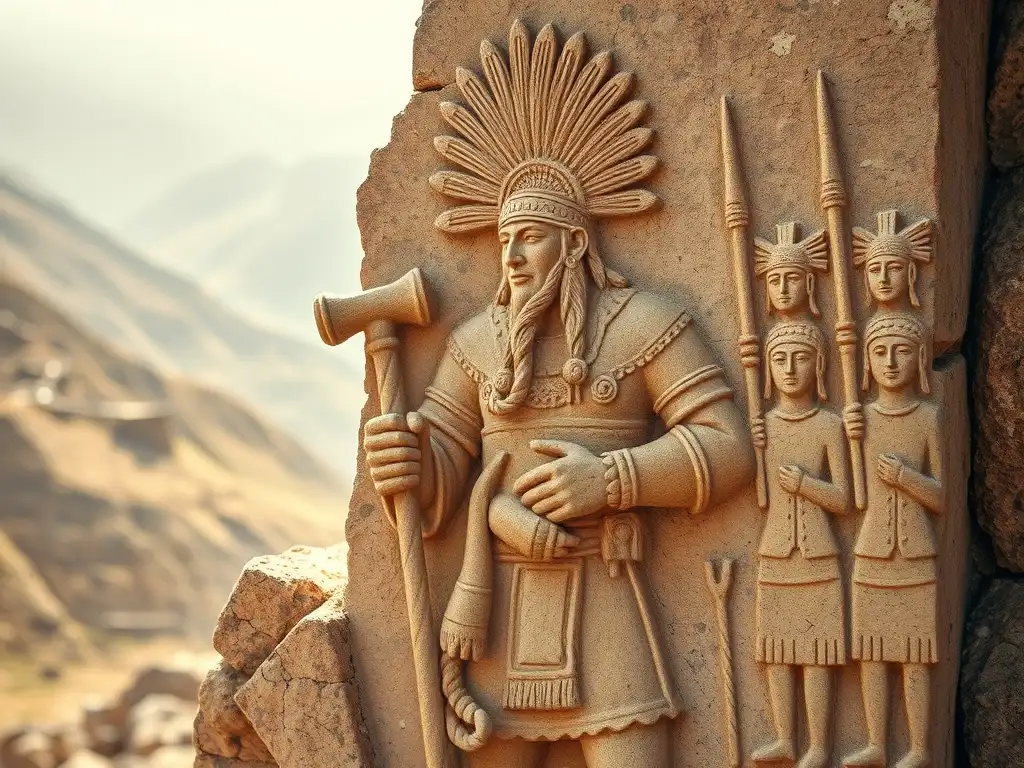
The Huari empire's remarkable expansion across the Andes wasn't solely due to superior weaponry; effective military leadership played a crucial role in their conquests and subsequent control. Understanding their strategies requires examining their command structure, the roles of key military figures, and the ideological underpinnings that motivated their armies. This section delves into these crucial aspects of Huari military might, exploring the secrets behind their impressive achievements and providing insights into the "Huari empire military strategies".
Command Structure and Decision Making
The Huari military command structure remains a subject of ongoing research, but archaeological evidence suggests a highly centralized system. It's likely that a supreme commander, possibly the emperor himself or a designated high-ranking official, oversaw overall military strategy and directed major campaigns. This centralized control allowed for coordinated actions across vast distances, a key factor in their ability to subdue diverse populations.
Evidence from excavated administrative centers indicates a sophisticated system of communication and logistics, vital for supplying and coordinating large armies across mountainous terrain. This likely involved a hierarchical chain of command, with regional commanders responsible for specific sectors and smaller unit leaders managing individual troops.
The decision-making process within the Huari military probably involved a combination of top-down directives and on-the-ground adaptations. While overall strategy emanated from the central authority, regional commanders likely had some autonomy in adjusting tactics based on local conditions and enemy responses. This blend of centralized control and localized flexibility likely contributed to the Huari's success in diverse environments. Further research, particularly the analysis of administrative records (if any survive) and the careful examination of battlefield layouts, is needed to fully understand the intricacies of their command structure and decision-making processes.
The Role of Huari Generals and Commanders
While the identity of specific Huari generals remains largely unknown, their influence is evident in the empire's military successes. These commanders weren't simply battlefield tacticians; they were likely administrators and governors responsible for maintaining order and collecting resources within conquered territories. Their roles extended beyond military campaigns, encompassing aspects of civil administration and ensuring the long-term stability of the empire.
This combination of military and administrative responsibilities reflects a holistic approach to governance, typical of many ancient empires. The successful integration of conquered populations likely depended heavily on the competence and leadership of these regional commanders who acted as liaisons between the central authority and the local populace. The effectiveness of their governance, in turn, contributed to the empire's stability and longevity.
Military Ideology and Motivation
The Huari empire's military prowess stemmed not only from organizational efficiency but also from potent ideological motivations. While specific details are scarce, evidence suggests that a strong sense of Huari identity and cultural superiority played a significant role in motivating their soldiers. The construction of monumental architecture and the standardization of pottery styles throughout the empire point to a concerted effort to project Huari power and influence.
This visual display of dominance may have served as a powerful tool for instilling loyalty and obedience within both the army and the conquered populations. Furthermore, the promise of rewards, such as land and status, likely incentivized participation in military campaigns.
The Huari likely employed a combination of coercion and persuasion to maintain a large and effective army, utilizing propaganda and the promise of advancement to secure their soldiers' loyalty. Further investigation into Huari iconography and religious beliefs could shed more light on the ideological underpinnings of their military might, revealing further details about their "Huari empire military strategies".
Case Studies of Huari Military Engagements
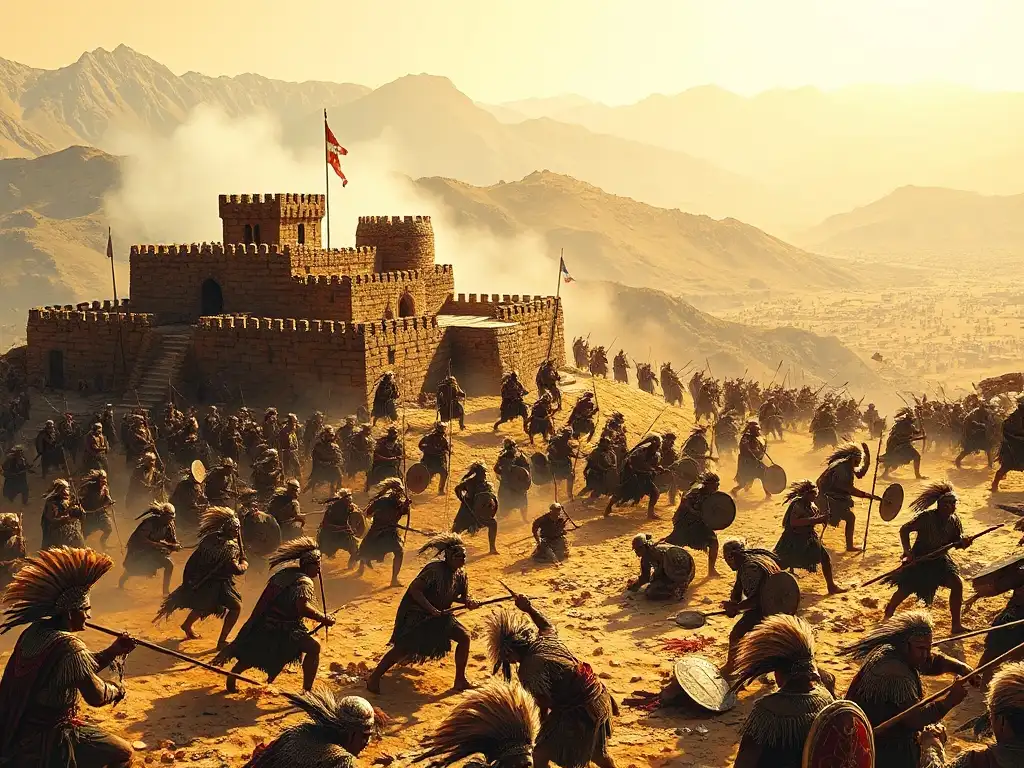
The Huari empire's military prowess allowed them to consolidate a vast territory across the Andes. Understanding their strategies requires examining specific engagements. While detailed accounts are scarce due to the limitations of surviving historical sources, archaeological evidence and careful interpretation of existing texts offer glimpses into their military operations. Analyzing these case studies provides valuable insights into the Huari empire military strategies that fueled their expansion and control. The effectiveness of their tactics hinged on a combination of logistical planning, superior weaponry, and potentially, psychological warfare. Let's explore some key examples.
The Battle of Pikillaqta
Pikillaqta, a massive administrative and possibly military center near Cusco, offers a fascinating case study. While not strictly a "battle" in the traditional sense, the sheer scale and strategic location of Pikillaqta suggest a significant military presence and function within the Huari empire's control mechanisms. The site's layout, featuring numerous interconnected structures and a sophisticated water management system, indicates a capacity to house and supply a considerable army.
This suggests the Huari empire military strategies involved not only direct confrontation but also the strategic placement of fortified settlements to exert control over vast territories and potentially serve as staging points for military campaigns. The very existence of Pikillaqta speaks volumes about the Huari's ability to mobilize resources and manpower on a grand scale, a hallmark of their effective military organization.
Further research into the architectural design and the artifacts unearthed at Pikillaqta could reveal more about the logistical aspects of Huari military campaigns and their capacity for long-term occupation of conquered territories. The site's layout, for example, suggests a highly organized and efficient system for provisioning troops, indicating a sophisticated understanding of military logistics, a crucial component of Huari empire military strategies.
The Conquest of Cajamarca
The conquest of Cajamarca, although its specifics remain shrouded in the mists of time, represents another significant example of Huari military dominance. While direct evidence of a specific battle is lacking, the presence of Huari artifacts and architectural styles in Cajamarca strongly suggests a military conquest. The integration of Huari administrative structures into the pre-existing Cajamarca society hints at a systematic approach to consolidating power after a military victory.
The Huari empire military strategies likely involved a combination of swift military action, followed by the implementation of administrative systems to control the conquered region and its resources. The lack of detailed accounts necessitates further archaeological investigation to fully understand the dynamics of this conquest.
The analysis of pottery styles, building techniques, and the distribution of Huari artifacts within Cajamarca could shed light on the timeline and methods of the conquest, providing concrete evidence to support this interpretation and enriching our understanding of Huari empire military strategies. The integration of conquered populations and the adoption of Huari administrative practices suggest a sophisticated approach beyond mere military dominance.
Lessons Learned from Huari Military History
The limited but available evidence suggests that Huari empire military strategies were multifaceted. They relied not just on brute force but also on sophisticated logistical planning, strategic placement of settlements, and potentially, the effective integration of conquered populations. Their success highlights the importance of:
- Logistical Mastery: The ability to supply and support large armies over extended periods was crucial. Pikillaqta exemplifies this capacity.
- Strategic Fortifications: Establishing strategically located settlements, such as Pikillaqta, allowed for control over vast territories and served as bases for military operations.
- Administrative Integration: The incorporation of conquered populations into the Huari administrative system ensured long-term control and the extraction of resources.
Further research, including more detailed archaeological investigations and comparative studies with other Andean civilizations, is needed to refine our understanding of Huari military tactics and their overall impact on the Andean region. The incomplete nature of the historical record presents a challenge, but the existing evidence points to a sophisticated and effective military machine that played a pivotal role in shaping the pre-Inca landscape.
The study of Huari empire military strategies offers crucial insights into the dynamics of power and control in ancient Andean societies. Uncovering more pieces of this historical puzzle will enhance our understanding of this fascinating and powerful civilization.
Huari Military Legacy and Conclusion
This section analyzes the lasting impact of the Huari empire's military strategies and their contribution to Andean warfare and governance, ultimately examining the factors that led to the decline of their military power. The Huari, a pre-Inca civilization that flourished in the central Andes between approximately 600 and 1000 CE, left an undeniable mark on the region's military landscape. Their sophisticated strategies, logistical prowess, and administrative capabilities shaped the trajectory of Andean warfare for centuries to come. Understanding their military legacy requires examining both their successes and their eventual downfall.
The Decline of Huari Military Power
The Huari empire, despite its impressive military achievements, did not endure indefinitely. Several factors contributed to the weakening of their military power and the eventual collapse of their vast empire. While the precise causes are still debated among scholars, a confluence of internal and external pressures likely played a crucial role.
One key factor was likely environmental stress. Prolonged droughts or other climatic shifts could have severely impacted agricultural production, undermining the empire's ability to sustain its large army and population centers. This resource scarcity could have led to internal unrest and weakened the central authority's control over its far-flung territories.
Another contributing factor might have been internal rebellions and fragmentation. The vastness of the Huari empire made it difficult to maintain centralized control, potentially leading to local uprisings and the emergence of independent power centers. These centrifugal forces may have gradually eroded the empire's military strength from within.
Furthermore, the Huari likely faced increasing pressure from external enemies. While their military prowess initially allowed them to conquer and control a large area, neighboring groups may have eventually developed effective counter-strategies or formed alliances to challenge Huari dominance. This external pressure, combined with internal weaknesses, could have ultimately proved insurmountable.
The decline of the Huari empire was not a sudden event but rather a gradual process spanning several decades. Archaeological evidence suggests a period of instability and conflict before the final disintegration of the empire, with many sites showing signs of destruction and abandonment.
The precise timeline and sequence of events are still being investigated by archaeologists and historians, and more research is needed to fully understand the complex factors that led to the end of Huari military might. The study of Huari settlements and their material culture is ongoing, providing valuable insights into the dynamics of this fascinating empire.
The Lasting Impact of Huari Military Strategies
Despite its eventual collapse, the Huari empire's military strategies left a lasting impact on the Andean region. Their innovations in logistics, organization, and warfare influenced subsequent Andean societies, including the Inca. The Huari's effective use of administrative systems to manage their extensive empire provided a model for later civilizations. This included sophisticated record-keeping, efficient resource distribution, and the establishment of standardized weights and measures.
The Huari also excelled in infrastructure development. Their construction of roads, storage facilities, and fortified settlements facilitated military mobilization and control over conquered territories. These infrastructural achievements significantly enhanced their ability to project power and maintain order across vast distances.
Moreover, the Huari's adoption of standardized weaponry and military tactics likely influenced the development of warfare in the Andes. Their military organization, characterized by a hierarchical structure and disciplined fighting forces, became a benchmark for subsequent Andean armies. The Huari's military innovations, such as the use of specialized units and advanced siege techniques, were likely adopted and adapted by later Andean civilizations. The evidence suggests a clear continuity in military organization and technology from the Huari to later Andean empires.
Huari's Contribution to Andean Warfare and Governance
The Huari empire's military success was not solely based on brute force. Their ability to effectively govern the conquered territories and integrate them into their empire was crucial to their long-term stability. This involved a combination of military power, administrative efficiency, and the strategic use of ideology and symbolism.
The Huari implemented a sophisticated system of administrative control, establishing regional centers and administrative networks to govern their vast empire. This centralized system facilitated the collection of tribute, the mobilization of resources, and the maintenance of order across diverse regions. Archaeological evidence suggests a highly structured administrative system, with specialized officials responsible for different aspects of governance.
Furthermore, the Huari employed ideological strategies to legitimize their rule and integrate conquered populations into their empire. This involved the construction of monumental architecture, the dissemination of standardized religious beliefs, and the promotion of a shared cultural identity. This subtle yet powerful approach helped to consolidate their power and prevent widespread resistance.
The Huari's legacy extends beyond their military achievements. Their sophisticated approach to governance, their infrastructural advancements, and their effective integration of conquered territories served as a blueprint for subsequent Andean empires. Understanding their military strategies requires a comprehensive examination of their administrative and ideological innovations, highlighting the complex interplay between military power and political control in the formation and maintenance of the Huari empire.
The Huari empire's influence on subsequent Andean civilizations, particularly the Inca, is undeniable, making the study of their military strategies and governance crucial for understanding the broader history of the Andean region. Their story serves as a testament to the complex interplay of military power, administrative efficiency, and ideological influence in shaping the course of Andean history.
Frequently Asked Questions
What were the Huari Empire's main military strategies?
The Huari employed a combination of strategies, including large-scale mobilization of troops, strategic alliances, and the construction of impressive infrastructure like roads for rapid troop movement. This allowed them to control a vast territory.
How did the Huari maintain control over such a large empire?
The Huari maintained control through a combination of military force, administrative systems, and cultural influence. They strategically placed garrisons and implemented efficient systems of governance and communication.
What role did infrastructure play in Huari military success?
Road networks were crucial for rapid troop deployment and communication across the empire. Fortifications and strategically placed settlements also aided in defense and control of conquered territories.
What were the technological advancements that aided the Huari military?
While not as technologically advanced as some later empires, the Huari benefited from improved metallurgy, creating stronger weapons and tools. Their extensive road system was a significant technological achievement for its time.
How did the Huari Empire's military compare to other Andean civilizations?
The Huari possessed a significantly larger and better-organized military than many preceding Andean cultures. Their ability to maintain control over a vast and diverse empire was a testament to their military prowess and organizational skills.
Final Reflection: The Enduring Legacy of Huari Military Prowess
The sophisticated military strategies employed by the Huari Empire remain a potent reminder of the power of organization and innovation in achieving dominance, a lesson profoundly relevant in today's complex geopolitical landscape. Understanding their successes and failures offers invaluable insights into the dynamics of empire building and the enduring challenges of maintaining control over vast territories. The echoes of their strategic brilliance resonate even now, prompting us to examine the enduring principles of effective leadership and strategic planning.
The Huari's impact extends far beyond the archaeological record; their influence continues to shape our understanding of Andean civilization and the very nature of power. Their ability to integrate diverse populations and manage resources across such a vast area speaks to a level of administrative skill rarely seen in pre-Columbian societies. The strength of a nation derives from the integrity of its people.
While not a direct quote from a Huari source, this sentiment encapsulates the essence of their success: a unified populace, effectively mobilized and strategically deployed. Their legacy serves as a powerful testament to the potential for human ingenuity and organization to overcome seemingly insurmountable obstacles.
Consider the Huari's achievements: their intricate road networks, their sophisticated administrative systems, and their effective military tactics. These weren't born of chance; they were the product of careful planning, adaptation, and a deep understanding of both their strengths and the weaknesses of their adversaries. You too possess the capacity for strategic thinking and effective planning.
Reflect on your own goals and challenges, and consider how the principles of organization, resource management, and adaptive strategy, so evident in the Huari Empire, can help you achieve your own ambitions. Embrace the lessons of the past to build a more successful and fulfilling future.
Unveil the Power of the Huari Civilization!
Thank you for exploring the remarkable story of the Huari and their significant military achievements. Your interest has unlocked fascinating insights into the strategic tactics that shaped Andean history. Now, let's build on that knowledge!
Here are some ways to further engage with this captivating topic:
- Explore further: Delve deeper into the history of the Huari and other Andean civilizations by visiting our comprehensive resources on Andean Civilizations .
- Join the discussion: Share your thoughts and insights on Huari military strategies in our forum. Your perspective could inspire others!
- Spread the word: Recommend this article to fellow history enthusiasts to spark conversations about ancient warfare and conquest.
Which aspect of Huari military strategy most fascinates you, and how do you believe their tactics might inform modern leadership approaches?