
The Legacy of the PreIncas: Understanding Their Influence on Later Cultures

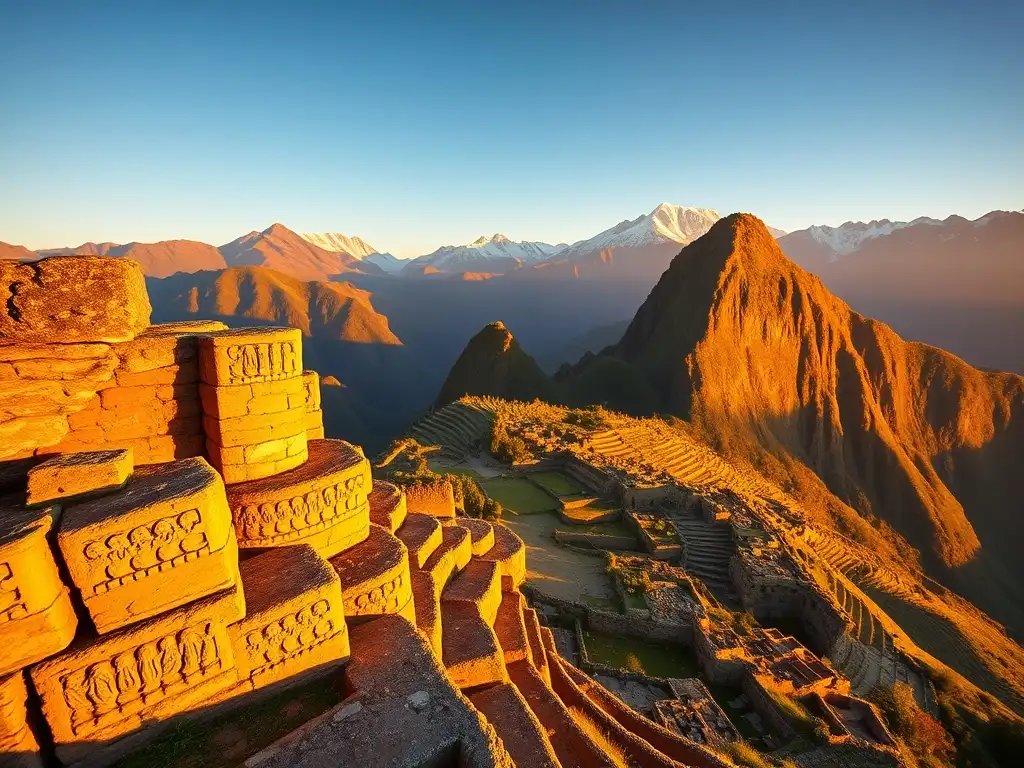
Uncover the mysteries hidden within the towering Andes! For centuries, civilizations thrived in these breathtaking landscapes, leaving behind a legacy of unparalleled artistry, innovation, and spiritual depth. But before the Inca Empire rose to prominence, a tapestry of vibrant cultures flourished, shaping the very fabric of Andean society. Delve into the intriguing world of PreInca Andean cultural impact and discover how these remarkable predecessors laid the foundation for the empires that followed. Prepare to be amazed by their ingenuity – their story is waiting to be unearthed.
The Andes Mountains, a spine of towering peaks running down the western coast of South America, nurtured a vibrant tapestry of pre-Columbian cultures long before the rise of the Inca Empire. This article delves into the profound and lasting legacy of these Pre-Inca Andean civilizations, exploring their significant contributions to the cultural landscape that would eventually be shaped, and in many ways inherited, by the Incas.
We will examine how their advancements in agriculture, architecture, religious beliefs, and social structures directly influenced the subsequent Inca civilization and other Andean societies, demonstrating the crucial role these predecessors played in the region's rich history. Understanding the Pre-Inca impact allows for a more nuanced and complete appreciation of the Inca Empire and the broader Andean cultural heritage.
This exploration will focus on the lasting imprints of several key Pre-Inca cultures, highlighting their unique contributions and the interconnectedness of their developments. The keyword "PreInca Andean cultural impact" will be explored through the lens of specific examples and analyses.
Agricultural Innovations and Their Impact
The Pre-Inca civilizations were masters of adapting to the challenging Andean terrain. Their agricultural innovations, developed over centuries, were crucial for supporting dense populations and providing the foundation for future empires. Techniques like terracing, irrigation systems, and the cultivation of diverse crops—including potatoes, maize, and quinoa—were not only crucial for their own survival but also formed the basis of Inca agricultural practices. The sophisticated water management systems, for instance, allowed for efficient irrigation in arid regions, a technology that the Incas adopted and expanded upon.
The impressive agricultural output of these Pre-Inca societies laid the groundwork for the Inca's ability to feed their vast empire. This demonstrates the significant and direct influence of Pre-Inca agricultural knowledge on the later Inca civilization. Further research is needed to fully quantify the yield increases attributable to these innovations, but evidence clearly points to a substantial impact.
Architectural Marvels and Urban Planning
The impressive architectural achievements of Pre-Inca cultures, such as the monumental structures of Tiahuanaco and the intricate designs of Moche pyramids, showcase remarkable engineering skills and a sophisticated understanding of urban planning. These advanced techniques, including the use of stonework and sophisticated construction methods, influenced the Inca's own architectural style. The precise stone fitting found in many Pre-Inca structures, for example, is a testament to their mastery of construction techniques, a legacy clearly visible in later Inca constructions, albeit with modifications.
The layout of Pre-Inca urban centers, often characterized by carefully planned plazas and ceremonial buildings, also foreshadowed the urban organization of Inca cities. The transition and evolution of architectural styles from Pre-Inca to Inca periods represent a continuous thread of innovation and adaptation rather than a complete break.
Religious Beliefs and Iconography
The religious beliefs and iconography of Pre-Inca cultures were complex and diverse, featuring a pantheon of gods and goddesses, elaborate rituals, and distinctive artistic styles. These religious systems often incorporated elements of nature worship and ancestor veneration, themes that continued to be important in Inca religion. While the Incas developed their own unique pantheon, many symbols and motifs found in Inca art and religious practices can be traced back to their Pre-Inca predecessors.
For example, the worship of the sun god, Inti, a central figure in Inca religion, had roots in earlier Andean sun-based religious traditions. The continuity of certain religious themes and practices demonstrates a clear link between Pre-Inca beliefs and the religious landscape of the Inca Empire. Further study into specific iconographic similarities across various Pre-Inca and Inca cultures is necessary for a more comprehensive understanding.
Pre-Inca societies exhibited diverse social structures and forms of political organization, ranging from small chiefdoms to more complex regional states. These varied structures influenced the development of the Inca Empire's hierarchical society and centralized political system. While the Inca Empire established a highly centralized system, the administrative and social structures of some Pre-Inca states provided precedents for aspects of Inca governance. The concept of a ruling elite, for example, was already present in several Pre-Inca societies.
The Inca's ability to successfully integrate and govern a vast empire may have been partially facilitated by their understanding and adaptation of pre-existing social and political models. A comparative study of administrative structures across various Pre-Inca and Inca societies would provide further insights into this complex process. Analyzing the evolution of social stratification and political power from Pre-Inca to Inca times would reveal a much clearer picture of the impact.
The legacy of the Pre-Inca civilizations is undeniable. Their achievements in agriculture, architecture, religion, and social organization profoundly shaped the development of the Inca Empire and the broader Andean cultural landscape. Understanding this legacy allows for a deeper appreciation of the rich tapestry of Andean history and the interconnectedness of its various cultures. Further research, particularly comparative studies across different Pre-Inca cultures and their relationship with the Inca, will continue to enrich our understanding of this crucial period in Andean history.
- Agricultural Innovations and Their Impact
- Architectural Marvels and Urban Planning
- Religious Beliefs and Iconography
- Social Structures and Political Organization
- What is meant by "PreInca Andean civilizations"?
- How did PreInca cultures influence Inca society?
- What were some key technological achievements of the PreInca Andean civilizations?
- What is the significance of PreInca art and religious beliefs?
- How did the PreInca Andean cultures impact the environment?
Introduction to Pre-Inca Andean Societies and Their Cultural Significance
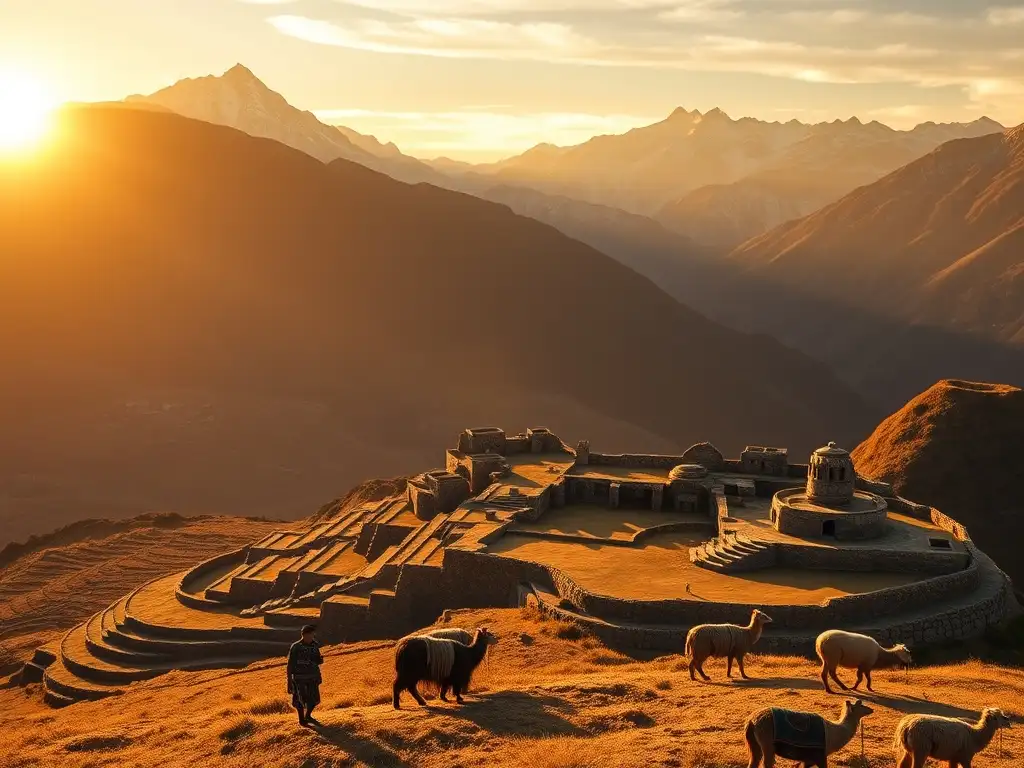
This section delves into the profound and often underestimated influence of Pre-Inca Andean societies on the later, more widely known Inca civilization. Understanding the Pre-Inca cultural impact is crucial to gaining a complete picture of Andean development. We'll explore how these earlier cultures laid the groundwork for Inca achievements, examining their advancements in agriculture, architecture, social structures, and religious beliefs.
The legacy of the Pre-Inca period is not merely a prelude to the Inca empire; it's a vital component of the broader Andean narrative, contributing significantly to the region's rich tapestry of cultural heritage. The term "Pre-Inca Andean cultural impact" itself highlights the importance of this often-overlooked period.
Defining the Pre-Inca Period in Andean History
The term "Pre-Inca" encompasses a vast chronological and geographical expanse, presenting challenges in defining precise boundaries. It generally refers to the Andean cultures that flourished before the rise of the Inca Empire (roughly 1438-1533 CE). This period, however, spans millennia, encompassing diverse societies with unique characteristics.
Dating back to the initial development of agriculture in the Andes (circa 3000 BCE), it includes a complex sequence of cultural developments. Some scholars prefer more specific terminology, like "Early Intermediate Period" or "Late Intermediate Period," to denote specific chronological phases within this broad Pre-Inca era. However, the umbrella term "Pre-Inca" remains useful for highlighting the collective influence of these antecedent cultures on the Inca and subsequent Andean societies.
Accurate periodization remains a complex task, requiring further research and refinement of dating techniques. The diversity in regional development further complicates attempts at a singular definition, emphasizing the need for a nuanced approach to understanding this crucial period.
The Importance of Studying Pre-Inca Cultures for Understanding Andean Development
Studying Pre-Inca cultures is not simply an academic exercise; it's fundamental to comprehending the trajectory of Andean civilization. The Inca Empire, while undeniably impressive, didn't emerge in a vacuum. It inherited and built upon existing technologies, social structures, and belief systems developed by its predecessors. For instance, the sophisticated irrigation systems employed by the Inca were refined versions of techniques pioneered centuries earlier by cultures like the Nazca.
Similarly, Inca architectural styles, while grand in scale, show clear links to earlier Pre-Inca building traditions. Understanding these continuities and innovations provides a richer appreciation of the Inca accomplishments and places them within a broader historical context. Neglecting the Pre-Inca legacy risks presenting a distorted and incomplete picture of Andean history, minimizing the contributions of these foundational cultures. The impact of Pre-Inca Andean societies is therefore not merely additive, but transformative, shaping the course of Andean civilization in profound ways.
Overview of Key Pre-Inca Civilizations and Their Geographic Distribution
Several key Pre-Inca civilizations shaped the Andes. Their geographic distribution highlights the region's diverse ecological zones and their influence on cultural development.
- The Moche (100-800 CE): Located primarily on the northern coast of Peru, the Moche are renowned for their sophisticated irrigation systems, elaborate pottery depicting vivid scenes of daily life and mythology, and monumental architecture including large pyramids. Their mastery of metalworking is also noteworthy. The Moche's influence extended inland, impacting surrounding cultures.
- The Nazca (100 BCE – 600 CE): Known for their enigmatic geoglyphs visible only from the air, the Nazca civilization thrived on the southern coast of Peru. Their advanced irrigation techniques allowed them to flourish in a desert environment. Their elaborate textiles and intricate pottery demonstrate a high level of artistic skill. The Nazca culture's sophisticated understanding of water management significantly influenced subsequent Andean societies.
- The Tiahuanaco (500-1000 CE): This powerful civilization dominated the Tiwanaku region near Lake Titicaca, in what is now Bolivia and Peru. Tiahuanaco's influence spread widely across the Andes, evidenced by their distinctive pottery styles and architectural features found in far-flung locations. Their impressive monumental architecture, including the iconic Akapana pyramid, showcases advanced engineering skills. The Tiahuanaco's impact on religious beliefs and social organization was far-reaching.
These are just a few examples; many other significant Pre-Inca cultures existed, each contributing to the rich cultural landscape of the Andes. Their collective contributions form the bedrock upon which later Andean civilizations, including the Inca, were built. Further research is needed to fully understand the complex interactions and influences between these diverse groups, providing a more complete picture of Pre-Inca Andean cultural impact.
The Architectural and Urban Planning Foundations Laid by Pre-Inca Cultures
The Pre-Inca Andean cultural impact on subsequent civilizations, particularly the Inca, is undeniable, especially in the realm of architecture and urban planning. Long before the Inca Empire rose to prominence, sophisticated societies across the Andes developed remarkable building techniques and urban designs that served as blueprints for later constructions. Understanding these foundational achievements is crucial to fully appreciating the Inca legacy and the broader trajectory of Andean development.
This section will explore the innovations in building techniques, the influence of Pre-Inca urban centers on later city designs, and a specific case study illustrating this enduring legacy. The term "Pre-Inca Andean cultural impact" itself highlights the significant contributions of these earlier societies.
Early Andean Architecture: Innovations in Building Techniques
Pre-Inca cultures demonstrated impressive mastery of construction, adapting to the challenging Andean terrain and utilizing readily available materials. They pioneered techniques that were later refined and expanded upon by the Incas. For instance, the use of adobe (sun-dried mud bricks) was widespread, showcasing a deep understanding of local materials and their properties.
These societies weren't merely stacking bricks; they developed sophisticated techniques for creating strong, durable structures capable of withstanding earthquakes and harsh weather conditions. This involved intricate interlocking patterns, foundations designed to absorb seismic shocks, and the incorporation of reinforcing elements within the walls. Furthermore, the use of stone, particularly in monumental constructions, reveals a high level of skill in quarrying, shaping, and precisely fitting massive blocks without the benefit of advanced tools.
The precision and artistry evident in some Pre-Inca stonework are truly remarkable and foreshadow the later Inca achievements. The development of these techniques represents a significant aspect of the Pre-Inca Andean cultural impact. Analysis of surviving structures shows a gradual evolution in these techniques, indicating a continuous process of innovation and improvement across different Pre-Inca cultures.
The Influence of Pre-Inca Urban Centers on Later City Designs
The sophisticated urban planning of Pre-Inca societies significantly influenced later Andean city designs. Many Pre-Inca settlements were not just haphazard collections of dwellings but carefully planned urban centers with distinct residential, administrative, and religious zones. These urban layouts often incorporated strategic use of terrain, taking advantage of natural features for defense and resource management.
The concept of urbanism, though expressed differently across various cultures, was clearly established long before the Inca. Evidence suggests a strong connection between the layout and functionality of Pre-Inca cities and the later Inca urban centers, particularly in terms of centralized planning, the integration of infrastructure (such as irrigation systems and roads), and the strategic placement of buildings to maximize both functionality and symbolic significance.
The overall design principles and spatial organization reflect a continuity of urban planning traditions, showing the enduring influence of Pre-Inca Andean cultural impact on subsequent urban development. Further research is needed to fully quantify this influence, but the similarities are striking and suggest a direct lineage.
Case Study: Caral's Pyramidal Structures and its Legacy
Caral, located in the Supe Valley of Peru, stands as a compelling example of Pre-Inca architectural ingenuity and its lasting impact. Caral, one of the oldest known urban centers in the Americas, features a complex of monumental pyramidal structures, plazas, and residential areas. These pyramids, constructed from adobe and stone, were not merely tombs but likely served multiple functions, including religious ceremonies, administrative activities, and community gatherings.
The scale and complexity of Caral's architecture are impressive, demonstrating a high level of social organization and engineering capabilities. The layout and design principles employed in Caral's construction are echoed in later Andean societies, suggesting a direct lineage in architectural styles and urban planning. The sophistication of Caral's urban planning and the monumental scale of its architecture serve as a powerful testament to the Pre-Inca Andean cultural impact on subsequent civilizations.
The influence of Caral's pyramidal designs can be traced through various subsequent Andean cultures, highlighting the continuity of architectural traditions and the enduring legacy of this remarkable civilization. Further study of Caral and other early Andean sites is crucial to understanding the full extent of the Pre-Inca Andean cultural impact.
Pre-Inca Agricultural Practices and Their Impact on Inca Agriculture
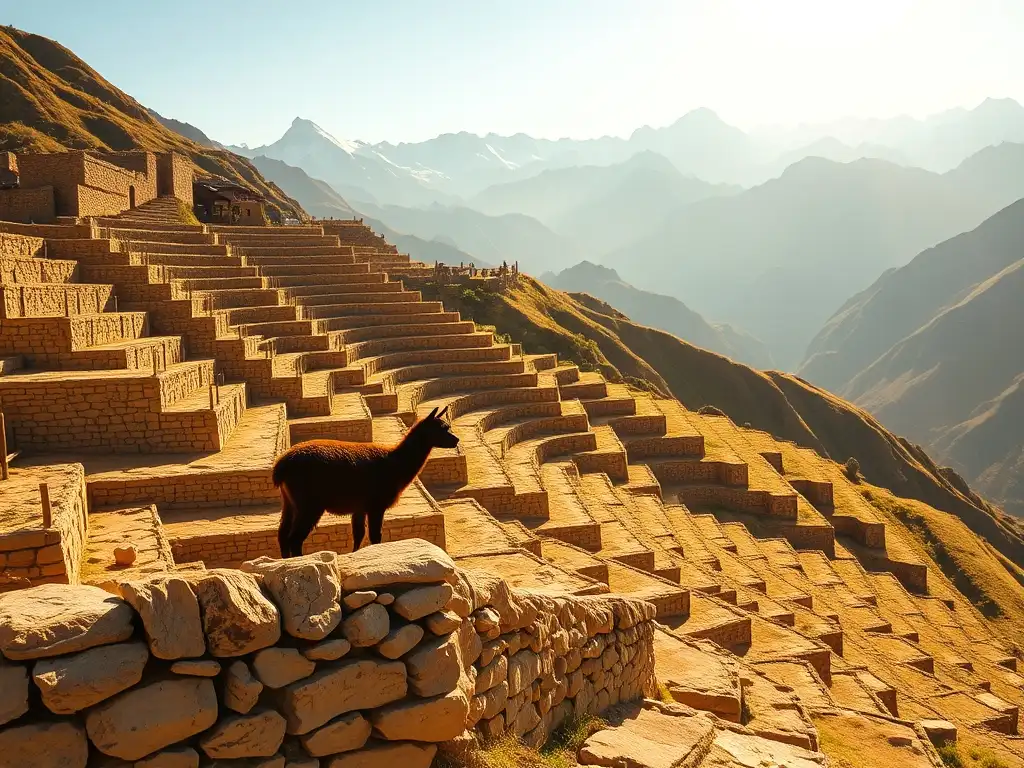
The Pre-Inca Andean cultural impact on subsequent civilizations, particularly the Inca, is profoundly evident in their agricultural practices. The Incas inherited and significantly expanded upon sophisticated agricultural techniques developed centuries earlier. Understanding this legacy is crucial to appreciating the Inca Empire's impressive achievements in food production and population management. The Pre-Inca period saw the development of ingenious methods that allowed for intensive agriculture in challenging Andean terrains.
This mastery of agriculture laid the groundwork for the later Inca expansion and success. Analyzing Pre-Inca agricultural innovations reveals a remarkable level of technological sophistication and environmental adaptation. This section will explore the key aspects of this vital contribution to the Andean world.
Advanced Pre-Inca Farming Methods: Terracing, Irrigation, and Crop Diversification
Pre-Inca societies, such as the Moche and Nazca, demonstrated remarkable ingenuity in adapting their agricultural practices to the steep slopes and arid conditions of the Andes. They developed advanced techniques, including terracing, irrigation, and crop diversification, to maximize agricultural yields.
Terracing transformed steep hillsides into a series of level platforms, creating more arable land and reducing soil erosion. These terraces, often meticulously constructed with stone retaining walls, are a testament to the Pre-Inca understanding of engineering and environmental management. The scale of some of these terracing projects is truly breathtaking, showcasing a level of societal organization and cooperation necessary for such large-scale undertakings. This intricate system allowed for efficient water management and prevented soil loss, ensuring consistent crop production.
Irrigation systems, equally impressive, were crucial in the arid coastal regions and high-altitude valleys. Pre-Inca cultures built canals, aqueducts, and reservoirs to divert water from rivers and streams to their fields. These sophisticated systems, often involving complex engineering feats, allowed for the cultivation of crops in areas that would otherwise have been unsuitable for agriculture. The Nazca lines, while their purpose remains debated, may have played a role in these sophisticated water management systems. Their precise alignment could have been used for astronomical observations to help predict rainfall and optimize irrigation schedules.
Crop diversification was another key strategy employed by Pre-Inca farmers. By cultivating a wide variety of crops, they reduced their vulnerability to crop failures caused by pests, diseases, or adverse weather conditions. This approach ensured a more stable food supply and enhanced food security for the population. Archaeological evidence suggests that Pre-Inca diets were remarkably diverse, including potatoes, maize, quinoa, beans, and various fruits and vegetables. This practice significantly increased the resilience of the agricultural systems.
The Transfer of Agricultural Knowledge from Pre-Inca to Inca Societies
The Inca Empire inherited a rich agricultural legacy from its Pre-Inca predecessors. The Inca's impressive agricultural achievements built upon existing Pre-Inca techniques and expanded them on a grander scale. The Inca state actively promoted and standardized agricultural practices across its vast territory, incorporating and refining the existing knowledge. This transfer of knowledge was facilitated through a complex administrative system and a network of skilled agricultural specialists. The Inca's mit'a system, a form of mandatory labor, played a crucial role in the construction and maintenance of irrigation systems and terraces.
The Inca expanded upon existing irrigation systems, building even larger canals and aqueducts to support their growing population. They also refined terracing techniques, creating even more elaborate and extensive terraced fields. Furthermore, the Inca standardized crop production, promoting the cultivation of certain crops across their empire.
This approach ensured a consistent food supply and facilitated the redistribution of resources. The Inca's ability to efficiently manage and distribute agricultural surpluses played a crucial role in maintaining their political and economic power. Essentially, the Inca built upon a pre-existing foundation of agricultural expertise to create a highly efficient and productive agricultural system.
The Role of Pre-Inca Agriculture in Supporting Population Growth
The advanced agricultural techniques developed by Pre-Inca societies played a crucial role in supporting significant population growth in the Andean region. By maximizing agricultural yields and ensuring a stable food supply, these techniques created the conditions for the development of larger and more complex societies. The surplus food production generated by these systems allowed for the emergence of specialized labor and the development of urban centers.
Without the agricultural innovations of the Pre-Inca period, the population growth and societal complexity witnessed during the Inca Empire would have been impossible. The efficient agricultural systems supported not only the population but also allowed for the expansion and development of the Inca state itself. Increased food production facilitated population growth, leading to a demographic shift that impacted the political and social landscape of the Andes.
The ability to feed larger populations was a significant factor in the rise and expansion of both Pre-Inca and Inca civilizations. This intricate interplay between agricultural advancements and population growth is a key factor in understanding the success of Andean civilizations.
Pre-Inca Artistic Expressions and Their Influence on Later Andean Art
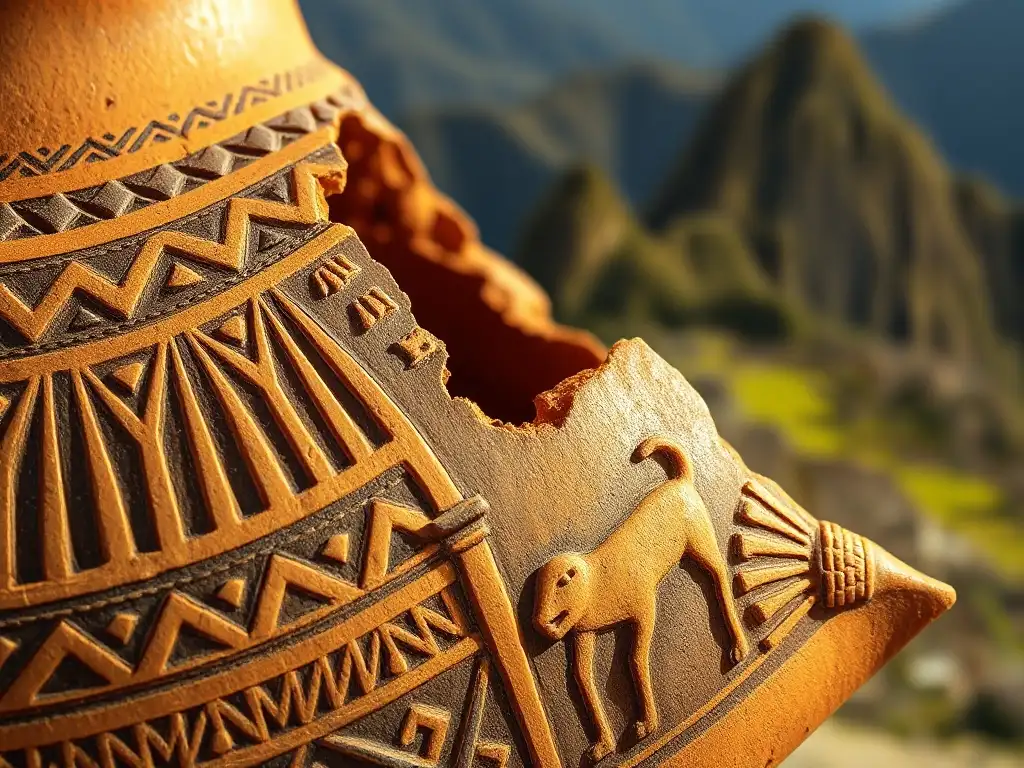
The Pre-Inca Andean cultural impact on subsequent Andean civilizations, particularly the Inca Empire, is undeniable, especially in the realm of art. Analyzing Pre-Inca artistic expressions reveals a rich tapestry of styles and techniques that laid the groundwork for later artistic developments. Understanding this legacy allows us to appreciate the continuity and evolution of Andean artistic traditions over centuries.
The sophisticated artistry of these earlier cultures wasn't simply superseded; it was absorbed, adapted, and reinterpreted by succeeding empires, forming a continuous thread in the rich cultural fabric of the Andes. This section focuses on key artistic expressions, highlighting their influence on the art of later Andean cultures.
Pre-Inca Pottery Styles and Their Evolution
Pre-Inca pottery showcases remarkable diversity across different regions and time periods. The Moche culture, for example, is renowned for its highly realistic and detailed pottery depicting scenes of daily life, warfare, and mythology. Their mastery of modeling, painting, and firing techniques resulted in incredibly lifelike vessels.
These techniques, including the use of slip and the application of vibrant polychromes, directly influenced later pottery styles. The Nazca culture, known for their intricate geoglyphs, also produced sophisticated pottery characterized by fine lines, geometric designs, and stylized figures. Their distinctive style, often featuring intricate painted scenes, can be traced in the pottery of later cultures.
For instance, the use of negative space and the emphasis on stylized depictions of flora and fauna are notable continuities. Analyzing the evolution of pottery styles from early Pre-Inca traditions to the Inca period reveals a clear lineage, demonstrating the enduring influence of earlier artistic conventions. The continuity in certain decorative motifs and artistic techniques underlines the profound impact of Pre-Inca pottery on the development of Andean ceramic art.
Textile Traditions and Weaving Techniques in Pre-Inca Cultures
Pre-Inca textile production represents another area of significant artistic achievement and cultural transmission. Cultures like the Paracas and Nazca were renowned for their intricate weaving techniques and the use of high-quality materials like cotton and camelid fibers. The Paracas textiles, in particular, are celebrated for their vibrant colors, complex designs, and masterful execution of techniques such as tapestry weaving and embroidery.
These sophisticated techniques, along with the distinctive use of symbolic imagery, significantly influenced subsequent textile traditions. The intricate designs and weaving techniques of the Paracas and Nazca cultures found their way into Inca textiles, albeit often adapted and integrated into the Inca aesthetic. For example, the use of complex geometric patterns and representations of mythical beings can be traced from Pre-Inca textiles into the Inca period.
The continuity in the choice of materials, weaving techniques, and symbolic imagery provides strong evidence of the enduring legacy of Pre-Inca textile traditions. Further research into specific motifs and techniques would reveal a more detailed picture of this cultural inheritance.
The Legacy of Pre-Inca Art in Inca Iconography and Artistic Motifs
The Inca Empire, while possessing its own distinct artistic style, undeniably drew heavily upon the artistic traditions of its Pre-Inca predecessors. Many Inca artistic motifs, iconographic representations, and stylistic elements can be directly traced back to earlier cultures. For example, certain zoomorphic and anthropomorphic figures, frequently appearing in Inca art, show clear stylistic links to Moche and Nazca representations.
The use of specific colors and color combinations also exhibits continuity across different periods. Moreover, the Inca’s adoption and adaptation of existing artistic techniques, such as pottery making and weaving, further underscores the profound influence of Pre-Inca artistic traditions. While the Inca style certainly developed its own unique characteristics, it did so by building upon and reinterpreting the rich artistic heritage of the preceding Andean cultures.
The continuity in artistic motifs and the adoption of specific techniques highlight the lasting impact of Pre-Inca artistic expressions on the later Inca artistic canon. Detailed comparative studies of specific iconographic elements would provide further insights into the nature and extent of this artistic inheritance. The fusion of these styles created a truly unique and vibrant artistic landscape in the Inca Empire, a testament to the enduring legacy of Pre-Inca artistic innovation.
The Pre-Inca Andean cultural impact is profoundly evident in the sophisticated social and political structures that predate the Inca Empire. Understanding these societies reveals a complex tapestry of organization, far from the simplistic notions of homogenous tribal groups. Rather, we find diverse systems reflecting unique environmental adaptations and evolving power dynamics. This section delves into the intricacies of Pre-Inca social and political organization, highlighting their lasting influence on subsequent Andean states.
Pre-Inca Andean societies, while varying regionally, exhibited clear social hierarchies. These weren't always rigidly defined caste systems like those found in some other ancient civilizations, but rather flexible structures influenced by factors like kinship, religious authority, and economic power. For example, the Moche civilization displayed a clear elite class, evidenced by elaborate tombs containing exquisite gold artifacts and human sacrifices. These individuals, likely priests and rulers, enjoyed privileged access to resources and held significant social status. Their power was likely reinforced through religious rituals and control over irrigation systems, vital for agricultural production in the arid coastal regions.
Conversely, the Nazca, known for their enigmatic geoglyphs, may have had a less centralized social structure. While evidence suggests the existence of powerful leaders, the degree of social stratification remains a subject of ongoing archaeological debate. The discovery of elaborate textiles and pottery suggests a specialized craft sector, implying a degree of social differentiation, but the exact nature of the power dynamics is still under investigation. Further research, particularly focusing on settlement patterns and burial practices, is needed to fully understand the complexities of Nazca social organization and its contribution to the broader "PreInca Andean cultural impact."
Pre-Inca Political Systems and Their Influence on Later Andean States
The political systems of Pre-Inca societies ranged from relatively small-scale chiefdoms to more complex regional states. The Tiahuanaco culture, for instance, exerted considerable influence across a vast territory, suggesting a sophisticated political organization capable of managing resources and maintaining control over a large population. Evidence points towards a hierarchical structure, with a powerful ruling class controlling religious practices, agriculture, and possibly even trade networks stretching across the Andes.
This centralized authority likely influenced the later development of larger Andean empires, including the Inca, which adopted and adapted many administrative and organizational strategies from previous Andean states. The impact on Inca administrative practices is particularly visible in their use of tambos (roadside inns) and mit'a (labor tax), which have parallels in earlier systems.
The impact of these Pre-Inca political structures is not limited to administrative systems. The development of sophisticated record-keeping, possibly through quipu (knotted string records), in societies like the Wari, demonstrates an advanced understanding of administration and information management. This system, although not fully deciphered, reflects a level of complexity that foreshadowed the Inca's own record-keeping techniques and laid the groundwork for the later imperial administrative systems.
The emergence of specialized labor is another key aspect of the PreInca Andean cultural impact. As societies grew larger and more complex, individuals began to specialize in specific crafts and occupations. This specialization led to increased productivity and the development of sophisticated technologies. The Moche are renowned for their highly skilled metalworkers, producing intricate gold and silver objects.
Similarly, the Nazca excelled in textile production, creating incredibly detailed and colorful textiles. This division of labor fostered social stratification, with skilled artisans and specialists holding higher social standing than those engaged in more basic tasks like agriculture. This pattern of social stratification, with its basis in specialized skills and economic contribution, continued to influence later Andean societies, including the Inca Empire, where skilled artisans and specialists held privileged positions.
The development of specialized labor was intricately linked to the growth of urban centers. Larger settlements, such as those found at Chan Chan (Chimú) and Tiahuanaco, provided the necessary infrastructure and markets to support specialized crafts. This concentration of skilled labor and economic activity further solidified social hierarchies and contributed to the overall complexity of Pre-Inca societies, leaving a significant mark on the "PreInca Andean cultural impact" and shaping the trajectory of later Andean civilizations.
The Religious and Spiritual Beliefs of Pre-Inca Civilizations
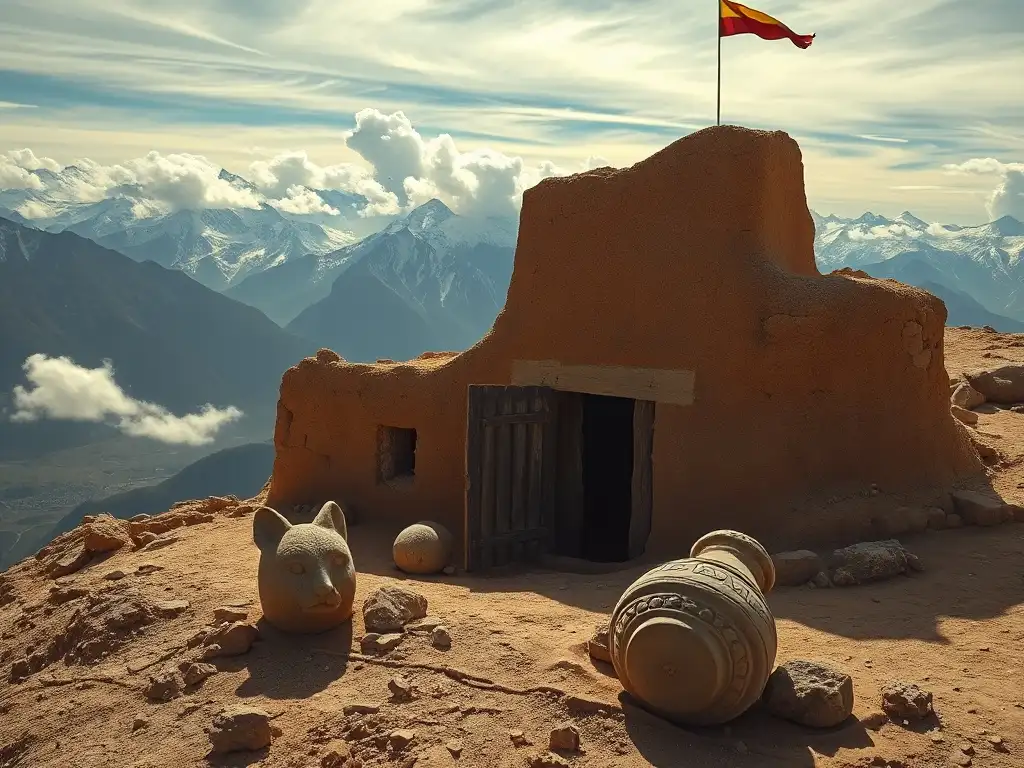
The religious and spiritual beliefs of Pre-Inca Andean civilizations were deeply intertwined with their daily lives, shaping their social structures, agricultural practices, and artistic expressions. Understanding these beliefs is crucial to grasping the PreInca Andean cultural impact on subsequent Andean societies, including the Inca Empire. Unlike the later, more centralized Inca religion, Pre-Inca religious practices varied considerably across different cultures and regions, reflecting the diverse ecological niches and social organizations of these groups.
This diversity, however, also reveals underlying common threads, suggesting a shared Andean worldview that emphasized the connection between the human and supernatural realms. The study of Pre-Inca religious beliefs provides invaluable insight into the development of Andean spirituality and its lasting legacy.
Key Deities and Religious Practices in Pre-Inca Andean Religion
Pre-Inca Andean religion wasn't monolithic; it encompassed a diverse pantheon of deities and spiritual beings. While specific deities varied regionally, common themes emerged. Many cultures revered deities associated with:
- Fertility and Agriculture: The abundance of life, crucial for survival in the challenging Andean environment, was often attributed to powerful deities controlling water, crops, and livestock. These deities were frequently depicted anthropomorphically or as powerful animals, reflecting the importance of agriculture in their societies. For example, the Moche culture revered a diverse range of deities, many linked to agricultural cycles and natural forces. Their elaborate ceramics often depict scenes of agricultural practices and ritual offerings, showcasing the centrality of these deities in their lives.
- Ancestor Veneration: Ancestral spirits were believed to hold considerable power and influence, acting as intermediaries between the living and the supernatural world. Elaborate burial practices, including the inclusion of grave goods and the construction of monumental tombs, underscore the importance of ancestor veneration in many Pre-Inca societies. The Nazca culture, known for its geoglyphs, also exhibited complex burial rituals, suggesting a strong belief in the enduring power of their ancestors.
- Natural Forces: Mountains, rivers, and other natural features were often considered sacred and imbued with spiritual power. These natural elements played a vital role in everyday life, providing sustenance and shaping the landscape. Their reverence is reflected in the location of settlements and the orientation of ceremonial structures. The Tiahuanaco culture, for example, strategically positioned its monumental structures in relation to significant geographical features, emphasizing their spiritual significance.
The religious practices of Pre-Inca cultures included:
- Ritual Offerings: Offerings of food, drink, textiles, and other valuable items were frequently made to appease deities and ancestors. These offerings often involved elaborate ceremonies and rituals, performed by specialized priests or shamans.
- Pilgrimages: Certain sites were considered sacred and attracted pilgrims from distant regions. These pilgrimages often involved arduous journeys, highlighting the importance of these places in the religious landscape.
- Divination: Techniques for predicting the future or interpreting divine will were employed, often using oracles or interpreting natural phenomena.
The Significance of Rituals and Ceremonies in Pre-Inca Societies
Rituals and ceremonies played a central role in Pre-Inca societies, serving various social and religious functions. They helped maintain social order, reinforce community bonds, and ensure the continuity of life and prosperity. Many rituals were tied to the agricultural cycle, marking important stages like planting and harvesting. These events brought communities together, fostering social cohesion and reinforcing shared beliefs.
The scale and complexity of these ceremonies varied across different cultures, reflecting their unique social structures and religious beliefs. For example, some cultures held large-scale public festivals, while others focused on smaller, more intimate rituals. The intricate details of these ceremonies, often depicted in art and architecture, offer valuable insights into the social dynamics and spiritual beliefs of these societies. The precise nature and frequency of many rituals remain areas of ongoing research, highlighting the complexity of reconstructing the past.
Detailed analysis of surviving artifacts, such as textiles, pottery, and metalwork, often reveals symbolic imagery related to specific rituals and ceremonies. These objects provide tangible evidence of the importance of ritual practices in Pre-Inca life. The sheer variety of materials used and the craftsmanship involved demonstrate the significance and investment in these religious activities.
The Persistence of Pre-Inca Beliefs in Later Andean Spirituality
The PreInca Andean cultural impact is evident in the continuity of certain religious beliefs and practices into later Andean cultures, particularly the Inca Empire. While the Inca developed a more centralized and formalized religion, many elements of Pre-Inca spirituality persisted. The Inca incorporated many Pre-Inca deities into their pantheon, often reinterpreting them within their own cosmological framework.
Ancestor veneration, a central aspect of Pre-Inca religion, remained important in Inca society. Furthermore, many ritual practices and ceremonies, adapted and modified, continued to be observed. The Inca's impressive road system facilitated pilgrimage to significant sites from earlier periods, demonstrating the enduring importance of these locations.
The persistence of these beliefs highlights the deep roots of Andean spirituality and the lasting influence of Pre-Inca cultures on the development of later Andean civilizations. The Inca's incorporation of Pre-Inca traditions ensured the continuity of many spiritual practices, creating a rich tapestry of religious beliefs and practices that extended through centuries. This blending of traditions underscores the complex and dynamic nature of Andean cultural development.
Pre-Inca Trade Networks and Their Impact on Regional Connectivity
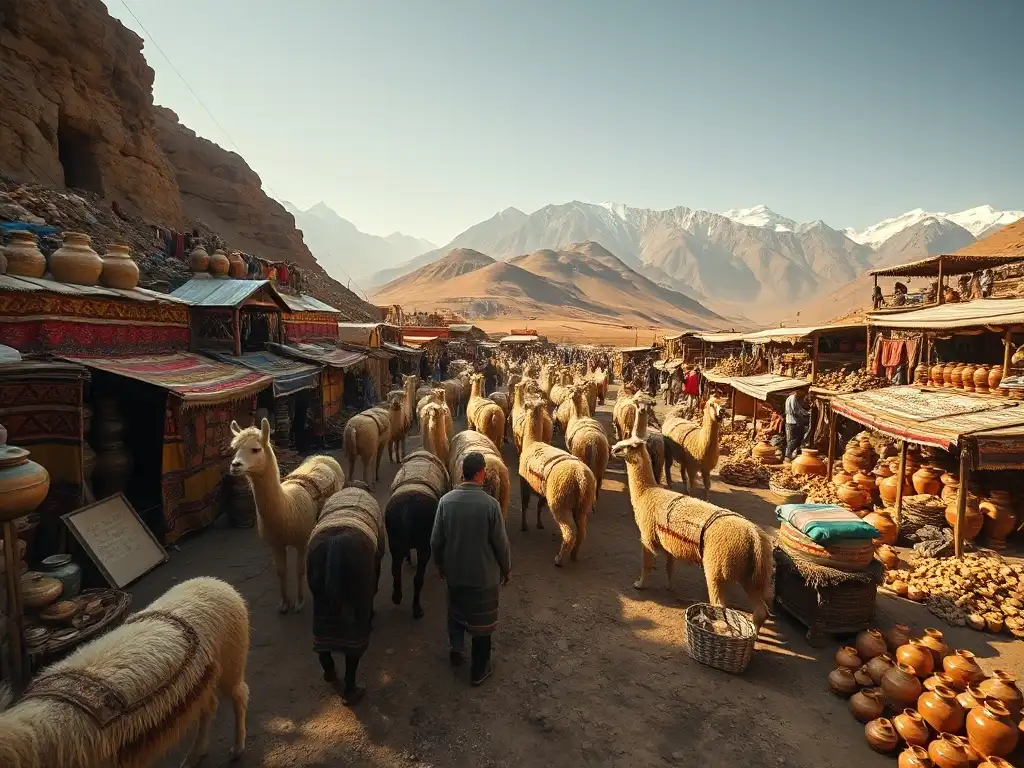
The Pre-Inca Andean cultural impact is profoundly linked to the sophisticated trade networks that crisscrossed the Andes Mountains long before the Inca Empire's rise. These weren't simply bartering systems; they were complex, organized networks facilitating the exchange of goods, ideas, and even religious practices across vast distances and diverse ecological zones. Understanding these networks is crucial to grasping the interconnectedness of Andean societies and the foundation upon which later empires, including the Inca, were built. The PreInca period witnessed a remarkable level of regional integration, significantly shaping the cultural landscape of the Andes.
The Development of Trade Routes and Exchange Systems
Pre-Inca trade routes weren't haphazard paths; they were strategically planned, utilizing existing geographical features like river valleys and mountain passes. These routes, often traversing challenging terrain, connected coastal regions rich in marine resources with highland areas abundant in agricultural products and minerals. Evidence suggests the use of llama caravans for transporting goods over longer distances, while smaller-scale exchanges likely occurred through local markets and networks. The development of these routes wasn't a spontaneous process; it involved considerable planning and the establishment of waystations and resting places for travelers and their animals.
The precise details of the administrative structures overseeing these trade routes remain somewhat unclear, [specific information pending on administrative structures of PreInca trade]. However, archaeological findings like storage facilities and the discovery of diverse goods in distant locations strongly indicate a level of organization and control exceeding simple bartering. The distribution of specific pottery styles and artifacts across wide geographical areas also points to well-established trade networks. This organized approach to trade facilitated not only economic growth but also the transmission of cultural elements, fostering a sense of shared identity across different Andean communities.
The Influence of Pre-Inca Trade on the Spread of Goods and Ideas
The PreInca Andean cultural impact extended far beyond the mere exchange of material goods. Trade acted as a catalyst for the dissemination of ideas, religious beliefs, and technological innovations. For example, the spread of specific agricultural techniques, such as irrigation systems, likely occurred through trade interactions. Similarly, religious iconography and artistic styles found their way across vast distances, reflecting a shared cultural heritage and the exchange of symbolic meanings. This cultural exchange wasn't a one-way street; rather, it involved a dynamic interplay of influences, leading to the creation of hybrid traditions and a more interconnected Andean worldview.
Consider the spread of metallurgy. The mastery of metalworking, particularly in copper and bronze, wasn't uniformly developed across the Andes. Trade networks played a key role in the dissemination of this technology, leading to its adoption in regions where it had previously been unknown. This exchange of technological knowledge fueled innovation and further economic development, demonstrating the synergistic relationship between trade and technological progress. The resulting cultural blending enriched the artistic expressions and religious practices of various Andean communities.
The Role of Pre-Inca Trade in the Economic Development of the Andes
Pre-Inca trade significantly contributed to the economic development of the Andes, fostering specialization and regional economic interdependence. Coastal communities focused on fishing and the extraction of marine resources, while highland areas specialized in agriculture and the mining of metals. This division of labor, facilitated by trade networks, resulted in increased productivity and economic diversification. The accumulation of wealth through trade also led to the emergence of powerful elites and the development of complex social hierarchies, laying the groundwork for the more centralized political structures that would emerge later.
The economic impact of Pre-Inca trade can be seen in the development of urban centers and the construction of monumental architecture. The availability of resources from different regions, facilitated by trade, allowed for ambitious construction projects and the creation of sophisticated infrastructure. The economic prosperity generated by trade, therefore, wasn’t just about material wealth; it underwrote the development of complex societies and the creation of a rich cultural heritage.
The legacy of this economic dynamism is evident in the impressive remains of Pre-Inca settlements and the sophisticated technologies they developed. The enduring PreInca Andean cultural impact is inextricably linked to their sophisticated and far-reaching trade networks.
The Enduring Impact of Pre-Inca Andean Cultural Impact
The Pre-Inca Andean cultural impact resonates deeply throughout Andean history, profoundly shaping the societies that followed. Understanding this influence is crucial to appreciating the complexity and continuity of Andean civilization. While the Inca Empire is often the focal point of discussions about Andean history, its achievements were built upon a rich foundation laid by preceding cultures.
This section explores the lasting legacy of these earlier societies, demonstrating how their innovations, beliefs, and societal structures significantly impacted the Inca and continue to influence modern Andean societies. The term "Pre-Inca" itself is a broad descriptor, encompassing numerous distinct cultures across vast geographical regions and time periods, each contributing uniquely to the overall Andean cultural tapestry. Analyzing their individual contributions and their collective influence provides a more nuanced understanding of the "Pre-Inca Andean cultural impact."
How Pre-Inca Achievements Shaped Inca Culture
The Inca Empire, renowned for its sophisticated administrative systems and impressive infrastructure, did not emerge in a vacuum. Many of its key innovations were refinements or adaptations of technologies and practices developed by earlier Andean societies. For example, the Inca mastery of terrace farming, crucial for their agricultural success in mountainous regions, was a direct evolution of techniques perfected by earlier cultures like the Wari and Tiwanaku.
These earlier civilizations had already developed sophisticated irrigation systems and mastered the art of manipulating slopes to create productive agricultural terraces. The Inca simply built upon and expanded these existing systems, demonstrating a clear continuity of cultural knowledge and practice.
Furthermore, the Inca's intricate road network, a marvel of engineering, also owes a debt to Pre-Inca predecessors. While the Inca expanded and standardized the road system, connecting their vast empire, the concept of extensive road networks already existed, albeit on a smaller scale, within the realms of earlier Andean cultures. This suggests a gradual evolution of infrastructure, with the Inca leveraging and improving upon existing technologies and organizational structures.
The Inca's religious beliefs and practices, although unique in many ways, also demonstrate a continuity with Pre-Inca traditions. Many deities and religious rituals found within Inca society have clear parallels in earlier Andean cultures, indicating a long-standing evolution of religious thought and practice. For instance, the veneration of mountains and celestial bodies, a prominent feature of Inca religion, was also deeply ingrained in the belief systems of several Pre-Inca civilizations. This illustrates the enduring influence of Pre-Inca religious frameworks on later Andean cultures.
The Ongoing Significance of Pre-Inca Heritage in Modern Andean Societies
The legacy of Pre-Inca civilizations extends far beyond the Inca Empire; their cultural impact continues to shape modern Andean societies. Many contemporary Andean communities maintain traditions, practices, and belief systems directly linked to these earlier cultures. Agricultural techniques, for instance, still utilize elements from ancient methods, demonstrating the ongoing relevance of Pre-Inca knowledge in sustainable farming practices.
Moreover, many aspects of Andean art, textiles, and architecture reflect the enduring influence of Pre-Inca styles and techniques. Traditional Andean weaving patterns, for example, often incorporate motifs and designs that trace their origins back to Pre-Inca cultures. This demonstrates the persistence of artistic traditions across centuries, a testament to the deep cultural roots of Andean societies.
The continued importance of archaeological sites associated with Pre-Inca civilizations further highlights their lasting significance. These sites serve not only as tourist attractions but also as powerful symbols of cultural identity and heritage for modern Andean communities. Their preservation and study are crucial for understanding the complex history and cultural continuity of the Andean region. The ongoing efforts to protect and interpret these sites underscore the profound and lasting impact of these early civilizations.
Future Research Directions in Understanding Pre-Inca Civilizations
Further research into Pre-Inca Andean civilizations is essential to fully grasp their influence on subsequent cultures. Areas needing further investigation include:
- Advanced Technological Analysis: More in-depth analysis of Pre-Inca technologies, using modern scientific techniques, could reveal further details about their innovations and their impact on later societies. This could involve detailed studies of metallurgical processes, agricultural techniques, and architectural designs.
- Inter-Cultural Interactions: Further research is needed to understand the complex interactions between different Pre-Inca cultures and the ways in which these interactions shaped the development of Andean societies. This involves examining trade networks, migration patterns, and the exchange of ideas and technologies between different groups.
- Social Organization and Governance: More detailed studies of Pre-Inca social structures and governance systems are needed to better understand the evolution of political and social organization in the Andean region. This could involve analyzing settlement patterns, burial practices, and iconography to shed light on social hierarchies and power dynamics.
By focusing on these areas, future research can significantly enhance our understanding of the "Pre-Inca Andean cultural impact," providing a richer and more complete picture of the development of Andean civilization. This ongoing research is crucial for preserving and celebrating the rich cultural heritage of the Andean region and for understanding the complex interplay of factors that shaped its unique history.
Frequently Asked Questions
What is meant by "PreInca Andean civilizations"?
The term refers to the complex societies that thrived in the Andes region before the rise of the Inca Empire. These include significant cultures like the Moche, Nazca, and Tiahuanaco, each leaving a lasting legacy.
How did PreInca cultures influence Inca society?
PreInca civilizations significantly impacted Inca culture, providing foundations in agriculture, architecture, and religious practices. Inca innovations often built upon or adapted existing PreInca technologies and traditions.
What were some key technological achievements of the PreInca Andean civilizations?
PreInca groups developed remarkable advancements, including sophisticated irrigation systems, intricate textiles, and impressive monumental architecture like the Nazca Lines and Tiahuanaco's complex structures.
What is the significance of PreInca art and religious beliefs?
PreInca art and religion were deeply intertwined, reflecting complex cosmologies and social structures. Their artistic styles, often depicted in ceramics and textiles, provide valuable insights into their worldview.
How did the PreInca Andean cultures impact the environment?
PreInca societies developed sustainable agricultural techniques adapted to the challenging Andean terrain. However, their impact on the environment also included resource management practices that had both positive and negative consequences.
Final Reflection: Echoes of the Andes: A Legacy Unfolding
The intricate tapestry woven by the Pre-Inca cultures continues to resonate powerfully in the modern Andes, shaping not only the region's identity but also offering invaluable lessons for understanding the complexities of societal development and cultural preservation. Their sophisticated agricultural techniques, innovative architectural styles, and deeply spiritual worldview laid the foundation for the Inca Empire and continue to influence the lives of Andean communities today. The echoes of their ingenuity and resilience are undeniable.
The enduring impact of Pre-Inca civilizations is profoundly moving. Their mastery of their environment, their artistic expressions, and their complex social structures demonstrate a level of sophistication often overlooked in historical narratives. The past is never dead. It's not even past.
- William Faulkner. This quote perfectly encapsulates the ongoing relevance of Pre-Inca heritage; their legacy is not a relic of the past, but a living force that shapes the present and informs our understanding of the future. Their stories, etched in stone and woven into the fabric of Andean life, remind us of the interconnectedness of history and the importance of respecting and learning from those who came before us.
Consider, for a moment, the ingenuity of their terrace farming techniques, still visible across the Andean landscape. Reflect on the intricate artistry of their ceramics and textiles, which continue to inspire contemporary artists. You, the reader, are now part of this ongoing conversation. Let the legacy of the Pre-Inca cultures inspire you to explore your own heritage, to appreciate the richness of diverse cultures, and to champion the preservation of our shared history for future generations. By understanding their past, we can better navigate the challenges of the present and build a more sustainable and equitable future.
Thank you for exploring the captivating legacy of the Pre-Inca civilizations and their profound impact on subsequent Andean cultures. You've gained valuable insights into how these ancient societies shaped the Andes we know today. Now, let's continue this journey of discovery.
Here are some ways to further explore this rich heritage:
- Deepen your knowledge: Explore our extensive resources and articles on Andean civilizations to broaden your understanding of their fascinating cultures. You'll find a wealth of information on their unique traditions, innovations, and societal structures.
- Connect with fellow enthusiasts: Share your newfound knowledge with friends, family, or join our vibrant online community of history buffs. Engaging in discussions with others can provide fresh perspectives and deepen your appreciation for this remarkable period.
- Experience Andean culture firsthand: Attend workshops, lectures, or even visit museums focused on Andean history. Immerse yourself in this captivating world and connect with passionate individuals who share your interest.
What aspect of the Pre-Inca influence most captivates you, and how might this knowledge reshape your understanding of modern Andean cultures?