
The Andean World Before the Inca: A Glimpse into a Diverse and Complex Past

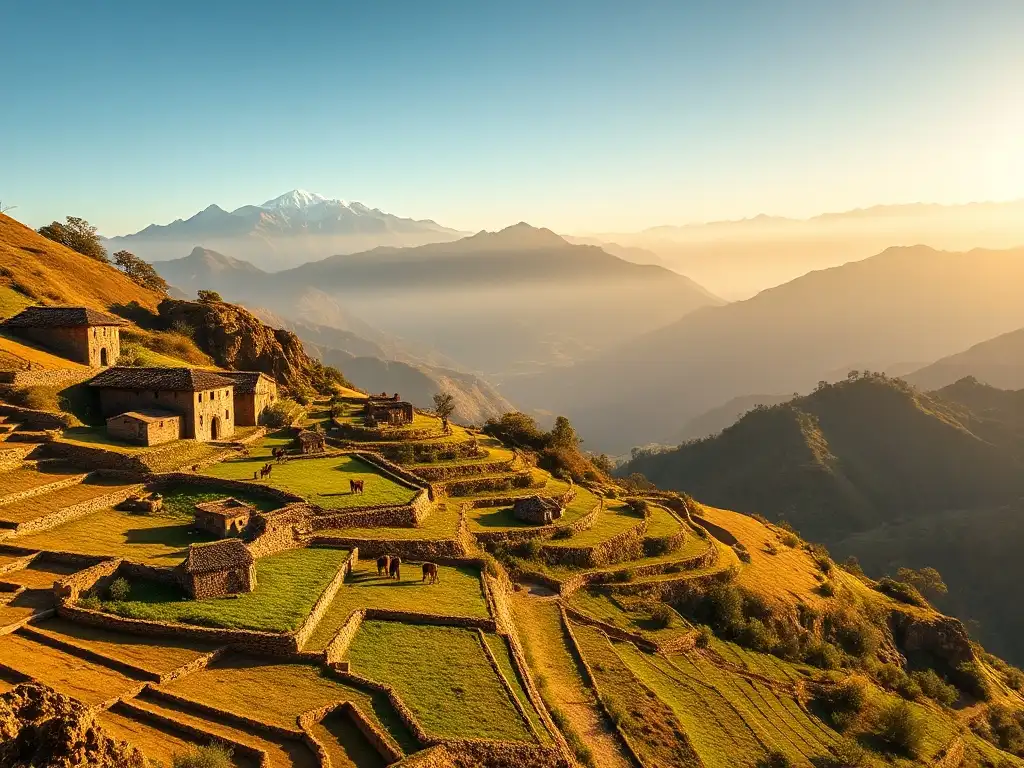
Step into a world lost to time, yet echoing with the whispers of a magnificent past. Forget everything you think you know about the Andes – before the Inca Empire rose to prominence, a vibrant tapestry of ancient Andean civilizations flourished, each leaving an indelible mark on the landscape and shaping the future. Discover the untold stories of the Moche, Nazca, and Tiahuanaco, and unravel the mysteries surrounding their sophisticated cultures and remarkable achievements in Ancient Andean civilizations before Inca. Prepare to be amazed.
The Andes Mountains, a spine of towering peaks stretching along the western coast of South America, nurtured a tapestry of vibrant and sophisticated civilizations long before the rise of the Inca Empire. This article delves into the fascinating world of the Ancient Andean civilizations before the Inca, exploring the rich diversity of cultures that shaped the region's history, art, and technology. We will uncover the legacies of powerful kingdoms and innovative societies, demonstrating the complexity and ingenuity that existed centuries before the Inca's expansion.
Understanding this pre-Inca heritage is crucial to appreciating the full scope of Andean history and the remarkable achievements of its people. This journey will reveal a landscape populated by distinct cultures, each leaving behind a unique mark on the Andean tapestry, providing a much richer understanding of the "Ancient Andean civilizations before Inca" than a solely Inca-centric view.
The Moche: Masters of Metalwork and Monumental Architecture
The Moche civilization (circa 100-800 CE), flourishing on the northern coast of Peru, left behind a remarkable legacy of intricate metalwork and monumental architecture. Their mastery of metallurgy is evident in their exquisite gold and silver artifacts, often depicting scenes of warfare, ritual, and daily life. These objects, showcasing incredibly detailed craftsmanship, provide invaluable insights into their social structures, religious beliefs, and artistic sensibilities.
Furthermore, the Moche constructed impressive pyramids and elaborate adobe structures, testament to their advanced engineering skills and organized societal structure. The Huaca del Sol and Huaca de la Luna, two massive adobe pyramids near Trujillo, stand as powerful symbols of their architectural prowess and the impressive scale of their societal projects.
Their intricate irrigation systems, vital for sustaining their agricultural production in the arid coastal region, further highlight their advanced technological and engineering capabilities. The detailed iconography found on their pottery also provides a window into their complex mythology and beliefs.
The Nazca: Creators of Enigmatic Geoglyphs
The Nazca culture (circa 100 BCE – 800 CE), also located on the southern coast of Peru, is perhaps best known for its enigmatic geoglyphs—gigantic figures and lines etched into the desert surface. These massive designs, visible only from the air, continue to fascinate and puzzle researchers. While their exact purpose remains debated, theories range from astronomical alignments to ritualistic practices. Beyond the geoglyphs, the Nazca people developed sophisticated irrigation systems, enabling them to cultivate the otherwise barren desert landscape.
Their intricate pottery, often featuring stylized depictions of animals and plants, exhibits a remarkable level of artistic skill. The Nazca's mastery of textile production is also noteworthy, with their finely woven textiles showcasing vibrant colors and intricate designs. The scale and precision of their geoglyphs alone demonstrate an advanced understanding of surveying and planning, challenging our perceptions of their technological capabilities.
The Tiahuanaco: A Powerful Kingdom in the Altiplano
Located on the shores of Lake Titicaca, in the high Andes, the Tiahuanaco civilization (circa 500-1000 CE) exerted significant influence across a vast area. Their capital city, Tiahuanaco, featured monumental architecture, including the iconic Sun Gate, a massive stone structure adorned with intricate carvings. The Tiahuanaco people developed advanced agricultural techniques to thrive in the challenging high-altitude environment. Their mastery of stonework is evident in the precision and scale of their monumental constructions.
Evidence suggests they were skilled metalworkers, though less extensively than the Moche. Their influence extended far beyond their immediate surroundings, with their distinctive style of pottery and architecture found in sites across the Andes, indicating a powerful and far-reaching empire. Their sophisticated understanding of water management and agriculture in such a harsh environment is a testament to their ingenuity and adaptability.
A Diverse Legacy: Building Blocks of Andean Civilization
These are just three examples of the many sophisticated cultures that thrived in the Andes before the Inca. Each civilization possessed unique characteristics, contributing to the rich and complex cultural tapestry of the region. Their advancements in agriculture, architecture, metallurgy, and art laid the foundation for subsequent Andean civilizations, including the Inca.
Understanding the achievements and legacies of these pre-Inca cultures provides a crucial context for comprehending the later development of the Inca Empire and the enduring legacy of the Andean world. Further research and archaeological discoveries continue to reveal the remarkable diversity and complexity of this fascinating period in history. The study of "Ancient Andean civilizations before Inca" offers a deeper appreciation for the ingenuity and resilience of the Andean people.
- The Moche: Masters of Metalwork and Monumental Architecture
- The Nazca: Creators of Enigmatic Geoglyphs
- The Tiahuanaco: A Powerful Kingdom in the Altiplano
- A Diverse Legacy: Building Blocks of Andean Civilization
- The Norte Chico Civilization: The Dawn of Andean Complexity
- The Chavín Culture: Religious Influence and Artistic Innovation
- The Moche Civilization: Masters of Craft and Engineering
- The Nazca Culture: Geoglyphs and Desert Adaptations
- The Tiwanaku Empire: A High-Altitude Powerhouse
- The Wari Empire: Expansion and Urban Centers
- What civilizations existed in the Andes before the Inca Empire?
- How did the pre-Inca Andean societies organize themselves?
- What were some of the significant technological achievements of pre-Inca Andean cultures?
- What are some examples of the art and culture of the pre-Inca Andean civilizations?
- How did the different pre-Inca Andean cultures interact with each other?
Understanding the Pre-Inca Andean Landscape
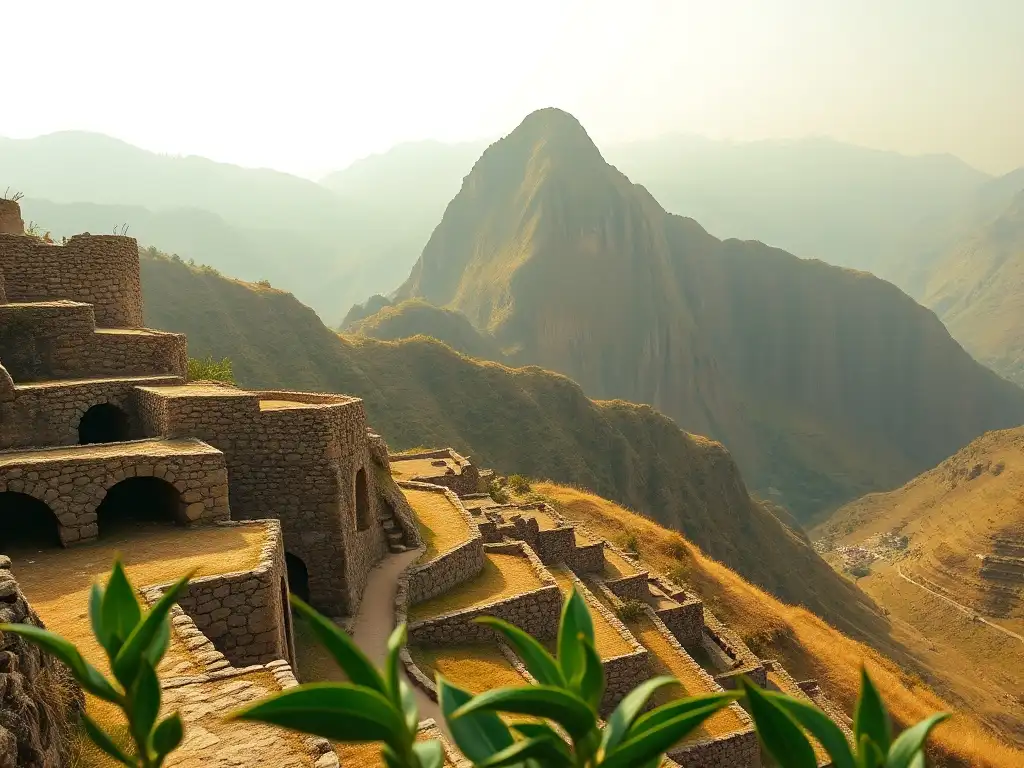
The Andean region, long before the Inca Empire's rise, was a tapestry woven from diverse ecological zones and vibrant cultures. Understanding the pre-Inca landscape is crucial to appreciating the ingenuity and adaptability of its inhabitants. The terrain, ranging from arid coastal deserts to the high-altitude Andes and lush Amazonian foothills, presented both challenges and opportunities. This geographical diversity directly impacted the development of distinct cultural traditions and technological innovations.
The availability of resources, such as water, arable land, and specific minerals, shaped societal structures and economic activities. For example, coastal communities relied heavily on fishing and maritime trade, while highland societies focused on agriculture, particularly cultivating potatoes and other Andean crops adapted to high altitudes. The varied topography also influenced the development of sophisticated irrigation systems, crucial for survival in arid regions.
The ingenuity of these pre-Inca societies in harnessing their environment is a testament to their deep understanding of their surroundings. This nuanced relationship with the environment shaped not only their material culture but also their spiritual beliefs and social organization. Understanding the intricate interplay between people and place is key to comprehending the complexities of the Ancient Andean civilizations before Inca.
The Geographical Diversity of Ancient Andean Civilizations
The Andes Mountains, stretching along the western coast of South America, created a remarkably diverse geography. This diversity is best understood by dividing the region into several distinct ecological zones:
- Coastal Desert: A narrow strip of arid land along the Pacific Ocean, characterized by scarce rainfall and fog-dependent ecosystems. This region saw the development of unique fishing and shellfish harvesting techniques. The limited water resources spurred the creation of sophisticated irrigation systems where possible, enabling limited agriculture.
- Lomas: These fog oases, found in the coastal desert, provided fertile pockets of land supporting diverse flora and fauna. These areas were vital for pastoral activities and provided essential resources to nearby settlements.
- Sierra (Highlands): The mountainous regions of the Andes, varying in altitude from moderate to extreme. This zone was characterized by significant variations in climate and vegetation, leading to the cultivation of a wide range of crops adapted to different altitudes. Terracing techniques were employed to maximize arable land and control water flow.
- Yungas: These are the eastern slopes of the Andes, characterized by a transition from high-altitude grasslands to the Amazon rainforest. This zone offered a rich variety of resources, including timber, medicinal plants, and wildlife.
| Ecological Zone | Climate | Key Resources | Dominant Economic Activities |
|---|---|---|---|
| Coastal Desert | Arid, Foggy | Fish, shellfish, guano | Fishing, shellfish harvesting |
| Lomas | Fog-dependent | Pasture, limited crops | Pastoralism, limited agriculture |
| Sierra (Highlands) | Variable, High Altitude | Potatoes, maize, other Andean crops | Agriculture, herding |
| Yungas | Tropical, Humid | Timber, medicinal plants | Agriculture, foraging |
Chronological Overview of Pre-Inca Cultures
The pre-Inca period in the Andes is a vast expanse of time, encompassing numerous cultures with unique characteristics. A chronological overview helps to contextualize the development of these societies and understand the influences shaping later Andean civilizations. While precise dating can be challenging, archaeological evidence allows us to construct a general timeline:
- Early Horizon (c. 1500-200 BCE): This period witnessed the emergence of widespread cultural interaction and the development of complex social structures. Chavín culture, with its distinctive iconography and religious practices, exerted a significant influence throughout the Andes.
- Middle Horizon (c. 200-1000 CE): This era saw the rise of powerful regional states, including the Wari and Tiwanaku empires. These empires controlled vast territories and developed sophisticated administrative systems, impacting the political and economic landscape of the Andes. The Wari, for example, are known for their extensive road networks and standardized pottery styles, while Tiwanaku excelled in monumental architecture and sophisticated irrigation systems.
- Late Intermediate Period (c. 1000-1438 CE): This period saw a fragmentation of power, with the emergence of numerous independent regional kingdoms. Notable among these were the Chimor (on the coast) and the Inca's immediate predecessors in the highlands. This era was characterized by both intense competition and cultural innovation. The development of unique artistic styles and technological advancements in different regions reflects this diversity.
Understanding the chronological sequence of these cultures and their interactions is essential for understanding the complex and multifaceted nature of the Ancient Andean civilizations before Inca. Further research is crucial to refining our understanding of the intricate connections and influences between these diverse societies. The intricate weaving of these cultures across time and space laid the foundation for the later Inca Empire.
Key Pre-Inca Civilizations and Their Contributions
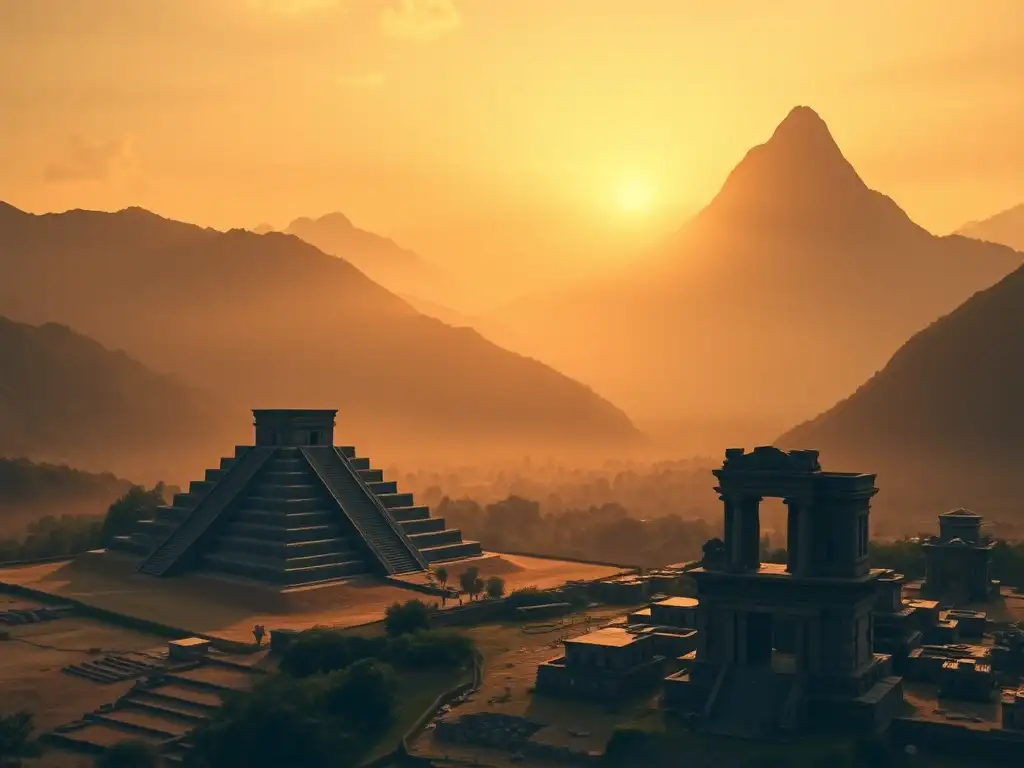
This section delves into the significant advancements and cultural achievements of several key Andean civilizations that flourished before the Inca Empire, laying the groundwork for the later Inca dominance. Understanding these precursor societies is crucial to appreciating the full complexity and richness of the Ancient Andean civilizations before Inca. We'll examine their unique contributions to architecture, social organization, religious practices, and artistic expression, highlighting the diverse tapestry of cultures that shaped the Andean world.
The Norte Chico Civilization: The Dawn of Andean Complexity
The Norte Chico civilization, located in present-day northern Peru, stands out as one of the earliest complex societies in the Americas. Emerging around 3000 BCE, it predates many other well-known Andean cultures by centuries, challenging traditional narratives of Andean development. Its sophisticated achievements in urban planning, irrigation systems, and social organization provide valuable insights into the early stages of Andean civilization.
Norte Chico Architecture and Urban Planning
Norte Chico's architectural prowess is evident in its monumental structures, built without mortar or advanced tools. Cities like Caral and Áspero showcase carefully planned layouts, with large public buildings, plazas, and residential areas. The construction of these monumental buildings required a high degree of social organization and labor mobilization, suggesting a stratified society with specialized labor forces.
Evidence suggests sophisticated understanding of acoustics within certain structures, possibly linked to religious or ceremonial practices. Detailed analysis of these sites reveals a remarkable understanding of engineering principles for their time, including the construction of platforms and raised areas to optimize drainage and prevent flooding. The precise methods employed for quarrying, transporting, and shaping the massive stones remain a subject of ongoing research, highlighting the ingenuity of Norte Chico builders.
Early Social Structures in the Norte Chico
While the exact nature of Norte Chico's social hierarchy remains debated, evidence points towards a complex social structure. The size and complexity of its public buildings, coupled with the apparent specialization of labor, suggest the presence of elites who directed large-scale construction projects and controlled the distribution of resources. Archaeological findings, including varying sizes and qualities of residential structures, also hint at social stratification.
However, the absence of overt signs of warfare or monumental burials contrasts with later Andean societies, suggesting potentially less hierarchical or militaristic social organization. Further research is needed to fully understand the dynamics of power and social relations within Norte Chico society. The discovery of new sites and continued analysis of existing ones are crucial to refine our understanding of this fascinating early Andean civilization.
The Chavín Culture: Religious Influence and Artistic Innovation
The Chavín culture (900-200 BCE), centered in the northern Andes, exerted a powerful influence across a vast region through its unique religious beliefs and artistic style. Its impact extended far beyond its immediate geographical reach, leaving an indelible mark on subsequent Andean cultures. The Chavín style, characterized by its distinctive iconography and artistic motifs, became a widespread symbol of religious authority and cultural identity.
Chavín Art and Iconography: Deciphering Symbolic Meanings
Chavín art is instantly recognizable for its intricate carvings, often depicting stylized felines, birds, snakes, and other creatures. These images are frequently intertwined with abstract designs, creating a complex visual language that remains partially enigmatic. The meaning behind these symbolic representations is a subject of ongoing scholarly debate. Some scholars suggest that the imagery reflects a sophisticated understanding of the natural world, with animals symbolizing different aspects of the environment or spiritual forces.
Others propose that the art served to reinforce the religious authority of Chavín priests and shamans, with specific motifs representing deities or ritual practices. The use of repetitive patterns and stylized forms possibly relates to altered states of consciousness during rituals. Many scholars believe that the Chavín artistic style functioned as a powerful tool for unifying and controlling a large, geographically dispersed population.
Chavín Religious Practices and Ritual Centers
The Chavín culture's religious practices were centered around elaborate ceremonial centers, such as the site of Chavín de Huántar. These sites were equipped with intricate networks of tunnels, chambers, and plazas, suggesting elaborate rituals and possibly the use of hallucinogenic substances. The complex architecture of these centers, combined with the artistic motifs found within them, likely played a crucial role in shaping religious beliefs and practices across a wide area.
The presence of similar artistic styles and religious motifs in geographically distant sites indicates a widespread religious network, suggesting the influence of Chavín religious ideas extended through trade routes and cultural exchange. The evidence points to a highly developed religious system, with specialized priests or shamans playing a central role in social and political life. The nature and function of the many mysterious features of the Chavín sites continue to stimulate research and debate among archaeologists.
The Moche Civilization: Masters of Craft and Engineering
The Moche, flourishing along the northern coast of Peru from approximately 100 CE to 800 CE, were renowned for their sophisticated artistry, impressive engineering feats, and complex social organization. Their civilization, characterized by a hierarchical structure with powerful rulers, left behind a remarkable legacy of monumental architecture, intricate metalwork, and stunning pottery. The Moche's ability to thrive in a challenging desert environment speaks volumes about their ingenuity and adaptability.
They developed advanced irrigation techniques to sustain intensive agriculture, enabling them to support a large and densely populated society. Evidence suggests a strong centralized government, possibly ruled by warrior-priests, who oversaw large-scale public works projects and controlled the distribution of resources. The Moche's artistic prowess is evident in their elaborate tombs, often filled with exquisite artifacts reflecting their beliefs and practices.
Their influence extended throughout the northern coastal region, shaping the cultural landscape for centuries. The sudden collapse of the Moche civilization remains a subject of ongoing research, with theories ranging from internal conflict to environmental changes impacting agricultural productivity. Understanding the Moche's achievements provides crucial insights into the complexity and resilience of pre-Inca Andean societies.
Moche Pottery: Depicting Daily Life and Mythology
Moche pottery is arguably their most enduring artistic legacy. These intricately crafted vessels, often depicting scenes of daily life, religious rituals, and mythological figures, offer invaluable insights into their culture and beliefs. The realism and detail in the pottery are breathtaking, showcasing the skill of Moche artisans.
From depictions of fishing expeditions and agricultural scenes to elaborate portrayals of deities and mythical creatures, the pottery provides a vivid window into the Moche worldview. The use of vibrant colors and sophisticated techniques, including modeling, painting, and the use of slip and burnishing, resulted in stunningly lifelike representations. Many vessels were clearly ceremonial, used in rituals and offerings, while others served practical purposes.
The iconography found on the pottery, particularly the recurring motifs of warriors, priests, and supernatural beings, suggests a society deeply intertwined with its religious beliefs. The study of Moche pottery continues to unveil new information about their social structure, beliefs, and daily lives, making it a crucial source for understanding this fascinating civilization. The diversity of styles and subject matter within Moche pottery also suggests regional variations and potentially different artistic schools.
Moche Irrigation Systems and Agricultural Techniques
The Moche's success was inextricably linked to their mastery of irrigation and agriculture. Living in an arid coastal desert, they developed sophisticated systems to channel water from rivers and streams to irrigate their fields. These systems involved complex networks of canals, ditches, and reservoirs, demonstrating a deep understanding of hydrology and engineering. The scale of these projects was impressive, requiring significant labor and coordination.
The Moche also employed advanced agricultural techniques, including terracing and the cultivation of diverse crops, to maximize productivity in their limited arable land. Their ability to cultivate crops such as maize, beans, squash, and cotton, alongside fishing and other food sources, allowed them to support a large population. The sophisticated irrigation systems not only provided water for agriculture but also played a vital role in managing water resources and preventing flooding.
These systems were crucial for the Moche's economic prosperity and social stability. The collapse of the Moche civilization, in part, is linked to potential disruptions in these vital irrigation systems. The ingenuity of their engineering solutions continues to inspire modern-day water management strategies.
The Nazca Culture: Geoglyphs and Desert Adaptations
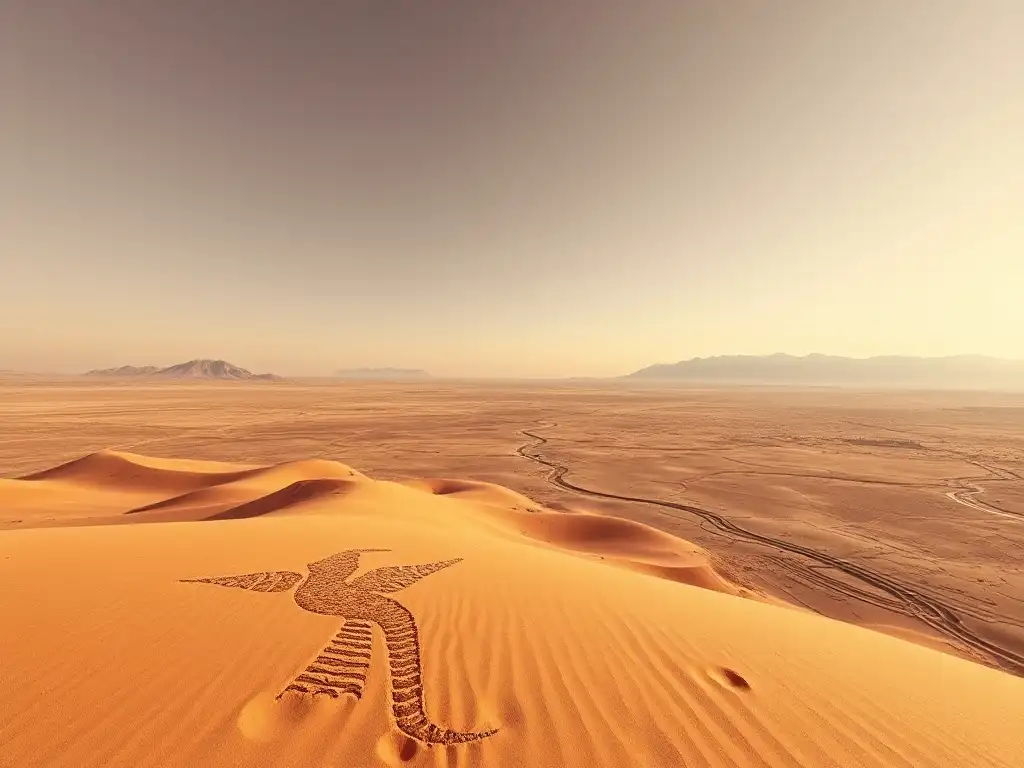
The Nazca culture (c. 100 BCE – 800 CE), inhabiting the arid coastal plains of southern Peru, developed remarkable strategies for surviving and thriving in one of the world's most challenging environments. Known for their iconic geoglyphs, the Nazca also possessed advanced knowledge of water management and agriculture, allowing them to create a complex and relatively prosperous society in the seemingly inhospitable desert. Their ingenuity in adapting to the harsh conditions is a testament to their resilience and resourcefulness.
The Nazca's sophisticated understanding of their environment is evident in their intricate irrigation systems and their remarkable ability to cultivate crops in the desert. Unlike the Moche, who focused on the coastal valleys, the Nazca expanded their agricultural practices into the surrounding plains, harnessing underground water sources. Their social organization, while less centralized than the Moche, displayed a complex system of settlements and specialized labor.
Nazca Lines: Purpose and Interpretations
The Nazca Lines, vast geoglyphs etched into the desert surface, are perhaps the most enigmatic legacy of the Nazca culture. These enormous figures of animals, plants, and geometric shapes, visible only from the air, have captivated imaginations for centuries. Their purpose remains a subject of ongoing debate, with theories ranging from astronomical alignments to ceremonial rituals or even possible messages to deities.
The sheer scale and precision of the lines are astonishing, requiring significant planning and labor. Their creation likely involved removing the dark surface layer of the desert to reveal the lighter subsoil. The lines' longevity is a testament to the arid climate of the Nazca desert, which has preserved them for centuries.
Recent research suggests a possible connection between the lines and the Nazca's water management systems, possibly marking water sources or pilgrimage routes. Regardless of their intended purpose, the Nazca Lines stand as a remarkable testament to the ingenuity and artistic expression of this ancient civilization. The mystery surrounding their creation continues to fuel research and inspire awe.
Nazca Water Management and Agriculture
The Nazca's success in cultivating crops in the arid desert was due to their advanced understanding of water management. They developed sophisticated systems of underground canals, known as puquios, to tap into subterranean water sources. These ingenious systems involved digging shafts and tunnels to access aquifers, channeling the water to surface reservoirs and irrigation canals.
The puquios were designed to maximize water flow and minimize evaporation, showcasing a deep understanding of hydrology and engineering. This complex system allowed the Nazca to cultivate a range of crops, including cotton, maize, beans, and squash, supporting a thriving population. The construction and maintenance of these water systems required significant community effort, highlighting the importance of cooperation and social organization within Nazca society.
The Nazca's mastery of water management is a remarkable example of human adaptation to a challenging environment, showcasing their innovative solutions and sustainable practices. Their techniques continue to be studied and admired for their efficiency and sustainability, providing valuable lessons for modern-day water management in arid regions.
The Tiwanaku Empire: A High-Altitude Powerhouse
The Tiwanaku Empire, flourishing between roughly 300 and 1000 CE in the Altiplano region of the Andes, stands as a testament to human ingenuity and adaptation to challenging environments. Located near present-day Lake Titicaca, this civilization thrived at a high altitude, demonstrating remarkable achievements in agriculture, urban planning, and monumental architecture. Their influence spread across a vast territory, impacting subsequent Andean cultures and leaving behind a rich archaeological legacy.
The empire's success was built upon a sophisticated understanding of water management and agricultural techniques, allowing for dense populations in an otherwise harsh environment. Their sophisticated social and political organization further facilitated their expansion and enduring impact. Understanding Tiwanaku is crucial to grasping the complexities of the pre-Inca Andean world and the factors that shaped the rise of later empires.
The collapse of Tiwanaku, while still debated among scholars, likely involved a combination of environmental pressures, internal conflicts, and external pressures. However, its influence persisted long after its decline.
Tiwanaku Architecture and Urban Design
Tiwanaku's urban planning exhibits a remarkable level of sophistication for its time. The city itself was meticulously laid out, with monumental structures aligned with astronomical events. The iconic Gateway of the Sun, a massive stone structure intricately carved with figures and symbols, is a prime example of Tiwanaku's architectural prowess.
The precision in stone-cutting and the scale of these structures are astonishing, demonstrating advanced engineering skills and a highly organized workforce. Their use of massive stones, precisely fitted together without mortar, showcases an advanced understanding of engineering and construction techniques. The city's layout, with its carefully planned streets and plazas, suggests a complex social structure and a centralized authority capable of organizing large-scale projects.
The Kalasasaya Temple, another significant structure, demonstrates the Tiwanaku's mastery of stonework and their ability to create imposing and awe-inspiring monuments. The architecture reflects not only engineering skill but also a deep symbolic meaning, reflecting cosmological beliefs and a sophisticated understanding of the cosmos.
Tiwanaku Agricultural Innovations in the Altiplano
Surviving in the high-altitude Altiplano, with its thin air and unpredictable weather patterns, required innovative agricultural practices. The Tiwanaku people developed sophisticated techniques to maximize crop yields, including raised fields (known as suka kollus) and intricate irrigation systems. These raised fields, built from earth and stone, created a warmer microclimate and improved drainage, allowing for successful cultivation of crops such as potatoes and quinoa. The construction of these fields required significant labor and coordination, indicating a well-organized society with a strong capacity for collective action.
The precise understanding of water management and the ability to construct and maintain extensive irrigation canals are further testaments to their agricultural expertise. The success of their agricultural innovations allowed for a substantial population increase and supported the growth of the Tiwanaku empire. These techniques were incredibly effective and represent a significant contribution to Andean agricultural technology, influencing later civilizations.
The Wari Empire: Expansion and Urban Centers
The Wari Empire, active from approximately 600 to 1000 CE, emerged in the Ayacucho region of Peru and expanded its influence across much of the central Andes. Unlike Tiwanaku, which focused on the Altiplano, Wari controlled a vast and diverse territory, encompassing both highland and coastal regions. Their administrative capabilities and sophisticated military organization allowed for this remarkable expansion.
The Wari left behind a legacy of impressive urban centers, administrative structures, and a significant cultural impact on subsequent Andean societies. The empire's success was largely due to its effective administrative system and its ability to integrate diverse populations into a unified political entity. The Wari influence is evident in the standardization of pottery styles, the construction of similar administrative centers across their territory, and the adoption of their administrative practices by later cultures.
Wari Influence on Later Andean Cultures
The Wari Empire's impact on later Andean civilizations, including the Inca, is undeniable. Their administrative systems, urban planning techniques, and even certain architectural styles were adopted and adapted by succeeding cultures. The Wari's standardized pottery styles, for example, are found across a wide geographic area, indicating trade networks and cultural exchange. The influence extended beyond material culture, impacting political organization and administrative practices.
Their system of provincial capitals, established to manage their vast territory, served as a model for later empires. This influence is a clear demonstration of the Wari's enduring legacy and the extent of their power and reach in the Andean world. The knowledge and technology they developed, particularly in construction and administration, were crucial in shaping the future of the region.
Wari Administrative and Political Structures
The Wari Empire's success was predicated on a sophisticated and centralized administrative system. Evidence suggests a hierarchical structure with a ruling elite controlling a vast network of provincial centers. These centers served as administrative hubs, managing resources, collecting taxes, and maintaining order across the empire's far-flung territories. The construction of similar administrative centers across the empire, exhibiting standardized architectural features, points to a deliberate and organized approach to governance.
The Wari likely employed a system of specialized officials and administrators to manage different aspects of governance, including agriculture, trade, and military affairs. While the exact details of their political structures remain a subject of ongoing research, the scale and complexity of their administrative network are undeniable. The effective administration of this vast and diverse empire represents a significant achievement in Andean political organization. Understanding this system is crucial to understanding the longevity and influence of the Wari Empire.
Common Threads and Regional Variations in Pre-Inca Societies
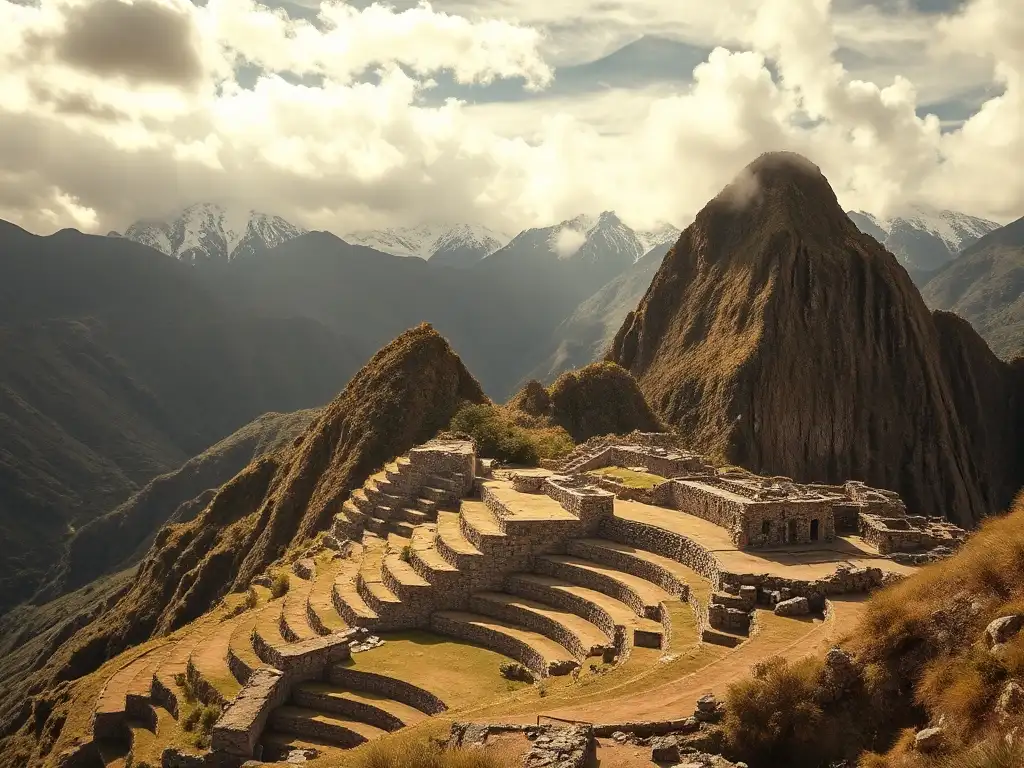
The vast Andean region, before the rise of the Inca Empire, wasn't a monolithic entity. Instead, it was a vibrant tapestry woven from diverse cultures, each with its unique characteristics yet sharing surprising commonalities. Understanding these shared threads and regional variations is crucial to appreciating the complexity of the "Ancient Andean civilizations before Inca." This section will explore key aspects of pre-Inca Andean societies, highlighting both the unifying factors and the significant differences that shaped their distinct identities. The diversity of these cultures, despite their geographical proximity, showcases the remarkable adaptability and ingenuity of Andean peoples.
Religious beliefs played a central role in the lives of pre-Inca Andean societies. While specific deities and rituals varied regionally, several common threads emerge. A deep reverence for nature, particularly mountains ( apus) and water sources, is evident across many cultures. These were seen not just as geographical features but as powerful spiritual entities, often associated with fertility and abundance. Evidence of this is found in the widespread construction of shrines and temples atop mountains and near springs, signifying their importance in the religious landscape.
Furthermore, ancestor veneration was a prominent practice, with rituals aimed at maintaining harmonious relationships with deceased relatives. This often involved elaborate burial practices, including the inclusion of grave goods reflecting the social status of the deceased. The Moche culture, for example, is renowned for its intricate tomb paintings depicting elaborate ceremonies and offerings to ancestors. Similarly, the Nazca lines, though their exact purpose remains debated, are speculated to have had ritual significance, possibly connected to astronomical observations and ancestor worship.
The use of hallucinogenic plants, such as san pedro cactus and coca leaves, in religious ceremonies was also a common practice across various Andean cultures. These plants were believed to facilitate communication with the spirit world and provide access to divine knowledge. The precise nature and interpretation of these rituals varied from culture to culture, yet their presence points to a shared belief system emphasizing the importance of altered states of consciousness in connecting with the supernatural.
Agricultural Techniques and Adaptation to Diverse Environments
The ingenuity of pre-Inca Andean civilizations is perhaps most strikingly evident in their agricultural practices. Faced with diverse and challenging environments, ranging from arid coastal deserts to high-altitude plateaus, these societies developed sophisticated techniques to maximize agricultural yields. Terracing, for instance, was a widespread practice allowing cultivation on steep slopes, effectively increasing arable land. The impressive terraces of the Inca are well-known, but similar techniques were employed centuries earlier by cultures like the Wari and Tiwanaku.
Irrigation systems were equally crucial, particularly in arid regions. The Nazca culture, famous for its geoglyphs, also constructed extensive canal networks to divert water from rivers and streams, enabling the cultivation of crops in otherwise barren lands. This mastery of water management was essential for sustaining large populations and maintaining social stability. The development of these intricate systems showcases a deep understanding of hydrology and engineering skills far surpassing those of many contemporary societies.
Furthermore, Andean farmers cultivated a remarkable variety of crops adapted to different altitudes and climates. Potatoes, quinoa, and maize were staples, but other crops, such as beans, squash, and various fruits, contributed to a diverse and nutritious diet. The adaptation and domestication of these crops demonstrate a profound knowledge of botany and agricultural science, critical for the survival and prosperity of these societies. The meticulous selection and breeding of crops over generations highlight the sophisticated agricultural understanding of pre-Inca Andean peoples.
Pre-Inca Andean societies were far from egalitarian. Instead, they developed complex social hierarchies and political systems, reflecting varying degrees of centralized authority. While some cultures, like the early Nazca, may have been organized around smaller, relatively independent communities, others, such as the Wari and Tiwanaku, exhibited a higher degree of political centralization. These empires controlled extensive territories and exerted significant influence over surrounding populations.
The nature of political power varied significantly. Some societies relied on kinship ties and religious authority, while others developed more formal bureaucratic structures. The Tiwanaku, for example, appear to have maintained control through a combination of religious ideology and administrative networks, managing resources and labor across a vast area. Architectural marvels like the monumental structures at Tiwanaku itself demonstrate the capacity of these societies to mobilize substantial resources and manpower, suggesting a highly organized and hierarchical social structure.
The emergence of these complex political systems was not a linear process. Periods of expansion and consolidation were punctuated by periods of decline and fragmentation, reflecting the dynamic nature of power in the Andean region. The collapse of empires like the Wari and the subsequent rise of new regional powers underscore the fluidity of political landscapes and the continuous competition for influence and control. Understanding the complex interplay of social hierarchies and political systems is essential for interpreting the rich and multifaceted history of the Andean world before the Inca.
The Legacy of Pre-Inca Andean Civilizations
The Inca Empire, while undeniably impressive, was not built in a vacuum. Its achievements were built upon the foundations laid by a multitude of preceding Andean civilizations. Understanding the Ancient Andean civilizations before Inca is crucial to grasping the full complexity and richness of the region's history.
For centuries, sophisticated societies thrived in the Andes, developing intricate agricultural systems, awe-inspiring architecture, and unique artistic expressions. These earlier cultures—the Moche, Nazca, Tiahuanaco, Wari, and many others—each left an indelible mark on the landscape and the subsequent Inca civilization. Their innovations in irrigation, pottery, textiles, and metallurgy were not simply superseded; they were adapted, refined, and integrated into the Inca world, demonstrating a remarkable continuity of cultural development.
Ignoring this pre-Inca heritage is to miss a crucial piece of the puzzle in understanding the Inca's rise to power and the lasting legacy of Andean culture. The sheer diversity of these pre-Inca societies, each with its distinct characteristics and achievements, showcases the dynamism and resilience of Andean civilization over millennia. This section will delve into the specific ways in which these earlier cultures shaped the Inca Empire and continue to resonate in modern Andean identity.
How Pre-Inca Cultures Shaped the Inca Empire
The Inca Empire's success wasn't solely due to its military prowess and administrative efficiency. The Inca inherited and built upon a sophisticated infrastructure and technological base developed over centuries by preceding Andean civilizations. For example, the intricate irrigation systems, perfected by cultures like the Nazca, provided the foundation for Inca agricultural practices.
The Nazca's mastery of water management, evidenced by their extensive canal networks, allowed for the cultivation of arid lands, a crucial element the Inca readily adopted and expanded upon to support their vast empire. Similarly, the advanced metallurgical techniques of cultures like the Moche, renowned for their intricate gold and silver work, were adopted and adapted by the Inca, who further developed these skills to create their own distinctive style of metalwork.
The Inca also inherited sophisticated urban planning techniques. The impressive monumental architecture of Tiahuanaco, with its precisely cut stonework and complex urban layout, served as a model for Inca urban design. The Inca's impressive cities, such as Machu Picchu, share striking similarities with earlier Andean urban centers, suggesting a clear lineage of architectural knowledge and practices. This continuity is not limited to technology and architecture.
Religious beliefs and practices also show a clear evolution from pre-Inca traditions. Many Inca deities and rituals have roots in earlier Andean pantheons, indicating a complex process of cultural syncretism and adaptation rather than a complete break from the past. The Inca Empire, therefore, can be viewed as a culmination of centuries of Andean innovation and cultural development, rather than a completely independent phenomenon.
The Enduring Impact on Andean Culture and Identity
The legacy of the Ancient Andean civilizations before Inca extends far beyond the Inca Empire itself. Many aspects of modern Andean culture and identity are directly traceable to these earlier societies. The vibrant textiles, intricate pottery, and distinctive musical traditions of the Andes often reflect patterns and styles established centuries ago.
For instance, the intricate weaving techniques of the pre-Inca cultures, characterized by complex designs and the use of high-quality materials, continue to be practiced and celebrated in contemporary Andean communities. These techniques are not merely preserved; they are actively reinterpreted and adapted to modern contexts, demonstrating the enduring vitality of these ancient traditions.
Furthermore, the spiritual and religious beliefs of many Andean communities are deeply rooted in pre-Inca traditions. While the Inca religion exerted a significant influence, many pre-Inca deities and rituals continue to be honored and practiced in various forms. This enduring spiritual connection to the past highlights the profound and lasting impact of these earlier cultures on Andean identity.
The archaeological sites themselves serve as powerful symbols of this continuity, attracting tourists and scholars alike and fostering a sense of shared heritage among Andean communities. The study of these sites continues to reveal new insights into the rich tapestry of Andean culture, underscoring the importance of understanding the pre-Inca past to fully appreciate the present. The connection between past and present is palpable, creating a powerful sense of cultural continuity.
Exploring Archaeological Sites of Pre-Inca Civilizations
Numerous archaeological sites across the Andes offer tangible evidence of the achievements of these Ancient Andean civilizations before Inca. Sites like Chan Chan (Moche), Cahuachi (Nazca), and Puma Punku (Tiahuanaco) provide invaluable insights into the complexity and sophistication of pre-Inca societies. These sites, meticulously preserved and studied, reveal intricate details about the daily lives, religious practices, and technological advancements of these remarkable cultures. The impressive scale of these sites, along with the exquisite artistry displayed in their artifacts, underscores the advanced level of social organization and technological prowess achieved by these pre-Inca communities.
Exploring these sites is not merely an academic exercise; it's a journey through time that connects us to the rich heritage of the Andes. Each site offers a unique window into the diverse cultures that shaped the region, highlighting the ingenuity and resilience of the Andean peoples. The meticulous craftsmanship evident in the architecture, pottery, and textiles unearthed at these sites speaks volumes about the dedication and skill of these ancient artisans.
Detailed analysis of these artifacts allows researchers to reconstruct aspects of pre-Inca life, from their agricultural practices to their social structures and religious beliefs. The continued exploration and study of these sites remain crucial to deepening our understanding of the Ancient Andean civilizations before Inca and their lasting legacy. Further research, including advanced techniques like [specific information pending], promises to reveal even more about the fascinating history of these pre-Inca societies.
Frequently Asked Questions
What civilizations existed in the Andes before the Inca Empire?
The Andes witnessed a rich tapestry of civilizations before the Inca, including the Moche, Nazca, Tiahuanaco, and Wari, each with unique cultures, technologies, and artistic styles. These groups flourished over centuries, leaving behind remarkable legacies.
How did the pre-Inca Andean societies organize themselves?
Pre-Inca Andean societies varied greatly in their political organization. Some were highly centralized states, like Tiahuanaco, while others were less structured, consisting of smaller, independent communities. Agricultural innovation and resource management were crucial to their success.
What were some of the significant technological achievements of pre-Inca Andean cultures?
Pre-Inca Andean civilizations developed remarkable technologies, including advanced irrigation systems, sophisticated metallurgy (working with metals like gold and copper), and complex architectural techniques evident in their monumental structures. Textile production was also highly developed.
What are some examples of the art and culture of the pre-Inca Andean civilizations?
The artistic achievements of pre-Inca cultures are breathtaking. The Nazca lines, the Moche pottery, and the Tiahuanaco monumental architecture are just a few examples of their creative genius and sophisticated understanding of their environment.
How did the different pre-Inca Andean cultures interact with each other?
Interactions between pre-Inca societies ranged from peaceful exchange and trade to conflict and warfare. Political alliances and military campaigns shaped the landscape of power and influence, leading to periods of both cooperation and competition between these groups.
Final Reflection: Echoes of a Lost World: Reimagining the Andean Past
The vibrant tapestry of pre-Inca Andean civilizations continues to resonate today, reminding us of the incredible diversity and complexity that existed long before the Inca Empire's rise. Understanding this rich history is not merely an academic exercise; it's crucial for appreciating the intricate cultural heritage of South America and challenging simplistic narratives of a monolithic past. The legacy of these societies shapes the very landscape and cultural identity of the region we see today.
The sheer ingenuity and resilience of these pre-Inca cultures, their sophisticated agricultural techniques, and their awe-inspiring architectural achievements continue to fascinate and inspire. Their stories, often overlooked in favor of the more widely known Inca Empire, offer a powerful counter-narrative, reminding us that progress and innovation are not linear, but rather a complex interplay of diverse influences and adaptations. The past is never dead. It's not even past.
– William Faulkner. This quote perfectly encapsulates the enduring relevance of understanding these pre-Inca societies; their influence permeates the present, shaping our understanding of Andean identity and challenging our preconceived notions of history.
Consider the implications of this rich and complex past. How does understanding the diverse cultures that flourished before the Inca Empire enrich your perspective on Andean history? Take a moment to reflect on the resilience and ingenuity of these societies, and how their legacies continue to shape the world around us. Let their stories inspire you to seek out further knowledge, to challenge assumptions, and to appreciate the multifaceted nature of human history. By understanding the past, we can better navigate the complexities of the present and build a more informed and inclusive future.
Unveil the Rich Heritage of the Andean Civilizations!
Thank you for exploring the fascinating tapestry of pre-Inca Andean cultures. You've discovered the intricate societies, remarkable achievements, and astonishing diversity that shaped this remarkable region. Now, let's delve deeper into this profound heritage!
Here are a few ways to further engage with the Andean civilizations:
- Join a local history group or online community dedicated to Andean cultures to share your insights and learn from fellow enthusiasts. The exchange of ideas and perspectives can greatly enrich your understanding.
- Visit a museum showcasing Andean artifacts or exhibitions. Experiencing these historical objects firsthand provides an unparalleled connection to the past.
- Share this article with friends and family who might appreciate learning about the rich history of the Andean world. Inspiring others to explore this fascinating subject is a rewarding experience.
Reflecting on this incredible history, consider how your newfound knowledge of the Andean civilizations can deepen your understanding of contemporary South American cultures and their enduring legacy.