
Huari Ceramics: More Than Just Pottery, A Window Into Their Beliefs

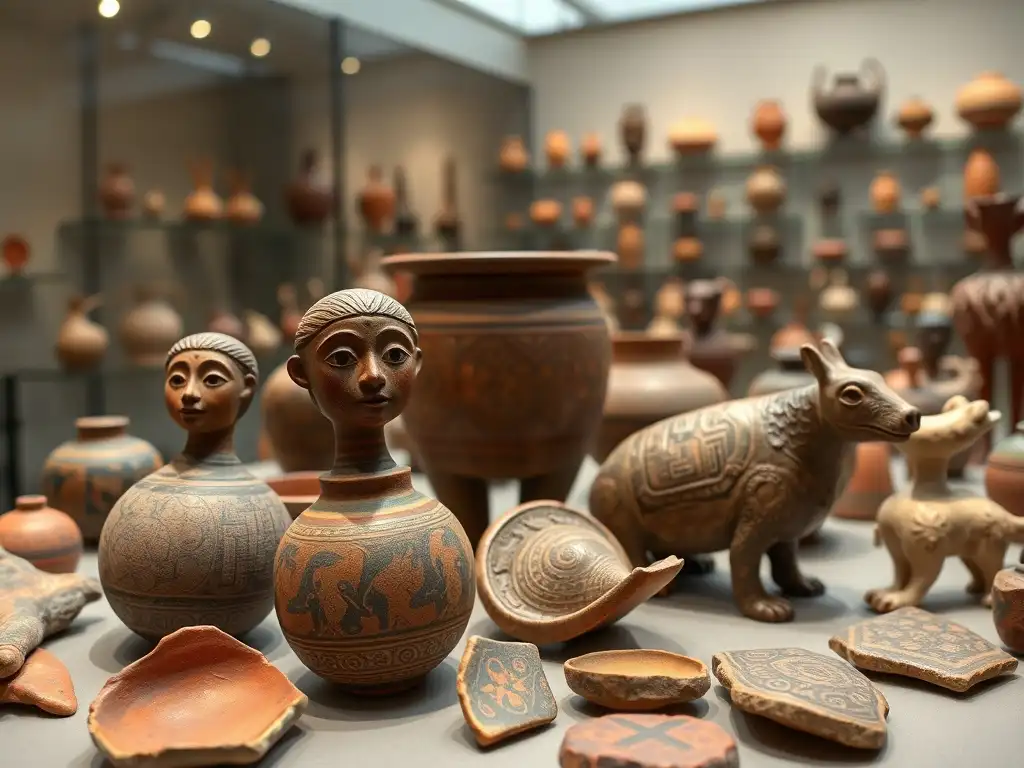
Step into a world lost to time, yet echoing with vibrant life. Imagine uncovering the secrets held within the intricate designs of Huari pottery. More than mere vessels, these ancient artifacts offer a captivating glimpse into the beliefs and rituals of a remarkable pre-Incan civilization. Prepare to be amazed as we delve into the enigmatic Huari pottery styles and beliefs, revealing a rich tapestry of Andean culture waiting to be explored in our "Pre-Incan Cultures of the Highlands" section. Dare to unravel the mysteries?
The Huari culture, a powerful pre-Inca civilization that flourished in the Andes between 600 and 1000 CE, left behind a remarkable legacy. Beyond their impressive urban planning and sophisticated administrative systems, the Huari people expressed their beliefs, social structures, and daily lives through their exquisite ceramics. This article delves into the fascinating world of Huari pottery, exploring the diverse styles and intricate designs that offer invaluable insights into their cosmology, rituals, and worldview.
We will examine how these seemingly simple clay vessels serve as powerful windows into the heart of this influential Andean civilization, revealing the rich tapestry of their beliefs and practices, solidifying their place within the broader context of pre-Columbian Andean art. By understanding Huari pottery styles and beliefs, we gain a deeper appreciation for the complexity and sophistication of this remarkable culture. Prepare to be captivated by the artistry and the stories etched into each piece.
Diverse Styles and Iconography of Huari Pottery
Huari pottery is characterized by its remarkable diversity. While exhibiting stylistic consistency across vast geographical areas controlled by the empire, regional variations and evolving artistic trends are evident throughout the different phases of Huari production. Several distinct styles emerged, each often associated with specific ceramic types and functionalities. For instance, we find highly polished, fine-ware vessels intended for elite consumption, contrasted with more utilitarian, coarsely-made pottery used in everyday life.
The iconography, however, provides the most compelling evidence of Huari beliefs. Common motifs include stylized felines, birds, and anthropomorphic figures, often depicted in dynamic poses and intricate details. These figures are not merely decorative; they represent powerful symbols within the Huari pantheon and religious practices. Analysis of these motifs, in conjunction with archaeological context, reveals much about their social and religious structures.
The Role of Ceramics in Huari Rituals and Ceremonies
The presence of Huari pottery in numerous burial contexts suggests a significant role in funerary rituals. Elaborately decorated vessels were often included as grave goods, accompanying the deceased into the afterlife. The types of vessels and their decoration varied according to the social status of the individual. For example, elite burials frequently contained large, intricately painted jars, while commoner graves might include simpler, undecorated bowls.
Furthermore, the discovery of ceramic fragments in ceremonial sites suggests their use in religious ceremonies and offerings. Specific vessel shapes and designs might have been associated with particular deities or rituals. The careful arrangement of pottery in these contexts indicates a deliberate and meaningful placement, reinforcing their importance in Huari spiritual life. Further research is needed to fully decipher the specific meanings and functions of different vessel types within ritual settings.
Deciphering the Symbolic Language of Huari Pottery: Interpreting Motifs and Designs
The intricate designs adorning Huari pottery are not random; they convey a complex symbolic language reflecting the Huari worldview. Researchers have identified recurring motifs, such as stylized animals, geometric patterns, and anthropomorphic figures, which appear to represent specific concepts or deities. For example, the frequent depiction of felines might symbolize power, hunting prowess, or a connection to the spirit world.
Similarly, certain geometric patterns could represent celestial bodies or agricultural cycles, reflecting the importance of both in Huari society. However, the precise meaning of many motifs remains a subject of ongoing research and debate among scholars, needing further analysis of contextual evidence and cross-cultural comparisons. The challenge lies in piecing together the fragmented evidence to create a comprehensive understanding of the Huari symbolic system.
Huari Pottery and the Study of Andean Cosmology
The vibrant colors and intricate designs on Huari pottery offer valuable insights into Andean cosmology. The frequent use of bright colors, particularly red and black, suggests a symbolic association with blood and fertility, both vital elements in Andean religious beliefs. Furthermore, the depiction of celestial bodies, such as the sun and moon, reflects the importance of astronomy and the cyclical nature of life and death in Huari culture.
By studying the placement and interaction of these motifs within the overall composition of the vessels, researchers can gain a better understanding of the Huari concept of the cosmos and their place within it. This understanding is integral to comprehending the broader context of Huari religious practices and their beliefs about the afterlife. Further research in this area could potentially unlock more profound insights into their world view.
- Diverse Styles and Iconography of Huari Pottery
- The Role of Ceramics in Huari Rituals and Ceremonies
- Deciphering the Symbolic Language of Huari Pottery: Interpreting Motifs and Designs
- Huari Pottery and the Study of Andean Cosmology
Exploring the Significance of Huari Pottery
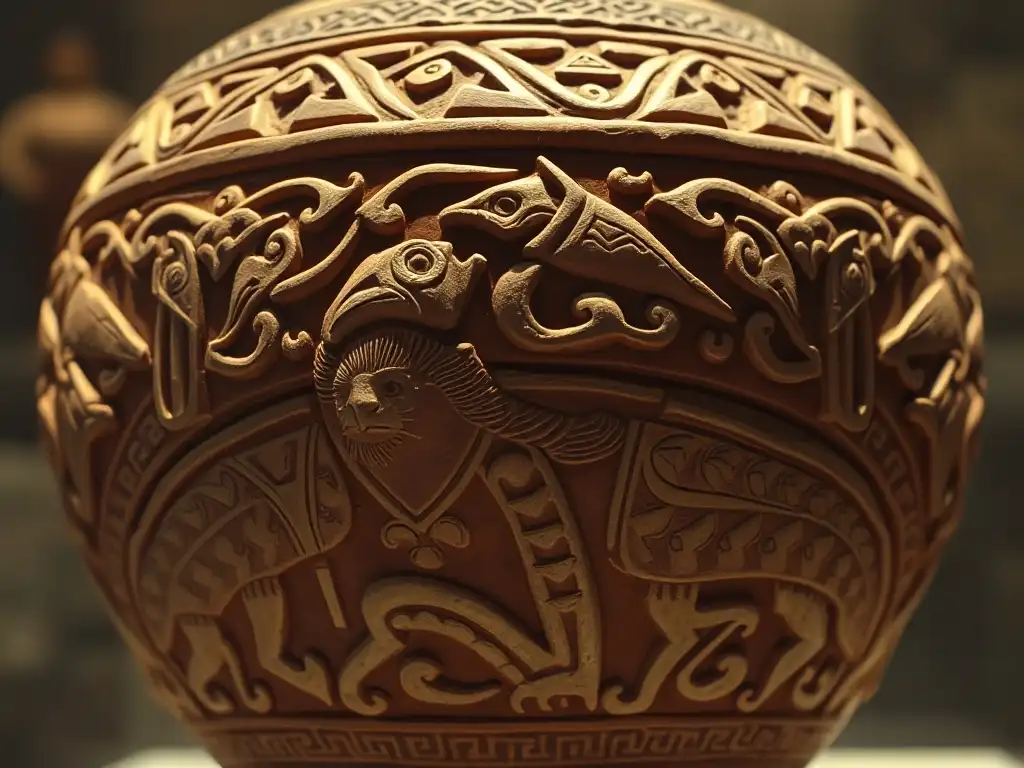
The Huari culture, flourishing in the Peruvian Andes from approximately 600 to 1000 CE, left behind a remarkable legacy, a significant portion of which is embodied in their intricate and diverse pottery. Huari pottery styles and beliefs are inextricably linked, offering invaluable insights into their complex social structures, religious practices, and worldview.
More than mere utilitarian objects, these ceramics served as powerful symbols, conveying social status, religious narratives, and even potentially serving as trade items connecting far-flung communities across the vast Huari empire. Analyzing these artifacts allows us to piece together a richer understanding of this fascinating civilization, moving beyond simple descriptions of their pottery styles to uncover the deeper meanings embedded within them.
The sheer variety of forms, decorative techniques, and iconography found in Huari pottery highlights the sophistication and artistry of their ceramic production, a testament to their advanced technological capabilities and artistic sensibilities. The careful study of these objects, combined with archaeological context, allows us to interpret their significance within the broader framework of Huari society and ideology.
The Role of Ceramics in Huari Society
Huari ceramics played a multifaceted role within their society, extending far beyond their practical function as containers for food and liquids. Their production and distribution were likely closely tied to centralized control and power. Evidence suggests specialized workshops existed, producing standardized forms and decorative motifs indicative of a sophisticated level of organization.
This centralized production could have served both practical and ideological purposes: ensuring a consistent supply of goods across the empire while simultaneously reinforcing Huari identity and authority through standardized designs. The presence of specific motifs on certain vessels could indicate their intended use or the social status of their owners. For instance, vessels featuring depictions of elite figures or mythological beings might have been reserved for ceremonial or elite contexts.
Furthermore, the sheer volume of pottery produced and discovered across the Huari heartland and its periphery points to its importance in daily life, religious ceremonies, and possibly even trade networks. The distribution patterns of certain pottery styles could reveal the extent of Huari influence and the nature of interactions between different communities within the empire. Further research into the chemical composition of the clay and pigments used could reveal details about trade routes and resource management strategies.
The stylistic variations observed in Huari pottery strongly suggest a connection to social hierarchy. Certain decorative styles, forms, and materials seem to be associated with elite individuals or specific social groups. For example, larger, more elaborately decorated vessels, perhaps featuring intricate polychrome painting or sculpted figures, might have been used by the ruling class or in important ceremonies. Simpler, less decorated vessels, perhaps made of coarser clay, might have been used by commoners.
This differentiation in pottery styles reflects a structured society with clear distinctions between different social strata. The iconography itself can further illuminate this social stratification. The depiction of certain figures, symbols, or scenes might denote the power and prestige of the elite, while other motifs could represent the roles and beliefs of commoners.
Detailed analysis of burial contexts, where pottery is often found alongside other grave goods, can help to establish a firmer correlation between specific pottery styles and social status. However, more research is needed to fully understand the nuances of this relationship and the extent to which pottery styles reflected social mobility or changes in social structure over time. Careful examination of the distribution of different pottery styles across various archaeological sites will provide a more detailed picture of social organization within the Huari empire.
Decoding Huari Pottery Styles
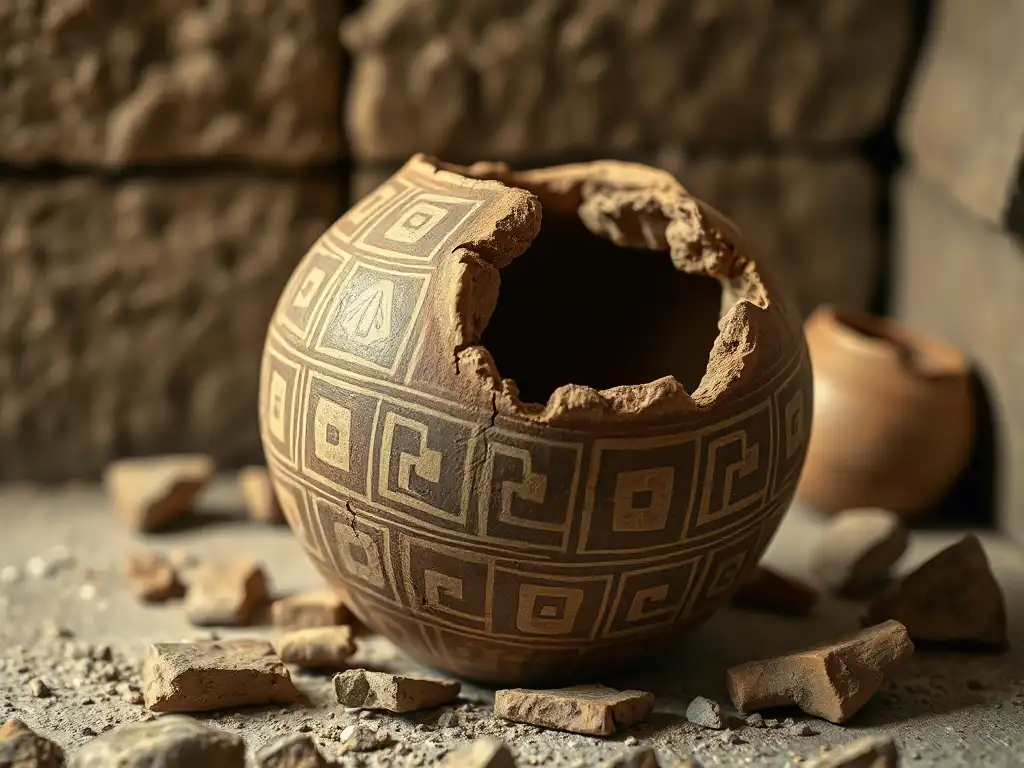
The Huari culture, flourishing in the Peruvian Andes from approximately 600 to 1000 CE, left behind a remarkable legacy in the form of their distinctive ceramics. These weren't simply utilitarian objects; they were integral to Huari society, reflecting their complex beliefs, social structures, and artistic capabilities. Analyzing Huari pottery styles provides invaluable insights into their worldview and daily life, offering a glimpse into a sophisticated civilization that predates the Inca.
Studying Huari pottery styles and beliefs reveals a fascinating interplay between artistry and spirituality. The sheer variety of forms, techniques, and iconography found in Huari ceramic pieces showcases the skill and creativity of their artisans and offers a rich tapestry of information for modern researchers. Understanding these styles is crucial to comprehending the broader context of Huari culture and its impact on subsequent Andean societies.
Common Motifs and Decorative Techniques in Huari Ceramics
Huari ceramics are characterized by a range of recurring motifs and decorative techniques. Common motifs include stylized representations of animals, such as feline figures (possibly jaguars or pumas, significant in Andean iconography), birds, and snakes. These often appear alongside geometric patterns, such as triangles, stepped frets, and interlocking designs. The use of these motifs wasn't random; they likely held symbolic meaning within the Huari belief system, perhaps representing deities, ancestral figures, or aspects of the natural world.
Several decorative techniques were employed, including incision, painting, and the application of slip (a liquid clay coating). Incision involved carving designs into the clay before firing, creating a textured surface. Painting, often using multiple colors, allowed for complex and detailed imagery. The application of slip provided a smooth surface and enhanced the vibrancy of the painted designs.
The skillful combination of these techniques demonstrates a high level of artistic sophistication. For example, some vessels combine incised geometric patterns with painted animal figures, creating visually striking and complex pieces. The precision and consistency seen in many Huari ceramics suggest a degree of standardization, perhaps indicating specialized workshops or a centralized production system. Further research into the specific pigments used could provide additional information on Huari technological capabilities and trade networks.
Regional Variations in Huari Pottery Design
While certain stylistic elements were common throughout the Huari empire, regional variations in pottery design also exist, suggesting localized artistic traditions or perhaps even distinct artistic schools. These variations are subtle but noticeable, often manifesting in differences in shape, size, color palette, and the prevalence of specific motifs. For instance, some regions might exhibit a preference for larger, more elaborately decorated vessels, while others might favor smaller, simpler forms. The specific iconography depicted could also vary, reflecting regional variations in beliefs or artistic styles.
This regional diversity within a unified empire presents a compelling area for future research, potentially illuminating aspects of Huari political organization and cultural exchange. Detailed comparative studies of pottery from different Huari sites are needed to fully map these regional variations and understand their significance. [Specific information pending: detailed analysis of regional variations in Huari pottery from archaeological sites].
The Use of Color in Huari Ceramic Art
Color played a crucial role in Huari ceramic art, adding another layer of complexity to the symbolic meaning of the vessels. The most commonly used colors were red, white, black, and brown, often combined to create intricate patterns and designs. The choice of color was not arbitrary; different colors likely held symbolic significance within the Huari cosmology. Red, for example, might have been associated with blood, sacrifice, or fertility, while white could represent purity or the sacred.
Black and brown might have represented the earth or the underworld. [Specific information pending: detailed analysis of color symbolism in Huari pottery based on ethnoarchaeological studies]. The careful application of color, often in multiple layers and with fine detailing, demonstrates the skill and precision of Huari artisans.
The vibrant colors, even after centuries, are a testament to the durability of their techniques and the quality of the materials they used. Furthermore, the sourcing of pigments used in Huari pottery could reveal details about their trade networks and access to resources across the vast Huari empire. The study of Huari pottery, therefore, offers a multi-faceted approach to understanding the beliefs and practices of this fascinating Andean civilization.
Huari Pottery and Religious Beliefs
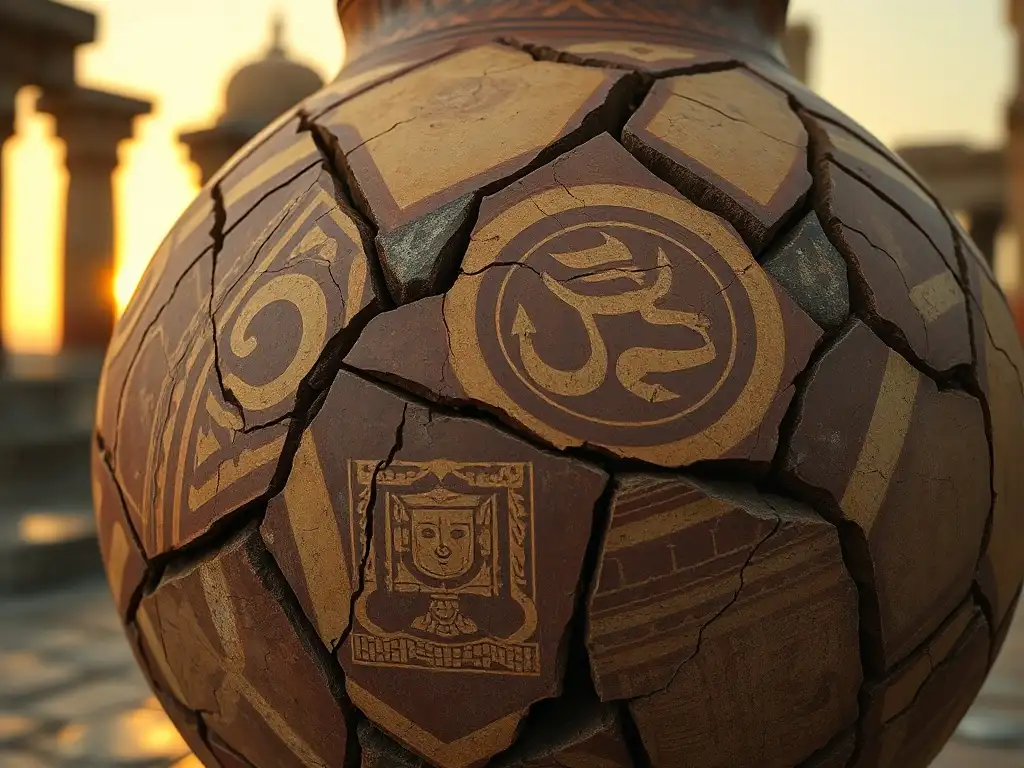
Huari pottery, far from being mere utilitarian objects, serves as a captivating window into the complex religious beliefs and practices of this influential Andean civilization. The intricate designs, vibrant colors, and symbolic representations etched onto these vessels provide invaluable insights into their cosmology, rituals, and worldview. Examining Huari pottery styles and beliefs reveals a sophisticated understanding of their spiritual landscape, far exceeding simple decorative artistry. This section delves into the iconography, symbolism, and evidence found in Huari ceramics, shedding light on the profound connection between their material culture and their spiritual lives.
Iconography and Symbolism in Huari Pottery
The iconography found on Huari pottery is remarkably diverse and rich in symbolic meaning. Common motifs include stylized feline figures, often associated with power and shamanistic practices. These felines, sometimes depicted with human-like characteristics, are frequently found alongside other symbolic elements, such as serpents, birds, and geometric patterns. The careful arrangement and repetition of these motifs suggest a structured and deliberate approach to visual communication. For instance, the recurring presence of a specific bird species might indicate a connection to specific deities or cosmological events.
Further analysis reveals that the colors used also carry symbolic weight. The prevalence of red, for example, might represent blood, sacrifice, or the life force, while the use of black could suggest the underworld or night. The combination of colors and motifs within a single piece of pottery provides a complex narrative, hinting at deeper layers of meaning. Detailed studies of individual pieces reveal a nuanced system of symbolic language, suggesting a sophisticated understanding of visual communication.
[Specific information pending] on the exact meaning of certain geometric patterns and their relation to the broader Huari cosmology. Further research is necessary to fully understand the intricate interplay of symbols within the Huari artistic tradition. However, preliminary findings suggest a strong correlation between specific iconographic elements and the social hierarchy within Huari society.
Huari Pottery as Evidence of Religious Practices
Huari pottery offers compelling evidence of religious practices. The discovery of vessels depicting ritual scenes, such as sacrifices or shamanistic ceremonies, provides direct insight into their religious rituals. These scenes often feature figures engaged in actions such as offering gifts to deities or participating in communal ceremonies. The meticulous detail in these depictions suggests a strong emphasis on ritual precision and the importance of these ceremonies within Huari society.
Moreover, the discovery of pottery fragments within burial contexts sheds light on funerary rituals. The presence of specific types of pottery alongside human remains may indicate the social status of the deceased or their relationship to the Huari pantheon. The careful placement of these vessels suggests a conscious effort to provide offerings for the afterlife, highlighting the importance of these beliefs in their culture.
The analysis of the chemical composition of the paints and clays used in Huari pottery could also provide additional clues about their religious practices. For example, the presence of certain pigments could indicate the use of materials associated with specific rituals or deities. [Specific chemical analysis data pending] to confirm this hypothesis.
The Representation of Deities and Mythological Figures
The identification of specific deities and mythological figures in Huari pottery is a complex task, demanding detailed comparative analysis and careful interpretation. However, the recurring appearance of certain anthropomorphic and zoomorphic figures suggests the existence of a pantheon of deities with distinct attributes and roles. While the precise identities of these figures remain a subject of ongoing research, their symbolic representation in pottery points towards a well-developed religious system.
For example, the frequent depiction of feline figures, often wearing elaborate headdresses, may represent a powerful deity associated with hunting, warfare, or shamanistic abilities. Similarly, the recurring presence of bird figures could indicate deities associated with the sky, weather, or fertility. The contextual analysis of these figures in relation to other symbolic elements within the pottery further enhances our understanding of their roles within the Huari mythology.
The careful study of these representations allows for a glimpse into the beliefs and values of the Huari people, revealing a rich and complex spiritual world. Further research into the iconography and symbolism of Huari pottery will undoubtedly unveil more secrets about their deities and mythology.
The Function and Purpose of Huari Pottery
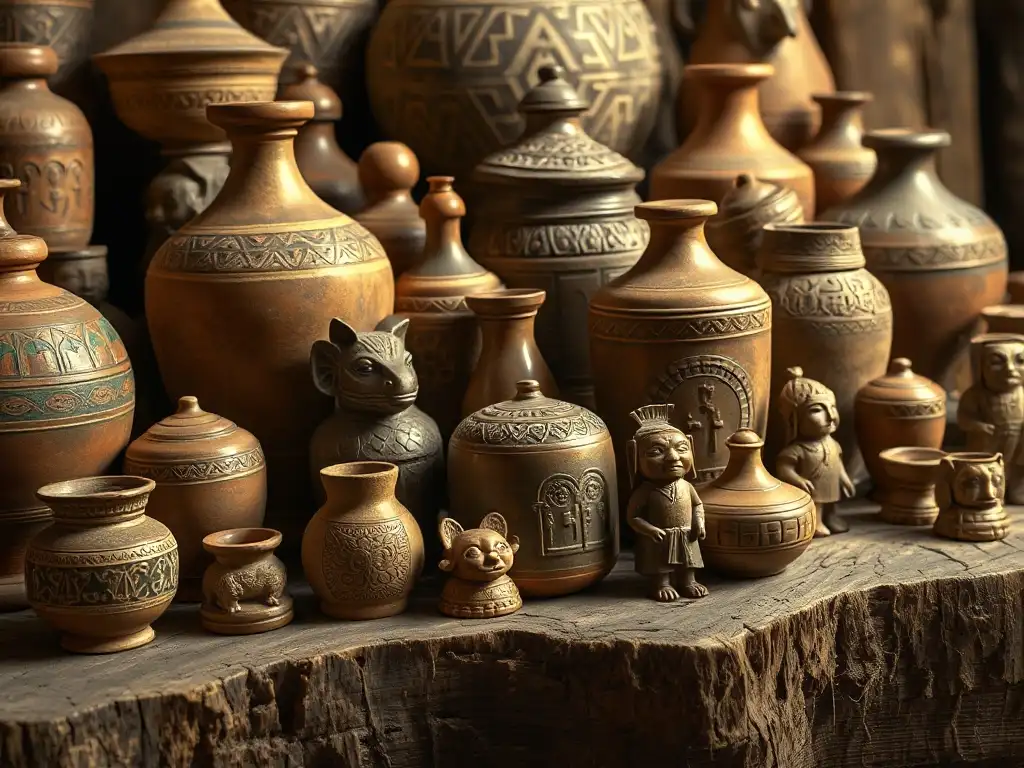
Huari pottery, far from being mere utilitarian objects, served a multifaceted role in the daily lives and spiritual beliefs of the Huari people (ca. AD 600-1000). Understanding Huari pottery styles and beliefs requires examining its diverse functions, ranging from practical applications to deeply symbolic rituals.
The sophisticated techniques and intricate designs employed in their ceramic production reflect a complex society with a rich cosmology and a highly developed artistic sensibility. Analysis of excavated sites reveals a clear link between the types of pottery found and their intended use, shedding light on Huari social structures and religious practices. The stylistic variations across different pottery types further emphasize the societal hierarchy and the importance of ritual in their culture.
Huari Pottery: Everyday Use and Ritualistic Contexts
The Huari created pottery for a variety of everyday purposes. Simple, undecorated bowls and jars were used for storing and serving food and water. These utilitarian pieces, often made from readily available clay, contrast sharply with the elaborately decorated vessels found in elite contexts. The presence of both types of pottery in many sites suggests a clear social stratification, with simpler wares for the common populace and more ornate pieces for the ruling class or religious figures.
The production itself likely involved specialized workshops, with some artisans focusing on functional pieces and others specializing in the creation of highly decorated ceremonial ware. Evidence suggests that certain clay types and decorative techniques were reserved for specific purposes, indicating a carefully regulated system of ceramic production. For example, the use of fine-grained clay and intricate polychrome painting was likely reserved for elite contexts.
Ceramic Vessels for Feasts and Ceremonies
Elaborately decorated Huari pottery played a crucial role in feasts and ceremonies. Large, intricately painted jars and bowls, often depicting mythical creatures, deities, and scenes of ritual sacrifice, were likely used to serve food and beverages during important social gatherings. The size and decoration of these vessels suggest their importance in reinforcing social hierarchies and displaying wealth and power. The imagery itself provides valuable insights into Huari mythology and religious beliefs.
For example, recurring motifs of feline deities and stylized human figures suggest a complex pantheon of gods and spirits, while depictions of ritual scenes offer glimpses into their religious practices. The careful placement of these vessels in ceremonial contexts further supports their ritual significance. Detailed analysis of the chemical composition of residues found within these vessels could potentially reveal the types of food and beverages consumed during these events, offering further insights into their social and religious practices.
Huari Pottery as Burial Offerings
Huari pottery also served as important burial offerings. Grave goods often included a variety of ceramic vessels, ranging from simple bowls to elaborately decorated jars and effigy vessels. The types and quality of pottery found in burials provide information about the social status of the deceased and the beliefs surrounding death and the afterlife.
Elite burials often contained a large quantity of fine pottery, reflecting the wealth and status of the individual. The inclusion of specific types of pottery, such as effigy vessels depicting human or animal figures, may have been intended to provide the deceased with companionship or protection in the afterlife. The presence of food and drink vessels suggests that the deceased were believed to continue their earthly existence in the afterlife.
Furthermore, the positioning of the pottery within the grave, along with other grave goods, may have symbolic significance related to Huari cosmology and beliefs about the journey to the afterlife. Further research into specific burial sites and the correlation between grave goods and social status would enhance our understanding of Huari funerary practices and beliefs.
The Legacy of Huari Ceramic Art
The Huari culture, flourishing in the Peruvian Andes from approximately 600 to 1000 CE, left behind a remarkable legacy, and a significant part of that legacy is embodied in their distinctive pottery. Huari pottery styles and beliefs are inextricably linked, offering invaluable insights into their complex social structures, religious practices, and daily life. Their ceramic artistry wasn't merely functional; it was a powerful medium for expressing their worldview, transmitting knowledge across generations, and reinforcing social hierarchies.
The sophisticated techniques, diverse styles, and intricate iconography found in Huari pottery represent a high point of Andean ceramic production, influencing subsequent cultures for centuries. The impact of Huari ceramic traditions can be clearly seen in the pottery styles of later Andean civilizations, such as the Inca, demonstrating a lasting contribution to the artistic and cultural landscape of the region.
The sheer volume of surviving pottery also speaks to the importance of ceramics within Huari society. Archaeological excavations consistently unearth vast quantities of vessels, suggesting widespread production and consumption across various social strata.
Huari Pottery's Influence on Later Andean Cultures
The influence of Huari pottery styles is undeniable in the ceramic traditions of later Andean cultures. The Inca, for example, inherited and adapted many Huari stylistic elements, including specific vessel shapes, decorative motifs, and manufacturing techniques. While the Inca developed their own distinct aesthetic, the underlying foundations of their ceramic art bear a clear connection to the Huari legacy.
This continuity isn't simply a matter of imitation; it represents a complex process of cultural transmission and adaptation. The Inca likely incorporated Huari techniques and designs into their own artistic expression, thereby integrating the Huari heritage into their own cultural identity. This cultural inheritance is evident in the continuity of certain decorative motifs, such as stylized animals and geometric patterns, which appear in both Huari and Inca pottery, albeit with variations reflecting the evolving artistic sensibilities of each culture.
Analyzing these similarities and differences allows researchers to trace the flow of artistic ideas and technological innovations across time and space, providing a deeper understanding of the dynamic interplay between cultures in the Andes. Some scholars argue that the Huari's centralized administrative system facilitated the widespread dissemination of ceramic styles, contributing to the remarkable uniformity observed in Huari pottery across vast geographical areas. This standardization, in turn, may have served as a model for later Andean empires, including the Inca, who also employed centralized systems to control and standardize various aspects of their society, including artistic production.
Ongoing Research and Discoveries in Huari Ceramic Studies
Research on Huari pottery styles and beliefs continues to evolve, with new discoveries constantly challenging and refining our understanding of this remarkable culture. Recent archaeological excavations have unearthed previously unknown styles and techniques, enriching our knowledge of Huari ceramic production and its regional variations. Advanced scientific techniques, such as X-ray fluorescence spectroscopy and isotopic analysis, are being employed to analyze the clay composition and pigments used in Huari pottery, revealing valuable information about the sourcing of raw materials and the manufacturing processes. This allows researchers to map trade routes and understand the complex networks that connected different parts of the Huari empire.
Furthermore, the application of digital imaging and 3D modeling techniques is revolutionizing the study of Huari ceramics, allowing for detailed analysis of intricate designs and the creation of virtual reconstructions of damaged or fragmented vessels. This detailed analysis provides crucial insights into the symbolic meaning of Huari pottery and its role in religious practices. The ongoing research into Huari ceramic technology is also revealing fascinating insights into the sophisticated techniques used by Huari artisans.
For example, the precise control over firing temperatures and the use of specialized kilns allowed them to produce high-quality pottery with a wide range of colors and finishes. These advancements in ceramic technology contributed significantly to the aesthetic and functional qualities of Huari pottery, reflecting the advanced technological capabilities of the culture. The study of Huari pottery is a dynamic field, constantly evolving with new discoveries and technological advancements.
Preserving and Appreciating Huari Ceramic Heritage
Preserving and appreciating Huari ceramic heritage is crucial for understanding the rich history and cultural legacy of the Andean region. The fragile nature of these artifacts necessitates careful conservation efforts to protect them from deterioration and damage. Museums and research institutions play a vital role in safeguarding these irreplaceable objects, employing sophisticated techniques to preserve their integrity for future generations. Furthermore, public awareness campaigns and educational programs are essential to foster appreciation for Huari pottery and its cultural significance.
By educating the public about the artistry, technology, and cultural context of Huari ceramics, we can promote a deeper understanding and appreciation for this important aspect of Andean heritage. The development of digital archives and online databases provides wider access to information about Huari pottery, allowing researchers and the public alike to explore this fascinating aspect of Andean history. This accessibility is crucial for promoting research and education, ultimately contributing to the long-term preservation and appreciation of Huari ceramic heritage. Moreover, promoting ethical collecting practices and discouraging the illicit trafficking of Huari artifacts is vital for protecting this irreplaceable cultural heritage.
International cooperation and strict regulations are necessary to combat the illegal trade of antiquities and ensure the preservation of these invaluable artifacts for future generations. The preservation of Huari pottery is not just a matter of protecting objects; it is about safeguarding a vital part of human history and cultural identity. Careful conservation, public education, and ethical collecting practices are essential to ensuring that this legacy continues to inspire and inform for generations to come.
Frequently Asked Questions
What makes Huari pottery unique?
Huari pottery is distinguished by its standardized styles across a vast empire, featuring geometric patterns, zoomorphic motifs, and depictions of daily life. This consistency reflects the empire's centralized control and power.
How did Huari pottery reflect their beliefs?
The imagery on Huari pottery provides insights into their religious beliefs, social structures, and cosmovision. Mythological creatures and ritual scenes frequently appear, offering glimpses into their worldview.
What are some common motifs found in Huari pottery?
Common motifs include geometric designs, stylized animals (like felines and birds), and representations of human figures involved in various activities, potentially reflecting rituals or daily life.
What materials were used in Huari pottery production?
Huari potters primarily used clay, often incorporating different colors and textures. The use of specific pigments and firing techniques contributed to the diversity of their styles.
How did the Huari style influence later Andean cultures?
Huari pottery's stylistic influence is evident in the ceramics of later Andean cultures, particularly the Inca. The standardization and geometric designs seen in Huari pottery are echoed in subsequent artistic traditions.
Final Reflection: Echoes of Huari: A Legacy in Clay
The intricate designs and vibrant colors of Huari ceramics aren't merely artifacts of a bygone era; they are powerful echoes resonating through time, offering invaluable insights into a sophisticated civilization and reminding us of the enduring power of artistic expression. Understanding these pottery styles allows us to connect with a culture that thrived centuries ago, revealing their complex social structures, spiritual beliefs, and artistic mastery. The legacy of Huari continues to inspire awe and wonder, proving that the past holds profound lessons for the present.
The enduring influence of Huari pottery extends far beyond the museum walls; it permeates our understanding of Andean art and culture, shaping how we interpret pre-Columbian societies. Their artistic achievements, imbued with symbolic meaning and technical skill, continue to inspire contemporary artists and researchers alike. As the renowned archaeologist, Maria Reiche, once said, The Nazca Lines are a message from the past, a testament to the ingenuity and creativity of a lost civilization.
While not directly about Huari, this sentiment perfectly encapsulates the enduring power and mystery that surrounds these ancient cultures and their artistic expressions, including the remarkable Huari pottery. Their legacy challenges us to reconsider our own relationship with art and its capacity to transmit knowledge across generations.
Consider the intricate details, the bold colors, the subtle variations in style – each piece of Huari pottery tells a story. Take a moment to reflect on the artistry and the beliefs embedded within these ancient vessels. What resonates with you? What can you learn from the Huari people's dedication to their craft and their expression of faith through art? Let their legacy inspire you to appreciate the power of artistic expression in your own life, and to seek out the stories hidden within the objects that surround you. The echoes of Huari await your discovery.
Unveil the Mysteries of Huari Ceramics
Thank you for exploring the fascinating world of Huari ceramics! You've gained insights into how these exquisite pieces are more than just pottery; they reveal the rich beliefs and cultural expressions of a remarkable ancient civilization. Now, let's delve even deeper into this captivating subject.
Here are some ways you can continue to explore the legacy of the Huari:
- Visit local museums and exhibitions showcasing Huari artifacts to experience their beauty firsthand.
- Share your newfound knowledge with friends and family, sparking conversations about how ancient cultures used art to express their beliefs.
- Connect with other enthusiasts by joining online forums and communities dedicated to Andean civilizations.
What aspect of Huari ceramics finds you most intrigued, and how has this exploration shaped your understanding of ancient cultures? Let's discuss!