
The Early Horizon: Understanding the Period of Cultural Integration in the Andes


Step into a world lost to time, yet echoing with the whispers of a magnificent past. Imagine a landscape sculpted by towering mountains and vibrant cultures, where innovation flourished and empires rose and fell. This is the realm of the Andean civilizations, a tapestry woven from the threads of the Incas, Moche, Nazca, and Tiahuanaco. But what truly bound these societies together? Discover the surprising story of Andean cultural integration and unlock the secrets of the Early Horizon – a period that laid the foundation for the breathtaking achievements of the Andes. Prepare to be amazed.
- The Early Horizon: Understanding Andean Cultural Integration
- The Chavín Culture: A Catalyst for Andean Cultural Integration
- Regional Variations and Interactions During the Early Horizon
- Archaeological Evidence of Cultural Integration
- The Significance of the Early Horizon for Later Andean Civilizations
- Analyzing the Drivers of Andean Cultural Integration
- Conclusion: The Lasting Impact of the Early Horizon
-
Frequently Asked Questions
- What is the Early Horizon period in Andean history?
- How did Andean cultural integration manifest itself during the Early Horizon?
- What role did Chavín de Huántar play in the Early Horizon's cultural integration?
- Were all Andean cultures equally integrated during the Early Horizon?
- How did the Early Horizon's cultural integration impact later Andean civilizations?
- Final Reflection: Echoes of the Andes: A Legacy of Integration
- **Embrace the Andean Heritage Today! **
The Early Horizon: Understanding Andean Cultural Integration
The Early Horizon (ca. 2000-900 BCE), a pivotal period in Andean prehistory, represents a fascinating chapter of cultural integration and exchange across vast geographical expanses. Before the rise of powerful empires like the Inca, a complex network of interactions shaped the societies of the Andes, leading to the shared development of artistic styles, religious beliefs, and technological advancements.
This period, often overlooked in favor of later, more centralized states, is crucial for understanding the foundations upon which subsequent Andean civilizations were built. Examining the Early Horizon allows us to appreciate the intricate web of cultural exchange that predates the Inca and illuminates the long history of interconnectedness in the Andes.
This article will delve into the defining characteristics of this transformative period, exploring the evidence of widespread cultural integration and its lasting impact on Andean societies. Understanding this period is key to fully grasping the concept of "Andean cultural integration" and its profound influence on the development of the region.
Defining the Early Horizon Period in Andean History
The Early Horizon is defined not by a single, dominant empire, but by a remarkable degree of stylistic homogeneity across geographically disparate regions. Archaeological evidence reveals a striking similarity in ceramic styles, architectural techniques, and religious iconography across the Andes, from the northern coast to the southern highlands. This shared cultural vocabulary suggests intense interaction and exchange, perhaps facilitated by trade networks, migration patterns, or a combination of both.
While specific political structures remain debated, the widespread dissemination of cultural traits suggests a level of interconnectedness previously unseen in Andean prehistory. The period's chronological boundaries are also subject to ongoing scholarly discussion, with some researchers proposing slightly earlier or later dates depending on regional variations.
However, the core concept of a period marked by significant cultural integration remains a cornerstone of Andean archaeology. The development of sophisticated irrigation systems and the widespread adoption of certain agricultural techniques also point to a period of increasing interaction and shared knowledge.
Key Characteristics of the Early Horizon
The Early Horizon is characterized by several key features that demonstrate the significant level of Andean cultural integration during this time.
- Chavín Horizon Style: The most prominent feature is the widespread adoption of the Chavín artistic style, a distinctive iconography featuring feline and serpent motifs, often depicted in a highly stylized and abstract manner. This style is found on ceramics, textiles, and stone carvings across a vast area of the Andes, indicating a significant level of cultural influence emanating from the Chavín de Huántar site in the northern highlands. The precise nature of Chavín's influence—whether through conquest, religious pilgrimage, or trade—remains a topic of ongoing research, but the pervasive presence of its artistic style undeniably points towards a significant level of cultural integration.
- Technological Innovations: The Early Horizon also witnessed the development and dissemination of important technological innovations, including advanced irrigation systems and sophisticated metalworking techniques. The spread of these technologies suggests the exchange of knowledge and expertise across different regions, further strengthening the evidence of widespread cultural interaction. The development of more efficient agricultural practices likely facilitated population growth and the emergence of more complex social structures.
- Religious Beliefs: While the specifics of Early Horizon religious beliefs remain partially understood, the consistent depiction of certain motifs—such as jaguars, serpents, and stylized deities—across different regions suggests the existence of shared religious concepts and practices. This shared belief system could have served as a powerful unifying force, contributing to the integration of disparate Andean societies. Further research into iconography and ritual practices is needed to fully elucidate the religious landscape of the Early Horizon.
The Early Horizon, therefore, stands as a testament to the dynamic nature of Andean prehistory. It is a period that showcases the remarkable ability of diverse Andean societies to interact, exchange ideas, and share cultural elements on a scale unprecedented in earlier periods. This period laid the groundwork for the later development of larger, more complex societies in the Andes, and its study is essential for a complete understanding of Andean cultural history.
The Chavín Culture: A Catalyst for Andean Cultural Integration
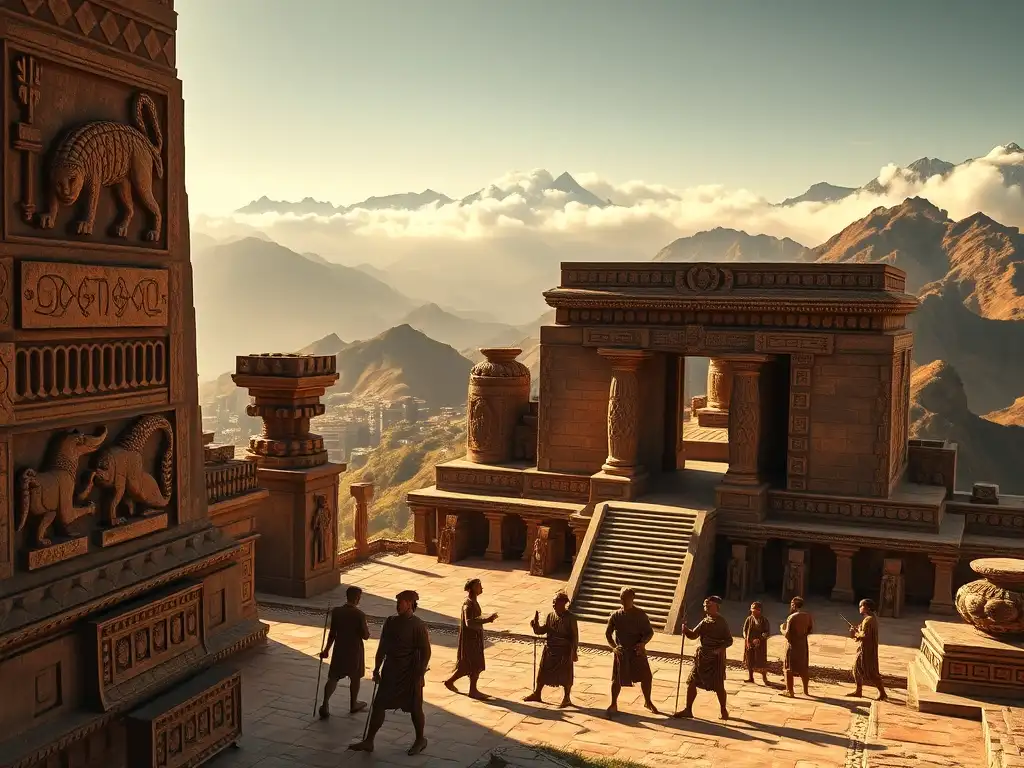
The Chavín culture (c. 900 – 200 BCE), situated in the northern highlands of Peru, stands as a pivotal force in understanding Andean cultural integration. While not a unified empire in the traditional sense, Chavín's influence radiated outwards, profoundly shaping the religious beliefs, artistic styles, and societal structures of numerous contemporaneous Andean societies. This wasn't through military conquest, but rather a complex process of cultural exchange and adoption, demonstrating the early stages of widespread interaction and shared identity across geographically diverse Andean communities.
This period, often referred to as the Early Horizon, witnessed the emergence of a pan-Andean cultural sphere, with Chavín acting as a crucial catalyst. The extent of this influence is demonstrably apparent in the archaeological record, highlighting a fascinating case study of pre-Columbian cultural diffusion.
The Rise of Chavín Influence
The spread of Chavín influence wasn't a uniform or instantaneous process. Archaeological evidence suggests a gradual dissemination of ideas and styles, likely facilitated by a combination of factors. Trade networks, pilgrimage, and even migration played significant roles.
The distinctive Chavín artistic motifs and religious iconography appear in sites hundreds of kilometers from the central Chavín de Huántar, indicating a widespread network of interaction and exchange. Consider the presence of Chavín-style ceramics and textiles in coastal regions like the north coast, far removed from the highlands. This geographical dispersion underscores the reach of Chavín's cultural impact and the sophisticated communication systems that existed in the Andes during this period.
The absence of large-scale Chavín settlements in these peripheral areas further suggests that influence was transmitted through cultural exchange rather than direct political control. The process was more akin to a ripple effect, with Chavín acting as the initial disturbance setting off waves of cultural transformation across the Andes.
Chavín art is instantly recognizable for its distinctive style: a blend of zoomorphic and anthropomorphic figures, often depicted in a dynamic and sometimes terrifying manner. The iconic "Lanzón," a massive monolithic sculpture found at Chavín de Huántar, embodies this style, representing a powerful deity or supernatural being. This imagery, replicated across various media—ceramics, textiles, stone carvings—served as a powerful vehicle for transmitting Chavín religious beliefs.
The consistent repetition of specific motifs, such as jaguars, snakes, and caymans, across geographically diverse sites suggests the propagation of shared religious beliefs and cosmological understandings. The stylistic similarities in art across different Andean cultures during this period strongly support the idea of a widespread religious system, with Chavín acting as a central source of inspiration and innovation.
This shared visual language fostered a sense of cultural unity, reinforcing the emerging pan-Andean identity. The dissemination of these artistic conventions wasn’t simply aesthetic; it represented the transmission of core values and beliefs.
Chavín's Impact on Andean Religion and Rituals
The influence of Chavín extended beyond artistic styles to encompass religious practices and rituals. Archaeological evidence points to the adoption of similar ritualistic behaviors across different Andean cultures. For example, the use of specific types of offerings, such as coca leaves and other psychoactive substances, appears consistently across sites influenced by Chavín.
This suggests a shared understanding of ritual practices and the importance of connecting with the supernatural world. Furthermore, the architectural features of some sites outside the Chavín heartland mimic the layout and design of Chavín de Huántar itself, indicating the adoption of specific spatial arrangements associated with religious activities. The presence of similar ceremonial centers across the Andes, even with local variations, points to a common framework for religious practices that were likely influenced by Chavín's religious cosmology.
This adoption of similar rituals and beliefs further solidified the process of Andean cultural integration, establishing a shared spiritual framework that transcended geographical boundaries. The enduring impact of Chavín on Andean religion underscores its profound and lasting contribution to the development of a unified cultural landscape.
Regional Variations and Interactions During the Early Horizon
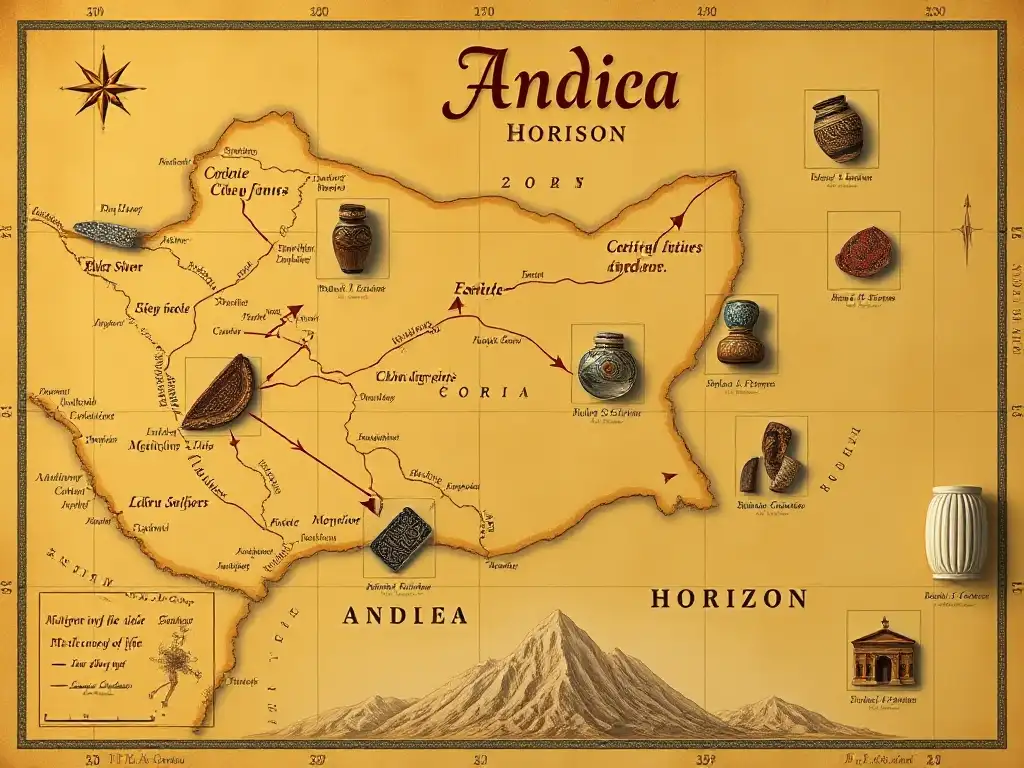
The Early Horizon (circa 200 BCE – 600 CE) in the Andes represents a fascinating period of Andean cultural integration, characterized by a complex interplay of regional variations and interactions. While certain stylistic and technological elements spread across vast distances, significant local traditions persisted, creating a vibrant tapestry of cultural exchange and adaptation. Understanding this dynamic period requires examining the diverse ways in which different Andean societies engaged with each other and shaped their unique identities.
The level of interaction varied significantly across different regions, with some exhibiting closer ties than others. The development of sophisticated technologies and the establishment of extensive trade networks facilitated this integration, but the process was neither uniform nor unidirectional. This section delves into some key aspects of this complex process.
Coastal Developments and Their Connection to the Highlands
The coastal regions of Peru, with their distinct environmental conditions and resources, played a crucial role in the Early Horizon's Andean cultural integration. Societies like the Paracas, known for their elaborate textiles and mummification practices, developed sophisticated technologies and artistic styles that influenced inland communities. Evidence suggests a robust exchange of goods, ideas, and potentially even populations between coastal centers and the highland regions. For example, the presence of coastal-style ceramics in highland sites and vice-versa indicates a significant level of interaction and trade.
The intricate Paracas textiles, famed for their vibrant colors and complex iconography, are frequently found in highland tombs, highlighting the prestige associated with coastal goods and the existence of established trade routes. This exchange wasn't merely a one-way flow; highland resources, such as obsidian and certain types of metal ores, likely flowed to the coast in return.
The development of specialized craft production in both regions, coupled with efficient transportation networks (possibly including camelid caravans along established trails), fueled this reciprocal exchange and contributed significantly to Andean cultural integration during this period. Further research is needed to fully understand the dynamics of power and social interaction inherent in this exchange, but the evidence strongly suggests a mutual benefit rather than simply dominance by one region.
The Emergence of Regional Centers and Local Traditions
Despite the evidence of widespread cultural exchange, the Early Horizon wasn't a period of uniform cultural homogenization. Instead, regional centers emerged, each retaining distinctive artistic styles, architectural features, and religious beliefs. This persistence of local traditions, alongside the integration of elements from other regions, is a hallmark of Andean cultural integration. The development of these centers indicates a complex process of negotiation and adaptation, rather than simple domination or assimilation.
For example, while Chavín style iconography spread widely across the Andes, it was adapted and reinterpreted by local communities, resulting in diverse regional expressions of this shared artistic language. The specific ways in which Chavín iconography was incorporated into local artistic traditions varied substantially, reflecting the unique cultural contexts of each region. This process highlights the dynamic nature of Andean cultural integration, where shared cultural elements served as a foundation upon which diverse regional identities were built and maintained. The coexistence of regional variations and shared cultural elements demonstrates a complex social and political landscape.
Evidence of Trade and Exchange Networks in the Andes
The extent of Andean cultural integration during the Early Horizon is further underscored by the evidence of extensive trade and exchange networks. The distribution of exotic materials, such as spondylus shells from the Ecuadorian coast, across vast distances in the Andes points to the existence of well-established trade routes. These routes facilitated the movement of not only luxury goods but also essential resources, ideas, and potentially people, contributing to the spread of cultural practices and technologies.
Archaeological excavations have unearthed numerous artifacts that provide concrete evidence of these networks. The presence of obsidian tools from specific highland sources in coastal sites, for example, indicates a sophisticated system of resource exchange extending over hundreds of kilometers. Similarly, the widespread distribution of certain types of ceramics and textiles suggests that these goods were actively traded across significant geographical distances. Further research into the precise mechanisms and social structures underpinning these trade networks is vital for a more complete understanding of the processes of Andean cultural integration during this formative period. The complexity of these networks hints at sophisticated social and political organization, far exceeding simple bartering and suggesting a more complex system of economic and social interaction. The scale of exchange implies the existence of established pathways, possibly accompanied by systems of communication and social agreements that facilitated the movement of goods and people across the Andean landscape.
Archaeological Evidence of Cultural Integration
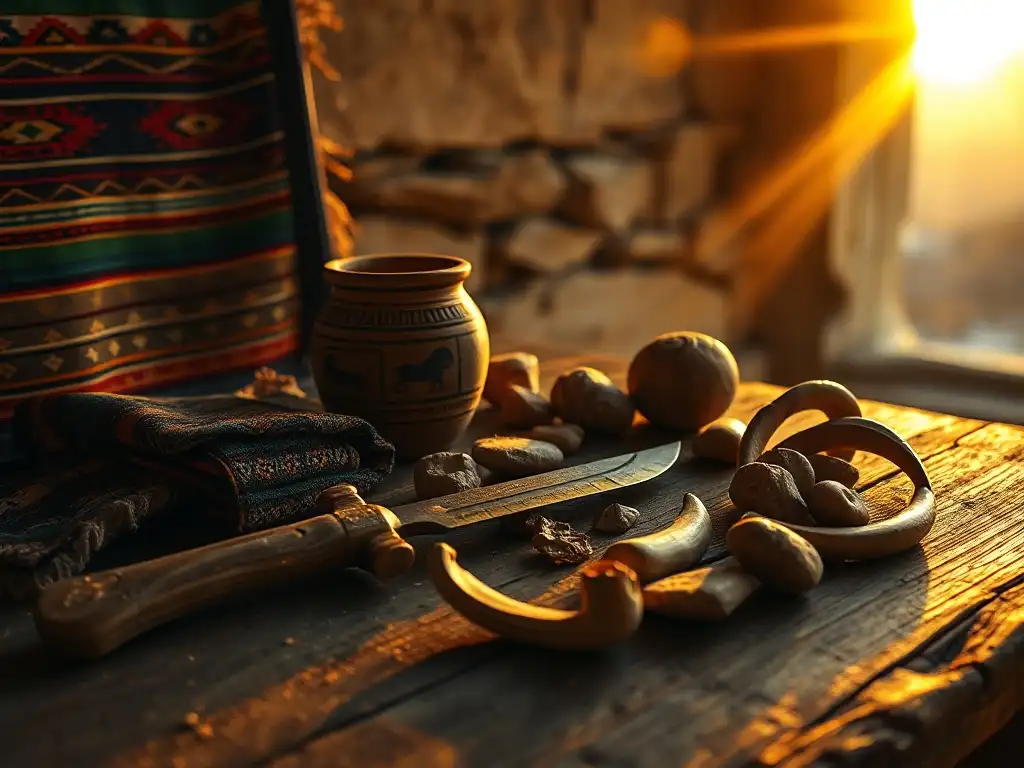
This section delves into the compelling archaeological evidence supporting the theory of significant Andean cultural integration during the Early Horizon period (circa 200 BCE – 600 CE). We'll examine artifacts, architecture, and ceramics to illuminate the shared practices and interconnectedness of different Andean societies before the rise of the Inca Empire. This period witnessed a remarkable flourishing of cultural exchange, laying the groundwork for later, larger-scale empires. Understanding this "Andean cultural integration" is crucial to comprehending the complex tapestry of pre-Columbian Andean history. The evidence suggests a sophisticated network of interaction, far surpassing simple trade relationships.
The spread of specific artifact types across geographically diverse regions provides strong evidence for cultural exchange and interaction. For example, the distinctive Chavín style, characterized by its iconic feline and serpent motifs, is found in artifacts far beyond the Chavín de Huántar site itself. This widespread dissemination, spanning from the northern coast to the southern highlands, indicates a significant level of interaction and, arguably, a degree of cultural dominance or influence exerted by the Chavín culture.
Beyond stylistic similarities, the presence of identical or nearly identical artifact types in widely separated locations suggests direct trade or migration patterns. Analysis of obsidian tools, for instance, reveals sourcing from specific quarries hundreds of kilometers away from where they were ultimately found. This points to established trade routes and the movement of goods and, likely, people across the Andean landscape. The distribution of these artifacts wasn't random; rather, it followed established networks, showcasing a structured approach to exchange and interaction, which further strengthens the evidence of Andean cultural integration.
Architectural Similarities Across Different Regions
Architectural styles also reveal a surprising degree of uniformity across disparate Andean regions during the Early Horizon. While regional variations undoubtedly existed, certain architectural principles and motifs appear repeatedly in structures built hundreds of kilometers apart. The use of specific stone-laying techniques, for example, suggests the dissemination of knowledge and expertise across vast distances.
Consider the use of stepped pyramids, a common architectural feature found in sites ranging from the north coast to the central Andes. While the exact forms and sizes varied based on local materials and needs, the underlying principle of a tiered structure suggests a shared understanding of architectural design and symbolic meaning.
This architectural homogeneity points towards a level of interconnectedness and cultural exchange that extended beyond simple imitation; it suggests a shared cultural understanding of architectural principles and their symbolic significance. Further research into the construction techniques and materials used may reveal even more subtle connections and evidence of cross-cultural influence.
The Role of Ceramics in Understanding Cultural Diffusion
Ceramic analysis provides perhaps the most compelling evidence for Andean cultural integration during the Early Horizon. The stylistic similarities and the spread of specific ceramic forms across vast distances are remarkable. The presence of identical or nearly identical ceramic designs in widely separated locations suggests a complex web of interactions, including trade, migration, and possibly even direct cultural transmission.
For example, the distinctive painted pottery styles of the Paracas culture, found primarily on the southern coast, have been discovered in sites far to the north, indicating significant trade networks or population movements. The distribution of these ceramic styles wasn't haphazard; rather, it often followed established routes, suggesting a degree of organization and intentionality in the exchange of goods and ideas. Furthermore, the evolution of ceramic styles over time reveals a fascinating interplay of local traditions and external influences, reflecting the dynamic nature of Andean cultural integration.
The careful analysis of ceramic styles, including the use of chemical analysis to determine the sources of clay and pigments, continues to uncover new insights into the interconnectedness of Andean societies during this crucial period. This ongoing research strengthens the argument for significant Andean cultural integration, highlighting the complexity and sophistication of the pre-Inca societies.
The Significance of the Early Horizon for Later Andean Civilizations
The Early Horizon period (c. 200 BC – AD 600) represents a pivotal era in Andean prehistory, laying the groundwork for the complex societies that would flourish in subsequent periods. Understanding this period is crucial to comprehending the broader narrative of Andean cultural integration and the development of sophisticated civilizations like the Inca. While regional variations existed, the Early Horizon witnessed a remarkable degree of cultural exchange and interaction across vast geographical areas, leading to shared artistic motifs, religious beliefs, and technological innovations.
This interconnectedness, although not uniform, fundamentally shaped the trajectory of Andean development. The widespread adoption of certain practices and technologies during this period facilitated later political and economic unification, providing a foundation upon which later empires would build.
The Foundations of Andean Sociopolitical Structures
The Early Horizon saw the emergence of complex social structures, although the exact nature of political organization remains a subject of ongoing debate among archaeologists. Evidence suggests the existence of powerful regional centers, likely controlled by elites who wielded significant influence over surrounding communities. These centers, often characterized by monumental architecture and elaborate burial practices, served as hubs for the production and distribution of goods, as well as religious and ceremonial activities.
The Chavín culture, with its iconic temple at Chavín de Huántar, exemplifies this pattern. The influence of Chavín art and religious iconography spread far beyond its immediate vicinity, suggesting a widespread network of interaction and perhaps even a degree of centralized control, although the exact mechanisms of this control remain unclear. The distribution of Chavín-style artifacts across vast distances demonstrates the reach of this early form of Andean cultural integration, showcasing the development of long-distance trade networks and communication systems.
This foundational period facilitated the later development of more centralized and hierarchical states. The sophisticated organization and planning evident in Chavín architecture, for example, hints at advanced societal structures with the capacity for large-scale mobilization of labor and resources—a critical element for the later rise of empires.
The Legacy of Religious and Artistic Traditions
The Early Horizon is characterized by a remarkable stylistic unity in art and religious beliefs across the Andes. The widespread dissemination of Chavín iconography, featuring stylized jaguars, serpents, and other supernatural beings, demonstrates a significant level of cultural exchange and shared belief systems.
This artistic homogeneity reflects a deeper level of Andean cultural integration, extending beyond mere trade and encompassing shared religious practices and cosmological understandings. The influence of Chavín religious ideas, with their emphasis on shamanistic practices and the veneration of deities associated with nature, is evident in later Andean religious traditions, even as regional variations developed.
For example, while the specific iconography evolved, the underlying themes of nature worship and shamanism continued to resonate throughout subsequent periods, highlighting the enduring legacy of the Early Horizon's religious innovations. The standardized artistic styles also facilitated the identification and interpretation of symbolic elements across different regions, contributing to a sense of shared identity and cultural cohesion.
The Transition to the Early Intermediate Period and Regional Diversification
While the Early Horizon witnessed considerable cultural integration, the transition to the Early Intermediate Period (c. AD 200 – 900) brought about increasing regional diversification. While the legacy of the Early Horizon remained influential, distinct regional styles in art, architecture, and social organization emerged, reflecting a complex interplay between continuity and change. The shared cultural foundations established during the Early Horizon provided a backdrop against which these regional identities developed.
This process of regional diversification was not a rejection of the earlier integration, but rather a complex adaptation and reinterpretation of existing cultural elements. The emergence of powerful regional states, such as the Moche and Nazca cultures, demonstrates the dynamic interplay between integration and diversification. These cultures retained aspects of the shared cultural heritage inherited from the Early Horizon, but also developed unique characteristics reflecting their specific environmental and social contexts.
Therefore, understanding the Early Horizon is essential to interpreting the subsequent flourishing of diverse and sophisticated Andean civilizations. The period served as a crucible for Andean cultural integration, laying the foundation for later regional developments, even as those developments led to increasing cultural diversity. The intricate interplay between these forces is a testament to the dynamism and complexity of Andean prehistory.
Analyzing the Drivers of Andean Cultural Integration
This section delves into the multifaceted factors that fueled the significant period of Andean cultural integration during the Early Horizon (circa 200 BCE – 600 CE). Understanding these drivers is crucial to appreciating the complex tapestry of societies that existed before the Inca Empire. While the Inca undoubtedly left a lasting legacy, their achievements were built upon a foundation of earlier cultural exchange and interaction, a process we refer to as Andean cultural integration. This integration wasn't a uniform process, but rather a complex interplay of various forces.
The Role of Trade and Economic Exchange
The expansion of trade networks played a pivotal role in fostering Andean cultural integration. The Early Horizon saw the development of sophisticated exchange systems, extending across vast geographical distances. This wasn't simply a matter of bartering goods; it involved the movement of ideas, technologies, and artistic styles.
For instance, the widespread distribution of ceramics from the coastal regions to the highlands, and vice versa, demonstrates a robust interconnectedness. The stylistic similarities found in pottery across geographically disparate areas strongly suggest the existence of established trade routes and perhaps even specialized artisan communities catering to regional demands. This economic interdependence fostered a sense of shared identity and facilitated the dissemination of cultural practices.
The exchange wasn't limited to pottery; textiles, metals, and agricultural products also flowed along these vital arteries of the Andean economy, strengthening the bonds between different communities. The standardization of certain weights and measures further indicates a degree of economic organization and integration that transcended purely local concerns. Further research into the specific goods exchanged and their provenance could illuminate the precise nature of these trade networks and their impact on Andean cultural integration.
Beyond economic factors, shared religious beliefs and ideologies significantly contributed to Andean cultural integration. The Early Horizon witnessed the emergence of pan-Andean religious iconography and symbolism, suggesting a degree of religious syncretism and the adoption of common belief systems. The widespread presence of similar deities, rituals, and burial practices across different regions points to a shared cultural framework that transcended local variations.
Evidence suggests the rise of powerful religious centers, possibly acting as pilgrimage sites, further fostered this integration. These centers, often located in strategically important locations, may have served as hubs for the exchange of religious ideas and practices, reinforcing a sense of shared identity and purpose. The spread of specific religious motifs, such as the Chavin style, across vast areas of the Andes powerfully illustrates the influence of religious ideology on cultural cohesion.
However, more research is needed to fully understand the nuances of religious interactions and their role in shaping the cultural landscape of the Early Horizon. The specifics of these religious practices and their evolution need further investigation to fully quantify their impact on the Andean cultural integration.
Environmental Factors and Their Impact on Cultural Interaction
Environmental factors also played a crucial role in shaping the patterns of Andean cultural integration. The diverse geography of the Andes, with its varied climates and ecological zones, necessitated interaction and exchange between communities inhabiting different regions. For example, coastal communities relied on highland resources, such as obsidian and certain agricultural products, while highland communities benefited from access to marine resources.
This interdependence created a dynamic environment where cultural exchange was not only desirable but essential for survival. The need to negotiate access to resources and establish collaborative relationships fostered a sense of shared fate and facilitated the diffusion of cultural practices. Furthermore, the challenges posed by the Andean environment, such as unpredictable weather patterns and natural disasters, may have encouraged communities to develop shared strategies for adaptation and resilience.
This collaborative response to environmental challenges likely contributed to a stronger sense of collective identity and facilitated cultural integration. Analysis of archaeological data related to resource management and settlement patterns could further elucidate the precise role of environmental factors in shaping the trajectory of Andean cultural integration. More detailed studies on the impact of climate change during this period would be beneficial to a more complete understanding.
The Role of Pilgrimage and Ceremonial Centers
Pilgrimage played a significant role in fostering Andean cultural integration during the Early Horizon. The construction of monumental ceremonial centers, often located in geographically strategic locations, acted as powerful magnets, drawing people from diverse regions for religious festivals and rituals. These gatherings weren't merely religious events; they facilitated the exchange of ideas, technologies, and goods, creating a network of interconnected communities.
The standardization of certain architectural styles and artistic motifs across widely separated sites strongly suggests a shared symbolic language and a degree of cultural homogenization driven by these pilgrimage routes. Think of the Huaca del Sol and Huaca de la Luna in the Moche Valley—their scale and elaborate ornamentation suggest a level of centralized power and organization capable of mobilizing vast resources and labor, drawing participants from far and wide, thus fostering cultural exchange. The sheer size and impact of these centers suggest that pilgrimage wasn't a haphazard affair, but a carefully orchestrated system contributing significantly to Andean cultural integration.
Evidence suggests that specific pilgrimage routes were established, perhaps marked by waystations or shrines, further solidifying the connections between different regions. The standardization of religious practices and beliefs, observed through iconographic similarities in artifacts found at distant sites, further supports the influence of these ceremonial centers as hubs of cultural diffusion.
The impact of these centers extended beyond religious practices. The construction and maintenance of these sites required significant labor input, often involving specialized craftspeople and engineers. This collaborative effort itself fostered interaction and knowledge sharing amongst people from diverse backgrounds, leading to technological innovation and the spread of expertise. Furthermore, the economic activity generated by these pilgrimage sites—trade in goods, services, and even specialized labor—provided further impetus for cultural exchange and integration.
The presence of exotic materials from distant regions at these ceremonial centers serves as tangible evidence of these extensive trade networks. The sheer volume of interaction generated by these pilgrimage centers fueled the process of Andean cultural integration, creating a shared cultural space despite geographical distances. The long-lasting impact of these centers is evident in the subsequent development of Andean societies, proving that the seeds of integration were sown in the Early Horizon.
Conclusion: The Lasting Impact of the Early Horizon
The Early Horizon (circa 200 BCE – 600 CE) represents a pivotal period in Andean history, a time of significant Andean cultural integration and the development of shared artistic motifs, technological innovations, and religious beliefs across vast geographical regions. Understanding this period is crucial for comprehending the complexities of later Andean civilizations, particularly the Inca Empire. The seemingly disparate cultures of the coastal regions and the highlands began to interact and exchange ideas in unprecedented ways, laying the foundation for future empires and societal structures.
This period wasn't simply a passive spread of influence; instead, it involved a dynamic process of adaptation, exchange, and even conflict, resulting in a complex tapestry of cultural blending. The echoes of this integration resonate through centuries of Andean history, shaping the cultural landscape even into the present day.
The Importance of Understanding Early Andean Integration
Understanding the Early Horizon's impact on Andean cultural integration allows us to move beyond simplistic narratives of isolated, independent cultures. The prevailing archaeological evidence suggests a far more nuanced and interconnected world. For example, the widespread adoption of similar ceramic styles across different regions points to extensive trade networks and cultural exchange.
The Chavín style, with its iconic feline imagery and intricate designs, serves as a prime example. While originating in the northern highlands, its influence spread dramatically throughout the Andes, adapting and evolving as it travelled. This wasn't simply imitation; rather, it was a process of creative appropriation, with local artisans incorporating Chavín motifs into their own unique artistic traditions.
This demonstrates a complex interplay of cultural interaction and adaptation, highlighting the fluidity and dynamism of Andean societies during the Early Horizon. Furthermore, the shared religious beliefs and iconography, as evidenced by similar temple structures and ritual practices, suggest a degree of pan-Andean religious identity, albeit with regional variations. The intricate network of communication and exchange, whether through trade, migration, or conquest, facilitated this integration, leading to a shared cultural foundation that would underpin future developments.
The Legacy of the Early Horizon on Later Andean Cultures
The Early Horizon's legacy is profound and far-reaching, shaping the development of subsequent Andean cultures, including the later regional powers and ultimately the Inca Empire. The sophisticated irrigation systems developed during this period, for instance, laid the groundwork for future agricultural advancements and population growth. Technological innovations in textile production and metalworking also continued to evolve and improve, demonstrating a continuous process of building upon earlier innovations.
The religious beliefs and practices that emerged during the Early Horizon continued to influence later Andean religions, with many deities and rituals persisting in modified forms. The Inca, for example, inherited and adapted many aspects of earlier Andean religious systems, incorporating them into their own imperial ideology. The widespread use of certain building techniques and architectural styles also reflects the continuity of cultural practices across centuries.
The impact of the Early Horizon isn't merely a matter of direct influence; it's about the establishment of long-lasting patterns of interaction, exchange, and cultural adaptation that defined the Andean world for centuries to come. The period underscores the importance of considering the dynamic and interconnected nature of Andean societies throughout history. Understanding this interconnectedness is key to appreciating the full complexity of the Andean cultural heritage.
Frequently Asked Questions
What is the Early Horizon period in Andean history?
The Early Horizon (c. 200 BC – AD 600) was a crucial time in Andean history marked by significant cultural integration across vast regions. It saw the widespread adoption of similar artistic styles, religious beliefs, and technologies. This period laid the groundwork for later, larger empires.
How did Andean cultural integration manifest itself during the Early Horizon?
Integration manifested through the sharing of artistic motifs, like the Chavín style, found in ceramics and textiles across diverse geographical locations. Religious iconography and ceremonial practices also show remarkable similarities across different groups.
What role did Chavín de Huántar play in the Early Horizon's cultural integration?
Chavín de Huántar, a monumental center in the Andes, is often considered a key catalyst for Early Horizon integration. Its influence spread through trade networks and possibly religious pilgrimage, disseminating cultural elements throughout the region.
Were all Andean cultures equally integrated during the Early Horizon?
While significant integration occurred, the level of participation varied among different groups. Some cultures adopted aspects of the dominant Chavín style more readily than others, maintaining distinct regional characteristics alongside shared traits.
How did the Early Horizon's cultural integration impact later Andean civilizations?
The shared cultural foundations established during the Early Horizon significantly influenced the development of later Andean empires, such as the Wari and Tiwanaku. These later societies built upon the existing networks and cultural exchange patterns.
Final Reflection: Echoes of the Andes: A Legacy of Integration
The intricate tapestry of Andean cultural integration, woven over millennia, continues to resonate in the vibrant diversity of modern-day Andean societies. The enduring power of this historical process, marked by both conflict and collaboration, shapes not only the region's identity but also offers valuable lessons for understanding intercultural dialogue in our increasingly globalized world. The echoes of past interactions reverberate in the present, reminding us of the enduring strength of human connection and adaptation.
The profound impact of this early period of integration is evident in the enduring artistic expressions, agricultural practices, and social structures that persist across the Andean region. The legacy of shared knowledge and innovation, despite periods of upheaval and conquest, is a testament to the resilience of human spirit. The mountains themselves are witnesses to the enduring spirit of the Andean people, a spirit forged in the crucible of cultural exchange and adaptation.
This quote, though fictional, encapsulates the powerful sense of continuity and adaptation that defines the Andean experience, a legacy that continues to inspire and challenge us.
Consider the complexities of cultural exchange, the delicate balance between preservation and adaptation, and the enduring power of shared heritage. You, the reader, are now part of this ongoing conversation. Reflect on how the lessons learned from the early Andean integration can inform your own understanding of cultural diversity and the importance of fostering respectful dialogue and collaboration in a world increasingly defined by interconnectedness. Let the echoes of the Andes inspire you to build bridges of understanding and celebrate the richness of human experience in all its multifaceted forms.
**Embrace the Andean Heritage Today! **
Thank you for exploring the fascinating world of Andean civilizations with us! Understanding the rich tapestry of Andean culture offers a powerful connection to a vibrant history that continues to shape the modern world. Now that you've learned more, let's put that knowledge into action!
- **Explore Local Artisans:** Discover the beauty of handcrafted Andean goods at a local market or craft fair. Supporting these artisans directly helps preserve their time-honored traditions.
- **Engage with the Community:** Connect with others who share your passion for Andean history through online forums or social media groups. Share your discoveries and learn from fellow enthusiasts.
- **Plan a Cultural Journey:** Immerse yourself in Andean culture with a visit to the region. Experience the ancient ruins firsthand and meet the people who keep these traditions alive.
Reflecting on the rich history of the Andes, what aspect of their culture most captivates you and inspires you to learn more?