
The Influence of Coastal Cultures: Exploring Interactions Between Highlands and Coast

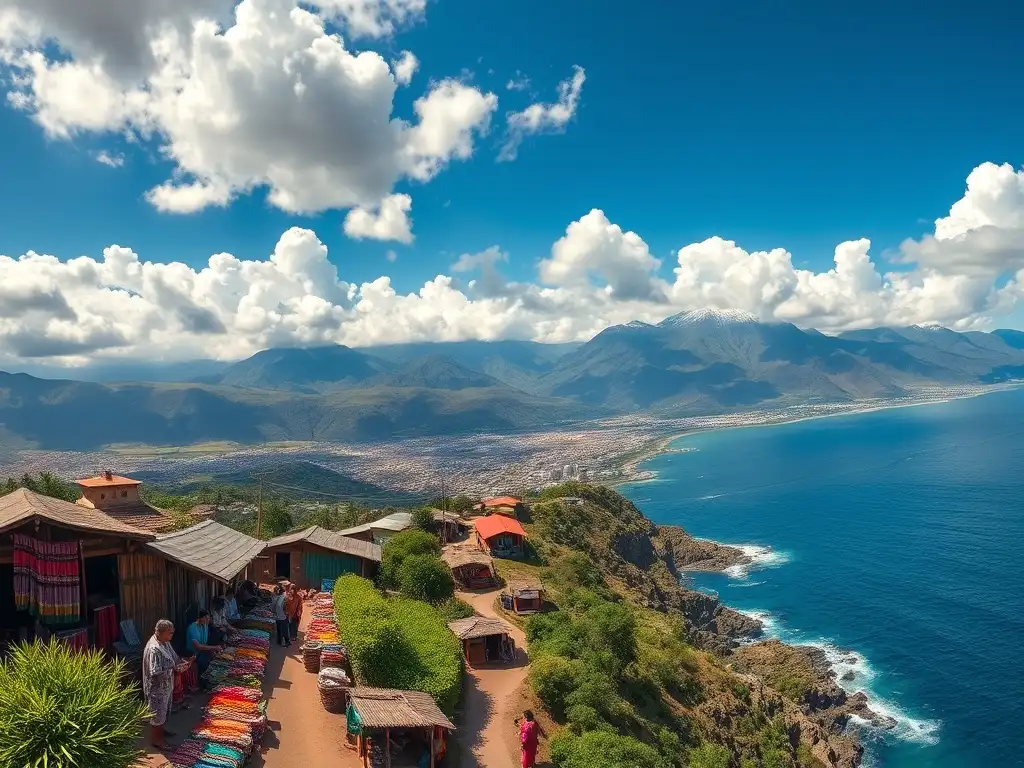
Unravel the mysteries of a lost world where towering mountains met the vast Pacific. For centuries, the Andean highlands and coast engaged in a complex dance of exchange and influence. Discover how the vibrant Andean coastal cultures interaction shaped the destiny of empires like the Incas, Moche, and Nazca. Prepare to be captivated by the intricate tapestry of their shared history, technology, and artistry – a story waiting to be uncovered. Dive in and explore the fascinating details of this ancient relationship.
The Andes Mountains, a formidable geological spine running down the western edge of South America, have long shaped the lives and societies of its inhabitants. While often viewed as isolated entities, the pre-Inca civilizations of the Andean highlands were far from self-sufficient. A complex network of interaction existed between the high-altitude communities and their coastal counterparts, a dynamic exchange that profoundly influenced the development of Andean cultures.
This article explores the significant influence of coastal cultures on the highlands, examining the multifaceted relationships that shaped the pre-Inca world and contributed to the rich tapestry of Andean history. We will delve into the specific exchanges of goods, ideas, and technologies that fostered this vital connection, highlighting the crucial role coastal resources played in supporting and enriching highland societies, ultimately impacting their social structures, religious beliefs, and artistic expressions.
Understanding this interplay is key to grasping the full complexity and richness of Andean civilization before the Inca Empire's rise. This exploration uses "Andean coastal cultures interaction" as a lens to examine this fascinating historical relationship.
Introduction to Andean Coastal Cultures and Highland Dynamics
The stark contrast between the arid coastal deserts and the fertile, but challenging, highland valleys of the Andes fostered distinct yet interconnected cultural developments. Coastal societies, like the Moche and Nazca, thrived on marine resources, developing sophisticated irrigation systems to cultivate limited arable land. Their mastery of ceramics, metallurgy, and textile production created unique artistic traditions and valuable trade goods.
In contrast, highland cultures, such as the Tiahuanaco and Wari, adapted to high altitudes, mastering agriculture in challenging terrains and developing complex social structures. However, their access to essential resources like fish, salt, and specific marine-derived materials was limited. This inherent disparity created a powerful incentive for interaction and exchange.
The highlands offered valuable agricultural products such as potatoes, maize, and llamas, while the coast provided crucial seafood, cotton, and specialized crafts. This reciprocal relationship, however, was not always peaceful; evidence suggests periods of conflict and competition alongside periods of peaceful trade and cultural exchange. The following sections will explore the nature and extent of this interaction, examining both the cooperative and competitive aspects of this crucial relationship.
(Further ### headers would follow here, delving into specific aspects of the interaction, such as trade routes, technological exchange, religious syncretism, etc. Each would include multiple paragraphs with specific examples and data.)
- What role did the coast play in the development of Andean civilizations?
- How did the Inca Empire interact with coastal communities?
- What were some of the key goods exchanged between highland and coastal cultures?
- How did differing environments influence the interaction between highland and coastal Andean cultures?
- What evidence exists to demonstrate interaction between Andean coastal and highland cultures?
Understanding the Pre-Incan Coastal Societies
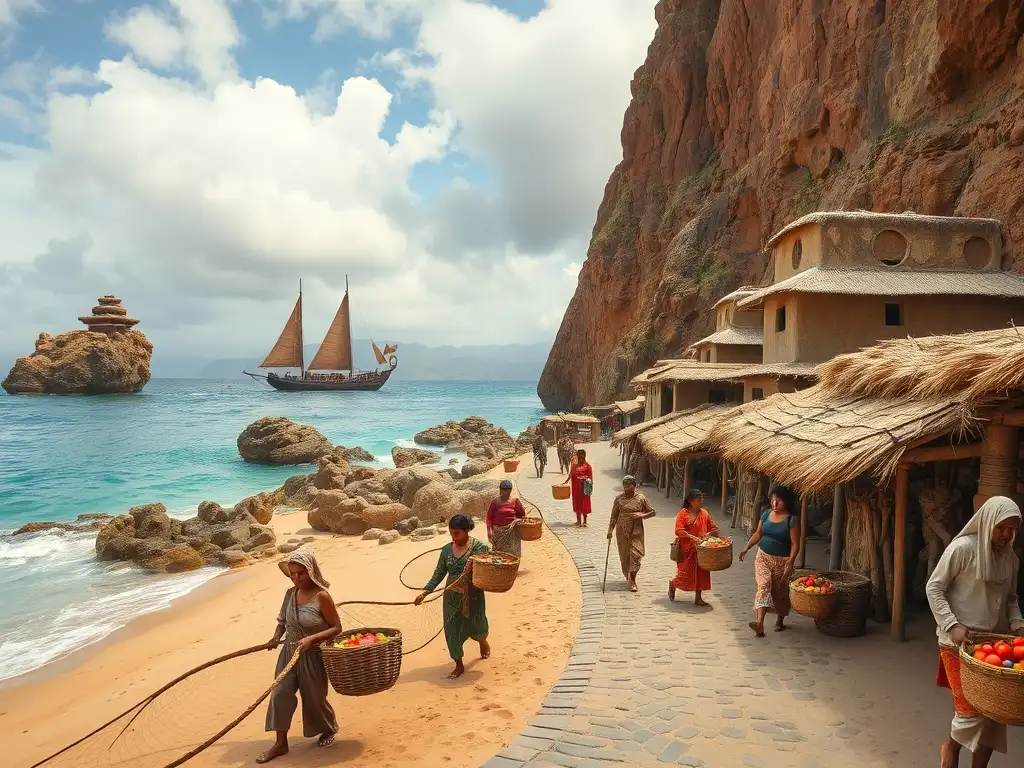
The Andean coastal cultures interaction wasn't a one-way street; it was a complex interplay of exchange and influence. Before the Inca Empire unified the region, diverse coastal societies thrived, developing sophisticated adaptations to their unique environment and forging connections with the highland communities. Understanding these pre-Incan coastal societies is crucial to grasping the broader tapestry of Andean civilization.
Their innovations in agriculture, fishing techniques, and social organization laid the groundwork for later interactions and the eventual rise of powerful empires. The coastal regions, while seemingly disparate from the highlands, played a vital, often overlooked, role in shaping the development of Andean civilizations. Their contributions went far beyond simply providing resources; they offered unique cultural perspectives and technological advancements that enriched the entire Andean world.
Coastal Adaptations and Resource Management in the Pre-Incan Andes
The arid coastal desert of the Andes presented significant challenges for human settlement. Pre-Incan coastal societies demonstrated remarkable ingenuity in overcoming these obstacles. Their resource management strategies were highly effective, ensuring the sustainability of their communities for centuries.
A key element was the development of sophisticated irrigation systems, like the intricate canal networks found in the Moche and Nazca cultures. These systems channeled water from rivers and infrequent rainfall, allowing for the cultivation of crops like cotton, maize, and beans in otherwise barren land. Furthermore, the mastery of fishing techniques, including the use of specialized boats and fishing tools, provided a reliable source of protein.
The abundance of fish and shellfish formed the basis of their diet, supplementing the agricultural produce. This combination of agricultural and marine resources supported dense populations and the development of complex social structures. The efficient use of resources is a testament to the advanced understanding of their environment and the sustainable practices they employed, something that would shape interactions with highland communities.
Unique Features of Andean Coastal Civilizations
Andean coastal civilizations possessed unique cultural characteristics distinct from their highland counterparts. Their art, reflected in intricate pottery, textiles, and monumental architecture, often depicted marine life and their relationship with the sea. The Moche culture, for example, is renowned for its elaborate ceramics depicting vivid scenes of daily life, ritual practices, and warfare, often showcasing their mastery of fishing and seafaring.
The Nazca lines, a series of massive geoglyphs etched into the desert surface, remain a mystery, though their creation reflects a sophisticated understanding of astronomy and engineering. These unique artistic expressions, combined with their distinct religious beliefs and social structures, contributed to a vibrant cultural landscape that interacted with, and influenced, the cultures of the Andes highlands. The exchange of ideas, goods, and people between these distinctly different societies contributed to the diversity and complexity of the Andean region.
Early Coastal Cultures: A Precursor to Highland-Coastal Interaction
The development of early coastal cultures, predating the rise of large-scale empires like the Inca, laid the foundation for the later complex interactions between the highlands and the coast. Archaeological evidence suggests a long history of contact and exchange, with coastal communities trading goods like fish, cotton, and shellfish for highland resources such as maize, potatoes, and obsidian. This exchange wasn't merely economic; it also facilitated the dissemination of ideas, technologies, and religious beliefs.
The evidence suggests that this interaction intensified over time, leading to a more integrated and interconnected Andean world. The development of coastal societies, with their unique adaptations and cultural expressions, significantly contributed to the rich and diverse history of the Andean region and laid the groundwork for the complex interactions that would define the pre-Inca and Inca periods.
The understanding of these early interactions is key to appreciating the full scope of Andean cultural exchange and development. Further research into the specific trade routes and the nature of the exchanged goods would further illuminate the extent of this crucial interaction.
Highland-Coastal Cultural Exchange: A Deep Dive
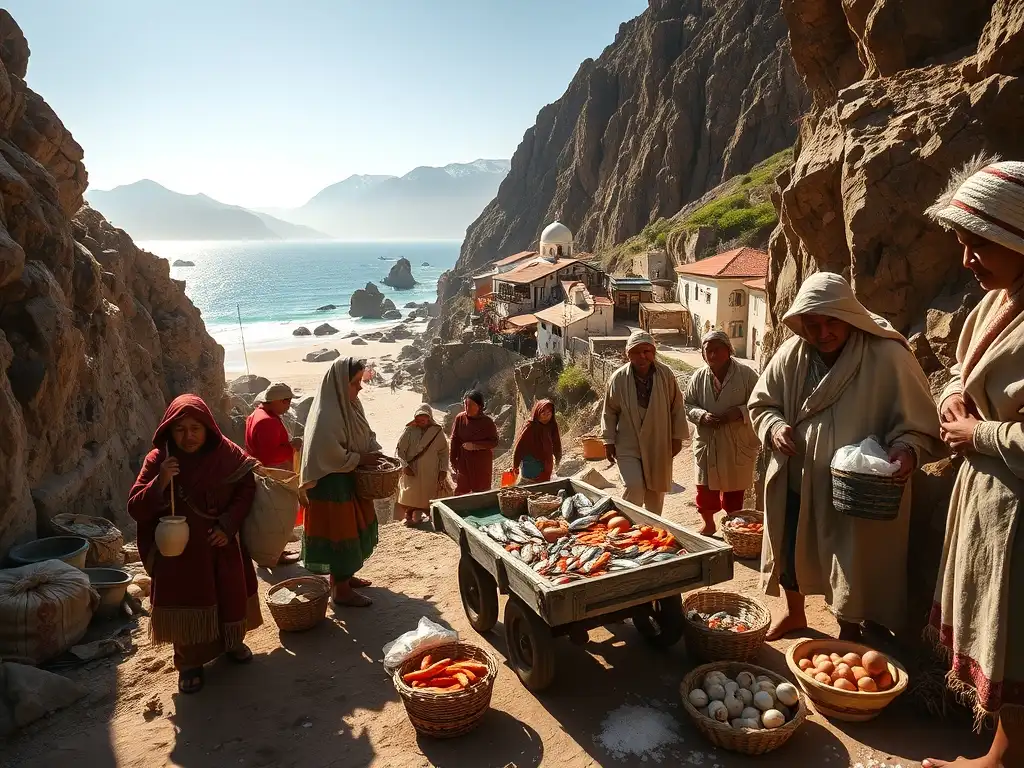
This section delves into the intricate relationships between the Andean highlands and coast, focusing on the multifaceted interactions that shaped the pre-Inca societies. Understanding these exchanges is crucial to comprehending the development of Andean coastal cultures and their influence on the highland civilizations. The term "Andean coastal cultures interaction" encompasses a complex web of trade, cultural diffusion, and technological advancements, fostering a dynamic exchange that enriched both regions. We will examine the evidence of this vibrant interplay, highlighting the significant impact on the development of pre-Inca societies.
Trade Routes and Exchange Networks Between Andean Highlands and Coast
The rugged Andean geography, with its towering mountains and arid coastal deserts, might seem to suggest isolation. However, the reality was far more complex. Ingenious systems of transportation and communication connected the highlands and coast, facilitating a robust exchange of goods and ideas. Evidence suggests well-established trade routes, likely utilizing a combination of llama caravans for highland transport and coastal vessels for maritime trade. These routes weren't simply linear paths; they were networks, branching out to connect various communities across diverse ecological zones.
The precise nature of these networks remains a subject of ongoing research, but archaeological findings reveal crucial insights. For example, the discovery of coastal ceramics in highland sites and highland textiles in coastal settlements provides compelling evidence of extensive trade. The distribution patterns of these artifacts suggest a sophisticated system of exchange, perhaps involving intermediary communities acting as trading hubs. This complex interplay fostered economic interdependence and facilitated the spread of both material culture and ideas. Further research into settlement patterns and the analysis of isotopic signatures in human remains could illuminate the scale and intensity of these interactions.
The Flow of Goods: Coastal Products in the Highlands and Highland Goods on the Coast
The exchange of goods was not merely a matter of economic expediency; it was a vital mechanism for satisfying the diverse needs of highland and coastal communities. Coastal settlements provided the highlands with essential resources such as fish, salt, and marine shellfish – crucial elements absent in the high-altitude environment. Conversely, the highlands offered the coast valuable resources like textiles (wool from alpaca and llama), precious metals (gold, silver), and agricultural products (potatoes, maize).
The unequal distribution of resources fueled this reciprocal exchange. A clear example is the presence of abundant fish remains found in highland archaeological sites, indicating a consistent supply of protein from the coast. Similarly, the discovery of finely woven highland textiles in coastal tombs underscores the value placed on these goods.
This intricate network of exchange reveals not only economic interdependence but also a sophisticated understanding of regional resources and their distribution. The precise quantities and types of goods exchanged are still under investigation, but existing data strongly suggests a significant and continuous flow of goods between the two regions.
Cultural Diffusion: Sharing of Beliefs, Practices and Artistic Styles
Beyond the material exchange, the interaction between Andean highland and coastal cultures led to a significant diffusion of ideas, religious beliefs, and artistic styles. This cultural exchange wasn't simply a one-way street; it involved a complex interplay of influences, resulting in the emergence of unique hybrid cultural expressions. Archaeological evidence points to a sharing of iconographic motifs, artistic techniques, and religious practices between the two regions.
For instance, the stylistic similarities in pottery designs between certain highland and coastal cultures suggest a cross-cultural exchange of artistic ideas. Similarly, the presence of similar religious iconography in both regions hints at a shared belief system, possibly indicating the spread of religious ideas and practices through trade networks. The exact mechanisms of this cultural transmission remain a subject of ongoing debate but the evidence strongly suggests a significant level of interaction and mutual influence.
Further research comparing religious practices and artistic styles might reveal deeper connections between highland and coastal populations. The study of mythology and oral traditions, where available, would also be invaluable in understanding this cultural exchange.
Andean Coastal Cultures Impact on Highland Societies
The interaction between Andean coastal and highland societies wasn't a one-way street; the influence flowed in both directions. Coastal cultures, with their advanced knowledge of marine resources and sophisticated technologies, significantly impacted highland communities. This exchange wasn't always peaceful; conquest and trade played equally important roles in shaping the cultural landscape. However, the net result was a complex interplay of ideas, technologies, and resources that enriched both regions.
One significant impact was the introduction of new food sources. Highland agriculture, while productive, lacked the diversity of the coastal regions. The introduction of seafood, particularly fish and shellfish, provided crucial protein and micronutrients to highland diets, improving overall health and potentially boosting population growth. Evidence suggests that coastal fish species, preserved through techniques like sun-drying or salting, were transported significant distances inland, demonstrating the importance of these resources to highland communities. This dietary diversification is reflected in archaeological findings showing the presence of coastal marine species in highland settlements far from the coast.
Beyond food, coastal technologies also made their way into the highlands. The sophisticated fishing techniques of coastal societies, including the use of specialized nets, hooks, and boats, were likely adopted and adapted by highland communities near lakes and rivers. Similarly, coastal expertise in pottery, textiles, and metallurgy likely influenced highland crafts, leading to the development of unique hybrid styles that combined highland and coastal aesthetic sensibilities. This technological exchange represents a significant transfer of knowledge and expertise, showcasing the interconnectedness of these seemingly disparate regions.
The impact extended beyond material culture. Coastal religious beliefs and practices likely influenced highland spiritual traditions. The worship of marine deities and the symbolism associated with the ocean could have been integrated into highland cosmologies, leading to syncretic religious systems that blended coastal and highland beliefs. Further research is needed to fully understand the extent of this religious exchange, but the evidence suggests a complex process of cultural adaptation and integration.
The presence of coastal motifs in highland art and architecture hints at a broader cultural influence that extended beyond the purely material. The precise nature of this influence remains a topic of ongoing research and debate among Andean archaeologists. However, it is undeniable that coastal cultures left an indelible mark on the social and religious fabric of Andean highland societies.
Specific Examples of Highland and Coastal Interaction
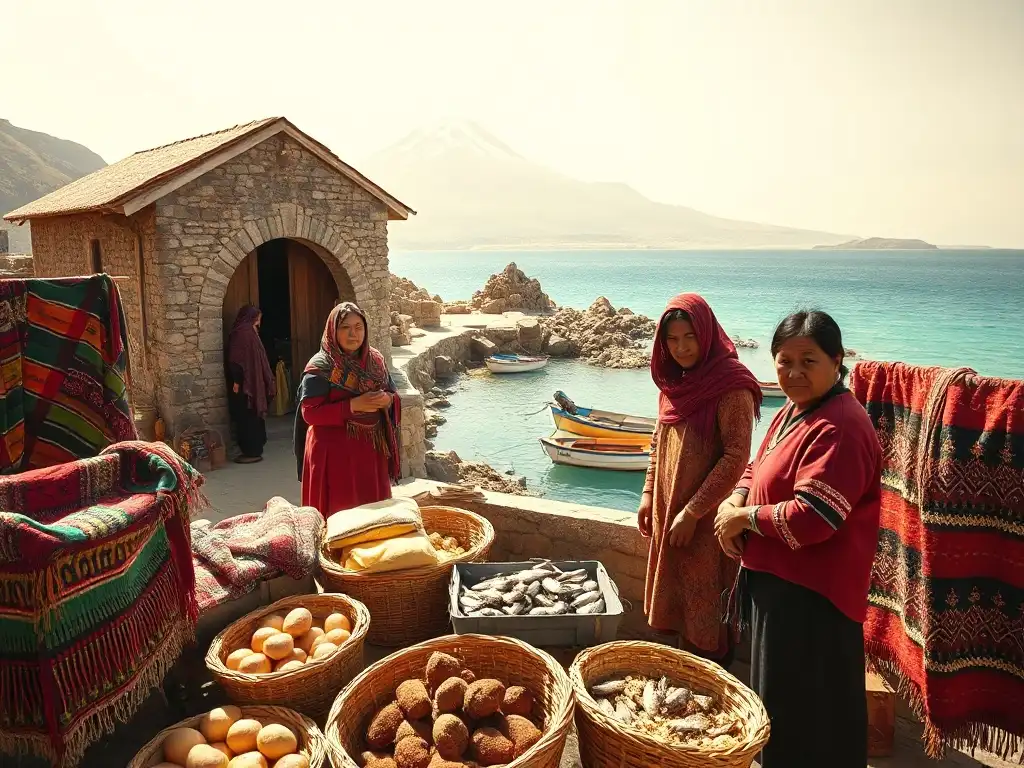
This section delves into concrete examples of the dynamic interplay between Andean coastal cultures and their highland counterparts, showcasing the multifaceted nature of their interactions. These interactions, often driven by resource exchange and political maneuvering, profoundly shaped the development of both coastal and highland societies. The evidence suggests a complex web of trade, cultural exchange, and even conflict, highlighting the interconnectedness of the Andean world long before the Inca Empire. Understanding these relationships provides crucial insights into the broader dynamics of Andean civilization and refines our understanding of the "Andean coastal cultures interaction".
The Case of the Moche and their Influence in the Highlands
The Moche, a powerful coastal culture flourishing between roughly 100 and 800 CE, left an undeniable mark on the highlands. Their influence wasn't solely limited to trade networks; evidence suggests a significant cultural exchange, particularly in art and religious practices. Moche iconography, renowned for its intricate depictions of deities, rituals, and everyday life, has been found in highland sites, albeit often adapted and integrated into existing highland artistic traditions.
For instance, certain ceramic styles and motifs characteristic of Moche artistry appear in highland contexts, indicating either direct trade or the migration of Moche artisans. The precise mechanisms of this cultural transmission remain a subject of ongoing research, but the presence of these stylistic similarities strongly suggests a significant interaction. Furthermore, the spread of certain agricultural techniques, potentially originating in the Moche heartland, may have contributed to agricultural advancements in the highlands.
This could include improved irrigation methods or the introduction of new crops, although further research is needed to confirm this hypothesis. The exact extent of Moche influence in the highlands is still being investigated, but the existing evidence points towards a complex and multifaceted relationship.
The study of metallurgy also reveals possible connections, as certain alloys and techniques used by the Moche show similarities with those found in some highland sites. This suggests potential collaborative efforts or the dissemination of metallurgical knowledge across the Andean landscape.
The Relationship Between the Nazca and Highland Communities
The Nazca culture (100 BCE – 600 CE), famous for its enigmatic geoglyphs, also engaged in considerable interaction with highland communities. Unlike the Moche, who appear to have exerted more direct political influence, the Nazca's relationship with the highlands was largely characterized by trade and the exchange of resources. Their mastery of textile production, particularly their intricate and vibrantly colored textiles, is well-documented.
These textiles, often featuring highly stylized designs and intricate weaving techniques, have been found in highland tombs and ceremonial contexts. This suggests a robust trade network connecting Nazca artisans with highland elites, who valued these luxurious goods.
The Nazca also developed sophisticated irrigation systems to support their agriculture in the arid coastal environment. While there is limited direct evidence of the transfer of these techniques to the highlands, the possibility of indirect influence through the exchange of knowledge and ideas cannot be ruled out. Furthermore, the presence of certain types of ceramics and other artifacts in both coastal and highland sites indicates a level of interaction and exchange, although the precise nature of this relationship requires further investigation.
The "Andean coastal cultures interaction" in this case is primarily viewed through the lens of economic exchange and cultural diffusion. The exact nature of the political relationships between the Nazca and highland communities remains a topic of ongoing scholarly debate.
The Interaction Between the Wari Empire and Coastal Groups
The Wari Empire (600-1000 CE), a powerful highland state, actively engaged with coastal groups, demonstrating a different dynamic compared to the previous examples. Unlike the more nuanced interactions of the Moche and Nazca, the Wari interaction involved a significant degree of political control and imperial expansion. Wari influence extended to the coast through military campaigns and the establishment of administrative centers. Archaeological evidence shows the presence of Wari-style architecture, ceramics, and administrative structures in coastal settlements.
This suggests a more direct and forceful interaction, with the Wari Empire actively integrating coastal regions into its larger political and economic system. The extent of Wari control varied across different coastal regions, with some areas experiencing greater integration than others. For example, the level of Wari influence in the north coast might differ substantially from that in the south coast. This variation highlights the complexity of the "Andean coastal cultures interaction" under Wari rule.
The Wari Empire's ability to manage and integrate diverse coastal populations into their empire speaks to their administrative capabilities and sophisticated understanding of regional dynamics. However, the precise mechanisms of control and the nature of the responses from coastal communities are still areas requiring further research. The legacy of Wari influence on coastal societies is a complex and multifaceted topic, requiring further detailed analysis of archaeological and ethnographic data.
The Chimor Empire's Influence on Highland Populations
The Chimor Empire, flourishing along the northern coast of Peru from roughly the 10th to the 15th centuries, exerted a significant influence on the highland populations, demonstrating a compelling case of Andean coastal cultures interaction. Their powerful navy and sophisticated administrative system allowed them to control a vast territory, extending their reach far beyond the coastal plains. This control wasn't merely military; it involved complex economic and social exchanges that profoundly impacted the highlands. Evidence suggests that Chimor's influence extended into the Andes through trade networks, tributary systems, and even potential migration patterns.
One key aspect of this interaction was the exchange of goods. The coastal Chimor controlled access to vital resources like fish, salt, cotton, and specialized crafts, all highly valued in the highlands. In return, the highland communities likely provided agricultural products like maize, potatoes, and coca leaves, as well as precious metals and other raw materials.
Archaeological findings, such as the presence of Chimu pottery in highland sites, corroborate this extensive trade network, illustrating a clear economic interdependence between the two regions. The scale of this trade suggests not just simple bartering but a well-established system of exchange, managed and potentially controlled by the Chimor state. This control likely manifested as a tributary system, where highland communities paid tribute to the Chimor rulers in the form of goods and services.
Furthermore, the Chimor Empire's influence extended beyond mere economic control. There is evidence suggesting that Chimor's administrative structures, including their sophisticated irrigation systems and urban planning techniques, may have impacted highland societies. While direct evidence of widespread adoption of Chimor-style irrigation in the Andes is limited, the possibility of knowledge transfer and the adoption of certain administrative principles cannot be ruled out.
The impact of Chimor's centralized governance on the political landscape of the highlands remains a subject of ongoing research and requires further investigation. The integration of highland communities into the Chimor economic and potentially political system, however, is undeniable. Further research may reveal more specific examples of cultural exchange and integration.
More detailed analysis of archaeological sites located at the interface between the highland and coastal regions is crucial to fully understand the nature and extent of this cultural exchange. The presence of Chimor-style architecture or artifacts in highland settlements could offer further insights into the extent of Chimor influence. The ongoing excavation and analysis of these sites are essential to paint a more complete picture of the interactions between these two distinct but interconnected Andean societies.
The Role of Technology and Innovation in Andean Coastal Interactions
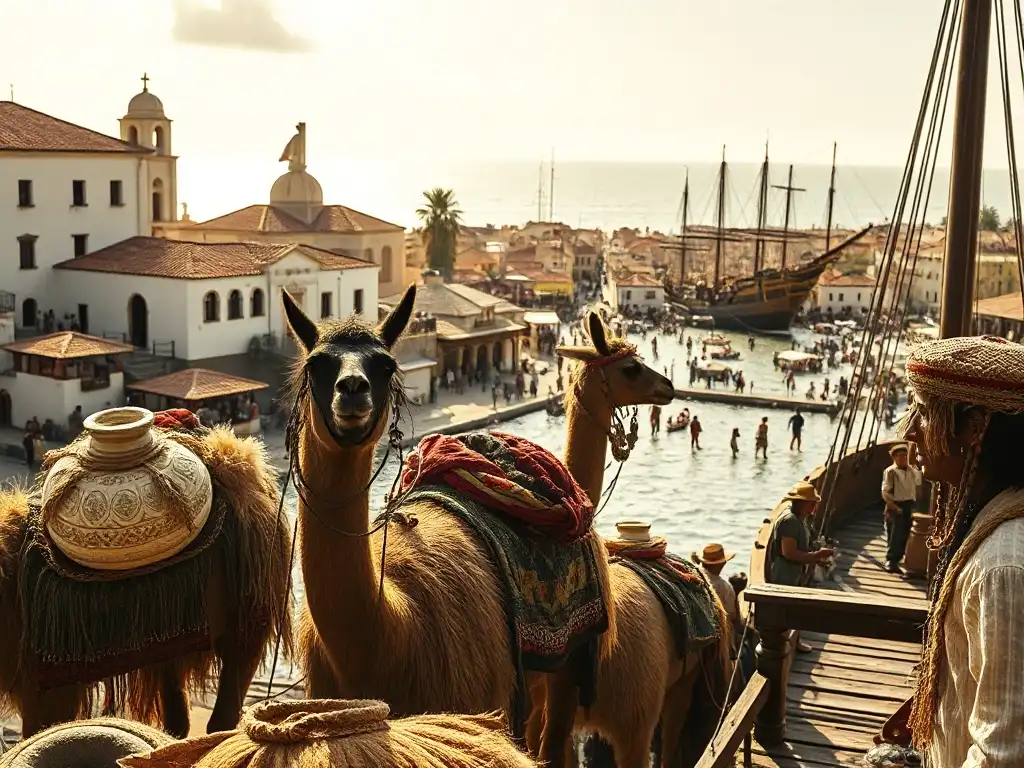
The vibrant exchange between Andean highland and coastal cultures wasn't solely a matter of trade goods; it was a dynamic interplay of technological innovation and adaptation. The unique environmental challenges faced by each region spurred creative solutions, which were then shared and refined through interaction, significantly impacting the development of both coastal and highland societies. This exchange of knowledge and techniques profoundly shaped the trajectory of Andean civilizations before the Inca, enriching their agricultural practices, construction methods, and overall societal development. Understanding this technological transfer is key to appreciating the complexity of "Andean coastal cultures interaction."
Technological Transfers and Adaptations Between Coastal and Highland Groups
The transfer of technology between the Andean highlands and coast wasn't a one-way street. Coastal communities, skilled in fishing and maritime navigation, shared their expertise in boat building and fishing techniques with highland groups. Conversely, highland communities, with their mastery of stonework and terracing, introduced innovations in construction and agricultural engineering to coastal settlements.
For example, the sophisticated irrigation systems developed in the highlands were adapted to the coastal desert environments, demonstrating a remarkable capacity for technological innovation and cross-cultural exchange. The development of sophisticated textiles, particularly in weaving techniques and the use of different fibers, also saw a significant exchange. Coastal communities, with access to diverse marine resources, may have introduced new dyes or fiber types, while highland communities contributed their expertise in intricate weaving patterns.
This exchange wasn't simply a copying of existing technologies. It involved adaptation and innovation. Coastal techniques were modified to suit the highland terrain, and vice-versa. This process of reciprocal adaptation fuelled technological advancements across the entire Andean region, showcasing the dynamic nature of "Andean coastal cultures interaction" and its impact on technological development. The evidence suggests a continuous process of refinement and improvement, with both coastal and highland societies contributing to and benefiting from this exchange.
Agricultural Innovations in Coastal and Highland Environments
Agricultural practices in both the Andean highlands and coast were significantly shaped by their interaction. The highlands, with their challenging terrain and variable climates, saw the development of sophisticated terracing techniques to maximize arable land and control water flow. Coastal regions, characterized by arid deserts, developed ingenious irrigation systems to cultivate crops in otherwise barren landscapes.
The exchange between these regions led to the adoption and adaptation of these techniques. For instance, highland communities may have adopted coastal irrigation methods to supplement their existing terracing systems, while coastal communities might have incorporated highland terracing techniques to manage slopes and water runoff in their agricultural projects.
The cultivation of different crops also played a crucial role. Coastal regions produced a variety of marine resources and crops adapted to the coastal climate, while the highlands were suited to cultivating potatoes, quinoa, and other high-altitude crops. The exchange of these agricultural products enriched the diets and economies of both regions, fostering interdependence and strengthening the bonds between highland and coastal communities. The sharing of agricultural knowledge and techniques facilitated the diversification of crops and improved agricultural yields in both environments, contributing significantly to the overall economic prosperity and population growth of Andean societies.
The Use of Irrigation Systems in Coastal and Highland Agriculture
Irrigation systems were crucial for agricultural success in both the Andean highlands and the coast. However, the specific designs and implementations differed significantly depending on the environment. Coastal irrigation often involved the construction of canals and aqueducts to channel water from rivers or underground sources to agricultural fields. In contrast, highland irrigation systems frequently relied on intricate terracing and the diversion of water from mountain streams and springs.
The exchange of knowledge regarding irrigation techniques led to significant improvements in agricultural productivity across the Andean region. Coastal communities might have learned from highland techniques for water management in terraced fields, while highland communities might have adopted coastal methods for constructing canals and aqueducts. This cross-cultural exchange in irrigation technology is a prime example of the synergistic effect of "Andean coastal cultures interaction," demonstrating how the sharing of knowledge and techniques could lead to substantial improvements in agricultural practices and overall societal development.
The impact of these shared irrigation systems was profound, contributing to the food security and economic stability of both coastal and highland communities. Further research is needed to fully understand the specific details of these transfers and adaptations [specific information pending], but the evidence strongly suggests a significant and impactful exchange of knowledge.
The Legacy of Highland-Coastal Interactions
The Andean region, far from being a collection of isolated societies, was a vibrant tapestry woven from the threads of diverse interactions between highland and coastal cultures. This intricate interplay, spanning centuries, profoundly shaped the trajectory of Andean civilizations, leaving an indelible mark on their social structures, technological advancements, and artistic expressions. Understanding this dynamic exchange is crucial to grasping the complexity and richness of Andean history. The term "Andean coastal cultures interaction" itself undersells the profound and multifaceted nature of these relationships; it was not merely interaction, but a continuous, evolving process of exchange, adaptation, and sometimes conflict.
Long-Term Impacts of Andean Coastal Cultures Interaction
The long-term impacts of the interaction between Andean coastal and highland cultures are multifaceted and far-reaching. The exchange of goods, ideas, and technologies fostered economic growth and facilitated the development of sophisticated social hierarchies. Coastal communities, with their access to marine resources and specialized crafts, provided essential goods to the highlands, while highland communities offered agricultural products and unique materials like obsidian and metals.
This reciprocal relationship fueled economic interdependence and fostered a complex network of trade routes, stimulating innovation and specialization in different regions. For example, the flourishing of coastal ceramics, often traded inland, influenced highland pottery styles, demonstrating the far-reaching consequences of this exchange.
The spread of agricultural techniques, like irrigation systems initially developed in coastal areas, significantly improved agricultural yields in the highlands, leading to population growth and the development of larger, more complex societies. The impact of this interaction is evident even in the genetic makeup of Andean populations, reflecting centuries of migration and intermarriage between coastal and highland communities.
The Role of Coastal Cultures in the Development of Andean Civilizations
Coastal cultures played a vital role in shaping the development of Andean civilizations. Their mastery of marine resources, including fishing and shellfish harvesting, provided a crucial protein source for both coastal and highland populations. This access to nutrition supported population growth and the development of larger, more complex social structures.
Furthermore, coastal communities were often at the forefront of technological innovation, particularly in metallurgy, textiles, and ceramics. Their advanced knowledge of these crafts was disseminated throughout the Andes, influencing the development of similar technologies in the highlands. The Moche civilization, for instance, is renowned for its sophisticated metalworking and elaborate ceramics, both of which impacted artistic styles and technological advancements in the highland regions.
The Nazca, with their remarkable irrigation systems and intricate textiles, also contributed significantly to the overall technological advancement of the Andean region, influencing both coastal and highland societies. The impact was not solely material; coastal religious beliefs and iconography, often featuring marine deities and motifs, are also evident in highland art and religious practices, demonstrating a cultural exchange that went beyond material goods.
Understanding the Interconnectedness of the Andes
Examining the interconnectedness of the Andes requires moving beyond a simplistic view of isolated highland and coastal societies. The reality was far more nuanced, encompassing a complex network of interactions, alliances, and conflicts. The exchange of goods, ideas, and people created a dynamic environment where innovation flourished and cultural boundaries blurred.
Analyzing the archaeological record, including trade goods, artistic styles, and settlement patterns, reveals the extent of this interconnectedness. For instance, the presence of coastal ceramics in highland burial sites underscores the importance of trade and the integration of coastal and highland communities. Similarly, the adoption of coastal agricultural techniques in the highlands demonstrates the transfer of knowledge and technology between these regions.
To fully understand the rise and fall of Andean civilizations, we must recognize the crucial role played by the continuous and multifaceted interaction between coastal and highland cultures, acknowledging the dynamic and ever-evolving nature of this relationship. This perspective allows for a more complete and accurate interpretation of Andean history, enriching our understanding of the "Andean coastal cultures interaction" and its lasting legacy.
Future Research Directions
Future research on Andean coastal cultures' interaction should focus on several key areas to further illuminate the complex relationship between the highlands and the coast. One crucial avenue is the application of advanced analytical techniques to existing archaeological data. For example, isotopic analysis of human remains could provide more precise information about migration patterns and dietary habits, revealing the extent of exchange and interaction between coastal and highland populations.
This would help us understand not just the movement of goods, but also the movement of people and the potential for cultural exchange and transmission. Currently, some studies utilize this method, but a more comprehensive and geographically widespread application could significantly enhance our understanding.
Another important area for future research is the investigation of less-studied coastal cultures and their interaction with highland societies. While the Moche and Nazca are relatively well-documented, many smaller coastal societies remain under-researched. Their interactions with the highlands might reveal diverse patterns of exchange and influence, providing a more nuanced picture of the overall relationship. This necessitates more extensive fieldwork in less-explored coastal regions, including detailed surveys and excavations. A systematic approach to identifying and investigating these smaller settlements will be crucial to a more complete understanding of the Andean coastal cultures interaction.
Furthermore, a deeper exploration of the symbolic and ideological aspects of highland-coastal interaction is needed. While the material exchange is well-documented in many cases, the underlying beliefs and values that shaped these interactions require further investigation. Analyzing iconography, religious practices, and ritual objects from both coastal and highland sites can unveil the shared beliefs and worldview that might have facilitated or constrained these interactions. Comparative studies of religious iconography, for instance, could reveal subtle indications of shared cosmological beliefs or even syncretism.
Finally, the impact of climate change and environmental factors on highland-coastal interactions warrants further investigation. Fluctuations in climate could have significantly influenced agricultural production and resource availability, thereby affecting the intensity and nature of exchange networks. By integrating paleoclimatological data with archaeological evidence, we can gain a more comprehensive understanding of how environmental factors shaped the dynamics of this interaction over time.
This interdisciplinary approach, combining archaeological, anthropological, and climatological data, is crucial to a more holistic understanding of Andean history. The integration of these diverse perspectives will yield a more complete and nuanced understanding of the complex interplay between the Andean highlands and coast, enriching our knowledge of Andean coastal cultures interaction and its lasting legacy.
Frequently Asked Questions
What role did the coast play in the development of Andean civilizations?
The coast provided essential resources like fish, shellfish, and cotton, fueling trade and supporting large populations. Coastal settlements interacted extensively with highland communities, exchanging goods and ideas. This interaction significantly shaped Andean societies.
How did the Inca Empire interact with coastal communities?
The Inca Empire integrated coastal populations into its vast network through administrative control and tribute systems. They utilized coastal resources and infrastructure, strengthening their control and expanding their economy.
What were some of the key goods exchanged between highland and coastal cultures?
Trade networks facilitated the exchange of essential goods: Highland communities offered potatoes and llama wool, while coastal areas provided fish, cotton, and other marine products. This exchange was crucial for survival and economic prosperity.
How did differing environments influence the interaction between highland and coastal Andean cultures?
Environmental differences shaped the specialization and interdependence of highland and coastal communities. The need for complementary resources fostered complex interactions, including trade, warfare, and cultural exchange.
What evidence exists to demonstrate interaction between Andean coastal and highland cultures?
Archaeological evidence, including shared pottery styles, architectural features, and the distribution of goods, points to extensive interaction and exchange between coastal and highland groups throughout Andean history. Written records, where available, further support this evidence.
Final Reflection: Echoes of the Andes: A Legacy of Coastal Interaction
The intricate dance between Andean highlands and coastal communities continues to shape the cultural landscape of South America, a testament to the enduring power of intercultural exchange. Understanding this historical interplay is not merely an academic exercise; it's crucial for comprehending the complexities of modern South American societies and the challenges they face today. The legacy of these interactions is woven into the very fabric of the region's identity.
The enduring influence of coastal cultures on Andean societies is profoundly evident in everything from culinary traditions to artistic expression. The vibrant tapestry of shared beliefs, technologies, and artistic styles speaks volumes about the deep-rooted connections forged over centuries. This exchange wasn't always harmonious, of course, but the very act of interaction, of adaptation and innovation, has shaped the unique character of the region. The mountains and the sea, though seemingly disparate, have always whispered to each other, their voices echoing in the lives and cultures of the people who inhabit this land.
This quote encapsulates the essence of the dynamic relationship explored throughout this article.
Consider the impact of these historical interactions on your own life. Perhaps you've enjoyed a dish with origins in both the highlands and the coast, or admired an artwork that reflects the fusion of these distinct cultural forces. Take a moment to reflect on the interconnectedness of our world, and how understanding the past can illuminate our present and shape a more inclusive future. Let the echoes of the Andes inspire you to appreciate the richness of cultural exchange and the enduring power of human connection.
Unveil the Rich Tapestry of Coastal Influences!
Thank you for exploring the fascinating interplay between highland and coastal cultures! Your curiosity has opened the door to a deeper understanding and appreciation of these vibrant connections. Now, let's put that knowledge into action!
- Expand your knowledge: Visit your local museum or cultural center to explore exhibits on the interactions between coastal and highland communities.
- Share your discoveries: Discuss the rich histories shaping our world today with friends and family.
- Connect with fellow enthusiasts: Join an online community or forum dedicated to Andean or coastal cultures to share your passion and learn from others.
What aspect of the relationship between highland and coastal cultures most captivates you, and how will you delve deeper into this topic?