
Monumental Architecture: Unveiling the Grand Structures of PreIncan Cultures

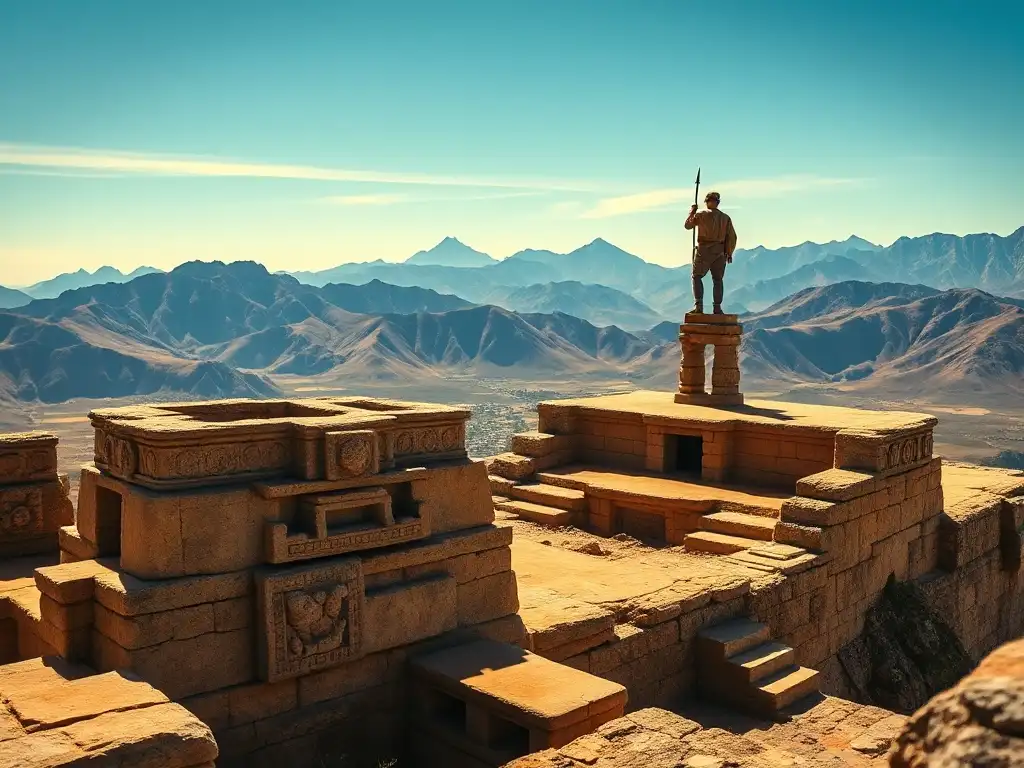
Step into a world lost to time, where towering structures whisper tales of ingenuity and power. Journey with us through the Andes, uncovering the secrets of PreInca monumental architecture. From the breathtaking ingenuity of the Nazca lines to the enigmatic grandeur of Tiahuanaco, prepare to be amazed by the sophisticated civilizations that shaped this landscape long before the Incas. Discover the mysteries that await within the stones... What secrets do these ancient giants hold?
-
PreInca Monumental Architecture: Unveiling the Grand Structures of Andean Civilizations
- Introduction to Pre-Incan Architectural Marvels
- The Significance of Monumental Construction in Pre-Inca Societies
- Key Examples of Pre-Inca Monumental Architecture
- Architectural Techniques and Materials Used in Pre-Inca Constructions
- The Legacy and Influence of Pre-Inca Monumental Architecture
- Conclusion: Appreciating the Genius of Pre-Inca Architects
-
Frequently Asked Questions
- What is considered "PreInca monumental architecture"?
- How did PreInca cultures build such massive structures without modern technology?
- What are some examples of significant PreInca monumental architecture?
- What materials were commonly used in PreInca monumental architecture?
- What can PreInca monumental architecture tell us about these societies?
- Final Reflection: Echoes of Empire in Stone
- Unleash Your Curiosity and Explore the Wonders!
PreInca Monumental Architecture: Unveiling the Grand Structures of Andean Civilizations
The Andes Mountains, a spine of towering peaks running down the western coast of South America, were home to a vibrant tapestry of pre-Inca cultures. For millennia, these societies—including the Moche, Nazca, Tiahuanaco, and Wari—developed sophisticated technologies and complex social structures, leaving behind a legacy of breathtaking monumental architecture. This article delves into the fascinating world of Pre-Inca monumental architecture, exploring the engineering feats, social implications, and enduring mysteries of these remarkable structures.
We will examine how these grand constructions reflect the power, beliefs, and ingenuity of these ancient Andean civilizations, providing insights into their societal organization, religious practices, and technological advancements. Understanding Pre-Inca monumental architecture provides a crucial lens through which to appreciate the richness and complexity of Andean civilizations before the rise of the Inca Empire, revealing a history far more nuanced and extensive than previously imagined.
This exploration will showcase the ingenuity and artistry of these pre-Columbian cultures, highlighting their remarkable achievements in stonework, urban planning, and monumental construction. Prepare to be amazed by the scale and sophistication of these architectural marvels, and by the enduring mysteries they still hold.
Introduction to Pre-Incan Architectural Marvels
Pre-Inca monumental architecture is characterized by its imposing scale, intricate designs, and the masterful use of local materials. These structures, often built from massive stone blocks meticulously fitted together without mortar, represent a significant technological achievement. From the colossal platforms of Tiahuanaco to the intricate geoglyphs of the Nazca, these constructions offer a glimpse into the advanced engineering skills and sophisticated understanding of astronomy and mathematics possessed by these ancient societies.
The sheer scale of some of these projects – such as the massive platforms at Chavín de Huántar – suggests a highly organized and centralized societal structure capable of mobilizing significant labor forces. The diversity of styles across different cultures also highlights the regional variations and unique characteristics of each civilization.
The construction techniques, the materials used, and the overall design aesthetics all contribute to a vibrant and diverse picture of Pre-Inca architectural innovation. The development of these monumental structures was not a mere display of power; rather, they were integral to the social, religious, and political life of these ancient societies.
The Significance of Monumental Construction in Pre-Inca Societies
The creation of monumental architecture was not a simple feat of engineering; it was a complex process deeply intertwined with the social, political, and religious fabric of Pre-Inca societies. These structures served as powerful symbols of authority, religious beliefs, and social organization. The sheer effort required to quarry, transport, and assemble the massive stones involved extensive planning, labor organization, and resource management.
This process itself fostered social cohesion and cooperation, demonstrating the collective strength and shared identity of these communities. The scale and complexity of these projects also suggest a hierarchical social structure with specialized labor forces and a centralized authority capable of directing large-scale construction endeavors.
The construction of monumental buildings was thus a crucial aspect of social engineering, strengthening social bonds and reinforcing power structures. Furthermore, the location and orientation of these structures frequently reflect a deep understanding of astronomy and cosmology, highlighting the importance of celestial events in the lives of these ancient peoples.
Social and Political Implications of Pre-Inca Architecture
The construction of monumental architecture had profound social and political implications. The immense scale of these projects required the coordination of large workforces, suggesting sophisticated organizational structures and a centralized authority capable of mobilizing and managing significant resources. These structures served as powerful symbols of power and prestige, reinforcing the authority of ruling elites and showcasing the strength and prosperity of their respective societies.
The distribution of monumental architecture across the landscape also reflected patterns of settlement and control, indicating the extent of political influence and the boundaries of different regions or kingdoms. For example, the strategic placement of large structures could have served to control access to vital resources or to mark territorial boundaries, solidifying political power and control. Further research into the social organization and power dynamics of these societies is essential to fully understand the influence of monumental architecture on their social and political landscape.
Religious and Ritualistic Purposes of Monumental Buildings
Many Pre-Inca monumental structures were intimately linked to religious beliefs and rituals. The impressive size and grandeur of these buildings suggest that they served as important centers for religious ceremonies and practices. The precise arrangement of structures, often aligned with astronomical events, highlights the importance of cosmology and the worship of celestial bodies.
Archaeological evidence, such as the discovery of elaborate burial sites within or near monumental structures, indicates their use as sacred spaces for honoring ancestors or deities. The intricate carvings and decorations found on many of these structures suggest that they were not merely functional buildings, but also served as powerful visual representations of religious beliefs and cosmological ideas. The use of specific materials, such as rare stones or precious metals, in the construction of these buildings further emphasizes their sacred significance.
The religious significance of Pre-Inca monumental architecture underscores the deep integration of religious beliefs into the daily lives of these ancient societies. Understanding the religious purposes of these structures is key to fully appreciating their cultural and historical significance.
Key Examples of Pre-Inca Monumental Architecture
Pre-Inca monumental architecture showcases the ingenuity and sophisticated engineering skills of various Andean cultures. These structures, built centuries before the Inca Empire, reveal a complex understanding of urban planning, ritual practices, and advanced construction techniques. The sheer scale and artistry of these constructions stand as testaments to the power and organization of these early Andean societies.
Studying these sites offers invaluable insights into the social, political, and religious life of these civilizations, enriching our understanding of PreInca monumental architecture and its impact on subsequent Andean cultures. The diversity of architectural styles across different regions and time periods reflects a fascinating tapestry of cultural development and innovation. From the coastal pyramids to the high-altitude ceremonial centers, these structures represent a remarkable legacy of human achievement.
The Enigmatic Structures of Caral: Early Andean Urbanism
Caral, located in the Supe Valley of Peru, is one of the oldest known urban centers in the Americas, dating back to approximately 2600 BCE. Its monumental architecture consists of large platform mounds, plazas, and residential structures, all built using adobe bricks. The absence of evidence for warfare or social stratification suggests a complex society organized around religious and ceremonial activities.
The precise function of many structures remains a subject of ongoing research, but their scale and layout indicate a highly organized society capable of large-scale construction projects. The sophisticated water management systems discovered at Caral further highlight the advanced technological capabilities of its inhabitants, demonstrating a remarkable understanding of hydraulic engineering crucial to sustaining a large urban population.
The layout of the city, with its central plazas and surrounding residential areas, suggests a level of urban planning that is remarkably advanced for its time. This early urbanism laid the groundwork for future Andean civilizations, influencing subsequent developments in architecture and urban design.
The Ceremonial Centers of the Chavín Culture: A Fusion of Art and Architecture
The Chavín culture (900-200 BCE) is renowned for its impressive ceremonial centers, the most significant being Chavín de Huántar located in the Andes Mountains of northern Peru. These sites feature intricate stone carvings, labyrinthine passages, and monumental structures like the Lanzón, a massive monolithic stone sculpture. The architecture displays a masterful integration of art and architecture, with intricate designs adorning the stone walls and structures.
The complex layout of the site, with its interconnected plazas and underground passages, likely served as a pilgrimage site, attracting people from across the region. Scholars believe the site's design and imagery played a crucial role in the unification of different groups and the dissemination of Chavín religious beliefs.
The monumental scale of the structures, coupled with the artistic complexity of the carvings, underlines the power and influence of the Chavín elite. Their influence spread widely, impacting the artistic and architectural styles of other Andean cultures, leaving an indelible mark on PreInca monumental architecture.
The Advanced Engineering of the Tiwanaku Civilization: Stone Mastery
The Tiwanaku civilization (c. 300 – 1000 CE), flourishing on the shores of Lake Titicaca in present-day Bolivia, is celebrated for its precise stonework and massive structures. The Kalasasaya Temple, with its colossal monoliths and intricate stone carvings, is a prime example of their engineering prowess. The precise fitting of stones without the use of mortar remains a marvel of ancient engineering.
The scale of the stone blocks used in Tiwanaku constructions is truly impressive, requiring sophisticated techniques for quarrying, transport, and placement. The civilization's mastery of stonework extended beyond monumental structures, influencing the construction of smaller buildings and other aspects of daily life.
The precision and scale of the Tiwanaku stonework stand as a testament to their advanced knowledge of engineering and construction techniques. The sophisticated understanding of hydraulics, as evidenced by the intricate water channels and systems found around the site, further highlights the advanced nature of this civilization.
The Moche Pyramids of the North Coast: Power and Ritual
The Moche culture (c. 100 – 800 CE) of the northern Peruvian coast is known for its impressive adobe pyramids, which served as both ceremonial centers and the seats of power for the elite. The Huaca del Sol and Huaca de la Luna, near Trujillo, are among the most impressive examples. These massive structures, built using millions of adobe bricks, are testament to the Moche's ability to mobilize large workforces and organize complex construction projects.
The pyramids were not merely functional structures but also served as important religious and ceremonial centers, adorned with elaborate murals and sculptures that depict their cosmology and worldview. The scale and complexity of these structures reflect the power and organization of the Moche state, showcasing a sophisticated understanding of engineering and social organization.
The intricate murals found adorning these pyramids offer valuable insights into the Moche's beliefs, rituals, and daily life. Their artistic achievements are as impressive as their engineering feats.
The Wari Urban Centers: Planning and Expansion
The Wari empire (c. 600 – 1000 CE) developed a vast network of urban centers across the Andes, characterized by a remarkable degree of urban planning and standardization. Cities like Piquillacta near Cusco show evidence of grid-like street layouts, standardized housing units, and strategically placed administrative buildings. The scale and organization of Wari urban centers reflect a powerful centralized state with sophisticated administrative capabilities.
The construction of these sprawling cities required significant logistical planning and the mobilization of large workforces, demonstrating the Wari's advanced organizational skills. The standardization of architectural features across different urban centers reflects a deliberate effort to create a unified imperial identity. The impressive scale and organization of Wari urban centers suggest a highly sophisticated understanding of urban planning and administration, significantly impacting the development of later Andean civilizations, particularly the Inca.
Architectural Techniques and Materials Used in Pre-Inca Constructions
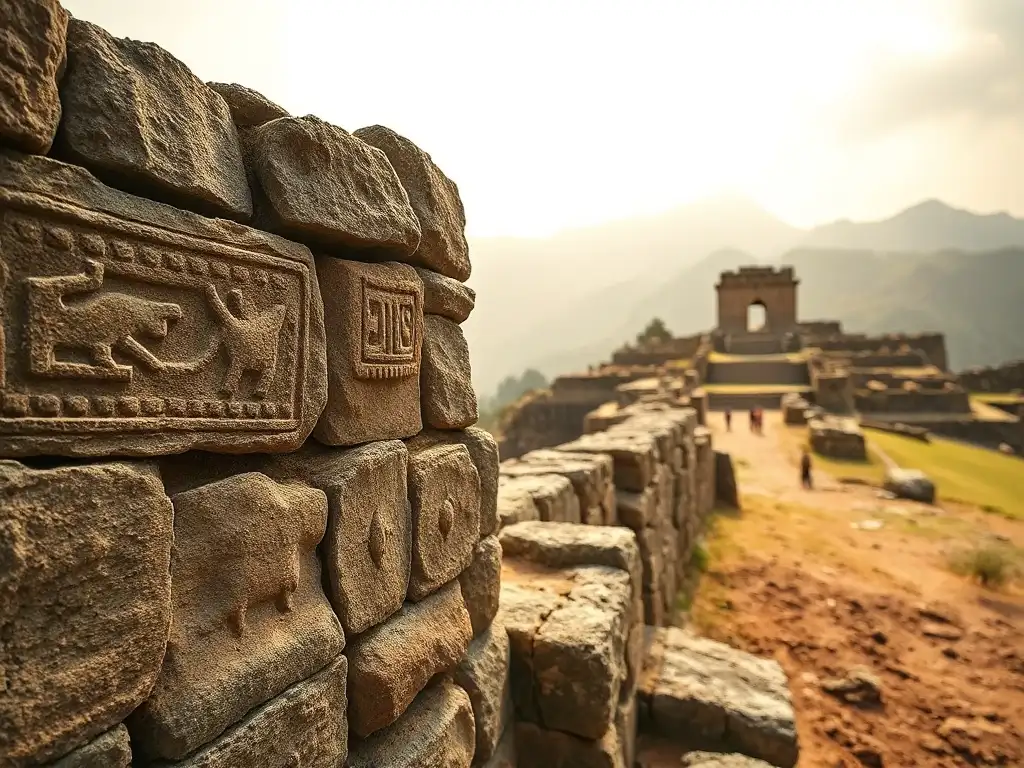
The construction of PreInca monumental architecture involved a range of sophisticated techniques and materials adapted to the diverse environments of the Andes. These techniques, developed and refined over centuries, reflect the ingenuity and resourcefulness of the Andean peoples. The mastery of these techniques allowed for the creation of structures that have endured for millennia, showcasing the lasting legacy of these ancient civilizations. Understanding these techniques provides valuable insights into the technological and organizational capabilities of these societies.
Quarrying and Transporting Massive Stones
Moving massive stone blocks, sometimes weighing several tons, across challenging terrain required ingenuity and organizational skills. Evidence suggests the use of ramps, rollers, and levers to facilitate transport. The precise cutting and shaping of stones, often achieved without metal tools, demonstrates a sophisticated understanding of stoneworking techniques. The quarrying sites themselves offer clues about the methods employed, with visible traces of tool marks and abandoned quarries. The organization required to quarry, transport, and erect these massive stones points to a well-structured society with a strong centralized authority. [Specific examples of quarrying techniques and transportation methods for different cultures pending]
The Use of Adobe and other Local Materials
Adobe bricks, made from sun-dried mud and straw, were a prevalent construction material across many Andean cultures. The widespread use of adobe reflects its abundance and ease of production. Other locally sourced materials, such as wood, thatch, and reeds, were also incorporated into constructions, demonstrating an adaptive approach to building based on available resources. The construction methods varied depending on the material used, with adobe requiring different techniques than stone masonry. Different types of adobe were developed, reflecting regional variations in soil composition and climate. [More detailed information on regional variations in adobe construction and other materials used pending]
Advanced Construction Techniques: The Use of Ramps and Levers
The construction of monumental structures required advanced engineering techniques. Ramps, levers, and possibly even rudimentary pulleys were used to lift and position massive stones. The precise placement of stones, often without mortar, demonstrates a sophisticated understanding of engineering principles. The construction of these massive structures was not a simple feat, but a testament to the advanced engineering capabilities and organizational skills of PreInca societies. [Further research is needed to fully understand the specific techniques used in different regions and by different cultures. Specific examples and diagrams pending]
The Legacy and Influence of Pre-Inca Monumental Architecture
The monumental architecture of pre-Inca Andean civilizations wasn't merely a display of power; it laid the groundwork for later architectural achievements, profoundly influencing the Inca Empire and beyond. These sophisticated techniques, developed over centuries, weren't simply abandoned with the rise of new empires. Instead, they were adapted, refined, and integrated into subsequent building projects. The mastery of stonework, the understanding of structural mechanics, and even the aesthetic preferences evident in pre-Inca structures all played a vital role in shaping the architectural landscape of the Andes for centuries to come.
The impressive scale and precision of pre-Inca constructions served as a testament to the capabilities of Andean builders, inspiring awe and respect in later generations. The legacy of these structures continues to resonate today, influencing our understanding of Andean ingenuity and the enduring power of cultural heritage. Analyzing the evolution of architectural styles across different pre-Inca cultures reveals a continuous process of innovation and adaptation, culminating in the remarkable achievements of the Inca Empire.
This continuity underscores the importance of recognizing the pre-Inca foundations upon which the Inca architectural achievements were built. The intricate stonework, sophisticated water management systems, and monumental structures of earlier civilizations provided a crucial base for the Inca's own impressive constructions. Understanding this legacy allows us to appreciate the full scope of Andean architectural prowess.
Impact on later Andean Architecture, including the Inca Empire
The Inca Empire, renowned for its impressive architectural feats like Machu Picchu, didn't emerge in a vacuum. The Inca builders inherited a rich architectural tradition from preceding cultures, particularly in their mastery of stonework. The precise fitting of stones, without mortar, a technique perfected by earlier Andean civilizations, is clearly evident in Inca constructions. This sophisticated technique, demanding both skill and advanced knowledge of engineering, allowed for incredibly durable and aesthetically pleasing structures.
Furthermore, the Inca adopted and adapted pre-existing architectural styles and designs, incorporating elements from earlier cultures into their own imperial projects. For example, the use of specific stone types and construction methods shows a clear lineage connecting Inca architecture to its pre-Inca predecessors. The Inca's impressive road network, too, built upon the existing infrastructure and knowledge of earlier Andean societies, demonstrating the ongoing influence of pre-Inca engineering prowess.
The impact is not just stylistic; the Inca’s understanding of structural stability, water management, and urban planning was undeniably informed by the achievements of these earlier cultures. One can observe a direct line of influence from the sophisticated water systems of the Nazca to the impressive hydraulic engineering feats of the Inca. This continuity highlights the importance of considering pre-Inca developments when studying Inca architecture, offering a more complete and nuanced understanding of Andean architectural history.
Lessons Learned from Ancient Andean Builders
Studying pre-Inca monumental architecture offers invaluable lessons for modern engineering and construction. The precision and durability of these structures, achieved without modern tools and technologies, are particularly remarkable. The Andean builders’ deep understanding of the properties of local materials, their innovative construction techniques, and their sophisticated planning demonstrate a level of engineering expertise that remains impressive even today.
For example, the intricate stonework found in sites like Ollantaytambo showcases a level of precision that continues to baffle modern engineers. The ability to fit stones together with such accuracy, without the use of mortar, highlights a mastery of both engineering and craftsmanship. Additionally, the Andean builders' understanding of seismic activity and their ability to construct earthquake-resistant structures are worthy of study.
Their techniques, often involving carefully interlocking stones and strategically placed foundations, provide valuable insights for modern earthquake-resistant design. Analyzing these ancient building techniques can lead to innovations in modern construction, improving efficiency, sustainability, and resilience in building design. Understanding how ancient Andean builders adapted to their environment and utilized local resources sustainably offers valuable lessons for modern sustainable construction practices.
Conclusion: Appreciating the Genius of Pre-Inca Architects
The monumental architecture of pre-Inca civilizations stands as a testament to the ingenuity and skill of Andean builders. From the intricate stonework of Tiahuanaco to the massive platforms of the Moche, these structures represent not only remarkable feats of engineering but also a deep understanding of their environment and a sophisticated cultural expression. Understanding the legacy of pre-Inca monumental architecture is crucial to appreciating the full scope of Andean achievement.
These structures are not just relics of the past; they are living testaments to the enduring power of human creativity and innovation. The precision, scale, and durability of these constructions, achieved without modern tools and technologies, continue to inspire awe and wonder, highlighting the remarkable achievements of Andean builders. Their ingenuity and knowledge of engineering and construction techniques provide invaluable lessons for modern architects and engineers, underscoring the timeless relevance of their legacy.
The study of pre-Inca monumental architecture offers a unique opportunity to learn from the past and apply these ancient wisdoms to contemporary challenges. The continued exploration and preservation of these sites are essential for understanding and appreciating the rich cultural heritage of the Andes. 🌍
Frequently Asked Questions
What is considered "PreInca monumental architecture"?
PreInca monumental architecture refers to the large-scale structures built by Andean cultures before the Inca Empire, such as the Moche pyramids, Nazca geoglyphs, and Tiahuanaco's complex. These structures showcase impressive engineering and societal organization.
How did PreInca cultures build such massive structures without modern technology?
PreInca builders utilized advanced techniques like sophisticated stonework, ramps, and possibly even rudimentary rollers and levers. Their understanding of local materials and labor organization was crucial to their success. They also likely used terracing and other earth-moving methods.
What are some examples of significant PreInca monumental architecture?
Notable examples include the Huaca del Sol and Huaca de la Luna (Moche), the giant geoglyphs of Nazca, and the massive platforms and structures at Tiahuanaco. Each site reflects unique cultural practices and beliefs.
What materials were commonly used in PreInca monumental architecture?
Stone, especially andesite and basalt, was a primary material. Adobe bricks (sun-dried mud bricks) were also widely used, particularly in less mountainous regions. Other materials included wood, though less commonly preserved.
What can PreInca monumental architecture tell us about these societies?
These structures reveal insights into the social organization, religious beliefs, and engineering capabilities of PreInca cultures. They demonstrate the scale of labor and resources controlled by these societies and their mastery of their environment.
Final Reflection: Echoes of Empire in Stone
The monumental architecture of PreInca cultures continues to resonate today, not merely as impressive ruins, but as powerful testaments to human ingenuity, societal organization, and the enduring legacy of a rich past. These structures, meticulously crafted and strategically placed, offer invaluable insights into the complex societies that built them, challenging our assumptions about pre-Columbian civilizations and their capabilities. Their sheer scale and sophistication demand our attention, forcing us to reconsider the narratives often presented about the Americas before the Inca.
The impact of PreInca monumental architecture extends far beyond the physical structures themselves; it permeates our understanding of urban planning, engineering prowess, and the very nature of power and belief systems. These sites, often imbued with spiritual significance, continue to inspire awe and wonder, prompting ongoing research and debate about their purpose and construction. The past is never dead. It's not even past.
– William Faulkner. This quote perfectly encapsulates the enduring relevance of these ancient sites, their stories echoing through time and shaping our present understanding of history.
Consider the ingenuity, the collaborative effort, and the unwavering dedication required to create these marvels. Now, imagine the possibilities if we channeled that same level of collective vision and commitment towards addressing the challenges of our own time. You, the reader, hold the power to build your own legacy, to create something monumental in your own sphere of influence. Let the echoes of these ancient empires inspire you to strive for greatness, to leave your own mark on the world, and to appreciate the enduring power of human creativity and collaboration.
Unleash Your Curiosity and Explore the Wonders!
Thank you for exploring the fascinating world of monumental Pre-Incan architecture and its grandeur! You've discovered the beauty and innovation of these ancient civilizations. Now, let's delve even deeper.
Here are some inspiring ways to further connect with this captivating topic:
- Visit a Local Museum: Immerse yourself in the history of Andean civilizations by exploring relevant artifacts and exhibitions.
- Join an Online Forum or Discussion Group: Connect with fellow enthusiasts, sharing your insights and discoveries about Pre-Incan architecture and culture.
- Plan a Trip to a Historical Site: Experience the magnificence of these structures firsthand by visiting a significant archaeological site.
How do you think Pre-Incan architectural styles have influenced modern design? Share your thoughts below!