
Whispers of the Past: Deciphering the Enigmatic Cultures of the PreIncan Andes

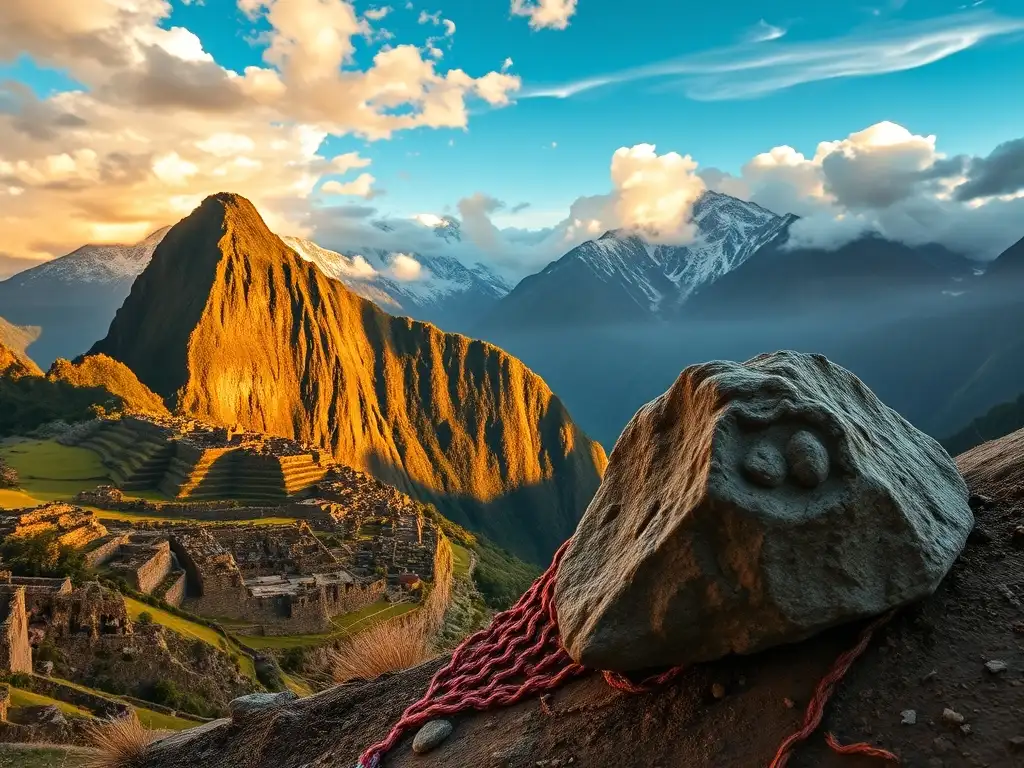
Step into a world lost to time, yet echoing with the whispers of a magnificent past. Journey with us through the breathtaking landscapes of the Andes, where PreIncan Andean civilizations thrived, leaving behind a legacy of intricate artistry, awe-inspiring engineering, and unsolved mysteries. Discover the fascinating stories of the Moche, Nazca, and Tiahuanaco, and prepare to be captivated by the ingenuity and resilience of these ancient cultures. Unravel the secrets they left behind— their story awaits.
The Andes Mountains, a spine of towering peaks running down the western edge of South America, have borne witness to millennia of human history. Long before the Inca Empire rose to dominance, a tapestry of vibrant and sophisticated cultures flourished in this challenging yet fertile landscape.
This article delves into the fascinating world of PreIncan Andean civilizations, exploring the remarkable achievements and enduring legacies of societies that shaped the region's destiny. We will journey through time, examining the unique characteristics of several key PreIncan groups, revealing their intricate social structures, innovative technologies, and awe-inspiring artistic expressions.
Understanding these pre-Inca cultures is crucial to appreciating the full complexity and richness of Andean history, providing a deeper context for the later Inca achievements and revealing the continuous threads of cultural innovation that stretch across centuries. From the intricate Nazca Lines to the monumental architecture of Tiahuanaco, the whispers of the past echo through time, inviting us to unravel their mysteries.
The Moche: Masters of Metalwork and Monumental Architecture
The Moche civilization (c. 100 – 800 CE), flourishing along the northern coast of Peru, left behind a remarkable legacy of art, engineering, and social organization. Their mastery of metallurgy is particularly striking, with exquisite examples of gold and silver work showcasing intricate detail and sophisticated techniques.
These skilled artisans crafted elaborate jewelry, ceremonial objects, and even life-sized portraits from precious metals. The Moche also constructed impressive adobe pyramids and monumental structures, testaments to their advanced architectural knowledge and sophisticated social organization. Evidence suggests a hierarchical society with powerful rulers and specialized labor forces, capable of undertaking large-scale public works projects. Their pottery, often depicting scenes of daily life, warfare, and religious rituals, provides invaluable insights into their culture and beliefs. The Moche's sophisticated irrigation systems, essential for thriving in the arid coastal environment, further highlight their ingenuity and adaptability.
The Nazca: Architects of the Desert and Creators of Enigmatic Lines
Known for their breathtaking Nazca Lines, the Nazca culture (c. 100 BCE – 800 CE) thrived in the arid coastal plains of southern Peru. These gigantic geoglyphs, etched into the desert surface, depict animals, plants, and geometric figures, their purpose still debated by scholars. The sheer scale and precision of these works are astounding, requiring sophisticated surveying techniques and immense organizational capacity. Beyond the famous Lines, the Nazca produced exquisite textiles, intricately woven with vibrant colors and complex designs. Their ceramic art, often featuring stylized figures and intricate patterns, is equally impressive, reflecting a deep understanding of color and form. The Nazca's remarkable adaptation to a harsh desert environment, developing efficient water management systems and innovative agricultural practices, speaks volumes about their resilience and ingenuity. Their mastery of textile production and ceramic artistry, combined with the enigmatic Nazca Lines, paints a picture of a highly developed and culturally rich society.
Tiahuanaco: A Center of Power and Religious Significance in the Altiplano
Located on the shores of Lake Titicaca in the Bolivian Altiplano, Tiahuanaco (c. 1500 BCE – 1100 CE) was a powerful and influential center, exerting its influence across a vast region. Its monumental architecture, including the iconic Gateway of the Sun, is a testament to the civilization's advanced engineering skills and sophisticated social organization.
The immense stone blocks used in its construction, precisely cut and fitted together without mortar, are a feat of engineering that continues to amaze. Tiahuanaco's religious beliefs played a significant role in its culture, with evidence suggesting the presence of a complex pantheon of deities and elaborate rituals.
The civilization's artistic expressions, including intricate carvings and distinctive ceramic styles, reflect its unique worldview and artistic sensibilities. Further research is needed to fully understand the extent of Tiahuanaco's influence and the intricacies of its social and political structures, but the surviving ruins provide a powerful glimpse into a civilization that shaped the Andean world.
Beyond the Giants: Other Notable PreIncan Andean Civilizations
While the Moche, Nazca, and Tiahuanaco are among the most well-known PreIncan cultures, numerous other groups contributed significantly to the rich tapestry of Andean history. The Chavín culture (c. 1200 – 200 BCE), for example, played a crucial role in shaping early Andean religious beliefs and artistic styles. Their influence is evident in the widespread adoption of similar artistic motifs and religious practices across various regions.
Similarly, the Wari and Huari cultures (c. 600 – 1000 CE) exerted significant political and cultural influence in the central Andes. Further research continues to uncover the details of these and other lesser-known PreIncan groups, adding further nuance and complexity to our understanding of Andean history. The diversity of these cultures underscores the richness and dynamism of the Andean world before the Inca.
Each culture contributed unique elements to the overall development of the region, laying the foundation for the later Inca Empire. The study of these civilizations offers a fascinating glimpse into the innovative spirit and resilience of the human spirit in the face of challenging environments.
- The Moche: Masters of Metalwork and Monumental Architecture
- The Nazca: Architects of the Desert and Creators of Enigmatic Lines
- Tiahuanaco: A Center of Power and Religious Significance in the Altiplano
- Beyond the Giants: Other Notable PreIncan Andean Civilizations
- What are some of the key PreIncan Andean civilizations?
- How did PreIncan Andean civilizations differ from the Inca?
- What are some notable achievements of PreIncan Andean cultures?
- What is the significance of studying PreIncan Andean civilizations?
- Where can I learn more about PreIncan Andean civilizations?
Exploring the Diverse PreIncan Andean Civilizations
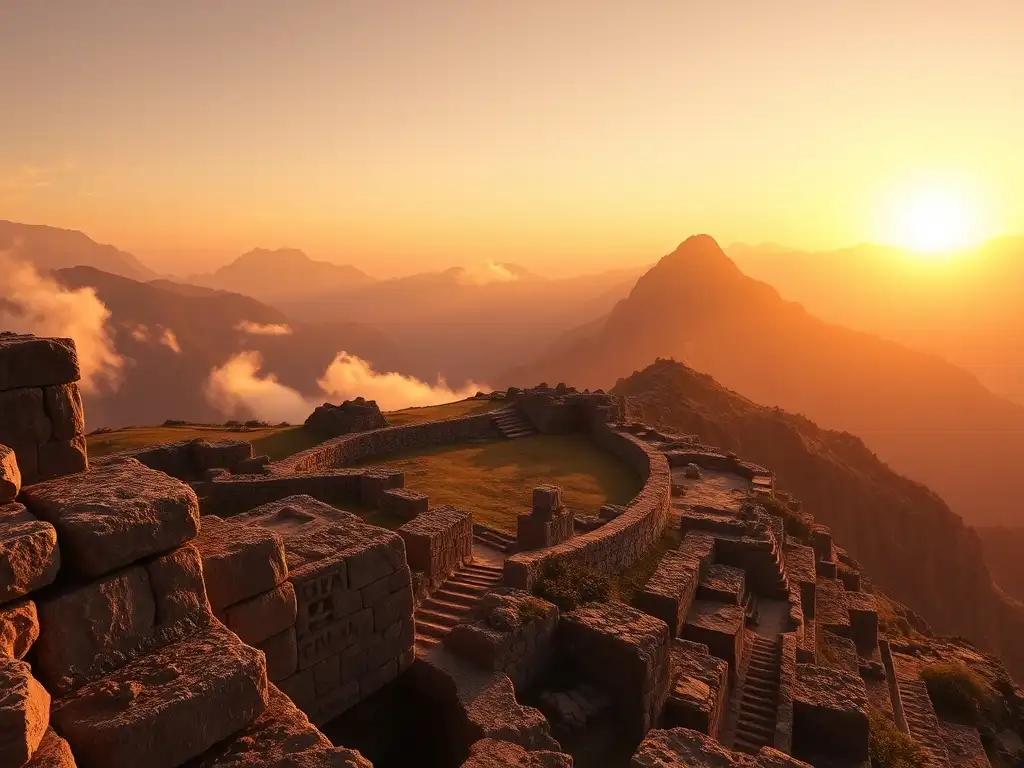
This section delves into the fascinating tapestry of PreIncan Andean civilizations, highlighting their unique characteristics and contributions to the rich cultural heritage of the Andes. Understanding these societies is crucial for a complete appreciation of the Inca Empire and the broader Andean history. We will explore the diverse array of cultures that flourished before the Inca's rise to power, examining their distinct advancements in agriculture, architecture, and social structures. The term "PreIncan Andean civilizations" encompasses a vast timeframe and geographical area, demanding a nuanced approach to understanding their complexities.
Introduction to Pre-Incan Societies in the Andes
The Andes Mountains, a formidable yet fertile landscape, nurtured a remarkable diversity of cultures long before the Inca Empire. These PreIncan societies, spanning millennia, left behind an impressive legacy of sophisticated agricultural techniques, awe-inspiring architecture, and intricate social organizations. From the coastal deserts to the high-altitude plains, distinct groups adapted to their unique environments, developing innovative solutions for survival and prosperity. Their achievements laid the foundation for later Andean civilizations, including the Inca.
The chronological spread of these societies is vast. Some, like the Caral civilization (circa 2600-2000 BCE), represent some of the earliest complex societies in the Americas, predating even many Mesoamerican counterparts. Others, such as the Moche (circa 100-800 CE) and Nazca (circa 100 BCE – 800 CE), flourished centuries later, showcasing impressive advancements in irrigation, pottery, and textile production. Each society possessed its own unique artistic expression, religious beliefs, and social structures.
Understanding the nuances of each civilization is key to appreciating the full spectrum of PreIncan Andean cultures. This requires moving beyond a simplistic narrative and embracing the complexity of these diverse groups and their interactions. Further research is needed to fully understand the intricate networks of exchange and influence between these different PreIncan Andean societies.
The Significance of Studying PreIncan Cultures
Studying PreIncan cultures provides invaluable insights into the long-term development of Andean societies and challenges the Eurocentric narratives that often overshadow indigenous achievements. By focusing on the PreIncan Andean civilizations, we gain a more comprehensive understanding of the Inca's own heritage and the factors that contributed to their eventual dominance. The Inca Empire didn't emerge in a vacuum; it built upon the foundations laid by preceding cultures.
For example, the Inca's sophisticated agricultural techniques, including terracing and irrigation systems, were refined and expanded upon existing PreIncan methods. Similarly, their architectural prowess, evident in the majestic Machu Picchu, drew inspiration from earlier architectural styles and construction techniques. Analyzing the continuity and change between PreIncan and Inca societies illuminates the complex processes of cultural transmission and adaptation.
This nuanced perspective allows us to appreciate the Inca's achievements within a broader historical context, recognizing their debt to the ingenuity and resilience of their predecessors. Moreover, understanding PreIncan Andean civilizations helps us to appreciate the profound diversity of human experience and the remarkable capacity of humans to adapt to challenging environments, creating vibrant and complex societies. The study of these cultures offers valuable lessons for understanding the dynamics of cultural change and the importance of preserving cultural heritage.
Key Pre-Incan Cultures of the Andean Highlands

This section delves into the significant Pre-Incan Andean civilizations that laid the groundwork for the later Inca Empire. Understanding these cultures provides crucial context for appreciating the Inca's achievements and reveals the rich tapestry of Andean history. We will explore key aspects of their societal structures, artistic expressions, technological innovations, and religious beliefs, focusing on two particularly influential cultures: Chavín and Paracas. The study of these PreIncan Andean civilizations offers a fascinating glimpse into the ingenuity and complexity of ancient Andean societies.
The Chavín Culture: A Foundation for Andean Art and Religion
The Chavín culture (c. 1200-200 BCE) is considered a formative influence on subsequent Andean societies. Their impact resonates throughout the region, evident in the widespread adoption of their artistic motifs and religious iconography. The Chavín's influence extended far beyond their immediate geographic reach, suggesting a complex network of interaction and exchange across the Andes. This cultural diffusion is a testament to the power and prestige of the Chavín, even in the absence of a unified political empire in the traditional sense.
Chavín de Huántar: Center of Power and Innovation
Chavín de Huántar, located in the northern highlands of Peru, served as the principal ceremonial center of the Chavín culture. This impressive site features intricate stone structures, underground galleries, and complex water management systems. The architecture itself reflects a sophisticated understanding of engineering and construction techniques, far exceeding the capabilities of many contemporary societies.
The site's layout and design suggest a deliberate orchestration of space to create a powerful and awe-inspiring experience for visitors, highlighting the religious and political significance of Chavín de Huántar. Excavations have revealed evidence of ritual practices, including offerings of precious metals and elaborate ceremonies. The scale and complexity of Chavín de Huántar underscore the central role it played in shaping the religious and ideological landscape of the early Andes.
Chavín Art and its Symbolic Representations
Chavín art is characterized by its distinctive style, featuring stylized depictions of jaguars, snakes, and other powerful creatures. These representations are not merely decorative; they hold deep symbolic meaning, reflecting the Chavín's cosmology and religious beliefs. The recurring motif of the "caviar" (a feline-like deity with fangs and claws) is particularly prominent, suggesting a central role for this deity in Chavín religion.
The intricate carvings and sculptures found at Chavín de Huántar and other sites display a mastery of stone carving techniques and an understanding of three-dimensional representation that is remarkable for its time. Furthermore, the use of specific materials, such as obsidian and turquoise, suggests a controlled access to resources and a sophisticated understanding of trade networks. The artistic legacy of Chavín is undeniable, influencing the artistic styles of many subsequent Andean cultures.
The Paracas Culture: Masters of Textile and Surgery
The Paracas culture (c. 800-200 BCE) flourished along the southern coast of Peru, developing a unique cultural identity distinct from their highland contemporaries. They are renowned for their extraordinary textile artistry and their surprisingly advanced surgical techniques. Their achievements in both fields demonstrate a level of sophistication that stands out in the broader context of PreIncan Andean civilizations.
Paracas Necropolis: Insights into Burial Practices
The Paracas Necropolis, a vast cemetery located near the Paracas peninsula, provides invaluable insights into Paracas burial practices. The elaborate mummification techniques employed by the Paracas, including the removal of internal organs and the use of preservatives, are striking examples of their advanced medical knowledge. The elaborate textiles and grave goods found within the tombs reveal much about Paracas social structures and beliefs about the afterlife.
The sheer number of tombs in the necropolis, and the richness of their contents, speaks to the social complexity and economic power of the Paracas people. Analysis of skeletal remains also provides valuable information about their diet, health, and lifestyle.
Paracas Textiles: Elaborate Designs and Techniques
Paracas textiles are arguably their most famous legacy. These textiles are renowned for their vibrant colors, intricate designs, and exceptional craftsmanship. The Paracas employed a range of techniques, including tapestry weaving, embroidery, and featherwork, to create stunningly detailed and complex textiles. The use of diverse materials, such as cotton, wool, and camelid fibers, demonstrates a high level of technological skill and access to a wide variety of resources.
The designs often feature stylized representations of animals, plants, and mythical creatures, reflecting Paracas mythology and worldview. The level of skill and artistry involved in creating these textiles is truly remarkable and places the Paracas among the most accomplished textile producers of the ancient world. The preservation of these delicate textiles is a testament to the quality of their craftsmanship and the ingenuity of their techniques. Their influence on later textile traditions in the Andes is clear and enduring.
The Nazca Culture: Geoglyphs and Ceramic Masterpieces
The Nazca culture, flourishing along Peru's southern coast between 100 BCE and 800 CE, left behind a legacy as enigmatic as it is impressive. Their mastery of irrigation techniques allowed them to thrive in a seemingly inhospitable desert environment, a testament to their ingenuity and understanding of their surroundings. But it is their monumental geoglyphs and exquisitely crafted ceramics that truly capture the imagination and continue to fascinate researchers today.
The sheer scale and precision of their work suggest a highly organized society with a deep understanding of mathematics and engineering. The intricate designs, often depicting animals and stylized figures, raise questions about their purpose and the beliefs that drove their creation. Some scholars suggest astronomical alignments, others propose ritualistic significance, while still others believe they served as markers for territorial boundaries or water sources.
The mystery surrounding the Nazca Lines continues to fuel ongoing research and debate, making them a compelling example of the ingenuity and cultural complexity of PreIncan Andean civilizations. The detailed planning and execution required for these monumental works speaks volumes about the Nazca's social organization and ability to mobilize significant resources.
The Nazca Lines: Decoding the Giant Earthworks
The Nazca Lines, arguably the most famous aspect of the Nazca culture, are a series of enormous geoglyphs etched into the desert surface. These immense figures, ranging from simple lines to complex representations of animals, plants, and geometric shapes, can only be truly appreciated from the air. Their creation involved removing the reddish topsoil to reveal the lighter subsoil, a painstaking process requiring immense labor and coordination.
The sheer scale of these earthworks is breathtaking; some figures stretch for hundreds of meters. Despite decades of research, the precise purpose of the Nazca Lines remains a subject of ongoing debate. Theories range from astronomical calendars and pilgrimage routes to ritualistic sites and expressions of religious beliefs.
The precision involved in their design and construction suggests a level of sophisticated planning and a deep understanding of geometry and surveying techniques far exceeding what was previously assumed for the time period. The enduring mystery of the Nazca Lines continues to attract researchers and visitors alike, underscoring the enigmatic nature of this remarkable PreIncan Andean civilization.
Nazca Pottery: Vibrant Colors and Motifs
Nazca pottery is renowned for its vibrant colors, intricate designs, and remarkable technical skill. The artisans employed a variety of techniques, including slip painting and negative painting, to create stunningly detailed images on their vessels. The pottery often depicts stylized animals, plants, and human figures, sometimes arranged in complex narratives.
The use of vivid colors, including reds, yellows, blacks, and whites, is striking and reflects a sophisticated understanding of pigments and firing techniques. The detailed representations in the pottery provide valuable insights into the Nazca worldview, their beliefs, and their daily lives. The intricate motifs often depict scenes of hunting, fishing, and agricultural practices, offering glimpses into their social structures and economic activities.
Analysis of the pottery’s stylistic evolution helps scholars trace changes in Nazca society over time, offering a valuable window into the complexities of this remarkable culture. The preservation of these fragile artifacts, many found in remarkably good condition, provides unparalleled insights into the artistic achievements of the Nazca.
The Moche Culture: Advanced Irrigation and Artistic Realism
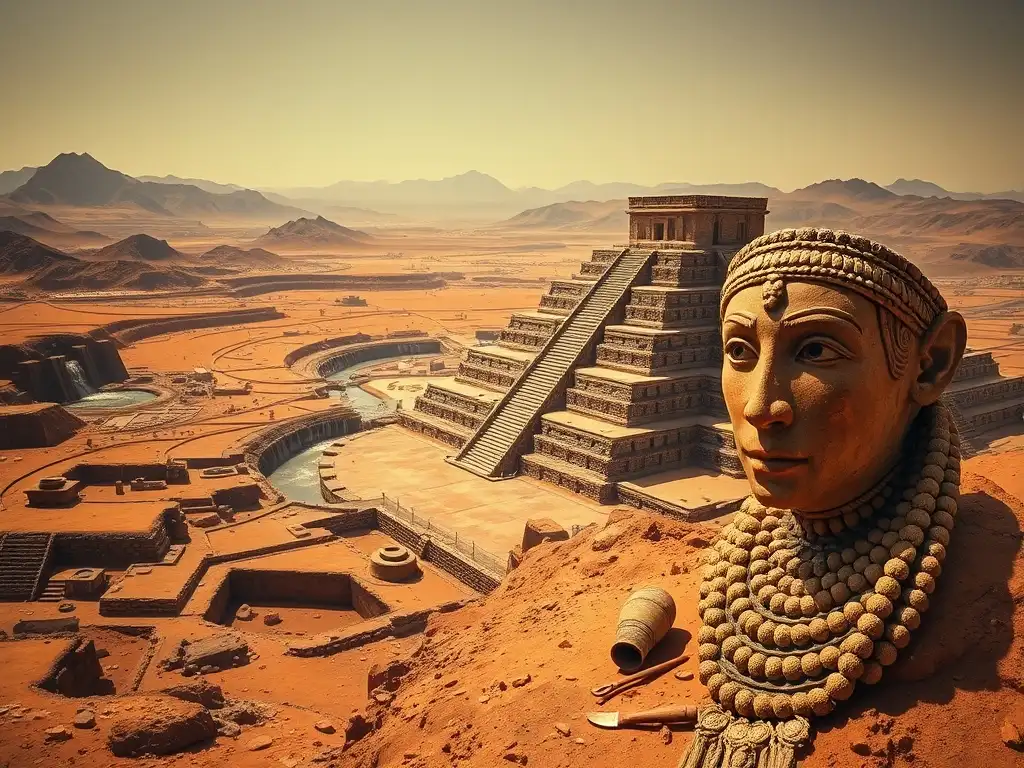
The Moche culture (approximately 100-800 CE) thrived along the northern coast of Peru, known for its sophisticated irrigation systems and remarkably realistic art. Their mastery of hydraulic engineering allowed them to cultivate fertile valleys in an otherwise arid landscape. This technological prowess, coupled with their intricate social organization, contributed significantly to their economic and political success.
The Moche were also renowned for their highly developed artistic skills, evident in their elaborate pottery, metalwork, and monumental architecture. Their artistic style is characterized by a remarkable degree of realism, capturing detailed depictions of human figures, animals, and plants with striking accuracy. The attention to detail in their art suggests a keen observation of the natural world and a profound understanding of human anatomy.
The Moche's sophisticated artistic abilities, combined with their advanced engineering and social organization, make them a significant example of a PreIncan Andean civilization. Their legacy continues to inspire awe and admiration for their achievements.
Moche Society: Social Hierarchy and Power Structures
Moche society was highly stratified, with a complex hierarchy of social classes. At the apex stood the elite, likely composed of priests and rulers, who controlled the resources and exerted significant power over the population. Evidence suggests a strong centralized authority, evidenced by the construction of monumental structures and the standardization of artistic styles.
The Moche elite were often depicted in elaborate ceremonial attire and surrounded by symbols of power and prestige in their artistic representations. Lower classes were likely involved in agriculture, fishing, and craft production. The Moche societal structure is reflected in their art, with depictions of various social classes and their roles within the society.
The impressive scale of their public works projects, such as irrigation canals and monumental architecture, points to a highly organized and efficient system of labor mobilization. Their carefully planned urban centers show evidence of sophisticated planning and social control, indicating a sophisticated understanding of urban design and societal organization. Further research is needed to fully understand the dynamics of power and social mobility within Moche society.
Moche Art: Depictions of Rituals and Daily Life
Moche art provides an unparalleled window into their daily lives, religious beliefs, and social practices. Their pottery, in particular, is renowned for its incredibly realistic depictions of various scenes, from daily activities like fishing and agriculture to elaborate rituals and ceremonies. These depictions offer insights into their social structures, economic activities, and spiritual beliefs.
The Moche's artistic skill extended beyond pottery to include metalwork, textiles, and monumental architecture. Their masterful craftsmanship and attention to detail are evident in all aspects of their artistic production. The vivid portrayals of human figures, animals, and plants in their art are often imbued with symbolic meaning, reflecting their religious and cosmological beliefs.
The analysis of Moche art continues to yield new insights into their culture, revealing the complexity and sophistication of this remarkable PreIncan Andean civilization. Their art serves as a powerful testament to their creativity and artistic innovation, offering a unique perspective on their world.
The Tiwanaku Culture: Engineering and Urban Planning
The Tiwanaku culture, flourishing in the Altiplano region of the Andes (present-day Bolivia) from approximately 300 CE to 1000 CE, stands as a testament to the ingenuity and organizational prowess of Pre-Incan Andean civilizations. Their sophisticated urban planning and impressive feats of engineering continue to fascinate archaeologists and historians alike. The city of Tiwanaku itself, the cultural and political center, served as a model of urban design, showcasing a remarkable understanding of resource management and social organization.
Unlike many other contemporary settlements, Tiwanaku wasn't haphazardly built; rather, it demonstrates a carefully planned layout, reflecting a hierarchical society with distinct residential zones, monumental structures, and extensive agricultural fields. The precise methods employed in their construction remain a subject of ongoing research, highlighting the advanced knowledge of these Pre-Incan Andean peoples.
The sheer scale of their achievements, considering the technological limitations of the time, underscores their remarkable capabilities in engineering and urban design. Understanding Tiwanaku's urban planning provides invaluable insight into the complexities of their social structure, religious beliefs, and overall societal organization within the Pre-Incan Andean context.
Tiwanaku Architecture: Monumental Structures and Techniques
Tiwanaku architecture is characterized by its monumental scale and sophisticated construction techniques. The most iconic structure is undoubtedly the Akapana pyramid, a massive platform mound constructed from carefully cut and fitted stone blocks. The precision of the stonework is astounding, especially considering the lack of metal tools.
Researchers speculate that the builders utilized sophisticated techniques involving ropes, levers, and possibly ramps to move and position the enormous stones. Other notable structures include the Kalasasaya temple, with its intricate carvings and massive monoliths, and the Gate of the Sun, a stunning example of Tiwanaku's artistic and engineering abilities. The precise alignment of many structures with celestial events suggests a deep understanding of astronomy and its importance in their culture.
The use of distinct architectural styles and materials within different sections of the city reveals different functions and perhaps social strata within the Tiwanaku society. Studying these monumental structures provides crucial information about their construction methods, social organization, and cosmological beliefs – all key elements in understanding Pre-Incan Andean civilizations. The impressive precision and scale of Tiwanaku architecture significantly contributed to the city's status as a major center in the Andes, showcasing advanced engineering capabilities far exceeding many other contemporary societies.
Tiwanaku Agriculture: Innovations in Farming and Resource Management
The success of the Tiwanaku culture was intrinsically linked to their innovative agricultural practices. Living at high altitudes in a challenging environment, they developed sophisticated techniques to maximize crop yields and manage scarce resources. Their mastery of raised field agriculture, known as suka kollus, is particularly noteworthy.
These artificial islands, constructed in shallow lakes and marshes, created a more favorable environment for crops by improving drainage, soil fertility, and temperature regulation. This allowed for intensive agriculture in an area otherwise unsuitable for farming. Furthermore, the Tiwanaku people employed sophisticated irrigation systems to channel water from rivers and streams to their fields, ensuring a reliable water supply even during dry seasons.
Their detailed understanding of water management and soil cultivation allowed them to support a large population in a challenging environment, highlighting the ingenuity and adaptability of Pre-Incan Andean civilizations. The agricultural innovations of Tiwanaku were crucial to their economic and social stability and offer valuable lessons in sustainable agriculture even today, demonstrating the remarkable resourcefulness of Pre-Incan Andean societies. The development and implementation of these techniques showcases the deep knowledge and adaptability necessary for survival and prosperity in the challenging Andean environment, making Tiwanaku a prime example for studying Pre-Incan Andean civilizations.
Regional Developments and Cultural Exchange in the Pre-Incan Era
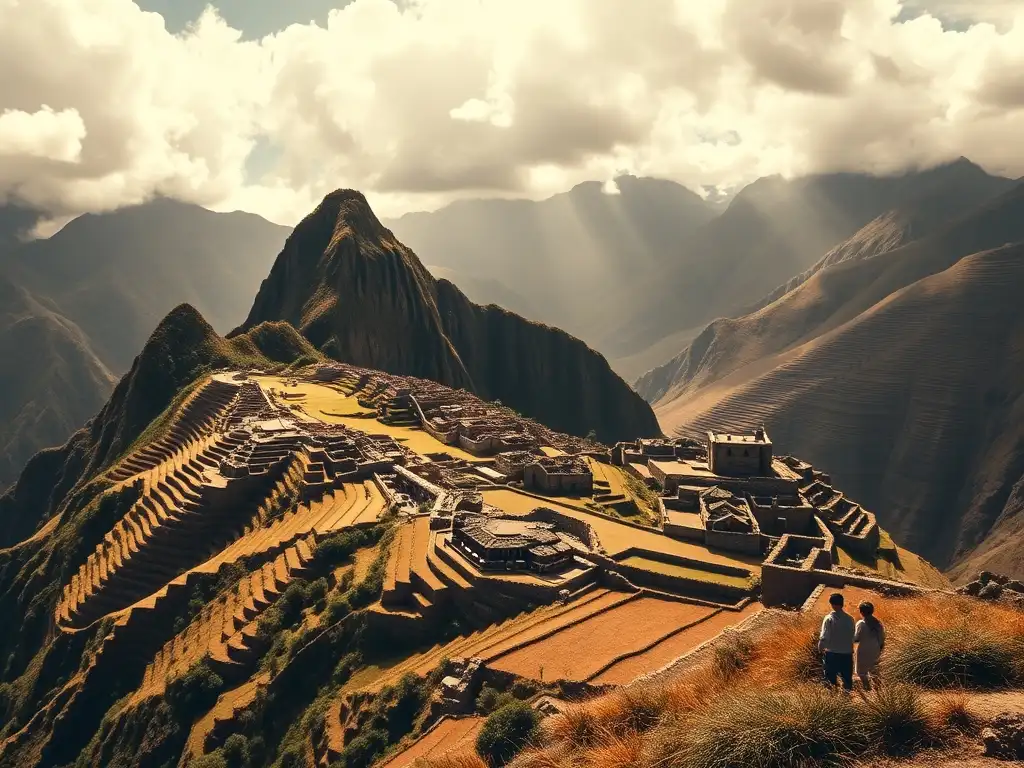
This section delves into the fascinating tapestry of regional developments and the significant cultural exchange that shaped the Pre-Incan Andean civilizations. Understanding these processes is crucial to appreciating the complexity and diversity of societies that existed before the Inca Empire's rise. We will explore how earlier cultures directly influenced later Andean societies, the extensive trade networks that connected disparate regions, and the shared and unique religious beliefs and ritual practices that bound—and sometimes divided—these vibrant communities.
The Influence of Earlier Cultures on Later Andean Societies
The Pre-Incan Andean world wasn't a vacuum. A rich legacy of earlier cultures, such as the Chavín, Paracas, and Nazca, profoundly impacted subsequent societies. The Chavín culture (c. 900-200 BCE), for example, left an undeniable mark on Andean art and religious iconography. Their distinctive artistic style, characterized by stylized feline and serpent motifs, spread throughout the Andes, influencing the artistic traditions of later cultures like the Moche and Huari. This cultural diffusion wasn't simply imitation; it was a process of adaptation and transformation, with each succeeding culture reinterpreting and incorporating Chavín elements into their own unique expressions.
The Paracas culture (c. 800-200 BCE) is renowned for its incredibly intricate textiles and elaborate burial practices. Their mastery of textile techniques, involving complex weaving patterns and vibrant colors, continued to influence later textile traditions. Similarly, their mummification practices and elaborate funerary rituals provided a framework for later cultures, demonstrating the continuity of certain beliefs and practices across vast stretches of time.
The Nazca culture (c. 100 BCE – 600 CE), famous for its enigmatic geoglyphs, also contributed significantly to the development of subsequent Andean societies. Their advanced irrigation systems, designed to cope with the arid coastal environment, provided a model for future water management techniques. Their sophisticated ceramics, characterized by their polychrome designs and refined artistry, further exemplified the ongoing exchange of ideas and innovations within the Andean region.
These influences highlight the intricate web of interconnectedness between these Pre-Incan Andean civilizations, demonstrating that cultural evolution in the Andes was a dynamic process of continuity and change. Further research into specific technological advancements and artistic styles would provide a more complete picture of this complex interplay.
Trade Networks and Interregional Connections
The Pre-Incan Andean societies were far from isolated entities. Extensive trade networks crisscrossed the Andes, connecting distant communities and facilitating the exchange of goods, resources, and ideas. These networks were not simply routes for the movement of material goods; they were crucial channels for the dissemination of cultural practices, religious beliefs, and technological innovations.
The movement of obsidian, for instance, a highly valued volcanic glass used for tools and ornaments, reveals the far-reaching extent of these trade connections. Obsidian sources were located in specific regions, and their presence in archaeological sites across the Andes provides compelling evidence of extensive trade networks linking diverse societies.
The exchange wasn't limited to raw materials. Finished goods, such as textiles, ceramics, and metalwork, also traveled great distances, indicating a high degree of specialization and economic interdependence between different Andean communities. This interregional exchange facilitated the spread of artistic styles, religious beliefs, and technological advancements, contributing to a shared Andean cultural identity while simultaneously allowing for regional variations and unique expressions. [Data on specific traded goods and their routes is pending further research]. The complexity of these networks suggests sophisticated organizational structures and a level of social and political organization that facilitated long-distance trade and communication.
Religious Beliefs and Ritual Practices Across Pre-Incan Cultures
Religious beliefs and ritual practices played a central role in the lives of Pre-Incan Andean societies. While specific beliefs and rituals varied between different cultures, common themes and iconography suggest a shared understanding of the supernatural world. Many cultures shared an emphasis on ancestor veneration, evidenced by the elaborate burial practices and offerings found in tombs. The worship of deities associated with nature, such as the sun, moon, and mountains, was also widespread, reflecting the importance of the natural environment in shaping Andean life.
The use of hallucinogenic plants, such as San Pedro cactus and coca leaves, in ritual contexts suggests a shared belief in the power of altered states of consciousness to communicate with the spirit world. Furthermore, the presence of similar iconographic motifs, such as feline and serpent imagery, in the art of different cultures suggests a shared cosmology and a common understanding of the forces that shaped their world. However, it's crucial to avoid generalizations. While certain shared beliefs and practices existed, significant regional variations in religious beliefs and ritual practices also existed, reflecting the diversity of the Andean cultural landscape. Further investigation into specific religious practices and beliefs of individual cultures would enrich our understanding of the religious diversity of the Pre-Incan Andean world. 🗺️ The study of religious iconography offers a particularly rich source of information, allowing us to piece together the complex religious beliefs of these fascinating societies.
Deciphering the Legacy of Pre-Incan Andean Civilizations
This section delves into the remarkable achievements and lasting influence of the Pre-Incan Andean civilizations, focusing on their technological prowess, cultural impact, and the ongoing efforts to understand their rich heritage. These societies, flourishing centuries before the Inca Empire, laid the groundwork for many aspects of Andean life and continue to fascinate and inspire researchers today. Understanding their contributions is crucial to a complete picture of Andean history. The term "PreIncan Andean civilizations" encompasses a diverse array of cultures, each leaving its unique mark on the region.
Contributions to Andean Technology and Innovation
Pre-Incan Andean civilizations were far from technologically primitive. Their innovations in agriculture, architecture, and metallurgy were remarkable for their time and significantly impacted subsequent Andean cultures. For example, the Nazca's mastery of irrigation systems, evidenced by their intricate network of canals carved into the desert floor, allowed them to thrive in an otherwise arid environment. This sophisticated hydraulic engineering, a testament to their advanced understanding of water management, stands as a significant technological achievement.
Similarly, the Moche culture demonstrated impressive skills in metalworking, producing intricate gold and silver artifacts, showcasing their advanced metallurgical techniques and artistic sensibilities. Their expertise in ceramics is also noteworthy, with their pottery often depicting detailed scenes of daily life and religious rituals. These advancements were not isolated incidents; rather, they represent a pattern of ingenuity and adaptation across various PreIncan Andean societies.
The Tiahuanaco culture, known for its monumental architecture, including the iconic Akapana pyramid, displayed a sophisticated understanding of stonework and urban planning. Their ability to precisely cut and fit massive stones without the use of metal tools remains a subject of ongoing research and debate, highlighting their advanced engineering skills. These advancements in technology weren't merely practical; they were deeply intertwined with the societies' religious beliefs and social structures.
The intricate designs and symbolic representations found in their artifacts suggest a profound connection between technology and spirituality. In essence, the PreIncan Andean civilizations' technological achievements demonstrate their remarkable adaptability and ingenuity in responding to the challenges of their environment and shaping their cultural landscapes. Further research is needed to fully understand the extent of knowledge transfer and technological diffusion between these diverse groups.
The Enduring Impact on Later Andean Cultures, Including the Incas
The influence of PreIncan Andean civilizations extended far beyond their own lifespans. Their innovations and cultural practices significantly shaped the development of later Andean societies, most notably the Inca Empire. The Incas, while undeniably powerful and innovative in their own right, inherited and built upon the foundations laid by their predecessors.
For instance, Inca agricultural techniques, such as terracing, were refinements of earlier methods employed by cultures like the Wari and Tiwanaku. These earlier civilizations had already mastered complex irrigation systems and agricultural practices adapted to the varied Andean terrains. The Incas simply expanded upon this existing infrastructure and knowledge.
Similarly, Inca architectural styles, while possessing their own unique characteristics, reflect the influence of earlier Andean architectural traditions. The precise stonework found in Inca structures echoes the skills exhibited by the Tiahuanaco builders centuries before. Furthermore, Inca religious beliefs and practices incorporated elements from earlier Andean religions, suggesting a continuity of spiritual traditions across different cultural periods. This demonstrates a clear and undeniable link between the PreIncan Andean civilizations and the later Inca Empire.
The Inca success was, in part, built upon the achievements and cultural legacy of these earlier societies. The Inca Empire did not emerge in a vacuum; it inherited and adapted the advancements and traditions of its predecessors, demonstrating the enduring impact of the PreIncan Andean civilizations. Understanding this historical continuity is crucial for a comprehensive understanding of Andean history.
Preserving and Understanding the Rich Heritage of Pre-Incan Peoples
Preserving and understanding the rich heritage of PreIncan Andean peoples is a crucial task for historians, archaeologists, and communities alike. The delicate nature of many archaeological sites, coupled with the challenges of looting and environmental degradation, necessitates proactive conservation efforts. Ongoing research, utilizing advanced techniques such as LiDAR and ground-penetrating radar, continues to reveal new insights into the lives and accomplishments of these ancient civilizations. However, the preservation of this heritage goes beyond simply protecting physical artifacts. It also involves safeguarding the cultural memory and traditions that have been passed down through generations.
This requires collaboration between researchers, local communities, and governmental agencies. Working together, they can ensure that the knowledge and stories of PreIncan Andean cultures are passed on to future generations. This includes promoting cultural tourism in a responsible manner, supporting local communities involved in the preservation of heritage sites, and fostering education and awareness about the significance of these civilizations.
The ongoing effort to understand and preserve the legacy of PreIncan Andean peoples is not just an academic pursuit; it is a vital process of cultural preservation, ensuring that the voices and achievements of these remarkable societies are not forgotten. The study of "PreIncan Andean civilizations" is an ongoing process of discovery and understanding, promising to reveal even more about these fascinating societies in the years to come.
Frequently Asked Questions
What are some of the key PreIncan Andean civilizations?
The article highlights several significant PreIncan cultures, including the Moche, Nazca, and Tiahuanaco. These civilizations each possessed unique artistic styles, technological advancements, and societal structures. Their legacies significantly influenced later Andean societies.
How did PreIncan Andean civilizations differ from the Inca?
PreIncan civilizations predate the Inca Empire, exhibiting distinct religious beliefs, agricultural techniques, and urban planning. While the Inca eventually incorporated aspects of these cultures, they developed their own unique imperial structure and administrative system.
What are some notable achievements of PreIncan Andean cultures?
PreIncan civilizations are renowned for their remarkable engineering feats, such as the Nazca Lines and the monumental architecture of Tiahuanaco. They also developed sophisticated irrigation systems and metallurgical techniques, showcasing advanced technological capabilities.
What is the significance of studying PreIncan Andean civilizations?
Studying PreIncan civilizations provides crucial insights into the development of Andean societies over millennia. Understanding their innovations and challenges helps us appreciate the complexity and continuity of Andean culture, leading up to the Inca Empire and beyond.
Where can I learn more about PreIncan Andean civilizations?
This article, "Whispers of the Past: Deciphering the Enigmatic Cultures of the PreIncan Andes," offers a starting point. Further research can be conducted through academic journals, museums specializing in Andean artifacts, and books dedicated to PreIncan history and archaeology.
Final Reflection: Echoes of the Andes, Whispers of the Future
The intricate tapestry woven by the PreIncan Andean civilizations continues to resonate in the modern world, a testament to their ingenuity and resilience. Their sophisticated agricultural techniques, complex social structures, and breathtaking artistry offer invaluable lessons in sustainable living and cultural preservation, lessons desperately needed in our increasingly interconnected and fragile world. Understanding their achievements is not merely an academic exercise; it's a crucial step towards building a more sustainable and equitable future.
The enduring legacy of these cultures profoundly impacts our understanding of human potential and societal development. Their innovative approaches to resource management, community building, and artistic expression challenge our assumptions about what is possible and inspire us to strive for greater harmony with our environment and each other. The past is never dead. It's not even past,
wrote William Faulkner, and the echoes of the PreIncan Andes reverberate powerfully in this truth. Their stories remind us that progress is not always linear, and that the wisdom of past societies holds invaluable keys to navigating the complexities of the present.
Consider the ingenuity of their terraced farming, the intricate symbolism woven into their textiles, the monumental architecture that still stands as a testament to their collaborative spirit. These are not just historical artifacts; they are living examples of human creativity and perseverance. You, the reader, are now part of this ongoing conversation. Take a moment to reflect on the parallels between their challenges and our own. How can we learn from their successes and failures to build a more just and sustainable world? Let the whispers of the past guide you towards a future where innovation and harmony coexist.
Unveil the Treasures of the Andes!
Thank you for exploring the rich and enigmatic cultures of the pre-Inca Andes with us! You've gained valuable insights into a fascinating and mysterious past, and now we encourage you to continue this exploration.
Here's how you can keep the spirit of discovery alive:
- Dive deeper: Immerse yourself further in Andean cultures by visiting a local museum to see captivating artifacts or exploring online exhibitions that bring their stories to life.
- Share your knowledge: Share your newfound knowledge with friends and family. Spark a conversation over coffee, during a family gathering, or on social media—let your enthusiasm inspire others!
- Join a community: Connect with fellow history enthusiasts online. Many forums and social media groups dedicated to Andean cultures offer opportunities to discuss discoveries, exchange perspectives, and continue learning together.
What aspect of these ancient Andean cultures surprised you the most, and how will you integrate the lessons learned into your own life?