
Lost Kingdoms of the Andes: Mapping the Regional Landscape Before Inca Dominance

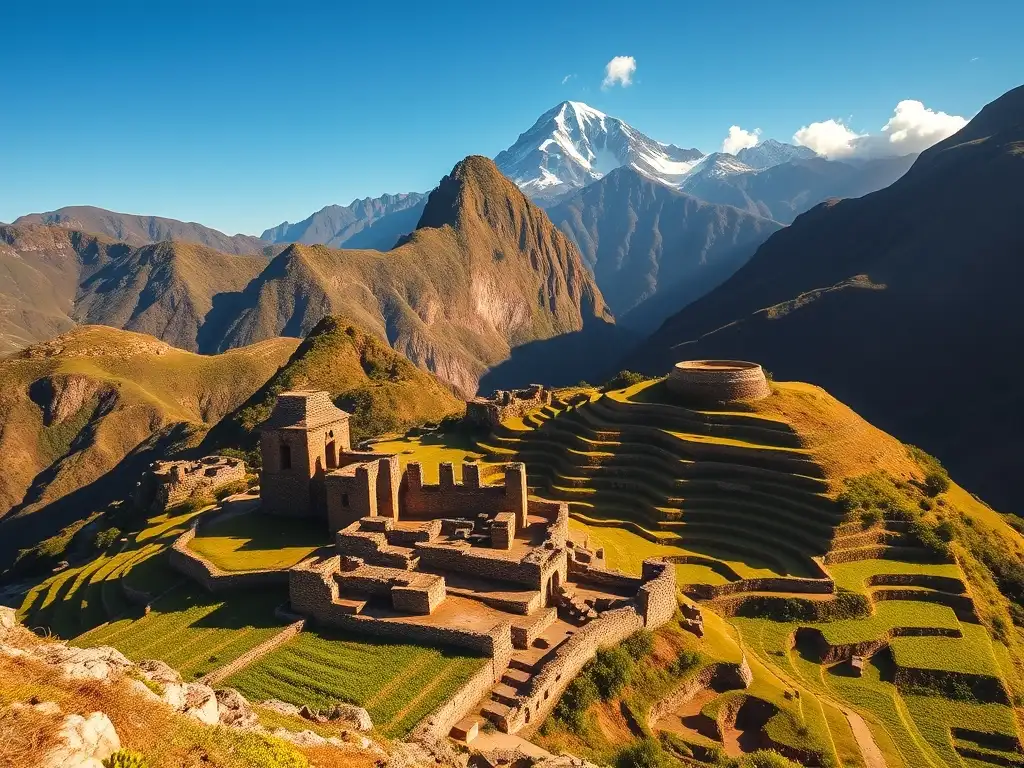
Step into a world lost to time, where majestic mountain ranges cradled vibrant cultures far older than the Inca. Unearth the secrets of Andean civilizations pre-Inca history—a tapestry woven from the ingenuity of the Moche, Nazca, Tiahuanaco, and other remarkable societies. Prepare to be captivated by their breathtaking artistry, innovative technologies, and the enduring legacy they left behind. Discover how these lost kingdoms shaped the landscape of the Andes long before the Inca Empire rose to power. Dive in and explore!
The Andes Mountains, a spine of towering peaks stretching along the western coast of South America, nurtured a tapestry of vibrant and sophisticated civilizations long before the rise of the Inca Empire. Understanding the Andean civilizations pre-Inca history requires moving beyond the monolithic image often presented and acknowledging the rich diversity of cultures that thrived in this challenging yet fertile landscape.
This article delves into the complex regional dynamics of the pre-Inca Andes, exploring the distinct societies that shaped the region and laid the groundwork for the Inca's later dominance. We will examine the fascinating interplay of cultural exchange, conflict, and innovation that characterized this period, revealing a landscape far more nuanced and dynamic than previously imagined.
From the enigmatic Nazca lines to the monumental architecture of Tiahuanaco, we’ll uncover the legacies of these lost kingdoms and their enduring impact on Andean history. This exploration of Andean civilizations pre-Inca history will highlight the crucial role of regional development in shaping the eventual Inca Empire.
Understanding the Andean Pre-Inca World: A Regional Perspective
The Andean region, far from being a unified entity, was a mosaic of distinct ecological zones, each supporting unique cultures adapted to their specific environments. The coastal deserts, the fertile valleys, and the high altitudes of the Andes all fostered different lifestyles and technological innovations. This geographical diversity is key to understanding the pre-Inca period.
The absence of a single, overarching political structure allowed for the independent development of numerous powerful and influential societies, each with its own unique artistic styles, religious beliefs, and social structures. Understanding these regional differences is crucial to appreciating the complexity of Andean civilizations pre-Inca history. The interaction – both cooperative and conflictual – between these societies shaped the political and cultural landscape, creating a dynamic and ever-evolving situation.
This complex interplay of factors contributed to the rich and varied history of the pre-Inca Andean world. The rise and fall of these societies are a testament to the adaptability and resilience of human civilization in the face of environmental challenges and social pressures.
The Diverse Cultures of the Pre-Inca Andes
The pre-Inca period witnessed the flourishing of numerous distinct cultures, each leaving its unique mark on the Andean landscape. These societies, while geographically proximate, developed in relative isolation, leading to significant cultural variations. Their achievements in agriculture, architecture, textiles, and metallurgy were remarkable, showcasing a high level of sophistication and innovation. The legacies of these cultures are still visible today in the archaeological remains and cultural traditions of the Andes. Understanding the diversity of these societies is fundamental to a comprehensive understanding of Andean civilizations pre-Inca history.
Early Horizon Cultures and Their Regional Impact
The Early Horizon (circa 2000-900 BCE) saw the emergence of influential cultures like the Chavín, characterized by their distinctive religious iconography and widespread influence. The Chavín culture, centered in the northern Andes, exerted a significant impact on surrounding societies through the dissemination of religious beliefs and artistic motifs. Evidence suggests a network of exchange and interaction linking distant communities, indicating a level of regional integration not previously recognized.
This period marks a significant step towards the development of more complex societal structures and the increasing interconnectedness of different Andean cultures. While the exact nature of this influence remains a subject of ongoing research, the presence of Chavín-style artifacts across a vast geographical area speaks volumes about their cultural reach and impact on the broader Andean landscape. The spread of Chavín iconography and artistic styles suggests a process of cultural diffusion, possibly linked to religious pilgrimage or trade networks.
Regional Developments in the Intermediate Period
The Intermediate Period (circa 900-1476 CE) is characterized by the rise of powerful regional states, such as the Moche, Nazca, and Tiahuanaco cultures. Each of these societies developed unique artistic styles, religious practices, and social organizations, reflecting the diverse environments they inhabited. The Moche, known for their elaborate funerary practices and sophisticated irrigation systems, flourished on the northern coast.
Meanwhile, the Nazca, famous for their intricate geoglyphs, thrived in the southern coastal desert. In the highlands, the Tiahuanaco culture constructed monumental architecture and developed a complex social hierarchy. These regional powers engaged in interactions ranging from trade and cultural exchange to outright conflict, shaping the political landscape of the Andes.
The intricate interplay between these powerful societies significantly influenced the development of subsequent Andean cultures, including the Inca. The legacy of these pre-Inca civilizations is deeply interwoven into the fabric of Andean history, contributing significantly to the rich and diverse tapestry of the region.
Mapping the Andean Kingdoms Before Inca Expansion
The Andean region, prior to Inca dominance, was a vibrant tapestry of independent kingdoms and cultures, each leaving its unique mark on the landscape and history of the region. Understanding the pre-Inca Andean civilizations requires recognizing the complex interplay of these diverse societies, their territorial reach, and their interactions. The Inca conquest, while undeniably transformative, was built upon a foundation of pre-existing power structures and cultural achievements.
Analyzing the pre-Inca period reveals a fascinating story of competition, cooperation, and cultural exchange that shaped the Andes long before the rise of the Inca Empire. The geographical diversity of the Andes – from the arid coastal deserts to the towering heights of the Altiplano – profoundly influenced the development of distinct regional cultures, each adapting to its environment and engaging in unique forms of social and economic organization.
These interactions, often characterized by both conflict and collaboration, created a dynamic and ever-evolving political landscape. The study of pre-Inca Andean civilizations offers crucial insights into the complex processes that led to the eventual emergence of the Inca Empire.
The Rise of Regional Powers: The Moche and its Influence
The Moche, flourishing along the northern coast of Peru between approximately 100 CE and 800 CE, represent a powerful example of a pre-Inca Andean civilization. Their sophisticated irrigation systems allowed them to cultivate vast expanses of fertile land in an otherwise arid environment, supporting a large and complex society. Moche artistry is renowned for its intricate ceramics, often depicting scenes of daily life, ritual practices, and warfare.
Their monumental architecture, including impressive pyramids and elaborate burial sites, testifies to their advanced engineering skills and social organization. The Moche's influence extended beyond their immediate territory, with evidence suggesting trade and cultural exchange with neighboring societies. Their advanced metallurgical techniques, particularly in gold and silver working, were also highly influential, impacting the artistic styles and technological advancements of later Andean cultures.
The collapse of the Moche civilization, the causes of which are still debated by scholars, left a void that was eventually filled by other rising powers in the region. Their legacy, however, continues to inspire awe and fascination among researchers and the public alike. The meticulous detail in their artwork provides invaluable insights into their worldview, social structures, and daily routines.
The Influence of Tiwanaku in the Highlands
Tiwanaku, located on the shores of Lake Titicaca in modern-day Bolivia, exerted a significant influence over a vast area of the Andes highlands between approximately 300 CE and 1000 CE. This powerful civilization developed intricate agricultural techniques, including raised field agriculture, to maximize food production in the challenging high-altitude environment. Their monumental architecture, characterized by precisely cut stone blocks and elaborate structures, stands as a testament to their advanced engineering and organizational skills.
The iconic Gate of the Sun, with its intricate carvings, is a prime example of Tiwanaku's artistic prowess. The Tiwanaku's influence extended beyond their immediate territory through trade networks, religious practices, and possibly even political control. Their unique artistic motifs and architectural styles are found in sites across a wide geographical area, indicating the widespread dissemination of Tiwanaku culture and ideology.
The extent of Tiwanaku's political control is still a topic of ongoing research, with some scholars arguing for a vast empire, while others emphasize the importance of cultural influence and exchange. Regardless of the precise nature of their political organization, Tiwanaku played a crucial role in shaping the cultural landscape of the Andean highlands before the Inca.
The Coastal Kingdoms: The Chimor and their Trade Networks
The Chimor kingdom, also known as the Chimú, controlled a large portion of the northern Peruvian coast from approximately 900 CE to 1470 CE. Known for their sophisticated urban planning and impressive irrigation systems, the Chimor built a powerful empire based on intensive agriculture and trade. Their capital, Chan Chan, was a sprawling city composed of numerous interconnected palaces and residential compounds.
The Chimor's expertise in metallurgy, particularly in the production of copper and gold artifacts, contributed to their economic prosperity and political influence. Their extensive trade networks connected them to other coastal and highland communities, facilitating the exchange of goods, ideas, and technologies. The Chimor's highly organized social structure, with a powerful ruling elite and a stratified social hierarchy, reflects their complex political organization.
Their eventual conquest by the Inca marked a significant turning point in Andean history, but their legacy as a powerful coastal kingdom remains a crucial part of the pre-Inca Andean narrative. The impressive remains of Chan Chan continue to provide insights into the complexity and sophistication of Chimor civilization.
Exploring Key Pre-Inca Societies in the Andes
The Andean region, prior to Inca rule, was a mosaic of diverse and influential cultures. Understanding these societies is crucial to grasping the complexities of Andean history. Their unique contributions to art, architecture, technology, and social organization laid the groundwork for the later Inca Empire. Each culture faced unique challenges and opportunities based on their geographical location and environmental conditions, leading to diverse adaptations and innovations.
The Legacy of the Nazca: Art, Architecture, and Society
The Nazca culture (c. 100 BCE – 800 CE) is perhaps best known for its enigmatic geoglyphs, vast designs etched into the desert surface. These lines, visible only from the air, remain a subject of much speculation and debate. Beyond the geoglyphs, the Nazca left behind a rich artistic legacy, including finely crafted ceramics and textiles. Their sophisticated irrigation systems, crucial for survival in the arid coastal environment, demonstrate their engineering prowess.
The Nazca's complex social organization, reflected in their elaborate burial practices and monumental architecture, reveals a highly stratified society. The precise functions and meanings of many Nazca artifacts and structures remain a subject of ongoing research, but their artistic and technological achievements continue to fascinate and inspire. Their unique style of pottery, characterized by intricate designs and vibrant colors, is easily recognizable and highly valued by collectors and museums worldwide.
The Significance of the Wari in Andean History
The Wari (c. 600 – 1000 CE) were a powerful civilization that controlled a vast territory in the central Andes. Their influence extended across a wide geographic area, suggesting a sophisticated system of administration and control. The Wari built extensive road networks connecting different parts of their empire and facilitating communication and trade. Their monumental architecture, characterized by large urban centers and impressive administrative structures, demonstrates their advanced engineering skills.
The Wari's impact on the development of later Andean civilizations is undeniable. Their administrative practices, architectural styles, and even religious beliefs likely influenced subsequent cultures, including the Inca. The extent of their political control and the nature of their interactions with other Andean societies are still debated among scholars, but their significance in pre-Inca Andean history is clear. Further research is needed to fully understand the complexities of the Wari empire and its long-term legacy.
The Chavin: Unveiling Their Unique Contributions
The Chavin (c. 900 – 200 BCE) culture, located in the northern Andes, is considered one of the earliest complex societies in the region. Their influence extended widely through religious and artistic styles, suggesting a significant cultural impact on subsequent Andean civilizations. The Chavin's religious beliefs played a central role in their society, as evidenced by their monumental architecture, often incorporating elaborate carvings and religious iconography.
The Chavin's artistic style, characterized by distinctive iconography and stylistic elements, became highly influential and can be traced in the art of later cultures. Their unique contributions to Andean art and religious practices laid the foundation for many of the artistic and religious traditions that would later flourish in the region. The Chavin's sophisticated understanding of metallurgy is also evident in their artifacts, further showcasing their advanced technological capabilities.
The legacy of the Chavin culture is profound, deeply influencing the religious beliefs and artistic traditions of many subsequent Andean civilizations. Unraveling the mysteries of the Chavin remains a key area of research for understanding the development of Andean civilization.
Regional Interactions and Cultural Exchange in the Pre-Inca Era
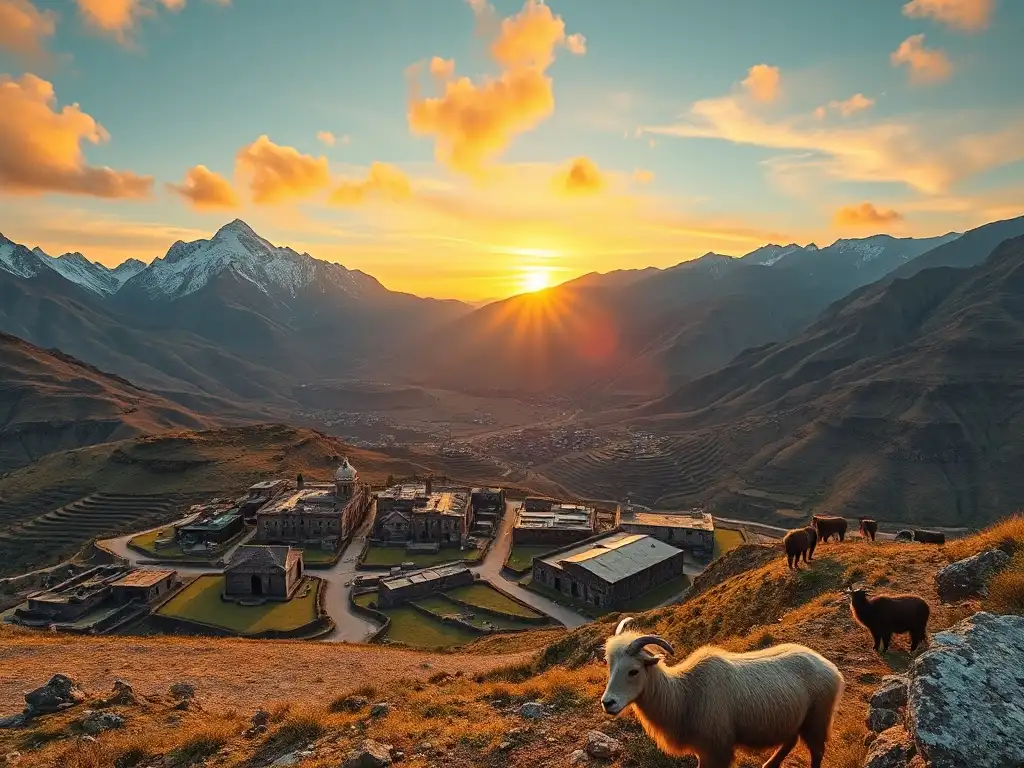
The pre-Inca Andes were far from isolated entities. Intricate networks of interaction, both peaceful and conflictual, shaped the cultural landscape. These interactions weren't limited to geographically proximate groups; evidence suggests extensive trade and communication across vast distances.
The exchange of goods, ideas, and technologies fostered a dynamic environment where different cultures influenced and enriched one another. This constant interplay is crucial to understanding the diverse tapestry of Andean civilizations before the Inca rise. The movement of people, whether through migration or conquest, also played a significant role in the dissemination of cultural practices and beliefs.
The fusion of distinct traditions resulted in a complex and evolving cultural landscape, laying the groundwork for the later Inca empire. This process wasn't always harmonious; conflicts and power struggles undoubtedly influenced the trajectory of these interactions. However, the overall effect was a rich blend of cultural influences that shaped the unique character of each Andean society.
Trade Routes and the Spread of Ideas Before the Inca Empire
The pre-Inca Andes boasted a sophisticated network of trade routes, facilitating the exchange of goods and ideas across vast distances. These weren't simply haphazard paths; careful planning and infrastructure, like strategically placed waystations and improved trails, indicate a well-organized system. The movement of goods—from precious metals and textiles to agricultural products and ceramics—wasn't merely economic; it was a vital conduit for the dissemination of cultural knowledge, religious beliefs, and technological innovations.
The exchange of agricultural techniques, for instance, allowed for the cultivation of diverse crops in different ecological zones. Similarly, the spread of artistic styles and religious iconography reveals a complex web of cultural exchange. The sheer scale of the trade networks suggests a level of organization and social complexity often underestimated in studies of pre-Inca Andean societies.
Further research into the specific routes and the commodities traded would provide a more detailed understanding of these crucial interactions. Archaeological evidence, such as the discovery of exotic materials in distant settlements, continues to shed light on the extent and sophistication of these pre-Inca trade networks.
Warfare and Political Dynamics Between Andean Kingdoms
While trade fostered cooperation, warfare was also a significant factor shaping the pre-Inca Andean world. Conflicts between different kingdoms and regional groups were frequent, driven by a variety of factors including competition for resources, territorial expansion, and political dominance. These conflicts weren't random skirmishes; they were often strategically planned campaigns, involving sophisticated military tactics and the mobilization of large armies.
The construction of impressive fortifications and the discovery of weaponry indicate a considerable investment in military capabilities. The consequences of warfare were far-reaching, impacting political structures, social hierarchies, and cultural practices. Conquests led to the displacement of populations, the imposition of new political systems, and the assimilation or suppression of indigenous cultures.
Understanding the dynamics of warfare is essential to comprehending the political landscape of the pre-Inca Andes and the rise of powerful regional kingdoms. Detailed analysis of archaeological findings, such as battlefield remains and fortifications, can further illuminate these conflicts and their impact.
Cultural Syncretism and the Development of Unique Traditions
The constant interplay between different Andean cultures resulted in a fascinating phenomenon: cultural syncretism. As different groups interacted—through trade, warfare, or migration—their beliefs, practices, and artistic styles blended, creating new and unique traditions. This process wasn't simply a passive amalgamation; it involved creative adaptation and innovation. For instance, religious beliefs often incorporated elements from different traditions, resulting in complex pantheons and ritual practices.
Similarly, artistic styles evolved, blending distinct motifs and techniques. This dynamic process of cultural exchange and adaptation is evident in the remarkable diversity of pre-Inca Andean art, architecture, and religious practices. The study of cultural syncretism provides valuable insights into the fluidity and adaptability of Andean societies and their ability to integrate new influences into their existing cultural frameworks. Further research into the specific mechanisms of cultural exchange and adaptation would enhance our understanding of this complex phenomenon.
The Andean Pre-Inca History: Laying the Foundation for Inca Society
The Inca Empire, while undeniably impressive, didn't emerge from a vacuum. Its achievements were built upon the foundations laid by centuries of prior Andean civilizations. Understanding pre-Inca history is crucial to appreciating the Inca's accomplishments and the broader trajectory of Andean civilization. The sophisticated agricultural techniques, complex social structures, and advanced technologies developed by earlier societies provided the essential building blocks for the Inca expansion and consolidation of power.
The Inca inherited and adapted existing infrastructure, political systems, and cultural practices, incorporating and modifying them to suit their own needs and ambitions. Ignoring the pre-Inca context risks a superficial understanding of Inca achievements, reducing them to a sudden and inexplicable emergence. A deeper appreciation of the long-term historical processes is needed for a complete picture.
How Pre-Inca Civilizations Shaped Inca Culture and Governance
The Inca’s impressive administrative and organizational capabilities were not entirely novel. Pre-Inca societies had already developed complex systems of governance, social stratification, and resource management. The Inca Empire, therefore, inherited and refined pre-existing models, adapting them to their expanding territory and population. For example, the Inca mit'a labor system, while famously implemented on a large scale by the Inca, had roots in earlier forms of communal labor organization found in various pre-Inca societies.
Similarly, the Inca’s sophisticated road network built upon existing pre-Inca trails, expanding and improving upon the infrastructure for trade and communication. The Inca's religious beliefs and practices also drew upon pre-existing Andean traditions, incorporating and reinterpreting them within their own imperial ideology. The Inca were adept at absorbing and adapting the strengths of their predecessors, creating a powerful and enduring empire. Understanding this continuity is essential for a nuanced understanding of Inca culture and governance.
The Enduring Legacy of Andean Pre-Inca Societies
The impact of pre-Inca Andean civilizations extends far beyond their immediate historical context. Their contributions to agriculture, architecture, art, and social organization left a lasting mark on the region and continue to inspire awe and fascination today. The sophisticated irrigation systems, terraced agriculture, and monumental architecture of these societies are testaments to their ingenuity and organizational capabilities.
Their artistic achievements, reflected in intricate textiles, ceramics, and metalwork, represent a remarkable level of craftsmanship and aesthetic sensibility. Their legacy is not just a matter of historical curiosity; it informs our understanding of human ingenuity and resilience in challenging environments. The pre-Inca Andean civilizations remind us of the enduring power of human creativity and the importance of preserving and celebrating cultural heritage.
These societies provide invaluable lessons about sustainable resource management, social organization, and the enduring power of human creativity. Their achievements continue to resonate, shaping our understanding of Andean history and inspiring future generations.
Conclusion: Appreciating the Richness of Andean Pre-Inca Civilizations
The tapestry of Andean civilizations before Inca dominance reveals a breathtaking complexity. Far from being a monolithic entity waiting for Inca conquest, the Andes teemed with diverse and sophisticated cultures, each leaving an indelible mark on the region's history and shaping the landscape we see today. From the intricate Nazca lines, whispering secrets of a highly organized society and advanced astronomical knowledge, to the monumental architecture of Tiahuanaco, testament to powerful centralized states and sophisticated engineering capabilities, the pre-Inca period showcases an astonishing array of achievements. The Moche, with their mastery of ceramics and metalworking, reflected a vibrant artistic and religious life, while other, less-studied cultures undoubtedly contributed to this rich tapestry, their stories waiting to be fully unearthed and understood. 1
Understanding this pre-Inca diversity is crucial to a complete appreciation of Andean history. The Inca empire, while undoubtedly significant, inherited and built upon a foundation laid by centuries of preceding civilizations. Their innovations were not created in a vacuum but emerged from a complex interplay of cultural exchange, competition, and adaptation.
Ignoring the remarkable achievements of these earlier Andean cultures risks a profoundly incomplete and inaccurate understanding of the region's past. The study of "Andean civilizations preInca history" offers a captivating journey into a world of ingenuity, artistry, and resilience, underscoring the importance of acknowledging the rich contributions of each culture to the overall Andean legacy. Future archaeological discoveries and interdisciplinary research promise to further illuminate this fascinating period, revealing even more about the ingenuity and complexity of these lost kingdoms.
The study of pre-Inca Andean civilizations provides a crucial counterpoint to the often dominant narrative surrounding the Inca Empire, offering a more nuanced and complete understanding of the Andes' vibrant past. By appreciating this diversity, we gain a far richer understanding of the region's enduring cultural heritage.
1 Further research is needed to fully understand the extent of cultural interaction and exchange between different pre-Inca Andean societies. More detailed studies of less-known cultures are crucial to building a more comprehensive narrative.
- Understanding the Andean Pre-Inca World: A Regional Perspective
- The Diverse Cultures of the Pre-Inca Andes
- Mapping the Andean Kingdoms Before Inca Expansion
- Exploring Key Pre-Inca Societies in the Andes
- Regional Interactions and Cultural Exchange in the Pre-Inca Era
- The Andean Pre-Inca History: Laying the Foundation for Inca Society
- Conclusion: Appreciating the Richness of Andean Pre-Inca Civilizations
- What are some of the major pre-Inca Andean civilizations?
- How did the geography of the Andes influence pre-Inca societies?
- What were some of the technological achievements of pre-Inca Andean civilizations?
- What kind of art and culture characterized pre-Inca Andean societies?
- How did the pre-Inca civilizations interact with each other?
Frequently Asked Questions
What are some of the major pre-Inca Andean civilizations?
The article highlights several significant pre-Inca cultures, including the Moche, Nazca, and Tiahuanaco. These societies flourished centuries before the Inca Empire, each leaving behind a unique legacy.
How did the geography of the Andes influence pre-Inca societies?
The rugged terrain of the Andes significantly impacted the development of pre-Inca societies. It led to the creation of diverse regional cultures, adapted to their specific environments and resources. Environmental adaptation was key to their survival.
What were some of the technological achievements of pre-Inca Andean civilizations?
Pre-Inca civilizations were remarkably innovative. They developed sophisticated irrigation systems, impressive architectural techniques, and advanced metallurgy, evident in their elaborate artwork and tools.
What kind of art and culture characterized pre-Inca Andean societies?
Pre-Inca cultures produced stunning textiles, ceramics, and monumental architecture, reflecting their unique beliefs and artistic styles. Their artistic expressions often showcased religious and ritualistic practices.
How did the pre-Inca civilizations interact with each other?
Relationships between pre-Inca societies varied. There was trade and exchange, but also conflict and competition for resources and territory. The article explores instances of both cooperation and rivalry between these groups.
Final Reflection: Echoes of Lost Empires in the Andean Landscape
The intricate tapestry of pre-Inca Andean civilizations continues to resonate in the modern world, a testament to the ingenuity and resilience of societies that shaped the very landscape we see today. Their sophisticated agricultural techniques, complex social structures, and unique artistic expressions offer invaluable lessons in adaptation, innovation, and the enduring power of human creativity in the face of adversity. Understanding their legacies is not merely an academic exercise; it is crucial for appreciating the rich diversity of human experience and for informing sustainable practices in a region still grappling with the challenges of development and preservation.
The enduring impact of these lost kingdoms is profoundly felt in the cultural landscape of the Andes, shaping everything from modern artistic traditions to contemporary social structures. Their stories, often fragmented and obscured by time, whisper through the ruins, the intricate textiles, and the enduring myths passed down through generations. The past is never dead. It's not even past.
- William Faulkner. This quote perfectly encapsulates the ongoing relevance of understanding these pre-Inca societies; their echoes reverberate through the present, influencing our understanding of the region's history and its people.
Consider the intricate network of roads, irrigation systems, and agricultural terraces that these civilizations constructed. These achievements, often built with limited technology, stand as remarkable feats of engineering and community cooperation. You, the reader, are now equipped with a deeper understanding of this rich history.
Let this knowledge inspire you to explore further, to seek out the stories hidden within the mountains and valleys, and to advocate for the preservation of these invaluable cultural treasures. Let the legacy of the lost kingdoms of the Andes fuel your own journey of discovery and inspire a deeper appreciation for the enduring power of human civilization.
Unveil the Secrets of the Lost Andean Kingdoms!
Thank you for exploring the fascinating world of pre-Inca Andean civilizations! You've uncovered remarkable insights into their rich histories. Now, let's build on that knowledge.
Here are some ways to further engage with this incredible topic:
- Join a local history group or online forum to share your discoveries and connect with fellow enthusiasts of Andean cultures.
- Explore interactive maps and online resources dedicated to pre-Inca civilizations to deepen your understanding. You might even create your own presentation or visual narrative.
- Share this article with a friend and spark a conversation about the unique histories that have shaped our world.
What aspect of these lost kingdoms most captivates you, and how would you like to continue your exploration?