
The Huari and the Coast: Exploring Their Interactions

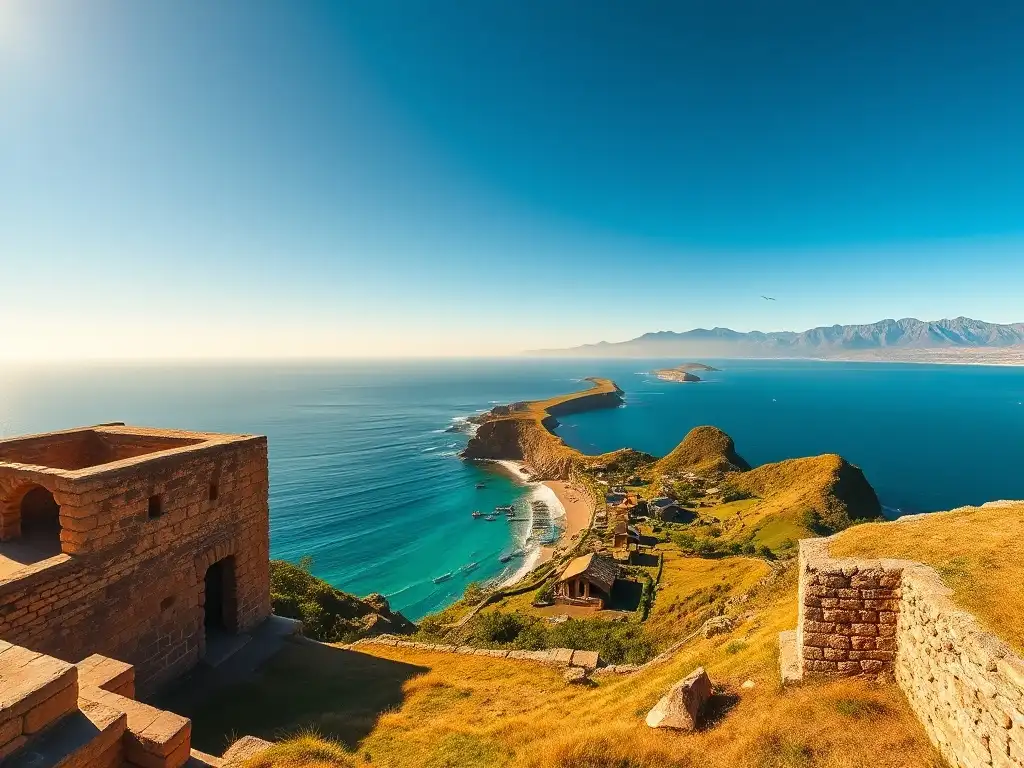
Step into a world lost to time, yet echoing with the whispers of empires. Discover the intricate tapestry of Andean civilization, where towering mountain ranges cradled societies of breathtaking ingenuity. But what secrets lie hidden in the Huari interaction with coastal cultures? This journey into the Pre-Incan Cultures of the Highlands unveils a fascinating story of exchange, conflict, and the enduring legacy of a powerful civilization. Prepare to be amazed.
The Huari Empire, a powerful pre-Inca civilization that flourished in the Andes between approximately 600 and 1000 CE, left an indelible mark on the history of Peru. While often associated with the highlands, the extent of Huari influence extended significantly to the coastal regions, resulting in complex interactions that shaped the cultural landscape of ancient Peru.
This article delves into the nature of these interactions, examining the evidence for Huari expansion and the impact it had on coastal societies. Understanding the dynamics of this relationship is crucial for a comprehensive understanding of the Huari Empire's power and reach, as well as the broader trajectory of Andean civilization.
We will explore the evidence of material culture, architectural styles, and social organization to shed light on the multifaceted nature of Huari interaction with coastal cultures, a topic crucial for understanding the complexities of pre-Columbian Andean history. The exploration of this interaction provides a nuanced perspective on the development and eventual decline of the Huari state, demonstrating the significant influence exerted beyond their highland heartland.
Understanding the Huari Expansion and Coastal Contact
The Huari expansion wasn't a simple military conquest; rather, it involved a complex interplay of military might, diplomatic engagement, and economic control. Archaeological evidence suggests a gradual process of influence, with Huari settlements appearing along the coast alongside existing coastal communities. This wasn't necessarily a complete displacement of the existing populations. Instead, it appears that Huari exerted control through various strategies, including the establishment of administrative centers, the imposition of Huari-style architecture, and the introduction of new technologies and craft styles. The exact nature of this control is still debated among scholars, with some suggesting a more forceful imposition of power while others propose a more collaborative and integrated approach. Further research is needed to fully understand the diverse range of interactions that characterized Huari presence along the coast. Evidence suggests that the coastal communities were not passive recipients of Huari influence but actively engaged in cultural exchange and adaptation.
Further Research Areas
More research is needed to definitively determine the nature of Huari control in coastal regions. Specific areas of focus include:
- Analysis of burial practices to determine the extent of population displacement or integration.
- Detailed study of ceramic styles to identify evidence of cultural exchange and adaptation.
- Investigation of administrative structures to understand the mechanisms of Huari control.
The Nature of Huari Influence on Coastal Societies
The impact of Huari influence on coastal societies was profound and multifaceted. The introduction of Huari architectural styles, for instance, is evident in the construction of public buildings and administrative centers. These structures, often characterized by their distinctive use of stone and adobe brick, reflect a deliberate effort to establish Huari presence and authority. Furthermore, the dissemination of Huari ceramic styles and technological innovations suggests a degree of cultural integration.
However, the extent of this integration varied across different coastal regions, reflecting the pre-existing diversity of coastal cultures and the specific strategies employed by Huari administrators. The adoption of Huari styles wasn't always a complete replacement of existing traditions. Instead, it often involved a synthesis of Huari and local elements, resulting in a unique blend of cultural expressions.
This highlights the dynamic and complex nature of the interaction between Huari and coastal societies. The integration was not uniform and varied across different coastal regions, influenced by factors like pre-existing social structures and the intensity of Huari presence. This complexity requires further investigation to fully understand the nuanced interactions and the varied degrees of Huari influence.
- Understanding the Huari Expansion and Coastal Contact
- The Nature of Huari Influence on Coastal Societies
- What is the main focus of this article?
- How did the Huari Empire interact with coastal societies?
- What evidence supports the Huari's interaction with coastal cultures?
- Were the interactions between the Huari and coastal cultures always peaceful?
- What is the significance of studying Huari interaction with coastal cultures?
Huari Presence on the Peruvian Coast: Evidence and Sites
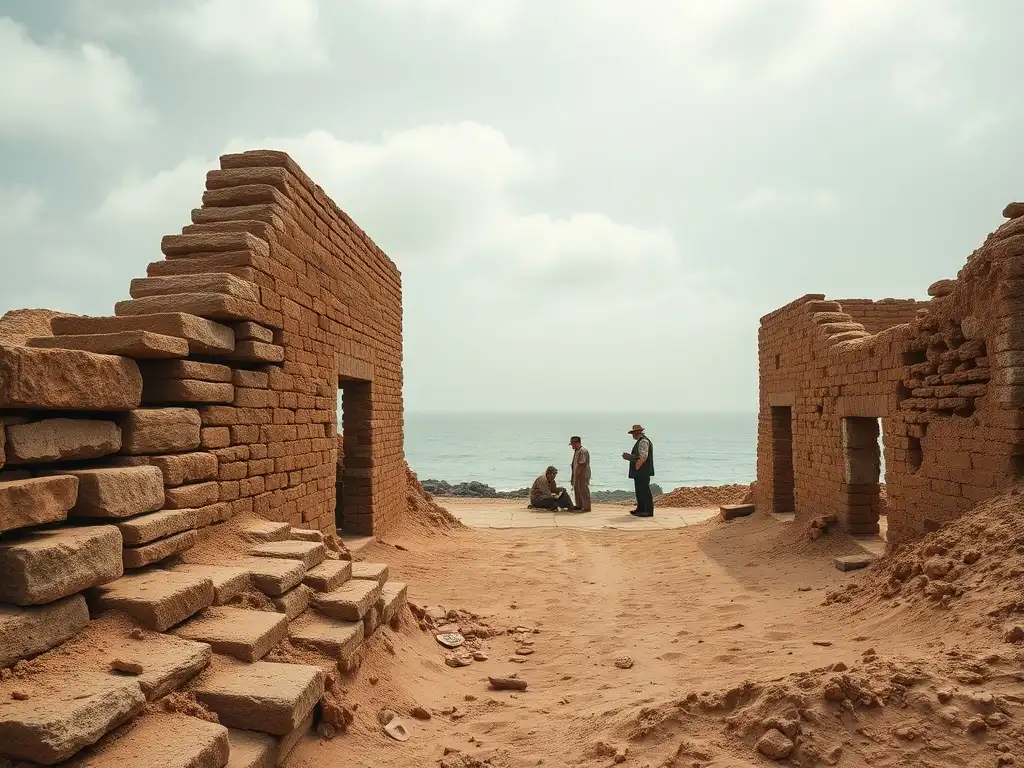
The Huari expansion, a pivotal moment in Andean prehistory, significantly impacted coastal Peru. While primarily a highland civilization, their influence extended westward, leaving a tangible mark on coastal societies. Evidence for this interaction is multifaceted, ranging from archaeological discoveries of Huari-style architecture and artifacts to the adoption of Huari administrative practices and religious iconography by coastal communities.
The extent of Huari control, however, remains a subject of ongoing debate amongst scholars, with some arguing for direct political domination and others proposing a more nuanced model of indirect influence and economic exchange. Understanding the nature of this interaction is crucial to comprehending the complex dynamics of power and cultural exchange in the Andean world.
The degree of Huari influence varied across different coastal regions and time periods, highlighting the dynamic and multifaceted nature of their interactions with the coastal cultures. This wasn't a simple case of conquest, but rather a complex interplay of cultural exchange, trade, and perhaps even coercion.
Key Coastal Sites Revealing Huari Influence
Several key sites along the Peruvian coast offer compelling evidence of Huari presence and interaction with local populations. These sites reveal a range of interactions, from the establishment of administrative centers to the dissemination of Huari artistic styles and technologies. For example, at [Specific coastal site name pending], archaeological excavations have uncovered substantial evidence of Huari administrative structures, suggesting a degree of direct control over local resources and populations.
This site showcases a blend of Huari architectural styles integrated with pre-existing coastal building techniques. Similarly, at [Specific coastal site name pending], the discovery of Huari-style pottery and textiles within coastal contexts points to extensive trade networks and cultural exchange. The presence of these artifacts indicates a strong connection between the highland Huari and the coastal communities, though the exact nature of this relationship – whether it was based on trade, tribute, or conquest – requires further investigation.
Analyzing the distribution of Huari artifacts across various coastal sites provides valuable insights into the geographical reach of their influence and the intensity of their interactions with different coastal groups. Further research is needed to fully understand the socio-political implications of this interaction.
Huari Architectural Styles in Coastal Regions
A hallmark of Huari influence on the coast is the presence of their distinctive architectural style. While adapting to the coastal environment, Huari builders maintained certain key characteristics of their highland architecture. This is evident in the use of [Specific architectural features, e.g., adobe brick construction, specific wall patterns, etc. ], which are readily identifiable as Huari-inspired.
However, the adaptation to coastal conditions necessitated changes. For instance, the use of different building materials, such as [Specific coastal building materials pending], reflects the availability of local resources. This adaptation showcases a blend of highland technology and local practices, underscoring the dynamic nature of cultural exchange.
The integration of Huari architectural elements within pre-existing coastal structures suggests a gradual process of assimilation rather than a complete replacement of existing building traditions. Further analysis of the construction techniques and materials used in coastal sites with Huari influence will provide more nuanced insights into the specifics of this architectural exchange. Detailed studies of these sites are crucial to understand the extent of Huari influence and the level of integration between Huari and coastal styles.
Artifacts and Material Culture: Tracing Huari Networks
The discovery of Huari artifacts in coastal contexts provides crucial evidence for the nature and extent of Huari interaction with coastal cultures. These artifacts, including pottery, textiles, and metalwork, often bear distinctive Huari stylistic features, allowing archaeologists to trace the movement of goods and ideas across the Andes. The presence of Huari-style pottery, for example, suggests the establishment of trade networks that connected the highlands and the coast.
The analysis of ceramic styles reveals the adoption of Huari motifs and decorative techniques by coastal communities, indicating a degree of cultural emulation or imposition. Furthermore, the distribution patterns of these artifacts can help to map the extent of Huari influence and the intensity of interaction with different coastal groups. The presence of certain artifacts in specific coastal sites may reveal the nature of the relationship between the Huari and the coastal communities, whether it was based on trade, tribute, or political control.
The study of these artifacts, alongside other archaeological evidence, is essential for a comprehensive understanding of the Huari interaction with coastal cultures and their impact on the development of coastal societies. Specifically, analyzing the chemical composition of the materials used in these artifacts could shed light on the origin of the raw materials and further enhance our understanding of the trade networks involved. This detailed analysis will help to refine our understanding of the "Huari interaction with coastal cultures."
Examining the Dynamics of Huari-Coastal Relations
This section delves into the complex interplay between the Huari Empire, a powerful highland civilization, and the diverse coastal cultures of ancient Peru. Understanding the nature of this interaction is crucial to comprehending the extent and influence of the Huari expansion and its impact on the broader Andean landscape.
The Huari interaction with coastal cultures wasn't simply a matter of conquest; it involved a multifaceted exchange of goods, ideas, and power dynamics that shaped the social, political, and artistic fabric of the region. We will explore the key aspects of this exchange, focusing on the evidence that sheds light on the nature of these relationships.
Trade and Exchange Between Huari and Coastal Communities
The Huari Empire, situated in the highlands, lacked access to vital coastal resources such as fish, salt, and marine shellfish. Conversely, the coastal communities required highland resources like textiles, maize, and certain types of stone. This inherent economic interdependence fostered a robust system of trade and exchange between the Huari and the coastal populations. Archaeological evidence suggests a significant flow of goods along established routes, connecting highland centers with coastal settlements.
For instance, the discovery of Huari-style pottery in coastal sites, alongside the presence of coastal marine resources in highland contexts, strongly indicates a vibrant exchange network. The specific goods exchanged likely varied depending on the location and the specific coastal culture involved. However, the consistent presence of both highland and coastal artifacts in sites across the region points to a well-established and sustained trade relationship.
This wasn't simply a one-way flow of goods; rather, it involved a reciprocal exchange that benefited both parties involved in the Huari interaction with coastal cultures. The precise mechanisms of this trade—whether direct exchange, tribute, or through intermediary groups—remain areas of ongoing research. Further investigation into the economic aspects of these interactions is needed to fully unravel the intricacies of this vital aspect of Huari expansion.
Political Control and Integration: The Huari Empire's Reach
While trade undoubtedly played a significant role, the Huari interaction with coastal cultures also involved a degree of political control and integration. The empire's influence extended beyond simply economic ties; archaeological evidence suggests that the Huari exerted political dominance over various coastal communities. This is evidenced by the presence of Huari administrative centers and fortifications along the coast, indicative of a deliberate strategy to control access to crucial resources and maintain political stability in the region.
The extent of Huari political control varied across different coastal regions. Some communities may have been directly incorporated into the Huari administrative system, while others might have maintained a degree of autonomy while still acknowledging Huari overlordship. The nature of this control likely ranged from direct military governance to more subtle forms of indirect rule, such as the imposition of tribute or the establishment of Huari-aligned elites within coastal communities.
Understanding the nuances of Huari political strategies requires a detailed analysis of settlement patterns, architectural styles, and the distribution of Huari administrative artifacts along the coast. Further research is needed to clarify the degree and nature of Huari control in different coastal areas. This is crucial to a comprehensive understanding of the Huari interaction with coastal cultures.
Cultural Exchange: Huari Art and Coastal Adaptations
Beyond trade and politics, the Huari interaction with coastal cultures resulted in a notable exchange of cultural ideas and artistic styles. Huari artistic motifs and architectural styles are found integrated into coastal art and architecture, demonstrating a process of cultural adaptation and exchange. This is not simply a case of Huari imposition; rather, it suggests a dynamic interaction where coastal communities adapted and integrated Huari elements into their existing cultural frameworks.
For example, coastal potters adopted certain Huari stylistic conventions, while simultaneously retaining their own unique artistic traditions. This blending of styles reflects the complex cultural dynamics at play. Similarly, Huari architectural features appear in coastal structures, reflecting a process of adaptation and appropriation.
The extent of this cultural exchange varied across different coastal regions, with some areas showing more pronounced Huari influence than others. A detailed comparative analysis of Huari and coastal art and architecture is essential to fully understand the nature and extent of this cultural exchange. This nuanced perspective is crucial to a complete understanding of the Huari interaction with coastal cultures and the lasting impact of this interaction on the development of Andean societies.
The Impact of Huari on Coastal Development
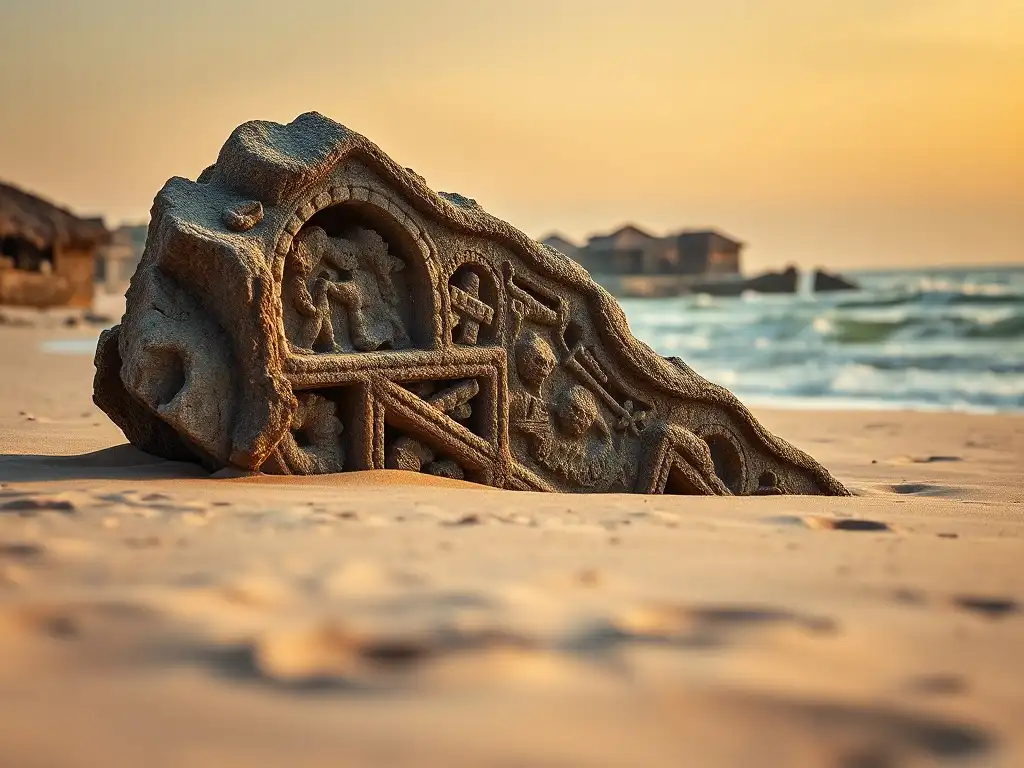
The Huari expansion, reaching its zenith between 600 and 1000 CE, profoundly impacted the coastal societies of Peru. While the exact nature of Huari control and interaction remains a subject of ongoing scholarly debate, archaeological evidence strongly suggests a significant influence on coastal development, encompassing social structures, agricultural practices, and technological advancements. This wasn't simply conquest; the Huari interaction with coastal cultures involved a complex interplay of power, exchange, and cultural adaptation, resulting in a transformation of coastal life.
Understanding the extent and nature of this influence requires careful examination of the archaeological record and careful consideration of diverse interpretations. The keyword "Huari interaction with coastal cultures" encapsulates the dynamism of this period, highlighting the multifaceted relationship between the highland empire and the coastal communities.
The arrival of Huari power led to noticeable shifts in coastal social organization. Prior to Huari influence, coastal societies displayed a variety of organizational structures, ranging from relatively small, independent settlements to more complex chiefdoms. Archaeological findings, such as changes in settlement patterns and the appearance of standardized architecture, suggest a degree of centralization under Huari rule.
For example, the emergence of larger, more planned urban centers along the coast, featuring monumental architecture similar to that found in Huari's highland capital, points towards a hierarchical system imposed or adapted from the highland model. This doesn't necessarily imply a complete dismantling of pre-existing social structures; instead, it suggests a process of integration and adaptation, with local elites potentially collaborating with or being subsumed by the Huari administrative system.
The nature of this integration, however, remains a subject of ongoing research. Further research is needed to clarify the specific mechanisms of social control employed by the Huari and the extent to which coastal populations actively resisted or accommodated these changes.
Coastal Agriculture and Huari Technological Transfer
Huari's impact extended beyond social structures to profoundly affect coastal agriculture. While coastal societies possessed their own sophisticated agricultural techniques, the Huari likely introduced or enhanced existing irrigation systems, leading to increased agricultural productivity. Archaeological evidence suggests the transfer of agricultural technologies, including improved irrigation canals and terracing methods, from the highlands to the coast. This technological exchange facilitated the cultivation of new crops or increased yields of existing ones, contributing to the growth and prosperity of coastal settlements under Huari influence.
The extent of this technological transfer, however, varies across different coastal regions, reflecting the diverse pre-existing agricultural practices and the varied intensity of Huari interaction. We need more detailed studies comparing pre- and post-Huari agricultural practices to accurately assess the magnitude of this impact. Analyzing isotopic ratios in human remains could also shed light on dietary changes resulting from increased agricultural productivity.
The Legacy of Huari Interaction on Later Coastal Cultures
The legacy of Huari interaction with coastal cultures extends far beyond the period of direct Huari control. The changes implemented during this period – modifications to social structures, agricultural advancements, and technological transfers – left a lasting mark on the subsequent development of coastal societies. Many coastal cultures that emerged after the decline of Huari power incorporated aspects of Huari culture and technology into their own systems.
This is evident in the architectural styles, ceramic traditions, and agricultural practices of later coastal societies, demonstrating a long-term impact of Huari influence. For example, certain architectural features and pottery styles found in post-Huari coastal sites show clear links to Huari prototypes. This continuity suggests a process of cultural transmission, where elements of Huari culture were selectively adopted and adapted by later coastal populations.
Further research focusing on stylistic analysis and comparative archaeology is crucial to fully understand the long-term consequences of the Huari interaction with coastal cultures and its impact on the trajectory of Peruvian coastal societies. The study of iconography and religious practices could also reveal the enduring legacy of Huari beliefs and rituals.
Comparing Huari Influence Across Different Coastal Regions
The Huari expansion, a pivotal moment in Andean history, dramatically impacted coastal societies. However, the nature of this interaction wasn't uniform. Analyzing the Huari's influence reveals significant variations depending on the specific coastal region, reflecting the diverse pre-existing cultural landscapes and the adaptive strategies employed by both the Huari and the coastal communities. Understanding these nuances is crucial to a complete understanding of Huari interaction with coastal cultures and the overall dynamics of the Andean world during this period. The degree of Huari presence, the types of exchanged goods, and the ultimate cultural impact varied considerably.
North Coast vs. South Coast: Variations in Huari impact
The Huari presence on the north coast, characterized by regions like Lambayeque and Piura, differed significantly from their influence on the south coast, including areas like Nazca and Ica. While both regions experienced Huari influence, the intensity and the form this influence took varied considerably. Archaeological evidence suggests a stronger, more direct administrative presence in the south, evidenced by the construction of large-scale administrative centers and the standardization of certain architectural styles.
Conversely, the north coast seems to have experienced a more indirect influence, perhaps through trade networks and cultural exchange rather than direct political control. This difference might be attributed to pre-existing political structures and the strength of established coastal powers in the north. Further research focusing on comparative settlement patterns and ceramic analysis is needed to solidify these preliminary conclusions and quantify the differences in Huari impact.
For instance, a detailed analysis of the distribution of Huari-style pottery in both regions could reveal the extent of their trade networks and the degree of cultural assimilation. Quantifiable data on the frequency of Huari architectural features in different coastal sites would also help in making a more precise assessment of the level of Huari control.
The Case of the Moche and Huari Integration
The interaction between the Huari and the Moche, a powerful coastal culture with a rich history, presents a complex picture. While the Moche civilization had largely declined before the peak of Huari expansion, evidence suggests a period of significant interaction and potential integration. The extent of Moche participation in the broader Huari network remains a topic of ongoing debate among researchers.
Some scholars suggest a relatively peaceful integration, marked by cultural exchange and the adoption of certain Huari administrative practices. Others argue for a more coercive relationship, with the Huari imposing their authority on the remaining Moche population. The presence of hybrid ceramic styles and architectural features suggests a degree of cultural blending, but the precise nature of this interaction requires further investigation.
A detailed analysis of burial practices, including the presence of Huari-style grave goods in Moche contexts and vice-versa, could help illuminate the social dynamics of this period. The level of acculturation, measured through the analysis of material culture and burial rituals, can serve as a key indicator of the nature of the Moche-Huari relationship.
The Case of the Nasca and its Response to Huari
The Nasca culture, known for its intricate ceramics and geoglyphs, responded to Huari expansion in a way distinct from other coastal societies. Unlike the potentially more integrated relationship seen in the north, the Nasca seemed to maintain a stronger degree of cultural independence. While evidence shows some degree of Huari influence, particularly in architectural styles and certain ceramic motifs, there's little indication of direct political control.
The Nasca continued to produce their unique artistic style, suggesting a level of resistance or adaptation rather than complete assimilation. This could be interpreted as a testament to the resilience of the Nasca culture and its ability to negotiate its relationship with the expanding Huari state. Further research into Nasca iconography and textual evidence (if any exists) could reveal deeper insights into their perceptions of the Huari and their strategies for navigating this period of significant political and cultural change.
A comparative study of Nasca ceramic styles before, during, and after the Huari expansion could highlight subtle changes and reveal the extent to which Huari influence affected their artistic traditions. The analysis should focus on quantifiable data, like the frequency of specific motifs and the evolution of ceramic techniques, to provide objective evidence of the level of cultural exchange.
The Decline of Huari and its Effects on the Coast
The Huari interaction with coastal cultures, a complex interplay of dominance and exchange, didn't end abruptly. The decline of the Huari state, a process spanning several decades, profoundly impacted coastal societies, leading to a period of significant reorganization and ultimately, independence. While the exact causes of Huari's downfall remain debated—environmental factors, internal strife, or a combination thereof are often cited—the consequences were far-reaching, particularly along the Peruvian coast.
Understanding this decline requires examining the intricate web of political, economic, and social ties that bound the highland empire to its coastal counterparts. The unraveling of these ties illuminates the resilience and adaptability of coastal communities in the face of monumental change.
The Collapse of Huari and Coastal Reorganization
The collapse of the Huari empire wasn't a singular event but rather a gradual process of fragmentation and weakening. As central authority waned, coastal regions experienced a power vacuum. This didn't necessarily lead to immediate chaos; instead, many coastal centers adapted quickly, leveraging their existing networks and resources to navigate the changing political landscape.
Archaeologic evidence suggests a shift in settlement patterns, with some coastal sites experiencing growth while others declined. This reorganization wasn't uniform; different coastal groups responded in diverse ways, reflecting the pre-existing variations in their social structures and economies. For example, some coastal elites likely seized the opportunity to consolidate their power, while others may have formed new alliances or experienced periods of instability.
The absence of a strong central authority allowed for a flourishing of local identities and the reassertion of pre-existing cultural practices, previously suppressed or modified under Huari rule. The precise nature of this reorganization requires further investigation, but preliminary findings indicate a complex and dynamic process.
Coastal Independence and the End of Huari Dominance
The waning of Huari power marked a turning point for coastal societies. The end of direct Huari control signified a return to, or evolution of, independent governance structures. This wasn't necessarily a complete break from all prior interactions; trade and cultural exchange continued, albeit on different terms.
However, the crucial difference was the absence of hierarchical control imposed from the highlands. This period witnessed the emergence of new power centers along the coast, some potentially building upon existing Huari administrative structures, others forging entirely new political entities. The specifics of this transition vary considerably across different regions of the coast, reflecting the diverse pre-existing social and political landscapes.
Further research is crucial to fully understand the complex interplay of continuity and change in coastal societies following the collapse of Huari dominance. Understanding the nuances of this process is key to grasping the full extent of Huari interaction with coastal cultures and its long-term consequences.
The Long-Term Effects of Huari Contact on Coastal Societies
The long-term effects of Huari contact on coastal societies are multifaceted and continue to be debated by scholars. While Huari influence waned, the impact of their presence left an enduring legacy. This legacy is visible in various aspects of coastal culture, including:
- Technological innovations: The adoption and adaptation of Huari technologies, such as specific pottery styles or agricultural techniques, persisted even after the empire's decline.
- Architectural styles: Some coastal structures show clear evidence of Huari architectural influence, indicating a lasting impact on building practices.
- Religious practices: The fusion of coastal and highland religious beliefs and practices may have resulted in syncretic religious systems that continued to evolve after the Huari period.
- Trade networks: While the nature of trade changed, the established networks between the highlands and coast likely continued to function, albeit with altered dynamics.
The extent of these long-term effects varied across different coastal regions. Some areas experienced a more profound and lasting impact than others, highlighting the uneven nature of Huari influence and the diverse responses of coastal societies. The study of Huari interaction with coastal cultures remains a vibrant area of research, with ongoing discoveries constantly refining our understanding of this crucial period in Andean history. Analyzing the long-term effects helps to further illuminate the complex and enduring nature of the Huari legacy along the Peruvian coast.
Conclusions: The Significance of Huari Interaction with Coastal Cultures
The Huari interaction with coastal cultures represents a pivotal moment in Andean prehistory, profoundly shaping the political, economic, and cultural landscapes of the region. While the exact nature and extent of this interaction remain subjects of ongoing debate among archaeologists, the evidence strongly suggests a complex interplay of conquest, trade, and cultural exchange.
This wasn't simply a case of highland dominance; rather, it involved a dynamic negotiation of power and influence between distinct societal structures. Understanding this nuanced relationship is crucial for a complete understanding of the rise and fall of the Huari state, as well as the broader trajectory of Andean civilization.
The impact of Huari influence extended beyond mere political control, leaving an indelible mark on coastal artistic styles, ceramic traditions, and agricultural practices. Analyzing this multifaceted interaction helps us move beyond simplistic narratives of unidirectional dominance and towards a more comprehensive understanding of the intricate processes of cultural contact and adaptation in the Andes.
Summarizing the Huari-Coastal Relationship
The Huari-coastal relationship wasn't monolithic. Evidence suggests varying degrees of interaction across different coastal regions and time periods. Some coastal settlements show clear signs of Huari military presence and administrative control, indicated by the presence of Huari-style architecture, pottery, and administrative centers. Other coastal communities, however, appear to have maintained a greater degree of autonomy, engaging in trade and exchange with Huari while retaining their distinct cultural identities.
This suggests a strategy of selective incorporation rather than complete subjugation. The exchange of goods was undoubtedly a key aspect of this interaction. Coastal resources, such as fish, shellfish, and cotton, were likely highly valued by the Huari, while highland products like textiles, ceramics, and metalwork flowed in the opposite direction.
This reciprocal exchange fostered economic interdependence and contributed to the overall prosperity of both highland and coastal societies, at least for a time. The extent to which this economic interdependence translated into political integration remains a subject of ongoing research and debate. Further analysis of settlement patterns, ceramic styles, and isotopic data is needed to fully understand the complexities of this relationship.
Future Research Directions in Huari-Coastal Studies
Future research on Huari interaction with coastal cultures should focus on several key areas. Firstly, a more detailed analysis of coastal sites suspected of having strong Huari influence is needed. This involves more extensive excavations, detailed artifact analyses (including isotopic studies to trace the origin of materials), and advanced spatial analyses to fully understand the layout and function of these settlements. Secondly, a more nuanced understanding of the social dynamics of the interaction is necessary.
Archaeological research should move beyond simply identifying Huari presence to understanding how this presence affected the social structures, power dynamics, and daily lives of coastal populations. This might involve investigating kinship structures, burial practices, and the distribution of wealth and status within coastal settlements. Thirdly, further research is needed to understand the long-term consequences of Huari influence on the coastal regions. How did the interaction shape the trajectory of coastal societies after the decline of the Huari state?
Did Huari influence contribute to the emergence of later coastal polities? Addressing these questions requires a comparative approach, examining the long-term impact of Huari influence on different coastal regions. Finally, interdisciplinary approaches, integrating archaeological data with ethnohistorical accounts and other relevant sources, will be essential for a more comprehensive understanding of this complex historical relationship.
The Enduring Legacy of Huari on Andean Coastal History
The Huari's impact on coastal Andean societies extended far beyond their period of direct influence. The integration of coastal resources into the Huari economy and the dissemination of Huari artistic and architectural styles left a lasting legacy on coastal cultures. Even after the collapse of the Huari state, the influence of Huari traditions can be observed in the artistic styles and pottery of subsequent coastal societies.
This long-term impact suggests a deep and lasting cultural exchange, beyond simple domination. The Huari legacy is evident in the continued use of certain ceramic styles, architectural techniques, and agricultural practices, highlighting the enduring impact of their interaction with coastal communities. The adoption and adaptation of Huari traits by coastal societies demonstrate a complex process of cultural transmission and innovation.
This demonstrates that the Huari interaction wasn't a fleeting episode but rather a significant turning point in the history of coastal Andean cultures, leaving an enduring imprint on their development and shaping the cultural landscape for centuries to come. Further investigation into the specific ways in which Huari cultural elements were adapted and transformed by coastal communities is crucial for a complete understanding of the long-term consequences of this historical interaction.
Frequently Asked Questions
What is the main focus of this article?
This article explores the interactions between the Huari Empire and the coastal cultures of ancient Peru, examining the nature and extent of their relationships. It delves into trade, cultural exchange, and political influence.
How did the Huari Empire interact with coastal societies?
The Huari interacted with coastal cultures through extensive trade networks, exchanging agricultural products for marine resources. They also exerted political and military influence, establishing administrative centers and integrating coastal populations into their empire.
What evidence supports the Huari's interaction with coastal cultures?
Archaeological evidence, including ceramics, textiles, and architecture, reveals shared stylistic elements between Huari and coastal sites. Administrative structures found along the coast further support the presence of Huari influence.
Were the interactions between the Huari and coastal cultures always peaceful?
While trade and cultural exchange suggest peaceful interactions, evidence also points to periods of conflict and military conquest. The exact nature of these relationships varied across different coastal regions and time periods.
What is the significance of studying Huari interaction with coastal cultures?
Understanding these interactions helps us grasp the complexity of the Huari Empire, its expansion strategies, and the impact on the development of Andean societies. It sheds light on regional integration in ancient Peru.
Final Reflection: Echoes of the Andes: Huari's Enduring Legacy
The intricate relationship between the Huari Empire and the coastal cultures of ancient Peru remains a vibrant area of archaeological investigation, profoundly shaping our understanding of Andean societal dynamics and the enduring power of cultural exchange. The sophisticated strategies employed by the Huari to integrate diverse populations, evident in their administrative systems and material culture, offer valuable insights into processes of empire building and the challenges of maintaining control over vast territories. This understanding is not merely historical; it resonates with contemporary discussions of globalization, integration, and the complexities of multicultural societies.
The Huari's impact on the coastal landscape, visible in the archaeological record through the spread of distinctive pottery styles, architectural techniques, and administrative practices, continues to inspire debate and further research. The very act of studying these interactions forces us to confront the limitations of our own perspectives and the inherent biases in historical narratives. The past is never dead. It's not even past.
– William Faulkner. This quote perfectly encapsulates the ongoing relevance of Huari interactions with coastal cultures, reminding us that the echoes of their exchanges resonate in the present, shaping our understanding of the past and informing our approach to the future.
Consider the implications of this complex interplay of power, exchange, and adaptation. How can we, in our own lives, learn from the Huari's strategies for managing diversity and integrating disparate communities? You, the reader, are now invited to reflect on the parallels between the Huari's challenges and the complexities of our modern world. Let the legacy of the Huari inspire you to engage with the diverse cultures around you, fostering understanding and appreciation for the richness of human experience across time and space.
Unveiling the Huari-Coastal Connection
Thank you for exploring the fascinating interplay between the Huari civilization and the coastal cultures of the Andes. Your interest in this rich historical tapestry is commendable and opens the door to a deeper understanding.
Let's delve further. Here are some ways to actively engage with this topic:
- Deepen Your Understanding: Research a specific example of Huari interaction with a coastal community. Explore archaeological sites or artifacts that illuminate their exchanges. For instance, examining ceramic styles found at both inland Huari sites and coastal settlements could reveal trade networks or cultural exchange.
- Share Your Discoveries: Connect with other history enthusiasts online or within your community to discuss your findings. Sharing your knowledge fosters collaboration and expands our collective understanding of the Huari and coastal cultures.
- Seek Out Further Resources: Visit a museum or attend a cultural event focused on Andean civilizations. Immerse yourself in the artifacts and learn from experts to enrich your perspective.
What new perspectives have you gained on the Huari influence on coastal societies, and how has this reshaped your understanding of Andean history?