
The Huari Legacy: Their Lasting Impact on Andean History

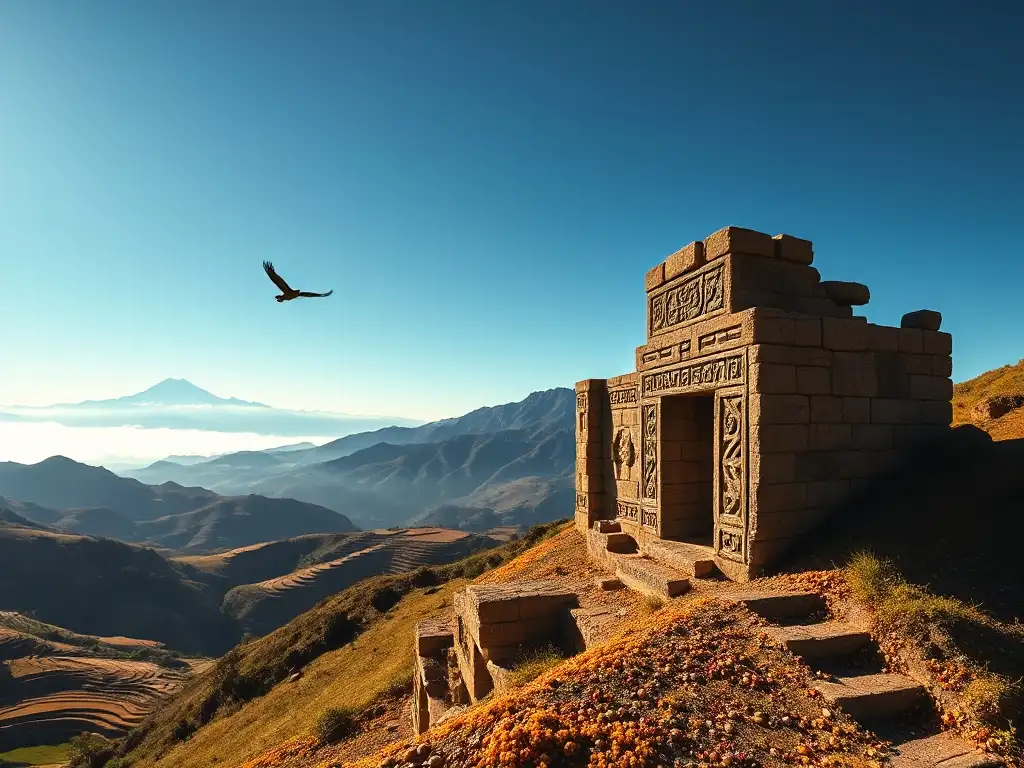
Step into a world lost to time, yet echoing through the ages. Imagine a civilization so advanced, its influence shaped the very fabric of the Inca Empire. Uncover the mysteries surrounding the Huari Empire and its profound impact on the Inca civilization—a legacy woven into the very mountains themselves. Dive into the fascinating world of Pre-Incan Cultures of the Highlands and discover how this powerful civilization left an indelible mark on Andean history. Prepare to be amazed.
The Huari Empire, a pre-Inca civilization flourishing in the central Andes from approximately 600 to 1000 CE, left an indelible mark on the subsequent development of Andean societies, particularly influencing the Inca civilization centuries later. This article delves into the multifaceted legacy of the Huari, exploring their remarkable expansion, sophisticated administrative systems, and the enduring cultural and technological influences that shaped the trajectory of the Inca Empire and the broader Andean region. Understanding the Huari's impact is crucial to a complete comprehension of Inca civilization and the rich tapestry of pre-Columbian Andean history.
We will examine the key factors contributing to the Huari's rise, their administrative strategies, and the lasting imprints they left on Inca architecture, agriculture, and socio-political structures. This exploration will reveal how the Huari Empire's influence on Inca civilization is not merely a historical footnote but a fundamental aspect of the Inca's own success.
Introduction to the Huari Empire and its Significance
The Huari Empire, centered in the Ayacucho region of modern-day Peru, controlled a vast territory encompassing much of the central Andes. Their influence extended from the Pacific coast to the highlands, encompassing diverse ecological zones and a wide range of populations. Unlike the later Inca Empire, which relied heavily on military conquest, the Huari's expansion appears to have been a more complex process involving a combination of military might, diplomatic alliances, and economic integration.
Evidence suggests a sophisticated administrative system, enabling the Huari to manage their extensive empire efficiently. This included the development of standardized pottery styles, architectural forms, and possibly even a system of writing, although decipherment remains a significant challenge for archaeologists. The Huari's impact resonates far beyond their geographical reach and temporal existence; their achievements laid the groundwork for subsequent Andean civilizations, particularly the Inca.
The sophisticated urban planning, agricultural techniques, and administrative innovations of the Huari provided a blueprint for later empires, highlighting their profound and lasting significance in the history of the Andes. Understanding the Huari is key to understanding the Inca's success.
The Rise of the Huari: Factors Contributing to their Expansion
Several factors contributed to the remarkable expansion of the Huari Empire. Firstly, their strategic location in the Ayacucho region provided access to vital resources and trade routes. The fertile valleys of Ayacucho supported a thriving agricultural economy, providing the surplus needed to sustain a growing population and support military campaigns. Secondly, the Huari developed advanced military technologies and strategies.
Archaeological evidence suggests a well-organized army, equipped with sophisticated weaponry and capable of effective large-scale mobilization. Thirdly, the Huari's administrative capabilities were crucial to their success. The establishment of provincial centers, standardized administrative practices, and the control of vital resources across their vast territory facilitated the integration and management of diverse populations.
Moreover, the Huari likely utilized a network of roads and communication systems to maintain control and facilitate the movement of goods and people throughout their empire. This efficient administration, coupled with their military prowess and strategic location, allowed the Huari to effectively consolidate power and expand their influence across the central Andes, setting the stage for the later rise of the Inca and profoundly influencing their development. The Huari Empire's sophisticated strategies provide a compelling case study in ancient Andean state formation and expansion.
Huari Territorial Control and Administrative Strategies
The Huari Empire, flourishing between approximately 600 and 1000 CE, exerted remarkable control over a vast territory encompassing much of the central Andes. Their administrative strategies, while not fully understood, reveal a sophisticated system designed to manage diverse populations and resources across challenging terrain. Evidence suggests a decentralized approach, with regional governors or administrators likely responsible for overseeing local affairs and collecting tribute.
This system allowed for a degree of autonomy while maintaining a strong central authority, a crucial factor in the empire's longevity. The Huari likely employed a combination of military force, diplomatic alliances, and economic incentives to maintain control, adapting their strategies to the specific needs of each region. Further research into Huari administrative records, if any survive, could shed more light on the intricacies of their governance.
Archaeological findings continue to provide insights into the scale and complexity of their administrative network, suggesting a level of organization far exceeding that of previous Andean societies. The success of this system is evidenced by the vast extent of the empire and its lasting influence on subsequent Andean cultures, including the Inca.
Huari Urban Centers: Key Cities and their Functions
Huari urban centers were not simply haphazard settlements; they were meticulously planned and constructed, reflecting a sophisticated understanding of urban planning and resource management. Cities like Huari itself (near Ayacucho, Peru), served as administrative hubs, religious centers, and economic focal points. These cities contained monumental architecture, including large plazas, temples, and residential compounds, indicating a hierarchical social structure.
The layout of these urban centers, often characterized by grid patterns and strategically placed public spaces, suggests a deliberate effort to control and organize the population. Smaller settlements throughout the empire acted as regional administrative centers, connecting outlying communities to the central authority. Analyzing the distribution of these centers helps us understand how the Huari managed their vast empire, facilitating trade, communication, and the collection of resources.
The functions of these urban centers varied according to their size and location, with some specializing in specific crafts or agricultural products. Further research into the architectural features and artifacts found in these cities is crucial to understanding their specific roles within the broader Huari administrative system.
Huari Road System and Infrastructure
The Huari Empire's success was partly due to its impressive infrastructure, particularly its extensive road network. These roads facilitated the movement of people, goods, and military forces across the mountainous terrain, connecting distant regions of the empire. While the exact extent of the road system is still debated, archaeological evidence points to a network of strategically placed pathways, often following natural contours to minimize construction challenges.
These roads likely played a vital role in the empire's administrative system, enabling efficient communication and resource distribution. The construction of such a network required significant organization and manpower, showcasing the Huari's engineering capabilities and their ability to mobilize resources on a large scale. The Huari roads also facilitated trade and cultural exchange, contributing to the empire's economic and social cohesion.
The impact of this infrastructure extended far beyond the Huari Empire's lifespan, influencing subsequent Andean cultures and their own infrastructural projects. The remains of these roads serve as tangible evidence of the Huari's advanced engineering skills and their effective administrative strategies.
Huari Art and Iconography: A Distinctive Style
Huari art is characterized by a unique and recognizable style, distinct from that of preceding and contemporaneous Andean cultures. The Huari developed a distinctive iconography, often featuring stylized human figures, geometric patterns, and zoomorphic motifs. These images were frequently depicted on ceramics, textiles, and stone carvings, reflecting a sophisticated understanding of artistic techniques and symbolic representation.
The consistent stylistic elements across the vast Huari territory suggest a centralized artistic production or, at least, a strong influence from the capital. This standardization may have been a deliberate strategy to reinforce the empire's unity and identity. The prevalence of certain motifs, such as feline figures or specific geometric designs, might have held religious or political significance, representing specific deities, clans, or social groups.
Further research into Huari art could reveal more about their beliefs, social structure, and worldview. The influence of Huari art is evident in the subsequent artistic styles of various Andean cultures, including the Inca, highlighting its lasting impact on Andean artistic traditions.
Huari Ceramics: Forms, Motifs, and Techniques
Huari ceramics are renowned for their distinctive forms, intricate motifs, and sophisticated techniques. The most common forms included jars, bowls, and vessels, often exhibiting a high degree of craftsmanship. The use of various colors, including reds, browns, yellows, and blacks, and the application of intricate painted designs, characterized their ceramic production.
Common motifs included stylized human figures, geometric patterns, and animal representations, echoing the broader Huari artistic style. The techniques employed, such as the use of different types of clay and firing methods, demonstrate a high level of technical skill. Variations in ceramic styles across different regions of the empire suggest a degree of regional specialization and adaptation, while maintaining overall stylistic consistency.
The mass production of standardized ceramic forms may have played a significant role in the empire's economic system, providing essential containers for storage and transport. The study of Huari ceramics provides invaluable insight into the empire's artistic traditions, technological advancements, and economic organization.
Huari Textiles: Patterns, Materials, and Symbolism
Huari textiles represent another area of remarkable artistic achievement. They employed a wide range of materials, including cotton and camelid fibers, to create intricate and colorful fabrics. The textiles often featured complex geometric patterns, stylized figures, and symbolic motifs, similar to those found in their ceramics. The intricate weaving techniques, such as tapestry and brocade, demonstrate advanced textile technology and a high level of skill.
The use of specific colors and patterns may have held symbolic meanings, potentially representing social status, religious beliefs, or clan affiliations. The discovery of well-preserved textiles provides valuable information about Huari social structures and religious practices. The influence of Huari textile techniques and designs can be traced in the textile traditions of subsequent Andean cultures, showcasing the lasting impact of their artistry. The durability and complexity of Huari textiles are a testament to their craftsmanship and their enduring legacy.
Huari Religious Beliefs and Practices
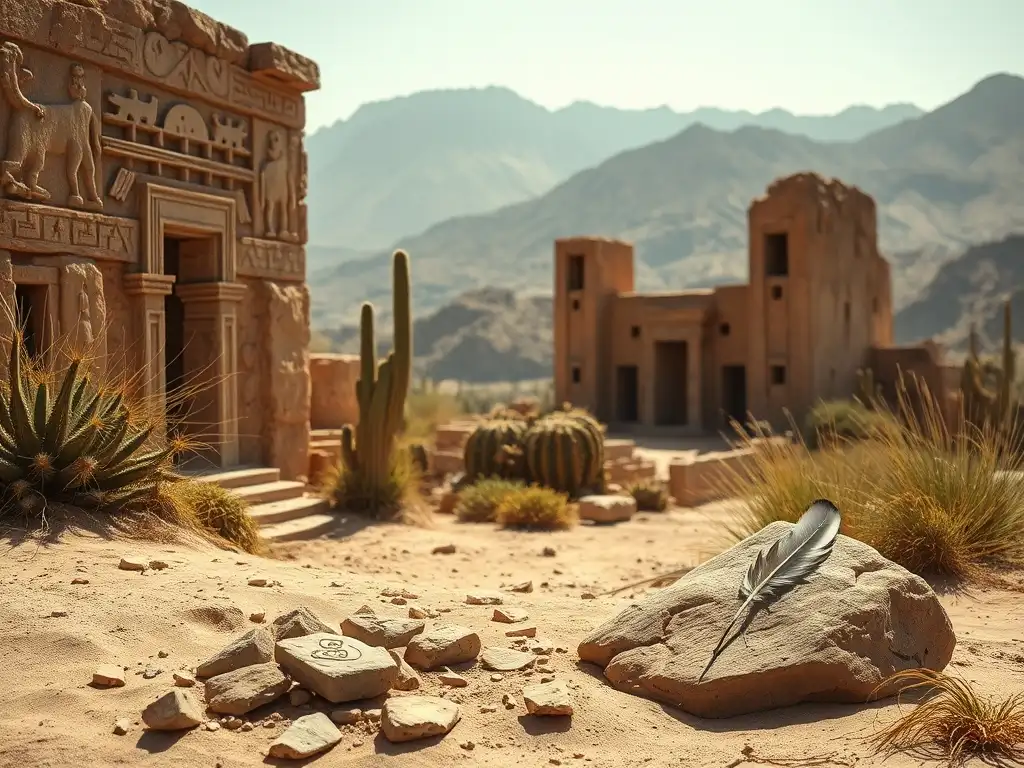
The Huari religion, while not fully understood, reveals a complex system of beliefs and practices that significantly influenced subsequent Andean cultures, particularly the Inca. Evidence suggests a polytheistic system, with deities likely associated with natural forces, agricultural cycles, and ancestor veneration. Unlike some other Andean cultures that focused on highly localized deities, the Huari seem to have fostered a more centralized, albeit diverse, pantheon.
This suggests a degree of religious standardization across their vast empire, a feature that would later be adopted and expanded upon by the Inca. The integration of religious beliefs across different regions facilitated the unification and control of the expansive Huari realm. The standardization of religious practices also likely played a significant role in the social cohesion of the empire.
Evidence of Huari Deities and Rituals
Archaeological evidence provides glimpses into Huari religious life. Excavations at sites like Wari Kamaq in Ayacucho, Peru, have unearthed numerous artifacts interpreted as representations of deities. These include ceramic vessels depicting anthropomorphic figures, often adorned with elaborate headdresses and regalia, suggesting a hierarchical structure within the pantheon. Furthermore, the discovery of numerous caches of offerings – including textiles, pottery, and even human remains – points to the importance of ritual sacrifice and appeasement.
These rituals were probably conducted in specially designated areas within major urban centers or on sacred mountaintops. The scale and complexity of these ritual practices suggest a highly organized religious system, managed by a specialized priestly class. The nature of these offerings suggests a deep connection to the land and its fertility, echoing themes found in later Andean religions.
Huari Influence on Later Andean Religious Concepts
The Huari religious system left an indelible mark on the spiritual landscape of the Andes. Many scholars believe that the Huari emphasis on a centralized pantheon and standardized rituals directly influenced the Inca’s own sophisticated religious structure. The Inca’s veneration of the sun god, Inti, for example, may have roots in earlier Huari sun worship.
Similarly, the Inca's elaborate state-sponsored religious ceremonies and the significant role of priests in Inca society echo the likely organization and influence of the Huari religious elite. The extensive network of roads and administrative centers built by the Huari facilitated the spread of religious ideas and practices across vast territories, laying the groundwork for later imperial religious systems. The continuity of religious themes and practices across different Andean cultures highlights the enduring legacy of the Huari.
The Huari state was characterized by a complex social hierarchy and a sophisticated system of political administration. Unlike simpler chiefdoms, the Huari controlled a vast and diverse territory, requiring a centralized authority capable of managing resources, infrastructure, and a substantial population. This administrative capacity was achieved through a hierarchical structure that facilitated communication and control across the empire. The efficiency of their administration is evident in the standardized architecture, agricultural techniques, and material culture found across widely dispersed Huari sites.
The Role of Elites in Huari Society
The Huari elite played a crucial role in maintaining social order and political control. Archaeological evidence suggests a distinct elite class, easily identifiable through the richness of their burials and the quality of their material possessions. Elite residences, often located in prominent positions within urban centers, were larger and more elaborately decorated than those of commoners. These elites likely controlled access to resources and wielded considerable political power.
Their control over religious practices also further solidified their authority. The distinct material culture of the elite class highlights the significant social stratification within Huari society. The concentration of wealth and power in the hands of the elite was crucial to the consolidation and maintenance of the Huari empire.
Huari Governance and Administration
Huari governance relied on a sophisticated administrative system capable of managing a large and dispersed empire. The construction of extensive road networks and strategically located administrative centers facilitated communication and the efficient distribution of resources. These centers, often characterized by standardized architecture and urban planning, served as administrative hubs and possibly as centers for religious activities. The standardization suggests a centralized authority implementing policies and overseeing the empire's infrastructure.
The effectiveness of their administrative system is evident in the remarkable degree of cultural homogeneity observed across the empire, indicating a high level of control and integration. This administrative structure served as a model for later Andean empires, notably the Inca, who would build upon the Huari's organizational achievements. The sophisticated system of governance employed by the Huari was a crucial factor in their ability to establish and maintain a large and powerful empire.
The Decline of the Huari Empire: Possible Causes
The collapse of the Huari Empire, a powerful Andean civilization that flourished between the 7th and 10th centuries CE, remains a subject of ongoing debate among archaeologists and historians. Several factors likely contributed to its decline, acting in concert rather than in isolation. One prominent theory points to a combination of internal strife and external pressures.
Evidence suggests that the vast Huari state, encompassing a geographically diverse and potentially heterogeneous population, may have faced increasing internal tensions and challenges to centralized authority towards its later years. This could have manifested as regional rebellions or a weakening of the central government's ability to effectively control its far-flung territories.
Furthermore, environmental factors likely played a significant role. Climate change, possibly involving prolonged droughts or shifts in rainfall patterns, could have severely impacted agricultural production, a cornerstone of the Huari economy. Reduced crop yields would have led to food shortages, social unrest, and ultimately, weakened the empire's ability to maintain its vast infrastructure and military.
The impact of such environmental stress on a society already facing potential internal pressures is likely to have been catastrophic. Archaeological evidence, such as shifts in settlement patterns and changes in agricultural practices, supports this hypothesis, although more research is needed to fully understand the complex interplay of environmental and societal factors. Finally, the emergence of new power centers and rival states within the Andean region might have further destabilized the Huari Empire, contributing to its eventual downfall.
Huari Empire Influence on Inca Civilization: A Direct Lineage
The Huari Empire's influence on the subsequent Inca civilization is undeniable, representing a significant thread in the tapestry of Andean history. While not a direct ancestor in the genealogical sense, Huari exerted a profound and lasting impact on Inca culture, administration, and infrastructure. The Incas, who rose to prominence centuries after the Huari decline, inherited and adapted many aspects of Huari society, demonstrating a clear continuity in Andean cultural and political development.
This influence is readily apparent in various aspects of Inca life, from their administrative structures to their artistic styles and urban planning. The extent of this influence is a subject of ongoing scholarly investigation, with new evidence continually refining our understanding of this crucial historical transition.
Understanding the Huari legacy is key to understanding the Inca rise to power. The interconnectedness of these two empires is a testament to the enduring cultural and political dynamics of the Andean region.
Huari Precedents for Inca Administrative Practices
The Inca Empire's renowned administrative efficiency and centralized control had clear precedents in the Huari state. Huari's sophisticated system of provincial administration, characterized by standardized architecture, carefully planned urban centers, and a network of strategically placed outposts, served as a model for the Inca's later empire-wide organization. The Huari's use of standardized administrative practices, including the construction of similar provincial centers across their vast territory, facilitated the efficient management of resources and the control of a large population.
These systems, while adapted and refined by the Incas, demonstrated a clear continuity in Andean administrative strategies. The Incas, adept at adopting and improving upon existing systems, took this foundational structure and expanded upon it to create the sophisticated administrative apparatus that characterized their own empire. The similarities in provincial organization, record-keeping, and resource management between the two empires are striking and point towards a clear line of influence.
Huari Influence on Inca Art and Architecture
The stylistic similarities between Huari and Inca art and architecture are substantial, suggesting a direct transmission of artistic traditions and building techniques. The characteristic use of specific motifs, such as stepped pyramids, intricate stonework, and particular decorative patterns, can be observed in both Huari and Inca constructions. While the Incas developed their own distinct artistic style, the foundation upon which they built was clearly influenced by Huari precedents.
This is particularly evident in the use of stonework; the precision and mastery demonstrated in Inca constructions echo the sophistication of Huari masonry. Specific examples of this stylistic continuity can be found in comparing architectural features like doorways, window frames, and decorative elements across sites representing both cultures. The impact of Huari artistic conventions on the development of Inca aesthetics remains a captivating area of research, offering valuable insights into the continuity and evolution of artistic styles in the Andes.
Huari Legacy in Inca Road Networks and Infrastructure
The Inca's extensive road network, a marvel of engineering and a key element of their administrative control, owes a debt to the earlier achievements of the Huari. While the scale and ambition of the Inca road system were unparalleled, the underlying concepts of strategic communication and transportation networks were already established during the Huari period.
Archaeological evidence suggests that the Huari constructed significant roads and pathways connecting various parts of their empire, facilitating trade, communication, and military movements. These earlier road systems, though potentially less extensive than the Inca's, served as a blueprint for later developments.
The Inca, inheriting a tradition of road construction and understanding its strategic importance, expanded upon this existing infrastructure, refining the techniques and building a far more comprehensive network that spanned the length and breadth of their vast empire. The Huari's contribution to the development of Andean road infrastructure is undeniable, representing a crucial step in the evolution of this significant aspect of Andean civilization.
Huari Contributions to Andean Technology and Agriculture
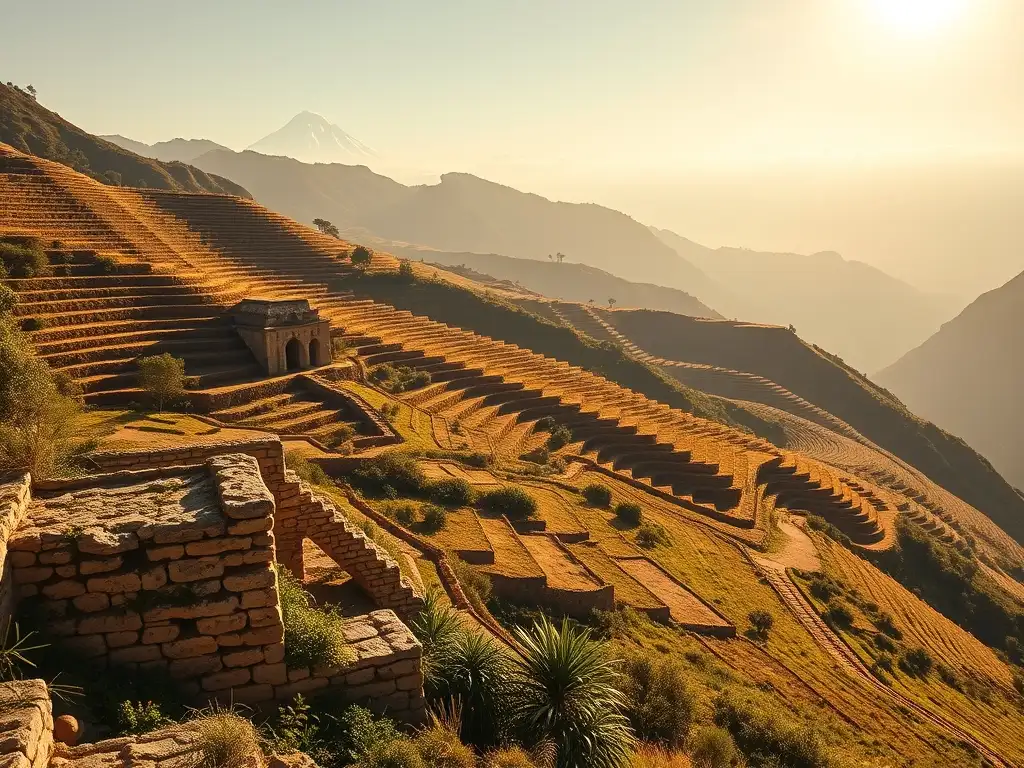
The Huari Empire's sophisticated technological advancements significantly impacted subsequent Andean civilizations, particularly the Inca. Their mastery of engineering and agricultural techniques allowed them to thrive in the challenging Andean environment and laid the groundwork for future empires. The Huari were not simply conquerors; they were skilled administrators who implemented effective systems of resource management and infrastructure development. This allowed them to control a vast territory and sustain a large population.
Their influence is evident in the adoption of their technological and agricultural practices by later cultures, most notably the Inca. The scale and sophistication of their achievements are a testament to their organizational capabilities and understanding of their environment. Their innovations ensured a more efficient and productive use of resources, a crucial factor in the success of subsequent Andean societies. The impact of their agricultural systems and technological prowess is demonstrably visible in the legacy they left behind.
Huari Agricultural Innovations: Terraces and Irrigation
The Huari excelled in adapting to the steep slopes and arid conditions of the Andes through innovative agricultural techniques. They perfected the construction of extensive terrace systems, carving level platforms into hillsides to create arable land. These terraces not only increased the amount of cultivable land but also helped to conserve water and reduce soil erosion.
The meticulous design of these terraces, often incorporating intricate drainage systems, showcases a deep understanding of hydrology and agricultural engineering. Furthermore, the Huari developed sophisticated irrigation systems, channeling water from rivers and streams to their fields. These systems, often involving canals and aqueducts, allowed them to cultivate crops in areas that would otherwise have been unproductive.
The effectiveness of their agricultural innovations is evident in the abundance of food that sustained their large population and facilitated their territorial expansion. The Inca later adopted and expanded upon these techniques, demonstrating the enduring impact of Huari agricultural practices.
Huari Metalworking and Craftsmanship
Huari metalworking was remarkably advanced for its time. Archaeological evidence reveals their skill in crafting intricate gold, silver, and copper objects. These artifacts, often adorned with intricate designs, demonstrate a high level of artistry and technical proficiency. The Huari were not only skilled in working with precious metals; they also produced high-quality textiles, pottery, and stone carvings.
Their pottery is known for its distinctive styles and fine craftsmanship, showcasing a diverse range of artistic expressions. The sophisticated techniques employed in their metalworking and other crafts suggest a highly organized and specialized workforce. This expertise in various crafts played a vital role in their economic and political power, contributing significantly to their ability to control a vast empire. The quality and artistry of their work influenced subsequent Andean societies, leaving a lasting mark on Andean artistic traditions.
The Huari Legacy: A Lasting Impact on Andean Culture
The Huari Empire's influence extended far beyond its technological and agricultural achievements. Their cultural impact on subsequent Andean civilizations, particularly the Inca, is profound and multifaceted. The Huari's administrative structures, religious beliefs, and artistic styles left a lasting imprint on the cultural landscape of the Andes.
Their empire's vast reach facilitated the exchange of ideas and practices across a wide geographical area, leading to cultural blending and innovation. The Huari's legacy is not merely a matter of historical influence; it is a demonstrable continuity in cultural practices and artistic styles. Their impact shaped the development of Andean culture for centuries to come, providing a foundation upon which later civilizations built.
Huari Cultural Traits Adopted by Subsequent Societies
Numerous aspects of Huari culture were integrated into the traditions of later Andean societies. For example, certain architectural styles and urban planning principles found in Huari sites reappeared in later Inca constructions. The Huari's emphasis on centralized administration and control also influenced the administrative structures of subsequent empires. Furthermore, certain religious beliefs and practices, possibly related to ancestor veneration and fertility cults, appear to have been adapted and transformed by later cultures.
The adoption of Huari cultural traits indicates a process of cultural transmission and adaptation, where later societies selectively incorporated elements of Huari culture into their own. This selective adoption reflects a dynamic process of cultural exchange and evolution. The continuity in certain cultural practices demonstrates the enduring impact of Huari influence.
The Enduring Significance of the Huari Civilization
The Huari civilization's significance lies not only in its impressive technological and agricultural achievements but also in its profound and lasting influence on Andean culture and history. Their innovative agricultural techniques, advanced metalworking skills, and sophisticated administrative systems laid the groundwork for the success of later Andean empires, particularly the Inca. The Huari legacy is evident in the architectural styles, urban planning, religious beliefs, and artistic traditions of subsequent societies. Their impact can be observed in the adoption and adaptation of their cultural traits, demonstrating a complex process of cultural transmission and evolution. Studying the Huari Empire provides crucial insights into the development of Andean civilization and its enduring legacy. The Huari's influence on the Inca civilization is undeniable, representing a crucial chapter in the history of the Andes. Understanding their contributions is essential for a comprehensive understanding of the Inca's rise to power and the trajectory of Andean societies.
Conclusion: Understanding the Huari Contribution to Andean History
The Huari Empire's influence on subsequent Andean civilizations, particularly the Inca, is undeniable. While the exact nature and extent of this influence remain subjects of ongoing archaeological research and debate, the evidence strongly suggests a significant cultural and technological transfer. The Huari's sophisticated administrative structures, their mastery of irrigation techniques, and their standardized pottery styles all left a lasting imprint on the landscape and the cultural practices of later Andean societies. The spread of Huari-style architecture, for example, highlights a process of cultural diffusion that impacted urban planning and social organization across a vast geographical area.
This wasn't simply a matter of conquest and imposition; rather, it involved a complex interplay of interactions, adaptations, and innovations. The Huari legacy is not just about material culture; it also encompasses the ways in which their administrative and social systems may have informed the development of later empires like the Inca. Understanding the Huari's contribution is crucial to appreciating the complex tapestry of Andean history, revealing the intricate threads that connect seemingly disparate civilizations. Further research, particularly focusing on comparative studies of Huari and Inca administrative practices and technologies, will undoubtedly refine our understanding of this crucial period of Andean development.
The Huari Empire's impact resonates even today, shaping our understanding of the rich and complex history of the Andes. Their legacy serves as a testament to the enduring power of cultural exchange and adaptation in the face of change. The Huari Empire's influence on Inca civilization is a multifaceted story of cultural transmission and adaptation, and its full extent continues to be uncovered by ongoing research.
- Introduction to the Huari Empire and its Significance
- The Rise of the Huari: Factors Contributing to their Expansion
- Huari Territorial Control and Administrative Strategies
- Huari Art and Iconography: A Distinctive Style
- Huari Religious Beliefs and Practices
- Huari Social Structure and Political Organization
- The Decline of the Huari Empire: Possible Causes
- Huari Empire Influence on Inca Civilization: A Direct Lineage
- Huari Contributions to Andean Technology and Agriculture
- The Huari Legacy: A Lasting Impact on Andean Culture
- Conclusion: Understanding the Huari Contribution to Andean History
- What was the Huari Empire's geographical reach?
- How did the Huari Empire influence Inca agriculture?
- What architectural styles did the Huari Empire leave behind that influenced the Inca?
- Did the Huari language or religious beliefs impact the Inca civilization?
- How did the Huari Empire's collapse affect the rise of the Inca?
Frequently Asked Questions
What was the Huari Empire's geographical reach?
The Huari Empire controlled a vast territory in the central Andes, encompassing much of modern-day Peru and extending into parts of Bolivia and potentially Ecuador. Their influence spread through a complex system of administrative centers and trade routes.
How did the Huari Empire influence Inca agriculture?
The Huari's advanced agricultural techniques, such as terracing and irrigation systems, significantly impacted Inca agricultural practices. The Incas likely adopted and adapted these methods to improve their own farming efficiency and food production.
What architectural styles did the Huari Empire leave behind that influenced the Inca?
Huari architecture, characterized by monumental structures and urban planning, influenced Inca city design. The Incas likely adopted similar principles in their own urban centers, such as Cusco.
Did the Huari language or religious beliefs impact the Inca civilization?
While the exact extent of linguistic influence is debated, some scholars suggest a possible link between Huari and Inca languages. Similarly, certain religious iconography and ceremonial practices show potential cultural transmission from Huari to Inca societies.
How did the Huari Empire's collapse affect the rise of the Inca?
The decline and eventual collapse of the Huari Empire created a power vacuum in the central Andes. This period of instability and competition between various groups ultimately paved the way for the emergence and expansion of the Inca Empire.
Final Reflection: Echoes of Huari in the Inca Tapestry
The Huari Empire's sophisticated administrative systems and expansive influence weren't merely a footnote in Andean history; they laid the groundwork for the Inca's later dominance, shaping the very fabric of Andean civilization. The echoes of Huari's innovations—in agriculture, urban planning, and even religious practices—resonate powerfully even today, reminding us of the interconnectedness of past societies and the enduring legacy of powerful empires.
The Huari's impact extends far beyond mere political control; their cultural imprint is deeply woven into the Inca's identity, a testament to the enduring power of cultural exchange and adaptation. Their sophisticated irrigation systems, for example, provided a model for Inca agricultural practices, enabling the Inca to support their vast population. The Inca did not invent everything from scratch; they inherited and adapted existing technologies and organizational structures, significantly influenced by the Huari.
This quote highlights the crucial role of Huari in shaping the Inca's success, a dynamic often overlooked in historical narratives.
Consider the implications of this interconnected past. How does understanding the Huari's influence on the Inca enrich our understanding of both civilizations? How can we apply this understanding of cultural inheritance and adaptation to our own lives and communities? Let the legacy of Huari inspire you to explore the hidden connections within your own history, to appreciate the complex tapestry of cultural exchange, and to recognize the enduring power of past civilizations to shape our present.
**Unveil the Secrets of the Huari Legacy! **
Thank you for exploring the fascinating world of the Huari civilization and its profound impact on Andean history. We hope you've gained valuable insights that foster a deeper appreciation for this remarkable culture. Now, let's put that knowledge to work!
- **Continue your exploration** by visiting our curated list of resources on the Huari and other ancient Andean civilizations. Expand your understanding of their innovations and lasting influence.
- **Share your perspectives** in the comments below. What aspect of the Huari civilization most fascinates you? Discussion with others can enrich your understanding and appreciation.
- **Join our community** by subscribing to our newsletter. You'll receive monthly updates, including the latest discoveries and exclusive discussions about Andean cultures.
Finally, we'd love to hear your thoughts: How do you believe the Huari legacy continues to influence the Andean region today?