
The Resilience of PreIncan Cultures: How Societies Adapted and Thrived

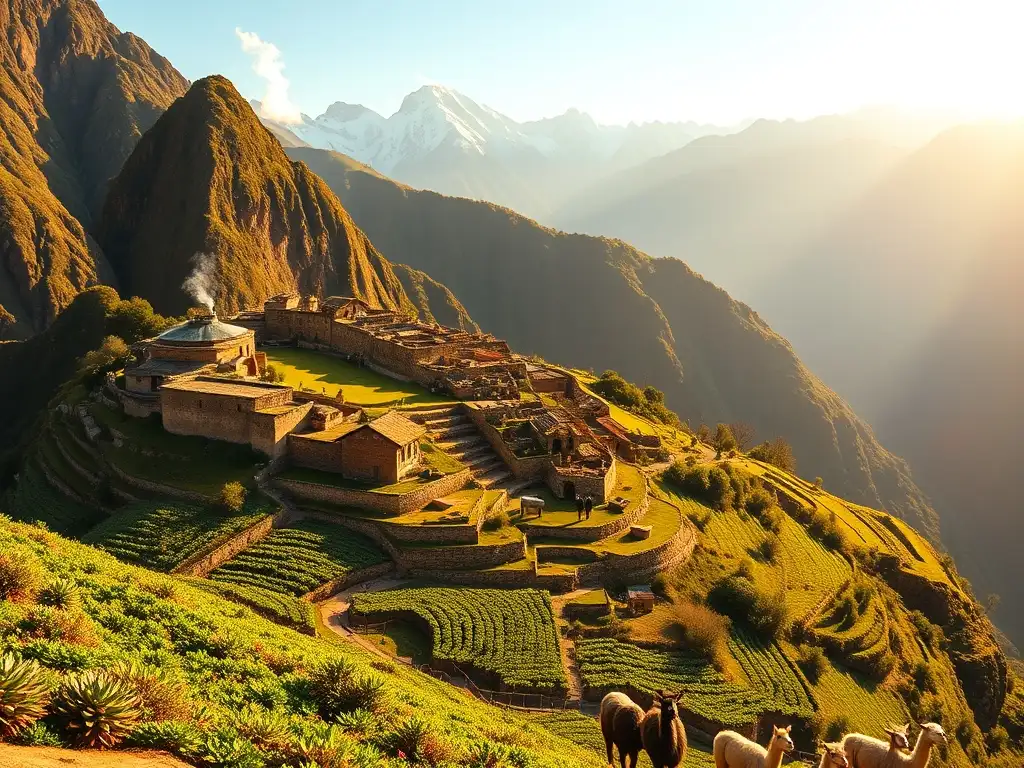
Step into a world lost to time, yet echoing with the whispers of ingenuity and resilience. Imagine civilizations, flourishing thousands of years ago in the challenging Andes, mastering agriculture, engineering, and societal structures in ways that still astound us today. This journey into the heart of PreIncan Andean societal adaptation unveils the secrets of their survival, their breathtaking artistry, and the legacies they left behind. Uncover the astonishing stories of the Moche, Nazca, and Tiahuanaco, and prepare to be captivated by their remarkable achievements. Dare to delve deeper...
The Andes Mountains, a formidable natural barrier stretching along the western coast of South America, presented immense challenges to the ancient societies that called it home. Yet, far from being obstacles, these challenges—the varying altitudes, diverse climates, and unpredictable weather patterns—became the crucible in which remarkable Pre-Incan cultures forged their identities and thrived for millennia. This article explores the ingenious strategies and societal adaptations employed by these civilizations, demonstrating their remarkable resilience and ingenuity in the face of adversity.
We'll delve into the specific techniques used by various groups, highlighting their unique approaches to agriculture, resource management, and social organization, all contributing to their remarkable success and lasting legacy. Understanding these adaptations offers crucial insights into the complexities of Pre-Incan Andean societal development and provides a richer context for understanding the later Inca Empire.
We will examine how these seemingly disparate societies, from the coastal Moche to the highland Tiahuanaco, shared some common adaptive strategies while also developing unique solutions tailored to their specific environments. This exploration will reveal the sophisticated knowledge and remarkable adaptability that defined Pre-Incan Andean life.
Understanding Pre-Incan Andean Societal Adaptation
Pre-Incan Andean societal adaptation wasn't a singular phenomenon but rather a multifaceted process shaped by geography, climate, and available resources. The diverse ecological zones, ranging from arid coastal deserts to high-altitude plains and lush valleys, necessitated specialized strategies for survival and prosperity. These adaptations weren't simply about finding food and shelter; they involved intricate social structures, innovative technologies, and a deep understanding of their environment.
The success of these societies hinged on their ability to effectively manage resources, mitigate risks, and build resilient communities capable of withstanding environmental fluctuations and internal pressures. This involved a complex interplay of factors including:
- Agricultural Innovation: The development of sophisticated irrigation systems, terracing techniques, and crop diversification allowed these societies to maximize agricultural yields in challenging terrains. The specific techniques varied greatly depending on the region and altitude.
- Resource Management: Careful management of water resources, including the construction of canals and reservoirs, was crucial for survival, especially in arid regions. Similarly, the efficient use of limited arable land and the sustainable harvesting of natural resources were vital for long-term sustainability.
- Social Organization: Complex social structures, often hierarchical, played a critical role in coordinating labor, resource distribution, and conflict resolution. These organizations facilitated large-scale projects like irrigation works and monumental architecture.
- Technological Advancements: The development of advanced technologies, such as metallurgy, pottery, and textile production, not only improved their quality of life but also enhanced their capacity to adapt to environmental challenges. These technologies also played a significant role in social stratification and trade networks.
Case Studies: Diverse Adaptations Across the Andes
The diversity of Pre-Incan Andean cultures is reflected in the variety of their adaptive strategies. For instance, the Nazca's mastery of irrigation in the arid coastal plains stands in stark contrast to the Tiahuanaco's sophisticated agricultural techniques at high altitudes. The Moche, on the other hand, developed a complex social organization supported by intensive agriculture and a highly developed artistic tradition.
Examining these distinct case studies reveals both common threads and unique solutions to the challenges of Andean life. [Specific details on Nazca irrigation, Tiahuanaco agriculture, and Moche social organization pending]. Further research is needed to fully understand the nuances of each culture’s adaptation strategies and their interrelationships.
The Legacy of Resilience: Impact on Later Andean Societies
The ingenuity and resilience of Pre-Incan Andean societies left an indelible mark on the region. Their innovative agricultural techniques, sophisticated technologies, and well-organized social structures provided a foundation upon which subsequent cultures, including the Incas, built their empires. Understanding these earlier adaptations is crucial for a complete appreciation of the complex tapestry of Andean civilization.
The Inca's success, in many ways, was built upon the groundwork laid by these earlier cultures, demonstrating the enduring legacy of Pre-Incan ingenuity and adaptability. [Specific examples of Inca inheritance of Pre-Incan technologies and practices pending]. This enduring legacy underscores the importance of studying these remarkable societies and their profound contributions to Andean history.
Further Exploration: Key Themes in Pre-Incan Adaptation
This section will delve deeper into specific aspects of Pre-Incan adaptation, including the role of religion and cosmology in shaping societal practices, the impact of climate change on societal structures, and the dynamics of inter-societal interactions and exchange.
- Understanding Pre-Incan Andean Societal Adaptation
- Case Studies: Diverse Adaptations Across the Andes
- The Legacy of Resilience: Impact on Later Andean Societies
- What environmental challenges did PreIncan Andean societies face?
- How did PreIncan societies adapt to the high altitude of the Andes?
- What role did agriculture play in PreIncan societal adaptation?
- How did PreIncan societies manage water resources effectively?
- What technological innovations aided PreIncan societal adaptation?
Environmental Challenges and Pre-Incan Responses
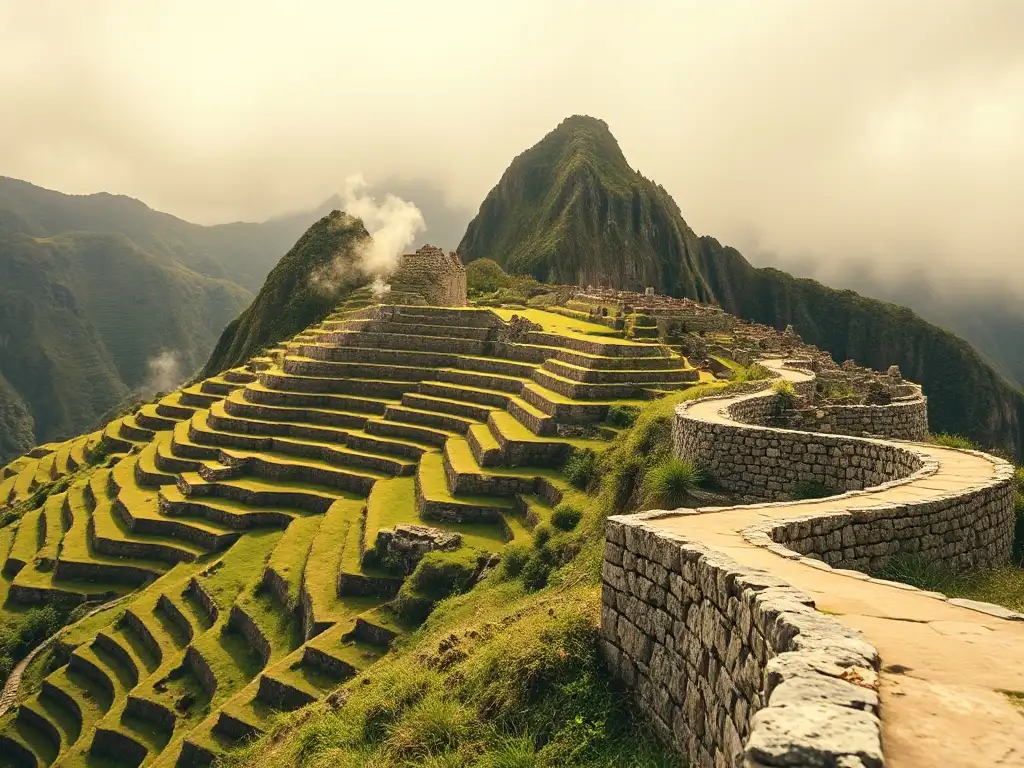
The Andes Mountains, a formidable spine running down the western coast of South America, presented a diverse array of environmental challenges to the Pre-Incan cultures that thrived there. From the arid coastal deserts to the high-altitude plains of the Altiplano and the lush Amazonian jungles, these societies developed ingenious strategies for survival and prosperity. Understanding their PreIncan Andean societal adaptation is crucial to appreciating the complexity and resilience of these remarkable civilizations. This section will examine some key examples of their adaptability.
Adapting to Coastal Deserts, Mountain Highlands, and Amazonian Jungles
The sheer geographical diversity of the Andes demanded highly localized adaptations. Along the Pacific coast, societies like the Nazca faced extremely arid conditions. Their solution? Masterful irrigation systems, capable of channeling scarce water resources from underground aquifers and distant rivers to support extensive agriculture. These systems, evidenced by the iconic Nazca Lines, were not simply functional; they also served as powerful symbols of social organization and control. The Nazca weren't alone; similar, though regionally distinct, irrigation techniques were adopted across the coastal regions, showcasing the widespread ingenuity in tackling water scarcity.
In contrast, the high-altitude cultures of the Altiplano, such as the Tiahuanaco, faced different but equally formidable challenges. The extreme altitude, thin air, and unpredictable weather patterns required innovative agricultural methods. Terracing, for instance, allowed for the creation of level fields on steep slopes, maximizing arable land and reducing soil erosion.
The cultivation of frost-resistant crops, like quinoa and potatoes, further enhanced their ability to thrive in these harsh conditions. Furthermore, the development of sophisticated freeze-drying techniques allowed for food preservation, mitigating the risks associated with unpredictable harvests. This level of PreIncan Andean societal adaptation to altitude is a testament to their remarkable understanding of their environment.
Finally, in the eastern slopes of the Andes and the Amazon basin, different challenges and adaptations emerged. The humid, tropical environment presented its own set of obstacles, from dense vegetation to unpredictable rainfall. Societies inhabiting these regions developed expertise in swidden agriculture (slash-and-burn), carefully managing forest resources and adapting their farming practices to the unique characteristics of the rainforest ecosystem. The integration of diverse crops and the development of specialized tools further demonstrate the nuanced PreIncan Andean societal adaptation strategies employed across these vastly different ecological zones.
Overcoming the Challenges of Extreme Altitudes and Arid Climates
The extreme conditions of the Andean highlands posed significant obstacles to human settlement and agricultural production. The thin air at high altitudes reduced oxygen levels, impacting human health and crop growth. Arid climates, prevalent in many regions, limited water availability, creating a constant struggle for survival. However, Pre-Incan societies exhibited remarkable resilience in the face of these challenges.
One crucial adaptation was the development of frost-resistant crops. The potato, a staple crop in the Andes, showcases a remarkable level of genetic diversity, reflecting centuries of selective breeding to produce varieties suitable for diverse altitudes and climates. Similarly, quinoa, another significant Andean crop, is uniquely adapted to thrive in harsh conditions. These crops formed the foundation of the Andean diet, providing essential nutrients even in challenging environments.
Furthermore, Pre-Incan societies developed sophisticated techniques for water management. These included intricate canal systems, terraces, and reservoirs, designed to maximize the efficient use of scarce water resources. These systems not only ensured adequate water supply for agriculture but also contributed to the development of settled communities and complex social structures. The ingenuity displayed in these water management systems stands as a striking example of PreIncan Andean societal adaptation to arid conditions.
Sophisticated Water Management and Agricultural Practices
Pre-Incan societies invested considerable effort in developing sophisticated water management systems, reflecting their profound understanding of the environment and their capacity for innovation. These systems varied across different regions, adapting to local conditions, but shared a common goal: to maximize agricultural productivity in often challenging environments.
The Nazca culture, for example, is renowned for its extensive irrigation canals, some stretching for tens of kilometers. These canals, meticulously engineered, channeled water from rivers and underground sources to irrigate vast agricultural fields in the arid coastal desert. Detailed archaeological evidence suggests a high level of engineering skill and sophisticated understanding of hydraulic principles. This intricate network is a testament to the Nazca's ability to harness scarce water resources and create a productive agricultural system.
In the highlands, terracing played a crucial role in water management and agricultural production. By creating level fields on steep slopes, terraces prevented soil erosion and facilitated efficient irrigation. Furthermore, the construction of terraces allowed for the cultivation of a wider range of crops, increasing agricultural diversity and food security.
The scale and precision of these terracing projects underscore the organizational capacity and engineering skills of Pre-Incan societies. The combination of these water management strategies and advanced agricultural practices fueled population growth and the development of complex societies throughout the Andes, showcasing the profound impact of PreIncan Andean societal adaptation on their success.
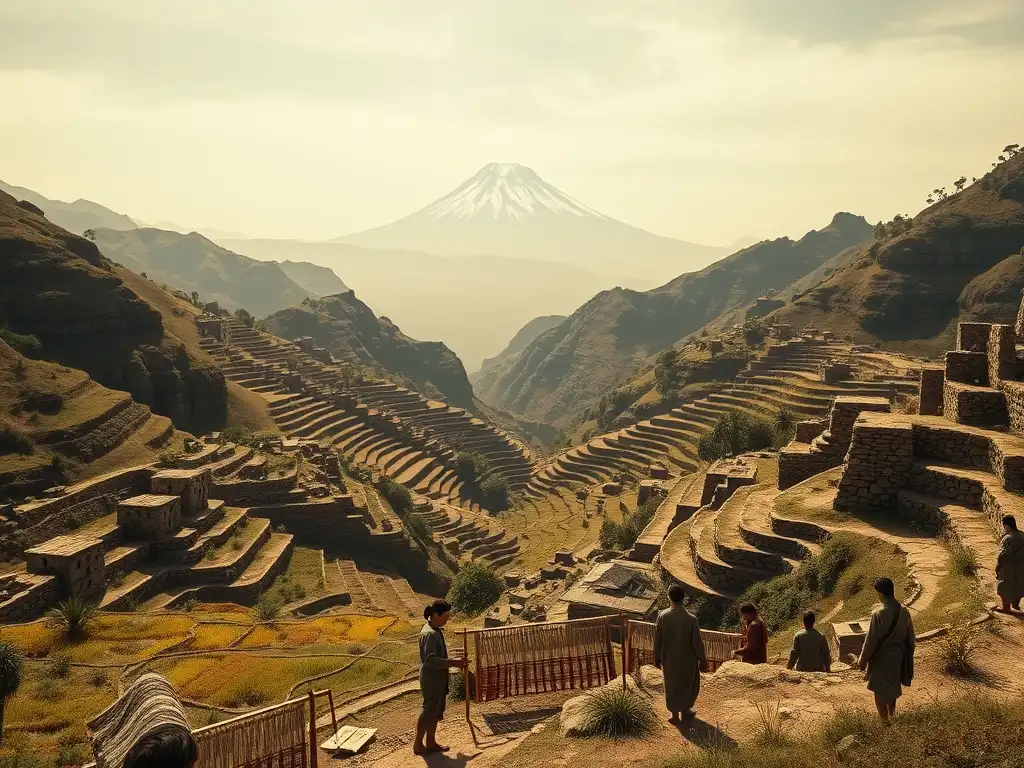
This section delves into the diverse social and political structures that characterized Pre-Incan Andean societies, highlighting their remarkable adaptability and resilience in the face of environmental challenges and inter-group conflicts. Understanding these structures is crucial to comprehending the sophisticated levels of societal organization that existed long before the Inca Empire's rise. The keyword "PreIncan Andean societal adaptation" is central to this analysis, as we explore how these societies successfully navigated complex social and political landscapes.
The Rise of Chiefdoms and Early States
The development of complex social structures in the Andes wasn't a uniform process. Instead, it unfolded through a gradual evolution from simpler band and village societies to more centralized chiefdoms and, eventually, early state formations. The rise of chiefdoms, for instance, witnessed the emergence of hereditary leaders who controlled significant resources and wielded considerable power. This power wasn't solely based on force; it was often legitimized through religious authority and control over vital resources like fertile land and water access.
The Moche civilization, known for its intricate irrigation systems and impressive monumental architecture, exemplifies this development. Their sophisticated water management techniques, which required considerable organizational prowess, facilitated agricultural surplus, supporting a larger, more complex social hierarchy. This surplus, in turn, allowed for the specialization of labor, with skilled artisans and religious specialists emerging alongside the ruling elite.
The transition to early states, as seen in the later stages of the Tiwanaku culture, involved further centralization of power, with a more formalized bureaucracy and a more stratified social structure. This involved sophisticated record-keeping systems, perhaps utilizing quipu, although the exact nature of their administrative systems still requires further research. The development of these early states showcases the remarkable ability of Pre-Incan Andean societies to adapt and build increasingly complex political structures.
The Role of Religious Leaders and Warrior Elites
Religious leaders and warrior elites played pivotal roles in shaping Pre-Incan Andean societies. These roles, often intertwined, contributed significantly to social cohesion and political stability. Religious leaders, often seen as intermediaries between the human and spiritual worlds, held considerable influence. Their control over religious rituals and ceremonies, including those related to agriculture and the successful harvest, solidified their power.
The Nazca culture, famous for its intricate geoglyphs, provides a compelling example. Their elaborate religious practices, possibly involving ritual sacrifice and elaborate ceremonies, suggest the immense power and influence of their religious leaders. Simultaneously, warrior elites, often associated with specific lineages or clans, played a critical role in maintaining order and defending against external threats.
Their military prowess and control over resources ensured their position within the power structure. The evidence suggests that in some Pre-Incan societies, the roles of religious leader and warrior elite were sometimes combined, further concentrating power and authority in the hands of a select few. This complex interplay between religious and military power shaped the social and political landscape of these ancient civilizations, reflecting their capacity for intricate social organization and adaptation to both internal and external pressures.
Kinship Systems and Community-Based Labor
Kinship systems and community-based labor formed the backbone of Pre-Incan Andean societies. These systems were crucial for social organization, resource allocation, and the execution of large-scale projects. Kinship ties, extending beyond the immediate family to encompass broader lineages and clans, dictated social structure and determined access to resources. This system, however, was not static; it adapted to the specific needs and circumstances of individual communities.
The importance of reciprocity and mutual obligation within these kinship networks ensured social cohesion and cooperation. Community-based labor, often organized through ayllu systems (though the exact nature of ayllu varied across different cultures), was vital for constructing monumental architecture, managing irrigation systems, and undertaking agricultural activities. This system, characterized by collective effort and shared responsibility, demonstrates the remarkable capacity of Pre-Incan Andean societies for collaborative work and adaptation to the demands of large-scale projects.
The effectiveness of this system is evident in the impressive scale of some Pre-Incan constructions, highlighting the power of community organization and social cohesion in achieving ambitious goals. The intricate interplay between kinship and community labor showcases the remarkable adaptability and resilience of Pre-Incan Andean societal structures. These systems ensured the survival and prosperity of these societies for centuries.
Technological Innovations and Cultural Advancements
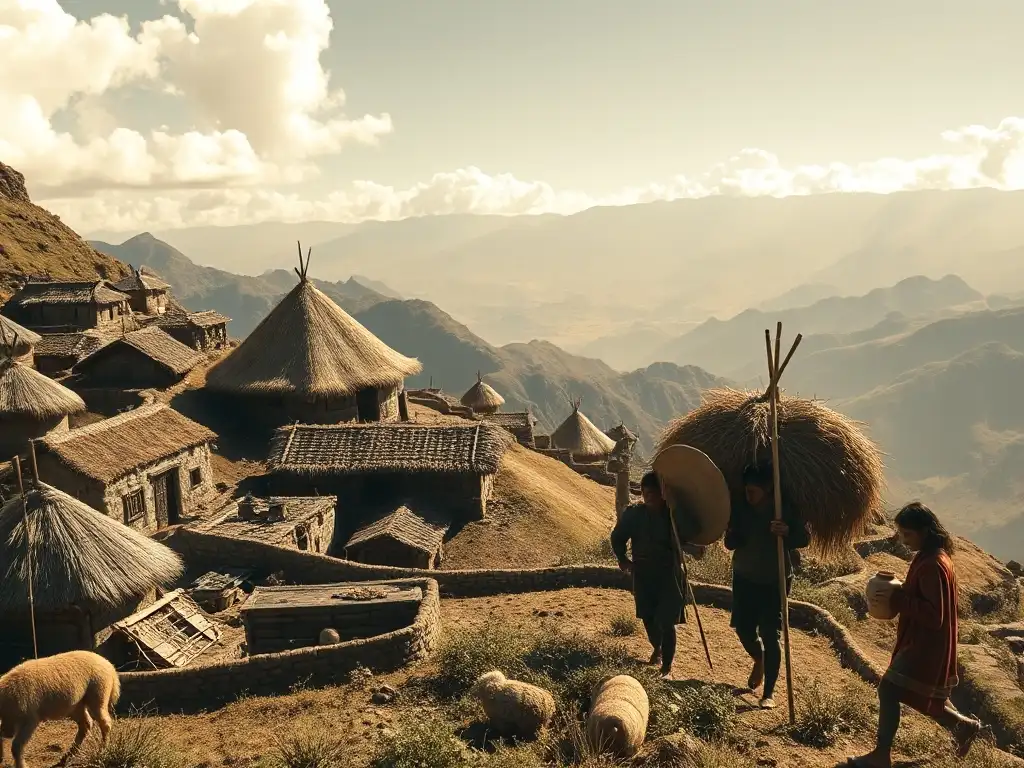
PreIncan Andean societal adaptation was profoundly shaped by technological innovations and cultural advancements that allowed these societies to not only survive but thrive in the challenging Andean environment. These achievements demonstrate remarkable ingenuity and resourcefulness, laying the groundwork for the later Inca Empire. The sophisticated techniques employed in agriculture, architecture, and art showcase a deep understanding of their surroundings and a capacity for collective action. Understanding these developments is crucial to appreciating the complexity and resilience of PreIncan Andean cultures.
Advanced Agricultural Techniques: Raised Fields and Canal Systems
The harsh realities of the Andean landscape—steep slopes, unpredictable rainfall, and thin, infertile soil—necessitated the development of highly sophisticated agricultural techniques. PreIncan societies didn't simply adapt; they innovated. Two prime examples are the widespread use of raised fields and intricate canal systems.
Raised fields, or waru waru, were artificial platforms of fertile soil built up above the surrounding wetlands. These platforms improved drainage, reducing waterlogging and frost damage. They also trapped heat, extending the growing season and increasing crop yields significantly. Archaeological evidence suggests that raised fields were used across various Andean regions, showcasing the technique's adaptability to different ecological contexts. The precise methods varied depending on local conditions, but the core principle of elevating the planting surface remained constant. For example, in the Titicaca Basin, the intricate network of raised fields demonstrates a deep understanding of hydrology and soil management.
Canal systems, on the other hand, addressed the issue of water scarcity. These systems diverted water from rivers and streams, channeling it to agricultural fields. This allowed for irrigation even in areas with limited rainfall, maximizing agricultural production and supporting larger populations. The construction and maintenance of these systems required significant labor and coordination, highlighting the social organization and engineering capabilities of PreIncan societies. The Nazca culture is particularly renowned for its advanced canal systems, a testament to their engineering prowess and societal cohesion. Precise measurements and careful planning were essential to successfully divert water across vast distances.
Monumental Architecture: Pyramids, Temples, and Urban Centers
The monumental architecture of PreIncan Andean societies is another testament to their advanced engineering skills and organizational capacity. Pyramids, temples, and urban centers served not only practical purposes but also held immense symbolic and religious significance. Their construction required meticulous planning, a skilled workforce, and a sophisticated understanding of structural engineering.
Consider the impressive pyramids of the Moche culture, constructed from adobe bricks and adorned with intricate murals. These structures were not merely burial mounds; they served as ceremonial centers, reflecting the societal hierarchy and religious beliefs of the time. The precise alignment of these structures with astronomical events suggests a deep understanding of astronomy and its relation to their cosmology. Similarly, the urban centers of the Wari and Tiwanaku cultures showcase a remarkable ability to organize and manage large populations.
These cities featured intricate networks of roads, canals, and residential areas, reflecting sophisticated urban planning. The size and complexity of these urban centers required significant logistical expertise and centralized administration. The precision of the stonework in structures like those at Tiahuanaco further underscores the advanced engineering and craftsmanship of these societies.
Elaborate Art Forms: Iconography, Ceramics, and Weaving
PreIncan Andean societies expressed their rich culture and complex beliefs through elaborate art forms. Iconography, ceramics, and weaving served as powerful mediums for communication, storytelling, and religious expression. The intricate detail and artistic skill demonstrated in these artifacts provide invaluable insights into their worldview and social structures.
The iconography found in Moche pottery, for instance, offers a window into their daily lives, religious rituals, and warfare. The vibrant colors and detailed depictions of scenes tell compelling stories, revealing insights into their social organization and belief systems. Similarly, the textiles produced by various PreIncan cultures are renowned for their exceptional quality and intricate designs.
The use of diverse materials, complex weaving techniques, and symbolic imagery demonstrates a high level of artistic skill and cultural sophistication. The intricate designs often included geometric patterns, zoomorphic figures, and representations of deities, reflecting a deeply symbolic worldview. The Nazca lines, though not strictly "art" in the traditional sense, represent a monumental feat of engineering and land art, further highlighting the artistic sensibilities of PreIncan cultures.
Their creation required immense planning and coordination, demonstrating the capacity for collective action and shared vision. The purpose of these lines remains a subject of ongoing research and debate but they undeniably represent a unique and remarkable aspect of PreIncan artistic expression.
Case Studies of Pre-Incan Resilience
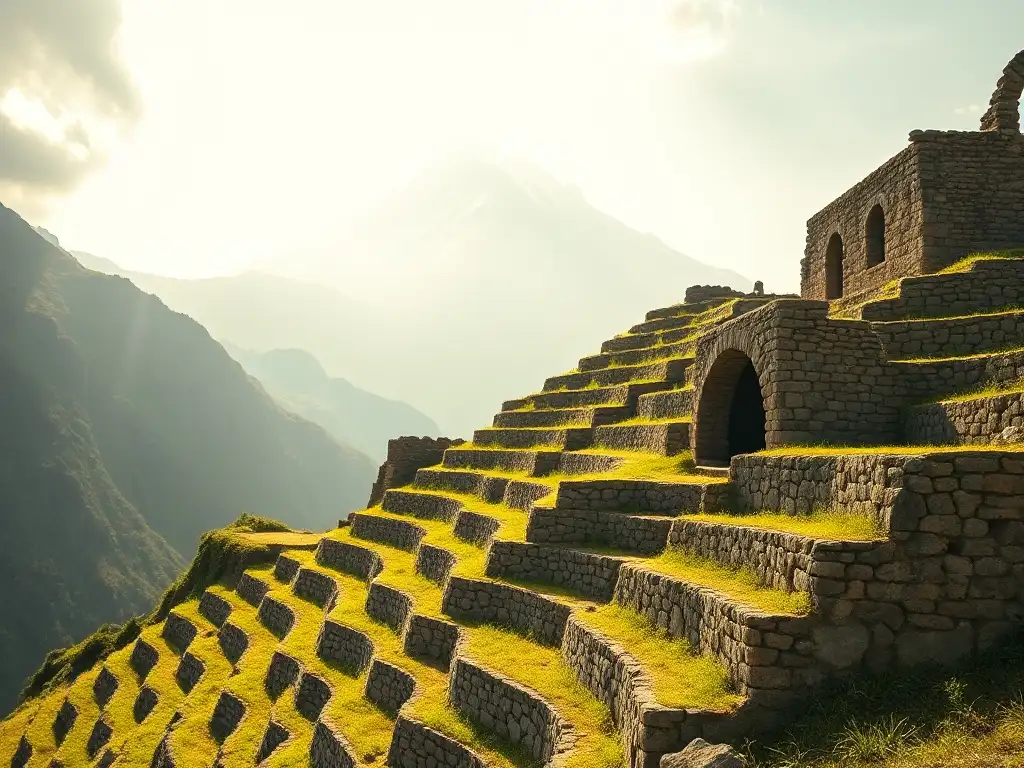
This section delves into specific examples of Pre-Incan Andean societal adaptation, showcasing the ingenuity and resilience of cultures that flourished in the challenging Andean environment long before the Inca Empire. These societies developed sophisticated strategies to overcome environmental obstacles and build thriving communities, leaving behind a remarkable legacy of innovation and cultural achievement. Understanding their adaptations provides crucial insight into the broader context of PreIncan Andean societal adaptation.
The Chimú Culture: Engineering Complex Irrigation Systems
The Chimú, inhabiting the northern coast of Peru from roughly 1300-1470 CE, faced the constant threat of aridity. Their survival hinged on their mastery of water management. PreIncan Andean societal adaptation in this case meant developing incredibly sophisticated irrigation systems. These weren't simple canals; they were complex networks of channels, reservoirs, and aqueducts, some extending for dozens of kilometers. The Chimú meticulously engineered these systems to capture and distribute scarce water resources, enabling intensive agriculture in otherwise barren landscapes.
Their success is evident in the scale and complexity of their agricultural production. They cultivated cotton, maize, beans, and other crops on a large scale, supporting a dense population centered around urban centers like Chan Chan, one of the largest pre-Columbian cities in the Americas. The intricate canal systems weren't just functional; they were integrated into the overall urban planning, reflecting a deep understanding of hydrology and engineering principles.
This sophisticated water management was a critical component of their economic and social stability, a testament to their remarkable capacity for PreIncan Andean societal adaptation to environmental challenges. The remnants of these systems, though partially ruined by time and subsequent events, still stand as a powerful symbol of their engineering prowess.
The Wari Culture: Developing Urban Planning and Road Networks
The Wari, flourishing in the central Andes from approximately 600-1000 CE, demonstrated a different facet of PreIncan Andean societal adaptation: the strategic development of urban planning and extensive road networks. Their empire, spanning a vast and diverse territory, relied on efficient communication and resource distribution. To achieve this, they constructed a remarkable system of roads connecting numerous settlements and administrative centers. These weren't mere trails; they were engineered pathways, often paved and strategically placed to traverse challenging terrains.
The Wari also excelled in urban planning. Their cities, such as Wari itself, were meticulously designed, exhibiting a clear understanding of spatial organization and resource management. Residential areas, administrative buildings, and religious complexes were carefully arranged, reflecting a sophisticated understanding of urban planning principles. This careful planning likely facilitated efficient resource distribution, waste management, and social control, contributing significantly to the empire's stability and longevity. The integration of their road network and urban planning demonstrates a sophisticated approach to PreIncan Andean societal adaptation, illustrating the importance of infrastructure in managing a large and diverse population.
The Paracas Culture: Mastering Textile Arts and Cranial Surgery
The Paracas culture (circa 800-100 BCE), known for their elaborate textiles and unique cranial modification practices, also exemplifies PreIncan Andean societal adaptation, albeit in a different way. Their mastery of textile arts wasn't merely decorative; it played a crucial role in their social and religious life. Their intricate weaving techniques, using vibrant colors and complex designs, reflected a high level of technical skill and artistic expression. The textiles served not just as clothing but also as ceremonial objects and symbols of status, indicating a complex social hierarchy.
Furthermore, their advancements in cranial surgery are remarkable. Evidence suggests that the Paracas performed trepanation, a surgical procedure involving drilling holes in the skull, with a surprisingly high success rate. This practice, while its precise purpose remains debated, demonstrates a significant understanding of human anatomy and surgical techniques.
The combination of advanced textile arts and surgical practices highlights the multifaceted nature of PreIncan Andean societal adaptation, showcasing the ingenuity and resourcefulness of this remarkable culture. Their achievements in both areas demonstrate a commitment to innovation and a nuanced understanding of their social and physical environment, solidifying their place in the narrative of PreIncan Andean societal adaptation.
Legacy of Pre-Incan Adaptations
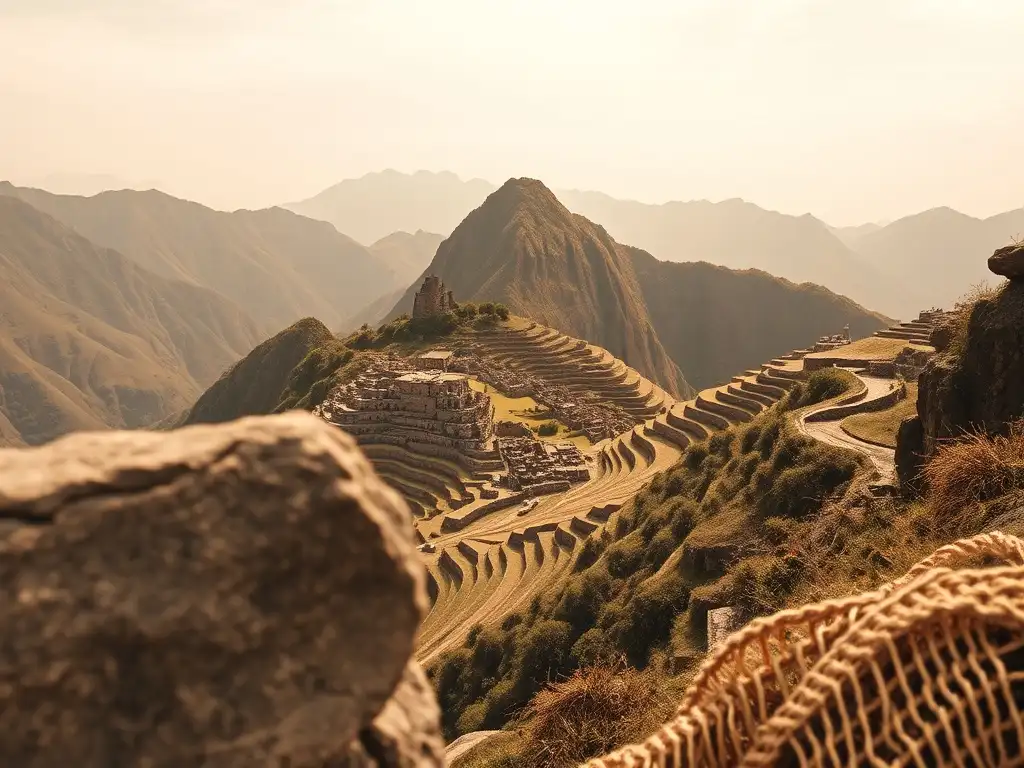
This section explores the profound and lasting impact of Pre-Incan Andean societal adaptation strategies on subsequent Andean cultures, particularly the Inca Empire. Understanding these adaptations is crucial to appreciating the remarkable resilience and ingenuity of these societies in the face of challenging environmental conditions and social complexities. The legacy of these advancements is undeniable, shaping the Inca's own systems of governance, agriculture, and religious practices, and providing a blueprint for survival that resonated for centuries. The term "Pre-Incan Andean societal adaptation" itself encapsulates the enduring significance of these strategies.
Influence on Inca Statecraft, Agriculture, and Religion
The Inca Empire, while undeniably powerful and innovative in its own right, inherited and built upon the sophisticated systems developed by preceding Andean cultures. This is particularly evident in the realms of statecraft, agriculture, and religion. The Inca's highly centralized administrative structure, for example, drew upon established Pre-Incan models of regional governance and tribute systems. Evidence suggests that the Inca adopted and refined existing techniques for managing populations and resources, leveraging pre-existing hierarchical structures rather than creating entirely new ones.
In agriculture, the Inca's mastery of terracing, irrigation, and crop diversification was undeniably impressive. However, these techniques were not invented ex nihilo. Rather, they represented a culmination of centuries of experimentation and refinement by earlier Andean cultures, such as the Wari and Tiwanaku. The Inca simply inherited and improved upon already established methods for maximizing agricultural output in challenging terrains. For example, the sophisticated irrigation systems found throughout the Andes are a testament to the long-standing commitment to water management, a legacy passed down through generations of Andean communities.
Similarly, Inca religious beliefs and practices often incorporated elements of Pre-Incan traditions. While the Inca pantheon and cosmology were unique, many of their rituals and ceremonies likely reflected earlier forms of Andean spiritual expression. The veneration of mountains and natural forces, for instance, was a common thread running through various Andean cultures, highlighting the continuity of religious beliefs and practices across different periods. The Inca's adoption and adaptation of these pre-existing religious practices demonstrates a continuity of cultural identity and a recognition of the enduring power of traditional beliefs.
Sustainable Land Use and Resource Management Practices
Pre-Incan Andean societies developed remarkably sustainable land use and resource management practices, essential for survival in a challenging environment. These practices, often dictated by ecological necessity, were characterized by a deep understanding of their environment and a commitment to long-term resource sustainability. This contrasts starkly with later unsustainable practices that depleted resources.
One key element was the meticulous management of water resources. The construction of intricate canal systems, terraces, and reservoirs allowed for efficient irrigation and minimized water waste, even in arid regions. These systems were not merely engineering feats; they reflected a sophisticated understanding of hydrology and a commitment to sustainable agriculture. Such careful water management is a testament to the long-term vision of Pre-Incan communities.
Furthermore, Pre-Incan societies demonstrated a remarkable capacity for adapting their agricultural practices to different ecological zones. They cultivated a wide range of crops, including potatoes, maize, quinoa, and beans, selecting varieties suited to specific altitudes and microclimates. This diversification minimized the risk of crop failure and ensured food security, even in the face of environmental variability. This strategic approach to agriculture showcases a deep understanding of ecological principles and a commitment to resilient food production. The resilience of these farming practices allowed for the continued prosperity of Andean communities for centuries.
The Enduring Cultural Identity of Andean Communities
The adaptations made by Pre-Incan Andean societies weren't merely pragmatic responses to environmental challenges; they also played a crucial role in shaping a strong and enduring cultural identity. These adaptations became integral to their social structures, belief systems, and artistic expressions. The continuity of these cultural elements highlights the deep connection between Andean communities and their environment.
The development of unique artistic styles and technologies, often tied to specific ecological zones and resource availability, helped to solidify regional identities. Textile production, pottery styles, and architectural designs often reflected the unique challenges and opportunities presented by the local environment. This diversity, rather than hindering unity, fostered a sense of collective Andean identity built upon shared values and a common adaptation to their environment.
The persistence of these unique cultural expressions demonstrates the strength and resilience of Andean communities and their ability to adapt while maintaining their distinctive identities. The integration of these cultural elements into their daily lives solidified their cultural identity, proving the inextricable link between adaptation and cultural preservation. This aspect of Pre-Incan Andean societal adaptation continues to resonate in modern Andean communities.
The Significance of Studying Pre-Incan Adaptation
Understanding PreIncan Andean societal adaptation is crucial for comprehending the remarkable resilience and ingenuity of the cultures that flourished in the Andes before the Inca Empire. These societies, facing diverse and often challenging environmental conditions, developed sophisticated strategies for survival and prosperity. Studying their adaptations provides valuable insights into human capacity for innovation, resource management, and societal organization in the face of adversity.
This knowledge not only enriches our understanding of the past but also offers valuable lessons for addressing contemporary challenges, such as climate change and resource scarcity. The study of PreIncan adaptation offers a unique perspective on human-environment interactions, revealing the intricate interplay between social structures, technological advancements, and environmental pressures.
By analyzing the successes and failures of these ancient societies, we can gain a deeper appreciation for the complexities of human history and the enduring legacy of Andean civilizations. The continued research into PreIncan Andean societal adaptation promises to unveil even more about the ingenuity and resilience of these remarkable cultures.
Recovering Pre-Incan History Through Archaeological Excavations and Analysis
Archaeological digs across the Andes Mountains are fundamental to our understanding of PreIncan societal adaptation. Excavations at sites like Caral in Peru, dating back to 3000 BCE, reveal complex societal structures and irrigation systems far preceding the Inca. Analysis of artifacts, such as sophisticated textiles, pottery, and intricate metalwork, provides evidence of advanced craftsmanship and technological capabilities.
Careful examination of settlement patterns reveals strategies for optimizing resource use and minimizing environmental impact. For instance, the Nazca lines, though their exact purpose remains debated, demonstrate a profound understanding of astronomy and land management. Furthermore, the study of agricultural techniques, such as terracing and the cultivation of diverse crops adapted to high altitudes, highlights the ingenuity of PreIncan farmers in maximizing food production.
The meticulous analysis of skeletal remains provides insights into nutrition, health, and disease prevalence, further illuminating the lives and challenges faced by these ancient populations. The ongoing work in archaeological analysis continues to refine our understanding of PreIncan Andean societal adaptation, revealing new layers of complexity and nuance.
Understanding the Long-Term Impact of Climate Change on Societies
The Andes have always been a region marked by climatic variability. Studying PreIncan societies reveals how they responded to long-term climate shifts, including droughts, floods, and temperature fluctuations. Evidence suggests that some societies migrated or adapted their agricultural practices in response to changing environmental conditions.
For example, the development of sophisticated irrigation systems in arid coastal regions showcases remarkable engineering prowess and a proactive approach to water resource management. The decline of certain PreIncan cultures may be linked to prolonged periods of drought or other environmental stressors, highlighting the vulnerability of societies reliant on specific environmental resources. Analyzing pollen samples and sediment cores from ancient lakebeds provides valuable paleoclimatic data, enabling researchers to reconstruct past climate conditions and correlate them with changes in settlement patterns and societal organization.
The intricate relationship between climate change and societal resilience in the PreIncan Andes offers valuable lessons for understanding and mitigating the impacts of climate change today. The study of PreIncan adaptation provides a compelling case study in long-term human-environmental interaction.
PreIncan Andean societies exhibited varying degrees of social complexity, ranging from small, egalitarian communities to larger, hierarchical states. The development of sophisticated technologies, such as irrigation systems, metallurgy, and textile production, played a crucial role in shaping social structures and facilitating economic growth. For example, the Moche culture's mastery of metalworking is evident in their elaborate gold and silver artifacts, suggesting a highly specialized workforce and a complex social organization.
The construction of monumental architecture, such as the impressive platforms and temples at Tiahuanaco, demonstrates advanced engineering skills and significant mobilization of labor, indicating a powerful central authority and a highly organized society. The intricate designs found in textiles and pottery showcase artistic skill and cultural identity, reflecting social stratification and the importance of symbolic representation. Examining the distribution of resources and the organization of labor provides valuable insights into the social dynamics and economic systems of these ancient societies.
The study of PreIncan technological advancements reveals a remarkable capacity for innovation and a deep understanding of the natural world, highlighting the interplay between technology and social organization. Analyzing these aspects provides a richer understanding of PreIncan Andean societal adaptation.
Frequently Asked Questions
What environmental challenges did PreIncan Andean societies face?
PreIncan societies faced diverse challenges, including high altitude, arid climates, and unpredictable weather patterns. Their survival depended on adapting to these harsh conditions.
How did PreIncan societies adapt to the high altitude of the Andes?
They developed sophisticated agricultural techniques like terracing and irrigation to maximize crop yields in challenging terrain. They also adapted to the thin air through physiological changes over generations.
What role did agriculture play in PreIncan societal adaptation?
Agriculture was fundamental to their survival. Innovative techniques like waru waru (raised field agriculture) allowed them to cultivate food in diverse environments, supporting large populations.
How did PreIncan societies manage water resources effectively?
They built complex irrigation systems and reservoirs, cleverly managing water distribution to sustain agriculture and urban life in arid regions. Water management was central to their success.
What technological innovations aided PreIncan societal adaptation?
Advanced knowledge of engineering and construction is evidenced in their sophisticated irrigation systems, terraced agriculture, and impressive monumental architecture, proving their ability to overcome environmental obstacles.
Final Reflection: Echoes of Resilience in the Andes
The ingenuity and adaptability of PreIncan Andean societies remain profoundly relevant today, a testament to the power of human innovation in the face of environmental and social challenges. Their sophisticated agricultural techniques, intricate social structures, and remarkable engineering feats offer invaluable lessons for navigating the complexities of our modern world, particularly as we grapple with climate change and resource scarcity. The echoes of their resilience resonate strongly in our current need for sustainable solutions and community-based approaches to problem-solving.
The enduring legacy of PreIncan cultures is not merely a historical curiosity; it's a living example of how human societies can thrive even under immense pressure. Their ability to harness the harsh Andean environment, creating thriving civilizations in seemingly inhospitable landscapes, continues to inspire awe and wonder. The mountains are not merely barriers, but pathways to understanding the human spirit's capacity for adaptation.
This quote, while not directly from a PreIncan source, encapsulates the spirit of their achievements and the enduring relevance of their story. Their story reminds us that progress is not always linear, and that even in the face of setbacks, innovation and collaboration can lead to remarkable achievements.
Consider the intricate systems of terracing, irrigation, and resource management employed by these societies. These were not simply technological feats; they were expressions of a deep understanding of their environment and a commitment to collective well-being. You, too, can draw inspiration from their example. Think about the challenges you face, both personally and collectively. How can you apply the principles of resilience, adaptability, and community-based solutions to overcome obstacles and build a more sustainable and equitable future? Let the legacy of PreIncan ingenuity guide you towards a more resilient and thriving world.
Embrace the Spirit of Resilience Today!
Thank you for exploring the fascinating world of pre-Columbian cultures! You've gained valuable insights into how these remarkable societies overcame adversity and thrived. Now, let's apply that inspiration to your own life.
Here are some powerful steps you can take today:
- Reflect on Your Resilience: Take a few moments to consider three challenges you've successfully navigated and the lessons you learned. This reflection will help you recognize your inherent strength and capacity for overcoming obstacles.
- Expand Your Knowledge: Explore your local library or online resources to learn more about ancient cultures that resonate with you. You might discover surprising parallels between their resilience and the challenges we face today.
- Share Your Discoveries: Discuss your newfound insights with friends and family. Spark a conversation about resilience and adaptation in modern society—you never know what inspiring ideas might emerge from these discussions.
Which of these steps will you take to begin incorporating the resilient spirit of pre-Columbian cultures into your own life?