
The Development of Calendar Systems: Exploring Timekeeping in the PreIncan Highlands


Step into a world lost to time, yet echoing with the ingenuity of ancient Andean cultures. For centuries, the towering peaks of the Andes witnessed the rise and fall of remarkable civilizations, each leaving behind a legacy of breathtaking artistry and profound knowledge. But how did these societies navigate the complexities of time? Unlock the secrets behind the intriguing development of Andean calendar systems, a journey through sophisticated astronomical observations and intricate societal structures that shaped the very fabric of Pre-Incan life. Prepare to be amazed by the precision and profundity of their understanding of the cosmos.
- Andean Calendar Systems Development: Timekeeping in the Pre-Incan Highlands
- Understanding Pre-Incan Time Measurement in the Andes
- The Evolution of Andean Calendar Systems
- Key Pre-Incan Cultures and Their Calendrical Contributions
- Features of Andean Calendar Systems
- The Legacy of Pre-Incan Calendars
-
Frequently Asked Questions
- What were the primary purposes of Andean calendar systems?
- How did the Andean calendar systems differ from the Gregorian calendar?
- Which Andean civilizations developed sophisticated calendar systems?
- What evidence exists to support our understanding of Andean calendar systems?
- How did the development of Andean calendar systems impact Andean societies?
- Final Reflection: Weaving the Threads of Andean Time
- Unveil the Secrets of Time: Take Action Today!
Andean Calendar Systems Development: Timekeeping in the Pre-Incan Highlands
The vast and diverse landscapes of the Andes Mountains nurtured a multitude of pre-Inca cultures, each leaving behind a rich tapestry of achievements. Among these remarkable contributions are their sophisticated systems of timekeeping, reflecting a deep understanding of astronomy and the cyclical nature of life. This article delves into the development of Andean calendar systems, exploring the ingenious methods employed by various pre-Inca societies to track the passage of time, predict agricultural cycles, and organize their social structures.
We will examine the evidence, highlighting the unique characteristics and advancements made by cultures such as the Moche, Nazca, and Tiahuanaco, before the Inca Empire unified the region and implemented its own calendrical system. Understanding these earlier systems provides crucial insight into the intellectual and technological prowess of these fascinating civilizations, and offers a deeper appreciation for the complexity of Andean cultural development.
The development of these systems wasn't merely a practical matter; it was deeply intertwined with their religious beliefs and cosmological views, shaping their social organization and agricultural practices. This exploration will reveal the significant role these calendar systems played in shaping Andean societies long before the arrival of the Inca.
The Moche's Astronomical Knowledge and its Reflection in their Calendar
The Moche civilization (c. 100-800 CE), known for its elaborate pottery and intricate metalwork, also possessed a keen understanding of astronomy. While a fully developed written calendar hasn't been discovered, evidence suggests a sophisticated system based on observations of the sun, moon, and stars. Their monumental architecture, such as the Huaca del Sol and Huaca de la Luna, may have served astronomical purposes, aligning with significant celestial events.
Furthermore, intricate iconography on their pottery frequently depicts celestial bodies, suggesting a symbolic representation of time and its importance in their culture. Detailed analysis of these depictions, combined with archaeological findings, is gradually revealing more about their calendrical practices, though much remains to be deciphered.
The precision displayed in their irrigation systems further hints at their advanced understanding of seasonal cycles and the need for accurate timekeeping for optimal agricultural yields. Their understanding of the lunar cycle, for example, is evident in the organization of their agricultural activities.
Nazca Lines and their Potential Astronomical Significance
The enigmatic Nazca Lines, sprawling across the coastal plains of southern Peru, continue to fascinate and intrigue researchers. While their exact purpose remains a subject of debate, many scholars believe they had astronomical significance, potentially serving as a giant terrestrial calendar. Some lines are aligned with solstices and equinoxes, suggesting a connection to the solar year.
Others may have tracked the movements of specific constellations or celestial bodies. The scale and precision of the lines are truly remarkable, showcasing the advanced engineering and astronomical knowledge of the Nazca people (c. 100 BCE – 800 CE).
Further research, incorporating advanced technologies like satellite imagery and geospatial analysis, continues to uncover new insights into their potential astronomical functions and their relationship to a complex calendrical system. The Nazca's deep understanding of the celestial sphere is arguably reflected not only in their lines but also in their sophisticated pottery and textiles, where celestial motifs are frequently found.
Tiahuanaco's Calendar and its Influence on Subsequent Cultures
The Tiahuanaco culture (c. 500-1000 CE), located on the shores of Lake Titicaca, developed a complex calendar system that significantly influenced later Andean societies. Their monumental architecture, including the famous Kalasasaya temple, exhibits precise astronomical alignments. The Gateway of the Sun, a stunning example of Tiahuanaco artistry, is thought to incorporate calendrical elements, although its exact interpretation remains a matter of scholarly debate.
The Tiahuanaco calendar likely integrated both solar and lunar cycles, potentially incorporating a complex system of intercalation to maintain synchronization with the solar year. The influence of Tiahuanaco's calendrical knowledge spread throughout the Andes, impacting the development of later systems, even influencing the Inca calendar itself. The sophisticated astronomical observations and mathematical calculations needed to develop such a system demonstrate a high level of intellectual and technological capability.
Comparing and Contrasting Pre-Inca Calendar Systems: A Synthesis
A comparative analysis of the Moche, Nazca, and Tiahuanaco calendar systems reveals both similarities and differences. All three cultures displayed a keen understanding of astronomy and the importance of timekeeping for agricultural practices and societal organization. However, their approaches varied, with some relying on monumental architecture for astronomical observations while others utilized iconography and possibly even geoglyphs. The level of complexity also differed, with Tiahuanaco's system appearing more sophisticated and exerting a wider influence.
Further research is needed to fully understand the relationships between these different systems, and how they evolved and interacted over time. The development of these diverse systems highlights the vibrant and innovative nature of Andean societies before the Inca Empire. Understanding their complexity underscores the rich intellectual heritage of the pre-Inca Andean world.
Understanding Pre-Incan Time Measurement in the Andes

This section delves into the fascinating world of pre-Incan Andean timekeeping, exploring the methods and significance of their calendar systems. Understanding their approach to measuring time provides crucial insights into their societal structures, agricultural practices, and spiritual beliefs. The development of Andean calendar systems was not a monolithic process; rather, it evolved over centuries, reflecting the diverse cultures and environments of the Andean highlands.
We'll examine the evidence available to reconstruct their sophisticated understanding of celestial cycles and their ingenious methods for tracking the passage of time. The evolution of these systems directly reflects the increasing complexity of Andean societies before the Inca Empire's rise, highlighting the ingenuity and observational skills of these pre-Columbian cultures. This exploration of Andean calendar systems development will reveal a nuanced and complex picture of their relationship with the cosmos and their environment.
The Significance of Time in Andean Societies
Time in Andean societies wasn't simply a linear progression; it was deeply interwoven with their cosmology, agriculture, and social organization. The agricultural cycle, heavily reliant on precise knowledge of seasonal changes, dictated much of Andean life. The timing of planting, harvesting, and religious festivals was paramount for survival and prosperity.
Furthermore, Andean societies held strong beliefs in cyclical patterns, viewing time as a recurring series of events reflecting cosmic rhythms. This cyclical perspective is evident in their art, mythology, and the very structure of their calendar systems. Precise timekeeping wasn't just a practical necessity; it was a vital element in maintaining the balance of their world, both materially and spiritually.
The development of accurate and sophisticated Andean calendar systems speaks volumes about the importance placed upon understanding and harmonizing with these cosmic rhythms. For example, the precise timing of agricultural activities, intricately linked to the movements of the sun and stars, demonstrates a deep understanding of the environment and its impact on their livelihoods. This intimate connection between time, cosmos, and society was a foundational element of Andean civilization.
Early Andean Observations of Celestial Cycles
Early Andean cultures demonstrated a remarkable ability to observe and interpret celestial cycles. Their understanding of the sun's movements, particularly solstices and equinoxes, is evidenced by the precise alignment of many archaeological sites. For instance, the alignment of structures at sites like Machu Picchu (though built later, it reflects earlier traditions) with specific solar events suggests a sophisticated understanding of astronomy.
Beyond the sun, they also tracked the movements of the moon, stars, and constellations, using these observations to predict seasonal changes and guide their agricultural practices. The development of Andean calendar systems was heavily reliant on these meticulous astronomical observations. The accuracy of their predictions, reflected in the success of their agricultural practices, highlights their advanced knowledge of celestial mechanics and their ability to translate this knowledge into practical applications.
The evidence suggests a long tradition of careful observation and a gradual refinement of their understanding of celestial cycles over many generations. Detailed records, though limited due to the nature of pre-literate societies, are often inferred from architectural alignments and the patterns observed in their art and artifacts.
Initial Methods of Time Tracking in the Highlands
Before the development of complex calendar systems, early Andean cultures likely employed simpler methods for tracking time. These likely included:
- Observing natural phenomena: Changes in weather patterns, animal behavior, and the growth cycles of specific plants served as rudimentary time markers.
- Knotted strings (quipus): While primarily used for record-keeping, quipus may have also been used to record cyclical events or mark the passage of time. Further research is needed to fully understand their potential use in this context. [Specific information pending on the use of quipus for timekeeping].
- Lunar cycles: The phases of the moon provided a clear and readily observable cycle, likely used for shorter-term timekeeping.
- Seasonal markers: Significant events related to the agricultural cycle, such as the first rains or the blossoming of certain plants, served as important temporal markers.
These early methods, while less precise than later calendar systems, provided a foundation for the more sophisticated timekeeping that would emerge later. The transition from these simpler methods to more complex systems reflects the increasing societal needs and the development of a more formalized understanding of celestial cycles. The development of Andean calendar systems represents a remarkable achievement in pre-Columbian societies, demonstrating a deep understanding of both the natural world and the complexities of time itself. The evolution of these systems is a testament to the intellectual capacity and ingenuity of the Andean peoples.
The Evolution of Andean Calendar Systems
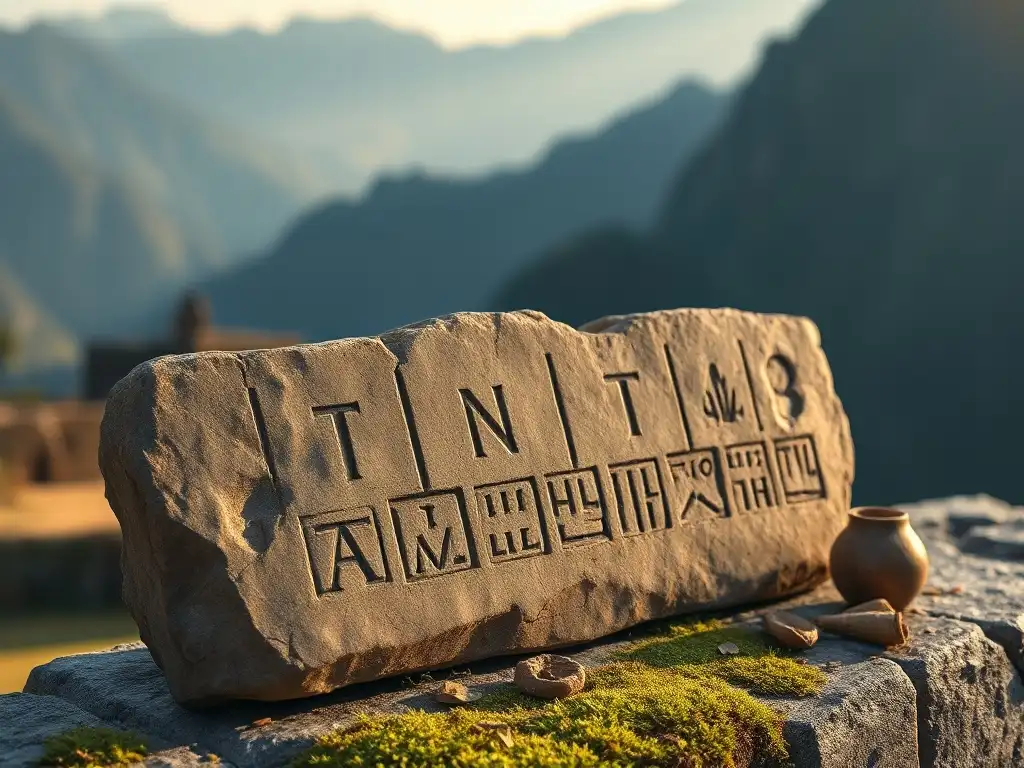
The development of Andean calendar systems represents a fascinating interplay of astronomical observation, agricultural necessity, and socio-political organization. Understanding their evolution provides crucial insight into the intellectual sophistication and adaptive strategies of pre-Inca Andean societies. While a unified, pan-Andean calendar didn't exist, distinct systems emerged across different regions, reflecting unique environmental challenges and cultural practices.
The intricate relationship between celestial events and earthly activities shaped the very fabric of Andean life, influencing everything from planting cycles to religious ceremonies. This section explores the key stages in the development of these sophisticated timekeeping methods, focusing on the transition from lunar to solar reckoning and the significant role played by agriculture.
From Lunar to Solar Calendars: A Gradual Shift
Early Andean societies likely relied on lunar cycles for their initial calendar systems. The easily observable phases of the moon provided a natural framework for tracking time, particularly relevant for shorter-term activities. Evidence suggests a gradual shift towards solar calendars, driven by the increasing importance of agriculture. The need to predict the optimal times for planting and harvesting crops demanded a more precise understanding of the solar year.
This transition wasn't a sudden replacement but a complex process of integration. Some cultures may have continued to utilize lunar cycles alongside solar observations, incorporating both into their ritual and agricultural practices. This dual system allowed for a more nuanced understanding of time, encompassing both shorter-term lunar cycles and the longer-term rhythms of the solar year.
The development of sophisticated astronomical observatories, such as those found in various Andean sites, points to a growing expertise in celestial observation. These structures, often incorporating carefully aligned stones and vantage points, allowed for accurate tracking of solstices and equinoxes. This precise knowledge was crucial for developing accurate solar calendars, enabling more effective agricultural planning and enhancing the predictability of crucial seasonal events.
The integration of solar observations into existing lunar-based systems marked a significant advance in Andean timekeeping, reflecting a sophisticated understanding of astronomy and its practical applications. The precise methods employed in this transition remain a subject of ongoing research, with scholars continuing to analyze archaeological evidence and astronomical data to refine our understanding of this crucial development.
The Role of Agriculture in Calendar Development
The development of Andean calendar systems was inextricably linked to the demands of agriculture. The diverse Andean environment, characterized by varying altitudes and microclimates, required precise knowledge of seasonal changes to ensure successful crop cultivation. The cultivation of staple crops like potatoes, maize, and quinoa demanded a detailed understanding of the timing of planting, irrigation, and harvesting. Therefore, the calendar was not merely a system of timekeeping but a vital tool for agricultural management.
The accuracy of the calendar directly impacted the success of agricultural endeavors. A well-developed calendar allowed farmers to optimize planting cycles, maximizing yields and mitigating risks associated with unpredictable weather patterns. This close relationship between calendar systems and agricultural practices is evident in the numerous archaeological findings that demonstrate the integration of agricultural and astronomical knowledge.
For example, [specific examples of archaeological evidence linking calendars and agriculture pending]. The development of accurate calendars was, therefore, a crucial factor in the sustainability and prosperity of Andean societies. The importance of agriculture in shaping the development of Andean calendar systems cannot be overstated; it was a fundamental driver of innovation and precision in timekeeping.
Regional Variations in Pre-Incan Calendrical Practices
While the development of Andean calendar systems shared common threads, significant regional variations existed. The specific needs and characteristics of different environments, coupled with unique cultural traditions, led to diverse approaches to timekeeping. The Nazca, for instance, are known for their intricate geoglyphs, some of which are believed to have astronomical significance, suggesting a sophisticated understanding of celestial movements. Their calendar system likely incorporated both solar and lunar observations, adapted to their arid coastal environment.
In contrast, the Moche civilization, located in the northern coastal region, developed a calendar system closely tied to their complex irrigation systems and agricultural cycles. Their calendar may have incorporated observations of both the sun and the stars, reflecting the importance of predicting seasonal rains and the timing of agricultural activities. The Tiahuanaco culture, located in the high Andes, developed a calendar system that incorporated a complex understanding of solar cycles and the movements of celestial bodies. [Specific details on Tiahuanaco calendar system pending].
These regional variations highlight the adaptive nature of Andean societies and the diverse ways in which they integrated astronomical knowledge into their cultural practices. The diversity of these systems underscores the importance of considering regional contexts when studying Andean calendar development. Understanding these regional differences is crucial for a comprehensive understanding of the Andean calendar systems development.
The development of Andean calendar systems was a multifaceted process, shaped by astronomical observations, agricultural necessities, and regional variations. From early lunar-based systems to more sophisticated solar calendars, the evolution of these systems reflects the intellectual and practical achievements of pre-Inca Andean societies. Further research is needed to fully unravel the complexities of these systems and to gain a deeper appreciation of their significance in the lives of the Andean people.
Key Pre-Incan Cultures and Their Calendrical Contributions
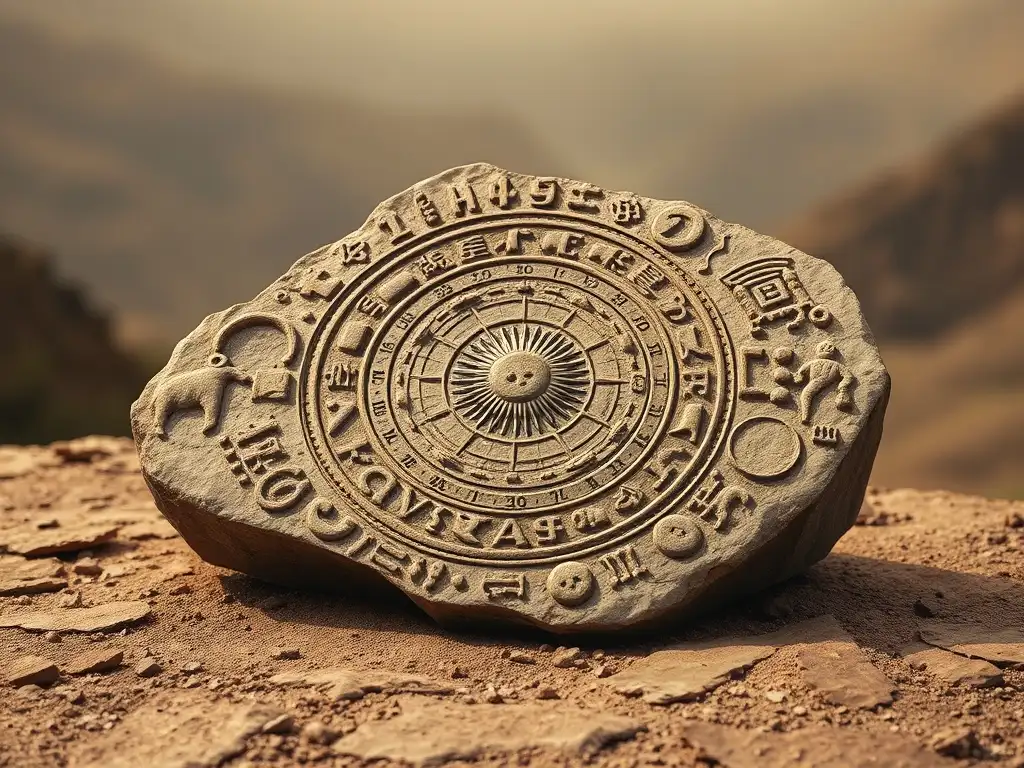
The development of sophisticated Andean calendar systems wasn't solely the achievement of the Inca. Long before the Inca Empire rose to prominence, several pre-Incan highland cultures developed intricate systems for tracking time, reflecting their deep understanding of astronomy and the agricultural cycle.
These systems, often integrated into architecture and ceremonial practices, provide invaluable insights into the worldview and societal organization of these fascinating civilizations. Analyzing the unique calendrical contributions of these cultures allows for a richer understanding of the evolution of timekeeping in the Andes, a process spanning centuries and encompassing diverse approaches to astronomical observation and agricultural planning.
Understanding the nuances of these pre-Incan systems is crucial for appreciating the complexity of the Inca calendar and its roots in a long and rich history of Andean astronomical knowledge. The diverse approaches to timekeeping highlight the ingenuity and adaptability of these Andean societies in response to their unique environmental challenges and cultural beliefs.
The Tiahuanaco Calendar System: Architectural Insights
The Tiahuanaco civilization, flourishing in the Bolivian Altiplano between approximately 500 and 1000 CE, left behind a remarkable architectural legacy that strongly suggests a sophisticated understanding of astronomy and a complex calendar system. The precise nature of their calendar remains a subject of ongoing research, but several features of their monumental architecture point to a system likely based on solar and possibly lunar observations. The orientation of structures like the Kalasasaya complex, for instance, seems meticulously aligned with solstices and equinoxes, implying a purposeful integration of astronomical events into the city's design.
Further evidence may be found in the intricate carvings and reliefs adorning Tiahuanaco's structures, some of which might depict celestial bodies or calendrical markers, although their exact interpretation is still debated among scholars. The use of precise stonework and monumental scale reflects the importance of astronomical observations and timekeeping within Tiahuanaco society.
Detailed analysis of the orientation of significant structures, combined with further study of iconography, promises to reveal more about the intricacies of their calendrical system. The ongoing research emphasizes the need for multidisciplinary approaches—combining archaeology, astronomy, and anthropology—to fully unravel the mysteries of the Tiahuanaco calendar.
The Wari Calendar: Evidence from Archaeological Sites
The Wari culture (600-1000 CE), centered in the Ayacucho region of Peru, also developed a complex calendar system, although its specifics are less well-understood than that of Tiahuanaco. Archaeological excavations at major Wari sites have unearthed evidence suggestive of sophisticated astronomical knowledge and calendrical practices. The layout of urban centers, with its emphasis on precise planning and alignment of structures, might reflect an underlying calendrical framework.
While no explicit calendrical artifacts like inscribed stones or pottery have yet definitively been linked to a Wari calendar, the careful organization of urban space and the presence of possible astronomical observatories suggest a deep understanding of celestial movements. Further research into the spatial organization of Wari cities and the analysis of any potential astronomical observatories are crucial for a more complete understanding of their timekeeping practices.
The discovery of further artifacts with calendrical markings could provide more concrete evidence, but the existing evidence strongly suggests a system intricately linked to their urban planning and societal structure. The development of Wari urban planning suggests a strong link between their calendar and their centralized political and social structures.
Calendrical Practices Among the Chimor Culture
The Chimor culture (1300-1470 CE), located along the northern coast of Peru, represents a distinct case in the study of Andean calendar systems. Unlike the highland cultures, Chimor's calendar may have been more closely tied to the agricultural cycles dictated by the coastal climate. While concrete evidence directly linking specific artifacts to a formal Chimor calendar remains limited, the sophisticated irrigation systems they developed suggest a precise understanding of seasonal variations and the need for accurate timekeeping to optimize agricultural production.
Their extensive knowledge of marine resources also implies a keen awareness of tidal patterns and lunar cycles. Further research into Chimor agricultural practices and the analysis of any possible astronomical features within their urban planning could shed more light on their calendrical system. The emphasis on agriculture and marine resources in the Chimor economy suggests a calendar likely integrated with these crucial aspects of their lifestyle.
It is possible that their calendar, unlike those of the highland cultures, placed less emphasis on solar observations and more on the lunar cycles and the rhythms of the coastal environment. The need for additional research into this area highlights the complexities and regional variations in Andean timekeeping.
The Nazca Culture and Their Unique Timekeeping Methods
The Nazca, renowned for their enigmatic geoglyphs etched into the Peruvian desert, also possessed a sophisticated understanding of timekeeping, albeit different from the more widely known Inca calendar. Their system wasn't based on a single, unified calendar like some other Andean cultures, but rather on a complex interplay of astronomical observations and agricultural cycles.
Evidence suggests that the Nazca meticulously tracked the movements of celestial bodies, particularly the sun and stars, to predict seasonal changes crucial for their agricultural practices. This wasn't a calendar in the traditional sense of a fixed, numbered sequence of days and months, but a practical system intimately tied to the rhythms of their environment.
Unlike the Inca's seemingly centralized calendar system, the Nazca's approach appears to have been more localized and perhaps even varied across different Nazca settlements. Archaeological findings, including intricately designed textiles and ceramics depicting celestial events, provide glimpses into their astronomical knowledge. These artifacts often feature stylized representations of constellations and celestial alignments, suggesting that specific astronomical events held significant ritual and agricultural importance. The precise correlation between these representations and specific calendar dates remains a subject of ongoing research, however, highlighting the complexities of deciphering their unique timekeeping methods.
The Nazca's mastery of irrigation systems further underscores their close relationship with astronomical observations. Their ability to channel water across the arid landscape depended heavily on accurate predictions of rainfall and seasonal changes. The timing of planting and harvesting, essential for their survival, was likely guided by their observations of the sun's movements and the appearance of specific stars.
Therefore, their understanding of time was not merely an abstract concept but a practical necessity deeply intertwined with their daily lives and agricultural practices. Further research into Nazca settlements and their associated artifacts may reveal a more nuanced understanding of their calendar system, potentially revealing regional variations and unique astronomical alignments important to specific communities. The study of Nazca timekeeping offers a fascinating glimpse into the diverse approaches to calendar development within the Andean region, demonstrating that the pursuit of understanding time took many forms.
Features of Andean Calendar Systems
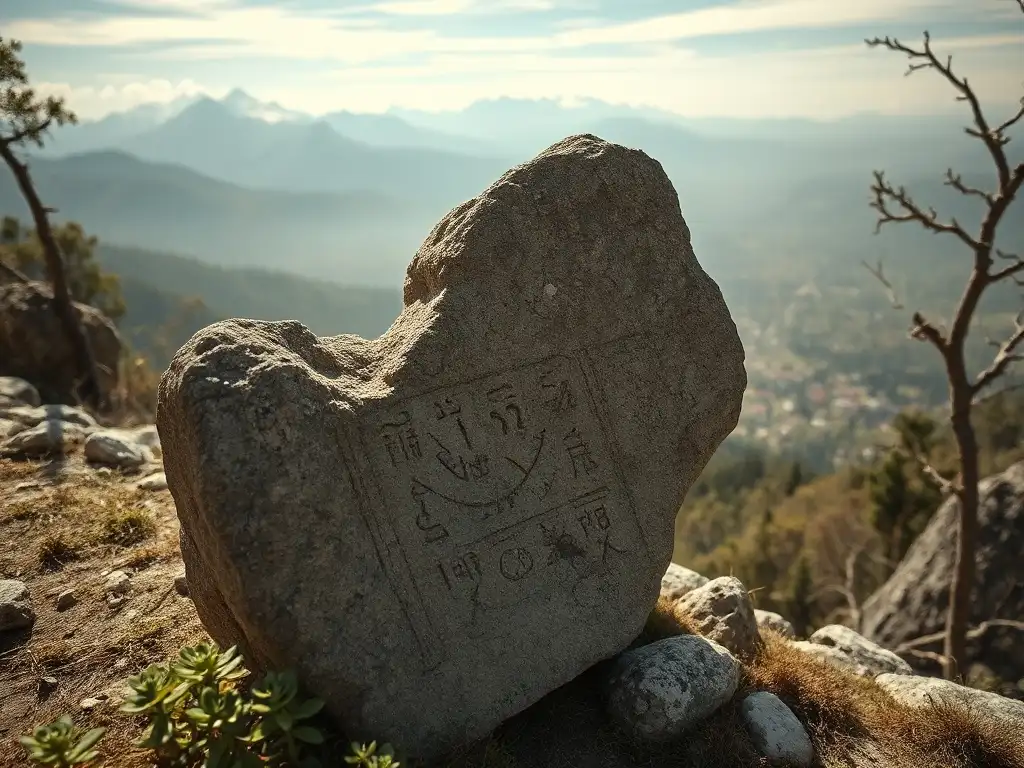
The development of Andean calendar systems represents a sophisticated understanding of astronomy and the natural world, far exceeding simple agricultural scheduling. These systems weren't monolithic; diverse cultures across the Andean highlands, including the Nazca, Moche, and Tiwanaku, developed unique yet interconnected methods of tracking time. A common thread, however, was the intricate interplay between celestial observations, ritual practices, and the agricultural cycle.
This complex interplay reflects a deep-seated cosmological worldview where the human realm was inextricably linked to the cosmos. Understanding Andean calendar systems requires appreciating this holistic approach to timekeeping, which went far beyond mere practicality. The very fabric of Andean society was woven into its understanding and manipulation of time.
The precision and complexity of these systems are a testament to the advanced knowledge and intellectual capabilities of these pre-Inca cultures. The development of these systems was a crucial element in shaping Andean social structures, religious beliefs, and agricultural practices. This section will explore key features of these fascinating systems, focusing on their astronomical foundations, ritual significance, and integration with the natural environment.
The Use of Astronomical Alignments
Many Andean sites exhibit deliberate astronomical alignments, suggesting a sophisticated understanding of celestial movements and their relationship to the calendar. The Nazca Lines, for example, are hypothesized by some researchers to be a giant astronomical calendar, with certain lines aligning with specific constellations or solstices. While the precise function of many lines remains debated, the remarkable precision of their construction points towards a deep understanding of astronomy. Furthermore, archaeological evidence from various sites indicates the use of specific structures, such as temples or observatories, oriented to capture sunrise or sunset on particular dates, marking solstices or equinoxes.
These alignments weren't accidental; they were carefully planned and executed, demonstrating a mastery of surveying and engineering. The precision of these alignments suggests a highly developed system of observation and calculation, allowing for accurate predictions of seasonal changes and celestial events. This precision was crucial for agricultural planning and the timing of religious ceremonies.
The use of astronomical alignments in Andean calendar systems highlights the importance of celestial observation in their worldview, demonstrating a sophisticated understanding of the cosmos and its influence on earthly life. Further research is needed to fully understand the intricacies of these alignments and their connection to specific calendar systems and rituals. [Specific examples of aligned structures and their astronomical significance pending].
The Importance of Ritual and Ceremony in Andean Timekeeping
Andean calendar systems weren't simply tools for tracking time; they were deeply intertwined with religious beliefs and ritual practices. The timing of agricultural activities, such as planting and harvesting, was often determined by celestial events and marked by elaborate ceremonies. These ceremonies served to maintain the cosmic order and ensure the fertility of the land. For example, the Moche civilization is known for its elaborate rituals centered around water and agricultural cycles.
Their calendar likely incorporated observations of rainfall patterns and celestial events to determine the optimal times for planting and irrigation. The rituals associated with these events were crucial for maintaining social cohesion and reinforcing the power of the ruling elite, who often controlled access to vital resources such as water and land. Many artifacts, such as pottery and textiles, depict scenes of these ceremonies, providing valuable insights into their significance and symbolism.
The integration of timekeeping with ritual and ceremony underscores the holistic nature of Andean culture, where the sacred and the secular were inseparable. The meticulous observation of celestial events and the precise timing of rituals demonstrate the importance of maintaining a harmonious relationship between the human world and the cosmos. The Andean calendar wasn't just a tool; it was a sacred instrument that connected people to the divine and the rhythms of nature.
Integrating Natural Cycles with the Calendar
Andean calendar systems weren't solely based on astronomical observations; they also incorporated the rhythms of the natural world, particularly the agricultural cycle. The timing of planting, harvesting, and other agricultural activities was intimately tied to the calendar, ensuring optimal yields and food security. This integration highlights the close relationship between Andean societies and their environment. The calendar wasn't an abstract system; it was a practical tool that helped to manage resources and ensure survival.
The close observation of natural phenomena, such as rainfall patterns, animal migrations, and plant growth cycles, played a crucial role in determining the optimal times for agricultural activities. This close connection between the calendar and the natural world underscores the holistic and integrated nature of Andean knowledge systems. The ability to predict these cycles with accuracy allowed for efficient resource management and contributed to the stability and prosperity of Andean societies.
The detailed understanding of the natural world and its integration into the calendar system represents a remarkable achievement of Andean ingenuity and a testament to their deep connection with their environment. The interplay between astronomical observations, ritual practices, and the agricultural cycle demonstrates the holistic and integrated nature of Andean knowledge systems, reflecting a profound understanding of the interconnectedness of the cosmos and the natural world. The sophisticated integration of these factors ensured the survival and prosperity of these ancient civilizations.
The Use of Horizon Markers for Solar Observations

Andean calendar systems demonstrate a sophisticated understanding of celestial mechanics, particularly solar movements. A key element in their timekeeping was the meticulous observation of the sun's position throughout the year. This wasn't done haphazardly; instead, they employed ingenious techniques, most notably the use of horizon markers.
These weren't simply arbitrary points on the landscape; they were carefully selected natural or artificial features—peaks, rock formations, or even specially constructed structures—aligned to mark the sun's rising and setting points at solstices and equinoxes. The precise alignment allowed for the accurate determination of these crucial dates, vital for agricultural planning and religious ceremonies.
Consider the case of Machu Picchu. While its primary function remains debated, the precise positioning of structures within the complex strongly suggests an astronomical purpose. Many scholars believe that specific windows and doorways were intentionally aligned to frame the sun at specific times of the year, providing visual cues for the Inca calendar.
This meticulous attention to detail showcases a remarkable level of astronomical knowledge and engineering prowess. The construction of these markers wasn't a simple undertaking; it required a deep understanding of geometry, surveying techniques, and a long-term commitment to observation and precision. The accuracy achieved, based on archaeological evidence and astronomical simulations, is truly impressive, highlighting the advanced nature of Andean astronomy.
The effectiveness of these horizon markers is further emphasized by their continued relevance in modern astronomical studies, which utilize similar principles for precise solar observation. The legacy of these ancient observation systems continues to inform our understanding of Andean timekeeping and its profound impact on their society.
The Significance of the Pleiades Constellation
Beyond solar observations, the Andean civilizations also incorporated stellar observations into their calendar systems. The Pleiades constellation, also known as the Seven Sisters, held a particularly prominent position in their cosmology and calendar. Evidence suggests that the heliacal rising of the Pleiades—its first appearance in the pre-dawn sky after a period of invisibility—marked the beginning of the agricultural cycle for many Andean communities. This celestial event signaled the optimal time for planting and other crucial agricultural activities.
The importance of the Pleiades wasn't limited to agriculture. It also held significant religious and symbolic meaning, often associated with fertility, abundance, and the cyclical nature of life and death. Mythological narratives and artistic representations across different Andean cultures frequently feature the Pleiades, underscoring its profound cultural significance.
The precise astronomical observations needed to predict the heliacal rising of the Pleiades required detailed knowledge of the celestial sphere and the Earth's movement. This advanced understanding of astronomy surpasses simplistic interpretations and demonstrates a remarkable level of scientific sophistication within these pre-Columbian societies.
The integration of the Pleiades into their calendar systems highlights the holistic approach of Andean civilizations, where astronomical observations were intricately woven into the fabric of their daily lives, religious beliefs, and agricultural practices. The Pleiades, therefore, served as more than just a constellation; it was a celestial marker deeply embedded in the cultural and temporal framework of Andean societies, shaping their understanding of time and their relationship with the cosmos.
The Legacy of Pre-Incan Calendars
This section delves into the enduring influence of pre-Inca Andean calendar systems, demonstrating their profound impact on subsequent Andean civilizations, particularly the Inca. Understanding this legacy is crucial to appreciating the complexity and sophistication of Andean timekeeping, a crucial aspect of their social, agricultural, and religious life. The development of Andean calendar systems wasn't a linear progression; rather, it was a dynamic process involving adaptation, innovation, and the transmission of knowledge across diverse cultures.
The intricate relationship between astronomical observation, agricultural cycles, and religious practices shaped the evolution of these systems, leaving an indelible mark on the Andean world. We will explore how earlier systems informed and influenced the Inca calendar, highlighting the continuity of calendrical traditions across centuries.
Influence on Later Andean Timekeeping Systems
The Inca calendar, while impressive in its own right, wasn't created in a vacuum. It built upon and refined existing calendrical practices inherited from preceding Andean cultures. Evidence suggests that the Inca incorporated elements from various pre-Inca systems, adapting and integrating them into their own sophisticated framework. For example, the Inca's quipu system, a complex system of knotted strings used for record-keeping, likely incorporated calendrical data alongside other numerical information.
The precise manner in which pre-Inca knowledge was integrated remains a subject of ongoing research, but the continuity of certain astronomical observations and agricultural practices strongly suggests a direct link. The Inca's understanding of solstices and equinoxes, critical for agricultural planning, points towards a legacy of meticulous astronomical observation passed down through generations. This demonstrates the importance of studying pre-Inca Andean calendar systems development to fully understand the Inca's achievements.
The Continuity of Calendrical Knowledge
The transmission of calendrical knowledge across generations is a testament to the cultural importance placed upon timekeeping in the Andes. This continuity wasn't solely dependent on formal institutions; it was deeply embedded within oral traditions, agricultural practices, and religious rituals. The cyclical nature of Andean agriculture, intimately tied to the rhythms of the sun and the seasons, ensured that calendrical knowledge was actively maintained and passed down.
Farmers, priests, and other community members played vital roles in preserving and interpreting this knowledge. Furthermore, archaeological findings, such as the intricate carvings on ceramics and textiles, often depict celestial events and calendrical markers, suggesting a widespread understanding and appreciation of timekeeping. The persistence of certain motifs and symbols across different pre-Inca cultures further supports the idea of a shared calendrical heritage.
This enduring legacy underscores the deep-rooted connection between Andean societies and their environment. The continuity of calendrical knowledge showcases the resilience and adaptability of Andean cultures in the face of societal and environmental changes. The interwoven nature of astronomy, agriculture, and religion in Andean societies ensured the preservation of this crucial knowledge.
Unresolved Questions and Future Research on Andean Calendars
Despite significant advancements in our understanding of Andean calendar systems, many questions remain unanswered. Further research is needed to fully elucidate the complexities of pre-Inca timekeeping. For instance, the precise relationship between different pre-Inca calendar systems, and how they interacted and influenced each other, requires further investigation.
More detailed analysis of archaeological evidence, such as ceramic fragments, textiles, and monumental architecture, is crucial to gain a deeper understanding of their calendrical significance. Furthermore, the role of oral traditions in the transmission of calendrical knowledge needs further exploration. Ethnohistorical accounts and linguistic analysis can provide valuable insights into the cultural meanings and practical applications of these systems.
The development of innovative research methodologies, such as advanced digital imaging techniques and data analysis methods, can significantly contribute to resolving some of these outstanding questions. The ongoing study of Andean calendar systems promises to yield exciting new discoveries, enriching our understanding of these fascinating and sophisticated cultures. The field remains vibrant and offers ample opportunities for future researchers to contribute to our knowledge of Andean calendar systems development.
Frequently Asked Questions
What were the primary purposes of Andean calendar systems?
Andean calendar systems served multiple purposes, including agricultural planning, religious ceremonies, and social organization. They were vital for coordinating activities around the agricultural cycle and religious festivals.
How did the Andean calendar systems differ from the Gregorian calendar?
Unlike the Gregorian calendar's solar focus, Andean systems often integrated solar and lunar observations, sometimes incorporating observations of stars and constellations. This resulted in complex, interwoven systems.
Which Andean civilizations developed sophisticated calendar systems?
Many Andean civilizations developed sophisticated systems, including the Inca, Moche, Nazca, and Tiahuanaco. Each civilization had unique methods of tracking time, reflecting their specific environments and beliefs.
What evidence exists to support our understanding of Andean calendar systems?
Evidence comes from various sources, including archaeological findings such as stone structures, textiles, and pottery depicting celestial events. Ethnohistorical accounts also offer valuable insights.
How did the development of Andean calendar systems impact Andean societies?
The development of these systems profoundly impacted Andean societies by providing a framework for social cohesion, economic productivity, and religious practices. They were fundamental to their way of life.
Final Reflection: Weaving the Threads of Andean Time
The intricate tapestry of Andean calendar systems, far from being a relic of the past, offers a powerful lens through which to understand our own relationship with time and the environment. Their sophisticated understanding of celestial cycles and agricultural rhythms provides a stark contrast to our modern, often disconnected, approach to timekeeping, prompting us to reconsider our own priorities and connection to the natural world.
The enduring legacy of these systems is not merely historical; it continues to resonate in the cultural practices and spiritual beliefs of Andean communities today. Their deep understanding of the cosmos and the interconnectedness of all living things offers a valuable counterpoint to the often-fragmented worldview of modern society. Time is not linear, but cyclical, a continuous flow of energy and transformation.
This Andean perspective, while expressed differently across various communities, highlights the importance of respecting the rhythms of nature and living in harmony with the environment, a lesson profoundly relevant in our current era of ecological crisis.
Consider, for a moment, the profound implications of this cyclical understanding of time. How might embracing a more holistic, interconnected view of time – one that values the cyclical nature of life and the importance of living in harmony with the natural world – enrich your own life? I invite you to reflect on the ways in which you perceive and experience time, and to consider how a deeper understanding of Andean timekeeping might inspire a more mindful and sustainable approach to your own life and your relationship with the planet.
Unveil the Secrets of Time: Take Action Today!
Thank you for joining us on this fascinating journey through the development of calendar systems in the Pre-Incan Highlands! We hope you've gained fresh insights into how these ancient civilizations uniquely perceived and organized their lives around time. Now, let's put this knowledge to work!
- Dive deeper into this captivating history by exploring our curated list of resources on ancient calendars—discover fascinating artifacts and texts that illuminate our understanding of these sophisticated systems.
- Share your newfound knowledge with friends and fellow enthusiasts in our forum—start a conversation about the surprising ways these ancient systems continue to influence modern timekeeping.
- Consider creating your own calendar system inspired by what you've learned—design a personalized system to track your goals or events, drawing on the wisdom of these ancient cultures.
What aspect of Pre-Incan timekeeping most intrigues you, and how might it impact your daily life?