
Huari Warfare: Tactics and Weapons of a Conquering Empire

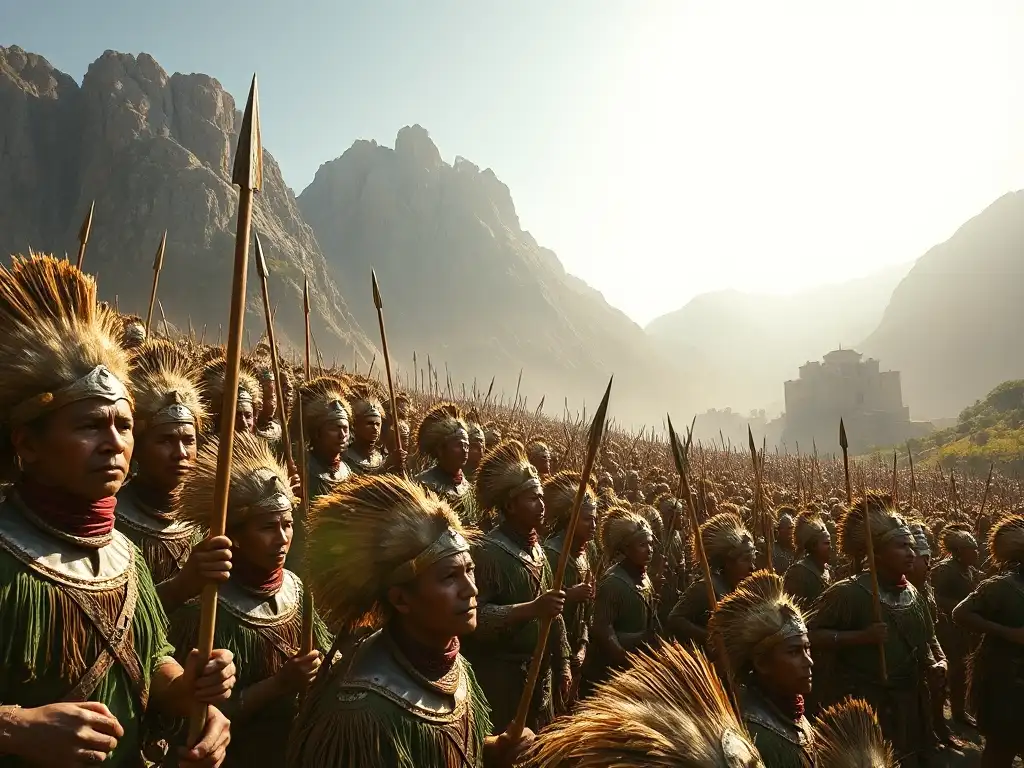
Step into a world lost to time, a realm of towering mountain peaks and breathtaking ingenuity. Prepare to unravel the mysteries of the Andes, where empires rose and fell, leaving behind a legacy of breathtaking artistry and unparalleled innovation. But what truly fueled the expansion of the mighty Huari Empire? Discover the unparalleled sophistication of their Huari Empire warfare tactics, and uncover the secrets behind their conquests in our exploration of Pre-Incan Cultures of the Highlands. Dare to delve deeper?
The Huari Empire, a pre-Inca civilization that flourished in the central Andes between the 7th and 12th centuries CE, stands as a testament to impressive military organization and strategic prowess. This powerful empire, centered around the city of Huari (modern-day Ayacucho, Peru), controlled a vast territory through sophisticated warfare tactics and advanced weaponry for its time. Understanding Huari warfare is crucial to grasping the complexities of their political and social structures, their economic dominance, and their lasting impact on the Andean region.
This article delves into the military strategies, weaponry, and societal factors that contributed to the Huari's remarkable expansion and enduring legacy. We will explore the evidence archaeologists have unearthed to paint a picture of this powerful, yet enigmatic, military machine.
By examining the available data, we aim to shed light on the key elements that defined Huari Empire warfare tactics and cemented their position as a dominant force in the Andes. Prepare to embark on a journey through time, uncovering the secrets of a formidable empire built on military strength and strategic brilliance.
Introduction to Huari Military Power
The Huari military was not simply a fighting force; it was an integral part of the empire's administrative and economic systems. Archaeological evidence suggests a highly organized and centralized military structure. The construction of extensive road networks facilitated rapid troop deployment across the vast Huari territory. These roads, often paved and engineered to withstand harsh Andean conditions, allowed for swift communication and the efficient movement of soldiers and supplies.
Furthermore, the standardization of weaponry and defensive structures points to a centralized production and distribution system, underlining the empire's sophisticated logistical capabilities. The Huari's ability to maintain control over such a large and diverse population speaks volumes about the effectiveness of their military strategy and its integration into the broader societal fabric. The sheer scale of their conquests and the longevity of their empire underscore the importance of military power in shaping the course of Andean history.
The Rise of the Huari Military State
The Huari's rise to dominance wasn't a sudden event but rather a gradual process involving both military expansion and skillful political maneuvering. Early evidence suggests a smaller, more regional power gradually consolidating its control through strategic alliances and military campaigns. The development of advanced weaponry, such as the distinctive [Specific type of Huari weapon, pending further research] and the improved organization of their armies, played a crucial role in their expansion.
The Huari likely employed a combination of strategies, including swift surprise attacks, sieges of fortified settlements, and the strategic placement of garrisons to maintain control over conquered territories. The impact of the Huari military extended beyond mere conquest; their dominance facilitated the integration of diverse populations and the standardization of certain cultural practices, leading to a degree of cultural homogenization across their empire. Further research is needed to fully understand the nuances of Huari military strategy and the political factors that contributed to their success, but the available evidence strongly suggests a complex interplay of military might, political acumen, and logistical proficiency.
The Huari Empire's military success serves as a compelling case study in the power of effective organization, advanced technology, and strategic planning in the context of ancient warfare. The extent of their influence on subsequent Andean civilizations, including the Inca, is a testament to their enduring legacy.
- What were the primary warfare tactics employed by the Huari Empire?
- What types of weapons did Huari warriors use?
- How did the Huari Empire's military organization contribute to its success?
- Did the Huari Empire face any significant resistance during its expansion?
- How did Huari warfare tactics compare to those of other Andean civilizations?
Huari Empire Military Strategies
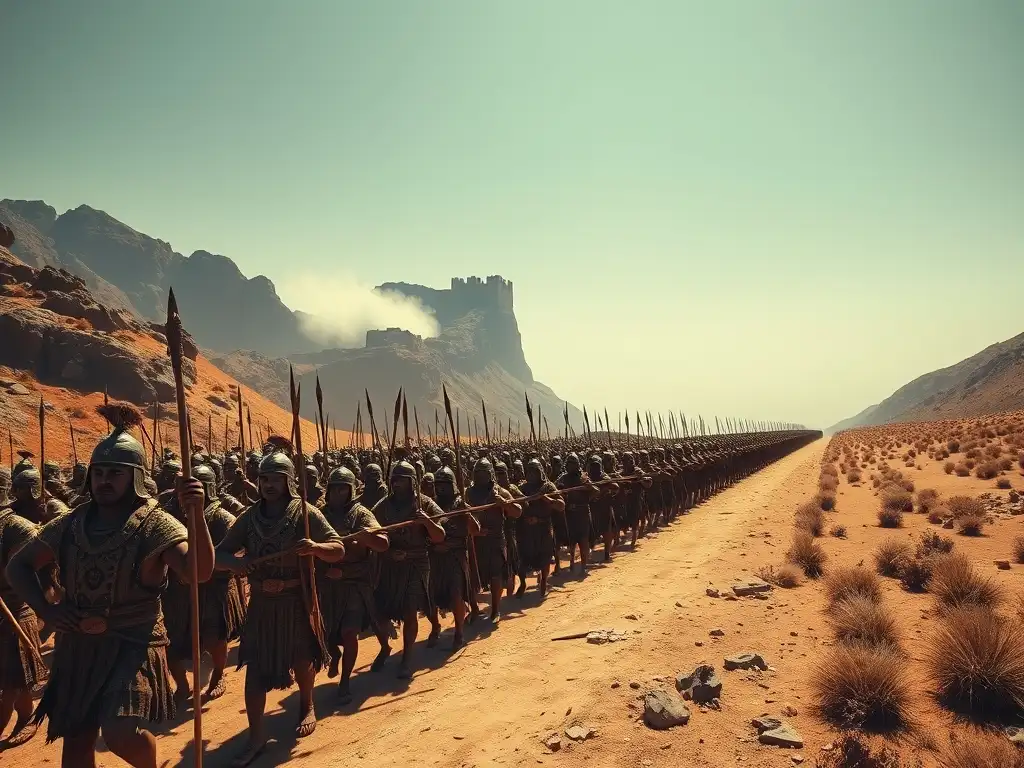
The Huari Empire, a powerful pre-Inca civilization that flourished in the central Andes from approximately 600 to 1000 CE, achieved its vast territorial control through sophisticated military strategies and effective weaponry. Understanding Huari Empire warfare tactics reveals a complex system combining organizational prowess, innovative siege techniques, and adaptable battlefield maneuvers. This wasn't simply brute force; the Huari's success stemmed from a multifaceted approach to conquest and control. Their military strength significantly shaped the political landscape of the Andes, leaving an enduring legacy on subsequent Andean cultures.
Organization of the Huari Army
The Huari army was likely a highly organized force, although the precise details remain somewhat elusive due to limited textual sources. Archaeological evidence, however, suggests a hierarchical structure. We can infer the existence of specialized units based on the discovery of distinct weaponry and burial practices. For example, the presence of elite warriors buried with elaborate grave goods implies a structured hierarchy with different ranks and responsibilities. These elite warriors may have formed a core fighting force, possibly leading smaller, more regionally recruited units.
The sheer scale of the Huari Empire implies a significant military manpower pool. It's plausible that conscription played a role, with able-bodied men from conquered territories potentially being integrated into the army. This integration could have served a dual purpose: bolstering the military's size and simultaneously suppressing potential rebellions. However, further research is needed to determine the exact methods of recruitment and the nature of the army's logistics and supply chains. [Specific information pending: Detailed analysis of Huari administrative records relating to military organization].
Huari Siege Warfare Techniques
Huari siege warfare tactics were crucial to their expansion. Their empire encompassed diverse terrains, including mountainous regions and coastal areas, requiring adaptability in their siege strategies. While specific details are scarce, archaeological evidence suggests they employed a combination of methods. The construction of extensive road networks likely facilitated the rapid movement of troops and supplies, enabling efficient siege operations. The discovery of fortified settlements across the Huari heartland and periphery indicates a focus on defensive capabilities, suggesting a preparedness for prolonged sieges.
We can speculate that the Huari utilized various siege weapons, perhaps including catapults or other projectile-launching devices. The effectiveness of these weapons would have been dependent on factors like terrain and the defensive capabilities of the besieged settlement. Furthermore, psychological warfare could have been a component of their strategy.
The sheer size and reputation of the Huari army may have been enough to intimidate some opponents into surrender, avoiding the need for a protracted siege. [Specific information pending: Detailed analysis of Huari siege weaponry and defensive architecture]. The use of psychological warfare and the effective deployment of troops are key elements in the successful execution of Huari siege warfare tactics.
Huari Battle Formations and Maneuvers
While depictions of Huari battles are rare, we can hypothesize about their battle formations and maneuvers based on the characteristics of other Andean armies and the overall military strategies of the Huari. Given the diverse terrain of their empire, flexibility in formations would have been crucial. They likely employed adaptable strategies, shifting between linear formations in open areas and more fluid formations in mountainous or densely forested regions.
The use of specialized units, as hinted at by the archaeological record, suggests a degree of tactical sophistication. Some units might have served as shock troops, while others provided ranged support or acted as flanking forces. Effective communication and coordination between units would have been essential for success on the battlefield.
The organization and training of the Huari army likely emphasized discipline and coordinated maneuvers to maximize their effectiveness against adversaries. [Specific information pending: Further research on the iconography and evidence of Huari battle tactics]. The adaptability of their battle formations and maneuvers, combined with the strategic use of specialized units, were pivotal to the Huari Empire’s military success.
The Huari Empire's military success was not merely a result of superior weaponry but also a testament to their well-organized army, effective siege strategies, and adaptable battle tactics. Further research will undoubtedly shed more light on the intricacies of their military organization and methods of warfare.
Use of Fortified Settlements in Huari Military Campaigns
The Huari Empire's military success wasn't solely reliant on mobile armies; it was significantly bolstered by a sophisticated network of fortified settlements strategically placed throughout their vast territory. These weren't simply defensive structures; they served as crucial components of Huari military strategy, acting as bases for operations, supply depots, and staging points for further campaigns. Their placement often suggests a calculated approach to controlling vital resources and choke points, effectively isolating rebellious regions and facilitating swift responses to uprisings.
The construction itself reveals considerable engineering prowess; many sites boasted impressive stonework, complex layouts incorporating defensive features like ramparts and towers, and evidence of substantial provisioning capabilities, including storage facilities for food and water. This allowed Huari forces to maintain a prolonged presence in conquered territories, solidifying their control and suppressing potential resistance.
The effectiveness of this strategy is evident in the distribution of these fortified settlements. They were not randomly scattered; instead, they were strategically located along major trade routes, near agricultural centers, and in areas of strategic importance, allowing the Huari to control the flow of resources and effectively choke off any opposition. The size and complexity of these fortifications varied depending on their strategic importance.
Larger settlements, acting as regional capitals, would have housed larger garrisons and extensive storage facilities, while smaller outposts served as observation points or rapid response bases. This hierarchical system allowed for a flexible and adaptable military response, capable of addressing both large-scale rebellions and smaller-scale disturbances with appropriate force. Archaeological evidence, such as the remains of weaponry and the skeletal evidence of past conflicts found within these settlements, further supports the assertion that these sites served as active military bases during Huari campaigns.
The consistent presence of these fortified settlements across the Huari Empire underscores their critical role in maintaining control and projecting power throughout their far-reaching domain. The careful planning and execution involved in their construction and deployment highlight the sophistication of Huari military logistics and their understanding of the importance of maintaining a sustainable military presence in conquered territories.
Huari Weapons and Armaments
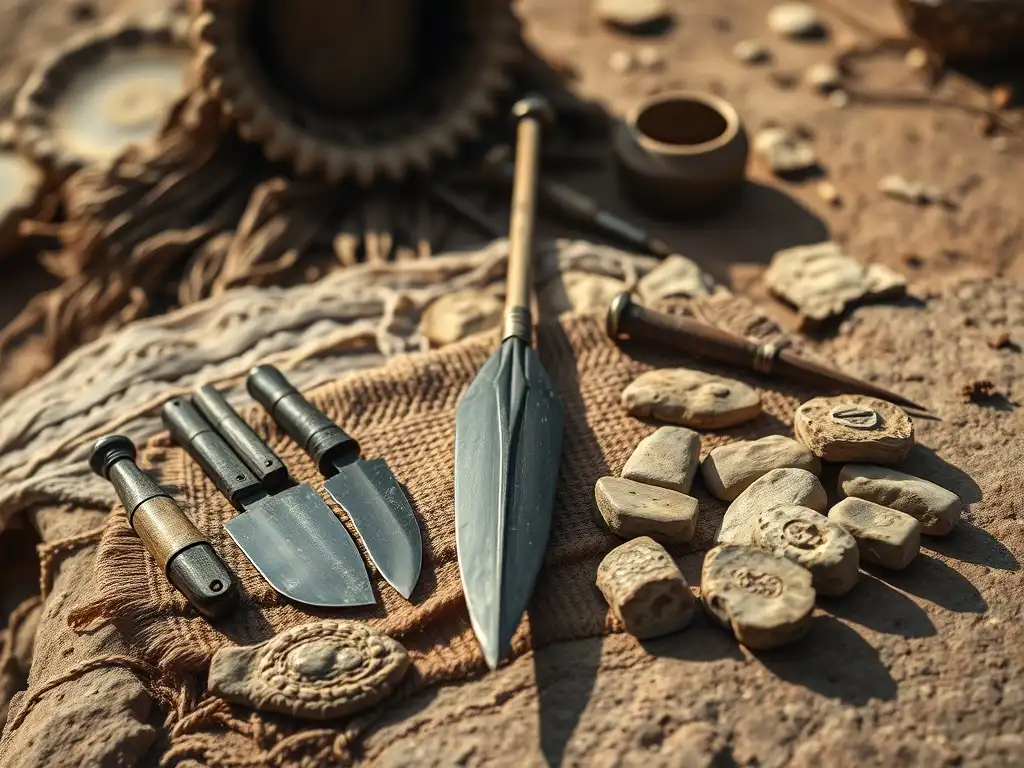
The Huari Empire, a powerful pre-Inca civilization that flourished in the Peruvian Andes between the 7th and 12th centuries CE, achieved its vast territorial control through a sophisticated military machine. Understanding Huari Empire warfare tactics requires a deep dive into the weaponry and defensive equipment employed by its armies. Their arsenal, while seemingly simpler than later Andean empires, was effective in conquering and controlling a diverse landscape and populace.
The effectiveness stemmed not just from the weapons themselves, but also from their strategic deployment, reflecting a well-organized and disciplined military structure. Analyzing the Huari military technology offers valuable insights into their societal organization and imperial ambitions.
Huari Projectile Weapons: Slings and Arrows
Projectile weaponry played a crucial role in Huari warfare, providing the means to engage enemies from a distance and soften their defenses before close-quarters combat. Slings, readily available and relatively simple to manufacture, were likely ubiquitous among Huari soldiers. Archaeological evidence suggests the use of slings, although finding preserved sling stones themselves is challenging due to their perishable nature.
The effectiveness of slings lay in their range and the potential for mass volleys, creating a devastating hail of projectiles capable of inflicting casualties and disrupting enemy formations. The stones themselves varied in size and weight, likely adapted to different combat scenarios and ranges.
Arrows, however, represent a more sophisticated projectile weapon, requiring specialized craftsmanship for both the arrow shafts and arrowheads. Huari arrowheads, often crafted from obsidian or bone, demonstrate a variety of designs, ranging from simple leaf-shaped points to more complex barbed or notched varieties. The choice of material and design likely reflected factors such as availability of raw materials and the intended target.
Obsidian, with its sharp edges, was ideal for piercing armor, while bone arrowheads might have been more readily available in certain regions. The use of arrows suggests a level of military organization capable of producing and supplying these specialized weapons to its troops, indicating a more advanced logistical system than simpler sling-based armies. Furthermore, the presence of different arrowhead designs points towards specialized roles within the Huari military, potentially with different types of arrows for hunting, raiding, or pitched battles.
Huari Close Combat Weapons: Clubs and Axes
While projectile weapons offered a ranged advantage, close-quarters combat was inevitable in many battles. The Huari relied on a range of melee weapons, with clubs and axes prominent among them. Clubs, simple yet effective, were likely widely used across different social strata within the Huari army.
Their ease of manufacture ensured widespread availability, making them a practical weapon for both professional soldiers and conscripted levies. Variations in size and weight likely existed, reflecting individual preferences and the intended target. Heavier clubs might have been used for breaking through enemy defenses, while lighter ones might have been more suitable for striking individual opponents.
Axes, on the other hand, represent a more specialized weapon, requiring greater skill in their creation and use. Huari axes, often made from stone or copper, were likely wielded by more experienced warriors or elite units. The heavier weight and sharper cutting edge of axes made them effective for inflicting serious injuries or breaking through shields and armor.
The presence of both clubs and axes in the Huari arsenal highlights the adaptability of their military, utilizing a variety of weapons to address different combat scenarios and enemy formations. The design and material of these weapons also offer clues about the level of metalworking technology and the hierarchical structure of the Huari army.
Huari Defensive Gear: Shields and Armor
Effective offense requires equally robust defense. While direct evidence of widespread armor use among common Huari soldiers remains limited, the existence of shields is well-documented. These shields, likely made from wood or hide, provided crucial protection against projectile weapons and melee attacks. Their size and shape would have varied, adapted to different combat styles and individual preferences. The use of shields would have been crucial in maintaining formation and protecting vulnerable areas during battles. The presence of shields points towards a disciplined and organized army capable of coordinating defensive maneuvers.
The presence or absence of widespread armor amongst Huari soldiers remains a subject of ongoing research. While some evidence suggests the potential use of rudimentary armor made from materials such as leather or textiles, the extent of its use and effectiveness remains unclear. Further archaeological investigation and analysis are needed to fully understand the role of defensive gear in Huari military strategies.
The development of more advanced defensive technologies could be linked to the increasing sophistication of weaponry used by their enemies or to the scale of their military campaigns. The topic of Huari defensive gear, therefore, requires further study to complete our understanding of their overall military capabilities.
Materials and Craftsmanship of Huari Weaponry
The Huari, masters of Andean warfare, demonstrated remarkable skill in selecting and working materials for their weaponry. Their access to diverse resources throughout their vast empire allowed for a sophisticated approach to arms manufacturing. The most common materials included obsidian, copper, and wood, each carefully chosen and meticulously crafted to maximize effectiveness.
Obsidian, prized for its sharp edges and brittle nature, was extensively used in the creation of projectile points for spears and darts. Archaeological evidence reveals that Huari artisans possessed advanced knowledge of obsidian knapping techniques, producing blades with incredibly fine edges, capable of inflicting devastating wounds. The quality of obsidian varied depending on the source, with some quarries yielding superior material for weaponry.
The selection and preparation of the obsidian itself was likely a specialized task, requiring significant expertise and experience. We see evidence of this in the consistent quality of obsidian points recovered from Huari sites across a wide geographical area.
Copper, a relatively scarce resource in the Andes, was nevertheless utilized in the creation of more specialized weapons. While not as readily available as obsidian or wood, copper allowed for the creation of more durable and potentially reusable weapons. Copper weapons, such as axes and mace heads, often displayed intricate designs and were likely symbols of status, reflecting the importance of copper in Huari society.
The craftsmanship involved in shaping and hardening copper tools and weapons shows a sophisticated understanding of metallurgy, significantly more advanced than that of many of their contemporaries. Detailed analysis of surviving copper artifacts points to a complex smelting and forging process, demonstrating a level of technological proficiency that contributed significantly to their military success.
Wood, a readily available material, formed the basis for many Huari weapons such as spear shafts, club handles, and the frames of slings. The choice of wood type likely varied based on availability and desired properties—strength, flexibility, and weight. The construction of these wooden components required skilled carpentry, shaping and joining the wood to create robust and effective weapons.
While less glamorous than obsidian or copper weapons, the quality of the wooden components was crucial to the overall performance of the weapon system. The craftsmanship involved, while perhaps less visible, was equally important to the success of Huari military operations. Further research is needed to identify the specific wood types used and their regional variations.
Logistics and Support of Huari Military Campaigns
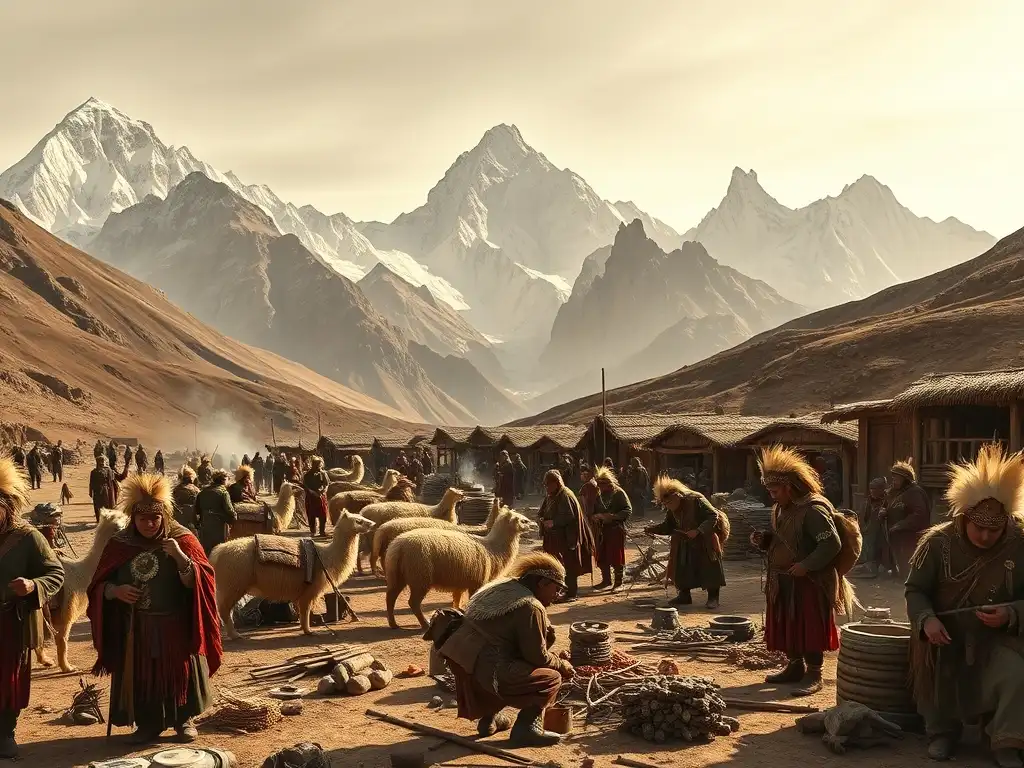
The success of the Huari Empire's military campaigns hinged not only on effective warfare tactics but also on a robust and well-organized logistical system. Sustaining a large army across vast distances in the challenging Andean terrain required meticulous planning and execution. Understanding Huari logistics provides crucial insight into their ability to conquer and control such a wide swathe of territory. The Huari Empire, known for its sophisticated administrative capabilities, applied this expertise to military operations, ensuring the efficient supply and support of their armies. This logistical prowess was a key factor in their military dominance.
Huari Supply Lines and Provisions
Maintaining a constant flow of supplies to the Huari armies was a logistical masterpiece. Evidence suggests a sophisticated system of storage facilities, strategically located along major routes and near important military installations. These warehouses likely held a variety of provisions, including:
- Food: Dried potatoes, quinoa, maize, and other Andean staples would have formed the backbone of the soldiers' diet. The ability to preserve and transport these foods effectively was essential for long campaigns.
- Textiles: Wool and cotton clothing, blankets, and other textiles were crucial for protection from the harsh Andean weather. The Huari were master weavers, and their textiles played a vital role in keeping the army clothed and equipped.
- Tools and Weapons: Replacement weapons, tools for camp maintenance, and construction materials were also transported along supply lines. This ensured that the army remained consistently equipped and operational.
- Medicinal Plants: The Huari possessed extensive knowledge of medicinal plants and likely incorporated these into their military supplies. Treating injuries and illnesses in the field was crucial for maintaining troop strength.
The exact organization and management of these supply lines remain a subject of ongoing research. However, the sheer scale of the Huari Empire and the extent of its military conquests strongly suggest a highly efficient and centralized system. Archaeological discoveries of large storage sites and the distribution of standardized goods across the empire support this hypothesis. Further research into specific sites and the analysis of preserved organic materials could shed more light on the precise nature of Huari provisioning.
The Role of Roads and Infrastructure in Huari Warfare
The Huari Empire's remarkable military success was greatly facilitated by an extensive network of roads and infrastructure. These were not merely pathways, but strategically planned arteries that facilitated rapid troop movement, communication, and the efficient transportation of supplies. The construction and maintenance of these roads represented a significant investment of resources, reflecting the Huari's commitment to military effectiveness.
The roads were likely adapted to the challenging Andean terrain, utilizing existing trails and incorporating engineering solutions to overcome obstacles. This included the use of ramps, bridges, and possibly even tunnels in some areas. [Specific engineering details pending further research].
The construction of these roads also facilitated the movement of large quantities of supplies and materials, supporting the logistical needs of the army. The strategic placement of settlements and storage facilities along these routes further enhanced the efficiency of the supply system. The roads therefore served not only a military purpose but also a crucial role in the overall administration and economic functioning of the empire.
Huari Soldier Recruitment and Training
The Huari army was likely composed of both professional soldiers and conscripts, recruited from across the empire. The precise methods of recruitment remain unclear, but it is likely that a combination of conscription and voluntary enlistment was employed. The empire's sophisticated administrative system would have facilitated the organization and management of this process. Evidence suggests a hierarchical military structure, with specialized units and ranks, pointing towards a degree of professionalization within the Huari army. This professionalization would have ensured that the army was consistently well-trained and equipped for military operations.
The training of Huari soldiers would have been rigorous and focused on both physical fitness and combat skills. This training may have involved both individual and group exercises, emphasizing discipline, teamwork, and the mastery of weaponry. [Specific training methods pending further archaeological and textual evidence]. The importance of military prowess is evident in Huari iconography, which often depicts soldiers and military scenes.
This suggests that military training and skill were highly valued within Huari society. The development of standardized weaponry and equipment also points towards a structured and organized training regime. The effectiveness of the Huari army was not only a result of its logistical capabilities but also a product of its well-trained and disciplined soldiers.
Impact and Legacy of Huari Military Might
The Huari Empire's military prowess left an indelible mark on the Andean landscape and subsequent cultures. Their sophisticated warfare tactics and effective weaponry facilitated the creation of a vast, centralized empire, impacting the political, social, and economic structures of numerous Andean societies. Understanding the Huari's military might requires examining both their immediate impact during the empire's expansion and its lasting consequences on later Andean civilizations.
The sheer scale of Huari control, stretching across diverse ecological zones and encompassing a multitude of ethnic groups, speaks volumes about their military effectiveness and strategic planning. This success wasn't merely brute force; it involved a complex interplay of military strategies, technological advancements, and shrewd political maneuvering. The legacy of Huari warfare continues to shape our understanding of Andean history and the development of later imperial powers in the region.
Huari Expansion and Conquest: Military Campaigns
The Huari expansion wasn't a haphazard process; it was a series of carefully planned military campaigns. Archaeological evidence, such as the distribution of Huari-style architecture and pottery, suggests a phased approach to conquest. Initial incursions likely involved smaller, highly mobile units targeting strategic locations—perhaps resource-rich valleys or important trade routes.
These initial successes would have paved the way for larger-scale campaigns aimed at consolidating control over wider territories. The Huari likely employed a combination of strategies, including swift surprise attacks, sieges of fortified settlements, and the strategic placement of garrisons to maintain control over newly conquered regions. Evidence suggests that diplomacy and the integration of local elites also played a role, minimizing resistance and facilitating a smoother transition of power.
The success of these campaigns can be attributed not only to their superior military organization but also to their ability to adapt their strategies to the diverse terrains and cultural contexts they encountered across the Andes. Specific details about the exact timelines and strategies employed in each campaign remain a subject of ongoing research, with many questions yet to be answered about the specifics of Huari military logistics and supply lines. However, the geographical extent of the empire itself is testament to the effectiveness of their campaigns.
The Influence of Huari Warfare on Later Andean Cultures
The Huari Empire's military innovations and organizational structures profoundly influenced subsequent Andean cultures, particularly the Inca. While the Incas developed their own unique military strategies, the Huari legacy is evident in several aspects. For instance, the Inca's sophisticated road network, which facilitated rapid troop deployment, arguably has roots in the earlier Huari system of communication and control.
Additionally, the Inca's practice of incorporating conquered peoples into their army, a hallmark of their imperial strategy, might reflect a similar Huari tactic of integrating local elites and warriors into their military structure. This integration helped to stabilize conquered territories and reduce the likelihood of rebellion.
The Huari's emphasis on centralized control and standardized military practices likely served as a model for later Andean empires, showcasing the lasting impact of their military organization on the development of imperial power in the region. Further research is needed to fully elucidate the precise nature and extent of this influence, but the similarities between Huari and later imperial military structures are striking and suggest a clear line of historical continuity.
Archaeological Evidence of Huari Warfare
Archaeological findings provide crucial insights into Huari warfare. Evidence of fortifications, such as those found at sites like Piquillacta, suggest a focus on defensive strategies, indicating a need to protect strategically important locations and resources. The discovery of weaponry, including projectile points, clubs, and possibly slings, provides insights into the Huari arsenal.
Furthermore, analysis of skeletal remains from Huari-period sites could reveal information about the nature and extent of warfare, such as the frequency of injuries related to combat. The presence of Huari-style artifacts in geographically distant locations suggests both their military reach and their impact on the conquered populations. However, the interpretation of this evidence requires careful consideration of contextual factors and avoids generalizations.
For example, the presence of Huari pottery in a site doesn't automatically signify violent conquest; it could also reflect trade, diplomatic exchanges, or other forms of interaction. More research is needed to definitively link specific archaeological finds to particular military campaigns or strategies. The ongoing analysis of newly discovered sites and the application of advanced scientific techniques promise to further illuminate the details of Huari warfare and its impact on the Andean world.
Frequently Asked Questions
What were the primary warfare tactics employed by the Huari Empire?
The Huari Empire relied on a combination of swift, coordinated attacks and superior logistics. Their extensive road network facilitated rapid troop movements and resupply, allowing them to overwhelm opponents. They also utilized siege warfare effectively.
What types of weapons did Huari warriors use?
Huari warriors utilized a variety of weapons, including clubs, spears, slings, and maces. They also employed projectile weapons like darts and possibly bows and arrows, although evidence for the latter is less conclusive. Metal weaponry, such as bronze and copper tools adapted for war, were also present.
How did the Huari Empire's military organization contribute to its success?
The Huari military was likely highly organized and centralized, reflecting the empire's administrative structure. This allowed for effective mobilization and deployment of troops across vast distances, a key factor in their conquests. Standardized weaponry may also have played a part.
Did the Huari Empire face any significant resistance during its expansion?
Yes, the Huari faced resistance from various groups throughout their expansion. While they ultimately conquered a large territory, evidence suggests prolonged conflicts and challenges in subduing some regions. Adaptability and superior military strength were key factors in overcoming this resistance.
How did Huari warfare tactics compare to those of other Andean civilizations?
Compared to contemporaries like the Nazca, the Huari possessed a more sophisticated and centralized military capable of sustained large-scale campaigns. While other groups had effective fighting techniques, the Huari's logistical prowess and organizational capabilities proved decisive in their expansion across the Andes.
Final Reflection: Echoes of Conquest: The Enduring Legacy of Huari Warfare
The sophisticated military strategies and innovative weaponry of the Huari Empire remain strikingly relevant today, a testament to the enduring power of effective organization and technological advancement in achieving dominance. Understanding their tactics offers not only a glimpse into a fascinating past but also provides valuable insights into the dynamics of power and conflict that continue to shape our world. The Huari's success wasn't solely based on brute force; it was a calculated blend of strategic planning, technological innovation, and effective logistical support.
The Huari's impact extends far beyond the realm of military history; their influence on Andean culture and the very landscape itself is palpable even millennia later. Their carefully constructed road networks, for example, are a testament to their organizational prowess and foresight, a legacy that continues to resonate in the region's infrastructure. The past is never dead. It's not even past.
- William Faulkner. This quote perfectly encapsulates the enduring influence of the Huari, whose actions continue to shape our understanding of Andean history and the complexities of empire building.
Consider the parallels between the Huari's logistical challenges and the modern-day complexities of global conflict or large-scale infrastructure projects. What lessons can we learn from their successes and failures? You, the reader, are now equipped with a deeper understanding of Huari warfare. Reflect on how this knowledge can inform your own perspectives on conflict, strategy, and the enduring power of human ingenuity. Let the echoes of Huari conquest inspire you to examine the intricate interplay between technology, organization, and the pursuit of power in your own life and the world around you.
**Unveil the Secrets of Huari Warfare! **
Thank you for exploring the fascinating world of Huari warfare with us! You've discovered the tactics and weapons that shaped this powerful empire, gaining valuable insights into their strategic brilliance. Now, let's use this knowledge to further appreciate the Huari legacy.
Here are some ways you can deepen your understanding and engage with this remarkable history:
- **Delve deeper into Huari history:** Explore your local library or online resources to uncover more about the Huari civilization and its military strategies. Books, documentaries, and academic articles can significantly enhance your learning experience.
- **Join a discussion group or forum:** Connect with online communities or local groups focused on Andean civilizations to share your insights and ask questions. Engaging with others can broaden your perspective and lead to new discoveries.
- **Share your newfound knowledge:** Discuss Huari warfare with friends, family, or on social media. Your enthusiasm could inspire others to explore this captivating topic.
What aspect of Huari warfare most captivates you? Share your thoughts and join the conversation!