
Huari Administration: How Did They Govern Such a Vast Territory?

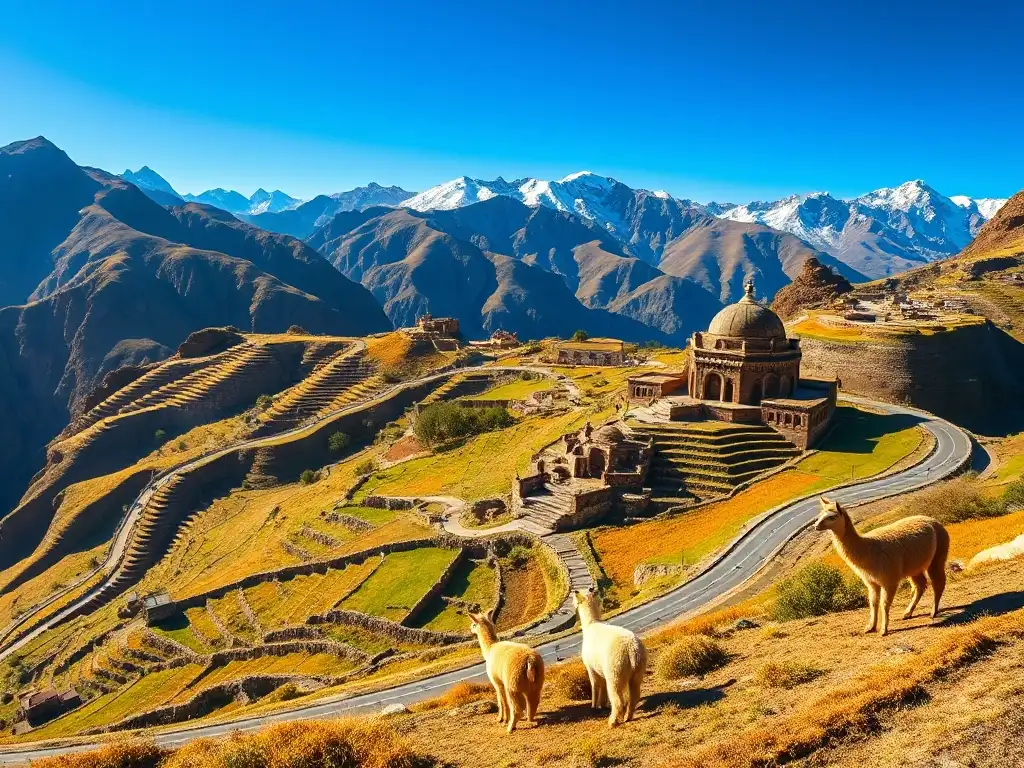
Step into a world lost to time, yet echoing with the whispers of a powerful past. Imagine a civilization stretching across the Andes, its influence felt from towering mountain peaks to sun-drenched valleys. The Andean Civilizations website unveils the mysteries of these remarkable societies, from the intricate artistry of the Nazca to the awe-inspiring engineering feats of the Incas. But what secrets lie within the enigmatic Huari empire? Discover the ingenious Huari empire administration methods that allowed them to govern such a vast and challenging territory – a story waiting to be unearthed. Explore with us!
- Huari Administration: Governing a Vast Territory
- Key Aspects of Huari Empire Administration
- Huari Imperial Strategies for Territorial Integration
- Evidence of Huari Governance Through Archaeology
- The Legacy of Huari Administration
-
Frequently Asked Questions
- What was the extent of the Huari Empire's territory?
- How did the Huari manage to administer such a large empire?
- What role did infrastructure play in Huari administration?
- Did the Huari use a written language for administration?
- What were some of the challenges the Huari faced in administering their empire?
- Final Reflection: The Enduring Legacy of Huari Governance
- Unveil the Secrets of Huari Governance Today!
Huari Administration: Governing a Vast Territory
The Huari empire, flourishing in the Andes from approximately 600 to 1200 CE, stands as a testament to sophisticated administrative strategies employed to manage a vast and diverse territory. Unlike its later Inca successor, the Huari state lacked a centralized, highly structured bureaucracy. However, its success hinges on a complex interplay of political, economic, and social mechanisms that effectively integrated numerous disparate communities across the challenging Andean landscape.
This article delves into the methods employed by the Huari, exploring the ingenious systems they developed to govern such an expansive realm and providing insights into their remarkable organizational capabilities. Understanding the Huari empire administration methods reveals key elements of their societal structure and enduring legacy on subsequent Andean civilizations. The very scale of their achievement, considering the limitations of pre-Columbian technology and communication, presents a fascinating case study in effective governance.
We'll explore the evidence suggesting the Huari utilized a combination of strategies, ranging from centralized control in key areas to a more decentralized approach in the periphery. This nuanced approach allowed for effective administration while accommodating the unique needs and characteristics of the different regions under their control. Let's examine the key elements of this remarkable administrative system.
The Rise of the Huari Empire and the Need for Effective Governance
The Huari's rise to dominance in the central Andes wasn't a swift conquest, but rather a gradual process of expansion and consolidation. Initially centered around the Ayacucho region, their influence steadily grew, incorporating diverse ethnic groups and ecological zones. This expansion necessitated a sophisticated administrative system to maintain control, extract resources, and manage the logistical challenges of a far-flung empire.
Early evidence suggests a decentralized system, perhaps built upon pre-existing social structures, gradually evolving into a more centralized administration in key regions. The need for efficient resource management, including the distribution of agricultural surpluses and the coordination of labor, would have been paramount. Archaeological evidence, such as the standardized architecture found in Huari administrative centers and the distribution of fine ceramics, suggests a degree of centralized control over key aspects of the empire.
However, the exact nature and extent of this control remain a subject of ongoing research and debate among scholars. The Huari's success demonstrates a remarkable ability to adapt their administrative strategies to the specific contexts of different regions, fostering a dynamic relationship between the core and the periphery.
The Scale of Huari Territorial Control
The Huari empire's territorial reach was truly impressive, encompassing a vast area of the central Andes. Estimates of its extent vary, but it undoubtedly stretched across diverse environments, from high-altitude plains to coastal deserts. This geographical diversity presented significant challenges in terms of administration.
The sheer size of the Huari empire, encompassing [specific area pending] square kilometers and a population estimated at [specific population pending], necessitated effective communication and transportation networks. While the specifics of these networks remain debated, the presence of strategically located administrative centers and evidence of long-distance trade routes suggests a well-organized system for resource mobilization and communication. Maintaining order and control across such a vast and heterogeneous population required sophisticated strategies, likely involving a combination of military power, economic incentives, and ideological influence.
The standardization of certain architectural styles and ceramic designs across the empire might reflect attempts to create a sense of unified identity and shared cultural values, further solidifying Huari control. The efficient management of resources, including agricultural production and the distribution of goods, was critical to the empire's sustainability and demonstrates a sophisticated understanding of logistics and administration for the time period. The Huari's administrative prowess remains a compelling area of study, highlighting the complexities of governing a large-scale pre-Columbian empire.
Key Aspects of Huari Empire Administration
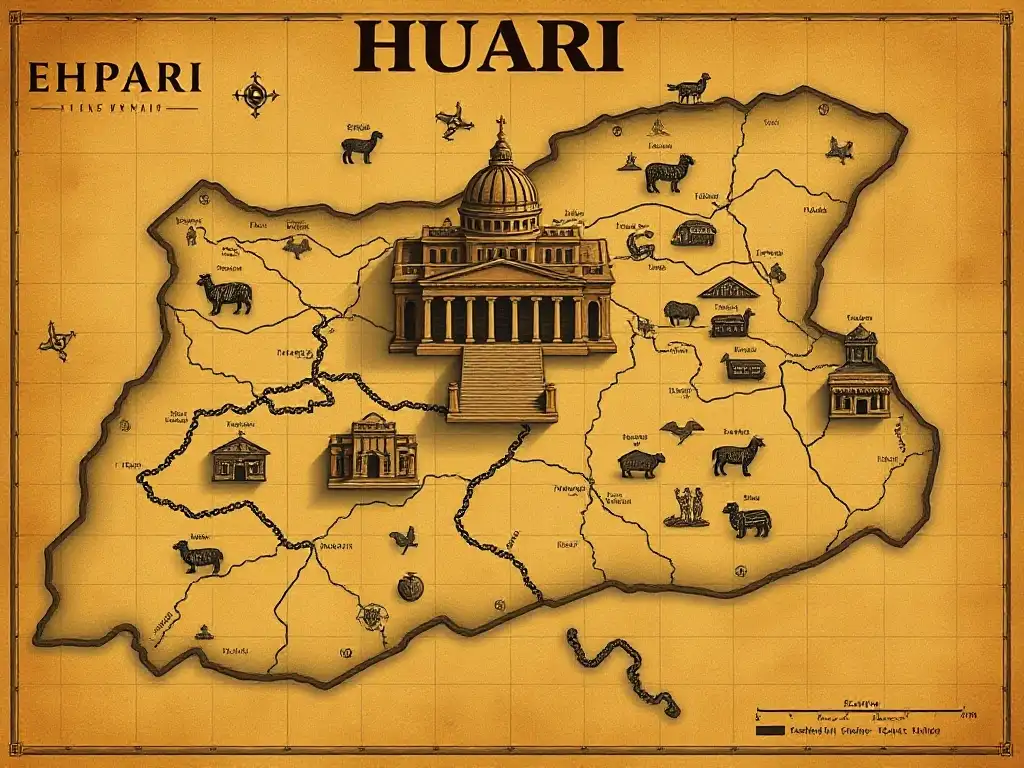
The Huari empire, flourishing between 600 and 1000 CE in the Andes, controlled a vast and diverse territory. Understanding how they managed such a sprawling domain requires examining their sophisticated administrative methods. The Huari empire administration methods weren't based on a single, easily defined system, but rather a complex interplay of centralized control and regional adaptation, effectively managing resource distribution, population control, and conflict resolution across a geographically challenging landscape.
This involved a sophisticated understanding of Andean geography, a strong military presence, and a flexible approach to governance tailored to the specific needs of different regions. The effectiveness of their system is evidenced by the empire's longevity and the significant impact it had on subsequent Andean cultures, particularly the Inca. The scale of the Huari's administrative achievements is truly remarkable considering the technological constraints of the time.
Their success serves as a testament to their organizational prowess and political acumen. Their administrative innovations left an indelible mark on Andean history, shaping the political and social landscape for centuries to come.
Centralized authority formed the backbone of Huari governance. While regional variations existed, a strong core power emanating from the capital city (whose precise location is still debated amongst scholars) dictated overall policy and exerted significant influence on various aspects of life within the empire. This control was likely facilitated through a hierarchical bureaucracy, with officials responsible for overseeing different regions and sectors.
Evidence suggests the use of standardized weights and measures for trade, hinting at a degree of economic regulation from the center. The construction of monumental architecture, such as the impressive administrative centers discussed below, further demonstrates the centralized planning and resource mobilization capabilities of the Huari state. The distribution of elite goods, such as fine ceramics and textiles, across the empire also points towards a highly organized system of control and communication.
However, the exact mechanisms of this centralized control—the specific roles of officials, the nature of communication networks, and the extent of local autonomy—remain areas of ongoing research and debate among experts in Huari studies. Further investigation into administrative records, if any survive, is crucial to fully understand the intricacies of Huari central authority.
Huari Administrative Centers: Regional Power Hubs
The Huari empire wasn't governed solely from a central capital; instead, a network of strategically located administrative centers played a crucial role in managing the vast territory. These centers served as regional power hubs, facilitating control over surrounding areas, managing resources, and potentially acting as points of communication and trade. Their design and construction reflect a standardized approach, suggesting a planned strategy for administrative control across the empire.
The size and complexity of these centers varied depending on their geographic location and strategic importance within the empire. Some served primarily as administrative outposts, while others were larger, more complex sites likely housing significant populations and administrative personnel.
Analysis of these centers provides invaluable insights into the Huari empire's administrative structure and the methods used to govern their expansive domain. The presence of these centers across the empire underscores Huari's ability to project power and maintain control over a geographically diverse and challenging landscape.
Pikillacta: Huari Administrative Architecture
Pikillacta, located near Cusco, is a prime example of Huari administrative architecture. Its layout, characterized by rectangular structures arranged in a grid pattern, suggests a planned city designed for efficient administration. The presence of storage facilities points to a significant role in managing resources and possibly distributing goods across the region. The scale of construction at Pikillacta is impressive, indicating a considerable investment of resources and manpower by the Huari state.
The architecture displays features consistent with other Huari administrative sites, highlighting the standardized approach to urban planning employed across the empire. Further research is needed to fully understand the specific administrative functions of Pikillacta, but its size and layout strongly suggest it was a vital regional hub within the Huari administrative network. The uniformity of construction seen at Pikillacta mirrors similar sites across the empire, reinforcing the idea of a centrally planned and controlled administrative system.
Wiracochapampa: A Northern Huari Center
Located in the northern part of the Huari empire, Wiracochapampa presents a different perspective on Huari administrative centers. Unlike Pikillacta, its architecture showcases a more complex arrangement, possibly reflecting adaptations to the local environment and the specific needs of the region. [Specific details about Wiracochapampa's administrative functions pending further research].
While the scale may be smaller than some other centers, its strategic location highlights the Huari's ability to extend their administrative reach into diverse geographical areas. The differences between Wiracochapampa and Pikillacta showcase the flexibility of Huari administrative strategies, adapting to regional variations while maintaining a core set of administrative principles. Further investigation into the artifacts and structures found at Wiracochapampa is crucial to a more complete understanding of northern Huari administration.
Cerro Baúl: A Southern Huari Outpost
Cerro Baúl, situated in the southern reaches of the Huari empire, represents a smaller-scale administrative outpost. Its function likely involved overseeing the local population and managing resource extraction in this peripheral region. [Detailed analysis of Cerro Baúl's administrative role pending further archaeological investigation].
The presence of such outposts across the empire demonstrates the Huari's capacity to maintain control over even the most distant areas. The presence of a smaller, less complex administrative center in a remote area like Cerro Baúl underscores the far-reaching extent of Huari influence and the adaptability of their administrative strategies. Further research into the artifacts and architecture at Cerro Baúl will shed more light on the challenges and strategies involved in managing a vast and diverse empire.
Road Networks: Communication and Control
The Huari empire's success hinged significantly on its sophisticated road network, a crucial element of its administrative prowess. These weren't simply paths; they were strategically planned arteries connecting distant provinces to the capital and facilitating the efficient movement of people, goods, and information. The roads themselves varied in construction, adapting to the challenging Andean terrain.
Some were paved, others were simply well-maintained tracks, but all served a vital purpose in maintaining control and communication across the vast empire. The construction and upkeep of this extensive system required considerable manpower and resources, reflecting the Huari state's ability to mobilize its population for large-scale projects. This infrastructure wasn't just about transportation; it was a symbol of power and a tool for consolidating control over conquered territories.
The sheer scale of the network speaks volumes about the centralized nature of Huari administration and its ability to manage logistical complexities across a geographically diverse realm. The impact of this system on the empire's stability and longevity cannot be overstated.
The Huari Road System and its Impact
The Huari road system wasn't merely a collection of trails; it was a meticulously planned network designed to optimize communication and resource distribution. Archaeological evidence suggests the use of standardized road construction techniques, indicating central planning and oversight. The roads connected major urban centers, agricultural regions, and resource-rich areas, enabling the efficient movement of goods and troops.
This facilitated trade and the collection of tribute, strengthening the empire's economic and political power. The impact extended beyond mere logistics. The roads also served as conduits for cultural exchange, disseminating Huari ideology and practices throughout the empire.
The system's effectiveness is evidenced by the relative stability and longevity of the Huari empire, compared to its predecessors and contemporaries. The efficient movement of information and resources, enabled by the roads, likely played a crucial role in suppressing rebellions and maintaining order across the vast territory. Further research is needed to fully understand the details of the road construction techniques and their regional variations.
Resource Management in the Huari State
Effective resource management was paramount to the Huari empire's success. The vast territory under their control encompassed diverse ecological zones, each offering unique resources. The Huari state developed sophisticated strategies to manage these resources, ensuring the provision of essential goods and services to its population and maintaining its economic power. This involved a complex interplay of agricultural production, mineral extraction, and the control of trade routes.
The centralized nature of Huari administration allowed for effective planning and distribution of resources, minimizing waste and maximizing efficiency. The empire’s success rested on its ability to efficiently manage these resources, preventing shortages and maintaining social stability. This system, however, was not without its challenges, and further research is needed to understand its complexities.
Agricultural Strategies and Food Supply
The Huari state implemented sophisticated agricultural strategies to ensure a stable food supply for its vast population. These strategies varied depending on the ecological zone, but often involved terracing, irrigation, and the cultivation of diverse crops adapted to different altitudes and climates. The efficient management of agricultural production was crucial to the empire's stability, preventing famines and maintaining social order.
Evidence suggests the Huari utilized a system of storage facilities to maintain food reserves, mitigating the impact of seasonal variations in agricultural output. This demonstrates a sophisticated understanding of logistics and resource management. The standardization of agricultural practices across different regions suggests a highly centralized system of control and planning.
Moreover, the implementation of these strategies likely fostered a degree of economic interdependence between different regions, strengthening the unity of the empire. Further research into the specific agricultural techniques employed would shed more light on the complexity of their food production system.
Control of Mineral Resources
Control over mineral resources was another key aspect of Huari empire administration. The Andes Mountains are rich in minerals like copper, silver, and gold, which were vital for crafting tools, weapons, and luxury goods. The Huari state strategically controlled access to these resources, either through direct mining operations or through trade agreements with communities controlling these sources.
This control allowed them to maintain a strong economy and exert political influence. The extraction and distribution of these resources were likely managed by the central authority, ensuring their fair distribution or use in grand projects. The ability to control and utilize these resources was critical to the Huari's military strength and economic prosperity.
The precise methods of control and distribution, however, require further investigation to fully understand the extent of Huari economic power and its impact on the empire's stability. The discovery of new archaeological sites may provide further insights into the Huari's mining techniques and trade networks.
Huari Imperial Strategies for Territorial Integration
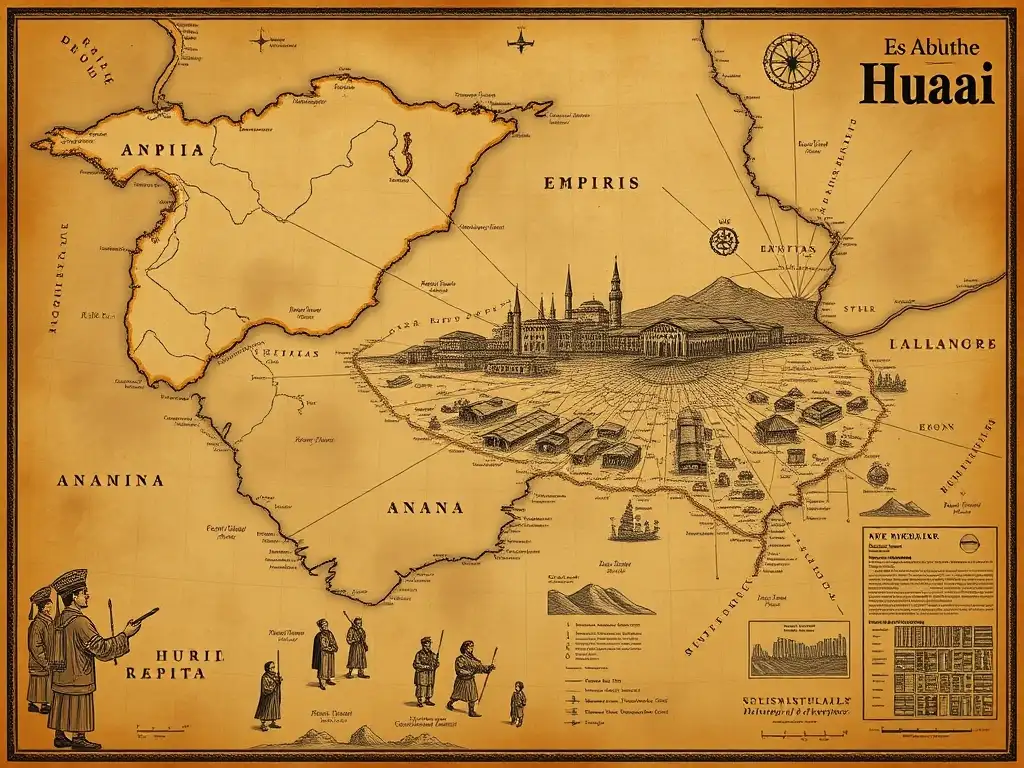
The Huari empire, flourishing in the Peruvian Andes from approximately 600 to 1000 CE, controlled a vast and diverse territory. Understanding the Huari empire administration methods requires examining the sophisticated strategies they employed to integrate such a geographically and culturally diverse population. Their success wasn't solely based on military might, but also on a nuanced approach combining cultural assimilation, religious influence, and strategic infrastructure development.
This section explores the key elements of Huari imperial control, focusing on their multifaceted approach to governance. Effective administration was crucial for the empire's longevity and its impact on subsequent Andean societies. The strategies employed by the Huari provide valuable insights into the complexities of managing a large, pre-Columbian empire.
Imposition of Huari Cultural Practices
A cornerstone of Huari administration was the systematic imposition of Huari cultural practices across their dominion. This wasn't a brutal, forced assimilation, but rather a more subtle process of cultural integration. Archaeological evidence suggests a deliberate dissemination of Huari-style pottery, architecture, and textiles throughout the empire. The standardized production of these goods, often found in similar styles across vast distances, points towards a centralized system of production and distribution.
This standardization fostered a sense of shared cultural identity, subtly unifying diverse populations under the Huari banner. Think of the iconic Huari pottery – its distinctive style, easily recognizable across the empire, served as a visual symbol of imperial power and cultural unity. This subtle but effective method of cultural imperialism helped solidify Huari control and fostered a sense of shared identity among diverse groups. The consistent use of architectural styles in administrative centers further reinforced this cultural hegemony.
Religion in Huari Empire Consolidation
Religion played a crucial role in the Huari empire's administration and consolidation of power. The Huari elite likely used religious ideology to legitimize their rule and foster loyalty among diverse subject populations. While specific details remain debated among scholars, the construction of large-scale religious complexes and the standardized iconography found throughout the empire suggest a deliberate attempt to create a shared religious landscape. These monumental constructions, often located strategically within conquered territories, served not only as places of worship but also as powerful symbols of Huari authority.
The spread of religious beliefs and practices helped to unify the diverse populations under a common framework, bolstering the empire's political and social stability. The presence of standardized religious iconography in far-flung regions suggests a centralized control over religious practices, further solidifying the empire's power. This religious unification was a critical component in the Huari empire administration methods.
Military Might in Huari Expansion
While cultural and religious influence were essential, the Huari empire’s expansion and control also relied heavily on military might. Their military successes facilitated the incorporation of new territories and populations into the empire. The effective deployment of military forces was crucial for maintaining control over such a vast and diverse realm. The scale of their military operations and the extent of their territorial reach highlight the importance of military power in the Huari empire administration methods. The strategic placement of military outposts and administrative centers facilitated both the expansion and the long-term control of conquered territories.
Huari Military Organization and Tactics
The success of the Huari military stemmed from a well-organized and efficient structure. While precise details remain elusive due to the limited surviving textual records, archaeological evidence suggests a complex military organization. It's likely that the army was composed of both professional soldiers and conscripted levies from conquered territories.
The Huari likely utilized a combination of tactics, adapting their strategies to the specific challenges posed by different terrains and enemy forces. The standardized weaponry and military architecture found throughout the empire suggest a degree of centralized control over military resources and organization. Further research is needed to fully understand the intricacies of Huari military organization and tactics, but existing evidence points to a highly effective military machine that played a vital role in the empire's expansion and maintenance of its vast territory.
This sophisticated military capability was undoubtedly a key component of the Huari empire administration methods. The impact of their military success on the subsequent development of Andean societies cannot be overstated.
Evidence of Huari Governance Through Archaeology
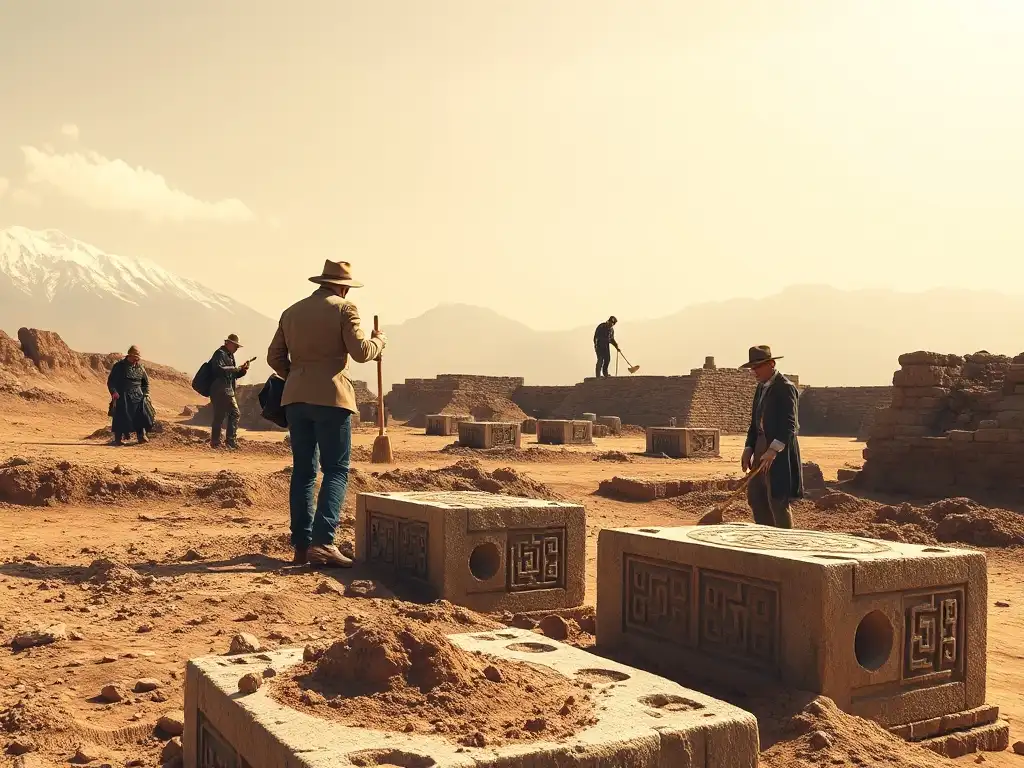
The Huari empire, flourishing between 600 and 1000 CE in the Andes, controlled a vast and diverse territory. Understanding how they managed such a sprawling realm requires examining the archaeological evidence they left behind. This evidence, meticulously unearthed and analyzed over decades, reveals a sophisticated administrative system, far more complex than previously imagined. The sheer scale of their infrastructure and the standardization of artifacts point towards a centralized authority capable of efficient resource management and communication across significant distances.
This section will explore key archaeological findings that illuminate Huari administrative methods, focusing on pottery, architecture, and artifacts. The sophisticated organization reflected in these discoveries challenges previous assumptions about the nature of Huari governance and highlights the empire's remarkable organizational prowess. Understanding the Huari empire administration methods is crucial to grasping the extent of their influence and the sophistication of their political organization in the pre-Columbian Andes.
Huari Pottery and Administrative Control
Huari pottery provides compelling evidence of centralized control and standardized production. The hallmark of Huari pottery is its remarkable consistency across the vast empire. Styles, techniques, and even the types of clay used show a surprising uniformity, suggesting a degree of centralized production or, at the very least, strict quality control enforced across different regions.
This standardization wasn't merely aesthetic; it likely served administrative purposes. For instance, specific types of pottery might have been used for official purposes, signifying the authority of the Huari state. The distribution of these standardized pottery types across different sites provides a tangible marker of Huari control and the reach of their administrative network.
Furthermore, the presence of specific motifs or symbols on pottery could have served as indicators of administrative districts or even tax obligations. The meticulous analysis of Huari pottery styles and their distribution across the empire is thus crucial for understanding the mechanisms of Huari administration and its impact on daily life.
Further research into the chemical composition of the clay used in Huari pottery could provide even more precise information about the origins of the clay and the trade routes used to transport it. This would significantly enhance our understanding of the logistical capabilities of the Huari administration. The absence of significant regional variations in pottery styles argues against purely local production and points toward a centralized system of distribution and control. This centralized approach to pottery production is a hallmark of the Huari empire administration methods and highlights their capacity for large-scale organization.
Architectural Remains and Huari Administration
The impressive architectural remains of the Huari empire provide further evidence of their sophisticated administrative capabilities. The construction of large-scale public works, such as monumental platforms, temples, and storage facilities, required significant planning, labor organization, and resource management. The scale of these projects necessitates a highly structured administrative system capable of mobilizing and coordinating large workforces.
The uniformity in architectural styles across different regions also suggests a degree of centralized planning and control over construction techniques and materials. For example, the consistent use of specific building materials and architectural features across widely dispersed sites points towards a centralized administrative system dictating construction standards.
Analysis of the layout of Huari administrative centers reveals a sophisticated understanding of urban planning. The strategic placement of buildings, the organization of public spaces, and the distribution of resources all point towards a carefully planned and organized urban landscape. The presence of standardized architectural elements, such as doorways, windows, and building materials, further supports the idea of centralized administrative control over construction projects.
This careful planning and standardized construction are key aspects of the Huari empire administration methods, demonstrating their advanced capabilities in urban planning and resource management. The meticulous organization evident in Huari architecture highlights the efficiency and reach of their administrative system.
Artifacts and Huari Power Structures
Beyond pottery and architecture, various artifacts offer insights into Huari power structures and administrative strategies. The discovery of standardized weights and measures, for example, suggests a centralized system for regulating trade and commerce. These standardized units facilitated fair exchange and likely played a crucial role in the empire's economic organization. Furthermore, the discovery of administrative documents, albeit limited, provides direct evidence of bureaucratic practices. While decipherment remains challenging, the existence of these documents confirms the presence of a formal administrative apparatus.
The distribution of elite goods, such as finely crafted textiles and metalwork, provides evidence of a hierarchical social structure and the mechanisms used to maintain it. These goods, often found in elite contexts, served not only as symbols of power and status but also as tools for reinforcing the authority of the Huari state.
The controlled distribution of these goods likely served to maintain loyalty and consolidate power across the vast empire. The intricate system of distribution and control over elite goods is a significant aspect of the Huari empire administration methods, highlighting their ability to maintain control over a large and diverse population.
Further research into the symbolism and distribution patterns of these artifacts will contribute significantly to a more complete understanding of Huari administrative practices. The careful study of these artifacts, in conjunction with architectural and pottery evidence, provides a multifaceted view of Huari administration, revealing a complex and sophisticated system of governance.
The Legacy of Huari Administration
The Huari empire, flourishing between 600 and 1000 CE in the Andes, controlled a vast and diverse territory. Understanding their administrative methods is crucial to comprehending their remarkable success and enduring influence on subsequent Andean societies, particularly the Inca. Their sophisticated system wasn't solely based on military might; it relied heavily on a complex network of control and communication, facilitating the integration of disparate groups and the efficient management of resources. The Huari's administrative prowess left an undeniable mark, shaping the governance strategies of later empires. This section delves into the specifics of Huari administration and its lasting legacy.
Huari Influence on Inca Administration
The Inca, who rose to power centuries after the Huari collapse, undoubtedly inherited and adapted elements of the Huari administrative system. While the specifics of this influence are debated, several parallels suggest a clear connection. For example, the Huari's use of standardized pottery and architecture, indicative of centralized control over production and construction, finds echoes in the Inca's meticulously organized crafting and building projects. Both empires employed extensive road networks, facilitating communication and troop movement across their vast realms.
The Huari's emphasis on provincial capitals, strategically located to manage regional populations and resources, is also mirrored in the Inca's suyu system, dividing their empire into four administrative quadrants. Moreover, both empires utilized a system of mit'a, a form of labor tax requiring subjects to contribute to public works. Although the Inca mit'a was more formalized and extensively documented, its fundamental principle of obligatory labor for the state likely originated, or at least found a precedent, in Huari practices.
The Inca's sophisticated record-keeping system, using quipus (knotted cords), might also reflect a continuation of Huari administrative practices, although the evidence for sophisticated record-keeping in the Huari period is less direct and requires further archaeological investigation. The impressive longevity and scale of the Inca Empire, therefore, might be partially attributed to the effective administrative foundations laid by the Huari centuries prior. Further research comparing the administrative structures of both empires is needed to fully elucidate the extent of Huari influence on Inca governance.
Lessons from Huari Governance
The Huari's administrative success offers valuable lessons for understanding effective governance, even in modern contexts. Their ability to integrate diverse ethnic groups into a functioning empire, despite significant geographical and cultural differences, underscores the importance of inclusive policies and effective communication. Their centralized control over resource distribution and production highlights the need for efficient resource management and equitable distribution to ensure social stability.
The strategic placement of administrative centers facilitated effective communication and swift responses to regional challenges. The Huari system, while undoubtedly authoritarian, demonstrated a capacity for adaptation and resilience, allowing them to weather internal conflicts and external pressures. The Huari experience reminds us that successful governance requires a delicate balance between centralized authority and regional autonomy, a balance that continues to be a challenge for large and diverse societies today.
Analyzing the rise and fall of the Huari empire provides valuable insights into the factors contributing to both imperial success and eventual decline, offering lessons relevant to the study of governance in both ancient and modern contexts. Specifically, the sophisticated use of infrastructure and communication, coupled with a structured approach to resource management, provides a model for effective governance strategies, even in contemporary societies facing similar challenges of integrating diverse populations and managing vast territories. The Huari empire, therefore, serves as a compelling case study in effective large-scale governance and offers valuable insights for modern-day administrators and policymakers.
Frequently Asked Questions
What was the extent of the Huari Empire's territory?
The Huari Empire controlled a vast area of the Andes, encompassing much of modern-day Peru and extending into parts of Bolivia, Chile, and Argentina. Its influence stretched across diverse geographical and ecological zones.
How did the Huari manage to administer such a large empire?
The Huari employed sophisticated administrative strategies, including a highly organized bureaucracy, extensive road networks, and the establishment of provincial centers to control and govern distant regions. They also likely utilized a system of tribute and resource management.
What role did infrastructure play in Huari administration?
Road systems were crucial for communication, military control, and resource transportation. The construction of administrative centers and storage facilities in strategic locations further facilitated the empire's governance.
Did the Huari use a written language for administration?
While the Huari did not possess a fully developed writing system like the later Incas, they used complex record-keeping systems, possibly involving quipu (knotted strings) and other forms of symbolic representation, to manage their empire.
What were some of the challenges the Huari faced in administering their empire?
Maintaining control over such a vast and diverse territory presented significant challenges. Rebellions, environmental factors, and internal conflicts likely contributed to the eventual decline of the Huari Empire.
Final Reflection: The Enduring Legacy of Huari Governance
The sophisticated administrative strategies employed by the Huari Empire remain remarkably relevant today, offering valuable insights into the challenges of managing vast, diverse populations and complex logistical networks. Their success in unifying a geographically challenging landscape and fostering economic integration across such a wide territory stands as a testament to their innovative approach to governance. Understanding their methods allows us to appreciate the ingenuity required to build and maintain such a powerful state, and to consider the parallels with modern challenges in global governance and resource management.
The Huari's influence extends far beyond their physical borders, shaping the cultural and social landscape of the Andes for centuries to come. Their administrative innovations, from standardized pottery to intricate road systems, left an indelible mark on subsequent Andean civilizations. The echoes of their influence can still be heard in the intricate social structures and economic systems of the region. The past is never dead. It's not even past.
- William Faulkner. This quote perfectly encapsulates the enduring relevance of studying the Huari, as their administrative systems continue to inform our understanding of effective governance and societal development.
Consider the intricate web of interconnectedness the Huari established. Think about the logistical feats they accomplished to manage their vast empire. Now, reflect on how these principles might be applied to contemporary challenges, from managing global supply chains to addressing issues of social equity and resource distribution.
You, the reader, hold the power to apply these lessons to your own sphere of influence, whether it's in your community, workplace, or personal life. Let the story of Huari administration inspire you to think creatively about solutions to complex problems, and to strive for effective and equitable governance in your own world.
Unveil the Secrets of Huari Governance Today!
Thank you for exploring the fascinating world of Huari administration! You've uncovered the complexities of governing such a vast empire. Now, let's apply this knowledge.
Here are some ways to further your understanding and engagement with the rich history of Andean civilizations:
- Explore further: Learn about the governance strategies of other Andean cultures and compare their approaches.
- Join the discussion: Share your thoughts on the Huari governance model in the comments section below—what aspects intrigue you most?
- Connect with fellow enthusiasts: Follow us on social media to connect with a community of scholars and history buffs who share your passion for Andean history.
How might aspects of Huari governance inform modern leadership practices?