
The Weaving Tradition: Exploring Textile Arts in the PreIncan Andes

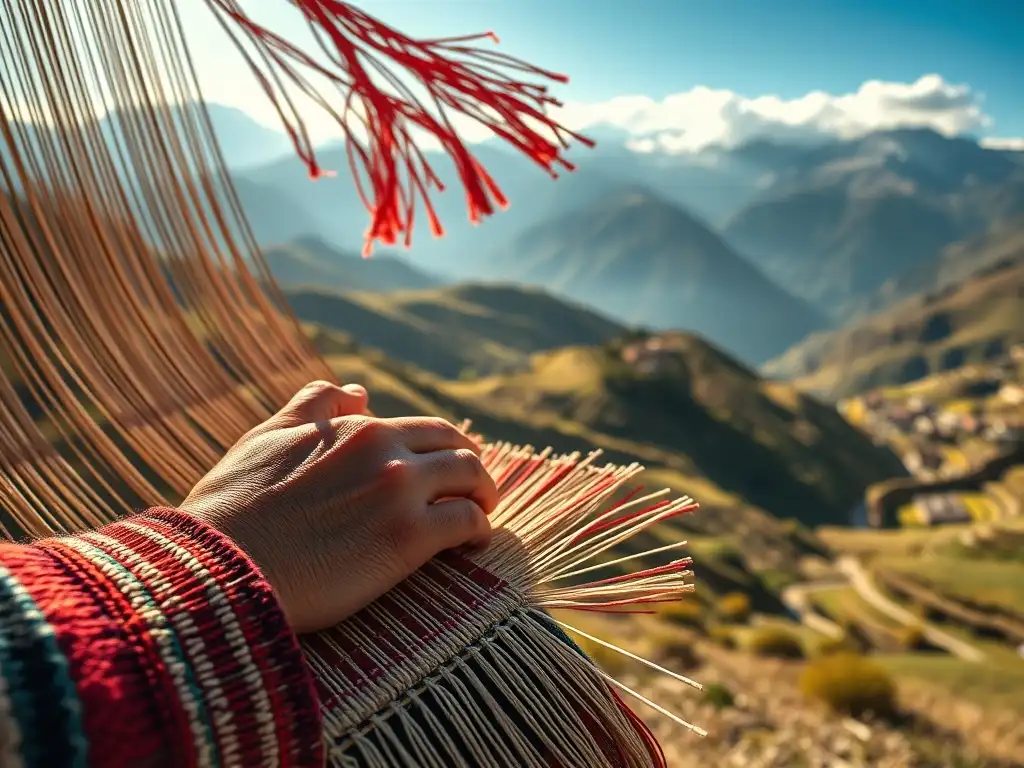
Unravel the mysteries of a lost world… Imagine vibrant textiles, intricate designs, and the secrets whispered through threads spanning millennia. Dive into the captivating world of Andean pre-Inca textile techniques, where ancient artistry meets groundbreaking innovation. Discover how these masterful weavers shaped their societies and left behind a legacy woven into the very fabric of history. Prepare to be amazed by the ingenuity and artistry of the pre-Incan Andes – your journey begins now.
The Andes Mountains, a spine of towering peaks running down the western coast of South America, nurtured a rich tapestry of pre-Inca cultures. For millennia, these societies developed sophisticated technologies and artistic expressions, with textile production holding a particularly prominent place.
This article delves into the fascinating world of Andean pre-Inca textile techniques, examining the diverse methods, materials, and symbolic meanings embedded within these remarkable artifacts. We'll explore how these techniques varied across different Andean cultures, revealing the ingenuity and artistry of societies like the Paracas, Nazca, and Wari, whose textiles provide invaluable insights into their beliefs, social structures, and daily lives.
Understanding these ancient Andean textile techniques offers a window into the vibrant and complex societies that flourished long before the Inca Empire rose to prominence. The intricate weaving, dyeing, and embellishment techniques employed reveal not only remarkable technical skill but also a deep connection to the Andean landscape and its resources.
Materials and Techniques: A Diverse Palette
Andean pre-Inca textile production utilized a variety of readily available materials, primarily different types of camelid fibers. Llama, alpaca, and vicuña wool, each possessing unique qualities of softness, warmth, and strength, formed the basis of their textiles. The choice of fiber often reflected the social status of the weaver and the intended use of the textile. For example, vicuña wool, prized for its exceptional fineness, was reserved for elite garments and ceremonial objects.
Beyond the fiber itself, the techniques employed were equally diverse and sophisticated. The most common weaving technique was backstrap loom weaving, a method requiring remarkable skill and precision. This involved using a simple loom attached to a backstrap, allowing the weaver to control the tension and create intricate patterns.
Evidence suggests the use of different types of looms, possibly including more complex varieties, as the complexity of some textiles points towards more advanced technology. Furthermore, the pre-Inca Andean peoples mastered a range of dyeing techniques, using natural pigments derived from plants, minerals, and insects to achieve a stunning array of colors. These dyes were incredibly durable, with many surviving for millennia.
Andean textiles were not simply utilitarian objects; they carried profound symbolic meanings and played a significant role in social life. Complex patterns and designs often encoded information about social status, clan affiliation, and religious beliefs. Certain motifs, such as stylized animals, geometric shapes, and mythical creatures, recurred across different cultures, suggesting shared symbolic languages and possibly pan-Andean networks of exchange and interaction.
The use of specific colors also held symbolic weight, with certain hues associated with specific deities or cosmological concepts. For example, [specific color associations pending] which requires further research to confirm the specific meanings associated with each color.
Furthermore, the creation and ownership of textiles were often deeply intertwined with social hierarchies. Elite individuals frequently wore garments adorned with elaborate designs and high-quality materials, reflecting their privileged status within society. The production of textiles could also be a significant economic activity, with specialized workshops and skilled artisans playing a crucial role in the Andean economy.
Regional Variations: A Tapestry of Styles
While certain techniques and motifs were shared across different Andean cultures, regional variations are also evident, reflecting the diverse ecological environments and social structures of the various societies. The Paracas culture, known for its elaborate mummy bundles adorned with intricate textiles, demonstrated a mastery of needlework and embroidery. The Nazca, famous for their geoglyphs, also produced textiles with distinctive iconography and color palettes, often depicting stylized animals and deities. The Wari, a powerful empire that controlled a vast territory, created textiles that reflected their imperial power and centralized administration.
These regional differences highlight the rich diversity of textile traditions within the pre-Inca Andes. Further research into specific regional styles and their unique characteristics is needed to fully appreciate the scope of this diversity. For example, [specific examples of regional variations pending].
The Legacy of Andean Textile Traditions
The legacy of Andean pre-Inca textile techniques continues to inspire and amaze. Their intricate designs, vibrant colors, and exceptional craftsmanship stand as a testament to the ingenuity and artistic talent of these ancient societies. The techniques and motifs developed in the pre-Inca Andes have had a lasting impact on subsequent Andean cultures, including the Inca, and continue to influence textile traditions in the region today.
Studying these ancient textiles not only allows us to appreciate their aesthetic beauty but also provides invaluable insights into the complex social, religious, and economic lives of the people who created them. The preservation and study of these artifacts remain crucial for understanding the rich cultural heritage of the Andes.
- Materials and Techniques: A Diverse Palette
- Symbolic Meanings and Social Context
- Regional Variations: A Tapestry of Styles
- The Legacy of Andean Textile Traditions
- What makes Andean pre-Inca textile techniques unique?
- What types of fibers were commonly used in pre-Inca Andean textiles?
- How did pre-Inca Andean weavers create such vibrant colors?
- What were some of the common designs found in pre-Inca Andean textiles?
- Where can I learn more about Andean pre-Inca textile techniques?
Pre-Incan Andean Textiles: A Window into Ancient Cultures
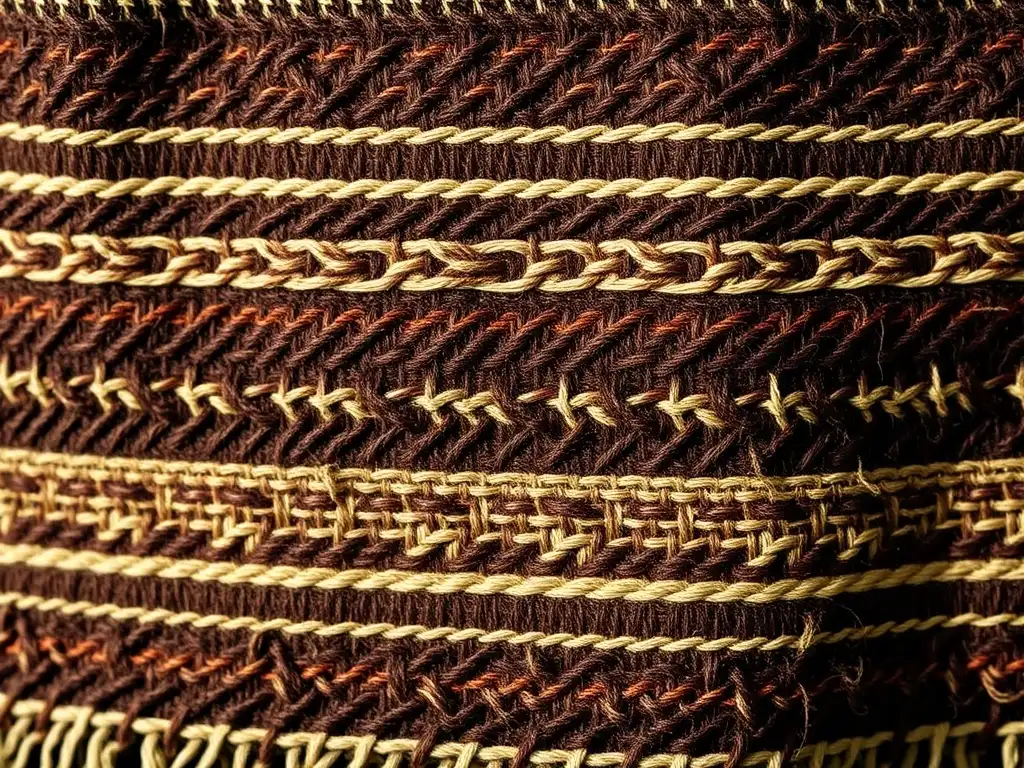
This section delves into the fascinating world of Andean pre-Inca textile techniques, revealing the sophisticated artistry and technological prowess of these ancient cultures. The textiles weren't merely clothing; they were integral to the social, religious, and economic fabric of Andean societies. Examining these intricate weavings provides invaluable insights into their beliefs, social structures, and daily lives.
Understanding these Andean pre-Inca textile techniques unlocks a deeper comprehension of the rich tapestry of pre-Columbian Andean civilizations. The remarkable preservation of many textiles, often found in arid desert climates or within carefully constructed tombs, allows for detailed analysis of the materials, techniques, and symbolism employed. This analysis offers a unique perspective on the ingenuity and artistry of these ancient peoples.
The Significance of Textiles in Andean Societies
Textiles in Andean societies held profound significance, extending far beyond their practical use as clothing and shelter. They served as powerful symbols of status, identity, and religious beliefs. The complexity and artistry of a textile often reflected the social standing of its owner or the importance of the occasion for which it was created. For example, elaborate garments adorned with intricate designs and rare dyes were reserved for elites, while simpler textiles were worn by the common people.
The use of specific colors and motifs carried symbolic meaning, often related to deities, agricultural cycles, or ancestral lineages. The vibrant hues derived from natural dyes – cochineal, indigo, and various plant extracts – were meticulously prepared and carefully applied, reflecting a deep understanding of both natural resources and artistic expression. The precision and skill involved in creating these textiles speak volumes about the advanced level of craftsmanship within Andean societies.
Consider the intricate tapestry depicting a mythical creature or a significant event. Such a textile would not only have been a valuable possession but also a powerful statement of the weaver's skill and the wearer's social standing. This complex interplay of social function and artistic expression is a key element in understanding Andean preInca textile techniques.
Moreover, textiles played a vital role in religious ceremonies and rituals. Textiles were used to adorn temples, statues, and mummies, demonstrating their importance in the spiritual realm. The textiles themselves could be considered sacred objects, imbued with spiritual power. This sacred aspect adds another layer to the significance of Andean preInca textile techniques, highlighting the deep connection between the material world and the spiritual realm.
Early Evidence of Weaving in the Andes
The earliest evidence of weaving in the Andes dates back to the early stages of settled agriculture, approximately 7000-6000 BCE. While the exact origins remain a topic of ongoing research, archaeological findings reveal the gradual development of weaving techniques and the increasing sophistication of textile production over centuries. Initial textiles were likely simple, utilitarian items made from readily available plant fibers, like cotton and various types of grasses. These early textiles showcase the resourcefulness and ingenuity of the Andean peoples, adapting readily-available materials to create essential items.
Over time, advancements in technology led to the development of more complex weaving techniques, including the use of different types of looms and the incorporation of diverse materials such as wool from camelids (llamas and alpacas). The appearance of more elaborate designs and the use of intricate weaving patterns indicate a growing level of artistic expression and technological skill. The transition from simple, functional textiles to more complex and aesthetically pleasing ones reflects the evolving social and cultural landscape of the Andean region.
The development of more advanced Andean preInca textile techniques is closely linked to the rise of complex societies and the emergence of specialized labor. Evidence suggests that weaving became a specialized craft, with skilled artisans creating intricate textiles for both elite and commoner use. The increasing complexity of textile production reflects a more stratified social structure and the growing importance of textile production in the Andean economy.
This evolution from basic weaving to sophisticated textile artistry highlights the remarkable ingenuity and adaptability of Andean cultures throughout pre-Inca periods. Further research into specific sites and the analysis of recovered textiles will continue to refine our understanding of the timeline and evolution of these crucial Andean preInca textile techniques.
Regional Variations in Pre-Inca Textile Production
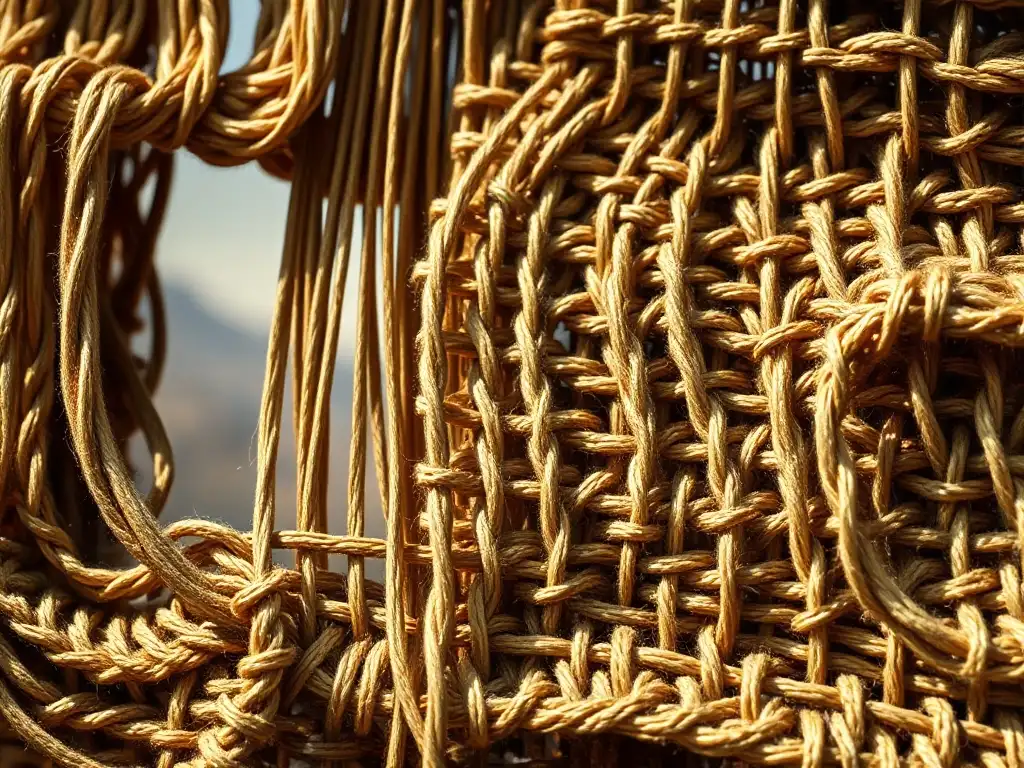
The Andes Mountains, with their diverse geography and microclimates, fostered a rich tapestry of textile traditions before the Inca Empire. Analyzing Andean pre-Inca textile techniques reveals significant regional variations in materials, techniques, and stylistic preferences. These differences reflect not only the availability of resources but also distinct cultural identities and social structures within the various pre-Inca societies.
The mastery of textile production was a crucial element of Andean life, influencing everything from clothing and ritual objects to social status and trade networks. The techniques and styles varied dramatically between the coastal and highland regions, resulting in a remarkable diversity of textiles that continues to fascinate researchers and enthusiasts today.
Coastal Textile Traditions: Paracas Weaving
The Paracas culture (ca. 800-200 BCE), inhabiting the southern coast of Peru, is renowned for its incredibly sophisticated textile production. Their mastery of weaving techniques, coupled with their vibrant use of color and intricate designs, set them apart from their contemporaries. The sheer scale of their textile output, often found in elaborate burial contexts, indicates the importance of textiles in their religious and social practices. The extraordinary preservation of these textiles in the arid coastal climate provides invaluable insights into Andean pre-Inca textile techniques.
Unique Weaving Techniques of Paracas
Paracas weavers were pioneers in several advanced techniques. They employed a variety of weaving structures, including tapestry, embroidery, and gauze, achieving astonishing levels of detail and complexity. Their mastery of gauze weaving, creating lightweight and breathable fabrics, was particularly remarkable. They also developed sophisticated methods of plying yarns, combining multiple strands to create strong and durable fabrics with varied textures.
Evidence suggests they used a combination of backstrap looms and possibly more advanced loom types, allowing them to create large, intricately designed textiles. The intricate detail seen in their textiles, particularly the densely packed embroidery, demonstrates a high level of skill and precision. Analysis of surviving textiles reveals the use of multiple types of needles and specialized tools for creating the elaborate designs.
The Use of Cotton in Paracas Textiles
Cotton was a staple fiber for Paracas weavers. The arid coastal climate was ideal for cotton cultivation, providing abundant raw material for their elaborate textile production. They cultivated various cotton species, resulting in a range of colors, including natural beige, brown, and even shades of green. The Paracas weavers expertly processed the cotton, carefully cleaning, spinning, and dyeing the fibers before weaving.
Archaeological evidence suggests that they used natural dyes derived from plants and minerals, achieving a vibrant and durable palette of colors, some of which retain their brilliance even after centuries. The remarkable colorfastness of many Paracas textiles highlights the sophisticated techniques employed in dyeing and finishing the fabrics. The use of cotton, combined with their advanced weaving techniques, allowed them to create textiles that were both beautiful and functional, reflecting their deep understanding of both agriculture and textile production.
Highland Textile Traditions: Wari Weaving
The Wari culture (ca. 600-1000 CE), located in the highlands of Peru, developed its own distinct textile traditions, reflecting the different environmental and cultural context of the Andean highlands. While sharing some similarities with coastal traditions, Wari textiles showcase unique patterns, motifs, and weaving techniques adapted to the highland environment. Their textiles, while less abundant than those of the Paracas, provide crucial evidence for understanding the spread of textile technologies and the regional variations within the Andean world.
Distinctive Patterns and Motifs in Wari Textiles
Wari textiles are characterized by geometric patterns, often incorporating stylized representations of animals and plants. These motifs frequently include stylized birds, felines, and snakes, reflecting the importance of these creatures in Wari mythology and cosmology. The use of bold, contrasting colors further enhances the visual impact of these designs. Unlike the highly detailed embroidery of Paracas textiles, Wari textiles often emphasize the interplay of color and pattern within the woven fabric itself.
They frequently employed techniques such as brocade and ikat to create intricate designs directly within the warp and weft of the cloth. The repetition of specific motifs across various textile types suggests the existence of standardized designs, possibly related to social status or ritual practices. Further research is needed to fully understand the symbolic meaning of these patterns and their relationship to Wari society.
The Role of the Vertical Loom in Wari Weaving
The vertical loom was a key tool in Wari textile production. This type of loom allowed for the creation of larger and more complex textiles compared to earlier backstrap loom techniques. The use of the vertical loom facilitated the creation of the broader textiles and bolder designs characteristic of Wari weaving.
The vertical loom likely contributed to the increased efficiency and scale of textile production in the Wari empire, supporting the demands of a larger and more centralized society. The adoption of the vertical loom represents a significant technological advancement in Andean textile production, contributing to the unique stylistic features of Wari textiles and their widespread distribution throughout the empire. Further investigation into the construction and use of Wari looms is needed to fully understand its impact on their textile production.
Andean Pre-Inca Textile Techniques: Materials and Methods
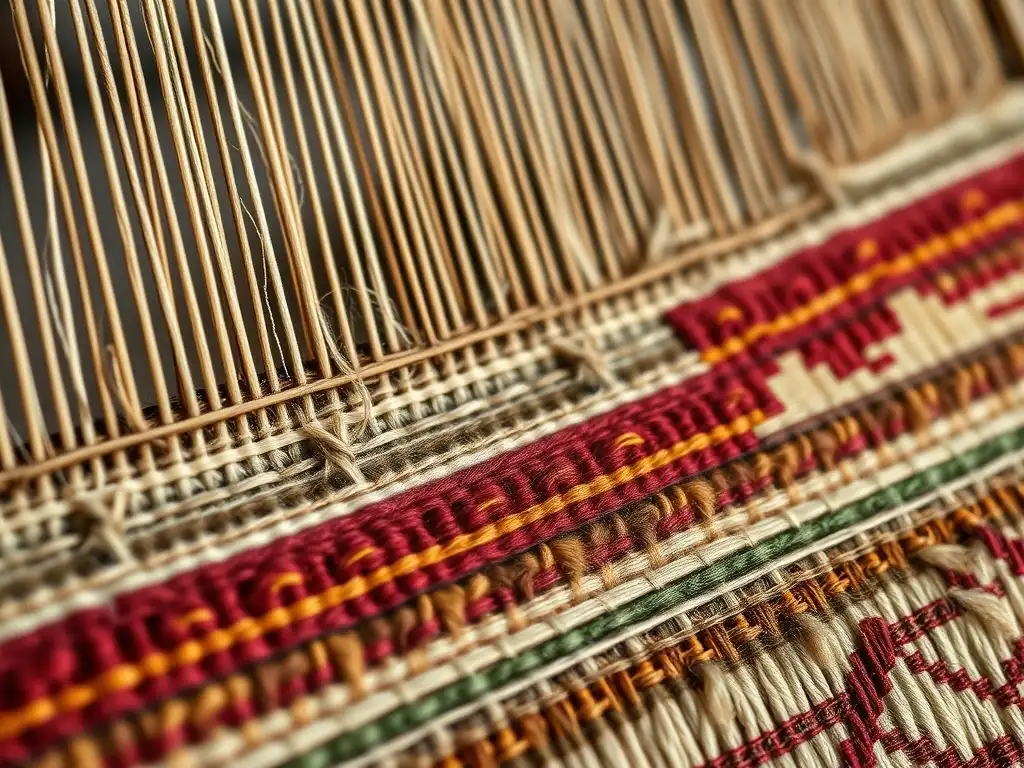
This section delves into the remarkable ingenuity of Andean pre-Inca textile production, focusing on the materials and methods employed to create their iconic and enduring fabrics. Understanding these techniques provides crucial insight into the sophistication of these ancient societies and their deep connection to their environment. The mastery of fiber processing, dyeing, and weaving showcases a complex interplay of knowledge, skill, and artistic expression, contributing significantly to their cultural identity. The term "Andean pre-Inca textile techniques" encompasses a vast array of practices, each reflecting regional variations and stylistic preferences.
Fiber Sourcing: From Alpaca Wool to Cotton
The Andean highlands offered a diverse range of natural fibers, each with unique properties influencing textile production. Alpaca and llama wool were prized for their softness, warmth, and durability, particularly in the higher altitudes. These animals were not only sources of fiber but also held significant economic and symbolic value within the communities. The quality of the wool varied depending on factors such as the animal's age, diet, and geographic location. Finely spun alpaca wool, for example, was reserved for elite garments, while coarser llama wool was used for everyday clothing and utilitarian items.
In contrast, the lower, warmer valleys provided cotton, a plant fiber ideal for creating lighter and more breathable textiles. Cotton cultivation was a significant agricultural practice, contributing to the economic and social fabric of these communities. The availability of both wool and cotton allowed for a diverse range of textile production, adapting to the varying climatic conditions and the needs of different social groups. The careful selection and blending of fibers demonstrate a deep understanding of material properties and their application.
Processing Techniques for Different Fiber Types
The transformation of raw fibers into usable yarn involved complex and labor-intensive processes. Wool fibers, for instance, underwent careful cleaning, carding (to align the fibers), and spinning. Spinning techniques varied across regions, with some communities employing hand spindles while others used more sophisticated drop spindles. The fineness and evenness of the yarn directly influenced the quality and texture of the final textile. The spinning process was often a communal activity, with women gathering together to share their skills and stories.
Cotton processing involved different steps, beginning with the harvesting of the cotton bolls and the removal of the seeds. Then, the cotton fibers were cleaned and carded before being spun into yarn. The presence of both wool and cotton processing techniques in the same region suggests a degree of specialization and potentially an exchange of goods and knowledge between different communities. Archaeological evidence reveals intricate tools and techniques used in fiber processing, highlighting the sophistication of these pre-Inca technologies.
Dyeing Techniques: Natural Pigments and Color Symbolism
Color played a crucial role in Andean pre-Inca textiles, extending beyond mere aesthetics to convey social status, religious beliefs, and regional identity. The rich palette of colors achieved through natural dyes reflected the abundant resources available in the Andean environment. The sourcing and application of these dyes involved a deep understanding of botany, chemistry, and artistic expression. The dyes themselves were not just pigments but held symbolic meaning within the cultural context.
Plant-Based Dyes: Sourcing and Application
A wide array of plants provided the basis for the vibrant colors found in Andean textiles. Plants like Indigofera (indigo) produced deep blues, while various species of Bixa orellana (achiote) yielded reds and oranges. Yellows and browns were obtained from various plant sources, including different tree barks and roots.
The process involved meticulously collecting, preparing, and applying the dyes, often using mordants (substances that help the dye bind to the fiber) derived from natural sources as well. The precise methods and recipes for dye preparation likely varied across different regions and communities, reflecting unique traditions and knowledge passed down through generations.
Mineral-Based Dyes: Achieving Lasting Colors
In addition to plant-based dyes, Andean communities also utilized minerals to achieve a broader range of colors and enhance the durability of their textiles. Ochres and clays provided earthy tones, while other minerals yielded vibrant reds and yellows. The use of mineral dyes, often in combination with plant-based dyes, allowed for a greater complexity of color and texture in the finished product.
The permanence of these mineral-based dyes is evident in the well-preserved textiles found in archaeological sites, a testament to the advanced technological understanding of these ancient Andean societies. The lasting quality of these colors underscores the sophistication of the dyeing techniques and the careful selection of both plant and mineral resources. The enduring beauty and vibrant hues of many pre-Inca textiles stand as a powerful tribute to the mastery of these ancient Andean textile techniques.
Weaving Structures: Looms and Textile Construction
The remarkable textiles of the Andean pre-Inca cultures were produced using a variety of sophisticated weaving structures, all reliant on ingenious loom technologies. Understanding these structures is key to appreciating the artistry and technical skill involved in creating these enduring masterpieces. The most common loom, and arguably the most significant for understanding Andean textile production, was the backstrap loom.
However, other, less common loom types likely existed, though evidence is scarce and often indirect, relying on surviving textiles themselves to infer the tools used. The complexity of the surviving textiles suggests a level of technical proficiency that belies the simplicity of the basic loom. The construction of these textiles involved a deep understanding of fiber preparation, spinning techniques, and the manipulation of weft and warp threads to achieve a variety of textures, patterns, and designs.
The inherent properties of the materials, such as the strength and elasticity of the fibers, influenced the specific weaving techniques employed. This intricate interplay of materials, tools, and technique resulted in textiles that were not only beautiful but also highly functional and durable, reflecting the ingenuity and resourcefulness of Andean weavers. The detailed study of surviving textiles, combined with archaeological evidence of weaving tools and workshops, continues to reveal new insights into the sophisticated textile production of pre-Inca Andean societies.
The Backstrap Loom: A Fundamental Andean Tool
The backstrap loom is a simple yet versatile device that allowed Andean weavers to create incredibly intricate textiles. This portable loom, which requires minimal materials, consists of a warp beam (often a simple wooden bar), a heddle (a series of strings or rods used to lift and lower warp threads), and a backstrap (a length of strong cord or fabric) fastened to a sturdy object, typically a tree or post. The weaver secures the backstrap around their waist, controlling the tension of the warp threads by leaning back and forth.
This ingenious mechanism allows for precise control over the weaving process, enabling the creation of complex patterns and textures. The backstrap loom’s portability made it ideal for Andean communities, allowing weavers to work in a variety of locations. Its simplicity also meant that the technology was easily learned and passed down through generations, ensuring the continuity of textile traditions across diverse Andean cultures.
Variations on this basic design existed, with modifications to accommodate different weaving techniques and materials. The backstrap loom remains a vital tool in many Andean communities today, a testament to its enduring effectiveness and cultural significance. The study of this tool provides crucial insight into the ingenuity of Andean textile technology and its role in shaping the cultural landscape of the region.
Advanced Weaving Techniques: Tapestry and Brocade
Beyond the basic weaving techniques, Andean pre-Inca cultures mastered more advanced methods such as tapestry and brocade weaving. These techniques allowed for the creation of incredibly detailed and colorful designs, demonstrating a high level of skill and artistry. Tapestry weaving, which involves weaving multiple colors of weft threads to create a design on the face of the textile, allowed for intricate pictorial representations and complex geometric patterns. The careful manipulation of the weft threads, often using a supplementary weft technique, allowed weavers to create designs with remarkable precision and detail.
Brocade weaving, on the other hand, uses supplementary weft threads to create raised patterns on the surface of the textile, adding a three-dimensional effect. This technique required a high level of skill and dexterity, and the resulting textiles are often characterized by their rich textures and luxurious appearance. The development and mastery of these advanced weaving techniques highlight the sophistication of Andean textile production and its significance as a form of artistic expression and cultural identity.
The use of tapestry and brocade weaving demonstrates the pre-Inca Andean cultures' deep understanding of textile technology and their ability to utilize it to create visually stunning and culturally significant works of art. The survival of these textiles offers invaluable insight into the artistic and technological capabilities of these ancient societies. The variety of designs and techniques employed also speaks to the richness of Andean cultural expression and the individual skills of the artisans who created them.
Art and Symbolism in Pre-Incan Textile Designs
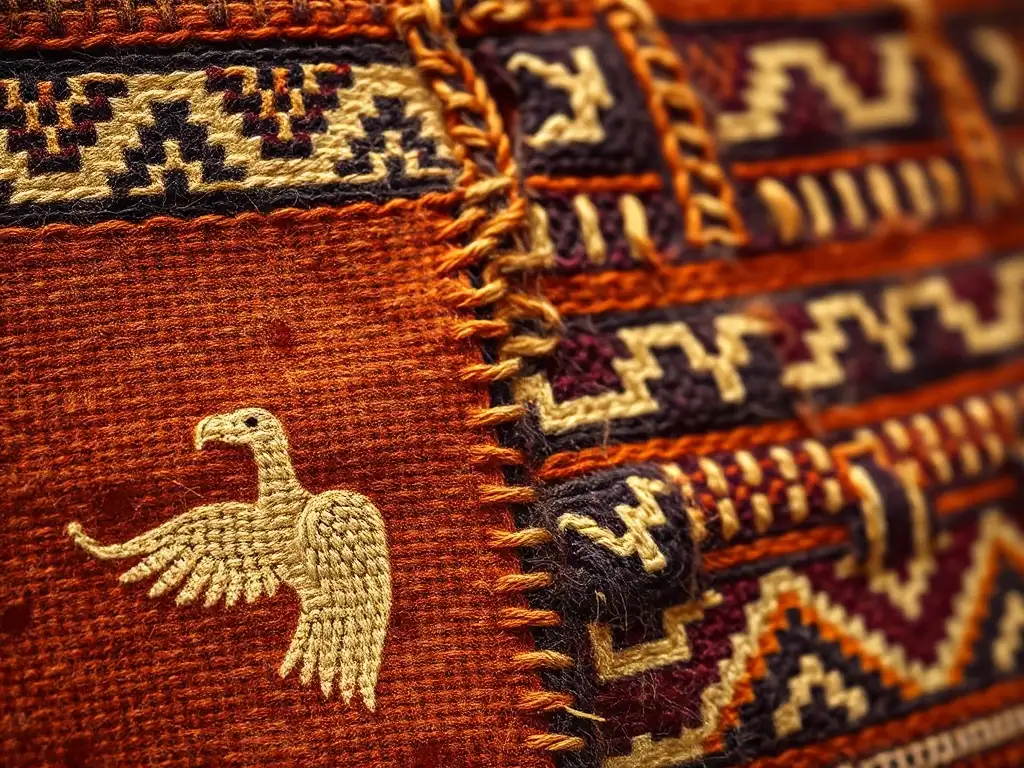
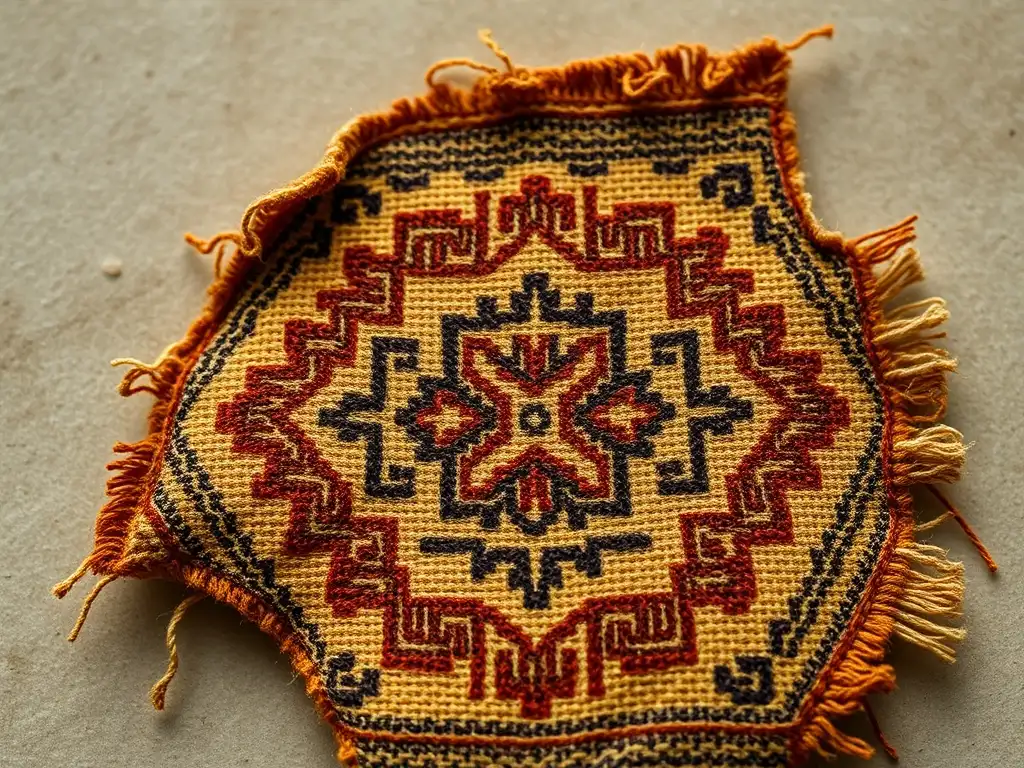
The vibrant textiles of the pre-Inca Andes weren't merely functional; they were powerful canvases for artistic expression and symbolic communication. Understanding the iconography woven into these fabrics offers a fascinating glimpse into the beliefs, social structures, and daily lives of these ancient Andean cultures. The intricate designs, often incorporating sophisticated techniques like tapestry weaving and resist dyeing, served as visual narratives, reflecting a complex worldview. Analyzing Andean pre-Inca textile techniques reveals a deep connection between art, religion, and social hierarchy. The mastery of these techniques was a testament to the skill and artistry of the weavers.
Iconography and Religious Representations
Depiction of Deities and Mythological Figures
Many pre-Inca textiles feature depictions of deities and mythological figures, often intricately woven into the fabric. These representations provide valuable insights into the religious beliefs and cosmology of these cultures. For example, textiles from the Paracas culture (ca. 500 BCE – 200 CE) frequently display stylized figures that are believed to represent supernatural beings associated with fertility and the afterlife. These figures are often depicted with exaggerated features, symbolic headdresses, and elaborate adornments, highlighting their importance within the religious framework.
The vibrant colors and complex compositions further emphasize the sacred nature of these representations. Detailed analysis of these figures, combined with archaeological context, allows researchers to piece together a more complete understanding of the pre-Inca pantheon. Further research is needed to definitively identify all figures depicted, however, as many remain subject to scholarly debate. [Specific deity identifications pending further research].
The Use of Geometric Patterns and Their Meanings
Beyond figurative representations, geometric patterns play a significant role in pre-Inca textile art. These patterns, often composed of intricate arrangements of triangles, zigzags, and stepped designs, are not merely decorative. They are imbued with symbolic meaning, often representing celestial bodies, agricultural cycles, or abstract concepts related to the Andean worldview. For example, the repetitive use of stepped patterns might represent the terraced agricultural fields characteristic of the Andean landscape, reflecting the deep connection between the people and their environment.
The specific combination and arrangement of these geometric motifs can vary significantly across different cultures and time periods, providing clues to regional variations and stylistic developments in Andean pre-Inca textile techniques. Researchers continue to decipher the full range of meanings embedded within these seemingly simple designs. [Further research needed on specific geometric pattern interpretations].
Textiles as Indicators of Wealth and Power
The production and possession of textiles were closely linked to social status in pre-Inca Andean societies. The complexity of the weaving techniques, the quality of the materials used (such as fine vicuña or alpaca wool), and the intricacy of the designs all served as indicators of wealth and power. Elaborately woven textiles were often used as prestigious garments worn by elites, or as ceremonial objects used in religious rituals.
The presence of specific motifs or colors could further signify a person’s position within the social hierarchy. For instance, certain designs might have been reserved for rulers or priests, while others were associated with specific clans or lineages. The distribution of these high-status textiles across different archaeological sites confirms their role in reinforcing social stratification.
The Role of Women in Weaving Traditions
While the precise organization of textile production remains a subject of ongoing research, it is widely accepted that women played a central role in the weaving traditions of the pre-Inca Andes. Archaeological evidence points to women’s expertise in various Andean pre-Inca textile techniques, from spinning and dyeing to weaving and finishing. Their skill and knowledge were essential to the production of textiles used for clothing, ceremonial purposes, and trade.
Textiles, therefore, served not only as indicators of social status but also as a powerful means of expressing female identity and agency within their communities. More research is needed to fully understand the nuanced roles of women across different pre-Inca societies and the specific contributions of individual women to textile production. [Specific examples of female weavers and their roles pending further research].
Preservation and Study of Andean Textiles
The study of Andean pre-Inca textile techniques relies heavily on the painstaking preservation and analysis of surviving artifacts. The harsh Andean climate, unfortunately, presents significant challenges to the longevity of organic materials like textiles. However, the aridity of certain regions, particularly along the coast, has surprisingly aided in the preservation of some remarkably well-preserved examples. These discoveries offer invaluable insights into the sophisticated techniques and artistic sensibilities of these ancient cultures.
The fragility of these ancient textiles necessitates meticulous conservation efforts, employing specialized techniques to prevent further deterioration. This involves careful cleaning, stabilization of fragile fibers, and storage in controlled environmental conditions. The goal is not only to preserve these artifacts for future generations but also to ensure their accessibility for ongoing research and analysis.
Understanding the challenges of preservation is crucial for appreciating the significance of the surviving textiles and the knowledge they hold. The field is constantly evolving, with new techniques and technologies being developed to improve preservation methods and extend the lifespan of these irreplaceable pieces of history. Careful documentation, including high-resolution photography and detailed records of conservation procedures, is paramount for future scholars.
Archaeological Discoveries and Textile Fragments
Archaeological excavations across the Andes have yielded a wealth of textile fragments, often found in burial sites, offering glimpses into the daily lives and rituals of pre-Inca societies. The Moche culture, for instance, is known for its intricately woven textiles depicting scenes of daily life, warfare, and religious ceremonies. These textiles, frequently discovered in tombs alongside elite individuals, often showcase exceptional craftsmanship and the use of vibrant, naturally derived dyes.
Nazca textiles, on the other hand, are renowned for their complex designs and the use of unique techniques like tapestry weaving. The discovery of relatively intact textiles in these contexts provides unparalleled opportunities to understand the materials, techniques, and symbolic meanings embedded within these artifacts. These fragments, even when incomplete, allow researchers to reconstruct weaving techniques, identify the types of fibers used (such as alpaca, llama, and cotton), and analyze the dyes employed.
Analysis of the dyes themselves can reveal information about trade networks and the availability of specific plant resources across different regions. The sheer volume of fragments discovered underscores the importance of textiles in pre-Inca Andean societies, pointing towards a rich and widespread tradition. The painstaking process of piecing together fragmented textiles is a testament to the dedication of archaeologists and textile conservators committed to reconstructing these invaluable pieces of the past.
Modern Research and Analysis of Ancient Textiles
Modern scientific techniques have revolutionized the study of Andean pre-Inca textile techniques. Advanced microscopy allows researchers to examine the structure of fibers and identify the specific types of plants used in creating the yarn. Chromatographic analysis helps determine the composition of dyes, revealing the sources of pigments and providing insights into trade routes and cultural exchange.
Furthermore, radiocarbon dating can accurately determine the age of the textiles, helping to place them within a specific chronological framework. This multidisciplinary approach, combining archaeological findings with scientific analysis, offers a comprehensive understanding of the materials, techniques, and cultural significance of these ancient textiles. For example, recent studies using advanced imaging techniques have revealed subtle details in the weave structures, shedding light on the complex processes involved in creating these intricate textiles.
The integration of these techniques allows researchers to move beyond simple descriptions of the artifacts and delve into a deeper understanding of the technological expertise and artistic expression of pre-Inca weavers. This ongoing research continues to reshape our understanding of Andean textile traditions and their place within the broader context of Andean civilizations.
The Legacy of Pre-Incan Weaving in Contemporary Andean Culture
The legacy of pre-Inca weaving techniques continues to thrive in contemporary Andean culture. Traditional weaving practices, passed down through generations, remain an integral part of many communities. While modern tools and materials may be incorporated, the fundamental techniques and aesthetic sensibilities often remain remarkably consistent with those of their pre-Inca ancestors.
This enduring tradition reflects the deep-seated cultural significance of textiles in Andean societies, serving not only as practical items of clothing and household goods but also as powerful expressions of identity, spirituality, and social status. The intricate designs and symbolic motifs found in contemporary Andean textiles often echo those found in pre-Inca artifacts, demonstrating a remarkable continuity of artistic traditions. The study of these contemporary practices provides valuable insights into the evolution of weaving techniques and the ways in which ancient traditions have adapted and survived over time.
Many communities actively preserve and promote these traditional crafts, ensuring that the skills and knowledge of their ancestors are passed on to future generations. This vibrant continuity connects the past with the present, underscoring the enduring power of Andean textile traditions. The preservation of these techniques is not only crucial for cultural heritage but also contributes to the economic well-being of many Andean communities.
Frequently Asked Questions
What makes Andean pre-Inca textile techniques unique?
Andean pre-Inca textiles are unique due to their exceptional craftsmanship, complex designs, and the use of diverse materials and techniques, including intricate weaving styles and vibrant natural dyes. They represent a high level of artistic and technical skill.
What types of fibers were commonly used in pre-Inca Andean textiles?
Pre-Inca Andean textiles utilized a variety of fibers, including alpaca, llama, vicuña, and cotton. The choice of fiber often depended on the desired texture, durability, and color of the final product.
How did pre-Inca Andean weavers create such vibrant colors?
The vibrant colors in pre-Inca textiles came from natural dyes derived from plants, insects, and minerals. Cochineal, a scale insect, was particularly important for producing rich reds and purples.
What were some of the common designs found in pre-Inca Andean textiles?
Pre-Inca Andean textiles featured a wide range of designs, including geometric patterns, zoomorphic motifs (animals), and anthropomorphic motifs (humans). These designs often held symbolic meaning related to religious beliefs or social status.
Where can I learn more about Andean pre-Inca textile techniques?
You can find more information through academic journals, museum exhibits, and books focused on Andean archaeology and textile history. Many online resources also offer valuable information and images.
Final Reflection: Threads of Time, Echoes of Culture
The intricate textile traditions of the pre-Inca Andes remain profoundly relevant today, not merely as historical artifacts, but as vibrant testaments to human ingenuity and cultural resilience. These ancient techniques, passed down through generations, offer a powerful counterpoint to our fast-paced, mass-produced modern world, reminding us of the value of handcrafted artistry and the deep connection between people and their environment. The sheer artistry and technical skill displayed in these textiles continue to inspire awe and wonder, even centuries later.
The enduring influence of pre-Inca textile techniques extends far beyond museums and academic studies; they continue to shape contemporary Andean identity and artistic expression. These ancient patterns and methods are not relics of the past, but living traditions, subtly woven into the fabric of modern Andean life. The past is never dead. It's not even past,
wrote William Faulkner, and this rings especially true when considering the persistent legacy of these remarkable textile traditions. Their influence can be seen in modern clothing, art, and even tourism, demonstrating the enduring power of cultural heritage.
Consider the stories embedded within each thread, the countless hours of meticulous work, the deep understanding of natural dyes and fibers. You, the reader, are now part of this ongoing conversation. Take a moment to reflect on the connection between past and present, the power of craftsmanship, and the importance of preserving cultural heritage. Seek out opportunities to appreciate the artistry around you, whether it’s a hand-knitted scarf or a piece of ancient pottery. Let the threads of the past inspire you to create, to connect, and to celebrate the enduring beauty of human ingenuity.
Dive Deeper Into the Vibrant World of Textile Arts!
Thank you for exploring the rich weaving traditions of the pre-Inca Andes! We hope you found the history and artistry of these incredible textiles inspiring. Now, let's explore ways to further immerse yourself in this fascinating culture.
Here are a few suggestions:
- Visit a local artisan: Seek out textile workshops or galleries in your area to witness the craftsmanship firsthand. Perhaps you could even meet the artisans and learn about their techniques.
- Try your hand at weaving: Enroll in a weaving class or workshop. Creating your own textile will give you a true appreciation for the skill and patience involved in this ancient craft.
- Share your newfound knowledge: Discuss the beauty and history of Andean textiles with friends, family, or colleagues, or share this article on social media to spread awareness of this rich cultural heritage.
What aspect of textile art most captivates you, and how will you integrate these beautiful traditions into your own life?