
The Huari State: How Did They Forge a Powerful Andean Empire?

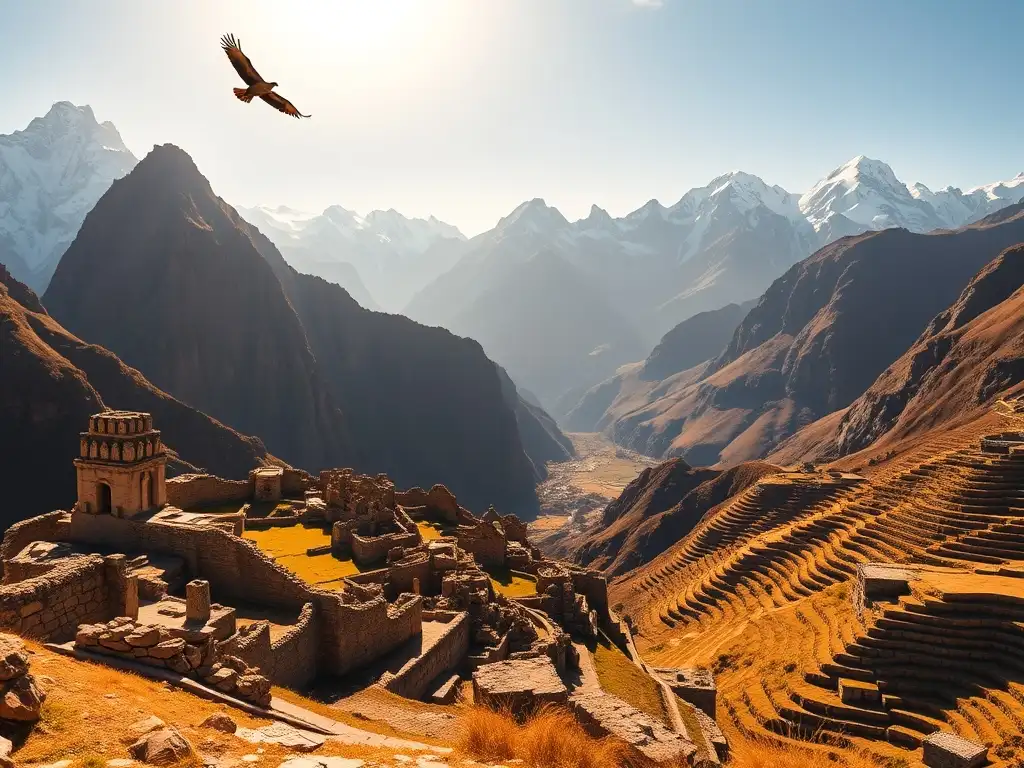
Step into a world lost to time, yet echoing with the power of empires past. The Andean Civilizations website unveils the mysteries of a remarkable region, from the intricate artistry of the Nazca lines to the sophisticated engineering of the Incas. But what secrets lie buried beneath the sands of time regarding the Huari Empire's rise? Unravel the enigma of this formidable pre-Incan power and discover the ingenuity that forged a civilization capable of dominating the Andes. Prepare to be captivated by the story of the Huari, and embark on a journey through the vibrant tapestry of Andean history.
- The Huari State: Understanding the Rise of a Powerful Andean Empire
- Origins and Foundations of the Huari Civilization
- The Huari Empire Rise: Factors Contributing to Expansion
- Huari Culture and Society: Aspects of Daily Life
- The Decline and Transformation of the Huari Empire
- Huari Legacy and Influence on Later Andean Cultures
-
Frequently Asked Questions
- What factors contributed to the Huari Empire's rise to power?
- How did the Huari organize and administer their large empire?
- What was the extent of Huari influence across the Andes?
- What was the nature of Huari urban planning and architecture?
- What ultimately led to the decline and fall of the Huari Empire?
- Final Reflection: Echoes of Huari: A Legacy in Stone and Society
- **Unveil the Mysteries of the Huari Empire! **
The Huari State: Understanding the Rise of a Powerful Andean Empire
The rise of the Huari Empire represents a pivotal moment in Andean history, a period of significant political and social transformation in the central Andes between roughly 600 and 1000 CE. Before the Inca, the Huari (also spelled Wari) forged a vast and influential empire, leaving behind a complex legacy of sophisticated urban planning, impressive architecture, and a unique artistic style.
This article delves into the factors contributing to the Huari Empire's rise, exploring the political strategies, economic innovations, and social structures that allowed them to consolidate power across such a geographically diverse and challenging landscape. Understanding the Huari's success provides crucial insight into the dynamics of pre-Columbian Andean civilizations and helps contextualize the later achievements of the Inca.
We will examine the evidence, exploring various theories and interpretations of their remarkable growth and eventual decline, ultimately addressing the crucial question: how did the Huari manage to create and sustain a powerful Andean empire? The keyword "Huari Empire rise" will be explored throughout the article.
The Huari's Strategic Political Maneuvers
The Huari's expansion wasn't solely based on military might, although their capacity for warfare was undoubtedly a factor. Instead, their success stemmed from a sophisticated blend of military strength, political alliances, and economic control. Evidence suggests they employed a strategy of incorporating conquered territories into their administrative structure rather than simply subjugating them. This involved establishing administrative centers throughout their empire, which facilitated the flow of goods and information and maintained a degree of centralized control.
This strategy was far more nuanced than simple conquest, implying a complex system of diplomacy and negotiation alongside military campaigns. The exact mechanisms of their political control remain a subject of ongoing research, with scholars analyzing archaeological findings and textual evidence to piece together a comprehensive picture. Further research is needed to clarify the degree of autonomy granted to local populations within the Huari state.
Economic Innovations and Resource Management
The Huari Empire's growth was significantly fueled by innovations in agriculture and resource management. Their mastery of irrigation systems allowed them to cultivate vast stretches of land, producing surplus food that supported both the growing urban centers and the imperial administration. Evidence suggests they developed sophisticated techniques for storing and distributing agricultural products, ensuring the empire's stability during periods of scarcity.
Furthermore, their control over key resources, such as metals and textiles, allowed them to generate significant wealth and consolidate their economic power. The standardization of pottery and other artifacts across the empire points towards a highly organized system of production and distribution, indicative of centralized economic control. The exact scale and complexity of their economic system are still being uncovered by archaeologists.
The Role of Urban Planning and Architecture in Huari Power
The Huari are renowned for their impressive urban planning and architecture. Their capital city, located near modern-day Ayacucho, was a marvel of engineering and organization, showcasing a sophisticated understanding of urban design and infrastructure. The city's layout, with its grid-like pattern and monumental structures, reflects a highly centralized and planned society. The construction of monumental structures, such as temples and administrative buildings, served not only practical purposes but also played a crucial symbolic role in reinforcing Huari power and authority.
These structures were often strategically located throughout the empire, acting as visible symbols of imperial presence and control. The grandeur of Huari architecture served as a powerful tool for consolidating their control over conquered territories and projecting their authority. A detailed analysis of the Huari urban centers could reveal further insights into their social stratification and political organization.
The Huari's Unique Artistic Style and its Significance
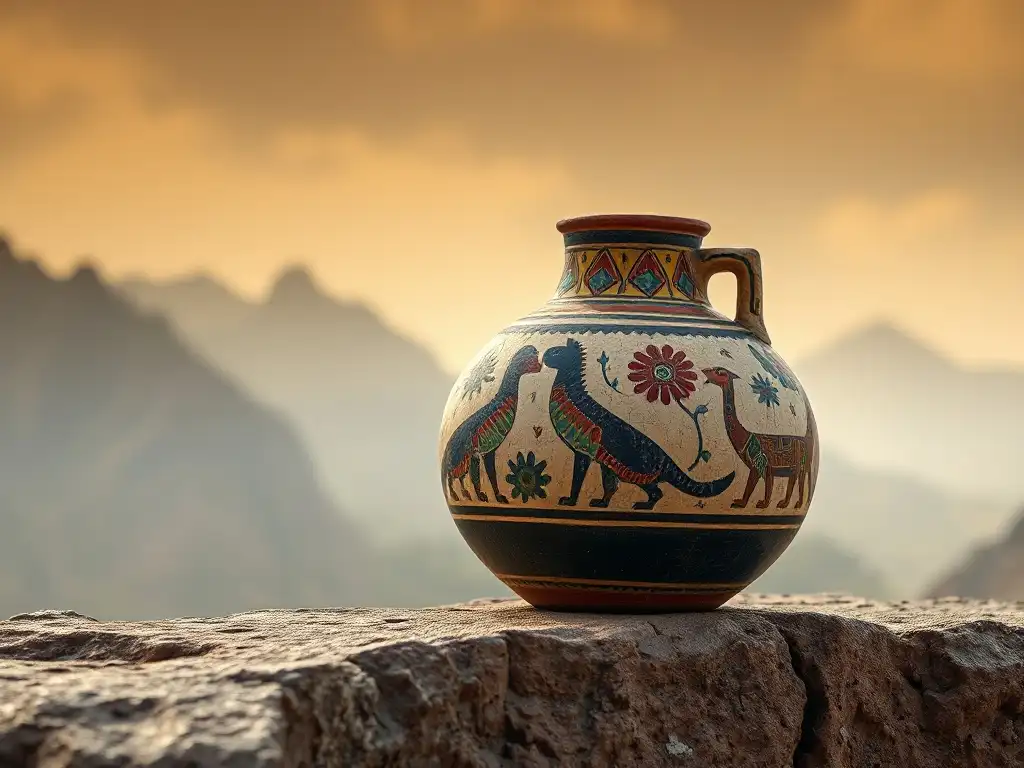
The Huari developed a distinctive artistic style that spread throughout their empire. Their ceramics, textiles, and metalwork displayed a remarkable consistency in design and execution, suggesting a high degree of centralized control over artistic production. This artistic uniformity served to unify the diverse populations within the empire, creating a shared sense of identity and strengthening the imperial project.
The standardization of artistic styles could also have played a significant role in promoting cultural integration and suppressing regional variations. Further study of Huari art could reveal valuable insights into their beliefs, social structures, and worldview. The spread of this style is a testament to the power of the Huari state in shaping the cultural landscape of the central Andes.
The Collapse of the Huari Empire: A Complex Question
The decline of the Huari Empire is a complex issue with multiple contributing factors. While a single cause cannot fully explain their fall, several factors likely played a role, including environmental changes, internal conflicts, and perhaps external pressures. The exact sequence of events and the relative importance of each factor remain subjects of ongoing debate among scholars. Evidence suggests a gradual decline, with internal instability and possible revolts in peripheral regions culminating in the fragmentation of the empire.
Further research is needed to clarify the timeline of the Huari collapse and the relationship between the various contributing factors. Understanding this collapse is crucial for a complete understanding of the Huari Empire's rise and its long-term impact on the Andean region. The collapse, however, does not diminish the significance of their achievement in creating a powerful, influential, and long-lasting Andean empire.
Origins and Foundations of the Huari Civilization
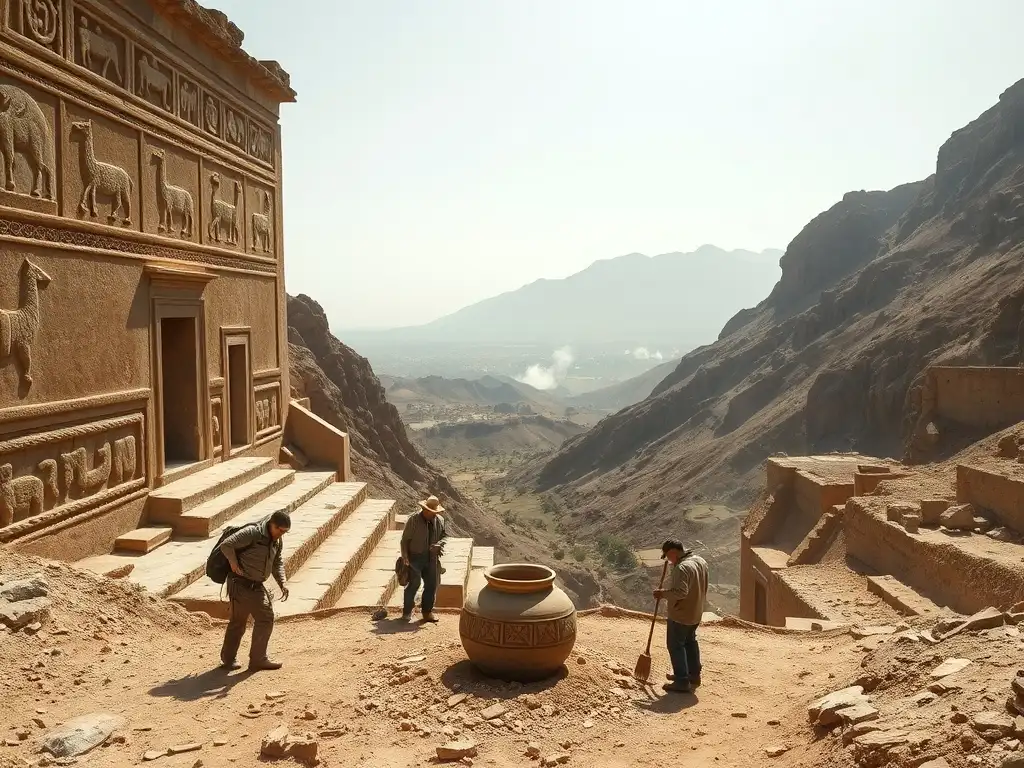
The Huari Empire's rise, a pivotal moment in Andean history, wasn't a sudden eruption but a gradual process rooted in specific geographical, social, and cultural factors. Understanding these foundations is crucial to grasping the scale and impact of their eventual dominance. The Huari, a pre-Inca civilization flourishing between roughly 600 and 1000 CE, left an undeniable mark on the Andean landscape and culture, paving the way for later empires.
Their success wasn't solely due to military might; rather, it was a complex interplay of strategic planning, economic prowess, and cultural influence. This section delves into the key elements that contributed to the Huari state's formation and eventual expansion.
The Geographical Context of the Huari Expansion
The Huari heartland, located in the Ayacucho region of modern-day Peru, provided a strategic advantage. This high-altitude region, characterized by fertile valleys and access to vital resources like water and arable land, allowed for agricultural surplus—a cornerstone of their power. The surrounding highlands offered defensible terrain, facilitating control over trade routes and access to crucial mineral resources like copper and silver.
Moreover, their location provided a springboard for expansion into both the coastal regions and the northern highlands. The Huari weren't confined to a single valley; their reach extended across diverse ecosystems, enabling them to control a wide range of resources and effectively manage a vast territory. This geographical diversity played a crucial role in the Huari Empire's rise, enabling them to leverage the strengths of different environments to their advantage.
The intricate network of roads and administrative centers they developed further solidified their control over this expansive territory. Analysis of their settlement patterns reveals a deliberate strategy to secure key resources and control trade routes, highlighting their sophisticated understanding of geography and its impact on power.
Early Huari Settlements and Societal Structures
Early Huari settlements reveal a society already organized and stratified. Archaeological evidence suggests a hierarchical structure, with elite residences exhibiting significantly greater size and complexity than those of commoners. The presence of elaborate burial sites with rich grave goods further underscores social inequality and the concentration of power within certain lineages. The development of monumental architecture, such as the impressive structures at Piquillacta near Cusco, points towards a centralized state capable of mobilizing significant labor and resources.
Furthermore, the standardization of pottery styles and building techniques across their territory suggests a degree of centralized control and cultural integration. Early Huari societal structures, therefore, weren't simply egalitarian communities; they featured a complex social hierarchy that facilitated the mobilization of resources and the effective administration of a growing population. The meticulous organization of these early settlements is a clear precursor to their later imperial ambitions.
The Influence of Tiahuanaco on Early Huari Culture
The influence of the earlier Tiahuanaco culture on the burgeoning Huari state is a topic of ongoing debate amongst scholars. While not directly a precursor in terms of political lineage, there's undeniable evidence of cultural exchange and potential adoption of certain administrative and technological practices. Similarities in architectural styles, particularly in the use of monumental stonework and specific decorative motifs, suggest a cultural connection, perhaps through trade or even direct interaction.
Furthermore, certain aspects of Tiahuanaco's religious iconography seem to have been incorporated into Huari religious practices. However, the extent of Tiahuanaco's influence remains a subject of scholarly discussion, with some arguing for a more significant impact than others. Further research, particularly through advanced dating techniques and a more comprehensive analysis of material culture, is needed to fully understand the nature and extent of this cultural exchange and its role in the Huari Empire's rise.
The exact mechanisms of this influence—whether through peaceful interaction, conquest, or a more nuanced process of cultural diffusion—require further investigation. The ongoing excavation and analysis of archaeological sites throughout the Huari heartland and beyond continue to shed light on this complex relationship.
The Huari Empire Rise: Factors Contributing to Expansion
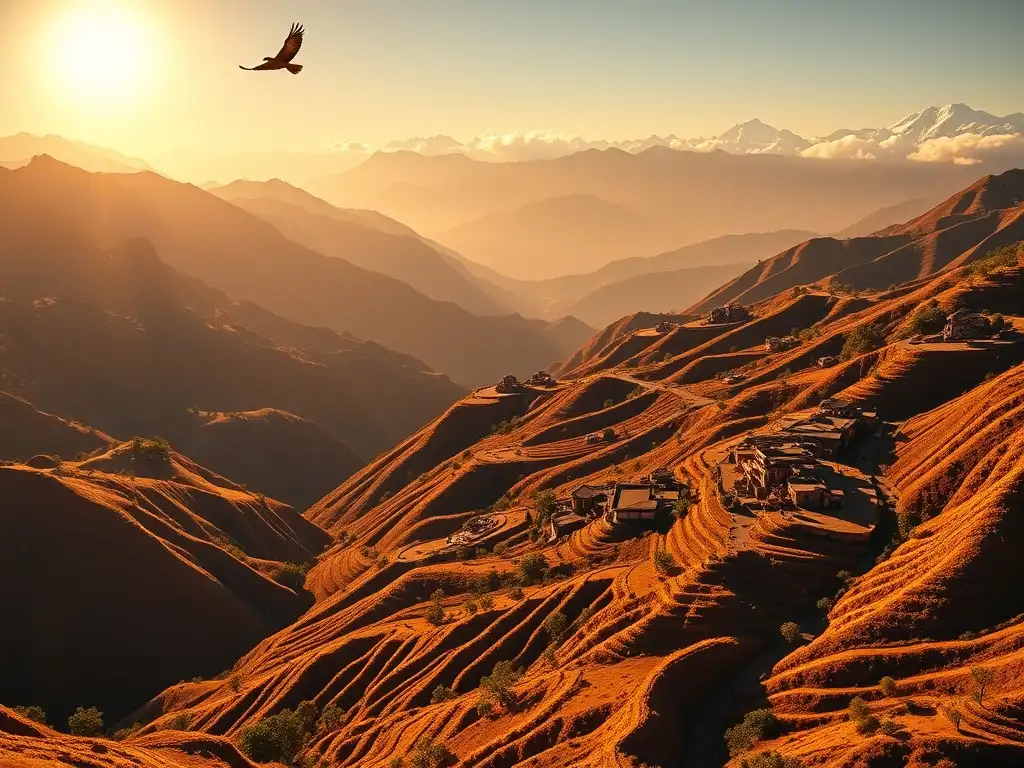
The rise of the Huari Empire, a significant Andean civilization preceding the Inca, remains a subject of ongoing scholarly debate. However, several key factors contributed to their impressive expansion and consolidation of power across a vast territory in the central Andes between approximately 600 and 1000 CE. Understanding the Huari Empire rise necessitates examining their military prowess, sophisticated administrative structures, and remarkable infrastructural achievements. This powerful combination allowed them to effectively control and integrate diverse populations and landscapes. The keyword "Huari Empire rise" is central to understanding this period of significant Andean history.
Military Strength and Conquest Strategies of the Huari
The Huari military was undoubtedly a crucial element in their imperial expansion. While the specifics of their warfare remain partially obscured by the lack of detailed written records, archaeological evidence suggests a well-organized and effective fighting force. Evidence points to the use of specialized weaponry, such as projectile weapons (like slings and spears) and possibly even some form of early armor.
Their conquest strategies likely involved a combination of military force and diplomacy, strategically targeting vulnerable areas and incorporating conquered populations into their expanding empire. This incorporation wasn't simply about brute force; it likely involved a degree of political maneuvering and alliance-building, allowing for a more stable and less resistant subjugation. The Huari likely employed a strategy of selective conquest, focusing on key regions and resources rather than attempting total domination of every single community.
This approach minimized prolonged resistance and maximized the efficiency of their expansion. Further research is needed to fully understand the nuances of their military tactics and the extent to which diplomacy played a role.
Huari Administrative and Political Organization
The Huari Empire's success wasn't solely reliant on military might; their sophisticated administrative and political structures played a vital role. The empire was not a monolithic entity, but rather a complex network of interconnected provinces and administrative centers. Evidence suggests a hierarchical system of governance, with a central authority based in the Huari capital (likely located near the modern-day city of Ayacucho) exercising control over outlying regions.
The Huari likely employed a system of appointed officials to manage various aspects of provincial administration, ensuring the efficient collection of taxes, the mobilization of labor for public works projects, and the maintenance of order. This centralized control allowed for the effective distribution of resources and the standardization of practices across the empire.
The exact nature of the Huari political system, however, remains a complex topic with ongoing debates about the degree of centralization and the nature of power distribution. Further analysis of archaeological findings and comparative studies with other Andean civilizations are crucial for a complete understanding.
The Role of Infrastructure in Huari Imperial Control
A crucial component in the Huari Empire's rise and sustained power was its remarkable infrastructure. This expansive network of roads, urban centers, and agricultural improvements facilitated communication, trade, and resource management across the vast empire. The strategic placement of these infrastructure projects was instrumental in consolidating power and integrating diverse populations.
Construction of Huari Roads and Urban Centers
The Huari constructed an extensive network of roads that linked different parts of their empire, facilitating the movement of troops, goods, and people. These roads were not just simple tracks, but strategically planned routes that often traversed challenging terrain. The construction of these roads required significant labor mobilization and sophisticated engineering skills. The Huari also built numerous urban centers, characterized by standardized architectural styles and layouts.
These centers served as administrative hubs, military outposts, and religious sites, further solidifying Huari control over the landscape. These cities displayed a level of planning and organization rarely seen in other contemporaneous Andean societies. The uniformity of their designs suggests a centralized planning authority, reinforcing the empire's administrative capacity.
Huari Agricultural Innovations and Resource Management
The Huari implemented innovative agricultural techniques to enhance food production and resource management across their diverse environments. Their mastery of irrigation systems, terracing, and other agricultural practices allowed them to support a large and densely populated empire. The efficient management of resources was crucial for maintaining stability and preventing internal conflicts. This included not only food production but also the control of other vital resources such as minerals and textiles. The Huari's ability to effectively manage and distribute these resources across their vast empire was a significant factor in their success and long-term stability. The development of efficient agricultural practices not only ensured food security but also contributed to the surplus needed to support the empire's large administrative and military structures. This surplus also fueled the growth of specialized crafts and trade networks. The Huari Empire rise is, in part, a story of successful agricultural innovation and efficient resource management.
Huari Culture and Society: Aspects of Daily Life
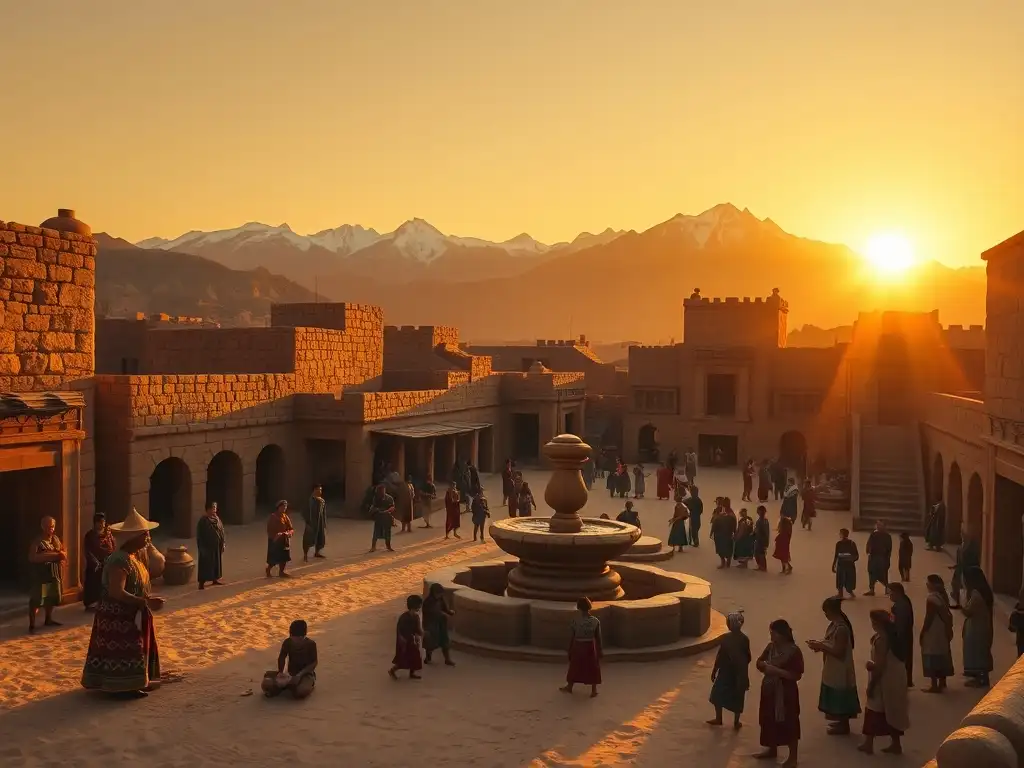
The Huari Empire's rise wasn't solely based on military might; it was deeply intertwined with a sophisticated and organized societal structure. Understanding daily life within the Huari state provides crucial insights into the factors contributing to their expansive power. Evidence suggests a highly centralized system, with a focus on agricultural production and resource management that facilitated the empire's growth.
Huari Art and Iconography: Religious and Political Expression
Huari art serves as a powerful window into their religious beliefs and political ideology. Religious iconography frequently depicted feline deities, often associated with power and fertility. These representations appeared across various mediums, including ceramics, textiles, and monumental architecture. The consistent use of these symbols throughout the empire suggests a unified religious system that strengthened social cohesion and likely played a significant role in the Huari Empire's rise.
The standardization of artistic motifs also implies a centralized control over artistic production, potentially used as a tool for political propaganda and the projection of imperial power. For instance, the repetitive depiction of specific deities on monumental structures and everyday objects reinforced the authority of the ruling class and the legitimacy of the Huari state. Further research into the specific iconographic details could reveal even more nuanced aspects of their belief systems and political strategies.
Huari Ceramics and Textiles: Craftsmanship and Symbolism
Huari artisans were renowned for their exceptional craftsmanship in ceramics and textiles. The quality and standardization of these crafts indicate a highly organized production system, likely involving specialized workshops and skilled labor. Ceramic styles varied regionally, but shared common iconographic elements, reflecting the empire's centralized control and influence.
The intricate designs and high-quality materials used in textiles suggest a sophisticated understanding of weaving techniques and a significant investment in the production of luxury goods. These textiles, often used in ceremonial contexts, likely served as important markers of social status and played a role in reinforcing the Huari social hierarchy, contributing to the stability and longevity of the empire. Analysis of the chemical composition of the pigments used in both ceramics and textiles could reveal information about trade networks and resource acquisition strategies that contributed to the Huari Empire's rise.
The Huari Empire's success hinged on a well-defined social hierarchy. While the precise details of the social structure remain a subject of ongoing research, archaeological evidence suggests a stratified society with a powerful elite at the top, controlling resources and directing labor.
The construction of monumental architecture, such as the impressive administrative centers scattered throughout the empire, required a significant mobilization of labor, pointing towards a system of centralized control and potentially forced labor. The distribution of luxury goods, like fine ceramics and textiles, also suggests a clear distinction between the elite and the common population.
Further investigation into burial practices and the analysis of grave goods could provide more detailed information about social stratification and the dynamics of power within the Huari state, adding another piece to the puzzle of the Huari Empire's rise. Detailed studies of the size and distribution of settlements could also shed light on the organization of labor and the allocation of resources within the Huari Empire.
The Decline and Transformation of the Huari Empire
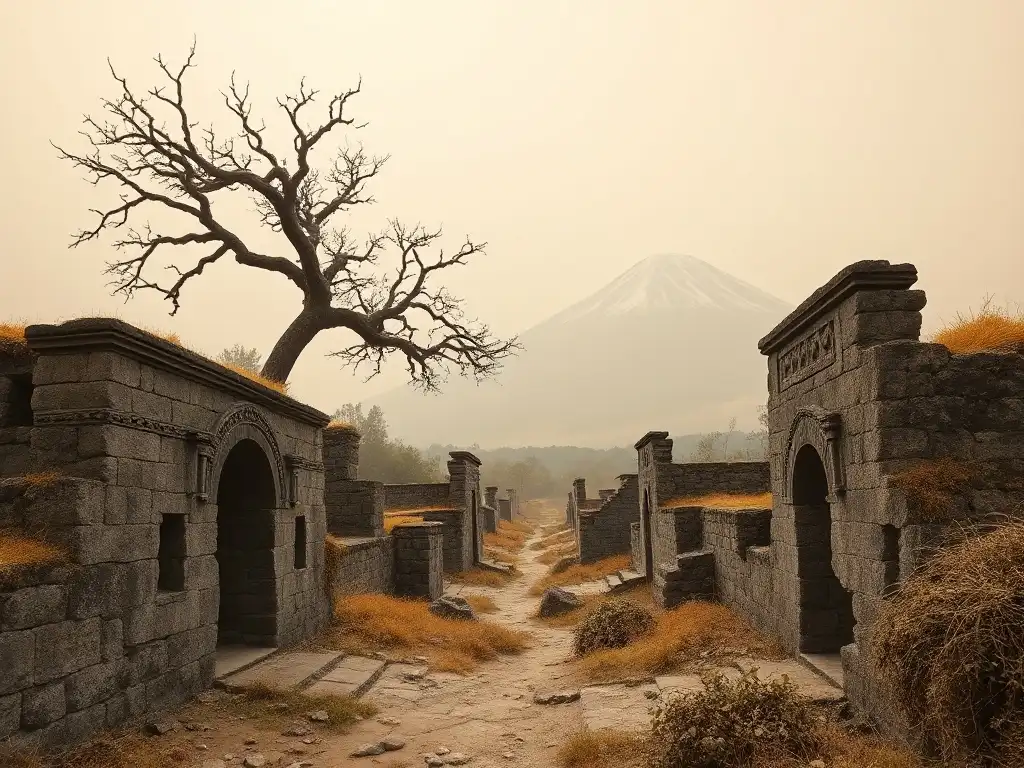
The Huari Empire's rise to prominence in the central Andes was a remarkable feat of political and administrative organization. However, their dominance wasn't eternal. Understanding the Huari Empire's decline requires examining a complex interplay of internal weaknesses and external pressures that ultimately led to its fragmentation and the rise of new power structures in the region.
The collapse wasn't a sudden event but rather a gradual process spanning several decades, leaving a lasting legacy on subsequent Andean societies. Analyzing the factors contributing to the Huari Empire's decline provides crucial insights into the dynamics of power and societal resilience in the ancient Andes. This section will explore some of the key contributing factors to the Huari state's eventual transformation.
Internal Conflicts and Political Instability
Internal strife significantly weakened the Huari state's ability to maintain control over its vast territory. While the Huari's sophisticated administrative system initially facilitated efficient governance, evidence suggests that towards the end of their reign, internal conflicts and power struggles became increasingly prevalent. This instability likely stemmed from several sources. Competition between different regional elites for power and resources could have destabilized the central authority. The sheer size of the empire, coupled with the challenges of maintaining effective communication and control across such a geographically diverse area, likely exacerbated these issues.
Archaeological evidence, such as the presence of fortifications and signs of conflict in certain Huari settlements, supports the hypothesis of internal conflict. Furthermore, the apparent lack of a clear succession mechanism may have contributed to power vacuums and struggles for control after the death of major rulers. The decline in the quality and standardization of Huari-style pottery towards the later periods of their reign might also reflect a breakdown in centralized production and control, hinting at a weakening of the empire's administrative structure.
Further research into the specifics of Huari political organization and the nature of its elite factions is crucial to fully understand the extent of these internal divisions and their impact on the Empire's trajectory. The lack of detailed written records from the Huari period necessitates reliance on archaeological and contextual analysis to piece together this complex picture.
Environmental Changes and Resource Depletion
Environmental factors played a crucial role in the decline of many ancient civilizations, and the Huari were no exception. While the exact nature and extent of environmental pressures are still debated, evidence suggests that prolonged droughts or changes in rainfall patterns could have strained the empire's resources. The Huari relied heavily on agriculture, and widespread crop failure due to environmental stress would have had devastating consequences, potentially leading to food shortages, social unrest, and weakening of the central authority.
The Huari Empire's extensive irrigation systems, while impressive feats of engineering, may have inadvertently contributed to long-term environmental problems. Overuse of water resources, coupled with deforestation for fuel and construction, could have led to soil erosion and reduced agricultural productivity. Moreover, increased population density within the empire's urban centers may have placed additional pressure on the surrounding environment, exacerbating the impact of any climatic fluctuations.
The combination of environmental stress and internal pressures likely created a perfect storm, significantly weakening the Huari state and contributing to its eventual collapse. More detailed paleoclimatic data is needed to fully quantify the impact of environmental factors on the Huari Empire's decline.
The Fragmentation of the Huari State and its Legacy
The weakening of the Huari Empire, due to the factors discussed above, eventually led to its fragmentation. The centralized control exerted from the capital city gradually eroded, and regional centers asserted their independence. This resulted in a period of political and social upheaval, with various successor states emerging from the ashes of the Huari Empire. These successor states, such as the late Intermediate Period societies, often incorporated aspects of Huari culture and administrative practices, but adapted them to suit their local contexts.
The legacy of the Huari Empire is far-reaching. Their sophisticated administrative systems, architectural innovations, and artistic styles influenced subsequent Andean civilizations, including the Inca. The Huari's extensive road network, for example, likely facilitated communication and trade across the Andes, laying the groundwork for future empires.
Even in its decline, the Huari Empire left an indelible mark on the Andean landscape and culture, demonstrating the resilience and adaptability of Andean societies in the face of dramatic societal transformations. Further research is needed to fully understand the diverse regional responses to the Huari Empire's collapse and the long-term impacts of this pivotal period in Andean history.
The study of Huari Empire rise and fall offers critical lessons on the complexities of empire building and the factors that contribute to both its success and ultimate decline. Analyzing the Huari experience provides valuable insights into the dynamics of power, societal resilience, and environmental impact in the ancient Andes.
Huari Legacy and Influence on Later Andean Cultures
The Huari Empire, despite its eventual decline, left an indelible mark on the subsequent development of Andean civilizations. Its sophisticated administrative systems, impressive urban planning, and unique artistic styles profoundly influenced later cultures, most notably the Inca. The Huari's legacy wasn't simply a matter of conquest and subjugation; it was a complex interplay of cultural exchange, adaptation, and innovation that shaped the trajectory of Andean history.
Understanding this legacy is crucial to comprehending the rise of later empires like the Inca and their own unique achievements. The Huari's impact resonates even today, visible in the archaeological record and the enduring cultural practices of the Andes. Analyzing this legacy allows us to appreciate the interconnectedness of Andean societies and the long-term consequences of the Huari's remarkable achievements.
Huari Influence on Inca Administration and Urban Planning
The Inca Empire, renowned for its efficient bureaucracy and meticulously planned cities, borrowed significantly from the Huari administrative and urban models. Evidence suggests that the Inca adopted certain aspects of Huari administrative structures, including their regional organization and the use of standardized record-keeping systems. Huari's sophisticated system of provincial governance, with its network of administrative centers and strategically placed outposts, likely served as a blueprint for the Inca's own empire-wide organization. This is seen in the similarities between Huari administrative centers and Inca administrative centers, both exhibiting a hierarchical structure and a focus on controlling resources and populations.
Furthermore, Inca urban planning shows clear parallels with Huari urban design. The grid-like layout of many Inca cities, with their standardized building blocks and carefully planned infrastructure, mirrors the urban planning principles observed in major Huari sites like Wari. The Inca's use of monumental architecture, such as massive stone structures and intricate irrigation systems, also reflects the Huari emphasis on large-scale construction projects and resource management.
While the Inca undoubtedly added their own innovations, the underlying principles of urban planning appear to have been significantly influenced by the Huari's earlier achievements. Detailed comparative studies of Huari and Inca urban layouts are needed to fully understand the extent of this influence, but preliminary findings are compelling.
Huari Artistic and Cultural Contributions
The Huari artistic style, characterized by its distinctive pottery, textiles, and metalwork, exerted a powerful influence on subsequent Andean cultures. Huari pottery, often featuring intricate designs and realistic depictions of animals and humans, became a model for later styles. The distinctive painted ceramics, with their vibrant colors and stylized figures, are readily identifiable and have been found in sites across a vast geographical area, demonstrating the reach of Huari artistic influence. This artistic influence extended beyond mere imitation; it inspired innovation and adaptation in the artistic traditions of succeeding cultures.
Huari textile production was also highly sophisticated, employing advanced weaving techniques and employing a wide range of colors and designs. Their textiles, often incorporating symbolic motifs and intricate patterns, represent a high point of Andean textile artistry and served as a model for later cultures. The Huari’s mastery of metallurgy is also evident in their finely crafted metal objects, including gold and silver ornaments, which exhibit exceptional craftsmanship and artistic skill.
These artistic achievements demonstrate a high level of technological and aesthetic sophistication, laying the groundwork for future developments in Andean art. Further research is needed to fully understand the diffusion of Huari artistic styles and their impact on the development of Andean artistic traditions.
The Enduring Significance of the Huari Empire
The Huari Empire's significance extends far beyond its relatively brief period of dominance. Its impact on the subsequent development of Andean civilizations is undeniable. The Huari's administrative innovations, urban planning principles, and artistic styles left a lasting legacy that shaped the trajectory of Andean history, paving the way for the rise of later empires like the Inca.
Understanding the Huari Empire's rise and fall is crucial for a complete understanding of the complex tapestry of Andean history. The Huari’s influence is a testament to their organizational prowess, artistic talent, and engineering skills. Their story helps us understand the processes of state formation, imperial expansion, and cultural transmission in the Andes.
Moreover, the ongoing archaeological research continues to reveal new insights into the Huari's achievements and their lasting impact on Andean society, enriching our understanding of this pivotal period in Andean history. The Huari Empire's legacy continues to inspire awe and fascination, solidifying its place as a cornerstone of Andean civilization. Further research into the Huari Empire's influence on later Andean cultures will undoubtedly reveal even more about their profound and enduring legacy.
Frequently Asked Questions
What factors contributed to the Huari Empire's rise to power?
The Huari Empire's rise was a complex process involving several factors. Military strength, agricultural innovation, and a well-organized administrative system allowed them to conquer and control a vast territory. Their mastery of metallurgy also played a crucial role.
How did the Huari organize and administer their large empire?
The Huari employed a sophisticated system of administrative control. This involved establishing provincial centers, building roads and infrastructure, and potentially using a system of regional governors to manage conquered territories. Standardized pottery and other artifacts suggest centralized control.
What was the extent of Huari influence across the Andes?
The Huari Empire's influence extended across a vast area of the central Andes, impacting numerous cultures and societies. Their reach encompassed the highlands and coastal regions, influencing art, architecture, and agricultural practices. Evidence of their presence is found in numerous archaeological sites.
What was the nature of Huari urban planning and architecture?
Huari cities were characterized by planned urban layouts and monumental architecture. They built large administrative centers, showcasing impressive stonework and complex infrastructure. The uniformity of certain architectural features suggests centralized planning and control.
What ultimately led to the decline and fall of the Huari Empire?
The collapse of the Huari Empire is still debated among scholars. Possible factors include internal rebellions, environmental changes (like droughts), overextension of resources, and potentially epidemic diseases. No single cause fully explains their decline.
Final Reflection: Echoes of Huari: A Legacy in Stone and Society
The meticulous organization and innovative agricultural techniques employed by the Huari state resonate powerfully with contemporary challenges of sustainable development and effective governance. Understanding their rise offers invaluable lessons for navigating complex societal structures and managing resources in the face of environmental pressures, a challenge as relevant today as it was a millennium ago. The Huari's success, though ultimately fleeting, stands as a testament to human ingenuity and the enduring power of adaptation.
The Huari's influence extends far beyond their physical remains; their sophisticated administrative systems and widespread cultural impact continue to shape the Andean region. Their legacy is etched not only in the monumental architecture that still graces the landscape but also in the genetic and cultural heritage of modern Andean populations. The past is never dead. It's not even past.
– William Faulkner. This quote perfectly encapsulates the enduring presence of the Huari, whose impact reverberates through time, influencing our understanding of pre-Columbian civilizations and the very fabric of Andean society.
Consider the ingenuity of their road systems, their mastery of irrigation, and the intricate social structures they created. These weren't simply feats of engineering; they were expressions of a society striving for stability and prosperity. You, the reader, are now equipped with a deeper understanding of the Huari's remarkable achievements. Reflect on how their strategies for success might inform our own approaches to building sustainable communities and fostering collaborative governance. Let the echoes of Huari inspire you to seek innovative solutions to the challenges facing our world today.
**Unveil the Mysteries of the Huari Empire! **
Thank you for exploring the fascinating world of the Huari Empire! Your investigation into this powerful Andean civilization has undoubtedly revealed insights into its rich history and lasting influence. Let's delve even deeper and connect with the vibrant tapestry of Andean cultures.
Here's how you can continue your journey:
- **Join the Conversation:** Share your thoughts and discoveries about the Huari Empire in the comments below! Connect with others who share your passion for Andean history.
- **Explore Further:** Expand your knowledge by exploring our other articles on Andean civilizations. Discover the diverse cultures that shaped this remarkable region!
- **Spread the Word:** Share this article with friends and family to spark conversations about the captivating history of the Andes!
What aspect of the Huari Empire most captivated you, and how do you believe it shapes our understanding of Andean history today?