
The Challenges of Interpretation: Understanding the Complexity of the Past


Unravel the mysteries of a lost world. For centuries, the Andean civilizations have captivated imaginations, yet their secrets remain tantalizingly elusive. This journey into the heart of the Andes confronts the very real challenges of interpretation surrounding these remarkable cultures – from the Incas to the Nazca. Prepare to question everything you thought you knew as we delve into the complexities of their legacy, starting with the fascinating pre-Incan cultures of the highlands. Dare to explore...
- Andean Civilizations Interpretation Challenges: Unveiling the Past
- Understanding the Complexity of Andean Pre-Incan Cultures
- Archaeological Evidence and its Limitations in Andean Interpretation
- Deciphering the Symbolism of Andean Art and Iconography
- The Problem of Limited Written Records in Andean History
- Navigating Cultural Bias in the Interpretation of Andean Civilizations
- The Diverse Regional Expressions of Andean Pre-Incan Societies
- The Ongoing Research and Future Directions in Andean Civilization Studies
-
Frequently Asked Questions
- What are some of the biggest challenges in interpreting Andean civilizations?
- How do biases affect our understanding of Andean societies?
- Why is the lack of written records a significant hurdle?
- How do different interpretations of Andean art and iconography contribute to the challenges?
- What steps are being taken to address these interpretation challenges?
- Final Reflection: Unraveling the Threads of Andean History
- Unveil Your Understanding of the Past!
Andean Civilizations Interpretation Challenges: Unveiling the Past
Interpreting the legacy of Andean civilizations presents a unique set of challenges for archaeologists, historians, and anthropologists. The sheer span of time, the diverse cultures across varied geographical landscapes, and the often fragmented nature of the surviving evidence all contribute to a complex picture that resists easy simplification.
This article delves into the key difficulties encountered when attempting to understand these fascinating pre-Columbian societies, focusing specifically on the periods and cultures that flourished before the Inca Empire's rise to dominance. Understanding these challenges is crucial for appreciating the nuances and complexities of Andean history, moving beyond simplistic narratives and embracing a more holistic and nuanced understanding of these remarkable achievements.
We will explore the limitations of current methodologies and the ongoing debates surrounding the interpretation of Andean artifacts, settlements, and social structures. Ultimately, we aim to highlight the ongoing process of interpreting the past and the importance of critical analysis in the field of Andean studies.
The Problem of Fragmentary Evidence
The Andean archaeological record is, unfortunately, far from complete. Natural disasters, looting, and the passage of time have all contributed to the loss or damage of countless artifacts and sites. This fragmentary nature of the evidence makes reconstructing a comprehensive picture of past societies incredibly difficult.
For example, many settlements show signs of significant destruction, leaving archaeologists to piece together what happened based on scattered pottery shards, damaged architecture, and the occasional skeletal remains. This necessitates careful analysis of even the smallest fragments, often requiring advanced techniques like radiocarbon dating and ceramic analysis to establish chronological sequences and cultural affiliations. The lack of written records, especially prior to the Inca, further complicates matters, forcing researchers to rely heavily on material culture and environmental data to reconstruct past lives.
The challenge lies in piecing together a coherent narrative from these scattered fragments, often requiring considerable speculation and interpretation. The inherent biases of the surviving evidence must always be acknowledged and addressed.
Deciphering Iconography and Symbolism
Andean cultures produced a rich array of iconographic and symbolic representations, from intricate textiles and ceramics to monumental stone carvings. However, deciphering the meaning of these symbols remains a significant challenge. While some symbols may appear straightforward, their precise significance often remains elusive. The context of discovery plays a crucial role, but even within a single site, the interpretation of motifs can vary considerably depending on the specific artifact and its associated context.
Furthermore, the lack of written explanations leaves scholars to rely on comparisons between different artifacts, sites, and cultures, a process prone to both inaccuracies and subjective interpretations. The potential for misinterpretations is significant, emphasizing the need for careful and nuanced analysis combined with interdisciplinary approaches. For instance, the interpretation of Moche pottery often relies on comparing similar motifs across various vessels, a method that, while useful, is not without its limitations.
Understanding the social and political organization of pre-Inca Andean societies is another significant challenge. While archaeological evidence reveals the presence of large-scale monumental architecture and elaborate burial practices, the precise nature of social stratification, power dynamics, and political organization is often debated. The absence of centralized, easily decipherable administrative records necessitates a reliance on indirect evidence such as settlement patterns, burial goods, and the distribution of artifacts.
The interpretation of these data often involves complex models and assumptions, leading to differing conclusions amongst scholars. For example, the nature of leadership and authority within the Nazca culture is still actively debated, with varying interpretations based on the analysis of monumental structures and elite burials. This highlights the complexity of reconstructing past social structures from limited evidence.
Environmental Factors and Their Influence
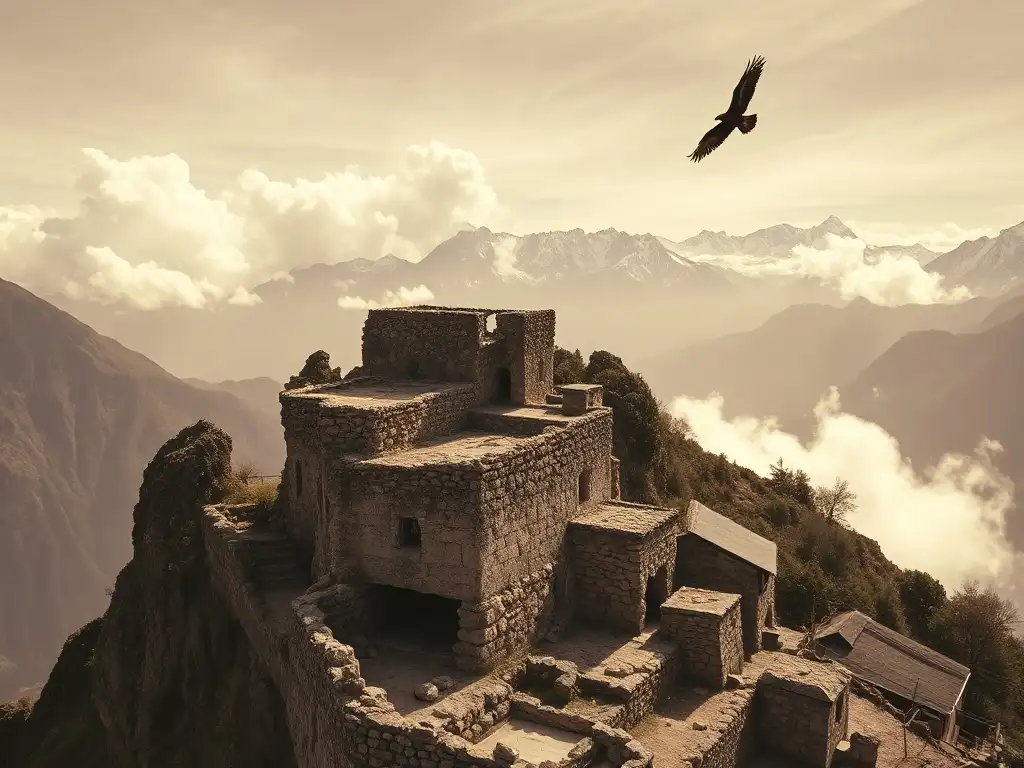
The Andes' diverse and challenging environment played a significant role in shaping Andean cultures. However, understanding the precise interplay between environment and society is not always straightforward. Climate change, resource availability, and environmental disasters undoubtedly impacted social structures, agricultural practices, and cultural development. Reconstructing past environmental conditions requires specialized techniques, such as paleoclimatology and palynology, which are not always easily applied or readily available.
Moreover, disentangling the various factors contributing to social change is a complex process. The influence of environmental factors needs to be carefully considered alongside other social, political, and economic factors, making the creation of a comprehensive and accurate narrative a challenging undertaking. The impact of El Niño events, for example, on the coastal cultures of Peru is still being actively researched and debated.
The Ongoing Debate and the Future of Andean Studies
The challenges outlined above underscore the ongoing nature of research into Andean civilizations. New discoveries, advanced technologies, and evolving theoretical frameworks constantly reshape our understanding of the past. The interpretation of Andean civilizations is not a static process but rather a dynamic and evolving field of study, characterized by ongoing debate and refinement.
The importance of interdisciplinary collaboration, critical analysis, and a commitment to rigorous methodology cannot be overstated. As new data emerges and new methodologies are developed, our understanding of these fascinating societies will continue to evolve, promising exciting discoveries and a deeper appreciation of the rich tapestry of Andean history. The careful and thoughtful interpretation of the past is crucial for a more accurate and complete understanding of Andean civilizations.
Understanding the Complexity of Andean Pre-Incan Cultures
The interpretation of Andean civilizations presents unique challenges, demanding a nuanced approach that goes beyond simple narratives. The sheer diversity of cultures across the Andes, coupled with the fragmentary nature of the archaeological record, necessitates a multi-faceted strategy for understanding their societies. This section explores some key complexities inherent in interpreting pre-Inca Andean cultures, focusing on the limitations of our data and the potential for misinterpretations. The keyword "Andean civilizations interpretation challenges" is central to this discussion, highlighting the difficulties in reconstructing a complete picture of these fascinating societies.
The Intricacies of Interpreting Ancient Andean Societies
Interpreting ancient Andean societies requires acknowledging the limitations of our sources. Archaeological remains, while providing invaluable insights, often offer only fragmented glimpses into the past. We frequently encounter incomplete settlements, poorly preserved artifacts, and a lack of written records comparable to those found in other ancient civilizations. This scarcity of direct evidence forces us to rely heavily on indirect inferences, which can be prone to error.
For example, the interpretation of elaborate burial practices might be influenced by our modern understanding of death and the afterlife, potentially leading to inaccurate conclusions about social structures or religious beliefs. Furthermore, the sheer geographical expanse of the Andes, encompassing diverse ecological zones and cultural expressions, complicates any attempt at a generalized interpretation. What might be true for one specific region might not apply to another, emphasizing the need for regionally-specific analyses. Careful consideration of environmental factors, such as climate change and resource availability, is crucial to understand the dynamics of these societies and avoid oversimplifying complex interactions.
The lack of a unified, easily decipherable writing system further complicates the task, forcing scholars to rely on iconography, textiles, and other material culture for clues. This necessitates a high degree of interdisciplinary collaboration, bringing together archaeologists, anthropologists, linguists, and other specialists to piece together a more complete, if still incomplete, understanding. The potential for bias in interpretation is ever-present, and researchers must constantly strive for objectivity and rigorous methodology. The study of Andean civilizations is an ongoing process of refinement, with new discoveries and theoretical advancements constantly reshaping our understanding.
Why Studying Regional Developments Before the Incas is Challenging
The study of regional developments before the Incas presents a unique set of challenges compared to the study of the Inca Empire itself. The Inca left behind a relatively extensive material record, including monumental architecture, sophisticated road systems, and a more organized administrative structure. While this doesn't eliminate challenges of interpretation, it provides a significantly richer source of information than is available for many preceding cultures. Pre-Inca societies, however, often lacked the same level of centralized organization and monumental construction, leading to a more fragmented and less readily interpretable archaeological record. The very definition of "regional development" is complex.
The Andes weren't divided into neatly defined regions with clear boundaries. Cultural interaction and exchange were fluid and dynamic, leading to complex patterns of influence and diffusion that can be challenging to disentangle. Identifying distinct cultural entities and tracing their evolution over time requires careful consideration of stylistic changes in pottery, architecture, and other artifacts, as well as analyzing settlement patterns and evidence of trade networks. Moreover, the chronological framework for many pre-Inca societies remains uncertain due to limitations in dating techniques.
This makes it difficult to establish clear cause-and-effect relationships between different cultural developments. Finally, the lack of extensive written records for many of these societies necessitates reliance on material culture and environmental data, making the reconstruction of their social, political, and religious systems a complex and demanding intellectual exercise. The absence of a single narrative requires a more nuanced approach, acknowledging the diverse and often overlapping histories of these pre-Inca Andean civilizations. The ongoing research into these challenging topics, however, continues to reveal ever more about the rich and complex tapestry of Andean history, gradually unveiling the intricacies of these fascinating societies.
Archaeological Evidence and its Limitations in Andean Interpretation
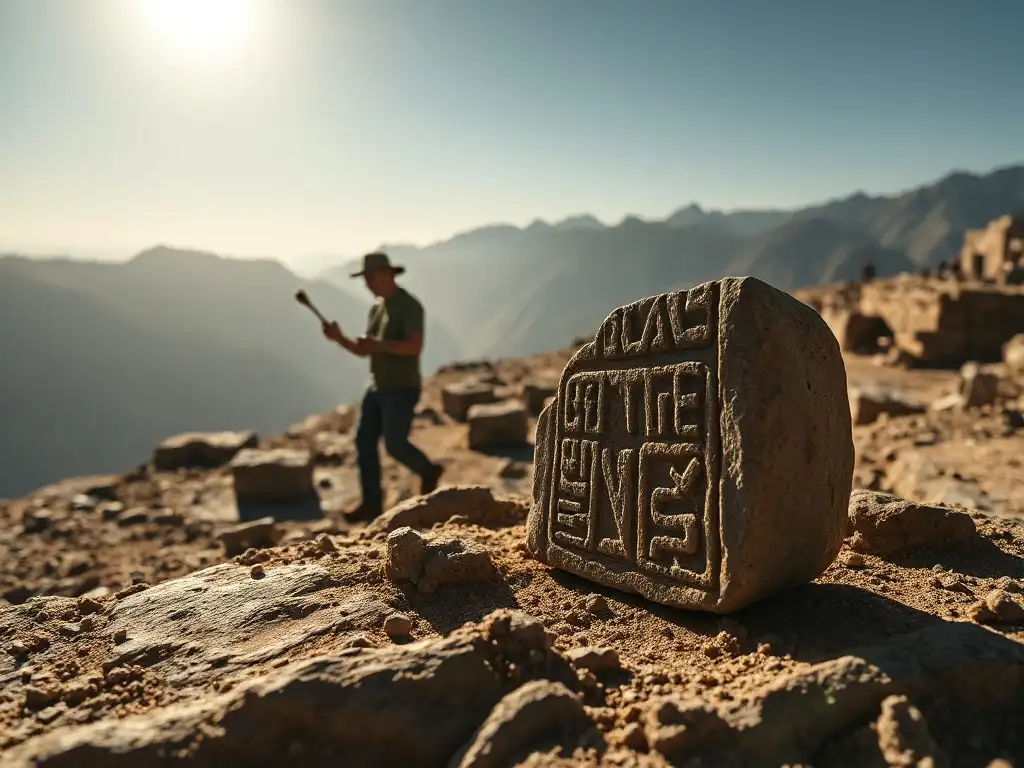
Understanding the Andean civilizations requires navigating a complex landscape of archaeological evidence, riddled with challenges that impact our interpretations. The very nature of the surviving material, its preservation, and the impact of modern development all contribute to a picture that is, at best, incomplete. This section delves into the inherent limitations of the archaeological record when applied to understanding the rich tapestry of pre-Inca Andean societies. The keyword, "Andean civilizations interpretation challenges," is central to this discussion.
The Fragmentary Nature of Archaeological Records
The archaeological record of the Andes is inherently fragmentary. Unlike civilizations that left behind extensive written records, Andean societies primarily relied on oral traditions and material culture. While impressive structures like Machu Picchu survive, they represent only a fraction of the total built environment.
Many settlements, particularly those of smaller communities, have been lost to erosion, agricultural development, or simply the passage of time. This incomplete picture often leads to biased interpretations, focusing disproportionately on the monumental architecture of larger, more powerful groups while neglecting the complexities of daily life in smaller settlements. For example, our understanding of Nazca irrigation techniques is largely based on the visible canals, yet the organization and management of water resources at a community level remains poorly understood, highlighting the challenges of extrapolating from limited data.
The surviving artifacts, too, are often fragmentary. Pottery shards, broken tools, and incomplete textiles offer tantalizing glimpses into the past, but reconstructing a complete picture from such fragmented evidence is a significant challenge, demanding meticulous analysis and careful contextualization to avoid misinterpretations. This necessitates a nuanced approach, acknowledging the gaps and biases inherent in the available data.
Preserving and Analyzing Andean Artifacts: A Complex Task
The preservation of Andean artifacts presents unique challenges. The harsh Andean climate, with its extremes of temperature and humidity, significantly affects the survival of organic materials like textiles, wood, and plant remains. Many artifacts are fragile and susceptible to deterioration, requiring specialized conservation techniques.
Furthermore, the very act of excavation and analysis can damage or alter artifacts, necessitating careful planning and execution. The ethical implications of removing artifacts from their original context are also significant, prompting ongoing debates about the balance between research and preservation. For instance, the challenges of preserving delicate textiles found in high-altitude tombs are considerable, requiring advanced techniques and specialized environments to prevent further damage.
This is further complicated by the limited resources dedicated to conservation efforts in many regions, especially in remote areas where many significant sites are located. The lack of adequate funding directly impacts the preservation of invaluable evidence, compounding the challenges of Andean civilizations interpretation.
Site Destruction and its Impact on Understanding Andean Cultures
The destruction of archaeological sites through looting, urban development, and agricultural expansion poses a major threat to our understanding of Andean cultures. Irresponsible excavation practices, often driven by the illicit antiquities trade, result in the loss of invaluable contextual information. The destruction of a site not only eliminates physical evidence but also erases crucial information about the site's relationship to its surrounding environment and its place within a broader cultural landscape.
For instance, the construction of roads and other infrastructure projects frequently destroys significant portions of archaeological sites, often without adequate prior investigation. Such destruction limits our ability to reconstruct the settlement patterns, social structures, and economic activities of past Andean societies.
This loss of context makes accurate interpretation increasingly difficult and emphasizes the urgent need for robust protective measures and collaborative efforts between archaeologists, governments, and local communities to protect these invaluable sites and mitigate the ongoing destruction. The cumulative effect of these factors significantly hinders the accurate interpretation of Andean civilizations, necessitating a multi-faceted approach to address the preservation and research challenges.
Deciphering the Symbolism of Andean Art and Iconography
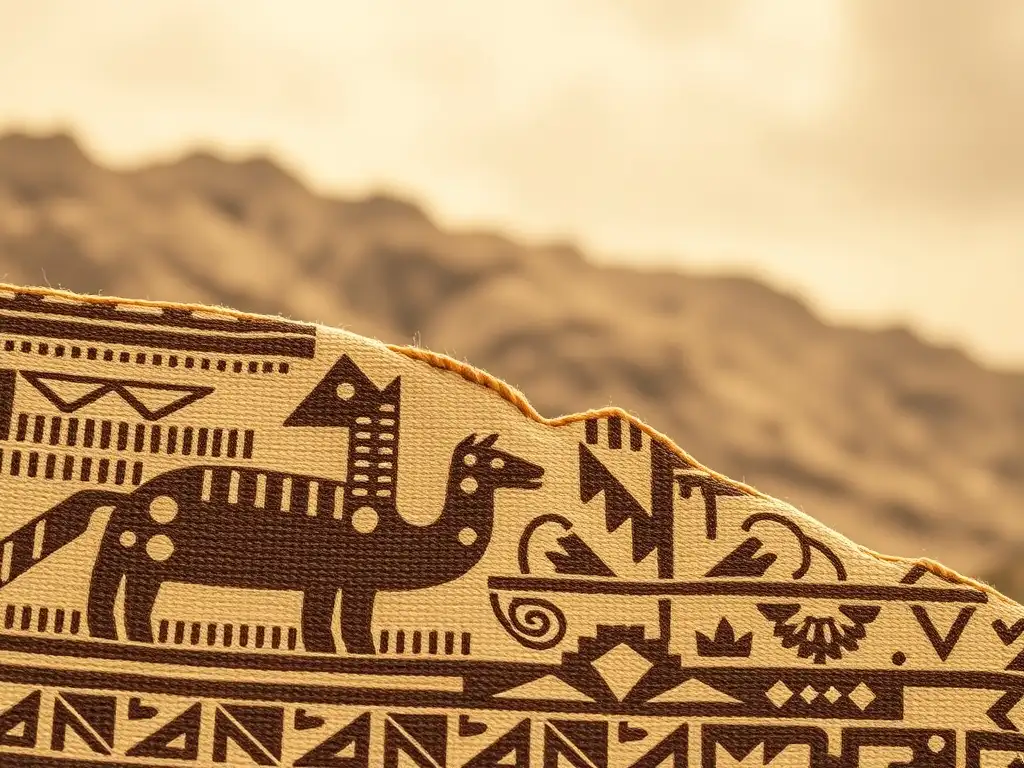
Understanding the Andean civilizations requires grappling with their rich and often enigmatic artistic legacy. From intricate textiles to monumental sculptures, Andean art is replete with symbolism, demanding careful interpretation to unlock the secrets of their past. This section focuses on the challenges inherent in deciphering this symbolism, particularly within the context of pre-Inca highland cultures.
The complexities arise not just from the artistic styles themselves, but also from the fragmented nature of the archaeological record and the lack of written historical accounts from the perspectives of these civilizations. Successfully navigating these challenges requires a multidisciplinary approach, combining archaeological findings with anthropological insights and a nuanced understanding of the cultural contexts in which these artifacts were created. The absence of a Rosetta Stone-like decipherment key necessitates a more holistic and iterative interpretation process.
The Role of Iconography in Andean Civilizations
Iconography, the visual imagery and symbols used in a culture's art, played a crucial role in Andean societies. It served not merely as decoration, but as a powerful means of communication, conveying religious beliefs, social hierarchies, historical narratives, and cosmological concepts. Consider, for example, the Moche culture's elaborate ceramics.
Their depictions of deities, rituals, and daily life provide invaluable insights into their worldview and social structures. Similarly, the Nazca lines, though their precise purpose remains debated, undoubtedly held significant symbolic meaning within their culture. However, interpreting this iconography is complicated by the lack of written texts leaving us to rely heavily on contextual analysis of artifacts found in specific locations, associated grave goods, and comparative studies with related cultures.
This process is further complicated by the stylistic variations across different Andean cultures and even within the same culture over time. The evolution of iconography itself presents another interpretive hurdle. For instance, the meaning of a particular symbol might shift subtly or dramatically across different periods or regions, requiring meticulous attention to detail and careful contextualization.
Challenges in Decoding Complex Andean Visual Languages
Decoding the visual languages of the Andean civilizations presents several significant challenges. First, the sheer diversity of artistic styles across different cultures and time periods makes generalizations risky. What might be interpreted as a specific deity in one culture could represent something entirely different in another. Second, the fragmentary nature of the archaeological record often leaves scholars with incomplete images and narratives.
Many artifacts are discovered damaged or incomplete, hindering a complete understanding of their original meaning. Furthermore, the context in which these artifacts were found is crucial for interpretation, yet this context is often lost or unclear due to looting, natural erosion, or inadequate archaeological documentation. This lack of complete contextual information significantly hampers our ability to accurately interpret the meaning behind the images. Moreover, the inherent subjectivity of interpretation cannot be ignored.
Different scholars may reach different conclusions based on their own theoretical frameworks and biases. Therefore, rigorous methodologies and interdisciplinary collaboration are crucial for minimizing these biases and ensuring a more reliable understanding of Andean art's iconographic language. This requires a constant reassessment of interpretations in light of new discoveries and theoretical advancements.
Decoding the Staff God Motif: Variations and Interpretations
The "Staff God" motif, a recurring figure in Andean art, presents a particularly interesting case study in the challenges of interpretation. Depicted with a staff or scepter, often adorned with elaborate headdresses and regalia, this figure appears in various forms across different Andean cultures. However, the precise meaning and identity of this deity remain a topic of ongoing debate among scholars. Some suggest it represents a supreme deity, while others propose it symbolizes a ruler or a shamanistic figure.
The variations in its depiction further complicate interpretation. In some representations, the Staff God appears benevolent and majestic, while in others, it is portrayed in a more aggressive or menacing manner. These variations, along with the lack of consistent accompanying iconography or inscriptions, make it difficult to establish a definitive interpretation. Furthermore, the geographical distribution of the Staff God motif across different regions and cultures suggests that its meaning may have varied depending on the specific socio-political context.
Therefore, a comprehensive understanding requires a detailed comparative analysis of its representations in different contexts, considering the specific cultural and temporal variations. Further research, including more detailed archaeological excavations and interdisciplinary collaboration, is needed to fully understand the multifaceted nature of this iconic Andean figure. The ongoing debate surrounding the Staff God highlights the ongoing nature of the challenges in interpreting Andean art and the need for continuous critical engagement with the existing evidence.
The Problem of Limited Written Records in Andean History
Interpreting the history of Andean civilizations presents unique challenges, largely stemming from the limited availability of written records compared to other ancient societies. While some Andean cultures did develop sophisticated record-keeping systems, these differed significantly from alphabetic writing systems familiar to many historians. This scarcity of conventional textual evidence profoundly impacts our understanding of these fascinating societies, forcing scholars to rely on alternative sources and interpretive methods. Understanding these limitations is crucial to appreciating the complexities and nuances of Andean history. The impact of this limitation on Andean civilizations interpretation challenges is significant and needs further exploration.
The Absence of a Formal Writing System in Many Andean Cultures
Many pre-Columbian Andean cultures, notably the Nazca and Moche, lacked a fully developed writing system in the way we understand it. Instead, they relied on other forms of communication and record-keeping. This absence significantly hinders direct access to their narratives, beliefs, and political structures.
While we can glean information from their monumental architecture, intricate ceramics, and elaborate textiles, these sources often require careful and nuanced interpretation, leaving room for multiple, sometimes conflicting, perspectives. The lack of a readily decipherable written language presents a major hurdle in Andean civilizations interpretation challenges. For example, while we can admire the stunning artistry of Moche pottery depicting scenes of warfare, ritual, and daily life, translating these images into coherent historical narratives remains a complex and ongoing process.
This necessitates cross-referencing with other archaeological findings to establish context and meaning. The absence of a formal writing system fundamentally alters the way we approach Andean civilizations interpretation challenges.
Utilizing Oral Traditions and Ethnographic Data
To compensate for the scarcity of written records, scholars rely heavily on oral traditions and ethnographic data. Ethnographic studies of contemporary Andean communities, particularly those maintaining cultural practices with roots in pre-Columbian traditions, provide valuable insights into social structures, beliefs, and ritual practices. Oral histories, though subject to changes over time, offer glimpses into the past, transmitting narratives and genealogies across generations.
However, interpreting these oral traditions requires careful consideration of potential biases and distortions introduced through the transmission process. The use of oral traditions in Andean civilizations interpretation challenges presents both opportunities and limitations. For instance, stories passed down through generations about mythical founders or powerful rulers can provide a framework for understanding societal hierarchies and beliefs but require corroboration with archaeological evidence to validate their historical accuracy.
The Debate on Andean Record-Keeping Methods
The absence of a widespread alphabetic script doesn't mean that Andean societies lacked systems for recording information. Scholars debate the function and meaning of various record-keeping methods employed by different cultures. For instance, the quipu, a system of knotted strings used by the Inca, is a subject of ongoing research.
While we understand that the quipu encoded numerical data, the extent to which it recorded historical events or narratives remains a matter of ongoing scholarly discussion. This debate highlights the complexities inherent in Andean civilizations interpretation challenges. Similarly, the intricate iconography found on ceramics and textiles presents another area of ongoing debate.
Deciphering the meaning of these symbols requires careful analysis of stylistic variations, contextual clues from archaeological sites, and comparisons with similar iconography from other cultures. The interpretation of these non-alphabetic record-keeping systems is central to addressing the Andean civilizations interpretation challenges. The ongoing research into these methods continually refines our understanding of pre-Inca Andean societies.
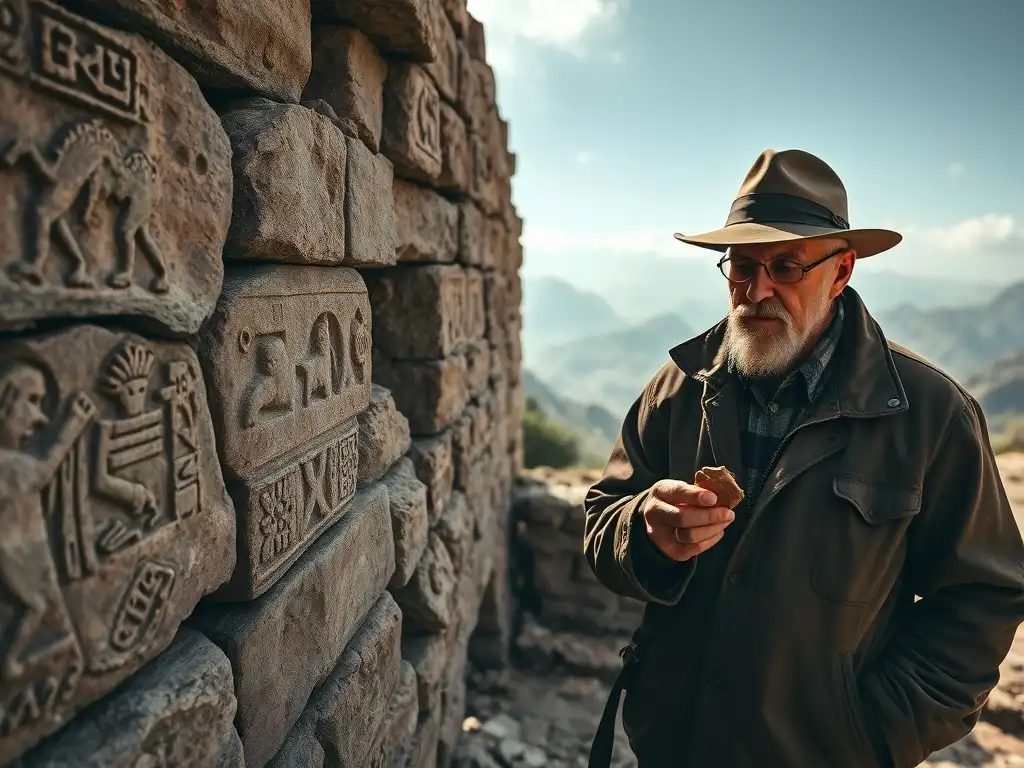
Interpreting the Andean civilizations presents significant challenges, many stemming from inherent biases within the historical and archaeological record itself. The very act of interpreting the past is subjective, influenced by the present-day perspectives and frameworks of those undertaking the research. Understanding the complexities of Andean societies necessitates a rigorous examination of these biases to avoid perpetuating inaccurate or incomplete narratives about these fascinating cultures. The keyword, "Andean civilizations interpretation challenges," highlights the core issue: our understanding is constantly evolving as we refine our methodologies and confront our own preconceived notions.
Western Perspectives and their Impact on Andean Studies
For centuries, the study of Andean civilizations has been heavily influenced by Western perspectives, often employing frameworks and methodologies developed within a European context. This has led to a Eurocentric bias in the interpretation of Andean art, religion, social structures, and technological advancements. For example, the Inca Empire's sophisticated road system was initially viewed primarily through a military lens, neglecting its crucial role in facilitating trade, communication, and cultural exchange across vast distances.
Similarly, the intricate agricultural techniques employed by various Andean societies, such as terracing and irrigation, were sometimes underestimated, reflecting a bias towards European agricultural practices as the benchmark of advancement. The impact of this bias is substantial, often leading to an incomplete and distorted understanding of the ingenuity and complexity of these pre-Columbian societies. We must actively challenge this legacy and move towards more nuanced interpretations.
Recognizing and Overcoming Eurocentric Views
Overcoming Eurocentric views requires a conscious and multi-faceted approach. This includes critically evaluating existing scholarly literature, questioning underlying assumptions, and actively seeking diverse perspectives. Archaeological methodologies themselves need scrutiny. For example, the tendency to prioritize monumental architecture over everyday artifacts can skew our understanding of social organization and daily life.
The emphasis on written records, largely absent in many Andean societies, can inadvertently marginalize oral traditions and other forms of knowledge transmission. A more balanced approach necessitates incorporating a broader range of evidence, including material culture, environmental data, and anthropological studies, to achieve a more holistic understanding. Furthermore, recognizing the limitations of our own cultural backgrounds and actively seeking out alternative interpretations is vital for mitigating bias. This requires a commitment to interdisciplinary collaboration and a willingness to engage with perspectives that challenge established narratives.
The Importance of Indigenous Voices in Andean History
Central to overcoming these interpretation challenges is the active inclusion of Indigenous voices and perspectives. For too long, the narratives surrounding Andean civilizations have been dominated by external scholars, often neglecting the knowledge and perspectives of the descendants of these cultures. Their oral histories, traditional practices, and interpretations of ancestral sites offer invaluable insights that enrich and challenge established interpretations.
By actively collaborating with Indigenous communities, researchers can gain access to a wealth of information that is otherwise unavailable, leading to more accurate and culturally sensitive representations of the past. This collaborative approach not only ensures a more complete understanding of Andean civilizations but also fosters respect for the enduring cultural heritage and knowledge systems of Indigenous peoples.
It is crucial to recognize their expertise as integral to the process of understanding their ancestors' achievements and legacies. This active participation is not merely a matter of ethical responsibility but a necessity for a truly comprehensive and accurate understanding of Andean civilizations.
The Diverse Regional Expressions of Andean Pre-Incan Societies
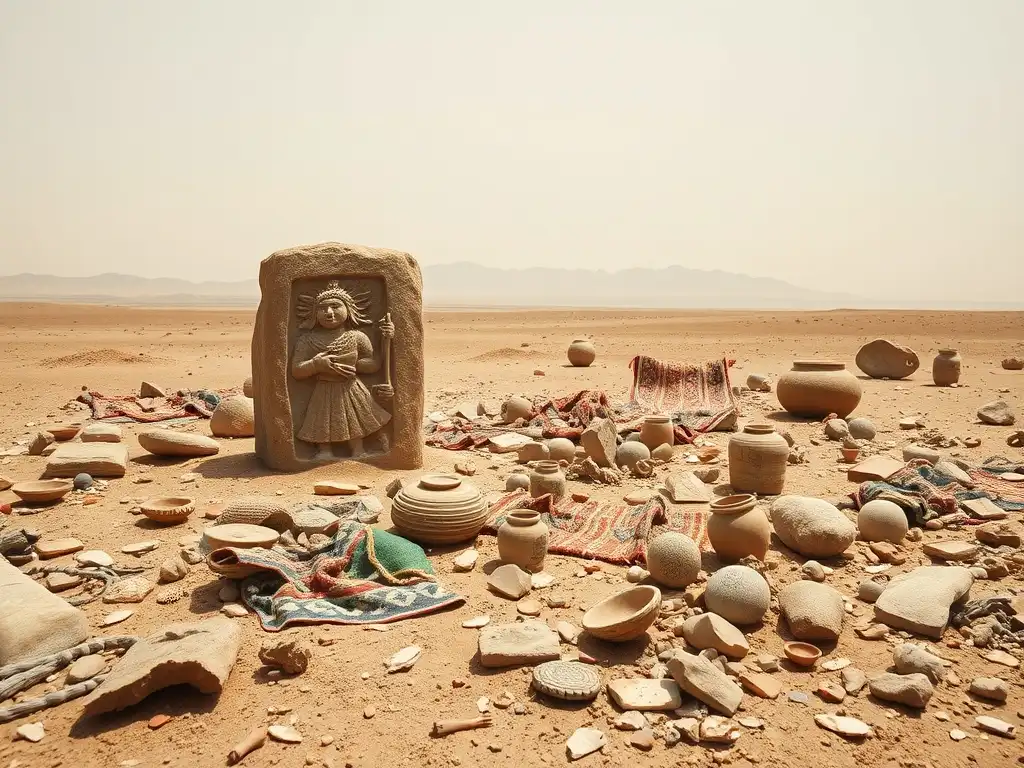
The Andean region, prior to the Inca expansion, wasn't a monolithic entity. Instead, it was a vibrant tapestry woven from numerous distinct societies, each with its unique cultural expressions, technological innovations, and social structures. Understanding the challenges of interpreting these diverse groups requires acknowledging their significant regional variations and avoiding generalizations that obscure the complexities of their individual histories.
The term "Andean civilizations interpretation challenges" highlights the difficulty in synthesizing this fragmented information into a cohesive narrative. This section focuses on the crucial need for nuanced analysis, emphasizing the importance of localized studies to overcome the inherent difficulties in interpreting the past. Failure to do so risks creating a homogenized and inaccurate picture of a remarkably diverse pre-Columbian landscape.
Regional Variations in Andean Culture and Technology
The Andes' diverse geography – from arid coastal deserts to high-altitude plains and lush Amazonian foothills – profoundly shaped the development of its pre-Inca societies. This geographical diversity fostered a remarkable range of cultural and technological adaptations. For instance, coastal societies like the Moche developed sophisticated irrigation systems to cope with scarce water resources, while highland groups like the Tiahuanaco adapted to high-altitude environments through specialized agriculture and unique architectural styles.
Technological innovation wasn't uniform either; pottery styles, weaving techniques, and metalworking practices varied significantly across regions. Even seemingly ubiquitous practices, such as agriculture, revealed regional nuances in crop selection, farming techniques, and storage methods. The sheer diversity of these adaptations presents a significant challenge for interpretation, demanding meticulous research to avoid imposing a single, overarching narrative on a multifaceted reality.
Understanding these regional variations is crucial for a more accurate and comprehensive interpretation of Andean civilizations. Further research is needed to fully quantify the extent of these regional differences in specific technological areas like metallurgy and textile production. This requires a deep dive into archaeological findings from different regions, comparing and contrasting artifacts and their production techniques.
The Moche Civilization: Art, Society, and Power in the North Coast
The Moche civilization (c. 100-800 CE) of Peru's northern coast offers a compelling case study in regional distinctiveness. Known for their remarkable artistic achievements, particularly their intricate pottery depicting scenes of daily life, warfare, and religious rituals, the Moche also possessed advanced irrigation systems and a complex social hierarchy. Their monumental architecture, including impressive pyramids and elaborate tombs, showcases their sophisticated engineering skills and centralized power structure.
Interpreting Moche society requires careful consideration of their iconic pottery, which provides invaluable insights into their beliefs, rituals, and social organization. However, the very richness of their artistic legacy presents a challenge – deciphering the meaning and context of these often-complex scenes requires interdisciplinary approaches combining art history, archaeology, and anthropology. Furthermore, the scale of their achievements, from intricate metalwork to vast irrigation canals, necessitates a detailed analysis of their resource management and labor organization.
Understanding the full complexity of the Moche requires a multi-faceted approach, acknowledging the intricacies of their art, their sophisticated technology, and their complex social structures. The meticulous excavation and analysis of their sites continue to reveal new aspects of their society, constantly refining our understanding of this remarkable civilization. Future research should focus on clarifying the internal dynamics of Moche power structures and the extent of regional variations within the civilization itself.
Comparing and Contrasting the Development of Different Andean Groups
Comparing and contrasting various Andean groups, such as the Nazca, Tiahuanaco, and Wari, reveals both shared traits and significant differences in their cultural trajectories. While some shared characteristics, like the development of sophisticated agriculture and monumental architecture, exist, the specifics of their implementation and the broader cultural contexts differed vastly. For instance, the Nazca are renowned for their enigmatic geoglyphs, while Tiahuanaco's legacy is marked by its impressive stonework and urban planning. The Wari, on the other hand, are known for their extensive regional influence and complex administrative systems.
These differences highlight the limitations of broad generalizations about "Andean civilization" and the necessity of conducting region-specific analyses. Analyzing the similarities and differences demands careful consideration of factors like environmental adaptation, social organization, and religious beliefs. A comparative study allows for a more nuanced understanding of the diverse paths of development within the Andean region, enriching our interpretation of the pre-Inca past.
This approach requires an extensive comparative analysis of archaeological data, including settlement patterns, burial practices, and material culture, across different regions and time periods. Further research into the interaction and exchange between these groups is also essential to fully understand the complex dynamics of the Andean world. The challenges of interpretation lie in disentangling shared influences from unique cultural developments, a task requiring rigorous research and careful consideration of the diverse factors that shaped these remarkable societies.
The Ongoing Research and Future Directions in Andean Civilization Studies
The interpretation of Andean civilizations presents a continuous challenge, demanding ongoing research and innovative approaches. Our understanding is constantly evolving as new evidence emerges and methodologies improve. This section explores the exciting avenues of current research and the promising directions for future studies aimed at unraveling the complexities of these fascinating societies. The field of Andean civilizations interpretation challenges us to constantly refine our perspectives, acknowledging the limitations of past interpretations and embracing new insights. Successfully navigating these challenges requires a commitment to rigorous methodologies and interdisciplinary collaboration.
New Methodologies and Technologies in Archaeology
Advances in archaeological techniques significantly impact our ability to interpret Andean civilizations. For example, the application of ground-penetrating radar (GPR) and LiDAR (Light Detection and Ranging) allows for non-invasive surveys of vast landscapes, revealing previously unknown settlements, irrigation systems, and other infrastructural elements. These technologies are crucial for understanding the scale and complexity of pre-Inca societies, often revealing previously unseen patterns of settlement and land use.
Further, the development of advanced dating methods, such as AMS radiocarbon dating, provides more precise chronologies, helping us to better sequence events and understand cultural interactions. Analyzing ancient DNA (aDNA) offers exciting possibilities for tracing population movements and genetic relationships within and between different Andean groups, adding another layer to our understanding of social structures and migrations. The analysis of stable isotopes in human remains provides valuable insights into diet and mobility patterns, further illuminating the lives of ancient Andean people.
These technological advancements are not merely tools; they are essential instruments in refining our interpretations and addressing the challenges inherent in understanding the past. The precise application of these methods is particularly crucial for interpreting nuanced cultural differences within the broad scope of Andean civilizations.
The Importance of Interdisciplinary Approaches
Successfully tackling the challenges of interpreting Andean civilizations requires a robust interdisciplinary approach. Archaeology, while fundamental, benefits immensely from collaborations with other fields. Ethnohistory, for instance, provides invaluable context by examining the accounts and traditions of later Andean groups, offering potential insights into the practices and beliefs of their ancestors.
Linguistics plays a crucial role in deciphering ancient languages and understanding the social and political structures reflected in them. Environmental studies—including paleoclimatology and paleobotany—are essential for understanding the relationship between these societies and their environments, illuminating the impact of climate change on their development and decline. Anthropology, with its focus on social structures and cultural practices, provides crucial frameworks for interpreting the archaeological record.
The combined expertise of these disciplines offers a far richer and more nuanced understanding than any single field could achieve alone. Interdisciplinary collaboration addresses the inherent limitations of single-perspective interpretations and allows for a more comprehensive and less biased understanding of Andean civilizations. The challenges of interpretation are best overcome through a unified effort, drawing on the diverse methodologies and perspectives of multiple fields of study.
Advancing Our Understanding of Andean Pre-Incan Cultures
The ongoing research into pre-Inca Andean cultures is steadily revising and enriching our understanding of these societies. For example, recent studies have shed new light on the sophisticated irrigation systems developed by cultures like the Nazca, revealing remarkable engineering skills and complex water management strategies. Likewise, research into the monumental architecture of sites like Tiahuanaco is continually refining our understanding of their social organization and religious beliefs.
The discovery of new burial sites and the analysis of artifacts continue to provide valuable insights into the social hierarchies, religious practices, and daily lives of these fascinating people. Furthermore, the ongoing study of textile production, ceramics, and metallurgy provides crucial evidence for understanding technological advancements, trade networks, and cultural exchanges. The ever-increasing amount of data gathered necessitates a constant reevaluation of established narratives and a willingness to integrate new findings.
This continuous process of refinement is key to building a more accurate and nuanced understanding of the diverse and complex tapestry of Andean pre-Inca cultures. Addressing the challenges of interpretation requires a dedication to meticulous research and a willingness to embrace new discoveries and revised interpretations. The complexity of Andean civilizations is such that the process of understanding will continue for many years to come.
Frequently Asked Questions
What are some of the biggest challenges in interpreting Andean civilizations?
Interpreting Andean civilizations presents numerous challenges. These include the fragmentary nature of the archaeological record, difficulties in translating ancient languages, and the biases inherent in modern interpretations.
How do biases affect our understanding of Andean societies?
Our understanding is shaped by modern perspectives and assumptions. This can lead to misinterpretations of ancient practices and beliefs, requiring constant critical review of existing narratives. Ethnocentric viewpoints must be actively avoided.
Why is the lack of written records a significant hurdle?
The scarcity of extensive written records for many Andean cultures forces reliance on archaeological evidence, which can be open to multiple interpretations. This makes reconstructing narratives complex and less definitive than in societies with rich textual histories.
How do different interpretations of Andean art and iconography contribute to the challenges?
Andean art is often symbolic and complex, with meanings not always clear. Different scholars offer varying interpretations of symbols and imagery, leading to diverse and sometimes conflicting understandings of Andean belief systems and social structures.
What steps are being taken to address these interpretation challenges?
Researchers are employing interdisciplinary approaches, combining archaeology with linguistics, anthropology, and other fields. Collaboration with descendant communities also helps provide valuable insights and perspectives, leading to more nuanced understandings.
Final Reflection: Unraveling the Threads of Andean History
The complexities of interpreting Andean civilizations remain profoundly relevant today, a stark reminder that understanding the past is not a simple act of excavation, but a continuous process of critical engagement and re-evaluation. Our understanding of these ancient societies is constantly evolving, shaped by new discoveries, technological advancements, and a growing awareness of the biases inherent in historical narratives. The very act of interpretation itself becomes a testament to the enduring power and mystery of these cultures.
The ongoing influence of colonial perspectives on our understanding of Andean civilizations is particularly striking. These biases, often deeply ingrained in historical accounts, continue to shape how we perceive these societies, obscuring the richness and diversity of their achievements. As we strive for a more nuanced and accurate representation, we must actively challenge these preconceived notions. The past is never dead. It's not even past.
– William Faulkner. This quote perfectly encapsulates the ongoing struggle to understand Andean history, a struggle that requires constant re-evaluation and a commitment to inclusivity.
Consider the implications of this ongoing interpretive challenge. How can we, as individuals and as a society, ensure that our understanding of the past is informed by a commitment to accuracy, empathy, and a respect for the diverse voices and perspectives that shaped these ancient societies? You, the reader, hold a crucial role in this process. By engaging critically with historical narratives, questioning assumptions, and seeking out diverse interpretations, you can contribute to a more complete and just understanding of the Andean past – a past that continues to resonate deeply within the present.
Unveil Your Understanding of the Past!
Thank you for exploring the complexities of historical interpretation! Delving into the nuances of past civilizations is a significant step towards a deeper understanding of our shared history. Now, let's put that knowledge into practice!
- **Engage:** Join a local history group or online forum to discuss interpretations with fellow history enthusiasts.
- **Explore:** Visit a museum showcasing artifacts and stories of a civilization that interests you – perhaps the ancient Greeks, the Mayan people, or the Moche culture. Seeing these objects firsthand will enrich your understanding.
- **Share:** Share your thoughts on the challenges and rewards of historical interpretation through a blog post, social media, or even a conversation with friends. Your perspective is valuable.
How does understanding the complexities of the past shape our view of contemporary societies?