
The Influence of Inca Religion on Art and Architecture

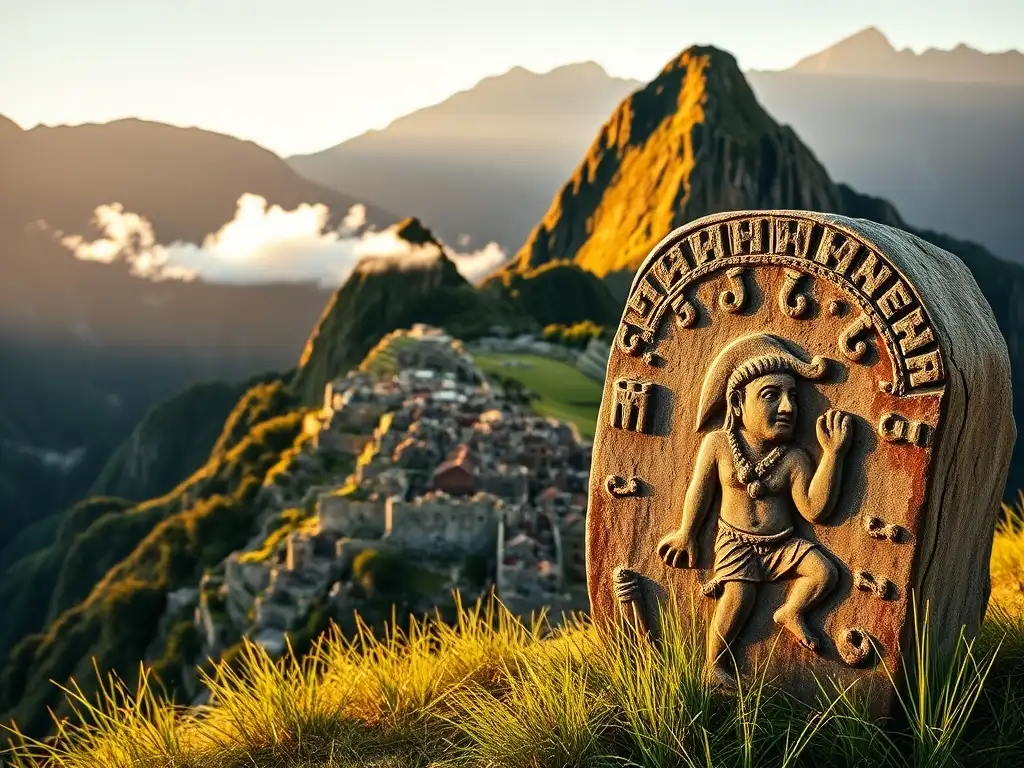
Step into a world lost to time, yet echoing with the whispers of a powerful empire. Prepare to be amazed as we delve into the intricate tapestry of Andean Civilizations, uncovering the secrets held within their breathtaking artistry and awe-inspiring architecture. But the stones themselves hold only part of the story... How did the deeply spiritual beliefs of the Inca people shape their monumental cities and sacred sites? Discover the profound impact of Inca religion's impact on architecture, and unlock the mysteries behind their enduring legacy. Explore further to uncover the truth!
-
The Profound Influence of Inca Religion on Art and Architecture
- Understanding Inca Religious Beliefs and Their Artistic Manifestations
- The Role of Inca Deities in Shaping Architectural Design
- Inca Religious Rituals and Their Impact on Art and Decoration
- Key Architectural Examples Demonstrating Inca Religion's Influence
- Specific Inca Artistic Techniques Reflecting Religious Concepts
- The Legacy of Inca Religious Art and Architecture
- Conclusion: The Unbreakable Link Between Inca Religion, Art, and Architecture
-
Frequently Asked Questions
- What was the most important aspect of Inca religion?
- How did Inca religious beliefs affect their urban planning?
- Can you give an example of Inca architecture directly influenced by religion?
- What role did religious rituals play in Inca construction projects?
- How did Inca religious beliefs impact the materials used in their architecture?
- Final Reflection: Echoes of the Andes: Inca Religion's Enduring Legacy
- Unveil the Splendor of Inca Art & Architecture!
The Profound Influence of Inca Religion on Art and Architecture
The Inca Empire, renowned for its sophisticated infrastructure and breathtaking artistry, was deeply rooted in a complex religious system that permeated every aspect of life. This article delves into the profound influence of Inca religious beliefs and practices on their art and architecture, revealing how their worldview shaped the design, construction, and symbolism embedded within their impressive structures. From the meticulous alignment of buildings with celestial bodies to the careful selection of materials reflecting their reverence for nature, Inca religious beliefs left an indelible mark on the landscape and the legacy of this remarkable civilization.
Understanding this intricate relationship allows us to appreciate the Inca Empire not merely as a political entity, but as a vibrant tapestry woven from threads of faith, ingenuity, and profound spiritual connection. This exploration will focus on the impact of Inca religion on architecture, specifically examining how key deities and cosmological concepts were manifested in their architectural achievements, contributing significantly to the unique aesthetic and functionality of Inca structures.
We will explore how the belief system influenced everything from the layout of cities to the intricate details of individual buildings. The keyword "Inca religion's impact on architecture" is central to this analysis, highlighting the inseparable link between faith and physical manifestation within the Inca world.
Understanding Inca Religious Beliefs and Their Artistic Manifestations
Inca religion was deeply polytheistic, centered around a pantheon of gods representing natural forces and ancestral spirits. Their belief system emphasized the interconnectedness of the natural world, with the sun, moon, stars, mountains, and earth all holding immense spiritual significance. This worldview directly translated into their artistic expressions and architectural designs.
The Inca worldview wasn't confined to a single, rigid dogma; rather, it was a dynamic system that incorporated local deities and practices into the broader imperial framework. This syncretic approach influenced the diversity of artistic styles and architectural forms found throughout the empire. For example, while the sun god Inti held paramount importance, local mountain spirits and other deities also played crucial roles in shaping the religious landscape and, consequently, the built environment.
The intricate carvings, textiles, and ceramics found throughout Inca sites reveal a sophisticated understanding of religious symbolism and iconography, reflecting the profound spiritual significance attached to everyday objects and structures. This careful integration of religious symbolism into the fabric of daily life demonstrates the pervasive influence of Inca religion on all aspects of their culture.
The Role of Inca Deities in Shaping Architectural Design
The Inca's architectural achievements weren't merely feats of engineering; they were powerful statements of their religious beliefs and cosmological understanding. Their buildings served not only practical purposes but also acted as sacred spaces, reflecting the interconnectedness of the physical and spiritual realms. The design and orientation of structures were carefully planned to align with astronomical events, reflecting their deep reverence for celestial bodies and the cyclical nature of time.
The placement of temples, palaces, and other significant buildings often mirrored the Inca understanding of the cosmos, with specific structures dedicated to particular deities or representing celestial features. The use of specific materials and construction techniques also held religious significance, reflecting their respect for the earth and its resources. Further research is needed to fully understand the nuances of this relationship, particularly in deciphering the symbolic meaning embedded within less-studied architectural features.
Inti, the Sun God: Architectural Alignment and Symbolism
Inti, the sun god, held the highest position in the Inca pantheon. His importance is reflected in the meticulous alignment of many Inca structures with the solstices and equinoxes. Temples dedicated to Inti were often positioned to capture the first rays of the rising sun on specific days, highlighting the significance of solar cycles in their religious calendar.
The use of gold, a metal associated with the sun's radiant energy, further emphasized the sacred nature of these structures. The precise astronomical knowledge displayed in this architectural planning demonstrates a sophisticated understanding of celestial movements and their religious importance, showcasing the profound influence of Inti's worship on Inca architectural design. Detailed studies of specific sites, such as [specific site name pending], could reveal further insights into this fascinating relationship.
Viracocha, the Creator God: Representing the Cosmic Order in Inca Buildings
Viracocha, the creator god, represented the cosmic order and the origin of the world. His influence on Inca architecture is less easily identified than that of Inti, but it is likely reflected in the overall planning and layout of cities and important ceremonial centers. The emphasis on symmetry, precision, and order in Inca architecture might be interpreted as a reflection of Viracocha's role in establishing a harmonious universe. The use of carefully cut stone blocks, fitted together with remarkable precision, exemplifies the Inca's dedication to creating structures that reflected this cosmic order. Further research is needed to definitively link specific architectural features to Viracocha's influence, but the overall aesthetic of Inca architecture suggests a deep connection to the principles of balance and harmony that Viracocha represented. The meticulous craftsmanship and planning evident in Inca structures strongly suggest a desire to create environments that reflected the perceived order of the universe.
Pachamama, the Earth Mother: Influencing the Use of Natural Materials
Pachamama, the earth mother, represented the fertility of the land and the abundance of nature. Her influence is evident in the Inca's careful selection of natural materials for their buildings. The use of locally sourced stone, wood, and thatch demonstrates a respect for the earth's resources and a desire to integrate their structures harmoniously into the landscape.
The Inca's approach to construction minimized environmental impact, reflecting their deep reverence for Pachamama and the interconnectedness of all living things. This sustainable approach to building, combined with their intricate understanding of local geology, allowed them to create structures that were both aesthetically pleasing and environmentally sound.
The reverence for Pachamama is reflected not only in the choice of materials but also in the careful integration of buildings with the surrounding environment, showcasing a deep respect for the land and its resources. The intricate terraces carved into hillsides, for instance, exemplify this symbiotic relationship between the Inca and their environment.
Inca Religious Rituals and Their Impact on Art and Decoration
Inca religion permeated every aspect of life, profoundly influencing their art and decorative practices. Religious beliefs weren't merely a separate sphere; they were woven into the fabric of daily existence, shaping artistic expression and societal structures. The intricate designs adorning textiles, pottery, and metalwork often depicted religious figures, deities, and sacred symbols, reflecting the importance of these elements in Inca cosmology.
For example, the recurring motif of the condor, a powerful bird representing the upper world, frequently appeared in textiles and ceramics, symbolizing strength and spiritual connection. Similarly, representations of the puma, associated with the earthly realm, and the snake, representing the underworld, are common in Inca art, showcasing the interconnectedness of these three realms in their belief system.
The vibrant colors used in Inca art, often derived from natural pigments, also held symbolic meaning, further emphasizing the religious context of artistic creations. The meticulous craftsmanship evident in these artifacts reflects the reverence and dedication with which Inca artisans approached their work, imbuing their creations with spiritual significance.
Sacrifices and Offerings: Depictions in Inca Art
Depictions of sacrifices and offerings are less explicitly portrayed in Inca art compared to other aspects of their religious practices. This is likely due to the sacred and private nature of these rituals. However, subtle clues and symbolic representations can be found.
For instance, some pottery depicts scenes of ritual processions, with figures carrying offerings. These offerings, often represented symbolically, might include llamas, maize, or other precious goods. The absence of graphic depictions of human sacrifice, a practice known to have occurred, might be a conscious choice to avoid explicitly representing a sensitive and possibly taboo aspect of their religious life.
Instead, the emphasis in artistic representations tends to focus on the preparation for and aftermath of such rituals, highlighting the community's involvement and the significance of the offerings. Further research into less-studied collections might reveal more direct representations, but the current evidence suggests a more subtle and symbolic approach to depicting this aspect of Inca religion in their art.
Pilgrimages and Ceremonial Centers: Architectural Significance of Sacred Spaces
The Inca's extensive road network facilitated pilgrimages to numerous ceremonial centers across their empire. These weren't merely places of worship; they were integral parts of the Inca's complex religious landscape, carefully planned and constructed to reflect their cosmological beliefs. The sites' location often held significant geographical or astronomical importance, aligning with their understanding of the cosmos.
The architectural design of these centers, characterized by precise stonework, intricate water systems, and strategically placed structures, reflects the meticulous planning and spiritual significance attributed to these sacred spaces. For example, the orientation of buildings toward specific celestial events, such as solstices and equinoxes, suggests a deep understanding of astronomy and its integration into religious practices. The careful placement of temples, plazas, and other structures within these centers created a harmonious and symbolically rich environment, reinforcing the power and influence of Inca religion.
Religious Festivals: How They Inspired Art and Decorative Elements
Inca religious festivals were vibrant, community-wide events that deeply influenced their art and decorative elements. These festivals, often linked to agricultural cycles and the worship of specific deities, involved elaborate rituals, processions, and offerings. The artistic expressions accompanying these celebrations included the creation of specialized textiles, pottery, and other decorative items. Specific motifs and colors associated with particular deities or festivals would be prominently featured, reflecting the religious significance of the event.
For example, festivals honoring agricultural deities might feature intricate designs of maize cobs or other agricultural symbols. The textiles produced for these occasions often displayed rich colors and intricate weaving techniques, reflecting the importance and solemnity of the celebrations. These temporary decorative elements, while often ephemeral, left their mark on Inca art, influencing the styles and motifs used in more permanent artistic creations.
Key Architectural Examples Demonstrating Inca Religion's Influence
The Inca's architectural achievements serve as powerful testaments to their religious beliefs and practices. The structures they built were not merely functional; they were embodiments of their worldview, reflecting their cosmological understanding and religious priorities. Their mastery of stonework, combined with their sophisticated knowledge of astronomy and engineering, allowed them to create monumental structures that continue to inspire awe and wonder. The integration of religious symbolism and ritual spaces within these architectural marvels underscores the profound influence of Inca religion on their urban planning and architectural design.
Coricancha: The Temple of the Sun and its Religious Importance
Coricancha, the Temple of the Sun located in Cusco, stands as a prime example of the Inca's religious architecture. This temple, dedicated to Inti, the sun god, was the most important religious center in the Inca empire. Its construction, featuring meticulously fitted stones and intricate gold ornamentation, reflects the immense importance attributed to the sun god and the Inca's sophisticated architectural skills.
The temple's layout and design were likely influenced by their cosmological beliefs, with its orientation and internal spaces possibly reflecting their understanding of the cosmos. Sadly, much of the original structure was destroyed after the Spanish conquest, but surviving accounts and archaeological findings paint a picture of a magnificent and awe-inspiring religious center that played a central role in Inca religious life. The surviving foundations and the later superimposed colonial structures offer a glimpse into the scale and grandeur of this once-magnificent temple.
Sacsayhuamán: The Fortress as a Symbol of Inca Power and Faith
Sacsayhuamán, a massive fortress overlooking Cusco, serves as a powerful symbol of Inca power and faith. While functioning as a military stronghold, its imposing architecture and strategic location also held significant religious meaning. The immense cyclopean stones, precisely fitted without mortar, demonstrate the Inca's engineering prowess, but they also represent the strength and resilience of their faith.
The alignment of certain structures with astronomical events suggests an integration of religious beliefs and astronomical observations in its design. Sacsayhuamán wasn't merely a defensive structure; it was a statement of Inca power and a testament to their religious beliefs, a place where the earthly and spiritual realms intersected. The sheer scale of the site reinforces the significance of Inca religious ideology in shaping their society and physical environment.
Machu Picchu: A Sacred City Reflecting Inca Religious Harmony
Machu Picchu, the iconic "Lost City of the Incas," is more than just a breathtaking archaeological site; it's a testament to the Inca's ability to integrate their religious beliefs into their urban planning. The city’s layout, incorporating temples, residential areas, and agricultural terraces, suggests a harmonious blend of religious and practical considerations.
The strategic placement of structures, their orientation towards significant astronomical features, and the presence of ritual spaces all point to the importance of religious beliefs in shaping the city's design. Machu Picchu wasn't merely a settlement; it was a sacred city, reflecting the Inca's deep-seated connection between their religious beliefs and their daily lives.
The intricate agricultural terraces demonstrate a profound understanding of the environment and a respectful approach to nature, reinforcing the spiritual connection between the Incas and their surroundings. The city's layout and the presence of various sacred sites highlight the holistic nature of Inca religious practice, integrating it into all aspects of life.
Specific Inca Artistic Techniques Reflecting Religious Concepts
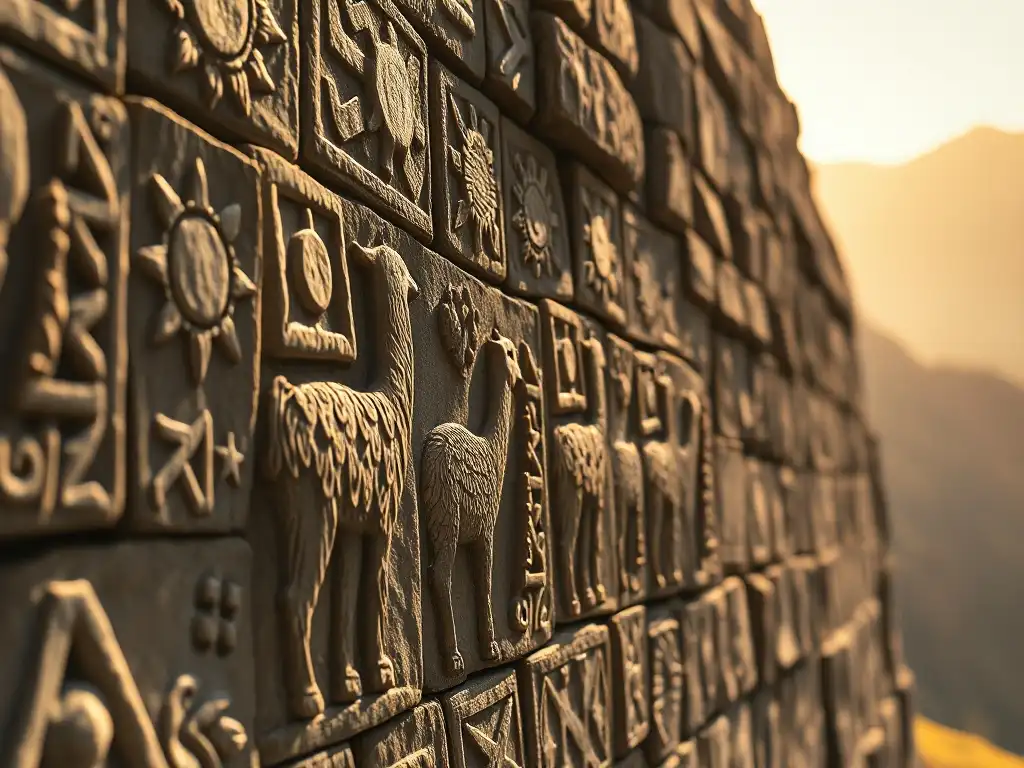
The Inca's profound religious beliefs permeated every aspect of their lives, profoundly impacting their artistic techniques and architectural styles. Their art wasn't merely decorative; it served as a powerful medium to express their cosmology, venerate their deities, and reinforce their social hierarchy. The intricate detail and symbolic representation found in Inca art provide invaluable insights into their spiritual world. The precision and skill demonstrated in their craftsmanship showcase not only their technical mastery but also their deep-seated religious devotion.
Understanding these techniques allows us to appreciate the profound connection between Inca religious beliefs and their artistic expressions. The Inca worldview, emphasizing the interconnectedness of the natural and spiritual realms, is vividly reflected in the motifs and styles employed in their art. For example, the recurring use of specific animal imagery, such as the condor, puma, and serpent, speaks volumes about their religious significance within the Inca pantheon.
Inca Stonework: Precision and Symbolism in Religious Structures
Inca stonework is legendary for its precision and monumental scale, particularly in religious structures like temples and sacred sites. The iconic precision-cut stones of Machu Picchu, perfectly fitted without mortar, are a testament to Inca engineering prowess and their deep respect for the sacred mountains they inhabited. The stones themselves were not merely building materials; they were imbued with spiritual significance, carefully selected and placed according to specific religious protocols.
The intricate carvings and designs on these stones often depicted religious symbols, further emphasizing the sacred nature of the structures. The orientation of buildings and the placement of specific architectural elements were also carefully planned to align with astronomical events and reflect the Inca understanding of the cosmos. This meticulous attention to detail in the construction of religious structures underscores the central role that religion played in Inca society.
The grandeur of these structures served not only as a display of power but also as a powerful statement of their religious beliefs. The sheer scale of projects like Sacsayhuamán, with its massive cyclopean stones, further reinforces the religious importance placed on these constructions.
Textile Art: Religious Iconography in Inca Weavings
Inca textiles are renowned for their vibrant colors, intricate designs, and the high quality of the materials used. These weren't simply clothing; they were highly valued objects with deep religious significance. The intricate weaving techniques, often incorporating multiple colors and complex patterns, served as a visual language to express religious beliefs and narratives.
Specific motifs, such as stylized animals, geometric shapes, and representations of deities, were woven into the fabric, conveying symbolic meaning and religious narratives. Textiles played a crucial role in Inca rituals, used in ceremonies, worn by priests and elites, and offered as gifts to the gods. The variations in textile designs and the materials used often indicated social status and religious affiliation.
For example, certain colors or patterns might have been reserved for the Inca royalty or specific religious figures. The exceptional craftsmanship and the richly symbolic imagery found in these textiles provide a window into the religious beliefs and practices of the Inca people. The durability and artistry of these textiles are a testament to the skill and devotion of the Inca weavers.
Metalwork: Religious Significance in Inca Gold and Silver Objects
Inca metalwork, particularly the use of gold and silver, held immense religious importance. These precious metals were associated with the sun god Inti and were used to create elaborate objects for religious rituals and adornments for the elite. The intricate designs found on these objects, often depicting deities, animals, and mythical creatures, served as a powerful visual representation of Inca religious beliefs.
Gold and silver objects were not simply decorative; they were considered sacred artifacts and were used in ceremonies and offerings to the gods. The craftsmanship involved in creating these objects was exceptionally high, demonstrating a deep understanding of metallurgy and a commitment to creating objects of religious significance. The use of these precious metals in religious contexts underscores their value and the importance of religious practices within Inca society.
The discovery of numerous gold and silver objects in royal tombs and sacred sites further supports this assertion. The intricate detail and the quality of the workmanship are a testament to the skill and dedication of the Inca artisans.
The Legacy of Inca Religious Art and Architecture
The legacy of Inca religious art and architecture continues to resonate throughout the Andes, influencing subsequent Andean cultures and inspiring awe in modern viewers. The impact of Inca religious beliefs on their artistic output is undeniable, leaving behind a rich tapestry of tangible and intangible heritage.
The Enduring Influence on Andean Culture
Inca religious art and architecture significantly influenced subsequent Andean cultures. Many of the artistic techniques and motifs used by the Inca were adopted and adapted by later groups, demonstrating the lasting impact of Inca religious beliefs and practices. This continuity in artistic styles and religious themes reveals a deep connection between the Inca and the cultures that followed.
Even today, many Andean communities maintain traditions that reflect the influence of Inca religious beliefs and artistic expressions. This enduring influence underscores the power and significance of Inca culture. The Inca legacy continues to shape the cultural identity of the Andean region.
Modern Interpretations of Inca Religious Art and Architecture
Modern artists and architects continue to draw inspiration from Inca religious art and architecture. The unique aesthetic and symbolism of Inca art have inspired contemporary creative works, demonstrating the enduring relevance of Inca artistic traditions. Contemporary artists often explore Inca themes and motifs in their work, reinterpreting ancient symbols and narratives in modern contexts.
Similarly, architects sometimes incorporate elements of Inca design in modern buildings, paying homage to the ingenuity and aesthetic sensibilities of the Inca. This ongoing engagement with Inca artistic heritage shows its lasting influence on modern artistic and architectural practices. The timeless appeal of Inca art continues to captivate modern audiences.
Preserving Inca Heritage for Future Generations
The preservation of Inca religious art and architecture is crucial for understanding and appreciating their rich cultural heritage. Efforts to protect and conserve these sites and artifacts are essential for safeguarding this invaluable legacy for future generations. These efforts include archaeological research, conservation projects, and educational initiatives aimed at raising awareness of the importance of preserving Inca heritage.
The ongoing work of archaeologists, conservators, and cultural institutions is crucial in preserving Inca religious art and architecture for posterity. These combined efforts aim to ensure that the remarkable achievements of the Inca civilization are not lost to time. The preservation of this heritage is a shared responsibility, requiring the collaboration of governments, institutions, and communities to ensure the long-term protection of these invaluable cultural treasures.
Conclusion: The Unbreakable Link Between Inca Religion, Art, and Architecture
The intricate relationship between Inca religion, art, and architecture is undeniable. Religious beliefs weren't merely a separate aspect of Inca life; they were the very foundation upon which their society, its aesthetics, and its physical structures were built. From the meticulously crafted temples dedicated to Inti, the sun god, to the intricate carvings adorning everyday objects, every element reflects a profound spiritual significance. The Inca's deep reverence for the natural world, their belief in the power of ancestors, and their sophisticated understanding of cosmology are all vividly expressed through their artistic and architectural achievements. The grandeur of Machu Picchu, for instance, is not merely a testament to Inca engineering prowess, but also a powerful manifestation of their religious worldview, a place where the earthly and spiritual realms intertwined.
Understanding Inca art and architecture without considering the pervasive influence of their religion is akin to trying to understand a symphony without the music. The two are inextricably linked, forming a harmonious whole that continues to fascinate and inspire awe centuries later. Further research into specific religious practices and their corresponding artistic representations could offer even more nuanced insights into this fascinating interplay. The exploration of Inca religious texts, if any survived, along with detailed analyses of surviving artifacts, could provide a deeper understanding of the symbolic language employed in Inca art and architecture.
This holistic approach is crucial to fully appreciating the enduring legacy of Inca civilization and its unique blend of religious fervor and artistic expression. The impact of Inca religion on architecture is not simply a matter of historical interest; it's a key to unlocking the very essence of their culture and understanding their worldview. The legacy of this profound connection continues to resonate today, shaping our understanding of this remarkable civilization and its enduring artistic and architectural marvels. The study of Inca religion's impact on architecture, therefore, remains a vital area of research for scholars seeking to unveil the complexities of this fascinating civilization.
Frequently Asked Questions
What was the most important aspect of Inca religion?
The most important aspect of Inca religion was the worship of the sun god, Inti, considered the ancestor of the Inca emperors. This belief heavily influenced their architecture and art.
How did Inca religious beliefs affect their urban planning?
Inca religious beliefs dictated sacred geography, influencing the placement of cities, temples, and other structures. Axis mundi concepts were central to their urban design.
Can you give an example of Inca architecture directly influenced by religion?
The Temple of the Sun in Cusco is a prime example. Its design and orientation were directly linked to solar worship and the importance of Inti.
What role did religious rituals play in Inca construction projects?
Religious rituals were integral to all construction projects. Prayers, offerings, and ceremonies were performed to ensure success and appease the gods.
How did Inca religious beliefs impact the materials used in their architecture?
The choice of materials often held symbolic significance. For instance, specific stones might be associated with particular deities or represent cosmological concepts.
Final Reflection: Echoes of the Andes: Inca Religion's Enduring Legacy
The intricate relationship between Inca religion and its artistic and architectural expressions continues to resonate powerfully today. We've explored how the cosmos, ancestor veneration, and the divine authority of the Sapa Inca shaped not just the aesthetics of Inca cities, but also their very functionality and social structure. This wasn't merely decoration; it was a lived theology, etched into the very stones of the empire.
The enduring power of Inca religious beliefs is evident in the continued fascination with their monumental structures, from Machu Picchu's breathtaking terraces to the precise stonework of Sacsayhuamán. These sites aren't just historical relics; they are potent symbols of a sophisticated civilization and a deeply spiritual worldview. As the anthropologist, Clifford Geertz, wisely observed: Religion is a system of symbols which acts to establish powerful, pervasive, and long-lasting moods and motivations in men by formulating conceptions of a general order of existence and clothing these conceptions with such an aura of factuality that the moods and motivations seem uniquely realistic.
This perfectly encapsulates the pervasive influence of Inca religion on every facet of their society, leaving an indelible mark on their artistic and architectural achievements.
Consider the echoes of this legacy in your own life. How do your beliefs shape your surroundings, your actions, and your understanding of the world? Take a moment to reflect on the profound connection between spirituality and the built environment. Let the enduring beauty and ingenuity of Inca architecture inspire you to consider the lasting impact of your own beliefs and the world you are building, both literally and metaphorically. The legacy of the Inca reminds us that the structures we create are not merely physical, but also reflections of our deepest values and aspirations.
Unveil the Splendor of Inca Art & Architecture!
Thank you for exploring the fascinating influence of Inca religion on their art and architecture! You've gained valuable insights into how spirituality shaped vibrant cultural expressions in the Andean world. Now, let's delve deeper into this rich heritage.
Here are a few ways you can further explore and celebrate Inca culture:
- **Visit** local museums or attend cultural events showcasing Andean art to experience these influences firsthand. Many museums offer incredible exhibits dedicated to Inca artifacts and architecture.
- **Share** your newfound knowledge with friends and family, or post about it on social media to help spread awareness of this captivating history and its enduring legacy.
- **Engage** with online communities and forums dedicated to Andean civilizations to connect with other enthusiasts and learn even more about the intricate tapestry of Inca traditions and beliefs.
How has learning about Inca religion deepened your appreciation of their art and architecture? We'd love to hear your thoughts in the comments!