
The Use of Sacred Geometry in Inca Temple Design and Symbolism

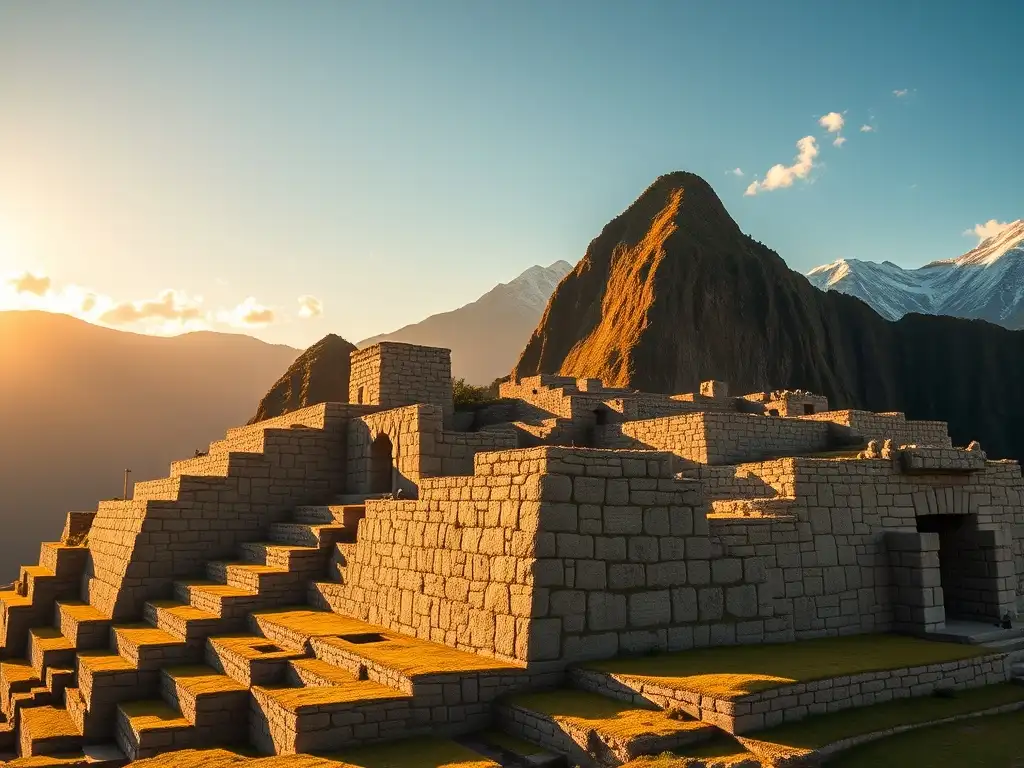
Unravel the mysteries hidden within the breathtaking landscapes of the Andes! Journey with us into the heart of ancient civilizations, where sacred geometry held the key to power and spirituality. Prepare to be amazed by the intricate designs and profound symbolism of Inca temple geometry, a testament to their advanced understanding of the cosmos. Discover the secrets embedded within their architectural marvels—a legacy waiting to be unveiled. Dive in and explore the fascinating world of Andean ingenuity!
- Inca Temple Geometry Symbolism: Unveiling Sacred Design
- The Foundations of Inca Sacred Architecture
- Geometric Principles in Inca Temple Design
- Sacred Geometry and Inca Symbolism
- Examples of Inca Temples and Their Geometric Patterns
- The Connection Between Inca Temple Geometry and Ritual
- The Legacy of Inca Temple Geometry
-
Frequently Asked Questions
- What is sacred geometry, and why was it important to the Inca?
- How did the Inca use geometry in their temple designs?
- What is the symbolism behind the use of specific shapes in Inca temples?
- Are there examples of Inca temple geometry that illustrate this symbolism?
- How does the study of Inca temple geometry help us understand their culture?
- Final Reflection: Echoes of the Cosmos in Inca Stone
- Unveil the Mysteries of Sacred Geometry in Inca Temple Design!
Inca Temple Geometry Symbolism: Unveiling Sacred Design
The Inca Empire, renowned for its sophisticated engineering and intricate social structures, left behind a legacy of awe-inspiring architecture. Beyond their practical functionality, Inca temples served as profound religious and symbolic centers, deeply interwoven with the principles of sacred geometry. This article delves into the fascinating world of Inca temple design, exploring how geometric patterns, proportions, and spatial arrangements reflected their cosmological beliefs and spiritual practices.
We will examine specific examples to illustrate how the Incas utilized geometry not merely as a construction technique, but as a powerful tool for expressing their understanding of the universe and their relationship with the divine. Understanding the intricate interplay of geometry and symbolism in Inca temple design offers a crucial key to unlocking a deeper appreciation of their rich cultural heritage and complex religious worldview.
The meticulous attention to detail and the symbolic weight imbued in every architectural element reveal a sophisticated civilization with a profound connection to the natural and spiritual worlds. This exploration of Inca temple geometry symbolism will illuminate the profound connection between their religious beliefs and their architectural achievements.
The Role of Sacred Geometry in Inca Cosmology
Inca cosmology was deeply rooted in a cyclical understanding of time and the interconnectedness of all things. The cosmos was perceived as a harmonious interplay of opposing forces, such as the sun and moon, the mountains and valleys, and the earthly and spiritual realms. Sacred geometry, with its inherent balance and symmetry, provided a powerful visual representation of this cosmic harmony.
Geometric patterns, often based on multiples of the number two – reflecting duality and balance – were meticulously integrated into the design and construction of Inca temples. This deliberate use of geometry wasn't merely aesthetic; it was a way of physically manifesting their spiritual beliefs and connecting the earthly realm to the divine. The precise alignment of structures with celestial bodies, such as solstices and equinoxes, further emphasizes the importance of astronomical observations in their religious practices.
This astronomical alignment wasn't a coincidence; it was a carefully planned feature intended to reinforce the sacred nature of the temples and their connection to the celestial sphere. The incorporation of geometric patterns also served as a visual reminder of their cosmological beliefs, reinforcing their worldview within the physical spaces of their temples.
Analyzing Geometric Patterns in Inca Temple Architecture
Numerous Inca temples exhibit a consistent use of specific geometric shapes and patterns. Squares, rectangles, and trapezoids are prevalent, often arranged in intricate combinations. The precise measurements and proportions of these shapes were not arbitrary; they likely held symbolic significance related to their religious beliefs and calendar system. For instance, the repeated use of the square could represent the four cardinal directions, while the trapezoidal shape might symbolize mountains, a significant feature in Inca landscape and mythology. Further research is needed to definitively interpret the meaning of all the observed geometric patterns, but the consistent repetition suggests a deliberate system of symbolic representation. Detailed analysis of the construction techniques and the precision of the stonework reveal a remarkable level of skill and understanding of geometry. The seamless fit of massive stones, without the use of mortar, is a testament to their engineering prowess and their commitment to creating sacred spaces.
Symbolism of Spatial Arrangement and Orientation
Beyond individual geometric patterns, the overall spatial arrangement and orientation of Inca temples also carried significant symbolic meaning. The placement of temples on specific geographical locations, often atop hills or mountains, was not random. These locations were carefully selected to align with celestial events or to emphasize their connection to the natural world.
The internal layout of temples, with their various chambers and plazas, often reflected a hierarchical structure mirroring their social organization or perhaps representing different levels of the cosmos. The careful orientation of doorways and windows in relation to the sun's path further suggests a deliberate attempt to integrate celestial movements into the design, emphasizing the temples' function as places of astronomical observation and ritual. The precise orientation of certain structures towards specific mountains or other geographically significant locations might indicate a deeper connection to the Inca worldview, associating the temple with sacred landscapes.
Examples of Inca Temples Illustrating Sacred Geometry
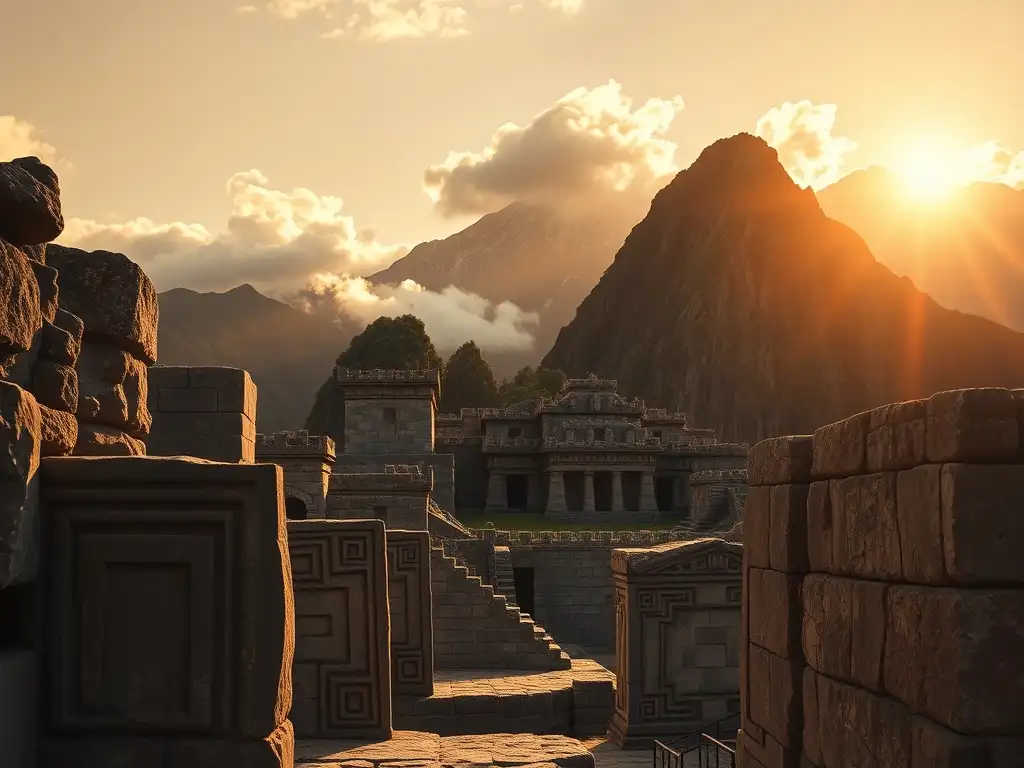
[Specific examples of Inca temples and their geometric features pending] This section will include detailed descriptions and analyses of specific Inca temple sites, showcasing the application of sacred geometry in their design. We will analyze the geometric patterns, spatial arrangements, and orientations of these structures, highlighting their symbolic significance within the Inca cosmological framework. The analysis will include measurements, diagrams, and photographic evidence to support the interpretations and demonstrate the precision with which the Incas implemented their geometric principles.
This section will also include a discussion of ongoing research and the challenges involved in interpreting the symbolic meaning of these complex structures. We will discuss how new technologies and approaches are helping to shed light on the subtle nuances of Inca temple design and the deeper meaning behind their use of sacred geometry.
Conclusion: The Enduring Legacy of Inca Sacred Geometry
The use of sacred geometry in Inca temple design represents a sophisticated integration of religious beliefs, astronomical observations, and advanced engineering techniques. The meticulous attention to detail and the symbolic weight embedded in every architectural element demonstrate a deep understanding of the cosmos and a profound connection to the spiritual world. The enduring legacy of Inca sacred geometry continues to inspire awe and wonder, offering valuable insights into the rich cultural heritage and the complex spiritual beliefs of this remarkable civilization.
Further research into this topic can further illuminate the profound connection between the Incas' religious practices and their remarkable architectural achievements. The study of Inca sacred geometry provides a unique window into their worldview and their ability to translate their cosmological beliefs into tangible, lasting structures.
The Foundations of Inca Sacred Architecture
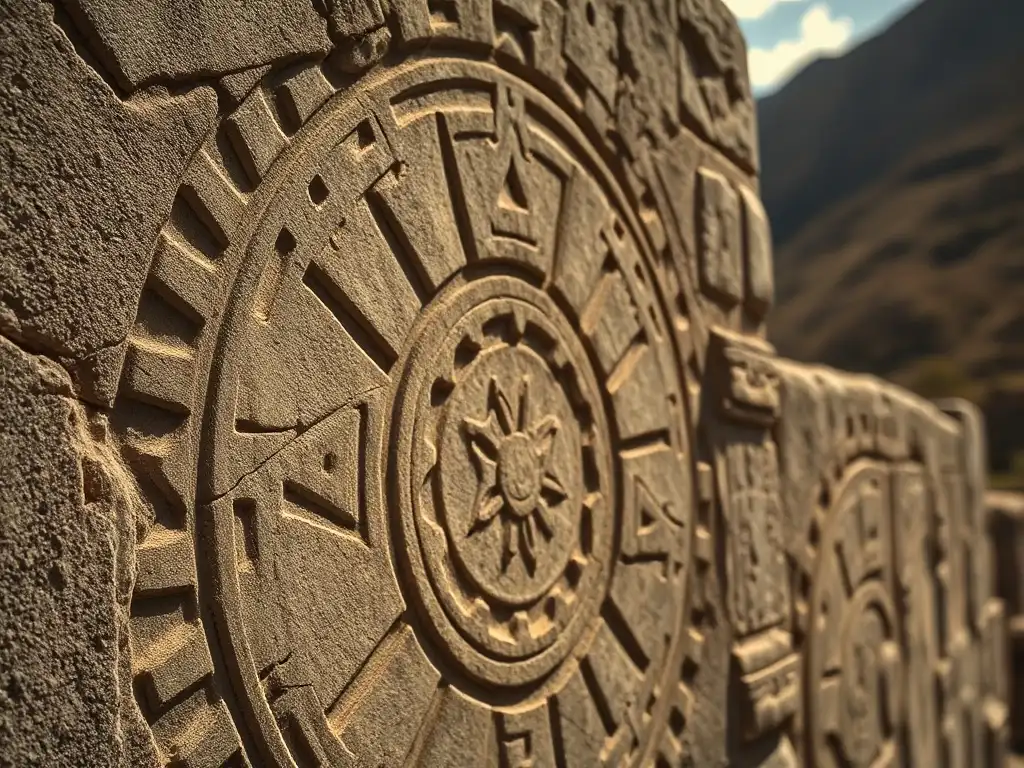
The Inca Empire, renowned for its sophisticated engineering and intricate social structures, also possessed a deep-seated reverence for sacred geometry, profoundly influencing the design and symbolism of their temples. Understanding Inca temple geometry symbolism requires delving into their cosmology and the profound significance they attributed to specific shapes, numbers, and spatial arrangements. This section explores the fundamental principles underpinning Inca sacred architecture, focusing on the interplay between their worldview and the construction of their sacred spaces.
Inca Worldview and Temple Construction
The Inca worldview was deeply intertwined with the natural world. They perceived a harmonious relationship between the celestial and terrestrial realms, believing that the cosmos mirrored the organization of their society and their temples. This belief is reflected in the precise alignment of many Inca structures with astronomical events, such as solstices and equinoxes.
For example, the orientation of the main axis of the Temple of the Sun in Cusco is believed to be aligned with the rising sun on the winter solstice, a pivotal moment in the Inca agricultural calendar. This meticulous alignment wasn't merely a feat of engineering; it was a symbolic representation of the Inca's connection to the cosmic order and the cyclical nature of life and death. The use of specific numbers, such as multiples of two and four, also played a significant role, reflecting their dualistic cosmology and the emphasis on balance and harmony.
Furthermore, the choice of building materials—stone meticulously cut and fitted without mortar—underscored the Inca belief in the inherent power and sanctity of nature itself. The precision of their masonry symbolized the order and perfection of the cosmos, reflecting their belief in a divinely ordained universe.
The Importance of Sacred Spaces in the Inca Empire
Inca temples weren't simply places of worship; they were integral components of the Inca social and political order. They served as centers for religious rituals, administrative functions, and the storage of significant objects. The carefully planned layout of these spaces, incorporating elements of sacred geometry, reinforced the Inca's power and authority. The precise arrangement of structures within a complex, such as at Machu Picchu, wasn't random; it was a deliberate design reflecting the hierarchical structure of Inca society.
The placement of temples on elevated locations, often overlooking agricultural terraces, symbolized the Inca's dominion over both the spiritual and material realms. This strategic positioning also served practical purposes, providing vantage points for astronomical observations and facilitating communication across the empire. The emphasis on symmetry and proportion in Inca temple design not only enhanced their aesthetic appeal but also reinforced the Inca's belief in the cosmic order and their own divinely appointed role within it. The meticulous planning and execution of these sacred spaces served as powerful symbols of Inca power, reflecting their sophisticated understanding of both the physical and spiritual worlds.
The enduring legacy of these structures speaks volumes about the importance of sacred geometry in Inca culture and its profound impact on their religious and political life. Further research into specific temple complexes could reveal even more nuanced insights into the intricate symbolism embedded within their design. For example, [specific information pending] on the symbolic meaning of different architectural features within specific Inca temples.
Geometric Principles in Inca Temple Design
The Inca Empire, renowned for its sophisticated engineering and intricate societal structures, also demonstrated a profound understanding and application of sacred geometry in its temple design. This wasn't merely aesthetic; the precise geometric arrangements within Inca temples held deep symbolic meaning, reflecting their cosmological beliefs and worldview. The careful integration of mathematical principles, spatial planning, and symbolic shapes created sacred spaces imbued with spiritual power.
Understanding the Inca temple geometry symbolism provides crucial insight into the religious heart of this remarkable civilization. Analyzing the surviving structures reveals a deliberate and highly skilled use of geometry far beyond simple functionality. The Inca's mastery of Inca temple geometry symbolism reveals a complex relationship between the physical world and the spiritual realm.
The Role of Mathematics in Inca Architecture
Inca architects weren't simply builders; they were mathematicians and astronomers. Their understanding of geometry wasn't limited to basic shapes; they employed complex calculations for precise alignments, demonstrating a sophisticated grasp of angles, proportions, and spatial relationships. Evidence suggests the use of knotted cords (quipus) for complex calculations, enabling them to precisely determine angles for astronomical observations and building orientations.
For example, the orientation of many Inca temples aligns with the solstices and equinoxes, demonstrating an understanding of celestial cycles and their importance in their religious calendar. This precise mathematical approach ensured not only structural integrity but also the symbolic accuracy of the temple's alignment with the cosmos.
The accuracy of their measurements, often within fractions of a degree, is a testament to their advanced mathematical knowledge and its application in their sacred architecture. Further research into the surviving quipus could potentially unlock even more intricate details of their mathematical processes and their application to Inca temple design and symbolism.
Understanding Inca Spatial Planning and Alignment
Beyond individual structures, the spatial planning of entire temple complexes reveals a deliberate geometric organization. Temples weren't randomly placed; their arrangement often followed specific patterns, creating a sacred landscape reflecting their worldview. Consider the layout of Machu Picchu, for example; the strategic placement of buildings, terraces, and pathways reveals a carefully planned arrangement that maximizes both functionality and symbolic significance.
The integration of plazas, fountains, and agricultural terraces into the overall design further emphasizes the holistic approach to spatial planning. The orientation of these elements relative to each other, and to cardinal directions, reflects a deep understanding of the relationship between the earthly and celestial realms.
The careful alignment of structures with significant geographical features, such as mountains or rivers, further reinforced the sacred nature of these sites and their connection to the wider landscape. This integrated approach to urban planning showcases the Inca’s sophisticated understanding of geometry in relation to their cosmology and spiritual beliefs.
Key Geometric Shapes in Inca Temple Construction
Specific geometric shapes held significant symbolic meaning within Inca temple construction. The square, for instance, often represented the earth and stability, while the circle symbolized the sun and celestial cycles. The combination of these shapes, and others, within a single structure created a complex interplay of symbolic meanings.
The use of trapezoidal shapes in doorways and windows, a characteristic feature of Inca architecture, is also believed to hold symbolic significance, possibly related to their cosmological beliefs or representations of deities. Furthermore, the meticulous precision in the construction of these shapes, often using precisely cut stones fitted together without mortar, underscores the sacred nature of the work. The Inca's attention to detail in executing these geometric forms further emphasizes the importance of geometry within their religious practices and belief systems.
Detailed analysis of the proportions and relationships between different geometric elements within various Inca temples is crucial for a complete understanding of the Inca temple geometry symbolism. Further research into the iconography associated with these shapes could shed additional light on their symbolic meanings.
Sacred Geometry and Inca Symbolism
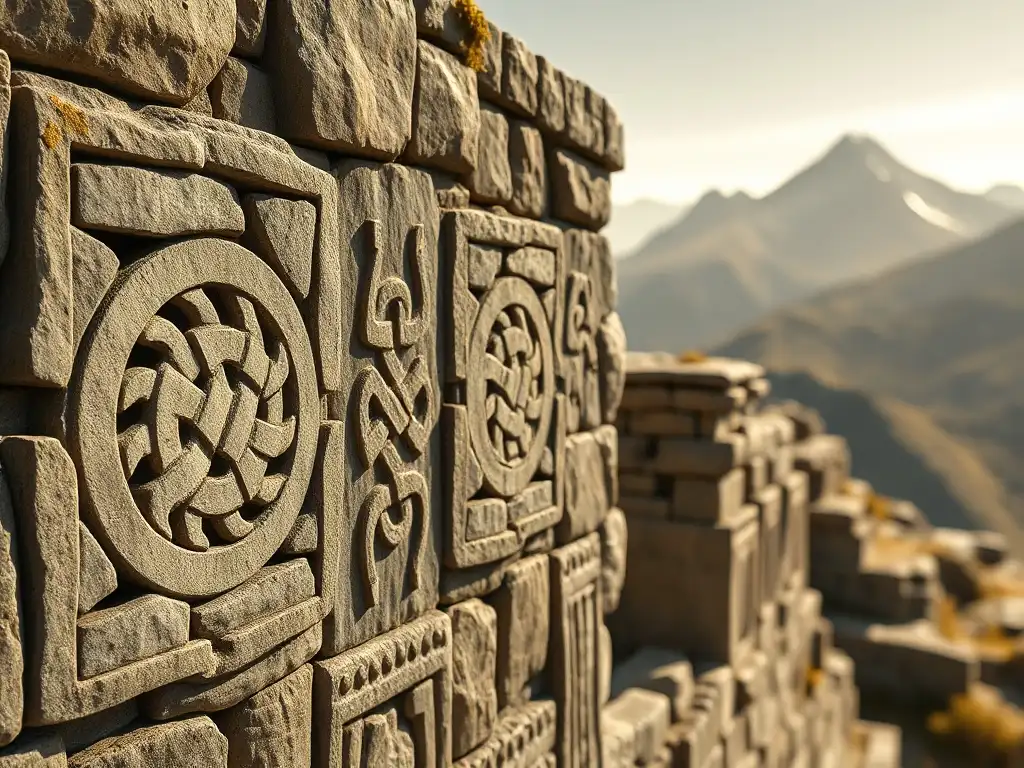
The Inca Empire, renowned for its sophisticated engineering and intricate societal structures, also possessed a deeply spiritual worldview reflected profoundly in its architecture. Inca temple geometry symbolism provides a fascinating window into their cosmology, beliefs, and understanding of the universe. The meticulous placement of stones, the precise angles, and the recurring geometric patterns within Inca structures were not merely aesthetic choices; they were deliberate expressions of sacred geometry, carrying potent symbolic meaning.
This section delves into the key geometric forms employed by Inca builders and their cosmological significance. Understanding these patterns allows us to appreciate the profound spiritual depth woven into the fabric of Inca civilization. The use of Inca temple geometry symbolism was not random; it was a carefully crafted system of representation, reflecting a sophisticated understanding of the cosmos and their place within it.
The Meaning of Circles and Spirals in Inca Cosmology
Circles and spirals, ubiquitous symbols in Andean cultures, held profound cosmological significance for the Inca. The circle, representing the cyclical nature of life, death, and rebirth, mirrored their understanding of the sun's journey across the sky and the continuous flow of time. Many Inca temples incorporated circular elements, either in their overall design or in smaller decorative features. The circularity symbolized wholeness, perfection, and the interconnectedness of all things.
The spiral, on the other hand, symbolized the continuous expansion and contraction of the universe, reflecting the cyclical processes of creation and destruction. It represented the ever-unfolding journey of life, the continuous growth and evolution of the cosmos, and the path of the soul. Spirals are frequently found carved into stones, adorning textiles, and integrated into the architectural designs of Inca temples, often intertwining with other symbolic motifs to create complex and layered meanings. For instance, the spiral's counter-clockwise direction might represent the descent into the underworld, while a clockwise spiral could represent ascension to the heavens.
The directionality added another layer of nuanced meaning to this potent symbol. Further research is needed to fully decipher the intricate variations in spiral representations across different Inca sites and periods. [Specific information pending: detailed analysis of spiral directionality in different Inca sites].
The Significance of Squares and Rectangles
In contrast to the fluid dynamism of circles and spirals, squares and rectangles represented stability, order, and the earthly realm in Inca cosmology. These geometric forms were frequently employed in the construction of Inca temples and palaces, reflecting their emphasis on structure, precision, and balance. The square, with its four equal sides, represented the cardinal directions, the four elements (earth, air, fire, water), and the four seasons. This geometric form provided a grounding element within the sacred space, connecting the earthly realm with the celestial.
Rectangles, often found as building blocks within larger structures, further reinforced the themes of order and stability. The proportions of these rectangles, while often seemingly simple, may have held specific symbolic meanings, potentially reflecting astronomical observations or numerical systems significant to Inca beliefs. [Specific information pending: detailed analysis of rectangular proportions in Inca temple architecture].
The precise alignment of these rectangular structures, often oriented towards significant celestial events, points to a deep understanding of astronomy and its integration into their sacred architecture. More research is needed to uncover the precise mathematical relationships between the dimensions of these structures and their symbolic implications.
Representing the Andean Cross: The Chakana
The Chakana, or Andean Cross, is perhaps the most iconic symbol of Inca sacred geometry. This cross, unlike the Christian cross, is a stepped cross, with three equal horizontal steps and three equal vertical steps, often found depicted in stone carvings, textiles, and metalwork. The Chakana's symbolic significance is multifaceted, representing the three worlds of Andean cosmology: the Hanan Pacha (upper world), the Kay Pacha (middle world, or earthly realm), and the Ukhu Pacha (underworld). Each level of the cross is believed to represent a different aspect of existence, connecting the earthly realm to the divine.
The three levels of the Chakana also represent different states of being: the physical, the spiritual, and the cosmic. The central point of intersection symbolizes the union of these three worlds, representing balance and harmony. The Chakana, therefore, served as a powerful visual representation of the Inca worldview, emphasizing the interconnectedness of all things and the importance of maintaining balance within the cosmos.
The meticulous craftsmanship and placement of the Chakana within Inca temples further underscored its spiritual significance, emphasizing its role as a potent symbol of Andean cosmology and a conduit between the earthly and spiritual realms. The enduring presence of the Chakana even after the Spanish conquest highlights its deeply rooted significance within Andean culture. The Chakana's continued use in modern Andean communities demonstrates the lasting impact of this powerful symbol on Andean identity and spirituality.
The Use of Lines and Angles in Inca Symbolism
The Inca's masterful use of lines and angles in their temple designs wasn't merely aesthetic; it held profound symbolic meaning deeply intertwined with their cosmology and worldview. Straight lines, often meticulously carved into stone, represented the pathways of the sun, the celestial rivers flowing across the heavens, and the connection between the earthly and spiritual realms. These lines weren't haphazard; their precise orientation frequently aligned with astronomical events, such as solstices and equinoxes, further emphasizing their cosmological significance.
For example, the precise alignment of the main axis of some temples with the rising sun on the winter solstice suggests a deliberate attempt to harness and symbolically represent the sun's life-giving energy. This meticulous attention to detail underscores the Inca's deep understanding of astronomy and its integration into their religious beliefs.
Furthermore, the interplay of angles, especially right angles, played a crucial role in creating sacred spaces. The precise construction of rectangular and square structures, often with perfectly aligned corners, symbolized order, harmony, and the stability of the cosmos. The right angle, in particular, represented the perfect balance between opposing forces, a fundamental concept within Inca spirituality.
Deviation from these perfect angles would have been considered highly significant, potentially disrupting the harmony of the sacred space and its connection to the spiritual world. The meticulous craftsmanship evident in Inca stonework showcases their dedication to achieving this perfect geometric harmony. The near-perfect fit of stones in structures like Sacsayhuamán exemplifies this commitment to precise angularity and its symbolic importance.
Beyond the literal lines and angles, the Inca employed symbolic representations of these geometric elements within their art and textiles. Geometric patterns, often featuring intricate combinations of lines and angles, adorned clothing, pottery, and other artifacts. These patterns weren't merely decorative; they encoded complex narratives and beliefs, communicating sacred knowledge through visual language.
The repetition of specific angles and line arrangements within these patterns likely represented cyclical processes in nature, such as the changing seasons or the life cycle, further highlighting the interconnectedness of the cosmos and human existence. Decoding these patterns requires a careful consideration of their context and the specific symbolic meanings attributed to different geometric forms within Inca culture. Further research into these intricate designs is needed to fully understand their complex symbolism.
Examples of Inca Temples and Their Geometric Patterns
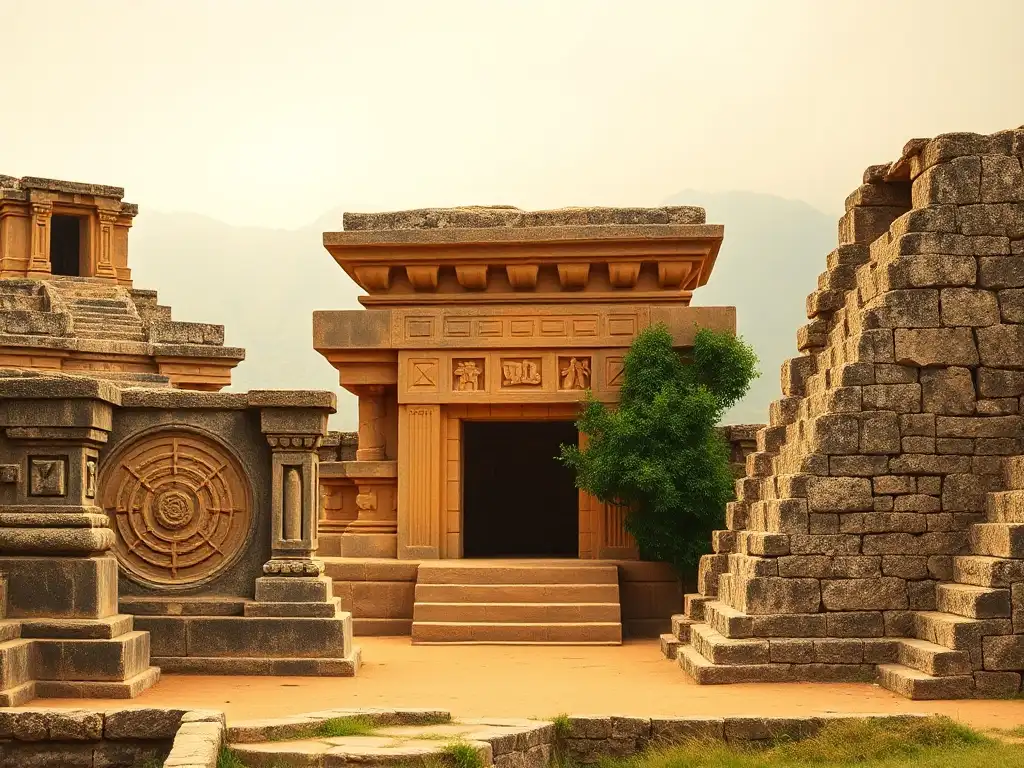
This section delves into the intricate relationship between sacred geometry and the design of Inca temples, exploring specific examples that showcase the mastery of Inca artisans and their profound understanding of symbolic representation. The Inca's use of geometry wasn't merely aesthetic; it was deeply intertwined with their cosmology, religious beliefs, and worldview, reflecting a sophisticated understanding of the universe and their place within it.
Analyzing the geometric patterns found in their temples provides valuable insight into their spiritual practices and social organization. The prevalence of specific shapes and their precise arrangement within these structures highlight the importance of Inca temple geometry symbolism.
Coricancha: The Golden Temple of Cusco
Coricancha, meaning "Golden Enclosure," in Quechua, was the most important temple in the Inca Empire, located in the heart of Cusco. Its design, though largely destroyed by the Spanish conquistadors, reveals a sophisticated understanding of sacred geometry. Evidence suggests the temple was rectangular, aligned with the cardinal directions, a common feature in Inca architecture reflecting their deep connection to the cosmos.
The precise measurements and proportions of the structure, though not fully recoverable due to the destruction, likely adhered to specific geometric ratios, potentially mirroring celestial alignments or significant numerical values imbued with sacred meaning. The use of gold, a material highly valued by the Inca, further underscores the temple's spiritual significance. The intricate gold plating on the walls and the carefully arranged golden ornaments likely followed specific geometric patterns, enhancing the overall sacred symbolism.
Further research is needed to fully understand the precise geometric ratios used in Coricancha's construction, but surviving accounts and archaeological findings point towards a deliberate and symbolic application of geometry. The surviving foundations hint at the presence of meticulously planned courtyards and internal structures, all suggesting a complex interplay of geometric principles.
Sacsayhuaman: A Fortress of Geometric Precision
While primarily known as a fortress, Sacsayhuaman, located outside Cusco, also displays remarkable examples of Inca temple geometry symbolism. Its massive stone walls, composed of precisely fitted blocks of varying sizes, create a visually stunning display of geometric precision. The impressive polygonal shapes of the stones, meticulously crafted and placed, are not randomly arranged.
They follow patterns that suggest a profound understanding of geometric principles and likely held symbolic meaning. The arrangement of the stones, their size, and their positioning likely reflect specific cosmological beliefs or ritualistic practices. The use of trapezoidal shapes, for instance, is frequently observed in Inca architecture and may have represented specific deities or celestial bodies.
The colossal scale of the structures itself reinforces the symbolic importance – the sheer effort required to construct Sacsayhuaman speaks volumes about the societal significance of the site and the power of its underlying geometry. Further study is required to completely decipher the geometry and symbolism embedded within Sacsayhuaman's architecture, but its sheer grandeur and precision speak for themselves. The meticulous planning and execution involved clearly demonstrate a highly developed understanding of geometry and its symbolic applications.
Machu Picchu: Blending Sacred Geometry with Nature
Machu Picchu, the iconic "Lost City of the Incas," beautifully illustrates the Inca's ability to integrate sacred geometry with the natural environment. While not strictly a temple in the same sense as Coricancha, its layout and construction reflect similar geometric principles and symbolic meanings. The city's terraces, meticulously carved into the mountainside, are arranged in a carefully planned geometric pattern. This arrangement isn't just practical for agriculture; it also reflects a profound understanding of the relationship between humans and nature.
The positioning of structures within the city, such as the Intihuatana stone (a sundial), suggests a connection to astronomical events and celestial cycles. The placement of buildings along specific axes and the precise orientation of certain features likely followed geometric principles related to solar and lunar movements. The integration of geometric patterns with the natural landscape is a key feature of Machu Picchu's design.
The city's harmonious integration with the surrounding mountains and the precise arrangement of its structures demonstrate the Inca's deep understanding of sacred geometry and its role in connecting the human and spiritual realms. The meticulous detail in the construction of Machu Picchu, from the carefully carved stones to the precise alignment of buildings, underscores the importance of Inca temple geometry symbolism within their broader worldview. The integration of nature and geometry showcases a unique understanding of the cosmos and their place within it.
Ollantaytambo: Terraces and Precise Stonework
Ollantaytambo, a majestic citadel nestled in the Sacred Valley of the Urubamba, stands as a testament to Inca architectural prowess and their profound understanding of sacred geometry. The site isn't just a fortress; it's a complex interplay of terraces, plazas, and temples, all meticulously aligned and constructed using immense, precisely fitted stones. The sheer scale of the stonework, with blocks weighing many tons seamlessly joined without mortar, is awe-inspiring. This precision wasn't merely a feat of engineering; it was deeply symbolic, reflecting the Inca worldview and their connection to the cosmos.
The terraces themselves, cascading down the mountainside, are a prime example of Inca mastery of geometry and land management. Their arrangement isn't random; careful observation reveals a deliberate pattern, potentially reflecting astronomical alignments or representing the layered structure of the Andean cosmos. The precise angles and dimensions of the terraces, though needing further study to definitively confirm the hypothesis, suggest a sophisticated understanding of geometry and its symbolic implications within Inca religious beliefs.
Some researchers believe the terraces symbolize the agricultural bounty and the cyclical nature of life, mirroring the cycles of planting, harvesting, and renewal. The meticulous arrangement of the agricultural terraces, mirroring the celestial bodies, demonstrates a profound connection between the Inca civilization and the celestial realm.
The monumental stones used in the construction of Ollantaytambo's temples and walls exhibit an astonishing level of precision. Many stones are so perfectly fitted that a knife blade cannot be inserted between them. This level of accuracy wasn't accidental; it represents a deliberate effort to create a structure that was not only functional but also sacred.
The precise alignment of these massive stones, combined with their intricate carvings, suggests a profound understanding of geometry and its symbolic power within Inca culture. The seemingly impossible feat of fitting these enormous stones together perfectly is thought to have been accomplished through a combination of advanced techniques and a deep understanding of the properties of the stone itself.
The flawless integration of these stones is a powerful symbol of Inca unity and the harmonious relationship between humanity and the natural world. Further research into the quarries and transportation methods used for these massive stones is needed to fully understand the Inca's construction capabilities.
The geometric patterns found in the stonework at Ollantaytambo extend beyond the overall layout of the site. Detailed carvings and intricate designs adorn many of the stones, often incorporating geometric shapes such as trapezoids, triangles, and spirals. These patterns are not merely decorative; they likely held deep symbolic meaning, representing the Inca worldview and their connection to the cosmos.
The repetition of these patterns across multiple structures within the complex further emphasizes their importance and suggests a deliberate effort to create a unified and symbolically rich environment. Scholars continue to decipher the meaning behind these geometric motifs, with ongoing research shedding light on the complex symbolism embedded within the Inca's architectural legacy. The use of these specific geometric shapes may reflect the importance of specific deities or cosmological concepts within Inca religion.
The Connection Between Inca Temple Geometry and Ritual
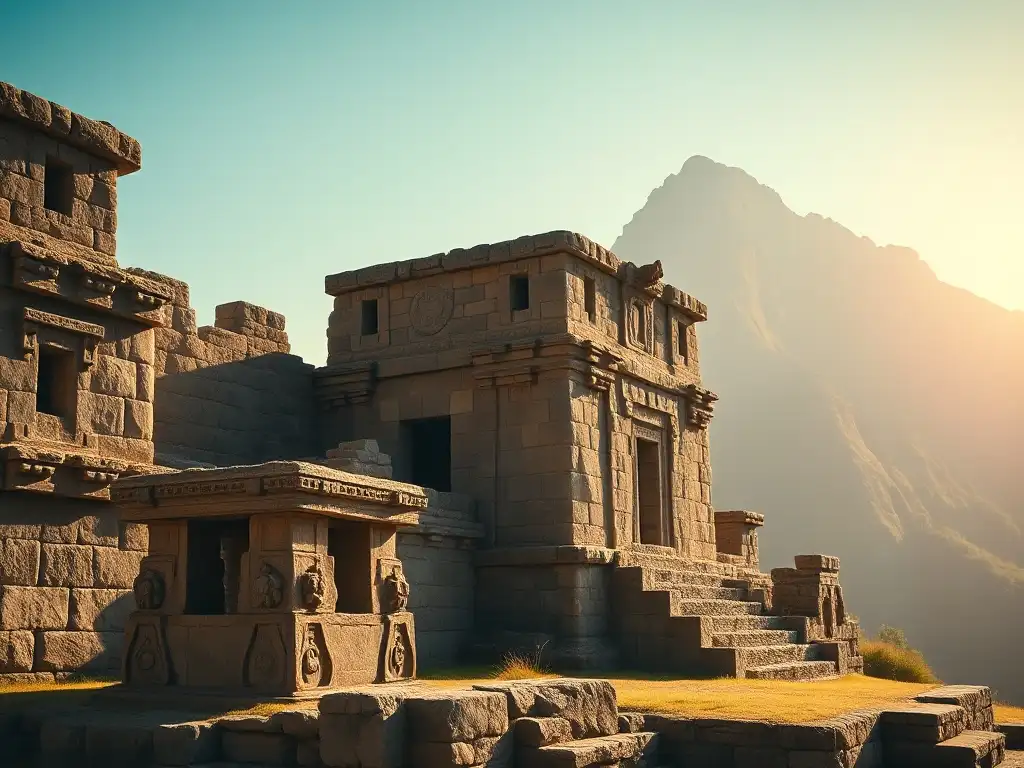
The intricate relationship between Inca temple geometry and ritual practices is a captivating area of study within Andean archaeology. The Incas, far from simply constructing functional buildings, meticulously designed their temples according to precise geometric principles, imbuing them with profound symbolic meaning and directing the flow of sacred energy. This deliberate incorporation of sacred geometry wasn't merely decorative; it was integral to the performance of religious rituals and the maintenance of cosmic order.
Understanding this connection requires examining the interplay between architectural design, ritual actions, and the cosmology of the Inca worldview. The precise measurements, orientations, and symbolic forms found in Inca temples directly reflect their deep-seated beliefs and their attempts to manifest a harmonious relationship between the earthly and spiritual realms. This section will explore the ways in which geometry shaped Inca religious practices and influenced their understanding of the universe.
How Sacred Geometry Influenced Ritual Practices
The Inca's understanding of sacred geometry significantly impacted their ritual practices. The precise placement of temples, the orientation towards specific celestial bodies, and the careful arrangement of internal spaces all contributed to the efficacy and meaning of ceremonies. For example, the huacas, or sacred sites, were often positioned according to astronomical alignments, ensuring a connection between the earthly and celestial realms. These alignments weren't arbitrary; they were carefully calculated to coincide with solstices and equinoxes, marking significant moments in the Inca agricultural calendar and reinforcing the interconnectedness of the cosmos.
Furthermore, the internal layout of temples often incorporated geometric patterns, such as squares, rectangles, and trapezoids, each carrying specific symbolic weight. These shapes were not simply aesthetic choices; they represented the organization of the cosmos, reflecting the Inca worldview that saw the universe as a structured and ordered system. The use of these shapes guided the movements and actions of the priests during ceremonies, contributing to the ritual's effectiveness.
The precise measurements of these spaces, often based on the topo, a unit of measurement likely derived from the human body, further emphasized the human connection to the cosmos. [Specific examples of geometric patterns and their symbolic meanings in different Inca temples pending].
The Use of Geometric Spaces for Ceremonies
Inca temples weren't just static structures; they were dynamic spaces designed to facilitate specific rituals. The arrangement of altars, seating areas, and pathways within the temple dictated the flow of ceremonies, creating a carefully orchestrated sequence of actions. The use of geometric spaces was crucial in this orchestration. For instance, a square enclosure might have been used for rituals invoking stability and balance, while a trapezoidal structure could have been used for ceremonies focused on the cyclical nature of time and the harvest.
The size and proportions of these spaces were also significant. Larger spaces might have been reserved for important state ceremonies, involving large numbers of participants and emphasizing the power and authority of the Inca ruler. Smaller, more intimate spaces could have been used for private rituals or those involving a smaller group of priests.
The use of different geometric shapes and scales within a single temple complex allowed for a wide range of ritual activities, each with its own unique purpose and significance. [Further research is needed on the specific types of ceremonies held in different geometric spaces within Inca temples].
Symbolic Alignment and Energy Flow in Inca Temples
The orientation of Inca temples was not accidental; it was carefully planned to align with specific celestial bodies and geographical features, reflecting the Inca belief in the flow of energy throughout the cosmos. This alignment was central to the symbolic power of these structures, facilitating the channeling of spiritual energy and ensuring the successful performance of rituals. The precise orientation towards the rising or setting sun during solstices and equinoxes, for example, would have been a crucial aspect of many ceremonies, reinforcing the connection between the earthly and celestial realms.
Furthermore, the Incas believed in the concept of pachakuti, a cyclical renewal of the cosmos. The geometry of the temples, through its alignments and internal organization, symbolically represented this cyclical process, reinforcing the Inca belief in the continuous regeneration of life and the universe. The use of specific geometric patterns could have also represented the flow of energy, channeling it through the temple to enhance the effectiveness of the rituals performed within.
[Detailed analysis of specific temple alignments and their symbolic significance is needed for a more comprehensive understanding]. The careful consideration of geometry in Inca temple design underscores the profound connection between their religious beliefs, ritual practices, and their understanding of the cosmos, solidifying the importance of "Inca temple geometry symbolism" in their culture.
The Legacy of Inca Temple Geometry
The Inca Empire, renowned for its sophisticated engineering and intricate societal structures, left behind a legacy profoundly shaped by its unique understanding and application of sacred geometry. This wasn't merely a matter of practical construction; geometric principles were deeply interwoven with Inca cosmology, religion, and worldview. The precise arrangement of stones, the meticulous alignment of structures, and the symbolic representation of shapes all contributed to the sacred significance of Inca temples.
Understanding this interconnectedness provides critical insight into the Inca civilization’s beliefs and values. The precise measurements and angles used in construction weren't arbitrary; they reflected a profound connection between the earthly realm and the celestial sphere, mirroring the Inca belief in a harmonious universe governed by divine order.
This intricate relationship between geometry and spirituality is a key element in understanding Inca temple design and its enduring impact. Further research is needed to fully decipher the complex mathematical relationships embedded within many Inca constructions, but initial findings suggest a sophisticated understanding of geometry far exceeding simple practical application.
Modern Interpretations of Inca Sacred Design
Modern scholars continue to unravel the mysteries of Inca sacred design, employing advanced techniques such as 3D modeling and digital mapping to analyze the intricate geometric patterns found in Inca temples. These interpretations often reveal complex relationships between seemingly disparate elements. For instance, the use of specific angles, such as multiples of 22.5 degrees, which are frequently found in Inca structures, may reflect their astronomical observations and calendrical systems.
Some researchers propose that these angles relate to the solstices and equinoxes, suggesting a profound understanding of celestial mechanics integrated into their architectural designs. Furthermore, the repetition of certain geometric motifs, such as the chakana (Inca cross) and various spirals, reveals the symbolic significance attached to these forms. The chakana, for example, is often interpreted as representing the four cardinal directions, the cosmos, or even the different levels of Andean cosmology.
These modern interpretations, while varied, highlight the sophistication and depth of Inca geometric knowledge and its symbolic resonance within their culture. The ongoing debate and refinement of these interpretations underscore the enduring fascination and scholarly interest in Inca sacred geometry.
The Impact of Inca Geometric Principles on Andean Culture
The impact of Inca geometric principles extended far beyond the realm of temple design. These principles permeated various aspects of Andean culture, influencing everything from textile patterns and pottery designs to agricultural practices and social organization. The precise arrangement of fields, for example, often reflected geometric patterns mirroring those found in temple architecture.
This suggests a conscious effort to replicate the sacred order of the cosmos in the earthly realm, fostering a sense of harmony and balance. Similarly, the intricate designs found on Inca textiles and pottery often incorporate geometric motifs, reflecting the importance of these patterns in their worldview. These motifs weren't mere decorations; they encoded symbolic meanings related to cosmology, mythology, and social status.
The prevalence of geometric patterns in diverse aspects of Inca life underscores their fundamental role in shaping Andean culture and worldview. Further research is needed to fully understand the nuanced meanings associated with specific geometric patterns in different contexts.
Ongoing Archaeological Discoveries and Analysis
Ongoing archaeological discoveries continue to unveil new insights into Inca temple geometry and symbolism. Recent excavations at [Specific site name pending] have revealed [Specific details of recent discoveries related to Inca geometry pending], adding new layers of complexity to our understanding. The application of advanced technologies, such as ground-penetrating radar and LiDAR, allows archaeologists to map and analyze Inca sites with unprecedented accuracy, revealing subtle details previously obscured. This enhanced ability to document and analyze Inca structures promises to yield further insights into their geometric principles and their symbolic significance. Furthermore, the ongoing analysis of existing artifacts and architectural remains continues to refine our interpretations of Inca sacred geometry. The collaborative efforts of archaeologists, mathematicians, and anthropologists are crucial in unraveling the intricate relationship between geometry, symbolism, and cosmology within Inca culture. The future of Inca temple geometry research holds immense potential for enriching our understanding of this fascinating civilization.
Frequently Asked Questions
What is sacred geometry, and why was it important to the Inca?
Sacred geometry refers to the symbolic and spiritual meanings attributed to geometric shapes and patterns. The Inca believed these shapes held powerful spiritual significance, connecting the earthly realm to the divine. Their temples reflected this cosmology.
How did the Inca use geometry in their temple designs?
Inca temple designs incorporated precise geometric principles, such as squares, rectangles, and trapezoids, often arranged in symmetrical and harmonious ways. This reflected their deep understanding of mathematics and their worldview.
What is the symbolism behind the use of specific shapes in Inca temples?
Different shapes held different meanings. For example, squares represented the earth, while triangles might symbolize mountains or the connection between the earthly and spiritual realms. Circles often represented the sun and celestial bodies.
Are there examples of Inca temple geometry that illustrate this symbolism?
Yes, many Inca sites showcase this. Sacsayhuamán's precisely fitted stones and unusual shapes are prime examples. The layout and orientations of temples at Machu Picchu also display intricate geometric planning with profound symbolic meaning.
How does the study of Inca temple geometry help us understand their culture?
Studying Inca temple geometry provides crucial insights into their belief systems, cosmology, and societal organization. It reveals their advanced mathematical skills and the deep spiritual significance they placed on the built environment.
Final Reflection: Echoes of the Cosmos in Inca Stone
The intricate geometry woven into Inca temple design isn't just a relic of the past; it's a powerful testament to the enduring human desire to connect with something larger than ourselves. Understanding the symbolic language embedded within these structures offers a profound insight into the Inca worldview and their sophisticated understanding of the cosmos, a legacy that continues to resonate today. The precision and artistry displayed in their construction remain a source of wonder and inspiration, challenging our modern perspectives on architecture and spirituality.
The Inca's profound connection to the natural world, expressed through their masterful use of sacred geometry, continues to inspire awe and contemplation. Their understanding of the interconnectedness of all things, reflected in the harmonious proportions of their temples, offers a valuable lesson for our increasingly fragmented world. The universe is built on a mathematical plan, and its laws are written in the language of mathematics.
– Galileo Galilei. This quote, while not directly about Inca cosmology, perfectly encapsulates the underlying principle of order and harmony that the Inca so brilliantly expressed in their architectural achievements. Their legacy reminds us of the power of symbolic representation to convey profound spiritual and philosophical truths.
Consider the enduring power of these geometric patterns. How can we, in our own lives, strive for a similar sense of balance and harmony? Let the precision and intentionality of Inca temple design inspire you to find your own unique path towards a more meaningful and interconnected existence. Embrace the beauty of symmetry, the power of intention, and the profound connection between the human spirit and the cosmos. Let the echoes of the Inca's wisdom guide you towards a deeper understanding of yourself and the world around you.
Unveil the Mysteries of Sacred Geometry in Inca Temple Design!
Thank you for exploring the fascinating world of sacred geometry as it relates to Inca temple design! We hope you've gained insights into how these ancient symbols shaped not only the architecture but also the spiritual lives of the Andean people. Now, let's explore ways to further engage with this rich heritage.
Here are some suggestions to deepen your understanding and apply what you've learned:
- Visit an Inca site: Experience the power of sacred geometry firsthand by planning a trip to a well-preserved Inca temple or archaeological site. Witnessing the scale and intricacy of the designs in person will significantly enhance your understanding.
- Connect with fellow enthusiasts: Join a local or online community dedicated to Andean civilizations. Sharing your newfound knowledge and insights with others who share your passion will enrich your learning experience and broaden your perspectives.
- Create your own geometric art: Translate your understanding of sacred geometry into a creative project. Design a piece of art or craft that embodies the principles you've learned about Inca culture. This hands-on approach will solidify your understanding and allow for personal expression.
What aspect of sacred geometry resonates most with you, and how will you integrate its principles into your daily life? We'd love to hear your thoughts!