
The Use of Sacred Stones and Artifacts in Inca Rituals

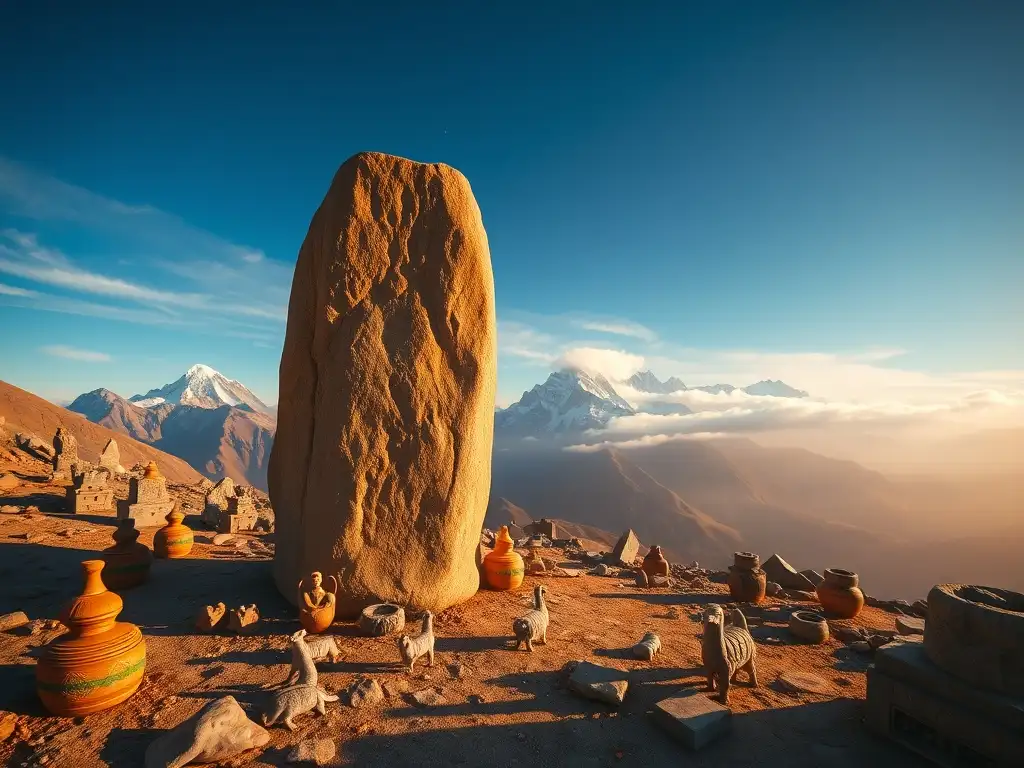
Step into a world lost to time, where the echoes of ancient empires still resonate. Dive into the captivating realm of Andean civilizations, uncovering their intricate artistry, advanced engineering, and profound spiritual beliefs. But what secrets do the Inca sacred stone artifact rituals hold? Unravel the mysteries surrounding these powerful objects and their place in Inca society – a journey into the heart of a vanished world awaits.
The Inca Empire, a civilization that flourished in the Andes Mountains for centuries, left behind a rich tapestry of cultural practices and beliefs. Central to their worldview was a deep reverence for nature and a complex system of religious rituals designed to maintain cosmic harmony and ensure prosperity.
This article delves into the crucial role of sacred stones and artifacts within these Inca rituals, exploring their significance, diverse forms, and the power they held in the lives of the Inca people. We will examine how these objects, imbued with spiritual energy, connected the Inca world to the supernatural realm, shaping their daily lives, political structures, and understanding of the universe.
Understanding the use of these sacred stones and artifacts provides crucial insight into the intricate workings of Inca religion and its profound impact on their society. This exploration will focus on the keyword "Inca sacred stone artifact rituals" and its semantic variations, offering a comprehensive look at this fascinating aspect of Inca culture.
Understanding the Significance of Inca Ritual Objects
Inca religious practices were far from simplistic; they were deeply symbolic and ritualistic, involving a complex interplay of offerings, ceremonies, and the manipulation of sacred objects. These objects, ranging from intricately carved stones to finely crafted gold and silver artifacts, were not merely decorative items. They served as powerful conduits to the spiritual world, representing deities, ancestors, and the forces of nature. The Inca believed that these objects possessed inherent power, capable of mediating between the human and divine realms.
The careful selection, preparation, and use of these objects underscore the profound importance of ritual in Inca society. The preservation of many of these artifacts, despite the passage of time and the Spanish conquest, allows us to reconstruct and appreciate the richness and complexity of their religious life. Many examples showcase the high level of craftsmanship and artistic skill present, further highlighting the sacred nature of these objects.
The Role of Sacred Stones in Inca Religious Practices
Sacred stones held a particularly prominent place within Inca religious practices. These were not simply ordinary rocks; they were believed to be imbued with spiritual power, often associated with specific deities or ancestral spirits. Their use in rituals aimed to harness this power for a variety of purposes, from ensuring successful harvests to invoking divine protection.
The selection and placement of these stones were carefully considered, often based on their natural form, location, and perceived spiritual properties. Their use was integral to many ceremonies and was often tied to specific locations deemed sacred, further emphasizing their significance in the Inca worldview. The reverence afforded to these stones highlights the deep connection the Inca had with the natural world and their belief in the interconnectedness of all things.
Huacas: The Power of Inca Sacred Stones
The term "huaca" encompasses a broad range of sacred objects, including stones, mountains, springs, and even certain plants and animals. However, sacred stones were particularly important, often serving as focal points for religious ceremonies and offerings. Some huacas were revered for their unique geological formations, while others were believed to possess the spirits of ancestors or deities. The Inca often built shrines and temples around these sacred stones, further emphasizing their importance.
The size and variety of huacas suggest a complex understanding of the spiritual landscape and the multiple ways in which the Inca interacted with the supernatural. Archaeological evidence continues to uncover new examples of these sacred sites, enriching our understanding of Inca religious beliefs and practices. Many of these sites remain places of pilgrimage even today, demonstrating the enduring impact of Inca spirituality.
Specific Types of Inca Sacred Stones and Their Uses
The Inca utilized a variety of sacred stones in their rituals, each with its own specific attributes and uses. For example, polished obsidian mirrors were used by priests for divination, reflecting not only the physical world but also the spiritual realm. Large, intricately carved stones were often incorporated into monumental structures like temples and palaces, signifying the power and authority of the Inca rulers.
Smaller, portable stones might have been used in more intimate ceremonies or carried as personal amulets for protection. Unfortunately, precise details regarding the specific uses of every type of sacred stone are not fully documented. More research is needed to fully understand the nuanced differences in the use of specific materials and their associated rituals.
Further investigation into Inca iconography and surviving texts could reveal more detailed information about the specific significance and use of various sacred stone types. The diversity of these stones reflects the richness and complexity of Inca religious beliefs and the multifaceted nature of their interactions with the supernatural world. 🌍
Inca Artifacts: More than Just Objects
Inca artifacts weren't merely decorative items or tools; they held deep spiritual significance, acting as conduits between the human and divine realms. Their creation, use, and ultimate disposition were all integral parts of complex rituals designed to appease the gods, ensure successful harvests, and maintain cosmic balance. The meticulous craftsmanship evident in many artifacts—from intricately woven textiles to finely carved stone sculptures—underscores their sacred nature.
These objects weren't mass-produced; their creation was a deliberate, often ritualistic process, imbuing them with a potent spiritual energy. The materials themselves often held symbolic meaning. For example, gold, representing the sun, was frequently used in objects dedicated to the Inca sun god, Inti.
Silver, associated with the moon, was used in rituals honoring Mama Killa. The selection of materials was not arbitrary; it was carefully considered to enhance the artifact's ritual efficacy. Furthermore, the very act of creating these artifacts was considered a sacred act, performed by skilled artisans who were often themselves considered to possess special spiritual abilities.
Common Inca Artifacts Used in Rituals
A wide variety of Inca artifacts were used in rituals. Some of the most common included:
- Keros: These beautifully crafted ceremonial vessels, often made of silver, gold, or wood, were used to present offerings of chicha (a fermented corn beverage). The intricate designs on keros often depicted mythological figures or scenes from Inca legends, further emphasizing their ritual importance. Their shape and size also varied, suggesting different ritual uses depending on the occasion.
- Tupu: These small, often gold, pins or ornaments were used as symbols of authority and power. They were often given as gifts or worn by high-ranking officials during important ceremonies. Their presence in burials suggests their continued importance in the afterlife.
- Textiles: Woven textiles, featuring intricate designs and vibrant colours, were highly valued. They were used in ceremonies as offerings, worn by participants, or draped over sacred objects. The quality and complexity of the textile often reflected the importance of the ritual.
- Stone sculptures: These ranged from small figurines to monumental structures, and were often carved with intricate detail. They represented deities, ancestors, or other important figures, and served as focal points for rituals.
- Spindles and whorls: These seemingly simple tools were also imbued with spiritual significance. The act of spinning and weaving was deeply connected to Inca cosmology, and these tools were often found in burials, suggesting their importance in the transition to the afterlife.
The Connection Between Inca Sacred Stones, Artifacts, and Rituals
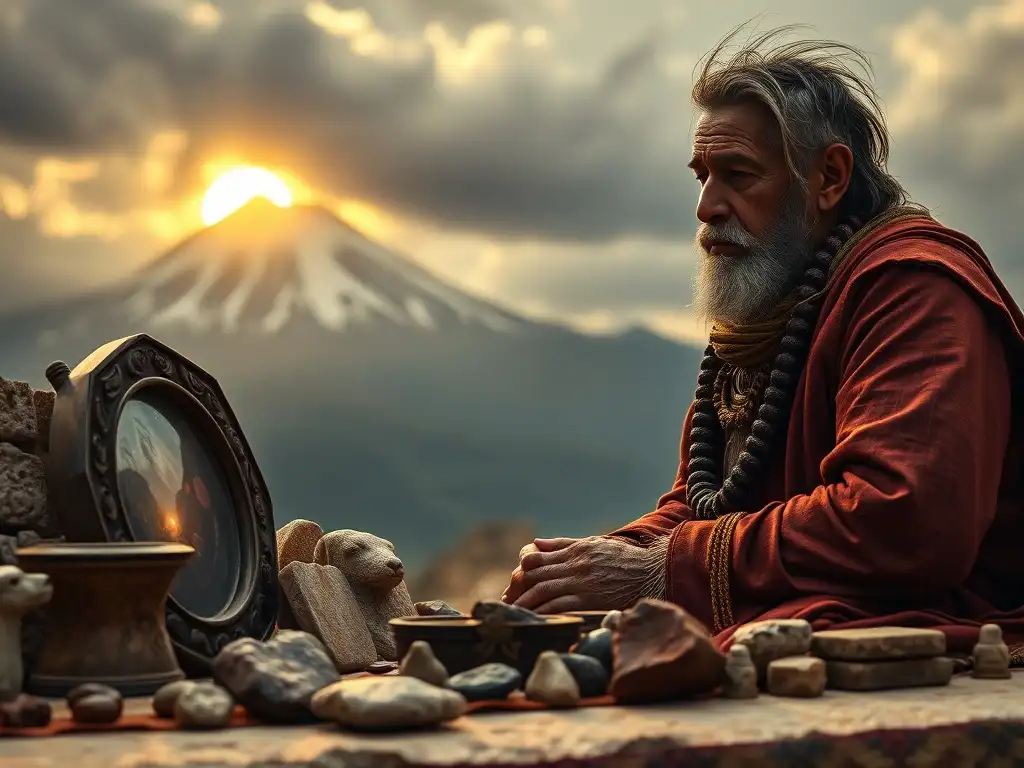
Inca rituals were deeply intertwined with the use of both sacred stones and artifacts. Sacred stones, often found in natural settings or incorporated into architectural structures, served as powerful focal points for ritual activity. These stones were believed to possess inherent spiritual power, acting as conduits for communication with the divine. Artifacts, on the other hand, often served as intermediaries, used to present offerings, make prayers, or represent specific deities or concepts.
The combination of sacred stones and artifacts created a powerful synergy, enhancing the effectiveness of the ritual. For instance, a ritual performed at a sacred stone site might involve the presentation of offerings using specific artifacts, creating a powerful link between the earthly and spiritual realms. The placement of artifacts near or on sacred stones was highly significant, reflecting a deliberate effort to connect the material world with the spiritual energy emanating from the stone.
How Inca Rituals Integrated Stone and Artifact Offerings
Inca rituals often involved meticulously planned offerings presented at specific locations, frequently near sacred stones. These offerings were not simply discarded; their presentation was a carefully choreographed act that involved specific gestures, prayers, and incantations. The type of artifact offered was often determined by the nature of the ritual and the deity being honored.
For instance, offerings of gold artifacts might be made to Inti, the sun god, while silver artifacts might be offered to Mama Killa, the moon goddess. The placement of the artifacts was also significant, with some being placed directly on the sacred stones, while others were buried in the ground nearby. The act of offering itself was considered a sacred act, designed to maintain harmony between the human and divine worlds.
The specific rituals varied depending on the occasion, but the core principle—the careful and deliberate presentation of offerings to appease the gods—remained consistent. Archaeological evidence reveals meticulously preserved ritual sites where these offerings were made, providing invaluable insights into these complex practices.
The Spiritual Meaning Behind Inca Offerings
The offerings presented during Inca rituals held profound spiritual meaning, extending beyond simple appeasement of the gods. They represented a reciprocal relationship between the human and divine worlds. The offerings were seen as a form of exchange, with the Inca people giving something of value in return for blessings, good harvests, or protection.
The act of offering itself was a demonstration of respect, reverence, and faith. The choice of the specific artifact, its condition, and the manner of its presentation all contributed to the ritual's effectiveness. The offerings weren't just material goods; they were imbued with spiritual energy, representing the Inca people's hopes, fears, and aspirations.
The more valuable the offering, the greater the perceived connection with the divine. This suggests a belief that the gods valued quality and sincerity in their offerings. The destruction or careful placement of offerings after the ceremony further reflects their significance within the Inca worldview.
The Role of Priests and Shamans in Inca Rituals
Priests and shamans played crucial roles in Inca rituals, acting as intermediaries between the human and divine worlds. They were responsible for conducting the ceremonies, interpreting omens, and ensuring the proper execution of ritual practices. Their expertise in Inca cosmology, mythology, and ritual procedures was vital to the success of the rituals.
They possessed specialized knowledge of sacred stones and artifacts, understanding their spiritual properties and appropriate use in different ceremonies. Their role extended beyond simply performing rituals; they were considered spiritual leaders, responsible for maintaining the cosmic balance and ensuring the well-being of the community. The priests' and shamans' authority derived from their religious knowledge and their ability to communicate with the spiritual realm.
They were often highly respected members of society, wielding considerable influence over the lives of their followers. Their involvement ensured the rituals were performed correctly, maximizing their spiritual efficacy and maintaining the Inca's connection to the divine.
Examples of Inca Rituals Involving Sacred Objects
Inca religious practices were deeply intertwined with the use of sacred stones and artifacts. These objects, often imbued with spiritual significance, played crucial roles in various ceremonies and rituals, reflecting the Inca worldview and their connection to the supernatural. The Inca believed that these objects possessed a powerful mana, a spiritual energy that could influence the world around them. This belief system permeated all aspects of Inca life, from daily routines to grand state ceremonies.
The careful selection, preparation, and use of these sacred objects highlight the sophistication and complexity of Inca religious practices. The use of these artifacts wasn't arbitrary; specific objects were associated with particular deities and rituals, underscoring a highly structured religious system. The reverence for these objects extended beyond their ceremonial use; they were often carefully preserved and passed down through generations, maintaining their spiritual potency.
The Capac Raymi Ceremony and the Use of Artifacts
The Capac Raymi, the most important Inca festival, celebrated the Inca emperor's power and the agricultural cycle. This elaborate ceremony involved a complex interplay of sacred objects. Golden figurines representing deities, intricately carved stones symbolizing mountains and ancestors, and intricately woven textiles depicting cosmological themes were all prominently featured. These artifacts weren't merely decorative; they were integral to the ritual's success, believed to channel divine energy and ensure a bountiful harvest.
Specific artifacts, passed down through royal lineages, held immense symbolic weight, connecting the current emperor to his predecessors and the divine realm. Scholars believe that the precise arrangement of these artifacts during the Capac Raymi followed a strict protocol, reflecting the Inca's profound understanding of cosmology and their relationship with the natural world. Unfortunately, many details of the Capac Raymi are lost to time, leaving researchers to piece together its intricacies from fragmented archaeological evidence and historical accounts.
The Inti Raymi Festival and the Significance of the Sun Stone
The Inti Raymi, the festival honoring the sun god Inti, was another significant Inca event. The Intihuatana, or "sun-tying stone," played a central role in this festival. This large stone structure, often found at the center of Inca religious sites, was believed to be a point of contact between the earthly and celestial realms.
During the Inti Raymi, priests would perform complex astronomical observations using the Intihuatana, marking the solstices and equinoxes. The precise positioning of the sun on these dates held profound spiritual significance, and the Intihuatana served as a focal point for these observations and associated rituals. Beyond the Intihuatana, other sacred stones and artifacts, such as golden masks and vessels representing the sun god, were used in the ceremony, enhancing its power and religious significance.
The precise rituals associated with these artifacts remain a subject of ongoing research and scholarly debate. The symbolism embedded in these artifacts and their placement within the ritual further underscores the depth and sophistication of Inca religious beliefs.
Other Key Inca Ceremonies and their Ritual Objects
Beyond the Capac Raymi and Inti Raymi, numerous other Inca ceremonies incorporated sacred stones and artifacts. For example, ceremonies related to water deities often involved the use of intricately carved stone vessels and figurines. These objects were believed to channel the power of water, ensuring a steady supply for agriculture and daily life.
Similarly, ceremonies dedicated to agricultural fertility often featured artifacts representing the earth and its bounty. These could include intricately carved agricultural implements made of stone or metal, as well as figurines of animals associated with fertility. The diversity of these rituals and the specific objects used highlights the complex and nuanced nature of Inca religious beliefs.
Further research is needed to fully understand the significance of these objects and their role in various Inca rituals. Many artifacts remain undiscovered, or their purpose is still debated among scholars. New archaeological discoveries continuously offer new insights into the rich tapestry of Inca religious practices.
Preservation and Study of Inca Sacred Stones and Artifacts
The preservation and study of Inca sacred stones and artifacts are crucial for understanding Inca culture and religion. These objects provide invaluable insights into the beliefs, practices, and artistic achievements of this remarkable civilization. Their study requires a multidisciplinary approach, combining archaeology, anthropology, and art history to fully interpret their significance. Preservation efforts are paramount, ensuring these fragile objects survive for future generations. The challenge lies in balancing the need for scientific study with the ethical considerations of preserving cultural heritage.
Archaeological Discoveries of Inca Ritual Sites
Archaeological discoveries continuously reveal new information about Inca sacred sites and the rituals performed there. Recent excavations at sites such as Machu Picchu and Sacsayhuamán have unearthed numerous artifacts, providing new insights into Inca religious practices. These discoveries often include intricately carved stones, golden ornaments, and ceramic vessels, shedding light on the specific rituals and ceremonies performed at these locations.
The careful analysis of these artifacts, along with contextual evidence from the sites, provides invaluable data for understanding Inca religion. The scientific techniques used in these excavations, including advanced imaging and dating methods, are continuously improving, allowing for more accurate and detailed interpretations. Each new discovery adds another piece to the puzzle, furthering our understanding of this complex and fascinating culture.
The Ongoing Research into Inca Religious Practices
Research into Inca religious practices is an ongoing process, with new discoveries and interpretations constantly emerging. Scholars are utilizing a range of methods, from analyzing ancient texts to examining the chemical composition of artifacts, to gain a deeper understanding of Inca beliefs. The integration of different academic disciplines, such as archaeology, anthropology, and history, is crucial for a comprehensive understanding.
Ongoing research focuses on deciphering the symbolism embedded in Inca artifacts and understanding the social and political contexts of their religious practices. The study of Inca religion is not only about understanding the past but also about appreciating the richness and complexity of a civilization that continues to fascinate and inspire. This ongoing work relies heavily on collaborative efforts between researchers from various institutions and nations.
The Importance of Protecting Inca Cultural Heritage
Protecting Inca cultural heritage, including sacred stones and artifacts, is of paramount importance. These objects represent a unique and irreplaceable part of human history and cultural legacy. Preservation efforts must focus on both the physical protection of artifacts from damage and decay, and the safeguarding of their cultural significance. This includes combating looting and illegal trafficking of artifacts, as well as promoting responsible tourism and research practices.
The ethical considerations surrounding the study and display of these objects are also crucial. It is essential to engage with descendant communities and incorporate indigenous perspectives in research and preservation efforts. The long-term preservation of Inca cultural heritage depends on a collaborative effort involving governments, institutions, and individuals dedicated to protecting this invaluable legacy for future generations. The responsibility extends to educating the public about the importance of this heritage and fostering a sense of stewardship towards these remarkable objects.
- Understanding the Significance of Inca Ritual Objects
- The Role of Sacred Stones in Inca Religious Practices
- Inca Artifacts: More than Just Objects
- The Connection Between Inca Sacred Stones, Artifacts, and Rituals
- Examples of Inca Rituals Involving Sacred Objects
- Preservation and Study of Inca Sacred Stones and Artifacts
- What role did sacred stones play in Inca rituals?
- Were all stones considered sacred in Inca culture?
- What types of artifacts were used alongside sacred stones in Inca rituals?
- How were Inca sacred stone artifacts used in healing rituals?
- Where can I learn more about Inca sacred stone artifact rituals?
Frequently Asked Questions
What role did sacred stones play in Inca rituals?
Sacred stones held significant religious importance in Inca culture. They were believed to possess spiritual power and were often incorporated into ceremonies and rituals to connect with the gods and ancestors. Many were used in healing practices and divination.
Were all stones considered sacred in Inca culture?
No, only specific stones, often possessing unique characteristics like color, shape, or markings, were deemed sacred. Their sacredness was often tied to specific deities or locations. Ordinary stones lacked such spiritual significance.
What types of artifacts were used alongside sacred stones in Inca rituals?
Inca rituals frequently involved a variety of artifacts, including gold and silver objects, textiles, ceramics, and intricately carved wooden items. These artifacts were often used in conjunction with sacred stones to enhance the ritual's power and symbolism.
How were Inca sacred stone artifacts used in healing rituals?
Shamans or paqos would use sacred stones, often in conjunction with other artifacts and herbs, to diagnose and treat illnesses. The stones were believed to channel healing energy and facilitate communication with the spirit world.
Where can I learn more about Inca sacred stone artifact rituals?
You can delve deeper into this topic by exploring academic journals and books focusing on Andean archaeology and Inca religion. Museums with Inca collections also offer valuable insights into these fascinating rituals.
Final Reflection: Echoes of the Andes: The Enduring Power of Inca Ritual
The intricate relationship between the Inca and their sacred stones and artifacts remains profoundly relevant today, a testament to the enduring power of human connection to the spiritual world. Understanding these ancient practices offers a powerful lens through which to examine our own relationship with objects imbued with meaning, and the ways in which we seek connection to something larger than ourselves. The echoes of their rituals resonate even now, whispering tales of reverence and devotion.
The impact of Inca spirituality, particularly its material manifestations in sacred stones and artifacts, continues to shape our understanding of Andean culture and its legacy. These objects, far from being mere relics of a bygone era, serve as potent symbols of a sophisticated cosmology and a deep connection to the land. They remind us of the importance of respecting our environment and recognizing the sacredness inherent in the natural world. The mountains are not simply mountains, but the dwelling places of the gods.
This sentiment, though not a direct Inca quote, encapsulates the profound reverence they held for the natural world and the objects they found within it.
Consider, for a moment, the weight of history held within a single polished stone, a meticulously carved figurine, or a delicately woven textile. These are not just objects; they are conduits to a rich and complex past, offering us a glimpse into the beliefs and practices of a civilization that thrived centuries ago. You, the reader, are now invited to reflect on your own relationship with objects that hold personal or cultural significance.
What stories do they tell? What connections do they forge? Let the legacy of the Inca inspire you to appreciate the power of ritual and the enduring strength of the human spirit's search for meaning.
Unlock the Mysteries of Inca Rituals!
Thank you for exploring the captivating world of Inca rituals and their sacred objects. We hope you've gained valuable insights into their rich cultural practices and spiritual significance. Now, let's delve deeper into this fascinating history!
Here are some ways you can continue your exploration:
- **Visit a museum** showcasing Andean artifacts to experience the beauty of these sacred items firsthand. Many museums offer engaging exhibits that bring the Inca world to life.
- **Join a discussion group** or online forum dedicated to ancient civilizations. Sharing your insights and learning from others passionate about Inca culture can enrich your understanding.
- **Create a personal ritual** inspired by Inca practices, using objects that hold special meaning for you. This can be a powerful way to connect with the spiritual aspects of this ancient culture.
Which aspect of Inca rituals resonates most with you, and how will you integrate these ancient traditions into your life?