
The Use of Sacred Plants and Herbs in Inca Rituals and Healing


Dive into the enigmatic world of the Andean civilizations! Journey beyond the majestic ruins and uncover the secrets held within their vibrant culture. Prepare to be captivated by the sophisticated artistry and ingenuity of these ancient societies, and particularly, the intriguing role of Inca sacred plant medicine in their rituals and healing practices. What mysteries did these potent herbs unlock? Explore the fascinating details and unravel the secrets now.
- Inca Sacred Plant Medicine: Rituals and Healing Practices
- The Significance of Sacred Plants in Inca Culture
- Key Inca Sacred Plants and Their Uses
- Inca Rituals Involving Sacred Plants
- Preparation and Administration of Inca Sacred Plant Medicine
- The Legacy of Inca Herbalism and its Modern Relevance
- Frequently Asked Questions
- Final Reflection: Echoes of the Andes: A Legacy of Sacred Plants
- Unlock the Healing Powers of Sacred Plants!
Inca Sacred Plant Medicine: Rituals and Healing Practices
The Inca Empire, renowned for its sophisticated engineering and intricate social structures, also possessed a deep understanding of the medicinal and spiritual properties of plants. This article delves into the fascinating world of Inca sacred plant medicine, exploring its crucial role in both religious rituals and healing practices. We will examine specific plants used, the methods of preparation and administration, and the significance of these practices within the broader context of Inca cosmology and worldview.
Understanding the Inca relationship with sacred plants provides crucial insight into their complex belief system and reveals a sophisticated understanding of botany and pharmacology far exceeding common perceptions. The use of "Inca sacred plant medicine" was not simply a matter of treating illness; it was deeply intertwined with their spiritual life, shaping their rituals, ceremonies, and understanding of the cosmos.
Coca: The Divine Leaf
Coca ( Erythroxylum coca) held a central position in Inca culture. Far from being solely a stimulant, coca leaves were considered sacred, representing vitality, strength, and connection to the spiritual realm. Evidence suggests that coca was used in numerous rituals, including offerings to deities and during important ceremonies.
Its use was not restricted to the elite; coca was widely consumed across social strata, playing a significant role in daily life, from enhancing endurance during arduous tasks to facilitating social interaction. The careful cultivation and controlled distribution of coca underscore its importance within the Inca economic and religious systems. The leaves were often chewed with an alkaline substance, such as lime, to enhance the effects.
Detailed accounts from Spanish chroniclers, although biased, offer glimpses into the cultural significance of coca chewing within Inca society. Further research into archaeological findings continues to reveal new insights into the multifaceted role of coca in Inca life.
Tobacco and its Ritualistic Significance
While coca was arguably the most prevalent sacred plant, tobacco ( Nicotiana tabacum) also played a significant role in Inca religious ceremonies. Unlike the daily consumption of coca, tobacco use was more closely tied to specific ritual contexts. It was often burned as incense, its smoke believed to carry prayers and offerings to the gods. Archaeological discoveries of intricately carved tobacco pipes suggest that the preparation and consumption of tobacco were highly ritualized practices.
The smoke itself was seen as a conduit to the spirit world, facilitating communication between the living and the deceased. The specific types of tobacco used and the methods of preparation likely varied regionally, reflecting the diverse traditions within the vast Inca Empire. Further investigation is needed to fully understand the nuances of tobacco use within different Inca communities.
Other Sacred Plants and their Medicinal Applications
Beyond coca and tobacco, a wide array of plants were utilized for their medicinal properties. Many of these plants were also imbued with spiritual significance, blurring the lines between healing and religious practice. For example, certain herbs were used to treat ailments, while others were incorporated into rituals aimed at ensuring fertility or protection from harm. Detailed ethnobotanical studies are crucial for identifying these plants and understanding their specific uses.
Unfortunately, much of this knowledge was lost or suppressed following the Spanish conquest. However, ongoing research, combining historical accounts with modern ethnobotanical studies, is slowly uncovering the rich tapestry of Inca plant knowledge. The identification and analysis of plant remains found in archaeological sites provide invaluable data, enriching our understanding of Inca pharmacopoeia.
The Role of Shamans and Healers (Curanderos)
Inca healing practices were not merely a matter of administering herbal remedies. They were integral to a complex spiritual system overseen by specialized healers, often referred to as curanderos. These individuals played a pivotal role in diagnosing illnesses, preparing and administering medicinal plants, and conducting rituals designed to restore balance and harmony within the patient and the community. Their knowledge was passed down through generations, ensuring the continuity of Inca healing traditions.
The curanderos held a respected position within Inca society, bridging the gap between the physical and spiritual realms. Their expertise extended beyond the medicinal application of plants; they also incorporated other therapeutic practices, such as massage and hydrotherapy. The integration of these practices within a holistic approach to healing highlights the sophistication of Inca medical knowledge.
The Significance of Sacred Plants in Inca Culture
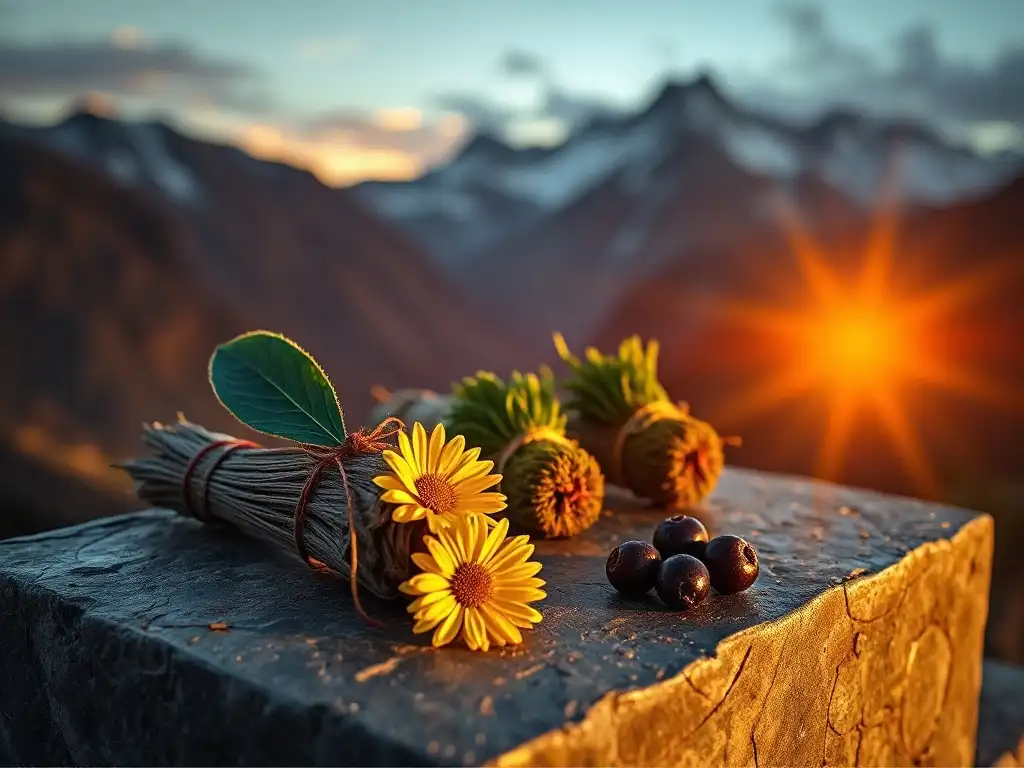
The Inca civilization, renowned for its sophisticated engineering and intricate social structures, also possessed a deeply spiritual worldview interwoven with the natural world. A core component of this worldview was the profound reverence for plants, particularly those with medicinal or psychoactive properties. These plants weren't merely botanical specimens; they were integral to Inca religious practices, healing traditions, and daily life, forming a complex system of belief and practice centered around the concept of Inca sacred plant medicine.
This section explores the multifaceted significance of these plants within Inca culture, revealing their spiritual power, medicinal applications, and socio-political implications. Understanding this relationship provides a crucial insight into the very fabric of Inca society and its relationship with the Andes' breathtaking environment. The intricate knowledge of Inca sacred plant medicine highlights a deep understanding of both botany and spirituality.
The Spiritual Role of Plants in Inca Cosmology
Inca cosmology viewed the world as interconnected and alive, a vibrant tapestry woven from the interactions of human beings, nature, and the divine. Plants, as integral components of this natural world, played a crucial role in Inca spiritual beliefs. They were considered to possess inherent spiritual power, acting as intermediaries between the human and spiritual realms.
Many plants were believed to be imbued with the spirit of Pachamama, the Earth Mother, representing her life-giving energy and fertility. The use of these plants in rituals was not merely symbolic; it was a direct engagement with the spiritual forces they embodied. Specific plants were associated with particular deities or spirits, and their careful preparation and consumption during ceremonies aimed to access those spiritual energies.
For example, coca leaves, a staple in Inca daily life and rituals, were believed to provide access to the spirit world and enhance communication with the gods. The meticulous cultivation and preservation of these sacred plants underscore their importance within the Inca spiritual framework. The rituals surrounding these plants were complex and varied, reflecting the nuanced understanding of their spiritual potency.
Understanding the Inca Concept of Pachamama and Plant Spirits
The concept of Pachamama, the Earth Mother, is central to understanding the Inca reverence for plants. Pachamama wasn't simply the physical earth; she was a powerful deity, the source of all life and fertility. Plants, born from the earth, were seen as direct manifestations of Pachamama's life force.
Each plant possessed its own unique spirit, connected to Pachamama and other spiritual entities. Shamans and healers, known as paqos, possessed specialized knowledge of these plant spirits and their properties, enabling them to harness their power for healing and ritual purposes. This intimate connection between Pachamama, plant spirits, and human beings underscores the holistic worldview of the Inca, where the spiritual and physical realms were inextricably linked.
This deep understanding of the intricate relationship between the earth and its bounty, and the consequent reverence for Inca sacred plant medicine, shaped many aspects of Inca culture, from agriculture to healing practices. Detailed studies of Inca iconography reveal further evidence of the importance placed on these sacred plants and their connection to the divine.
The Connection Between Nature, Healing, and the Divine
In Inca culture, the lines between nature, healing, and the divine were blurred. Inca sacred plant medicine played a vital role in bridging these realms. Plants weren't simply used to treat physical ailments; they were employed to address spiritual imbalances, restore harmony with the cosmos, and connect with the divine.
The paqos were essential in this process, possessing extensive knowledge of medicinal plants and their spiritual properties. They used these plants not only to cure illnesses but also to diagnose spiritual afflictions, using plant-based remedies to restore balance in the patient's life and their relationship with the spiritual world. The use of these plants wasn't confined to the elite; their medicinal and spiritual applications were widely accessible throughout Inca society.
The efficacy of Inca sacred plant medicine was often attributed to the spiritual power inherent in the plants themselves, reflecting the holistic and deeply spiritual approach to healing in Inca society. The detailed records of Inca healing practices, although limited, suggest a sophisticated understanding of both botany and the subtle energies of the natural world. This intricate knowledge system, centered around Inca sacred plant medicine, demonstrates a deep reverence for nature and its ability to heal the body and soul.
Key Inca Sacred Plants and Their Uses

The Inca civilization, renowned for its sophisticated engineering and social structures, also possessed a deep understanding of the medicinal and spiritual properties of plants. Their intricate relationship with the natural world is evident in their extensive use of sacred plants in rituals, healing practices, and everyday life. Understanding the role of these plants provides crucial insight into Inca religion, cosmology, and their holistic approach to health and well-being. This section explores some of the most important Inca sacred plants, focusing on their significance within the context of "Inca sacred plant medicine."
Coca: The Sacred Leaf and its Ritualistic Importance
Coca ( Erythroxylum coca), far from being solely a stimulant, held profound religious and social significance for the Inca. It was considered a sacred gift from the gods, a divine plant imbued with life-giving energy. The leaves were not just chewed for their energizing effects; they were integral to a wide range of rituals and ceremonies. Evidence suggests that coca was offered to deities as part of sacred offerings, placed within tombs as funerary goods, and used in divination practices by priests and shamans.
The Inca believed coca facilitated communication with the spirit world. Chewing coca leaves during religious ceremonies was thought to enhance spiritual awareness and promote a closer connection with the divine. The leaves were also used in healing rituals, believed to possess the power to alleviate pain and illness. The quantity and method of coca leaf consumption during rituals varied depending on the specific ceremony and the social status of the participant.
Detailed records of these practices, unfortunately, are limited, leaving room for further research and interpretation of archaeological findings. The enduring legacy of coca in Andean culture speaks volumes about its historical and ongoing importance as a sacred plant. Its role in Inca sacred plant medicine is undeniable.
Ayahuasca: Visions and Spiritual Journeys in Inca Shamanism
While the precise extent of Ayahuasca's use within the Inca empire remains a subject of ongoing debate among scholars, evidence suggests its potential role in Inca shamanistic practices. Ayahuasca, a brew made from various Amazonian plants, is known for its powerful psychedelic effects, inducing vivid visions and altered states of consciousness. Some researchers propose that Ayahuasca, or similar plant-based brews, may have been employed by Inca healers and shamans to diagnose illnesses, communicate with spirits, and guide individuals on spiritual journeys.
The potential use of Ayahuasca within Inca sacred plant medicine is supported by the discovery of archaeological remains suggesting the use of other hallucinogenic plants in Andean rituals. However, the lack of explicit textual records about Ayahuasca specifically necessitates a cautious approach to these interpretations. Further research, including detailed analysis of botanical remains and a deeper understanding of Inca shamanic traditions, is necessary to fully illuminate the role of Ayahuasca in Inca religious practices. The complexity of this topic highlights the need for interdisciplinary collaboration between archaeologists, botanists, and anthropologists to unravel the mysteries surrounding Inca sacred plant medicine.
San Pedro Cactus: The 'Wachuma' and its Healing Properties
The San Pedro cactus ( Echinopsis pachanoi), known as "Wachuma" in Quechua, was another vital component of Inca sacred plant medicine. This cactus contains mescaline, a powerful hallucinogen, which was used in both healing and religious contexts. Inca healers employed the San Pedro cactus to diagnose and treat various ailments, believing its psychoactive properties could reveal the underlying causes of illness and guide the healing process.
The use of the San Pedro cactus in Inca rituals involved intricate ceremonies, often overseen by skilled shamans. Participants would ingest the cactus, experiencing altered states of consciousness that allowed them to commune with spirits and receive guidance. This shamanistic practice served not only to treat physical ailments but also to address spiritual imbalances and promote overall well-being.
The enduring use of the San Pedro cactus in contemporary Andean traditions underscores its long-standing importance as a powerful tool in Inca sacred plant medicine and its continuing relevance in traditional healing practices. The cactus's role in shamanic healing practices highlights the holistic approach of Inca medicine, which integrated spiritual and physical aspects of health.
Other Important Inca Medicinal Herbs and Plants
Beyond the coca leaf and toé, the Inca pharmacopoeia boasted a rich diversity of plants and herbs used for medicinal and ritual purposes. These were carefully cultivated and managed, often integrated into the complex ayllu system that governed Inca society. The precise applications and preparations of many of these plants remain partially shrouded in mystery, lost to the passage of time and the destruction of Inca knowledge systems during the Spanish conquest. However, ethnobotanical studies and surviving accounts offer glimpses into their significance.
One notable example is the muña ( Minthostachys sp.), a fragrant herb with a minty aroma. Inca healers valued muña for its purported ability to alleviate digestive problems, respiratory ailments, and even headaches. It was often used in infusions or incorporated into poultices applied topically. The plant's versatility extended beyond medicinal uses; it was also used as a culinary ingredient and even as an air freshener within Inca homes. The precise species of muña used varied across the vast Inca empire, reflecting the diverse ecological zones and the adaptability of this resilient herb.
Another crucial plant was the matico ( Piper aduncum), a shrub with aromatic leaves and stems. Inca healers employed matico as an antiseptic and anti-inflammatory agent, applying it to wounds and burns to promote healing and prevent infection. Its astringent properties made it effective in treating various skin conditions, while its stimulating qualities were believed to invigorate the body and improve circulation. The detailed methods of preparation and application of matico are still being investigated by researchers, but its long-standing reputation as a powerful medicinal plant is undeniable.
Furthermore, numerous other plants played essential roles in Inca medicine, though our understanding of their specific uses is incomplete. These included various species of cacti, such as the San Pedro cactus ( Echinopsis pachanoi), which may have been used in shamanistic rituals and for its purported analgesic properties.
Different types of trees and shrubs likely yielded bark, leaves, and roots with medicinal value, though precise identification and detailing of these uses requires further research. The Inca's deep understanding of their environment allowed them to harness the healing potential of a wide array of plant life, highlighting the sophistication of their botanical knowledge and its integration into their daily lives and spiritual practices.
The continued study of Inca sacred plant medicine offers a valuable opportunity to understand not only their healing practices but also their intricate relationship with the natural world. The potential for discovering new medicinal compounds from these plants remains a compelling area of modern scientific inquiry.
Inca Rituals Involving Sacred Plants
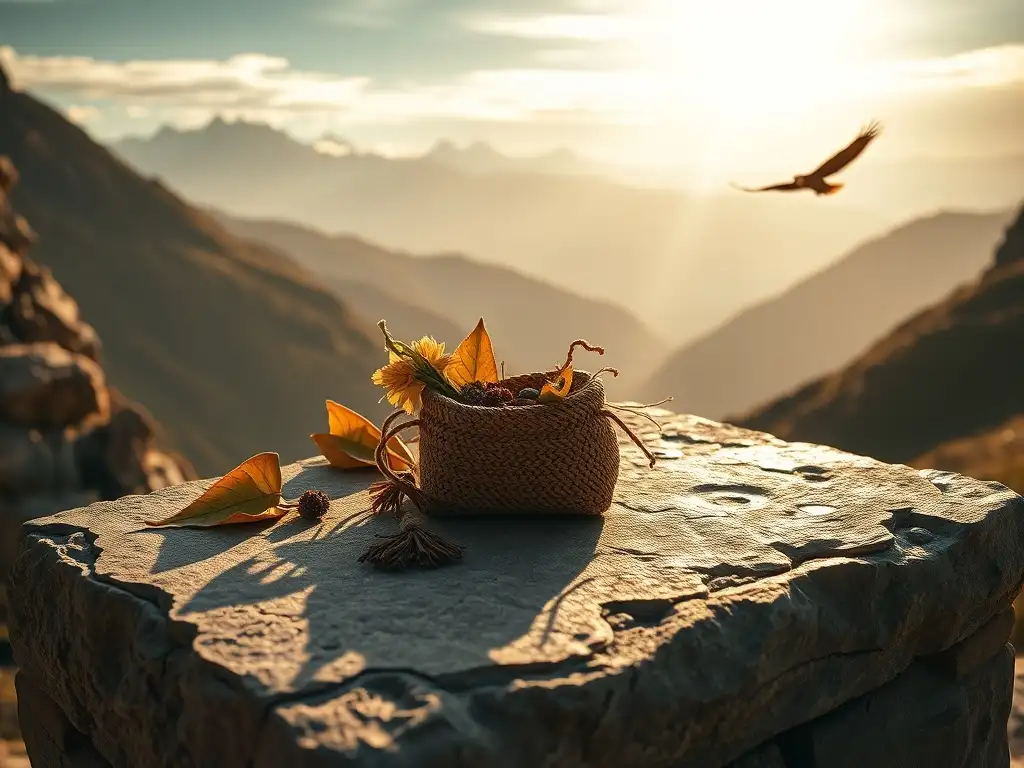
The Inca Empire, renowned for its sophisticated social structures and impressive engineering feats, also possessed a deeply spiritual worldview intricately interwoven with the use of sacred plants. These plants weren't merely sources of sustenance; they held profound religious significance, playing pivotal roles in rituals, ceremonies, and healing practices. Understanding the Inca's relationship with these plants provides crucial insight into their cosmology and worldview, illuminating the profound connection between the physical and spiritual realms within their society. This section explores the diverse ways Inca culture incorporated "Inca sacred plant medicine" into their daily lives and religious observances.
Ritual Offerings and Ceremonies to the Gods
Inca religious practices were deeply connected to the natural world, with mountains, rivers, and celestial bodies revered as powerful deities. Sacred plants formed an integral part of offerings and ceremonies designed to appease these gods and ensure bountiful harvests, good health, and the continued prosperity of the empire. Coca leaves ( Erythroxylum coca), for example, were not only a daily stimulant but also a crucial element in ritual offerings.
Bundles of coca leaves, acullico, were presented to deities during important ceremonies, symbolizing respect and devotion. Similarly, chicha, an alcoholic beverage made from fermented maize, played a significant role in religious festivals and celebrations, acting as a sacred drink offered to the gods and consumed by participants to foster a sense of communion.
The specific plants used in offerings varied depending on the deity and the purpose of the ritual. Certain plants were associated with specific deities; for instance, certain flowers might be linked to the sun god Inti, while others might be associated with the moon goddess Mama Killa. The preparation and presentation of these offerings followed strict protocols, ensuring the proper execution of the ritual and the desired outcome.
Detailed records detailing these practices are unfortunately scarce, but archeological evidence and surviving accounts offer glimpses into this complex system of ritual plant use. Further research is needed to fully understand the nuanced symbolism and significance of each plant in different contexts. The careful selection and preparation of these plants highlight the deep reverence the Inca held for the natural world and its connection to the divine.
Healing Rituals and Shamanic Practices
Beyond their religious significance, sacred plants formed the foundation of Inca healing practices. Shamans, or paqos, played a central role in this system, utilizing their knowledge of medicinal plants to diagnose and treat illnesses. Their understanding of herbal remedies, combined with spiritual rituals, aimed to restore balance and harmony within the patient. The use of plants in healing wasn't solely physical; it encompassed spiritual aspects, with the shaman using plants to connect with the spirit world and facilitate healing on a deeper level.
One example of a plant with significant medicinal properties is the uña de gato (cat's claw), known for its anti-inflammatory and immune-boosting properties. Other plants, such as various species of Solanum (nightshade family) and different herbs and roots, were used to address diverse ailments, from minor wounds to more serious conditions. The Inca pharmacopoeia was remarkably diverse, reflecting a sophisticated understanding of botany and its therapeutic applications.
However, much of this knowledge was passed down orally through generations of shamans, resulting in a loss of detailed documentation after the Spanish conquest. The surviving knowledge of Inca plant medicine represents a valuable treasure of traditional healing practices, offering potential insights into modern pharmaceutical research.
The Role of the Inca Priest (Yachaq) in Plant-Based Healing
While paqos were crucial in healing rituals, the yachaq, or Inca priest, also played a significant role in the use of sacred plants, particularly in the context of religious healing. The yachaq acted as an intermediary between the human and divine realms, often incorporating plant-based remedies into their rituals to cure illnesses believed to be caused by spiritual imbalances. The yachaq's involvement blended religious ceremonies with therapeutic practices, demonstrating the close relationship between religion and medicine in Inca society.
The yachaq’s expertise encompassed both spiritual and practical knowledge. They not only understood the spiritual significance of various plants but also possessed detailed knowledge of their medicinal properties and how to prepare them for use. This combined knowledge allowed them to perform healing rituals that addressed both the physical and spiritual aspects of illness.
The use of specific plants during these rituals was likely symbolic, reflecting the belief that certain plants held the power to connect with specific deities or spirits to influence the healing process. This intricate interplay between religious belief and practical application showcases the holistic nature of Inca medicine and its profound impact on the health and well-being of the Inca people. The recovery of lost knowledge concerning the yachaq's role in plant-based healing remains a significant area for future research within the field of Inca studies.
Use of Plants in Inca Divination and Prophecy
The Inca civilization deeply intertwined their spiritual beliefs with the natural world, and plants played a pivotal role in their practices of divination and prophecy. Shamans, known as paqos, held a unique position within Inca society, acting as intermediaries between the human and spiritual realms. Their knowledge of plants, their properties, and their symbolic meanings was essential to their ability to interpret the will of the gods and foresee the future. The paqos didn't simply utilize any plant; they carefully selected specific species believed to possess potent spiritual energies, often associated with specific deities or cosmological concepts.
One method involved the use of coca leaves. Chewing coca leaves wasn't merely a stimulant; it was a ritualistic practice used to induce altered states of consciousness, allowing the paqo to access prophetic visions. The way the coca leaves were arranged, the patterns they formed, and even the specific sensations experienced during chewing were all interpreted to glean insights into the future or the desires of the gods.
The number of leaves, their color, and even the presence of unusual markings were all scrutinized for their symbolic significance. This wasn't a haphazard process; it was a carefully honed skill developed through years of apprenticeship and rigorous study.
Beyond coca, other plants contributed to Inca divination. Certain herbs, when burned as incense, were believed to produce visions or facilitate communication with the spirit world. The smoke itself, its color, and the way it swirled were all considered important elements in interpreting the messages received.
Specific plant combinations were used to target particular deities or to address specific questions, highlighting the sophisticated understanding of botany and its spiritual applications within Inca culture. Detailed records of these practices, unfortunately, were largely lost during the Spanish conquest, leaving much of the precise knowledge shrouded in mystery. However, surviving accounts from chroniclers and ethnobotanical studies offer valuable glimpses into these fascinating aspects of Inca religion.
Further research, particularly analyzing archaeological findings and indigenous oral traditions, is crucial to fully understand the nuanced role of plants in Inca divination. The surviving fragments hint at a system far more complex and sophisticated than previously thought, underscoring the vital connection between the Inca worldview and the plant kingdom.
Preparation and Administration of Inca Sacred Plant Medicine
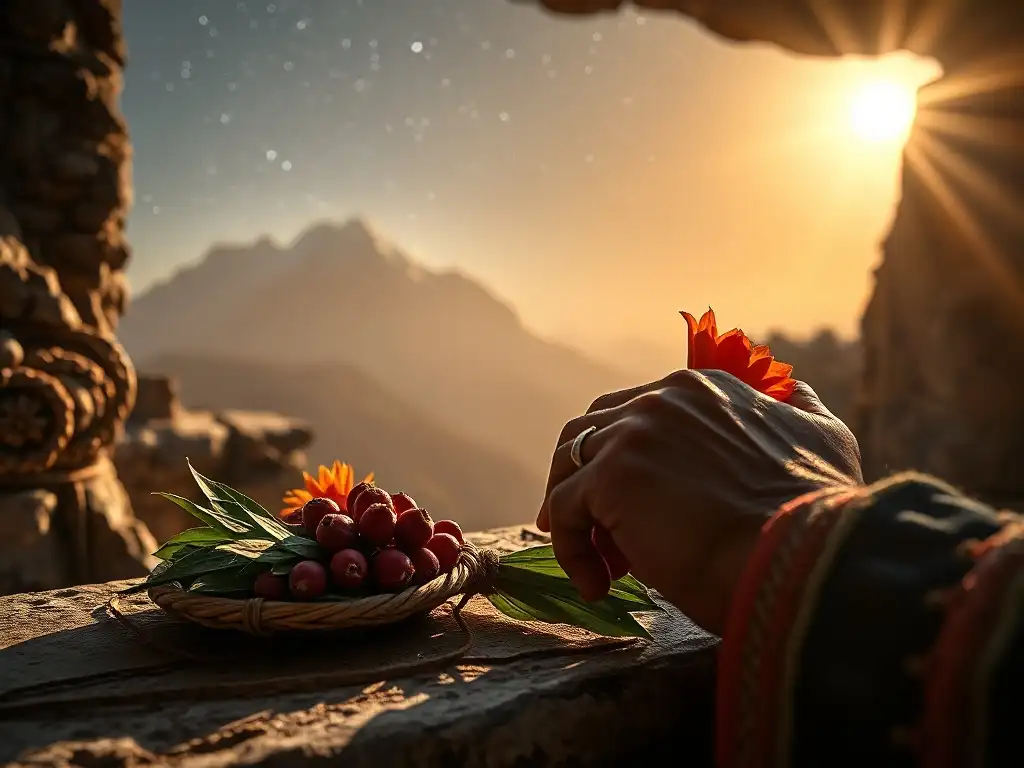
The preparation and administration of Inca sacred plant medicine was a deeply ritualistic process, far removed from the casual use of herbs in modern contexts. It wasn't simply a matter of brewing a tea; it involved a profound understanding of the plant's properties, the appropriate time for its use, and the spiritual context surrounding its application. The efficacy of the medicine was believed to be intrinsically linked to the purity of the practitioner and the sacredness of the setting. This section will delve into the intricacies of this fascinating aspect of Inca culture.
Traditional Methods of Preparing Plant Concoctions
Inca healers, known as curanderos, possessed extensive knowledge of various plants and their medicinal properties. They employed a range of techniques to prepare their concoctions, often incorporating intricate processes designed to maximize the plants' therapeutic potential. These methods often included:
- Maceration: Soaking plant material in water or alcohol for extended periods to extract active compounds. This technique was particularly common for preparing tinctures from potent herbs.
- Decoction: Boiling plant material in water to create a concentrated extract. This method was ideal for extracting compounds that were not readily soluble in cold water. The resulting decoction might then be further processed, perhaps by adding other ingredients.
- Infusion: Steeping plant material in hot water, similar to making tea. This gentler method was often used for delicate herbs to avoid degrading their active components.
- Pounding and pulverizing: Grinding dried plants into powders to increase the surface area for better extraction during later preparation stages. These powders could be incorporated into drinks, ointments, or even taken directly.
The choice of preparation method depended heavily on the specific plant and its intended use. For instance, coca leaves, crucial for religious ceremonies and daily life, were often chewed fresh, while other plants might require more elaborate preparation to unlock their full medicinal properties. Recipes were often passed down through generations within families of curanderos, making the knowledge of plant preparation a closely guarded secret.
Understanding Dosage and Safety in Inca Herbalism
While the Incas possessed a sophisticated understanding of plant medicine, precise details regarding dosage and safety protocols are scarce in surviving records. However, it's clear that a nuanced approach to dosage was employed, tailored to the individual's age, health condition, and the specific ailment being treated. This suggests a level of individualized care far more advanced than might be initially assumed.
The use of certain plants, particularly those with potent psychoactive properties, was strictly controlled and often reserved for shamanistic practices or religious ceremonies. The quantity and method of administration were carefully regulated to avoid adverse effects. This suggests a deep understanding of the potential risks associated with certain plants, emphasizing the importance of responsible use. Further research is needed to fully elucidate the Inca's understanding of pharmacology and toxicology.
We can infer that Inca herbalists understood the concept of contraindications—situations where a particular herb should not be used due to potential interactions with other remedies or pre-existing conditions. However, the specifics of these contraindications remain largely unknown, requiring further investigation of historical records and archaeological evidence. The absence of detailed written records on these matters presents a significant challenge for modern researchers.
The Importance of Ritual Cleansing Before Plant Use
The use of Inca sacred plant medicine was inextricably linked to ritual purity. Before any plant medicine could be prepared or administered, a rigorous cleansing process was undertaken, both by the curandero and the patient. This ritual cleansing was not merely a symbolic act; it was believed to be essential for the efficacy and safety of the treatment.
This cleansing often involved:
- Physical purification: Bathing or washing the body to remove physical impurities.
- Spiritual purification: Prayers, offerings, and other spiritual practices aimed at purifying the mind and spirit.
- Dietary restrictions: Abstaining from certain foods or drinks before the ceremony or treatment.
The specific rituals varied depending on the plant being used and the context of its application. The goal was to create a sacred space free of negative energies, allowing the healing power of the plant to work unimpeded. This holistic approach, encompassing physical, spiritual, and environmental factors, highlights the integrated nature of Inca healing practices. The preparation and usage of Inca sacred plant medicine was not simply a medical procedure, but a deeply spiritual and ritualistic act, reflecting the interconnectedness of the Inca worldview.
Respecting the Sacred Nature of the Plants
The Inca worldview deeply intertwined the spiritual and the physical realms. Plants, particularly those with medicinal or psychoactive properties, weren't simply botanical specimens; they were imbued with samincha, a sacred power or essence. Harvesting and preparing these plants was therefore a deeply ritualistic process, far removed from the utilitarian approach of modern herbalism. Shamans, or paqos, played a central role, ensuring the proper respect and reverence were given at each stage. Improper handling was believed to diminish the plant's efficacy and could even incur the wrath of the spirits associated with it.
Before any harvesting, the paqos would perform cleansing ceremonies, often involving offerings of coca leaves, chicha (fermented corn beer), and other sacred items. They would beseech the mountain spirits, apu, for permission to take the plant, acknowledging its inherent value and the community's dependence on its healing properties. The act of harvesting itself was performed with care and respect, often involving specific tools and techniques passed down through generations.
The plants were not simply plucked; they were carefully gathered, with thanks given to both the plant and the earth that nourished it. This careful approach reflects the Inca understanding of reciprocity and harmony with nature – a foundational principle of their worldview.
The belief that disrupting this harmony could have dire consequences ensured the sustainable use of these sacred resources and fostered a deep respect for the natural world. This reverence extended beyond the simple act of harvesting; the entire process, from planting to preparation, was infused with spiritual significance.
The preparation of the medicine itself was often accompanied by prayers, chants, and offerings. The paqos would meticulously clean and process the plants, ensuring that no part was wasted. Any remaining plant material would be returned to the earth, further emphasizing the cycle of life and death inherent in their spiritual beliefs.
The careful preparation wasn't merely a matter of practicality; it was a ritual reaffirming the plant's sacredness and reinforcing the connection between the human and spiritual worlds. This attention to detail underscored the holistic approach of Inca medicine, where physical healing was inextricably linked to spiritual well-being. The ultimate goal was not just to cure an ailment but to restore balance and harmony within the individual and the community.
The Legacy of Inca Herbalism and its Modern Relevance
The Inca civilization, renowned for its sophisticated engineering and societal structures, also possessed a deep understanding of plant-based medicine. Their knowledge, passed down through generations of curanderos (healers), wasn't merely a collection of remedies; it was intrinsically linked to their spiritual beliefs and cosmology. Inca sacred plant medicine wasn't just about treating illness; it was about restoring balance and harmony between the individual, the community, and the Pachamama (Mother Earth).
This holistic approach, emphasizing the interconnectedness of all things, offers valuable insights for contemporary herbal practices. The legacy of Inca herbalism continues to resonate today, influencing modern research into medicinal plants and inspiring a renewed interest in traditional healing methods. Understanding this legacy is crucial to appreciating the complexity of Inca culture and its enduring impact.
Preserving Traditional Inca Knowledge of Plant Medicine
The transmission of Inca knowledge regarding sacred plants faced significant challenges following the Spanish conquest. Intentional suppression of indigenous practices, coupled with the destruction of Inca records, led to a considerable loss of information. However, remnants of this rich tradition persist in the Andes today. Indigenous communities continue to utilize ancient techniques, often passed down orally through families and healers.
Ethnobotanical research plays a crucial role in documenting and preserving this invaluable knowledge. Researchers work alongside indigenous communities to identify and catalog plants used in traditional healing, documenting their preparation, administration, and therapeutic applications. This collaborative approach ensures that the knowledge remains within the communities while simultaneously contributing to the global understanding of Inca sacred plant medicine.
The meticulous recording of traditional practices, including specific plant identification, preparation methods (e.g., decoctions, infusions, poultices), and ritual contexts, is vital for future generations. Furthermore, the development of sustainable harvesting practices is paramount to protect these invaluable plant resources for the future. This interdisciplinary effort, combining traditional ecological knowledge with modern scientific methods, is essential for the long-term preservation of Inca herbalism.
The Influence of Inca Plant Wisdom on Modern Herbal Practices
Inca plant wisdom has subtly, yet significantly, influenced modern herbal practices. While many specific Inca remedies are lost to time, the underlying principles of using plants for healing continue to resonate. The holistic approach – understanding the interconnectedness of physical, emotional, and spiritual well-being – finds parallels in contemporary holistic medicine.
For example, the Inca emphasis on preventative health through balanced living and harmonious interaction with nature resonates with modern wellness practices that focus on lifestyle changes and natural remedies. Moreover, some plants used traditionally by the Incas are now being scientifically investigated for their medicinal properties. This renewed interest has led to the rediscovery and validation of some ancient Inca remedies.
The meticulous documentation of traditional uses, coupled with modern scientific analysis, can help identify novel therapeutic compounds and provide a basis for developing new drugs and treatments. This synergy between traditional knowledge and modern science holds immense potential for advancing our understanding of plant-based medicine and improving human health. Examples include the ongoing research into the medicinal properties of coca leaves and other plants historically used by the Incas.
Ethical Considerations in the Use of Sacred Plants
The use of Inca sacred plant medicine requires a deep understanding of ethical considerations. Respect for the cultural heritage of indigenous communities is paramount. The appropriation of traditional knowledge without proper acknowledgment and collaboration is unacceptable. Sustainable harvesting practices are essential to prevent overexploitation and protect the biodiversity of the Andean region.
Furthermore, the responsible use of sacred plants must consider potential risks and side effects. Some plants possess potent properties and should only be used under the guidance of experienced practitioners. The commercialization of sacred plants for profit without benefiting the communities that hold the traditional knowledge raises serious ethical concerns. Therefore, a collaborative and respectful approach that prioritizes cultural preservation, ecological sustainability, and responsible use is crucial.
The principles of informed consent and equitable benefit-sharing should guide all interactions involving Inca sacred plant medicine. This ethical framework ensures the respectful preservation and responsible utilization of this invaluable cultural heritage for the benefit of both present and future generations. The use of Inca sacred plant medicine should always be approached with humility, respect, and a deep appreciation for its cultural significance.
The Continuing Importance of Inca Herbal Wisdom
The legacy of Inca sacred plant medicine continues to resonate deeply in contemporary Andean communities. While much of the formal Inca knowledge was lost or suppressed following the Spanish conquest, traditional practices involving plants and herbs persist, often interwoven with modern medical approaches. This enduring connection highlights the resilience and cultural significance of Inca herbalism. Many communities maintain a profound understanding of the medicinal properties of plants, passed down through generations via oral traditions and practical experience.
This knowledge isn't merely historical; it's a living practice, shaping healthcare and spiritual beliefs in the region. The use of plants like coca, for example, though often viewed through a Western lens focused on its stimulant properties, retains its deep cultural and spiritual significance in many Andean communities. Its use is carefully regulated and integrated into daily life and ritual, demonstrating the continued relevance of Inca herbal traditions.
The resurgence of interest in traditional medicine globally has also cast a new light on Inca herbalism. Researchers are increasingly exploring the scientific basis for the efficacy of Inca plant remedies, often uncovering potent compounds with previously unknown medicinal properties. This scientific validation not only adds weight to the traditional knowledge but also opens up exciting possibilities for pharmaceutical development and the integration of ancient wisdom into modern healthcare systems.
The potential for discovering new drugs derived from Inca plant sources is considerable, further emphasizing the importance of preserving and studying this rich heritage. However, this renewed interest must proceed with ethical considerations, respecting the intellectual property rights of indigenous communities and ensuring that the commercialization of these resources benefits those who have traditionally held this knowledge.
The goal should be to build upon, not exploit, the Inca legacy of sacred plant medicine. Careful study and collaboration are key to ensuring that the continuing importance of Inca herbal wisdom benefits both modern science and the Andean communities that have preserved it for centuries.
Frequently Asked Questions
What role did plants play in Inca society?
Plants were essential to Inca life, serving not only as food sources but also playing a crucial role in religious ceremonies, healing practices, and daily life. Many plants held deep spiritual significance.
What were some of the most important sacred plants for the Inca?
Key sacred plants included coca, tobacco, and various psychoactive plants used in religious rituals to connect with the spiritual world. Other plants were used for their medicinal properties.
How did the Inca use coca leaves?
Coca leaves were widely consumed by the Inca, not only for their stimulating effects but also as part of religious offerings and ceremonies. They were considered a sacred gift from the gods.
Were Inca healing practices solely based on plants?
While plants formed a significant part of Inca medicine, their healing practices also involved spiritual rituals, diagnosis, and other methods. Herbal remedies were often combined with other treatments.
Where can I learn more about Inca sacred plant medicine?
To delve deeper into this topic, explore reputable academic sources, museums focusing on Andean cultures, and books specifically on Inca ethnobotany and religious practices. Archaeological findings also offer valuable insights.
Final Reflection: Echoes of the Andes: A Legacy of Sacred Plants
The intricate relationship between the Inca civilization and sacred plants continues to resonate today, offering valuable insights into both ancient healing practices and the enduring power of nature. The knowledge held within these plants, once central to Inca spiritual and physical well-being, remains a potent reminder of humanity's deep connection to the natural world and the importance of respecting its gifts.
The legacy of Inca plant medicine is not merely a historical curiosity; it's a living tradition that continues to inform contemporary herbalism and holistic approaches to health. Its influence can be seen in modern ethnobotanical research, the resurgence of interest in traditional healing methods, and the ongoing efforts to protect biodiversity. The earth provides all we need; we only need to learn how to receive it.
– this ancient wisdom, though not directly from Inca sources, perfectly encapsulates the core philosophy underpinning their use of sacred plants.
Consider the profound implications of this knowledge. How can we, in our modern world, reconnect with the wisdom of the Andes and integrate a deeper respect for the healing power of nature into our own lives? I urge you to reflect on the interconnectedness of all living things and explore ways to incorporate mindful practices that honor the earth and its bountiful gifts. Let the legacy of Inca sacred plant medicine inspire you to seek a more harmonious relationship with the natural world, both for your own well-being and for the preservation of our planet's precious biodiversity.
Unlock the Healing Powers of Sacred Plants!
Thank you for exploring the fascinating world of Inca rituals and their deep connection to sacred plants and herbs. You've discovered a rich tradition of healing and spirituality that continues to influence modern practices. Now, let's explore how you can deepen your connection to these ancient remedies!
Here are some ways you can begin your journey today:
- Explore herbal remedies: Incorporate plants traditionally used by the Inca into your daily life. For example, maca can boost energy levels, while other plants offer unique benefits for physical and mental well-being. Research carefully and consider consulting a healthcare professional before using any new herbal remedies.
- Connect with a community: Find local workshops or online groups dedicated to plant-based healing or Andean traditions. Sharing experiences and learning from others who share your passion can be incredibly rewarding.
- Share your knowledge: Discuss the power of herbal medicine with friends and family, or share this article to spread awareness of its importance in today's world.
How will you integrate the wisdom of these sacred plants into your life? Share your thoughts in the comments below!