
Pachamama, the Earth Mother: Understanding Her Importance in Inca Spirituality

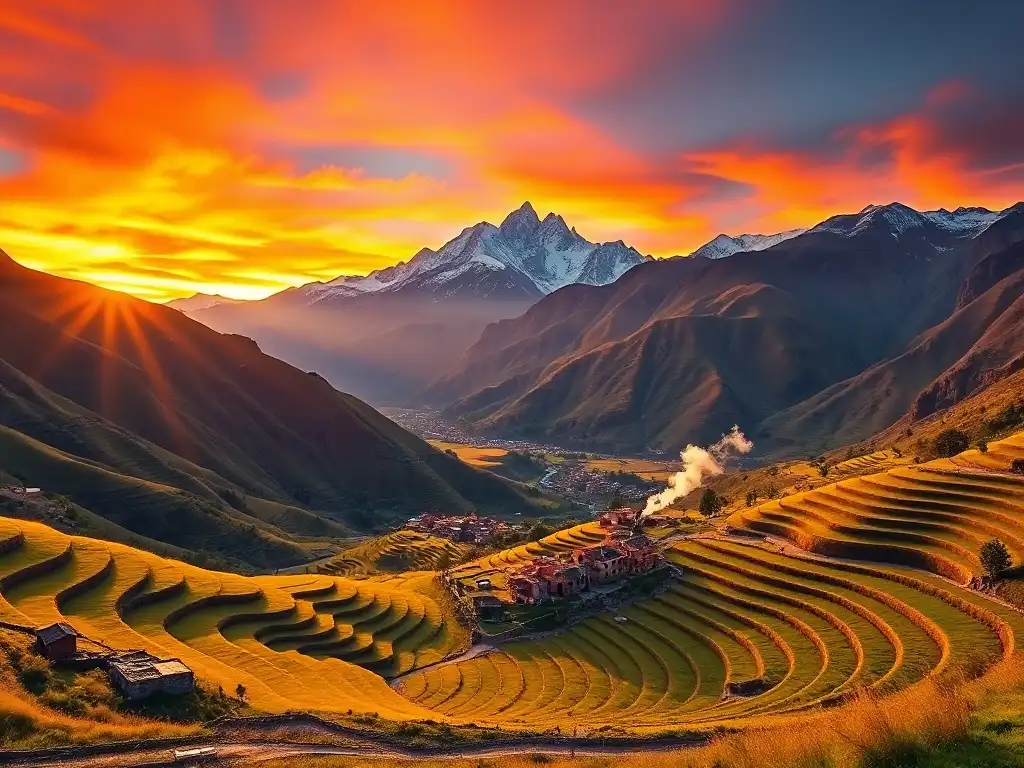
Step into a world lost to time, yet echoing with vibrant life. Imagine a civilization that worshipped the Earth Mother, Pachamama, with a reverence that shaped every aspect of their existence. This is the captivating story of the Andean civilizations, and we invite you to delve into the mysteries of their rich culture. Uncover the secrets behind Inca Pachamama spirituality and witness the profound connection between humanity and nature in a world where mountains touched the heavens and the earth pulsed with sacred energy. Prepare to be amazed.
The Inca Empire, a civilization that flourished in the Andes Mountains from the 15th to the 16th century, possessed a deeply spiritual worldview profoundly connected to the natural world. Central to their cosmology was Pachamama, the Earth Mother, a powerful deity representing the fertility of the land, the abundance of harvests, and the very lifeblood of the Inca people.
Understanding Pachamama's significance is crucial to grasping the intricacies of Inca religion, their societal structure, and their relationship with their environment. This exploration delves into the multifaceted role of Pachamama in Inca spirituality, examining her influence on daily life, agricultural practices, and the grand rituals that shaped their society.
We will uncover how the Inca's reverence for Pachamama shaped their worldview and continues to resonate in Andean cultures today. The concept of Inca Pachamama spirituality is far more than just a religious belief; it was a fundamental principle guiding their entire existence.
Pachamama: More Than Just a Goddess
Pachamama wasn't simply a deity to be worshipped; she was an active participant in the Inca world. She was the provider, the sustainer, and the source of all life. The Incas believed that Pachamama resided within the earth itself, her essence permeating the mountains, valleys, and rivers. They saw her presence in the fertile soil that nourished their crops, the flowing water that quenched their thirst, and the minerals that provided resources for their tools and ornaments.
This inherent connection fostered a deep respect and responsibility towards the land, shaping their agricultural practices and daily routines. The Inca understood that their well-being was inextricably linked to Pachamama's well-being, leading to practices aimed at maintaining balance and harmony with nature. This wasn't passive worship; it was an active, reciprocal relationship.
Agricultural Practices and the Worship of Pachamama
Inca agriculture was not merely a means of survival; it was a sacred act deeply intertwined with the worship of Pachamama. The ayllu, the communal system of land ownership and labor, ensured that agricultural rituals were performed collectively. These rituals, often involving offerings and prayers, aimed to appease Pachamama and ensure bountiful harvests. Specific ceremonies were performed at planting and harvest time, involving the pouring of chicha, a fermented corn beverage, onto the earth as a libation. Farmers would also make offerings of coca leaves, food, and other valuable items, burying them in the soil to nourish Pachamama and gain her favor. The success of their harvests was directly attributed to Pachamama's benevolence, making her a central figure in their daily lives and economic stability. Failure, on the other hand, was often interpreted as a sign of displeasure from the Earth Mother, prompting reflection and renewed efforts to maintain harmony.
Rituals and Ceremonies Honoring Pachamama
The Inca calendar was replete with festivals and ceremonies dedicated to Pachamama. These weren't isolated events; they were integral parts of the social fabric, reinforcing community bonds and reaffirming the people's connection to the earth. Large-scale festivals, often involving processions, music, and dance, were held to honor Pachamama and to ensure the continued fertility of the land.
These events served not only as religious observances but also as opportunities for social interaction, strengthening community ties and reinforcing the shared beliefs that held the Inca society together. The scale and grandeur of these ceremonies underscore the paramount importance of Pachamama within Inca culture and spirituality. The meticulous organization and widespread participation highlight the deep-seated reverence for the Earth Mother.
The Enduring Legacy of Pachamama
The worship of Pachamama didn't disappear with the fall of the Inca Empire. Her influence continues to resonate strongly in contemporary Andean cultures. Many indigenous communities in the Andes still practice rituals and ceremonies honoring Pachamama, reflecting the enduring power of this ancient belief system.
The reverence for the earth and the interconnectedness of all living things remains a central tenet of their worldview, demonstrating the enduring legacy of Inca spirituality and the lasting impact of Pachamama on Andean identity. This continuity underscores the profound and lasting influence of Pachamama on the cultural landscape of the Andes, highlighting her continued relevance and importance. The persistence of these traditions speaks volumes about the enduring power of this ancient belief system and its adaptation to modern contexts.
- Pachamama: More Than Just a Goddess
- Agricultural Practices and the Worship of Pachamama
- Rituals and Ceremonies Honoring Pachamama
- The Enduring Legacy of Pachamama
The Significance of Pachamama in Inca Cosmology
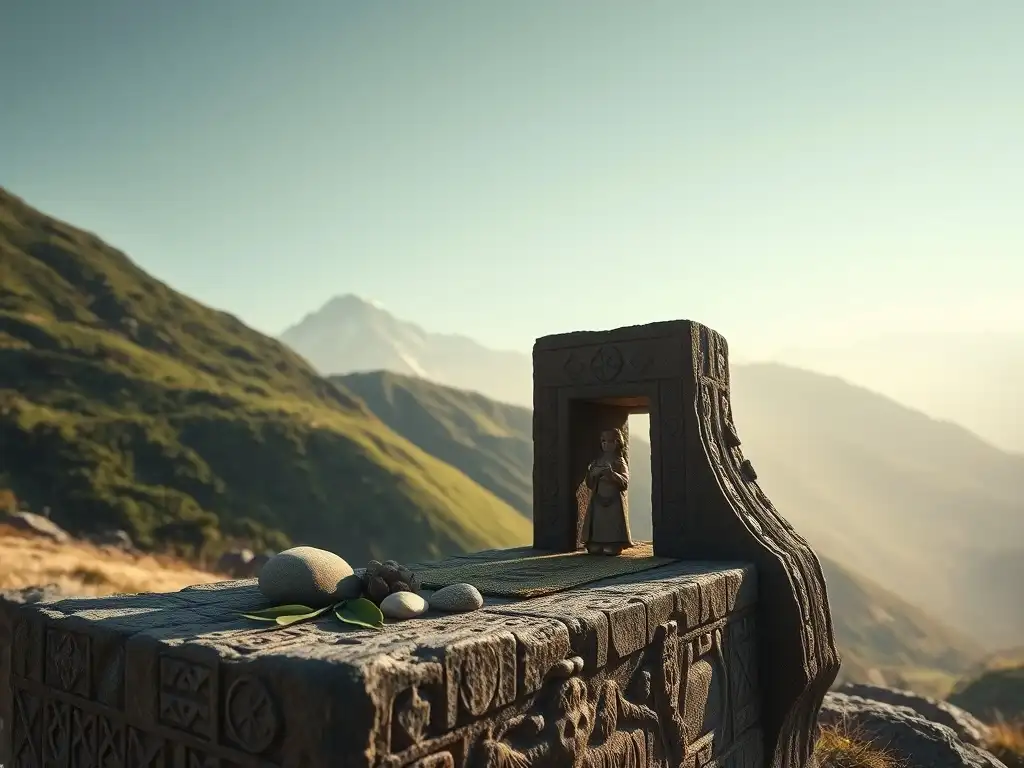
The Inca worldview was deeply intertwined with the natural world, and at its heart resided Pachamama, the Earth Mother. Understanding Pachamama's significance requires moving beyond a simple "goddess" label; she represented a fundamental force, a living entity intrinsically linked to the Inca's existence and prosperity. Her influence permeated every aspect of Inca life, from agriculture and fertility to social structures and political power. This section delves into the profound cosmological role Pachamama played in shaping Inca spirituality and understanding their "Inca Pachamama spirituality".
Pachamama: The Divine Earth Mother
Pachamama wasn't merely a deity; she was the very essence of the fertile earth, the provider of sustenance, and the source of life itself. Inca cosmology depicted her as a powerful, nurturing force, capable of both bestowing abundance and inflicting devastation. Unlike many Western conceptions of divinity, Pachamama wasn't distant or aloof.
She was intimately connected to the daily lives of the Inca people, a constant presence felt in the land, the crops, and the very air they breathed. Her power was both benevolent and potentially destructive, highlighting the Inca understanding of the delicate balance between human actions and the natural world. Prayers and offerings were essential to maintain this balance, ensuring Pachamama's continued favor.
The Inca believed that neglecting her could lead to crop failures, earthquakes, or other natural disasters—a powerful incentive to maintain respect and reverence. Think of it as a reciprocal relationship: the Inca provided respect and offerings; Pachamama, in turn, provided for their needs. This deeply ingrained belief system shaped their entire culture, demonstrating the central role of "Inca Pachamama spirituality" in their society.
The Role of Pachamama in the Inca Worldview
Pachamama's influence extended far beyond the agricultural realm. She was integral to the Inca worldview, shaping their social structures and political ideologies. The Inca emperor, the Sapa Inca, was considered a direct descendant of the sun god, Inti, but his power was inextricably linked to Pachamama's bounty. A successful harvest, interpreted as a sign of Pachamama's favor, solidified the emperor's legitimacy and authority. Conversely, crop failures were often seen as indicators of displeasure, potentially threatening the emperor's rule. This interconnectedness highlights the crucial role of Pachamama in maintaining social order and political stability. Furthermore, the Inca concept of ayni, reciprocal exchange and community cooperation, mirrored the relationship between the Inca people and Pachamama. Just as they offered to Pachamama, they also engaged in reciprocal exchanges within their communities, fostering social harmony and collective well-being. This interconnectedness underscores the pervasive influence of "Inca Pachamama spirituality" on all facets of Inca society.
The following table summarizes Pachamama's influence:
| Aspect of Inca Life | Pachamama's Influence |
|---|---|
| Agriculture | Direct provider of fertility and sustenance |
| Social Structure | Foundation of social order and reciprocity (ayni) |
| Political Power | Legitimacy and stability of the Sapa Inca's rule |
| Daily Life | Constant presence and influence on well-being |
Connection Between Pachamama and Nature's Cycles
The Inca deeply understood the cyclical nature of life and the environment. Pachamama's role was intrinsically linked to these cycles, representing the rhythm of planting, growth, harvest, and renewal. The annual agricultural calendar was meticulously aligned with the celestial movements and Pachamama's perceived moods.
Festivals and rituals were performed throughout the year to honor Pachamama and ensure abundant harvests. These ceremonies involved offerings of coca leaves, food, and even human sacrifices in some cases, all aimed at appeasing and strengthening the connection with the Earth Mother. The Inca’s deep understanding of agricultural practices and their reverence for Pachamama demonstrate a sophisticated understanding of ecology and a sustainable approach to resource management, far ahead of its time.
The cyclical nature of these rituals mirrors the cyclical nature of life, death, and rebirth that was central to "Inca Pachamama spirituality". The intricate connection between Pachamama and the natural world emphasizes the importance of respecting and working in harmony with the environment. This harmonious relationship, central to Inca survival, serves as a powerful example of a sustainable worldview deeply rooted in spiritual beliefs.
Pachamama's Influence on Inca Daily Life
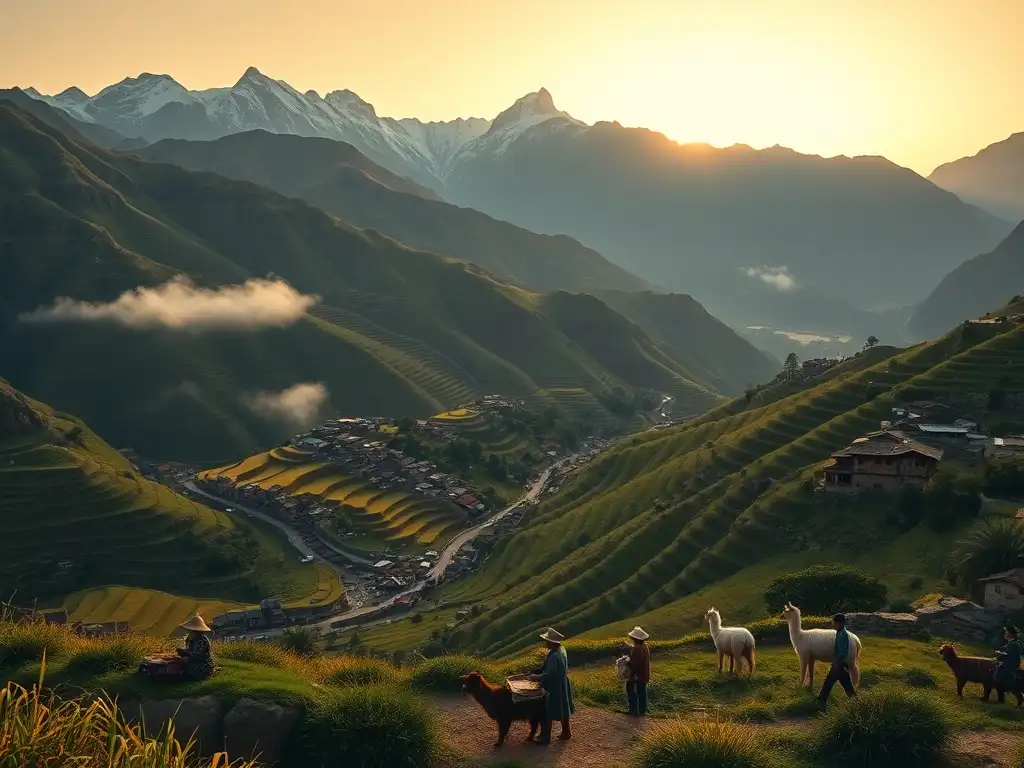
The Inca worldview was deeply intertwined with the concept of Pachamama, the Earth Mother. Far from a mere deity, Pachamama represented the very lifeblood of the Inca Empire, profoundly influencing their daily routines, societal structures, and spiritual practices. Understanding Pachamama's significance is crucial to grasping the essence of Inca spirituality and its pervasive impact on all aspects of Inca life. This wasn't a distant, abstract reverence; it was a lived reality, woven into the fabric of their existence.
The Inca's relationship with Pachamama was a reciprocal one, built on respect, gratitude, and a deep understanding of their dependence on the natural world. Their success as an empire was intrinsically linked to their ability to maintain this vital connection. This section will delve into the various ways Pachamama shaped Inca daily life.
Agricultural Practices and Reverence for Pachamama
Inca agriculture was not simply a means of sustenance; it was a sacred act, a direct expression of their devotion to Pachamama. Their sophisticated agricultural techniques, including terracing, irrigation systems, and the cultivation of diverse crops, weren't just feats of engineering; they were also rituals demonstrating respect for the earth's bounty. The ayllus, or community groups, worked collaboratively on agricultural projects, reinforcing the collective responsibility towards Pachamama.
Failure to properly cultivate the land was viewed not just as inefficiency, but as a transgression against the Earth Mother, potentially leading to crop failures and societal unrest. The meticulous care given to the land – from carefully selecting seeds to meticulously managing water resources – underscored the deep-seated reverence for Pachamama’s generative power.
The Inca believed that respecting Pachamama ensured a bountiful harvest, directly impacting their survival and prosperity. Evidence suggests that specific rituals were performed before planting and harvesting, further highlighting the sacred nature of agriculture within Inca Pachamama spirituality.
Offerings and Rituals to Honor the Earth Mother
The Inca regularly performed offerings and rituals to honor Pachamama, demonstrating their gratitude and seeking her continued favor. These rituals varied in scale and complexity, ranging from simple offerings of coca leaves and chicha (a fermented corn beverage) to elaborate ceremonies involving animal sacrifices and elaborate feasts. Smaller, daily offerings were often made before meals, a simple act of acknowledging Pachamama’s role in providing sustenance.
Larger, community-wide ceremonies were held at significant times of the year, such as solstices and equinoxes, often coinciding with agricultural cycles. These events involved processions, prayers, and symbolic offerings intended to appease and strengthen their relationship with Pachamama. Archaeological findings frequently uncover evidence of these offerings, including ceramic vessels containing food and drink, alongside other artifacts reflecting the significance of these rituals.
These rituals weren't merely symbolic; they were believed to directly influence the fertility of the land and the well-being of the community. The frequency and variety of these rituals emphasize the central role of Pachamama in Inca daily life and reinforce the importance of maintaining a harmonious relationship with the Earth Mother.
Pachamama's influence extended beyond individual practices, shaping the very fabric of Inca social structures. The hierarchical organization of the Inca Empire, with the Sapa Inca at its apex, mirrored the perceived hierarchy of the natural world, with Pachamama at its foundation. The Inca’s belief system emphasized collective responsibility and interdependence, reflecting their understanding of the interconnectedness of all living things and their dependence on Pachamama.
The ayllu system, a crucial element of Inca society, functioned as a framework for collaborative work and resource sharing, reflecting the belief in a shared responsibility towards the Earth Mother. Any disruption to this system, whether through individual negligence or societal upheaval, was seen as a disturbance to the natural order and a potential affront to Pachamama.
This interconnectedness between social structures and spiritual beliefs highlights the pervasive influence of Pachamama on all aspects of Inca life, demonstrating that their social organization was fundamentally shaped by their spiritual understanding of the world. Further research is needed to fully understand the nuanced relationship between Inca social structures and their Pachamama spirituality.
Exploring the Spiritual Dimensions of Pachamama
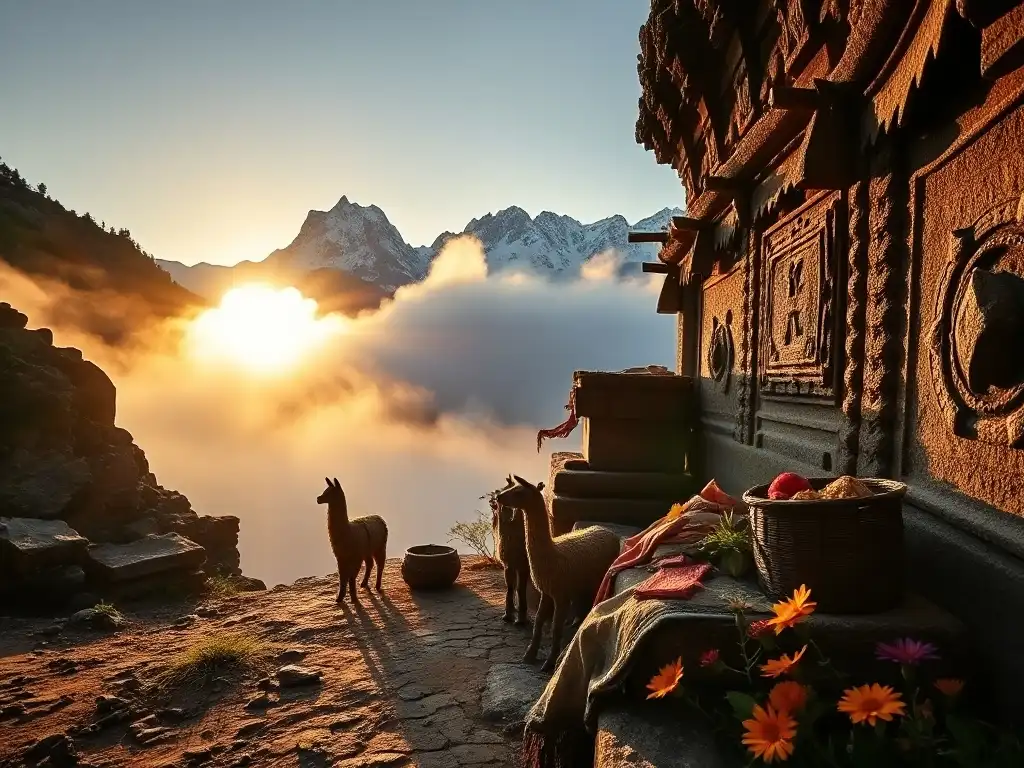
The Inca worldview was deeply intertwined with the natural world, and at its heart lay the concept of Pachamama, the Earth Mother. Understanding Inca Pachamama spirituality requires appreciating its profound influence on all aspects of Inca life, from agriculture and daily routines to elaborate rituals and beliefs about the afterlife. This wasn't a simple deity; Pachamama represented a dynamic force, a living entity deserving of respect, veneration, and constant reciprocity.
The Inca's relationship with Pachamama wasn't passive worship; it was an active engagement, a continuous dialogue aimed at maintaining balance and ensuring the well-being of both the community and the Earth itself. This section will delve into the core tenets of this vital spiritual connection.
Pachamama as a Source of Life and Sustenance
Pachamama wasn't merely fertile land; she was the very source of life itself. The Inca understood that all sustenance – the crops they cultivated, the animals they herded, the water that sustained them – originated from her generous body. This understanding profoundly shaped their agricultural practices.
Farmers performed rituals before planting, offering coca leaves, chicha (a fermented corn beverage), and other offerings to appease and thank Pachamama for her bounty. The success of their harvests was directly attributed to their relationship with her. Failure was seen not merely as bad luck but as a sign of imbalance, a disruption in the reciprocal relationship.
Evidence of this deep connection can be found in archaeological sites across the Andes, where offerings have been uncovered alongside agricultural terraces and irrigation systems – tangible proof of the Inca's commitment to maintaining harmony with Pachamama. The meticulous terracing techniques themselves, which transformed steep slopes into productive farmland, served as a physical manifestation of their respect for and interaction with the Earth Mother. These terraces weren't simply engineering marvels; they were sacred spaces, meticulously designed to optimize the land's productivity while minimizing disruption to Pachamama's delicate balance.
The Concept of Reciprocity in Inca Beliefs
Central to Inca Pachamama spirituality was the concept of ayni, reciprocity. This wasn't a simple exchange of goods; it was a deeply ingrained ethical and spiritual principle that governed all aspects of Inca society. The Inca believed that they were obligated to give back to Pachamama for the gifts she provided.
This reciprocity wasn't limited to material offerings; it extended to responsible land management, respectful treatment of natural resources, and a commitment to maintaining ecological balance. Failure to uphold ayni was believed to incur Pachamama's wrath, leading to crop failures, natural disasters, and other misfortunes. The Inca understood that their well-being was inextricably linked to the well-being of Pachamama, a symbiotic relationship that demanded constant attention and care.
This intricate system of reciprocal exchange fostered a strong sense of community responsibility and sustainability, ensuring the long-term health of both the environment and the Inca civilization. The detailed records of Inca rituals and customs reveal a sophisticated understanding of ecological interdependence, a testament to the profound influence of ayni on their worldview.
Pachamama's Connection to the Afterlife
Pachamama's influence extended beyond the realm of the living. Inca beliefs about the afterlife incorporated a strong connection to the Earth Mother. It was believed that after death, individuals returned to the earth, becoming one with Pachamama. This belief shaped burial practices, with bodies often interred with grave goods intended to provide sustenance in the afterlife.
These offerings weren't merely symbolic; they reflected a belief that the deceased continued to interact with and benefit from Pachamama's generosity, even in death. The elaborate mummification practices and the construction of elaborate tombs further highlight the importance of this connection. These weren't simply repositories for the dead; they were sacred spaces where the deceased were reintegrated into the Earth Mother, continuing their reciprocal relationship.
The reverence shown to ancestral mummies, who were often consulted for guidance, underscores the enduring significance of Pachamama's presence in both life and death. The intricate relationship between the living, the dead, and Pachamama formed a complex spiritual ecosystem, reflecting the Inca's holistic understanding of the world. Further research is needed to fully understand the nuances of this connection, particularly regarding regional variations in burial practices and beliefs about the afterlife.
Key Rituals and Celebrations Dedicated to Pachamama
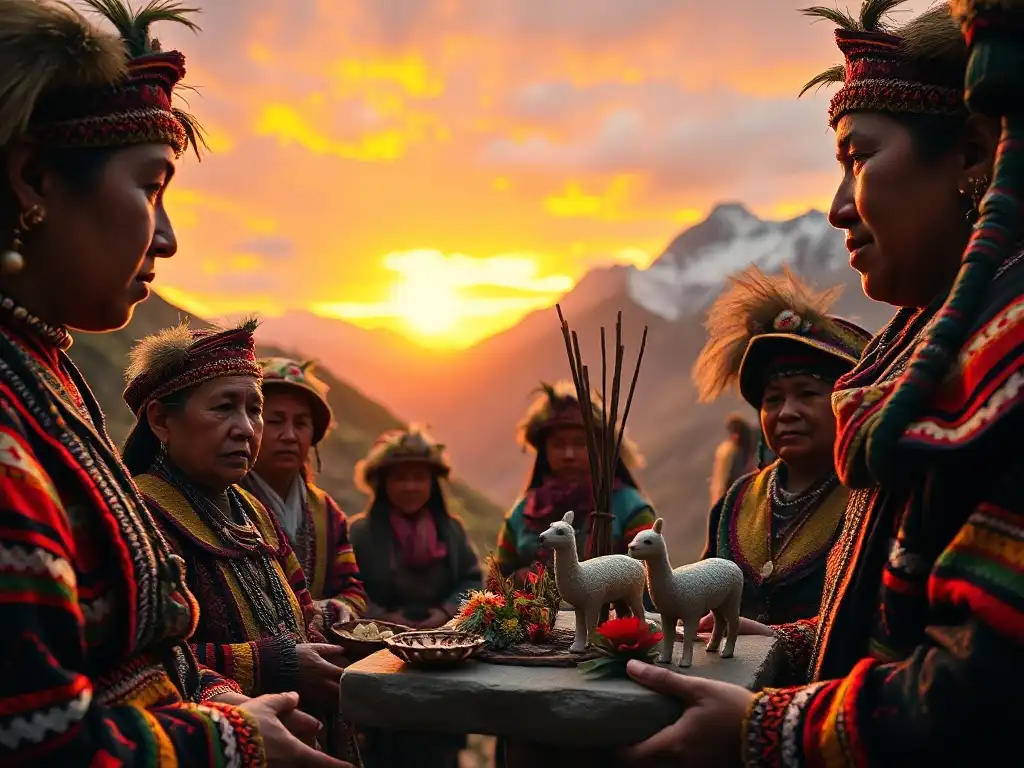
The Inca worldview was deeply intertwined with the concept of Pachamama, the Earth Mother, a powerful and life-giving deity. Their spirituality wasn't solely focused on abstract theological concepts; it was deeply rooted in the practicalities of daily life and agricultural cycles. Numerous rituals and celebrations were dedicated to honoring Pachamama, ensuring her continued benevolence and the prosperity of the Inca Empire.
These weren't merely symbolic gestures; they were vital components of Inca society, reflecting their profound respect for the natural world and their dependence on its bounty. Understanding these rituals provides crucial insight into the intricacies of Inca Pachamama spirituality. The depth and complexity of these practices showcase a sophisticated understanding of the interconnectedness between humanity and the environment.
The Importance of the "Pachamama Raymi" in Inca Society
The "Pachamama Raymi," or Earth Mother Festival, was arguably the most important celebration honoring Pachamama. This festival, typically held in August, coincided with the planting season. Its significance transcended mere agricultural concerns; it was a time for communal reaffirmation of the Inca worldview.
Communities gathered to perform rituals aimed at ensuring a bountiful harvest. These rituals included offerings of coca leaves, chicha (a fermented corn beverage), and other agricultural products directly to the earth. The offerings weren't simply discarded; they were carefully placed in designated spots, often accompanied by prayers and songs praising Pachamama's generosity.
Evidence suggests that the "Pachamama Raymi" involved elaborate processions, music, and dance, transforming it into a vibrant expression of collective faith and cultural identity. The festivities underscored the crucial role of Pachamama in the Inca cosmology and the dependence of Inca society on the fertility of the land. Failure to properly honor Pachamama during this festival was believed to lead to crop failure and other misfortunes.
Details of the "Haywarikuy" Offering Ceremony to Pachamama
The "Haywarikuy" was a more intimate offering ceremony, often performed by individuals or smaller groups rather than the entire community. Unlike the large-scale "Pachamama Raymi," the "Haywarikuy" focused on specific needs or requests. Farmers might perform a "Haywarikuy" before planting, seeking Pachamama's blessing for a successful harvest. Similarly, individuals might offer coca leaves and prayers to Pachamama for healing or good fortune.
The offerings in a "Haywarikuy" were often more personal and less standardized than those in the larger festivals. This ceremony demonstrates the personalized nature of Inca spirituality; it wasn't a monolithic system, but one that allowed for individual expressions of faith and interaction with the divine. The "Haywarikuy" highlights the deeply personal and practical connection between the Inca people and Pachamama, emphasizing the reciprocity inherent in their relationship with the Earth Mother.
The Significance of the "Inti Raymi" Festival Honoring Pachamama
While primarily dedicated to Inti, the Sun God, the "Inti Raymi" festival also acknowledged the importance of Pachamama. This grand celebration, held during the winter solstice, marked the renewal of the sun's power and, by extension, the Earth's fertility. The festival's elaborate rituals, including animal sacrifices and offerings of precious metals, symbolized the Inca's appreciation for the sun's life-giving energy and its vital role in sustaining Pachamama's productivity.
The interconnectedness of Inti and Pachamama is evident in the “Inti Raymi” celebrations. The sun's energy was seen as essential for the Earth's fertility, showcasing the understanding of the delicate balance within the Andean ecosystem. The inclusion of Pachamama in the "Inti Raymi" festivities underscores the integral role she played even in celebrations primarily dedicated to other deities, highlighting the pervasive influence of Pachamama in Inca spirituality.
The festival's grandeur served as a powerful testament to the Inca belief system, emphasizing the interconnectedness of the cosmos and the importance of maintaining harmony within it. The vibrant rituals and offerings reinforced the vital role of both Inti and Pachamama in the Inca worldview and their interdependence in sustaining life.
The Legacy of Pachamama in Modern Andean Cultures
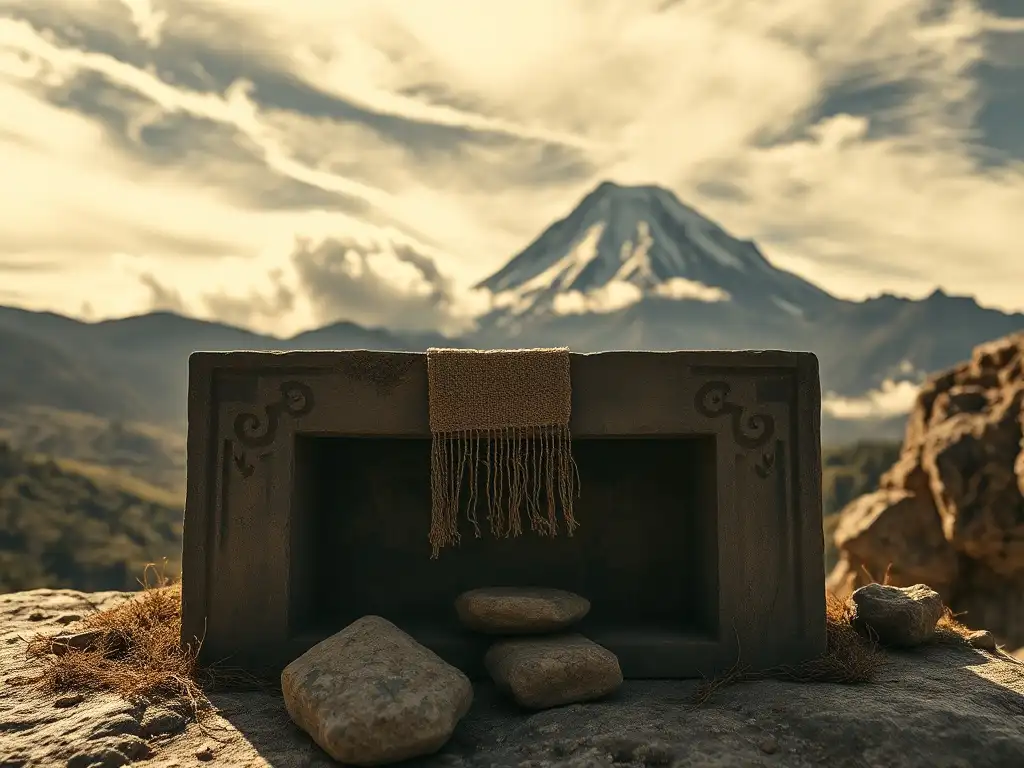
The reverence for Pachamama, the Earth Mother, wasn't extinguished with the Spanish conquest. Her enduring presence in Andean spirituality is a testament to the resilience of indigenous beliefs and practices. While the Inca Empire fell, the profound connection to the land, symbolized by Pachamama, persisted and continues to shape the lives and spiritual understanding of millions across the Andes today. This deep-rooted connection transcends mere folklore; it informs daily life, agricultural practices, and even political and social structures.
The continued significance of Pachamama demonstrates the inherent adaptability and power of indigenous Andean worldviews. The worship of Pachamama isn't a static tradition; it's a living, evolving system, adapting to the changing socio-political landscape while retaining its core values and principles. Understanding this legacy is crucial to appreciating the complexity of Inca Pachamama spirituality and its enduring influence on modern Andean cultures.
Enduring Influence of Pachamama in Contemporary Beliefs
Even today, many Andean communities perform rituals and offerings to Pachamama, seeking her blessings for a bountiful harvest, good health, and protection from natural disasters. These rituals, often involving coca leaves, chicha (a fermented corn beverage), and other offerings, are deeply ingrained in the agricultural cycle. Farmers frequently make pagos (offerings) to Pachamama before planting and harvesting, expressing gratitude for her provision and seeking her continued favor.
These practices represent a direct link to ancient Inca traditions, showcasing the enduring power of Pachamama in shaping contemporary Andean life. The continuity of these practices highlights the strong resistance to assimilation and the active preservation of ancestral knowledge. For example, in rural communities, we can still observe the meticulous care and respect shown to the land, reflecting a deep-seated belief in Pachamama's benevolent power.
Syncretism of Pachamama with Catholic Influences
The arrival of the Spanish conquistadors in the 16th century brought about a significant cultural shift, including the introduction of Catholicism. However, instead of completely supplanting indigenous beliefs, Catholicism often blended with pre-existing Andean spirituality, resulting in a complex syncretism. This syncretism is particularly evident in the veneration of Pachamama.
Many Andean communities have incorporated Catholic elements into their Pachamama rituals, sometimes blending the veneration of the Earth Mother with that of Catholic saints, such as the Virgin Mary, who is often associated with fertility and abundance. This fusion of beliefs isn't a simple overlay; it's a nuanced interplay, where indigenous practices and Catholic rituals coexist and inform each other. The blending of these different spiritual traditions demonstrates the adaptability of Andean spirituality and the ability to integrate new elements while retaining core beliefs.
This syncretism is a powerful demonstration of cultural resilience and adaptation, showcasing how indigenous traditions can survive and thrive even under colonial influence. Detailed studies of specific communities are needed to fully understand the diverse expressions of this syncretism across the Andes.
Pachamama’s relevance in the 21st century
In the 21st century, Pachamama's relevance extends beyond rural Andean communities. Her symbolism resonates with a growing global awareness of environmental issues and the importance of respecting the Earth. The concept of Pachamama offers a powerful counterpoint to exploitative and unsustainable practices, promoting a more holistic and harmonious relationship between humanity and nature.
This renewed interest in Pachamama is evident in various movements advocating for environmental protection and indigenous rights. The growing awareness of climate change and the urgent need for ecological sustainability has led to a renewed appreciation of indigenous worldviews, including the profound reverence for Pachamama. Further research is needed to quantify the influence of Pachamama spirituality on contemporary environmental activism and to assess the extent of this revitalization across diverse Andean communities.
The concept of Pachamama provides a valuable framework for understanding and promoting sustainable development, emphasizing the interconnectedness of all living things and the importance of respecting the Earth's resources. This renewed interest underscores Pachamama's enduring power and her potential to inspire positive change in the 21st century. The continued relevance of Inca Pachamama spirituality in modern contexts highlights its adaptability and enduring significance.
Understanding the Deep Meaning of Inca Pachamama Spirituality
The Inca worldview was profoundly shaped by their deep reverence for Pachamama, the Earth Mother. Inca Pachamama spirituality wasn't simply a belief system; it was the very foundation of their society, influencing every aspect of their lives, from agriculture and governance to daily rituals and artistic expression. Understanding Inca Pachamama spirituality requires delving into a cosmology where the physical and spiritual realms were inextricably intertwined, a holistic perspective far removed from many modern understandings of nature.
This section will explore the core tenets of this powerful belief system, emphasizing its enduring relevance even today. The concept of Pachamama represents more than just fertile soil; it embodies the life-giving force of the earth, the source of all sustenance and prosperity.
The Interconnectedness of all living things
The Inca believed in a vibrant interconnectedness between all living things – humans, animals, plants, and even the earth itself. This intricate web of life was seen as a reflection of Pachamama's generative power. Everything was considered to possess a spirit, a camayoc, contributing to the overall harmony of the cosmos.
Disrupting this balance, whether through deforestation, excessive hunting, or disrespect towards nature, was believed to incur Pachamama's wrath, leading to natural disasters or societal upheaval. This holistic perspective fostered a deep sense of responsibility towards the environment, emphasizing sustainable practices and resource management. For example, the ayllu system, a communal organization based on kinship and reciprocity, ensured fair distribution of resources and promoted collective stewardship of the land.
This system, deeply rooted in Inca Pachamama spirituality, highlights the importance of communal responsibility in maintaining ecological balance. The Inca's agricultural practices, including terracing and irrigation systems, also showcased their understanding of working with nature, not against it, reflecting their profound respect for Pachamama.
Cultivating respect and reverence for the earth
Respect for Pachamama wasn't merely a philosophical concept; it was woven into the fabric of daily Inca life. Rituals and offerings were central to maintaining a harmonious relationship with the Earth Mother. These rituals, often performed by priests and priestesses, involved making offerings of coca leaves, chicha (a fermented corn beverage), and other agricultural products.
These offerings weren't simply gifts; they were acts of communication, a way of showing gratitude for Pachamama's bounty and seeking her continued favor. The Inca believed that these offerings appeased the spirits of the earth and ensured bountiful harvests. Furthermore, the intricate system of huacas, sacred sites often associated with natural features like mountains, springs, and rocks, served as focal points for these rituals, further highlighting the sacred nature of the landscape.
The importance of these rituals in Inca Pachamama spirituality cannot be overstated; they were integral to their social structure and ensured the continuation of their way of life. The meticulous care taken in maintaining these sites is testament to their deep-seated reverence.
The enduring wisdom of Inca Pachamama belief
The Inca understanding of Pachamama offers valuable insights even in the modern era. Their holistic worldview, emphasizing the interconnectedness of all living things and the importance of respecting the environment, resonates strongly with contemporary concerns about sustainability and environmental protection. The Inca's emphasis on communal responsibility and sustainable resource management provides a powerful model for addressing modern ecological challenges.
Their belief system reminds us of the vital connection between humanity and the natural world, urging us to reconsider our relationship with the planet. While the Inca Empire may have fallen, the wisdom embedded in their reverence for Pachamama continues to hold profound significance, offering valuable lessons for a world grappling with environmental crises and searching for more sustainable ways of life.
The enduring legacy of Inca Pachamama spirituality serves as a potent reminder of the need for ecological consciousness and respect for the earth. Its principles offer a pathway towards a more harmonious relationship between humanity and nature, a message particularly relevant in our current context.
Frequently Asked Questions
What is Pachamama?
Pachamama is the Inca goddess of the Earth, representing fertility, abundance, and the life-giving power of nature. She is a central figure in Inca spirituality and deeply connected to the land.
How did the Inca people worship Pachamama?
Inca worship of Pachamama involved offerings and rituals to appease her and ensure good harvests and prosperity. These offerings often included food, drink, coca leaves, and even animal sacrifices.
What is the significance of the Pachamama celebrations?
Pachamama celebrations are crucial for maintaining balance and harmony within the Inca worldview. These rituals reinforced their connection to the land and ensured the continuation of life.
How does Pachamama relate to Inca agriculture and daily life?
Pachamama's influence was pervasive in Inca life. Successful agriculture depended on her favor, influencing everything from planting cycles to harvests and impacting daily routines.
How is Pachamama's worship relevant today?
While the Inca Empire is long gone, the veneration of Pachamama continues in modern Andean communities. Many indigenous traditions and practices still incorporate rituals honoring the Earth Mother.
Final Reflection: The Enduring Legacy of Pachamama
The reverence for Pachamama, the Earth Mother, remains profoundly relevant today, a stark reminder of our inextricable link to the natural world and the urgent need for environmental stewardship. While the Inca civilization may be long gone, the wisdom embedded in their spiritual connection to the earth offers invaluable lessons for navigating the ecological crises of our time. Understanding their deep respect for the interconnectedness of all living things is not merely an academic exercise; it's a vital key to building a sustainable future.
The enduring influence of Pachamama's spirit is undeniable, shaping not only Andean cultures but also influencing contemporary discussions on environmental ethics and indigenous rights. Her presence continues to resonate in the vibrant traditions and ceremonies that persist across generations. The Earth is what we all have in common.
– Wendell Berry. This simple yet powerful statement encapsulates the core message of Pachamama's significance: we are all bound together by our shared home, and its well-being is intrinsically linked to our own. This understanding, so central to Inca spirituality, serves as a powerful call for collective responsibility.
Consider the profound implications of Pachamama's legacy. How can you cultivate a deeper appreciation for the natural world in your own life? What steps can you take to live more sustainably, honoring the interconnectedness of all living things? Let the wisdom of the Inca and their reverence for Pachamama inspire you to become a more conscious and responsible steward of our planet. The future of our Earth, like the future of all life, depends on it.
Embrace Pachamama: Honor, Act, and Connect!
Thank you for exploring the profound significance of Pachamama in Inca spirituality. We've uncovered the deep connection indigenous cultures share with Mother Earth, and now let's put this understanding into action.
Here are some ways you can deepen your connection with Pachamama and contribute to her well-being:
- **Participate in a local environmental initiative:** Join your community in honoring the environment and celebrating the spirit of Pachamama. This could be a park cleanup, a tree planting event, or a community garden project.
- **Educate yourself and others about sustainable living:** Share what you've learned and inspire others to respect and protect our planet. Consider sharing this article or discussing sustainable practices with friends and family.
- **Create a personal ritual:** Whether it's planting a tree, tending a garden, or simply taking time to appreciate nature's beauty, find a meaningful way to connect with Pachamama's essence.
What's one small step you can take today to honor Pachamama and the Earth? Let's start a conversation in the comments!