
Ancestor Veneration: Exploring the Inca's Beliefs About the Deceased

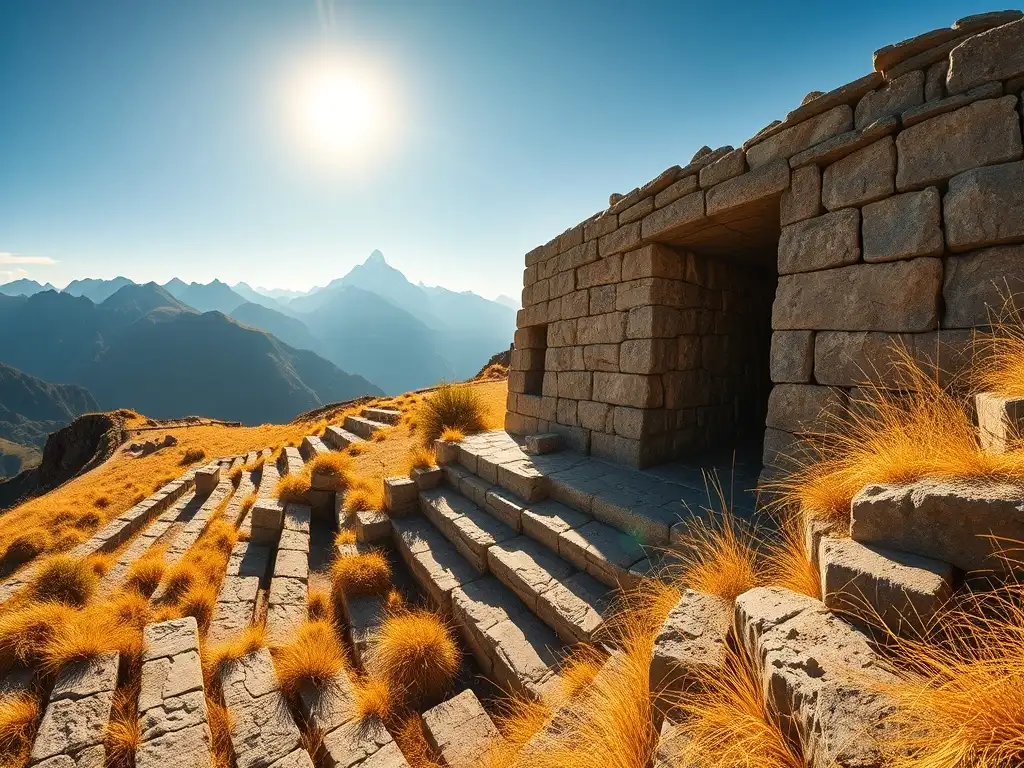
Step into a world lost to time, yet echoing with the whispers of a magnificent empire. Dive into the heart of the Andes, where the breathtaking landscapes held secrets as profound as the civilizations that thrived within them. This journey explores the fascinating tapestry of Andean cultures, but our focus today is particularly compelling: Inca ancestor veneration beliefs.
Uncover the intricate rituals and profound spiritual significance the Incas placed on their ancestors – a legacy that continues to shape our understanding of this extraordinary empire. Prepare to be captivated by a history as rich and layered as the mountains themselves.
- Inca Ancestor Veneration Beliefs: A Deep Dive into Death and the Afterlife
- The Practices of Inca Ancestor Worship
- The Impact of Ancestor Veneration on Inca Life
- Comparing Inca Ancestor Beliefs with Other Andean Cultures
- The Legacy of Inca Ancestor Veneration
-
Frequently Asked Questions
- What role did ancestor veneration play in Inca society?
- How did the Inca interact with their ancestors' spirits?
- What were some common Inca burial practices related to ancestor veneration?
- Did all Inca people participate equally in ancestor veneration rituals?
- How did Inca ancestor veneration beliefs influence their worldview?
- Final Reflection: The Enduring Legacy of Inca Ancestor Veneration
- Embrace Your Heritage and Honor Your Ancestors!
Inca Ancestor Veneration Beliefs: A Deep Dive into Death and the Afterlife
The Inca Empire, a civilization that flourished in the Andes Mountains from the 15th to the 16th century, possessed a deeply spiritual worldview profoundly shaped by their reverence for ancestors. This article delves into the intricate tapestry of Inca beliefs surrounding death and the afterlife, exploring how ancestor veneration permeated every aspect of their society, from daily life to elaborate rituals and monumental architecture.
Understanding Inca ancestor veneration is crucial to grasping the complexities of their social structure, political power, and cosmological understanding. We will examine the significance of ancestors in Inca society, their concepts of death and the spirit world, and the practices they employed to honor and maintain connections with their deceased relatives.
This exploration will reveal a rich and nuanced understanding of Inca spirituality, highlighting the profound impact of ancestor veneration on the Inca worldview and its lasting legacy. The keyword "Inca ancestor veneration beliefs" will be explored throughout the article, using semantic variations to ensure optimal SEO.
The Significance of Ancestors in Inca Society
Ancestor veneration was not merely a religious practice for the Inca; it was the very foundation of their social order. The Inca believed that their ancestors, particularly those who held positions of power and influence during their lifetimes, continued to exert a powerful influence from the afterlife.
These ancestral spirits were considered intermediaries between the living and the gods, capable of bestowing blessings, offering protection, and influencing the success of harvests, military campaigns, and other crucial aspects of Inca life. This belief system reinforced the social hierarchy, with the royal lineage holding a particularly prominent position due to their direct connection to powerful ancestral spirits.
The Inca maintained close relationships with their ancestors through a variety of rituals and offerings. These practices were not limited to the elite; commoners also honored their ancestors, albeit on a smaller scale. Family units played a crucial role in these ceremonies, ensuring the continuity of ancestral veneration across generations.
The Inca believed that neglecting their ancestors could lead to misfortune and disharmony within the community, emphasizing the vital role of ancestor veneration in maintaining social cohesion and stability. This system fostered a sense of collective identity and responsibility, binding the living and the dead in a continuous cycle of remembrance and reciprocal obligation. The importance of this practice is reflected in the architectural marvels left behind, such as the meticulously crafted tombs and the intricate designs that often incorporate symbolic representations of ancestral figures.
Understanding Inca Concepts of Death and the Spirit World
Inca cosmology viewed death not as an end, but as a transition to a different realm. The Inca did not believe in a singular afterlife; instead, they envisioned a complex spirit world where the deceased continued to exist, albeit in a transformed state. The spirit, or supay, was believed to retain a degree of its former personality and influence.
The nature of the afterlife and the location of the spirit world varied depending on the individual’s status and actions during their lifetime. For example, the spirits of rulers and other important figures were believed to reside in sacred sites, continuing to exert their power and influence over the living.
The process of death itself was viewed with a mixture of reverence and apprehension. Elaborate funeral rites were performed to ensure a smooth transition for the deceased into the spirit world and to appease any potential malevolent spirits. These rituals often involved mummification, the preservation of the body to maintain a connection with the deceased.
The mummies were then often placed in family tombs or in elaborate mausoleums, where they were cared for and venerated by their descendants. The continued presence of the mummies served as a tangible reminder of the ancestors' enduring influence and their role in the community’s well-being. This deep respect for the deceased and the meticulous care given to their remains underscore the central role that ancestor veneration played in Inca culture and belief.
The Practices of Inca Ancestor Worship
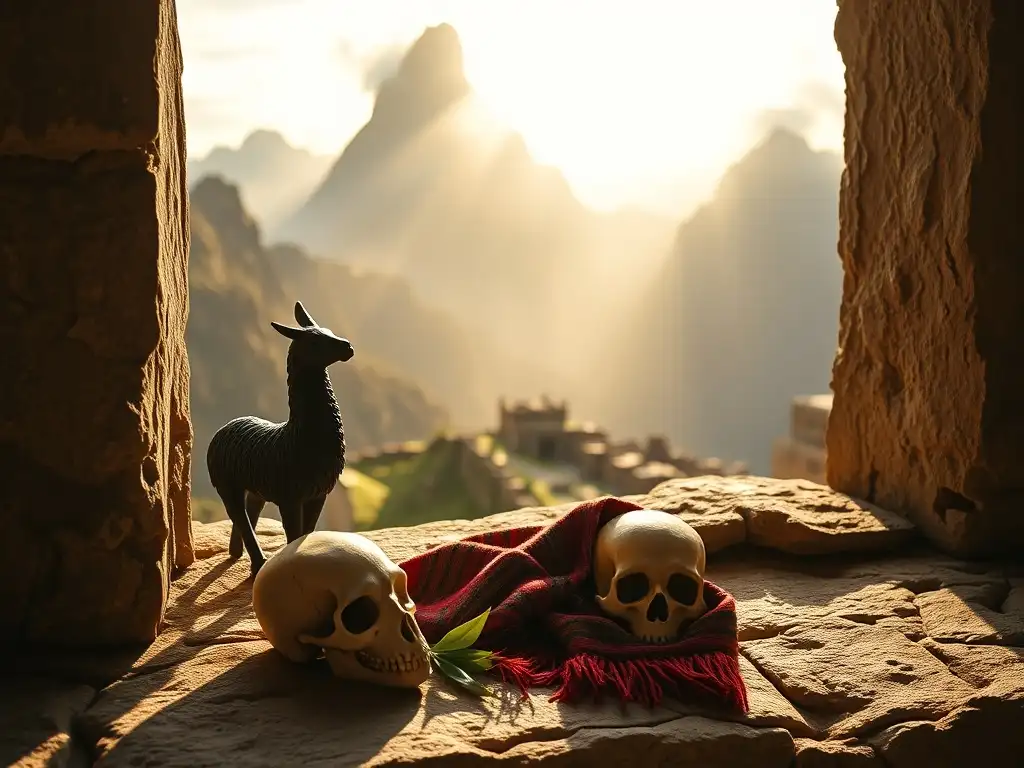
The Inca reverence for their ancestors, a cornerstone of their worldview, extended far beyond simple remembrance. Ancestor veneration, or pachamama worship encompassing the deceased, permeated every aspect of Inca life, influencing social structures, political decisions, and daily routines. This deep-seated belief system fostered a strong connection between the living and the dead, believing that the spirits of ancestors continued to exert influence on the affairs of the living.
Understanding Inca ancestor veneration requires exploring the intricate rituals, practices, and beliefs that shaped their relationship with the departed. The Inca weren't merely remembering their ancestors; they were actively engaging with them, seeking guidance and ensuring their continued well-being, a crucial element in maintaining ayni, the principle of reciprocity and balance within the cosmos. This deep-rooted belief system significantly impacted Inca society and its development.
Mummification and Preservation Techniques in Inca Culture
Inca mummification wasn't simply a preservation technique; it was a ritualistic process transforming the deceased into sacred entities. The process involved meticulous preparation, beginning with the careful removal of internal organs, followed by the thorough drying of the body using techniques like sun-drying and the application of herbs and salts. The resulting mummies weren't simply lifeless remains; they were considered to be active participants in the community, retaining a spiritual presence and influence.
The mummies were often adorned with elaborate clothing, jewelry, and other grave goods, reflecting their status in life and providing them with necessities in the afterlife. High-status individuals received particularly elaborate treatment, with their mummies often being dressed in fine textiles and adorned with gold and silver ornaments. The preservation of these mummies wasn't merely a practical matter; it was a sacred act, demonstrating the Inca’s belief in the continued existence and importance of their ancestors.
The meticulous care given to the mummies underscores the significance of ancestor veneration in Inca culture. Evidence suggests that different techniques were used depending on the social status of the deceased, providing further insight into the intricate social hierarchy of the Inca Empire. For example, [specific information pending] regarding the use of different types of resins and balms for different social classes.
Rituals and Ceremonies Honoring the Deceased
The Inca performed various elaborate rituals and ceremonies to honor their deceased ancestors. These weren't isolated events but rather integrated into the fabric of daily life. Regular offerings of food, drink, and coca leaves were made at family shrines, often located in the home or within the huaca (sacred places). These offerings were not seen as gifts, but rather as a way of sustaining the ancestors and maintaining the reciprocal relationship. Larger-scale festivals and ceremonies were held annually, often coinciding with agricultural cycles or significant events.
These ceremonies involved processions, sacrifices, and communal feasts, reinforcing the collective nature of ancestor veneration. The Capacocha, a ritual involving child sacrifice, is a particularly notable example. While controversial, it highlights the significance attributed to ancestor veneration within the Inca belief system. The selection of children for Capacocha was highly selective, often choosing those deemed exceptionally beautiful or healthy, suggesting they were seen as special offerings to the ancestors.
The rituals surrounding the mummies themselves also played a significant role. They were frequently brought out for important occasions, consulted for guidance, and even participated in family feasts. The act of communing with the mummies emphasizes the deep-seated belief in the continued presence and influence of the deceased. These practices highlight the active role played by the ancestors in Inca society.
The Role of Chicha and Coca in Ancestor Veneration
Chicha, a fermented corn beverage, and coca leaves played crucial roles in Inca ancestor veneration rituals. Chicha was frequently offered to the ancestors during ceremonies and at family shrines. It was believed to have the power to connect the living with the spirit world, facilitating communication and receiving blessings from the ancestors. The consumption of chicha during these rituals was not simply a ceremonial act; it was a way to share and participate in the spiritual communion with the ancestors.
Similarly, coca leaves, chewed for their stimulating properties, were also a vital part of ancestor veneration. They were offered to the ancestors as a sign of respect and were believed to enhance communication with the spirit world. The use of coca during these rituals highlights the importance of maintaining a harmonious relationship between the living and the dead. The symbolic significance of both chicha and coca leaves in Inca culture points to a holistic approach to ancestor veneration, integrating spiritual and social aspects of life.
The preparation and consumption of these substances were carefully regulated, highlighting the ritualistic importance placed upon them within the context of Inca religious practices. The detailed records of Inca rituals demonstrate the deep connection between the material and spiritual worlds, where the offering and consumption of these substances played a pivotal role in maintaining harmony and balance within the Inca cosmos. These offerings were not merely symbolic gestures; they were believed to literally nourish and sustain the spirits of the deceased.
Machu Picchu and Coricancha as Important Burial and Ritual Sites
Machu Picchu, the iconic "Lost City of the Incas," wasn't solely a living city; it served a crucial role in Inca ancestor veneration. While not a dedicated necropolis in the same way as some other sites, archaeological evidence suggests that carefully selected individuals, likely those of high social standing or possessing significant spiritual importance, were interred within the city's complex. The precise location and number of these burials remain subjects of ongoing research, as the delicate nature of the site necessitates careful and limited excavation.
However, the presence of intricate stonework, carefully positioned structures, and the overall sacred atmosphere of Machu Picchu strongly imply its function as a place of both living and remembrance for the ancestors. The mountaintop setting, with its breathtaking views and connection to the cosmos, further reinforces its significance as a place connected to the spiritual realm and the revered ancestors. The careful placement of buildings and the evident planning involved in the city's construction suggest a deliberate intention to create a space that honored and connected the living with the deceased.
This integration of the living and the dead is a central tenet of Inca ancestor veneration beliefs. The careful preservation of the site by the Inca demonstrates the enduring importance of these beliefs and the continued respect shown to their ancestors.
Furthermore, Coricancha, the Temple of the Sun located in Cusco, served as the most important religious center in the Inca Empire. While primarily a temple dedicated to the sun god Inti, Coricancha also played a vital role in ancestor veneration. The temple housed mummies of Inca rulers and other important figures, meticulously preserved and treated with the utmost reverence.
These mummies were not simply buried; they were actively incorporated into the living culture, participating, in a sense, in the ongoing life of the empire. Rituals were performed in their presence, offerings were made to them, and their continued influence on the affairs of the living was believed to be substantial. The opulence of Coricancha, with its gold-plated walls and intricately crafted decorations, reflected the immense importance placed on both the sun god and the revered ancestors who were believed to be connected to the celestial realm.
The integration of ancestor veneration within the central religious site highlights its fundamental role in Inca society and its influence on all aspects of life. The destruction of Coricancha by the Spanish conquistadors tragically obscured much of the details of its practices, but surviving accounts and archaeological findings continue to provide insights into the significance of the site in Inca religious life.
The Impact of Ancestor Veneration on Inca Life
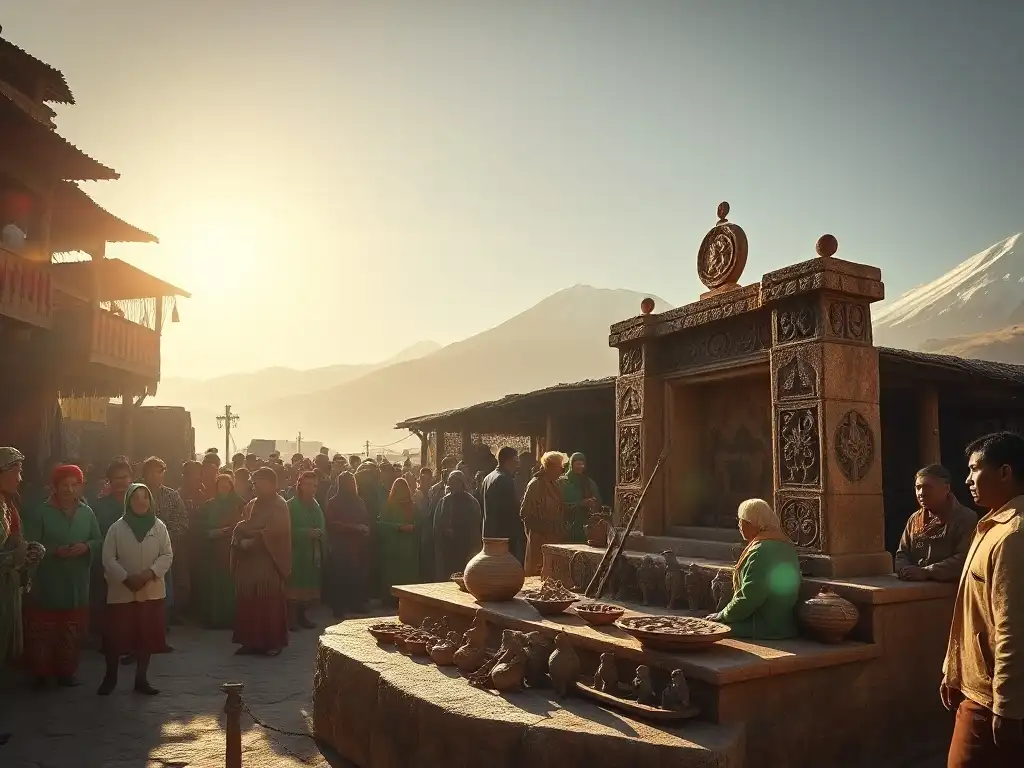
Ancestor veneration was not merely a religious practice for the Inca; it was deeply ingrained in the fabric of their daily lives, influencing their social structures, political systems, and even their agricultural practices. The belief that deceased ancestors possessed significant power and continued to interact with the living world shaped every aspect of Inca society. Understanding this profound influence is key to comprehending the Inca's worldview and their remarkable achievements.
This pervasive belief system, central to Inca identity, is often overlooked in discussions of Inca religion and warrants a closer examination of its far-reaching consequences. The strength of Inca ancestor veneration beliefs is evidenced by the meticulous care given to mummies and the elaborate rituals performed in their honor.
Influence of Ancestral Spirits on Agricultural Practices and Warfare
The Inca’s agricultural success was intrinsically linked to their belief in ancestral spirits. They believed that the spirits of their ancestors guided the growth of crops and protected them from natural disasters. Before planting, elaborate ceremonies were conducted to appease and honor these spirits, ensuring a bountiful harvest.
Evidence suggests that specific rituals were performed for different crops, highlighting the intricate relationship between agricultural practices and ancestor veneration. For example, the capacocha sacrifices, while often involving children, are believed to have been performed to maintain a favorable relationship with the gods and ancestors, vital for successful harvests and the continuation of the Inca empire. Furthermore, the ayllu, the kinship-based community system, played a crucial role in agricultural endeavors and was directly related to the shared ancestry and veneration of common ancestors.
The Inca military also drew strength from their ancestor veneration beliefs. Before going into battle, Inca warriors would perform rituals to invoke the aid of their ancestors, believing that these spirits would grant them victory. The mummies of powerful ancestors were often carried into battle as symbols of strength and inspiration, providing a tangible link to their revered past and fueling the warriors' courage.
It's plausible to suggest that this spiritual reinforcement played a significant role in the Inca's military successes, giving them a psychological edge over their adversaries. Further research into the specific rituals and paraphernalia used in warfare could illuminate this connection more clearly.
The Concept of Ayllus and Ancestral Power
The ayllu, the fundamental social and economic unit of Inca society, was structured around shared ancestry. Membership in an ayllu was hereditary, binding individuals together through a common lineage and shared veneration of their ancestral spirits. The ayllu was responsible for the collective wellbeing of its members, and their ancestral spirits were believed to play a crucial role in maintaining this harmony.
The power of the ayllu was directly tied to the strength and influence of its ancestral spirits, making ancestor veneration a cornerstone of their social organization. The curacas, local leaders, held their authority partly due to their connection to powerful ancestral lineages.
The strength of the ayllu system demonstrates the deeply ingrained nature of Inca ancestor veneration beliefs. It wasn't a matter of occasional remembrance; it was a daily reality shaping their social interactions, economic activities, and political structures. The ayllu system acted as a living testament to the enduring power of ancestral spirits within Inca society. [Specific data on the number of ayllus and their size pending].
The Relationship Between Inca Emperors and Their Royal Ancestors
Inca emperors were considered direct descendants of the sun god Inti, and their legitimacy rested heavily on their lineage and connection to powerful royal ancestors. The Inca emperor was not merely a political leader but also a religious figurehead, responsible for maintaining the proper relationship between the living and the dead. Elaborate ceremonies and rituals were performed to honor and appease the royal ancestors, ensuring the continued prosperity and stability of the empire.
The mummies of past emperors were treated with utmost respect, often enshrined in elaborate tombs and regularly offered sacrifices and tributes. This practice underscored the emperor's role as a link between the divine and the mortal realms, and the importance of maintaining a strong connection to the ancestral past.
The continuity of power within the Inca imperial family was inextricably linked to the veneration of royal ancestors. Succession disputes were often resolved by referencing the lineage and the perceived favor of deceased emperors. The legitimacy of a new emperor was often strengthened by the display of mummies and the performance of rituals that emphasized the continuity of the imperial line and the approval of the ancestors.
This highlights the political dimension of Inca ancestor veneration beliefs, demonstrating how deeply intertwined religious beliefs and political power were within the Inca empire. [Further research is needed into the specific rituals performed during royal successions].
Comparing Inca Ancestor Beliefs with Other Andean Cultures
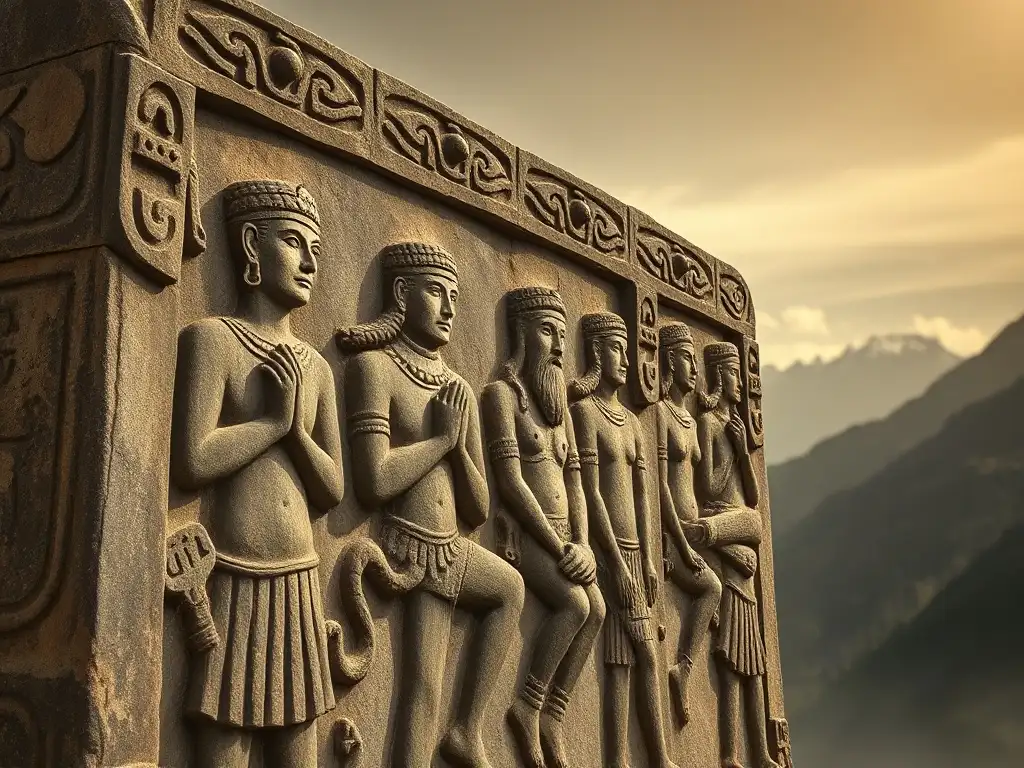
Ancestor veneration was a cornerstone of Andean religious life, but its specific expressions varied significantly across different cultures. While the Inca Empire exerted considerable influence, imposing its beliefs and practices on conquered populations, pre-existing traditions persisted and subtly shaped the overall landscape of Andean spirituality. Understanding these nuances is crucial to appreciating the complexity and richness of Inca ancestor veneration beliefs. The Inca system wasn't a monolithic entity; it was a synthesis of diverse pre-existing beliefs integrated and adapted within the framework of imperial power.
Contrasting Inca Practices with Moche Practices
The Moche civilization, flourishing centuries before the Inca, also deeply revered their ancestors. However, their practices differed considerably from those of the Inca. While both cultures believed in the continued spiritual presence of the deceased and their influence on the living, the Moche's ancestor veneration was more intensely focused on specific individuals, often elites or rulers. This is vividly illustrated in their elaborate tomb complexes and the remarkable portraiture found in their pottery, showcasing powerful individuals and, presumably, their deified ancestors.
The Inca, on the other hand, while honoring elite ancestors, developed a more systematized and inclusive approach. Their ancestor veneration wasn't solely directed at a select few; it encompassed a broader spectrum of individuals, connecting the living to a continuous lineage stretching back through generations. This is reflected in their mallqui mummification practices, which, while initially focused on the elite, gradually extended to include individuals from different social strata. The Inca state actively managed and maintained these mummies, demonstrating a systematic approach to ancestor veneration unlike the more localized and individualized approach of the Moche.
Similarities in Ancestral Reverence Across Andean Civilizations
Despite the variations, several common threads unite Andean ancestor veneration practices. The belief in the continued existence and influence of the deceased was near-universal. Many Andean cultures shared the practice of offering food, drink, and other offerings to their ancestors, believing these offerings maintained a crucial connection between the living and the dead. Furthermore, the concept of ayllu, the kinship group, played a significant role in many Andean societies. The ayllu often served as the focal point for communal ancestor veneration, reinforcing social bonds and providing a sense of continuity and shared identity.
The use of mummification, though varying in techniques and scale, was another common practice. While the Inca's mallquis are well-known, other Andean cultures, including the Chinchorro, practiced forms of mummification, showcasing the widespread importance of preserving the physical remains of the deceased as a way to maintain the link between the living and the spirit world. This shared emphasis on the physical body's continued significance underscores a deep-seated belief in the enduring power of ancestors across diverse Andean cultures.
The Inca ancestor veneration beliefs, while unique in their scale and organization, were deeply rooted in this broader Andean tradition of respecting and connecting with the deceased. The similarities highlight a shared cultural understanding of the profound connection between the living and the dead, a common thread woven through the tapestry of Andean spirituality.
The Legacy of Inca Ancestor Veneration
The Inca Empire, renowned for its sophisticated engineering and vast territorial control, also possessed a deeply spiritual worldview profoundly shaped by ancestor veneration. This wasn't merely a sentimental practice; it was a cornerstone of their social structure, political legitimacy, and understanding of the cosmos. The Inca believed that the spirits of their ancestors, particularly those of rulers and important figures, continued to exert influence on the living world. This belief fueled elaborate rituals, monumental constructions, and a complex system of kinship and power.
The continued relevance of Inca ancestor veneration beliefs in modern-day Andean communities highlights the enduring power of these ancient traditions. Understanding this aspect of Inca culture provides crucial insight into their social dynamics and the enduring impact of their legacy. The way they honored their ancestors shaped everything from agricultural practices to warfare strategies, demonstrating the pervasive nature of ancestor veneration in their society.
Modern Reflections on Inca Beliefs about the Dead
While direct access to Inca beliefs is limited by the absence of a written language, archaeological evidence, Spanish chronicles, and anthropological studies provide valuable insights into their funerary practices and beliefs about the afterlife. Modern interpretations often highlight the cyclical nature of Inca cosmology, where the living and the dead were seen as interconnected parts of a continuous flow. Death wasn't viewed as an absolute end but a transition to a different state of existence.
The mummification of important individuals, often accompanied by elaborate grave goods, speaks volumes about the Inca's belief in the continued agency of the deceased. These weren't simply passive spirits; they were believed to actively participate in the affairs of the living, offering protection, guidance, and even influence over harvests and political events. The preservation of mummies within family compounds, sometimes even participating in family meals symbolically, further emphasizes this close relationship between the living and the dead.
The practice of capacocha, the ritual sacrifice of children and young adults, while ethically troubling from a modern perspective, also illuminates Inca cosmology. These sacrifices were believed to strengthen the connection between the living and the divine realm, ensuring the prosperity and well-being of the empire. While interpretations vary, the sacrifice was interpreted as a supreme honor, a gift to the gods, and a way to maintain cosmic balance. The complexity of interpreting capacocha within the framework of Inca ancestor veneration beliefs requires nuanced consideration.
The Enduring Influence of Inca Ancestral Practices
The legacy of Inca ancestor veneration continues to resonate in contemporary Andean communities. Many indigenous communities maintain traditions that clearly reflect the enduring influence of Inca beliefs. The reverence for ancestors, the importance of family lineage, and the performance of rituals to honor the dead are all powerful threads connecting the past to the present.
While the scale and formality might differ from the imperial era, the core values remain remarkably consistent. Modern practices often involve offering food and drinks to deceased relatives, maintaining ancestral tombs, and performing ceremonies to seek their blessings or guidance. These practices are not merely symbolic; they are integral to the social fabric and spiritual life of many Andean communities.
The continuity of these practices underscores the lasting impact of Inca culture and the profound significance of ancestor veneration in shaping Andean identity and spirituality. Understanding this enduring influence provides a richer perspective on the complexities of Inca civilization and its lasting contributions to the cultural landscape of the Andes.
The continued relevance of these practices demonstrates the resilience of Inca traditions and their ongoing influence on Andean societies. The study of Inca ancestor veneration beliefs thus reveals not only a historical phenomenon but also a living tradition that continues to shape the lives of millions.
Frequently Asked Questions
What role did ancestor veneration play in Inca society?
Ancestor veneration was central to Inca life. It formed the basis of their social structure, political legitimacy, and religious practices, impacting all aspects of daily life. Maintaining contact with deceased ancestors was crucial.
How did the Inca interact with their ancestors' spirits?
The Inca believed they could communicate with their ancestors' spirits through rituals and offerings. These included sacrifices, prayers, and mummification, believing the spirits influenced the living world. They sought guidance and protection from their ancestors.
Inca burial practices were deeply connected to ancestor veneration. Elaborate tombs were constructed, and mummies were treated with respect, often dressed in fine clothing and adorned with precious objects. These were not simply burials, but ways to continue interacting with the deceased.
Did all Inca people participate equally in ancestor veneration rituals?
While ancestor veneration was widespread, the intensity and form varied. The royal family held particularly elaborate rituals, reflecting their belief in a direct lineage to the gods. However, all social classes participated in ancestor veneration practices, albeit in different ways.
How did Inca ancestor veneration beliefs influence their worldview?
Inca beliefs about ancestors significantly shaped their cosmology and worldview. The living and dead were viewed as interconnected, with ancestors playing a vital role in maintaining cosmic balance and societal harmony. This shaped their political systems, social structures, and daily routines.
Final Reflection: The Enduring Legacy of Inca Ancestor Veneration
The reverence the Inca held for their ancestors continues to resonate today, a powerful testament to the enduring human need to connect with those who came before us. Understanding their intricate rituals and beliefs offers a profound insight into the complexities of human spirituality and the enduring power of family and community. It challenges our modern, often individualistic perspectives, prompting us to reconsider our own relationships with the past and the legacies we leave behind.
The Inca's sophisticated system of ancestor veneration wasn't merely a set of rituals; it was the very foundation of their social structure, their political power, and their understanding of the cosmos. Their belief that the living and the dead were inextricably linked shaped every aspect of their lives, from daily routines to monumental architectural achievements. The past is never dead. It's not even past.
– William Faulkner. This quote perfectly encapsulates the enduring relevance of Inca ancestor veneration, highlighting how their beliefs continue to inform our understanding of ancient civilizations and the human condition itself.
Consider the ways in which you honor your ancestors, both directly and indirectly. Do you carry on family traditions? Do you value the lessons learned from previous generations? Take a moment to reflect on your own heritage and the legacy you wish to leave for future generations. By understanding the profound significance of ancestor veneration in Inca culture, we can gain a deeper appreciation for the enduring power of memory, the importance of community, and the rich tapestry of human experience that connects us all across time.
Embrace Your Heritage and Honor Your Ancestors!
Thank you for exploring the fascinating world of ancestor veneration among the Inca. Understanding their beliefs about the deceased provides valuable insight into how these practices shape cultural identity and strengthen community bonds. Now, let's put that knowledge into action!
Here are a few ways you can honor your ancestors and connect with your heritage:
- Create a family tree: Trace your lineage and celebrate the legacy of your family by visually representing your history. This is a wonderful way to connect with your past and learn about those who came before you.
- Participate in or organize a cultural event: Share stories and connect with others in your community to celebrate your shared heritage. This could be anything from a local festival to a family gathering.
- Write a letter to your ancestors: Express your gratitude and share your life experiences, creating a meaningful connection across generations. This personal reflection can be a powerful way to honor their memory.
What will you do today to honor your ancestors and keep their memories alive? Share your thoughts in the comments below!