
Unveiling the Inca Pantheon: Gods, Goddesses, and Their Cosmic Roles

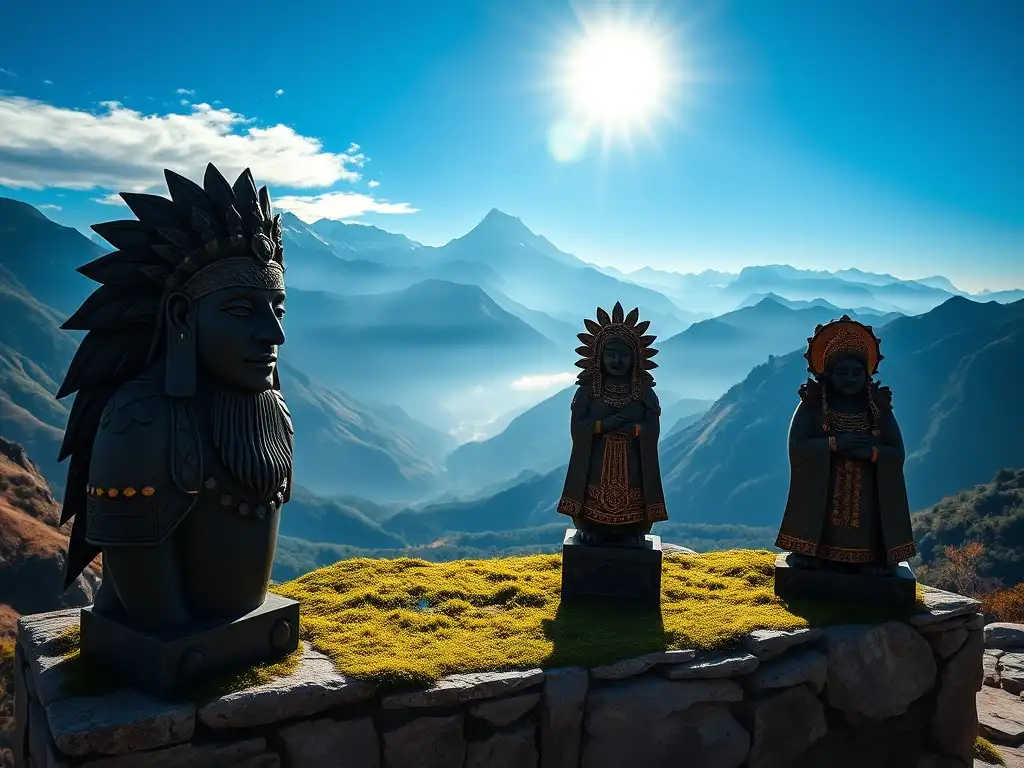
Step into a world lost to time, yet echoing with power and mystery. Prepare to be captivated by the breathtaking legacy of the Andean civilizations, a tapestry woven from vibrant cultures and astonishing achievements. But first, let's unravel the enigma of the Inca gods and goddesses – their celestial influence, their intricate mythology, and the profound impact they held on the lives of the Inca people. Dare to delve deeper into this fascinating world and uncover the secrets of their cosmic order.
The Inca Empire, a civilization that flourished in the Andes Mountains from the 15th to the 16th century, left behind a legacy of breathtaking engineering feats, intricate artistry, and a deeply complex religious system. Understanding Inca religion is key to grasping the very fabric of their society, a society where the natural world and the spiritual realm were inextricably intertwined. This article delves into the fascinating world of the Inca pantheon, exploring the key gods and goddesses, their roles in the Inca cosmology, and their influence on daily life. We will uncover the intricate web of beliefs that shaped Inca rituals, worldview, and ultimately, their empire. Prepare to journey into a world where celestial bodies, powerful deities, and revered ancestors shaped the destinies of millions. This exploration of Inca gods and goddesses will illuminate a crucial aspect of this remarkable civilization, offering a deeper understanding of their beliefs and practices.
Inti: The Sun God, Source of Life and Power
Inti, the sun god, reigned supreme in the Inca pantheon. He was not merely a deity; he was considered the ancestor of the Inca emperors, the source of all life, and the guarantor of prosperity and abundance. Inca society was structured around the sun's cycle, with agricultural practices and religious festivals meticulously timed to coincide with the sun's movements.
The worship of Inti was central to Inca religious life, with grand temples dedicated to him built throughout the empire. The emperor himself held a unique position as the intermediary between Inti and the people, reinforcing the divine right to rule. Elaborate ceremonies, including sacrifices and offerings, were performed to appease Inti and ensure his continued benevolence.
The Inca believed that Inti's favor determined the success of harvests, the health of the people, and the very stability of the empire. The importance of Inti is reflected in the magnificent architecture and rich iconography associated with his worship.
Mama Killa: The Moon Goddess, Protector and Symbol of Fertility
Mama Killa, the moon goddess, held a position of equal importance to Inti, though her role differed significantly. While Inti represented the life-giving power of the sun, Mama Killa embodied the cyclical nature of time, the rhythm of the seasons, and the mysteries of fertility. She was associated with femininity, nurturing, and the cycles of birth, death, and rebirth. In contrast to Inti's association with imperial power, Mama Killa's influence was more deeply connected to the agricultural cycles and the well-being of the community.
Her worship, while perhaps less overtly grand than Inti's, was nonetheless essential to the Inca worldview. Many rituals related to agriculture and fertility were dedicated to her, reflecting her vital role in maintaining the balance of nature and ensuring the continuity of life. The intricate designs found on Inca textiles and pottery often depict Mama Killa, highlighting her enduring significance.
Viracocha: The Creator God, Origin of All Things
Viracocha, the creator god, occupied a unique position in the Inca pantheon. Unlike Inti and Mama Killa, whose roles were more directly tied to the daily lives of the Inca, Viracocha represented the origin of all things. He was the supreme creator, the source of all life, and the force that shaped the cosmos. Depictions of Viracocha often show him with a beard – a feature not common among the Inca, suggesting a possible connection to earlier Andean cultures.
His power was immense, and his influence was felt throughout the entire Inca cosmology. Although less directly worshipped in daily rituals compared to Inti, Viracocha’s importance was undeniable as the ultimate source of creation and authority. His story, as told through Inca myths and legends, provides insights into their understanding of the universe and their place within it.
Pachamama: The Earth Mother, Provider of Sustenance
Pachamama, the earth mother, was a profoundly important deity in the Inca religion. Unlike the celestial gods, Pachamama represented the earthly realm, the fertile soil that provided sustenance for the Inca people. She was the source of all agricultural abundance, and her favor was essential for successful harvests. Rituals dedicated to Pachamama involved offerings of coca leaves, chicha (a fermented corn beverage), and other gifts placed in the earth to show gratitude and ensure continued fertility.
Pachamama's influence extended beyond agriculture; she was also associated with the mountains, the forests, and the natural world in general. Her worship underscores the Inca's deep respect for the environment and their understanding of their interdependence with the natural world. The reverence for Pachamama persists in many Andean communities today.
This exploration of the Inca pantheon only scratches the surface of this rich and complex religious system. Further exploration of lesser-known deities, rituals, and beliefs will provide an even more comprehensive understanding of the Inca worldview and its profound influence on their civilization.
- Inti: The Sun God, Source of Life and Power
- Mama Killa: The Moon Goddess, Protector and Symbol of Fertility
- Viracocha: The Creator God, Origin of All Things
- Pachamama: The Earth Mother, Provider of Sustenance
- What were the most important Inca gods and goddesses?
- How did the Inca people worship their gods and goddesses?
- What role did religion play in Inca society?
- What were some of the symbols associated with Inca gods and goddesses?
- How did the Inca's understanding of their gods influence their technology and architecture?
Understanding the Inca Religious Beliefs
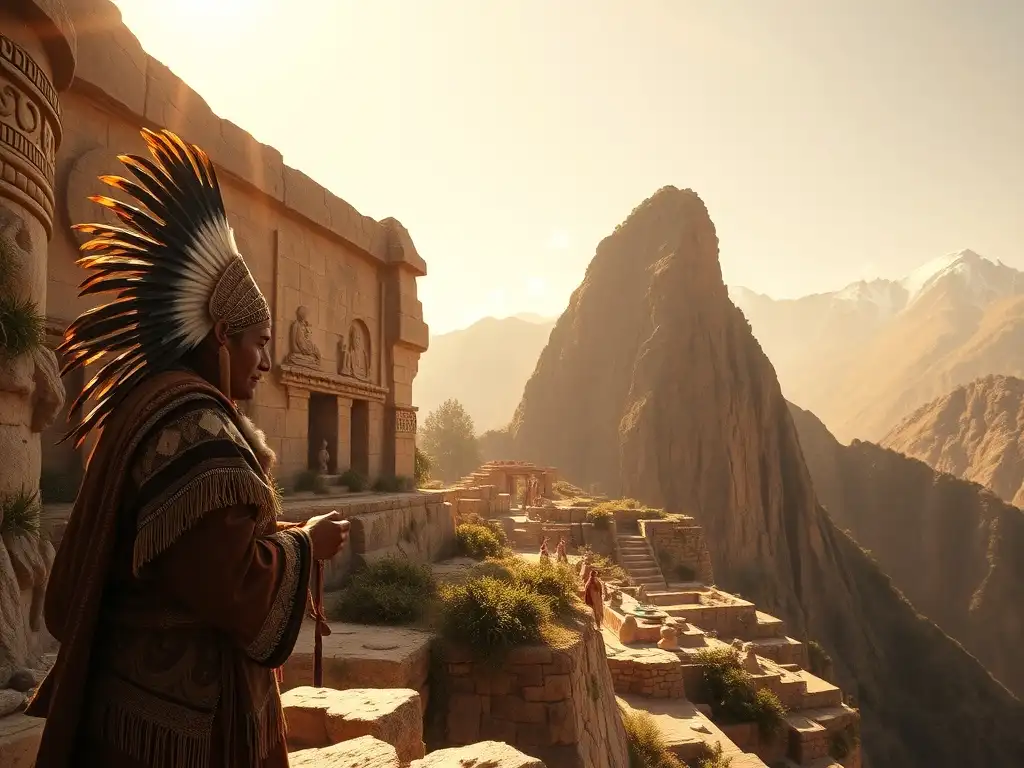
The Importance of Religion in Inca Society
Religion permeated every aspect of Inca life, shaping their social structures, agricultural practices, and even their warfare. It wasn't a separate entity but rather the very fabric of their existence. The Inca worldview was deeply intertwined with the natural world, with deities representing mountains, rivers, the sun, and other powerful forces of nature. This intimate connection fostered a deep respect for the environment and a complex system of rituals designed to maintain balance and ensure prosperity.
Success in agriculture, the foundation of their empire, was directly attributed to the favor of the gods. A bountiful harvest was seen as a divine blessing, while crop failure was interpreted as a sign of displeasure requiring appeasement through sacrifice and ritual. Religious leaders, known as yachaq, held significant power and influence, advising the Sapa Inca (emperor) on matters of state and interpreting the will of the gods.
Their expertise in astronomy, agriculture, and medicine further solidified their position within society. The Inca religion wasn't simply a set of beliefs; it was a dynamic system that governed daily life and ensured the stability and continuity of the empire. Evidence suggests a strong connection between religious practices and social control, with religious festivals and ceremonies serving to reinforce Inca authority and unify the diverse populations under their rule.
Inca Cosmology and the Three Worlds
Inca cosmology visualized the universe as three interconnected worlds: the Hanan Pacha (upper world), the Kay Pacha (present world), and the Uku Pacha (underworld). This intricate system provided a framework for understanding their relationship with the divine and the natural world.
The Hanan Pacha, the celestial realm, was the abode of the sun god, Inti, and other celestial deities. It was considered a sacred space, influencing earthly events and holding immense power. The sun, the most important celestial body, was worshipped extensively, its movements carefully tracked by priests who used sophisticated astronomical instruments. This celestial observation wasn't just a matter of religious practice; it also played a critical role in agricultural planning and the organization of the Inca calendar.
The Kay Pacha, the earthly realm, was the world inhabited by humans and animals. This was the sphere of daily life, where Inca people interacted with the natural world and performed their agricultural duties. The balance and harmony of this world were crucial, directly impacted by the actions of the people and the favor of the gods from the other realms. Mountains, rivers, and other geographical features were considered sacred places, often inhabited by local deities who needed to be appeased.
The Uku Pacha, the underworld, was the realm of the dead and the source of life-giving waters and minerals. This world was both feared and revered, as it held the power to influence fertility and the cycle of life and death. Mummies of past Inca rulers were preserved and venerated, demonstrating the continued influence and power of the ancestors even after their physical death. The Inca believed that the souls of the dead could influence the living, hence the importance of maintaining proper burial rituals and offerings to the deceased. This cosmology, a complex interplay of the three worlds, provided the Incas with a comprehensive worldview that shaped their religious beliefs and practices. The constant interaction and exchange of energy between these worlds underscored the importance of maintaining balance and harmony in all aspects of life. Disruptions in this delicate balance were believed to cause natural disasters or societal upheaval.
Major Inca Gods and Goddesses
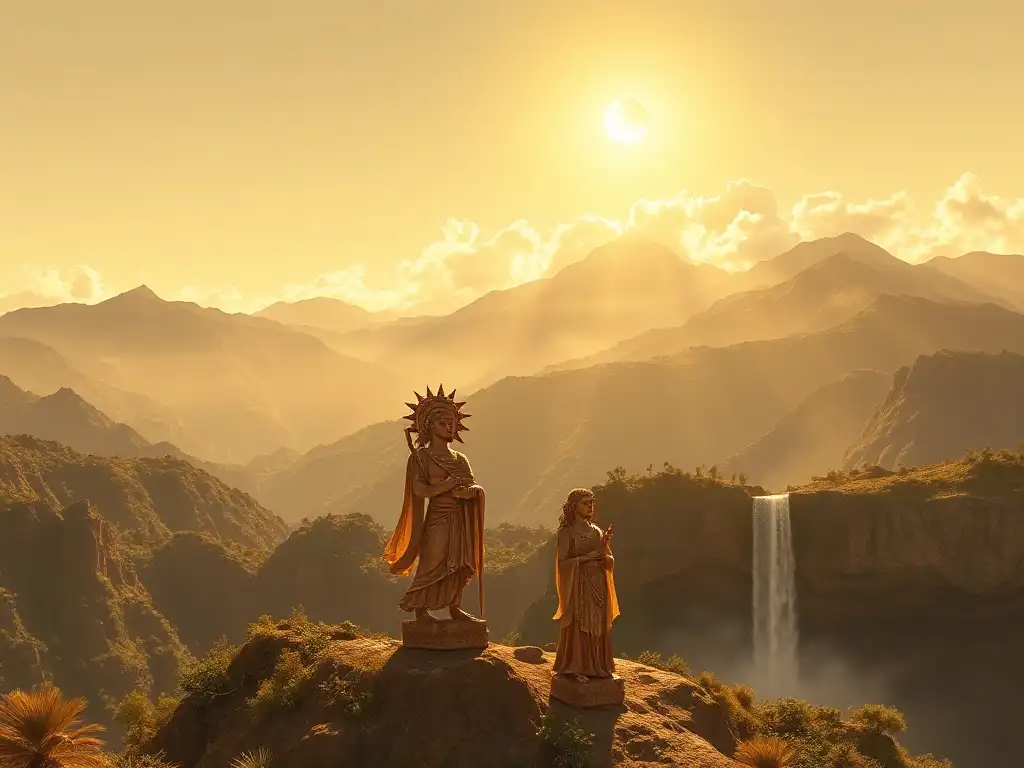
This section delves into the principal deities of the Inca pantheon, exploring their individual attributes, roles within the cosmic order, and their significance in Inca religious practices. Understanding these key figures is crucial to grasping the complexities of Inca spirituality and its profound influence on their society. The Inca religion, far from being a monolithic structure, was a vibrant tapestry woven from diverse beliefs and practices, reflecting the varied landscapes and cultures incorporated into the empire.
The Inca pantheon, therefore, presents a fascinating blend of indigenous Andean deities and those assimilated during the empire's expansion. The worship of these gods permeated every aspect of Inca life, from agriculture and warfare to royal succession and daily routines. This intricate relationship between the divine and the human world shaped the Inca worldview and continues to fascinate researchers today.
Inti: The Sun God and Patron Deity
Inti, the sun god, reigned supreme in the Inca pantheon. He wasn't merely a celestial body; he was considered the ancestor of the Inca emperors, the source of all life and energy, and the ultimate guarantor of prosperity and order. Inti's importance is reflected in the extensive sun worship practices throughout the Inca Empire. Temples dedicated to Inti, such as the Coricancha in Cusco, were magnificent structures, adorned with gold and precious stones, showcasing the immense reverence afforded to this deity.
The Inca emperors, considered divine intermediaries between Inti and their subjects, performed elaborate rituals to honor the sun god, ensuring its continued benevolence and the empire's flourishing. These rituals often involved human sacrifice, although the extent and frequency of this practice remain subjects of ongoing scholarly debate. The Inca calendar was intimately linked to the sun's movements, with festivals and agricultural cycles meticulously aligned with the solar year.
The sun's daily journey across the sky was mirrored in the emperor's daily routine, reinforcing the connection between the divine and the earthly realm. Inti's image, often depicted as a radiant sun disc, was a powerful symbol of Inca identity and imperial authority, appearing on textiles, ceramics, and monumental architecture across the empire. The Inca viewed Inti as the ultimate source of power and legitimacy, making his favor essential for the continued success of the empire and the well-being of its people.
Mama Quilla: The Moon Goddess and Feminine Power
Mama Quilla, the moon goddess, held a position of equal importance to Inti, representing the feminine principle within the Inca cosmic duality. While Inti symbolized masculine power and the sun's life-giving energy, Mama Quilla embodied the cyclical nature of time, fertility, and the mysteries of the night. Unlike the predominantly male-dominated representations in many pantheons, Mama Quilla held a respected and powerful place. Her influence was particularly significant in agriculture, with lunar cycles guiding planting and harvesting practices.
She was also associated with women's health and fertility, and her worship was often intertwined with rituals related to childbirth and the feminine life cycle. Unlike Inti's more direct association with imperial power, Mama Quilla's influence was felt throughout Inca society, connecting her to the lives of ordinary people as well as the elite. The dualistic nature of Inti and Mama Quilla, representing the sun and moon, highlights a cosmological balance integral to Inca beliefs.
Their harmonious relationship was considered crucial for maintaining cosmic order and ensuring the prosperity of the Inca world. The interplay between these two deities reflects a complex understanding of celestial forces and their influence on human life. Further research is needed to fully understand the nuanced roles and rituals associated with Mama Quilla, as much of the existing knowledge is fragmented and requires careful interpretation.
Illapa: The God of Thunder, Lightning, and Rain
Illapa, the god of thunder, lightning, and rain, held a pivotal role in the Inca pantheon. His power over the weather was directly linked to the success of agriculture, the lifeblood of the Inca Empire. Illapa's unpredictable nature, capable of both life-giving rain and destructive storms, reflected the capriciousness of nature itself. His image was frequently depicted in iconography as a powerful being wielding lightning bolts, often associated with mountains and the high Andean landscape.
The Inca revered Illapa, understanding that his benevolent favor was crucial for successful harvests and the overall prosperity of the empire. Conversely, his wrath could result in devastating droughts, floods, and crop failures. Rituals dedicated to Illapa were designed to appease him, seeking his blessings and averting his destructive power. These rituals often involved offerings, prayers, and symbolic acts aimed at maintaining a harmonious relationship with this powerful deity.
The intense storms associated with Illapa were also seen as a manifestation of his power and a reminder of the unpredictable nature of the Andean environment. The Inca's deep understanding of the importance of water for agriculture is clearly reflected in their reverence for Illapa, highlighting the close connection between their religious beliefs and their practical needs. This intimate relationship between the divine and the material world is a characteristic feature of Inca religion, demonstrating the profound impact of their environment on their spiritual beliefs.
Pachamama: The Earth Mother and Fertility
Pachamama, meaning "Earth Mother" in Quechua, was arguably the most revered deity in the Inca pantheon. She wasn't merely a goddess of the earth; she represented the life-giving force of nature itself, encompassing fertility, abundance, and the cyclical rhythms of life and death. Inca agriculture, deeply intertwined with their spiritual beliefs, hinged on Pachamama's benevolence. Successful harvests were attributed to her favor, while crop failures were seen as a sign of her displeasure.
Farmers offered coca leaves, chicha (a fermented corn beverage), and other agricultural products as offerings to Pachamama, often pouring them directly onto the earth or into cracks in the ground. These rituals weren't confined to rural areas; even in Cusco, the Inca capital, Pachamama held immense significance. The city's foundation, its very existence, was believed to be inextricably linked to the Earth Mother's blessings.
The Inca worldview considered Pachamama a powerful, yet often capricious, force. Her moods could shift dramatically, mirroring the unpredictable nature of the Andean climate. Understanding and appeasing her was therefore vital for survival.
The reverence for Pachamama extended beyond agriculture; she was also associated with mineral wealth, particularly gold and silver, which were seen as manifestations of her bounty. Her influence permeated every aspect of Inca life, highlighting the profound connection between the people and their environment. This deep-seated belief system fostered a sustainable approach to resource management, reflecting a harmonious relationship with the natural world.
Viracocha: The Creator God and Supreme Being
Viracocha, often depicted as a bearded, white-skinned figure, stood at the apex of the Inca pantheon as the creator god and supreme being. His origins are shrouded in myth, with some accounts portraying him as emerging from Lake Titicaca, others from a cave. Regardless of his precise origins, Viracocha was credited with creating the universe, the earth, humanity, and all living things.
He was seen as a powerful and mysterious deity, capable of both creation and destruction. His role extended beyond mere creation; he was believed to have the power to shape the course of history, influencing the fortunes of empires and individuals alike.
Unlike many other Inca deities who were associated with specific aspects of the natural world, Viracocha represented a more abstract and all-encompassing force. His power was considered absolute and untouchable, making direct interaction with him less common than with other gods. Instead, Viracocha was often invoked through prayers and rituals performed by priests, who acted as intermediaries between the people and the supreme being.
His image adorned temples and religious objects, serving as a constant reminder of his omnipotence. The very structure of Inca society, with its hierarchical system and emphasis on order, reflected Viracocha's cosmic order and his role as the ultimate sovereign. The Inca emperors claimed descent from Viracocha, further solidifying his importance as both a divine creator and a legitimizing force for their rule.
The myths and legends surrounding Viracocha reveal a complex understanding of divinity, emphasizing the Inca's appreciation for both the tangible and intangible aspects of the cosmos. Stories of his travels and interventions in human affairs highlight his enduring presence in the Inca imagination and the profound impact he had on their beliefs and practices.
Secondary Inca Deities and Spirits
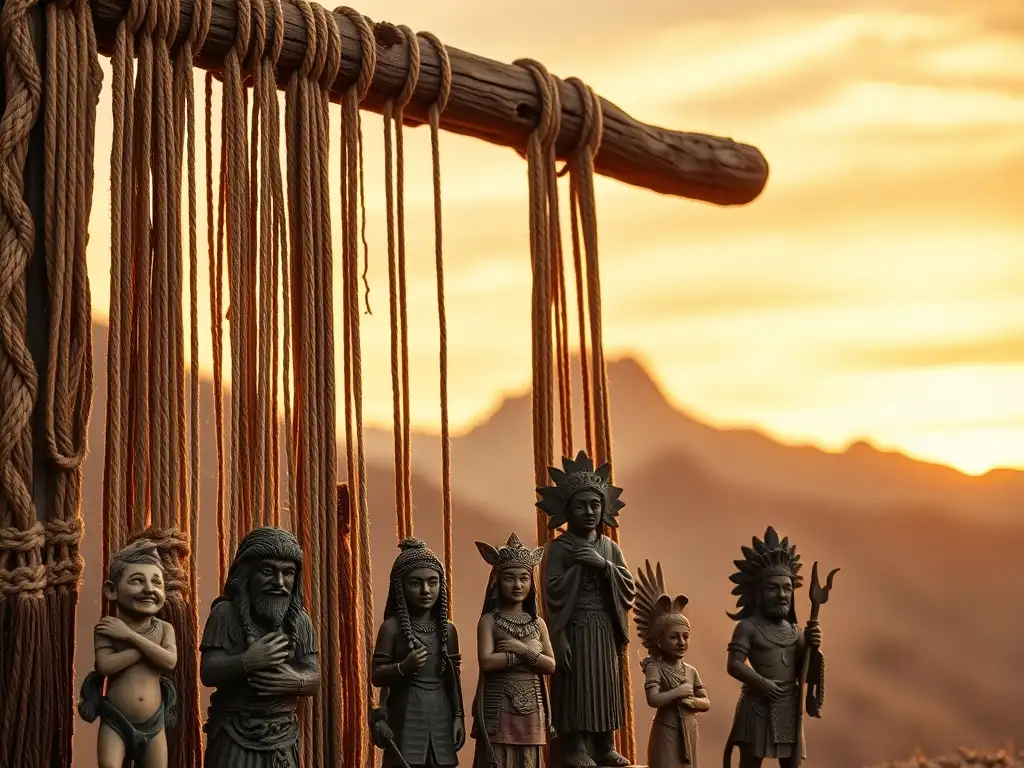
The Inca pantheon extended far beyond the major deities Inti (Sun) and Viracocha (Creator). A rich tapestry of secondary gods, goddesses, and powerful spirits inhabited the Inca worldview, each playing a crucial role in maintaining cosmic balance and earthly prosperity. These lesser-known figures, often tied to specific geographical locations or natural phenomena, reveal the depth and complexity of Inca religious beliefs.
Understanding these secondary deities provides a more complete picture of Inca cosmology and its influence on daily life. The reverence shown to these figures underscores the interconnectedness of the Inca worldview, where the spiritual and the physical realms were inextricably linked. This section delves into the roles of some prominent secondary Inca deities, highlighting their significance within the broader religious framework.
Mama Cocha: The Goddess of the Sea and Water
Mama Cocha, meaning "Mother Lake" or "Mother Sea," was a powerful deity representing the vast and mysterious waters of the oceans and lakes. Unlike some deities associated with specific regions, Mama Cocha's influence spanned the entire Inca empire. Her dominion extended over all bodies of water, from the mighty Pacific Ocean to the high-altitude lakes of the Andes.
She was revered as a life-giving force, crucial for agriculture, sustenance, and the well-being of the Inca people. Fishermen and those dependent on water resources paid her particular homage, seeking her blessings for bountiful catches and protection from the perils of the sea.
The worship of Mama Cocha involved elaborate rituals and offerings, often including coca leaves, chicha (fermented corn beer), and precious objects. Many coastal communities constructed shrines and temples dedicated to her, reflecting her importance in their daily lives. Her image was often depicted in ceramic and textile art, usually portrayed as a serene female figure associated with aquatic animals and plants.
The significance of Mama Cocha demonstrates the Inca's deep respect for the natural world and its vital role in their existence. Her power wasn't solely benevolent; she was also capable of unleashing floods and storms if displeased, underscoring the unpredictable nature of water and the need for constant appeasement. Understanding Mama Cocha's role illuminates the Inca's intricate relationship with the environment and their pragmatic approach to ensuring a successful harvest and safe navigation of waterways.
Supay: The God of the Underworld and Death
Supay, a fearsome deity, ruled over the underworld, the realm of the dead, and represented death itself. Unlike the benevolent nature of many Inca deities, Supay was a malevolent figure associated with darkness, disease, and misfortune. While not directly worshipped, his presence was acknowledged and appeased through various rituals to prevent his wrath. His power extended over the spiritual and physical realms, influencing human affairs and the natural world.
Representations of Supay often depicted him as a demonic figure, sometimes with animalistic features. He was associated with caves, mountains, and other dark, subterranean places, reinforcing his connection to the hidden and unseen. While offerings were made to appease him, they differed from those dedicated to benevolent deities. The offerings were often intended to deter rather than please, reflecting the Inca’s cautious approach to this fearsome god.
The fear associated with Supay served as a reminder of the fragility of life and the importance of adhering to Inca societal norms and religious practices. Supay’s significance within the Inca pantheon highlights the complex duality present in their religious beliefs, acknowledging both the positive and negative forces that shaped their world. Further research is needed to fully understand the nuances of Supay's role and the rituals associated with his appeasement. [Specific information pending on regional variations in Supay worship].
Apu Ausangate: The Sacred Mountain Spirit of Ausangate
Apu Ausangate, a majestic mountain in the Andes, was not just a geographical feature but a powerful apu, a mountain spirit revered by the Inca. Apus were considered intermediaries between the human and divine worlds, possessing immense power and influence over the surrounding environment and the lives of the people who lived nearby. Ausangate, in particular, held a prominent position in the Inca cosmology, representing fertility, abundance, and the power of nature.
The Inca people believed that Ausangate's snow-capped peak was the dwelling place of powerful spirits and that its glaciers were a source of life-giving water. Pilgrimages to Ausangate were common, with offerings of coca leaves, llamas, and other precious items left at sacred sites along the mountain's slopes. These rituals aimed to maintain a harmonious relationship with the apu and ensure its continued benevolence.
Ausangate’s significance extended beyond its immediate surroundings; it played a vital role in the Inca’s understanding of the cosmos and their connection to the natural world. The mountain’s imposing presence and its association with water sources reinforced its importance as a life-giving force. The reverence shown to Ausangate, and other apus, demonstrates the deep spiritual connection the Inca had with their environment, highlighting the sacredness of the Andean landscape.
The annual pilgrimage to Ausangate continues to this day, demonstrating the enduring legacy of this powerful mountain spirit and its place within Andean culture. ⛰️
Huacas: Local Deities and Their Significance
The Inca worldview wasn't solely focused on a pantheon of major gods. A crucial element of their religious landscape involved huacas, which were considered sacred objects or places imbued with spiritual power. These weren't necessarily deities in the same way as Inti or Viracocha, but rather powerful entities connected to specific locations or objects. Their importance stemmed from their perceived ability to influence local events, harvests, and the well-being of communities.
A mountain peak, a spring, a cave, even a particularly striking rock formation could all be considered a huaca. The reverence paid to these huacas varied depending on their perceived power and the specific traditions of the local community. This localized aspect of Inca religion highlights the flexibility and adaptability of their beliefs, allowing for a diverse range of spiritual practices across the vast Inca Empire. The Inca state recognized and incorporated many pre-existing huacas into their own religious system, demonstrating a pragmatic approach to religious syncretism.
This incorporation ensured the loyalty and cooperation of conquered populations, who continued to venerate their local deities while integrating them within the broader Inca religious framework. The offerings and rituals performed at these huacas often involved specific local customs, further underscoring the decentralized nature of huaca worship. Think of it as a network of localized spiritual power points, each contributing to the overall cosmic balance maintained by the major deities.
The significance of huacas extended beyond mere local veneration. The Inca elite often used these sites to consolidate their power and legitimize their rule. By controlling access to and influencing the rituals performed at important huacas, the Inca rulers could claim a divine right to govern and maintain the cosmic order.
The construction of impressive temples and shrines near powerful huacas served as a potent symbol of this control. This strategic use of huacas highlights the intersection of religion and politics in the Inca Empire, where religious beliefs played a crucial role in maintaining social and political stability. The Inca state cleverly utilized the pre-existing reverence for huacas to strengthen its authority, demonstrating a sophisticated understanding of the importance of local religious practices in maintaining imperial control.
This intricate interplay between local and imperial religious practices is a key factor in understanding the complexity and resilience of the Inca religious system. The diverse nature of huacas and their integration into the broader Inca religious system is a testament to the adaptive and inclusive nature of Inca religious beliefs.
The Roles of Inca Deities in Daily Life
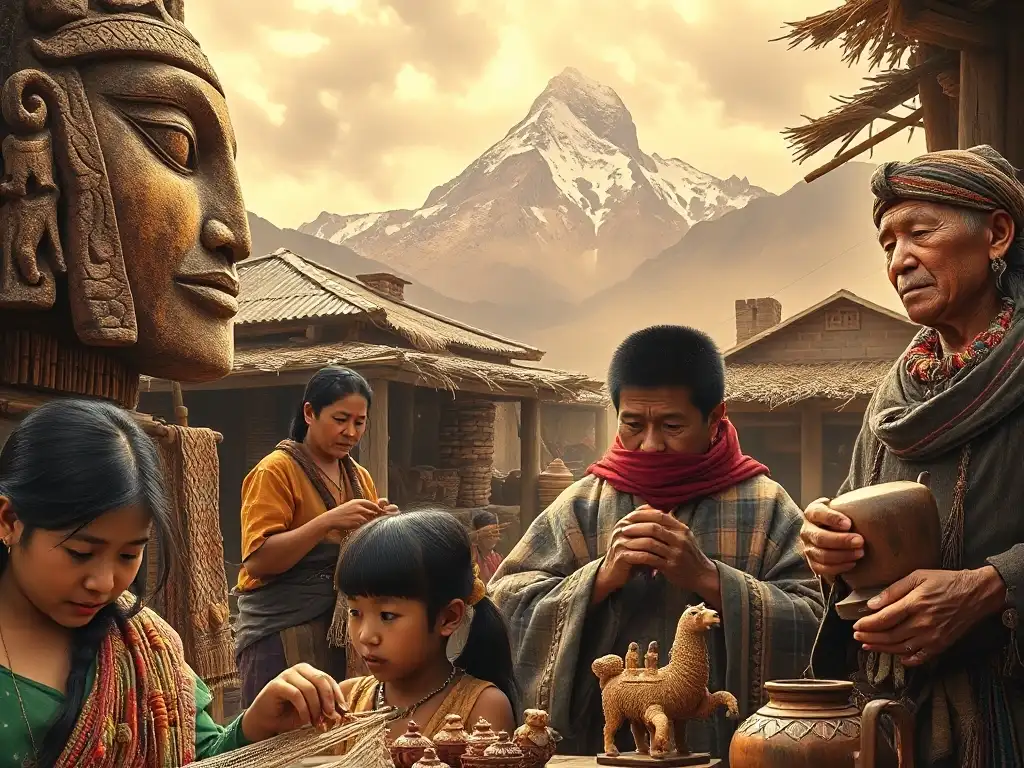
The Inca pantheon wasn't merely a collection of mythological figures; it was an integral part of daily life, deeply interwoven with the social fabric and the natural world. Understanding the Inca worldview requires appreciating how their gods and goddesses directly impacted their everyday existence, from planting crops to legitimizing royal power. The Inca belief system emphasized a reciprocal relationship between humans and the divine, where offerings, rituals, and adherence to societal norms ensured continued blessings from the gods. This section explores how these divine beings influenced various aspects of Inca society.
Agricultural Practices and Divine Intervention
Agriculture was the backbone of Inca society, and its success was inextricably linked to the favor of the gods. The most prominent deity in this context was Pachamama, the Earth Mother. She represented the fertility of the land, providing nourishment and sustaining life. Inca farmers performed intricate rituals to appease Pachamama, ensuring bountiful harvests. These rituals often involved offerings of coca leaves, chicha (fermented corn beer), and llama sacrifices. Failure to honor Pachamama was believed to result in crop failures, droughts, and other agricultural misfortunes.
Furthermore, the god * Inti*, the sun god, played a crucial role in the agricultural cycle. His life-giving rays were essential for crop growth, and his movements across the sky dictated the seasons. Inti's influence extended beyond agriculture; he was considered the supreme deity, the source of all power and authority. Festivals celebrating Inti's power were major events in the Inca calendar, marked by elaborate ceremonies and processions. The success of agriculture was directly tied to the perceived favor of both Pachamama and Inti, highlighting the deep intertwining of the spiritual and the practical in Inca life.
The Inca's agricultural success wasn't solely dependent on divine intervention; their sophisticated agricultural techniques, such as terracing and irrigation, also played a significant role. However, these techniques were often viewed as ways to work with the gods, rather than against them, showcasing the deeply ingrained religious beliefs in their practical endeavors. The intricate balance between human effort and divine favor is a key aspect of understanding Inca agricultural practices.
The Inca emperor, the Sapa Inca, wasn't just a political leader; he was considered a divine intermediary, a descendant of the sun god Inti. This divine lineage legitimized his absolute authority and ensured the loyalty of his subjects. The Sapa Inca's power wasn't simply inherited; it was a reflection of the cosmic order, a direct manifestation of Inti's will on Earth.
The Inca state employed elaborate rituals and ceremonies to reinforce this divine mandate. These events often involved the Sapa Inca performing specific actions, such as making offerings to the gods or participating in religious festivals, thereby visually demonstrating his connection to the divine. The emperor's role wasn't merely symbolic; he held immense religious authority, directing and participating in many important rituals.
His actions were seen as directly influencing the well-being of the empire and its people, further solidifying his status as a divinely appointed ruler. The concept of a divine mandate provided a powerful ideological foundation for the Inca Empire's centralized and hierarchical structure. Challenging the Sapa Inca was equivalent to challenging the cosmic order itself.
Rituals, Ceremonies, and the Inca Pantheon
Inca religion was deeply ritualistic, with numerous ceremonies dedicated to the various gods and goddesses. These rituals weren't simply religious performances; they were essential components of Inca social life, serving political, economic, and social functions. The huacas, sacred places like mountains, rocks, and springs, played a crucial role in these rituals. These sites were believed to be the dwelling places of particular deities, and offerings were made there to maintain a harmonious relationship with the divine.
The Inca calendar was structured around an intricate system of festivals and celebrations, many of which were agricultural in nature, reflecting the importance of agriculture to their society. These festivals involved elaborate processions, sacrifices, and feasts, often involving large portions of the population. Specific deities were honored during particular festivals, highlighting the importance of each divine figure within the Inca cosmological system.
The diversity of rituals reflects the complexity and richness of the Inca pantheon, demonstrating a sophisticated understanding of the interconnectedness between the human and divine realms. The meticulous execution of these rituals reinforced social cohesion and maintained the stability of the Inca Empire. Understanding these rituals provides insight into the beliefs, values, and social structure of the Inca civilization.
Worship and Rituals Dedicated to the Inca Gods
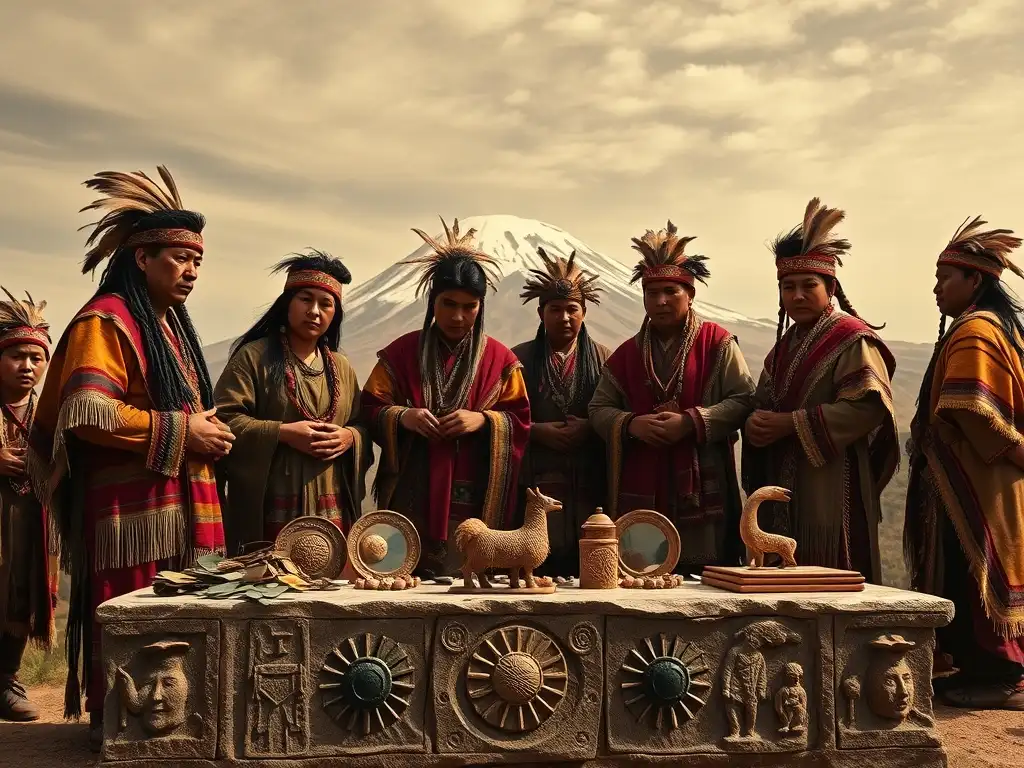
The Inca religion, deeply intertwined with their worldview and social structure, involved a complex system of worship and rituals dedicated to a pantheon of gods and goddesses. Understanding these practices provides crucial insight into Inca beliefs and the power structure of their empire. The Inca worldview was deeply animistic, attributing spirits to various aspects of nature, from mountains and rivers to animals and plants.
This pervasive animism shaped their religious practices, which were not confined to formal temples but permeated daily life. The Inca's relationship with their deities wasn't one of mere supplication; it was a reciprocal exchange, with offerings and sacrifices aiming to maintain cosmic balance and ensure agricultural prosperity. This intricate interplay between the human and divine realms is key to understanding the significance of Inca religion in the empire's success.
The emphasis on reciprocity highlights the pragmatic nature of their faith, deeply rooted in the practical needs of survival and societal well-being. Their religious practices weren't just spiritual exercises; they were essential components of their social order, underpinning the authority of the Sapa Inca and the stability of the empire.
Temple Structures and Sacred Sites
Inca temple structures varied significantly in size and complexity, reflecting the importance of the deity or the local context. Larger temples, often found in major urban centers like Cusco, were elaborate structures showcasing advanced Inca architecture and engineering. These served as focal points for large-scale religious ceremonies and festivals. Smaller shrines and huacas (sacred places) were scattered throughout the empire, often located in naturally significant places like mountaintops, caves, or springs.
These sites served as local centers of worship and were integral to the everyday religious practices of the communities. For example, the Temple of the Sun in Cusco was a monumental structure dedicated to Inti, the sun god, showcasing the Inca's sophisticated masonry techniques. Its location within the heart of Cusco underscored the sun god's central role in the Inca cosmology and the emperor's divine authority. In contrast, smaller huacas might be simple rock formations or caves adorned with offerings and imbued with spiritual significance.
The diversity of these sites reflects the adaptable and localized nature of Inca religious practices. The precise architectural details and layouts of many sites are still under investigation, with ongoing archaeological research revealing new insights into their functionality and religious importance. Archaeological evidence suggests that these structures were not only places of worship but also served administrative and social functions, blurring the lines between religion and state power within the Inca empire.
Offerings and Sacrifices to the Gods
Offerings and sacrifices formed a crucial aspect of Inca religious practice, representing a reciprocal exchange between humans and the divine. These ranged from simple offerings of coca leaves and chicha (fermented corn beer) to elaborate sacrifices involving llamas, alpacas, and even human beings. The nature and scale of the offering reflected the importance of the deity and the situation demanding divine intervention. Simple daily offerings ensured the continued favor of the gods, while more substantial sacrifices were performed during significant events like festivals, agricultural cycles, or times of crisis.
Archaeological excavations have unearthed numerous artifacts used in these rituals, including pottery vessels containing food and drink offerings, intricately woven textiles, and precious metals. The use of coca leaves, a sacred plant, was widespread. The detailed records of Spanish chroniclers, while sometimes biased, provide valuable insights into the specifics of these rituals, even though their accounts are filtered through a European lens.
Human sacrifice, although a controversial aspect of Inca religion, was reserved for special occasions and often involved individuals selected for their perceived connection to the divine. The intention behind these sacrifices was not necessarily one of violence or brutality but rather a way of ensuring the well-being of the community and appeasing the gods. Further research is needed to fully understand the complex social and political dynamics surrounding human sacrifice within the Inca empire.
Priest Classes and Religious Hierarchy
The Inca religious system featured a complex hierarchy of priests and priestesses responsible for conducting rituals, interpreting omens, and maintaining the cosmic balance. The wilaq uma, or high priest, held a position of immense power and authority, second only to the Sapa Inca. This individual was responsible for overseeing all religious activities within the empire and advising the emperor on matters of state. Below the wilaq uma were various levels of priests and priestesses, each with specific responsibilities and roles within the religious system.
Some priests specialized in divination, using techniques like observing the stars or interpreting the flight of birds to predict the future and advise the emperor. Others were responsible for maintaining temples, conducting ceremonies, and training new priests. This religious hierarchy mirrored the political structure of the Inca empire, with priestly authority closely intertwined with the emperor's power. The selection and training of priests involved rigorous processes, ensuring the competence and loyalty of these individuals.
While much is known about the roles and responsibilities of these figures, details about the social background and training of priests remain to be fully investigated. The precise number of priests and the specifics of their organizational structure are still topics of ongoing scholarly debate, illustrating the complexity of the Inca religious system and the need for further investigation. The Inca religious system, with its intricate hierarchy and specialized roles, presents a fascinating case study of the interaction between religion and power in a pre-Columbian Andean empire.
The Legacy of Inca Deities and Their Influence
The Inca pantheon, a vibrant tapestry of gods and goddesses, exerted a profound and lasting influence on the Inca Empire and its people. Their beliefs, woven into the fabric of daily life, shaped social structures, agricultural practices, and even architectural marvels like Machu Picchu. Understanding the Inca's complex cosmology is key to comprehending their societal organization and remarkable achievements.
The legacy of these deities continues to resonate today, influencing modern Andean culture and inspiring ongoing scholarly research. The very fabric of Inca society was intertwined with its religious beliefs, making the study of Inca gods and goddesses crucial to understanding their civilization.
Inca Mythology and Oral Traditions
Inca mythology, unlike many other ancient civilizations, wasn't recorded in extensive written texts. The Spanish conquest largely destroyed existing records, leaving a significant gap in our understanding. Much of what we know comes from fragmented accounts gleaned from Spanish chronicles, archeological findings, and, importantly, the enduring oral traditions of Andean communities. These oral traditions, passed down through generations, preserve vital elements of Inca cosmology, though often filtered through the lens of subsequent cultural changes and interpretations.
The Inca relied heavily on quipus, complex knotted cords used to record numerical data and possibly narrative information. While deciphering quipus remains a challenge, ongoing research offers glimpses into Inca religious beliefs. These records, combined with the analysis of iconography found in Inca pottery, textiles, and stone carvings, provide vital clues about the roles and attributes of specific deities.
For example, the depiction of Viracocha, the creator god, frequently shows him associated with water and creation imagery, reinforcing his importance in Inca cosmology. The absence of a unified, written mythology makes the study of Inca gods and goddesses a complex puzzle requiring meticulous piecing together of diverse sources.
One significant challenge lies in distinguishing between indigenous beliefs and those superimposed by the Spanish colonizers. The imposition of Christianity inevitably influenced local narratives and practices, making the identification of purely pre-Columbian aspects of Inca religion a delicate task. However, recent research has shown a surprising resilience of certain Andean beliefs and practices, demonstrating the enduring power of ancient Inca traditions.
The Impact of Inca Religion on Andean Culture
Inca religion permeated every aspect of Andean life. The Inca worldview, deeply rooted in the worship of nature deities and ancestor veneration, shaped their social hierarchy, agricultural practices, and political structures. The emperor, considered a descendant of the sun god Inti, held supreme religious authority, further emphasizing the religion's central role in society.
The annual agricultural cycle, crucial for sustenance, was closely tied to religious festivals and rituals. Ceremonies honoring the earth goddess Pachamama ensured bountiful harvests, while Inti Raymi, the festival celebrating the winter solstice, marked a pivotal moment in the Inca calendar. These events played a vital role in reinforcing social cohesion and reaffirming the connection between the people and their deities. The Inca gods and goddesses weren't merely abstract entities; they were forces actively shaping the world and the lives of their worshippers.
Furthermore, Inca religious beliefs deeply influenced their artistic expressions. Intricate textiles, meticulously crafted pottery, and monumental architecture often incorporated religious iconography, reflecting the significance of their deities in everyday life. The construction of impressive sites like Ollantaytambo and Sacsayhuamán, for instance, not only served practical purposes but also embodied religious symbolism, demonstrating the profound integration of faith and material culture. The impact of Inca religion on Andean culture is undeniable, shaping its art, architecture, and societal structures for centuries.
Contemporary Studies of Inca Religious Practices
Modern scholarship on Inca religious practices employs interdisciplinary approaches, combining archeological evidence with anthropological studies of contemporary Andean communities. Researchers analyze Inca iconography, analyze the remnants of ritual sites, and study the continuity of pre-Columbian beliefs in modern Andean traditions. This multifaceted approach provides a richer understanding of the Inca pantheon and its significance.
The study of Inca gods and goddesses continues to evolve, incorporating new discoveries and methodologies. Advances in archeological techniques, such as improved dating methods and sophisticated imaging technologies, provide fresh perspectives on Inca religious sites and artifacts. Ethnographic studies of contemporary Andean communities reveal surprising continuities with pre-Columbian religious practices, offering valuable insights into the enduring legacy of Inca beliefs.
The ongoing research helps us to better understand the intricacies of Inca cosmology, the roles of individual deities, and the impact of Inca religious practices on subsequent Andean cultures. By combining various approaches, researchers are constructing a more nuanced and comprehensive understanding of the Inca pantheon, its influence on the empire, and its lasting legacy. The study of Inca religion remains a vibrant and evolving field, constantly enriched by new discoveries and interpretations.
Frequently Asked Questions
What were the most important Inca gods and goddesses?
The most prominent Inca deities included Viracocha, the creator god, Inti, the sun god, and Mama Killa, the moon goddess. These three formed the core of the Inca pantheon.
How did the Inca people worship their gods and goddesses?
Inca worship involved elaborate ceremonies, sacrifices, and the construction of grand temples dedicated to specific deities. They also revered natural elements like mountains and rivers as sacred.
What role did religion play in Inca society?
Religion was integral to Inca society, influencing everything from agriculture and warfare to social structure and daily life. The Inca believed the gods directly impacted their lives and prosperity.
What were some of the symbols associated with Inca gods and goddesses?
Inca iconography used specific animals, celestial bodies, and colors to represent different deities. For example, the sun was represented by gold, while the moon was often depicted with silver.
How did the Inca's understanding of their gods influence their technology and architecture?
The Inca's religious beliefs directly influenced their impressive architectural achievements, such as Machu Picchu, which was strategically placed and built to honor their gods and align with celestial events. Their technology was often designed to improve crop yields and appease the gods.
Final Reflection: Echoes of the Andes: A Legacy of Inca Divinity
The intricate tapestry of Inca mythology, woven from threads of celestial observation and earthly realities, remains profoundly relevant today. Understanding the Inca pantheon offers not just a glimpse into a vanished civilization, but a powerful lens through which to examine our own relationship with the natural world and the enduring human need to find meaning in the cosmos. The sophisticated cosmology of the Inca, with its interconnectedness of gods, nature, and humanity, provides a stark contrast to our often fragmented modern worldview.
The enduring power of the Inca gods and goddesses lies not just in their historical significance, but in their capacity to inspire awe and wonder. Their stories, passed down through generations, speak to universal themes of creation, destruction, and renewal – themes that resonate deeply within us all. As the anthropologist, Clifford Geertz, eloquently stated: Religion is a system of symbols which acts to establish powerful, pervasive, and long-lasting moods and motivations in men by formulating conceptions of a general order of existence and clothing these conceptions with such an aura of factuality that the moods and motivations seem uniquely realistic.
This perfectly encapsulates the enduring influence of the Inca pantheon, shaping not only their society but offering a timeless reflection on the human condition.
Consider the intricate balance inherent in the Inca worldview, the delicate interplay between Viracocha, Inti, and Mama Killa. Reflect on how this understanding of interconnectedness might inform our own approach to environmental stewardship and social harmony. Let the legacy of the Inca gods inspire you to seek a deeper connection with the world around you, to appreciate the intricate beauty of the natural order, and to find meaning in the grand cosmic narrative that unfolds around us all. Embrace the echoes of the Andes, and let them guide you towards a more holistic and meaningful existence.
Embrace the Wisdom of the Inca Pantheon Today!
Thank you for exploring the rich tapestry of the Inca Pantheon with us! Your interest in these ancient deities offers a fascinating glimpse into the cosmic beliefs that shaped Andean civilizations. Now, let's put that knowledge into practice!
Here are some powerful ways to deepen your understanding of Inca heritage:
- Delve into the mythology of a specific Inca deity, such as Inti, the sun god, or Pachamama, the earth goddess, researching their stories and their significance in daily life. Reflect on how their attributes resonate with your own values and experiences.
- Connect with other history enthusiasts by joining online forums or local groups dedicated to Andean culture. Sharing insights and learning from others who are passionate about this subject will enrich your understanding.
- Immerse yourself in Inca culture by visiting a museum showcasing Inca artifacts, or, if possible, plan a trip to a significant Andean site to experience the history firsthand. The impact of such a journey can be profound.
What aspect of the Inca Pantheon most captivates you, and how do you anticipate it influencing your personal journey?