
The Inca's Relationship with Nature and the Spiritual World

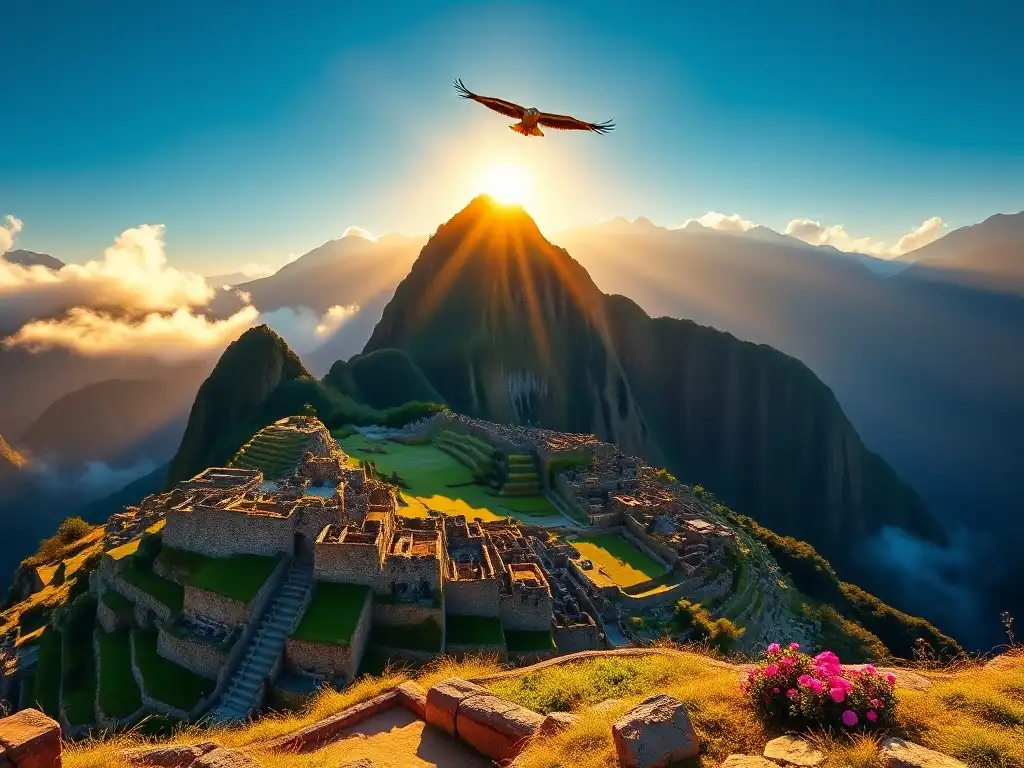
Unravel the mysteries of the Andes! Journey into a world where towering mountains met celestial deities, and the very fabric of life was woven from the threads of Inca religion, nature, and spirituality. Discover how this ancient civilization's profound connection to the natural world shaped their beliefs, rituals, and breathtaking legacy. Prepare to be amazed as we delve into the heart of the Inca Empire and explore the secrets they left behind. Are you ready to uncover the truth?
- Inca Religion: Nature and Spirituality in the Andean World
- The Sacred Landscape: Mountains, Rivers, and Pachamama
- Inca Spirituality: Beyond the Material Realm
- Inca Rituals and Ceremonies: Connecting with the Divine
- Inca Religion Nature Spirituality: A Symbiotic Relationship
- Frequently Asked Questions
- Final Reflection: Echoes of the Andes: Nature, Spirituality, and the Enduring Legacy of the Inca
- Embrace the Wisdom of the Inca's Connection with Nature!
Inca Religion: Nature and Spirituality in the Andean World
The Inca Empire, renowned for its sophisticated engineering and vast territorial reach, was equally defined by a profound and intricate relationship with the natural world and a deeply spiritual cosmovision. This article delves into the core beliefs and practices that shaped Inca religion, exploring how their spirituality was inextricably interwoven with the Andean landscape and its powerful forces. We will examine how the Incas viewed the mountains, rivers, and celestial bodies not merely as physical entities, but as sacred beings imbued with spiritual power, directly influencing their daily lives, social structures, and elaborate rituals.
Understanding the Inca's connection to nature is key to unlocking the secrets of their complex society and appreciating the rich tapestry of their spiritual beliefs. This exploration will reveal how their religion wasn't a separate entity, but rather the very fabric of their existence, a holistic worldview that permeated every aspect of their lives.
From the meticulous agricultural practices reflecting their reverence for Pachamama (Mother Earth) to the awe-inspiring astronomical observatories mirroring their understanding of the cosmos, the Inca's relationship with nature and spirituality offers a compelling case study in the interconnectedness of humanity and the environment. The keyword "Inca religion nature spirituality" perfectly encapsulates this intricate relationship, which we will unpack throughout this article.
The Inca's Deep Connection to the Natural World
The Inca worldview was profoundly shaped by the dramatic Andean geography. Towering mountains, fertile valleys, and rushing rivers were not simply geographical features; they were living entities, powerful spirits deserving of respect and veneration. The concept of Pachamama, Mother Earth, was central to their belief system. Pachamama was seen as the provider of life, fertility, and abundance, and her favor was essential for the prosperity of the Inca people.
Rituals aimed at appeasing and honoring Pachamama were commonplace, often involving offerings of food, coca leaves, and even human sacrifice in extreme cases. These offerings were not seen as mere appeasements but rather as acts of reciprocity, acknowledging Pachamama's generosity and ensuring continued sustenance. Furthermore, the Inca's agricultural practices were intricately linked to their spiritual beliefs.
They developed sophisticated terracing systems and irrigation techniques, not only to maximize crop yields but also as a way to demonstrate their respect for and cooperation with the natural world. The Inca's understanding of the delicate balance within the ecosystem was reflected in their sustainable agricultural methods, showcasing a deep understanding of the interconnectedness of life. They recognized the importance of maintaining this balance for the continued well-being of both humans and the environment.
Cosmovision Inca: Understanding Their Spiritual Beliefs
The Inca's spiritual beliefs extended beyond Pachamama to encompass a complex cosmology. The sun god, Inti, held a paramount position, considered the source of all life and the supreme deity. Inti's worship was central to Inca state religion, with elaborate temples and festivals dedicated to his honor.
The Inca's advanced astronomical knowledge allowed them to accurately predict solstices and equinoxes, events deeply integrated into their religious calendar. These celestial events were not just astronomical occurrences but were also interpreted as divine pronouncements influencing agricultural cycles and societal affairs. The Inca also revered other deities associated with various aspects of nature, such as the moon goddess, Mama Killa, and the thunder god, Illapa.
These deities were believed to exert influence over different aspects of human life, from harvests to weather patterns, underscoring the pervasive influence of the spiritual world on their daily existence. The Inca's sophisticated understanding of the natural world, combined with their complex religious beliefs, created a holistic worldview where the spiritual and physical realms were inextricably intertwined, shaping every aspect of their civilization. Their religious practices, far from being separate from daily life, were integral to the very fabric of Inca society, demonstrating a sophisticated and deeply interconnected understanding of the world around them.
The Sacred Landscape: Mountains, Rivers, and Pachamama
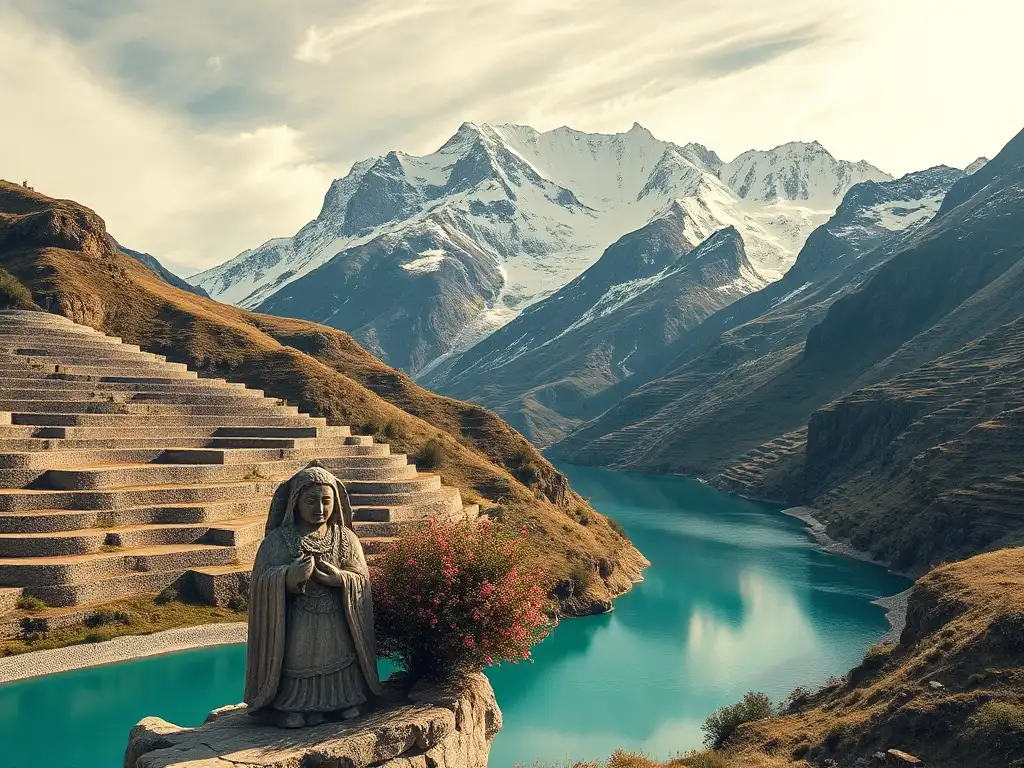
The Inca worldview was deeply intertwined with the natural world, viewing mountains, rivers, and the earth itself as sacred entities imbued with spiritual power. Their religion, a complex system of beliefs and practices, wasn't separate from their daily lives; it was woven into the fabric of their society, shaping their agricultural practices, social structures, and even their urban planning. Understanding the Inca's relationship with nature is key to understanding their unique spirituality and their remarkable civilization.
The concept of Inca religion nature spirituality is not simply a phrase; it's a fundamental truth defining their existence. Their reverence for the natural world extended beyond simple appreciation; it involved a deep spiritual connection and reciprocal relationship.
Apu: The Importance of Mountain Gods in Inca Beliefs
The towering Andes mountains were not merely geographical features to the Inca; they were powerful apus, or mountain gods. These imposing peaks were considered the dwelling places of powerful spirits, intermediaries between the human and divine realms. Each apu held unique significance, often associated with specific regions or clans.
Inca communities would make offerings and perform rituals to appease and honor these mountain deities, ensuring their continued favor and protection. These offerings, ranging from coca leaves and chicha (a fermented corn beverage) to more elaborate sacrifices, were seen as essential for maintaining a harmonious relationship with the apus and ensuring the prosperity of the community. The importance of the apus is reflected in Inca art and architecture; many temples and settlements were strategically positioned near significant mountain peaks, demonstrating the deep integration of their religious beliefs into their physical environment.
Furthermore, the Inca's sophisticated system of road networks often followed natural contours, weaving through mountain passes and valleys, symbolically connecting human settlements with the sacred realm of the apus. Evidence suggests that specific mountains were associated with particular deities or celestial bodies, adding another layer of complexity to this intricate religious system.
Water's Role: Rivers, Lakes, and the Inca Spiritual System
Water, a life-giving force, played a crucial role in Inca spirituality. Rivers, lakes, and springs weren't simply sources of sustenance; they were considered sacred conduits connecting the earthly realm to the spiritual world. The Inca recognized the power of water to sustain life and believed that it possessed an inherent spiritual energy.
They built elaborate irrigation systems, not only for practical purposes but also to demonstrate their respect for and control over this vital resource. Rituals associated with water were common, often involving offerings and prayers to ensure an abundant water supply for agriculture and human consumption. The Inca's mastery of hydraulic engineering is a testament to their profound understanding of water's importance, both materially and spiritually.
The intricate network of canals and aqueducts, some of which are still functional today, are a vivid reminder of the Inca's reverence for this life-giving element and their ability to integrate their spiritual beliefs into their practical endeavors. The presence of sacred springs and lakes near important Inca sites further underlines the significant role water played in their religious practices and worldview.
Pachamama: The Earth Mother and Her Significance
At the heart of Inca religion lay Pachamama, the Earth Mother. She represented the fertile earth, the provider of sustenance, and the source of all life. Pachamama was not merely a deity; she was an active force in the Inca worldview, a being to be respected, honored, and appeased. The Inca believed that Pachamama could both bestow blessings and inflict punishment, depending on the actions of her people.
Agricultural practices were heavily influenced by their belief in Pachamama, with rituals and offerings made throughout the agricultural cycle to ensure bountiful harvests. The concept of reciprocity was central to their relationship with Pachamama; they believed that by offering respect and gifts, they would receive her blessings in return. This reciprocal relationship underscores the inherent interconnectedness between the human and natural worlds in Inca cosmology.
The widespread practice of offering coca leaves and other gifts to the earth highlights the deeply ingrained respect and dependence the Inca felt towards Pachamama, demonstrating the profound influence of this Earth Mother deity on their daily lives and spiritual beliefs. The reverence for Pachamama extended beyond agriculture, influencing all aspects of Inca life, from mining to building. The very foundation of their society rested on this symbiotic relationship with the earth.
Inca Spirituality: Beyond the Material Realm
The Inca worldview was deeply intertwined with the natural world, a perspective reflected in their sophisticated agricultural practices, intricate social structures, and elaborate religious rituals. Understanding Inca religion necessitates recognizing its profound connection to nature and the spiritual realm. Inca religion wasn't merely a set of beliefs; it was a way of life, shaping every aspect of their society, from the emperor's authority to the daily routines of the common people. This holistic approach, where the spiritual and physical were inseparable, is crucial to understanding their complex civilization and its lasting legacy.
The concept of ayni, reciprocal exchange, permeated their interactions with both the human and natural worlds, emphasizing balance and harmony. This intricate web of interconnectedness, where humans were viewed as part of a larger cosmic order, profoundly influenced their beliefs and practices. The keywords "Inca religion nature spirituality" perfectly encapsulate this intrinsic relationship.
The Sun God Inti: Central Figure in Inca Religion
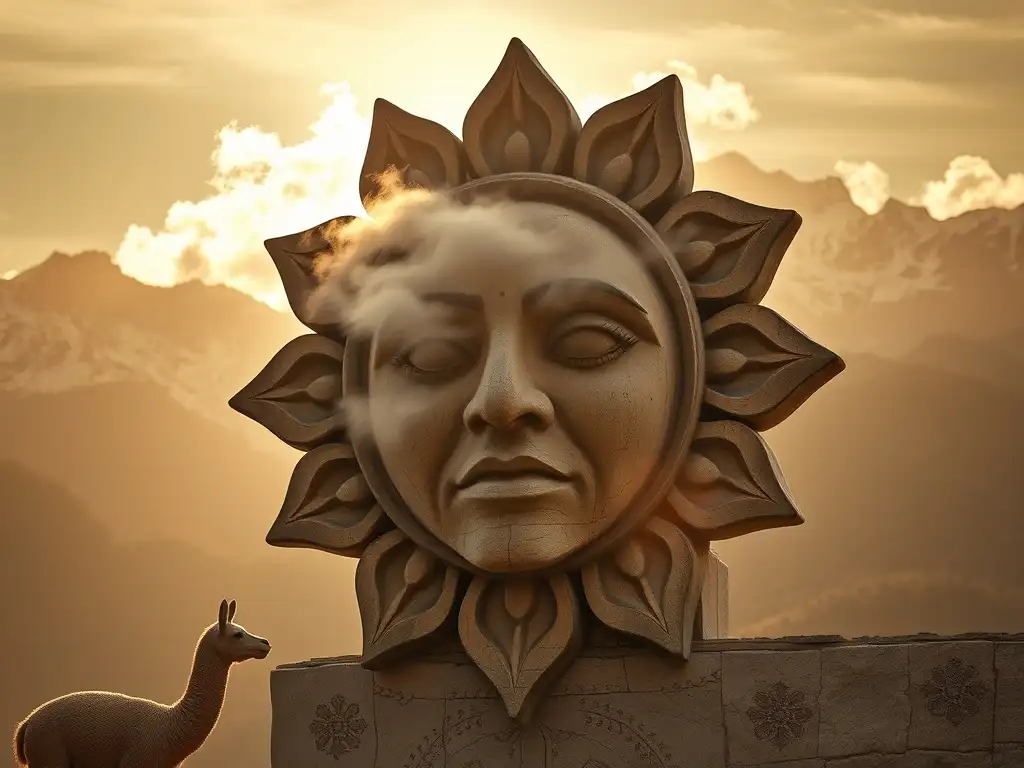
Inti, the sun god, held paramount importance in Inca religion. He wasn't simply a deity; he was considered the ancestor of the Inca royal family, lending divine legitimacy to their rule. The emperor, the Sapa Inca, acted as Inti's representative on Earth, a powerful symbol of the connection between the spiritual and political realms.
Temples dedicated to Inti, such as the Coricancha in Cusco, were magnificent structures, showcasing the Inca's architectural prowess and their profound reverence for the sun. Daily rituals, including offerings and prayers, were performed to appease Inti and ensure a bountiful harvest and favorable weather conditions. The Inca calendar was intricately linked to the sun's movements, highlighting the significance of celestial events in their religious practices.
Celebrations like Inti Raymi, the festival of the sun, were grand spectacles involving the entire population, demonstrating the deeply ingrained nature of sun worship in Inca society. The intensity of Inti worship underscores the central role of nature – specifically the sun – in their spiritual beliefs. Evidence suggests that the Inca's understanding of astronomy was surprisingly advanced for its time, further highlighting their close observation and reverence for the celestial bodies.
Viracocha: The Creator God and His Influence
While Inti held a prominent position, Viracocha, the creator god, occupied a more abstract and overarching role in Inca cosmology. Viracocha was believed to have created the universe, the earth, and humankind. Unlike Inti, Viracocha wasn't directly involved in daily affairs; his influence was felt in the fundamental order of the cosmos.
Depictions of Viracocha vary, often showing him as a bearded, white-skinned figure, possibly reflecting the Inca's encounters with other cultures. His presence is subtly woven into the fabric of Inca mythology, underlying the deeper philosophical underpinnings of their beliefs. Viracocha's power was immense, yet his actions were less directly involved in the everyday lives of the Inca people compared to Inti.
This distinction highlights the layered nature of Inca spirituality, encompassing both immediate concerns and broader cosmological perspectives. Understanding Viracocha is crucial to grasping the full scope of Inca religious thought, revealing a sophisticated understanding of creation and the underlying principles governing the universe. The duality between Inti and Viracocha, the tangible and the intangible, further reinforces the complex nature of Inca spirituality.
Ancestor Veneration: The Importance of the Dead in Inca Spirituality
Ancestor veneration was a central aspect of Inca spirituality. The Inca believed that the spirits of their ancestors continued to influence the living world. Mummies of deceased Inca rulers and nobles were kept in specially constructed mausoleums, often within or near temples. These mummies weren't simply relics; they were believed to possess spiritual power and were consulted for guidance and protection.
Regular offerings of food, drink, and other goods were made to appease the spirits of the ancestors, ensuring their continued favor. This practice reflects a belief in the ongoing connection between the living and the dead, highlighting the cyclical nature of Inca cosmology. The importance placed on ancestor veneration underscores the deep-rooted family and community structures within Inca society, emphasizing the communal aspect of their spiritual beliefs.
The meticulous preservation of mummies and the elaborate rituals surrounding them demonstrate the profound respect the Inca held for their ancestors and their belief in the enduring power of the spiritual world. This practice provides valuable insights into their social structures and their understanding of life after death. The significance of ancestor veneration further enriches our understanding of the keywords "Inca religion nature spirituality," demonstrating that the spiritual world extended beyond the immediate natural environment to encompass the realm of ancestors and their continued influence.
Inca Rituals and Ceremonies: Connecting with the Divine
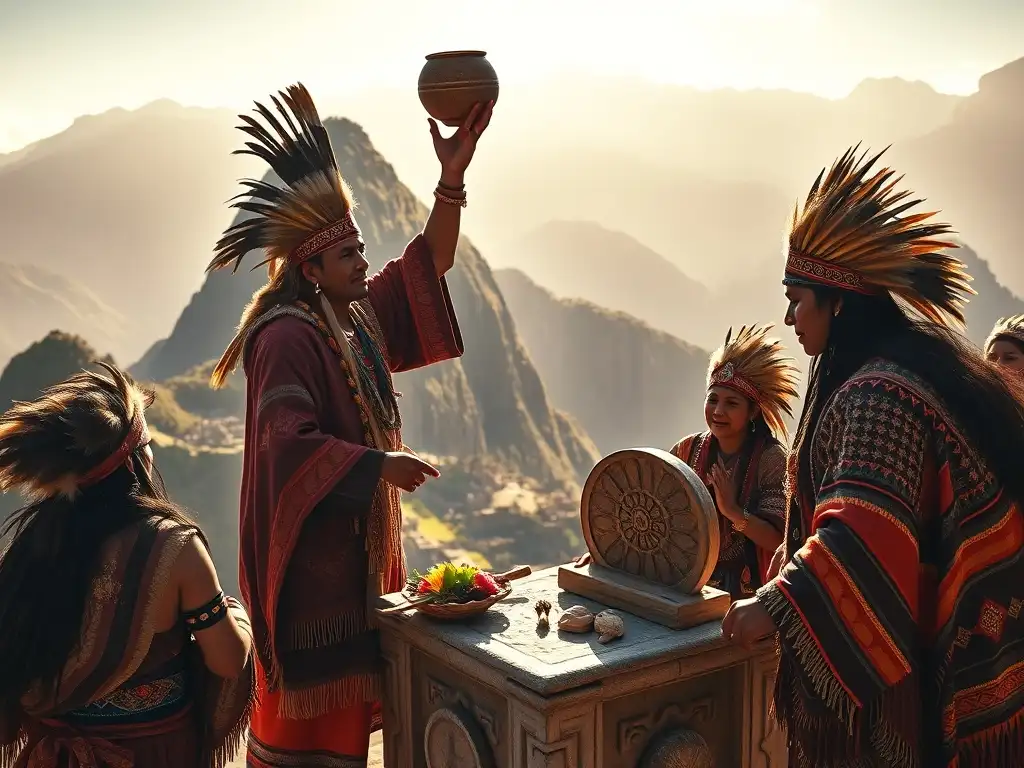
The Inca worldview was deeply intertwined with the natural world and a complex spiritual system. Their religious practices weren't merely abstract rituals; they were vital mechanisms for maintaining cosmic balance, ensuring agricultural prosperity, and securing the favor of the gods. Understanding Inca religion requires examining the intricate web of offerings, festivals, and the influential role of religious specialists.
The keyword "Inca religion nature spirituality" is central to this understanding, highlighting the inseparable connection between the spiritual and the physical realms in Inca life. Their religious practices reflected a profound respect for the power of nature and its influence on human existence.
Offerings and Sacrifices: Practices for Honoring the Gods
Offerings and sacrifices formed a cornerstone of Inca religious practice. These weren't simply acts of appeasement; they were carefully orchestrated rituals designed to strengthen the relationship between the human and divine realms. The Incas believed that by offering precious items—ranging from agricultural produce like maize and coca leaves to intricately crafted gold and silver artifacts, even human sacrifices in rare cases—they could secure the gods' benevolence and ensure the well-being of their communities.
The type and scale of the offering depended heavily on the specific deity and the context of the ritual. For example, offerings to Pachamama, the Earth Mother, often involved burying coca leaves and chicha (a fermented corn beverage) in the earth. This act symbolized a reciprocal relationship—the earth provided sustenance, and the Incas reciprocated with respect and tribute.
More significant events, such as the installation of a new ruler or the dedication of a temple, might involve larger-scale sacrifices, potentially including llamas or other animals. Evidence suggests that human sacrifice, while infrequent, was reserved for particularly important occasions or times of crisis, often involving the sacrifice of children or war captives. The precise reasons and frequency of human sacrifice remain a subject of ongoing scholarly debate, but it undoubtedly played a significant role in Inca religious beliefs and practices.
Festivals and Celebrations: Maintaining Cosmic Harmony
Inca religious life wasn't confined to isolated rituals. Instead, it pulsed with a vibrant calendar of festivals and celebrations designed to maintain cosmic harmony and ensure the continuity of the Inca world. These festivals, often tied to the agricultural cycle, were communal events that brought together people from all social strata.
The Inti Raymi, the festival of the sun, was perhaps the most important celebration. Held at the winter solstice, it marked the renewal of the sun's power and the promise of a bountiful harvest. This grand ceremony involved elaborate processions, sacrifices, and feasting, emphasizing the Inca's profound reverence for the sun god, Inti. Other significant festivals honored other deities, such as the moon goddess, Mama Killa, and various mountain spirits.
These celebrations weren't simply occasions for revelry; they were powerful reaffirmations of Inca cosmology and their place within the larger cosmic order. The meticulous timing and elaborate preparations for these festivals underscore their importance in maintaining social cohesion and spiritual well-being. The intricate synchronization of these events with the agricultural calendar also highlights the strong connection between Inca religion and their agricultural practices.
The Role of Priests and Shamans in Inca Religious Practices
The Inca religious system wasn't a disorganized collection of beliefs and practices. It was structured and hierarchical, with specialized religious officials playing a crucial role in mediating between the human and divine worlds. The yachaq, or priest, held a position of considerable authority, responsible for performing rituals, interpreting omens, and advising the Sapa Inca (emperor) on matters of state.
Alongside the yachaq, the paqo, or shaman, played a vital, albeit distinct, role. These individuals were believed to possess supernatural abilities, including the power to heal illness, predict the future, and communicate with spirits. Their knowledge of medicinal plants and their ability to perform rituals to appease malevolent spirits made them indispensable members of Inca society.
The interplay between yachaq and paqo reflects the complexity of Inca religious life, highlighting the diverse approaches and skills required to maintain a harmonious relationship with the divine. The expertise of these religious specialists was essential to maintaining social order and ensuring the well-being of the Inca empire, further underlining the deep integration of religion into all aspects of Inca life. The influence of these figures on daily life and major state decisions cemented the significance of "Inca religion nature spirituality" in the empire's structure and governance.
Inca Religion Nature Spirituality: A Symbiotic Relationship
The Inca worldview was profoundly shaped by their intimate relationship with the natural world. Their religion wasn't a separate entity but rather an integral part of daily life, deeply intertwined with the rhythms of nature and the spiritual forces they believed permeated it. This interconnectedness, a core tenet of Inca religion nature spirituality, is evident in their agricultural practices, their social structures, and even their artistic expressions.
Understanding this symbiotic relationship is key to grasping the complexities of Inca civilization and its enduring legacy. The Inca's reverence for nature wasn't simply a matter of practical necessity; it was a fundamental aspect of their spiritual beliefs, influencing every facet of their existence. Their sophisticated understanding of the environment and their deep respect for its power are reflected in their intricate systems of agriculture, water management, and resource allocation, all of which were underpinned by a complex cosmology and spiritual understanding.
The Interconnectedness of Nature, Spirituality, and Daily Life
Inca spirituality wasn't confined to temples or formal rituals. It permeated daily life, connecting the mundane with the sacred. The sun (Inti), the moon (Killa), and the stars were revered as deities, their movements dictating agricultural cycles and influencing social organization. Mountains (Apus), considered sacred entities, were believed to be inhabited by powerful spirits and played a crucial role in Inca religious practices.
The Inca believed that the natural world was animated by huacas, supernatural forces residing in natural features such as mountains, rocks, springs, and even certain plants and animals. These huacas were not merely objects of worship but active participants in the cosmic order, influencing the lives of the Inca people. For example, the successful harvest of potatoes, a staple crop, was directly linked to appeasing the huacas associated with the land and ensuring their continued favor.
The Inca's daily routines, from planting and harvesting to building and trading, were infused with rituals and offerings designed to maintain harmony with these spiritual forces. This holistic approach to life, where the spiritual and the material were inseparable, is a hallmark of Inca religion and its profound connection to nature. This intimate relationship is further demonstrated by the intricate network of ceques, lines radiating from the sacred city of Cusco, connecting sacred sites across the landscape and physically manifesting the spiritual connections between the Inca and their world.
How Inca Spirituality Shaped Their Environmental Practices
The Inca's deep-seated respect for nature directly informed their sophisticated environmental practices. Their mastery of terrace farming (Andenes) on steep slopes, for example, wasn't simply a technological achievement but a reflection of their spiritual understanding of the land. These terraces maximized arable land, reduced erosion, and allowed for efficient irrigation, all crucial for sustaining their large population.
Furthermore, the construction of intricate irrigation systems, such as the impressive canals of the Nazca and the sophisticated aqueducts of the Inca, showcases their ability to harness and manage water resources in a way that demonstrated both technological prowess and deep respect for the life-giving properties of water. The Inca's understanding of water's spiritual significance is evident in the rituals and offerings associated with springs and rivers. Their belief in the interconnectedness of all living things encouraged sustainable practices, promoting a harmony between human needs and environmental preservation.
This approach contrasts sharply with exploitative practices seen in other civilizations, highlighting the unique Inca perspective on resource management guided by their Inca religion nature spirituality. They didn't view nature as something to be conquered but as a powerful force to be respected and worked with in partnership.
Legacy of Inca Beliefs in Modern Andean Culture
The legacy of Inca beliefs in nature and spirituality continues to resonate strongly in modern Andean culture. Many indigenous communities in the Andes region still maintain traditional practices rooted in Inca cosmology, including rituals honoring Apus, offerings to huacas, and the celebration of agricultural cycles. These practices demonstrate the enduring influence of Inca religion and its profound impact on the cultural identity of the Andean people.
The integration of nature and spirituality in everyday life remains a central aspect of Andean identity, showcasing the enduring relevance of Inca values. While many aspects of Inca religion have evolved and adapted over centuries, the fundamental respect for nature and the spiritual forces that inhabit it persists, representing a powerful testament to the lasting impact of Inca civilization and its unique perspective on the relationship between humanity and the natural world.
The continued reverence for the Andes mountains, the practice of traditional agriculture, and the preservation of ancient rituals all bear witness to the enduring power of Inca religion nature spirituality. The vibrant tapestry of modern Andean culture is, in many ways, a direct reflection of the enduring legacy of Inca beliefs.
Frequently Asked Questions
How did the Inca religion view nature?
The Inca religion deeply revered nature, viewing mountains, rivers, and the sun as divine entities worthy of worship and sacrifice. Their spirituality was inextricably linked to the natural world, shaping their daily lives and societal structures.
What role did mountains play in Inca spirituality?
Mountains were considered sacred apus (gods), dwelling places of powerful spirits. Inca people offered prayers and sacrifices to appease these mountain deities, believing they influenced fertility, weather, and prosperity.
How did the Inca incorporate nature into their daily lives?
Nature was integral to Inca life. Their agriculture, architecture, and even social organization reflected a deep understanding and respect for environmental harmony. Agricultural practices were carefully aligned with the natural cycles.
What was the importance of the sun in Inca religion?
The sun god, Inti, was the most important deity in the Inca pantheon. The Inca believed the sun provided life and sustenance, and its worship was central to their religious practices and imperial power. Festivals celebrated the sun's life-giving energy.
How did Inca spirituality influence their art and architecture?
Inca art and architecture reflected their spiritual beliefs. Temples, monuments, and textiles often depicted natural elements and divine figures, showcasing a deep connection between the physical and spiritual realms. Their skilled craftsmanship served to honor their deities.
Final Reflection: Echoes of the Andes: Nature, Spirituality, and the Enduring Legacy of the Inca
The Inca's profound reverence for nature, woven inextricably into their spiritual beliefs, remains a potent reminder of humanity's interconnectedness with the natural world. This understanding, far from being a relic of a bygone era, offers crucial insights into our current ecological crisis and the urgent need for a more holistic worldview. The Inca's sophisticated understanding of environmental stewardship serves as a powerful counterpoint to the exploitative practices that dominate much of modern society.
The Inca's ability to integrate their spiritual practices with their daily lives, viewing the mountains, rivers, and even the smallest creatures as sacred entities, continues to resonate deeply. Their worldview, where the spiritual and physical realms were not separate but interwoven, offers a compelling alternative to the often-fractured relationship modern society maintains with its environment. The mountains are not just stones, but the dwelling places of the gods; the rivers are not just water, but the veins of the earth itself.
This ancient wisdom, though expressed differently, speaks to the inherent value and interconnectedness of all living things.
Consider, for a moment, the implications of the Inca's perspective. How might a deeper appreciation for the sacredness of nature, inspired by their example, transform your own relationship with the environment? What steps can you take, in your daily life, to honor the interconnectedness of all living things and foster a more sustainable and respectful way of being in the world? Let the echoes of the Andes inspire you to cultivate a more mindful and harmonious existence, one that recognizes the profound spiritual power residing within the natural world.
Embrace the Wisdom of the Inca's Connection with Nature!
Thank you for exploring the Inca's profound relationship with nature and spirituality. Your interest is a vital step towards understanding the harmonious bond between culture, belief, and the environment. Let's translate that interest into action!
- **Reflect on your connection with nature:** Spend time outdoors, contemplating how your environment shapes your daily life and well-being.
- **Share your insights:** Discuss your experiences with friends, family, or online using the hashtag #IncaWisdom to spread awareness of these ancient teachings.
- **Explore further:** Deepen your understanding of Andean spirituality by reading books, attending workshops, or exploring online resources that focus on nature's role in personal growth and well-being.
How can you cultivate a deeper relationship with the natural world today? Consider incorporating mindful practices such as gardening, hiking, or simply observing the natural world around you.